Flavonoïdes
Sous-catégories appartenant à la catégorie "Flavonoïdes"
- Anthocyanidines(46 produits)
- Anthocyanine(46 produits)
- Catéchine(88 produits)
- Chalcones(237 produits)
- Pterocarpans(28 produits)
2408 produits trouvés pour "Flavonoïdes"
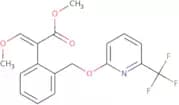
Picoxystrobin
CAS :Picoxystrobin is a strobilurin fungicide, which is derived from natural fungal compounds. This compound is synthesized to mimic the mode of action found in fungi of the Strobilurus species. Picoxystrobin acts by inhibiting mitochondrial respiration in fungal cells. Specifically, it disrupts the electron transport chain by competitively binding to the Qo site of cytochrome b, effectively halting ATP production and leading to cell death.
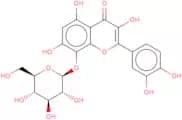
Formule :C18H16F3NO4Degré de pureté :Min. 95%Couleur et forme :PowderMasse moléculaire :367.32 g/molGossypin
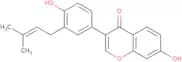
CAS :Gossypin is a flavonoid compound, which is a type of polyphenol found in various natural sources, such as plants. It is primarily isolated from the flowers of Hibiscus species. The mode of action of gossypin involves various biochemical pathways, including its role as a free-radical scavenger and modulator of several enzymes. It exhibits antioxidant, anti-inflammatory, and neuroprotective properties through interactions with cellular receptors and signaling pathways.Formule :C21H20O13Couleur et forme :Yellow PowderMasse moléculaire :480.38 g/mol3'-Prenyldaidzein
CAS :3'-Prenyldaidzein is a prenylated isoflavone, which is a naturally occurring compound typically derived from plants such as those found in the Fabaceae family. Prenylated isoflavones are characterized by the attachment of a prenyl group to the isoflavone structure, which often enhances their biological activity compared to their non-prenylated counterparts.
Formule :C20H18O4Degré de pureté :Min. 95%Couleur et forme :PowderMasse moléculaire :322.35 g/mol4'-Methoxyisoflavone
CAS :4'-Methoxyisoflavone is a synthetic isoflavone derivative, which is typically sourced from laboratory synthesis processes. Its mode of action is primarily believed to involve modulating signaling pathways associated with protein synthesis and muscle tissue enhancement. Chemically distinct from naturally occurring isoflavones found in plants like soy, 4'-Methoxyisoflavone has been the subject of scientific investigation due to its potential effects on muscle growth and athletic performance.Formule :C16H12O3Degré de pureté :Min. 95%Masse moléculaire :252.26 g/molKievitone
CAS :Please enquire for more information about Kievitone including the price, delivery time and more detailed product information at the technical inquiry form on this pageFormule :C20H19O6Degré de pureté :Min. 95%Masse moléculaire :355.36 g/molSativan
CAS :Sativan is a pharmaceutical product derived from cannabis, which is sourced from the Cannabis sativa plant. It exerts its effects primarily through modulation of the endocannabinoid system, interacting with cannabinoid receptors such as CB1 and CB2 located throughout the central and peripheral nervous systems. The resulting biochemical cascade influences neurotransmitter release, which can alter mood, perception, and various physiological processes.
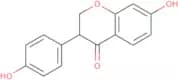
Formule :C17H18O4Degré de pureté :Min. 95%Couleur et forme :PowderMasse moléculaire :286.32 g/molDihydro daidzein
CAS :Dihydro daidzein is an isoflavonoid derivative, which is a naturally occurring compound primarily sourced from the metabolic biotransformation of daidzein, a soy isoflavone. This metabolite is generated through the fermentation process by intestinal microbiota, highlighting its origin from dietary sources, particularly soy products.Formule :C15H12O4Degré de pureté :Min. 95%Couleur et forme :PowderMasse moléculaire :256.25 g/molCampylosaurone
CAS :Campylosaurone is a synthetic antimicrobial compound, which is derived from chemical synthesis. Its mode of action involves the disruption of bacterial cell wall synthesis, ultimately leading to cell lysis and death. This compound exhibits broad-spectrum activity against a variety of gram-positive and gram-negative bacteria, making it versatile in combating resistant strains.Formule :C30H20O12Degré de pureté :Min. 95%Masse moléculaire :572.47 g/mol5,4'-Dimethoxyflavone
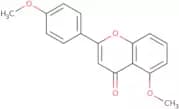
CAS :5,4'-Dimethoxyflavone is a synthetic flavone, which is derived from modifications to the natural flavonoid backbone found in various plant sources, particularly within the family of citrus fruits. This compound acts primarily by modulating multiple cellular pathways, including those involved in oxidative stress and signal transduction, thereby influencing apoptotic and cell proliferation processes.Formule :C17H14O4Degré de pureté :Min. 95%Couleur et forme :PowderMasse moléculaire :282.29 g/mol6-Methoxyflavonol
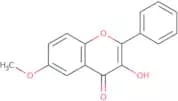
CAS :6-Methoxyflavonol is a flavonoid compound, which is a type of polyphenolic substance commonly found in various plants. It is derived from natural sources such as fruits, vegetables, and certain herbs. Flavonoids like 6-Methoxyflavonol are known for their diverse biological activities, largely attributed to their antioxidant properties. The compound acts as an antioxidant by neutralizing free radicals, which helps to protect cells from oxidative stress and potential damage.
Formule :C16H12O4Degré de pureté :Min. 95%Couleur et forme :Off-White PowderMasse moléculaire :268.26 g/mol3,2'-Dimethoxyflavone
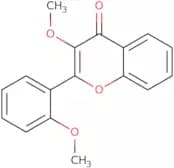
CAS :3,2'-Dimethoxyflavone is a specialized type of naturally occurring flavone, which is commonly derived from various plant sources such as leaves, stems, and roots. As a flavonoid compound, it is part of a larger class of polyphenolic substances known for their diverse biological activities. The mode of action of 3,2'-Dimethoxyflavone primarily involves its interaction with cellular oxidative pathways, where it exhibits potential antioxidant properties. Additionally, it may act as an enzyme inhibitor, possibly affecting pathways tied to signal transduction and metabolism.
Formule :C17H14O4Degré de pureté :Min. 95%Masse moléculaire :282.29 g/molCalopogoniumisoflavone A
CAS :Calopogoniumisoflavone A is a naturally occurring isoflavone compound, which is derived from the plant species Calopogonium, commonly found in tropical regions. This compound is primarily isolated from the leaves and roots of the plant, where it accumulates as a secondary metabolite. The mode of action of Calopogoniumisoflavone A involves the modulation of biological pathways influenced by its isoflavonoid structure, which can interact with cellular receptors, potentially exhibiting estrogenic or antioxidant properties.Formule :C21H18O4Degré de pureté :Min. 95%Masse moléculaire :334.37 g/mol3-Hydroxy-7,3',4',5'-tetramethoxyflavone
CAS :3-Hydroxy-7,3',4',5'-tetramethoxyflavone is a specific type of polymethoxylated flavonoid, which is a bioactive compound extracted primarily from the plant Oroxylum indicum. This compound falls into a broader class of flavonoids, which are polyphenolic compounds known for a variety of biological activities. The source, Oroxylum indicum, is a tree widely used in traditional medicine, particularly in Ayurveda, for its rich concentration of phytochemicals.Formule :C19H18O7Degré de pureté :Min. 95%Masse moléculaire :358.34 g/mol3,7,8,3'-Tetramethoxyflavone
CAS :3,7,8,3'-Tetramethoxyflavone is a naturally occurring flavonoid compound, which is derived from various plant sources, particularly those in the genus Kaempferia and others known for their rich phytochemical profiles. As a secondary metabolite, it has been studied for its potential pharmacological benefits and biological activities. The mode of action of 3,7,8,3'-Tetramethoxyflavone includes modulation of signaling pathways and interaction with specific enzymes and receptors, contributing to its anti-inflammatory, antioxidant, and potential anticancer properties. Researchers have explored its effects on cellular processes such as apoptosis and cell cycle regulation, making it a compound of interest in drug discovery and development. Additionally, 3,7,8,3'-Tetramethoxyflavone has been investigated for its role in neuroprotection and its capacity to interact with biochemical pathways involved in neurodegenerative diseases. This compound continues to be a focal point in studies aimed at understanding its contributions to health and disease prevention at the molecular level.
Formule :C19H18O6Degré de pureté :Min. 95%Couleur et forme :PowderMasse moléculaire :342.34 g/molDihydrokaempferol
CAS :Dihydrokaempferol is a flavonoid compound, which is predominantly sourced from a variety of plant species including fruits, vegetables, and certain herbs. It is a dihydroflavonol, a type of flavonoid that plays a significant role in plant coloration and protection against environmental stressors.Formule :C15H12O6Degré de pureté :Min. 95%Couleur et forme :PowderMasse moléculaire :288.25 g/molHerbacetin
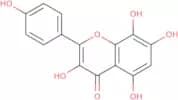
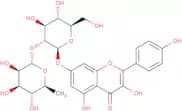
CAS :Herbacetin is a naturally occurring flavonoid, which is a type of polyphenolic compound extracted from plants, particularly from the leaves of the flax plant. It functions primarily by inhibiting the activity of various enzymes and signaling pathways that are involved in oxidative stress and inflammatory responses. The inhibition of these pathways can modulate cellular processes, making it a subject of interest in the study of disease mechanisms and potential treatments.Formule :C15H10O7Degré de pureté :Min. 95%Couleur et forme :Off-White PowderMasse moléculaire :302.24 g/molKaempferol 7-O-neohesperidoside
CAS :Kaempferol 7-O-neohesperidoside is a flavonoid glycoside, which is commonly derived from various plant sources, including fruits, vegetables, and certain herbs. This compound is part of the broader flavonoid family, known for their bioactive properties, and can be extracted using advanced chromatographic techniques.
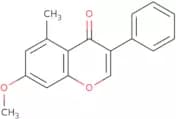
Formule :C27H30O15Degré de pureté :Min. 95 Area-%Couleur et forme :PowderMasse moléculaire :594.52 g/mol5-Methyl 7-methoxyisoflavone
CAS :5-Methyl 7-methoxyisoflavone is a synthetic isoflavone derivative, which is typically sourced in the laboratory through chemical synthesis processes involving the modification of plant-derived isoflavones. This compound is structurally similar to certain natural flavonoids but is characterized by the addition of the methyl and methoxy groups, which are not found in its natural counterparts.
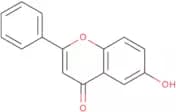
Formule :C17H14O3Degré de pureté :Min. 95%Couleur et forme :White PowderMasse moléculaire :266.29 g/mol6-Hydroxyflavone
CAS :6-Hydroxyflavone is a flavonoid compound, which is a type of secondary metabolite derived from plants. It is commonly found in various plant species and is known for its diverse array of biological activities. The mode of action of 6-Hydroxyflavone involves its interaction with various enzymatic systems and receptors, including modulation of signaling pathways and antioxidant activity. This compound acts primarily through the inhibition of enzymes such as phosphodiesterases and by exhibiting potential neuroprotective effects through GABAergic and serotonergic systems.
Formule :C15H10O3Degré de pureté :Min. 95%Couleur et forme :PowderMasse moléculaire :238.24 g/molPunctatin
CAS :Punctatin is a naturally occurring anthraquinone, which is primarily sourced from various plant species. This compound is characterized by its unique chemical structure, which contributes to its potent bioactivity. The mode of action of Punctatin involves the disruption of microbial cell wall synthesis and interference with essential enzymatic functions, rendering it effective against a wide range of microbial pathogens.Formule :C17H14O6Degré de pureté :Min. 95%Masse moléculaire :314.29 g/mol