Flavonoïdes
Les flavonoïdes sont un groupe de métabolites végétaux dotés de propriétés antioxydantes qui contribuent à la couleur des fruits et des fleurs. Ils jouent un rôle important dans la protection des plantes contre les rayons UV et les pathogènes. Les flavonoïdes sont étudiés pour leurs potentiels bienfaits pour la santé, notamment des propriétés anti-inflammatoires, antivirales et anticancéreuses. Ils font l'objet de nombreuses recherches dans les domaines de la pharmacologie, de la nutrition et de la biologie moléculaire.
Sous-catégories appartenant à la catégorie "Flavonoïdes"
- Anthocyanidines(46 produits)
- Anthocyanine(46 produits)
- Catéchine(88 produits)
- Chalcones(237 produits)
- Pterocarpans(28 produits)
2408 produits trouvés pour "Flavonoïdes"
Trier par
Degré de pureté (%)
0
100
|
0
|
50
|
90
|
95
|
100
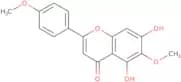
Scutellarein-6,4'-dimethyl ether
CAS :<p>Scutellarein-6,4'-dimethyl ether is a flavonoid derivative, which is a type of polyphenolic compound widely found in the plant kingdom. It is primarily sourced from various species within the genus Scutellaria, known for their rich flavonoid content. Scutellarein-6,4'-dimethyl ether demonstrates an affinity for interacting with key biological pathways, including exerting possible antioxidant activities by scavenging free radicals and modulating redox states, as well as potential anti-inflammatory effects through the regulation of inflammatory mediators.</p>Formule :C17H14O6Degré de pureté :Min. 95%Couleur et forme :PowderMasse moléculaire :314.29 g/molKaempferol-3-O-rhamnoside
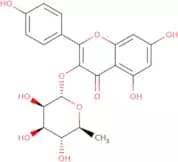
CAS :Kaempferol-3-O-rhamnoside is a naturally occurring flavonoid glycoside, which is derived from various plants, particularly those in the families Rosaceae and Brassicaceae. This compound is a significant bioactive component found in herbs, fruits, and vegetables. Its mode of action primarily involves the scavenging of free radicals, inhibition of oxidative stress, and modulation of various signaling pathways related to inflammation and apoptosis.Formule :C21H20O10Degré de pureté :Min. 95 Area-%Couleur et forme :Yellow PowderMasse moléculaire :432.38 g/molMucronulatol
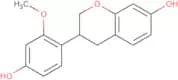
CAS :<p>Mucronulatol is a naturally occurring compound, which is derived from certain plant species known for their rich array of bioactive compounds. As a product of natural origin, mucronulatol is classified as a polyphenolic compound. Its biosynthesis in plants is a part of the complex secondary metabolism, playing roles in defense mechanisms against environmental stressors and pathogens. The mode of action of mucronulatol involves modulation of various biochemical pathways, which may include antioxidant activity, enzyme inhibition, or signaling pathway regulation. This capacity makes mucronulatol a subject of interest in pharmacological and therapeutic research.</p>Formule :C17H18O5Degré de pureté :Min. 95%Masse moléculaire :302.32 g/molApigenin-7-O-glucronide
CAS :Apigenin-7-O-glucronide is a flavonoid derivative, which is a bioactive compound found naturally in various plants, particularly in those used medicinally or as nutritional supplements. Its source includes a variety of plant species, where it exists as part of the plant's secondary metabolites, often contributing to the plant's defense mechanisms.Formule :C21H18O11Degré de pureté :Min. 98 Area-%Couleur et forme :PowderMasse moléculaire :446.36 g/molDihydrodaidzein-7,4'-dimethylether
CAS :<p>Dihydrodaidzein-7,4'-dimethylether is a synthetic compound that falls under the category of isoflavone derivatives. Isoflavones are naturally occurring compounds typically sourced from soybeans and other legumes. Their structural similarity to estrogen allows them to exert estrogenic or anti-estrogenic effects, depending on the context and biological system.</p>Formule :C17H16O4Degré de pureté :Min. 95%Couleur et forme :PowderMasse moléculaire :284.31 g/mol4',7-Dihydroxy-2-methoxyisoflavone
CAS :4',7-Dihydroxy-2-methoxyisoflavone is a naturally occurring isoflavone, which is a type of phytochemical compound typically found in the Leguminosae family of plants. These plants are well-known for their rich source of bioactive compounds. This specific isoflavone is primarily isolated from plants like red clover or soybeans, which are renowned for their beneficial bioactive constituents.Formule :C16H12O5Degré de pureté :Min. 95%Masse moléculaire :284.26 g/mol7,2'-Dimethoxy-4'-hydroxyisoflavone
CAS :<p>7,2'-Dimethoxy-4'-hydroxyisoflavone is a naturally occurring isoflavone, which is a type of phytochemical commonly found in various plants. Isoflavones are known for their structural similarity to estrogens and their presence in legumes like soy. The source of 7,2'-Dimethoxy-4'-hydroxyisoflavone is primarily plant-based, particularly from species known for high isoflavone content.</p>Formule :C17H14O5Degré de pureté :Min. 95%Masse moléculaire :298.29 g/mol2'-Hydroxyflavonol
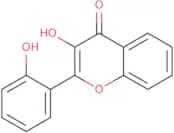
CAS :<p>2'-Hydroxyflavonol is a flavonoid derivative, which is a polyphenolic compound commonly found in plants. This compound is derived from natural sources, particularly various fruits, vegetables, and roots. Its mode of action is primarily through its role as an antioxidant, where it scavenges free radicals, thereby reducing oxidative stress. Furthermore, it can modulate multiple signaling pathways, contributing to its various bioactivities.</p>Formule :C15H10O4Degré de pureté :Min. 95%Masse moléculaire :254.24 g/mol3',4',5,6,7,8-Hexamethoxyflavone
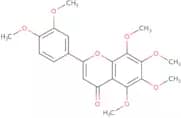
CAS :3',4',5,6,7,8-Hexamethoxyflavone is a polymethoxylated flavone, which is a type of specialized chemical compound known as a flavonoid. It naturally occurs in certain plants, particularly those within the citrus family, serving as a secondary metabolite. Polymethoxylated flavones like this one are of interest due to their potential interaction with various biological pathways.Formule :C21H22O8Degré de pureté :Min. 98 Area-%Couleur et forme :PowderMasse moléculaire :402.39 g/mol8-Hydroxy-7-methoxyflavone
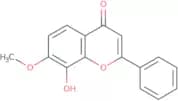
CAS :8-Hydroxy-7-methoxyflavone is a naturally occurring flavonoid compound, which is isolated from various plant sources known for their bioactive properties. Flavonoids are a diverse group of phytonutrients found in many fruits, vegetables, and other plants, and are well-studied for their roles in plant pigmentation and health benefits.Formule :C16H12O4Degré de pureté :Min. 95%Couleur et forme :White PowderMasse moléculaire :268.26 g/mol3-Hydroxyflavone
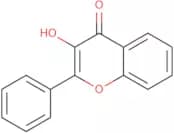
CAS :3-Hydroxyflavone is a naturally derived flavonoid compound found in various plants. As a member of the flavonoid family, it is synthesized through the phenylpropanoid pathway, starting from phenylalanine or tyrosine in plants. Its unique structure allows it to interact with a range of biological targets through its antioxidant, anti-inflammatory, and enzyme modulation properties. The mode of action primarily involves the scavenging of free radicals and reactive oxygen species, as well as the inhibition of specific enzymes such as cyclooxygenases and lipoxygenases. These actions contribute to its protective effects against oxidative stress and inflammation.Formule :C15H10O3Degré de pureté :Min. 95%Couleur et forme :PowderMasse moléculaire :238.24 g/mol7,8-Methylenedioxy-4'-methoxyisoflavone
CAS :7,8-Methylenedioxy-4'-methoxyisoflavone is a synthetic isoflavone, which is a type of organic compound typically derived from plant sources, known for their diverse biological activities. This compound is structurally characterized by a methoxy group and a methylenedioxy bridge, contributing to its unique chemical behavior. Although synthetic, its structure is inspired by naturally occurring isoflavones found in plants such as soy.Formule :C17H12O5Degré de pureté :Min. 95%Masse moléculaire :296.27 g/mol3,4'-Dihydroxy-7-methoxyflavone
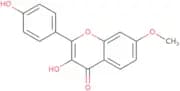
CAS :<p>3,4'-Dihydroxy-7-methoxyflavone is a specialized flavonoid compound, which is naturally occurring in certain plant species. As a type of flavonoid, it is part of a larger group of polyphenolic compounds widely found in fruits, vegetables, and other plant-derived foods. These compounds are well-known for their potential health benefits, primarily due to their antioxidant and anti-inflammatory properties. The mode of action of 3,4'-Dihydroxy-7-methoxyflavone involves scavenging free radicals and modulating various signaling pathways that influence inflammation and oxidative stress at the cellular level.</p>Formule :C16H12O5Degré de pureté :Min. 95%Masse moléculaire :284.26 g/mol7,2'-Dibenzyloxy-3',4'-dimethoxyisoflavone
CAS :7,2'-Dibenzyloxy-3',4'-dimethoxyisoflavone is a synthetic isoflavone derivative, which is primarily synthesized from organic intermediates using specialized chemical procedures. This compound belongs to the isoflavone class, a group of compounds often studied for their potential bioactive properties. The mode of action of 7,2'-Dibenzyloxy-3',4'-dimethoxyisoflavone involves interactions with cellular signaling pathways, which could influence various biological activities, such as enzyme inhibition or receptor binding.Formule :C31H26O6Degré de pureté :Min. 95%Masse moléculaire :494.53 g/mol5,7,2'-Trimethoxyflavone
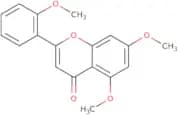
CAS :5,7,2'-Trimethoxyflavone is a synthetic flavonoid compound, which is typically sourced from the chemical modification of natural flavonoids. Derived from various plant sources, flavonoids are known for their diverse biological activities. The mode of action of 5,7,2'-Trimethoxyflavone involves the modulation of various cellular pathways, potentially impacting enzyme activity, signal transduction, and gene expression.Formule :C18H16O5Degré de pureté :Min. 95%Masse moléculaire :312.32 g/mol7-Methoxyflavonol
CAS :7-Methoxyflavonol is a naturally-occurring flavonoid with intriguing biochemical properties, identified primarily in various plant species. This compound is derived from natural sources such as herbs and fruits, where it contributes to the plant's defense mechanisms. The mode of action of 7-Methoxyflavonol involves modulation of enzymatic activities and interaction with cellular signaling pathways, exhibiting potential antioxidant and anti-inflammatory effects.Formule :C16H12O4Degré de pureté :Min. 95%Masse moléculaire :268.26 g/mol4'-O-Methyl quercetin
CAS :4'-O-Methyl quercetin is a naturally occurring flavonoid, which is a derivative of quercetin. It is primarily sourced from various plants where it functions as part of the plant’s defense mechanism. This compound exhibits its mode of action by influencing cellular pathways, particularly those involved in oxidative stress and inflammation. It achieves this by modulating signaling pathways and interacting with cellular receptors, thereby exerting antioxidant and anti-inflammatory effects.Formule :C16H12O7Degré de pureté :Min. 95%Couleur et forme :Yellow SolidMasse moléculaire :316.26 g/mol4',7-Dimethoxyisoflavone
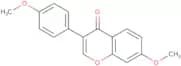
CAS :4',7-Dimethoxyisoflavone is a synthetic isoflavone, which is structurally related to compounds naturally found in certain plants, particularly legumes. This compound is engineered to mimic the bioactive properties of naturally occurring isoflavones, which have been studied for their potential health benefits. The mode of action of 4',7-Dimethoxyisoflavone involves modulating signaling pathways that are related to cellular growth and hormonal activity. It may influence pathways such as estrogen receptor signaling, although it possesses distinct properties compared to phytoestrogens found in soy products.Formule :C17H14O4Degré de pureté :Min. 95%Couleur et forme :PowderMasse moléculaire :282.29 g/molCalycosin
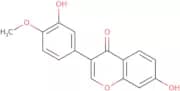
CAS :Calycosin is a naturally occurring isoflavone, which is a class of organic compounds. It is derived primarily from the root of Astragalus membranaceus, a plant widely used in traditional Chinese medicine. As a prominent phytoestrogen, Calycosin exhibits a mode of action that includes binding to estrogen receptors, thereby influencing various estrogen-mediated biological processes.Formule :C16H12O5Degré de pureté :Min. 95%Couleur et forme :White PowderMasse moléculaire :284.26 g/mol3,2',4',5',6-Pentahydroxyflavone
CAS :3,2',4',5',6-Pentahydroxyflavone is a flavonoid compound, often studied for its intricate chemical properties. It is derived from various plant sources, where it occurs naturally as a secondary metabolite. As a flavonoid, it is notable for its polyphenolic structure, contributing to its role as an antioxidant. The mode of action involves neutralizing free radicals and chelating metal ions, thereby reducing oxidative stress within biological systems.Formule :C15H10O7Degré de pureté :Min. 95%Couleur et forme :PowderMasse moléculaire :302.24 g/mol