Flavonoïdes
Les flavonoïdes sont un groupe de métabolites végétaux dotés de propriétés antioxydantes qui contribuent à la couleur des fruits et des fleurs. Ils jouent un rôle important dans la protection des plantes contre les rayons UV et les pathogènes. Les flavonoïdes sont étudiés pour leurs potentiels bienfaits pour la santé, notamment des propriétés anti-inflammatoires, antivirales et anticancéreuses. Ils font l'objet de nombreuses recherches dans les domaines de la pharmacologie, de la nutrition et de la biologie moléculaire.
Sous-catégories appartenant à la catégorie "Flavonoïdes"
- Anthocyanidines(46 produits)
- Anthocyanine(46 produits)
- Catéchine(88 produits)
- Chalcones(237 produits)
- Pterocarpans(28 produits)
2408 produits trouvés pour "Flavonoïdes"
Trier par
Degré de pureté (%)
0
100
|
0
|
50
|
90
|
95
|
100
5,6-Dihydroxy-7-methoxyflavone
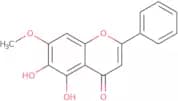
CAS :<p>5,6-Dihydroxy-7-methoxyflavone is a naturally occurring flavonoid compound, which is predominantly sourced from various plants, often found in the leaves, stems, or roots. This compound belongs to the broader class of flavonoids, which are known for their diverse biochemical activities. As a flavone derivative, its structure includes hydroxyl and methoxy functional groups that contribute to its biological activity.</p>Formule :C16H12O5Degré de pureté :Min. 95%Couleur et forme :Yellow PowderMasse moléculaire :284.26 g/molTilianin
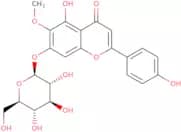
CAS :Tilianin is a flavonoid glycoside, which is a natural compound derived from the plant **Dracocephalum moldavica**. It is primarily sourced from the leaves and flowers of this herbaceous plant, belonging to the Lamiaceae family. Tilianin exerts its effects through several biochemical pathways, most notably by inhibiting inflammatory mediators and modulating oxidative stress pathways. This mode of action suggests its potential as an anti-inflammatory and antioxidant agent.Formule :C22H22O10Degré de pureté :Min. 98 Area-%Couleur et forme :White Off-White PowderMasse moléculaire :446.4 g/molKaempferol-3-rutinoside
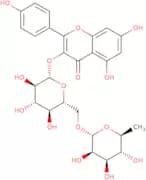
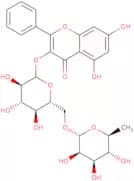
CAS :<p>Kaempferol-3-rutinoside is a naturally occurring flavonoid glycoside, which is derived from various plant sources such as tea, fruits, and vegetables. It is a complex compound where the flavonoid kaempferol is conjugated to a disaccharide, rutinoside. The mode of action involves its ability to scavenge free radicals due to its antioxidant properties, as well as inhibit specific enzymes and pathways associated with inflammation, thus providing both antioxidant and anti-inflammatory benefits.</p>Formule :C27H30O15Degré de pureté :Min. 95%Couleur et forme :PowderMasse moléculaire :594.52 g/molKakkatin
CAS :<p>Kakkatin is a natural antimicrobial agent, which is derived from specific plant extracts known for their inherent bioactive properties. It functions by disrupting the cellular membranes of pathogenic microorganisms, leading to their subsequent inactivation. This mode of action is attributed to its unique phytochemical constituents, which interact with microbial cell structures to inhibit growth and proliferation.</p>Formule :C16H12O5Degré de pureté :Min. 95%Masse moléculaire :284.26 g/molGenkwanin-4'-glucoside
CAS :<p>Genkwanin-4'-glucoside is a flavonoid glycoside, which is a natural compound derived from various plant sources, including members of the Thymelaeaceae family such as Daphne and Wikstroemia species. This compound is characterized by the attachment of a glucose molecule to the aglycone genkwanin, enhancing its solubility and bioavailability.</p>Formule :C22H22O10Degré de pureté :Min. 95%Masse moléculaire :446.4 g/molDihydrowogonin
CAS :<p>Dihydrowogonin is a flavonoid compound, predominantly sourced from plants such as Scutellaria baicalensis. It is a derivative of wogonin, exhibiting significant pharmacological properties. As a bioactive compound, dihydrowogonin interacts with various molecular targets, modulating intracellular signaling pathways, thereby exerting anti-inflammatory and neuroprotective effects.</p>Formule :C16H14O5Degré de pureté :Min. 95%Masse moléculaire :286.28 g/mol7-Hydroxyflavone
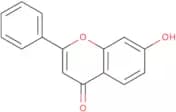
CAS :<p>7-Hydroxyflavone is a naturally occurring flavonoid, which is a type of polyphenolic compound derived primarily from various plant sources. As a natural antioxidant, its mode of action involves the scavenging of free radicals, thus providing potential protective effects against oxidative stress. This compound also influences multiple cellular signaling pathways and can modulate the activity of certain enzymes.</p>Formule :C15H10O3Degré de pureté :Min. 95%Couleur et forme :PowderMasse moléculaire :238.24 g/molMyricetin
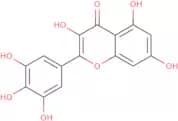
CAS :<p>Myricetin is a naturally occurring flavonoid, which is primarily sourced from various fruits, vegetables, teas, and medicinal plants. It is found abundantly in the bark of the Myrica species, as well as in grapes, onions, and berries. Myricetin functions as an antioxidant by scavenging free radicals, thus mitigating oxidative stress. It also exerts anti-inflammatory effects through modulation of signaling pathways, including the inhibition of nuclear factor-κB (NF-κB) and downregulation of pro-inflammatory cytokines.</p>Formule :C15H10O8Degré de pureté :Min. 95%Couleur et forme :Yellow Green PowderMasse moléculaire :318.24 g/mol2',4'-Dimethoxy-6-methylflavanol
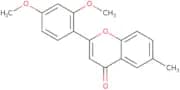
CAS :2',4'-Dimethoxy-6-methylflavanol is a specialized flavonoid compound, which is a type of secondary metabolite primarily found in various plants. These compounds are often extracted from plants recognized for their rich phytochemical profiles, such as those in the Fabaceae or Rutaceae families. Flavonoids, including 2',4'-Dimethoxy-6-methylflavanol, are known for their diverse biological activities, including antioxidant, anti-inflammatory, and potential anti-cancer properties.Formule :C18H16O4Degré de pureté :Min. 95%Masse moléculaire :296.32 g/molGenistein-5,4'-dimethyl ether
CAS :<p>Genistein-5,4'-dimethyl ether is a methylated isoflavone, which is a naturally occurring compound primarily extracted from various plant sources, particularly legumes. This bioactive compound is a derivative of the well-known isoflavone genistein, with methyl groups added at specific positions on the aromatic ring structure, altering its chemical properties and biological activity.</p>Formule :C17H14O5Degré de pureté :Min. 95%Masse moléculaire :298.29 g/mol3,5,4'-Trihydroxy-7-methoxyflavone
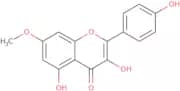
CAS :3,5,4'-Trihydroxy-7-methoxyflavone is a naturally occurring flavonoid compound, which is a type of polyphenolic compound found in various plants. This flavonoid is often isolated from plant sources and is of significant interest due to its potential biochemical and therapeutic properties.Formule :C16H12O6Degré de pureté :Min. 98 Area-%Couleur et forme :PowderMasse moléculaire :300.26 g/molGalangin-3-rutinoside
CAS :<p>Galangin-3-rutinoside is a flavonoid glycoside, which is derived from natural plant sources such as members of the Zingiberaceae family, often found in various medicinal herbs. The mode of action of Galangin-3-rutinoside involves its ability to scavenge free radicals and inhibit oxidative stress, while also modulating inflammatory pathways by downregulating pro-inflammatory cytokines and enzymes.</p>Formule :C27H30O14Degré de pureté :Min. 95%Couleur et forme :PowderMasse moléculaire :578.52 g/mol5,7-Dimethoxy-4'-hydroxyflavanone
CAS :<p>5,7-Dimethoxy-4'-hydroxyflavanone is a synthetic flavonoid compound, which is derived from the structural modification of naturally occurring flavonoids found in plants. Alterations in its chemical structure provide enhanced properties for various scientific applications. The mode of action of this compound primarily involves its ability to act as a potent antioxidant. By scavenging free radicals, it protects biological systems from oxidative stress, thereby playing a pivotal role in cellular protection and homeostasis.</p>Formule :C17H16O5Degré de pureté :Min. 95%Couleur et forme :PowderMasse moléculaire :300.31 g/molDaidzin
CAS :<p>Daidzin is an isoflavone compound, which is a naturally occurring chemical extracted from the root of the plant Pueraria lobata, commonly known as kudzu. Its primary mode of action involves the inhibition of the enzyme aldehyde dehydrogenase (ALDH). This enzyme plays a significant role in the metabolism of alcohol, as it converts acetaldehyde, a toxic intermediate, into acetic acid, which is less harmful to the body.</p>Formule :C21H20O9Degré de pureté :Min. 95%Couleur et forme :White Off-White PowderMasse moléculaire :416.38 g/mol3-Hydroxy-7,8,2'-trimethoxyflavone
CAS :3-Hydroxy-7,8,2'-trimethoxyflavone is a specialized flavone compound, which is a naturally occurring polyphenolic product found in certain plants. It is derived from various botanical sources, where it functions as a secondary metabolite, contributing to the plant's defense mechanisms against pathogens and environmental stress.Formule :C18H16O6Degré de pureté :Min. 95%Masse moléculaire :328.32 g/mol3-Hydroxy-6,2',4',5'-tetramethoxyflavone
CAS :3-Hydroxy-6,2',4',5'-tetramethoxyflavone is a naturally occurring flavone, which is a type of polyphenolic compound predominantly found in certain plants. This compound belongs to the broader class of flavonoids, often isolated from plant sources like tropical herbs and medicinal plants renowned for their rich bioactive profiles.Formule :C19H18O7Degré de pureté :Min. 95%Masse moléculaire :358.34 g/mol7,8-Dibenzyloxy-4'-methoxyisoflavone
CAS :<p>7,8-Dibenzyloxy-4'-methoxyisoflavone is a synthetic isoflavone derivative, which is a type of organic compound often studied for its potential pharmacological properties. Isoflavones are primarily sourced from certain leguminous plants, where they are naturally occurring phytoestrogens and have been associated with various biological activities.</p>Formule :C30H24O5Degré de pureté :Min. 95%Masse moléculaire :464.51 g/molAlpinumisoflavone dimethyl ether
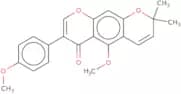
CAS :<p>Alpinumisoflavone dimethyl ether is a naturally occurring isoflavonoid, which is a type of phytochemical compound. It is derived from the plant family Leguminosae, particularly found in some species of the genus Millettia. This compound acts primarily through the modulation of cellular pathways associated with inflammation and cell proliferation, often involving the inhibition of specific kinases and signaling molecules that are active in both cancerous and inflammatory processes.</p>Formule :C22H20O5Degré de pureté :Min. 95%Masse moléculaire :364.39 g/molQuercetin-3-O-sophoroside
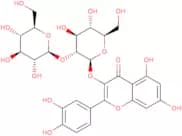
CAS :<p>Quercetin-3-O-sophoroside is a flavonoid glycoside, which is a naturally occurring compound found in various plant sources, such as fruits, vegetables, and herbs. This compound is formed by the binding of the flavonoid quercetin with the disaccharide sophorose. The molecular structure of this compound enables it to exert potent antioxidant effects, scavenging free radicals and reducing oxidative stress at a cellular level.</p>Formule :C27H30O17Degré de pureté :Min. 95%Couleur et forme :PowderMasse moléculaire :626.52 g/mol4',7-Dihydroxyflavone
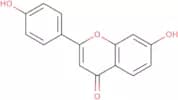
CAS :<p>4',7-Dihydroxyflavone is a flavonoid compound, which is naturally found in various plants. This compound is sourced predominantly from the plant kingdom, particularly in leaves and flowers, where it plays a crucial role in plant defense mechanisms. The mode of action of 4',7-dihydroxyflavone involves modulation of various signaling pathways, most notably its interaction with the tropomyosin receptor kinase B (TrkB), which is known for its involvement in neuronal survival and synaptic plasticity.</p>Formule :C15H10O4Degré de pureté :Min. 95%Couleur et forme :Yellow PowderMasse moléculaire :254.24 g/molLuteolin-7-O-D-glucopyranoside
CAS :Luteolin-7-O-D-glucopyranoside is a flavonoid glycoside, which is a type of naturally occurring compound found predominantly in plants. It serves as a significant bioactive compound and is usually sourced from various plant species, including leaves, flowers, and fruits. The mode of action of Luteolin-7-O-D-glucopyranoside primarily involves its ability to scavenge free radicals, thereby exhibiting strong antioxidant properties. This glycoside form enhances the solubility and stability of luteolin, facilitating its biological activities.Formule :C21H20O11Degré de pureté :Min. 98 Area-%Couleur et forme :Yellow PowderMasse moléculaire :448.38 g/mol5',3'''-Dihydroxyrobustaflavone
CAS :5',3'''-Dihydroxyrobustaflavone is a naturally occurring biflavonoid, which is a type of polyphenolic compound known for its diverse biological activities. It is derived from various plant sources, often found in species belonging to the Moraceae family, among others. The compound's chemical structure comprises multiple flavonoid units linked together, contributing to its unique properties.Formule :C30H18O12Degré de pureté :Min. 95%Masse moléculaire :570.46 g/mol3'-Methoxy-5,7,4'-trihydroxyflavanone
CAS :<p>3'-Methoxy-5,7,4'-trihydroxyflavanone is a flavanone compound, which is a type of flavonoid commonly found in various plants. Flavanones are known for their diverse biological activities and are part of the polyphenol family. This particular compound is often sourced from natural plant extracts, such as those of fruits and herbs, which are rich in flavonoids.</p>Formule :C16H14O6Degré de pureté :Min. 97 Area-%Couleur et forme :PowderMasse moléculaire :302.28 g/mol7-O-Prenyloxyflavanone
CAS :<p>7-O-Prenyloxyflavanone is a bioactive compound, specifically a flavanone, which is isolated from various plant sources known for their rich flavonoid content. The compound is characterized by the attachment of a prenyl group at the 7-O position of the flavanone structure, which imparts unique biological activities.</p>Formule :C20H20O3Degré de pureté :Min. 95%Masse moléculaire :308.37 g/molHomoplantaginin
CAS :Homoplantaginin is a flavonoid glycoside, which is a bioactive compound primarily derived from certain plant species. As a naturally occurring flavonoid, it is sourced from plant material where it plays a significant role in the plant's metabolic and defensive systems. The mode of action of Homoplantaginin involves interacting with cellular pathways, often influencing processes such as anti-inflammatory responses, antioxidant activity, and modulation of enzyme activities.Formule :C22H22O11Degré de pureté :Min. 95%Couleur et forme :PowderMasse moléculaire :462.4 g/molKaempferol-3-glucoside(6”-O-acetate)-7-glucoside
CAS :<p>Kaempferol-3-glucoside(6”-O-acetate)-7-glucoside is a flavonoid glycoside, which is a naturally occurring compound found in various plants and foods. This compound originates from plant sources, notably in fruits, vegetables, and certain traditional medicines, where it is biosynthesized as a secondary metabolite.</p>Formule :C29H32O17Degré de pureté :Min. 95%Masse moléculaire :652.55 g/mol3-Hydroxy-6,3'-dimethoxyflavone
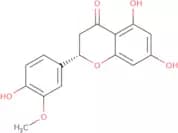
CAS :3-Hydroxy-6,3'-dimethoxyflavone is a naturally occurring flavone, which is a type of polyphenolic compound found in various plants. As a product of plant secondary metabolism, this flavone is often sourced from medicinal herbs and fruits, where it contributes to the plant's defense mechanisms.Formule :C17H14O5Degré de pureté :Min. 95%Masse moléculaire :298.29 g/mol4'-Hydroxy-3'-methoxyflavanone
CAS :<p>4'-Hydroxy-3'-Methoxyflavanone is a flavanone, which is a type of polyphenolic compound. It is extracted from various plant sources, particularly those belonging to the citrus family. The compound displays a characteristic structural arrangement that includes an aromatic ring with hydroxy and methoxy substituents, imparting unique bioactive properties.</p>Formule :C16H14O4Degré de pureté :Min. 95%Masse moléculaire :270.28 g/molCochliophilin A
CAS :Cochliophilin A is a specialized secondary metabolite, which is isolated from certain fungal species, notably of the genus *Cochliobolus*. This compound is known for its role as a self-germination and tropic factor, meaning it can influence both the germination and directional growth of fungal spores. The mechanism of action involves its binding to specific receptors on the spore surface, triggering intracellular pathways that promote germination under suitable environmental conditions. Furthermore, it can induce directed growth responses, facilitating interactions between fungi and host organisms in nature.Formule :C16H10O5Degré de pureté :Min. 95%Couleur et forme :PowderMasse moléculaire :282.25 g/molBiochanin A-7-methyl ether
CAS :<p>Biochanin A-7-methyl ether is a naturally occurring isoflavone, which is derived from plant sources such as the Fabaceae family. It is a methylated derivative of the isoflavone biochanin A. The compound is predominantly obtained through extraction and purification processes from specific plant materials known to contain isoflavones.</p>Formule :C17H14O5Degré de pureté :Min. 98 Area-%Couleur et forme :PowderMasse moléculaire :298.29 g/molSyringetin
CAS :<p>Syringetin is a flavonoid compound, which is derived from natural sources such as grapes and other plants. This compound belongs to the class of polyphenolic compounds known as flavonols, which are secondary metabolites found abundantly in nature. Syringetin exhibits its mode of action primarily through its strong antioxidant properties, which allow it to neutralize free radicals and reduce oxidative stress in biological systems. This activity can contribute to the protection of cells and biomolecules from oxidative damage, a process implicated in aging and various diseases.</p>Formule :C17H14O8Degré de pureté :Min. 95%Couleur et forme :PowderMasse moléculaire :346.29 g/mol3,7,8,2',4'-Pentahydroxyflavone
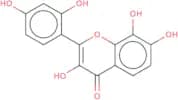
3,7,8,2',4'-Pentahydroxyflavone is a flavonoid compound, which is a type of polyphenolic secondary metabolite found in various plants. This compound is typically isolated from natural sources, including vegetables, fruits, and certain herbs. Its chemical structure, characterized by multiple hydroxyl groups, contributes to its potent antioxidant activity, allowing it to scavenge free radicals effectively.Formule :C15H10O7Degré de pureté :90%Couleur et forme :PowderMasse moléculaire :302.24 g/mol6-Methylflavone
CAS :<p>6-Methylflavone is a synthetic flavonoid, which is derived from the structural modification of natural flavonoids commonly found in various plants. This compound has garnered interest due to its pharmacological potential, particularly as a modulator of the central nervous system. The mode of action of 6-Methylflavone involves its interaction with the GABA_A receptors, where it is believed to function as a positive allosteric modulator. This interaction enhances the inhibitory effects of GABA, a primary neurotransmitter in the brain, thereby potentially exerting anxiolytic (anxiety-reducing) effects.</p>Formule :C16H12O2Degré de pureté :Min. 95%Couleur et forme :PowderMasse moléculaire :236.27 g/mol2'-Hydroxyflavone
CAS :<p>2'-Hydroxyflavone is a flavonoid compound that is naturally derived from various plant sources and is commonly found in certain fruits, vegetables, and herbs. Its structure is characterized by the presence of a hydroxyl group at the 2' position, which significantly influences its biological activity.</p>Formule :C15H10O3Couleur et forme :PowderMasse moléculaire :238.24 g/mol2',3'-Dimethoxyflavone
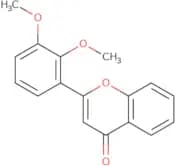
CAS :2',3'-Dimethoxyflavone is a synthetic flavone derivative, which is naturally sourced from plants, particularly those containing flavonoid compounds. Its mode of action involves modulating various biochemical pathways, including enzyme inhibition and interaction with cellular receptors. This modulation can alter cell signaling, affecting processes such as inflammation and cancer cell proliferation.Formule :C17H14O4Degré de pureté :Min. 95%Couleur et forme :PowderMasse moléculaire :282.29 g/molFlavanone
CAS :<p>Flavanone is a type of flavonoid, which is a class of plant secondary metabolites. This compound is primarily found in citrus fruits such as oranges, lemons, and grapefruits. As a natural polyphenolic antioxidant, flavanone exhibits its mode of action by scavenging free radicals, thereby reducing oxidative stress within biological systems. This activity is crucial in modulating signaling pathways and enhancing the cellular antioxidant capacity.</p>Formule :C15H12O2Degré de pureté :Min. 95%Couleur et forme :PowderMasse moléculaire :224.25 g/mol5,6,7,2'-Tetramethoxyflavone
CAS :<p>5,6,7,2'-Tetramethoxyflavone is a naturally occurring flavonoid, which is a type of polyphenolic compound. It is predominantly sourced from various plant species known for their medicinal properties. Flavonoids are typically derived from the intricate biochemical pathways in plants, where they contribute to the plant's defense mechanisms against environmental stressors.</p>Formule :C19H18O6Degré de pureté :Min. 95%Masse moléculaire :342.34 g/molLupinalbin A
CAS :<p>Lupinalbin A is a natural compound, which is a type of phenolic compound, sourced from white lupin (Lupinus albus) seeds. This compound exhibits significant biological activity primarily through its ability to modulate cellular signaling pathways. Its mode of action includes the inhibition of specific kinases and transcription factors, which are crucial in the progression of inflammatory and cancerous processes.</p>Formule :C15H8O6Degré de pureté :Min. 95%Couleur et forme :PowderMasse moléculaire :284.22 g/molFujikinetin
CAS :<p>Isoflavone from processed leaves and stems of Cyclopia intermedia</p>Formule :C17H12O6Degré de pureté :Min. 95%Couleur et forme :PowderMasse moléculaire :312.27 g/mol6,7-Dihydroxyflavone
CAS :<p>6,7-Dihydroxyflavone is a small molecule flavonoid compound, which is a synthetic product derived to mimic naturally occurring substances. This compound is primarily sourced from the metabolic pathways involved in the biosynthesis of flavonoids, which are naturally found in plants. The mode of action of 6,7-Dihydroxyflavone involves the selective activation of the TrkB receptor, mimicking the action of the brain-derived neurotrophic factor (BDNF). This receptor plays a crucial role in neuronal survival, differentiation, and synaptic plasticity.</p>Formule :C15H10O4Degré de pureté :Min. 95 Area-%Couleur et forme :Yellow PowderMasse moléculaire :254.24 g/molFlavanone azine
CAS :<p>Flavanone azine is a synthetic compound derived from flavonoid sources, specifically engineered through the structural manipulation of flavanone molecules. Flavonoids are naturally occurring compounds found in plants known for their diverse biological activities. The synthetic derivation allows for enhanced stability and bioavailability compared to natural counterparts.</p>Formule :C30H24N2O2Degré de pureté :Min. 95%Masse moléculaire :444.52 g/molbeta-Naphthoflavone
CAS :<p>Beta-Naphthoflavone is a synthetic polycyclic aromatic compound, which is a laboratory-created substance designed to mimic naturally occurring compounds. It is a model compound widely used in scientific research due to its ability to induce specific enzyme pathways. Beta-Naphthoflavone primarily affects the aryl hydrocarbon receptor (AhR) pathway. Upon binding to this receptor, it modulates the expression of genes involved in xenobiotic metabolism, particularly influencing the cytochrome P450 enzymes. These enzymes play a crucial role in the metabolism of various xenobiotics and endogenous compounds.</p>Formule :C19H12O2Degré de pureté :Min. 95%Couleur et forme :White PowderMasse moléculaire :272.3 g/molNaringenin trimethyl ether
CAS :<p>Naringenin trimethyl ether is a flavonoid compound, which is typically derived from citrus fruits and other plant sources. This compound is part of the larger class of polyphenolic compounds known as flavonoids, which are prominent for their presence in various plant species, contributing to a variety of physiological activities.</p>Formule :C18H18O5Degré de pureté :Min. 95%Couleur et forme :PowderMasse moléculaire :314.33 g/mol3',4',7,8-Tetrahydroxyflavone
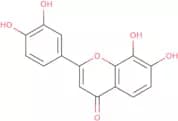
CAS :<p>3',4',7,8-Tetrahydroxyflavone is a polyhydroxyflavone compound, which is a type of flavonoid systematically derived from plant sources known for their rich polyphenolic content. It is characterized primarily by the presence of multiple hydroxyl groups that contribute to its significant biochemical activity. This compound exhibits its mode of action through the modulation of various biochemical pathways, primarily through its antioxidant properties that enable it to scavenge free radicals, thus reducing oxidative stress within biological systems.</p>Formule :C15H10O6Degré de pureté :Min. 95%Couleur et forme :Off-White Yellow PowderMasse moléculaire :286.24 g/molPyraclostrobin
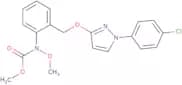
CAS :<p>Pyraclostrobin is a fungicide, which is a synthetic compound derived from the strobilurin class of fungicidal chemistry. It is characterized as a product of chemical synthesis designed to inhibit fungal growth through its unique mode of action. Pyraclostrobin functions by disrupting mitochondrial respiration in the targeted fungi, specifically inhibiting electron transfer at the cytochrome bc1 complex. This interference halts ATP production, ultimately leading to the death of the fungal cells.</p>Formule :C19H18ClN3O4Degré de pureté :Min. 95%Couleur et forme :PowderMasse moléculaire :387.82 g/molRotenone
CAS :<p>Rotenone is a naturally occurring insecticide and piscicide, which is derived from the roots of several tropical and subtropical plant species, primarily from the Leguminosae family. Its primary source includes plants such as *Derris* and *Lonchocarpus*. Rotenone works by inhibiting cellular respiration. Specifically, it interferes with the mitochondrial electron transport chain by binding to complex I, blocking the production of ATP and ultimately leading to cell death.</p>Formule :C23H22O6Degré de pureté :Min. 98 Area-%Couleur et forme :Beige PowderMasse moléculaire :394.42 g/molTheaflavin-3-O-gallate
CAS :<p>Theaflavin-3-O-gallate is a polyphenolic compound, which is derived from the oxidation of specific catechins found predominantly in black tea (Camellia sinensis). This compound is a significant member of the theaflavins, which are formed during the fermentation process of tea leaves. The bioactivity of Theaflavin-3-O-gallate is attributed to its ability to interact with and modulate various biological pathways, mainly through its antioxidant properties and its role in modulating cellular oxidative stress responses.</p>Formule :C36H28O16Degré de pureté :Min. 95%Couleur et forme :Red PowderMasse moléculaire :716.6 g/molFlavone
CAS :<p>Flavone is a type of flavonoid, which is a naturally occurring compound found in various plant sources. As a subgroup of polyphenolic compounds, flavones are primarily derived from the leaves, stems, and seeds of plants like parsley, thyme, and celery. The mode of action of flavones involves their ability to act as antioxidant agents, scavenging free radicals and reducing oxidative stress in biological systems. This mechanism plays a crucial role in protecting cells from damage and maintaining cellular integrity.</p>Formule :C15H10O2Degré de pureté :Min. 98 Area-%Couleur et forme :PowderMasse moléculaire :222.24 g/molHegoflavon B
CAS :<p>Please enquire for more information about Hegoflavon B including the price, delivery time and more detailed product information at the technical inquiry form on this page</p>Formule :C30H20O12Degré de pureté :Min. 95%Masse moléculaire :572.47 g/molAmpelopsin-3'-O-glucoside
CAS :<p>Ampelopsin-3'-O-glucoside is a flavonoid glycoside, which is a compound derived from various plant sources, including members of the Vitaceae family. This compound is characterized by the attachment of a glucose molecule to the flavonoid ampelopsin, altering its solubility and bioavailability properties. Its mode of action is primarily through its antioxidant activity, involving the scavenging of free radicals and inhibition of oxidative stress pathways. These properties are of significant interest due to their potential in modulating the oxidative status in biological systems.</p>Formule :C21H22O13Degré de pureté :Min. 95%Couleur et forme :PowderMasse moléculaire :482.39 g/mol