Flavonoïdes
Les flavonoïdes sont un groupe de métabolites végétaux dotés de propriétés antioxydantes qui contribuent à la couleur des fruits et des fleurs. Ils jouent un rôle important dans la protection des plantes contre les rayons UV et les pathogènes. Les flavonoïdes sont étudiés pour leurs potentiels bienfaits pour la santé, notamment des propriétés anti-inflammatoires, antivirales et anticancéreuses. Ils font l'objet de nombreuses recherches dans les domaines de la pharmacologie, de la nutrition et de la biologie moléculaire.
Sous-catégories appartenant à la catégorie "Flavonoïdes"
- Anthocyanidines(46 produits)
- Anthocyanine(46 produits)
- Catéchine(88 produits)
- Chalcones(237 produits)
- Pterocarpans(28 produits)
2408 produits trouvés pour "Flavonoïdes"
Trier par
Degré de pureté (%)
0
100
|
0
|
50
|
90
|
95
|
100
3'-Hydroxy-5'-prenylbiochanin A
CAS :<p>3'-Hydroxy-5'-prenylbiochanin A is a prenylated isoflavone, which is a type of naturally occurring polyphenolic compound. It is predominantly sourced from various plant species, particularly those belonging to the Fabaceae family, such as legumes and soy. These compounds are often found in the plant's roots, stems, and leaves and play crucial roles in plant defense mechanisms.</p>Formule :C21H20O6Degré de pureté :Min. 95%Masse moléculaire :368.38 g/molDaidzein
CAS :<p>Daidzein is an isoflavone compound, which is a type of phytoestrogen primarily sourced from soybeans and other legumes. It exhibits estrogenic activity through its ability to bind to estrogen receptors, albeit with less potency than endogenous estrogens. This selective estrogen receptor modulator (SERM) can mimic or modulate natural estrogen effects in the body, depending on the physiological context.</p>Formule :C15H12O4Degré de pureté :Min. 95%Couleur et forme :White PowderMasse moléculaire :256.25 g/molAmentoflavone-7”,4”’-dimethyl ether
CAS :Amentoflavone-7",4"'-dimethyl ether is a synthetic biflavonoid derivative, which is modeled on natural compounds found in certain plant species. Biflavonoids are typically sourced from plants like Gingko biloba and Selaginella, known for their varied biological activities. The dimethyl ether modification enhances the molecule's chemical stability and potentially its bioavailability.Formule :C32H22O10Degré de pureté :Min. 95%Masse moléculaire :566.51 g/molEquol-7,4'-dimethyl ether
CAS :<p>Equol-7,4'-dimethyl ether is a bioactive compound, which is an isoflavone derivative. It is primarily sourced from certain plant-based materials through natural biosynthesis or fermentation processes. Its mode of action involves mimicking estrogenic activity, where it exhibits selective affinity for estrogen receptors, particularly ER-beta. This interaction can modulate various biological responses linked to estrogen, which are crucial for understanding its potential therapeutic effects.</p>Formule :C17H18O3Degré de pureté :Min. 95%Masse moléculaire :270.32 g/mol2',3,5,7-Tetrahydroxyflavone
CAS :<p>2',3,5,7-Tetrahydroxyflavone is a naturally occurring flavonoid compound, which is primarily derived from various plant sources known for their rich polyphenolic content. This compound is characterized by its multiple hydroxyl groups that confer significant antioxidant properties. Its mode of action primarily involves the scavenging of free radicals and the inhibition of oxidative enzyme systems. Additionally, it is known to modulate several intracellular signaling pathways, including those involved in inflammation and apoptosis.</p>Formule :C15H10O6Degré de pureté :Min. 95%Couleur et forme :PowderMasse moléculaire :286.24 g/molIsookanin
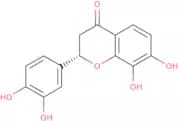
CAS :<p>Isookanin is a naturally occurring flavonoid compound, which is derived from various plant sources, including certain flowers and herbs. Its mode of action involves interacting with cellular pathways to exhibit anti-inflammatory and antioxidant properties. Isookanin achieves this by modulating the activity of enzymes and signaling molecules involved in inflammatory responses, thereby potentially reducing oxidative stress and inflammation.</p>Formule :C15H12O6Degré de pureté :Min. 98 Area-%Couleur et forme :PowderMasse moléculaire :288.25 g/molAcacetin 7-O-methyl ether
CAS :<p>Acacetin 7-O-methyl ether is a flavonoid derivative, which is a secondary metabolite primarily derived from various plants, including those in the Asteraceae family. This compound is biosynthesized as part of the plant's natural defense mechanism against herbivores and pathogens. Acacetin 7-O-methyl ether exhibits its biological activities through various modes of action, including anti-inflammatory and antioxidant effects, by inhibiting key signaling pathways and modulating enzyme activities.</p>Formule :C17H14O5Degré de pureté :Min. 95%Couleur et forme :White PowderMasse moléculaire :298.29 g/molDidymin
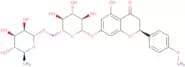
CAS :<p>Didymin is a flavonoid compound, which is a type of polyphenolic molecule. It occurs naturally in certain citrus fruits and plants, representing a secondary metabolite with bioactive properties. Didymin exhibits antioxidative activity by neutralizing free radicals and reducing oxidative stress, primarily through the modulation of cellular signaling pathways. This mechanism involves the enhancement of endogenous antioxidant defenses and the inhibition of pro-inflammatory mediators.</p>Formule :C28H34O14Degré de pureté :Min. 98 Area-%Couleur et forme :PowderMasse moléculaire :594.56 g/molPodocarpusflavone A
CAS :<p>Podocarpusflavone A is a flavonoid compound, which is a type of polyphenolic molecule. It is isolated from the Podocarpus genus, a source known for yielding bioactive phytochemicals. The mode of action of Podocarpusflavone A involves modulation of various cellular signaling pathways, including antioxidative and anti-inflammatory mechanisms, which can influence cell proliferation and apoptosis.</p>Formule :C31H20O10Degré de pureté :Min. 95%Couleur et forme :PowderMasse moléculaire :552.48 g/molChrysoeriol
CAS :<p>Chrysoeriol is a flavonoid compound, which is derived from various plant sources, including many herbs and flowers such as chamomile and tarragon. It functions through inhibition of certain cellular pathways that lead to inflammation, such as the suppression of NF-kB and cyclooxygenase activity. Additionally, chrysoeriol exhibits antioxidative effects by scavenging free radicals and enhancing the body's natural antioxidant enzyme systems.</p>Formule :C16H12O6Degré de pureté :Min. 95%Couleur et forme :Yellow PowderMasse moléculaire :300.26 g/mol6,4'-Dimethoxyflavanone
<p>6,4'-Dimethoxyflavanone is a flavanone derivative, which is a type of organic compound belonging to the larger class of flavonoids. These compounds are primarily sourced from natural products, frequently occurring in various plant species. Flavonoids are known for their diverse bioactive properties, which can include antioxidant, anti-inflammatory, and potential anticancer activities. The mode of action for 6,4'-Dimethoxyflavanone typically involves interacting with cellular pathways to modulate enzyme activities or signaling processes, potentially influencing oxidative stress and cellular proliferation.</p>Formule :C17H16O4Degré de pureté :Min. 95%Masse moléculaire :284.31 g/molGarciniflavanone
CAS :<p>Garciniflavanone is a naturally occurring flavonoid compound, which is primarily derived from plants in the Garcinia genus. It acts as an antioxidant through the scavenging of free radicals, thereby mitigating oxidative stress within cellular environments. Additionally, garciniflavanone influences various cellular signaling pathways, contributing to its anti-inflammatory and potential anticancer effects.</p>Formule :C30H22O13Degré de pureté :Min. 95%Masse moléculaire :590.49 g/molKaempferol-3-glucoside(6”-O-acetate)-7-rhamnoside
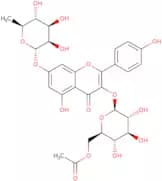
CAS :<p>Kaempferol-3-glucoside(6”-O-acetate)-7-rhamnoside is a flavonoid glycoside derivative, which is naturally sourced from various plants, particularly those in the Brassicaceae family. This compound is known for its significant antioxidant properties, allowing it to scavenge free radicals and reduce oxidative stress within biological systems. Its mode of action involves the modulation of several cellular pathways, including the inhibition of protein kinases and the regulation of anti-inflammatory responses. This results in potential therapeutic benefits in conditions related to oxidative stress and inflammation.</p>Formule :C29H32O16Degré de pureté :Min. 95%Couleur et forme :PowderMasse moléculaire :636.55 g/mol3,6,2',4',5'-Pentamethoxyflavone
CAS :<p>3,6,2',4',5'-Pentamethoxyflavone is a flavonoid compound, which is a type of polyphenolic secondary metabolite found in various plants. It is isolated from certain plant species known for their medicinal properties, such as Orthosiphon stamineus. This compound is characterized by the presence of five methoxy groups attached to the flavone backbone, which is thought to significantly influence its biological activity.</p>Formule :C20H20O7Degré de pureté :Min. 95%Masse moléculaire :372.37 g/molAlfalone
CAS :Please enquire for more information about Alfalone including the price, delivery time and more detailed product information at the technical inquiry form on this pageFormule :C17H14O5Degré de pureté :Min. 95%Couleur et forme :PowderMasse moléculaire :298.29 g/mol7-Hydroxy-5-methylflavone
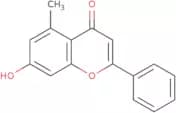
CAS :<p>7-Hydroxy-5-methylflavone is a flavonoid compound, which is a diverse group of phytonutrients present in a variety of plants. These compounds are derived from flavonoid biosynthesis pathways that commonly occur in fruits, vegetables, and certain beverages like tea. Flavonoids are well-regarded for their roles in plant defense mechanisms and their antioxidative properties.</p>Formule :C16H12O3Degré de pureté :Min. 95%Couleur et forme :PowderMasse moléculaire :252.26 g/molFerreirin
CAS :<p>Ferreirin is an iron chelator, which is derived from natural sources. It functions by binding to excess iron ions in biological systems, forming a stable complex that can be excreted from the body. This mode of action is critical in managing iron overload conditions, often seen in various pathological states such as thalassemia or hemochromatosis where excess iron poses a risk of oxidative damage to cells and tissues.</p>Formule :C16H14O6Degré de pureté :Min. 95%Masse moléculaire :302.28 g/molNeoisoliquiritin
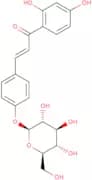
CAS :<p>Neoisoliquiritin is a bioactive flavonoid glycoside, which is a derivative of isoliquiritin. It is primarily sourced from the roots of Glycyrrhiza species, commonly known as licorice plants. This compound is formed through the natural modifications of flavonoids within the plant, involving glycosylation processes that enhance its solubility and stability.</p>Formule :C21H11O9Degré de pureté :Min. 95%Couleur et forme :PowderMasse moléculaire :418.39 g/molSilymonin
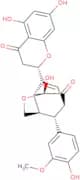
CAS :<p>Silymonin is a herbal supplement, which is derived from the seeds of the milk thistle plant, Silybum marianum. The active components of Silymonin are flavonolignans, collectively known as silymarin. These compounds exhibit potent antioxidant activity by scavenging free radicals and interfering with lipid peroxidation, thereby protecting cellular membranes from oxidative damage. Additionally, Silymonin modulates the expression of genes associated with inflammation and apoptosis, contributing further to its hepatoprotective effects.</p>Formule :C25H22O9Degré de pureté :Min. 95%Couleur et forme :PowderMasse moléculaire :466.44 g/mol6-Prenyl-3'-methoxydaidzein
<p>6-Prenyl-3'-methoxydaidzein is a prenylated isoflavonoid, which is a secondary metabolite frequently found in the Leguminosae family, particularly in the roots of certain plant species. This compound exhibits a unique structural modification that involves the addition of a prenyl group, which can enhance its biological activity. Known for its potential antioxidant properties, 6-Prenyl-3'-methoxydaidzein acts by scavenging free radicals and reducing oxidative stress within cellular systems.</p>Formule :C21H20O5Degré de pureté :Min. 95%Masse moléculaire :352.38 g/molDiosmin - 90%
CAS :<p>Phlebotropic drug used in the treatment of venous disease</p>Formule :C28H32O15Degré de pureté :Min. 95%Couleur et forme :Yellow PowderMasse moléculaire :608.54 g/molKaempferol
CAS :<p>Kaempferol is a naturally occurring flavonoid, which is a type of plant secondary metabolite, prevalent in a variety of fruits, vegetables, and plants such as kale, beans, tea, broccoli, apples, and grapes. It belongs to the class of flavonols, which are compounds that contribute to the pigments of plants. Kaempferol is typically sourced through plant extraction processes and is often found in significant amounts in dietary sources.</p>Formule :C15H10O6Degré de pureté :Min. 95%Couleur et forme :Yellow PowderMasse moléculaire :286.24 g/mol(S)-Equol
CAS :(S)-Equol is a non-steroidal estrogen, which is a metabolite produced by the gut microbiota from dietary isoflavones, specifically daidzein, found in soy and other legumes. It has high affinity for estrogen receptor beta, playing a significant role in modulating estrogenic activity without altering steroid hormone levels.Formule :C15H14O3Degré de pureté :Min. 98 Area-%Couleur et forme :PowderMasse moléculaire :242.27 g/molTectoridin
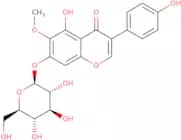
CAS :<p>Tectoridin is a naturally occurring isoflavone glycoside, which is derived from the rhizomes of the Iris plant, particularly from Iris tectorum. This compound acts as a bioactive isoflavone that can undergo enzymatic hydrolysis to release tectorigenin, the aglycone form. Tectoridin and its metabolites are investigated for their pharmacological properties, which include antioxidant, anti-inflammatory, and anti-cancer activities.</p>Formule :C22H22O11Degré de pureté :Min. 95%Couleur et forme :White PowderMasse moléculaire :462.4 g/molQuercetin 3-α-L-rhamnoside
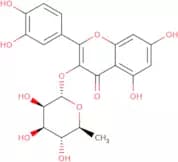
CAS :<p>Quercetin 3-α-L-rhamnoside is a flavonoid compound, which is a plant-derived product with rich biological activity. It is primarily sourced from various fruits and vegetables, where it occurs naturally as a glycoside. The mode of action involves its capability to modulate oxidative stress and inflammation through interactions with several cellular pathways, primarily by acting as an antioxidant and modulating enzyme activity related to reactive oxygen species.</p>Formule :C21H20O11Degré de pureté :Min. 95%Couleur et forme :White PowderMasse moléculaire :448.38 g/mol7,2'-Dihydroxy-4',5'-methylenedioxyisoflavone
CAS :7,2'-Dihydroxy-4',5'-methylenedioxyisoflavone is a naturally occurring isoflavone compound, which is typically isolated from various plant sources. This compound is a secondary metabolite, often found in plants known for their therapeutic properties. Isoflavones are well-recognized for their potential bioactivity, acting as phytoestrogens due to their structural similarity to estrogen.Formule :C16H10O6Degré de pureté :Min. 95%Masse moléculaire :298.25 g/molIsosakuranetin
CAS :Isosakuranetin is a flavonoid compound, which is derived from various plant sources, especially citrus fruits and other botanicals. Its mode of action involves modulating key signaling pathways, primarily through its antioxidant properties. These antioxidants scavenge free radicals, thereby mitigating oxidative stress and reducing cellular damage. This biochemical activity makes isosakuranetin a compound of interest in various fields related to health and disease prevention.Formule :C16H14O5Degré de pureté :Min. 95%Couleur et forme :PowderMasse moléculaire :286.28 g/mol3-Hydroxy-2',4',5'-trimethoxyflavone
CAS :3-Hydroxy-2',4',5'-trimethoxyflavone is a naturally occurring flavone, which is a type of polyphenolic compound. This compound is typically derived from plant sources, where it is biosynthesized as part of the plant’s secondary metabolism. The mode of action for flavones like 3-Hydroxy-2',4',5'-trimethoxyflavone involves modulating various biochemical pathways, including antioxidant activity and enzyme inhibition, which may affect various metabolic and cellular processes.Formule :C18H16O6Degré de pureté :Min. 95%Masse moléculaire :328.32 g/mol5,6,7-Trimethoxyflavone
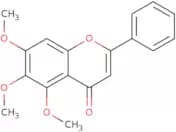
CAS :<p>5,6,7-Trimethoxyflavone is a specialized flavonoid compound, which is derived from natural plant sources. This compound exists primarily in certain species of the plant kingdom, such as citrus fruits, where it is part of a group of polyphenolic compounds known for their diverse biological activities. Its structure is characterized by the presence of three methoxy groups at positions 5, 6, and 7 on the flavone backbone, contributing to its distinct biochemical properties.</p>Formule :C18H16O5Degré de pureté :Min. 95%Couleur et forme :PowderMasse moléculaire :312.32 g/mol(-)-Pinostrobin
CAS :(-)-Pinostrobin is a natural flavonoid compound, which is predominantly found in various plant species, including members of the genus *Cajanus* and *Zingiber*. As a chiral molecule, it exhibits bioactive properties leading to multiple pharmacological effects. The mode of action of (-)-Pinostrobin involves modulation of various biochemical pathways, including antioxidant, anti-inflammatory, and antimicrobial activities. It interacts with cellular enzymes and receptors, exerting its effects through inhibition of pro-inflammatory cytokines and enhancing cellular antioxidant defenses.Formule :C16H14O4Degré de pureté :Min. 98 Area-%Couleur et forme :PowderMasse moléculaire :270.28 g/mol5,3'-Dimethoxyflavone
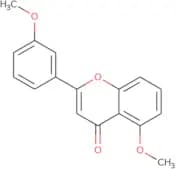
CAS :<p>5,3'-Dimethoxyflavone is a flavone derivative, which is a compound within the larger class of flavonoids. These compounds are primarily sourced from various plant species, where they contribute to pigmentation, growth, and defense. The presence of methoxy groups in this molecule alters its chemical properties, enhancing its solubility and bioavailability, which are critical for biological activity.</p>Formule :C17H14O4Degré de pureté :Min. 95%Masse moléculaire :282.29 g/mol5,2'-Dihydroxyflavone
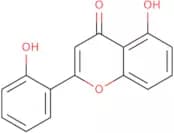
CAS :<p>5,2'-Dihydroxyflavone is a type of flavonoid, which is a class of polyphenolic compounds. These compounds are predominantly found in various plants, serving as part of their secondary metabolites. As a natural phytochemical, 5,2'-Dihydroxyflavone has garnered attention for its potential bioactive properties, particularly in the realm of neuroprotection.</p>Formule :C15H10O4Degré de pureté :Min. 95%Masse moléculaire :254.24 g/molVicenin-2
CAS :Vicenin-2 is a flavonoid glycoside, which is naturally found in various medicinal plants, particularly those belonging to the Asteraceae family. As a product of plant metabolism, it acts as a secondary metabolite with significant biological activities. Derived from sources like Ocimum sanctum (holy basil) and other botanicals, Vicenin-2's mode of action involves free radical scavenging and the modulation of enzymatic activity, contributing to its robust antioxidant properties.Formule :C27H30O15Degré de pureté :Min. 97 Area-%Couleur et forme :Yellow PowderMasse moléculaire :594.52 g/mol5,4'-Dihydroxy-6,7,8-trimethoxyflavone
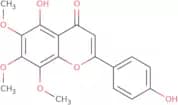
CAS :<p>5,4'-Dihydroxy-6,7,8-trimethoxyflavone is a flavonoid compound, which is derived from various plant sources known for their bioactive properties. This compound is a type of polyphenolic molecule typically found in certain medicinal herbs and plants. Its mode of action involves the modulation of cellular signaling pathways due to its antioxidant properties. It exhibits the ability to scavenge free radicals, thereby protecting cells from oxidative stress. Additionally, it may influence enzyme activity that is crucial for maintaining cellular homeostasis.</p>Formule :C18H16O7Degré de pureté :Min. 95%Masse moléculaire :344.32 g/mol7-Methoxyflavone
CAS :7-Methoxyflavone is a bioactive compound classified as a flavonoid, which is derived from various natural sources such as plants, fruits, and vegetables. This compound exerts its biological effects through modulation of enzyme activity and interaction with cellular signaling pathways, primarily involving the modulation of cytochrome P450 enzymes and affecting neurotransmitter systems.Formule :C16H12O3Degré de pureté :Min. 95%Couleur et forme :White PowderMasse moléculaire :252.26 g/mol3,6-Dimethoxyflavone
CAS :<p>3,6-Dimethoxyflavone is a synthetic flavonoid derivative, which is a type of naturally occurring compound often found in a variety of plants. This methoxylated compound is characterized by the presence of two methoxy groups, which enhance its lipophilicity and bioavailability. Flavonoids, as a class, are well-known for their diverse biological activities, and 3,6-Dimethoxyflavone builds on this inherent property.</p>Formule :C17H14O4Degré de pureté :Min. 95%Masse moléculaire :282.29 g/molLupinisoflavone D
CAS :<p>Lupinisoflavone D is a bioactive isoflavone compound, which is derived from natural plant sources, specifically belonging to the lupin species. This compound is meticulously extracted and characterized through advanced chromatographic and spectroscopic techniques, commonly sourced from Lupinus albus or other related legumes, where it is naturally present in small quantities.</p>Formule :C20H18O7Degré de pureté :Min. 95%Masse moléculaire :370.35 g/mol8,3'-Dihydroxydaidzein
CAS :<p>8,3'-Dihydroxydaidzein is a naturally occurring isoflavonoid compound, which is a type of phytoestrogen predominantly found in soy and other leguminous plants. This compound is biosynthesized through the pathways involving the hydroxylation of daidzein, a well-known isoflavone. As a phytoestrogen, 8,3'-Dihydroxydaidzein mimics estrogenic activity by binding to estrogen receptors, thereby influencing various physiological processes in organisms.</p>Formule :C15H10O6Degré de pureté :(Hplc-Ms) Min. 80 Area-%Couleur et forme :PowderMasse moléculaire :286.24 g/molGenkwanin
CAS :<p>Genkwanin is a flavonoid compound, which is a type of natural phenolic compound, often found in various plant sources, such as herbs like Daphne genkwa. This compound originates from plants known for their medicinal properties and is derived through the extraction and isolation of specific phytochemical constituents.</p>Formule :C16H12O5Degré de pureté :Min. 98 Area-%Couleur et forme :Yellow PowderMasse moléculaire :284.26 g/mol(+/-)-Taxifolin
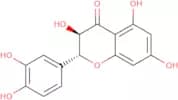
CAS :<p>(+/-)-Taxifolin is a flavonoid compound, which is a type of polyphenolic antioxidant. It is derived primarily from natural sources such as the Siberian larch tree (Larix sibirica), among other plant species. Its mode of action involves the scavenging of free radicals and inhibition of oxidative stress pathways, contributing to reduced cellular damage caused by reactive oxygen species (ROS). Furthermore, taxifolin modulates the activity of various enzymes and receptors involved in inflammatory pathways, thereby exerting anti-inflammatory effects.</p>Formule :C15H12O7Degré de pureté :Min. 95%Couleur et forme :PowderMasse moléculaire :304.25 g/mol7,2'-Dibenzyloxy-4'-methoxyisoflavone
CAS :<p>7,2'-Dibenzyloxy-4'-methoxyisoflavone is a synthetic isoflavone compound, which is derived from chemical synthesis processes rather than natural sources. Isoflavones are a class of flavonoids often studied for their diverse biological activities, including antioxidant, anti-inflammatory, and potential anticancer properties. This compound is characterized by its unique chemical structure that incorporates benzyl and methoxy groups, possibly enhancing its pharmacokinetic profile and efficacy.</p>Formule :C30H24O5Degré de pureté :Min. 95%Masse moléculaire :464.51 g/mol7,2',4'-Tribenzyloxyisoflavone
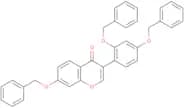
CAS :<p>7,2',4'-Tribenzyloxyisoflavone is a synthetic compound, which is a derivative of isoflavones, known for its potential role in biochemical and pharmacological research. This compound is primarily sourced through chemical synthesis involving the modification of the isoflavone structure by introducing benzyloxy groups, which alters its physicochemical properties and enhances its stability and solubility for research purposes.</p>Formule :C36H28O5Degré de pureté :Min. 95%Masse moléculaire :540.6 g/mol3',4',7-Trihydroxyisoflavone
CAS :3',4',7-Trihydroxyisoflavone is a naturally occurring isoflavone, which is derived from plants, particularly those in the legume family. This compound is part of the flavonoid class of polyphenols, known for their extensive presence in various plant and food sources. The source of 3',4',7-Trihydroxyisoflavone can often be traced back to soybeans and other similar legumes, which are rich in these phenolic compounds.Formule :C15H10O5Degré de pureté :Min. 95%Couleur et forme :Slightly Yellow PowderMasse moléculaire :270.24 g/molIsopomiferin-3',4'-dimethyl ether
Isopomiferin-3',4'-dimethyl ether is a bioactive compound, which is a naturally-occurring flavonoid derivative. It is sourced from various plant species, often found in traditional medicinal plants, exhibiting diverse biological activities due to its complex chemical structure. The mode of action involves interaction with cellular pathways, potentially influencing enzymes and receptor signaling, offering valuable insight into its biochemical and pharmacological properties.Formule :C27H28O6Degré de pureté :Min. 95%Couleur et forme :PowderMasse moléculaire :448.51 g/molLuteolin-7-glucuronide
CAS :<p>Luteolin-7-glucuronide is a flavonoid glucuronide, which is a metabolite of luteolin found in various plants. It is a naturally occurring compound sourced primarily from herbs and vegetables such as celery, parsley, and artichokes. Its mode of action involves the modulation of oxidative stress and inflammation through its capacity to scavenge free radicals and inhibit inflammatory pathways. This compound exerts its effects by modulating signaling pathways, such as NF-κB and MAPK, contributing to its anti-inflammatory properties.</p>Formule :C21H18O12Degré de pureté :Min. 98 Area-%Couleur et forme :PowderMasse moléculaire :462.36 g/molEpimedin C
CAS :<p>Epimedin C is a flavonoid compound, which is derived from natural sources, specifically from plants belonging to the genus Epimedium. It is a bioactive constituent commonly found in traditional Chinese medicinal herbs known as "Horny Goat Weed." The mode of action of Epimedin C involves the modulation of various biological pathways, including the inhibition of specific enzymes and interaction with estrogen receptors. These actions contribute to its potential effects on bone health, cardiovascular function, and sexual health.</p>Formule :C39H50O19Degré de pureté :Min. 95%Couleur et forme :PowderMasse moléculaire :822.8 g/mol3,7,8,3',4'-Pentahydroxyflavone
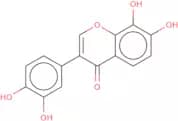
CAS :<p>3,7,8,3',4'-Pentahydroxyflavone is a naturally occurring flavonoid, which is commonly found in plants and contributes to their defensive mechanisms. This compound is sourced from a variety of plant materials, where it acts as a potent antioxidant by scavenging free radicals and inhibiting oxidative stress pathways.</p>Formule :C15H10O7Degré de pureté :Min. 95%Couleur et forme :PowderMasse moléculaire :302.24 g/molFlavanone diacetyl hydrazone
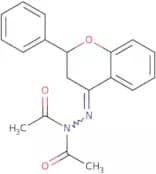
CAS :<p>Flavanone diacetyl hydrazone is a hydrogenated flavonoid derivative, which is synthesized from natural flavonoid sources. This compound exhibits its mode of action primarily through its ability to donate hydrogen atoms, effectively scavenging free radicals and inhibiting oxidative stress. Furthermore, it interacts with various cellular pathways to exert anti-inflammatory effects, making it a potential therapeutic agent in oxidative stress-related disorders.</p>Formule :C19H18N2O3Degré de pureté :Min. 95%Masse moléculaire :322.36 g/molα-Naphthoflavanone
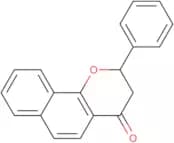
CAS :**α-Naphthoflavanone** is a synthetic flavanone compound, which is derived from natural plant polyphenols. It exhibits its mode of action primarily through the modulation of various biochemical pathways, potentially influencing enzyme activity, receptor binding, and signaling cascades. As a flavanone, it interacts with specific molecular targets, leading to possible antioxidant and anti-inflammatory effects.Formule :C19H14O2Degré de pureté :Min. 95%Couleur et forme :SolidMasse moléculaire :274.31 g/mol5-Hydroxy-7-methoxy-8-prenylflavanone
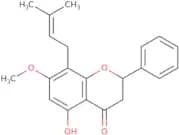
CAS :<p>5-Hydroxy-7-methoxy-8-prenylflavanone is a flavanone compound, a type of polyphenolic molecule. This compound is typically derived from certain plant sources, such as medicinal herbs, known for their rich flavonoid content. The mode of action of 5-Hydroxy-7-methoxy-8-prenylflavanone involves modulating biological pathways, potentially through antioxidant activities and interactions with cellular receptors and enzymes. Its bioactive properties contribute to its potential as a therapeutic agent.</p>Formule :C21H22O4Degré de pureté :Min. 95%Masse moléculaire :338.4 g/mol