Flavonoïdes
Les flavonoïdes sont un groupe de métabolites végétaux dotés de propriétés antioxydantes qui contribuent à la couleur des fruits et des fleurs. Ils jouent un rôle important dans la protection des plantes contre les rayons UV et les pathogènes. Les flavonoïdes sont étudiés pour leurs potentiels bienfaits pour la santé, notamment des propriétés anti-inflammatoires, antivirales et anticancéreuses. Ils font l'objet de nombreuses recherches dans les domaines de la pharmacologie, de la nutrition et de la biologie moléculaire.
Sous-catégories appartenant à la catégorie "Flavonoïdes"
- Anthocyanidines(46 produits)
- Anthocyanine(46 produits)
- Catéchine(88 produits)
- Chalcones(237 produits)
- Pterocarpans(28 produits)
2404 produits trouvés pour "Flavonoïdes"
Trier par
Degré de pureté (%)
0
100
|
0
|
50
|
90
|
95
|
100
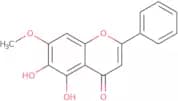
5,6-Dihydroxy-7-methoxyflavone
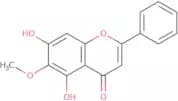
CAS :<p>5,6-Dihydroxy-7-methoxyflavone is a naturally occurring flavonoid compound, which is predominantly sourced from various plants, often found in the leaves, stems, or roots. This compound belongs to the broader class of flavonoids, which are known for their diverse biochemical activities. As a flavone derivative, its structure includes hydroxyl and methoxy functional groups that contribute to its biological activity.</p>Formule :C16H12O5Degré de pureté :Min. 95%Couleur et forme :Yellow PowderMasse moléculaire :284.26 g/molTilianin
CAS :<p>Tilianin is a flavonoid glycoside, which is a natural compound derived from the plant **Dracocephalum moldavica**. It is primarily sourced from the leaves and flowers of this herbaceous plant, belonging to the Lamiaceae family. Tilianin exerts its effects through several biochemical pathways, most notably by inhibiting inflammatory mediators and modulating oxidative stress pathways. This mode of action suggests its potential as an anti-inflammatory and antioxidant agent.</p>Formule :C22H22O10Degré de pureté :Min. 98 Area-%Couleur et forme :White Off-White PowderMasse moléculaire :446.4 g/molIriskashmirianin
CAS :<p>Iriskashmirianin is a naturally occurring flavonoid derivative, which is isolated from specific plant sources. It belongs to the broader class of flavonoids, compounds known for their bioactive properties. The mode of action of Iriskashmirianin involves its interaction with cellular pathways, where it functions primarily as an antioxidant and anti-inflammatory agent. It neutralizes free radicals and modulates inflammatory responses by influencing various signaling pathways at the molecular level.</p>Formule :C18H14O7Degré de pureté :Min. 95%Masse moléculaire :342.3 g/mol2',4'-Dimethoxy-6-methylflavanol
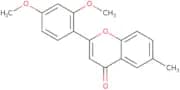
CAS :<p>2',4'-Dimethoxy-6-methylflavanol is a specialized flavonoid compound, which is a type of secondary metabolite primarily found in various plants. These compounds are often extracted from plants recognized for their rich phytochemical profiles, such as those in the Fabaceae or Rutaceae families. Flavonoids, including 2',4'-Dimethoxy-6-methylflavanol, are known for their diverse biological activities, including antioxidant, anti-inflammatory, and potential anti-cancer properties.</p>Formule :C18H16O4Degré de pureté :Min. 95%Masse moléculaire :296.32 g/molGenistein-5,4'-dimethyl ether
CAS :<p>Genistein-5,4'-dimethyl ether is a methylated isoflavone, which is a naturally occurring compound primarily extracted from various plant sources, particularly legumes. This bioactive compound is a derivative of the well-known isoflavone genistein, with methyl groups added at specific positions on the aromatic ring structure, altering its chemical properties and biological activity.</p>Formule :C17H14O5Degré de pureté :Min. 95%Masse moléculaire :298.29 g/mol3-Hydroxy-6,2',4',5'-tetramethoxyflavone
CAS :<p>3-Hydroxy-6,2',4',5'-tetramethoxyflavone is a naturally occurring flavone, which is a type of polyphenolic compound predominantly found in certain plants. This compound belongs to the broader class of flavonoids, often isolated from plant sources like tropical herbs and medicinal plants renowned for their rich bioactive profiles.</p>Formule :C19H18O7Degré de pureté :Min. 95%Masse moléculaire :358.34 g/mol3',4'-Dihydroxyflavanone
<p>3',4'-Dihydroxyflavanone is a type of flavonoid, which is a class of polyphenolic compounds known for diverse biological activities. This compound is primarily sourced from various plants, where it plays a role in plant defense mechanisms due to its antioxidant properties. The mode of action of 3',4'-Dihydroxyflavanone involves the scavenging of free radicals, thereby mitigating oxidative stress at the cellular level. This activity is facilitated by its dihydroxy structure, which allows it to donate hydrogen atoms to neutralize reactive oxygen species.</p>Formule :C15H10O4Degré de pureté :Min. 95%Masse moléculaire :254.24 g/mol7-O-Prenyloxyflavanone
CAS :<p>7-O-Prenyloxyflavanone is a bioactive compound, specifically a flavanone, which is isolated from various plant sources known for their rich flavonoid content. The compound is characterized by the attachment of a prenyl group at the 7-O position of the flavanone structure, which imparts unique biological activities.</p>Formule :C20H20O3Degré de pureté :Min. 95%Masse moléculaire :308.37 g/mol6-Methylflavone
CAS :<p>6-Methylflavone is a synthetic flavonoid, which is derived from the structural modification of natural flavonoids commonly found in various plants. This compound has garnered interest due to its pharmacological potential, particularly as a modulator of the central nervous system. The mode of action of 6-Methylflavone involves its interaction with the GABA_A receptors, where it is believed to function as a positive allosteric modulator. This interaction enhances the inhibitory effects of GABA, a primary neurotransmitter in the brain, thereby potentially exerting anxiolytic (anxiety-reducing) effects.</p>Formule :C16H12O2Degré de pureté :Min. 95%Couleur et forme :PowderMasse moléculaire :236.27 g/mol2',3'-Dimethoxyflavone
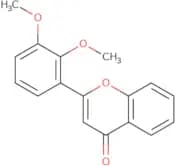
CAS :<p>2',3'-Dimethoxyflavone is a synthetic flavone derivative, which is naturally sourced from plants, particularly those containing flavonoid compounds. Its mode of action involves modulating various biochemical pathways, including enzyme inhibition and interaction with cellular receptors. This modulation can alter cell signaling, affecting processes such as inflammation and cancer cell proliferation.</p>Formule :C17H14O4Degré de pureté :Min. 95%Couleur et forme :PowderMasse moléculaire :282.29 g/molFujikinetin
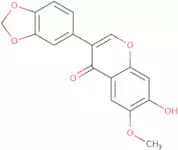
CAS :<p>Isoflavone from processed leaves and stems of Cyclopia intermedia</p>Formule :C17H12O6Degré de pureté :Min. 95%Couleur et forme :PowderMasse moléculaire :312.27 g/molChrysoeriol
CAS :<p>Chrysoeriol is a flavonoid compound, which is derived from various plant sources, including many herbs and flowers such as chamomile and tarragon. It functions through inhibition of certain cellular pathways that lead to inflammation, such as the suppression of NF-kB and cyclooxygenase activity. Additionally, chrysoeriol exhibits antioxidative effects by scavenging free radicals and enhancing the body's natural antioxidant enzyme systems.</p>Formule :C16H12O6Degré de pureté :Min. 95%Couleur et forme :Yellow PowderMasse moléculaire :300.26 g/molOroxylin A
CAS :<p>Oroxylin A is a natural flavonoid compound, which is derived from the root of Scutellaria baicalensis, commonly known as Baikal skullcap. It is primarily recognized for its bioactive properties, attributed to its modulation of various biochemical pathways. Oroxylin A acts by inhibiting the activity of certain enzymes, such as cyclooxygenase, and influencing signaling pathways like NF-kB, which are integral to inflammatory responses. It also exhibits potent neuroprotective effects by interacting with GABA_A receptors, thereby influencing neurotransmission.</p>Formule :C16H12O5Degré de pureté :Min. 98 Area-%Couleur et forme :PowderMasse moléculaire :284.26 g/mol3-Hydroxy-2',4',5'-trimethoxyflavone
CAS :<p>3-Hydroxy-2',4',5'-trimethoxyflavone is a naturally occurring flavone, which is a type of polyphenolic compound. This compound is typically derived from plant sources, where it is biosynthesized as part of the plant’s secondary metabolism. The mode of action for flavones like 3-Hydroxy-2',4',5'-trimethoxyflavone involves modulating various biochemical pathways, including antioxidant activity and enzyme inhibition, which may affect various metabolic and cellular processes.</p>Formule :C18H16O6Degré de pureté :Min. 95%Masse moléculaire :328.32 g/mol7,2'-Dibenzyloxy-4'-methoxyisoflavone
CAS :<p>7,2'-Dibenzyloxy-4'-methoxyisoflavone is a synthetic isoflavone compound, which is derived from chemical synthesis processes rather than natural sources. Isoflavones are a class of flavonoids often studied for their diverse biological activities, including antioxidant, anti-inflammatory, and potential anticancer properties. This compound is characterized by its unique chemical structure that incorporates benzyl and methoxy groups, possibly enhancing its pharmacokinetic profile and efficacy.</p>Formule :C30H24O5Degré de pureté :Min. 95%Masse moléculaire :464.51 g/molNeoschaftoside
CAS :<p>Neoschaftoside is a naturally occurring bioactive compound, which is an acylated flavonoid C-glycoside. It is primarily sourced from various plant species, including members of the Poaceae and Fabaceae families. The compound functions through its antioxidant and anti-inflammatory properties, interacting with cellular pathways to mitigate oxidative stress and modulate immune responses. These actions make neoschaftoside a compound of interest in pharmacological research, particularly in the study of chronic diseases where inflammation and oxidative damage are key pathological features. Its applications extend to potential therapeutic development in areas such as cardiovascular health, neuroprotection, and metabolic disorders. The ongoing investigation into its modes of action and bioavailability continues to reveal insights into its efficacy and potential as a natural therapeutic agent.</p>Formule :C26H28O14Degré de pureté :Min. 95%Masse moléculaire :564.49 g/molNaringin
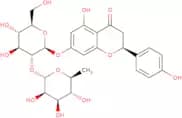
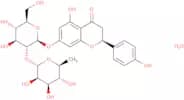
CAS :<p>Naringin is a bioflavonoid, which is a secondary metabolite predominantly found in citrus fruits, particularly in grapefruits and oranges. This compound is sourced from the peels and juices of these fruits, where it serves as a major constituent contributing to their distinct bitter taste.</p>Formule :C27H32O14Degré de pureté :Min. 95.0 Area-%Couleur et forme :White PowderMasse moléculaire :580.53 g/molPyraclostrobin
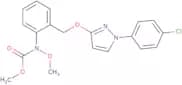
CAS :<p>Pyraclostrobin is a fungicide, which is a synthetic compound derived from the strobilurin class of fungicidal chemistry. It is characterized as a product of chemical synthesis designed to inhibit fungal growth through its unique mode of action. Pyraclostrobin functions by disrupting mitochondrial respiration in the targeted fungi, specifically inhibiting electron transfer at the cytochrome bc1 complex. This interference halts ATP production, ultimately leading to the death of the fungal cells.</p>Formule :C19H18ClN3O4Degré de pureté :Min. 95%Couleur et forme :PowderMasse moléculaire :387.82 g/mol8-Prenylgenistein
CAS :<p>8-Prenylgenistein is a prenylated isoflavone, which is a type of naturally occurring polyphenolic compound. It is primarily sourced from plants, particularly legumes, and is a derivative of genistein, an isoflavone commonly found in soy products. The addition of a prenyl group distinguishes 8-prenylgenistein from its parent compound, potentially enhancing its bioactivity and pharmacokinetics.</p>Formule :C20H18O5Degré de pureté :Min. 95%Couleur et forme :PowderMasse moléculaire :338.35 g/molIsorhoifolin
CAS :<p>Anti-diabetic; anti-hyperlipidemic; antioxidantImage taken by Jin-Yao Ong 台灣山豆根 Euchresta formosana (Hayata) OhwiOhwi, J. Jap. Bot. 12(9): 659. 1936.</p>Formule :C27H30O14Degré de pureté :Min. 98 Area-%Couleur et forme :White PowderMasse moléculaire :578.52 g/mol3,6,2',3'-Tetrahydroxyflavone
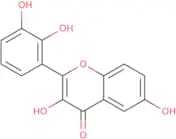
CAS :<p>3,6,2',3'-Tetrahydroxyflavone is a naturally occurring flavonoid, which is a type of phytochemical found in various plants. As a secondary metabolite, flavonoids like this one are primarily sourced from the polyphenolic compounds prevalent in fruits, vegetables, and certain herbs.</p>Formule :C15H10O6Degré de pureté :Min. 95%Masse moléculaire :286.24 g/molTernatin B
CAS :<p>Ternatin B is a naturally derived compound, which is a cyclic peptide sourced from plant-based materials. It functions predominantly by inhibiting the mechanistic target of rapamycin complex 1 (mTORC1), a critical pathway involved in the regulation of cell growth and autophagy. This mode of action positions Ternatin B as a potent inhibitor of autophagy, the cellular process responsible for the degradation and recycling of cellular components.</p>Formule :C75H81O41Degré de pureté :Min. 95%Masse moléculaire :1,638.42 g/molCalycosin-7-O-β-D-glucoside
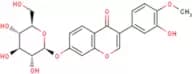
CAS :<p>Calycosin-7-O-β-D-glucoside (calycosin-7-O-beta-D-glucopyranoside) possesses a protective effect on rat hepatocytes, an inhibitory effect on COX-2 activity.</p>Formule :C22H22O10Degré de pureté :98% - 99.981%Couleur et forme :SolidMasse moléculaire :446.4Quercetin-3-O-β-D-glucopyranosyl-6-acetate
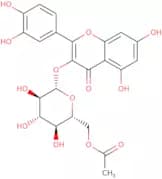
CAS :<p>Quercetin-3-O-beta-D-glucopyranosyl-6-acetate is a glycosylated flavonoid compound, which is a naturally occurring plant metabolite. This compound is predominantly sourced from various plant species, where it acts as a secondary metabolite contributing to plant defense mechanisms. The mode of action of Quercetin-3-O-beta-D-glucopyranosyl-6-acetate involves its ability to function as an antioxidant, scavenging free radicals and reducing oxidative stress in biological systems. Additionally, its glycosylated structure may enhance its solubility and stability, facilitating better bioavailability compared to non-glycosylated counterparts.</p>Formule :C23H22O13Degré de pureté :Min. 95%Couleur et forme :PowderMasse moléculaire :506.41 g/molGlycitin
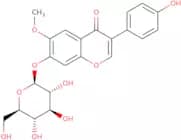
CAS :<p>Glycitin is an isoflavone glycoside, which is a bioactive compound primarily derived from soybeans. This natural compound is sourced from the soy plant, Glycine max, where it serves as one of the predominant isoflavones. Isoflavones like glycitin function as phytoestrogens, plant-derived compounds that can mimic or modulate the action of estrogen in the body. Glycitin undergoes hydrolysis in the digestive system to produce its aglycone form, glycitein, which can interact with estrogen receptors and exert estrogenic effects.</p>Formule :C22H22O10Degré de pureté :Min. 98 Area-%Couleur et forme :White PowderMasse moléculaire :446.4 g/mol4'-Methoxyflavonol
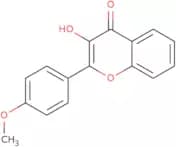
CAS :<p>4'-Methoxyflavonol is a flavonoid compound, which is a naturally occurring secondary metabolite primarily found in various plant species. It is characterized by the presence of a methoxy group attached to the flavonol backbone, contributing to its unique chemical properties. Through its antioxidant activity, 4'-Methoxyflavonol plays a crucial role in neutralizing free radicals and reducing oxidative stress within cells.</p>Formule :C16H12O4Degré de pureté :Min. 95%Masse moléculaire :268.26 g/molFlavanone rhamnoglucoside
<p>Flavanone rhamnoglucoside is a specialized flavonoid compound, which is derived from various natural sources such as fruits, vegetables, and certain medicinal plants. It functions primarily as an antioxidant by scavenging free radicals, thereby protecting cells from oxidative stress. Additionally, it exhibits anti-inflammatory properties by modulating pathways involved in inflammation, such as NF-kB and COX-2.</p>Degré de pureté :Min. 95%2',7-Dihydroxyflavone
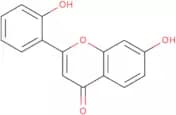
CAS :<p>2',7-Dihydroxyflavone is a natural flavonoid compound, which is derived from plant sources, particularly within the broader family of flavonoids known for their diverse biological activities. This compound exhibits its mode of action primarily through interactions with cellular signaling pathways, notably acting as a potent agonist for the TrkB receptor, a critical component in neurotrophic signaling. The activation of TrkB is pivotal in promoting neuronal survival, differentiation, and synaptic plasticity, making this compound of significant interest in the field of neuroscience.</p>Formule :C15H10O4Degré de pureté :Min. 95%Couleur et forme :PowderMasse moléculaire :254.24 g/molNeoisoastilbin
CAS :<p>Neoisoastilbin is a chemical compound, specifically a flavonoid derivative, derived primarily from natural botanical sources such as certain species of plants. It is characterized by its unique structural configuration which distinguishes it from its closely related isomers. As a flavonoid, Neoisoastilbin acts through multiple biochemical pathways, notably by scavenging free radicals and modulating oxidative stress responses, which can have significant implications in biological systems.Neoisoastilbin's notable applications lie in its potential antioxidant properties, which are of particular interest in the fields of pharmacology and biochemistry. Researchers study its effects on cellular models to understand its role in protecting cells from oxidative damage. It also has potential applications in the development of therapeutic agents aiming to mitigate conditions associated with oxidative stress, such as neurodegenerative diseases or cardiovascular disorders. Investigations into its pharmacodynamics and pharmacokinetics are essential to elucidate its full potential and mechanisms within complex biological systems.</p>Formule :C21H22O11Degré de pureté :Min. 95%Masse moléculaire :450.39 g/molPomiferin-3',4'-dimethylether
CAS :<p>Pomiferin-3',4'-dimethylether is a natural flavonoid compound, which is isolated from plants such as the Osage orange (Maclura pomifera). This compound is derived through meticulous extraction techniques that preserve its bioactive properties.</p>Formule :C27H28O6Degré de pureté :Min. 95%Masse moléculaire :448.51 g/molApigenin - 94%
CAS :<p>Apigenin - 94% is a purified form of apigenin, which is a naturally occurring flavonoid. It is primarily sourced from various plant species, including parsley, celery, and chamomile, where it is a prominent active component. The mode of action of apigenin involves multiple biochemical pathways: it acts as an anti-inflammatory agent, modulates enzyme activities, and exhibits antioxidant properties by scavenging free radicals. Additionally, apigenin interacts with cellular signaling pathways, such as the MAPK and PI3K/Akt, which contribute to its protective effects against oxidative stress and its potential in promoting apoptosis in cancerous cells.</p>Formule :C15H10O5Degré de pureté :Min. 95%Couleur et forme :PowderMasse moléculaire :270.24 g/molDihydrokaempferol-3-O-arabinoside
CAS :<p>Dihydrokaempferol-3-O-arabinoside is a flavonoid compound, which is a type of phenolic product found in plants. These compounds are prevalent in various plant species where they contribute to the pigmentation and play a crucial role in plant defense mechanisms. The compound is derived from natural sources, primarily isolated from plant materials rich in flavonoids, such as certain fruits and medicinal herbs.</p>Formule :C20H20O10Degré de pureté :Min. 95%Masse moléculaire :420.37 g/molDihydrogenistein - decarboxy-dihydroxygenistein mixture
<p>Dihydrogenistein - decarboxy-dihydroxygenistein mixture is a synthetic biochemical compound, which is derived from the modification of isoflavonoid structures primarily sourced from plants. This mixture represents a complex amalgamation of two chemically altered forms of natural phytoestrogens. It functions by interacting with various cellular pathways, potentially influencing gene expression and signaling mechanisms through selective modulation of estrogen receptors and related enzymatic activities.</p>Degré de pureté :Min. 95%Tamarixetin-7-O-rutinoside
CAS :<p>Tamarixetin-7-O-rutinoside is a flavonoid glycoside, which is a natural compound derived from the Tamarix plant. In nature, it is typically isolated from species within this genus, known for its phytoactive compounds. Tamarixetin-7-O-rutinoside acts primarily through its antioxidant mechanism, which involves scavenging free radicals and reducing oxidative stress within biological systems. This activity is crucial in minimizing cellular damage and maintaining homeostasis.</p>Formule :C28H32O16Degré de pureté :Min. 95%Couleur et forme :PowderMasse moléculaire :624.54 g/mol7-Hydroxy-4'-methoxyisoflavan
CAS :<p>7-Hydroxy-4'-methoxyisoflavan is a naturally occurring isoflavan, which is a type of flavonoid compound predominantly derived from leguminous plants. Isoflavans are a subclass of isoflavonoids that are known for their diverse biological activities. This particular compound is often extracted from plants in the Fabaceae family and exhibits a rich chemical framework that supports multiple pharmacological functions.</p>Formule :C16H16O3Degré de pureté :Min. 95%Masse moléculaire :256.3 g/molFlavanomarein
CAS :<p>Flavanomarein is a flavonoid compound, which is derived from the tea plant, Camellia sinensis. This compound is part of the broader family of polyphenolic flavonoids, which are secondary metabolites commonly found in various plants. Flavanomarein exerts its effects primarily through its antioxidant properties. The flavonoid can scavenge free radicals and inhibit oxidative stress, which are critical functions in preventing cellular damage and maintaining homeostasis. Additionally, flavanomarein may modulate various signaling pathways that are involved in inflammation and apoptosis, offering potential therapeutic benefits.</p>Formule :C21H22O11Degré de pureté :Min. 95%Couleur et forme :PowderMasse moléculaire :450.39 g/mol4'-Hydroxy-7-methoxyisoflavan
CAS :<p>4'-Hydroxy-7-methoxyisoflavan is a naturally occurring isoflavan, which is a subclass of flavonoids typically found in legumes and various plant sources. This compound is derived from the phenylpropanoid pathway, a critical biosynthetic route in plants responsible for producing a variety of phenolic compounds. Its mode of action is largely attributed to its ability to interact with cellular signaling pathways, exhibiting antioxidant, anti-inflammatory, and potentially estrogenic activities. These properties allow 4'-Hydroxy-7-methoxyisoflavan to modulate oxidative stress by scavenging free radicals and influencing gene expression related to detoxification enzymes.</p>Formule :C16H16O3Degré de pureté :Min. 95%Masse moléculaire :256.3 g/molMorin hydrate
CAS :<p>Morin hydrate is a flavonoid compound, which is a naturally occurring substance found primarily in the members of the Moraceae family, such as morus or mulberry and other fruits. It possesses significant antioxidant activity, which is achieved through its ability to scavenge free radicals and inhibit oxidative stress pathways. This mechanism of action is primarily due to its capacity to donate hydrogen atoms, thereby neutralizing unstable and reactive oxidative species.</p>Formule :C15H10O7·xH2ODegré de pureté :Min. 95%Couleur et forme :PowderMasse moléculaire :302.24 g/mol(-)-Deguelin
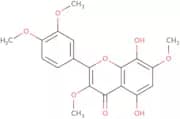
CAS :Formule :C23H22O6Degré de pureté :>95.0%(HPLC)Couleur et forme :White to Yellow to Green powder to crystalMasse moléculaire :394.425,8-Dihydroxy-3,3',4',7-tetramethoxyflavone
CAS :<p>5,8-Dihydroxy-3,3',4',7-tetramethoxyflavone is a secondary metabolite of plants that belongs to the group of phytochemicals. It is one of the most potent natural antioxidants and has been shown to have antioxidant activity in a number of different assays. 5,8-Dihydroxy-3,3',4',7-tetramethoxyflavone can be used for analytical purposes as an HPLC standard or reference material. This compound has also been shown to inhibit tumor cell proliferation in vitro and may be useful for research and development purposes.</p>Formule :C19H18O8Degré de pureté :Min. 95%Masse moléculaire :374.34 g/molIzalpinin
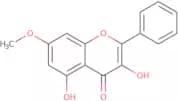
CAS :<p>Izalpinin is a specialized phytochemical compound, specifically a flavonoid, which is derived from various plant sources. It exhibits a range of bioactive properties due to its complex chemical structure. The primary mode of action of Izalpinin involves modulation of cellular signaling pathways and inhibition of specific enzymatic activities, which underpins its diverse pharmacological effects.</p>Formule :C16H12O5Degré de pureté :Min. 95%Masse moléculaire :284.26 g/molTectorigenin
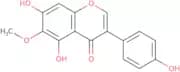
CAS :<p>Tectorigenin is a naturally occurring isoflavone, which is derived from plants such as Belamcanda chinensis and the Pueraria genus. It functions primarily as an antioxidant and has demonstrated various biological activities. Tectorigenin acts by inhibiting certain enzymes and signaling pathways, which contributes to its anti-inflammatory, anti-cancer, and neuroprotective effects.</p>Formule :C16H12O6Degré de pureté :Min. 95%Couleur et forme :White PowderMasse moléculaire :300.26 g/molNaringin dihydrate
CAS :<p>Naringin dihydrate is a flavonoid glycoside, which is a bioactive compound found primarily in citrus fruits, especially grapefruits and oranges. It acts as a potent antioxidant and anti-inflammatory agent, which functions by scavenging free radicals and modulating signaling pathways involved in oxidative stress and inflammation.</p>Formule :C27H32O14·2H2ODegré de pureté :Min. 95%Masse moléculaire :616.57 g/molOrobol 7,3'-dimethyl ether
CAS :<p>Orobol 7,3'-dimethyl ether is a flavonoid compound, which is derived from natural plant sources. This compound is synthesized as a methylated ether of Orobol, a type of isoflavone. The mode of action of Orobol 7,3'-dimethyl ether involves interacting with biological pathways that may influence cellular processes, including antioxidant and anti-inflammatory activities. By modulating these pathways, it potentially impacts various physiological functions.</p>Formule :C17H14O6Degré de pureté :Min. 95%Masse moléculaire :314.29 g/mol3',4',7-Trimethoxyflavone
CAS :<p>3',4',7-Trimethoxyflavone is a bioactive flavonoid compound, which is predominantly sourced from certain plant species, including those within the genus Kaempferia. This compound is part of the larger class of flavonoids known for their diverse biological activities. Its mode of action primarily involves modulating various cellular pathways, including signaling pathways related to inflammation, angiogenesis, and apoptosis. Recent studies suggest its potential as an inhibitor of specific enzymes and receptors, enabling its role in reducing oxidative stress and modulating immune responses.</p>Formule :C18H16O5Degré de pureté :Min. 95%Masse moléculaire :312.32 g/mol3',5'-Diprenylliquiritigenin
CAS :<p>3',5'-Diprenylliquiritigenin is a prenylated flavonoid, which is a type of naturally occurring compound found in certain plants. This specific compound is isolated primarily from licorice root, where it is synthesized as part of the plant's secondary metabolites. Its mode of action involves modulating various signaling pathways within biological systems, demonstrating potential antioxidant, anti-inflammatory, and anti-cancer properties.</p>Formule :C25H28O4Degré de pureté :Min. 95%Masse moléculaire :392.49 g/mol7-Hydroxyisoflavone-7-O-glucoside
CAS :<p>7-Hydroxyisoflavone-7-O-glucoside is a glucoside derivative of isoflavone, which is a naturally occurring flavonoid often sourced from plants such as legumes and soy. This compound is known for its biochemical properties, primarily its role as an antioxidant and its capacity to modulate inflammation.</p>Formule :C21H20O8Degré de pureté :Min. 95%Masse moléculaire :400.38 g/molScutellarein-7-O-glucoside
CAS :<p>Scutellarein-7-O-glucoside is a flavonoid glucoside, which is a type of phenolic compound commonly found in plants. This compound is primarily sourced from the Scutellaria species, among other botanical sources, where it occurs as a glycoside derivative of scutellarein. It serves a vital role in plant defense mechanisms, contributing to resistance against pathogens and ultraviolet radiation.</p>Formule :C21H20O11Degré de pureté :Min. 95%Couleur et forme :White PowderMasse moléculaire :448.38 g/molRothindin
CAS :<p>Please enquire for more information about Rothindin including the price, delivery time and more detailed product information at the technical inquiry form on this page</p>Formule :C22H20O10Degré de pureté :Min. 95%Couleur et forme :PowderMasse moléculaire :444.39 g/mol7,8,4'-Trimethoxyisoflavone
CAS :<p>7,8,4'-Trimethoxyisoflavone is a naturally occurring isoflavone, which is a type of flavonoid commonly found in various plants. It is derived from natural botanical sources, where it functions as a secondary metabolite. Isoflavones are known for their complex chemical structures and ability to interact with various biological pathways.</p>Formule :C18H16O5Degré de pureté :Min. 95%Masse moléculaire :312.32 g/mol