Flavonoïdes
Les flavonoïdes sont un groupe de métabolites végétaux dotés de propriétés antioxydantes qui contribuent à la couleur des fruits et des fleurs. Ils jouent un rôle important dans la protection des plantes contre les rayons UV et les pathogènes. Les flavonoïdes sont étudiés pour leurs potentiels bienfaits pour la santé, notamment des propriétés anti-inflammatoires, antivirales et anticancéreuses. Ils font l'objet de nombreuses recherches dans les domaines de la pharmacologie, de la nutrition et de la biologie moléculaire.
Sous-catégories appartenant à la catégorie "Flavonoïdes"
- Anthocyanidines(46 produits)
- Anthocyanine(46 produits)
- Catéchine(88 produits)
- Chalcones(237 produits)
- Pterocarpans(28 produits)
2404 produits trouvés pour "Flavonoïdes"
Trier par
Degré de pureté (%)
0
100
|
0
|
50
|
90
|
95
|
100
rac-Tetrahydrodaidzein
CAS :<p>rac-Tetrahydrodaidzein is a racemic compound, which is a mixture of two enantiomers. It is derived from the reduction of the isoflavone daidzein, primarily found in soybeans and other legumes. This compound exhibits interesting pharmacological properties due to its ability to interact with estrogen receptors, functioning as a modulator of estrogenic activity. Its mode of action involves binding to these receptors, potentially influencing various estrogen-mediated physiological processes.</p>Formule :C15H14O4Degré de pureté :Min. 95%Couleur et forme :PowderMasse moléculaire :258.27 g/molFlavanone-d5
CAS :<p>Flavanone-d5 is an isotopically labeled flavonoid, which is a type of phenolic compound found in various plants. This compound is sourced from natural flavonoids that have been enriched with deuterium, an isotope of hydrogen, typically at five specific positions within the molecular structure. The mode of action involves the examination of metabolic pathways and interactions due to its stable isotopic labeling, allowing for precise tracing in biochemical assays.</p>Formule :C15H12O2Degré de pureté :Min. 95%Masse moléculaire :229.28 g/mol2',5,6',7-Tetraacetoxyflavanone
CAS :<p>2',5,6',7-Tetraacetoxyflavanone is a flavanone derivative, which is a type of flavonoid compound primarily sourced from plants, particularly citrus fruits. Its structure consists of a flavanone backbone with acetoxy groups at specific positions, which may influence its biochemical activity. Flavanones like 2',5,6',7-Tetraacetoxyflavanone are of interest in the scientific community due to their potential biological activities, including antioxidant properties.</p>Formule :C23H20O10Degré de pureté :Min. 95%Masse moléculaire :456.4 g/molQuercetin 3,7,4'-trimethylether
CAS :<p>Quercetin 3,7,4'-trimethylether is a flavonoid derivative, which is a naturally occurring compound. It is sourced from various plants where it acts as a secondary metabolite. Its mode of action involves the modulation of signaling pathways and the inhibition of certain enzymes. Specifically, it has demonstrated the ability to interfere with cellular processes fundamental to cancer progression, such as proliferation and apoptosis.</p>Formule :C18H16O7Degré de pureté :Min. 95%Masse moléculaire :344.32 g/mol6,4'-Dihydroxy-5,7-dimethoxyflavanone
CAS :<p>6,4'-Dihydroxy-5,7-dimethoxyflavanone is a naturally occurring flavanone, which is a type of polyphenolic compound commonly found in various plant species. These compounds are synthesized through plant secondary metabolic pathways and are typically located in fruits, flowers, and leaves, playing essential roles in plant defense and pigmentation.</p>Formule :C17H16O6Degré de pureté :Min. 95%Masse moléculaire :316.3 g/molEuchrestaflavanone B
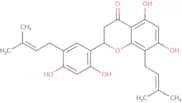
CAS :<p>Euchrestaflavanone B is a naturally occurring flavonoid, which is a type of polyphenolic compound. It is primarily sourced from various plant species, particularly those found in the Leguminosae family. The mode of action of Euchrestaflavanone B involves its interaction with cellular signaling pathways, where it exhibits a broad spectrum of bioactive effects. These include anti-inflammatory, antioxidant, and anticancer properties, potentially through modulation of enzyme activities and gene expression.</p>Formule :C25H28O6Degré de pureté :Min. 95%Masse moléculaire :424.5 g/molMorin dihydrate
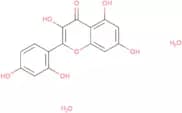
CAS :<p>Morin dihydrate is a flavonoid compound, which is a type of polyphenolic molecule. It is primarily sourced from the Moraceae family of plants, including mulberry leaves and certain fruits. As a flavonoid, Morin exerts its biochemical effects mainly through its capacity to scavenge free radicals, thus exhibiting significant antioxidant activity. This mode of action is attributed to its structure, which allows it to donate electrons and neutralize reactive oxygen species, consequently reducing oxidative stress at the cellular level.</p>Degré de pureté :Min. 95%Sophoraflavanone I
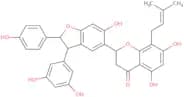
CAS :<p>Sophoraflavanone I is a naturally occurring flavonoid compound, which is derived from the roots of the Sophora species, a genus of flowering plants in the family Fabaceae. This compound is predominantly extracted from the roots of Sophora flavescens, also known as Chinese Sophora.</p>Formule :C39H38O9Degré de pureté :Min. 95%Masse moléculaire :650.7 g/mol3,7,4'-Trihydroxy-5-methoxy-8-prenylflavanone, (2R,3R)-
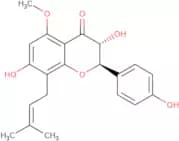
CAS :<p>3,7,4'-Trihydroxy-5-methoxy-8-prenylflavanone, (2R,3R)- is a prenylated flavonoid compound, which is a type of naturally occurring polyphenol. These compounds are known for their complex structures and biological activities, frequently contributing to the therapeutic properties of various plants. The source of this flavanone is often plants belonging to the Fabaceae family, including the roots and other parts of certain legumes, where it accumulates as part of the plant’s secondary metabolism.</p>Degré de pureté :Min. 95%7-O-Ethyldaidzein
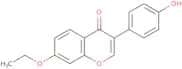
CAS :<p>7-O-Ethyldaidzein is a synthetic flavonoid derivative, which is primarily sourced from modifications of the naturally occurring isoflavone daidzein. Daidzein itself is found in soy products and other legumes. Through a chemical process, 7-O-ethyl groups are introduced to enhance its biological activity.</p>Formule :C17H14O4Degré de pureté :Min. 95%Couleur et forme :PowderMasse moléculaire :282.29 g/mol6'-Prenylpiscidone
CAS :<p>6'-Prenylpiscidone is an isoflavone derivative, which is a class of polyphenolic compounds primarily found in plants, particularly legumes. It is sourced from natural botanical origins, often derived from specific species known for their rich isoflavone content. The mode of action of 6'-Prenylpiscidone involves interactions with cellular targets that may influence a variety of biological pathways. These pathways are often associated with antioxidant activity, modulation of enzyme function, and potential estrogenic or anti-estrogenic effects due to its structural similarity to estrogen hormones.</p>Formule :C26H28O7Degré de pureté :Min. 95%Couleur et forme :SolidMasse moléculaire :452.5 g/molSinocrassoside C1
CAS :<p>Sinocrassoside C1 is a cycloartane triterpenoid, which is a class of chemical compounds. It is derived from the plant genus Sinocrassula, known for its traditional medicinal applications. The mode of action of Sinocrassoside C1 involves interactions with specific cellular targets, potentially influencing signal transduction pathways and modulating enzyme activities. These interactions may account for its reported bioactivities, including anti-inflammatory, anti-tumor, and neuroprotective effects.</p>Formule :C27H30O16Degré de pureté :Min. 95%Masse moléculaire :610.52 g/mol7-Hydroxy-5,8-dimethoxyflavanone
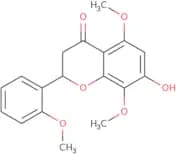
CAS :<p>7-Hydroxy-5,8-dimethoxyflavanone is a naturally occurring flavanone, which is a subcategory of flavonoids commonly found in various plants. This compound is derived from plant sources, often isolated during phytochemical studies examining the secondary metabolites produced by flora. The mode of action of 7-Hydroxy-5,8-dimethoxyflavanone involves modulating various biochemical pathways, potentially influencing enzymatic activity and signal transduction mechanisms. This flavanone has garnered scientific interest due to its reported bioactive properties, such as antioxidant and anti-inflammatory effects. <br><br>Uses and applications of 7-Hydroxy-5,8-dimethoxyflavanone are primarily in research settings, where it is utilized to explore its potential therapeutic benefits. Scientists investigate its efficacy in cell culture and animal models to better understand its effects on human health. Research is ongoing to assess its potential applications in developing nutraceuticals or pharmaceuticals, particularly in areas concerning oxidative stress and inflammation-related disorders. The exploration of its pharmacokinetic properties, safety profile, and bioavailability remains an active area of scientific inquiry.</p>Formule :C17H16O5Degré de pureté :Min. 95%Masse moléculaire :300.3 g/mol2-Hydroxynaringenin
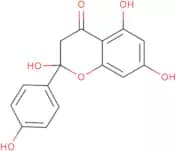
CAS :<p>2-Hydroxynaringenin is a flavonoid compound, which is derived from the extraction and purification of various citrus fruits, particularly from the peel and pulp. It belongs to a class of secondary metabolites found predominantly in these plants, functioning as part of their natural defense mechanism.</p>Formule :C15H12O6Degré de pureté :Min. 95%Masse moléculaire :288.25 g/mol7-Methoxyflavanone
CAS :<p>7-Methoxyflavanone is a bioactive compound, specifically a methoxylated flavanone, which is derived from various plant sources. This compound plays a role in the modulation of several biological pathways due to its structural attributes. As a flavanone, it is known to interact with various cellular mechanisms including enzyme inhibition, receptor binding, and antioxidant activity. These interactions result in diverse pharmacological effects, such as anti-inflammatory and neuroprotective properties.</p>Formule :C16H14O3Degré de pureté :Min. 95%Couleur et forme :PowderMasse moléculaire :254.28 g/molSophoraflavanone H
CAS :<p>Sophoraflavanone H is a prenylated flavonoid, which is a natural compound isolated primarily from plants of the Sophora species. The source of this bioactive compound is predominantly the root extracts of these plants, which have been traditionally utilized in herbal medicine systems for their therapeutic properties.</p>Formule :C34H30O9Degré de pureté :Min. 95%Masse moléculaire :582.6 g/mol2,3-Dihydrohinokiflavone
CAS :<p>2,3-Dihydrohinokiflavone is a natural bioflavonoid compound, which is typically derived from various plant sources, particularly those native to East Asia. This compound belongs to the broader flavonoid family, known for their antioxidant properties. Its mode of action involves modulating various signaling pathways, which can lead to anti-inflammatory and antioxidant effects. It achieves this by inhibiting the production of pro-inflammatory cytokines and scavenging free radicals, thus reducing oxidative stress in biological systems.</p>Formule :C30H20O10Degré de pureté :Min. 95%Masse moléculaire :540.47 g/mol8-Chloroflavanone
CAS :<p>8-Chloroflavanone is a synthetic flavonoid derivative, which is primarily obtained through chemical synthesis involving the chlorination of flavanone substrates. Its mode of action involves the modulation of various biological pathways, including potential inhibition of specific enzymes and interaction with receptor sites, which may influence cellular signaling mechanisms.</p>Formule :C15H11ClO2Degré de pureté :Min. 95%Masse moléculaire :258.7 g/mol5,7-Dimethoxyflavanone
CAS :<p>5,7-Dimethoxyflavanone is a flavonoid derivative, which is a type of polyphenolic compound predominantly found in plants. This compound is often isolated from various botanical sources, where it contributes to the plant's adaptive defense mechanisms against environmental stressors. The mode of action of 5,7-Dimethoxyflavanone involves interaction with cellular signaling pathways, potentially influencing antioxidant, anti-inflammatory, and enzyme inhibition activities through modulation of molecular targets.</p>Formule :C17H16O4Degré de pureté :Min. 95%Masse moléculaire :284.31 g/mol3,7,4-Trihydroxy-5-methoxy-8-prenylflavanone, (2R,3S)
CAS :<p>3,7,4-Trihydroxy-5-methoxy-8-prenylflavanone, (2R,3S), is a prenylated flavanone, which is a type of polyphenolic compound. This compound is typically derived from various plant sources, particularly those that produce flavonoids as secondary metabolites. Its structure is characterized by the presence of hydroxyl and methoxy groups, as well as a prenylated side chain, which contribute to its physicochemical properties.</p>Formule :C21H22O6Degré de pureté :Min. 95%Masse moléculaire :370.4 g/mol(S)-Hesperetin
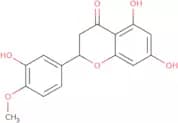
CAS :<p>(S)-Hesperetin is a flavonoid compound, which is a naturally occurring polyphenolic structure. It is predominantly derived from citrus fruits, including oranges and lemons, through the metabolic breakdown of its glycoside form, hesperidin. This transformation occurs in the human body, where hesperidin is hydrolyzed to release hesperetin and other metabolites.</p>Formule :C16H14O6Degré de pureté :Min. 95%Masse moléculaire :302.28 g/molCarlinoside
CAS :<p>Carlinoside is a bioactive flavonoid glycoside, which is typically sourced from plants of the Astraceae family, specifically from the genus Carlina. As a natural phytochemical, its mode of action involves the modulation of various biochemical pathways, primarily through its antioxidant properties and potential to interact with cellular oxidative stress mechanisms.</p>Formule :C26H28O16Degré de pureté :Min. 95%Masse moléculaire :596.49 g/molPrunetin-4'-glucoside
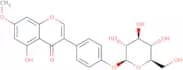
CAS :<p>Prunetin-4'-glucoside is a specialized flavonoid compound, categorized as a glucoside, which is derived from natural plant sources. This glycosylated form of prunetin is found in various plants and serves as part of the plant's defense mechanism. Its mode of action involves antioxidative properties that neutralize free radicals, thus protecting cellular structures from oxidative damage. This mechanism is crucial as oxidative stress is implicated in numerous diseases.</p>Formule :C22H22O10Degré de pureté :Min. 95%Masse moléculaire :446.4 g/mol4'-o-Methyllicoflavanone
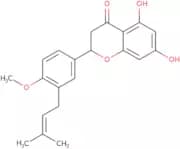
CAS :<p>4'-O-Methyllicoflavanone is a flavonoid compound, which is a naturally occurring chemical typically found in various plants. It belongs to a class of secondary metabolites known for their wide array of biological activities. The source of 4'-O-Methyllicoflavanone is primarily from plant species, where it serves as a part of the plant’s defense mechanism against environmental stressors and pathogens.</p>Formule :C21H22O5Degré de pureté :Min. 95%Masse moléculaire :354.4 g/mol6,4'-Dihydroxy-7-methoxyflavanone
CAS :<p>6,4'-Dihydroxy-7-methoxyflavanone is a naturally occurring flavanone compound, which is typically derived from various plant sources known for their rich polyphenolic content. This compound is characterized by its unique chemical structure, including hydroxyl and methoxy functional groups, contributing to its bioactivity.</p>Formule :C16H14O5Degré de pureté :Min. 95%Masse moléculaire :286.28 g/molAmentoflavone-7,7'',4',4''- tetramethyl ether
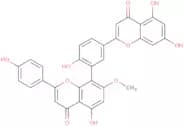
CAS :<p>Amentoflavone-7,7'',4',4''-tetramethyl ether is a specialized bioflavonoid derivative, which is synthesized from the natural biflavonoid amentoflavone found in various plant sources, such as Ginkgo biloba and St. John's Wort. The structural modification involving methylation enhances its pharmacokinetic properties, such as bioavailability and metabolic stability, making it a subject of interest in the scientific community.</p>Formule :C34H26O10Degré de pureté :Min. 95%Masse moléculaire :594.56 g/mol4-O-Methylhelichrysetin
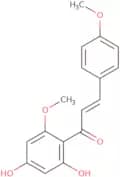
CAS :<p>4-O-Methylhelichrysetin is a flavonoid compound, which is a naturally occurring polyphenolic molecule. It is sourced from plants, particularly those in the Helichrysum genus, a group known for their medicinal properties. The mode of action encompasses its ability to modulate various biological pathways, including the inhibition of key enzymes and interference with cell signaling cascades. 4-O-Methylhelichrysetin has shown potential in downregulating pro-inflammatory cytokines and inducing apoptosis in certain cancer cell lines.</p>Formule :C17H16O5Degré de pureté :Min. 95%Masse moléculaire :300.31 g/mol3',5-Dihydroxy-4',6,7-trimethoxyflavanone
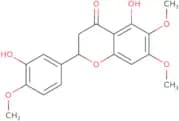
CAS :3',5-Dihydroxy-4',6,7-trimethoxyflavanone is a naturally occurring flavonoid, which is a type of polyphenolic compound. This product is primarily sourced from various plant species known to produce flavonoids as secondary metabolites. Its mode of action involves the inhibition of specific enzymes and modulation of signaling pathways, which can lead to antioxidant and anti-inflammatory effects.Formule :C18H18O7Degré de pureté :Min. 95%Masse moléculaire :346.3 g/mol5,3'-Dihydroxyflavone
CAS :<p>5,3'-Dihydroxyflavone is a flavonoid compound, which is a class of polyphenolic molecules. It is derived from various plants, where it occurs naturally as part of the complex biochemical repertoire involved in defense mechanisms and signaling processes. This compound acts as an antioxidant, neutralizing free radicals and reducing oxidative stress. It also exhibits potential neuroprotective effects by modulating specific signaling pathways and interacting with enzymes linked to inflammation and cellular health.</p>Formule :C15H10O4Degré de pureté :Min. 95%Masse moléculaire :254.24 g/molBilobetin
CAS :<p>Bilobetin is a flavonoid compound, which is sourced from the leaves of the Ginkgo biloba tree. This compound primarily functions through its antioxidative properties, influencing a variety of neural pathways. Its mode of action involves the scavenging of reactive oxygen species and modulation of cellular signaling pathways that impact synaptic transmission and neuroplasticity.</p>Degré de pureté :Min. 95%Isowighteone
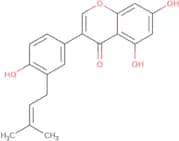
CAS :<p>Isowighteone is a naturally occurring flavonoid, which is derived from various plant sources, particularly in traditional medicinal herbs. Its biological activity stems from its structure, characterized by phenolic hydroxyl groups that enable it to participate in redox reactions, highlighting its antioxidant properties.</p>Formule :C20H18O5Degré de pureté :Min. 95%Masse moléculaire :338.35 g/mol5,7,4'-Trihydroxyisoflavanone
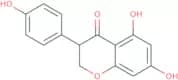
CAS :<p>5,7,4'-Trihydroxyisoflavanone is a bioactive isoflavonoid, which is typically derived from various plant sources, including legumes and certain medicinal herbs. This compound belongs to the class of natural products known as isoflavonoids, which are structurally characterized by the presence of a 3-phenylchroman skeleton.</p>Formule :C15H12O5Degré de pureté :Min. 95%Couleur et forme :White to beige solid.Masse moléculaire :272.25 g/mol8-Hydroxygenistein-7,8,4'-trimethyl ether
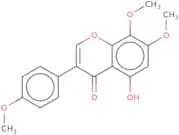
CAS :<p>8-Hydroxygenistein-7,8,4'-trimethyl ether is a phytochemical derivative, which is sourced from plant metabolites, specifically isoflavonoids. This compound is modified through methylation processes to enhance its stability and lipophilicity, making it a subject of interest in various biochemical studies. Its mode of action primarily involves interaction with cellular signaling pathways, influencing antioxidant mechanisms and potentially affecting gene expression related to oxidative stress.</p>Formule :C18H16O6Degré de pureté :Min. 95 Area-%Couleur et forme :Yellow PowderMasse moléculaire :328.32 g/molSotetsuflavone
CAS :<p>Sotetsuflavone is a flavonoid-based compound, which is a type of product derived from natural plant sources, specifically certain species in the Cycad family. It is characterized by its complex chemical structure, which enables it to interact with various biological systems. The mode of action of Sotetsuflavone involves modulation of signaling pathways and interaction with specific cellular receptors, which can influence enzymatic activity and gene expression. These interactions suggest its potential in influencing oxidative stress and inflammatory responses.</p>Formule :C31H20O10Degré de pureté :Min. 95%Masse moléculaire :552.48 g/molScutellarein tetramethyl ether
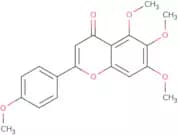
CAS :<p>Scutellarein tetramethyl ether is a methylated flavonoid compound, which is a result of structural modifications to scutellarein, itself a naturally occurring flavone. This compound is derived from various plant sources, particularly those within the Scutellaria genus, known for their bioactive flavonoid content. The modification involves methylation of hydroxyl groups, which can augment its bioavailability and stability.</p>Formule :C19H18O6Degré de pureté :Min. 95 Area-%Couleur et forme :PowderMasse moléculaire :342.34 g/molIsomucronulatol
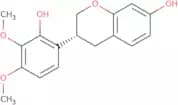
CAS :<p>Isomucronulatol is a naturally occurring flavonoid compound, which is a secondary metabolite sourced primarily from various plant species. It exhibits significant antioxidant activity by scavenging free radicals and reducing oxidative stress, which can damage cellular components such as lipids, proteins, and DNA. Additionally, Isomucronulatol demonstrates anti-inflammatory effects by modulating signaling pathways involved in the inflammatory response, thereby reducing the production of pro-inflammatory cytokines.</p>Formule :C17H18O5Degré de pureté :Min. 95%Couleur et forme :PowderMasse moléculaire :302.32 g/mol8-Prenylpinocembrin
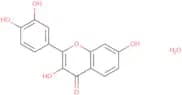
CAS :<p>8-Prenylpinocembrin is a specialized flavonoid compound, which is a part of the prenylflavonoid class. It is derived from natural sources, primarily plants within the Fabaceae family and propolis from honeybees. The compound is characterized by its prenyl group attached to the flavonoid pinocembrin, enhancing its biological activity through increased lipophilicity and membrane permeability.</p>Formule :C20H20O4Degré de pureté :Min. 95%Masse moléculaire :324.37 g/mol2-(3,4-Dihydroxyphenyl)-3,7-dihydroxy-4H-chromen-4-one hydrate
CAS :<p>2-(3,4-Dihydroxyphenyl)-3,7-dihydroxy-4H-chromen-4-one hydrate is a flavonoid compound, which is a polyphenolic molecule derived primarily from plant sources, particularly fruits, vegetables, and certain herbs. This compound functions as a potent antioxidant, neutralizing free radicals and reducing oxidative stress at the cellular level by donating hydrogen atoms, which plays a critical role in protecting biological macromolecules from damage and contributing to cellular homeostasis.</p>Formule :C15H10O6·H2ODegré de pureté :Min. 95%Masse moléculaire :304.25 g/molBavachinin A
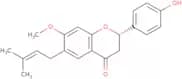
CAS :<p>Bavachinin A is a prenylated flavanone, which is a type of natural compound. It is sourced from the seeds of Psoralea corylifolia, a plant commonly found in traditional Chinese and Indian medicine. The compound exhibits its mode of action primarily through the modulation of specific cellular pathways, including the inhibition of certain enzymes and interaction with receptor sites that play a crucial role in inflammatory and oxidative stress responses.</p>Formule :C21H22O4Degré de pureté :Min. 95%Couleur et forme :SolidMasse moléculaire :338.4 g/molDihydrokaempferol-3-O-glucoside
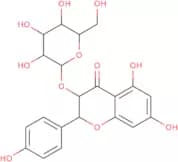
CAS :<p>Dihydrokaempferol-3-O-glucoside is a flavonoid glucoside, which is derived from plant sources, notably found in various fruits and vegetables. This compound is part of the flavonoid family, characterized by its polyphenolic structure and pivotal role in plant physiology and human health. The mode of action of dihydrokaempferol-3-O-glucoside predominantly involves its antioxidant properties. It neutralizes free radicals, thereby reducing oxidative stress and potentially mitigating damage at the cellular level.</p>Formule :C21H22O11Degré de pureté :Min. 95%Couleur et forme :PowderMasse moléculaire :450.39 g/mol5,6,7,8-Tetrahydroxyflavone
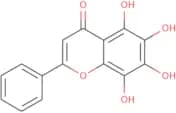
CAS :<p>5,6,7,8-Tetrahydroxyflavone is a naturally derived flavonoid, which is isolated from various plants known for their rich polyphenolic content. This compound belongs to the broader class of flavonoids, compounds renowned for their antioxidative properties. Its mode of action involves modulation of various cellular pathways, including the inhibition of oxidative stress and modulation of enzyme activities, which are critical for cellular homeostasis and protection.</p>Degré de pureté :Min. 95%Pomiferin
CAS :<p>Pomiferin is a polyphenolic compound, which is a bioactive flavonoid derived from the fruit of the Osage orange tree, scientifically known as Maclura pomifera. This compound is primarily extracted from the osage orange's pulp and seeds. The mode of action of pomiferin involves its potent antioxidant capabilities, which allow it to effectively scavenge reactive oxygen and nitrogen species, thereby mitigating oxidative stress. Additionally, pomiferin has demonstrated anti-inflammatory properties, likely mediated through the modulation of signaling pathways and the downregulation of pro-inflammatory cytokines.</p>Formule :C25H24O6Degré de pureté :Min. 95%Masse moléculaire :420.45 g/mol2-O-β-L-Galactopyranosylorientin
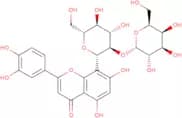
CAS :<p>2-O-beta-L-Galactopyranosylorientin is a flavonoid glycoside, which is a subclass of naturally occurring polyphenolic compounds. This product is typically isolated from plant sources, notably those belonging to the family Poaceae. Its structure consists of an orientin molecule glycosylated with a galactose sugar moiety, enhancing its solubility and biological activity.</p>Degré de pureté :Min. 95%7-Hydroxy-2',5,8-trimethoxyflavanone
CAS :<p>7-Hydroxy-2',5,8-trimethoxyflavanone is a flavonoid compound, which is a type of naturally occurring phenolic compound. It can be sourced primarily from certain plant species, where it plays a role in the plant's defense mechanism against environmental stressors. Flavonoids like this one often exhibit a variety of biological activities.</p>Formule :C18H18O6Degré de pureté :Min. 95%Masse moléculaire :330.3 g/mol5,7,3'-Trihydroxy-6,4',5'-trimethoxyflavanone
CAS :<p>5,7,3'-Trihydroxy-6,4',5'-trimethoxyflavanone is a specialized flavanone derivative, which is a type of plant secondary metabolite found in various botanical sources. This compound originates primarily from citrus fruits and certain medicinal plants where it contributes to the plant’s defense mechanisms. As a flavonoid, its mode of action involves the modulation of enzyme activity, interaction with cell membranes, and potential antioxidant properties, allowing it to scavenge free radicals and reduce oxidative stress.</p>Formule :C18H18O8Degré de pureté :Min. 95%Masse moléculaire :362.3 g/molDaidzein bis-tert-butyldimethylsilyl ether
CAS :<p>Daidzein bis-tert-butyldimethylsilyl ether is a synthetic derivative of the isoflavone daidzein, which is primarily sourced from soybeans and other legumes. It’s modified through the attachment of tert-butyldimethylsilyl ether groups, enhancing its stability and facilitating its use in various experimental conditions. This compound acts as a precursor or an intermediate in the synthesis of other complex molecules, allowing detailed structural or functional studies on isoflavones in biochemical pathways.</p>Formule :C27H38O4Si2Degré de pureté :Min. 95%Masse moléculaire :482.76 g/molIsosinensetin
CAS :<p>Isosinensetin is a polymethoxyflavone, which is a type of flavonoid compound. It is primarily sourced from citrus fruits, particularly those belonging to the genus Citrus, such as oranges and tangerines. The compound's mode of action is largely attributed to its various biochemical interactions, such as modulation of signaling pathways, antioxidant activity, and potential anti-inflammatory effects. These actions may influence cellular processes, contributing to its health-promoting properties.</p>Formule :C20H20O7Degré de pureté :Min. 95%Couleur et forme :PowderMasse moléculaire :372.37 g/molRhamnetin-3-rutinoside
CAS :<p>Rhamnetin-3-rutinoside is a specialized bioflavonoid, a type of plant-derived polyphenolic compound. It is typically sourced from various plant species, where it naturally occurs as part of the plant’s secondary metabolites. This compound functions primarily as an antioxidant, where its mode of action involves scavenging free radicals and stabilizing reactive oxygen species, thereby protecting cells from oxidative stress.</p>Formule :C28H32O16Degré de pureté :Min. 95%Masse moléculaire :624.54 g/molVaccarin
CAS :<p>Vaccarin is a bioactive flavonoid, which is derived from the plant Vaccaria segetalis. It is a naturally occurring compound, primarily sourced from the seeds of this plant. The mode of action of Vaccarin involves its ability to interact with various biological pathways, particularly those related to anti-inflammatory and antioxidant processes. It acts by modulating enzyme activity and gene expression associated with these pathways, potentially influencing cellular behavior and physiological responses.</p>Formule :C32H38O19Degré de pureté :Min. 95%Masse moléculaire :726.63 g/mol3-(4-Methyl benzoyloxy)flavone
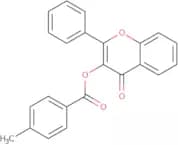
CAS :<p>3-(4-Methyl benzoyloxy)flavone is a synthetic flavonoid ester, which is derived from chemical modification of natural flavonoids. Flavonoids are a class of polyphenolic compounds commonly found in various fruits, vegetables, and beverages. The introduction of the 4-methylbenzoyloxy group offers structural diversity, which may enhance or modify the biological activities traditionally associated with flavonoids.</p>Formule :C23H16O4Degré de pureté :Min. 95%Masse moléculaire :356.37 g/mol