Anticorps primaires
Les anticorps primaires sont des immunoglobulines qui se lient spécifiquement à un antigène d'intérêt, permettant la détection et la quantification de protéines, peptides ou autres biomolécules. Ces anticorps sont des outils essentiels dans de nombreuses applications, notamment le Western blot, l'immunohistochimie et l'ELISA. Chez CymitQuimica, nous proposons une vaste sélection d'anticorps primaires de haute qualité, offrant spécificité et sensibilité pour divers besoins de recherche, notamment en cancérologie, immunologie et biologie cellulaire.
Sous-catégories appartenant à la catégorie "Anticorps primaires"
- Anticorps pour la recherche sur le cancer(3.620 produits)
- Anticorps cardio-vasculaires(2 produits)
- Biologie du développement(751 produits)
- Anticorps relatifs à l’épigénétique(162 produits)
- Anticorps d'immunologie(2.624 produits)
- Anticorps du métabolisme(279 produits)
- Anticorps de microbiologie(736 produits)
- Transduction du signal(2.717 produits)
- Tags & Marqueurs cellulaires(33 produits)
Affichez 1 plus de sous-catégories
75324 produits trouvés pour "Anticorps primaires"
Trier par
Degré de pureté (%)
0
100
|
0
|
50
|
90
|
95
|
100
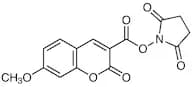
N-Succinimidyl 7-Methoxycoumarin-3-carboxylate
CAS :Formule :C15H11NO7Degré de pureté :>98.0%(HPLC)(N)Couleur et forme :White to Almost white powder to crystalMasse moléculaire :317.255-Aminofluorescein (isomer I)
CAS :Formule :C20H13NO5Degré de pureté :>95.0%(T)(HPLC)Couleur et forme :Orange to Brown to Dark red powder to crystalMasse moléculaire :347.335-Carboxyfluorescein
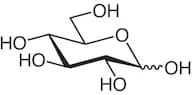
CAS :Formule :C21H12O7Degré de pureté :>97.0%(T)(HPLC)Couleur et forme :Light yellow to Brown powder to crystalMasse moléculaire :376.32D-(+)-Glucose
CAS :Formule :C6H12O6Degré de pureté :>98.0%(GC)Couleur et forme :White powder to crystalMasse moléculaire :180.164-Nitrophenyl α-D-Glucopyranoside [Substrate for α-D-Glucosidase]
CAS :Formule :C12H15NO8Degré de pureté :>98.0%(HPLC)Couleur et forme :Very Pale Yellow - Pale Yellow SolidMasse moléculaire :301.25Sodium 3-(N-Ethylanilino)propanesulfonate [for Biochemical Research]
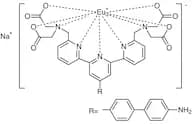
CAS :Formule :C11H16NNaO3SDegré de pureté :>98.0%(HPLC)Couleur et forme :White to Almost white powder to crystalMasse moléculaire :265.30ATBTA-Eu3+
CAS :Formule :C37H30EuN6NaO8Degré de pureté :>90.0%(T)(HPLC)Couleur et forme :Light yellow to Brown to Dark green powder to crystalineMasse moléculaire :861.63Acarbose
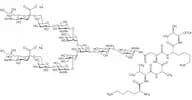
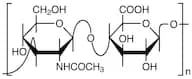
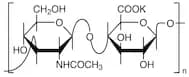
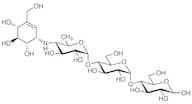
CAS :Formule :C25H43NO18Degré de pureté :>98.0%(HPLC)(N)Couleur et forme :White to Almost white powder to crystalMasse moléculaire :645.61SGN
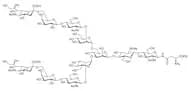
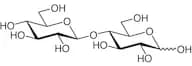
CAS :Formule :C88H144N8O64Degré de pureté :>90.0%(HPLC)Couleur et forme :White to Light yellow powder to crystalMasse moléculaire :2,338.11D-(+)-Cellobiose
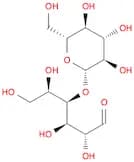
CAS :Formule :C12H22O11Degré de pureté :>98.0%(HPLC)Couleur et forme :White to Almost white powder to crystalMasse moléculaire :342.301,2-Phenylenediamine [for Biochemical Research]
CAS :Formule :C6H8N2Degré de pureté :>98.0%(GC)(T)Couleur et forme :White to Almost white powder to crystalMasse moléculaire :108.14Sialyl Neolactotetraosylceramide (=Sialyl nLc4Cer)
CAS :Formule :C73H131N3O31Couleur et forme :SolidMasse moléculaire :1,546.84Galα(1-3) core 6-Fucosylated N-Glycan 2AB (500pmol/vial)
Formule :C87H142N6O60Degré de pureté :>98.0%(HPLC)Couleur et forme :White to Almost white powder to crystalMasse moléculaire :2,232.08N,N-Dimethyl-1,4-phenylenediamine Dihydrochloride [for Biochemical Research]
CAS :Formule :C8H12N2·2HClDegré de pureté :>99.0%(T)(HPLC)Couleur et forme :White to Light yellow to Dark green powder to crystalMasse moléculaire :209.11Neu5Gcα(2-6) N-Glycan
CAS :Formule :C84H138N6O64Degré de pureté :min. 95.0 area%(HPLC)Couleur et forme :SolidMasse moléculaire :2,256.016-Carboxyfluorescein
CAS :Formule :C21H12O7Degré de pureté :>97.0%(HPLC)Couleur et forme :Light yellow to Brown powder to crystalMasse moléculaire :376.32Isomaltose
CAS :Formule :C12H22O11Degré de pureté :>97.0%(HPLC)Couleur et forme :White to Almost white powder to crystalMasse moléculaire :342.30Disodium 4-Nitrophenyl Phosphate Hexahydrate [for Biochemical Research]
CAS :Formule :C6H4NNa2O6P·6H2ODegré de pureté :>98.0%(T)(HPLC)Couleur et forme :White to Light yellow powder to crystalMasse moléculaire :371.147-Hydroxycoumarin-3-carboxylic Acid
CAS :Formule :C10H6O5Degré de pureté :>98.0%(HPLC)Couleur et forme :White to Light yellow powder to crystalMasse moléculaire :206.15Cellopentaose
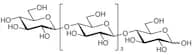
CAS :Formule :C30H52O26Degré de pureté :>95.0%(HPLC)Couleur et forme :White to Almost white powder to crystalMasse moléculaire :828.72Recombinant Polyporus squamosus lectin (= rPSL1a) expressed in Escherichia coli
Couleur et forme :Colorless to Light yellow to Light orange clear liquidAnti-DTBTA-Eu3+ Rabbit Polyclonal Antibody [2.5mg/mL in PBS(-)] (Preservative : 0.1% NaN3)
Couleur et forme :White or Colorless to Almost white or Almost colorless powder to lump to clear liquidFluorescein 5-Isothiocyanate (isomer I)
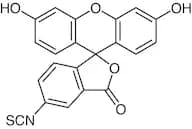
CAS :Formule :C21H11NO5SDegré de pureté :>97.0%(T)(HPLC)Couleur et forme :White to Yellow to Orange powder to crystalMasse moléculaire :389.384-Methylumbelliferyl 2-Acetamido-2-deoxy-β-D-galactopyranoside
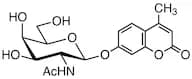
CAS :Formule :C18H21NO8Degré de pureté :>98.0%(HPLC)Couleur et forme :White to Light yellow powder to crystalMasse moléculaire :379.37Disialylnonasaccharide-β-pNP
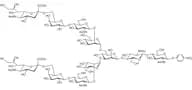
CAS :Formule :C90H141N7O64Degré de pureté :>98.0%(HPLC)Couleur et forme :White to Light yellow powder to crystalMasse moléculaire :2,345.10Recombinant Griffithsia sp. lectin (= rGRFT) expressed in Escherichia coli
Couleur et forme :Colorless to Light yellow to Light orange clear liquidSialylglycopeptide
CAS :Formule :C112H187N15Na2O70Degré de pureté :>95.0%(HPLC)Couleur et forme :White to Almost white powder to crystalMasse moléculaire :2,909.74PDGF-C rabbit pAb
platelet derived growth factor C(PDGFC) Homo sapiens The protein encoded by this gene is a member of the platelet-derived growth factor family. The four members of this family are mitogenic factors for cells of mesenchymal origin and are characterized by a core motif of eight cysteines. This gene product appears to form only homodimers. It differs from the platelet-derived growth factor alpha and beta polypeptides in having an unusual N-terminal domain, the CUB domain. Alternatively spliced transcript variants have been found for this gene. [provided by RefSeq, Sep 2010],JIP-2 rabbit pAb
The protein encoded by this gene is closely related to MAPK8IP1/IB1/JIP-1, a scaffold protein that is involved in the c-Jun amino-terminal kinase signaling pathway. This protein is expressed in brain and pancreatic cells. It has been shown to interact with, and regulate the activity of MAPK8/JNK1, and MAP2K7/MKK7 kinases. This protein thus is thought to function as a regulator of signal transduction by protein kinase cascade in brain and pancreatic beta-cells. [provided by RefSeq, Feb 2014],TRβ1 (phospho Ser142) rabbit pAb
The protein encoded by this gene is a nuclear hormone receptor for triiodothyronine. It is one of the several receptors for thyroid hormone, and has been shown to mediate the biological activities of thyroid hormone. Knockout studies in mice suggest that the different receptors, while having certain extent of redundancy, may mediate different functions of thyroid hormone. Mutations in this gene are known to be a cause of generalized thyroid hormone resistance (GTHR), a syndrome characterized by goiter and high levels of circulating thyroid hormone (T3-T4), with normal or slightly elevated thyroid stimulating hormone (TSH). Several alternatively spliced transcript variants encoding the same protein have been observed for this gene. [provided by RefSeq, Jul 2008],CD31 rabbit pAb
The protein encoded by this gene is found on the surface of platelets, monocytes, neutrophils, and some types of T-cells, and makes up a large portion of endothelial cell intercellular junctions. The encoded protein is a member of the immunoglobulin superfamily and is likely involved in leukocyte migration, angiogenesis, and integrin activation. [provided by RefSeq, May 2010],Galectin-4 rabbit pAb
The galectins are a family of beta-galactoside-binding proteins implicated in modulating cell-cell and cell-matrix interactions. The expression of this gene is restricted to small intestine, colon, and rectum, and it is underexpressed in colorectal cancer. [provided by RefSeq, Jul 2008],TBC1D15 rabbit pAb
This gene encodes a member of the Ras-like proteins in brain-GTPase activating protein superfamily that share a conserved Tre-2/Bub2/Cdc16 domain. The encoded protein interacts with Ras-like protein in brain 5A and may function as a regulator of intracellular trafficking. Alternate splicing results in multiple transcript variants. [provided by RefSeq, Apr 2009],APOBEC3D/F rabbit pAb
This gene is a member of the cytidine deaminase gene family. It is one of a group of related genes found in a cluster, thought to result from gene duplication, on chromosome 22. Members of the cluster encode proteins that are structurally and functionally related to the C to U RNA-editing cytidine deaminase APOBEC1 and inhibit retroviruses, such as HIV, by deaminating cytosine residues in nascent retroviral cDNA. [provided by RefSeq, Jul 2008],MMP-11 rabbit pAb
Proteins of the matrix metalloproteinase (MMP) family are involved in the breakdown of extracellular matrix in normal physiological processes, such as embryonic development, reproduction, and tissue remodeling, as well as in disease processes, such as arthritis and metastasis. Most MMP's are secreted as inactive proproteins which are activated when cleaved by extracellular proteinases. However, the enzyme encoded by this gene is activated intracellularly by furin within the constitutive secretory pathway. Also in contrast to other MMP's, this enzyme cleaves alpha 1-proteinase inhibitor but weakly degrades structural proteins of the extracellular matrix. [provided by RefSeq, Jul 2008],STAB2 rabbit pAb
This gene encodes a large, transmembrane receptor protein which may function in angiogenesis, lymphocyte homing, cell adhesion, or receptor scavenging. The protein contains 7 fasciclin, 15 epidermal growth factor (EGF)-like, and 2 laminin-type EGF-like domains as well as a C-type lectin-like hyaluronan-binding Link module. The protein is primarily expressed on sinusoidal endothelial cells of liver, spleen, and lymph node. The receptor has been shown to bind and endocytose ligands such as hyaluronan, low density lipoprotein, Gram-positive and Gram-negative bacteria, and advanced glycosylation end products. Supporting its possible role as a scavenger receptor, the protein has been shown to cycle between the plasma membrane and lysosomes. [provided by RefSeq, Jul 2008],ROR2 rabbit pAb
The protein encoded by this gene is a receptor protein tyrosine kinase and type I transmembrane protein that belongs to the ROR subfamily of cell surface receptors. The protein may be involved in the early formation of the chondrocytes and may be required for cartilage and growth plate development. Mutations in this gene can cause brachydactyly type B, a skeletal disorder characterized by hypoplasia/aplasia of distal phalanges and nails. In addition, mutations in this gene can cause the autosomal recessive form of Robinow syndrome, which is characterized by skeletal dysplasia with generalized limb bone shortening, segmental defects of the spine, brachydactyly, and a dysmorphic facial appearance. [provided by RefSeq, Jul 2008],FAM3B rabbit pAb
function:Has delayed effects on beta-cell function, inhibiting basal insulin secretion from a beta-cell line in a dose-dependent manner.,miscellaneous:2 N-termini have been observed in the mature protein: the first at Glu-30, resulting from signal peptide cleavage, the second at Ser-46.,similarity:Belongs to the FAM3 family.,subcellular location:Localized in discrete vesicular and perinuclear structure.,tissue specificity:Highly expressed in the pancreas. Also found in the colon, kidney, prostate, small intestine and testis.,GLK rabbit pAb
mitogen-activated protein kinase kinase kinase kinase 3(MAP4K3) Homo sapiens This gene encodes a member of the mitogen-activated protein kinase kinase kinase kinase family. The encoded protein activates key effectors in cell signalling, among them c-Jun. Alternatively spliced transcripts encoding multiple isoforms have been observed for this gene. [provided by RefSeq, Jul 2012],E2F7 rabbit pAb
E2F transcription factors, such as E2F7, play an essential role in the regulation of cell cycle progression (Di Stefano et al., 2003 [PubMed 14633988]).[supplied by OMIM, May 2008],AMPKβ1 rabbit pAb
The protein encoded by this gene is a regulatory subunit of the AMP-activated protein kinase (AMPK). AMPK is a heterotrimer consisting of an alpha catalytic subunit, and non-catalytic beta and gamma subunits. AMPK is an important energy-sensing enzyme that monitors cellular energy status. In response to cellular metabolic stresses, AMPK is activated, and thus phosphorylates and inactivates acetyl-CoA carboxylase (ACC) and beta-hydroxy beta-methylglutaryl-CoA reductase (HMGCR), key enzymes involved in regulating de novo biosynthesis of fatty acid and cholesterol. This subunit may be a positive regulator of AMPK activity. The myristoylation and phosphorylation of this subunit have been shown to affect the enzyme activity and cellular localization of AMPK. This subunit may also serve as an adaptor molecule mediating the association of the AMPK complex. [providedCleaved-Notch 4 (V1432) rabbit pAb
notch 4(NOTCH4) Homo sapiens This gene encodes a member of the NOTCH family of proteins. Members of this Type I transmembrane protein family share structural characteristics including an extracellular domain consisting of multiple epidermal growth factor-like (EGF) repeats, and an intracellular domain consisting of multiple different domain types. Notch signaling is an evolutionarily conserved intercellular signaling pathway that regulates interactions between physically adjacent cells through binding of Notch family receptors to their cognate ligands. The encoded preproprotein is proteolytically processed in the trans-Golgi network to generate two polypeptide chains that heterodimerize to form the mature cell-surface receptor. This receptor may play a role in vascular, renal and hepatic development. Mutations in this gene may be associated with schizophrenia. Alternative splicing results in multiple transcript variants, at least one of whichRBP1 rabbit pAb
RALBP1 plays a role in receptor-mediated endocytosis and is a downstream effector of the small GTP-binding protein RAL (see RALA; MIM 179550). Small G proteins, such as RAL, have GDP-bound inactive and GTP-bound active forms, which shift from the inactive to the active state through the action of RALGDS (MIM 601619), which in turn is activated by RAS (see HRAS; MIM 190020) (summary by Feig, 2003 [PubMed 12888294]).[supplied by OMIM, Nov 2010],BACE rabbit pAb
beta-secretase 1(BACE1) Homo sapiens This gene encodes a member of the peptidase A1 family of aspartic proteases. Alternative splicing results in multiple transcript variants, at least one of which encodes a preproprotein that is proteolytically processed to generate the mature protease. This transmembrane protease catalyzes the first step in the formation of amyloid beta peptide from amyloid precursor protein. Amyloid beta peptides are the main constituent of amyloid beta plaques, which accumulate in the brains of human Alzheimer's disease patients. [provided by RefSeq, Nov 2015],SSRD rabbit pAb
This gene encodes the delta subunit of the translocon-associated protein complex which is involved in translocating proteins across the endoplasmic reticulum membrane. The encoded protein is located in the Xq28 region and is arranged in a compact head-to-head manner with the isocitrate dehydrogenase 3 (NAD+) gamma gene and both genes are driven by a CpG-embedded bidirectional promoter. Alternate splicing results in multiple transcript variants.[provided by RefSeq, Mar 2011],VWCE rabbit pAb
function:May be a regulatory element in the beta-catenin signaling pathway and a target for chemoprevention of hapatocellular carcinoma.,induction:By HBxAg.,similarity:Contains 4 EGF-like domains.,similarity:Contains 6 VWFC domains.,subcellular location:According to PubMed:16496348 is localized in the cytoplasm.,tissue specificity:Expressed in liver.,GBP2 rabbit pAb
This gene belongs to the guanine-binding protein (GBP) family, which includes interferon-induced proteins that can bind to guanine nucleotides (GMP, GDP and GTP). The encoded protein is a GTPase which hydrolyzes GTP, predominantly to GDP. The protein may play a role as a marker of squamous cell carcinomas. [provided by RefSeq, Jul 2013],CLIC1 Rabbit pAb
Membrane insertion seems to be redox-regulated and may occur only under oxydizing conditions. Involved in regulation of the cell cycle.E2F-1 (Acetyl-K117) rabbit pAb
The protein encoded by this gene is a member of the E2F family of transcription factors. The E2F family plays a crucial role in the control of cell cycle and action of tumor suppressor proteins and is also a target of the transforming proteins of small DNA tumor viruses. The E2F proteins contain several evolutionally conserved domains found in most members of the family. These domains include a DNA binding domain, a dimerization domain which determines interaction with the differentiation regulated transcription factor proteins (DP), a transactivation domain enriched in acidic amino acids, and a tumor suppressor protein association domain which is embedded within the transactivation domain. This protein and another 2 members, E2F2 and E2F3, have an additional cyclin binding domain. This protein binds preferentially to retinoblastoma protein pRB in a cell-cycle dependent manner. It can mediaCALCR rabbit pAb
This gene encodes a high affinity receptor for the peptide hormone calcitonin and belongs to a subfamily of seven transmembrane-spanning G protein-coupled receptors. The encoded protein is involved in maintaining calcium homeostasis and in regulating osteoclast-mediated bone resorption. Polymorphisms in this gene have been associated with variations in bone mineral density and onset of osteoporosis. Alternate splicing results in multiple transcript variants. [provided by RefSeq, Sep 2009],MLTK rabbit pAb
This gene is a member of the MAPKKK family of signal transduction molecules and encodes a protein with an N-terminal kinase catalytic domain, followed by a leucine zipper motif and a sterile-alpha motif (SAM). This magnesium-binding protein forms homodimers and is located in the cytoplasm. The protein mediates gamma radiation signaling leading to cell cycle arrest and activity of this protein plays a role in cell cycle checkpoint regulation in cells. The protein also has pro-apoptotic activity. Alternate transcriptional splice variants, encoding different isoforms, have been characterized. [provided by RefSeq, Jul 2008],Bcl-2 rabbit pAb
BCL2, apoptosis regulator(BCL2) Homo sapiens This gene encodes an integral outer mitochondrial membrane protein that blocks the apoptotic death of some cells such as lymphocytes. Constitutive expression of BCL2, such as in the case of translocation of BCL2 to Ig heavy chain locus, is thought to be the cause of follicular lymphoma. Alternative splicing results in multiple transcript variants. [provided by RefSeq, Feb 2016],NBK (phospho Thr33) rabbit pAb
The protein encoded by this gene shares a critical BH3 domain with other death-promoting proteins, such as BID, BAK, BAD and BAX, that is required for its pro-apoptotic activity, and for interaction with anti-apoptotic members of the BCL2 family, and viral survival-promoting proteins. Since the activity of this protein is suppressed in the presence of survival-promoting proteins, it is suggested as a likely target for anti-apoptotic proteins. [provided by RefSeq, Sep 2011],ZDBF2 rabbit pAb
This gene encodes a protein containing DBF4-type zinc finger domains. This gene is imprinted and paternally expressed in lymphocytes but is more stochastically expressed in the placenta. Alternative splicing results in multiple transcript variants. [provided by RefSeq, Nov 2015],GCG rabbit pAb
The protein encoded by this gene is actually a preproprotein that is cleaved into four distinct mature peptides. One of these, glucagon, is a pancreatic hormone that counteracts the glucose-lowering action of insulin by stimulating glycogenolysis and gluconeogenesis. Glucagon is a ligand for a specific G-protein linked receptor whose signalling pathway controls cell proliferation. Two of the other peptides are secreted from gut endocrine cells and promote nutrient absorption through distinct mechanisms. Finally, the fourth peptide is similar to glicentin, an active enteroglucagon. [provided by RefSeq, Jul 2008],O14I1 rabbit pAb
Olfactory receptors interact with odorant molecules in the nose, to initiate a neuronal response that triggers the perception of a smell. The olfactory receptor proteins are members of a large family of G-protein-coupled receptors (GPCR) arising from single coding-exon genes. Olfactory receptors share a 7-transmembrane domain structure with many neurotransmitter and hormone receptors and are responsible for the recognition and G protein-mediated transduction of odorant signals. The olfactory receptor gene family is the largest in the genome. The nomenclature assigned to the olfactory receptor genes and proteins for this organism is independent of other organisms. [provided by RefSeq, Jul 2008],IL-4I1 rabbit pAb
This gene encodes a protein with limited similarity to L-amino acid oxidase which contains the conserved amino acids thought to be involved in catalysis and binding of flavin adenine dinucleotide (FAD) cofactor. The expression of this gene can be induced by interleukin 4 in B cells, however, expression of transcripts containing the first two exons of the upstream gene is found in other cell types. Multiple transcript variants encoding different isoforms have been found for this gene. [provided by RefSeq, Apr 2012],p73 (phospho Tyr99) rabbit pAb
tumor protein p73(TP73) Homo sapiens This gene encodes a member of the p53 family of transcription factors involved in cellular responses to stress and development. It maps to a region on chromosome 1p36 that is frequently deleted in neuroblastoma and other tumors, and thought to contain multiple tumor suppressor genes. The demonstration that this gene is monoallelically expressed (likely from the maternal allele), supports the notion that it is a candidate gene for neuroblastoma. Many transcript variants resulting from alternative splicing and/or use of alternate promoters have been found for this gene, but the biological validity and the full-length nature of some variants have not been determined. [provided by RefSeq, Feb 2011],OTX1 rabbit pAb
This gene encodes a member of the bicoid sub-family of homeodomain-containing transcription factors. The encoded protein acts as a transcription factor and may play a role in brain and sensory organ development. A similar protein in mouse is required for proper brain and sensory organ development and can cause epilepsy. Alternative splicing results in multiple transcript variants. [provided by RefSeq, Jan 2015],DCMC rabbit pAb
The product of this gene catalyzes the breakdown of malonyl-CoA to acetyl-CoA and carbon dioxide. Malonyl-CoA is an intermediate in fatty acid biosynthesis, and also inhibits the transport of fatty acyl CoAs into mitochondria. Consequently, the encoded protein acts to increase the rate of fatty acid oxidation. It is found in mitochondria, peroxisomes, and the cytoplasm. Mutations in this gene result in malonyl-CoA decarboyxlase deficiency. [provided by RefSeq, Jul 2008],DR3 rabbit pAb
The protein encoded by this gene is a member of the TNF-receptor superfamily. This receptor is expressed preferentially in the tissues enriched in lymphocytes, and it may play a role in regulating lymphocyte homeostasis. This receptor has been shown to stimulate NF-kappa B activity and regulate cell apoptosis. The signal transduction of this receptor is mediated by various death domain containing adaptor proteins. Knockout studies in mice suggested the role of this gene in the removal of self-reactive T cells in the thymus. Multiple alternatively spliced transcript variants of this gene encoding distinct isoforms have been reported, most of which are potentially secreted molecules. The alternative splicing of this gene in B and T cells encounters a programmed change upon T-cell activation, which predominantly produces full-length, membrane bound isoforms, and is thought to be involveLC3B (9H5) Mouse mAb
Autophagy marker Light Chain 3 (LC3) was originally identified as a subunit of microtubule-associated proteins 1A and 1B (termed MAP1LC3).Nkx-2.6 rabbit pAb
This gene encodes a homeobox-containing protein that belongs to the NK-2 homeobox family. This protein is a vertebrate homolog of Drosophila homeobox-containing protein called 'tinman', which has been shown to be essential for development of the heart-like dorsal vessel. In conjunction with related gene, NKX2-5, this gene may play a role in both pharyngeal and cardiac embryonic development. Mutations in this gene are associated with persistent truncus arteriosus.[provided by RefSeq, Aug 2011],MOV10L1 rabbit pAb
Mov10 RISC complex RNA helicase like 1(MOV10L1) Homo sapiens This gene is similar to a mouse gene that encodes a putative RNA helicase and shows testis-specific expression. Multiple transcript variants encoding different isoforms have been found for this gene. [provided by RefSeq, Aug 2009],ITB6 rabbit pAb
This gene encodes a protein that is a member of the integrin superfamily. Members of this family are adhesion receptors that function in signaling from the extracellular matrix to the cell. Integrins are heterodimeric integral membrane proteins composed of an alpha chain and a beta chain. The encoded protein forms a dimer with an alpha v chain and this heterodimer can bind to ligands like fibronectin and transforming growth factor beta 1. Alternate splicing results in multiple transcript variants. [provided by RefSeq, Sep 2013],TM165 rabbit pAb
This gene encodes a predicted transmembrane protein with a perinuclear Golgi-like distribution in fibroblasts. Mutations in this gene are associated with the autosomal recessive disorder congenital disorder of glycosylation, type IIk. Knockdown of this gene's expression causes decreased sialylation in HEK cells and suggests this gene plays a role in terminal Golgi glycosylation. Alternative splicing results in multiple transcript variants. [provided by RefSeq, Jul 2012],ZKSCAN4 rabbit pAb
function:May be involved in the transcriptional activation of MDM2 and EP300 genes.,PTM:Phosphorylated upon DNA damage, probably by ATM or ATR.,similarity:Belongs to the krueppel C2H2-type zinc-finger protein family.,similarity:Contains 1 KRAB domain.,similarity:Contains 1 SCAN box domain.,similarity:Contains 7 C2H2-type zinc fingers.,tissue specificity:Expressed in adult heart, brain, placenta, lung and kidney, but not in adult liver and skeletal muscle. In 17-day old embryo, detected in liver, skeletal muscle, brain, heart and small intestine.,ATG5 rabbit pAb
The protein encoded by this gene, in combination with autophagy protein 12, functions as an E1-like activating enzyme in a ubiquitin-like conjugating system. The encoded protein is involved in several cellular processes, including autophagic vesicle formation, mitochondrial quality control after oxidative damage, negative regulation of the innate antiviral immune response, lymphocyte development and proliferation, MHC II antigen presentation, adipocyte differentiation, and apoptosis. Several transcript variants encoding different protein isoforms have been found for this gene. [provided by RefSeq, Sep 2015],GARNL1 (Phospho-S797) rabbit pAb
This gene encodes a major subunit of the RAL-GTPase activating protein. A similar protein in mouse binds E12, a transcriptional regulator of immunoglobulin genes. The mouse protein also functions in skeletal muscle by binding to the regulatory 14-3-3 proteins upon stimulation with insulin or muscle contraction. A pseudogene of this gene has been identified on chromosome 9. [provided by RefSeq, Oct 2016],FOP rabbit pAb
FGFR1 oncogene partner(FGFR1OP) Homo sapiens This gene encodes a largely hydrophilic centrosomal protein that is required for anchoring microtubules to subcellular structures. A t(6;8)(q27;p11) chromosomal translocation, fusing this gene and the fibroblast growth factor receptor 1 (FGFR1) gene, has been found in cases of myeloproliferative disorder. The resulting chimeric protein contains the N-terminal leucine-rich region of this encoded protein fused to the catalytic domain of FGFR1. Alterations in this gene may also be associated with Crohn's disease, Graves' disease, and vitiligo. Alternatively spliced transcript variants that encode different proteins have been identified. [provided by RefSeq, Jul 2013],K1C12 rabbit pAb
KRT12 encodes the type I intermediate filament chain keratin 12, expressed in corneal epithelia. Mutations in this gene lead to Meesmann corneal dystrophy. [provided by RefSeq, Jul 2008],β-maltose
CAS :Formule :C12H22O11Degré de pureté :98%Couleur et forme :SolidMasse moléculaire :342.2965MAZ rabbit pAb
function:May function as a transcription factor with dual roles in transcription initiation and termination. Binds to two sites, ME1a1 and ME1a2, within the c-myc promoter having greater affinity for the former. Also binds to multiple G/C-rich sites within the promoter of the Sp1 family of transcription factors.,similarity:Contains 6 C2H2-type zinc fingers.,subcellular location:In brains of Alzheimer disease patients, present in a plaque-like structures.,subunit:Interacts with BPTF.,tissue specificity:Present in kidney, liver and brain. In the brain, highest levels are found in motor cortex and midfrontal cortex (at protein level).,AKR1CL2 rabbit pAb
The protein encoded by this gene is a member of the aldo-keto reductase superfamily. Members in this family are characterized by their structure (evolutionarily highly conserved TIM barrel) and function (NAD(P)H-dependent oxido-reduction of carbonyl groups). Transcripts of this gene have been reported in specimens of human testis. Alternative splicing results in multiple transcript variants. [provided by RefSeq, Aug 2012],



![4-Nitrophenyl α-D-Glucopyranoside [Substrate for α-D-Glucosidase]](/_next/image/?url=https%3A%2Fstatic.cymitquimica.com%2Fproducts%2F3B%2Fthumb-webp%2FN0493.webp&w=3840&q=75)
![Sodium 3-(N-Ethylanilino)propanesulfonate [for Biochemical Research]](/_next/image/?url=https%3A%2Fstatic.cymitquimica.com%2Fproducts%2F3B%2Fthumb-webp%2FS0817.webp&w=3840&q=75)

![1,2-Phenylenediamine [for Biochemical Research]](/_next/image/?url=https%3A%2Fstatic.cymitquimica.com%2Fproducts%2F3B%2Fthumb-webp%2FP1805.webp&w=3840&q=75)



![N,N-Dimethyl-1,4-phenylenediamine Dihydrochloride [for Biochemical Research]](/_next/image/?url=https%3A%2Fstatic.cymitquimica.com%2Fproducts%2F3B%2Fthumb-webp%2FD3931.webp&w=3840&q=75)



![Disodium 4-Nitrophenyl Phosphate Hexahydrate [for Biochemical Research]](/_next/image/?url=https%3A%2Fstatic.cymitquimica.com%2Fproducts%2F3B%2Fthumb-webp%2FD4005.webp&w=3840&q=75)



![rGRFT-Biotin [for Manα(1-2)Man]](/_next/image/?url=https%3A%2Fstatic.cymitquimica.com%2Fproducts%2F3B%2Fthumb-webp%2FR0234.webp&w=3840&q=75)

![Anti-DTBTA-Eu3+ Rabbit Polyclonal Antibody [2.5mg/mL in PBS(-)] (Preservative : 0.1% NaN3)](/_next/image/?url=https%3A%2Fstatic.cymitquimica.com%2Fproducts%2F3B%2Fthumb-webp%2FA2239.webp&w=3840&q=75)
![AzBTS (Ready-to-use solution) [for ELISA]](/_next/image/?url=https%3A%2Fstatic.cymitquimica.com%2Fproducts%2F3B%2Fthumb-webp%2FA3176.webp&w=3840&q=75)