Anticorps primaires
Les anticorps primaires sont des immunoglobulines qui se lient spécifiquement à un antigène d'intérêt, permettant la détection et la quantification de protéines, peptides ou autres biomolécules. Ces anticorps sont des outils essentiels dans de nombreuses applications, notamment le Western blot, l'immunohistochimie et l'ELISA. Chez CymitQuimica, nous proposons une vaste sélection d'anticorps primaires de haute qualité, offrant spécificité et sensibilité pour divers besoins de recherche, notamment en cancérologie, immunologie et biologie cellulaire.
Sous-catégories appartenant à la catégorie "Anticorps primaires"
- Anticorps pour la recherche sur le cancer(3.620 produits)
- Anticorps cardio-vasculaires(2 produits)
- Biologie du développement(751 produits)
- Anticorps relatifs à l’épigénétique(162 produits)
- Anticorps d'immunologie(2.776 produits)
- Anticorps du métabolisme(279 produits)
- Anticorps de microbiologie(736 produits)
- Transduction du signal(2.717 produits)
- Tags & Marqueurs cellulaires(33 produits)
Affichez 1 plus de sous-catégories
75326 produits trouvés pour "Anticorps primaires"
Trier par
Degré de pureté (%)
0
100
|
0
|
50
|
90
|
95
|
100
MMAC rabbit pAb
The exact function of the protein encoded by this gene is not known, however, its C-terminal region shows similarity to TonB, a bacterial protein involved in energy transduction for cobalamin (vitamin B12) uptake. Hence, it is postulated that this protein may have a role in the binding and intracellular trafficking of cobalamin. Mutations in this gene are associated with methylmalonic aciduria and homocystinuria type cblC. [provided by RefSeq, Oct 2009],TGFβ RI (phospho Ser165) rabbit pAb
The protein encoded by this gene forms a heteromeric complex with type II TGF-beta receptors when bound to TGF-beta, transducing the TGF-beta signal from the cell surface to the cytoplasm. The encoded protein is a serine/threonine protein kinase. Mutations in this gene have been associated with Loeys-Dietz aortic aneurysm syndrome (LDAS). Multiple transcript variants encoding different isoforms have been found for this gene. [provided by RefSeq, Aug 2008],Ub (Acetyl Lys33) rabbit pAb
Ubiquitin is a highly conserved nuclear and cytoplasmic protein that has a major role in targeting cellular proteins for degradation by the 26S proteosome. It is also involved in the maintenance of chromatin structure, the regulation of gene expression, and the stress response. Ubiquitin is synthesized as a precursor protein consisting of either polyubiquitin chains or a single ubiquitin moiety fused to an unrelated protein. This gene encodes a fusion protein consisting of ubiquitin at the N terminus and ribosomal protein L40 at the C terminus, a C-terminal extension protein (CEP). Multiple processed pseudogenes derived from this gene are present in the genome. [provided by RefSeq, Jul 2008],ZN-16 rabbit pAb
function:May be involved in transcriptional regulation.,PTM:Phosphorylated upon DNA damage, probably by ATM or ATR.,similarity:Belongs to the krueppel C2H2-type zinc-finger protein family.,similarity:Contains 9 C2H2-type zinc fingers.,IP3R-I rabbit pAb
This gene encodes an intracellular receptor for inositol 1,4,5-trisphosphate. Upon stimulation by inositol 1,4,5-trisphosphate, this receptor mediates calcium release from the endoplasmic reticulum. Mutations in this gene cause spinocerebellar ataxia type 15, a disease associated with an heterogeneous group of cerebellar disorders. Multiple transcript variants have been identified for this gene. [provided by RefSeq, Nov 2009],Dipeptidyl-peptidase 1 (heavy chain, Cleaved-Leu231) rabbit pAb
catalytic activity:Release of an N-terminal dipeptide, Xaa-Yaa-|-Zaa-, except when Xaa is Arg or Lys, or Yaa or Zaa is Pro.,cofactor:Binds 1 chloride ion per heavy chain.,disease:Defects in CTSC are a cause of Haim-Munk syndrome (HMS) [MIM:245010]; also known as keratosis palmoplantaris with periodontopathia and onychogryposis or Cochin Jewish disorder. HMS is an autosomal recessive disorder characterized by palmoplantar keratosis, onychogryphosis and periodontitis. Additional features are pes planus, arachnodactyly, and acroosteolysis.,disease:Defects in CTSC are a cause of juvenile periodontitis (JPD) [MIM:170650]; also known as prepubertal periodontitis (PPP). JPD is characterized by severe and protracted gingival infections, leading to tooth loss. JPD inheritance is autosomal dominant.,disease:Defects in CTSC are a cause of Papillon-Lefevre syndrome (PLS) [MIM:245000]; also known as keratosis palmoplantaris with periodontopathia. PLS is an autosomal recessive disorder characterized by palmoplantar keratosis and severe periodontitis affecting deciduous and permanent dentitions and resulting in premature tooth loss. The palmoplantar keratotic phenotype vary from mild psoriasiform scaly skin to overt hyperkeratosis. Keratosis also affects other sites such as elbows and knees.,enzyme regulation:Strongly inhibited by the cysteine peptidase inhibitors mersalyl acid, iodoacetic acid and cystatin. Inhibited by N-ethylmaleimide, Gly-Phe-diazomethane, TLCK, TPCK and, at low pH, by dithiodipyridine. Not inhibited by the serine peptidase inhibitor PMSF, the aminopeptidase inhibitor bestatin, or metal ion chelators.,function:Thiol protease. Has dipeptidylpeptidase activity. Active against a broad range of dipeptide substrates composed of both polar and hydrophobic amino acids. Proline cannot occupy the P1 position and arginine cannot occupy the P2 position of the substrate. Can act as both an exopeptidase and endopeptidase. Activates serine proteases such as elastase, cathepsin G and granzymes A and B. Can also activate neuraminidase and factor XIII.,induction:Up-regulated in lymphocytes by IL2.,online information:CTSC mutation db,PTM:In approximately 50% of the complexes the exclusion domain is cleaved at position 58 or 61. The two parts of the exclusion domain are held together by a disulfide bond.,PTM:N-glycosylated.,similarity:Belongs to the peptidase C1 family.,subunit:Tetramer of heterotrimers consisting of exclusion domain, heavy- and light chains.,tissue specificity:Ubiquitous. Highly expressed in lung, kidney and placenta. Detected at intermediate levels in colon, small intestine, spleen and pancreas.,A1AG1 rabbit pAb
This gene encodes a key acute phase plasma protein. Because of its increase due to acute inflammation, this protein is classified as an acute-phase reactant. The specific function of this protein has not yet been determined; however, it may be involved in aspects of immunosuppression. [provided by RefSeq, Jul 2008],GPR115 rabbit pAb
function:Orphan receptor.,similarity:Belongs to the G-protein coupled receptor 2 family. LN-TM7 subfamily.,similarity:Contains 1 GPS domain.,Histone H2A (Acetyl Lys9) rabbit pAb
Histones are basic nuclear proteins that are responsible for the nucleosome structure of the chromosomal fiber in eukaryotes. Two molecules of each of the four core histones (H2A, H2B, H3, and H4) form an octamer, around which approximately 146 bp of DNA is wrapped in repeating units, called nucleosomes. The linker histone, H1, interacts with linker DNA between nucleosomes and functions in the compaction of chromatin into higher order structures. This gene is intronless and encodes a replication-dependent histone that is a member of the histone H2A family. Transcripts from this gene lack polyA tails but instead contain a palindromic termination element. This gene is found in the small histone gene cluster on chromosome 6p22-p21.3. [provided by RefSeq, Aug 2015],IRX2 rabbit pAb
IRX2 is a member of the Iroquois homeobox gene family. Members of this family appear to play multiple roles during pattern formation of vertebrate embryos.[supplied by OMIM, Apr 2004],IRP-1 (phospho Ser711) rabbit pAb
The protein encoded by this gene is a bifunctional, cytosolic protein that functions as an essential enzyme in the TCA cycle and interacts with mRNA to control the levels of iron inside cells. When cellular iron levels are high, this protein binds to a 4Fe-4S cluster and functions as an aconitase. Aconitases are iron-sulfur proteins that function to catalyze the conversion of citrate to isocitrate. When cellular iron levels are low, the protein binds to iron-responsive elements (IREs), which are stem-loop structures found in the 5' UTR of ferritin mRNA, and in the 3' UTR of transferrin receptor mRNA. When the protein binds to IRE, it results in repression of translation of ferritin mRNA, and inhibition of degradation of the otherwise rapidly degraded transferrin receptor mRNA. The encoded protein has been identified as a moonlighting protein based on its ability to perform mechanistically distinctCOL9A1 rabbit pAb
This gene encodes one of the three alpha chains of type IX collagen, which is a minor (5-20%) collagen component of hyaline cartilage. Type IX collagen is usually found in tissues containing type II collagen, a fibrillar collagen. Studies in knockout mice have shown that synthesis of the alpha 1 chain is essential for assembly of type IX collagen molecules, a heterotrimeric molecule, and that lack of type IX collagen is associated with early onset osteoarthritis. Mutations in this gene are associated with osteoarthritis in humans, with multiple epiphyseal dysplasia, 6, a form of chondrodysplasia, and with Stickler syndrome, a disease characterized by ophthalmic, orofacial, articular, and auditory defects. Two transcript variants that encode different isoforms have been identified for this gene. [provided by RefSeq, Jul 2008],NLGN1 rabbit pAb
This gene encodes a member of a family of neuronal cell surface proteins. Members of this family may act as splice site-specific ligands for beta-neurexins and may be involved in the formation and remodeling of central nervous system synapses. [provided by RefSeq, Jul 2008],MC5-R rabbit pAb
This gene encodes a member of the seven-pass transmembrane G protein-coupled melanocortin receptor protein family that stimulate cAMP signal transduction. The encoded protein is a receptor for melanocyte-stimulating hormone and adrenocorticotropic hormone and is suggested to play a role in sebum generation. [provided by RefSeq, Jun 2010],IL-3Rβ (phospho Tyr593) rabbit pAb
The protein encoded by this gene is the common beta chain of the high affinity receptor for IL-3, IL-5 and CSF. Defects in this gene have been reported to be associated with protein alveolar proteinosis (PAP). [provided by RefSeq, Jul 2008],ZNF575 rabbit pAb
function:May be involved in transcriptional regulation.,similarity:Belongs to the krueppel C2H2-type zinc-finger protein family.,similarity:Contains 6 C2H2-type zinc fingers.,GP111 rabbit pAb
function:Orphan receptor.,similarity:Belongs to the G-protein coupled receptor 2 family. LN-TM7 subfamily.,similarity:Contains 1 GPS domain.,Bad rabbit pAb
The protein encoded by this gene is a member of the BCL-2 family. BCL-2 family members are known to be regulators of programmed cell death. This protein positively regulates cell apoptosis by forming heterodimers with BCL-xL and BCL-2, and reversing their death repressor activity. Proapoptotic activity of this protein is regulated through its phosphorylation. Protein kinases AKT and MAP kinase, as well as protein phosphatase calcineurin were found to be involved in the regulation of this protein. Alternative splicing of this gene results in two transcript variants which encode the same isoform. [provided by RefSeq, Jul 2008],GCKR rabbit pAb
This gene encodes a protein belonging to the GCKR subfamily of the SIS (Sugar ISomerase) family of proteins. The gene product is a regulatory protein that inhibits glucokinase in liver and pancreatic islet cells by binding non-covalently to form an inactive complex with the enzyme. This gene is considered a susceptibility gene candidate for a form of maturity-onset diabetes of the young (MODY). [provided by RefSeq, Jul 2008],ERK1/2 (1H4) Mouse mAb
Mitogen-activated protein kinases (MAPKs) are a widely conserved family of serine/threonine protein kinases involved in many cellular programs such as cell proliferation, differentiation, motility, and death. The p44/42 MAPK (Erk1/2) signaling pathway can be activated in response to a diverse range of extracellular stimuli including mitogens, growth factors, and cytokines and is an important target in the diagnosis and treatment of cancer.Kir4.1 rabbit pAb
This gene encodes a member of the inward rectifier-type potassium channel family, characterized by having a greater tendency to allow potassium to flow into, rather than out of, a cell. The encoded protein may form a heterodimer with another potassium channel protein and may be responsible for the potassium buffering action of glial cells in the brain. Mutations in this gene have been associated with seizure susceptibility of common idiopathic generalized epilepsy syndromes. [provided by RefSeq, Jul 2008],CSGlcA-T rabbit pAb
CHPF2 (Chondroitin Polymerizing Factor 2) is a Protein Coding gene. Among its related pathways are Defective B3GAT3 causes JDSSDHD and Metabolism. GO annotations related to this gene include transferase activity, transferring glycosyl groups and N-acetylgalactosaminyl-proteoglycan 3-beta-glucuronosyltransferase activity. An important paralog of this gene is B4GALNT4.AVP Receptor V2 rabbit pAb
This gene encodes the vasopressin receptor, type 2, also known as the V2 receptor, which belongs to the seven-transmembrane-domain G protein-coupled receptor (GPCR) superfamily, and couples to Gs thus stimulating adenylate cyclase. The subfamily that includes the V2 receptor, the V1a and V1b vasopressin receptors, the oxytocin receptor, and isotocin and mesotocin receptors in non-mammals, is well conserved, though several members signal via other G proteins. All bind similar cyclic nonapeptide hormones. The V2 receptor is expressed in the kidney tubule, predominantly in the distal convoluted tubule and collecting ducts, where its primary property is to respond to the pituitary hormone arginine vasopressin (AVP) by stimulating mechanisms that concentrate the urine and maintain water homeostasis in the organism. When the function of this gene is lost, the disease Nephrogenic Diabetes InsipidusRIPK2 (Phospho-Ser176) Antibody
This gene encodes a member of the receptor-interacting protein (RIP) family of serine/threonine protein kinases. The encoded protein contains a C-terminal caspase activation and recruitment domain (CARD), and is a component of signaling complexes in both the innate and adaptive immune pathways. It is a potent activator of NF-kappaB and inducer of apoptosis in response to various stimuli. [provided by RefSeq, Jul 2008],Bcl-2 (phospho Thr74) rabbit pAb
BCL2, apoptosis regulator(BCL2) Homo sapiens This gene encodes an integral outer mitochondrial membrane protein that blocks the apoptotic death of some cells such as lymphocytes. Constitutive expression of BCL2, such as in the case of translocation of BCL2 to Ig heavy chain locus, is thought to be the cause of follicular lymphoma. Alternative splicing results in multiple transcript variants. [provided by RefSeq, Feb 2016],CD161 rabbit pAb
Natural killer (NK) cells are lymphocytes that mediate cytotoxicity and secrete cytokines after immune stimulation. Several genes of the C-type lectin superfamily, including the rodent NKRP1 family of glycoproteins, are expressed by NK cells and may be involved in the regulation of NK cell function. The KLRB1 protein contains an extracellular domain with several motifs characteristic of C-type lectins, a transmembrane domain, and a cytoplasmic domain. The KLRB1 protein is classified as a type II membrane protein because it has an external C terminus. [provided by RefSeq, Jul 2008],CHOP rabbit pAb
This gene encodes a member of the CCAAT/enhancer-binding protein (C/EBP) family of transcription factors. The protein functions as a dominant-negative inhibitor by forming heterodimers with other C/EBP members, such as C/EBP and LAP (liver activator protein), and preventing their DNA binding activity. The protein is implicated in adipogenesis and erythropoiesis, is activated by endoplasmic reticulum stress, and promotes apoptosis. Fusion of this gene and FUS on chromosome 16 or EWSR1 on chromosome 22 induced by translocation generates chimeric proteins in myxoid liposarcomas or Ewing sarcoma. Multiple alternatively spliced transcript variants encoding two isoforms with different length have been identified. [provided by RefSeq, Aug 2010],SNAI2 rabbit pAb
snail family transcriptional repressor 2(SNAI2) Homo sapiens This gene encodes a member of the Snail family of C2H2-type zinc finger transcription factors. The encoded protein acts as a transcriptional repressor that binds to E-box motifs and is also likely to repress E-cadherin transcription in breast carcinoma. This protein is involved in epithelial-mesenchymal transitions and has antiapoptotic activity. Mutations in this gene may be associated with sporatic cases of neural tube defects. [provided by RefSeq, Jul 2008],KLOTB rabbit pAb
domain:Contains 2 glycosyl hydrolase 1 regions. However, the first region lacks the essential Glu active site residue at position 241, and the second one lacks the essential Glu active site residue at position 889. These domains are therefore predicted to be inactive.,function:Contributes to the transcriptional repression of cholesterol 7-alpha-hydroxylase (CYP7A1), the rate-limiting enzyme in bile acid synthesis. Probably inactive as a glycosidase. Increases the ability of FGFR1 and FGFR4 to bind FGF21.,similarity:Belongs to the glycosyl hydrolase 1 family.,similarity:Belongs to the glycosyl hydrolase 1 family. Klotho subfamily.,subunit:Interacts with FGFR1 and FGFR4.,SMC3 rabbit pAb
This gene belongs to the SMC3 subfamily of SMC proteins. The encoded protein occurs in certain cell types as either an intracellular, nuclear protein or a secreted protein. The nuclear form, known as structural maintenance of chromosomes 3, is a component of the multimeric cohesin complex that holds together sister chromatids during mitosis, enabling proper chromosome segregation. Post-translational modification of the encoded protein by the addition of chondroitin sulfate chains gives rise to the secreted proteoglycan bamacan, an abundant basement membrane protein. [provided by RefSeq, Jul 2008],CP058 rabbit pAb
This gene encodes a putative transmembrane protein containing a conserved DUF647 domain that may be involved in protein-protein interaction. The encoded protein is related to a plant protein that participates in ultraviolet B light-sensing during root morphogenesis. [provided by RefSeq, Feb 2013],COL11A1 rabbit pAb
collagen type XI alpha 1 chain(COL11A1) Homo sapiens This gene encodes one of the two alpha chains of type XI collagen, a minor fibrillar collagen. Type XI collagen is a heterotrimer but the third alpha chain is a post-translationally modified alpha 1 type II chain. Mutations in this gene are associated with type II Stickler syndrome and with Marshall syndrome. A single-nucleotide polymorphism in this gene is also associated with susceptibility to lumbar disc herniation. Multiple transcript variants have been identified for this gene. [provided by RefSeq, Nov 2009],KCNK5 rabbit pAb
This gene encodes one of the members of the superfamily of potassium channel proteins containing two pore-forming P domains. The message for this gene is mainly expressed in the cortical distal tubules and collecting ducts of the kidney. The protein is highly sensitive to external pH and this, in combination with its expression pattern, suggests it may play an important role in renal potassium transport. [provided by RefSeq, Jul 2008],ADA19 rabbit pAb
ADAM metallopeptidase domain 19(ADAM19) Homo sapiens This gene encodes a member of the ADAM (a disintegrin and metalloprotease domain) family. Members of this family are membrane-anchored proteins structurally related to snake venom disintegrins and have been implicated in a variety of biological processes involving cell-cell and cell-matrix interactions, including fertilization, muscle development, and neurogenesis. This member is a type I transmembrane protein and serves as a marker for dendritic cell differentiation. It has been demonstrated to be an active metalloproteinase, which may be involved in normal physiological processes such as cell migration, cell adhesion, cell-cell and cell-matrix interactions, and signal transduction. It is proposed to play a role in pathological processes, such as cancer, inflammatory diseases, renal diseases, and Alzheimer's disease. [provided by RefSeq, May 2013],PAF65α rabbit pAb
Initiation of transcription by RNA polymerase II requires the activities of more than 70 polypeptides. The protein that coordinates these activities is transcription factor IID (TFIID), which binds to the core promoter to position the polymerase properly, serves as the scaffold for assembly of the remainder of the transcription complex, and acts as a channel for regulatory signals. TFIID is composed of the TATA-binding protein (TBP) and a group of evolutionarily conserved proteins known as TBP-associated factors or TAFs. TAFs may participate in basal transcription, serve as coactivators, function in promoter recognition or modify general transcription factors (GTFs) to facilitate complex assembly and transcription initiation. This gene encodes a protein that is a component of the PCAF histone acetylase complex and structurally similar to one of the histone-like TAFs,EGFR (phospho Ser1070) rabbit pAb
The protein encoded by this gene is a transmembrane glycoprotein that is a member of the protein kinase superfamily. This protein is a receptor for members of the epidermal growth factor family. EGFR is a cell surface protein that binds to epidermal growth factor. Binding of the protein to a ligand induces receptor dimerization and tyrosine autophosphorylation and leads to cell proliferation. Mutations in this gene are associated with lung cancer. [provided by RefSeq, Jun 2016],TRYG1 rabbit pAb
tryptase gamma 1(TPSG1) Homo sapiens Tryptases comprise a family of trypsin-like serine proteases, the peptidase family S1. Tryptases are enzymatically active only as heparin-stabilized tetramers, and they are resistant to all known endogenous proteinase inhibitors. Several tryptase genes are clustered on chromosome 16p13.3. There is uncertainty regarding the number of genes in this cluster. Currently four functional genes - alpha I, beta I, beta II and gamma I - have been identified. And beta I has an allelic variant named alpha II, beta II has an allelic variant beta III, also gamma I has an allelic variant gamma II. Beta tryptases appear to be the main isoenzymes expressed in mast cells; whereas in basophils, alpha-tryptases predominant. This gene differs from other members of the tryptase gene family in that it has C-terminal hydrophobic domain, which may serve as a membrane anchor. Tryptases have been implicated as mediators in the pathogCHD5 rabbit pAb
This gene encodes a member of the chromodomain helicase DNA-binding protein family. Members of this family are characterized by a chromodomain, a helicase ATP-binding domain and an additional functional domain. This gene encodes a neuron-specific protein that may function in chromatin remodeling and gene transcription. This gene is a potential tumor suppressor gene that may play a role in the development of neuroblastoma. [provided by RefSeq, Feb 2012],AAT1 rabbit pAb
alternative products:Additional isoforms (AAT-1L and AAT-1S) may exist,function:Isoform 4 may play a role in spermatogenesis.,PTM:Isoform 4 is phosphorylated by PKA.,subcellular location:Isoform 4 is found in the mitochondria and localized in the neck of the sperm.,subunit:Interacts with AMY1 and AKAP1. Isoform 4 belongs to a complex together with AMY1, AKAP1 and PRKAR2B. Isoform 3 does not interact with AMY1.,tissue specificity:Isoform 1 is strongly expressed in the liver. Isoform 4 is widely expressed, but strongly expressed in all spermatogenesis-related tissues, including the testis, the epithelium of cauda and the corpus epididymis. Isoform 4 is present in the spermatid and mature sperm. Isoform 4 is also expressed in Leydig cells. Isoform 3 is expressed in the testis.,Cleaved-C1s HC (R437) rabbit pAb
This gene encodes a serine protease, which is a major constituent of the human complement subcomponent C1. C1s associates with two other complement components C1r and C1q in order to yield the first component of the serum complement system. Defects in this gene are the cause of selective C1s deficiency. [provided by RefSeq, Mar 2009],MITF rabbit pAb
This gene encodes a transcription factor that contains both basic helix-loop-helix and leucine zipper structural features. It regulates the differentiation and development of melanocytes retinal pigment epithelium and is also responsible for pigment cell-specific transcription of the melanogenesis enzyme genes. Heterozygous mutations in the this gene cause auditory-pigmentary syndromes, such as Waardenburg syndrome type 2 and Tietz syndrome. Alternatively spliced transcript variants encoding different isoforms have been identified. [provided by RefSeq, Jul 2008],KRT36 rabbit pAb
The protein encoded by this gene is a member of the keratin gene family. This type I hair keratin is an acidic protein which heterodimerizes with type II keratins to form hair and nails. The type I hair keratins are clustered in a region of chromosome 17q12-q21 and have the same direction of transcription. [provided by RefSeq, Jul 2008],FANCD2 rabbit pAb
Fanconi anemia complementation group D2(FANCD2) Homo sapiens The Fanconi anemia complementation group (FANC) currently includes FANCA, FANCB, FANCC, FANCD1 (also called BRCA2), FANCD2, FANCE, FANCF, FANCG, FANCI, FANCJ (also called BRIP1), FANCL, FANCM and FANCN (also called PALB2). The previously defined group FANCH is the same as FANCA. Fanconi anemia is a genetically heterogeneous recessive disorder characterized by cytogenetic instability, hypersensitivity to DNA crosslinking agents, increased chromosomal breakage, and defective DNA repair. The members of the Fanconi anemia complementation group do not share sequence similarity; they are related by their assembly into a common nuclear protein complex. This gene encodes the protein for complementation group D2. This protein is monoubiquinated in response to DNA damage, resulting in its localization to nuclear foci with other proteins (BRCA1 AND BRCA2) involved in homology-directed DNA repaiBM88 rabbit pAb
The protein encoded by this gene is a neuron-specific protein. The similar protein in pig enhances neuroblastoma cell differentiation in vitro and may be involved in neuronal differentiation in vivo. Multiple pseudogenes have been reported for this gene. [provided by RefSeq, Jul 2008],Cytokeratin 5 rabbit pAb
keratin 5(KRT5) Homo sapiens The protein encoded by this gene is a member of the keratin gene family. The type II cytokeratins consist of basic or neutral proteins which are arranged in pairs of heterotypic keratin chains coexpressed during differentiation of simple and stratified epithelial tissues. This type II cytokeratin is specifically expressed in the basal layer of the epidermis with family member KRT14. Mutations in these genes have been associated with a complex of diseases termed epidermolysis bullosa simplex. The type II cytokeratins are clustered in a region of chromosome 12q12-q13. [provided by RefSeq, Jul 2008],WFS1 rabbit pAb
This gene encodes a transmembrane protein, which is located primarily in the endoplasmic reticulum and ubiquitously expressed with highest levels in brain, pancreas, heart, and insulinoma beta-cell lines. Mutations in this gene are associated with Wolfram syndrome, also called DIDMOAD (Diabetes Insipidus, Diabetes Mellitus, Optic Atrophy, and Deafness), an autosomal recessive disorder. The disease affects the brain and central nervous system. Mutations in this gene can also cause autosomal dominant deafness 6 (DFNA6), also known as DFNA14 or DFNA38. Alternatively spliced transcript variants have been found for this gene. [provided by RefSeq, Mar 2009],GOLT1A rabbit pAb
function:May be involved in fusion of ER-derived transport vesicles with the Golgi complex.,similarity:Belongs to the GOT1 family.,Arp3 rabbit pAb
The specific function of this gene has not yet been determined; however, the protein it encodes is known to be a major constituent of the ARP2/3 complex. This complex is located at the cell surface and is essential to cell shape and motility through lamellipodial actin assembly and protrusion. Three transcript variants encoding two different isoforms have been found for this gene. [provided by RefSeq, Mar 2013],Arrestin-β-1 rabbit pAb
Members of arrestin/beta-arrestin protein family are thought to participate in agonist-mediated desensitization of G-protein-coupled receptors and cause specific dampening of cellular responses to stimuli such as hormones, neurotransmitters, or sensory signals. Arrestin beta 1 is a cytosolic protein and acts as a cofactor in the beta-adrenergic receptor kinase (BARK) mediated desensitization of beta-adrenergic receptors. Besides the central nervous system, it is expressed at high levels in peripheral blood leukocytes, and thus the BARK/beta-arrestin system is believed to play a major role in regulating receptor-mediated immune functions. Alternatively spliced transcripts encoding different isoforms of arrestin beta 1 have been described. [provided by RefSeq, Jan 2011],MYBPH rabbit pAb
function:Binds to myosin; probably involved in interaction with thick myofilaments in the A-band.,similarity:Belongs to the immunoglobulin superfamily. MyBP family.,similarity:Contains 2 fibronectin type-III domains.,similarity:Contains 2 Ig-like C2-type (immunoglobulin-like) domains.,tissue specificity:Skeletal muscle.,POLR3C rabbit pAb
disease:Antibodies against POLR3C were found in the sera of patients with systemic sclerosis (SSc).,function:DNA-dependent RNA polymerase catalyzes the transcription of DNA into RNA using the four ribonucleoside triphosphates as substrates. Specific core component of RNA polymerase III which synthesizes small RNAs, such as 5S rRNA and tRNAs. May direct with other members of the subcomplex RNA Pol III binding to the TFIIIB-DNA complex via the interactions between TFIIIB and POLR3F. May be involved either in the recruitment and stabilization of the subcomplex within RNA polymerase III, or in stimulating catalytic functions of other subunits during initiation.,similarity:Belongs to the eukaryotic RPC3/POLR3C RNA polymerase subunit family.,subunit:Component of the RNA polymerase III (Pol III) complex consisting of 17 subunits (By similarity). RPC3/POLR3C, RPC6/POLR3F and RPC7/POLR3G form a Pol III subcomplex. Interacts with GTF3C4.,RORB rabbit pAb
The protein encoded by this gene is a member of the NR1 subfamily of nuclear hormone receptors. It is a DNA-binding protein that can bind as a monomer or as a homodimer to hormone response elements upstream of several genes to enhance the expression of those genes. The encoded protein has been shown to interact with NM23-2, a nucleoside diphosphate kinase involved in organogenesis and differentiation, and to help regulate the expression of some genes involved in circadian rhythm. [provided by RefSeq, Feb 2014],CD42c rabbit pAb
Platelet glycoprotein Ib (GPIb) is a heterodimeric transmembrane protein consisting of a disulfide-linked 140 kD alpha chain and 22 kD beta chain. It is part of the GPIb-V-IX system that constitutes the receptor for von Willebrand factor (VWF), and mediates platelet adhesion in the arterial circulation. GPIb alpha chain provides the VWF binding site, and GPIb beta contributes to surface expression of the receptor and participates in transmembrane signaling through phosphorylation of its intracellular domain. Mutations in the GPIb beta subunit have been associated with Bernard-Soulier syndrome, velocardiofacial syndrome and giant platelet disorder. The 206 amino acid precursor of GPIb beta is synthesized from a 1.0 kb mRNA expressed in plateletes and megakaryocytes. A 411 amino acid protein arising from a longer, unspliced transcript in endothelial cells has been described; however, tSMC1 (phospho Ser957) rabbit pAb
structural maintenance of chromosomes 1A(SMC1A) Homo sapiens Proper cohesion of sister chromatids is a prerequisite for the correct segregation of chromosomes during cell division. The cohesin multiprotein complex is required for sister chromatid cohesion. This complex is composed partly of two structural maintenance of chromosomes (SMC) proteins, SMC3 and either SMC1B or the protein encoded by this gene. Most of the cohesin complexes dissociate from the chromosomes before mitosis, although those complexes at the kinetochore remain. Therefore, the encoded protein is thought to be an important part of functional kinetochores. In addition, this protein interacts with BRCA1 and is phosphorylated by ATM, indicating a potential role for this protein in DNA repair. This gene, which belongs to the SMC gene family, is located in an area of the X-chromosome that escapes X inactivation. Mutations in this gene result in Cornelia de Lange syndrome. AlternGASP-1 rabbit pAb
This gene encodes a member of the GPRASP (G protein-coupled receptor associated sorting protein) family. The protein may modulate lysosomal sorting and functional down-regulation of a variety of G-protein coupled receptors. It targets receptors for degradation in lysosomes. The receptors interacting with this sorting protein include D2 dopamine receptor (DRD2), delta opioid receptor (OPRD1), beta-2 adrenergic receptor (ADRB2), D4 dopamine receptor (DRD4) and cannabinoid 1 receptor (CB1R). Multiple alternatively spliced transcript variants encoding the same protein have been identified. [provided by RefSeq, May 2010],ZIP7 rabbit pAb
The protein encoded by this gene transports zinc from the Golgi and endoplasmic reticulum to the cytoplasm. This transport may be important for activation of tyrosine kinases, some of which could be involved in cancer progression. Therefore, modulation of the encoded protein could be useful as a therapeutic agent against cancer. Alternative splicing results in multiple transcript variants. [provided by RefSeq, Jan 2014],CDR1 rabbit pAb
cerebellar degeneration related protein 1(CDR1) Homo sapiens Autoantibodies directed against the protein encoded by this intronless gene have been found in some patients with paraneoplastic cerebellar degeneration. The encoded protein contains several hexapeptide repeats. [provided by RefSeq, Jan 2010],GLIS2 rabbit pAb
This gene is a member of the GLI-similar zinc finger protein family and encodes a nuclear transcription factor with five C2H2-type zinc finger domains. The protein encoded by this gene is widely expressed at low levels in the neural tube and peripheral nervous system and likely promotes neuronal differentiation. It is abundantly expressed in the kidney and may have a role in the regulation of kidney morphogenesis. p120 regulates the expression level of this protein and induces the cleavage of this protein's C-terminal zinc finger domain. This protein also promotes the nuclear translocation of p120. Mutations in this gene cause nephronophthisis (NPHP), an autosomal recessive kidney disease characterized by tubular basement membrane disruption, interstitial lymphohistiocytic cell infiltration, and development of cysts at the corticomedullary border of the kidneys.[provided by RefSeq, Jan 2010],IRAK-2 rabbit pAb
IRAK2 encodes the interleukin-1 receptor-associated kinase 2, one of two putative serine/threonine kinases that become associated with the interleukin-1 receptor (IL1R) upon stimulation. IRAK2 is reported to participate in the IL1-induced upregulation of NF-kappaB. [provided by RefSeq, Jul 2008],DNA pol α rabbit pAb
This gene encodes the catalytic subunit of DNA polymerase, which together with a regulatory and two primase subunits, forms the DNA polymerase alpha complex. The catalytic subunit plays an essential role in the initiation of DNA replication. [provided by RefSeq, Mar 2010],ALS2CR13 rabbit pAb
miscellaneous:ALS2CR13 is mapped in the genomic region covering the complete candidate region for Amyotrophic lateral sclerosis 2 (ALS2).,sequence caution:Contaminating sequence. Sequence of unknown origin in the N-terminal part.,ZNF16 rabbit pAb
The protein encoded by this gene contains multiple tandem zinc finger motifs. The encoded protein is involved in the differentiation of erythroid and megakaryocytic cells. This gene is located in a cluster of related genes on chromosome 8 encoding zinc finger proteins. Alternative splicing results in multiple transcript variants. [provided by RefSeq, Sep 2012],CDHF10 rabbit pAb
The protein encoded by this gene is a member of the flamingo subfamily, part of the cadherin superfamily. The flamingo subfamily consists of nonclassic-type cadherins; a subpopulation that does not interact with catenins. The flamingo cadherins are located at the plasma membrane and have nine cadherin domains, seven epidermal growth factor-like repeats and two laminin A G-type repeats in their ectodomain. They also have seven transmembrane domains, a characteristic unique to this subfamily. It is postulated that these proteins are receptors involved in contact-mediated communication, with cadherin domains acting as homophilic binding regions and the EGF-like domains involved in cell adhesion and receptor-ligand interactions. The specific function of this particular member has not been determined. [provided by RefSeq, Jul 2008],ADM rabbit pAb
The protein encoded by this gene is a preprohormone which is cleaved to form two biologically active peptides, adrenomedullin and proadrenomedullin N-terminal 20 peptide. Adrenomedullin is a 52 aa peptide with several functions, including vasodilation, regulation of hormone secretion, promotion of angiogenesis, and antimicrobial activity. The antimicrobial activity is antibacterial, as the peptide has been shown to kill E. coli and S. aureus at low concentration. [provided by RefSeq, Aug 2014],NUDT5 rabbit pAb
This gene belongs to the Nudix (nucleoside diphosphate linked moiety X) hydrolase superfamily. The encoded enzyme catalyzes the hydrolysis of modified nucleoside diphosphates, including ADP-ribose (ADPR) and 8-oxoGua-containing 8-oxo-dADP and 8-oxo-dGDP. Protein-bound ADP ribose can be hazardous to the cell because it can modify some amino acid residues, resulting in the inhibition of ATP-activated potassium channels. 8-oxoGua is an oxidized form of guanine that can potentially alter genetic information by pairing with adenine and cytosine in RNA. Presence of 8-oxoGua in RNA results in formation of abnormal proteins due to translational errors. [provided by RefSeq, Aug 2013],RL18A rabbit pAb
Ribosomes, the organelles that catalyze protein synthesis, consist of a small 40S subunit and a large 60S subunit. Together these subunits are composed of 4 RNA species and approximately 80 structurally distinct proteins. This gene encodes a member of the L18AE family of ribosomal proteins that is a component of the 60S subunit. The encoded protein may play a role in viral replication by interacting with the hepatitis C virus internal ribosome entry site (IRES). This gene is co-transcribed with the U68 snoRNA, located within the third intron. As is typical for genes encoding ribosomal proteins, there are multiple processed pseudogenes of this gene dispersed throughout the genome. [provided by RefSeq, Jul 2012],MRP-S18A rabbit pAb
Mammalian mitochondrial ribosomal proteins are encoded by nuclear genes and help in protein synthesis within the mitochondrion. Mitochondrial ribosomes (mitoribosomes) consist of a small 28S subunit and a large 39S subunit. They have an estimated 75% protein to rRNA composition compared to prokaryotic ribosomes, where this ratio is reversed. Another difference between mammalian mitoribosomes and prokaryotic ribosomes is that the latter contain a 5S rRNA. Among different species, the proteins comprising the mitoribosome differ greatly in sequence, and sometimes in biochemical properties, which prevents easy recognition by sequence homology. This gene encodes a 28S subunit protein that belongs to the ribosomal protein S18P family. The encoded protein is one of three that has significant sequence similarity to bacterial S18 proteins. The primary sequences of the three human mitochondriaMAGA2 rabbit pAb
This gene is a member of the MAGEA gene family. The members of this family encode proteins with 50 to 80% sequence identity to each other. The promoters and first exons of the MAGEA genes show considerable variability, suggesting that the existence of this gene family enables the same function to be expressed under different transcriptional controls. The MAGEA genes are clustered at chromosomal location Xq28. They have been implicated in some hereditary disorders, such as dyskeratosis congenita. This gene has two identical copies at different loci. Alternatively spliced transcript variants encoding the same protein have been identified for this gene. [provided by RefSeq, Jul 2008],PLC β2 rabbit pAb
catalytic activity:1-phosphatidyl-1D-myo-inositol 4,5-bisphosphate + H(2)O = 1D-myo-inositol 1,4,5-trisphosphate + diacylglycerol.,cofactor:Binds 1 calcium ion per subunit.,function:The production of the second messenger molecules diacylglycerol (DAG) and inositol 1,4,5-trisphosphate (IP3) is mediated by activated phosphatidylinositol-specific phospholipase C enzymes.,miscellaneous:The receptor-mediated activation of PLC-beta-2 is most effectively mediated by one G-protein alpha subunit, alpha-16.,similarity:Contains 1 C2 domain.,similarity:Contains 1 PI-PLC X-box domain.,similarity:Contains 1 PI-PLC Y-box domain.,subunit:Interacts with RAC1.,ARHGEF10 rabbit pAb
This gene encodes a Rho guanine nucleotide exchange factor (GEF). Rho GEFs regulate the activity of small Rho GTPases by stimulating the exchange of guanine diphosphate (GDP) for guanine triphosphate (GTP) and may play a role in neural morphogenesis. Mutations in this gene are associated with slowed nerve conduction velocity (SNCV). Alternative splicing results in multiple transcript variants. [provided by RefSeq, Apr 2015],NCoA-7 rabbit pAb
function:Enhances the transcriptional activities of several nuclear receptors. Involved in the coactivation of different nuclear receptors, such as ESR1, THRB, PPARG and RARA.,similarity:Belongs to the OXR1 family.,similarity:Contains 1 LysM repeat.,similarity:Contains 1 TLD domain.,subunit:Interacts with ESR1, ESR2A, ESR2B, THRB, PPARG and RARA in a ligand-inducible manner. Interacts with the heterodimer AHR-ARNT.,tissue specificity:Highly expressed in brain. Weakly expressed in mammary gland, ovary, uterus, prostate, stomach, bladder, spinal cord and pancreas. Expressed in cancer cell line.,KKIALRE rabbit pAb
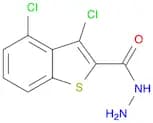
This gene product is a member of a large family of CDC2-related serine/threonine protein kinases. It accumulates primarily in the nucleus. Two transcript variants encoding different isoforms have been found for this gene. [provided by RefSeq, Aug 2013],3,4-DICHLORO-1-BENZOTHIOPHENE-2-CARBOHYDRAZIDE
CAS :Formule :C9H6Cl2N2OSDegré de pureté :98%Couleur et forme :SolidMasse moléculaire :261.1277EphA3 rabbit pAb
This gene belongs to the ephrin receptor subfamily of the protein-tyrosine kinase family. EPH and EPH-related receptors have been implicated in mediating developmental events, particularly in the nervous system. Receptors in the EPH subfamily typically have a single kinase domain and an extracellular region containing a Cys-rich domain and 2 fibronectin type III repeats. The ephrin receptors are divided into 2 groups based on the similarity of their extracellular domain sequences and their affinities for binding ephrin-A and ephrin-B ligands. This gene encodes a protein that binds ephrin-A ligands. Two alternatively spliced transcript variants have been described for this gene. [provided by RefSeq, Jul 2008],Tau (phospho Ser396) rabbit pAb
This gene encodes the microtubule-associated protein tau (MAPT) whose transcript undergoes complex, regulated alternative splicing, giving rise to several mRNA species. MAPT transcripts are differentially expressed in the nervous system, depending on stage of neuronal maturation and neuron type. MAPT gene mutations have been associated with several neurodegenerative disorders such as Alzheimer's disease, Pick's disease, frontotemporal dementia, cortico-basal degeneration and progressive supranuclear palsy. [provided by RefSeq, Jul 2008],SLPI rabbit pAb
This gene encodes a secreted inhibitor which protects epithelial tissues from serine proteases. It is found in various secretions including seminal plasma, cervical mucus, and bronchial secretions, and has affinity for trypsin, leukocyte elastase, and cathepsin G. Its inhibitory effect contributes to the immune response by protecting epithelial surfaces from attack by endogenous proteolytic enzymes. This antimicrobial protein has antibacterial, antifungal and antiviral activity. [provided by RefSeq, Nov 2014],