Anticorps primaires
Les anticorps primaires sont des immunoglobulines qui se lient spécifiquement à un antigène d'intérêt, permettant la détection et la quantification de protéines, peptides ou autres biomolécules. Ces anticorps sont des outils essentiels dans de nombreuses applications, notamment le Western blot, l'immunohistochimie et l'ELISA. Chez CymitQuimica, nous proposons une vaste sélection d'anticorps primaires de haute qualité, offrant spécificité et sensibilité pour divers besoins de recherche, notamment en cancérologie, immunologie et biologie cellulaire.
Sous-catégories appartenant à la catégorie "Anticorps primaires"
- Anticorps pour la recherche sur le cancer(3.620 produits)
- Anticorps cardio-vasculaires(2 produits)
- Biologie du développement(751 produits)
- Anticorps relatifs à l’épigénétique(162 produits)
- Anticorps d'immunologie(2.764 produits)
- Anticorps du métabolisme(279 produits)
- Anticorps de microbiologie(736 produits)
- Transduction du signal(2.717 produits)
- Tags & Marqueurs cellulaires(33 produits)
Affichez 1 plus de sous-catégories
75326 produits trouvés pour "Anticorps primaires"
Trier par
Degré de pureté (%)
0
100
|
0
|
50
|
90
|
95
|
100
SIAH1 rabbit pAb
This gene encodes a protein that is a member of the seven in absentia homolog (SIAH) family. The protein is an E3 ligase and is involved in ubiquitination and proteasome-mediated degradation of specific proteins. The activity of this ubiquitin ligase has been implicated in the development of certain forms of Parkinson's disease, the regulation of the cellular response to hypoxia and induction of apoptosis. Alternative splicing results in several additional transcript variants, some encoding different isoforms and others that have not been fully characterized. [provided by RefSeq, Jul 2008],PI3 Kinase P85α Mouse mAb
Phosphatidylinositol-4,5-bisphosphate 3-kinase (also called phosphatidylinositide 3-kinases, phosphatidylinositol-3-kinases, PI 3-kinases, PI(3)Ks, PI-3Ks or by the HUGO official stem symbol for the gene family, PI3K(s)) are a family of enzymes involved in cellular functions such as cell growth, proliferation, differentiation, motility, survival and intracellular trafficking, which in turn are involved in cancer.KTU rabbit pAb
This gene encodes a highly conserved protein involved in the preassembly of dynein arm complexes which power cilia. These complexes are found in some cilia and are assembled in the cytoplasm prior to transport for cilia formation. Mutations in this gene have been associated with primary ciliary dyskinesia. Multiple transcript variants encoding different isoforms have been found for this gene.[provided by RefSeq, Oct 2009],MMP9 (Cleaved-Phe107) rabbit pAb
catalytic activity:Cleavage of gelatin types I and V and collagen types IV and V.,cofactor:Binds 2 zinc ions per subunit.,cofactor:Binds 3 calcium ions per subunit.,disease:Defects in MMP9 may be a cause of susceptibility to lumbar disk herniation (LDH) [MIM:603932]. LDH is the predominant cause of low-back pain and unilateral leg pain.,domain:The conserved cysteine present in the cysteine-switch motif binds the catalytic zinc ion, thus inhibiting the enzyme. The dissociation of the cysteine from the zinc ion upon the activation-peptide release activates the enzyme.,enzyme regulation:Inhibited by histatin-3 1/24 (histatin-5).,function:May play an essential role in local proteolysis of the extracellular matrix and in leukocyte migration. Could play a role in bone osteoclastic resorption. Cleaves KiSS1 at a Gly-|-Leu bond. Cleaves type IV and type V collagen into large C-terminal three quarter fragments and shorter N-terminal one quarter fragments. Degrades fibronectin but not laminin or Pz-peptide.,induction:Activated by 4-aminophenylmercuric acetate and phorbol ester.,miscellaneous:In the arthritis patient this enzyme might contribute to the pathogenesis of joint destruction and might constitute a useful marker of disease status.,PTM:N- and O-glycosylated.,PTM:Processing of the precursor yields different active forms of 64, 67 and 82 kDa. Sequentially processing by MMP3 yields the 82 kDa matrix metalloproteinase-9.,similarity:Belongs to the peptidase M10A family.,similarity:Contains 3 fibronectin type-II domains.,similarity:Contains 4 hemopexin-like domains.,subunit:Exists as monomer, disulfide-linked homodimer, and as a heterodimer with a 25 kDa protein. Macrophages and transformed cell lines produce only the monomeric form.,tissue specificity:Produced by normal alveolar macrophages and granulocytes.,GFP-Tag Mouse mAb
The green fluorescent protein (GFP) is a protein composed of 238 amino acid residues (26.9kDa) that exhibits bright green fluorescence when exposed to light in the blue to ultraviolet range. In cell and molecular biology, the GFP gene is frequently used as a reporter of expression.NKAP rabbit pAb
This gene encodes a protein that is involved in the activation of the ubiquitous transcription factor NF-kappaB. This protein is associated with the the histone deacetylase HDAC3 and with the Notch corepressor complex, and it thereby acts as a transcriptional repressor of Notch target genes. It is also required for alphabeta T cell development. A related pseudogene has been identified on chromosome X, while a related and intronless retrocopy, which has an intact CDS and may be functional, is located on chromosome 6. [provided by RefSeq, May 2010],CSH1 rabbit pAb
The protein encoded by this gene is a member of the somatotropin/prolactin family of hormones and plays an important role in growth control. The gene is located at the growth hormone locus on chromosome 17 along with four other related genes in the same transcriptional orientation; an arrangement which is thought to have evolved by a series of gene duplications. Although the five genes share a remarkably high degree of sequence identity, they are expressed selectively in different tissues. Alternative splicing generates additional isoforms of each of the five growth hormones, leading to further diversity and potential for specialization. This particular family member is expressed mainly in the placenta and utilizes multiple transcription initiation sites. Expression of the identical mature proteins for chorionic somatomammotropin hormones 1 and 2 is upregulated during development, alClaudin-3 (phospho Tyr219) rabbit pAb
Tight junctions represent one mode of cell-to-cell adhesion in epithelial or endothelial cell sheets, forming continuous seals around cells and serving as a physical barrier to prevent solutes and water from passing freely through the paracellular space. These junctions are comprised of sets of continuous networking strands in the outwardly facing cytoplasmic leaflet, with complementary grooves in the inwardly facing extracytoplasmic leaflet. The protein encoded by this intronless gene, a member of the claudin family, is an integral membrane protein and a component of tight junction strands. It is also a low-affinity receptor for Clostridium perfringens enterotoxin, and shares aa sequence similarity with a putative apoptosis-related protein found in rat. [provided by RefSeq, Jul 2008],Cytokeratin 18 Rabbit pAb
Keratin 18 is a type I cytokeratin. It is, together with its filament partner keratin 8, perhaps the most commonly found products of the intermediate filament gene family. They are expressed in single layer epithelial tissues of the body. Mutations in this gene have been linked to cryptogenic cirrhosis. Two transcript variants encoding the same protein have been found for this gene.Keratin 18 is often used together with keratin 8 and keratin 19 to differentiate cells of epithelial origin from hematopoietic cells in tests that enumerate circulating tumor cells in blood.Histone H4 (Acetyl Lys8) rabbit pAb
Histones are basic nuclear proteins that are responsible for the nucleosome structure of the chromosomal fiber in eukaryotes. Two molecules of each of the four core histones (H2A, H2B, H3, and H4) form an octamer, around which approximately 146 bp of DNA is wrapped in repeating units, called nucleosomes. The linker histone, H1, interacts with linker DNA between nucleosomes and functions in the compaction of chromatin into higher order structures. This gene is intronless and encodes a replication-dependent histone that is a member of the histone H4 family. Transcripts from this gene lack polyA tails but instead contain a palindromic termination element. This gene is found in the histone microcluster on chromosome 6p21.33. [provided by RefSeq, Aug 2015],TFP11 rabbit pAb
TFIP11 is a nuclear speckle-localized protein that may play a role in spliceosome disassembly in Cajal bodies (Stanek et al., 2008 [PubMed 18367544]).[supplied by OMIM, Apr 2009],PSB11 rabbit pAb
Proteasomes generate peptides that are presented by major histocompatibility complex (MHC) I molecules to other cells of the immune system. Proteolysis is conducted by 20S proteasomes, complexes of 28 subunits arranged as a cylinder in 4 heteroheptameric rings: alpha-1 to -7, beta-1 to -7, beta-1 to -7, and alpha-1 to -7. The catalytic subunits are beta-1 (PSMB6; MIM 600307), beta-2 (PSMB7; MIM 604030), and beta-5 (PSMB5; MIM 600306). Three additional subunits, beta-1i (PSMB9; MIM 177045), beta-2i (PSMB10; MIM 176847), and beta-5i (PSMB8; MIM 177046), are induced by gamma-interferon (IFNG; MIM 147570) and are preferentially incorporated into proteasomes to make immunoproteasomes. PSMB11, or beta-5t, is a catalytic subunit expressed exclusively in cortical thymic epithelial cells (Murata et al., 2007 [PubMed 17540904]).[supplied by OMIM, Mar 2008],4-Amino-N-(5-methyl-3-isoxazolyl)benzenesulfonamide
CAS :Formule :C10H11N3O3SDegré de pureté :95%Couleur et forme :SolidMasse moléculaire :253.2776Ref: IN-DA0036NZ
5gÀ demander1kg109,00€25g25,00€50g29,00€100g34,00€10kgÀ demander250g63,00€25kgÀ demander500g77,00€Dlx-5 rabbit pAb
This gene encodes a member of a homeobox transcription factor gene family similiar to the Drosophila distal-less gene. The encoded protein may play a role in bone development and fracture healing. Mutation in this gene, which is located in a tail-to-tail configuration with another member of the family on the long arm of chromosome 7, may be associated with split-hand/split-foot malformation. [provided by RefSeq, Jul 2008],3BP2 rabbit pAb
The protein encoded by this gene has an N-terminal pleckstrin homology (PH) domain, an SH3-binding proline-rich region, and a C-terminal SH2 domain. The protein binds to the SH3 domains of several proteins including the ABL1 and SYK protein tyrosine kinases , and functions as a cytoplasmic adaptor protein to positively regulate transcriptional activity in T, natural killer (NK), and basophilic cells. Mutations in this gene result in cherubism. Multiple transcript variants encoding different isoforms have been found for this gene. [provided by RefSeq, Mar 2009],SPDEF rabbit pAb
The protein encoded by this gene belongs to the ETS family of transcription factors. It is highly expressed in the prostate epithelial cells, and functions as an androgen-independent transactivator of prostate-specific antigen (PSA) promoter. Higher expression of this protein has also been reported in brain, breast, lung and ovarian tumors, compared to the corresponding normal tissues, and it shows better tumor-association than other cancer-associated molecules, making it a more suitable target for developing specific cancer therapies. Alternatively spliced transcript variants encoding different isoforms have been found for this gene. [provided by RefSeq, Nov 2011],EKLF (Acetyl Lys274) rabbit pAb
This gene encodes a hematopoietic-specific transcription factor that induces high-level expression of adult beta-globin and other erythroid genes. The zinc-finger protein binds to the DNA sequence CCACACCCT found in the beta hemoglobin promoter. Heterozygous loss-of-function mutations in this gene result in the dominant In(Lu) blood phenotype. [provided by RefSeq, Oct 2009],Cyclin E2 rabbit pAb
The protein encoded by this gene belongs to the highly conserved cyclin family, whose members are characterized by a dramatic periodicity in protein abundance through the cell cycle. Cyclins function as regulators of CDK kinases. Different cyclins exhibit distinct expression and degradation patterns which contribute to the temporal coordination of each mitotic event. This cyclin forms a complex with and functions as a regulatory subunit of CDK2. This cyclin has been shown to specifically interact with CIP/KIP family of CDK inhibitors, and plays a role in cell cycle G1/S transition. The expression of this gene peaks at the G1-S phase and exhibits a pattern of tissue specificity distinct from that of cyclin E1. A significantly increased expression level of this gene was observed in tumor-derived cells. [provided by RefSeq, Jul 2008],Group VI iPLA2 rabbit pAb
The protein encoded by this gene is an A2 phospholipase, a class of enzyme that catalyzes the release of fatty acids from phospholipids. The encoded protein may play a role in phospholipid remodelling, arachidonic acid release, leukotriene and prostaglandin synthesis, fas-mediated apoptosis, and transmembrane ion flux in glucose-stimulated B-cells. Several transcript variants encoding multiple isoforms have been described, but the full-length nature of only three of them have been determined to date. [provided by RefSeq, Dec 2010],O56B2 rabbit pAb
Olfactory receptors interact with odorant molecules in the nose, to initiate a neuronal response that triggers the perception of a smell. The olfactory receptor proteins are members of a large family of G-protein-coupled receptors (GPCR) arising from single coding-exon genes. Olfactory receptors share a 7-transmembrane domain structure with many neurotransmitter and hormone receptors and are responsible for the recognition and G protein-mediated transduction of odorant signals. The olfactory receptor gene family is the largest in the genome. The nomenclature assigned to the olfactory receptor genes and proteins for this organism is independent of other organisms. [provided by RefSeq, Jul 2008],MRP5 rabbit pAb
The protein encoded by this gene is a member of the superfamily of ATP-binding cassette (ABC) transporters. ABC proteins transport various molecules across extra- and intra-cellular membranes. ABC genes are divided into seven distinct subfamilies (ABC1, MDR/TAP, MRP, ALD, OABP, GCN20, White). This protein is a member of the MRP subfamily which is involved in multi-drug resistance. This protein functions in the cellular export of its substrate, cyclic nucleotides. This export contributes to the degradation of phosphodiesterases and possibly an elimination pathway for cyclic nucleotides. Studies show that this protein provides resistance to thiopurine anticancer drugs, 6-mercatopurine and thioguanine, and the anti-HIV drug 9-(2-phosphonylmethoxyethyl)adenine. This protein may be involved in resistance to thiopurines in acute lymphoblastic leukemia and antiretroviral nucleosideCD24 rabbit pAb
This gene encodes a sialoglycoprotein that is expressed on mature granulocytes and B cells and modulates growth and differentiation signals to these cells. The precursor protein is cleaved to a short 32 amino acid mature peptide which is anchored via a glycosyl phosphatidylinositol (GPI) link to the cell surface. This gene was missing from previous genome assemblies, but is properly located on chromosome 6. Non-transcribed pseudogenes have been designated on chromosomes 1, 15, 20, and Y. Alternative splicing results in multiple transcript variants. [provided by RefSeq, Apr 2014],PKC ζ rabbit pAb
Protein kinase C (PKC) zeta is a member of the PKC family of serine/threonine kinases which are involved in a variety of cellular processes such as proliferation, differentiation and secretion. Unlike the classical PKC isoenzymes which are calcium-dependent, PKC zeta exhibits a kinase activity which is independent of calcium and diacylglycerol but not of phosphatidylserine. Furthermore, it is insensitive to typical PKC inhibitors and cannot be activated by phorbol ester. Unlike the classical PKC isoenzymes, it has only a single zinc finger module. These structural and biochemical properties indicate that the zeta subspecies is related to, but distinct from other isoenzymes of PKC. Alternative splicing results in multiple transcript variants encoding different isoforms. [provided by RefSeq, Jul 2008],c-Abl rabbit pAb
This gene is a protooncogene that encodes a protein tyrosine kinase involved in a variety of cellular processes, including cell division, adhesion, differentiation, and response to stress. The activity of the protein is negatively regulated by its SH3 domain, whereby deletion of the region encoding this domain results in an oncogene. The ubiquitously expressed protein has DNA-binding activity that is regulated by CDC2-mediated phosphorylation, suggesting a cell cycle function. This gene has been found fused to a variety of translocation partner genes in various leukemias, most notably the t(9;22) translocation that results in a fusion with the 5' end of the breakpoint cluster region gene (BCR; MIM:151410). Alternative splicing of this gene results in two transcript variants, which contain alternative first exons that are spliced to the remaining common exons. [prMRP-S33 rabbit pAb
Mammalian mitochondrial ribosomal proteins are encoded by nuclear genes and help in protein synthesis within the mitochondrion. Mitochondrial ribosomes (mitoribosomes) consist of a small 28S subunit and a large 39S subunit. They have an estimated 75% protein to rRNA composition compared to prokaryotic ribosomes, where this ratio is reversed. Another difference between mammalian mitoribosomes and prokaryotic ribosomes is that the latter contain a 5S rRNA. Among different species, the proteins comprising the mitoribosome differ greatly in sequence, and sometimes in biochemical properties, which prevents easy recognition by sequence homology. The 28S subunit of the mammalian mitoribosome may play a crucial and characteristic role in translation initiation. This gene encodes a 28S subunit protein that is one of the more highly conserved mitochondrial ribosomal proteins among mammals, DroCD109 rabbit pAb
This gene encodes a glycosyl phosphatidylinositol (GPI)-linked glycoprotein that localizes to the surface of platelets, activated T-cells, and endothelial cells. The protein binds to and negatively regulates signalling by transforming growth factor beta (TGF-beta). Multiple transcript variants encoding different isoforms have been found for this gene. [provided by RefSeq, Apr 2014],ASK 1 rabbit pAb
Mitogen-activated protein kinase (MAPK) signaling cascades include MAPK or extracellular signal-regulated kinase (ERK), MAPK kinase (MKK or MEK), and MAPK kinase kinase (MAPKKK or MEKK). MAPKK kinase/MEKK phosphorylates and activates its downstream protein kinase, MAPK kinase/MEK, which in turn activates MAPK. The kinases of these signaling cascades are highly conserved, and homologs exist in yeast, Drosophila, and mammalian cells. MAPKKK5 contains 1,374 amino acids with all 11 kinase subdomains. Northern blot analysis shows that MAPKKK5 transcript is abundantly expressed in human heart and pancreas. The MAPKKK5 protein phosphorylates and activates MKK4 (aliases SERK1, MAPKK4) in vitro, and activates c-Jun N-terminal kinase (JNK)/stress-activated protein kinase (SAPK) during transient expression in COS and 293 cells; MAPKKK5 does not activate MAPK/ERK. [provided by ReOR2B3 rabbit pAb
olfactory receptor family 2 subfamily B member 3(OR2B3) Homo sapiens Olfactory receptors interact with odorant molecules in the nose, to initiate a neuronal response that triggers the perception of a smell. The olfactory receptor proteins are members of a large family of G-protein-coupled receptors (GPCR) arising from single coding-exon genes. Olfactory receptors share a 7-transmembrane domain structure with many neurotransmitter and hormone receptors and are responsible for the recognition and G protein-mediated transduction of odorant signals. The olfactory receptor gene family is the largest in the genome. The nomenclature assigned to the olfactory receptor genes and proteins for this organism is independent of other organisms. [provided by RefSeq, Jul 2008],NHERF-2 rabbit pAb
This gene encodes a member of the NHERF family of PDZ scaffolding proteins. These proteins mediate many cellular processes by binding to and regulating the membrane expression and protein-protein interactions of membrane receptors and transport proteins. The encoded protein plays a role in intestinal sodium absorption by regulating the activity of the sodium/hydrogen exchanger 3, and may also regulate the cystic fibrosis transmembrane regulator (CFTR) ion channel. Alternatively spliced transcript variants encoding multiple isoforms have been observed for this gene. [provided by RefSeq, Nov 2011],APOBEC3A rabbit pAb
This gene is a member of the cytidine deaminase gene family. It is one of seven related genes or pseudogenes found in a cluster, thought to result from gene duplication, on chromosome 22. Members of the cluster encode proteins that are structurally and functionally related to the C to U RNA-editing cytidine deaminase APOBEC1. The protein encoded by this gene lacks the zinc binding activity of other family members. The protein plays a role in immunity, by restricting transmission of foreign DNA such as viruses. One mechanism of foreign DNA restriction is deamination of foreign double-stranded DNA cytidines to uridines, which leads to DNA degradation. However, other mechanisms are also thought to be involved, as anti-viral effect is not dependent on deaminase activity. Two transcript variants encoding different isoforms have been found for this gene. [provided bFBX46 rabbit pAb
Members of the F-box protein family, such as FBXO46, are characterized by an approximately 40-amino acid F-box motif. SCF complexes, formed by SKP1 (MIM 601434), cullin (see CUL1; MIM 603134), and F-box proteins, act as protein-ubiquitin ligases. F-box proteins interact with SKP1 through the F box, and they interact with ubiquitination targets through other protein interaction domains (Jin et al., 2004 [PubMed 15520277]).[supplied by OMIM, Mar 2008],RAB17 rabbit pAb
The Rab subfamily of small GTPases plays an important role in the regulation of membrane trafficking. RAB17 is an epithelial cell-specific GTPase (Lutcke et al., 1993 [PubMed 8486736]).[supplied by OMIM, Oct 2009],Ribosomal Protein L35 rabbit pAb
Ribosomes, the organelles that catalyze protein synthesis, consist of a small 40S subunit and a large 60S subunit. Together these subunits are composed of 4 RNA species and approximately 80 structurally distinct proteins. This gene encodes a ribosomal protein that is a component of the 60S subunit. The protein belongs to the L29P family of ribosomal proteins. It is located in the cytoplasm. As is typical for genes encoding ribosomal proteins, there are multiple processed pseudogenes of this gene dispersed through the genome. [provided by RefSeq, Jul 2008],FBXW2 rabbit pAb
F-box proteins are an expanding family of eukaryotic proteins characterized by an approximately 40 amino acid motif, the F box. Some F-box proteins have been shown to be critical for the ubiquitin-mediated degradation of cellular regulatory proteins. In fact, F-box proteins are one of the four subunits of ubiquitin protein ligases, called SCFs. SCF ligases bring ubiquitin conjugating enzymes to substrates that are specifically recruited by the different F-box proteins. Mammalian F-box proteins are classified into three groups based on the presence of either WD-40 repeats, leucine-rich repeats, or the presence or absence of other protein-protein interacting domains. This gene encodes the second identified member of the F-box gene family and contains multiple WD-40 repeats. [provided by RefSeq, Jul 2008],CSN1 rabbit pAb
This gene is known to suppress G-protein and mitogen-activated signal transduction in mammalian cells. The encoded protein shares significant similarity with Arabidopsis FUS6, which is a regulator of light-mediated signal transduction in plant cells. [provided by RefSeq, Mar 2016],TSP50 rabbit pAb
caution:Although related to peptidase S1 family, lacks the conserved active Ser residue in position 310 which is replaced by a Thr, suggesting that it has no protease activity.,miscellaneous:DNA hypomethylation is accompanied by the expression of the gene in the testis.,similarity:Belongs to the peptidase S1 family.,similarity:Contains 1 peptidase S1 domain.,tissue specificity:Testis specific. Differentially expressed in some breast cancer tissues.,MRP2 rabbit pAb
The protein encoded by this gene is a member of the superfamily of ATP-binding cassette (ABC) transporters. ABC proteins transport various molecules across extra- and intra-cellular membranes. ABC genes are divided into seven distinct subfamilies (ABC1, MDR/TAP, MRP, ALD, OABP, GCN20, White). This protein is a member of the MRP subfamily which is involved in multi-drug resistance. This protein is expressed in the canalicular (apical) part of the hepatocyte and functions in biliary transport. Substrates include anticancer drugs such as vinblastine; therefore, this protein appears to contribute to drug resistance in mammalian cells. Several different mutations in this gene have been observed in patients with Dubin-Johnson syndrome (DJS), an autosomal recessive disorder characterized by conjugated hyperbilirubinemia. [provided by RefSeq, Jul 2008],Spi-C rabbit pAb
The protein encoded by this gene regulates the development of red pulp macrophages, which are necessary for iron homeostasis and the recycling of red blood cells. [provided by RefSeq, Aug 2016],MYPT3 rabbit pAb
Myosin light chain kinase and phosphatase (MLCP) complexes control the phosphorylation states of regulatory myosin light chains, which is crucial for muscle and intracellular movement. MLCPs typically contain a catalytic protein phosphatase 1 (PP1c) subunit, a myosin phosphatase targeting (MYPT) subunit, and another smaller subunit. The protein encoded by this gene represents an MYPT subunit, which is responsible for directing PP1c to its intended targets. However, while other MYPTs result in PP1c activation after becoming phosphorylated, the encoded protein is phosphorylated by protein kinase A and then inhibits the catalytic activity of PP1c. [provided by RefSeq, Jul 2016],TRβ1 (phospho Ser142) rabbit pAb
The protein encoded by this gene is a nuclear hormone receptor for triiodothyronine. It is one of the several receptors for thyroid hormone, and has been shown to mediate the biological activities of thyroid hormone. Knockout studies in mice suggest that the different receptors, while having certain extent of redundancy, may mediate different functions of thyroid hormone. Mutations in this gene are known to be a cause of generalized thyroid hormone resistance (GTHR), a syndrome characterized by goiter and high levels of circulating thyroid hormone (T3-T4), with normal or slightly elevated thyroid stimulating hormone (TSH). Several alternatively spliced transcript variants encoding the same protein have been observed for this gene. [provided by RefSeq, Jul 2008],LIF rabbit pAb
leukemia inhibitory factor(LIF) Homo sapiens The protein encoded by this gene is a pleiotropic cytokine with roles in several different systems. It is involved in the induction of hematopoietic differentiation in normal and myeloid leukemia cells, induction of neuronal cell differentiation, regulator of mesenchymal to epithelial conversion during kidney development, and may also have a role in immune tolerance at the maternal-fetal interface. Alternatively spliced transcript variants encoding multiple isoforms have been observed for this gene. [provided by RefSeq, Mar 2012],RL27 rabbit pAb
Ribosomes, the organelles that catalyze protein synthesis, consist of a small 40S subunit and a large 60S subunit. Together these subunits are composed of 4 RNA species and approximately 80 structurally distinct proteins. This gene encodes a ribosomal protein that is a component of the 60S subunit. The protein belongs to the L27E family of ribosomal proteins. It is located in the cytoplasm. As is typical for genes encoding ribosomal proteins, there are multiple processed pseudogenes of this gene dispersed through the genome. [provided by RefSeq, Jul 2008],IPP2L rabbit pAb
PPP1R2P1 (Protein Phosphatase 1 Regulatory Inhibitor Subunit 2 Pseudogene 1) is a Pseudogene. GO annotations related to this gene include protein phosphatase inhibitor activity. Inhibitor of protein-phosphatase 1.Mnk1 (phospho Thr255) rabbit pAb
MAP kinase interacting serine/threonine kinase 1(MKNK1) Homo sapiens This gene encodes a Ser/Thr protein kinase that interacts with, and is activated by ERK1 and p38 mitogen-activated protein kinases, and thus may play a role in the response to environmental stress and cytokines. This kinase may also regulate transcription by phosphorylating eIF4E via interaction with the C-terminal region of eIF4G. Alternatively spliced transcript variants have been noted for this gene. [provided by RefSeq, Jan 2012],IKKε (phospho-Ser172) rabbit pAb
IKBKE is a noncanonical I-kappa-B (see MIM 164008) kinase (IKK) that is essential for regulating antiviral signaling pathways. IKBKE has also been identified as a breast cancer (MIM 114480) oncogene and is amplified and overexpressed in over 30% of breast carcinomas and breast cancer cell lines (Hutti et al., 2009 [PubMed 19481526]).[supplied by OMIM, Oct 2009],CDK19 rabbit pAb
This gene encodes a protein that is one of the components of the Mediator co-activator complex. The Mediator complex is a multi-protein complex required for transcriptional activation by DNA binding transcription factors of genes transcribed by RNA polymerase II. The protein encoded by this gene is similar to cyclin-dependent kinase 8 which can also be a component of the Mediator complex. Alternative splicing results in multiple transcript variants encoding distinct isoforms. [provided by RefSeq, Jul 2014],DPEP2 rabbit pAb
DPEP2 belongs to the membrane-bound dipeptidase (EC 3.4.13.19) family. These enzymes hydrolyze a variety of dipeptides, including leukotriene D4, the beta-lactam ring of some antibiotics, and cystinyl-bis-glycine (cys-bis-gly) formed during glutathione degradation (Habib et al., 2003 [PubMed 12738806]).[supplied by OMIM, Mar 2008],Raf-1 (phospho Ser296) rabbit pAb
This gene is the cellular homolog of viral raf gene (v-raf). The encoded protein is a MAP kinase kinase kinase (MAP3K), which functions downstream of the Ras family of membrane associated GTPases to which it binds directly. Once activated, the cellular RAF1 protein can phosphorylate to activate the dual specificity protein kinases MEK1 and MEK2, which in turn phosphorylate to activate the serine/threonine specific protein kinases, ERK1 and ERK2. Activated ERKs are pleiotropic effectors of cell physiology and play an important role in the control of gene expression involved in the cell division cycle, apoptosis, cell differentiation and cell migration. Mutations in this gene are associated with Noonan syndrome 5 and LEOPARD syndrome 2. [provided by RefSeq, Jul 2008],PACRG rabbit pAb
This gene encodes a protein that is conserved across metazoans. In vertebrates, this gene is linked in a head-to-head arrangement with the adjacent parkin gene, which is associated with autosomal recessive juvenile Parkinson's disease. These genes are co-regulated in various tissues and they share a bi-directional promoter. Both genes are associated with susceptibility to leprosy. The parkin co-regulated gene protein forms a large molecular complex with chaperones, including heat shock proteins 70 and 90, and chaperonin components. This protein is also a component of Lewy bodies in Parkinson's disease patients, and it suppresses unfolded Pael receptor-induced neuronal cell death. Multiple transcript variants encoding different isoforms have been found for this gene. [provided by RefSeq, Jul 2008],CASZ1 rabbit pAb
The protein encoded by this gene is a zinc finger transcription factor. The encoded protein may function as a tumor suppressor, and single nucleotide polymorphisms in this gene are associated with blood pressure variation. Alternative splicing results in multiple transcript variants that encode different protein isoforms. [provided by RefSeq, Jul 2012],Cyclin A rabbit pAb
The protein encoded by this gene belongs to the highly conserved cyclin family, whose members are characterized by a dramatic periodicity in protein abundance through the cell cycle. Cyclins function as regulators of CDK kinases. Different cyclins exhibit distinct expression and degradation patterns which contribute to the temporal coordination of each mitotic event. The cyclin encoded by this gene was shown to be expressed in testis and brain, as well as in several leukemic cell lines, and is thought to primarily function in the control of the germline meiotic cell cycle. This cyclin binds both CDK2 and CDC2 kinases, which give two distinct kinase activities, one appearing in S phase, the other in G2, and thus regulate separate functions in cell cycle. This cyclin was found to bind to important cell cycle regulators, such as Rb family proteins, transcription factor E2F-1, and the p21 family proteins. MultiIRF-3 (phospho Ser385) rabbit pAb
This gene encodes a member of the interferon regulatory transcription factor (IRF) family. The encoded protein is found in an inactive cytoplasmic form that upon serine/threonine phosphorylation forms a complex with CREBBP. This complex translocates to the nucleus and activates the transcription of interferons alpha and beta, as well as other interferon-induced genes. Alternatively spliced transcript variants encoding multiple isoforms have been observed for this gene. [provided by RefSeq, Nov 2011],BNIP-3 rabbit pAb
This gene is encodes a mitochondrial protein that contains a BH3 domain and acts as a pro-apoptotic factor. The encoded protein interacts with anti-apoptotic proteins, including the E1B 19 kDa protein and Bcl2. This gene is silenced in tumors by DNA methylation. [provided by RefSeq, Dec 2014],DPP6 rabbit pAb
This gene encodes a single-pass type II membrane protein that is a member of the peptidase S9B family of serine proteases. This protein has no detectable protease activity, most likely due to the absence of the conserved serine residue normally present in the catalytic domain of serine proteases. However, it does bind specific voltage-gated potassium channels and alters their expression and biophysical properties. Variations in this gene may be associated with susceptibility to amyotrophic lateral sclerosis and with idiopathic ventricular fibrillation. Alternative splicing results in multiple transcript variants. [provided by RefSeq, Mar 2014],Histone H3 (Tri Methyl Lys14) rabbit pAb
Histones are basic nuclear proteins that are responsible for the nucleosome structure of the chromosomal fiber in eukaryotes. This structure consists of approximately 146 bp of DNA wrapped around a nucleosome, an octamer composed of pairs of each of the four core histones (H2A, H2B, H3, and H4). The chromatin fiber is further compacted through the interaction of a linker histone, H1, with the DNA between the nucleosomes to form higher order chromatin structures. This gene is intronless and encodes a replication-dependent histone that is a member of the histone H3 family. Transcripts from this gene lack polyA tails; instead, they contain a palindromic termination element. This gene is found in the large histone gene cluster on chromosome 6p22-p21.3. [provided by RefSeq, Aug 2015],Collagen V α2 (Cleaved-Leu1229) rabbit pAb
This gene encodes an alpha chain for one of the low abundance fibrillar collagens. Fibrillar collagen molecules are trimers that can be composed of one or more types of alpha chains. Type V collagen is found in tissues containing type I collagen and appears to regulate the assembly of heterotypic fibers composed of both type I and type V collagen. This gene product is closely related to type XI collagen and it is possible that the collagen chains of types V and XI constitute a single collagen type with tissue-specific chain combinations. Mutations in this gene are associated with Ehlers-Danlos syndrome, types I and II. [provided by RefSeq, Jul 2008],TKN1 rabbit pAb
This gene encodes four products of the tachykinin peptide hormone family, substance P and neurokinin A, as well as the related peptides, neuropeptide K and neuropeptide gamma. These hormones are thought to function as neurotransmitters which interact with nerve receptors and smooth muscle cells. They are known to induce behavioral responses and function as vasodilators and secretagogues. Substance P is an antimicrobial peptide with antibacterial and antifungal properties. Multiple transcript variants encoding different isoforms have been found for this gene. [provided by RefSeq, Nov 2014],SRF (phospho Ser77) rabbit pAb
This gene encodes a ubiquitous nuclear protein that stimulates both cell proliferation and differentiation. It is a member of the MADS (MCM1, Agamous, Deficiens, and SRF) box superfamily of transcription factors. This protein binds to the serum response element (SRE) in the promoter region of target genes. This protein regulates the activity of many immediate-early genes, for example c-fos, and thereby participates in cell cycle regulation, apoptosis, cell growth, and cell differentiation. This gene is the downstream target of many pathways; for example, the mitogen-activated protein kinase pathway (MAPK) that acts through the ternary complex factors (TCFs). Two transcript variants encoding different isoforms have been found for this gene. [provided by RefSeq, May 2014],CEGT rabbit pAb
This gene encodes an enzyme that catalyzes the first glycosylation step in the biosynthesis of glycosphingolipids, which are membrane components containing lipid and sugar moieties. The product of this reaction is glucosylceramide, which is the core structure of many glycosphingolipids. [provided by RefSeq, Dec 2014],Bad (phospho Ser134) rabbit pAb
The protein encoded by this gene is a member of the BCL-2 family. BCL-2 family members are known to be regulators of programmed cell death. This protein positively regulates cell apoptosis by forming heterodimers with BCL-xL and BCL-2, and reversing their death repressor activity. Proapoptotic activity of this protein is regulated through its phosphorylation. Protein kinases AKT and MAP kinase, as well as protein phosphatase calcineurin were found to be involved in the regulation of this protein. Alternative splicing of this gene results in two transcript variants which encode the same isoform. [provided by RefSeq, Jul 2008],ING4 rabbit pAb
This gene encodes a tumor suppressor protein that contains a PHD-finger, which is a common motif in proteins involved in chromatin remodeling. This protein can bind TP53 and EP300/p300, a component of the histone acetyl transferase complex, suggesting its involvement in the TP53-dependent regulatory pathway. Multiple alternatively spliced transcript variants have been observed that encode distinct proteins. [provided by RefSeq, Jul 2008],VDR (phospho Ser208) rabbit pAb
This gene encodes the nuclear hormone receptor for vitamin D3. This receptor also functions as a receptor for the secondary bile acid lithocholic acid. The receptor belongs to the family of trans-acting transcriptional regulatory factors and shows sequence similarity to the steroid and thyroid hormone receptors. Downstream targets of this nuclear hormone receptor are principally involved in mineral metabolism though the receptor regulates a variety of other metabolic pathways, such as those involved in the immune response and cancer. Mutations in this gene are associated with type II vitamin D-resistant rickets. A single nucleotide polymorphism in the initiation codon results in an alternate translation start site three codons downstream. Alternative splicing results in multiple transcript variants encoding different proteins. [provided by RefSeq, Feb 2011],HoxB5 rabbit pAb
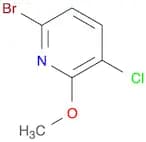
This gene is a member of the Antp homeobox family and encodes a nuclear protein with a homeobox DNA-binding domain. It is included in a cluster of homeobox B genes located on chromosome 17. The encoded protein functions as a sequence-specific transcription factor that is involved in lung and gut development. Increased expression of this gene is associated with a distinct biologic subset of acute myeloid leukemia (AML) and the occurrence of bronchopulmonary sequestration (BPS) and congenital cystic adenomatoid malformation (CCAM) tissue. [provided by RefSeq, Jul 2008],6-Bromo-3-chloro-2-methoxypyridine
CAS :Formule :C6H5BrClNODegré de pureté :96%Couleur et forme :SolidMasse moléculaire :222.4670(2S,3S,4S,5R,6R)-3,4,5-Trihydroxy-6-(4-nitrophenoxy)tetrahydro-2H-pyran-2-carboxylic acid
CAS :Formule :C12H13NO9Degré de pureté :97%Couleur et forme :SolidMasse moléculaire :315.2329SENP2 rabbit pAb
SUMO1 (UBL1; MIM 601912) is a small ubiquitin-like protein that can be covalently conjugated to other proteins. SENP2 is one of a group of enzymes that process newly synthesized SUMO1 into the conjugatable form and catalyze the deconjugation of SUMO1-containing species.[supplied by OMIM, Apr 2004],SRF (phospho Ser103) rabbit pAb
This gene encodes a ubiquitous nuclear protein that stimulates both cell proliferation and differentiation. It is a member of the MADS (MCM1, Agamous, Deficiens, and SRF) box superfamily of transcription factors. This protein binds to the serum response element (SRE) in the promoter region of target genes. This protein regulates the activity of many immediate-early genes, for example c-fos, and thereby participates in cell cycle regulation, apoptosis, cell growth, and cell differentiation. This gene is the downstream target of many pathways; for example, the mitogen-activated protein kinase pathway (MAPK) that acts through the ternary complex factors (TCFs). Two transcript variants encoding different isoforms have been found for this gene. [provided by RefSeq, May 2014],GPR42 rabbit pAb
GPR42, also named as GPR42P, FFAR1L and GPR41L, belongs to the G-protein coupled receptor 1 family. GPR42 appears to have arisen by tandem duplication of FFAR3 and have lost the ability to activate G-protein family in respose to carboxylate ligands primarily due to an amino acid change at position 174. It is an orphan receptor.α-protein Kinase 2 rabbit pAb
function:Kinases that recognize phosphorylation sites in which the surrounding peptides have an alpha-helical conformation.,similarity:Belongs to the protein kinase superfamily. Alpha-type protein kinase family. ALPK subfamily.,similarity:Contains 1 alpha-type protein kinase domain.,similarity:Contains 1 Ig-like (immunoglobulin-like) domain.,EDG-1 rabbit pAb
The protein encoded by this gene is structurally similar to G protein-coupled receptors and is highly expressed in endothelial cells. It binds the ligand sphingosine-1-phosphate with high affinity and high specificity, and suggested to be involved in the processes that regulate the differentiation of endothelial cells. Activation of this receptor induces cell-cell adhesion. Alternative splicing results in multiple transcript variants. [provided by RefSeq, Mar 2016],NGF rabbit pAb
This gene is a member of the NGF-beta family and encodes a secreted protein which homodimerizes and is incorporated into a larger complex. This protein has nerve growth stimulating activity and the complex is involved in the regulation of growth and the differentiation of sympathetic and certain sensory neurons. Mutations in this gene have been associated with hereditary sensory and autonomic neuropathy, type 5 (HSAN5), and dysregulation of this gene's expression is associated with allergic rhinitis. [provided by RefSeq, Jul 2008],B2LA1 rabbit pAb
BCL2 related protein A1(BCL2A1) Homo sapiens This gene encodes a member of the BCL-2 protein family. The proteins of this family form hetero- or homodimers and act as anti- and pro-apoptotic regulators that are involved in a wide variety of cellular activities such as embryonic development, homeostasis and tumorigenesis. The protein encoded by this gene is able to reduce the release of pro-apoptotic cytochrome c from mitochondria and block caspase activation. This gene is a direct transcription target of NF-kappa B in response to inflammatory mediators, and is up-regulated by different extracellular signals, such as granulocyte-macrophage colony-stimulating factor (GM-CSF), CD40, phorbol ester and inflammatory cytokine TNF and IL-1, which suggests a cytoprotective function that is essential for lymphocyte activation as well as cell survival. Alternatively spliced transcript variants encoding different isoforms have been found for this gene. [pSTAMP2 rabbit pAb
STEAP4 metalloreductase(STEAP4) Homo sapiens The protein encoded by this gene belongs to the STEAP (six transmembrane epithelial antigen of prostate) family, and resides in the golgi apparatus. It functions as a metalloreductase that has the ability to reduce both Fe(3+) to Fe(2+) and Cu(2+) to Cu(1+), using NAD(+) as acceptor. Studies in mice and human suggest that this gene maybe involved in adipocyte development and metabolism, and may contribute to the normal biology of the prostate cell, as well as prostate cancer progression. Alternatively spliced transcript variants encoding different isoforms have been found for this gene. [provided by RefSeq, Apr 2011],Olfactory receptor 7A10 rabbit pAb
Olfactory receptors interact with odorant molecules in the nose, to initiate a neuronal response that triggers the perception of a smell. The olfactory receptor proteins are members of a large family of G-protein-coupled receptors (GPCR) arising from single coding-exon genes. Olfactory receptors share a 7-transmembrane domain structure with many neurotransmitter and hormone receptors and are responsible for the recognition and G protein-mediated transduction of odorant signals. The olfactory receptor gene family is the largest in the genome. The nomenclature assigned to the olfactory receptor genes and proteins for this organism is independent of other organisms. [provided by RefSeq, Jul 2008],Paxillin (phospho Tyr118) rabbit pAb
This gene encodes a cytoskeletal protein involved in actin-membrane attachment at sites of cell adhesion to the extracellular matrix (focal adhesion). Alternatively spliced transcript variants encoding different isoforms have been described for this gene. These isoforms exhibit different expression pattern, and have different biochemical, as well as physiological properties (PMID:9054445). [provided by RefSeq, Aug 2011],PI 3-kinase p85α rabbit pAb
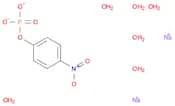
Phosphatidylinositol 3-kinase phosphorylates the inositol ring of phosphatidylinositol at the 3-prime position. The enzyme comprises a 110 kD catalytic subunit and a regulatory subunit of either 85, 55, or 50 kD. This gene encodes the 85 kD regulatory subunit. Phosphatidylinositol 3-kinase plays an important role in the metabolic actions of insulin, and a mutation in this gene has been associated with insulin resistance. Alternative splicing of this gene results in four transcript variants encoding different isoforms. [provided by RefSeq, Jun 2011],Phosphoric acid, mono(4-nitrophenyl) ester, sodium salt, hydrate(1:2:6)OTHER CA INDEX NAMES:Phosphoric acid, mono(4-nitrophenyl) ester, disodium salt, hexahydrate
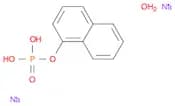
CAS :Formule :C6H16NNa2O12PDegré de pureté :97%Couleur et forme :SolidMasse moléculaire :371.1440Sodium naphthalen-1-yl phosphate hydrate
CAS :Formule :C10H9Na2O5PDegré de pureté :95%Couleur et forme :SolidMasse moléculaire :286.1288MIP-3β rabbit pAb
This antimicrobial gene is one of several CC cytokine genes clustered on the p-arm of chromosome 9. Cytokines are a family of secreted proteins involved in immunoregulatory and inflammatory processes. The CC cytokines are proteins characterized by two adjacent cysteines. The cytokine encoded by this gene may play a role in normal lymphocyte recirculation and homing. It also plays an important role in trafficking of T cells in thymus, and in T cell and B cell migration to secondary lymphoid organs. It specifically binds to chemokine receptor CCR7. [provided by RefSeq, Sep 2014],c-Fos (phospho Ser362) rabbit pAb
The Fos gene family consists of 4 members: FOS, FOSB, FOSL1, and FOSL2. These genes encode leucine zipper proteins that can dimerize with proteins of the JUN family, thereby forming the transcription factor complex AP-1. As such, the FOS proteins have been implicated as regulators of cell proliferation, differentiation, and transformation. In some cases, expression of the FOS gene has also been associated with apoptotic cell death. [provided by RefSeq, Jul 2008],SPTA1 rabbit pAb
Spectrin is an actin crosslinking and molecular scaffold protein that links the plasma membrane to the actin cytoskeleton, and functions in the determination of cell shape, arrangement of transmembrane proteins, and organization of organelles. It is a tetramer made up of alpha-beta dimers linked in a head-to-head arrangement. This gene is one member of a family of alpha-spectrin genes. The encoded protein is primarily composed of 22 spectrin repeats which are involved in dimer formation. It forms weaker tetramer interactions than non-erythrocytic alpha spectrin, which may increase the plasma membrane elasticity and deformability of red blood cells. Mutations in this gene result in a variety of hereditary red blood cell disorders, including elliptocytosis type 2, pyropoikilocytosis, and spherocytic hemolytic anemia. [provided by RefSeq, Jul 2008],TESK2 rabbit pAb
testis-specific kinase 2(TESK2) Homo sapiens This gene product is a serine/threonine protein kinase that contains an N-terminal protein kinase domain that is structurally similar to the kinase domains of testis-specific protein kinase-1 and the LIM motif-containing protein kinases (LIMKs). Its overall structure is most related to the former, indicating that it belongs to the TESK subgroup of the LIMK/TESK family of protein kinases. This gene is predominantly expressed in testis and prostate. The developmental expression pattern of the rat gene in testis suggests an important role for this gene in meitoic stages and/or early stages of spermiogenesis. Alternative splicing results in multiple transcript variants. [provided by RefSeq, Mar 2016],T2R39 rabbit pAb
The protein encoded by this gene is a bitter taste receptor that detects green tea catechins, soy isoflavones, and theaflavins. The encoded protein is gustducin-linked and may activate alpha gustducin. This gene is intronless. [provided by RefSeq, Dec 2015],KCNE4 rabbit pAb
potassium voltage-gated channel subfamily E regulatory subunit 4(KCNE4) Homo sapiens Voltage-gated potassium (Kv) channels represent the most complex class of voltage-gated ion channels from both functional and structural standpoints. Their diverse functions include regulating neurotransmitter release, heart rate, insulin secretion, neuronal excitability, epithelial electrolyte transport, smooth muscle contraction, and cell volume. This gene encodes a member of the potassium channel, voltage-gated, isk-related subfamily. This member is a type I membrane protein, and a beta subunit that assembles with a potassium channel alpha-subunit to modulate the gating kinetics and enhance stability of the multimeric complex. This gene is prominently expressed in the embryo and in adult uterus. [provided by RefSeq, Jul 2008],LFTY1 rabbit pAb
This gene encodes a secreted ligand of the TGF-beta (transforming growth factor-beta) superfamily of proteins. Ligands of this family bind various TGF-beta receptors leading to recruitment and activation of SMAD family transcription factors that regulate gene expression. The encoded preproprotein is proteolytically processed to generate the mature protein, which plays a role in left-right asymmetry determination of organ systems during development. This gene is closely linked to both a related family member and a related pseudogene. [provided by RefSeq, Aug 2016],FILA2 rabbit pAb
The filaggrin-like protein encoded by this gene is upregulated by calcium, proteolyzed by calpain 1, and is involved in epithelial homeostasis. The encoded protein is required for proper cornification in skin, with defects in this gene being associated with skin diseases. This protein also has a function in skin barrier protection. In fact, in addition to providing a physical barrier, C-terminal fragments of this protein display antimicrobial activity against P. aeruginosa. [provided by RefSeq, Dec 2015],