Anticorps primaires
Les anticorps primaires sont des immunoglobulines qui se lient spécifiquement à un antigène d'intérêt, permettant la détection et la quantification de protéines, peptides ou autres biomolécules. Ces anticorps sont des outils essentiels dans de nombreuses applications, notamment le Western blot, l'immunohistochimie et l'ELISA. Chez CymitQuimica, nous proposons une vaste sélection d'anticorps primaires de haute qualité, offrant spécificité et sensibilité pour divers besoins de recherche, notamment en cancérologie, immunologie et biologie cellulaire.
Sous-catégories appartenant à la catégorie "Anticorps primaires"
- Anticorps pour la recherche sur le cancer(3.620 produits)
- Anticorps cardio-vasculaires(2 produits)
- Biologie du développement(751 produits)
- Anticorps relatifs à l’épigénétique(162 produits)
- Anticorps d'immunologie(2.776 produits)
- Anticorps du métabolisme(279 produits)
- Anticorps de microbiologie(736 produits)
- Transduction du signal(2.717 produits)
- Tags & Marqueurs cellulaires(33 produits)
Affichez 1 plus de sous-catégories
75326 produits trouvés pour "Anticorps primaires"
Trier par
Degré de pureté (%)
0
100
|
0
|
50
|
90
|
95
|
100
FoxO3A rabbit pAb
This gene belongs to the forkhead family of transcription factors which are characterized by a distinct forkhead domain. This gene likely functions as a trigger for apoptosis through expression of genes necessary for cell death. Translocation of this gene with the MLL gene is associated with secondary acute leukemia. Alternatively spliced transcript variants encoding the same protein have been observed. [provided by RefSeq, Jul 2008],ZZZ3 rabbit pAb
PTM:Phosphorylated upon DNA damage, probably by ATM or ATR.,similarity:Contains 1 HTH myb-type DNA-binding domain.,similarity:Contains 1 ZZ-type zinc finger.,AMPKα1 (phospho Ser496) rabbit pAb
The protein encoded by this gene belongs to the ser/thr protein kinase family. It is the catalytic subunit of the 5'-prime-AMP-activated protein kinase (AMPK). AMPK is a cellular energy sensor conserved in all eukaryotic cells. The kinase activity of AMPK is activated by the stimuli that increase the cellular AMP/ATP ratio. AMPK regulates the activities of a number of key metabolic enzymes through phosphorylation. It protects cells from stresses that cause ATP depletion by switching off ATP-consuming biosynthetic pathways. Alternatively spliced transcript variants encoding distinct isoforms have been observed. [provided by RefSeq, Jul 2008],NDUFA3 rabbit pAb
function:Accessory subunit of the mitochondrial membrane respiratory chain NADH dehydrogenase (Complex I), that is believed to be not involved in catalysis. Complex I functions in the transfer of electrons from NADH to the respiratory chain. The immediate electron acceptor for the enzyme is believed to be ubiquinone.,similarity:Belongs to the complex I NDUFA3 subunit family.,subunit:Complex I is composed of 45 different subunits.,IL28B rabbit pAb
This gene encodes a cytokine distantly related to type I interferons and the IL-10 family. This gene, interleukin 28A (IL28A), and interleukin 29 (IL29) are three closely related cytokine genes that form a cytokine gene cluster on a chromosomal region mapped to 19q13. Expression of the cytokines encoded by the three genes can be induced by viral infection. All three cytokines have been shown to interact with a heterodimeric class II cytokine receptor that consists of interleukin 10 receptor, beta (IL10RB) and interleukin 28 receptor, alpha (IL28RA). [provided by RefSeq, Jul 2008],LGR6 rabbit pAb
This gene encodes a member of the leucine-rich repeat-containing subgroup of the G protein-coupled 7-transmembrane protein superfamily. The encoded protein is a glycoprotein hormone receptor with a large N-terminal extracellular domain that contains leucine-rich repeats important for the formation of a horseshoe-shaped interaction motif for ligand binding. Alternative splicing of this gene results in multiple transcript variants. [provided by RefSeq, Jul 2008],eIF5B rabbit pAb
Accurate initiation of translation in eukaryotes is complex and requires many factors, some of which are composed of multiple subunits. The process is simpler in prokaryotes which have only three initiation factors (IF1, IF2, IF3). Two of these factors are conserved in eukaryotes: the homolog of IF1 is eIF1A and the homolog of IF2 is eIF5B. This gene encodes eIF5B. Factors eIF1A and eIF5B interact on the ribosome along with other initiation factors and GTP to position the initiation methionine tRNA on the start codon of the mRNA so that translation initiates accurately. [provided by RefSeq, Jul 2008],IF3 rabbit pAb
This gene encodes a translation initiation factor that is involved in mitochondrial protein synthesis. Polymorphism in this gene is associated with the onset of Parkinson's disease. Alternate splicing results in multiple transcript variants. A pseudogene of this gene is found on chromosome 5. [provided by RefSeq, Oct 2009],Cav3.3 Rabbit pAb
Voltage-gated Ca2+ channels (CaV), enable the passage of Ca2+ ions in a voltage dependent manner. These heteromeric entities are formed in part by the pore-forming α1 subunit which determines the biophysical and pharmacological properties of the channel.MARE3 rabbit pAb
The protein encoded by this gene is a member of the RP/EB family of genes. The protein localizes to the cytoplasmic microtubule network and binds APCL, a homolog of the adenomatous polyposis coli tumor suppressor gene. [provided by RefSeq, Jul 2008],DRAM1 rabbit pAb
This gene is regulated as part of the p53 tumor suppressor pathway. The gene encodes a lysosomal membrane protein that is required for the induction of autophagy by the pathway. Decreased transcriptional expression of this gene is associated with various tumors. This gene has a pseudogene on chromosome 4. [provided by RefSeq, Jul 2008],MYSM1 rabbit pAb
catalytic activity:Ubiquitin C-terminal thioester + H(2)O = ubiquitin + a thiol.,domain:Binds double-stranded DNA via the SANT domain. The SWIRM domain does not bind double-stranded DNA.,function:Metalloprotease that specifically deubiquitinates monoubiquitinated histone H2A, a specific tag for epigenetic transcriptional repression, thereby acting as a coactivator. Preferentially deubiquitinates monoubiquitinated H2A in hyperacetylated nucleosomes. Deubiquitination of histone H2A leads to facilitate the phosphorylation and dissociation of histone H1 from the nucleosome. Acts as a coactivator by participating in the initiation and elongation steps of androgen receptor (AR)-induced gene activation.,PTM:Phosphorylated upon DNA damage, probably by ATM or ATR.,similarity:Belongs to the peptidase M67A family. MYSM1 subfamily.,similarity:Contains 1 MPN (JAB/Mov34) domain.,similarity:Contains 1 SANT domain.,similarity:Contains 1 SWIRM domain.,subunit:Component of a large chromatin remodeling complex, at least composed of MYSM1, PCAF, RBM10 and KIF11/TRIP5. Binds histones.,EHMT2 rabbit pAb
This gene encodes a methyltransferase that methylates lysine residues of histone H3. Methylation of H3 at lysine 9 by this protein results in recruitment of additional epigenetic regulators and repression of transcription. This gene was initially thought to be two different genes, NG36 and G9a, adjacent to each other in the HLA locus. Alternative splicing results in multiple transcript variants. [provided by RefSeq, Jan 2016],Chk2 (phospho Ser516) rabbit pAb
In response to DNA damage and replication blocks, cell cycle progression is halted through the control of critical cell cycle regulators. The protein encoded by this gene is a cell cycle checkpoint regulator and putative tumor suppressor. It contains a forkhead-associated protein interaction domain essential for activation in response to DNA damage and is rapidly phosphorylated in response to replication blocks and DNA damage. When activated, the encoded protein is known to inhibit CDC25C phosphatase, preventing entry into mitosis, and has been shown to stabilize the tumor suppressor protein p53, leading to cell cycle arrest in G1. In addition, this protein interacts with and phosphorylates BRCA1, allowing BRCA1 to restore survival after DNA damage. Mutations in this gene have been linked with Li-Fraumeni syndrome, a highly penetrant familial cancer phenotype usually associated with inherited mutatiSSTR4 rabbit pAb
Somatostatin acts at many sites to inhibit the release of many hormones and other secretory proteins. The biologic effects of somatostatin are probably mediated by a family of G protein-coupled receptors that are expressed in a tissue-specific manner. SSTR4 is a member of the superfamily of receptors having seven transmembrane segments and is expressed in highest levels in fetal and adult brain and lung. [provided by RefSeq, Jul 2008],NCKX4 rabbit pAb
This gene encodes a member of the potassium-dependent sodium/calcium exchanger protein family. Alternative splicing results in multiple transcript variants.[provided by RefSeq, Jul 2010],CD296 rabbit pAb
ADP-ribosyltransferase catalyzes the ADP-ribosylation of arginine residues in proteins. Mono-ADP-ribosylation is a posttranslational modification of proteins that is interfered with by a variety of bacterial toxins including cholera, pertussis, and heat-labile enterotoxins of E. coli. The amino acid sequence consists of predominantly hydrophobic N- and C-terminal regions, which is characteristic of glycosylphosphatidylinositol (GPI)-anchored proteins. This gene was previously designated ART2. [provided by RefSeq, Jul 2008],PKC ζ (phospho Thr560) rabbit pAb
Protein kinase C (PKC) zeta is a member of the PKC family of serine/threonine kinases which are involved in a variety of cellular processes such as proliferation, differentiation and secretion. Unlike the classical PKC isoenzymes which are calcium-dependent, PKC zeta exhibits a kinase activity which is independent of calcium and diacylglycerol but not of phosphatidylserine. Furthermore, it is insensitive to typical PKC inhibitors and cannot be activated by phorbol ester. Unlike the classical PKC isoenzymes, it has only a single zinc finger module. These structural and biochemical properties indicate that the zeta subspecies is related to, but distinct from other isoenzymes of PKC. Alternative splicing results in multiple transcript variants encoding different isoforms. [provided by RefSeq, Jul 2008],DNA2 rabbit pAb
This gene encodes a member of the DNA2/NAM7 helicase family. The encoded protein is a conserved helicase/nuclease involved in the maintenance of mitochondrial and nuclear DNA stability. Mutations in this gene are associated with autosomal dominant progressive external ophthalmoplegia-6 (PEOA6) and Seckel syndrome 8. Alternatively spliced transcript variants have been found for this gene. [provided by RefSeq, Sep 2014],COAA1 rabbit pAb
This gene encodes the alpha chain of type X collagen, a short chain collagen expressed by hypertrophic chondrocytes during endochondral ossification. Unlike type VIII collagen, the other short chain collagen, type X collagen is a homotrimer. Mutations in this gene are associated with Schmid type metaphyseal chondrodysplasia (SMCD) and Japanese type spondylometaphyseal dysplasia (SMD). [provided by RefSeq, Jul 2008],B2MG rabbit pAb
This gene encodes a serum protein found in association with the major histocompatibility complex (MHC) class I heavy chain on the surface of nearly all nucleated cells. The protein has a predominantly beta-pleated sheet structure that can form amyloid fibrils in some pathological conditions. The encoded antimicrobial protein displays antibacterial activity in amniotic fluid. A mutation in this gene has been shown to result in hypercatabolic hypoproteinemia.[provided by RefSeq, Aug 2014],Tie-2 rabbit pAb
This gene encodes a receptor that belongs to the protein tyrosine kinase Tie2 family. The encoded protein possesses a unique extracellular region that contains two immunoglobulin-like domains, three epidermal growth factor (EGF)-like domains and three fibronectin type III repeats. The ligand angiopoietin-1 binds to this receptor and mediates a signaling pathway that functions in embryonic vascular development. Mutations in this gene are associated with inherited venous malformations of the skin and mucous membranes. Alternative splicing results in multiple transcript variants. Additional alternatively spliced transcript variants of this gene have been described, but their full-length nature is not known. [provided by RefSeq, Feb 2014],NPHP1 rabbit pAb
This gene encodes a protein with src homology domain 3 (SH3) patterns. This protein interacts with Crk-associated substrate, and it appears to function in the control of cell division, as well as in cell-cell and cell-matrix adhesion signaling, likely as part of a multifunctional complex localized in actin- and microtubule-based structures. Mutations in this gene cause familial juvenile nephronophthisis type 1, a kidney disorder involving both tubules and glomeruli. Defects in this gene are also associated with Senior-Loken syndrome type 1, also referred to as juvenile nephronophthisis with Leber amaurosis, which is characterized by kidney and eye disease, and with Joubert syndrome type 4, which is characterized by cerebellar ataxia, oculomotor apraxia, psychomotor delay and neonatal breathing abnormalities, sometimes including retinal dystrophy and renal disease. Multiple transcript variants encoding diffeMYH9 rabbit pAb
This gene encodes a conventional non-muscle myosin; this protein should not be confused with the unconventional myosin-9a or 9b (MYO9A or MYO9B). The encoded protein is a myosin IIA heavy chain that contains an IQ domain and a myosin head-like domain which is involved in several important functions, including cytokinesis, cell motility and maintenance of cell shape. Defects in this gene have been associated with non-syndromic sensorineural deafness autosomal dominant type 17, Epstein syndrome, Alport syndrome with macrothrombocytopenia, Sebastian syndrome, Fechtner syndrome and macrothrombocytopenia with progressive sensorineural deafness. [provided by RefSeq, Dec 2011],NOXO1 rabbit pAb
This gene encodes an NADPH oxidase (NOX) organizer, which positively regulates NOX1 and NOX3. The protein contains a PX domain and two SH3 domains. Alternatively spliced transcript variants encoding multiple isoforms have been observed for this gene. [provided by RefSeq, Jun 2012],MBOA7 rabbit pAb
This gene encodes a member of the membrane-bound O-acyltransferases family of integral membrane proteins that have acyltransferase activity. The encoded protein is a lysophosphatidylinositol acyltransferase that has specificity for arachidonoyl-CoA as an acyl donor. This protein is involved in the reacylation of phospholipids as part of the phospholipid remodeling pathway known as the Land cycle. Alternative splicing results in multiple transcript variants. [provided by RefSeq, Mar 2009],KCNE3 rabbit pAb
potassium voltage-gated channel subfamily E regulatory subunit 3(KCNE3) Homo sapiens Voltage-gated potassium (Kv) channels represent the most complex class of voltage-gated ion channels from both functional and structural standpoints. Their diverse functions include regulating neurotransmitter release, heart rate, insulin secretion, neuronal excitability, epithelial electrolyte transport, smooth muscle contraction, and cell volume. This gene encodes a member of the potassium channel, voltage-gated, isk-related subfamily. This member is a type I membrane protein, and a beta subunit that assembles with a potassium channel alpha-subunit to modulate the gating kinetics and enhance stability of the multimeric complex. This gene is prominently expressed in the kidney. A missense mutation in this gene is associated with hypokalemic periodic paralysis. [provided by RefSeq, Jul 2008],HtrA2 (phospho Ser142) rabbit pAb
This gene encodes a serine protease. The protein has been localized in the endoplasmic reticulum and interacts with an alternatively spliced form of mitogen-activated protein kinase 14. The protein has also been localized to the mitochondria with release to the cytosol following apoptotic stimulus. The protein is thought to induce apoptosis by binding the apoptosis inhibitory protein baculoviral IAP repeat-containing 4. Nuclear localization of this protein has also been observed. Alternate splicing of this gene results in multiple transcript variants encoding different isoforms. [provided by RefSeq, Mar 2016],OR2S1 rabbit pAb
Olfactory receptors interact with odorant molecules in the nose, to initiate a neuronal response that triggers the perception of a smell. The olfactory receptor proteins are members of a large family of G-protein-coupled receptors (GPCR) arising from single coding-exon genes. Olfactory receptors share a 7-transmembrane domain structure with many neurotransmitter and hormone receptors and are responsible for the recognition and G protein-mediated transduction of odorant signals. The olfactory receptor gene family is the largest in the genome. The nomenclature assigned to the olfactory receptor genes and proteins for this organism is independent of other organisms. This olfactory receptor gene is a segregating pseudogene, where some individuals have an allele that encodes a functional olfactory receptor, while other individuals have an allele encoding aNOXIN rabbit pAb
function:Acts as an anti-apoptotic factor and its absence increases cell death under normal and stress conditions. Can induce cell cycle arrest in the G1 or early S phase and this activity is independent of TP53/p53.,subcellular location:Accumulates in the nucleus in response to stress.,Flotillin-2 Rabbit pAb
Flotillins belong to a family of lipid raft-associated integral membrane proteins that carry a evolutionarily conserved domain called the prohibitin homology domain. May act as a scaffolding protein within caveolar membranes, functionally participating in formation of caveolae or caveolae-like vesicles.CRF-RI rabbit pAb
This gene encodes a G-protein coupled receptor that binds neuropeptides of the corticotropin releasing hormone family that are major regulators of the hypothalamic-pituitary-adrenal pathway. The encoded protein is essential for the activation of signal transduction pathways that regulate diverse physiological processes including stress, reproduction, immune response and obesity. Alternative splicing results in multiple transcript variants. Naturally-occurring readthrough transcription between this gene and upstream GeneID:147081 results in transcripts that encode isoforms that share similarity with the products of this gene. [provided by RefSeq, Aug 2016],Z280B rabbit pAb
The protein encoded by this gene is a transcription factor that upregulates expression of MDM2, which negatively regulates p53 expression. This gene is highly expressed in prostate cancer cells, which leads to a reduction in p53 levels and an increase in growth of the cancer cells. Several transcript variants have been found for this gene, but only one of them is protein-coding. [provided by RefSeq, Jan 2015],p57 rabbit pAb
This gene is imprinted, with preferential expression of the maternal allele. The encoded protein is a tight-binding, strong inhibitor of several G1 cyclin/Cdk complexes and a negative regulator of cell proliferation. Mutations in this gene are implicated in sporadic cancers and Beckwith-Wiedemann syndorome, suggesting that this gene is a tumor suppressor candidate. Three transcript variants encoding two different isoforms have been found for this gene. [provided by RefSeq, Oct 2010],TFPI-2 rabbit pAb
This gene encodes a member of the Kunitz-type serine proteinase inhibitor family. The protein can inhibit a variety of serine proteases including factor VIIa/tissue factor, factor Xa, plasmin, trypsin, chymotryspin and plasma kallikrein. This gene has been identified as a tumor suppressor gene in several types of cancer. Alternative splicing results in multiple transcript variants. [provided by RefSeq, Aug 2012],OR4D5 rabbit pAb
olfactory receptor family 4 subfamily D member 5(OR4D5) Homo sapiens Olfactory receptors interact with odorant molecules in the nose, to initiate a neuronal response that triggers the perception of a smell. The olfactory receptor proteins are members of a large family of G-protein-coupled receptors (GPCR) arising from single coding-exon genes. Olfactory receptors share a 7-transmembrane domain structure with many neurotransmitter and hormone receptors and are responsible for the recognition and G protein-mediated transduction of odorant signals. The olfactory receptor gene family is the largest in the genome. The nomenclature assigned to the olfactory receptor genes and proteins for this organism is independent of other organisms. [provided by RefSeq, Jul 2008],BEX3 rabbit pAb
domain:The nuclear export signal is required for export from the nucleus and the interactions with itself and p75NTR/NGFR.,function:May be a signaling adapter molecule involved in p75NTR-mediated apoptosis induced by NGF. Plays a role in zinc-triggered neuronal death (By similarity). May play an important role in the pathogenesis of neurogenetic diseases.,miscellaneous:Binds transition metals.,PTM:Ubiquitinated. Degraded by the proteasome.,similarity:Belongs to the BEX family.,subcellular location:Shuttles between the cytoplasm and the nucleus. Associates with replicating mitochondria.,subunit:Self-associates. Interacts with 14-3-3 epsilon (YWHAE). Interacts with DIABLO/SMAC (By similarity). Binds to the DEATH domain of p75NTR/NGFR.,tissue specificity:Found in ovarian granulosa cells, testis, prostate and seminal vesicle tissue. High levels also detected in liver.,KREM1 rabbit pAb
This gene encodes a high-affinity dickkopf homolog 1 (DKK1) transmembrane receptor that functionally cooperates with DKK1 to block wingless (WNT)/beta-catenin signaling. The encoded protein is a component of a membrane complex that modulates canonical WNT signaling through lipoprotein receptor-related protein 6 (LRP6). It contains extracellular kringle, WSC, and CUB domains. Alternatively spliced transcript variants encoding distinct isoforms have been observed for this gene. [provided by RefSeq, Jul 2008],CCNL2 rabbit pAb
The protein encoded by this gene belongs to the cyclin family. Through its interaction with several proteins, such as RNA polymerase II, splicing factors, and cyclin-dependent kinases, this protein functions as a regulator of the pre-mRNA splicing process, as well as in inducing apoptosis by modulating the expression of apoptotic and antiapoptotic proteins. Alternatively spliced transcript variants encoding different isoforms have been described for this gene. [provided by RefSeq, Aug 2011],DDR1 (phospho-Tyr792) rabbit pAb
Receptor tyrosine kinases play a key role in the communication of cells with their microenvironment. These kinases are involved in the regulation of cell growth, differentiation and metabolism. The protein encoded by this gene belongs to a subfamily of tyrosine kinase receptors with homology to Dictyostelium discoideum protein discoidin I in their extracellular domain, and that are activated by various types of collagen. Expression of this protein is restricted to epithelial cells, particularly in the kidney, lung, gastrointestinal tract, and brain. In addition, it has been shown to be significantly overexpressed in several human tumors. Alternatively spliced transcript variants encoding different isoforms have been described for this gene. [provided by RefSeq, Feb 2011],PDGFR-β (phospho Tyr1021) rabbit pAb
This gene encodes a cell surface tyrosine kinase receptor for members of the platelet-derived growth factor family. These growth factors are mitogens for cells of mesenchymal origin. The identity of the growth factor bound to a receptor monomer determines whether the functional receptor is a homodimer or a heterodimer, composed of both platelet-derived growth factor receptor alpha and beta polypeptides. This gene is flanked on chromosome 5 by the genes for granulocyte-macrophage colony-stimulating factor and macrophage-colony stimulating factor receptor; all three genes may be implicated in the 5-q syndrome. A translocation between chromosomes 5 and 12, that fuses this gene to that of the translocation, ETV6, leukemia gene, results in chronic myeloproliferative disorder with eosinophilia. [provided by RefSeq, Jul 2008],MC3R rabbit pAb
This gene encodes a G-protein-coupled receptor for melanocyte-stimulating hormone and adrenocorticotropic hormone that is expressed in tissues other than the adrenal cortex and melanocytes. This gene maps to the same region as the locus for benign neonatal epilepsy. Mice deficient for this gene have increased fat mass despite decreased food intake, suggesting a role for this gene product in the regulation of energy homeostasis. Mutations in this gene are associated with a susceptibility to obesity in humans. [provided by RefSeq, Jul 2008],CLCN3 rabbit pAb
This gene encodes a member of the voltage-gated chloride channel (ClC) family. The encoded protein is present in all cell types and localized in plasma membranes and in intracellular vesicles. It is a multi-pass membrane protein which contains a ClC domain and two additional C-terminal CBS (cystathionine beta-synthase) domains. The ClC domain catalyzes the selective flow of Cl- ions across cell membranes, and the CBS domain may have a regulatory function. This protein plays a role in both acidification and transmitter loading of GABAergic synaptic vesicles, and in smooth muscle cell activation and neointima formation. This protein is required for lysophosphatidic acid (LPA)-activated Cl- current activity and fibroblast-to-myofibroblast differentiation. The protein activity is regulated by Ca(2+)/calmodulin-dependent protein kinase II (CaMKII) in glioma cells. Multiple alternatively spliced transcript variants encoding different isoforms have been identified. [provided by RefSeq, Aug 2011],TERT rabbit pAb
Telomerase is a ribonucleoprotein polymerase that maintains telomere ends by addition of the telomere repeat TTAGGG. The enzyme consists of a protein component with reverse transcriptase activity, encoded by this gene, and an RNA component which serves as a template for the telomere repeat. Telomerase expression plays a role in cellular senescence, as it is normally repressed in postnatal somatic cells resulting in progressive shortening of telomeres. Deregulation of telomerase expression in somatic cells may be involved in oncogenesis. Studies in mouse suggest that telomerase also participates in chromosomal repair, since de novo synthesis of telomere repeats may occur at double-stranded breaks. Alternatively spliced variants encoding different isoforms of telomerase reverse transcriptase have been identified; the full-length sequence of some variants has not been determined. Alternative spJNK1/2/3 rabbit pAb
The protein encoded by this gene is a member of the MAP kinase family. MAP kinases act as an integration point for multiple biochemical signals, and are involved in a wide variety of cellular processes such as proliferation, differentiation, transcription regulation and development. This kinase is activated by various cell stimuli, and targets specific transcription factors, and thus mediates immediate-early gene expression in response to cell stimuli. The activation of this kinase by tumor-necrosis factor alpha (TNF-alpha) is found to be required for TNF-alpha induced apoptosis. This kinase is also involved in UV radiation induced apoptosis, which is thought to be related to cytochrom c-mediated cell death pathway. Studies of the mouse counterpart of this gene suggested that this kinase play a key role in T cell proliferation, apoptosis and differentiation. Several alternatively splABT1 rabbit pAb
Basal transcription of genes by RNA polymerase II requires the interaction of TATA-binding protein (TBP) with the core region of class II promoters. Studies in mouse suggest that the protein encoded by this gene likely activates basal transcription from class II promoters by interaction with TBP and the class II promoter DNA. [provided by RefSeq, Jul 2008],DNA pol ζ rabbit pAb
catalytic activity:Deoxynucleoside triphosphate + DNA(n) = diphosphate + DNA(n+1).,domain:Its C-terminal part could serve as the catalytic domain during nucleotide polymerization, while its N-terminal part could provide sites for protein-protein interactions with other factors during translesion DNA synthesis.,similarity:Belongs to the DNA polymerase type-B family.,subunit:Interacts with REV7.,tissue specificity:Ubiquitously expressed.,ANT4 rabbit pAb
The protein encoded by this gene is a member of the ADP/ATP carrier family of proteins that exchange cytosolic ADP for matrix ATP in the mitochondria. Cells over-expressing this gene have been shown to display an anti-apoptotic phenotype. This protein is also thought to play a role in spermatogenesis, where it is believed to associate with a part of the flagellar cytoskeleton and with glycolytic enzymes. Male mice with mutations in the mouse ortholog of this gene are sterile and spermatocytes display an early meiotic arrest phenotype. Alternative splicing results in multiple transcript variants encoding different isoforms. [provided by RefSeq, Jan 2016],DDB2 rabbit pAb
This gene encodes a protein that is necessary for the repair of ultraviolet light-damaged DNA. This protein is the smaller subunit of a heterodimeric protein complex that participates in nucleotide excision repair, and this complex mediates the ubiquitylation of histones H3 and H4, which facilitates the cellular response to DNA damage. This subunit appears to be required for DNA binding. Mutations in this gene cause xeroderma pigmentosum complementation group E, a recessive disease that is characterized by an increased sensitivity to UV light and a high predisposition for skin cancer development, in some cases accompanied by neurological abnormalities. Two transcript variants encoding different isoforms have been found for this gene. [provided by RefSeq, Jul 2014],TULP3 rabbit pAb
This gene encodes a member of the tubby gene family of bipartite transcription factors. Members of this family have been identified in plants, vertebrates, and invertebrates, and they share a conserved N-terminal transcription activation region and a conserved C-terminal DNA and phosphatidylinositol-phosphate binding region. The encoded protein binds to phosphoinositides in the plasma membrane via its C-terminal region and probably functions as a membrane-bound transcription regulator that translocates to the nucleus in response to phosphoinositide hydrolysis, for instance, induced by G-protein-coupled-receptor signaling. It plays an important role in neuronal development and function. Two transcript variants encoding distinct isoforms have been identified for this gene. [provided by RefSeq, May 2009],CtBP1 rabbit pAb
This gene encodes a protein that binds to the C-terminus of adenovirus E1A proteins. This phosphoprotein is a transcriptional repressor and may play a role during cellular proliferation. This protein and the product of a second closely related gene, CTBP2, can dimerize. Both proteins can also interact with a polycomb group protein complex which participates in regulation of gene expression during development. Alternative splicing of transcripts from this gene results in multiple transcript variants. [provided by RefSeq, Jul 2008],LIN41 rabbit pAb
The protein encoded by this gene is an E3 ubiquitin-protein ligase that binds with miRNAs and maintains the growth and upkeep of embryonic stem cells. This gene also is involved in the G1-S phase transition of the cell cycle. [provided by RefSeq, Dec 2015],IP3R-I (phospho Ser1598) rabbit pAb
This gene encodes an intracellular receptor for inositol 1,4,5-trisphosphate. Upon stimulation by inositol 1,4,5-trisphosphate, this receptor mediates calcium release from the endoplasmic reticulum. Mutations in this gene cause spinocerebellar ataxia type 15, a disease associated with an heterogeneous group of cerebellar disorders. Multiple transcript variants have been identified for this gene. [provided by RefSeq, Nov 2009],RANG rabbit pAb
This gene encodes a protein that forms a complex with Ras-related nuclear protein (Ran) and metabolizes guanoside triphosphate (GTP). This complex participates in the regulation of the cell cycle by controlling transport of proteins and nucleic acids into the nucleus. There are multiple pseudogenes for this gene on chromosomes 9, 12, 17, and X. Alternative splicing results in multiple transcript variants. [provided by RefSeq, Jul 2013],ZNF499 Rabbit pAb
Zinc finger proteins are DNA and RNA binding proteins that contain motifs where amino acids are folded into a single structural unit around a zinc atom. In a standard zinc finger, one zinc atom is bound to two cysteines and two histidinesSOCS4 rabbit pAb
The protein encoded by this gene contains a SH2 domain and a SOCS BOX domain. The protein thus belongs to the suppressor of cytokine signaling (SOCS), also known as STAT-induced STAT inhibitor (SSI), protein family. SOCS family members are known to be cytokine-inducible negative regulators of cytokine signaling. Two alternatively spliced transcript variants encoding the same protein have been found for this gene. [provided by RefSeq, Jul 2008],DHS rabbit pAb
This gene encodes a protein that is required for the formation of hypusine, a unique amino acid formed by the posttranslational modification of only one protein, eukaryotic translation initiation factor 5A. The encoded protein catalyzes the first step in hypusine formation by transferring the butylamine moiety of spermidine to a specific lysine residue of the eukaryotic translation initiation factor 5A precursor, forming an intermediate deoxyhypusine residue. Alternatively spliced transcript variants encoding multiple isoforms have been observed for this gene. [provided by RefSeq, May 2011],PTGR2 rabbit pAb
This gene encodes an enzyme involved in the metabolism of prostaglandins. The encoded protein catalyzes the NADPH-dependent conversion of 15-keto-prostaglandin E2 to 15-keto-13,14-dihydro-prostaglandin E2. This protein may also be involved in regulating activation of the peroxisome proliferator-activated receptor. Alternative splicing results in multiple transcript variants. [provided by RefSeq, Apr 2009],G2A rabbit pAb
This gene encodes a member of the guanine nucleotide-binding protein (G protein)-coupled receptor (GPCR) superfamily. The receptors are seven-pass transmembrane proteins that respond to extracellular cues and activate intracellular signal transduction pathways. This protein was reported to be a receptor for lysophosphatidylcholine action, but PubMedID: 15653487 retracts this finding and instead suggests this protein to be an effector of lysophosphatidylcholine action. This protein may have proton-sensing activity and may be a receptor for oxidized free fatty acids. Alternative splicing results in multiple transcript variants. [provided by RefSeq, Jul 2013],TBX21 rabbit pAb
T-box 21(TBX21) Homo sapiens This gene is a member of a phylogenetically conserved family of genes that share a common DNA-binding domain, the T-box. T-box genes encode transcription factors involved in the regulation of developmental processes. This gene is the human ortholog of mouse Tbx21/Tbet gene. Studies in mouse show that Tbx21 protein is a Th1 cell-specific transcription factor that controls the expression of the hallmark Th1 cytokine, interferon-gamma (IFNG). Expression of the human ortholog also correlates with IFNG expression in Th1 and natural killer cells, suggesting a role for this gene in initiating Th1 lineage development from naive Th precursor cells. [provided by RefSeq, Jul 2008],β-1,4-Gal-T1 rabbit pAb
This gene is one of seven beta-1,4-galactosyltransferase (beta4GalT) genes. They encode type II membrane-bound glycoproteins that appear to have exclusive specificity for the donor substrate UDP-galactose; all transfer galactose in a beta1,4 linkage to similar acceptor sugars: GlcNAc, Glc, and Xyl. Each beta4GalT has a distinct function in the biosynthesis of different glycoconjugates and saccharide structures. As type II membrane proteins, they have an N-terminal hydrophobic signal sequence that directs the protein to the Golgi apparatus and which then remains uncleaved to function as a transmembrane anchor. By sequence similarity, the beta4GalTs form four groups: beta4GalT1 and beta4GalT2, beta4GalT3 and beta4GalT4, beta4GalT5 and beta4GalT6, and beta4GalT7. This gene is unique among the beta4GalT genes because it encodes an enzyme that participates both in glycoconjugate and lactoCYTL1 rabbit pAb
C17 is a cytokine-like protein specifically expressed in bone marrow and cord blood mononuclear cells that bear the CD34 (MIM 142230) surface marker (Liu et al., 2000 [PubMed 10857752]).[supplied by OMIM, Mar 2008],TFIIE-β rabbit pAb
function:Recruits TFIIH to the initiation complex and stimulates the RNA polymerase II C-terminal domain kinase and DNA-dependent ATPase activities of TFIIH. Both TFIIH and TFIIE are required for promoter clearance by RNA polymerase.,similarity:Belongs to the TFIIE beta subunit family.,similarity:Contains 1 TFIIE beta DNA-binding domain.,subunit:Tetramer of two alpha and two beta chains. Interacts with FACT subunit SUPT16H.,LEO1 rabbit pAb
LEO1, parafibromin (CDC73; MIM 607393), CTR9 (MIM 609366), and PAF1 (MIM 610506) form the PAF protein complex that associates with the RNA polymerase II subunit POLR2A (MIM 180660) and with a histone methyltransferase complex (Rozenblatt-Rosen et al., 2005 [PubMed 15632063]).[supplied by OMIM, Mar 2008],CCP3 rabbit pAb
cofactor:Binds 1 zinc ion per subunit.,function:May play a role in the processing of tubulin.,similarity:Belongs to the peptidase M14 family.,AAT rabbit pAb
The protein encoded by this gene is secreted and is a serine protease inhibitor whose targets include elastase, plasmin, thrombin, trypsin, chymotrypsin, and plasminogen activator. Defects in this gene can cause emphysema or liver disease. Several transcript variants encoding the same protein have been found for this gene. [provided by RefSeq, Jul 2008],FRPD2 rabbit pAb
This gene encodes a peripheral membrane protein and is located in a region of chromosome 10q that contains a segmental duplication. This copy of the gene is full-length and is in the telomeric duplicated region. Two other more centromerically proximal copies of the gene are partial and may represent pseudogenes. This full-length gene appears to function in the establishment and maintenance of cell polarization. The protein is recruited to cell-cell junctions in an E-cadherin-dependent manner, and is selectively localized at the basolateral membrane in polarized epithelial cells. Alternative splicing results in multiple transcript variants. [provided by RefSeq, Dec 2009],ASPP2 rabbit pAb
This gene encodes a member of the ASPP (apoptosis-stimulating protein of p53) family of p53 interacting proteins. The protein contains four ankyrin repeats and an SH3 domain involved in protein-protein interactions. It is localized to the perinuclear region of the cytoplasm, and regulates apoptosis and cell growth through interactions with other regulatory molecules including members of the p53 family. Multiple transcript variants encoding different isoforms have been found for this gene. [provided by RefSeq, Jul 2008],CPA1 rabbit pAb
This gene encodes a member of the carboxypeptidase A family of zinc metalloproteases. This enzyme is produced in the pancreas and preferentially cleaves C-terminal branched-chain and aromatic amino acids from dietary proteins. This gene and several family members are present in a gene cluster on chromosome 7. Mutations in this gene may be linked to chronic pancreatitis, while elevated protein levels may be associated with pancreatic cancer. [provided by RefSeq, Jan 2015],TCPR2 rabbit pAb
The protein encoded by this gene is a member of the tectonin beta-propeller repeat-containing (TECPR) family, and contains both TECPR and tryptophan-aspartic acid repeat (WD repeat) domains. This gene has been implicated in autophagy, as reduced expression levels of this gene have been associated with impaired autophagy. Recessive mutations in this gene have been associated with a hereditary form of spastic paraparesis (HSP). HSP is characterized by progressive spasticity and paralysis of the legs. There is also some evidence linking mutations in this gene with birdshot chorioretinopathy (BSCR), which results in inflammation of the choroid and retina. Alternative splicing results in multiple transcript variants encoding different isoforms. [provided by RefSeq, Aug 2015],FCERG rabbit pAb
The high affinity IgE receptor is a key molecule involved in allergic reactions. It is a tetramer composed of 1 alpha, 1 beta, and 2 gamma chains. The gamma chains are also subunits of other Fc receptors. [provided by RefSeq, Jul 2008],DHRS7 rabbit pAb
This gene encodes a member of the short-chain dehydrogenases/reductases (SDR) family, which has over 46,000 members. Members in this family are enzymes that metabolize many different compounds, such as steroid hormones, prostaglandins, retinoids, lipids and xenobiotics. [provided by RefSeq, Apr 2016],ApoF rabbit pAb
The product of this gene is one of the minor apolipoproteins found in plasma. This protein forms complexes with lipoproteins and may be involved in transport and/or esterification of cholesterol. [provided by RefSeq, Jul 2008],PRDM7 rabbit pAb
This gene encodes a member of a family of proteins that may have roles in transcription and other nuclear processes. The encoded protein contains a KRAB (Kruppel-associated box) domain -A box and a SET (Su(var)3-9, Enhancer-of-zeste, Trithorax) domain and may function as a histone methyltransferase. [provided by RefSeq, Aug 2013],CBP20 rabbit pAb
The product of this gene is a component of the nuclear cap-binding protein complex (CBC), which binds to the monomethylated 5' cap of nascent pre-mRNA in the nucleoplasm. The encoded protein has an RNP domain commonly found in RNA binding proteins, and contains the cap-binding activity. The CBC promotes pre-mRNA splicing, 3'-end processing, RNA nuclear export, and nonsense-mediated mRNA decay. Multiple transcript variants encoding different isoforms have been found for this gene. [provided by RefSeq, Jul 2008],Elf-1 rabbit pAb
This gene encodes an E26 transformation-specific related transcription factor. The encoded protein is primarily expressed in lymphoid cells and acts as both an enhancer and a repressor to regulate transcription of various genes. Alternative splicing results in multiple transcript variants. [provided by RefSeq, Feb 2009],CHD9 rabbit pAb
function:Acts as a transcriptional coactivator for PPARA and possibly other nuclear receptors. Proposed to be a ATP-dependent chromatin remodeling protein. Has DNA-dependent ATPase activity and binds to A/T-rich DNA. Associates with A/T-rich regulatory regions in promoters of genes that participate in the differentiation of progenitors during osteogenesis.,PTM:Phosphorylated on serine and tyrosine residues.,sequence caution:Wrong choice of frame.,similarity:Belongs to the SNF2/RAD54 helicase family.,similarity:Contains 1 helicase ATP-binding domain.,similarity:Contains 1 helicase C-terminal domain.,similarity:Contains 2 chromo domains.,subunit:Interacts with PPARA. Probably interacts with ESR1 and NR1I3.,tissue specificity:Widely expressed at low levels. In bone marrow, expression is restricted to osteoprogenitor cells adjacent to mature osteoblasts.,VATA rabbit pAb
This gene encodes a component of vacuolar ATPase (V-ATPase), a multisubunit enzyme that mediates acidification of eukaryotic intracellular organelles. V-ATPase dependent organelle acidification is necessary for such intracellular processes as protein sorting, zymogen activation, receptor-mediated endocytosis, and synaptic vesicle proton gradient generation. V-ATPase is composed of a cytosolic V1 domain and a transmembrane V0 domain. The V1 domain consists of three A and three B subunits, two G subunits plus the C, D, E, F, and H subunits. The V1 domain contains the ATP catalytic site. The V0 domain consists of five different subunits: a, c, c', c", and d. Additional isoforms of many of the V1 and V0 subunit proteins are encoded by multiple genes or alternatively spliced transcript variants. This encoded protein is one of two V1 domain A subunit isoforms and is found in allJAB1 rabbit pAb
The protein encoded by this gene is one of the eight subunits of COP9 signalosome, a highly conserved protein complex that functions as an important regulator in multiple signaling pathways. The structure and function of COP9 signalosome is similar to that of the 19S regulatory particle of 26S proteasome. COP9 signalosome has been shown to interact with SCF-type E3 ubiquitin ligases and act as a positive regulator of E3 ubiquitin ligases. This protein is reported to be involved in the degradation of cyclin-dependent kinase inhibitor CDKN1B/p27Kip1. It is also known to be an coactivator that increases the specificity of JUN/AP1 transcription factors. [provided by RefSeq, Jul 2008],5-Aminofluorescein
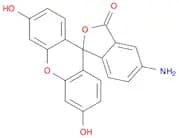
CAS :Formule :C20H13NO5Degré de pureté :95%Couleur et forme :SolidMasse moléculaire :347.3209