Anticorps primaires
Les anticorps primaires sont des immunoglobulines qui se lient spécifiquement à un antigène d'intérêt, permettant la détection et la quantification de protéines, peptides ou autres biomolécules. Ces anticorps sont des outils essentiels dans de nombreuses applications, notamment le Western blot, l'immunohistochimie et l'ELISA. Chez CymitQuimica, nous proposons une vaste sélection d'anticorps primaires de haute qualité, offrant spécificité et sensibilité pour divers besoins de recherche, notamment en cancérologie, immunologie et biologie cellulaire.
Sous-catégories appartenant à la catégorie "Anticorps primaires"
- Anticorps pour la recherche sur le cancer(3.620 produits)
- Anticorps cardio-vasculaires(2 produits)
- Biologie du développement(751 produits)
- Anticorps relatifs à l’épigénétique(162 produits)
- Anticorps d'immunologie(2.764 produits)
- Anticorps du métabolisme(279 produits)
- Anticorps de microbiologie(736 produits)
- Transduction du signal(2.717 produits)
- Tags & Marqueurs cellulaires(33 produits)
Affichez 1 plus de sous-catégories
75326 produits trouvés pour "Anticorps primaires"
Trier par
Degré de pureté (%)
0
100
|
0
|
50
|
90
|
95
|
100
MASTL rabbit pAb
This gene encodes a microtubule-associated serine/threonine kinase. Mutations at this locus have been associated with autosomal dominant thrombocytopenia, also known as thrombocytopenia-2. Alternatively spliced transcript variants have been described for this locus. [provided by RefSeq, Feb 2010],Olfactory receptor 4K2 rabbit pAb
olfactory receptor family 4 subfamily K member 2(OR4K2) Homo sapiens Olfactory receptors interact with odorant molecules in the nose, to initiate a neuronal response that triggers the perception of a smell. The olfactory receptor proteins are members of a large family of G-protein-coupled receptors (GPCR) arising from single coding-exon genes. Olfactory receptors share a 7-transmembrane domain structure with many neurotransmitter and hormone receptors and are responsible for the recognition and G protein-mediated transduction of odorant signals. The olfactory receptor gene family is the largest in the genome. The nomenclature assigned to the olfactory receptor genes and proteins for this organism is independent of other organisms. [provided by RefSeq, Jul 2008],p27 (phospho Thr187) rabbit pAb
This gene encodes a cyclin-dependent kinase inhibitor, which shares a limited similarity with CDK inhibitor CDKN1A/p21. The encoded protein binds to and prevents the activation of cyclin E-CDK2 or cyclin D-CDK4 complexes, and thus controls the cell cycle progression at G1. The degradation of this protein, which is triggered by its CDK dependent phosphorylation and subsequent ubiquitination by SCF complexes, is required for the cellular transition from quiescence to the proliferative state. Mutations in this gene are associated with multiple endocrine neoplasia type IV (MEN4). [provided by RefSeq, Apr 2014],Gl Syn rabbit pAb
The protein encoded by this gene belongs to the glutamine synthetase family. It catalyzes the synthesis of glutamine from glutamate and ammonia in an ATP-dependent reaction. This protein plays a role in ammonia and glutamate detoxification, acid-base homeostasis, cell signaling, and cell proliferation. Glutamine is an abundant amino acid, and is important to the biosynthesis of several amino acids, pyrimidines, and purines. Mutations in this gene are associated with congenital glutamine deficiency, and overexpression of this gene was observed in some primary liver cancer samples. There are six pseudogenes of this gene found on chromosomes 2, 5, 9, 11, and 12. Alternative splicing results in multiple transcript variants. [provided by RefSeq, Dec 2014],MLP3C rabbit pAb
Autophagy is a highly regulated bulk degradation process that plays an important role in cellular maintenance and development. MAP1LC3C is an ortholog of the yeast autophagosome protein Atg8 (He et al., 2003 [PubMed 12740394]).[supplied by OMIM, Nov 2010],Olfactory receptor 3A2 rabbit pAb
olfactory receptor family 3 subfamily A member 2(OR3A2) Homo sapiens Olfactory receptors interact with odorant molecules in the nose, to initiate a neuronal response that triggers the perception of a smell. The olfactory receptor proteins are members of a large family of G-protein-coupled receptors (GPCR) arising from single coding-exon genes. Olfactory receptors share a 7-transmembrane domain structure with many neurotransmitter and hormone receptors and are responsible for the recognition and G protein-mediated transduction of odorant signals. The olfactory receptor gene family is the largest in the genome. The nomenclature assigned to the olfactory receptor genes and proteins for this organism is independent of other organisms. [provided by RefSeq, Jul 2008],IFIT2 rabbit pAb
induction:By interferons.,similarity:Belongs to the IFIT family.,similarity:Contains 6 TPR repeats.,Raptor (phospho-Ser792) rabbit pAb
This gene encodes a component of a signaling pathway that regulates cell growth in response to nutrient and insulin levels. The encoded protein forms a stoichiometric complex with the mTOR kinase, and also associates with eukaryotic initiation factor 4E-binding protein-1 and ribosomal protein S6 kinase. The protein positively regulates the downstream effector ribosomal protein S6 kinase, and negatively regulates the mTOR kinase. Multiple transcript variants encoding different isoforms have been found for this gene. [provided by RefSeq, Sep 2009],IL-1RII rabbit pAb
The protein encoded by this gene is a cytokine receptor that belongs to the interleukin 1 receptor family. This protein binds interleukin alpha (IL1A), interleukin beta (IL1B), and interleukin 1 receptor, type I(IL1R1/IL1RA), and acts as a decoy receptor that inhibits the activity of its ligands. Interleukin 4 (IL4) is reported to antagonize the activity of interleukin 1 by inducing the expression and release of this cytokine. This gene and three other genes form a cytokine receptor gene cluster on chromosome 2q12. Alternative splicing results in multiple transcript variants and protein isoforms. Alternative splicing produces both membrane-bound and soluble proteins. A soluble protein is also produced by proteolytic cleavage. [provided by RefSeq, May 2012],AXIN1 rabbit pAb
This gene encodes a cytoplasmic protein which contains a regulation of G-protein signaling (RGS) domain and a dishevelled and axin (DIX) domain. The encoded protein interacts with adenomatosis polyposis coli, catenin beta-1, glycogen synthase kinase 3 beta, protein phosphate 2, and itself. This protein functions as a negative regulator of the wingless-type MMTV integration site family, member 1 (WNT) signaling pathway and can induce apoptosis. The crystal structure of a portion of this protein, alone and in a complex with other proteins, has been resolved. Mutations in this gene have been associated with hepatocellular carcinoma, hepatoblastomas, ovarian endometriod adenocarcinomas, and medullablastomas. Alternative splicing results in multiple transcript variants. [provided by RefSeq, Jan 2016],SUGP1 rabbit pAb
SF4 is a member of the SURP family of splicing factors.[supplied by OMIM, Sep 2003],ZSCAN22 rabbit pAb
function:May be involved in transcriptional regulation.,PTM:Phosphorylated upon DNA damage, probably by ATM or ATR.,similarity:Belongs to the krueppel C2H2-type zinc-finger protein family.,similarity:Contains 1 SCAN box domain.,similarity:Contains 8 C2H2-type zinc fingers.,SMUG1 rabbit pAb
This gene encodes a protein that participates in base excision repair by removing uracil from single- and double-stranded DNA. Many alternatively spliced transcript variants exist for this gene; the full-length nature is known for some but not all of the variants. [provided by RefSeq, Aug 2011],GDN rabbit pAb
This gene encodes a member of the serpin family of proteins, a group of proteins that inhibit serine proteases. Thrombin, urokinase, plasmin and trypsin are among the proteases that this family member can inhibit. This gene is a susceptibility gene for chronic obstructive pulmonary disease and for emphysema. Alternative splicing results in multiple transcript variants. [provided by RefSeq, Aug 2012],CREG2 rabbit pAb
PTM:It is not sure whether N-glycosylation is on Asn-165 and/or Asn-166.,similarity:Belongs to the CREG family.,tissue specificity:Brain specific mainly in the limbic system and faintly in the spinal cord but not in cerebellum.,Tcl1 rabbit pAb
Overexpression of the TCL1 gene in humans has been implicated in the development of mature T cell leukemia, in which chromosomal rearrangements bring the TCL1 gene in close proximity to the T-cell antigen receptor (TCR)-alpha (MIM 186880) or TCR-beta (MIM 186930) regulatory elements (summarized by Virgilio et al., 1998 [PubMed 9520462]). In normal T cells TCL1 is expressed in CD4-/CD8- cells, but not in cells at later stages of differentiation. TCL1 functions as a coactivator of the cell survival kinase AKT (MIM 164730) (Laine et al., 2000 [PubMed 10983986]).[supplied by OMIM, Jul 2010],CCDC99 rabbit pAb
This gene encodes a coiled-coil domain-containing protein that functions in mitotic spindle formation and chromosome segregation. The encoded protein plays a role in coordinating microtubule attachment by promoting recruitment of dynein proteins, and in mitotic checkpoint signaling. [provided by RefSeq, Jul 2016],ZNF420 rabbit pAb
zinc finger protein 420(ZNF420) Homo sapiens The protein encoded by this gene is a KRAB-type zinc finger protein that negatively-regulates p53-mediated apoptosis. Under stress conditions, the encoded protein is phosphorylated by ATM and dissociates from p53, which activates p53 and initiates apoptosis. [provided by RefSeq, Jul 2016],NEUR3 rabbit pAb
This gene product belongs to a family of glycohydrolytic enzymes which remove sialic acid residues from glycoproteins and glycolipids. It is localized in the plasma membrane, and its activity is specific for gangliosides. It may play a role in modulating the ganglioside content of the lipid bilayer. [provided by RefSeq, Jul 2008],Jun D rabbit pAb
The protein encoded by this intronless gene is a member of the JUN family, and a functional component of the AP1 transcription factor complex. This protein has been proposed to protect cells from p53-dependent senescence and apoptosis. Alternative translation initiation site usage results in the production of different isoforms (PMID:12105216). [provided by RefSeq, Nov 2013],USP43 rabbit pAb
catalytic activity:Ubiquitin C-terminal thioester + H(2)O = ubiquitin + a thiol.,function:May recognize and hydrolyze the peptide bond at the C-terminal Gly of ubiquitin. Involved in the processing of poly-ubiquitin precursors as well as that of ubiquinated proteins.,similarity:Belongs to the peptidase C19 family.,tissue specificity:Expressed in brain, aorta and lung at low levels.,Ribosomal Protein S19BP rabbit pAb
function:Direct regulator of SIRT1. Enhances SIRT1-mediated deacetylation of p53/TP53, thereby participating in inhibition of p53/TP53-mediated transcriptional activity.,similarity:Belongs to the AROS family.,subunit:Interacts with RPS19 (By similarity). Interacts with SIRT1.,tissue specificity:Widely expressed (at protein level).,SCYL1BP1 rabbit pAb
golgin, RAB6 interacting(GORAB) Homo sapiens This gene encodes a member of the golgin family, a group of coiled-coil proteins localized to the Golgi. The encoded protein may function in the secretory pathway. The encoded protein, which also localizes to the cytoplasm, was identified by interactions with the N-terminal kinase-like protein, and thus it may function in mitosis. Mutations in this gene have been associated with geroderma osteodysplastica. Alternatively spliced transcript variants have been described. [provided by RefSeq, Mar 2009],Ran BP-6 rabbit pAb
function:May function in nuclear protein import as nuclear transport receptor.,similarity:Belongs to the importin beta family.,similarity:Contains 7 HEAT repeats.,RPGF4 rabbit pAb
domain:The DEP domain is involved in membrane localization independent from regulation by cAMP.,domain:The N-terminal nucleotide phosphate binding region cAMP 1 has a much lower affinity for cAMP as compared to cAMP 2.,function:Guanine nucleotide exchange factor (GEF) for RAP1A, RAP1B and RAP2A small GTPases that is activated by binding cAMP. Seems not to activate RAB3A. Involved in cAMP-dependent, PKA-independent exocytosis through interaction with RIMS2.,similarity:Contains 1 DEP domain.,similarity:Contains 1 N-terminal Ras-GEF domain.,similarity:Contains 1 Ras-GEF domain.,similarity:Contains 2 cyclic nucleotide-binding domains.,subunit:Interacts with RIMS1 and RIMS2. Probably part of a complex with RIMS2 and GTP-activated RAB3A.,tissue specificity:Predominantly expressed in brain and adrenal gland. Isoform 2 is expressed in liver. Isoform 1 is expressed in liver at very low levels.,Rad50 (phospho-Ser635) rabbit pAb
RAD50 double strand break repair protein(RAD50) Homo sapiens The protein encoded by this gene is highly similar to Saccharomyces cerevisiae Rad50, a protein involved in DNA double-strand break repair. This protein forms a complex with MRE11 and NBS1. The protein complex binds to DNA and displays numerous enzymatic activities that are required for nonhomologous joining of DNA ends. This protein, cooperating with its partners, is important for DNA double-strand break repair, cell cycle checkpoint activation, telomere maintenance, and meiotic recombination. Knockout studies of the mouse homolog suggest this gene is essential for cell growth and viability. Mutations in this gene are the cause of Nijmegen breakage syndrome-like disorder.[provided by RefSeq, Apr 2010],Bovine Serum Albumin Rabbit pAb
Bovine serum albumin (also known as BSA or "Fraction V") is a serum albumin protein derived from cows. It is often used as a protein concentration standard in lab experiments. Albumin is a soluble, monomeric protein which comprises about one-half of the blood serum protein.MYPT1 (phospho Thr853) rabbit pAb
Myosin phosphatase target subunit 1, which is also called the myosin-binding subunit of myosin phosphatase, is one of the subunits of myosin phosphatase. Myosin phosphatase regulates the interaction of actin and myosin downstream of the guanosine triphosphatase Rho. The small guanosine triphosphatase Rho is implicated in myosin light chain (MLC) phosphorylation, which results in contraction of smooth muscle and interaction of actin and myosin in nonmuscle cells. The guanosine triphosphate (GTP)-bound, active form of RhoA (GTP.RhoA) specifically interacted with the myosin-binding subunit (MBS) of myosin phosphatase, which regulates the extent of phosphorylation of MLC. Rho-associated kinase (Rho-kinase), which is activated by GTP. RhoA, phosphorylated MBS and consequently inactivated myosin phosphatase. Overexpression of RhoA or activated RhoA in NIH 3T3 cells increased phosphRaf-B (phospho Thr753) rabbit pAb
This gene encodes a protein belonging to the raf/mil family of serine/threonine protein kinases. This protein plays a role in regulating the MAP kinase/ERKs signaling pathway, which affects cell division, differentiation, and secretion. Mutations in this gene are associated with cardiofaciocutaneous syndrome, a disease characterized by heart defects, mental retardation and a distinctive facial appearance. Mutations in this gene have also been associated with various cancers, including non-Hodgkin lymphoma, colorectal cancer, malignant melanoma, thyroid carcinoma, non-small cell lung carcinoma, and adenocarcinoma of lung. A pseudogene, which is located on chromosome X, has been identified for this gene. [provided by RefSeq, Jul 2008],Tollip rabbit pAb
This gene encodes a ubiquitin-binding protein that interacts with several Toll-like receptor (TLR) signaling cascade components. The encoded protein regulates inflammatory signaling and is involved in interleukin-1 receptor trafficking and in the turnover of IL1R-associated kinase. Several transcript variants encoding different isoforms have been found for this gene. [provided by RefSeq, Jan 2016],COX4 rabbit pAb
Cytochrome c oxidase (COX) is the terminal enzyme of the mitochondrial respiratory chain. It is a multi-subunit enzyme complex that couples the transfer of electrons from cytochrome c to molecular oxygen and contributes to a proton electrochemical gradient across the inner mitochondrial membrane. The complex consists of 13 mitochondrial- and nuclear-encoded subunits. The mitochondrially-encoded subunits perform the electron transfer and proton pumping activities. The functions of the nuclear-encoded subunits are unknown but they may play a role in the regulation and assembly of the complex. This gene encodes the nuclear-encoded subunit IV isoform 1 of the human mitochondrial respiratory chain enzyme. It is located at the 3' of the NOC4 (neighbor of COX4) gene in a head-to-head orientation, and shares a promoter with it. Pseudogenes related to this gene are located on chromosomesHDAC3 rabbit pAb
Histones play a critical role in transcriptional regulation, cell cycle progression, and developmental events. Histone acetylation/deacetylation alters chromosome structure and affects transcription factor access to DNA. The protein encoded by this gene belongs to the histone deacetylase/acuc/apha family. It has histone deacetylase activity and represses transcription when tethered to a promoter. It may participate in the regulation of transcription through its binding with the zinc-finger transcription factor YY1. This protein can also down-regulate p53 function and thus modulate cell growth and apoptosis. This gene is regarded as a potential tumor suppressor gene. [provided by RefSeq, Jul 2008],A-Raf (phospho Ser299) rabbit pAb
This proto-oncogene belongs to the RAF subfamily of the Ser/Thr protein kinase family, and maybe involved in cell growth and development. Alternatively spliced transcript variants encoding different isoforms have been found for this gene.[provided by RefSeq, Jan 2012],PCDGD rabbit pAb
This gene is a member of the protocadherin gamma gene cluster, one of three related clusters tandemly linked on chromosome five. These gene clusters have an immunoglobulin-like organization, suggesting that a novel mechanism may be involved in their regulation and expression. The gamma gene cluster includes 22 genes divided into 3 subfamilies. Subfamily A contains 12 genes, subfamily B contains 7 genes and 2 pseudogenes, and the more distantly related subfamily C contains 3 genes. The tandem array of 22 large, variable region exons are followed by a constant region, containing 3 exons shared by all genes in the cluster. Each variable region exon encodes the extracellular region, which includes 6 cadherin ectodomains and a transmembrane region. The constant region exons encode the common cytoplasmic region. These neural cadherin-like cell adhesion proteins most likely play a critical role in the establishment and function of specific cell-cell connections in the brain. Alternative splicing has been described for the gamma cluster genes. [provided by RefSeq, Jul 2008],Flk-1/Flt-4 rabbit pAb
Vascular endothelial growth factor (VEGF) is a major growth factor for endothelial cells. This gene encodes one of the two receptors of the VEGF. This receptor, known as kinase insert domain receptor, is a type III receptor tyrosine kinase. It functions as the main mediator of VEGF-induced endothelial proliferation, survival, migration, tubular morphogenesis and sprouting. The signalling and trafficking of this receptor are regulated by multiple factors, including Rab GTPase, P2Y purine nucleotide receptor, integrin alphaVbeta3, T-cell protein tyrosine phosphatase, etc.. Mutations of this gene are implicated in infantile capillary hemangiomas. [provided by RefSeq, May 2009],DAPK3 rabbit pAb
Death-associated protein kinase 3 (DAPK3) induces morphological changes in apoptosis when overexpressed in mammalian cells. These results suggest that DAPK3 may play a role in the induction of apoptosis. [provided by RefSeq, Jul 2008],P2Y11 rabbit pAb
The product of this gene belongs to the family of G-protein coupled receptors. This family has several receptor subtypes with different pharmacological selectivity, which overlaps in some cases, for various adenosine and uridine nucleotides. This receptor is coupled to the stimulation of the phosphoinositide and adenylyl cyclase pathways and behaves as a selective purinoceptor. Naturally occuring read-through transcripts, resulting from intergenic splicing between this gene and an immediately upstream gene (PPAN, encoding peter pan homolog), have been found. The PPAN-P2RY11 read-through mRNA is ubiquitously expressed and encodes a fusion protein that shares identity with each individual gene product. [provided by RefSeq, Jul 2008],EGFR (phospho Thr693) rabbit pAb
The protein encoded by this gene is a transmembrane glycoprotein that is a member of the protein kinase superfamily. This protein is a receptor for members of the epidermal growth factor family. EGFR is a cell surface protein that binds to epidermal growth factor. Binding of the protein to a ligand induces receptor dimerization and tyrosine autophosphorylation and leads to cell proliferation. Mutations in this gene are associated with lung cancer. [provided by RefSeq, Jun 2016],COL25A1 rabbit pAb
This gene encodes a brain-specific membrane associated collagen. A product of proteolytic processing of the encoded protein, CLAC (collagenous Alzheimer amyloid plaque component), binds to amyloid beta-peptides found in Alzheimer amyloid plaques but CLAC inhibits rather than facilitates amyloid fibril elongation (PMID: 16300410). A study of over-expression of this collagen in mice, however, found changes in pathology and behavior suggesting that the encoded protein may promote amyloid plaque formation (PMID: 19548013). Multiple transcript variants encoding different isoforms have been found for this gene. [provided by RefSeq, Dec 2011],DMD rabbit pAb
dystrophin(DMD) Homo sapiens The dystrophin gene is the largest gene found in nature, measuring 2.4 Mb. The gene was identified through a positional cloning approach, targeted at the isolation of the gene responsible for Duchenne (DMD) and Becker (BMD) Muscular Dystrophies. DMD is a recessive, fatal, X-linked disorder occurring at a frequency of about 1 in 3,500 new-born males. BMD is a milder allelic form. In general, DMD patients carry mutations which cause premature translation termination (nonsense or frame shift mutations), while in BMD patients dystrophin is reduced either in molecular weight (derived from in-frame deletions) or in expression level. The dystrophin gene is highly complex, containing at least eight independent, tissue-specific promoters and two polyA-addition sites. Furthermore, dystrophin RNA is differentially spliced, producing a range of different transcripts, encoding a large set of protein isoforms. Dystrophin (as encAL1L2 rabbit pAb
This gene encodes a member of both the aldehyde dehydrogenase superfamily and the formyl transferase superfamily. This member is the mitochondrial form of 10-formyltetrahydrofolate dehydrogenase (FDH), which converts 10-formyltetrahydrofolate to tetrahydrofolate and CO2 in an NADP(+)-dependent reaction, and plays an essential role in the distribution of one-carbon groups between the cytosolic and mitochondrial compartments of the cell. Alternatively spliced transcript variants have been found for this gene.[provided by RefSeq, Oct 2010],ZN713 rabbit pAb
zinc finger protein 713(ZNF713) Homo sapiens The protein encoded by this gene contains C2H2 zinc finger domains. In some individuals, a CGG-repeat expansion from 5-22 repeats to 68-450 repeats has been identified in the first intron of this gene. This mutation is thought to effect the expression of this gene and it has been proposed that it may be associated with Autistic Spectrum Disorder. [provided by RefSeq, Jul 2016],COX IV Rabbit pAb
The enzyme cytochrome c oxidase or Complex IV, EC 1.9.3.1) is a large transmembrane protein complex found in bacteria and the mitochondrion.It is the last enzyme in the respiratory electron transport chain of mitochondria (or bacteria) located in the mitochondrial (or bacterial) membrane. It receives an electron from each of four cytochrome c molecules, and transfers them to one oxygen molecule, converting molecular oxygen to two molecules of water. In the process, it binds four protons from the inner aqueous phase to make water, and in addition translocates four protons across the membrane, helping to establish a transmembrane difference of proton electrochemical potential that the ATP synthase then uses to synthesize ATP.LST8 rabbit pAb
function:Unessential component of the TORC1 complex and essential component of the TORC2 complex. TORC1 controls cell growth in response to environmental signals, and is inactivated by nutrient limitation and environmental stress. Within TORC1, LST8 interacts directly with FRAP1 and enhances its kinase activity. In nutrient-poor conditions, stabilizes the FRAP1-RAPTOR interaction and favors RAPTOR-mediated inhibition of FRAP1 activity. TORC2 controls polarity of the actin cytoskeleton via the RAC1 pathway. TORC2 mediates phosphorylation of Akt/PKB on 'Ser-473' and phosphorylation of PKCalpha on 'Ser-657'.,similarity:Belongs to the WD repeat LST8 family.,similarity:Contains 7 WD repeats.,subunit:Interacts with FRAP1, RAPTOR and RHEB. Part of the target of rapamycin complex 1 (TORC1) which contains LST8, FRAP1, RAPTOR and AKT1S1. TORC1 binds to and is inhibited by FKBP12-rapamycin. Part of the target of rapamycin complex 2 (TORC2) which contains FRAP1, LST8, PROTOR1, RICTOR and MAPKAP1. Contrary to TORC1, TORC2 does not bind to and is not sensitive to FKBP12-rapamycin.,tissue specificity:Broadly expressed, with highest levels in skeletal muscle, heart and kidney.,Neuropsin rabbit pAb
Opsins are members of the guanine nucleotide-binding protein (G protein)-coupled receptor superfamily. This opsin gene is expressed in the eye, brain, testes, and spinal cord. This gene belongs to the seven-exon subfamily of mammalian opsin genes that includes peropsin (RRH) and retinal G protein coupled receptor (RGR). Like these other seven-exon opsin genes, this family member may encode a protein with photoisomerase activity. Alternative splicing results in multiple transcript variants. [provided by RefSeq, Jun 2010],Olfactory receptor 52A4 rabbit pAb
Olfactory receptors interact with odorant molecules in the nose, to initiate a neuronal response that triggers the perception of a smell. The olfactory receptor proteins are members of a large family of G-protein-coupled receptors (GPCR) arising from single coding-exon genes. Olfactory receptors share a 7-transmembrane domain structure with many neurotransmitter and hormone receptors and are responsible for the recognition and G protein-mediated transduction of odorant signals. The olfactory receptor gene family is the largest in the genome. The nomenclature assigned to the olfactory receptor genes and proteins for this organism is independent of other organisms. Although originally considered to be a functional olfactory receptor, this family member is now considered to be pseudogene due to the presence of a C-terminal frameshift compared to other family membOR9G1 rabbit pAb
olfactory receptor family 9 subfamily G member 1(OR9G1) Homo sapiens Olfactory receptors interact with odorant molecules in the nose, to initiate a neuronal response that triggers the perception of a smell. The olfactory receptor proteins are members of a large family of G-protein-coupled receptors (GPCR) arising from single coding-exon genes. Olfactory receptors share a 7-transmembrane domain structure with many neurotransmitter and hormone receptors and are responsible for the recognition and G protein-mediated transduction of odorant signals. The olfactory receptor gene family is the largest in the genome. The nomenclature assigned to the olfactory receptor genes and proteins for this organism is independent of other organisms. [provided by RefSeq, Jul 2008],NPTX1 rabbit pAb
NPTX1 is a member of the neuronal pentraxin gene family. Neuronal pentraxin 1 is similar to the rat NP1 gene which encodes a binding protein for the snake venom toxin taipoxin. Human NPTX1 mRNA is exclusively localized to the nervous system. [provided by RefSeq, Jul 2008],CLD24 rabbit pAb
This gene encodes a member of the claudin family. Claudins are integral membrane proteins and components of tight junction strands. Tight junction strands serve as a physical barrier to prevent solutes and water from passing freely through the paracellular space between epithelial or endothelial cell sheets, and also play critical roles in maintaining cell polarity and signal transductions. The protein encoded by this gene is 75% identical to the mouse homolog. This gene is upstream of the CLDN22 gene, which overlaps the WWC2 gene on the opposite strand in the genome.[provided by RefSeq, Aug 2010],APOBEC4 rabbit pAb
This gene encodes a member of the AID/APOBEC family of polynucleotide (deoxy)cytidine deaminases, which convert cytidine to uridine. Other AID/APOBEC family members are involved in mRNA editing, somatic hypermutation and recombination of immunoglobulin genes, and innate immunity to retroviral infection. [provided by RefSeq, Jul 2008],KLK10 rabbit pAb
Kallikreins are a subgroup of serine proteases having diverse physiological functions. Growing evidence suggests that many kallikreins are implicated in carcinogenesis and some have potential as novel cancer and other disease biomarkers. This gene is one of the fifteen kallikrein subfamily members located in a cluster on chromosome 19. Its encoded protein is secreted and may play a role in suppression of tumorigenesis in breast and prostate cancers. Alternate splicing of this gene results in multiple transcript variants encoding the same protein. [provided by RefSeq, Jul 2008],ACHA2 rabbit pAb
Nicotinic acetylcholine receptors (nAChRs) are ligand-gated ion channels formed by a pentameric arrangement of alpha and beta subunits to create distinct muscle and neuronal receptors. Neuronal receptors are found throughout the peripheral and central nervous system where they are involved in fast synaptic transmission. This gene encodes an alpha subunit that is widely expressed in the brain. The proposed structure for nAChR subunits is a conserved N-terminal extracellular domain followed by three conserved transmembrane domains, a variable cytoplasmic loop, a fourth conserved transmembrane domain, and a short C-terminal extracellular region. Mutations in this gene cause autosomal dominant nocturnal frontal lobe epilepsy type 4. Single nucleotide polymorphisms (SNPs) in this gene have been associated with nicotine dependence. [provided by RefSeq, Nov 2009],Mos rabbit pAb
MOS is a serine/threonine kinase that activates the MAP kinase cascade through direct phosphorylation of the MAP kinase activator MEK (MAP2K1; MIM 176872) (Prasad et al., 2008 [PubMed 18246541]).[supplied by OMIM, Jul 2009],Olfactory receptor 2H2 rabbit pAb
olfactory receptor family 2 subfamily H member 2(OR2H2) Homo sapiens Olfactory receptors interact with odorant molecules in the nose, to initiate a neuronal response that triggers the perception of a smell. The olfactory receptor proteins are members of a large family of G-protein-coupled receptors (GPCR) arising from single coding-exon genes. Olfactory receptors share a 7-transmembrane domain structure with many neurotransmitter and hormone receptors and are responsible for the recognition and G protein-mediated transduction of odorant signals. The olfactory receptor gene family is the largest in the genome. The nomenclature assigned to the olfactory receptor genes and proteins for this organism is independent of other organisms. [provided by RefSeq, Jul 2008],ApoC-III rabbit pAb
Apolipoprotein C-III is a very low density lipoprotein (VLDL) protein. APOC3 inhibits lipoprotein lipase and hepatic lipase; it is thought to delay catabolism of triglyceride-rich particles. The APOA1, APOC3 and APOA4 genes are closely linked in both rat and human genomes. The A-I and A-IV genes are transcribed from the same strand, while the A-1 and C-III genes are convergently transcribed. An increase in apoC-III levels induces the development of hypertriglyceridemia. [provided by RefSeq, Jul 2008],FASTKD2 rabbit pAb
This gene encodes a protein that is localized in the mitochondrial inner compartment and that may play a role in mitochondrial apoptosis. Nonsense mutations have been reported to result in cytochrome c oxidase deficiency. [provided by RefSeq, Oct 2008],CATL1 (heavy chain, Cleaved-Ala114) rabbit pAb
catalytic activity:Specificity close to that of papain. As compared to cathepsin B, cathepsin L exhibits higher activity toward protein substrates, but has little activity on Z-Arg-Arg-NHMec, and no peptidyl-dipeptidase activity.,function:Important for the overall degradation of proteins in lysosomes.,similarity:Belongs to the peptidase C1 family.,subunit:Dimer of a heavy and a light chain linked by disulfide bonds.,GPSN2 rabbit pAb
This gene encodes a multi-pass membrane protein that resides in the endoplasmic reticulum, and belongs to the steroid 5-alpha reductase family. The elongation of microsomal long and very long chain fatty acid consists of 4 sequential reactions. This protein catalyzes the final step, reducing trans-2,3-enoyl-CoA to saturated acyl-CoA. Alternatively spliced transcript variants have been found for this gene.[provided by RefSeq, Apr 2011],E2F-3 (Acetyl Lys168) rabbit pAb
This gene encodes a member of a small family of transcription factors that function through binding of DP interaction partner proteins. The encoded protein recognizes a specific sequence motif in DNA and interacts directly with the retinoblastoma protein (pRB) to regulate the expression of genes involved in the cell cycle. Altered copy number and activity of this gene have been observed in a number of human cancers. There are pseudogenes for this gene on chromosomes 2 and 17. Alternative splicing results in multiple transcript variants. [provided by RefSeq, Mar 2013],Mucin 13 rabbit pAb
Epithelial mucins, such as MUC13, are a family of secreted and cell surface glycoproteins expressed by ductal and glandular epithelial tissues (Williams et al., 2001 [PubMed 11278439]).[supplied by OMIM, Jul 2008],Trk C rabbit pAb
This gene encodes a member of the neurotrophic tyrosine receptor kinase (NTRK) family. This kinase is a membrane-bound receptor that, upon neurotrophin binding, phosphorylates itself and members of the MAPK pathway. Signalling through this kinase leads to cell differentiation and may play a role in the development of proprioceptive neurons that sense body position. Mutations in this gene have been associated with medulloblastomas, secretory breast carcinomas and other cancers. Several transcript variants encoding different isoforms have been found for this gene. [provided by RefSeq, Jul 2011],Myosin VI rabbit pAb
myosin VI(MYO6) Homo sapiens This gene encodes a reverse-direction motor protein that moves toward the minus end of actin filaments and plays a role in intracellular vesicle and organelle transport. The protein consists of a motor domain containing an ATP- and an actin-binding site and a globular tail which interacts with other proteins. This protein maintains the structural integrity of inner ear hair cells and mutations in this gene cause non-syndromic autosomal dominant and recessive hearing loss. Alternative splicing results in multiple transcript variants encoding distinct isoforms. [provided by RefSeq, Jul 2014],Lyn (phospho-Tyr507) rabbit pAb
This gene encodes a tyrosine protein kinase, which maybe involved in the regulation of mast cell degranulation, and erythroid differentiation. Alternatively spliced transcript variants encoding different isoforms have been found for this gene. [provided by RefSeq, Jul 2011],Olfactory receptor 2C3 rabbit pAb
olfactory receptor family 2 subfamily C member 3(OR2C3) Homo sapiens Olfactory receptors interact with odorant molecules in the nose, to initiate a neuronal response that triggers the perception of a smell. The olfactory receptor proteins are members of a large family of G-protein-coupled receptors (GPCR) arising from single coding-exon genes. Olfactory receptors share a 7-transmembrane domain structure with many neurotransmitter and hormone receptors and are responsible for the recognition and G protein-mediated transduction of odorant signals. The olfactory receptor gene family is the largest in the genome. The nomenclature assigned to the olfactory receptor genes and proteins for this organism is independent of other organisms. [provided by RefSeq, Jul 2008],RGS19 rabbit pAb
G proteins mediate a number of cellular processes. The protein encoded by this gene belongs to the RGS (regulators of G-protein signaling) family and specifically interacts with G protein, GAI3. This protein is a guanosine triphosphatase-activating protein that functions to down-regulate Galpha i/Galpha q-linked signaling. Alternatively spliced transcript variants encoding the same protein isoform have been found for this gene. [provided by RefSeq, Jul 2008],NKX23 rabbit pAb
This gene encodes a homeodomain-containing transcription factor. The encoded protein is a member of the NKX family of homeodomain transcription factors. Studies of similar proteins in mouse and rat have indicated a potential role in cellular differentiation.[provided by RefSeq, Mar 2010],(2S,3S,4S,5R,6R)-3,4,5-Trihydroxy-6-(4-nitrophenoxy)tetrahydro-2H-pyran-2-carboxylic acid
CAS :Formule :C12H13NO9Degré de pureté :97%Couleur et forme :SolidMasse moléculaire :315.2329Cdc27 rabbit pAb
The protein encoded by this gene shares strong similarity with Saccharomyces cerevisiae protein Cdc27, and the gene product of Schizosaccharomyces pombe nuc 2. This protein is a component of the anaphase-promoting complex (APC), which is composed of eight protein subunits and is highly conserved in eukaryotic cells. This complex catalyzes the formation of cyclin B-ubiquitin conjugate, which is responsible for the ubiquitin-mediated proteolysis of B-type cyclins. The protein encoded by this gene and three other members of the APC complex contain tetratricopeptide (TPR) repeats, which are important for protein-protein interactions. This protein was shown to interact with mitotic checkpoint proteins including Mad2, p55CDC and BUBR1, and it may thus be involved in controlling the timing of mitosis. Alternative splicing of this gene results in multiple transcript variants. Related pseudogenes have been iHDAC8 rabbit pAb
Histones play a critical role in transcriptional regulation, cell cycle progression, and developmental events. Histone acetylation/deacetylation alters chromosome structure and affects transcription factor access to DNA. The protein encoded by this gene belongs to class I of the histone deacetylase family. It catalyzes the deacetylation of lysine residues in the histone N-terminal tails and represses transcription in large multiprotein complexes with transcriptional co-repressors. Multiple transcript variants encoding different isoforms have been found for this gene. [provided by RefSeq, Oct 2009],MCM2 (phospho-Ser139) rabbit pAb
The protein encoded by this gene is one of the highly conserved mini-chromosome maintenance proteins (MCM) that are involved in the initiation of eukaryotic genome replication. The hexameric protein complex formed by MCM proteins is a key component of the pre-replication complex (pre_RC) and may be involved in the formation of replication forks and in the recruitment of other DNA replication related proteins. This protein forms a complex with MCM4, 6, and 7, and has been shown to regulate the helicase activity of the complex. This protein is phosphorylated, and thus regulated by, protein kinases CDC2 and CDC7. Multiple alternatively spliced transcript variants have been found, but the full-length nature of some variants has not been defined. [provided by RefSeq, Oct 2012],ASM rabbit pAb
The protein encoded by this gene is a lysosomal acid sphingomyelinase that converts sphingomyelin to ceramide. The encoded protein also has phospholipase C activity. Defects in this gene are a cause of Niemann-Pick disease type A (NPA) and Niemann-Pick disease type B (NPB). Multiple transcript variants encoding different isoforms have been identified. [provided by RefSeq, Jul 2010],EPYC rabbit pAb
epiphycan(EPYC) Homo sapiens Dermatan sulfate proteoglycan 3 is a member of the small leucine-rich repeat proteoglycan family. This gene is composed of seven exons. It regulates fibrillogenesis by interacting with collagen fibrils and other extracellular matrix proteins. [provided by RefSeq, Jul 2008],HSP40 Rabbit pAb
HSP40 and HSP40-like proteins represent a large family of chaperone proteins that are homologous to E. coli DnaJ protein. HSP40 family proteins bind unfolded proteins, prevent their aggregation, and then deliver them to HSP70. Another major function of HSP40 is to stimulate ATPase activity of HSP70, which causes conformational change of the unfolded proteins.APLP-1 rabbit pAb
This gene encodes a member of the highly conserved amyloid precursor protein gene family. The encoded protein is a membrane-associated glycoprotein that is cleaved by secretases in a manner similar to amyloid beta A4 precursor protein cleavage. This cleavage liberates an intracellular cytoplasmic fragment that may act as a transcriptional activator. The encoded protein may also play a role in synaptic maturation during cortical development. Alternatively spliced transcript variants encoding different isoforms have been described. [provided by RefSeq, Jul 2008],TACE (phospho Thr735) rabbit pAb
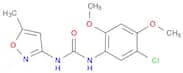
ADAM metallopeptidase domain 17(ADAM17) Homo sapiens This gene encodes a member of the ADAM (a disintegrin and metalloprotease domain) family. Members of this family are membrane-anchored proteins structurally related to snake venom disintegrins, and have been implicated in a variety of biologic processes involving cell-cell and cell-matrix interactions, including fertilization, muscle development, and neurogenesis. The encoded preproprotein is proteolytically processed to generate the mature protease. The encoded protease functions in the ectodomain shedding of tumor necrosis factor-alpha, in which soluble tumor necrosis factor-alpha is released from the membrane-bound precursor. This protease also functions in the processing of numerous other substrates, including cell adhesion proteins, cytokine and growth factor receptors and epidermal growth factor (EGF) receptor ligands. The encoded protein also plays a prominent role in the activation oN-(5-CHLORO-2,4-DIMETHOXYPHENYL)-N'-(5-METHYL-3-ISOXAZOLYL)-UREA
CAS :Formule :C13H14ClN3O4Degré de pureté :98%Couleur et forme :SolidMasse moléculaire :311.7210Peropsin rabbit pAb
Opsins are members of the guanine nucleotide-binding protein (G protein)-coupled receptor superfamily. This gene belongs to the seven-exon subfamily of mammalian opsin genes that includes opsin 5 and retinal G protein coupled receptor. [provided by RefSeq, Jul 2008],KR131 rabbit pAb
Hair keratins and hair keratin-associated proteins (KAPs), such as KRTAP13-1, are the main structural proteins of hair fibers (Rogers et al., 2002 [PubMed 12359730]).[supplied by OMIM, Mar 2008],MMRN1 rabbit pAb
Multimerin is a massive, soluble protein found in platelets and in the endothelium of blood vessels. It is comprised of subunits linked by interchain disulfide bonds to form large, variably sized homomultimers. Multimerin is a factor V/Va-binding protein and may function as a carrier protein for platelet factor V. It may also have functions as an extracellular matrix or adhesive protein. Recently, patients with an unusual autosomal-dominant bleeding disorder (factor V Quebec) were found to have a deficiency of platelet multimerin. [provided by RefSeq, Jul 2008],SPEG rabbit pAb
This gene encodes a protein with similarity to members of the myosin light chain kinase family. This protein family is required for myocyte cytoskeletal development. Along with the desmin gene, expression of this gene may be controlled by the desmin locus control region. Mutations in this gene are associated with centronuclear myopathy 5. [provided by RefSeq, Jun 2016],YAP (phospho Ser127) rabbit pAb
This gene encodes a downstream nuclear effector of the Hippo signaling pathway which is involved in development, growth, repair, and homeostasis. This gene is known to play a role in the development and progression of multiple cancers as a transcriptional regulator of this signaling pathway and may function as a potential target for cancer treatment. Alternative splicing results in multiple transcript variants encoding different isoforms. [provided by RefSeq, Aug 2013],