Anticorps primaires
Les anticorps primaires sont des immunoglobulines qui se lient spécifiquement à un antigène d'intérêt, permettant la détection et la quantification de protéines, peptides ou autres biomolécules. Ces anticorps sont des outils essentiels dans de nombreuses applications, notamment le Western blot, l'immunohistochimie et l'ELISA. Chez CymitQuimica, nous proposons une vaste sélection d'anticorps primaires de haute qualité, offrant spécificité et sensibilité pour divers besoins de recherche, notamment en cancérologie, immunologie et biologie cellulaire.
Sous-catégories appartenant à la catégorie "Anticorps primaires"
- Anticorps pour la recherche sur le cancer(3.620 produits)
- Anticorps cardio-vasculaires(2 produits)
- Biologie du développement(751 produits)
- Anticorps relatifs à l’épigénétique(162 produits)
- Anticorps d'immunologie(2.551 produits)
- Anticorps du métabolisme(279 produits)
- Anticorps de microbiologie(740 produits)
- Transduction du signal(2.717 produits)
- Tags & Marqueurs cellulaires(33 produits)
Affichez 1 plus de sous-catégories
75448 produits trouvés pour "Anticorps primaires"
Trier par
Degré de pureté (%)
0
100
|
0
|
50
|
90
|
95
|
100
Cdc16 rabbit pAb
The protein encoded by this gene functions as a protein ubiquitin ligase and is a component of the multiprotein APC complex. The APC complex is a cyclin degradation system that governs exit from mitosis by targeting cell cycle proteins for degredation by the 26S proteasome. Each component protein of the APC complex is highly conserved among eukaryotic organisms. This protein, and other APC complex proteins, contain a tetratricopeptide repeat (TPR) domain; a protein domain that is often involved in protein-protein interactions and the assembly of multiprotein complexes. Multiple alternatively spliced transcript variants, encoding distinct proteins, have been identified. [provided by RefSeq, Jan 2016],GCK/GLK rabbit pAb
mitogen-activated protein kinase kinase kinase kinase 2(MAP4K2) Homo sapiens The protein encoded by this gene is a member of the serine/threonine protein kinase family. Although this kinase is found in many tissues, its expression in lymphoid follicles is restricted to the cells of germinal centre, where it may participate in B-cell differentiation. This kinase can be activated by TNF-alpha, and has been shown to specifically activate MAP kinases. This kinase is also found to interact with TNF receptor-associated factor 2 (TRAF2), which is involved in the activation of MAP3K1/MEKK1. Alternative splicing results in multiple transcript variants. [provided by RefSeq, Apr 2015],CD107b rabbit pAb
The protein encoded by this gene is a member of a family of membrane glycoproteins. This glycoprotein provides selectins with carbohydrate ligands. It may play a role in tumor cell metastasis. It may also function in the protection, maintenance, and adhesion of the lysosome. Alternative splicing of this gene results in multiple transcript variants encoding distinct proteins. [provided by RefSeq, Jul 2008],CD95 rabbit pAb
The protein encoded by this gene is a member of the TNF-receptor superfamily. This receptor contains a death domain. It has been shown to play a central role in the physiological regulation of programmed cell death, and has been implicated in the pathogenesis of various malignancies and diseases of the immune system. The interaction of this receptor with its ligand allows the formation of a death-inducing signaling complex that includes Fas-associated death domain protein (FADD), caspase 8, and caspase 10. The autoproteolytic processing of the caspases in the complex triggers a downstream caspase cascade, and leads to apoptosis. This receptor has been also shown to activate NF-kappaB, MAPK3/ERK1, and MAPK8/JNK, and is found to be involved in transducing the proliferating signals in normal diploid fibroblast and T cells. Several alternatively spliced transcript variants have been described, sVGLL4 rabbit pAb
function:May act as a specific coactivator for the mammalian TEFs.,similarity:Belongs to the vestigial family.,subunit:Interacts with TEFs.,Histone H3 (Tri-Methyl-K10) rabbit pAb
Histones are basic nuclear proteins that are responsible for the nucleosome structure of the chromosomal fiber in eukaryotes. This structure consists of approximately 146 bp of DNA wrapped around a nucleosome, an octamer composed of pairs of each of the four core histones (H2A, H2B, H3, and H4). The chromatin fiber is further compacted through the interaction of a linker histone, H1, with the DNA between the nucleosomes to form higher order chromatin structures. This gene is intronless and encodes a replication-dependent histone that is a member of the histone H3 family. Transcripts from this gene lack polyA tails; instead, they contain a palindromic termination element. This gene is found in the large histone gene cluster on chromosome 6p22-p21.3. [provided by RefSeq, Aug 2015],CD93 rabbit pAb
The protein encoded by this gene is a cell-surface glycoprotein and type I membrane protein that was originally identified as a myeloid cell-specific marker. The encoded protein was once thought to be a receptor for C1q, but now is thought to instead be involved in intercellular adhesion and in the clearance of apoptotic cells. The intracellular cytoplasmic tail of this protein has been found to interact with moesin, a protein known to play a role in linking transmembrane proteins to the cytoskeleton and in the remodelling of the cytoskeleton. [provided by RefSeq, Jul 2008],Olfactory receptor 4K2 rabbit pAb
olfactory receptor family 4 subfamily K member 2(OR4K2) Homo sapiens Olfactory receptors interact with odorant molecules in the nose, to initiate a neuronal response that triggers the perception of a smell. The olfactory receptor proteins are members of a large family of G-protein-coupled receptors (GPCR) arising from single coding-exon genes. Olfactory receptors share a 7-transmembrane domain structure with many neurotransmitter and hormone receptors and are responsible for the recognition and G protein-mediated transduction of odorant signals. The olfactory receptor gene family is the largest in the genome. The nomenclature assigned to the olfactory receptor genes and proteins for this organism is independent of other organisms. [provided by RefSeq, Jul 2008],HXA10 rabbit pAb
In vertebrates, the genes encoding the class of transcription factors called homeobox genes are found in clusters named A, B, C, and D on four separate chromosomes. Expression of these proteins is spatially and temporally regulated during embryonic development. This gene is part of the A cluster on chromosome 7 and encodes a DNA-binding transcription factor that may regulate gene expression, morphogenesis, and differentiation. More specifically, it may function in fertility, embryo viability, and regulation of hematopoietic lineage commitment. Alternatively spliced transcript variants have been described. Read-through transcription also exists between this gene and the downstream homeobox A9 (HOXA9) gene. [provided by RefSeq, Mar 2011],Platycoside E
CAS :Platycoside E (Platycodin E) is a platycodigenin-type saponin isolated from the root of Platycodon grandiflorum with haemolytic activity and adjuvant potential.
Formule :C69H112O38Degré de pureté :99.27% - 99.82%Couleur et forme :SolidMasse moléculaire :1549.6I17RD rabbit pAb
This gene encodes a membrane protein belonging to the interleukin-17 receptor (IL-17R) protein family. The encoded protein is a component of the interleukin-17 receptor signaling complex, and the interaction between this protein and IL-17R does not require the interleukin. The gene product also affects fibroblast growth factor signaling, inhibiting or stimulating growth through MAPK/ERK signaling. Alternate splicing generates multiple transcript variants encoding distinct isoforms. [provided by RefSeq, Jan 2016],ZW10 rabbit pAb
This gene encodes a protein that is one of many involved in mechanisms to ensure proper chromosome segregation during cell division. This protein is an essential component of the mitotic checkpoint, which prevents cells from prematurely exiting mitosis. [provided by RefSeq, Aug 2011],ALS rabbit pAb
The protein encoded by this gene is a serum protein that binds insulin-like growth factors, increasing their half-life and their vascular localization. Production of the encoded protein, which contains twenty leucine-rich repeats, is stimulated by growth hormone. Defects in this gene are a cause of acid-labile subunit deficiency, which maifests itself in a delayed and slow puberty. Three transcript variants encoding two different isoforms have been found for this gene. [provided by RefSeq, Mar 2009],ADAM32 rabbit pAb
ADAM metallopeptidase domain 32(ADAM32) Homo sapiens This gene encodes a member of the disintegrin family of membrane-anchored proteins that play a role in diverse biological processes such as brain development, fertilization, tumor development and inflammation. This gene is predominantly expressed in the testis. The encoded protein undergoes proteolytic processing to generate a mature polypeptide comprised of an metalloprotease, disintegrin and epidermal growth factor-like domains. This gene is located in a cluster of other disintegrin and metallopeptidase family genes on chromosome 8. Alternative splicing results in multiple transcript variants encoding different isoforms. [provided by RefSeq, Sep 2015],53BP1 (phospho Ser6) rabbit pAb
function:May have a role in checkpoint signaling during mitosis (By similarity). Enhances TP53-mediated transcriptional activation. Plays a role in the response to DNA damage.,PTM:Asymmetrically dimethylated on Arg residues by PRMT1. Methylation is required for DNA binding.,PTM:Phosphorylated at basal level in the absence of DNA damage. Hyper-phosphorylated in an ATM-dependent manner in response to DNA damage induced by ionizing radiation. Hyper-phosphorylated in an ATR-dependent manner in response to DNA damage induced by UV irradiation.,similarity:Contains 2 BRCT domains.,subcellular location:Associated with kinetochores. Both nuclear and cytoplasmic in some cells. Recruited to sites of DNA damage, such as double stand breaks. Methylation of histone H4 at 'Lys-20' is required for efficient localization to double strand breaks.,subunit:Interacts with IFI202A (By similarity). Binds to the central domain of TP53/p53. May form homo-oligomers. Interacts with DCLRE1C. Interacts with histone H2AFX and this requires phosphorylation of H2AFX on 'Ser-139'. Interacts with histone H4 that has been dimethylated at 'Lys-20'. Has low affinity for histone H4 containing monomethylated 'Lys-20'. Does not bind histone H4 containing unmethylated or trimethylated 'Lys-20'. Has low affinity for histone H3 that has been dimethylated on 'Lys-79'. Has very low affinity for histone H3 that has been monomethylated on 'Lys-79' (in vitro). Does not bind unmethylated histone H3.,ARHG4 rabbit pAb
Rho GTPases play a fundamental role in numerous cellular processes that are initiated by extracellular stimuli that work through G protein coupled receptors. The protein encoded by this gene may form complex with G proteins and stimulate Rho-dependent signals. Multiple alternatively spliced transcript variants encoding different isoforms have been found, but the full-length nature of some variants has not been determined. [provided by RefSeq, Jun 2013],CL18A rabbit pAb
This is one of three closely related paralogous genes on chromosome 16 encoding secreted proteins containing C-type lectin domains. These domains bind to carbohydrates in the presence of calcium, and may be involved in cell adhesion, immune response and apoptosis. Alternatively spliced transcript variants encoding multiple isoforms have been observed for this gene. [provided by RefSeq, Sep 2012],NALP4 rabbit pAb
NALPs are cytoplasmic proteins that form a subfamily within the larger CATERPILLER protein family. Most short NALPs, such as NALP4, have an N-terminal pyrin (MEFV; MIM 608107) domain (PYD), followed by a NACHT domain, a NACHT-associated domain (NAD), and a C-terminal leucine-rich repeat (LRR) region. The long NALP, NALP1 (MIM 606636), also has a C-terminal extension containing a function to find domain (FIIND) and a caspase recruitment domain (CARD). NALPs are implicated in the activation of proinflammatory caspases (e.g., CASP1; MIM 147678) via their involvement in multiprotein complexes called inflammasomes (Tschopp et al., 2003 [PubMed 12563287]).[supplied by OMIM, Mar 2008],14-3-3 β/ζ rabbit pAb
This gene product belongs to the 14-3-3 family of proteins which mediate signal transduction by binding to phosphoserine-containing proteins. This highly conserved protein family is found in both plants and mammals, and this protein is 99% identical to the mouse, rat and sheep orthologs. The encoded protein interacts with IRS1 protein, suggesting a role in regulating insulin sensitivity. Several transcript variants that differ in the 5' UTR but that encode the same protein have been identified for this gene. [provided by RefSeq, Oct 2008],SNAPC 19 rabbit pAb
This gene encodes a subunit of the small nuclear RNA (snRNA)-activating protein complex that plays a role in the transcription of snRNA genes. This complex binds to the promoters of snRNA genes transcribed by either RNA polymerase II or III and recruits other regulatory factors to activate snRNA gene transcription. The encoded protein may play a role in stabilizing this complex. A pseudogene of this gene has been identified on chromosome 6. [provided by RefSeq, Jul 2016],HSV-Tag Mouse mAb
HSV-tag peptide QPELAPEDPED conjugated to KLH. HSV- Tag antibody can recognize C-terminal, internal, and N-terminal HSV-tagged proteins.HSP70L rabbit pAb
This gene encodes a 70kDa heat shock protein. In conjunction with other heat shock proteins, this protein stabilizes existing proteins against aggregation and mediates the folding of newly translated proteins in the cytosol and in organelles. The gene is located in the major histocompatibility complex class III region, in a cluster with two closely related genes which also encode isoforms of the 70kDa heat shock protein. [provided by RefSeq, Jul 2008],PAR11 rabbit pAb
catalytic activity:NAD(+) + (ADP-D-ribosyl)(n)-acceptor = nicotinamide + (ADP-D-ribosyl)(n+1)-acceptor.,similarity:Contains 1 PARP catalytic domain.,similarity:Contains 1 WWE domain.,TRI56 rabbit pAb
sequence caution:Translation N-terminally extended.,sequence caution:Translation N-terminally shortened.,similarity:Belongs to the TRIM/RBCC family.,similarity:Contains 1 RING-type zinc finger.,similarity:Contains 2 B box-type zinc fingers.,EGFR (phospho Ser1026) rabbit pAb
The protein encoded by this gene is a transmembrane glycoprotein that is a member of the protein kinase superfamily. This protein is a receptor for members of the epidermal growth factor family. EGFR is a cell surface protein that binds to epidermal growth factor. Binding of the protein to a ligand induces receptor dimerization and tyrosine autophosphorylation and leads to cell proliferation. Mutations in this gene are associated with lung cancer. [provided by RefSeq, Jun 2016],CBPB1 rabbit pAb
Three different procarboxypeptidases A and two different procarboxypeptidases B have been isolated. The B1 and B2 forms differ from each other mainly in isoelectric point. Carboxypeptidase B1 is a highly tissue-specific protein and is a useful serum marker for acute pancreatitis and dysfunction of pancreatic transplants. It is not elevated in pancreatic carcinoma. [provided by RefSeq, Jul 2008],ZN441 rabbit pAb
function:May be involved in transcriptional regulation.,similarity:Belongs to the krueppel C2H2-type zinc-finger protein family.,similarity:Contains 19 C2H2-type zinc fingers.,Raf-1 rabbit pAb
This gene is the cellular homolog of viral raf gene (v-raf). The encoded protein is a MAP kinase kinase kinase (MAP3K), which functions downstream of the Ras family of membrane associated GTPases to which it binds directly. Once activated, the cellular RAF1 protein can phosphorylate to activate the dual specificity protein kinases MEK1 and MEK2, which in turn phosphorylate to activate the serine/threonine specific protein kinases, ERK1 and ERK2. Activated ERKs are pleiotropic effectors of cell physiology and play an important role in the control of gene expression involved in the cell division cycle, apoptosis, cell differentiation and cell migration. Mutations in this gene are associated with Noonan syndrome 5 and LEOPARD syndrome 2. [provided by RefSeq, Jul 2008],IRX3 rabbit pAb
IRX3 is a member of the Iroquois homeobox gene family (see IRX1; MIM 606197) and plays a role in an early step of neural development (Bellefroid et al., 1998 [PubMed 9427753]). Members of this family appear to play multiple roles during pattern formation of vertebrate embryos (Lewis et al., 1999 [PubMed 10370142]).[supplied by OMIM, Aug 2009],ERC2 rabbit pAb
This gene encodes a protein that belongs to the Rab3-interacting molecule (RIM)-binding protein family. Members of this protein family form part of the cytomatrix at the active zone (CAZ) complex and function as regulators of neurotransmitter release. Alternative splicing results in multiple transcript variants. [provided by RefSeq, Nov 2015],GABA A Receptor α4 Rabbit pAb
GABA, the major inhibitory neurotransmitter in the vertebrate brain, mediates neuronal inhibition by binding to the GABA/benzodiazepine receptor and opening an integral chloride channel.TFCP2 rabbit pAb
This gene encodes a transcription factor that binds the alpha-globin promoter and activates transcription of the alpha-globin gene. The encoded protein regulates erythroid gene expression, plays a role in the transcriptional switch of globin gene promoters, and it activates many other cellular and viral gene promoters. The gene product interacts with certain inflammatory response factors, and polymorphisms of this gene may be involved in the pathogenesis of Alzheimer's disease. [provided by RefSeq, Mar 2010],OR7A2 rabbit pAb
Olfactory receptors interact with odorant molecules in the nose, to initiate a neuronal response that triggers the perception of a smell. The olfactory receptor proteins are members of a large family of G-protein-coupled receptors (GPCR) arising from single coding-exon genes. Olfactory receptors share a 7-transmembrane domain structure with many neurotransmitter and hormone receptors and are responsible for the recognition and G protein-mediated transduction of odorant signals. The olfactory receptor gene family is the largest in the genome. The nomenclature assigned to the olfactory receptor genes and proteins for this organism is independent of other organisms. [provided by RefSeq, Jul 2008],PKC θ rabbit pAb
Protein kinase C (PKC) is a family of serine- and threonine-specific protein kinases that can be activated by calcium and the second messenger diacylglycerol. PKC family members phosphorylate a wide variety of protein targets and are known to be involved in diverse cellular signaling pathways. PKC family members also serve as major receptors for phorbol esters, a class of tumor promoters. Each member of the PKC family has a specific expression profile and is believed to play a distinct role. The protein encoded by this gene is one of the PKC family members. It is a calcium-independent and phospholipid-dependent protein kinase. This kinase is important for T-cell activation. It is required for the activation of the transcription factors NF-kappaB and AP-1, and may link the T cell receptor (TCR) signaling complex to the activation of the transcription factors. [provided by RefSeq, Jul 2008],PIP rabbit pAb
induction:By prolactin and androgen; inhibited by estrogen.,similarity:Belongs to the PIP family.,subunit:Monomer. Interacts with AZGP1.,tissue specificity:Expressed in pathological conditions of the mammary gland and in several exocrine tissues, such as the lacrimal, salivary, and sweat glands.,CYB5R1 rabbit pAb
catalytic activity:NADH + 2 ferricytochrome b5 = NAD(+) + H(+) + 2 ferrocytochrome b5.,cofactor:FAD.,function:NADH-cytochrome b5 reductases are involved in desaturation and elongation of fatty acids, cholesterol biosynthesis, drug metabolism, and, in erythrocyte, methemoglobin reduction.,similarity:Belongs to the flavoprotein pyridine nucleotide cytochrome reductase family.,similarity:Contains 1 FAD-binding FR-type domain.,tissue specificity:Widely expressed.,IRS-1 (phospho-Ser636/639) rabbit pAb
This gene encodes a protein which is phosphorylated by insulin receptor tyrosine kinase. Mutations in this gene are associated with type II diabetes and susceptibility to insulin resistance. [provided by RefSeq, Nov 2009],DIAC rabbit pAb
Chitobiase is a lysosomal glycosidase involved in degradation of asparagine-linked oligosaccharides on glycoproteins (Aronson and Kuranda, 1989 [PubMed 2531691]).[supplied by OMIM, Nov 2010],MXRA5 rabbit pAb
This gene encodes one of the matrix-remodelling associated proteins. This protein contains 7 leucine-rich repeats and 12 immunoglobulin-like C2-type domains related to perlecan. This gene has a pseudogene on chromosome Y. [provided by RefSeq, Mar 2010],BOCT rabbit pAb
similarity:Belongs to the major facilitator superfamily. Organic cation transporter family.,tissue specificity:Expressed in brain.,Elf-5 rabbit pAb
The protein encoded by this gene is a member of an epithelium-specific subclass of the Ets transcritpion factor family. In addition to its role in regulating the later stages of terminal differentiation of keratinocytes, it appears to regulate a number of epithelium-specific genes found in tissues containing glandular epithelium such as salivary gland and prostate. It has very low affinity to DNA due to its negative regulatory domain at the amino terminus. Several alternatively spliced transcript variants encoding different isoforms have been described for this gene. [provided by RefSeq, Jul 2011],STAR rabbit pAb
The protein encoded by this gene plays a key role in the acute regulation of steroid hormone synthesis by enhancing the conversion of cholesterol into pregnenolone. This protein permits the cleavage of cholesterol into pregnenolone by mediating the transport of cholesterol from the outer mitochondrial membrane to the inner mitochondrial membrane. Mutations in this gene are a cause of congenital lipoid adrenal hyperplasia (CLAH), also called lipoid CAH. A pseudogene of this gene is located on chromosome 13. [provided by RefSeq, Jul 2008],CYP4X1 rabbit pAb
This gene encodes a member of the cytochrome P450 superfamily of enzymes and is located within a cluster of genes belonging to this superfamily on chromosome 1. The cytochrome P450 proteins are monooxygenases which catalyze many reactions involved in drug metabolism and synthesis of cholesterol, steroids and other lipids. The expression pattern of a similar rat protein suggests that this protein may be involved in neurovascular function in the brain. Alternative splicing results in multiple transcript variants. [provided by RefSeq, Feb 2016],Septin 5 rabbit pAb
septin 5(SEPT5) Homo sapiens This gene is a member of the septin gene family of nucleotide binding proteins, originally described in yeast as cell division cycle regulatory proteins. Septins are highly conserved in yeast, Drosophila, and mouse and appear to regulate cytoskeletal organization. Disruption of septin function disturbs cytokinesis and results in large multinucleate or polyploid cells. This gene is mapped to 22q11, the region frequently deleted in DiGeorge and velocardiofacial syndromes. A translocation involving the MLL gene and this gene has also been reported in patients with acute myeloid leukemia. Alternative splicing results in multiple transcript variants. The presence of a non-consensus polyA signal (AACAAT) in this gene also results in read-through transcription into the downstream neighboring gene (GP1BB; platelet glycoprotein Ib), whereby larger, non-coding transcripts are produced. [provided by RefSeq, Dec 2010],AKAP9 rabbit pAb
The A-kinase anchor proteins (AKAPs) are a group of structurally diverse proteins which have the common function of binding to the regulatory subunit of protein kinase A (PKA) and confining the holoenzyme to discrete locations within the cell. This gene encodes a member of the AKAP family. Alternate splicing of this gene results in at least two isoforms that localize to the centrosome and the Golgi apparatus, and interact with numerous signaling proteins from multiple signal transduction pathways. These signaling proteins include type II protein kinase A, serine/threonine kinase protein kinase N, protein phosphatase 1, protein phosphatase 2a, protein kinase C-epsilon and phosphodiesterase 4D3. [provided by RefSeq, Aug 2008],MKP-2 rabbit pAb
The protein encoded by this gene is a member of the dual specificity protein phosphatase subfamily. These phosphatases inactivate their target kinases by dephosphorylating both the phosphoserine/threonine and phosphotyrosine residues. They negatively regulate members of the mitogen-activated protein (MAP) kinase superfamily (MAPK/ERK, SAPK/JNK, p38), which are associated with cellular proliferation and differentiation. Different members of the family of dual specificity phosphatases show distinct substrate specificities for various MAP kinases, different tissue distribution and subcellular localization, and different modes of inducibility of their expression by extracellular stimuli. This gene product inactivates ERK1, ERK2 and JNK, is expressed in a variety of tissues, and is localized in the nucleus. Two alternatively spliced transcript variants, encoding distinct isoforms, have been obserNF-L rabbit pAb
Neurofilaments are type IV intermediate filament heteropolymers composed of light, medium, and heavy chains. Neurofilaments comprise the axoskeleton and they functionally maintain the neuronal caliber. They may also play a role in intracellular transport to axons and dendrites. This gene encodes the light chain neurofilament protein. Mutations in this gene cause Charcot-Marie-Tooth disease types 1F (CMT1F) and 2E (CMT2E), disorders of the peripheral nervous system that are characterized by distinct neuropathies. A pseudogene has been identified on chromosome Y. [provided by RefSeq, Oct 2008],O2A12 rabbit pAb
Olfactory receptors interact with odorant molecules in the nose, to initiate a neuronal response that triggers the perception of a smell. The olfactory receptor proteins are members of a large family of G-protein-coupled receptors (GPCR) arising from single coding-exon genes. Olfactory receptors share a 7-transmembrane domain structure with many neurotransmitter and hormone receptors and are responsible for the recognition and G protein-mediated transduction of odorant signals. The olfactory receptor gene family is the largest in the genome. The nomenclature assigned to the olfactory receptor genes and proteins for this organism is independent of other organisms. [provided by RefSeq, Jul 2008],JAK2 Rabbit pAb
Members of the Janus family of tyrosine kinases (Jak1, Jak2, Jak3 and Tyk2) are activated by ligands binding to a number of associated cytokine receptors.RIP3 (phospho-Ser227) rabbit pAb
The product of this gene is a member of the receptor-interacting protein (RIP) family of serine/threonine protein kinases, and contains a C-terminal domain unique from other RIP family members. The encoded protein is predominantly localized to the cytoplasm, and can undergo nucleocytoplasmic shuttling dependent on novel nuclear localization and export signals. It is a component of the tumor necrosis factor (TNF) receptor-I signaling complex, and can induce apoptosis and weakly activate the NF-kappaB transcription factor. [provided by RefSeq, Jul 2008],WDFY1 rabbit pAb
The protein encoded by this gene is a phosphatidylinositol 3-phosphate binding protein, which contains a FYVE zinc finger domain and multiple WD-40 repeat domains. When exogenously expressed, it localizes to early endosomes. Mutagenesis analysis demonstrates that this endosomal localization is mediated by the FYVE domain. [provided by RefSeq, Jan 2015],MRP-L22 rabbit pAb
Mammalian mitochondrial ribosomal proteins are encoded by nuclear genes and help in protein synthesis within the mitochondrion. Mitochondrial ribosomes (mitoribosomes) consist of a small 28S subunit and a large 39S subunit. They have an estimated 75% protein to rRNA composition compared to prokaryotic ribosomes, where this ratio is reversed. Another difference between mammalian mitoribosomes and prokaryotic ribosomes is that the latter contain a 5S rRNA. Among different species, the proteins comprising the mitoribosome differ greatly in sequence, and sometimes in biochemical properties, which prevents easy recognition by sequence homology. This gene encodes a 39S subunit protein that belongs to the L22 ribosomal protein family. A pseudogene corresponding to this gene is found on chromosome 4q. Two transcript variants encoding different isoforms have been found for this gene. [provideABC3H rabbit pAb
This gene encodes a member of the apolipoprotein B mRNA-editing enzyme catalytic polypeptide 3 family of proteins. The encoded protein is a cytidine deaminase that has antiretroviral activity by generating lethal hypermutations in viral genomes. Polymorphisms and alternative splicing in this gene influence its antiretroviral activity and are associated with increased resistence to human immunodeficiency virus type 1 infection in certain populations. Alternative splicing results in multiple transcript variants.[provided by RefSeq, Oct 2009],TRIB2 rabbit pAb
This gene encodes one of three members of the Tribbles family. The Tribbles members share a Trb domain, which is homologous to protein serine-threonine kinases, but lacks the active site lysine and probably lacks a catalytic function. The Tribbles proteins interact and modulate the activity of signal transduction pathways in a number of physiological and pathological processes. This Tribbles member induces apoptosis of cells mainly of the hematopoietic origin. It has been identified as a protein up-regulated by inflammatory stimuli in myeloid (THP-1) cells, and also as an oncogene that inactivates the transcription factor C/EBPalpha (CCAAT/enhancer-binding protein alpha) and causes acute myelogenous leukemia. Alternatively spliced transcript variants have been found for this gene. [provided by RefSeq, Mar 2009],mTOR (phospho Thr2446) rabbit pAb
The protein encoded by this gene belongs to a family of phosphatidylinositol kinase-related kinases. These kinases mediate cellular responses to stresses such as DNA damage and nutrient deprivation. This protein acts as the target for the cell-cycle arrest and immunosuppressive effects of the FKBP12-rapamycin complex. The ANGPTL7 gene is located in an intron of this gene. [provided by RefSeq, Sep 2008],GRHPR rabbit pAb
This gene encodes an enzyme with hydroxypyruvate reductase, glyoxylate reductase, and D-glycerate dehydrogenase enzymatic activities. The enzyme has widespread tissue expression and has a role in metabolism. Type II hyperoxaluria is caused by mutations in this gene. [provided by RefSeq, Jul 2008],IPO5 rabbit pAb
Nucleocytoplasmic transport, a signal- and energy-dependent process, takes place through nuclear pore complexes embedded in the nuclear envelope. The import of proteins containing a nuclear localization signal (NLS) requires the NLS import receptor, a heterodimer of importin alpha and beta subunits also known as karyopherins. Importin alpha binds the NLS-containing cargo in the cytoplasm and importin beta docks the complex at the cytoplasmic side of the nuclear pore complex. In the presence of nucleoside triphosphates and the small GTP binding protein Ran, the complex moves into the nuclear pore complex and the importin subunits dissociate. Importin alpha enters the nucleoplasm with its passenger protein and importin beta remains at the pore. Interactions between importin beta and the FG repeats of nucleoporins are essential in translocation through the pore complex. The protein encoded by this gene is a mePTPRE rabbit pAb
The protein encoded by this gene is a member of the protein tyrosine phosphatase (PTP) family. PTPs are known to be signaling molecules that regulate a variety of cellular processes including cell growth, differentiation, mitotic cycle, and oncogenic transformation. Several alternatively spliced transcript variants of this gene have been reported, at least two of which encode a receptor-type PTP that possesses a short extracellular domain, a single transmembrane region, and two tandem intracytoplasmic catalytic domains; another one encodes a PTP that contains a distinct hydrophilic N-terminus, and thus represents a nonreceptor-type isoform of this PTP. Studies of the similar gene in mice suggested the regulatory roles of this PTP in RAS related signal transduction pathways, cytokine-induced SATA signaling, as well as the activation of voltage-gated K+ channels. [provided by RPXK rabbit pAb
This gene encodes a phox (PX) domain-containing protein which may be involved in synaptic transmission and the ligand-induced internalization and degradation of epidermal growth factors. Variations in this gene may be associated with susceptibility to systemic lupus erythematosus (SLE). Alternative splicing results in multiple transcript variants. [provided by RefSeq, Jan 2014],COX1/Cyclooxygenase 1 Rabbit pAb
Cyclooxygenase-1 (COX-1), also known as prostaglandin G/H synthase 1, prostaglandin-endoperoxide synthase 1 or prostaglandin H2 synthase 1, is an enzyme that in humans is encoded by the PTGS1 gene. There are two isozymes of COX encoded by distinct gene products: a constitutive COX-1 (this enzyme) and an inducible COX-2, which differ in their regulation of expression and tissue distribution. The expression of these two transcripts is differentially regulated by relevant cytokines and growth factors. A splice variant of COX-1 termed COX-3 was identified in the CNS of dogs, but does not result in a functional protein in humans. Two smaller COX-1-derived proteins (the partial COX-1 proteins PCOX-1A and PCOX-1B) have also been discovered, but their precise roles are yet to be describedGalectin 3 is one of the more extensively studied members of this family and is a 30 kDa protein. Due to a C-terminal carbohydrate binding site, Galectin 3 is capable of binding IgE and mammalian cell surfaces only when homodimerized or homooligomerized. Galectin 3 is normally distributed in epithelia of many organs, in various inflammatory cells, including macrophages, as well as dendritic cells and Kupffer cells. The expression of this lectin is up-regulated during inflammation, cell proliferation, cell differentiation and through trans-activation by viral proteins.Integrin β4 (phospho Tyr1510) rabbit pAb
Integrins are heterodimers comprised of alpha and beta subunits, that are noncovalently associated transmembrane glycoprotein receptors. Different combinations of alpha and beta polypeptides form complexes that vary in their ligand-binding specificities. Integrins mediate cell-matrix or cell-cell adhesion, and transduced signals that regulate gene expression and cell growth. This gene encodes the integrin beta 4 subunit, a receptor for the laminins. This subunit tends to associate with alpha 6 subunit and is likely to play a pivotal role in the biology of invasive carcinoma. Mutations in this gene are associated with epidermolysis bullosa with pyloric atresia. Multiple alternatively spliced transcript variants encoding distinct isoforms have been found for this gene. [provided by RefSeq, Jul 2008],VPS72 rabbit pAb
The protein encoded by this gene is a shared subunit of two multi-component complexes, the histone acetyltransferase complex TRRAP/TIP60 as well as the chromatin remodeling SRCAP-containing complex. The TRRAP/TIP60 complex acetylates nucleosomal histones important for transcriptional regulation, double strand DNA break repair and apoptosis. The SRCAP-containing complex catalyzes the exchange of histone H2A with the histone variant Htz1 (H2AFZ) into nucleosomes. This protein may be responsible for binding H2AFZ, which has a role in chromosome segregation. This protein may also have a role in regulating long-term hematopoietic stem cell activity. Alternative splicing results in multiple transcript variants that encode different protein isoforms. [provided by RefSeq, Aug 2012],Caspase-9 (phospho Thr125) rabbit pAb
CASP9 encodes a member of the cysteine-aspartic acid protease (caspase) family. Sequential activation of caspases plays a central role in the execution-phase of cell apoptosis. Caspases exist as inactive proenzymes which undergo proteolytic processing at conserved aspartic residues to produce two subunits, large and small, that dimerize to form the active enzyme. Caspase 9 can undergo autoproteolytic processing and activation by the apoptosome, a protein complex of cytochrome c and the apoptotic peptidase activating factor 1; this step is thought to be one of the earliest in the caspase activation cascade. Caspase 9 is thought to play a central role in apoptosis and to be a tumor suppressor. Alternative splicing results in multiple transcript variants.PKM2 (phospho-Tyr105) rabbit pAb
This gene encodes a protein involved in glycolysis. The encoded protein is a pyruvate kinase that catalyzes the transfer of a phosphoryl group from phosphoenolpyruvate to ADP, generating ATP and pyruvate. This protein has been shown to interact with thyroid hormone and may mediate cellular metabolic effects induced by thyroid hormones. This protein has been found to bind Opa protein, a bacterial outer membrane protein involved in gonococcal adherence to and invasion of human cells, suggesting a role of this protein in bacterial pathogenesis. Several alternatively spliced transcript variants encoding a few distinct isoforms have been reported. [provided by RefSeq, May 2011],CTBL1 rabbit pAb
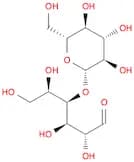
The protein encoded by this gene is a component of the pre-mRNA-processing factor 19-cell division cycle 5-like (PRP19-CDC5L) protein complex, which activates pre-mRNA splicing and is an integral part of the spliceosome. The encoded protein is also a nuclear localization sequence binding protein, and binds to activation-induced deaminase and is important for antibody diversification. This gene may also be associated with the development of obesity. Alternative splicing results in multiple transcript variants. A pseudogene of this gene has been defined on the X chromosome. [provided by RefSeq, Jul 2013],β-maltose
CAS :Formule :C12H22O11Degré de pureté :98%Couleur et forme :SolidMasse moléculaire :342.2965MYBPC1 rabbit pAb
This gene encodes a member of the myosin-binding protein C family. Myosin-binding protein C family members are myosin-associated proteins found in the cross-bridge-bearing zone (C region) of A bands in striated muscle. The encoded protein is the slow skeletal muscle isoform of myosin-binding protein C and plays an important role in muscle contraction by recruiting muscle-type creatine kinase to myosin filaments. Mutations in this gene are associated with distal arthrogryposis type I. Alternatively spliced transcript variants encoding multiple isoforms have been observed for this gene. [provided by RefSeq, Dec 2011],CD38 rabbit pAb
The protein encoded by this gene is a non-lineage-restricted, type II transmembrane glycoprotein that synthesizes and hydrolyzes cyclic adenosine 5'-diphosphate-ribose, an intracellular calcium ion mobilizing messenger. The release of soluble protein and the ability of membrane-bound protein to become internalized indicate both extracellular and intracellular functions for the protein. This protein has an N-terminal cytoplasmic tail, a single membrane-spanning domain, and a C-terminal extracellular region with four N-glycosylation sites. Crystal structure analysis demonstrates that the functional molecule is a dimer, with the central portion containing the catalytic site. It is used as a prognostic marker for patients with chronic lymphocytic leukemia. Alternative splicing results in multiple transcript variants. [provided by RefSeq, Sep 2015],PAGE-3 rabbit pAb
This gene is a member of family of proteins that are expressed in a variety of tumors and in some fetal and reproductive tissues. Multiple alternatively spliced transcript variants have been observed. [provided by RefSeq, Jan 2015],BMAL1 (phospho-Ser42) rabbit pAb
The protein encoded by this gene is a basic helix-loop-helix protein that forms a heterodimer with CLOCK. This heterodimer binds E-box enhancer elements upstream of Period (PER1, PER2, PER3) and Cryptochrome (CRY1, CRY2) genes and activates transcription of these genes. PER and CRY proteins heterodimerize and repress their own transcription by interacting in a feedback loop with CLOCK/ARNTL complexes. Defects in this gene have been linked to infertility, problems with gluconeogenesis and lipogenesis, and altered sleep patterns. Several transcript variants encoding different isoforms have been found for this gene. [provided by RefSeq, Jul 2014],PKA Iα reg rabbit pAb
cAMP is a signaling molecule important for a variety of cellular functions. cAMP exerts its effects by activating the cAMP-dependent protein kinase, which transduces the signal through phosphorylation of different target proteins. The inactive kinase holoenzyme is a tetramer composed of two regulatory and two catalytic subunits. cAMP causes the dissociation of the inactive holoenzyme into a dimer of regulatory subunits bound to four cAMP and two free monomeric catalytic subunits. Four different regulatory subunits and three catalytic subunits have been identified in humans. This gene encodes one of the regulatory subunits. This protein was found to be a tissue-specific extinguisher that down-regulates the expression of seven liver genes in hepatoma x fibroblast hybrids. Mutations in this gene cause Carney complex (CNC). This gene can fuse to the RET protooncogS22A4 rabbit pAb
Polyspecific organic cation transporters in the liver, kidney, intestine, and other organs are critical for elimination of many endogenous small organic cations as well as a wide array of drugs and environmental toxins. The encoded protein is an organic cation transporter and plasma integral membrane protein containing eleven putative transmembrane domains as well as a nucleotide-binding site motif. Transport by this protein is at least partially ATP-dependent. [provided by RefSeq, Jul 2008],DPP7 rabbit pAb
The protein encoded by this gene is a post-proline cleaving aminopeptidase expressed in quiescent lymphocytes. The resting lymphocytes are maintained through suppression of apoptosis, a state which is disrupted by inhibition of this novel serine protease. The enzyme has strong sequence homology with prolylcarboxypeptidase and is active at both acidic and neutral pH. [provided by RefSeq, Jul 2008],DRP1 (phospho-Ser616) rabbit pAb
This gene encodes a member of the dynamin superfamily of GTPases. The encoded protein mediates mitochondrial and peroxisomal division, and is involved in developmentally regulated apoptosis and programmed necrosis. Dysfunction of this gene is implicated in several neurological disorders, including Alzheimer's disease. Mutations in this gene are associated with the autosomal dominant disorder, encephalopathy, lethal, due to defective mitochondrial and peroxisomal fission (EMPF). Alternative splicing results in multiple transcript variants encoding different isoforms. [provided by RefSeq, Jun 2013],OR5MA rabbit pAb
Olfactory receptors interact with odorant molecules in the nose, to initiate a neuronal response that triggers the perception of a smell. The olfactory receptor proteins are members of a large family of G-protein-coupled receptors (GPCR) arising from single coding-exon genes. Olfactory receptors share a 7-transmembrane domain structure with many neurotransmitter and hormone receptors and are responsible for the recognition and G protein-mediated transduction of odorant signals. The olfactory receptor gene family is the largest in the genome. The nomenclature assigned to the olfactory receptor genes and proteins for this organism is independent of other organisms. [provided by RefSeq, Jul 2008],Neu (phospho Tyr1221/Y1222) rabbit pAb
This gene encodes a member of the epidermal growth factor (EGF) receptor family of receptor tyrosine kinases. This protein has no ligand binding domain of its own and therefore cannot bind growth factors. However, it does bind tightly to other ligand-bound EGF receptor family members to form a heterodimer, stabilizing ligand binding and enhancing kinase-mediated activation of downstream signalling pathways, such as those involving mitogen-activated protein kinase and phosphatidylinositol-3 kinase. Allelic variations at amino acid positions 654 and 655 of isoform a (positions 624 and 625 of isoform b) have been reported, with the most common allele, Ile654/Ile655, shown here. Amplification and/or overexpression of this gene has been reported in numerous cancers, including breast and ovarian tumors. Alternative splicing results in several additional transcript variants, some encoding dCD300d rabbit pAb
similarity:Belongs to the CD300 family.,similarity:Contains 1 Ig-like V-type (immunoglobulin-like) domain.,