Anticorps primaires
Les anticorps primaires sont des immunoglobulines qui se lient spécifiquement à un antigène d'intérêt, permettant la détection et la quantification de protéines, peptides ou autres biomolécules. Ces anticorps sont des outils essentiels dans de nombreuses applications, notamment le Western blot, l'immunohistochimie et l'ELISA. Chez CymitQuimica, nous proposons une vaste sélection d'anticorps primaires de haute qualité, offrant spécificité et sensibilité pour divers besoins de recherche, notamment en cancérologie, immunologie et biologie cellulaire.
Sous-catégories appartenant à la catégorie "Anticorps primaires"
- Anticorps pour la recherche sur le cancer(3.721 produits)
- Anticorps cardio-vasculaires(2 produits)
- Biologie du développement(764 produits)
- Anticorps relatifs à l’épigénétique(162 produits)
- Anticorps d'immunologie(2.585 produits)
- Anticorps du métabolisme(286 produits)
- Anticorps de microbiologie(740 produits)
- Transduction du signal(2.765 produits)
- Tags & Marqueurs cellulaires(34 produits)
Affichez 1 plus de sous-catégories
75512 produits trouvés pour "Anticorps primaires"
Trier par
Degré de pureté (%)
0
100
|
0
|
50
|
90
|
95
|
100
BMP-2 rabbit pAb
This gene encodes a secreted ligand of the TGF-beta (transforming growth factor-beta) superfamily of proteins. Ligands of this family bind various TGF-beta receptors leading to recruitment and activation of SMAD family transcription factors that regulate gene expression. The encoded preproprotein is proteolytically processed to generate each subunit of the disulfide-linked homodimer, which plays a role in bone and cartilage development. Duplication of a regulatory region downstream of this gene causes a form of brachydactyly characterized by a malformed index finger and second toe in human patients. [provided by RefSeq, Jul 2016],S39A5 rabbit pAb
The protein encoded by this gene belongs to the ZIP family of zinc transporters that transport zinc into cells from outside, and play a crucial role in controlling intracellular zinc levels. Zinc is an essential cofactor for many enzymes and proteins involved in gene transcription, growth, development and differentiation. Mutations in this gene have been associated with autosomal dominant high myopia (MYP24). Alternatively spliced transcript variants have been found for this gene. [provided by RefSeq, Sep 2014],NSUN2 rabbit pAb
This gene encodes a methyltransferase that catalyzes the methylation of cytosine to 5-methylcytosine (m5C) at position 34 of intron-containing tRNA(Leu)(CAA) precursors. This modification is necessary to stabilize the anticodon-codon pairing and correctly translate the mRNA. Alternatively spliced transcript variants encoding different isoforms have been noted for this gene.[provided by RefSeq, Mar 2011],GSTM1 rabbit pAb
Cytosolic and membrane-bound forms of glutathione S-transferase are encoded by two distinct supergene families. At present, eight distinct classes of the soluble cytoplasmic mammalian glutathione S-transferases have been identified: alpha, kappa, mu, omega, pi, sigma, theta and zeta. This gene encodes a glutathione S-transferase that belongs to the mu class. The mu class of enzymes functions in the detoxification of electrophilic compounds, including carcinogens, therapeutic drugs, environmental toxins and products of oxidative stress, by conjugation with glutathione. The genes encoding the mu class of enzymes are organized in a gene cluster on chromosome 1p13.3 and are known to be highly polymorphic. These genetic variations can change an individual's susceptibility to carcinogens and toxins as well as affect the toxicity and efficacy of certain drugs. Null mutations of this class mu gALK (phospho-Tyr1278) rabbit pAb
This gene encodes a receptor tyrosine kinase, which belongs to the insulin receptor superfamily. This protein comprises an extracellular domain, an hydrophobic stretch corresponding to a single pass transmembrane region, and an intracellular kinase domain. It plays an important role in the development of the brain and exerts its effects on specific neurons in the nervous system. This gene has been found to be rearranged, mutated, or amplified in a series of tumours including anaplastic large cell lymphomas, neuroblastoma, and non-small cell lung cancer. The chromosomal rearrangements are the most common genetic alterations in this gene, which result in creation of multiple fusion genes in tumourigenesis, including ALK (chromosome 2)/EML4 (chromosome 2), ALK/RANBP2 (chromosome 2), ALK/ATIC (chromosome 2), ALK/TFG (chromosome 3), ALK/NPM1 (chromosome 5), ALK/SQSTM1 (chromosomeTLK1 rabbit pAb
catalytic activity:ATP + a protein = ADP + a phosphoprotein.,cofactor:Magnesium.,enzyme regulation:Cell-cycle regulated, maximal activity in S-phase. Inactivated by phosphorylation at Ser-743, potentially by CHK1.,function:Rapidly and transiently inhibited by phosphorylation following the generation of DNA double-stranded breaks during S-phase. This is cell cycle checkpoint and ATM-pathway dependent and appears to regulate processes involved in chromatin assembly. Isoform 3 phosphorylates and enhances the stability of the t-SNARE SNAP23, augmenting its assembly with syntaxin. Isoform 3 protects the cells from the ionizing radiation by faciliting the repair of DSBs. In vitro, phosphorylates histone H3 at 'Ser-10'.,similarity:Belongs to the protein kinase superfamily.,similarity:Belongs to the protein kinase superfamily. Ser/Thr protein kinase family.,similarity:Contains 1 protein kinase domain.,subunit:Heterodimerizes with TLK2. Interacts with ASF1A and ASF1B.,tissue specificity:Widely expressed. Present in fetal placenta, liver, kidney and pancreas but not heart or skeletal muscle. Also found in adult cell lines. Isoform 3 is ubiquitously expressed in all tissues examined.,RB40L rabbit pAb
This gene encodes a member of the Rab40 subfamily of Rab small GTP-binding proteins that contains a C-terminal suppressors of cytokine signaling box. Disruptions in this gene are associated with Duchenne muscular dystrophy. [provided by RefSeq, Apr 2010],RACK7 rabbit pAb
The protein encoded by this gene is a receptor for activated C-kinase (RACK) protein. The encoded protein has been shown to bind in vitro to activated protein kinase C beta I. In addition, this protein is a cutaneous T-cell lymphoma-associated antigen. Finally, the protein contains a bromodomain and two zinc fingers, and is thought to be a transcriptional regulator. Multiple transcript variants encoding several different isoforms have been found for this gene. [provided by RefSeq, Jul 2008],Layilin rabbit pAb
domain:The C-terminal domain interacts with the N-terminal domain of RDX.,function:Receptor for hyaluronate.,similarity:Contains 1 C-type lectin domain.,subcellular location:Colocalizes with TLN1 at the membrane ruffles.,subunit:Interacts with NF2, RDX and TLN1.,KIF1B rabbit pAb
This gene encodes a motor protein that transports mitochondria and synaptic vesicle precursors. Mutations in this gene cause Charcot-Marie-Tooth disease, type 2A1. [provided by RefSeq, Jul 2008],TRPV6 rabbit pAb
transient receptor potential cation channel subfamily V member 6(TRPV6) Homo sapiens This gene encodes a member of a family of multipass membrane proteins that functions as calcium channels. The encoded protein contains N-terminal ankyrin repeats, which are required for channel assembly and regulation. Translation initiation for this protein occurs at a non-AUG start codon that is decoded as methionine. This gene is situated next to a closely related gene for transient receptor potential cation channel subfamily V member 5 (TRPV5). This locus has experienced positive selection in non-African populations, resulting in several non-synonymous codon differences among individuals of different genetic backgrounds. [provided by RefSeq, Feb 2015],BLNK rabbit pAb
This gene encodes a cytoplasmic linker or adaptor protein that plays a critical role in B cell development. This protein bridges B cell receptor-associated kinase activation with downstream signaling pathways, thereby affecting various biological functions. The phosphorylation of five tyrosine residues is necessary for this protein to nucleate distinct signaling effectors following B cell receptor activation. Mutations in this gene cause hypoglobulinemia and absent B cells, a disease in which the pro- to pre-B-cell transition is developmentally blocked. Deficiency in this protein has also been shown in some cases of pre-B acute lymphoblastic leukemia. Alternatively spliced transcript variants have been found for this gene. [provided by RefSeq, May 2012],Cyclin B1 (1A5) Mouse mAb
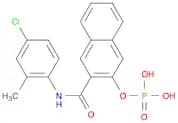
Cyclin B1 is a regulatory protein involved in mitosis. The gene product complexes with p34 (Cdk1) to form the maturation-promoting factor (MPF). Two alternative transcripts have been found, a constitutively expressed transcript and a cell cycle-regulated transcript that is expressed predominantly during G2/M phase of the cell cycle.2-Naphthalenecarboxamide, N-(4-chloro-2-methylphenyl)-3-(phosphonooxy)-
CAS :Formule :C18H15ClNO5PDegré de pureté :95%Couleur et forme :SolidMasse moléculaire :391.7422X-Glc
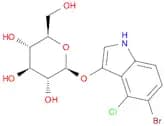
CAS :Formule :C14H15BrClNO6Degré de pureté :97%Couleur et forme :SolidMasse moléculaire :408.6290LIGO2 rabbit pAb
similarity:Contains 1 Ig-like C2-type (immunoglobulin-like) domain.,similarity:Contains 13 LRR (leucine-rich) repeats.,CCK rabbit pAb
This gene encodes a member of the gastrin/cholecystokinin family of proteins. The encoded preproprotein is proteolytically processed to generate multiple protein products, including the peptide hormones cholecystokinin-8, -12, -33, and others. The encoded peptides have been shown to regulate gastric acid secretion and food intake. A sulfated form of cholecystokinin-8 may modulate neuronal activity in the brain. Alternative splicing results in multiple transcript variants. [provided by RefSeq, Nov 2015],ZnT-2 rabbit pAb
The protein encoded by this gene is a zinc transporter that acts as a homodimer. The encoded protein plays a role in secreting zinc into breast milk. Two transcript variants encoding different isoforms have been found for this gene. [provided by RefSeq, Aug 2015],DDX3Y rabbit pAb
The protein encoded by this gene is a member of the DEAD-box RNA helicase family, characterized by nine conserved motifs, included the conserved Asp-Glu-Ala-Asp (DEAD) motif. These motifs are thought to be involved in ATP binding, hydrolysis, RNA binding, and in the formation of intramolecular interactions. This protein shares high similarity to DDX3X, on the X chromosome, but a deletion of this gene is not complemented by DDX3X. Mutations in this gene result in male infertility, a reduction in germ cell numbers, and can result in Sertoli-cell only sydrome. Pseudogenes sharing similarity to both this gene and the DDX3X paralog are found on chromosome 4 and the X chromosome. Alternative splicing results in multiple transcript variants encoding different isoforms. [provided by RefSeq, Oct 2014],MEL-1A-R rabbit pAb
This gene encodes one of two high affinity forms of a receptor for melatonin, the primary hormone secreted by the pineal gland. This receptor is a G-protein coupled, 7-transmembrane receptor that is responsible for melatonin effects on mammalian circadian rhythm and reproductive alterations affected by day length. The receptor is an integral membrane protein that is readily detectable and localized to two specific regions of the brain. The hypothalamic suprachiasmatic nucleus appears to be involved in circadian rhythm while the hypophysial pars tuberalis may be responsible for the reproductive effects of melatonin. [provided by RefSeq, Jul 2008],NAGT1 rabbit pAb
function:May function as a sodium-dependent glucose transporter.,similarity:Belongs to the major facilitator superfamily.,DNJB5 rabbit pAb
DNAJB5 belongs to the evolutionarily conserved DNAJ/HSP40 protein family. For background information on the DNAJ family, see MIM 608375.[supplied by OMIM, Mar 2008],NAL12 rabbit pAb
This gene encodes a member of the CATERPILLER family of cytoplasmic proteins. The encoded protein, which contains an N-terminal pyrin domain, a NACHT domain, a NACHT-associated domain, and a C-terminus leucine-rich repeat region, functions as an attenuating factor of inflammation by suppressing inflammatory responses in activated monocytes. Mutations in this gene cause familial cold autoinflammatory syndrome type 2. Alternative splicing results in multiple transcript variants. [provided by RefSeq, Mar 2013],POPD3 rabbit pAb
This gene encodes a member of the POP family of proteins containing three putative transmembrane domains. This gene is expressed in cardiac and skeletal muscle and may play an important role in these tissues during development. Alternatively spliced transcript variants have been found. [provided by RefSeq, Nov 2008],3β-HSD7 rabbit pAb
This gene encodes an enzyme which is involved in the initial stages of the synthesis of bile acids from cholesterol and a member of the short-chain dehydrogenase/reductase superfamily. The encoded protein is a membrane-associated endoplasmic reticulum protein which is active against 7-alpha hydrosylated sterol substrates. Mutations in this gene are associated with a congenital bile acid synthesis defect which leads to neonatal cholestasis, a form of progressive liver disease. Multiple transcript variants encoding different isoforms have been found for this gene. [provided by RefSeq, Dec 2008],CELSR3 rabbit pAb
This gene belongs to the flamingo subfamily, which is included in the cadherin superfamily. The flamingo cadherins consist of nonclassic-type cadherins that do not interact with catenins. They are plasma membrane proteins containing seven epidermal growth factor-like repeats, nine cadherin domains and two laminin A G-type repeats in their ectodomain. They also have seven transmembrane domains, a characteristic feature of their subfamily. The encoded protein may be involved in the regulation of contact-dependent neurite growth and may play a role in tumor formation. [provided by RefSeq, Jun 2013],XPOT rabbit pAb
This gene encodes a protein belonging to the RAN-GTPase exportin family that mediates export of tRNA from the nucleus to the cytoplasm. Translocation of tRNA to the cytoplasm occurs once exportin has bound both tRNA and GTP-bound RAN. [provided by RefSeq, Jul 2008],MED4 rabbit pAb
This gene encodes a component of the Mediator complex. The Mediator complex interacts with DNA-binding gene-specific transcription factors to modulate transcription by RNA polymerase II. Alternatively spliced transcript variants encoding multiple isoforms have been observed for this gene. [provided by RefSeq, Jul 2012],Cofilin rabbit pAb
cofilin 1(CFL1) Homo sapiens The protein encoded by this gene can polymerize and depolymerize F-actin and G-actin in a pH-dependent manner. Increased phosphorylation of this protein by LIM kinase aids in Rho-induced reorganization of the actin cytoskeleton. Cofilin is a widely distributed intracellular actin-modulating protein that binds and depolymerizes filamentous F-actin and inhibits the polymerization of monomeric G-actin in a pH-dependent manner. It is involved in the translocation of actin-cofilin complex from cytoplasm to nucleus.[supplied by OMIM, Apr 2004],RPGF2 rabbit pAb
Members of the RAS (see HRAS; MIM 190020) subfamily of GTPases function in signal transduction as GTP/GDP-regulated switches that cycle between inactive GDP- and active GTP-bound states. Guanine nucleotide exchange factors (GEFs), such as RAPGEF2, serve as RAS activators by promoting acquisition of GTP to maintain the active GTP-bound state and are the key link between cell surface receptors and RAS activation (Rebhun et al., 2000 [PubMed 10934204]).[supplied by OMIM, Mar 2008],LZTR1 rabbit pAb
This gene encodes a member of the BTB-kelch superfamily. Initially described as a putative transcriptional regulator based on weak homology to members of the basic leucine zipper-like family, the encoded protein subsequently has been shown to localize exclusively to the Golgi network where it may help stabilize the Gogli complex. Deletion of this gene may be associated with DiGeorge syndrome. [provided by RefSeq, Jul 2008],GDF-8 rabbit pAb
myostatin(MSTN) Homo sapiens This gene encodes a secreted ligand of the TGF-beta (transforming growth factor-beta) superfamily of proteins. Ligands of this family bind various TGF-beta receptors leading to recruitment and activation of SMAD family transcription factors that regulate gene expression. The encoded preproprotein is proteolytically processed to generate each subunit of the disulfide-linked homodimer. This protein negatively regulates skeletal muscle cell proliferation and differentiation. Mutations in this gene are associated with increased skeletal muscle mass in humans and other mammals. [provided by RefSeq, Jul 2016],KCTD7 rabbit pAb
This gene encodes a member of the potassium channel tetramerization domain-containing protein family. Family members are identified on a structural basis and contain an amino-terminal domain similar to the T1 domain present in the voltage-gated potassium channel. Mutations in this gene have been associated with progressive myoclonic epilepsy-3. Alternative splicing results in multiple transcript variants.[provided by RefSeq, Jan 2011],hnRNP A1 rabbit pAb
This gene encodes a member of a family of ubiquitously expressed heterogeneous nuclear ribonucleoproteins (hnRNPs), which are RNA-binding proteins that associate with pre-mRNAs in the nucleus and influence pre-mRNA processing, as well as other aspects of mRNA metabolism and transport. The protein encoded by this gene is one of the most abundant core proteins of hnRNP complexes and plays a key role in the regulation of alternative splicing. Mutations in this gene have been observed in individuals with amyotrophic lateral sclerosis 20. Multiple alternatively spliced transcript variants have been found. There are numerous pseudogenes of this gene distributed throughout the genome. [provided by RefSeq, Feb 2016],IRS-1 (phospho Ser794) rabbit pAb
This gene encodes a protein which is phosphorylated by insulin receptor tyrosine kinase. Mutations in this gene are associated with type II diabetes and susceptibility to insulin resistance. [provided by RefSeq, Nov 2009],Rad23B rabbit pAb
The protein encoded by this gene is one of two human homologs of Saccharomyces cerevisiae Rad23, a protein involved in the nucleotide excision repair (NER). This protein was found to be a component of the protein complex that specifically complements the NER defect of xeroderma pigmentosum group C (XP-c) cell extracts in vitro. This protein was also shown to interact with, and elevate the nucleotide excision activity of 3-methyladenine-DNA glycosylase (MPG), which suggested a role in DNA damage recognition in base excision repair. This protein contains an N-terminal ubiquitin-like domain, which was reported to interact with 26S proteasome, and thus this protein may be involved in the ubiquitin mediated proteolytic pathway in cells. Alternative splicing results in multiple transcript variants encoding distinct isoforms. [provided by RefSeq, Sep 2011],Btk (phospho-Ser180) rabbit pAb
The protein encoded by this gene plays a crucial role in B-cell development. Mutations in this gene cause X-linked agammaglobulinemia type 1, which is an immunodeficiency characterized by the failure to produce mature B lymphocytes, and associated with a failure of Ig heavy chain rearrangement. Alternative splicing results in multiple transcript variants encoding different isoforms. [provided by RefSeq, Dec 2013],Chordin rabbit pAb
This gene encodes a secreted protein that dorsalizes early vertebrate embryonic tissues by binding to ventralizing TGF-beta-like bone morphogenetic proteins and sequestering them in latent complexes. The encoded protein may also have roles in organogenesis and during adulthood. It has been suggested that this gene could be a candidate gene for Cornelia de Lange syndrome. Reduced expression of this gene results in enhanced bone regeneration. Alternative splicing results in multiple transcript variants. Other alternative splice variants have been described but their full length sequence has not been determined. [provided by RefSeq, Jan 2015],MKP-1 rabbit pAb
The expression of DUSP1 gene is induced in human skin fibroblasts by oxidative/heat stress and growth factors. It specifies a protein with structural features similar to members of the non-receptor-type protein-tyrosine phosphatase family, and which has significant amino-acid sequence similarity to a Tyr/Ser-protein phosphatase encoded by the late gene H1 of vaccinia virus. The bacterially expressed and purified DUSP1 protein has intrinsic phosphatase activity, and specifically inactivates mitogen-activated protein (MAP) kinase in vitro by the concomitant dephosphorylation of both its phosphothreonine and phosphotyrosine residues. Furthermore, it suppresses the activation of MAP kinase by oncogenic ras in extracts of Xenopus oocytes. Thus, DUSP1 may play an important role in the human cellular response to environmental stress as well as in the negative regulation of cellular proliferatiSVIL rabbit pAb
This gene encodes a bipartite protein with distinct amino- and carboxy-terminal domains. The amino-terminus contains nuclear localization signals and the carboxy-terminus contains numerous consecutive sequences with extensive similarity to proteins in the gelsolin family of actin-binding proteins, which cap, nucleate, and/or sever actin filaments. The gene product is tightly associated with both actin filaments and plasma membranes, suggesting a role as a high-affinity link between the actin cytoskeleton and the membrane. The encoded protein appears to aid in both myosin II assembly during cell spreading and disassembly of focal adhesions. Several transcript variants encoding different isoforms of supervillin have been described. [provided by RefSeq, Apr 2016],MPU1 rabbit pAb
This gene encodes an endoplasmic reticulum membrane protein that is required for utilization of the mannose donor mannose-P-dolichol in the synthesis of lipid-linked oligosaccharides and glycosylphosphatidylinositols. Mutations in this gene result in congenital disorder of glycosylation type If. Alternative splicing results in multiple transcript variants. [provided by RefSeq, Dec 2008],Contactin 1 rabbit pAb
The protein encoded by this gene is a member of the immunoglobulin superfamily. It is a glycosylphosphatidylinositol (GPI)-anchored neuronal membrane protein that functions as a cell adhesion molecule. It may play a role in the formation of axon connections in the developing nervous system. Multiple alternatively spliced transcript variants encoding different isoforms have been found for this gene. [provided by RefSeq, Dec 2011],MIP-T3 rabbit pAb
function:Play an inhibitory role on IL13 signaling by binding to IL13RA1. Involved in suppression of IL13-induced STAT6 phosphorylation, transcriptional activity and DNA-binding. Recruits TRAF3 and DISC1 to the microtubules.,similarity:Belongs to the TRAF3IP1 family.,subcellular location:Microtubules.,subunit:Interacts with IL13RA1. Binds to microtubules, TRAF3 and DISC1.,tissue specificity:Ubiquitous.,PCD19 rabbit pAb
The protein encoded by this gene is a member of the delta-2 protocadherin subclass of the cadherin superfamily. The encoded protein is thought to be a calcium-dependent cell-adhesion protein that is primarily expressed in the brain. Defects in this gene are a cause of epilepsy female-restricted with mental retardation (EFMR). Three transcript variants encoding different isoforms have been found for this gene.[provided by RefSeq, May 2010],ATF-3 rabbit pAb
activating transcription factor 3(ATF3) Homo sapiens This gene encodes a member of the mammalian activation transcription factor/cAMP responsive element-binding (CREB) protein family of transcription factors. This gene is induced by a variety of signals, including many of those encountered by cancer cells, and is involved in the complex process of cellular stress response. Multiple transcript variants encoding different isoforms have been found for this gene. It is possible that alternative splicing of this gene may be physiologically important in the regulation of target genes. [provided by RefSeq, Apr 2011],OSBL8 rabbit pAb
This gene encodes a member of a family of proteins containing an N-terminal pleckstrin homology domain and a highly conserved C-terminal oxysterol-binding protein-like sterol-binding domain. It binds mutliple lipid-containing molecules, including phosphatidylserine, phosphatidylinositol 4-phosphate (PI4P) and oxysterol, and promotes their exchange between the endoplasmic reticulum and the plasma membrane. Alternative splicing results in multiple transcript variants. [provided by RefSeq, Feb 2016],SCP-3 rabbit pAb
This gene encodes an essential structural component of the synaptonemal complex. This complex is involved in synapsis, recombination and segregation of meiotic chromosomes. Mutations in this gene are associated with azoospermia in males and susceptibility to pregnancy loss in females. Alternate splicing results in multiple transcript variants that encode the same protein. [provided by RefSeq, May 2010],CD22 rabbit pAb
alternative products:Additional isoforms seem to exist,domain:Contains 4 copies of a cytoplasmic motif that is referred to as the immunoreceptor tyrosine-based inhibitor motif (ITIM). This motif is involved in modulation of cellular responses. The phosphorylated ITIM motif can bind the SH2 domain of several SH2-containing phosphatases.,function:Mediates B-cell B-cell interactions. May be involved in the localization of B-cells in lymphoid tissues. Binds sialylated glycoproteins; one of which is CD45. Preferentially binds to alpha-2,6-linked sialic acid. The sialic acid recognition site can be masked by cis interactions with sialic acids on the same cell surface. Upon ligand induced tyrosine phosphorylation in the immune response seems to be involved in regulation of B-cell antigen receptor signaling. Plays a role in positive regulation through interaction with Src family tyrosine kinases and may also act as an inhibitory receptor by recruiting cytoplasmic phosphatases via their SH2 domains that block signal transduction through dephosphorylation of signaling molecules.,online information:Siglec-2,online information:Siglec-2 [3 Fc Domains],PTM:Phosphorylated on tyrosine residues by LYN.,PTM:Phosphorylation of Tyr-762, Tyr-807 and Tyr-822 are involved in binding to SYK, GRB2 and SYK, respectively. Phosphorylation of Tyr-842 is involved in binding to SYK, PLCG2 and PIK3R1/PIK3R2.,similarity:Belongs to the immunoglobulin superfamily. SIGLEC (sialic acid binding Ig-like lectin) family.,similarity:Contains 1 Ig-like V-type (immunoglobulin-like) domain.,similarity:Contains 6 Ig-like C2-type (immunoglobulin-like) domains.,subunit:Predominantly monomer of isoform CD22-beta. Also found as heterodimer of isoform CD22-beta and a shorter isoform. Interacts with PTPN6/SHP-1, LYN, SYK, PIK3R1/PIK3R2 and PLCG1 upon phosphorylation. Interacts with GRB2, INPP5D and SHC1 upon phosphorylation (By similarity). May form a complex with INPP5D/SHIP, GRB2 and SHC1.,tissue specificity:B-lymphocytes.,Synapsin-1 (phospho Ser553) rabbit pAb
This gene is a member of the synapsin gene family. Synapsins encode neuronal phosphoproteins which associate with the cytoplasmic surface of synaptic vesicles. Family members are characterized by common protein domains, and they are implicated in synaptogenesis and the modulation of neurotransmitter release, suggesting a potential role in several neuropsychiatric diseases. This member of the synapsin family plays a role in regulation of axonogenesis and synaptogenesis. The protein encoded serves as a substrate for several different protein kinases and phosphorylation may function in the regulation of this protein in the nerve terminal. Mutations in this gene may be associated with X-linked disorders with primary neuronal degeneration such as Rett syndrome. Alternatively spliced transcript variants encoding different isoforms have been identified. [provided by RefSeq, Jul 2008],OGG1 rabbit pAb
This gene encodes the enzyme responsible for the excision of 8-oxoguanine, a mutagenic base byproduct which occurs as a result of exposure to reactive oxygen. The action of this enzyme includes lyase activity for chain cleavage. Alternative splicing of the C-terminal region of this gene classifies splice variants into two major groups, type 1 and type 2, depending on the last exon of the sequence. Type 1 alternative splice variants end with exon 7 and type 2 end with exon 8. All variants share the N-terminal region in common, which contains a mitochondrial targeting signal that is essential for mitochondrial localization. Many alternative splice variants for this gene have been described, but the full-length nature for every variant has not been determined. [provided by RefSeq, Aug 2008],AMPK α1 Rabbit pAb
AMP-activated protein kinase (AMPK) is highly conserved from yeast to plants and animals and plays a key role in the regulation of energy homeostasis. AMPK is a heterotrimeric complex composed of a catalytic α subunit and regulatory β and γ subunits, each of which is encoded by two or three distinct genes (α1, 2; β1, 2; γ1, 2, 3).TM55A rabbit pAb
TMEM55A catalyzes the degradation of phosphatidylinositol 4,5-bisphosphate (PtdIns-4,5-P2) by removing the 4-phosphate (Ungewickell et al., 2005 [PubMed 16365287]).[supplied by OMIM, Mar 2008],PIGL rabbit pAb
This gene encodes an enzyme that catalyzes the second step of glycosylphosphatidylinositol (GPI) biosynthesis, which is the de-N-acetylation of N-acetylglucosaminylphosphatidylinositol (GlcNAc-PI). Study of a similar rat enzyme suggests that this protein localizes to the endoplasmic reticulum. [provided by RefSeq, Jul 2008],VSIG1 rabbit pAb
This gene encodes a member of the junctional adhesion molecule (JAM) family. The encoded protein contains multiple glycosylation sites at the N-terminal region, and multiple phosphorylation sites and glutamic acid/proline (EP) repeats at the C-terminal region. The gene is expressed in normal stomach and testis, as well as in gastric, esophageal and ovarian cancers. Alternatively spliced transcript variants encoding different isoforms have been found for this gene. [provided by RefSeq, Dec 2009],OR7AH rabbit pAb
Olfactory receptors interact with odorant molecules in the nose, to initiate a neuronal response that triggers the perception of a smell. The olfactory receptor proteins are members of a large family of G-protein-coupled receptors (GPCR) arising from single coding-exon genes. Olfactory receptors share a 7-transmembrane domain structure with many neurotransmitter and hormone receptors and are responsible for the recognition and G protein-mediated transduction of odorant signals. The olfactory receptor gene family is the largest in the genome. The nomenclature assigned to the olfactory receptor genes and proteins for this organism is independent of other organisms. [provided by RefSeq, Jul 2008],Rad GTPase rabbit pAb
similarity:Belongs to the small GTPase superfamily. RGK family.,subunit:Interacts with calmodulin preferentially to the inactive, GDP-form. Binds CAMKII which is capable of phosphorylating RAD in vitro.,tissue specificity:Skeletal and cardiac muscle, and lung. Lesser amounts in placenta and kidney. Also detected in adipose tissue. Overexpressed in muscle of type II diabetic humans.,DNA-PKCS (phospho Ser2056) rabbit pAb
This gene encodes the catalytic subunit of the DNA-dependent protein kinase (DNA-PK). It functions with the Ku70/Ku80 heterodimer protein in DNA double strand break repair and recombination. The protein encoded is a member of the PI3/PI4-kinase family.[provided by RefSeq, Jul 2010],CEP350 rabbit pAb
centrosomal protein 350(CEP350) Homo sapiens The product of this gene is a large protein with a CAP-Gly domain typically found in cytoskeleton-associated proteins. The encoded protein primarily localizes to the centrosome, a non-membraneous organelle that functions as the major microtubule-organizing center in animal cells. The encoded protein directly interacts with another large centrosomal protein and is required to anchor microtubules at the centrosome. It is also implicated in the regulation of a class of nuclear hormone receptors in the nucleus. Several alternatively spliced transcript variants have been found, but their full-length nature has not been determined. [provided by RefSeq, Jul 2008],cPLA2-γ rabbit pAb
This gene encodes a protein which is a member of the phospholipase A2 enzyme family which hydrolyzes glycerophospholipids to produce free fatty acids and lysophospholipids, both of which serve as precursors in the production of signaling molecules. The encoded protein has been shown to be a calcium-independent and membrane bound enzyme. Multiple transcript variants encoding different isoforms have been found for this gene. [provided by RefSeq, Apr 2009],CLP1 rabbit pAb
This gene encodes a member of the Clp1 family. The encoded protein is a multifunctional kinase which is a component of the tRNA splicing endonuclease complex and a component of the pre-mRNA cleavage complex II. This protein is implicated in tRNA, mRNA, and siRNA maturation. Mutations in this gene are associated with pontocerebellar hypoplasia type 10 (PCH10). Alternatively splice transcript variants encoding different isoforms have been found for this gene. [provided by RefSeq, Sep 2014],β II Tubulin Rabbit pAb
Tubulin is the major constituent of microtubules. It exists as a heterodimer consiting of an alpha and a beta subunit. Class II beta tubulin is the major form of tubulin beta in neurons, although it is not neuronal specific. It is found in many other tissues including lung tissue and Schwann cells.VHL rabbit pAb
von Hippel-Lindau tumor suppressor(VHL) Homo sapiens Von Hippel-Lindau syndrome (VHL) is a dominantly inherited familial cancer syndrome predisposing to a variety of malignant and benign tumors. A germline mutation of this gene is the basis of familial inheritance of VHL syndrome. The protein encoded by this gene is a component of the protein complex that includes elongin B, elongin C, and cullin-2, and possesses ubiquitin ligase E3 activity. This protein is involved in the ubiquitination and degradation of hypoxia-inducible-factor (HIF), which is a transcription factor that plays a central role in the regulation of gene expression by oxygen. RNA polymerase II subunit POLR2G/RPB7 is also reported to be a target of this protein. Alternatively spliced transcript variants encoding distinct isoforms have been observed. [provided by RefSeq, Jul 2008],TF rabbit pAb
This gene encodes coagulation factor III which is a cell surface glycoprotein. This factor enables cells to initiate the blood coagulation cascades, and it functions as the high-affinity receptor for the coagulation factor VII. The resulting complex provides a catalytic event that is responsible for initiation of the coagulation protease cascades by specific limited proteolysis. Unlike the other cofactors of these protease cascades, which circulate as nonfunctional precursors, this factor is a potent initiator that is fully functional when expressed on cell surfaces. There are 3 distinct domains of this factor: extracellular, transmembrane, and cytoplasmic. This protein is the only one in the coagulation pathway for which a congenital deficiency has not been described. Alternate splicing results in multiple transcript variants.[provided by RefSeq, May 2010],MLC-2 (phospho Thr17/S18) rabbit pAb
This gene encodes a nonsarcomeric myosin regulatory light chain. This protein is activated by phosphorylation and regulates smooth muscle and non-muscle cell contraction. This protein may also be involved in DNA damage repair by sequestering the transcriptional regulator apoptosis-antagonizing transcription factor (AATF)/Che-1 which functions as a repressor of p53-driven apoptosis. Alternate splicing results in multiple transcript variants. A pseudogene of this gene is found on chromosome 8.[provided by RefSeq, Dec 2014],MxB rabbit pAb
The protein encoded by this gene has a nuclear and a cytoplasmic form and is a member of both the dynamin family and the family of large GTPases. The nuclear form is localized in a granular pattern in the heterochromatin region beneath the nuclear envelope. A nuclear localization signal (NLS) is present at the amino terminal end of the nuclear form but is lacking in the cytoplasmic form due to use of an alternate translation start codon. This protein is upregulated by interferon-alpha but does not contain the antiviral activity of a similar myxovirus resistance protein 1. [provided by RefSeq, Jul 2008],Rb (phospho Ser788) rabbit pAb
The protein encoded by this gene is a negative regulator of the cell cycle and was the first tumor suppressor gene found. The encoded protein also stabilizes constitutive heterochromatin to maintain the overall chromatin structure. The active, hypophosphorylated form of the protein binds transcription factor E2F1. Defects in this gene are a cause of childhood cancer retinoblastoma (RB), bladder cancer, and osteogenic sarcoma. [provided by RefSeq, Jul 2008],Topo IIα (phospho Ser1525) rabbit pAb
This gene encodes a DNA topoisomerase, an enzyme that controls and alters the topologic states of DNA during transcription. This nuclear enzyme is involved in processes such as chromosome condensation, chromatid separation, and the relief of torsional stress that occurs during DNA transcription and replication. It catalyzes the transient breaking and rejoining of two strands of duplex DNA which allows the strands to pass through one another, thus altering the topology of DNA. Two forms of this enzyme exist as likely products of a gene duplication event. The gene encoding this form, alpha, is localized to chromosome 17 and the beta gene is localized to chromosome 3. The gene encoding this enzyme functions as the target for several anticancer agents and a variety of mutations in this gene have been associated with the development of drug resistance. Reduced activity of this enzyme may also plaPKC ε rabbit pAb
protein kinase C epsilon(PRKCE) Homo sapiens Protein kinase C (PKC) is a family of serine- and threonine-specific protein kinases that can be activated by calcium and the second messenger diacylglycerol. PKC family members phosphorylate a wide variety of protein targets and are known to be involved in diverse cellular signaling pathways. PKC family members also serve as major receptors for phorbol esters, a class of tumor promoters. Each member of the PKC family has a specific expression profile and is believed to play a distinct role in cells. The protein encoded by this gene is one of the PKC family members. This kinase has been shown to be involved in many different cellular functions, such as neuron channel activation, apoptosis, cardioprotection from ischemia, heat shock response, as well as insulin exocytosis. Knockout studies in mice suggest that this kinase is important for lipopolysaccharide (LPS)-mediated signaling in activated macroCDK5 Activator-binding C42 rabbit pAb
This gene encodes a regulator of cyclin-dependent kinase 5 activity. This protein has also been reported to modify RNA by adding a methylthio-group and may thus have a dual function as an RNA methylthiotransferase and as an inhibitor of cyclin-dependent kinase 5 activity. Alternative splicing results in multiple transcript variants that encode different isoforms. [provided by RefSeq, May 2013],CD316 rabbit pAb
This gene encodes a member the EWI subfamily of the immunoglobulin protein superfamily. Members of this family contain a single transmembrane domain, an EWI (Glu-Trp-Ile)-motif and a variable number of immunoglobulin domains. This protein interacts with the tetraspanins CD81 and CD9 and may regulate their role in certain cellular functions including cell migration and viral infection. The encoded protein may also function as a tumor suppressor by inhibiting the proliferation of certain cancers. Alternate splicing results in multiple transcript variants that encode the same protein. [provided by RefSeq, Sep 2011],TRβ1 (phospho Ser142) rabbit pAb
The protein encoded by this gene is a nuclear hormone receptor for triiodothyronine. It is one of the several receptors for thyroid hormone, and has been shown to mediate the biological activities of thyroid hormone. Knockout studies in mice suggest that the different receptors, while having certain extent of redundancy, may mediate different functions of thyroid hormone. Mutations in this gene are known to be a cause of generalized thyroid hormone resistance (GTHR), a syndrome characterized by goiter and high levels of circulating thyroid hormone (T3-T4), with normal or slightly elevated thyroid stimulating hormone (TSH). Several alternatively spliced transcript variants encoding the same protein have been observed for this gene. [provided by RefSeq, Jul 2008],WFKN2 rabbit pAb
The WFIKKN1 protein contains a WAP domain, follistatin domain, immunoglobulin domain, two tandem Kunitz domains, and an NTR domain. This gene encodes a WFIKKN1-related protein which has the same domain organization as the WFIKKN1 protein. The WAP-type, follistatin type, Kunitz-type, and NTR-type protease inhibitory domains may control the action of multiple types of proteases. [provided by RefSeq, Jul 2008],S10A2 rabbit pAb
S100 calcium binding protein A2(S100A2) Homo sapiens The protein encoded by this gene is a member of the S100 family of proteins containing 2 EF-hand calcium-binding motifs. S100 proteins are localized in the cytoplasm and/or nucleus of a wide range of cells, and involved in the regulation of a number of cellular processes such as cell cycle progression and differentiation. S100 genes include at least 13 members which are located as a cluster on chromosome 1q21. This protein may have a tumor suppressor function. Chromosomal rearrangements and altered expression of this gene have been implicated in breast cancer. [provided by RefSeq, Jul 2008],ACINU rabbit pAb
Apoptosis is defined by several morphologic nuclear changes, including chromatin condensation and nuclear fragmentation. This gene encodes a nuclear protein that induces apoptotic chromatin condensation after activation by caspase-3, without inducing DNA fragmentation. This protein has also been shown to be a component of a splicing-dependent multiprotein exon junction complex (EJC) that is deposited at splice junctions on mRNAs, as a consequence of pre-mRNA splicing. It may thus be involved in mRNA metabolism associated with splicing. Alternatively spliced transcript variants encoding different isoforms have been described for this gene. [provided by RefSeq, Oct 2011],SYK (Phospho-Tyr348) Antibody
This gene encodes a member of the family of non-receptor type Tyr protein kinases. This protein is widely expressed in hematopoietic cells and is involved in coupling activated immunoreceptors to downstream signaling events that mediate diverse cellular responses, including proliferation, differentiation, and phagocytosis. It is thought to be a modulator of epithelial cell growth and a potential tumour suppressor in human breast carcinomas. Alternatively spliced transcript variants encoding different isoforms have been found for this gene. [provided by RefSeq, Mar 2010],PKD2 rabbit pAb
The protein encoded by this gene belongs to the protein kinase D (PKD) family of serine/threonine protein kinases. This kinase can be activated by phorbol esters as well as by gastrin via the cholecystokinin B receptor (CCKBR) in gastric cancer cells. It can bind to diacylglycerol (DAG) in the trans-Golgi network (TGN) and may regulate basolateral membrane protein exit from TGN. Alternative splicing results in multiple transcript variants encoding different isoforms. [provided by RefSeq, Jul 2008],Cleaved-Factor XII HC (I20) rabbit pAb
This gene encodes coagulation factor XII which circulates in blood as a zymogen. This single chain zymogen is converted to a two-chain serine protease with an heavy chain (alpha-factor XIIa) and a light chain. The heavy chain contains two fibronectin-type domains, two epidermal growth factor (EGF)-like domains, a kringle domain and a proline-rich domain, whereas the light chain contains only a catalytic domain. On activation, further cleavages takes place in the heavy chain, resulting in the production of beta-factor XIIa light chain and the alpha-factor XIIa light chain becomes beta-factor XIIa heavy chain. Prekallikrein is cleaved by factor XII to form kallikrein, which then cleaves factor XII first to alpha-factor XIIa and then to beta-factor XIIa. The active factor XIIa participates in the initiation of blood coagulation, fibrinolysis, and the generation of bradykinin and angiotensin. It activatASC rabbit pAb
This gene encodes an adaptor protein that is composed of two protein-protein interaction domains: a N-terminal PYRIN-PAAD-DAPIN domain (PYD) and a C-terminal caspase-recruitment domain (CARD). The PYD and CARD domains are members of the six-helix bundle death domain-fold superfamily that mediates assembly of large signaling complexes in the inflammatory and apoptotic signaling pathways via the activation of caspase. In normal cells, this protein is localized to the cytoplasm; however, in cells undergoing apoptosis, it forms ball-like aggregates near the nuclear periphery. Two transcript variants encoding different isoforms have been found for this gene. [provided by RefSeq, Jul 2008],TPH2 rabbit pAb
This gene encodes a member of the pterin-dependent aromatic acid hydroxylase family. The encoded protein catalyzes the first and rate limiting step in the biosynthesis of serotonin, an important hormone and neurotransmitter. Mutations in this gene may be associated with psychiatric diseases such as bipolar affective disorder and major depression. [provided by RefSeq, Feb 2016],