Anticorps primaires
Les anticorps primaires sont des immunoglobulines qui se lient spécifiquement à un antigène d'intérêt, permettant la détection et la quantification de protéines, peptides ou autres biomolécules. Ces anticorps sont des outils essentiels dans de nombreuses applications, notamment le Western blot, l'immunohistochimie et l'ELISA. Chez CymitQuimica, nous proposons une vaste sélection d'anticorps primaires de haute qualité, offrant spécificité et sensibilité pour divers besoins de recherche, notamment en cancérologie, immunologie et biologie cellulaire.
Sous-catégories appartenant à la catégorie "Anticorps primaires"
- Anticorps pour la recherche sur le cancer(3.620 produits)
- Anticorps cardio-vasculaires(2 produits)
- Biologie du développement(751 produits)
- Anticorps relatifs à l’épigénétique(162 produits)
- Anticorps d'immunologie(2.776 produits)
- Anticorps du métabolisme(279 produits)
- Anticorps de microbiologie(736 produits)
- Transduction du signal(2.717 produits)
- Tags & Marqueurs cellulaires(33 produits)
Affichez 1 plus de sous-catégories
75326 produits trouvés pour "Anticorps primaires"
Trier par
Degré de pureté (%)
0
100
|
0
|
50
|
90
|
95
|
100
MYO3B rabbit pAb
This gene encodes one of the class III myosins. Myosins are ATPases, activated by actin, that move along actin filaments in the cell. This class of myosins are characterized by an amino-terminal kinase domain and shown to be present in photoreceptors. Alternative splicing results in multiple transcript variants encoding different isoforms. [provided by RefSeq, Mar 2014],HGFL rabbit pAb
The protein encoded by this gene contains four kringle domains and a serine protease domain, similar to that found in hepatic growth factor. Despite the presence of the serine protease domain, the encoded protein may not have any proteolytic activity. The receptor for this protein is RON tyrosine kinase, which upon activation stimulates ciliary motility of ciliated epithelial lung cells. This protein is secreted and cleaved to form an alpha chain and a beta chain bridged by disulfide bonds. [provided by RefSeq, Jan 2010],SgK288 rabbit pAb
The protein encoded by this gene belongs to the Ser/Thr protein kinase family, and protein kinase superfamily involved in signal transduction pathways. This gene is closely linked to DRD2 gene (GeneID:1813) on chr 11, and a well studied restriction fragment length polymorphism (RFLP) designated TaqIA, was originally associated with the DRD2 gene, however, later was determined to be located in exon 8 of ANKK1 gene (PMIDs: 18621654, 15146457), where it causes a nonconservative amino acid substitution. It is not clear if this gene plays any role in neuropsychiatric disorders previously associated with Taq1A RFLP. [provided by RefSeq, Sep 2009],EGFR (phospho Tyr1172) rabbit pAb
The protein encoded by this gene is a transmembrane glycoprotein that is a member of the protein kinase superfamily. This protein is a receptor for members of the epidermal growth factor family. EGFR is a cell surface protein that binds to epidermal growth factor. Binding of the protein to a ligand induces receptor dimerization and tyrosine autophosphorylation and leads to cell proliferation. Mutations in this gene are associated with lung cancer. [provided by RefSeq, Jun 2016],PRAK (phospho Thr182) rabbit pAb
The protein encoded by this gene is a tumor suppressor and member of the serine/threonine kinase family. In response to cellular stress and proinflammatory cytokines, this kinase is activated through its phosphorylation by MAP kinases including MAPK1/ERK, MAPK14/p38-alpha, and MAPK11/p38-beta. The encoded protein is found in the nucleus but translocates to the cytoplasm upon phosphorylation and activation. This kinase phosphorylates heat shock protein HSP27 at its physiologically relevant sites. Two alternately spliced transcript variants of this gene encoding distinct isoforms have been reported. [provided by RefSeq, Nov 2012],Ub (Acetyl Lys48) rabbit pAb
Ubiquitin is a highly conserved nuclear and cytoplasmic protein that has a major role in targeting cellular proteins for degradation by the 26S proteosome. It is also involved in the maintenance of chromatin structure, the regulation of gene expression, and the stress response. Ubiquitin is synthesized as a precursor protein consisting of either polyubiquitin chains or a single ubiquitin moiety fused to an unrelated protein. This gene encodes a fusion protein consisting of ubiquitin at the N terminus and ribosomal protein L40 at the C terminus, a C-terminal extension protein (CEP). Multiple processed pseudogenes derived from this gene are present in the genome. [provided by RefSeq, Jul 2008],Ku-70 (Acetyl Lys542) rabbit pAb
The p70/p80 autoantigen is a nuclear complex consisting of two subunits with molecular masses of approximately 70 and 80 kDa. The complex functions as a single-stranded DNA-dependent ATP-dependent helicase. The complex may be involved in the repair of nonhomologous DNA ends such as that required for double-strand break repair, transposition, and V(D)J recombination. High levels of autoantibodies to p70 and p80 have been found in some patients with systemic lupus erythematosus. [provided by RefSeq, Jul 2008],TIG3 rabbit pAb
Retinoids exert biologic effects such as potent growth inhibitory and cell differentiation activities and are used in the treatment of hyperproliferative dermatological diseases. These effects are mediated by specific nuclear receptor proteins that are members of the steroid and thyroid hormone receptor superfamily of transcriptional regulators. RARRES1, RARRES2, and RARRES3 are genes whose expression is upregulated by the synthetic retinoid tazarotene. RARRES3 is thought act as a tumor suppressor or growth regulator. [provided by RefSeq, Jul 2008],OSGI1 rabbit pAb
This gene encodes an oxidative stress response protein that regulates cell death. Expression of the gene is regulated by p53 and is induced by DNA damage. The protein regulates apoptosis by inducing cytochrome c release from mitochondria. It also appears to be a key regulator of both inflammatory and anti-inflammatory molecules. The loss of this protein correlates with uncontrolled cell growth and tumor formation. Naturally occurring read-through transcription exists between this gene and the neighboring upstream malonyl-CoA decarboxylase (MLYCD) gene, but the read-through transcripts are unlikely to produce a protein product. [provided by RefSeq, Aug 2011],Arg rabbit pAb
This gene encodes a member of the Abelson family of nonreceptor tyrosine protein kinases. The protein is highly similar to the c-abl oncogene 1 protein, including the tyrosine kinase, SH2 and SH3 domains, and it plays a role in cytoskeletal rearrangements through its C-terminal F-actin- and microtubule-binding sequences. This gene is expressed in both normal and tumor cells, and is involved in translocation with the ets variant 6 gene in leukemia. Multiple alternatively spliced transcript variants encoding different protein isoforms have been found for this gene. [provided by RefSeq, Nov 2009],GCC1 rabbit pAb
The protein encoded by this gene is a peripheral membrane protein. It is sensitive to brefeldin A. This encoded protein contains a GRIP domain which is thought to be used in targeting. It may play a role in the organization of trans-Golgi network subcompartment involved with membrane transport. [provided by RefSeq, Jul 2008],Rab 34 rabbit pAb
This gene encodes a protein belonging to the RAB family of proteins, which are small GTPases involved in protein transport. This family member is a Golgi-bound member of the secretory pathway that is involved in the repositioning of lysosomes and the activation of macropinocytosis. Alternative splicing of this gene results in multiple transcript variants. This gene overlaps and shares exon structure with the nine-amino acid residue-repeats (NARR) gene, which encodes a functionally distinct nucleolar protein from a different reading frame. [provided by RefSeq, Jan 2012],GSTM2 rabbit pAb
Cytosolic and membrane-bound forms of glutathione S-transferase are encoded by two distinct supergene families. At present, eight distinct classes of the soluble cytoplasmic mammalian glutathione S-transferases have been identified: alpha, kappa, mu, omega, pi, sigma, theta and zeta. This gene encodes a glutathione S-transferase that belongs to the mu class. The mu class of enzymes functions in the detoxification of electrophilic compounds, including carcinogens, therapeutic drugs, environmental toxins and products of oxidative stress, by conjugation with glutathione. The genes encoding the mu class of enzymes are organized in a gene cluster on chromosome 1p13.3 and are known to be highly polymorphic. These genetic variations can change an individual's susceptibility to carcinogens and toxins as well as affect the toxicity and efficacy of certain drugs. [provided by RefSeq, Jul 2008],HXA10 rabbit pAb
In vertebrates, the genes encoding the class of transcription factors called homeobox genes are found in clusters named A, B, C, and D on four separate chromosomes. Expression of these proteins is spatially and temporally regulated during embryonic development. This gene is part of the A cluster on chromosome 7 and encodes a DNA-binding transcription factor that may regulate gene expression, morphogenesis, and differentiation. More specifically, it may function in fertility, embryo viability, and regulation of hematopoietic lineage commitment. Alternatively spliced transcript variants have been described. Read-through transcription also exists between this gene and the downstream homeobox A9 (HOXA9) gene. [provided by RefSeq, Mar 2011],KCTD3 rabbit pAb
This gene encodes a member of the potassium channel tetramerization-domain containing (KCTD) protein family. Members of this protein family regulate the biophysical characteristics of ion channels. In mouse, this protein interacts with hyperpolarization-activated cyclic nucleotide-gated channel complex 3 and enhances its cell surface expression and current density. Alternative splicing results in multiple transcript variants. [provided by RefSeq, Feb 2016],DUSP6 rabbit pAb
The protein encoded by this gene is a member of the dual specificity protein phosphatase subfamily. These phosphatases inactivate their target kinases by dephosphorylating both the phosphoserine/threonine and phosphotyrosine residues. They negatively regulate members of the mitogen-activated protein (MAP) kinase superfamily (MAPK/ERK, SAPK/JNK, p38), which are associated with cellular proliferation and differentiation. Different members of the family of dual specificity phosphatases show distinct substrate specificities for various MAP kinases, different tissue distribution and subcellular localization, and different modes of inducibility of their expression by extracellular stimuli. This gene product inactivates ERK2, is expressed in a variety of tissues with the highest levels in heart and pancreas, and unlike most other members of this family, is localized in the cytoplasm. Mutations in tSMRD1 rabbit pAb
The protein encoded by this gene is a member of the SWI/SNF family of proteins, whose members display helicase and ATPase activities and which are thought to regulate transcription of certain genes by altering the chromatin structure around those genes. The encoded protein is part of the large ATP-dependent chromatin remodeling complex SNF/SWI and has sequence similarity to the yeast Swp73 protein. Two transcript variants encoding different isoforms have been found for this gene. [provided by RefSeq, Jul 2008],I17RD rabbit pAb
This gene encodes a membrane protein belonging to the interleukin-17 receptor (IL-17R) protein family. The encoded protein is a component of the interleukin-17 receptor signaling complex, and the interaction between this protein and IL-17R does not require the interleukin. The gene product also affects fibroblast growth factor signaling, inhibiting or stimulating growth through MAPK/ERK signaling. Alternate splicing generates multiple transcript variants encoding distinct isoforms. [provided by RefSeq, Jan 2016],ZW10 rabbit pAb
This gene encodes a protein that is one of many involved in mechanisms to ensure proper chromosome segregation during cell division. This protein is an essential component of the mitotic checkpoint, which prevents cells from prematurely exiting mitosis. [provided by RefSeq, Aug 2011],Cleaved-Caspase-3 p12 (D175) rabbit pAb
This gene encodes a protein which is a member of the cysteine-aspartic acid protease (caspase) family. Sequential activation of caspases plays a central role in the execution-phase of cell apoptosis. Caspases exist as inactive proenzymes which undergo proteolytic processing at conserved aspartic residues to produce two subunits, large and small, that dimerize to form the active enzyme. This protein cleaves and activates caspases 6, 7 and 9, and the protein itself is processed by caspases 8, 9 and 10. It is the predominant caspase involved in the cleavage of amyloid-beta 4A precursor protein, which is associated with neuronal death in Alzheimer's disease. Alternative splicing of this gene results in two transcript variants that encode the same protein. [provided by RefSeq, Jul 2008],OAT1 rabbit pAb
domain:Multiple cysteine residues are necessary for proper targeting to the plasma membrane.,function:Involved in the renal elimination of endogenous and exogenous organic anions. Functions as organic anion exchanger when the uptake of one molecule of organic anion is coupled with an efflux of one molecule of endogenous dicarboxylic acid (glutarate, ketoglutarate, etc). Mediates the sodium-independent uptake of 2,3-dimercapto-1-propanesulfonic acid (DMPS) (By similarity). Mediates the sodium-independent uptake of p-aminohippurate (PAH), ochratoxin (OTA), acyclovir (ACV), 3'-azido-3-'deoxythymidine (AZT), cimetidine (CMD), 2,4-dichloro-phenoxyacetate (2,4-D), hippurate (HA), indoleacetate (IA), indoxyl sulfate (IS) and 3-carboxy-4-methyl-5-propyl-2-furanpropionate (CMPF), cidofovir, adefovir, 9-(2-phosphonylmethoxyethyl) guanine (PMEG), 9-(2-phosphonylmethoxyethyl) diaminopurine (PMEDAP) and edaravone sulfate. PAH uptake is inhibited by p-chloromercuribenzenesulphonate (PCMBS), diethyl pyrocarbonate (DEPC), sulindac, diclofenac, carprofen, glutarate and okadaic acid (By similarity). PAH uptake is inhibited by benzothiazolylcysteine (BTC), S-chlorotrifluoroethylcysteine (CTFC), cysteine S-conjugates S-dichlorovinylcysteine (DCVC), furosemide, steviol, phorbol 12-myristate 13-acetate (PMA), calcium ionophore A23187, benzylpenicillin, furosemide, indomethacin, bumetamide, losartan, probenecid, phenol red, urate, and alpha-ketoglutarate.,PTM:Glycosylated. Glycosylation at Asn-113 may occur at a secondary level. Glycosylation is necesssary for proper targeting of the transporter to the plasma membrane.,similarity:Belongs to the major facilitator superfamily. Organic cation transporter family.,tissue specificity:Strongly expressed in kidney and to a lower extent in liver, skeletal muscle, brain and placenta. Found at the basolateral membrane of the proximal tubule.,CL18A rabbit pAb
This is one of three closely related paralogous genes on chromosome 16 encoding secreted proteins containing C-type lectin domains. These domains bind to carbohydrates in the presence of calcium, and may be involved in cell adhesion, immune response and apoptosis. Alternatively spliced transcript variants encoding multiple isoforms have been observed for this gene. [provided by RefSeq, Sep 2012],14-3-3 β/ζ rabbit pAb
This gene product belongs to the 14-3-3 family of proteins which mediate signal transduction by binding to phosphoserine-containing proteins. This highly conserved protein family is found in both plants and mammals, and this protein is 99% identical to the mouse, rat and sheep orthologs. The encoded protein interacts with IRS1 protein, suggesting a role in regulating insulin sensitivity. Several transcript variants that differ in the 5' UTR but that encode the same protein have been identified for this gene. [provided by RefSeq, Oct 2008],MAN1 rabbit pAb
This locus encodes a LEM domain-containing protein. The encoded protein functions to antagonize transforming growth factor-beta signaling at the inner nuclear membrane. Two transcript variants encoding different isoforms have been found for this gene. Mutations in this gene have been associated with osteopoikilosis, Buschke-Ollendorff syndrome and melorheostosis.[provided by RefSeq, Nov 2009],SNAPC 19 rabbit pAb
This gene encodes a subunit of the small nuclear RNA (snRNA)-activating protein complex that plays a role in the transcription of snRNA genes. This complex binds to the promoters of snRNA genes transcribed by either RNA polymerase II or III and recruits other regulatory factors to activate snRNA gene transcription. The encoded protein may play a role in stabilizing this complex. A pseudogene of this gene has been identified on chromosome 6. [provided by RefSeq, Jul 2016],BTF rabbit pAb
This gene encodes a transcriptional repressor that interacts with several members of the BCL2 family of proteins. Overexpression of this protein induces apoptosis, which can be suppressed by co-expression of BCL2 proteins. The protein localizes to dot-like structures throughout the nucleus, and redistributes to a zone near the nuclear envelope in cells undergoing apoptosis. Multiple transcript variants encoding different isoforms have been found for this gene. [provided by RefSeq, Jul 2008],AP-2α/β rabbit pAb
transcription factor AP-2 alpha(TFAP2A) Homo sapiens The protein encoded by this gene is a transcription factor that binds the consensus sequence 5'-GCCNNNGGC-3'. The encoded protein functions as either a homodimer or as a heterodimer with similar family members. This protein activates the transcription of some genes while inhibiting the transcription of others. Defects in this gene are a cause of branchiooculofacial syndrome (BOFS). Three transcript variants encoding different isoforms have been found for this gene.[provided by RefSeq, Dec 2009],HSP70L rabbit pAb
This gene encodes a 70kDa heat shock protein. In conjunction with other heat shock proteins, this protein stabilizes existing proteins against aggregation and mediates the folding of newly translated proteins in the cytosol and in organelles. The gene is located in the major histocompatibility complex class III region, in a cluster with two closely related genes which also encode isoforms of the 70kDa heat shock protein. [provided by RefSeq, Jul 2008],TRI56 rabbit pAb
sequence caution:Translation N-terminally extended.,sequence caution:Translation N-terminally shortened.,similarity:Belongs to the TRIM/RBCC family.,similarity:Contains 1 RING-type zinc finger.,similarity:Contains 2 B box-type zinc fingers.,ZN750 rabbit pAb
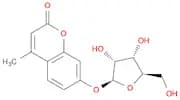
zinc finger protein 750(ZNF750) Homo sapiens This gene encodes a protein with a nuclear localization site and a C2H2 zinc finger domain. Mutations in this gene have been associated with seborrhea-like dermatitis with psoriasiform elements. [provided by RefSeq, Jul 2008],4-Methylumbelliferyl β-D-ribofuranoside
CAS :Formule :C15H16O7Degré de pureté :98%Couleur et forme :SolidMasse moléculaire :308.2833EGFR (phospho Ser1026) rabbit pAb
The protein encoded by this gene is a transmembrane glycoprotein that is a member of the protein kinase superfamily. This protein is a receptor for members of the epidermal growth factor family. EGFR is a cell surface protein that binds to epidermal growth factor. Binding of the protein to a ligand induces receptor dimerization and tyrosine autophosphorylation and leads to cell proliferation. Mutations in this gene are associated with lung cancer. [provided by RefSeq, Jun 2016],ACOT12 rabbit pAb
catalytic activity:Acetyl-CoA + H(2)O = CoA + acetate.,function:Hydrolyzes acetyl-CoA to acetate and CoA.,pathway:Carbohydrate metabolism; pyruvate metabolism.,similarity:Contains 1 START domain.,similarity:Contains 2 acyl coenzyme A hydrolase domains.,subunit:Homodimer or homotetramer.,Cortactin (phospho Tyr466) rabbit pAb
cortactin(CTTN) Homo sapiens This gene is overexpressed in breast cancer and squamous cell carcinomas of the head and neck. The encoded protein is localized in the cytoplasm and in areas of the cell-substratum contacts. This gene has two roles: (1) regulating the interactions between components of adherens-type junctions and (2) organizing the cytoskeleton and cell adhesion structures of epithelia and carcinoma cells. During apoptosis, the encoded protein is degraded in a caspase-dependent manner. The aberrant regulation of this gene contributes to tumor cell invasion and metastasis. Three splice variants that encode different isoforms have been identified for this gene. [provided by RefSeq, May 2010],IF6 rabbit pAb
Hemidesmosomes are structures which link the basal lamina to the intermediate filament cytoskeleton. An important functional component of hemidesmosomes is the integrin beta-4 subunit (ITGB4), a protein containing two fibronectin type III domains. The protein encoded by this gene binds to the fibronectin type III domains of ITGB4 and may help link ITGB4 to the intermediate filament cytoskeleton. The encoded protein, which is insoluble and found both in the nucleus and in the cytoplasm, can function as a translation initiation factor and prevent the association of the 40S and 60S ribosomal subunits. Multiple non-protein coding transcript variants and variants encoding two different isoforms have been found for this gene. [provided by RefSeq, Jun 2012],Raf-1 rabbit pAb
This gene is the cellular homolog of viral raf gene (v-raf). The encoded protein is a MAP kinase kinase kinase (MAP3K), which functions downstream of the Ras family of membrane associated GTPases to which it binds directly. Once activated, the cellular RAF1 protein can phosphorylate to activate the dual specificity protein kinases MEK1 and MEK2, which in turn phosphorylate to activate the serine/threonine specific protein kinases, ERK1 and ERK2. Activated ERKs are pleiotropic effectors of cell physiology and play an important role in the control of gene expression involved in the cell division cycle, apoptosis, cell differentiation and cell migration. Mutations in this gene are associated with Noonan syndrome 5 and LEOPARD syndrome 2. [provided by RefSeq, Jul 2008],ERC2 rabbit pAb
This gene encodes a protein that belongs to the Rab3-interacting molecule (RIM)-binding protein family. Members of this protein family form part of the cytomatrix at the active zone (CAZ) complex and function as regulators of neurotransmitter release. Alternative splicing results in multiple transcript variants. [provided by RefSeq, Nov 2015],Tau (phospho Ser235) rabbit pAb
This gene encodes the microtubule-associated protein tau (MAPT) whose transcript undergoes complex, regulated alternative splicing, giving rise to several mRNA species. MAPT transcripts are differentially expressed in the nervous system, depending on stage of neuronal maturation and neuron type. MAPT gene mutations have been associated with several neurodegenerative disorders such as Alzheimer's disease, Pick's disease, frontotemporal dementia, cortico-basal degeneration and progressive supranuclear palsy. [provided by RefSeq, Jul 2008],TFCP2 rabbit pAb
This gene encodes a transcription factor that binds the alpha-globin promoter and activates transcription of the alpha-globin gene. The encoded protein regulates erythroid gene expression, plays a role in the transcriptional switch of globin gene promoters, and it activates many other cellular and viral gene promoters. The gene product interacts with certain inflammatory response factors, and polymorphisms of this gene may be involved in the pathogenesis of Alzheimer's disease. [provided by RefSeq, Mar 2010],RIPK4 rabbit pAb
The protein encoded by this gene is a serine/threonine protein kinase that interacts with protein kinase C-delta. The encoded protein can also activate NFkappaB and is required for keratinocyte differentiation. This kinase undergoes autophosphorylation. [provided by RefSeq, Jul 2008],Vimentin (phospho Ser56) rabbit pAb
This gene encodes a member of the intermediate filament family. Intermediate filamentents, along with microtubules and actin microfilaments, make up the cytoskeleton. The protein encoded by this gene is responsible for maintaining cell shape, integrity of the cytoplasm, and stabilizing cytoskeletal interactions. It is also involved in the immune response, and controls the transport of low-density lipoprotein (LDL)-derived cholesterol from a lysosome to the site of esterification. It functions as an organizer of a number of critical proteins involved in attachment, migration, and cell signaling. Mutations in this gene causes a dominant, pulverulent cataract.[provided by RefSeq, Jun 2009],SDF-1 rabbit pAb
C-X-C motif chemokine ligand 12(CXCL12) Homo sapiens This antimicrobial gene encodes a stromal cell-derived alpha chemokine member of the intercrine family. The encoded protein functions as the ligand for the G-protein coupled receptor, chemokine (C-X-C motif) receptor 4, and plays a role in many diverse cellular functions, including embryogenesis, immune surveillance, inflammation response, tissue homeostasis, and tumor growth and metastasis. Mutations in this gene are associated with resistance to human immunodeficiency virus type 1 infections. Multiple transcript variants encoding different isoforms have been found for this gene. [provided by RefSeq, Sep 2014],PKC θ rabbit pAb
Protein kinase C (PKC) is a family of serine- and threonine-specific protein kinases that can be activated by calcium and the second messenger diacylglycerol. PKC family members phosphorylate a wide variety of protein targets and are known to be involved in diverse cellular signaling pathways. PKC family members also serve as major receptors for phorbol esters, a class of tumor promoters. Each member of the PKC family has a specific expression profile and is believed to play a distinct role. The protein encoded by this gene is one of the PKC family members. It is a calcium-independent and phospholipid-dependent protein kinase. This kinase is important for T-cell activation. It is required for the activation of the transcription factors NF-kappaB and AP-1, and may link the T cell receptor (TCR) signaling complex to the activation of the transcription factors. [provided by RefSeq, Jul 2008],CYB5R1 rabbit pAb
catalytic activity:NADH + 2 ferricytochrome b5 = NAD(+) + H(+) + 2 ferrocytochrome b5.,cofactor:FAD.,function:NADH-cytochrome b5 reductases are involved in desaturation and elongation of fatty acids, cholesterol biosynthesis, drug metabolism, and, in erythrocyte, methemoglobin reduction.,similarity:Belongs to the flavoprotein pyridine nucleotide cytochrome reductase family.,similarity:Contains 1 FAD-binding FR-type domain.,tissue specificity:Widely expressed.,Chk2 (phospho Ser516) rabbit pAb
In response to DNA damage and replication blocks, cell cycle progression is halted through the control of critical cell cycle regulators. The protein encoded by this gene is a cell cycle checkpoint regulator and putative tumor suppressor. It contains a forkhead-associated protein interaction domain essential for activation in response to DNA damage and is rapidly phosphorylated in response to replication blocks and DNA damage. When activated, the encoded protein is known to inhibit CDC25C phosphatase, preventing entry into mitosis, and has been shown to stabilize the tumor suppressor protein p53, leading to cell cycle arrest in G1. In addition, this protein interacts with and phosphorylates BRCA1, allowing BRCA1 to restore survival after DNA damage. Mutations in this gene have been linked with Li-Fraumeni syndrome, a highly penetrant familial cancer phenotype usually associated with inherited mutatiSSTR4 rabbit pAb
Somatostatin acts at many sites to inhibit the release of many hormones and other secretory proteins. The biologic effects of somatostatin are probably mediated by a family of G protein-coupled receptors that are expressed in a tissue-specific manner. SSTR4 is a member of the superfamily of receptors having seven transmembrane segments and is expressed in highest levels in fetal and adult brain and lung. [provided by RefSeq, Jul 2008],Cerebellin 4 rabbit pAb
This gene encodes a member of a family of small secreted proteins containing C1Q domains. Members of this family are involved in regulation of neurexin signalling during synapse development. The mouse homolog of the protein encoded by this gene competes with netrin to bind to the deleted in colorectal cancer receptor. [provided by RefSeq, Aug 2012],NCKX4 rabbit pAb
This gene encodes a member of the potassium-dependent sodium/calcium exchanger protein family. Alternative splicing results in multiple transcript variants.[provided by RefSeq, Jul 2010],PKC ζ (phospho Thr560) rabbit pAb
Protein kinase C (PKC) zeta is a member of the PKC family of serine/threonine kinases which are involved in a variety of cellular processes such as proliferation, differentiation and secretion. Unlike the classical PKC isoenzymes which are calcium-dependent, PKC zeta exhibits a kinase activity which is independent of calcium and diacylglycerol but not of phosphatidylserine. Furthermore, it is insensitive to typical PKC inhibitors and cannot be activated by phorbol ester. Unlike the classical PKC isoenzymes, it has only a single zinc finger module. These structural and biochemical properties indicate that the zeta subspecies is related to, but distinct from other isoenzymes of PKC. Alternative splicing results in multiple transcript variants encoding different isoforms. [provided by RefSeq, Jul 2008],DNA2 rabbit pAb
This gene encodes a member of the DNA2/NAM7 helicase family. The encoded protein is a conserved helicase/nuclease involved in the maintenance of mitochondrial and nuclear DNA stability. Mutations in this gene are associated with autosomal dominant progressive external ophthalmoplegia-6 (PEOA6) and Seckel syndrome 8. Alternatively spliced transcript variants have been found for this gene. [provided by RefSeq, Sep 2014],GPR87/95 rabbit pAb
This gene encodes a G protein-coupled receptor and is located in a cluster of G protein-couple receptor genes on chromosome 3. The encoded protein has been shown to be overexpressed in lung squamous cell carcinoma (PMID:18057535) and regulated by p53 (PMID:19602589). [provided by RefSeq, Nov 2011],B2MG rabbit pAb
This gene encodes a serum protein found in association with the major histocompatibility complex (MHC) class I heavy chain on the surface of nearly all nucleated cells. The protein has a predominantly beta-pleated sheet structure that can form amyloid fibrils in some pathological conditions. The encoded antimicrobial protein displays antibacterial activity in amniotic fluid. A mutation in this gene has been shown to result in hypercatabolic hypoproteinemia.[provided by RefSeq, Aug 2014],Histone H2B rabbit pAb
H2BFS is a Pseudogene. Histone H2B type 1-H is a core component of nucleosome. Nucleosomes wrap and compact DNA into chromatin, limiting DNA accessibility to the cellular machineries which require DNA as a template. Histones thereby play a central role in transcription regulation, DNA repair, DNA replication and chromosomal stability. DNA accessibility is regulated via a complex set of post-translational modifications of histones, also called histone code, and nucleosome remodeling. Has broad antibacterial activity. May contribute to the formation of the functional antimicrobial barrier of the colonic epithelium, and to the bactericidal activity of amniotic fluid. Diseases associated with H2BFS include endometrial stromal sarcoma. Among its related pathways are Packaging Of Telomere Ends. Gene Ontology (GO) annotations related to this gene include sequence-specific DNA binding and protein heterodimerization activity. An important paralog of this gene is HIST1H2BH.LY96 rabbit pAb
This gene encodes a protein which associates with toll-like receptor 4 on the cell surface and confers responsiveness to lipopolysaccyaride (LPS), thus providing a link between the receptor and LPS signaling. Studies of the mouse ortholog suggest that this gene may be involved in endotoxin neutralization. Alternative splicing results in multiple transcript variants encoding different isoforms. [provided by RefSeq, Sep 2010],ITF Polyclonal Polyclona Antibody
Members of the trefoil family are characterized by having at least one copy of the trefoil motif, a 40-amino acid domain that contains three conserved disulfides. They are stable secretory proteins expressed in gastrointestinal mucosa. Their functions are not defined, but they may protect the mucosa from insults, stabilize the mucus layer and affect healing of the epithelium. This gene is expressed in goblet cells of the intestines and colon. This gene and two other related trefoil family member genes are found in a cluster on chromosome 21. [provided by RefSeq, Jul 2008],MYH9 rabbit pAb
This gene encodes a conventional non-muscle myosin; this protein should not be confused with the unconventional myosin-9a or 9b (MYO9A or MYO9B). The encoded protein is a myosin IIA heavy chain that contains an IQ domain and a myosin head-like domain which is involved in several important functions, including cytokinesis, cell motility and maintenance of cell shape. Defects in this gene have been associated with non-syndromic sensorineural deafness autosomal dominant type 17, Epstein syndrome, Alport syndrome with macrothrombocytopenia, Sebastian syndrome, Fechtner syndrome and macrothrombocytopenia with progressive sensorineural deafness. [provided by RefSeq, Dec 2011],CYP2A6V2 rabbit pAb
This gene, CYP2A6, encodes a member of the cytochrome P450 superfamily of enzymes. The cytochrome P450 proteins are monooxygenases which catalyze many reactions involved in drug metabolism and synthesis of cholesterol, steroids and other lipids. This protein localizes to the endoplasmic reticulum and its expression is induced by phenobarbital. The enzyme is known to hydroxylate coumarin, and also metabolizes nicotine, aflatoxin B1, nitrosamines, and some pharmaceuticals. Individuals with certain allelic variants are said to have a poor metabolizer phenotype, meaning they do not efficiently metabolize coumarin or nicotine. This gene is part of a large cluster of cytochrome P450 genes from the CYP2A, CYP2B and CYP2F subfamilies on chromosome 19q. The gene was formerly referred to as CYP2A3; however, it has been renamed CYP2A6.CD300b rabbit pAb
CD300LB is a nonclassical activating receptor of the immunoglobulin (Ig) superfamily expressed on myeloid cells (Martinez-Barriocanal and Sayos, 2006 [PubMed 16920917]).[supplied by OMIM, Mar 2008],KCNE3 rabbit pAb
potassium voltage-gated channel subfamily E regulatory subunit 3(KCNE3) Homo sapiens Voltage-gated potassium (Kv) channels represent the most complex class of voltage-gated ion channels from both functional and structural standpoints. Their diverse functions include regulating neurotransmitter release, heart rate, insulin secretion, neuronal excitability, epithelial electrolyte transport, smooth muscle contraction, and cell volume. This gene encodes a member of the potassium channel, voltage-gated, isk-related subfamily. This member is a type I membrane protein, and a beta subunit that assembles with a potassium channel alpha-subunit to modulate the gating kinetics and enhance stability of the multimeric complex. This gene is prominently expressed in the kidney. A missense mutation in this gene is associated with hypokalemic periodic paralysis. [provided by RefSeq, Jul 2008],Integrin α4 (phospho Ser1027) rabbit pAb
integrin subunit alpha 4(ITGA4) Homo sapiens The gene encodes a member of the integrin alpha chain family of proteins. Integrins are heterodimeric integral membrane proteins composed of an alpha chain and a beta chain that function in cell surface adhesion and signaling. The encoded preproprotein is proteolytically processed to generate light and heavy chains that comprise the alpha 4 subunit. This subunit associates with a beta 1 or beta 7 subunit to form an integrin that may play a role in cell motility and migration. This integrin is a therapeutic target for the treatment of multiple sclerosis, Crohn's disease and inflammatory bowel disease. Alternative splicing results in multiple transcript variants. [provided by RefSeq, Oct 2015],Histone H2A.X rabbit pAb
Histones are basic nuclear proteins that are responsible for the nucleosome structure of the chromosomal fiber in eukaryotes. Two molecules of each of the four core histones (H2A, H2B, H3, and H4) form an octamer, around which approximately 146 bp of DNA is wrapped in repeating units, called nucleosomes. The linker histone, H1, interacts with linker DNA between nucleosomes and functions in the compaction of chromatin into higher order structures. This gene encodes a replication-independent histone that is a member of the histone H2A family, and generates two transcripts through the use of the conserved stem-loop termination motif, and the polyA addition motif. [provided by RefSeq, Oct 2015],NEIL2 rabbit pAb
NEIL2 belongs to a class of DNA glycosylases homologous to the bacterial Fpg/Nei family. These glycosylases initiate the first step in base excision repair by cleaving bases damaged by reactive oxygen species and introducing a DNA strand break via the associated lyase reaction (Bandaru et al., 2002 [PubMed 12509226])[supplied by OMIM, Mar 2008],Flotillin-2 Rabbit pAb
Flotillins belong to a family of lipid raft-associated integral membrane proteins that carry a evolutionarily conserved domain called the prohibitin homology domain. May act as a scaffolding protein within caveolar membranes, functionally participating in formation of caveolae or caveolae-like vesicles.CCKBR rabbit pAb
This gene encodes a G-protein coupled receptor for gastrin and cholecystokinin (CCK), regulatory peptides of the brain and gastrointestinal tract. This protein is a type B gastrin receptor, which has a high affinity for both sulfated and nonsulfated CCK analogs and is found principally in the central nervous system and the gastrointestinal tract. Alternative splicing results in multiple transcript variants. A misspliced transcript variant including an intron has been observed in cells from colorectal and pancreatic tumors. [provided by RefSeq, Dec 2015],Clusterin rabbit pAb
The protein encoded by this gene is a secreted chaperone that can under some stress conditions also be found in the cell cytosol. It has been suggested to be involved in several basic biological events such as cell death, tumor progression, and neurodegenerative disorders. Alternate splicing results in both coding and non-coding variants.[provided by RefSeq, May 2011],p57 rabbit pAb
This gene is imprinted, with preferential expression of the maternal allele. The encoded protein is a tight-binding, strong inhibitor of several G1 cyclin/Cdk complexes and a negative regulator of cell proliferation. Mutations in this gene are implicated in sporadic cancers and Beckwith-Wiedemann syndorome, suggesting that this gene is a tumor suppressor candidate. Three transcript variants encoding two different isoforms have been found for this gene. [provided by RefSeq, Oct 2010],S10A8 rabbit pAb
S100 calcium binding protein A8(S100A8) Homo sapiens The protein encoded by this gene is a member of the S100 family of proteins containing 2 EF-hand calcium-binding motifs. S100 proteins are localized in the cytoplasm and/or nucleus of a wide range of cells, and involved in the regulation of a number of cellular processes such as cell cycle progression and differentiation. S100 genes include at least 13 members which are located as a cluster on chromosome 1q21. This protein may function in the inhibition of casein kinase and as a cytokine. Altered expression of this protein is associated with the disease cystic fibrosis. Multiple transcript variants encoding different isoforms have been found for this gene. [provided by RefSeq, Jan 2016],OR4D5 rabbit pAb
olfactory receptor family 4 subfamily D member 5(OR4D5) Homo sapiens Olfactory receptors interact with odorant molecules in the nose, to initiate a neuronal response that triggers the perception of a smell. The olfactory receptor proteins are members of a large family of G-protein-coupled receptors (GPCR) arising from single coding-exon genes. Olfactory receptors share a 7-transmembrane domain structure with many neurotransmitter and hormone receptors and are responsible for the recognition and G protein-mediated transduction of odorant signals. The olfactory receptor gene family is the largest in the genome. The nomenclature assigned to the olfactory receptor genes and proteins for this organism is independent of other organisms. [provided by RefSeq, Jul 2008],Bad (phospho Ser112) rabbit pAb
The protein encoded by this gene is a member of the BCL-2 family. BCL-2 family members are known to be regulators of programmed cell death. This protein positively regulates cell apoptosis by forming heterodimers with BCL-xL and BCL-2, and reversing their death repressor activity. Proapoptotic activity of this protein is regulated through its phosphorylation. Protein kinases AKT and MAP kinase, as well as protein phosphatase calcineurin were found to be involved in the regulation of this protein. Alternative splicing of this gene results in two transcript variants which encode the same isoform. [provided by RefSeq, Jul 2008],KREM1 rabbit pAb
This gene encodes a high-affinity dickkopf homolog 1 (DKK1) transmembrane receptor that functionally cooperates with DKK1 to block wingless (WNT)/beta-catenin signaling. The encoded protein is a component of a membrane complex that modulates canonical WNT signaling through lipoprotein receptor-related protein 6 (LRP6). It contains extracellular kringle, WSC, and CUB domains. Alternatively spliced transcript variants encoding distinct isoforms have been observed for this gene. [provided by RefSeq, Jul 2008],DDR1 (phospho-Tyr792) rabbit pAb
Receptor tyrosine kinases play a key role in the communication of cells with their microenvironment. These kinases are involved in the regulation of cell growth, differentiation and metabolism. The protein encoded by this gene belongs to a subfamily of tyrosine kinase receptors with homology to Dictyostelium discoideum protein discoidin I in their extracellular domain, and that are activated by various types of collagen. Expression of this protein is restricted to epithelial cells, particularly in the kidney, lung, gastrointestinal tract, and brain. In addition, it has been shown to be significantly overexpressed in several human tumors. Alternatively spliced transcript variants encoding different isoforms have been described for this gene. [provided by RefSeq, Feb 2011],ATG13 Rabbit pAb
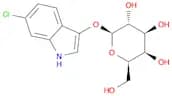
Atg13 was identified as a constitutively expressed protein that was genetically linked to Atg1/Apg1, a protein kinase required for autophagy. Overexpression of Atg1 suppresses the defects in autophagy observed in Atg13 mutants. Autophagy requires a direct association between Atg1 and Atg13, and is inhibited by TOR-dependent phosphorylation of Atg13 under high-nutrient conditions.β-D-Galactopyranoside, 6-chloro-1H-indol-3-yl
CAS :Formule :C14H16ClNO6Degré de pureté :98%Masse moléculaire :329.7329ITA10 rabbit pAb
Integrins are integral transmembrane glycoproteins composed of noncovalently linked alpha and beta chains. They participate in cell adhesion as well as cell-surface mediated signalling. This gene encodes an integrin alpha chain and is expressed at high levels in chondrocytes, where it is transcriptionally regulated by AP-2epsilon and Ets-1. The protein encoded by this gene binds to collagen. Alternative splicing results in multiple transcript variants. [provided by RefSeq, Dec 2014],JNK1/2/3 rabbit pAb
The protein encoded by this gene is a member of the MAP kinase family. MAP kinases act as an integration point for multiple biochemical signals, and are involved in a wide variety of cellular processes such as proliferation, differentiation, transcription regulation and development. This kinase is activated by various cell stimuli, and targets specific transcription factors, and thus mediates immediate-early gene expression in response to cell stimuli. The activation of this kinase by tumor-necrosis factor alpha (TNF-alpha) is found to be required for TNF-alpha induced apoptosis. This kinase is also involved in UV radiation induced apoptosis, which is thought to be related to cytochrom c-mediated cell death pathway. Studies of the mouse counterpart of this gene suggested that this kinase play a key role in T cell proliferation, apoptosis and differentiation. Several alternatively splDNA pol ζ rabbit pAb
catalytic activity:Deoxynucleoside triphosphate + DNA(n) = diphosphate + DNA(n+1).,domain:Its C-terminal part could serve as the catalytic domain during nucleotide polymerization, while its N-terminal part could provide sites for protein-protein interactions with other factors during translesion DNA synthesis.,similarity:Belongs to the DNA polymerase type-B family.,subunit:Interacts with REV7.,tissue specificity:Ubiquitously expressed.,PR (phospho Ser190) rabbit pAb
This gene encodes a member of the steroid receptor superfamily. The encoded protein mediates the physiological effects of progesterone, which plays a central role in reproductive events associated with the establishment and maintenance of pregnancy. This gene uses two distinct promotors and translation start sites in the first exon to produce several transcript variants, both protein coding and non-protein coding. Two of the isoforms (A and B) are identical except for an additional 165 amino acids found in the N-terminus of isoform B and mediate their own response genes and physiologic effects with little overlap. [provided by RefSeq, Sep 2015],HMG-I/HMG-Y (Acetyl Lys65) rabbit pAb
This gene encodes a chromatin-associated protein involved in the regulation of gene transcription, integration of retroviruses into chromosomes, and the metastatic progression of cancer cells. The encoded protein preferentially binds to the minor groove of AT-rich regions in double-stranded DNA. Multiple transcript variants encoding different isoforms have been found for this gene. Pseudogenes of this gene have been identified on multiple chromosomes. [provided by RefSeq, Jan 2016],BMPR-II rabbit pAb
This gene encodes a member of the bone morphogenetic protein (BMP) receptor family of transmembrane serine/threonine kinases. The ligands of this receptor are BMPs, which are members of the TGF-beta superfamily. BMPs are involved in endochondral bone formation and embryogenesis. These proteins transduce their signals through the formation of heteromeric complexes of two different types of serine (threonine) kinase receptors: type I receptors of about 50-55 kD and type II receptors of about 70-80 kD. Type II receptors bind ligands in the absence of type I receptors, but they require their respective type I receptors for signaling, whereas type I receptors require their respective type II receptors for ligand binding. Mutations in this gene have been associated with primary pulmonary hypertension, both familial and fenfluramine-associated, and with pulmonary venoocclusive diseaGP148 rabbit pAb
function:Orphan receptor.,similarity:Belongs to the G-protein coupled receptor 1 family.,tissue specificity:Expression restricted to nervous system and testis. Is also detected in several tumors types, most notably prostate cancer.,TINAL rabbit pAb
The protein encoded by this gene is similar in sequence to tubulointerstitial nephritis antigen, a secreted glycoprotein that is recognized by antibodies in some types of immune-related tubulointerstitial nephritis. Three transcript variants encoding different isoforms have been found for this gene. [provided by RefSeq, Feb 2011],DDB2 rabbit pAb
This gene encodes a protein that is necessary for the repair of ultraviolet light-damaged DNA. This protein is the smaller subunit of a heterodimeric protein complex that participates in nucleotide excision repair, and this complex mediates the ubiquitylation of histones H3 and H4, which facilitates the cellular response to DNA damage. This subunit appears to be required for DNA binding. Mutations in this gene cause xeroderma pigmentosum complementation group E, a recessive disease that is characterized by an increased sensitivity to UV light and a high predisposition for skin cancer development, in some cases accompanied by neurological abnormalities. Two transcript variants encoding different isoforms have been found for this gene. [provided by RefSeq, Jul 2014],IDH3A rabbit pAb
Isocitrate dehydrogenases catalyze the oxidative decarboxylation of isocitrate to 2-oxoglutarate. These enzymes belong to two distinct subclasses, one of which utilizes NAD(+) as the electron acceptor and the other NADP(+). Five isocitrate dehydrogenases have been reported: three NAD(+)-dependent isocitrate dehydrogenases, which localize to the mitochondrial matrix, and two NADP(+)-dependent isocitrate dehydrogenases, one of which is mitochondrial and the other predominantly cytosolic. NAD(+)-dependent isocitrate dehydrogenases catalyze the allosterically regulated rate-limiting step of the tricarboxylic acid cycle. Each isozyme is a heterotetramer that is composed of two alpha subunits, one beta subunit, and one gamma subunit. The protein encoded by this gene is the alpha subunit of one isozyme of NAD(+)-dependent isocitrate dehydrogenase. [provided by RefSeq, Jul 2008],CtBP1 rabbit pAb
This gene encodes a protein that binds to the C-terminus of adenovirus E1A proteins. This phosphoprotein is a transcriptional repressor and may play a role during cellular proliferation. This protein and the product of a second closely related gene, CTBP2, can dimerize. Both proteins can also interact with a polycomb group protein complex which participates in regulation of gene expression during development. Alternative splicing of transcripts from this gene results in multiple transcript variants. [provided by RefSeq, Jul 2008],