Anticorps primaires
Les anticorps primaires sont des immunoglobulines qui se lient spécifiquement à un antigène d'intérêt, permettant la détection et la quantification de protéines, peptides ou autres biomolécules. Ces anticorps sont des outils essentiels dans de nombreuses applications, notamment le Western blot, l'immunohistochimie et l'ELISA. Chez CymitQuimica, nous proposons une vaste sélection d'anticorps primaires de haute qualité, offrant spécificité et sensibilité pour divers besoins de recherche, notamment en cancérologie, immunologie et biologie cellulaire.
Sous-catégories appartenant à la catégorie "Anticorps primaires"
- Anticorps pour la recherche sur le cancer(3.721 produits)
- Anticorps cardio-vasculaires(2 produits)
- Biologie du développement(764 produits)
- Anticorps relatifs à l’épigénétique(162 produits)
- Anticorps d'immunologie(2.585 produits)
- Anticorps du métabolisme(286 produits)
- Anticorps de microbiologie(740 produits)
- Transduction du signal(2.765 produits)
- Tags & Marqueurs cellulaires(34 produits)
Affichez 1 plus de sous-catégories
75512 produits trouvés pour "Anticorps primaires"
Trier par
Degré de pureté (%)
0
100
|
0
|
50
|
90
|
95
|
100
CaMKK2 (phospho-Ser511) rabbit pAb
The product of this gene belongs to the Serine/Threonine protein kinase family, and to the Ca(2+)/calmodulin-dependent protein kinase subfamily. The major isoform of this gene plays a role in the calcium/calmodulin-dependent (CaM) kinase cascade by phosphorylating the downstream kinases CaMK1 and CaMK4. Protein products of this gene also phosphorylate AMP-activated protein kinase (AMPK). This gene has its strongest expression in the brain and influences signalling cascades involved with learning and memory, neuronal differentiation and migration, neurite outgrowth, and synapse formation. Alternative splicing results in multiple transcript variants encoding distinct isoforms. The identified isoforms differ in their ability to undergo autophosphorylation and to phosphorylate downstream kinases. [provided by RefSeq, Jul 2012],Stat1 rabbit pAb
The protein encoded by this gene is a member of the STAT protein family. In response to cytokines and growth factors, STAT family members are phosphorylated by the receptor associated kinases, and then form homo- or heterodimers that translocate to the cell nucleus where they act as transcription activators. This protein can be activated by various ligands including interferon-alpha, interferon-gamma, EGF, PDGF and IL6. This protein mediates the expression of a variety of genes, which is thought to be important for cell viability in response to different cell stimuli and pathogens. Two alternatively spliced transcript variants encoding distinct isoforms have been described. [provided by RefSeq, Jul 2008],GTD2A rabbit pAb
This gene is one of several closely related genes on chromosome 7 encoding proteins containing helix-loop-helix motifs. These proteins may function as regulators of transcription. The encoded protein is unique in that its C-terminus is derived from CHARLIE8 transposable element sequence. This gene is located in a region of chromosome 7 that is deleted in Williams-Beuren syndrome, and loss of this locus may contribute to the cognitive phenotypes observed in this disease. Alternative splicing results in multiple transcript variants. [provided by RefSeq, Jul 2013],CRMP-2 (phospho Ser522) rabbit pAb
This gene encodes a member of the collapsin response mediator protein family. Collapsin response mediator proteins form homo- and hetero-tetramers and facilitate neuron guidance, growth and polarity. The encoded protein promotes microtubule assembly and is required for Sema3A-mediated growth cone collapse, and also plays a role in synaptic signaling through interactions with calcium channels. This gene has been implicated in multiple neurological disorders, and hyperphosphorylation of the encoded protein may play a key role in the development of Alzheimer's disease. Alternatively spliced transcript variants encoding multiple isoforms have been observed for this gene. [provided by RefSeq, Sep 2011],M-CSF rabbit pAb
The protein encoded by this gene is a cytokine that controls the production, differentiation, and function of macrophages. The active form of the protein is found extracellularly as a disulfide-linked homodimer, and is thought to be produced by proteolytic cleavage of membrane-bound precursors. The encoded protein may be involved in development of the placenta. Alternate splicing results in multiple transcript variants. [provided by RefSeq, Sep 2011],ZNF682 rabbit pAb
function:May be involved in transcriptional regulation.,similarity:Belongs to the krueppel C2H2-type zinc-finger protein family.,similarity:Contains 1 KRAB domain.,similarity:Contains 11 C2H2-type zinc fingers.,KIR5.1 (phospho Ser416) rabbit pAb
KCNJ16 (Potassium Voltage-Gated Channel Subfamily J Member 16) is a Protein Coding gene. Diseases associated with KCNJ16 include sesame syndrome and body dysmorphic disorder. Among its related pathways are Transmission across Chemical Synapses and Inwardly rectifying K+ channels. GO annotations related to this gene include inward rectifier potassium channel activity. An important paralog of this gene is KCNJ3. nward rectifier potassium channels are characterized by a greater tendency to allow potassium to flow into the cell rather than out of it. Their voltage dependence is regulated by the concentration of extracellular potassium; as external potassium is raised, the voltage range of the channel opening shifts to more positive voltages. The inward rectification is mainly due to the blockage of outward current by internal magnesium. KCNJ16 may be involved in the regulation of fluid and pH balance. In the kidney, together with KCNJ10, mediates basolateral K(+) recycling in distal tubules; this process is critical for Na(+) reabsorption at the tubules (PubMed: 24561201). he inward-rectifier potassium channel family (also known as 2-TM channels) include the strong inward-rectifier channels (Kir2. ), the G-protein-activated inward-rectifier channels (Kir3. ) and the ATP-sensitive channels (Kir6. ), which combine with sulphonylurea receptors.hnRNP K rabbit pAb
This gene belongs to the subfamily of ubiquitously expressed heterogeneous nuclear ribonucleoproteins (hnRNPs). The hnRNPs are RNA binding proteins and they complex with heterogeneous nuclear RNA (hnRNA). These proteins are associated with pre-mRNAs in the nucleus and appear to influence pre-mRNA processing and other aspects of mRNA metabolism and transport. While all of the hnRNPs are present in the nucleus, some seem to shuttle between the nucleus and the cytoplasm. The hnRNP proteins have distinct nucleic acid binding properties. The protein encoded by this gene is located in the nucleoplasm and has three repeats of KH domains that binds to RNAs. It is distinct among other hnRNP proteins in its binding preference; it binds tenaciously to poly(C). This protein is also thought to have a role during cell cycle progession. Several alternatively spliced transcript variants haveAPOBR rabbit pAb
Apolipoprotein B48 receptor is a macrophage receptor that binds to the apolipoprotein B48 of dietary triglyceride (TG)-rich lipoproteins. This receptor may provide essential lipids, lipid-soluble vitamins and other nutrients to reticuloendothelial cells. If overwhelmed with elevated plasma triglyceride, the apolipoprotein B48 receptor may contribute to foam cell formation, endothelial dysfunction, and atherothrombogenesis. [provided by RefSeq, Jul 2008],Histone H2A.Z (Acetyl Lys12) rabbit pAb
function:Variant histone H2A which replaces conventional H2A in a subset of nucleosomes. Nucleosomes wrap and compact DNA into chromatin, limiting DNA accessibility to the cellular machineries which require DNA as a template. Histones thereby play a central role in transcription regulation, DNA repair, DNA replication and chromosomal stability. DNA accessibility is regulated via a complex set of post-translational modifications of histones, also called histone code, and nucleosome remodeling. May be involved in the formation of constitutive heterochromatin. May be required for chromosome segregation during cell division.,mass spectrometry:Monoisotopic, not modified PubMed:16457589,PTM:Acetylated on Lys-5, Lys-8 and Lys-12 during interphase. Acetylation disappears at mitosis.,PTM:Monoubiquitination of Lys-122 gives a specific tag for epigenetic transcriptional repression.,PTM:Not phosphorylated.,similarity:Belongs to the histone H2A family.,subunit:The nucleosome is a histone octamer containing two molecules each of H2A, H2B, H3 and H4 assembled in one H3-H4 heterotetramer and two H2A-H2B heterodimers. The octamer wraps approximately 147 bp of DNA. H2A or its variant H2AFZ forms an heterodimer with H2B. H2AFZ interacts with INCENP.,TGFβ2 rabbit pAb
This gene encodes a secreted ligand of the TGF-beta (transforming growth factor-beta) superfamily of proteins. Ligands of this family bind various TGF-beta receptors leading to recruitment and activation of SMAD family transcription factors that regulate gene expression. The encoded preproprotein is proteolytically processed to generate a latency-associated peptide (LAP) and a mature peptide, and is found in either a latent form composed of a mature peptide homodimer, a LAP homodimer, and a latent TGF-beta binding protein, or in an active form consisting solely of the mature peptide homodimer. The mature peptide may also form heterodimers with other TGF-beta family members. Disruption of the TGF-beta/SMAD pathway has been implicated in a variety of human cancers. A chromosomal translocation that includes this gene is associated with Peters' anomaly, a congenital defect of the anZDH17 rabbit pAb
catalytic activity:Palmitoyl-CoA + protein-cysteine = S-palmitoyl protein + CoA.,domain:The DHHC domain is required for palmitoyltransferase activity.,function:Palmitoyltransferase specific for a subset of neuronal proteins, including SNAP25, DLG4/PSD95, GAD2, SYT1 and HD. May be involved in the sorting or targeting of critical proteins involved in the initiating events of endocytosis at the plasma membrane. May be involved in the NF-kappa-B signaling pathway. Has transforming activity.,miscellaneous:The early and prominent pathology of HD is observed in the medium spiny neurons that project into the globus.,similarity:Belongs to the DHHC palmitoyltransferase family. AKR/ZDHHC17 subfamily.,similarity:Contains 1 DHHC-type zinc finger.,similarity:Contains 5 ANK repeats.,subunit:Binds HD. This interaction is inversely correlated to the length of the polyglutamine tract added to the huntingtin protein in Huntington disease.,tissue specificity:Expressed in all brain regions. Expression is highest in the cortex, cerebellum, occipital lobe and caudate and lowest in the spinal cord. Expression is also seen in testis, pancreas, heart and kidney.,NFκB-p65 (phospho Ser529) rabbit pAb
NF-kappa-B is a ubiquitous transcription factor involved in several biological processes. It is held in the cytoplasm in an inactive state by specific inhibitors. Upon degradation of the inhibitor, NF-kappa-B moves to the nucleus and activates transcription of specific genes. NF-kappa-B is composed of NFKB1 or NFKB2 bound to either REL, RELA, or RELB. The most abundant form of NF-kappa-B is NFKB1 complexed with the product of this gene, RELA. Four transcript variants encoding different isoforms have been found for this gene. [provided by RefSeq, Sep 2011],FAK (phospho Tyr407) rabbit pAb
protein tyrosine kinase 2(PTK2) Homo sapiens This gene encodes a cytoplasmic protein tyrosine kinase which is found concentrated in the focal adhesions that form between cells growing in the presence of extracellular matrix constituents. The encoded protein is a member of the FAK subfamily of protein tyrosine kinases but lacks significant sequence similarity to kinases from other subfamilies. Activation of this gene may be an important early step in cell growth and intracellular signal transduction pathways triggered in response to certain neural peptides or to cell interactions with the extracellular matrix. Several transcript variants encoding different isoforms have been found for this gene, but the full-length natures of only four of them have been determined. [provided by RefSeq, Oct 2015],EGFR (phospho Ser1026) rabbit pAb
The protein encoded by this gene is a transmembrane glycoprotein that is a member of the protein kinase superfamily. This protein is a receptor for members of the epidermal growth factor family. EGFR is a cell surface protein that binds to epidermal growth factor. Binding of the protein to a ligand induces receptor dimerization and tyrosine autophosphorylation and leads to cell proliferation. Mutations in this gene are associated with lung cancer. [provided by RefSeq, Jun 2016],KI2S2 rabbit pAb
Killer cell immunoglobulin-like receptors (KIRs) are transmembrane glycoproteins expressed by natural killer cells and subsets of T cells. The KIR genes are polymorphic and highly homologous and they are found in a cluster on chromosome 19q13.4 within the 1 Mb leukocyte receptor complex (LRC). The gene content of the KIR gene cluster varies among haplotypes, although several "framework" genes are found in all haplotypes (KIR3DL3, KIR3DP1, KIR3DL4, KIR3DL2). The KIR proteins are classified by the number of extracellular immunoglobulin domains (2D or 3D) and by whether they have a long (L) or short (S) cytoplasmic domain. KIR proteins with the long cytoplasmic domain transduce inhibitory signals upon ligand binding via an immune tyrosine-based inhibitory motif (ITIM), while KIR proteins with the short cytoplasmic domain lack theOlfactory receptor 51S1 rabbit pAb
Olfactory receptors interact with odorant molecules in the nose, to initiate a neuronal response that triggers the perception of a smell. The olfactory receptor proteins are members of a large family of G-protein-coupled receptors (GPCR) arising from single coding-exon genes. Olfactory receptors share a 7-transmembrane domain structure with many neurotransmitter and hormone receptors and are responsible for the recognition and G protein-mediated transduction of odorant signals. The olfactory receptor gene family is the largest in the genome. The nomenclature assigned to the olfactory receptor genes and proteins for this organism is independent of other organisms. [provided by RefSeq, Jul 2008],WWOX rabbit pAb
WWOX (WW domain containing oxidoreductase) encodes a member of the short-chain dehydrogenases/reductases (SDR) protein family. WWOX spans the FRA16D common chromosomal fragile site and appears to function as a tumor suppressor gene. Expression of the encoded protein is able to induce apoptosis, while defects in this gene are associated with multiple types of cancer. Disruption of WWOX is also associated with autosomal recessive spinocerebellar ataxia 12. Disruption of a similar gene in mouse results in impaired steroidogenesis, additionally suggesting a metabolic function for the protein. Alternative splicing results in multiple transcript variants.HSP90α (phospho-Thr5/7) rabbit pAb
The protein encoded by this gene is an inducible molecular chaperone that functions as a homodimer. The encoded protein aids in the proper folding of specific target proteins by use of an ATPase activity that is modulated by co-chaperones. Two transcript variants encoding different isoforms have been found for this gene. [provided by RefSeq, Jan 2012],PKD2 (phospho Ser812) rabbit pAb
polycystin 2, transient receptor potential cation channel(PKD2) Homo sapiens This gene encodes a member of the polycystin protein family. The encoded protein is a multi-pass membrane protein that functions as a calcium permeable cation channel, and is involved in calcium transport and calcium signaling in renal epithelial cells. This protein interacts with polycystin 1, and they may be partners in a common signaling cascade involved in tubular morphogenesis. Mutations in this gene are associated with autosomal dominant polycystic kidney disease type 2. [provided by RefSeq, Mar 2011],GCNT6 rabbit pAb
function:Glycosyltransferase.,pathway:Protein modification; protein glycosylation.,similarity:Belongs to the glycosyltransferase 14 family.,ATS14 rabbit pAb
This gene encodes a member of the ADAMTS (a disintegrin and metalloproteinase with thrombospondin motif) protein family. Members of the family share several distinct protein modules, including a propeptide region, a metalloproteinase domain, a disintegrin-like domain, and a thrombospondin type 1 (TS) motif. Individual members of this family differ in the number of C-terminal TS motifs, and some have unique C-terminal domains. The encoded preproprotein is proteolytically processed to generate the mature enzyme. This enzyme cleaves amino-terminal propeptides from type I procollagen, a necessary step in the formation of collagen fibers. Mutations in this gene may be associated with osteoarthritis in human patients. [provided by RefSeq, May 2016],Claudin-19 rabbit pAb
The product of this gene belongs to the claudin family. It plays a major role in tight junction-specific obliteration of the intercellular space, through calcium-independent cell-adhesion activity. Defects in this gene are the cause of hypomagnesemia renal with ocular involvement (HOMGO). HOMGO is a progressive renal disease characterized by primary renal magnesium wasting with hypomagnesemia, hypercalciuria and nephrocalcinosis associated with severe ocular abnormalities such as bilateral chorioretinal scars, macular colobomata, significant myopia and nystagmus. Alternatively spliced transcript variants encoding distinct isoforms have been identified for this gene. [provided by RefSeq, Jun 2010],Histone H3 (phospho Ser28) rabbit pAb
Histones are basic nuclear proteins that are responsible for the nucleosome structure of the chromosomal fiber in eukaryotes. This structure consists of approximately 146 bp of DNA wrapped around a nucleosome, an octamer composed of pairs of each of the four core histones (H2A, H2B, H3, and H4). The chromatin fiber is further compacted through the interaction of a linker histone, H1, with the DNA between the nucleosomes to form higher order chromatin structures. This gene is intronless and encodes a replication-dependent histone that is a member of the histone H3 family. Transcripts from this gene lack polyA tails; instead, they contain a palindromic termination element. This gene is found in the large histone gene cluster on chromosome 6p22-p21.3. [provided by RefSeq, Aug 2015],TBD rabbit pAb
alternative products:Experimental confirmation may be lacking for some isoforms,function:In the elongating spermatid it is associated with the manchette, a specialized microtubule system present during reshaping of the sperm head.,similarity:Belongs to the tubulin family.,subcellular location:Associated with centrioles. Both cytoplasmic and nuclear.,CP4AM rabbit pAb
cytochrome P450 family 4 subfamily A member 22(CYP4A22) Homo sapiens This gene encodes a member of the cytochrome P450 superfamily of enzymes. The cytochrome P450 proteins are monooxygenases which catalyze many reactions involved in drug metabolism and synthesis of cholesterol, steroids and other lipids. This gene is part of a cluster of cytochrome P450 genes on chromosome 1p33. Alternative splicing results in multiple transcript variants encoding different isoforms. [provided by RefSeq, Apr 2015],ZFYVE19 rabbit pAb
disease:A chromosomal aberration involving ZFYVE19 is associated with acute myeloblastic leukemia (AML). Translocation t(11;15)(q23;q14) with MLL/HRX.,PTM:Phosphorylated upon DNA damage, probably by ATM or ATR.,similarity:Contains 1 FYVE-type zinc finger.,tissue specificity:Detected in brain, heart, skeletal muscle, kidney and liver.,PRPH rabbit pAb
This gene encodes a cytoskeletal protein found in neurons of the peripheral nervous system. The encoded protein is a type III intermediate filament protein with homology to other cytoskeletal proteins such as desmin, and is a different protein that the peripherin found in photoreceptors. Mutations in this gene have been associated with susceptibility to amyotrophic lateral sclerosis. [provided by RefSeq, Jul 2008],SIRT2 rabbit pAb
This gene encodes a member of the sirtuin family of proteins, homologs to the yeast Sir2 protein. Members of the sirtuin family are characterized by a sirtuin core domain and grouped into four classes. The functions of human sirtuins have not yet been determined; however, yeast sirtuin proteins are known to regulate epigenetic gene silencing and suppress recombination of rDNA. Studies suggest that the human sirtuins may function as intracellular regulatory proteins with mono-ADP-ribosyltransferase activity. The protein encoded by this gene is included in class I of the sirtuin family. Several transcript variants are resulted from alternative splicing of this gene. [provided by RefSeq, Jul 2010],Collagen II (8F6) Mouse mAb
Collagens are fibrous, extracellular matrix proteins with high tensile strength and are the major components of connective tissue, such as tendons and cartilage. In cartilage, Collagen Type II constitutes the bulk of the fibril. Sensitization with Collagen Type II induces an erosive polyarthritis in rats, mice and higher primates which can resemble rheumatoid arthritis and relapsing polychrondritis.Fabp1 rabbit pAb
This gene encodes the fatty acid binding protein found in liver. Fatty acid binding proteins are a family of small, highly conserved, cytoplasmic proteins that bind long-chain fatty acids and other hydrophobic ligands. This protein and FABP6 (the ileal fatty acid binding protein) are also able to bind bile acids. It is thought that FABPs roles include fatty acid uptake, transport, and metabolism. [provided by RefSeq, Mar 2011],FGF Receptor (phospho-Tyr653/654) rabbit pAb
The protein encoded by this gene is a member of the fibroblast growth factor receptor (FGFR) family, where amino acid sequence is highly conserved between members and throughout evolution. FGFR family members differ from one another in their ligand affinities and tissue distribution. A full-length representative protein consists of an extracellular region, composed of three immunoglobulin-like domains, a single hydrophobic membrane-spanning segment and a cytoplasmic tyrosine kinase domain. The extracellular portion of the protein interacts with fibroblast growth factors, setting in motion a cascade of downstream signals, ultimately influencing mitogenesis and differentiation. This particular family member binds both acidic and basic fibroblast growth factors and is involved in limb induction. Mutations in this gene have been associated with Pfeiffer syndrome, Jackson-Weiss syndrome,ADH4 rabbit pAb
This gene encodes class II alcohol dehydrogenase 4 pi subunit, which is a member of the alcohol dehydrogenase family. Members of this enzyme family metabolize a wide variety of substrates, including ethanol, retinol, other aliphatic alcohols, hydroxysteroids, and lipid peroxidation products. Class II alcohol dehydrogenase is a homodimer composed of 2 pi subunits. It exhibits a high activity for oxidation of long-chain aliphatic alcohols and aromatic alcohols and is less sensitive to pyrazole. This gene is localized to chromosome 4 in the cluster of alcohol dehydrogenase genes. [provided by RefSeq, Jul 2008],Spindlin-1 rabbit pAb
function:May play a role in cell-cycle regulation during the transition from gamete to embryo.,PTM:Phosphorylated during oocyte meiotic maturation.,sequence caution:Translated as Glu.,similarity:Belongs to the SPIN/STSY family.,CPNE5 rabbit pAb
Calcium-dependent membrane-binding proteins may regulate molecular events at the interface of the cell membrane and cytoplasm. This gene is one of several genes that encode a calcium-dependent protein containing two N-terminal type II C2 domains and an integrin A domain-like sequence in the C-terminus. Several alternatively spliced transcript variants encoding different isoforms have been found for this gene. More variants may exist, but their full-length natures could not be determined. [provided by RefSeq, Sep 2015],O2T29 rabbit pAb
Olfactory receptors interact with odorant molecules in the nose, to initiate a neuronal response that triggers the perception of a smell. The olfactory receptor proteins are members of a large family of G-protein-coupled receptors (GPCR) arising from single coding-exon genes. Olfactory receptors share a 7-transmembrane domain structure with many neurotransmitter and hormone receptors and are responsible for the recognition and G protein-mediated transduction of odorant signals. The olfactory receptor gene family is the largest in the genome. The nomenclature assigned to the olfactory receptor genes and proteins for this organism is independent of other organisms. [provided by RefSeq, Jul 2008],DDR2 rabbit pAb
Receptor tyrosine kinases (RTKs) play a key role in the communication of cells with their microenvironment. These molecules are involved in the regulation of cell growth, differentiation, and metabolism. In several cases the biochemical mechanism by which RTKs transduce signals across the membrane has been shown to be ligand induced receptor oligomerization and subsequent intracellular phosphorylation. This autophosphorylation leads to phosphorylation of cytosolic targets as well as association with other molecules, which are involved in pleiotropic effects of signal transduction. RTKs have a tripartite structure with extracellular, transmembrane, and cytoplasmic regions. This gene encodes a member of a novel subclass of RTKs and contains a distinct extracellular region encompassing a factor VIII-like domain. Alternative splicing in the 5' UTR results in multiple transcrGPR52 rabbit pAb
Members of the G protein-coupled receptor (GPR) family play important roles in signal transduction from the external environment to the inside of the cell.[supplied by OMIM, Jul 2002],CD100 rabbit pAb
function:May play a functional role in the immune system, as well as in the nervous system. Induces B-cells to aggregate and improves their viability in vitro.,similarity:Belongs to the semaphorin family.,similarity:Contains 1 Ig-like C2-type (immunoglobulin-like) domain.,similarity:Contains 1 PSI domain.,similarity:Contains 1 Sema domain.,subunit:Homodimer. Binds PLXNB1.,tissue specificity:Strongly expressed in skeletal muscle, peripheral blood lymphocytes, spleen, and thymus and also expressed at lower levels in testes, brain, kidney, small intestine, prostate, heart, placenta, lung and pancreas, but not in colon and liver.,LDHD Rabbit pAb
LDHD belongs to the D-isomer specific 2-hydroxyacid dehydrogenase family. D-lactate and D-glycerate dehydrogenase activities have been found in a similar protein in yeast.ACOT9 rabbit pAb
The protein encoded by this gene is a mitochondrial acyl-CoA thioesterase of unknown function. Two transcript variants encoding different isoforms have been found for this gene. [provided by RefSeq, Mar 2010],NDUFB9 rabbit pAb
The protein encoded by this gene is a subunit of the mitochondrial oxidative phosphorylation complex I (nicotinamide adenine dinucleotide: ubiquinone oxidoreductase). Complex I is localized to the inner mitochondrial membrane and functions to dehydrogenate nicotinamide adenine dinucleotide and to shuttle electrons to coenzyme Q. Complex I deficiency is the most common defect found in oxidative phosphorylation disorders and results in a range of conditions, including lethal neonatal disease, hypertrophic cardiomyopathy, liver disease, and adult-onset neurodegenerative disorders. Pseudogenes of this gene are found on chromosomes five, seven and eight. Alternative splicing results in multiple transcript variants. [provided by RefSeq, Jul 2015],GCP4 rabbit pAb
This gene encodes a component of the gamma-tubulin ring complex, which is required for microtubule nucleation. In mammalian cells, the protein localizes to centrosomes in association with gamma-tubulin. Crystal structure analysis revealed a structure composed of five helical bundles arranged around conserved hydrophobic cores. An exposed surface area located in the C-terminal domain is essential and sufficient for direct binding to gamma-tubulin. Mutations in this gene that alter microtubule organization are associated with microcephaly and chorioretinopathy. Alternative splicing results in multiple transcript variants. [provided by RefSeq, May 2015],NBPFC rabbit pAb
This gene is a member of the neuroblastoma breakpoint family (NBPF) which consists of dozens of recently duplicated genes primarily located in segmental duplications on human chromosome 1. This gene family has experienced its greatest expansion within the human lineage and has expanded, to a lesser extent, among primates in general. Members of this gene family are characterized by tandemly repeated copies of DUF1220 protein domains. Gene copy number variations in the human chromosomal region 1q21.1, where most DUF1220 domains are located, have been implicated in a number of developmental and neurogenetic diseases such as microcephaly, macrocephaly, autism, schizophrenia, mental retardation, congenital heart disease, neuroblastoma, and congenital kidney and urinary tract anomalies. Altered expression of some gene family members is associated with several types of cancer. ThisApoA-V rabbit pAb
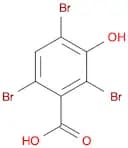
The protein encoded by this gene is an apolipoprotein that plays an important role in regulating the plasma triglyceride levels, a major risk factor for coronary artery disease. It is a component of high density lipoprotein and is highly similar to a rat protein that is upregulated in response to liver injury. Mutations in this gene have been associated with hypertriglyceridemia and hyperlipoproteinemia type 5. This gene is located proximal to the apolipoprotein gene cluster on chromosome 11q23. Alternatively spliced transcript variants encoding the same protein have been identified. [provided by RefSeq, Oct 2009],2,4,6-Tribromo-3-hydroxybenzoic acid
CAS :Formule :C7H3Br3O3Degré de pureté :98%Couleur et forme :SolidMasse moléculaire :374.8089CNOT2 rabbit pAb
CCR4-NOT transcription complex subunit 2(CNOT2) Homo sapiens This gene encodes a subunit of the multi-component CCR4-NOT complex. The CCR4-NOT complex regulates mRNA synthesis and degradation and is also thought to be involved in mRNA splicing, transport and localization. The encoded protein interacts with histone deacetylases and functions as a repressor of polymerase II transcription. Alternatively spliced transcript variants have been observed for this gene. [provided by RefSeq, Dec 2010],Rsk-1 (phospho Thr359/S363) rabbit pAb
ribosomal protein S6 kinase A1(RPS6KA1) Homo sapiens This gene encodes a member of the RSK (ribosomal S6 kinase) family of serine/threonine kinases. This kinase contains 2 nonidentical kinase catalytic domains and phosphorylates various substrates, including members of the mitogen-activated kinase (MAPK) signalling pathway. The activity of this protein has been implicated in controlling cell growth and differentiation. Alternate transcriptional splice variants, encoding different isoforms, have been characterized. [provided by RefSeq, Jul 2008],ACHB4 rabbit pAb
function:After binding acetylcholine, the AChR responds by an extensive change in conformation that affects all subunits and leads to opening of an ion-conducting channel across the plasma membrane.,similarity:Belongs to the ligand-gated ionic channel (TC 1.A.9) family.,subunit:Neuronal AChR is composed of two different types of subunits: alpha and beta. Beta-4 subunit can be combined to alpha-2, alpha-3 or alpha-4 to give rise to functional receptors. Interacts with RIC3; which is required for proper folding and assembly.,GBG11 rabbit pAb
This gene is a member of the guanine nucleotide-binding protein (G protein) gamma family and encodes a lipid-anchored, cell membrane protein. As a member of the heterotrimeric G protein complex, this protein plays a role in this transmembrane signaling system. This protein is also subject to carboxyl-terminal processing. Decreased expression of this gene is associated with splenic marginal zone lymphomas. [provided by RefSeq, Jul 2008],XRN1 rabbit pAb
This gene encodes a member of the 5'-3' exonuclease family. The encoded protein may be involved in replication-dependent histone mRNA degradation, and interacts directly with the enhancer of mRNA-decapping protein 4. In addition to mRNA metabolism, a similar protein in yeast has been implicated in a variety of nuclear and cytoplasmic functions, including homologous recombination, meiosis, telomere maintenance, and microtubule assembly. Mutations in this gene are associated with osteosarcoma, suggesting that the encoded protein may also play a role in bone formation. Alternative splicing results in multiple transcript variants. [provided by RefSeq, Sep 2013],FOXN1 rabbit pAb
Mutations in the winged-helix transcription factor gene at the nude locus in mice and rats produce the pleiotropic phenotype of hairlessness and athymia, resulting in a severely compromised immune system. This gene is orthologous to the mouse and rat genes and encodes a similar DNA-binding transcription factor that is thought to regulate keratin gene expression. A mutation in this gene has been correlated with T-cell immunodeficiency, the skin disorder congenital alopecia, and nail dystrophy. Alternative splicing in the 5' UTR of this gene has been observed. [provided by RefSeq, Jul 2008],S4A7 rabbit pAb
This locus encodes a sodium bicarbonate cotransporter. The encoded transmembrane protein appears to transport sodium and bicarbonate ions in a 1:1 ratio, and is thus considered an electroneutral cotransporter. The encoded protein likely plays a critical role in regulation of intracellular pH involved in visual and auditory sensory transmission. Alternatively spliced transcript variants encoding distinct isoforms have been described. [provided by RefSeq, Apr 2012],PSB3 rabbit pAb
The proteasome is a multicatalytic proteinase complex with a highly ordered ring-shaped 20S core structure. The core structure is composed of 4 rings of 28 non-identical subunits; 2 rings are composed of 7 alpha subunits and 2 rings are composed of 7 beta subunits. Proteasomes are distributed throughout eukaryotic cells at a high concentration and cleave peptides in an ATP/ubiquitin-dependent process in a non-lysosomal pathway. An essential function of a modified proteasome, the immunoproteasome, is the processing of class I MHC peptides. This gene encodes a member of the proteasome B-type family, also known as the T1B family, that is a 20S core beta subunit. The 26 S proteasome may be involved in trinucleotide repeat expansion, a phenomenon which is associated with many hereditary neurological diseases. Pseudogenes have been identified on chromosomes 2 and 12. Alternative splicing results in multiple transcript variants [provided by RefSeq, Sep 2013],RS15A rabbit pAb
Ribosomes, the organelles that catalyze protein synthesis, consist of a small 40S subunit and a large 60S subunit. Together these subunits are composed of 4 RNA species and approximately 80 structurally distinct proteins. This gene encodes a ribosomal protein that is a component of the 40S subunit. The protein belongs to the S8P family of ribosomal proteins. It is located in the cytoplasm. As is typical for genes encoding ribosomal proteins, there are multiple processed pseudogenes of this gene dispersed through the genome. [provided by RefSeq, Jul 2008],WRN (phospho Ser1141) rabbit pAb
Werner syndrome RecQ like helicase(WRN) Homo sapiens This gene encodes a member of the RecQ subfamily and the DEAH (Asp-Glu-Ala-His) subfamily of DNA and RNA helicases. DNA helicases are involved in many aspects of DNA metabolism, including transcription, replication, recombination, and repair. This protein contains a nuclear localization signal in the C-terminus and shows a predominant nucleolar localization. It possesses an intrinsic 3' to 5' DNA helicase activity, and is also a 3' to 5' exonuclease. Based on interactions between this protein and Ku70/80 heterodimer in DNA end processing, this protein may be involved in the repair of double strand DNA breaks. Defects in this gene are the cause of Werner syndrome, an autosomal recessive disorder characterized by premature aging. [provided by RefSeq, Jul 2008],Gas1 rabbit pAb
Growth arrest-specific 1 plays a role in growth suppression. GAS1 blocks entry to S phase and prevents cycling of normal and transformed cells. Gas1 is a putative tumor suppressor gene. [provided by RefSeq, Jul 2008],COL5A2 rabbit pAb
This gene encodes an alpha chain for one of the low abundance fibrillar collagens. Fibrillar collagen molecules are trimers that can be composed of one or more types of alpha chains. Type V collagen is found in tissues containing type I collagen and appears to regulate the assembly of heterotypic fibers composed of both type I and type V collagen. This gene product is closely related to type XI collagen and it is possible that the collagen chains of types V and XI constitute a single collagen type with tissue-specific chain combinations. Mutations in this gene are associated with Ehlers-Danlos syndrome, types I and II. [provided by RefSeq, Jul 2008],RHXF2 rabbit pAb
This gene, which encodes a transcriptional repressor, is one of two paralogous X-linked homeobox-containing genes and is highly expressed in a variety of cancers. In addition, the encoded protein associates with the cell membrane and with microtubules, and is concentrated at the leading edge of migratory cells. [provided by RefSeq, Dec 2015],HABP2 rabbit pAb
This gene encodes a member of the peptidase S1 family of serine proteases. The encoded preproprotein is secreted by hepatocytes and proteolytically processed to generate heavy and light chains that form the mature heterodimer. Further autoproteolysis leads to smaller, inactive peptides. This extracellular protease binds hyaluronic acid and may play a role in the coagulation and fibrinolysis systems. Mutations in this gene are associated with nonmedullary thyroid cancer and susceptibility to venous thromboembolism. Alternative splicing results in multiple transcript variants, at least one of which encodes a preproprotein that is proteolytically processed. [provided by RefSeq, Jan 2016],MYH6/MYH7 rabbit pAb
Cardiac muscle myosin is a hexamer consisting of two heavy chain subunits, two light chain subunits, and two regulatory subunits. This gene encodes the alpha heavy chain subunit of cardiac myosin. The gene is located ~4kb downstream of the gene encoding the beta heavy chain subunit of cardiac myosin. Mutations in this gene cause familial hypertrophic cardiomyopathy and atrial septal defect 3. [provided by RefSeq, Mar 2010],I20L2 rabbit pAb
This gene encodes a 3'-5' exoribonuclease that may be involved in the processing of the 12S pre-rRNA. Pseudogenes have been identified on chromosomes 6 and 11. [provided by RefSeq, Dec 2014],JNK3 rabbit pAb
The protein encoded by this gene is a member of the MAP kinase family. MAP kinases act as integration points for multiple biochemical signals and are involved in a wide variety of cellular processes, such as proliferation, differentiation, transcription regulation and development. This kinase is specifically expressed in a subset of neurons in the nervous system and is activated by threonine and tyrosine phosphorylation. Targeted deletion of this gene in mice suggests that it may have a role in stress-induced neuronal apoptosis. Alternatively spliced transcript variants encoding different isoforms have been described for this gene. A recent study provided evidence for translational readthrough in this gene and expression of an additional C-terminally extended isoform via the use of an alternative in-frame translation termination codon. [provided by RefSeq, Dec 2015],PIG-H rabbit pAb
This gene encodes an endoplasmic reticulum associated protein that is involved in glycosylphosphatidylinositol (GPI)-anchor biosynthesis. The GPI anchor is a glycolipid found on many blood cells and which serves to anchor proteins to the cell surface. The protein encoded by this gene is a subunit of the GPI N-acetylglucosaminyl (GlcNAc) transferase that transfers GlcNAc to phosphatidylinositol (PI) on the cytoplasmic side of the endoplasmic reticulum. [provided by RefSeq, Jul 2008],GAD-65/67 rabbit pAb
glutamate decarboxylase 1(GAD1) Homo sapiens This gene encodes one of several forms of glutamic acid decarboxylase, identified as a major autoantigen in insulin-dependent diabetes. The enzyme encoded is responsible for catalyzing the production of gamma-aminobutyric acid from L-glutamic acid. A pathogenic role for this enzyme has been identified in the human pancreas since it has been identified as an autoantigen and an autoreactive T cell target in insulin-dependent diabetes. This gene may also play a role in the stiff man syndrome. Deficiency in this enzyme has been shown to lead to pyridoxine dependency with seizures. Alternative splicing of this gene results in two products, the predominant 67-kD form and a less-frequent 25-kD form. [provided by RefSeq, Jul 2008],AL1L1 rabbit pAb
The protein encoded by this gene catalyzes the conversion of 10-formyltetrahydrofolate, nicotinamide adenine dinucleotide phosphate (NADP+), and water to tetrahydrofolate, NADPH, and carbon dioxide. The encoded protein belongs to the aldehyde dehydrogenase family. Loss of function or expression of this gene is associated with decreased apoptosis, increased cell motility, and cancer progression. There is an antisense transcript that overlaps on the opposite strand with this gene locus. Alternative splicing results in multiple transcript variants. [provided by RefSeq, Jun 2012],Cdk7 (phospho Thr170) rabbit pAb
cyclin dependent kinase 7(CDK7) Homo sapiens The protein encoded by this gene is a member of the cyclin-dependent protein kinase (CDK) family. CDK family members are highly similar to the gene products of Saccharomyces cerevisiae cdc28, and Schizosaccharomyces pombe cdc2, and are known to be important regulators of cell cycle progression. This protein forms a trimeric complex with cyclin H and MAT1, which functions as a Cdk-activating kinase (CAK). It is an essential component of the transcription factor TFIIH, that is involved in transcription initiation and DNA repair. This protein is thought to serve as a direct link between the regulation of transcription and the cell cycle. [provided by RefSeq, Jul 2008],Cyclin C rabbit pAb
The protein encoded by this gene is a member of the cyclin family of proteins. The encoded protein interacts with cyclin-dependent kinase 8 and induces the phophorylation of the carboxy-terminal domain of the large subunit of RNA polymerase II. The level of mRNAs for this gene peaks in the G1 phase of the cell cycle. Two transcript variants encoding different isoforms have been found for this gene. [provided by RefSeq, Jul 2008],ATF-2 rabbit pAb
activating transcription factor 2(ATF2) Homo sapiens This gene encodes a transcription factor that is a member of the leucine zipper family of DNA binding proteins. The encoded protein has been identified as a moonlighting protein based on its ability to perform mechanistically distinct functions This protein binds to the cAMP-responsive element (CRE), an octameric palindrome. It forms a homodimer or a heterodimer with c-Jun and stimulates CRE-dependent transcription. This protein is also a histone acetyltransferase (HAT) that specifically acetylates histones H2B and H4 in vitro; thus it may represent a class of sequence-specific factors that activate transcription by direct effects on chromatin components. The encoded protein may also be involved in cell's DNA damage response independent of its role in transcriptional regulation. Several alternatively spliced transcript variants have been found for this gene [provided by RefSeq, Jan 2014ATBF1 rabbit pAb
This gene encodes a transcription factor with multiple homeodomains and zinc finger motifs, and regulates myogenic and neuronal differentiation. The encoded protein suppresses expression of the alpha-fetoprotein gene by binding to an AT-rich enhancer motif. The protein has also been shown to negatively regulate c-Myb, and transactivate the cell cycle inhibitor cyclin-dependent kinase inhibitor 1A (also known as p21CIP1). This gene is reported to function as a tumor suppressor in several cancers, and sequence variants of this gene are also associated with atrial fibrillation. Multiple transcript variants expressed from alternate promoters and encoding different isoforms have been found for this gene. [provided by RefSeq, Sep 2009],MBIP1 rabbit pAb
function:Inhibits the MAP3K12 activity to induce the activation of the JNK/SAPK pathway.,subcellular location:Shows a cytoplasmic localization when co-expressed with MAP3K12.,tissue specificity:Ubiquitous. High expression seen in the heart and lung.,NRX3A rabbit pAb
alternative products:A number of isoforms, alpha-type (AC Q9Y4C0) and beta-type (shown here), are produced by alternative promoter usage. Beta-type isoforms differ from alpha-type isoforms in their N-terminus,alternative products:A number of isoforms, alpha-type (shown here) and beta-type (AC Q9HDB5), are produced by alternative promoter usage. Beta-type isoforms differ from alpha-type isoforms in their N-terminus. Additional isoforms produced by alternative splicing seem to exist,function:Neuronal cell surface protein that may be involved in cell recognition and cell adhesion.,function:Neuronal cell surface protein that may be involved in cell recognition and cell adhesion. May mediate intracellular signaling.,similarity:Belongs to the neurexin family.,similarity:Contains 1 laminin G-like domain.,similarity:Contains 3 EGF-like domains.,similarity:Contains 6 laminin G-like domains.,subunit:The cytoplasmic C-terminal region binds to CASK (By similarity). Binds to neuroligins NLGN1, NLGN2 and NLGN3.,subunit:The laminin G-like domain 2 binds to NXPH1. Specific isoforms bind to alpha-dystroglycan. The cytoplasmic C-terminal region binds to CASK.,tissue specificity:Predominantly expressed in brain.,VASP (phospho Ser238) rabbit pAb
Vasodilator-stimulated phosphoprotein (VASP) is a member of the Ena-VASP protein family. Ena-VASP family members contain an EHV1 N-terminal domain that binds proteins containing E/DFPPPPXD/E motifs and targets Ena-VASP proteins to focal adhesions. In the mid-region of the protein, family members have a proline-rich domain that binds SH3 and WW domain-containing proteins. Their C-terminal EVH2 domain mediates tetramerization and binds both G and F actin. VASP is associated with filamentous actin formation and likely plays a widespread role in cell adhesion and motility. VASP may also be involved in the intracellular signaling pathways that regulate integrin-extracellular matrix interactions. VASP is regulated by the cyclic nucleotide-dependent kinases PKA and PKG. [provided by RefSeq, Jul 2008],Calpain 2 (Phospho Ser50) rabbit pAb
The calpains, calcium-activated neutral proteases, are nonlysosomal, intracellular cysteine proteases. The mammalian calpains include ubiquitous, stomach-specific, and muscle-specific proteins. The ubiquitous enzymes consist of heterodimers with distinct large, catalytic subunits associated with a common small, regulatory subunit. This gene encodes the large subunit of the ubiquitous enzyme, calpain 2. Multiple heterogeneous transcriptional start sites in the 5' UTR have been reported. Two transcript variants encoding different isoforms have been found for this gene. [provided by RefSeq, Mar 2009],CD39 rabbit pAb
The protein encoded by this gene is a plasma membrane protein that hydrolyzes extracellular ATP and ADP to AMP. Inhibition of this protein's activity may confer anticancer benefits. Several transcript variants encoding different isoforms have been found for this gene. [provided by RefSeq, Aug 2015],