Anticorps primaires
Les anticorps primaires sont des immunoglobulines qui se lient spécifiquement à un antigène d'intérêt, permettant la détection et la quantification de protéines, peptides ou autres biomolécules. Ces anticorps sont des outils essentiels dans de nombreuses applications, notamment le Western blot, l'immunohistochimie et l'ELISA. Chez CymitQuimica, nous proposons une vaste sélection d'anticorps primaires de haute qualité, offrant spécificité et sensibilité pour divers besoins de recherche, notamment en cancérologie, immunologie et biologie cellulaire.
Sous-catégories appartenant à la catégorie "Anticorps primaires"
- Anticorps pour la recherche sur le cancer(3.721 produits)
- Anticorps cardio-vasculaires(2 produits)
- Biologie du développement(764 produits)
- Anticorps relatifs à l’épigénétique(162 produits)
- Anticorps d'immunologie(2.585 produits)
- Anticorps du métabolisme(286 produits)
- Anticorps de microbiologie(741 produits)
- Transduction du signal(2.765 produits)
- Tags & Marqueurs cellulaires(34 produits)
Affichez 1 plus de sous-catégories
75562 produits trouvés pour "Anticorps primaires"
Trier par
Degré de pureté (%)
0
100
|
0
|
50
|
90
|
95
|
100
IRS2 rabbit pAb
This gene encodes the insulin receptor substrate 2, a cytoplasmic signaling molecule that mediates effects of insulin, insulin-like growth factor 1, and other cytokines by acting as a molecular adaptor between diverse receptor tyrosine kinases and downstream effectors. The product of this gene is phosphorylated by the insulin receptor tyrosine kinase upon receptor stimulation, as well as by an interleukin 4 receptor-associated kinase in response to IL4 treatment. [provided by RefSeq, Jul 2008],MPRB rabbit pAb
function:Steroid membrane receptor. Binds progesterone. May be involved in oocyte maturation.,similarity:Belongs to the ADIPOR family.,subcellular location:Colocalizes with a lysosomal protein cathepsin D.,tissue specificity:Expressed in brain and spinal cord.,Melanopsin rabbit pAb
Opsins are members of the guanine nucleotide-binding protein (G protein)-coupled receptor superfamily. This gene encodes a photoreceptive opsin protein that is expressed within the ganglion and amacrine cell layers of the retina. In mouse, retinal ganglion cell axons expressing this gene projected to the suprachiasmatic nucleus and other brain nuclei involved in circadian photoentrainment. In mouse, this protein is coupled to a transient receptor potential (TRP) ion channel through a G protein signaling pathway and produces a physiologic light response via membrane depolarization and increased intracellular calcium. The protein functions as a sensory photopigment and may also have photoisomerase activity. Experiments with knockout mice indicate that this gene attenuates, but does not abolish, photoentrainment. Alternative splicing results in multiple transcript variants encoding different isoforms. [provided by RefFlt-1 rabbit pAb
This gene encodes a member of the vascular endothelial growth factor receptor (VEGFR) family. VEGFR family members are receptor tyrosine kinases (RTKs) which contain an extracellular ligand-binding region with seven immunoglobulin (Ig)-like domains, a transmembrane segment, and a tyrosine kinase (TK) domain within the cytoplasmic domain. This protein binds to VEGFR-A, VEGFR-B and placental growth factor and plays an important role in angiogenesis and vasculogenesis. Expression of this receptor is found in vascular endothelial cells, placental trophoblast cells and peripheral blood monocytes. Multiple transcript variants encoding different isoforms have been found for this gene. Isoforms include a full-length transmembrane receptor isoform and shortened, soluble isoforms. The soluble isoforms are associated with the onset of pre-eclampsia.[provided by RefSeq, May 2009],S10A9 rabbit pAb
S100 calcium binding protein A9(S100A9) Homo sapiens The protein encoded by this gene is a member of the S100 family of proteins containing 2 EF-hand calcium-binding motifs. S100 proteins are localized in the cytoplasm and/or nucleus of a wide range of cells, and involved in the regulation of a number of cellular processes such as cell cycle progression and differentiation. S100 genes include at least 13 members which are located as a cluster on chromosome 1q21. This protein may function in the inhibition of casein kinase and altered expression of this protein is associated with the disease cystic fibrosis. This antimicrobial protein exhibits antifungal and antibacterial activity. [provided by RefSeq, Nov 2014],Ebi3 rabbit pAb
This gene was identified by its induced expression in B lymphocytes in response Epstein-Barr virus infection. It encodes a secreted glycoprotein belonging to the hematopoietin receptor family, and heterodimerizes with a 28 kDa protein to form interleukin 27 (IL-27). IL-27 regulates T cell and inflammatory responses, in part by activating the Jak/STAT pathway of CD4+ T cells. [provided by RefSeq, Sep 2008],ALX3 rabbit pAb
This gene encodes a nuclear protein with a homeobox DNA-binding domain that functions as a transcriptional regulator involved in cell-type differentiation and development. Preferential methylation of this gene's promoter is associated with advanced-stage neuroblastoma tumors. [provided by RefSeq, Jul 2008],NOC2L rabbit pAb
NOC2 like nucleolar associated transcriptional repressor(NOC2L) Homo sapiens Histone modification by histone acetyltransferases (HAT) and histone deacetylases (HDAC) can control major aspects of transcriptional regulation. NOC2L represents a novel HDAC-independent inhibitor of histone acetyltransferase (INHAT) (Hublitz et al., 2005 [PubMed 16322561]).[supplied by OMIM, Mar 2008],IMPA1 rabbit pAb
This gene encodes an enzyme that dephosphorylates myo-inositol monophosphate to generate free myo-inositol, a precursor of phosphatidylinositol, and is therefore an important modulator of intracellular signal transduction via the production of the second messengers myoinositol 1,4,5-trisphosphate and diacylglycerol. This enzyme can also use myo-inositol-1,3-diphosphate, myo-inositol-1,4-diphosphate, scyllo-inositol-phosphate, glucose-1-phosphate, glucose-6-phosphate, fructose-1-phosphate, beta-glycerophosphate, and 2'-AMP as substrates. This enzyme shows magnesium-dependent phosphatase activity and is inhibited by therapeutic concentrations of lithium. Inhibition of inositol monophosphate hydroylosis and subsequent depletion of inositol for phosphatidylinositol synthesis may explain the anti-manic and anti-depressive effects of lithium administered to treat bipolar disorder. Alternative splicing results in multiple transcript variants encoding distinct isoforms. A pseudogene of this gene is also present on chromosome 8q21.13. [provided by RefSeq, Dec 2014],O2T12 rabbit pAb
Olfactory receptors interact with odorant molecules in the nose, to initiate a neuronal response that triggers the perception of a smell. The olfactory receptor proteins are members of a large family of G-protein-coupled receptors (GPCR) arising from single coding-exon genes. Olfactory receptors share a 7-transmembrane domain structure with many neurotransmitter and hormone receptors and are responsible for the recognition and G protein-mediated transduction of odorant signals. The olfactory receptor gene family is the largest in the genome. The nomenclature assigned to the olfactory receptor genes and proteins for this organism is independent of other organisms. [provided by RefSeq, Jul 2008],CTGE5 rabbit pAb
This gene encodes s receptor in the endoplasmic reticulum, which plays a role in the export of large pre-chylomicrons and pre-very low density lipoproteins (pre-VLDLs). Three major classes of transcripts are generated from this gene- melanoma inhibitory activity 2-specific transcripts, cTAGE family member 5-specific transcripts and transcripts that include exons from both these transcript species (TANGO1-like or TALI). Additionally, alternative splicing in these transcripts results in multiple transcript variants encoding multiple isoforms. [provided by RefSeq, Sep 2016],5HT3B rabbit pAb
The product of this gene belongs to the ligand-gated ion channel receptor superfamily. This gene encodes subunit B of the type 3 receptor for 5-hydroxytryptamine (serotonin), a biogenic hormone that functions as a neurotransmitter, a hormone, and a mitogen. This receptor causes fast, depolarizing responses in neurons after activation. It is not functional as a homomeric complex, but a pentaheteromeric complex with subunit A (HTR3A) displays the full functional features of this receptor. [provided by RefSeq, Aug 2011],CLIC1 rabbit pAb
chloride intracellular channel 1(CLIC1) Homo sapiens Chloride channels are a diverse group of proteins that regulate fundamental cellular processes including stabilization of cell membrane potential, transepithelial transport, maintenance of intracellular pH, and regulation of cell volume. Chloride intracellular channel 1 is a member of the p64 family; the protein localizes principally to the cell nucleus and exhibits both nuclear and plasma membrane chloride ion channel activity. [provided by RefSeq, Jul 2008],KIR5.1 rabbit pAb
Potassium channels are present in most mammalian cells, where they participate in a wide range of physiologic responses. The protein encoded by this gene is an integral membrane protein and inward-rectifier type potassium channel. The encoded protein, which tends to allow potassium to flow into rather than out of a cell, can form heterodimers with two other inward-rectifier type potassium channels. It may function in fluid and pH balance regulation. Alternatively spliced transcript variants have been found for this gene. [provided by RefSeq, Apr 2014],ABCF3 rabbit pAb
caution:Lacks transmembrane domains and is probably not involved in transport.,similarity:Belongs to the ABC transporter family. EF3 subfamily.,similarity:Contains 2 ABC transporter domains.,Desmoyokin (Phospho Ser5782) rabbit pAb
function:May be required for neuronal cell differentiation.,similarity:Contains 1 PDZ (DHR) domain.,subunit:Interacts with DYSF; the interaction is direct and Ca(2+)-independent.,COG7 rabbit pAb
The protein encoded by this gene resides in the golgi, and constitutes one of the 8 subunits of the conserved oligomeric Golgi (COG) complex, which is required for normal golgi morphology and localization. Mutations in this gene are associated with the congenital disorder of glycosylation type IIe.[provided by RefSeq, May 2010],Tubulin α-3C/D/E rabbit pAb
Microtubules of the eukaryotic cytoskeleton perform essential and diverse functions and are composed of a heterodimer of alpha and beta tubulin. The genes encoding these microtubule constituents are part of the tubulin superfamily, which is composed of six distinct families. Genes from the alpha, beta and gamma tubulin families are found in all eukaryotes. The alpha and beta tubulins represent the major components of microtubules, while gamma tubulin plays a critical role in the nucleation of microtubule assembly. There are multiple alpha and beta tubulin genes and they are highly conserved among and between species. This gene is an alpha tubulin gene that encodes a protein 99% identical to the mouse testis-specific Tuba3 and Tuba7 gene products. This gene is located in the 13q11 region, which is associated with the genetic diseases Clouston hidrotic ectodermal dysplasia and Kabuki syndrome. [providPYGM rabbit pAb
This gene encodes a muscle enzyme involved in glycogenolysis. Highly similar enzymes encoded by different genes are found in liver and brain. Mutations in this gene are associated with McArdle disease (myophosphorylase deficiency), a glycogen storage disease of muscle. Alternative splicing results in multiple transcript variants.[provided by RefSeq, Sep 2009],Lipocalin-1 rabbit pAb
This gene encodes a member of the lipocalin family of small secretory proteins. Lipocalins are extracellular transport proteins that bind to a variety of hydrophobic ligands. The encoded protein is the primary lipid binding protein in tears and is overproduced in response to multiple stimuli including infection and stress. The encoded protein may be a marker for chromosome aneuploidy as well as an autoantigen in Sjogren's syndrome. Alternatively spliced transcript variants encoding multiple isoforms have been observed for this gene, and two pseudogenes of this gene are also located on the long arm of chromosome 9. [provided by RefSeq, Nov 2011],GGT1 (heavy chain, Cleaved-Gly380) rabbit pAb
The enzyme encoded by this gene is a type I gamma-glutamyltransferase that catalyzes the transfer of the glutamyl moiety of glutathione to a variety of amino acids and dipeptide acceptors. The enzyme is composed of a heavy chain and a light chain, which are derived from a single precursor protein. It is expressed in tissues involved in absorption and secretion and may contribute to the etiology of diabetes and other metabolic disorders. Multiple alternatively spliced variants have been identified. There are a number of related genes present on chromosomes 20 and 22, and putative pseudogenes for this gene on chromosomes 2, 13, and 22. [provided by RefSeq, Jan 2014],CD32 (phospho Tyr292) rabbit pAb
The Fc fragment of IgG receptor IIb encoded by FCGR2B is a low affinity receptor for the Fc region of immunoglobulin gamma complexes. The encoded protein is involved in the phagocytosis of immune complexes and in the regulation of antibody production by B-cells. Variations in this gene may increase susceptibilty to systemic lupus erythematosus (SLE). Several transcript variants encoding different isoforms have been found for this gene.NBPF4 rabbit pAb
neuroblastoma breakpoint family member 4(NBPF4) Homo sapiens This gene is a member of the neuroblastoma breakpoint family (NBPF) which consists of dozens of recently duplicated genes primarily located in segmental duplications on human chromosome 1. This gene family has experienced its greatest expansion within the human lineage and has expanded, to a lesser extent, among primates in general. Members of this gene family are characterized by tandemly repeated copies of DUF1220 protein domains. Gene copy number variations in the human chromosomal region 1q21.1, where most DUF1220 domains are located, have been implicated in a number of developmental and neurogenetic diseases such as microcephaly, macrocephaly, autism, schizophrenia, mental retardation, congenital heart disease, neuroblastoma, and congenital kidney and urinary tract anomalies. Altered expression of some gene family members is associated with several types of cancer. This gene famSerinc1 rabbit pAb
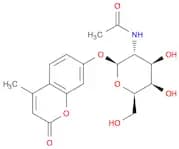
function:Enhances the incorporation of serine into phosphatidylserine and sphingolipids.,similarity:Belongs to the TDE1 family.,subunit:Interacts with SPTLC1.,4-Methylumbelliferyl 2-acetamido-2-deoxy-β-d-galactopyranoside
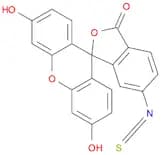
CAS :Formule :C18H21NO8Couleur et forme :SolidMasse moléculaire :379.3612Fluorescein 6-Isothiocyanate (isomer II)
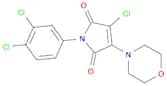
CAS :Formule :C21H11NO5SDegré de pureté :90%Couleur et forme :SolidMasse moléculaire :389.38073-Chloro-1-(3,4-dichlorophenyl)-4-(morpholin-4-yl)pyrrole-2,5-dione
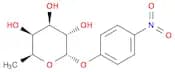
CAS :Formule :C14H11Cl3N2O3Degré de pureté :98%Couleur et forme :SolidMasse moléculaire :361.6077α-L-Galactopyranoside, 4-nitrophenyl 6-deoxy-
CAS :Formule :C12H15NO7Degré de pureté :98%Couleur et forme :SolidMasse moléculaire :285.25002-Naphthacenecarboxamide,4-(dimethylamino)-1,4,4a,5,5a,6,11,12a-octahydro-3,5,10,12,12a-pentahydroxy-6-methyl-1,11-dioxo-, monohydrochloride,(4S,4aR,5S,5aR,6R,12aS)-
CAS :Formule :C22H25ClN2O8Degré de pureté :95%Couleur et forme :SolidMasse moléculaire :480.89552H-Tetrazolium, 2,2'-(3,3'-dimethoxy[1,1'-biphenyl]-4,4'-diyl)bis[3-(4-nitrophenyl)-5-phenyl-, chloride (1:2)
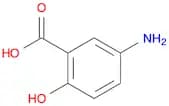
CAS :Formule :C40H30Cl2N10O6Degré de pureté :95%Couleur et forme :SolidMasse moléculaire :817.63565-Amino-2-hydroxybenzoic acid
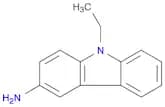
CAS :Formule :C7H7NO3Degré de pureté :97%Couleur et forme :SolidMasse moléculaire :153.13549H-Carbazol-3-amine, 9-ethyl-
CAS :Formule :C14H14N2Degré de pureté :98%Couleur et forme :SolidMasse moléculaire :210.274411β-HSD1 rabbit pAb
hydroxysteroid 11-beta dehydrogenase 1(HSD11B1) Homo sapiens The protein encoded by this gene is a microsomal enzyme that catalyzes the conversion of the stress hormone cortisol to the inactive metabolite cortisone. In addition, the encoded protein can catalyze the reverse reaction, the conversion of cortisone to cortisol. Too much cortisol can lead to central obesity, and a particular variation in this gene has been associated with obesity and insulin resistance in children. Mutations in this gene and H6PD (hexose-6-phosphate dehydrogenase (glucose 1-dehydrogenase)) are the cause of cortisone reductase deficiency. Alternate splicing results in multiple transcript variants encoding the same protein.[provided by RefSeq, May 2011],Olfactory receptor 5I1 rabbit pAb
olfactory receptor family 5 subfamily I member 1(OR5I1) Homo sapiens Olfactory receptors interact with odorant molecules in the nose, to initiate a neuronal response that triggers the perception of a smell. The olfactory receptor proteins are members of a large family of G-protein-coupled receptors (GPCR) arising from single coding-exon genes. Olfactory receptors share a 7-transmembrane domain structure with many neurotransmitter and hormone receptors and are responsible for the recognition and G protein-mediated transduction of odorant signals. The olfactory receptor gene family is the largest in the genome. The nomenclature assigned to the olfactory receptor genes and proteins for this organism is independent of other organisms. [provided by RefSeq, Jul 2008],Chk2 (phospho Thr387) rabbit pAb
In response to DNA damage and replication blocks, cell cycle progression is halted through the control of critical cell cycle regulators. The protein encoded by this gene is a cell cycle checkpoint regulator and putative tumor suppressor. It contains a forkhead-associated protein interaction domain essential for activation in response to DNA damage and is rapidly phosphorylated in response to replication blocks and DNA damage. When activated, the encoded protein is known to inhibit CDC25C phosphatase, preventing entry into mitosis, and has been shown to stabilize the tumor suppressor protein p53, leading to cell cycle arrest in G1. In addition, this protein interacts with and phosphorylates BRCA1, allowing BRCA1 to restore survival after DNA damage. Mutations in this gene have been linked with Li-Fraumeni syndrome, a highly penetrant familial cancer phenotype usually associated with inherited mutatiCHRAC15 rabbit pAb
CHRAC1 is a histone-fold protein that interacts with other histone-fold proteins to bind DNA in a sequence-independent manner. These histone-fold protein dimers combine within larger enzymatic complexes for DNA transcription, replication, and packaging.[supplied by OMIM, Apr 2004],CCNL2 rabbit pAb
The protein encoded by this gene belongs to the cyclin family. Through its interaction with several proteins, such as RNA polymerase II, splicing factors, and cyclin-dependent kinases, this protein functions as a regulator of the pre-mRNA splicing process, as well as in inducing apoptosis by modulating the expression of apoptotic and antiapoptotic proteins. Alternatively spliced transcript variants encoding different isoforms have been described for this gene. [provided by RefSeq, Aug 2011],DRAM1 rabbit pAb
This gene is regulated as part of the p53 tumor suppressor pathway. The gene encodes a lysosomal membrane protein that is required for the induction of autophagy by the pathway. Decreased transcriptional expression of this gene is associated with various tumors. This gene has a pseudogene on chromosome 4. [provided by RefSeq, Jul 2008],MYSM1 rabbit pAb
catalytic activity:Ubiquitin C-terminal thioester + H(2)O = ubiquitin + a thiol.,domain:Binds double-stranded DNA via the SANT domain. The SWIRM domain does not bind double-stranded DNA.,function:Metalloprotease that specifically deubiquitinates monoubiquitinated histone H2A, a specific tag for epigenetic transcriptional repression, thereby acting as a coactivator. Preferentially deubiquitinates monoubiquitinated H2A in hyperacetylated nucleosomes. Deubiquitination of histone H2A leads to facilitate the phosphorylation and dissociation of histone H1 from the nucleosome. Acts as a coactivator by participating in the initiation and elongation steps of androgen receptor (AR)-induced gene activation.,PTM:Phosphorylated upon DNA damage, probably by ATM or ATR.,similarity:Belongs to the peptidase M67A family. MYSM1 subfamily.,similarity:Contains 1 MPN (JAB/Mov34) domain.,similarity:Contains 1 SANT domain.,similarity:Contains 1 SWIRM domain.,subunit:Component of a large chromatin remodeling complex, at least composed of MYSM1, PCAF, RBM10 and KIF11/TRIP5. Binds histones.,LGR6 rabbit pAb
This gene encodes a member of the leucine-rich repeat-containing subgroup of the G protein-coupled 7-transmembrane protein superfamily. The encoded protein is a glycoprotein hormone receptor with a large N-terminal extracellular domain that contains leucine-rich repeats important for the formation of a horseshoe-shaped interaction motif for ligand binding. Alternative splicing of this gene results in multiple transcript variants. [provided by RefSeq, Jul 2008],AMPKα1 (phospho Ser496) rabbit pAb
The protein encoded by this gene belongs to the ser/thr protein kinase family. It is the catalytic subunit of the 5'-prime-AMP-activated protein kinase (AMPK). AMPK is a cellular energy sensor conserved in all eukaryotic cells. The kinase activity of AMPK is activated by the stimuli that increase the cellular AMP/ATP ratio. AMPK regulates the activities of a number of key metabolic enzymes through phosphorylation. It protects cells from stresses that cause ATP depletion by switching off ATP-consuming biosynthetic pathways. Alternatively spliced transcript variants encoding distinct isoforms have been observed. [provided by RefSeq, Jul 2008],Integrin αV rabbit pAb
integrin subunit alpha V(ITGAV) Homo sapiens The product of this gene belongs to the integrin alpha chain family. Integrins are heterodimeric integral membrane proteins composed of an alpha subunit and a beta subunit that function in cell surface adhesion and signaling. The encoded preproprotein is proteolytically processed to generate light and heavy chains that comprise the alpha V subunit. This subunit associates with beta 1, beta 3, beta 5, beta 6 and beta 8 subunits. The heterodimer consisting of alpha V and beta 3 subunits is also known as the vitronectin receptor. This integrin may regulate angiogenesis and cancer progression. Alternative splicing results in multiple transcript variants. Note that the integrin alpha 5 and integrin alpha V subunits are encoded by distinct genes. [provided by RefSeq, Oct 2015],cPLA2-ε rabbit pAb
catalytic activity:Phosphatidylcholine + H(2)O = 1-acylglycerophosphocholine + a carboxylate.,domain:The N-terminal C2 domain associates with lipid membranes and mediates its regulation by presenting the active site to its substrate in response to elevations of cytosolic Ca(2+).,enzyme regulation:Stimulated by cytosolic Ca(2+).,function:Calcium-dependent phospholipase A2 that selectively hydrolyzes glycerophospholipids in the sn-2 position.,similarity:Contains 1 C2 domain.,similarity:Contains 1 PLA2c domain.,subcellular location:Translocates to lysosomal membranes in a calcium-dependent fashion.,ENaC β rabbit pAb
Nonvoltage-gated, amiloride-sensitive, sodium channels control fluid and electrolyte transport across epithelia in many organs. These channels are heteromeric complexes consisting of 3 subunits: alpha, beta, and gamma. This gene encodes the beta subunit, and mutations in this gene have been associated with pseudohypoaldosteronism type 1 (PHA1), and Liddle syndrome. [provided by RefSeq, Apr 2009],LKB1 (phospho Thr189) rabbit pAb
This gene, which encodes a member of the serine/threonine kinase family, regulates cell polarity and functions as a tumor suppressor. Mutations in this gene have been associated with Peutz-Jeghers syndrome, an autosomal dominant disorder characterized by the growth of polyps in the gastrointestinal tract, pigmented macules on the skin and mouth, and other neoplasms. Alternate transcriptional splice variants of this gene have been observed but have not been thoroughly characterized. [provided by RefSeq, Jul 2008],DDR1 (phospho-Tyr792) rabbit pAb
Receptor tyrosine kinases play a key role in the communication of cells with their microenvironment. These kinases are involved in the regulation of cell growth, differentiation and metabolism. The protein encoded by this gene belongs to a subfamily of tyrosine kinase receptors with homology to Dictyostelium discoideum protein discoidin I in their extracellular domain, and that are activated by various types of collagen. Expression of this protein is restricted to epithelial cells, particularly in the kidney, lung, gastrointestinal tract, and brain. In addition, it has been shown to be significantly overexpressed in several human tumors. Alternatively spliced transcript variants encoding different isoforms have been described for this gene. [provided by RefSeq, Feb 2011],SEM4C rabbit pAb
similarity:Belongs to the semaphorin family.,similarity:Contains 1 Ig-like C2-type (immunoglobulin-like) domain.,similarity:Contains 1 PSI domain.,similarity:Contains 1 Sema domain.,subunit:Interacts with GIPC PDZ domain. Interacts with NCDN.,p53 (Acetyl Lys372) rabbit pAb
tumor protein p53(TP53) Homo sapiens This gene encodes a tumor suppressor protein containing transcriptional activation, DNA binding, and oligomerization domains. The encoded protein responds to diverse cellular stresses to regulate expression of target genes, thereby inducing cell cycle arrest, apoptosis, senescence, DNA repair, or changes in metabolism. Mutations in this gene are associated with a variety of human cancers, including hereditary cancers such as Li-Fraumeni syndrome. Alternative splicing of this gene and the use of alternate promoters result in multiple transcript variants and isoforms. Additional isoforms have also been shown to result from the use of alternate translation initiation codons (PMIDs: 12032546, 20937277). [provided by RefSeq, Feb 2013],VGLL4 rabbit pAb
function:May act as a specific coactivator for the mammalian TEFs.,similarity:Belongs to the vestigial family.,subunit:Interacts with TEFs.,GCK/GLK rabbit pAb
mitogen-activated protein kinase kinase kinase kinase 2(MAP4K2) Homo sapiens The protein encoded by this gene is a member of the serine/threonine protein kinase family. Although this kinase is found in many tissues, its expression in lymphoid follicles is restricted to the cells of germinal centre, where it may participate in B-cell differentiation. This kinase can be activated by TNF-alpha, and has been shown to specifically activate MAP kinases. This kinase is also found to interact with TNF receptor-associated factor 2 (TRAF2), which is involved in the activation of MAP3K1/MEKK1. Alternative splicing results in multiple transcript variants. [provided by RefSeq, Apr 2015],UFD1 rabbit pAb
The protein encoded by this gene forms a complex with two other proteins, nuclear protein localization-4 and valosin-containing protein, and this complex is necessary for the degradation of ubiquitinated proteins. In addition, this complex controls the disassembly of the mitotic spindle and the formation of a closed nuclear envelope after mitosis. Mutations in this gene have been associated with Catch 22 syndrome as well as cardiac and craniofacial defects. Alternative splicing results in multiple transcript variants encoding different isoforms. A related pseudogene has been identified on chromosome 18. [provided by RefSeq, Jun 2009],ZFHX4 rabbit pAb
disease:A chromosomal aberration involving [ZFHX4] is found in one patient with ptosis. Translocation t(1;8)(p34.3;q21.12).,function:May play a role in neural and muscle differentiation (By similarity). May be involved in transcriptional regulation.,similarity:Belongs to the krueppel C2H2-type zinc-finger protein family.,similarity:Contains 20 C2H2-type zinc fingers.,similarity:Contains 4 homeobox DNA-binding domains.,tissue specificity:Expressed in brain, skeletal muscle and liver. Very low expression in stomach.,SIA8B rabbit pAb
The protein encoded by this gene is a type II membrane protein that is thought to catalyze the transfer of sialic acid from CMP-sialic acid to N-linked oligosaccharides and glycoproteins. The encoded protein may be found in the Golgi apparatus and may be involved in the production of polysialic acid, a modulator of the adhesive properties of neural cell adhesion molecule (NCAM1). This protein is a member of glycosyltransferase family 29. [provided by RefSeq, Jul 2008],OR2T6 rabbit pAb
olfactory receptor family 2 subfamily T member 6(OR2T6) Homo sapiens Olfactory receptors interact with odorant molecules in the nose, to initiate a neuronal response that triggers the perception of a smell. The olfactory receptor proteins are members of a large family of G-protein-coupled receptors (GPCR) arising from single coding-exon genes. Olfactory receptors share a 7-transmembrane domain structure with many neurotransmitter and hormone receptors and are responsible for the recognition and G protein-mediated transduction of odorant signals. The olfactory receptor gene family is the largest in the genome. The nomenclature assigned to the olfactory receptor genes and proteins for this organism is independent of other organisms. [provided by RefSeq, Jul 2008],EF-1 α1/2 rabbit pAb
This gene encodes an isoform of the alpha subunit of the elongation factor-1 complex, which is responsible for the enzymatic delivery of aminoacyl tRNAs to the ribosome. This isoform (alpha 1) is expressed in brain, placenta, lung, liver, kidney, and pancreas, and the other isoform (alpha 2) is expressed in brain, heart and skeletal muscle. This isoform is identified as an autoantigen in 66% of patients with Felty syndrome. This gene has been found to have multiple copies on many chromosomes, some of which, if not all, represent different pseudogenes. [provided by RefSeq, Jul 2008],FA11 rabbit pAb
This gene encodes coagulation factor XI of the blood coagulation cascade. This protein is present in plasma as a zymogen, which is a unique plasma coagulation enzyme because it exists as a homodimer consisting of two identical polypeptide chains linked by disulfide bonds. During activation of the plasma factor XI, an internal peptide bond is cleaved by factor XIIa (or XII) in each of the two chains, resulting in activated factor XIa, a serine protease composed of two heavy and two light chains held together by disulfide bonds. This activated plasma factor XI triggers the middle phase of the intrisic pathway of blood coagulation by activating factor IX. Defects in this factor lead to Rosenthal syndrome, a blood coagulation abnormality. [provided by RefSeq, Jul 2008],TRAF7 rabbit pAb
TNF receptor associated factor 7(TRAF7) Homo sapiens Tumor necrosis factor (TNF; see MIM 191160) receptor-associated factors, such as TRAF7, are signal transducers for members of the TNF receptor superfamily (see MIM 191190). TRAFs are composed of an N-terminal cysteine/histidine-rich region containing zinc RING and/or zinc finger motifs; a coiled-coil (leucine zipper) motif; and a homologous region that defines the TRAF family, the TRAF domain, which is involved in self-association and receptor binding.[supplied by OMIM, Apr 2004],HXC11 rabbit pAb
This gene belongs to the homeobox family of genes. The homeobox genes encode a highly conserved family of transcription factors that play an important role in morphogenesis in all multicellular organisms. Mammals possess four similar homeobox gene clusters, HOXA, HOXB, HOXC and HOXD, which are located on different chromosomes and consist of 9 to 11 genes arranged in tandem. This gene is one of several homeobox HOXC genes located in a cluster on chromosome 12. The product of this gene binds to a promoter element of the lactase-phlorizin hydrolase. It also may play a role in early intestinal development. An alternatively spliced variant encoding a shorter isoform has been described but its full-length nature has not been determined. [provided by RefSeq, Jul 2008],PITPβ rabbit pAb
This gene encodes a cytoplasmic protein that catalyzes the transfer of phosphatidylinositol and phosphatidylcholine between membranes. This transfer activity is required for COPI complex-mediated retrograde transport from the Golgi apparatus to the endoplasmic reticulum. Alternative splicing of this gene results in multiple transcript variants. [provided by RefSeq, Sep 2013],SRA1 rabbit pAb
Both long non-coding and protein-coding RNAs are transcribed from this gene, and they represent alternatively spliced transcript variants. This gene was initially defined as a non-coding RNA, which is a coactivator for several nuclear receptors (NRs) and is associated with breast cancer. It has now been found that this gene is involved in the regulation of many NR and non-NR activities, including metabolism, adipogenesis and chromatin organization. The long non-coding RNA transcripts interact with a variety of proteins, including the protein encoded by this gene. The encoded protein acts as a transcriptional repressor by binding to the non-coding RNA. [provided by RefSeq, Mar 2012],PTPRH rabbit pAb
The protein encoded by this gene is a member of the protein tyrosine phosphatase (PTP) family. PTPs are known to be signaling molecules that regulate a variety of cellular processes including cell growth, differentiation, mitotic cycle, and oncogenic transformation. This PTP possesses an extracellular region, a single transmembrane region, and a single intracytoplasmic catalytic domain, and thus represents a receptor-type PTP. The extracellular region contains eight fibronectin type III-like repeats and multiple N-glycosylation sites. The gene was shown to be expressed primarily in brain and liver, and at a lower level in heart and stomach. It was also found to be expressed in several cancer cell lines, but not in the corresponding normal tissues. Alternative splicing results in multiple transcript variants. [provided by RefSeq, Jun 2009],GGT1 rabbit pAb
The enzyme encoded by this gene is a type I gamma-glutamyltransferase that catalyzes the transfer of the glutamyl moiety of glutathione to a variety of amino acids and dipeptide acceptors. The enzyme is composed of a heavy chain and a light chain, which are derived from a single precursor protein. It is expressed in tissues involved in absorption and secretion and may contribute to the etiology of diabetes and other metabolic disorders. Multiple alternatively spliced variants have been identified. There are a number of related genes present on chromosomes 20 and 22, and putative pseudogenes for this gene on chromosomes 2, 13, and 22. [provided by RefSeq, Jan 2014],HSP40 Rabbit pAb
HSP40 and HSP40-like proteins represent a large family of chaperone proteins that are homologous to E. coli DnaJ protein. HSP40 family proteins bind unfolded proteins, prevent their aggregation, and then deliver them to HSP70. Another major function of HSP40 is to stimulate ATPase activity of HSP70, which causes conformational change of the unfolded proteins.c-Kit (phospho-Tyr719) rabbit pAb
This gene encodes the human homolog of the proto-oncogene c-kit. C-kit was first identified as the cellular homolog of the feline sarcoma viral oncogene v-kit. This protein is a type 3 transmembrane receptor for MGF (mast cell growth factor, also known as stem cell factor). Mutations in this gene are associated with gastrointestinal stromal tumors, mast cell disease, acute myelogenous lukemia, and piebaldism. Multiple transcript variants encoding different isoforms have been found for this gene. [provided by RefSeq, Jul 2008],Neurexophilin-3 rabbit pAb
function:May be signaling molecules that resemble neuropeptides. Ligand for alpha-neurexins.,PTM:May be proteolytically processed at the boundary between the N-terminal non-conserved and the central conserved domain in neuron-like cells.,similarity:Belongs to the neurexophilin family.,tissue specificity:Highest level in brain.,cGKII rabbit pAb
This gene encodes a protein that belongs to the serine/threonine protein kinase family of proteins. The encoded protein plays a role in the regulation of fluid balance in the intestine. A similar protein in mouse is thought to regulate differentiation and proliferation of cells in the colon. Alternate splicing results in multiple transcript variants. [provided by RefSeq, Sep 2013],CXCR-3 rabbit pAb
C-X-C motif chemokine receptor 3(CXCR3) Homo sapiens This gene encodes a G protein-coupled receptor with selectivity for three chemokines, termed CXCL9/Mig (monokine induced by interferon-g), CXCL10/IP10 (interferon-g-inducible 10 kDa protein) and CXCL11/I-TAC (interferon-inducible T cell a-chemoattractant). Binding of chemokines to this protein induces cellular responses that are involved in leukocyte traffic, most notably integrin activation, cytoskeletal changes and chemotactic migration. Alternatively spliced transcript variants encoding different isoforms have been found for this gene. One of the isoforms (CXCR3-B) shows high affinity binding to chemokine, CXCL4/PF4 (PMID:12782716). [provided by RefSeq, Jun 2011],RPIA rabbit pAb
The protein encoded by this gene is an enzyme, which catalyzes the reversible conversion between ribose-5-phosphate and ribulose-5-phosphate in the pentose-phosphate pathway. This gene is highly conserved in most organisms. The enzyme plays an essential role in the carbohydrate metabolism. Mutations in this gene cause ribose 5-phosphate isomerase deficiency. A pseudogene is found on chromosome 18. [provided by RefSeq, Mar 2010],GRK 4 rabbit pAb
This gene encodes a member of the guanine nucleotide-binding protein (G protein)-coupled receptor kinase subfamily of the Ser/Thr protein kinase family. The protein phosphorylates the activated forms of G protein-coupled receptors thus initiating its deactivation. This gene has been linked to both genetic and acquired hypertension. Several transcript variants encoding different isoforms have been found for this gene. [provided by RefSeq, Nov 2013],CD50 (phospho Ser518) rabbit pAb
The protein encoded by this gene is a member of the intercellular adhesion molecule (ICAM) family. All ICAM proteins are type I transmembrane glycoproteins, contain 2-9 immunoglobulin-like C2-type domains, and bind to the leukocyte adhesion LFA-1 protein. This protein is constitutively and abundantly expressed by all leucocytes and may be the most important ligand for LFA-1 in the initiation of the immune response. It functions not only as an adhesion molecule, but also as a potent signalling molecule. Alternative splicing results in multiple transcript variants encoding different isoforms. [provided by RefSeq, Feb 2016],ZN574 rabbit pAb
function:May be involved in transcriptional regulation.,PTM:Phosphorylated upon DNA damage, probably by ATM or ATR.,similarity:Belongs to the krueppel C2H2-type zinc-finger protein family.,similarity:Contains 20 C2H2-type zinc fingers.,Hox-B9 rabbit pAb
This gene is a member of the Abd-B homeobox family and encodes a protein with a homeobox DNA-binding domain. It is included in a cluster of homeobox B genes located on chromosome 17. The encoded nuclear protein functions as a sequence-specific transcription factor that is involved in cell proliferation and differentiation. Increased expression of this gene is associated with some cases of leukemia, prostate cancer and lung cancer. [provided by RefSeq, Jul 2008],Clock rabbit pAb
The protein encoded by this gene plays a central role in the regulation of circadian rhythms. The protein encodes a transcription factor of the basic helix-loop-helix (bHLH) family and contains DNA binding histone acetyltransferase activity. The encoded protein forms a heterodimer with ARNTL (BMAL1) that binds E-box enhancer elements upstream of Period (PER1, PER2, PER3) and Cryptochrome (CRY1, CRY2) genes and activates transcription of these genes. PER and CRY proteins heterodimerize and repress their own transcription by interacting in a feedback loop with CLOCK/ARNTL complexes. Polymorphisms in this gene may be associated with behavioral changes in certain populations and with obesity and metabolic syndrome. Alternative splicing results in multiple transcript variants. [provided by RefSeq, Jan 2014],PLAP rabbit pAb
function:Plays an important role in the regulation of specific inflammatory disease processes.,sequence caution:Translated as Gln.,similarity:Belongs to the WD repeat PLAP family.,similarity:Contains 1 PFU domain.,similarity:Contains 1 PUL domain.,similarity:Contains 7 WD repeats.,C/EBP ζ rabbit pAb
This gene belongs to the CEBP family. The encoded protein plays a role in cellular response to environmental stimuli through a transcriptional process that involves heat shock factors, conserved DNA elements (heat shock elements or HSEs) and CCAAT boxes. The protein acts as a DNA-binding transcriptional activator and regulates the heat-shock protein 70 (HSP70) promoter in a CCAAT-dependent manner. The protein is also involved in cell growth and differentiation, particularly, hematopoietic differentiation. Methylation of the promoter of this gene or mutations within the gene may be correlated with occurance of acute myeloid leukemia (AML). [provided by RefSeq, Jun 2016],




![2H-Tetrazolium, 2,2'-(3,3'-dimethoxy[1,1'-biphenyl]-4,4'-diyl)bis[3-(4-nitrophenyl)-5-phenyl-, chl…](/_next/image/?url=https%3A%2Fstatic.cymitquimica.com%2Fproducts%2FIN%2Fthumb-webp%2FDA0039OO.webp&w=3840&q=75)