Anticorps primaires
Les anticorps primaires sont des immunoglobulines qui se lient spécifiquement à un antigène d'intérêt, permettant la détection et la quantification de protéines, peptides ou autres biomolécules. Ces anticorps sont des outils essentiels dans de nombreuses applications, notamment le Western blot, l'immunohistochimie et l'ELISA. Chez CymitQuimica, nous proposons une vaste sélection d'anticorps primaires de haute qualité, offrant spécificité et sensibilité pour divers besoins de recherche, notamment en cancérologie, immunologie et biologie cellulaire.
Sous-catégories appartenant à la catégorie "Anticorps primaires"
- Anticorps pour la recherche sur le cancer(3.721 produits)
- Anticorps cardio-vasculaires(2 produits)
- Biologie du développement(764 produits)
- Anticorps relatifs à l’épigénétique(162 produits)
- Anticorps d'immunologie(2.585 produits)
- Anticorps du métabolisme(286 produits)
- Anticorps de microbiologie(741 produits)
- Transduction du signal(2.765 produits)
- Tags & Marqueurs cellulaires(34 produits)
Affichez 1 plus de sous-catégories
75562 produits trouvés pour "Anticorps primaires"
Trier par
Degré de pureté (%)
0
100
|
0
|
50
|
90
|
95
|
100
DND1 rabbit pAb
This gene encodes a protein that binds to microRNA-targeting sequences of mRNAs, inhibiting microRNA-mediated repression. Reduced expression of this gene has been implicated in tongue squamous cell carcinoma. Two pseudogenes of this gene are located on the long arm of chromosome 17. [provided by RefSeq, Dec 2010],IRTKS rabbit pAb
This gene encodes a member of the IMD (IRSp53/MIM homology domain) family. Members of this family can be subdivided in two groups, the IRSp53-like and MIM-like, based on the presence or absence of the SH3 (Src homology 3) domain. The protein encoded by this gene contains a conserved IMD, also known as F-actin bundling domain, at the N-terminus, and a canonical SH3 domain near the C-terminus, so it belongs to the IRSp53-like group. This protein is the substrate for insulin receptor tyrosine kinase and binds to the small GTPase Rac. It is involved in signal transduction pathways that link deformation of the plasma membrane and remodeling of the actin cytoskeleton. It also promotes actin assembly and membrane protrusions when overexpressed in mammalian cells, and is essential to the formation of a potent actin assembly complex during EHEC (Enterohemorrhagic Escherichia coli) pedestal foRYK rabbit pAb
The protein encoded by this gene is an atypical member of the family of growth factor receptor protein tyrosine kinases, differing from other members at a number of conserved residues in the activation and nucleotide binding domains. This gene product belongs to a subfamily whose members do not appear to be regulated by phosphorylation in the activation segment. It has been suggested that mediation of biological activity by recruitment of a signaling-competent auxiliary protein may occur through an as yet uncharacterized mechanism. The encoded protein has a leucine-rich extracellular domain with a WIF-type Wnt binding region, a single transmembrane domain, and an intracellular tyrosine kinase domain. This protein is involved in stimulating Wnt signaling pathways such as the regulation of axon pathfinding. Alternative splicing results in multiple transcript variants encoding distinct isoformsFBP2 rabbit pAb
The KHSRP gene encodes a multifunctional RNA-binding protein implicated in a variety of cellular processes, including transcription, alternative pre-mRNA splicing, and mRNA localization (Min et al., 1997 [PubMed 9136930]; Gherzi et al., 2004 [PubMed 15175153]).[supplied by OMIM, Apr 2010],LTK rabbit pAb
leukocyte receptor tyrosine kinase(LTK) Homo sapiens The protein encoded by this gene is a member of the ros/insulin receptor family of tyrosine kinases. Tyrosine-specific phosphorylation of proteins is a key to the control of diverse pathways leading to cell growth and differentiation. Multiple transcript variants encoding different isoforms have been found for this gene. [provided by RefSeq, Oct 2008],p53 (phospho Ser20) rabbit pAb
tumor protein p53(TP53) Homo sapiens This gene encodes a tumor suppressor protein containing transcriptional activation, DNA binding, and oligomerization domains. The encoded protein responds to diverse cellular stresses to regulate expression of target genes, thereby inducing cell cycle arrest, apoptosis, senescence, DNA repair, or changes in metabolism. Mutations in this gene are associated with a variety of human cancers, including hereditary cancers such as Li-Fraumeni syndrome. Alternative splicing of this gene and the use of alternate promoters result in multiple transcript variants and isoforms. Additional isoforms have also been shown to result from the use of alternate translation initiation codons (PMIDs: 12032546, 20937277). [provided by RefSeq, Feb 2013],EMMPRIN rabbit pAb
The protein encoded by this gene is a plasma membrane protein that is important in spermatogenesis, embryo implantation, neural network formation, and tumor progression. The encoded protein is also a member of the immunoglobulin superfamily. Multiple transcript variants encoding different isoforms have been found for this gene. [provided by RefSeq, Jul 2008],GPR143 rabbit pAb
This gene encodes a protein that binds to heterotrimeric G proteins and is targeted to melanosomes in pigment cells. This protein is thought to be involved in intracellular signal transduction mechanisms. Mutations in this gene cause ocular albinism type 1, also referred to as Nettleship-Falls type ocular albinism, a severe visual disorder. A related pseudogene has been identified on chromosome Y. [provided by RefSeq, Dec 2009],VPREB rabbit pAb
The protein encoded by this gene belongs to the immunoglobulin superfamily and is expressed selectively at the early stages of B cell development, namely, in proB and early preB cells. This gene encodes the iota polypeptide chain that is associated with the Ig-mu chain to form a molecular complex which is expressed on the surface of pre-B cells. The complex is thought to regulate Ig gene rearrangements in the early steps of B-cell differentiation. Alternative splicing results in multiple transcript variants. [provided by RefSeq, Jan 2015],ACSA rabbit pAb
This gene encodes a cytosolic enzyme that catalyzes the activation of acetate for use in lipid synthesis and energy generation. The protein acts as a monomer and produces acetyl-CoA from acetate in a reaction that requires ATP. Expression of this gene is regulated by sterol regulatory element-binding proteins, transcription factors that activate genes required for the synthesis of cholesterol and unsaturated fatty acids. Alternative splicing results in multiple transcript variants. [provided by RefSeq, Jul 2009],Raf-1 (phospho Ser289) rabbit pAb
This gene is the cellular homolog of viral raf gene (v-raf). The encoded protein is a MAP kinase kinase kinase (MAP3K), which functions downstream of the Ras family of membrane associated GTPases to which it binds directly. Once activated, the cellular RAF1 protein can phosphorylate to activate the dual specificity protein kinases MEK1 and MEK2, which in turn phosphorylate to activate the serine/threonine specific protein kinases, ERK1 and ERK2. Activated ERKs are pleiotropic effectors of cell physiology and play an important role in the control of gene expression involved in the cell division cycle, apoptosis, cell differentiation and cell migration. Mutations in this gene are associated with Noonan syndrome 5 and LEOPARD syndrome 2. [provided by RefSeq, Jul 2008],CLN3 rabbit pAb
This gene encodes a protein that is involved in lysosomal function. Mutations in this, as well as other neuronal ceroid-lipofuscinosis (CLN) genes, cause neurodegenerative diseases commonly known as Batten disease or collectively known as neuronal ceroid lipofuscinoses (NCLs). Many alternatively spliced transcript variants have been found for this gene. [provided by RefSeq, Jul 2008],14-3-3 β/ζ (phospho Ser184/186) rabbit pAb
This gene product belongs to the 14-3-3 family of proteins which mediate signal transduction by binding to phosphoserine-containing proteins. This highly conserved protein family is found in both plants and mammals, and this protein is 99% identical to the mouse, rat and sheep orthologs. The encoded protein interacts with IRS1 protein, suggesting a role in regulating insulin sensitivity. Several transcript variants that differ in the 5' UTR but that encode the same protein have been identified for this gene. [provided by RefSeq, Oct 2008],Mucin 16 rabbit pAb
domain:Composed of three domains, a Ser-, Thr-rich N-terminal domain, a repeated domain containing more than 60 partially conserved tandem repeats of 156 amino acids each (AAs 12061-21862) and a C-terminal transmembrane contain domain with a short cytoplasmic tail.,function:Thought to provide a protective, lubricating barrier against particles and infectious agents at mucosal surfaces.,induction:Up-regulated in ovarian cancer cells.,miscellaneous:Antigen that is the basis for a widely used serum assay for the monitoring of patients with ovarian epithelial cancer. Due to lack of sensitivity for stage I disease and lack of specificity, it is of little value in the detection of early ovarian cancer. Due to its similarly elevated levels in some nonmalignant conditions, it is not specific enough to be used for population screening.,polymorphism:The number of repeats is highly polymorphic.,PTM:Heavily N-glycosylated; expresses primarily high mannose and complex bisecting type N-linked glycans.,PTM:Heavily O-glycosylated; expresses both type 1 and type 2 core glycans.,PTM:May be phosphorylated. Phosphorylation of the intracellular C-terminal domain may induce proteolytic cleavage and the liberation of the extracellular domain into the extracellular space.,PTM:May contain numerous disulfide bridges. Association of several molecules of the secreted form may occur through interchain disulfide bridges providing an extraordinarily large gel-like matrix in the extracellular space or in the lumen of secretory ducts.,similarity:Contains 14 LRR (leucine-rich) repeats.,similarity:Contains 2 ANK repeats.,similarity:Contains 56 SEA domains.,subcellular location:May be liberated into the extracellular space following the phosphorylation of the intracellular C-terminus which induces the proteolytic cleavage and liberation of the extracellular domain.,subunit:Binds to MSLN. Binding to MSLN mediates heterotypic cell adhesion. This may contribute to the metastasis of ovarian cancer to the peritoneum by initiating cell attachment to the mesothelial epithelium via binding to MSLN.,tissue specificity:Expressed in corneal and conjunctival epithelia (at protein level). Overexpressed in ovarian carcinomas and ovarian low malignant potential (LMP) tumors as compared to the expression in normal ovarian tissue and ovarian adenomas.,TENN rabbit pAb
function:Involved in neurite outgrowth and cell migration in hippocampal explants.,similarity:Belongs to the tenascin family.,similarity:Contains 1 fibrinogen C-terminal domain.,similarity:Contains 3 EGF-like domains.,similarity:Contains 9 fibronectin type-III domains.,VN1R4 rabbit pAb
function:Putative pheromone receptor.,miscellaneous:The chimpanzee and gorilla orthologous proteins do not exist, their genes are pseudogenes.,online information:No one nose - Issue 61 of August 2005,polymorphism:Various VN1R4 alleles are known. The sequence shown is that of allele VN1R4*1.,similarity:Belongs to the G-protein coupled receptor 1 family.,CXCR-7 rabbit pAb
This gene encodes a member of the G-protein coupled receptor family. Although this protein was earlier thought to be a receptor for vasoactive intestinal peptide (VIP), it is now considered to be an orphan receptor, in that its endogenous ligand has not been identified. The protein is also a coreceptor for human immunodeficiency viruses (HIV). Translocations involving this gene and HMGA2 on chromosome 12 have been observed in lipomas. [provided by RefSeq, Jul 2008],Trk B (Phospho-Y817) Polyclonal Antibody
This gene encodes a member of the neurotrophic tyrosine receptor kinase (NTRK) family. This kinase is a membrane-bound receptor that, upon neurotrophin binding, phosphorylates itself and members of the MAPK pathway. Signalling through this kinase leads to cell differentiation. Mutations in this gene have been associated with obesity and mood disorders. Alternative splicing results in multiple transcript variants. [provided by RefSeq, May 2014],3BHS1 rabbit pAb
The protein encoded by this gene is an enzyme that catalyzes the oxidative conversion of delta-5-3-beta-hydroxysteroid precursors into delta-4-ketosteroids, which leads to the production of all classes of steroid hormones. The encoded protein also catalyzes the interconversion of 3-beta-hydroxy- and 3-keto-5-alpha-androstane steroids. [provided by RefSeq, Jun 2016],ER6L2 rabbit pAb
This gene encodes a member of the Snf2 family of helicase-like proteins. The encoded protein may play a role in DNA repair and mitochondrial function. Mutations in this gene have been associated with bone marrow failure syndrome 2. Alternatively spliced transcript variants that encode different protein isoforms have been described. [provided by RefSeq, Apr 2014],PTBP3 rabbit pAb
The protein encoded by this gene binds RNA and is a regulator of cell differentiation. The encoded protein preferentially binds to poly(G) and poly(U) sequences in vitro. Several transcript variants encoding different isoforms have been found for this gene. [provided by RefSeq, Oct 2011],GRASP rabbit pAb
This gene encodes a protein that functions as a molecular scaffold, linking receptors, including group 1 metabotropic glutamate receptors, to neuronal proteins. The encoded protein contains conserved domains, including a leucine zipper sequence, PDZ domain and a C-terminal PDZ-binding motif. Alternately spliced transcript variants have been observed for this gene.[provided by RefSeq, Dec 2012],CD72 rabbit pAb
function:Plays a role in B-cell proliferation and differentiation. Associates with CD5.,online information:CD72,similarity:Contains 1 C-type lectin domain.,subunit:Homodimer; disulfide-linked.,tissue specificity:Pre-B-cells and B-cells but not terminally differentiated plasma cells.,GRB7 rabbit pAb
The product of this gene belongs to a small family of adapter proteins that are known to interact with a number of receptor tyrosine kinases and signaling molecules. This gene encodes a growth factor receptor-binding protein that interacts with epidermal growth factor receptor (EGFR) and ephrin receptors. The protein plays a role in the integrin signaling pathway and cell migration by binding with focal adhesion kinase (FAK). Several transcript variants encoding two different isoforms have been found for this gene. [provided by RefSeq, Jun 2011],SHIP2 (phospho-Tyr1135) rabbit pAb
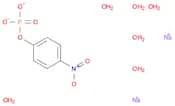
The protein encoded by this gene is an SH2-containing 5'-inositol phosphatase that is involved in the regulation of insulin function. The encoded protein also plays a role in the regulation of epidermal growth factor receptor turnover and actin remodelling. Additionally, this gene supports metastatic growth in breast cancer and is a valuable biomarker for breast cancer. [provided by RefSeq, Jan 2009],Phosphoric acid, mono(4-nitrophenyl) ester, sodium salt, hydrate(1:2:6)OTHER CA INDEX NAMES:Phosphoric acid, mono(4-nitrophenyl) ester, disodium salt, hexahydrate
CAS :Formule :C6H16NNa2O12PDegré de pureté :97%Couleur et forme :SolidMasse moléculaire :371.1440Cystatin SN rabbit pAb
The cystatin superfamily encompasses proteins that contain multiple cystatin-like sequences. Some of the members are active cysteine protease inhibitors, while others have lost or perhaps never acquired this inhibitory activity. There are three inhibitory families in the superfamily, including the type 1 cystatins (stefins), type 2 cystatins and the kininogens. The type 2 cystatin proteins are a class of cysteine proteinase inhibitors found in a variety of human fluids and secretions, where they appear to provide protective functions. The cystatin locus on chromosome 20 contains the majority of the type 2 cystatin genes and pseudogenes. This gene is located in the cystatin locus and encodes a cysteine proteinase inhibitor found in saliva, tears, urine, and seminal fluid. [provided by RefSeq, Jul 2008],ZNF460 rabbit pAb
zinc finger protein 460(ZNF460) Homo sapiens Zinc finger proteins, such as ZNF272, interact with nucleic acids and have diverse functions. The zinc finger domain is a conserved amino acid sequence motif containing 2 specifically positioned cysteines and 2 histidines that are involved in coordinating zinc. Kruppel-related proteins form 1 family of zinc finger proteins. See ZFP93 (MIM 604749) for additional information on zinc finger proteins.[supplied by OMIM, May 2004],IRX1 rabbit pAb
This gene encodes a member of the Iroquois homeobox protein family. Homeobox genes in this family are involved in pattern formation in the embryo. The gene product has been identified as a tumor suppressor in gastric (PMID: 21602894, 20440264) and head and neck cancers (PMID: 18559491). A pseudogene of this gene is located on chromosome 13. [provided by RefSeq, Dec 2011],Integrin α4 rabbit pAb
integrin subunit alpha 4(ITGA4) Homo sapiens The gene encodes a member of the integrin alpha chain family of proteins. Integrins are heterodimeric integral membrane proteins composed of an alpha chain and a beta chain that function in cell surface adhesion and signaling. The encoded preproprotein is proteolytically processed to generate light and heavy chains that comprise the alpha 4 subunit. This subunit associates with a beta 1 or beta 7 subunit to form an integrin that may play a role in cell motility and migration. This integrin is a therapeutic target for the treatment of multiple sclerosis, Crohn's disease and inflammatory bowel disease. Alternative splicing results in multiple transcript variants. [provided by RefSeq, Oct 2015],JAK2 (phospho Tyr570) rabbit pAb
This gene product is a protein tyrosine kinase involved in a specific subset of cytokine receptor signaling pathways. It has been found to be constituitively associated with the prolactin receptor and is required for responses to gamma interferon. Mice that do not express an active protein for this gene exhibit embryonic lethality associated with the absence of definitive erythropoiesis. [provided by RefSeq, Jul 2008],Ki-67 rabbit pAb
This gene encodes a nuclear protein that is associated with and may be necessary for cellular proliferation. Alternatively spliced transcript variants have been described. A related pseudogene exists on chromosome X. [provided by RefSeq, Mar 2009],CD229 rabbit pAb
LY9 belongs to the SLAM family of immunomodulatory receptors (see SLAMF1; MIM 603492) and interacts with the adaptor molecule SAP (SH2D1A; MIM 300490) (Graham et al., 2006 [PubMed 16365421]).[supplied by OMIM, Mar 2008],Tau (phospho Ser519) rabbit pAb
This gene encodes the microtubule-associated protein tau (MAPT) whose transcript undergoes complex, regulated alternative splicing, giving rise to several mRNA species. MAPT transcripts are differentially expressed in the nervous system, depending on stage of neuronal maturation and neuron type. MAPT gene mutations have been associated with several neurodegenerative disorders such as Alzheimer's disease, Pick's disease, frontotemporal dementia, cortico-basal degeneration and progressive supranuclear palsy. [provided by RefSeq, Jul 2008],Siah-1/2 rabbit pAb
This gene encodes a protein that is a member of the seven in absentia homolog (SIAH) family. The protein is an E3 ligase and is involved in ubiquitination and proteasome-mediated degradation of specific proteins. The activity of this ubiquitin ligase has been implicated in the development of certain forms of Parkinson's disease, the regulation of the cellular response to hypoxia and induction of apoptosis. Alternative splicing results in several additional transcript variants, some encoding different isoforms and others that have not been fully characterized. [provided by RefSeq, Jul 2008],GSK 3β Rabbit pAb
Glycogen synthase kinase 3 beta, also known as GSK3B, is an enzyme that in humans is encoded by the GSK3B gene.CLCN2 rabbit pAb
chloride voltage-gated channel 2(CLCN2) Homo sapiens This gene encodes a voltage-gated chloride channel. The encoded protein is a transmembrane protein that maintains chloride ion homeostasis in various cells. Defects in this gene may be a cause of certain epilepsies. Four transcript variants encoding different isoforms have been found for this gene. [provided by RefSeq, Mar 2012],ACOD rabbit pAb
This gene encodes an enzyme involved in fatty acid biosynthesis, primarily the synthesis of oleic acid. The protein belongs to the fatty acid desaturase family and is an integral membrane protein located in the endoplasmic reticulum. Transcripts of approximately 3.9 and 5.2 kb, differing only by alternative polyadenlyation signals, have been detected. A gene encoding a similar enzyme is located on chromosome 4 and a pseudogene of this gene is located on chromosome 17. [provided by RefSeq, Sep 2015],GPR133 rabbit pAb
The adhesion G-protein-coupled receptors (GPCRs), including GPR133, are membrane-bound proteins with long N termini containing multiple domains. GPCRs, or GPRs, contain 7 transmembrane domains and transduce extracellular signals through heterotrimeric G proteins (summary by Bjarnadottir et al., 2004 [PubMed 15203201]).[supplied by OMIM, Nov 2010],DYH5 rabbit pAb
This gene encodes a dynein protein, which is part of a microtubule-associated motor protein complex consisting of heavy, light, and intermediate chains. This protein is an axonemal heavy chain dynein. It functions as a force-generating protein with ATPase activity, whereby the release of ADP is thought to produce the force-producing power stroke. Mutations in this gene cause primary ciliary dyskinesia type 3, as well as Kartagener syndrome, which are both diseases due to ciliary defects. [provided by RefSeq, Oct 2009],PI3 Kinase P85α Rabbit pAb
Phosphatidylinositol-4,5-bisphosphate 3-kinase (also called phosphatidylinositide 3-kinases, phosphatidylinositol-3-kinases, PI 3-kinases, PI(3)Ks, PI-3Ks or by the HUGO official stem symbol for the gene family, PI3K(s)) are a family of enzymes involved in cellular functions such as cell growth, proliferation, differentiation, motility, survival and intracellular trafficking, which in turn are involved in cancer.CHSTC rabbit pAb
The protein encoded by this gene belongs to the sulfotransferase 2 family. It is localized to the golgi membrane, and catalyzes the transfer of sulfate to position 4 of the N-acetylgalactosamine (GalNAc) residue of chondroitin and desulfated dermatan sulfate. Chondroitin sulfate constitutes the predominant proteoglycan present in cartilage, and is distributed on the surfaces of many cells and extracellular matrices. Alternatively spliced transcript variants differing only in their 5' UTRs have been found for this gene. [provided by RefSeq, Aug 2011],IGFBP3 rabbit pAb
This gene is a member of the insulin-like growth factor binding protein (IGFBP) family and encodes a protein with an IGFBP domain and a thyroglobulin type-I domain. The protein forms a ternary complex with insulin-like growth factor acid-labile subunit (IGFALS) and either insulin-like growth factor (IGF) I or II. In this form, it circulates in the plasma, prolonging the half-life of IGFs and altering their interaction with cell surface receptors. Alternate transcriptional splice variants, encoding different isoforms, have been characterized. [provided by RefSeq, Jul 2008],SELV rabbit pAb
This gene encodes a selenoprotein, which contains a selenocysteine (Sec) residue at its active site. The selenocysteine is encoded by the UGA codon that normally signals translation termination. The 3' UTR of selenoprotein genes have a common stem-loop structure, the sec insertion sequence (SECIS), that is necessary for the recognition of UGA as a Sec codon rather than as a stop signal. [provided by RefSeq, Jul 2008],PRKRA rabbit pAb
This gene encodes a protein kinase activated by double-stranded RNA which mediates the effects of interferon in response to viral infection. Mutations in this gene have been associated with dystonia. Alternative splicing results in multiple transcript variants. [provided by RefSeq, Nov 2008],Kpm rabbit pAb
This gene encodes a serine/threonine protein kinase belonging to the LATS tumor suppressor family. The protein localizes to centrosomes during interphase, and early and late metaphase. It interacts with the centrosomal proteins aurora-A and ajuba and is required for accumulation of gamma-tubulin and spindle formation at the onset of mitosis. It also interacts with a negative regulator of p53 and may function in a positive feedback loop with p53 that responds to cytoskeleton damage. Additionally, it can function as a co-repressor of androgen-responsive gene expression. [provided by RefSeq, Jul 2008],NGAL rabbit pAb
This gene encodes a protein that belongs to the lipocalin family. Members of this family transport small hydrophobic molecules such as lipids, steroid hormones and retinoids. The protein encoded by this gene is a neutrophil gelatinase-associated lipocalin and plays a role in innate immunity by limiting bacterial growth as a result of sequestering iron-containing siderophores. The presence of this protein in blood and urine is an early biomarker of acute kidney injury. This protein is thought to be be involved in multiple cellular processes, including maintenance of skin homeostasis, and suppression of invasiveness and metastasis. Mice lacking this gene are more susceptible to bacterial infection than wild type mice. [provided by RefSeq, Sep 2015],EGR2 rabbit pAb
The protein encoded by this gene is a transcription factor with three tandem C2H2-type zinc fingers. Defects in this gene are associated with Charcot-Marie-Tooth disease type 1D (CMT1D), Charcot-Marie-Tooth disease type 4E (CMT4E), and with Dejerine-Sottas syndrome (DSS). Multiple transcript variants encoding two different isoforms have been found for this gene. [provided by RefSeq, Oct 2008],Peroxin 5 rabbit pAb
The product of this gene binds to the C-terminal PTS1-type tripeptide peroxisomal targeting signal (SKL-type) and plays an essential role in peroxisomal protein import. Peroxins (PEXs) are proteins that are essential for the assembly of functional peroxisomes. The peroxisome biogenesis disorders (PBDs) are a group of genetically heterogeneous autosomal recessive, lethal diseases characterized by multiple defects in peroxisome function. The peroxisomal biogenesis disorders are a heterogeneous group with at least 14 complementation groups and with more than 1 phenotype being observed in cases falling into particular complementation groups. Although the clinical features of PBD patients vary, cells from all PBD patients exhibit a defect in the import of one or more classes of peroxisomal matrix proteins into the organelle. Defects in this gene are a cause of neonatal adrenoleukodystrophy (NALD)AGTR1 rabbit pAb
Angiotensin II is a potent vasopressor hormone and a primary regulator of aldosterone secretion. It is an important effector controlling blood pressure and volume in the cardiovascular system. It acts through at least two types of receptors. This gene encodes the type 1 receptor which is thought to mediate the major cardiovascular effects of angiotensin II. This gene may play a role in the generation of reperfusion arrhythmias following restoration of blood flow to ischemic or infarcted myocardium. It was previously thought that a related gene, denoted as AGTR1B, existed; however, it is now believed that there is only one type 1 receptor gene in humans. Multiple alternatively spliced transcript variants have been reported for this gene. [provided by RefSeq, Jul 2012],CD69 rabbit pAb
This gene encodes a member of the calcium dependent lectin superfamily of type II transmembrane receptors. Expression of the encoded protein is induced upon activation of T lymphocytes, and may play a role in proliferation. Furthermore, the protein may act to transmit signals in natural killer cells and platelets. [provided by RefSeq, Aug 2011],HBP1 (phospho Ser402) rabbit pAb
function:Transcriptional repressor that binds to the promoter region of target genes. Plays a role in the regulation of the cell cycle and of the Wnt pathway. Binds preferentially to the sequence 5'-TTCATTCATTCA-3'. Binding to the H1F0 promoter is enhanced by interaction with RB1. Disrupts the interaction between DNA and TCF4.,similarity:Contains 1 AXH domain.,similarity:Contains 1 HMG box DNA-binding domain.,subunit:Binds the second PAH repeat of SIN3A (By similarity). Binds TCF4 and RB1.,ABCA3 rabbit pAb
The membrane-associated protein encoded by this gene is a member of the superfamily of ATP-binding cassette (ABC) transporters. ABC proteins transport various molecules across extra- and intracellular membranes. ABC genes are divided into seven distinct subfamilies (ABC1, MDR/TAP, MRP, ALD, OABP, GCN20, White). This protein is a member of the ABC1 subfamily. Members of the ABC1 subfamily comprise the only major ABC subfamily found exclusively in multicellular eukaryotes. The full transporter encoded by this gene may be involved in development of resistance to xenobiotics and engulfment during programmed cell death. [provided by RefSeq, Jul 2008],MYLK (phospho Tyr464) rabbit pAb
myosin light chain kinase(MYLK) Homo sapiens This gene, a muscle member of the immunoglobulin gene superfamily, encodes myosin light chain kinase which is a calcium/calmodulin dependent enzyme. This kinase phosphorylates myosin regulatory light chains to facilitate myosin interaction with actin filaments to produce contractile activity. This gene encodes both smooth muscle and nonmuscle isoforms. In addition, using a separate promoter in an intron in the 3' region, it encodes telokin, a small protein identical in sequence to the C-terminus of myosin light chain kinase, that is independently expressed in smooth muscle and functions to stabilize unphosphorylated myosin filaments. A pseudogene is located on the p arm of chromosome 3. Four transcript variants that produce four isoforms of the calcium/calmodulin dependent enzyme have been identified as well as two transcripts that produce two isoforms of telokin. Additional variants have beenAT8A1 rabbit pAb
The P-type adenosinetriphosphatases (P-type ATPases) are a family of proteins which use the free energy of ATP hydrolysis to drive uphill transport of ions across membranes. Several subfamilies of P-type ATPases have been identified. One subfamily catalyzes transport of heavy metal ions. Another subfamily transports non-heavy metal ions (NMHI). The protein encoded by this gene is a member of the third subfamily of P-type ATPases and acts to transport amphipaths, such as phosphatidylserine. Two transcript variants encoding different isoforms have been found for this gene. [provided by RefSeq, Jul 2008],LDH6A rabbit pAb
catalytic activity:(S)-lactate + NAD(+) = pyruvate + NADH.,pathway:Fermentation; pyruvate fermentation to lactate; (S)-lactate from pyruvate: step 1/1.,similarity:Belongs to the LDH/MDH superfamily.,similarity:Belongs to the LDH/MDH superfamily. LDH family.,Rad17 (phospho Ser645) rabbit pAb
The protein encoded by this gene is highly similar to the gene product of Schizosaccharomyces pombe rad17, a cell cycle checkpoint gene required for cell cycle arrest and DNA damage repair in response to DNA damage. This protein shares strong similarity with DNA replication factor C (RFC), and can form a complex with RFCs. This protein binds to chromatin prior to DNA damage and is phosphorylated by the checkpoint kinase ATR following damage. This protein recruits the RAD1-RAD9-HUS1 checkpoint protein complex onto chromatin after DNA damage, which may be required for its phosphorylation. The phosphorylation of this protein is required for the DNA-damage-induced cell cycle G2 arrest, and is thought to be a critical early event during checkpoint signaling in DNA-damaged cells. Multiple alternatively spliced transcript variants of this gene, which encode four distinct protein isoforms, hArkadia rabbit pAb
ring finger protein 111(RNF111) Homo sapiens The protein encoded by this gene is a nuclear RING-domain containing E3 ubiquitin ligase. This protein interacts with the transforming growth factor (TGF) -beta/NODAL signaling pathway by promoting the ubiquitination and proteosomal degradation of negative regulators, like SMAD proteins, and thereby enhances TGF-beta target-gene transcription. As a modulator of the nodal signaling cascade, this gene plays a critical role in the induction of mesoderm during embryonic development. Alternative splicing of this gene results in multiple transcript variants encoding distinct isoforms. [provided by RefSeq, Jul 2012],Oct-6 rabbit pAb
function:Transcription factor that binds to the octamer motif (5'-ATTTGCAT-3'). Thought to be involved in early embryogenesis and neurogenesis.,similarity:Belongs to the POU transcription factor family. Class-3 subfamily.,similarity:Contains 1 homeobox DNA-binding domain.,similarity:Contains 1 POU-specific domain.,tissue specificity:Expressed in embryonal stem cells and in the developing brain.,VNN2 rabbit pAb
This gene product is a member of the Vanin family of proteins that share extensive sequence similarity with each other, and also with biotinidase. The family includes secreted and membrane-associated proteins, a few of which have been reported to participate in hematopoietic cell trafficking. No biotinidase activity has been demonstrated for any of the vanin proteins, however, they possess pantetheinase activity, which may play a role in oxidative-stress response. The encoded protein is a GPI-anchored cell surface molecule that plays a role in transendothelial migration of neutrophils. This gene lies in close proximity to, and in same transcriptional orientation as two other vanin genes on chromosome 6q23-q24. Alternatively spliced transcript variants encoding different isoforms have been described for this gene. [provided by RefSeq, May 2011],Nrf2 rabbit pAb
This gene encodes a transcription factor which is a member of a small family of basic leucine zipper (bZIP) proteins. The encoded transcription factor regulates genes which contain antioxidant response elements (ARE) in their promoters; many of these genes encode proteins involved in response to injury and inflammation which includes the production of free radicals. Multiple transcript variants encoding different isoforms have been characterized for this gene. [provided by RefSeq, Sep 2015],ZO1 rabbit pAb
This gene encodes a protein located on a cytoplasmic membrane surface of intercellular tight junctions. The encoded protein may be involved in signal transduction at cell-cell junctions. Alternative splicing of this gene results in multiple transcript variants. [provided by RefSeq, Jul 2014],VEGF Rabbit pAb
VEGFA, also named as VEGF or VPF, belongs to the PDGF/VEGF growth factor family. It is a growth factor active in angiogenesis, vasculogenesis and endothelial cell growth. VEGFA induces endothelial cell proliferation, promotes cell migration, inhibits apoptosis and induces permeabilization of blood vessels. It binds to the FLT1/VEGFR1 and KDR/VEGFR2 receptors, heparan sulfate and heparin. Defects in VEGFA are associated with microvascular complications of diabetes type 1 (MVCD1). VEGFA has 17 isoforms with MW from 16 to 45 kDa. Some isoforms have homodimer forms (e.g.; VEGFA189 38kDa or VEFGA110 34kDa). VEGF-A exists in at least seven homodimeric isoforms. The monomers consist of 121, 145, 148, 165, 183, 189, or 206 amino acids (PMID:15602010 ). This antibody can recognize all VEGFA isoforms.dTMP Kinase rabbit pAb
catalytic activity:ATP + dTMP = ADP + dTDP.,function:Catalyzes the conversion of dTMP to dTDP.,pathway:Pyrimidine metabolism; dTTP biosynthesis.,similarity:Belongs to the thymidylate kinase family.,TOB1 rabbit pAb
This gene encodes a member of the transducer of erbB-2 /B-cell translocation gene protein family. Members of this family are anti-proliferative factors that have the potential to regulate cell growth. The encoded protein may function as a tumor suppressor. Alternate splicing results in multiple transcript variants. [provided by RefSeq, Aug 2011],Myogenin rabbit pAb
Myogenin is a muscle-specific transcription factor that can induce myogenesis in a variety of cell types in tissue culture. It is a member of a large family of proteins related by sequence homology, the helix-loop-helix (HLH) proteins. It is essential for the development of functional skeletal muscle. [provided by RefSeq, Jul 2008],GPDA rabbit pAb
This gene encodes a member of the NAD-dependent glycerol-3-phosphate dehydrogenase family. The encoded protein plays a critical role in carbohydrate and lipid metabolism by catalyzing the reversible conversion of dihydroxyacetone phosphate (DHAP) and reduced nicotine adenine dinucleotide (NADH) to glycerol-3-phosphate (G3P) and NAD+. The encoded cytosolic protein and mitochondrial glycerol-3-phosphate dehydrogenase also form a glycerol phosphate shuttle that facilitates the transfer of reducing equivalents from the cytosol to mitochondria. Mutations in this gene are a cause of transient infantile hypertriglyceridemia. Alternatively spliced transcript variants encoding multiple isoforms have been observed for this gene. [provided by RefSeq, Mar 2012],NPSR1 rabbit pAb
This gene encodes a member of the vasopressin/oxytocin subfamily of G protein-coupled receptors. The encoded membrane protein acts as a receptor for neuropeptide S and affects a variety of cellular processes through its signaling. Increased expression of this gene in ciliated cells of the respiratory epithelium and in bronchial smooth muscle cells is associated with asthma. Polymorphisms in this gene have also been associated with asthma susceptibility, panic disorders, inflammatory bowel disease, and rheumatoid arthritis. Alternative splicing results in multiple transcript variants. [provided by RefSeq, Jul 2014],c-Kit rabbit pAb
This gene encodes the human homolog of the proto-oncogene c-kit. C-kit was first identified as the cellular homolog of the feline sarcoma viral oncogene v-kit. This protein is a type 3 transmembrane receptor for MGF (mast cell growth factor, also known as stem cell factor). Mutations in this gene are associated with gastrointestinal stromal tumors, mast cell disease, acute myelogenous lukemia, and piebaldism. Multiple transcript variants encoding different isoforms have been found for this gene. [provided by RefSeq, Jul 2008],PROX1 rabbit pAb
The protein encoded by this gene is a member of the homeobox transcription factor family. Members of this family contain a homeobox domain that consists of a 60-amino acid helix-turn-helix structure that binds DNA and RNA. The protein encoded by this gene is conserved across vertebrates and may play an essential role during development. Altered levels of this protein have been reported in cancers of different organs, such as colon, brain, blood, breast, pancreas, liver and esophagus. Alternative splicing results in multiple transcript variants. [provided by RefSeq, Jul 2012],TPD53 rabbit pAb
This gene encodes a member of a family of proteins that contain coiled-coil domains and may form hetero- or homomers. The encoded protein is involved in cell proliferation and calcium signaling. It also interacts with the mitogen-activated protein kinase kinase kinase 5 (MAP3K5/ASK1) and positively regulates MAP3K5-induced apoptosis. Multiple alternatively spliced transcript variants have been observed. [provided by RefSeq, Jan 2016],HPGDS rabbit pAb
Prostaglandin-D synthase is a sigma class glutathione-S-transferase family member. The enzyme catalyzes the conversion of PGH2 to PGD2 and plays a role in the production of prostanoids in the immune system and mast cells. The presence of this enzyme can be used to identify the differentiation stage of human megakaryocytes. [provided by RefSeq, Jul 2008],GPR34 rabbit pAb
G protein-coupled receptors (GPCRs), such as GPR34, are integral membrane proteins containing 7 putative transmembrane domains (TMs). These proteins mediate signals to the interior of the cell via activation of heterotrimeric G proteins that in turn activate various effector proteins, ultimately resulting in a physiologic response.[supplied by OMIM, Apr 2006],OR4F3 rabbit pAb
olfactory receptor family 4 subfamily F member 3(OR4F3) Homo sapiens Olfactory receptors interact with odorant molecules in the nose, to initiate a neuronal response that triggers the perception of a smell. The olfactory receptor proteins are members of a large family of G-protein-coupled receptors (GPCR) arising from single coding-exon genes. Olfactory receptors share a 7-transmembrane domain structure with many neurotransmitter and hormone receptors and are responsible for the recognition and G protein-mediated transduction of odorant signals. The olfactory receptor gene family is the largest in the genome. The nomenclature assigned to the olfactory receptor genes and proteins for this organism is independent of other organisms. [provided by RefSeq, Jul 2008],Rad17 (phospho Ser646) rabbit pAb
The protein encoded by this gene is highly similar to the gene product of Schizosaccharomyces pombe rad17, a cell cycle checkpoint gene required for cell cycle arrest and DNA damage repair in response to DNA damage. This protein shares strong similarity with DNA replication factor C (RFC), and can form a complex with RFCs. This protein binds to chromatin prior to DNA damage and is phosphorylated by the checkpoint kinase ATR following damage. This protein recruits the RAD1-RAD9-HUS1 checkpoint protein complex onto chromatin after DNA damage, which may be required for its phosphorylation. The phosphorylation of this protein is required for the DNA-damage-induced cell cycle G2 arrest, and is thought to be a critical early event during checkpoint signaling in DNA-damaged cells. Multiple alternatively spliced transcript variants of this gene, which encode four distinct protein isoforms, hTYY1 rabbit pAb
YY1 is a ubiquitously distributed transcription factor belonging to the GLI-Kruppel class of zinc finger proteins. The protein is involved in repressing and activating a diverse number of promoters. YY1 may direct histone deacetylases and histone acetyltransferases to a promoter in order to activate or repress the promoter, thus implicating histone modification in the function of YY1. [provided by RefSeq, Jul 2008],CNIH2 rabbit pAb
The protein encoded by this gene is an auxiliary subunit of the ionotropic glutamate receptor of the AMPA subtype. AMPA receptors mediate fast synaptic neurotransmission in the central nervous system. This protein has been reported to interact with the Type I AMPA receptor regulatory protein isoform gamma-8 to control assembly of hippocampal AMPA receptor complexes, thereby modulating receptor gating and pharmacology. Alternative splicing results in multiple transcript variants. [provided by RefSeq, Aug 2012],