Anticorps primaires
Les anticorps primaires sont des immunoglobulines qui se lient spécifiquement à un antigène d'intérêt, permettant la détection et la quantification de protéines, peptides ou autres biomolécules. Ces anticorps sont des outils essentiels dans de nombreuses applications, notamment le Western blot, l'immunohistochimie et l'ELISA. Chez CymitQuimica, nous proposons une vaste sélection d'anticorps primaires de haute qualité, offrant spécificité et sensibilité pour divers besoins de recherche, notamment en cancérologie, immunologie et biologie cellulaire.
Sous-catégories appartenant à la catégorie "Anticorps primaires"
- Anticorps pour la recherche sur le cancer(3.620 produits)
- Anticorps cardio-vasculaires(2 produits)
- Biologie du développement(751 produits)
- Anticorps relatifs à l’épigénétique(162 produits)
- Anticorps d'immunologie(2.793 produits)
- Anticorps du métabolisme(279 produits)
- Anticorps de microbiologie(736 produits)
- Transduction du signal(2.717 produits)
- Tags & Marqueurs cellulaires(33 produits)
Affichez 1 plus de sous-catégories
75326 produits trouvés pour "Anticorps primaires"
Trier par
Degré de pureté (%)
0
100
|
0
|
50
|
90
|
95
|
100
RASA2 rabbit pAb
The protein encoded by this gene is member of the GAP1 family of GTPase-activating proteins. The gene product stimulates the GTPase activity of normal RAS p21 but not its oncogenic counterpart. Acting as a suppressor of RAS function, the protein enhances the weak intrinsic GTPase activity of RAS proteins resulting in the inactive GDP-bound form of RAS, thereby allowing control of cellular proliferation and differentiation. Alternative splicing results in multiple transcript variants. [provided by RefSeq, Dec 2014],DAPK3 (phospho Thr265) rabbit pAb
Death-associated protein kinase 3 (DAPK3) induces morphological changes in apoptosis when overexpressed in mammalian cells. These results suggest that DAPK3 may play a role in the induction of apoptosis. [provided by RefSeq, Jul 2008],UTP14A rabbit pAb
This gene encodes a member of the uridine triphosphate 14 family. As an essential component of a large ribonucleoprotein complex bound to the U3 small nucleolar RNA, the encoded protein is involved in ribosome biogenesis and 18S rRNA synthesis. An autosomal retrotransposed copy of this X-linked gene exists on chromosome 13. Alternative splicing results in multiple transcript variants.[provided by RefSeq, Oct 2009],AQP5 rabbit pAb
Aquaporin 5 (AQP5) is a water channel protein. Aquaporins are a family of small integral membrane proteins related to the major intrinsic protein (MIP or AQP0). Aquaporin 5 plays a role in the generation of saliva, tears and pulmonary secretions. AQP0, AQP2, AQP5, and AQP6 are closely related and all map to 12q13. [provided by RefSeq, Jul 2008],14-3-3 η rabbit pAb
This gene product belongs to the 14-3-3 family of proteins which mediate signal transduction by binding to phosphoserine-containing proteins. This highly conserved protein family is found in both plants and mammals, and this protein is 99% identical to the mouse, rat and bovine orthologs. This gene contains a 7 bp repeat sequence in its 5' UTR, and changes in the number of this repeat have been associated with early-onset schizophrenia and psychotic bipolar disorder. [provided by RefSeq, Jun 2009],NPRL2 rabbit pAb
function:Suppresses Src-dependent tyrosine phosphorylation and activation of PDPK1 and its downstream signaling. Down-regulates PDPK1 kinase activity by interfering with tyrosine phosphorylation at the Tyr-9 Tyr-373 and Tyr-376 residues. May act as a tumor suppressor. Suppresses cell growth and enhanced sensitivity to various anticancer drugs.,similarity:Belongs to the NPR2 family.,subunit:Interacts with PDPK1.,tissue specificity:Most abundant in skeletal muscle, followed by brain, liver and pancreas, with lower amounts in lung, kidney, placenta and heart. Expressed in most lung cancer cell lines tested.,SUV91 rabbit pAb
This gene encodes an evolutionarily-conserved protein containing an N-terminal chromodomain and a C-terminal SET domain. The encoded protein is a histone methyltransferase that trimethylates lysine 9 of histone H3, which results in transcriptional gene silencing. Loss of function of this gene disrupts heterochromatin formation and may cause chromosome instability. Alternative splicing results in multiple transcript variants. [provided by RefSeq, Aug 2013],Met (Phospho Tyr1235) rabbit pAb
catalytic activity:ATP + a [protein]-L-tyrosine = ADP + a [protein]-L-tyrosine phosphate.,disease:Activation of MET after rearrangement with the TPR gene produces an oncogenic protein.,disease:Defects in MET are a cause of hepatocellular carcinoma (HCC) [MIM:114550].,disease:Defects in MET are a cause of hereditary papillary renal carcinoma (HPRC) [MIM:605074]; also known as papillary renal cell carcinoma 2 (RCCP2). HPRC is a form of inherited kidney cancer characterized by a predisposition to develop multiple, bilateral papillary renal tumors. The pattern of inheritance is consistent with autosomal dominant transmission with reduced penetrance.,disease:Defects in MET may be associated with gastric cancer.,disease:Genetic variations in MET may be associated with susceptibility to autism type 9 (AUTS9) [MIM:611015]. Autism is a neurodevelopmental disorder characterized by disturbance in language, perception and socialization. The disorder is classically defined by a triad of limited or absent verbal communication, a lack of reciprocal social interaction or responsiveness, and restricted, stereotypical, and ritualized patterns of interests and behavior.,domain:The kinase domain is involved in SPSB1 binding.,function:Receptor for hepatocyte growth factor and scatter factor. Has a tyrosine-protein kinase activity. Functions in cell proliferation, scattering, morphogenesis and survival.,online information:C-MET entry,similarity:Belongs to the protein kinase superfamily. Tyr protein kinase family.,similarity:Contains 1 protein kinase domain.,similarity:Contains 1 Sema domain.,similarity:Contains 3 IPT/TIG domains.,subunit:Heterodimer formed of an alpha chain (50 kDa) and a beta chain (145 kDa) which are disulfide linked. Binds PLXNB1 and GRB2. Interacts with SPSB1, SPSB2 and SPSB4 (By similarity). Interacts with INPP5D/SHIP1. When phosphorylated at Tyr-1356, interacts with INPPL1/SHIP2. Interacts with RANBP9 and RANBP10, as well as SPSB1, SPSB2, SPSB3 and SPSB4. SPSB1 binding occurs in the presence and in the absence of HGF, however HGF treatment has a positive effect on this interaction. Interacts with MUC20; prevents interaction with GRB2 and suppresses hepatocyte growth factor-induced cell proliferation.,MRP-S21 rabbit pAb
Mammalian mitochondrial ribosomal proteins are encoded by nuclear genes and help in protein synthesis within the mitochondrion. Mitochondrial ribosomes (mitoribosomes) consist of a small 28S subunit and a large 39S subunit. They have an estimated 75% protein to rRNA composition compared to prokaryotic ribosomes, where this ratio is reversed. Another difference between mammalian mitoribosomes and prokaryotic ribosomes is that the latter contain a 5S rRNA. Among different species, the proteins comprising the mitoribosome differ greatly in sequence, and sometimes in biochemical properties, which prevents easy recognition by sequence homology. This gene encodes a 28S subunit protein that belongs to the ribosomal protein S21P family. Pseudogenes corresponding to this gene are found on chromosomes 1p, 1q, 9p, 10p, 10q, 16q, and 17q. Available sequence data analyses identified splice varianANS1A rabbit pAb
function:May play a negative role in growth factor receptor signaling pathways.,PTM:Phosphorylated on tyrosine residues in response to EGF and PDGF.,similarity:Contains 1 PID domain.,similarity:Contains 2 SAM (sterile alpha motif) domains.,similarity:Contains 6 ANK repeats.,subcellular location:Cytoplasmic before and after growth factor treatment.,tissue specificity:Widely expressed (at protein level).,Topo IIα (phospho Thr1343) rabbit pAb
This gene encodes a DNA topoisomerase, an enzyme that controls and alters the topologic states of DNA during transcription. This nuclear enzyme is involved in processes such as chromosome condensation, chromatid separation, and the relief of torsional stress that occurs during DNA transcription and replication. It catalyzes the transient breaking and rejoining of two strands of duplex DNA which allows the strands to pass through one another, thus altering the topology of DNA. Two forms of this enzyme exist as likely products of a gene duplication event. The gene encoding this form, alpha, is localized to chromosome 17 and the beta gene is localized to chromosome 3. The gene encoding this enzyme functions as the target for several anticancer agents and a variety of mutations in this gene have been associated with the development of drug resistance. Reduced activity of this enzyme may also plaS36A2 rabbit pAb
This gene encodes a pH-dependent proton-coupled amino acid transporter that belongs to the amino acid auxin permease 1 protein family. The encoded protein primarily transports small amino acids such as glycine, alanine and proline. Mutations in this gene are associated with iminoglycinuria and hyperglycinuria. [provided by RefSeq, Sep 2010],Neu (phospho Tyr1112) rabbit pAb
This gene encodes a member of the epidermal growth factor (EGF) receptor family of receptor tyrosine kinases. This protein has no ligand binding domain of its own and therefore cannot bind growth factors. However, it does bind tightly to other ligand-bound EGF receptor family members to form a heterodimer, stabilizing ligand binding and enhancing kinase-mediated activation of downstream signalling pathways, such as those involving mitogen-activated protein kinase and phosphatidylinositol-3 kinase. Allelic variations at amino acid positions 654 and 655 of isoform a (positions 624 and 625 of isoform b) have been reported, with the most common allele, Ile654/Ile655, shown here. Amplification and/or overexpression of this gene has been reported in numerous cancers, including breast and ovarian tumors. Alternative splicing results in several additional transcript variants, some encoding dCCL1 rabbit pAb
This antimicrobial gene is one of several chemokine genes clustered on the q-arm of chromosome 17. Chemokines form a superfamily of secreted proteins involved in immunoregulatory and inflammatory processes. The superfamily is divided into four subfamilies based on the arrangement of the N-terminal cysteine residues of the mature peptide. This chemokine, a member of the CC subfamily, is secreted by activated T cells and displays chemotactic activity for monocytes but not for neutrophils. It binds to the chemokine (C-C motif) receptor 8. [provided by RefSeq, Sep 2014],OR5R1 rabbit pAb
Olfactory receptors interact with odorant molecules in the nose, to initiate a neuronal response that triggers the perception of a smell. The olfactory receptor proteins are members of a large family of G-protein-coupled receptors (GPCR) arising from single coding-exon genes. Olfactory receptors share a 7-transmembrane domain structure with many neurotransmitter and hormone receptors and are responsible for the recognition and G protein-mediated transduction of odorant signals. The olfactory receptor gene family is the largest in the genome. The nomenclature assigned to the olfactory receptor genes and proteins for this organism is independent of other organisms. This olfactory receptor gene is a segregating pseudogene, where some individuals have an allele that encodes a functional olfactory receptor, while other individuals have an allele encoding aHistone H2A (phospho Thr121) rabbit pAb
Histones are basic nuclear proteins that are responsible for the nucleosome structure of the chromosomal fiber in eukaryotes. Two molecules of each of the four core histones (H2A, H2B, H3, and H4) form an octamer, around which approximately 146 bp of DNA is wrapped in repeating units, called nucleosomes. The linker histone, H1, interacts with linker DNA between nucleosomes and functions in the compaction of chromatin into higher order structures. This gene is intronless and encodes a replication-dependent histone that is a member of the histone H2A family. Transcripts from this gene lack polyA tails but instead contain a palindromic termination element. This gene is found in the small histone gene cluster on chromosome 6p22-p21.3. [provided by RefSeq, Aug 2015],OB-cadherin rabbit pAb
This gene encodes a type II classical cadherin from the cadherin superfamily, integral membrane proteins that mediate calcium-dependent cell-cell adhesion. Mature cadherin proteins are composed of a large N-terminal extracellular domain, a single membrane-spanning domain, and a small, highly conserved C-terminal cytoplasmic domain. Type II (atypical) cadherins are defined based on their lack of a HAV cell adhesion recognition sequence specific to type I cadherins. Expression of this particular cadherin in osteoblastic cell lines, and its upregulation during differentiation, suggests a specific function in bone development and maintenance. [provided by RefSeq, Jul 2008],HDAC1 (Acetyl Lys432) rabbit pAb
catalytic activity:Hydrolysis of an N(6)-acetyl-lysine residue of a histone to yield a deacetylated histone.,function:Responsible for the deacetylation of lysine residues on the N-terminal part of the core histones (H2A, H2B, H3 and H4). Histone deacetylation gives a tag for epigenetic repression and plays an important role in transcriptional regulation, cell cycle progression and developmental events. Histone deacetylases act via the formation of large multiprotein complexes.,PTM:Phosphorylation on Ser-421 and Ser-423 promotes enzymatic activity and interactions with NuRD and SIN3 complexes.,PTM:Sumoylated on Lys-444 and Lys-476; which promotes enzymatic activity. Desumoylated by SENP1.,similarity:Belongs to the histone deacetylase family. Type 1 subfamily.,subunit:Part of the core histone deacetylase (HDAC) complex composed of HDAC1, HDAC2, RBBP4 and RBBP7. The core complex associates with MTA2, MBD2, MBD3, MTA1L1, CHD3 and CHD4 to form the nucleosome remodeling and histone deacetylation (NuRD) complex, or with SIN3, SAP18 and SAP30 to form the SIN3 HDAC complex. Component of a BHC histone deacetylase complex that contains HDAC1, HDAC2, HMG20B/BRAF35, AOF2/LSD1, RCOR1/CoREST and PHF21A/BHC80. The BHC complex may also contain ZMYM2, ZNF217, ZMYM3, GSE1 and GTF2I. Associates with the 9-1-1 complex; interacts with HUS1. Found in a complex with DNMT3A and HDAC7. Interacts with BCOR, BRMS1L, DAXX, DNMT1, EP300, HCFC1, NFE4, PCAF, PHB2, MIER1, KDM4A, MINT, NRIP1, PRDM6, RERE, SETDB1, SUV39H1, TGIF, TGIF2, UHRF1, UHRF2 and ZNF541. Interacts with the non-histone region of H2AFY. Interacts with HDAC9. Component of a mSin3A corepressor complex that contains SIN3A, SAP130, SUDS3/SAP45, ARID4B/SAP180, HDAC1 and HDAC2. Interacts with BANP, CBFA2T3 and KDM5B. Interacts with SAP30L. Interacts with E4F1. Interacts with KFL1 (By similarity). Interacts with SV40 large T antigen.,tissue specificity:Ubiquitous, with higher levels in heart, pancreas and testis, and lower levels in kidney and brain.,p130 Cas (phospho Tyr410) rabbit pAb
BCAR1, or CAS, is an Src (MIM 190090) family kinase substrate involved in various cellular events, including migration, survival, transformation, and invasion (Sawada et al., 2006 [PubMed 17129785]).[supplied by OMIM, May 2009],Myosin IXb rabbit pAb
This gene encodes a member of the myosin family of actin-based molecular motor heavy chain proteins. The protein represents an unconventional myosin; it should not be confused with the conventional non-muscle myosin-9 (MYH9). The protein has four IQ motifs located in the neck domain that bind calmodulin, which serves as a light chain. The protein complex has a single-headed structure and exhibits processive movement on actin filaments toward the minus-end. The protein also has rho-GTPase activity. Polymorphisms in this gene are associated with celiac disease and ulcerative colitis susceptibility. Multiple transcript variants encoding different isoforms have been found for this gene. [provided by RefSeq, Dec 2011],NU2M rabbit pAb
catalytic activity:NADH + ubiquinone = NAD(+) + ubiquinol.,disease:Defects in MT-ND2 are a cause of Leber hereditary optic neuropathy (LHON) [MIM:535000]. LHON is a maternally inherited disease resulting in acute or subacute loss of central vision, due to optic nerve dysfunction. Cardiac conduction defects and neurological defects have also been described in some patients. LHON results from primary mitochondrial DNA mutations affecting the respiratory chain complexes.,disease:Defects in MT-ND2 may be associated with mitochondrial susceptibility to Alzheimer disease (AD) [MIM:502500].,function:Core subunit of the mitochondrial membrane respiratory chain NADH dehydrogenase (Complex I) that is believed to belong to the minimal assembly required for catalysis. Complex I functions in the transfer of electrons from NADH to the respiratory chain. The immediate electron acceptor for the enzyme is believed to be ubiquinone.,similarity:Belongs to the complex I subunit 2 family.,NPHP3 rabbit pAb
This gene encodes a protein containing a coiled-coil (CC) domain, a tubulin-tyrosine ligase (TTL) domain, and a tetratrico peptide repeat (TPR) domain. The encoded protein interacts with nephrocystin, it is required for normal ciliary development, and it functions in renal tubular development. Mutations in this gene are associated with nephronophthisis type 3, and also with renal-hepatic-pancreatic dysplasia, and Meckel syndrome type 7. Naturally occurring read-through transcripts exist between this gene and the downstream ACAD11 (acyl-CoA dehydrogenase family, member 11) gene. [provided by RefSeq, Feb 2011],S29A2 rabbit pAb
The uptake of nucleosides by transporters, such as SLC29A2, is essential for nucleotide synthesis by salvage pathways in cells that lack de novo biosynthetic pathways. Nucleoside transport also plays a key role in the regulation of many physiologic processes through its effect on adenosine concentration at the cell surface (Griffiths et al., 1997 [PubMed 9396714]).[supplied by OMIM, Nov 2008],JAK2 (phospho Tyr119) rabbit pAb
This gene product is a protein tyrosine kinase involved in a specific subset of cytokine receptor signaling pathways. It has been found to be constituitively associated with the prolactin receptor and is required for responses to gamma interferon. Mice that do not express an active protein for this gene exhibit embryonic lethality associated with the absence of definitive erythropoiesis. [provided by RefSeq, Jul 2008],Chk2 (phospho-Ser19) rabbit pAb
In response to DNA damage and replication blocks, cell cycle progression is halted through the control of critical cell cycle regulators. The protein encoded by this gene is a cell cycle checkpoint regulator and putative tumor suppressor. It contains a forkhead-associated protein interaction domain essential for activation in response to DNA damage and is rapidly phosphorylated in response to replication blocks and DNA damage. When activated, the encoded protein is known to inhibit CDC25C phosphatase, preventing entry into mitosis, and has been shown to stabilize the tumor suppressor protein p53, leading to cell cycle arrest in G1. In addition, this protein interacts with and phosphorylates BRCA1, allowing BRCA1 to restore survival after DNA damage. Mutations in this gene have been linked with Li-Fraumeni syndrome, a highly penetrant familial cancer phenotype usually associated with inherited mutatiPIG-F rabbit pAb
This gene encodes a protein involved in glycosylphosphatidylinositol (GPI)-anchor biosynthesis. The GPI-anchor, a glycolipid containing three mannose molecules in its core backbone, is found on many blood cells where it serves to anchor proteins to the cell surface. The encoded protein and another GPI synthesis protein, PIGO, function in the transfer of ethanolaminephosphate to the third mannose in GPI. Alternatively spliced transcript variants encoding different isoforms have been described. [provided by RefSeq, Jul 2008],NAB2 rabbit pAb
This gene encodes a member of the family of NGFI-A binding (NAB) proteins, which function in the nucleus to repress transcription induced by some members of the EGR (early growth response) family of transactivators. NAB proteins can homo- or hetero-multimerize with other EGR or NAB proteins through a conserved N-terminal domain, and repress transcription through two partially redundant C-terminal domains. Transcriptional repression by the encoded protein is mediated in part by interactions with the nucleosome remodeling and deactylase (NuRD) complex. Alternatively spliced transcript variants have been described, but their biological validity has not been determined. [provided by RefSeq, Jul 2008],hnRNP K (phospho Ser284) rabbit pAb
This gene belongs to the subfamily of ubiquitously expressed heterogeneous nuclear ribonucleoproteins (hnRNPs). The hnRNPs are RNA binding proteins and they complex with heterogeneous nuclear RNA (hnRNA). These proteins are associated with pre-mRNAs in the nucleus and appear to influence pre-mRNA processing and other aspects of mRNA metabolism and transport. While all of the hnRNPs are present in the nucleus, some seem to shuttle between the nucleus and the cytoplasm. The hnRNP proteins have distinct nucleic acid binding properties. The protein encoded by this gene is located in the nucleoplasm and has three repeats of KH domains that binds to RNAs. It is distinct among other hnRNP proteins in its binding preference; it binds tenaciously to poly(C). This protein is also thought to have a role during cell cycle progession. Several alternatively spliced transcript variants haveHSP90 α Mouse mAb
Hsp90 (heat shock protein 90) is a chaperone protein that assists other proteins to fold properly, stabilizes proteins against heat stress, and aids in protein degradation. In mammalian cells, there are two or more genes encoding cytosolic Hsp90 homologues, with the human Hsp90α showing 85% sequence identity to Hsp90β.AT2C2 rabbit pAb
catalytic activity:ATP + H(2)O + Ca(2+)(Cis) = ADP + phosphate + Ca(2+)(Trans).,function:This magnesium-dependent enzyme catalyzes the hydrolysis of ATP coupled with the transport of calcium.,similarity:Belongs to the cation transport ATPase (P-type) family.,similarity:Belongs to the cation transport ATPase (P-type) family. Type IIA subfamily.,NKX62 rabbit pAb
similarity:Contains 1 homeobox DNA-binding domain.,tissue specificity:Highest expression in brain.,PDGFR-α (phospho Tyr754) rabbit pAb
This gene encodes a cell surface tyrosine kinase receptor for members of the platelet-derived growth factor family. These growth factors are mitogens for cells of mesenchymal origin. The identity of the growth factor bound to a receptor monomer determines whether the functional receptor is a homodimer or a heterodimer, composed of both platelet-derived growth factor receptor alpha and beta polypeptides. Studies suggest that this gene plays a role in organ development, wound healing, and tumor progression. Mutations in this gene have been associated with idiopathic hypereosinophilic syndrome, somatic and familial gastrointestinal stromal tumors, and a variety of other cancers. [provided by RefSeq, Mar 2012],PAX3 rabbit pAb
This gene is a member of the paired box (PAX) family of transcription factors. Members of the PAX family typically contain a paired box domain and a paired-type homeodomain. These genes play critical roles during fetal development. Mutations in paired box gene 3 are associated with Waardenburg syndrome, craniofacial-deafness-hand syndrome, and alveolar rhabdomyosarcoma. The translocation t(2;13)(q35;q14), which represents a fusion between PAX3 and the forkhead gene, is a frequent finding in alveolar rhabdomyosarcoma. Alternative splicing results in transcripts encoding isoforms with different C-termini. [provided by RefSeq, Jul 2008],Nuclear Receptor NR4A1 (Phospho-Ser351) Antibody
This gene encodes a member of the steroid-thyroid hormone-retinoid receptor superfamily. Expression is induced by phytohemagglutinin in human lymphocytes and by serum stimulation of arrested fibroblasts. The encoded protein acts as a nuclear transcription factor. Translocation of the protein from the nucleus to mitochondria induces apoptosis. Multiple transcript variants encoding different isoforms have been found for this gene. [provided by RefSeq, Jan 2011],ApoL4 rabbit pAb
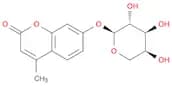
The protein encoded by this gene is a member of the apolipoprotein L family and may play a role in lipid exchange and transport throughout the body, as well as in reverse cholesterol transport from peripheral cells to the liver. Two transcript variants encoding two different isoforms have been found for this gene. Only one of the isoforms appears to be a secreted protein. [provided by RefSeq, Jul 2008],4-Methylumbelliferyl a-L-arabinopyranoside
CAS :Formule :C15H16O7Degré de pureté :98%Couleur et forme :SolidMasse moléculaire :308.2833L(+)-Lactic Acid
CAS :Formule :C3H6O3Degré de pureté :75%Couleur et forme :LiquidMasse moléculaire :90.0779C1S (light chain, Cleaved-Ile438) rabbit pAb
catalytic activity:Cleavage of Arg-|-Ala bond in complement component C4 to form C4a and C4b, and Lys(or Arg)-|-Lys bond in complement component C2 to form C2a and C2b: the 'classical' pathway C3 convertase.,disease:Defects in C1S are the cause of selective C1s deficiency [MIM:120580]; that is associated with early onset multiple autoimmune diseases.,enzyme regulation:Inhibited by SERPING1.,function:C1s B chain is a serine protease that combines with C1q and C1s to form C1, the first component of the classical pathway of the complement system. C1r activates C1s so that it can, in turn, activate C2 and C4.,online information:C1S mutation db,PTM:The iron and 2-oxoglutarate dependent 3-hydroxylation of aspartate and asparagine is (R) stereospecific within EGF domains.,similarity:Belongs to the peptidase S1 family.,similarity:Contains 1 EGF-like domain.,similarity:Contains 1 peptidase S1 domain.,similarity:Contains 2 CUB domains.,similarity:Contains 2 Sushi (CCP/SCR) domains.,subunit:C1 is a calcium-dependent trimolecular complex of C1q, C1r and C1s in the molar ration of 1:2:2. Activated C1s is an disulfide-linked heterodimer of a heavy chain and a light chain.,AMMR1 rabbit pAb
The exact function of this gene is not known, however, submicroscopic deletion of the X chromosome including this gene, COL4A5, and FACL4 genes, result in a contiguous gene deletion syndrome, the AMME complex (Alport syndrome, mental retardation, midface hypoplasia, and elliptocytosis). Alternatively spliced transcript variants encoding different isoforms have been found for this gene. [provided by RefSeq, Jan 2010],ATM Rabbit pAb
Ataxia telangiectasia mutated kinase (ATM) is a serine/threonine kinase that regulates cell cycle checkpoints and DNA repair. ATM kinase regulates a number of proteins involved in cell cycle checkpoint control, apoptosis, and DNA repair.G2A rabbit pAb
This gene encodes a member of the guanine nucleotide-binding protein (G protein)-coupled receptor (GPCR) superfamily. The receptors are seven-pass transmembrane proteins that respond to extracellular cues and activate intracellular signal transduction pathways. This protein was reported to be a receptor for lysophosphatidylcholine action, but PubMedID: 15653487 retracts this finding and instead suggests this protein to be an effector of lysophosphatidylcholine action. This protein may have proton-sensing activity and may be a receptor for oxidized free fatty acids. Alternative splicing results in multiple transcript variants. [provided by RefSeq, Jul 2013],Oxr1 rabbit pAb
function:May be involved in protection from oxidative damage.,induction:By heat and oxidative stress.,PTM:Phosphorylated upon DNA damage, probably by ATM or ATR.,similarity:Belongs to the OXR1 family.,similarity:Contains 1 GRAM domain.,similarity:Contains 1 LysM repeat.,similarity:Contains 1 TLD domain.,CD89 rabbit pAb
This gene is a member of the immunoglobulin gene superfamily and encodes a receptor for the Fc region of IgA. The receptor is a transmembrane glycoprotein present on the surface of myeloid lineage cells such as neutrophils, monocytes, macrophages, and eosinophils, where it mediates immunologic responses to pathogens. It interacts with IgA-opsonized targets and triggers several immunologic defense processes, including phagocytosis, antibody-dependent cell-mediated cytotoxicity, and stimulation of the release of inflammatory mediators. Multiple alternatively spliced transcript variants encoding different isoforms have been described for this gene. [provided by RefSeq, Jul 2008],VGLL2 rabbit pAb
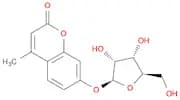
This gene encodes a protein with a transcriptional enhancer factor 1 (TEF-1) interaction domain. The encoded protein may act as a co-factor of TEF-1 regulated gene expression during skeletal muscle development. Alternatively spliced transcript variants encoding multiple isoforms have been observed. [provided by RefSeq, Jul 2012],4-Methylumbelliferyl β-D-ribofuranoside
CAS :Formule :C15H16O7Degré de pureté :98%Couleur et forme :SolidMasse moléculaire :308.2833CX059 rabbit pAb
While this gene is well-supported by transcript data, no functional information on its protein product is currently available. [provided by RefSeq, Dec 2009],6CKine rabbit pAb
This antimicrobial gene is one of several CC cytokine genes clustered on the p-arm of chromosome 9. Cytokines are a family of secreted proteins involved in immunoregulatory and inflammatory processes. The CC cytokines are proteins characterized by two adjacent cysteines. Similar to other chemokines the protein encoded by this gene inhibits hemopoiesis and stimulates chemotaxis. This protein is chemotactic in vitro for thymocytes and activated T cells, but not for B cells, macrophages, or neutrophils. The cytokine encoded by this gene may also play a role in mediating homing of lymphocytes to secondary lymphoid organs. It is a high affinity functional ligand for chemokine receptor 7 that is expressed on T and B lymphocytes and a known receptor for another member of the cytokine family (small inducible cytokine A19). [provided by RefSeq, Sep 2014],P rabbit pAb
This gene encodes the human homolog of the mouse p (pink-eyed dilution) gene. The encoded protein is believed to be an integral membrane protein involved in small molecule transport, specifically tyrosine, which is a precursor to melanin synthesis. It is involved in mammalian pigmentation, where it may control skin color variation and act as a determinant of brown or blue eye color. Mutations in this gene result in type 2 oculocutaneous albinism. Alternative splicing results in multiple transcript variants. [provided by RefSeq, Jul 2014],GPR38 rabbit pAb
Motilin is a 22 amino acid peptide hormone expressed throughout the gastrointestinal (GI) tract. The protein encoded by this gene is a motilin receptor which is a member of the G-protein coupled receptor 1 family. This member is a multi-pass transmembrane protein, and is an important therapeutic target for the treatment of hypomotility disorders. [provided by RefSeq, Aug 2011],IRAK-1 (phospho Thr100) rabbit pAb
This gene encodes the interleukin-1 receptor-associated kinase 1, one of two putative serine/threonine kinases that become associated with the interleukin-1 receptor (IL1R) upon stimulation. This gene is partially responsible for IL1-induced upregulation of the transcription factor NF-kappa B. Alternatively spliced transcript variants encoding different isoforms have been found for this gene. [provided by RefSeq, Jul 2008],Catenin-β (phospho Ser37) rabbit pAb
The protein encoded by this gene is part of a complex of proteins that constitute adherens junctions (AJs). AJs are necessary for the creation and maintenance of epithelial cell layers by regulating cell growth and adhesion between cells. The encoded protein also anchors the actin cytoskeleton and may be responsible for transmitting the contact inhibition signal that causes cells to stop dividing once the epithelial sheet is complete. Finally, this protein binds to the product of the APC gene, which is mutated in adenomatous polyposis of the colon. Mutations in this gene are a cause of colorectal cancer (CRC), pilomatrixoma (PTR), medulloblastoma (MDB), and ovarian cancer. Alternative splicing results in multiple transcript variants. [provided by RefSeq, Aug 2016],C/EBP α (phospho Thr226) rabbit pAb
This intronless gene encodes a transcription factor that contains a basic leucine zipper (bZIP) domain and recognizes the CCAAT motif in the promoters of target genes. The encoded protein functions in homodimers and also heterodimers with CCAAT/enhancer-binding proteins beta and gamma. Activity of this protein can modulate the expression of genes involved in cell cycle regulation as well as in body weight homeostasis. Mutation of this gene is associated with acute myeloid leukemia. The use of alternative in-frame non-AUG (GUG) and AUG start codons results in protein isoforms with different lengths. Differential translation initiation is mediated by an out-of-frame, upstream open reading frame which is located between the GUG and the first AUG start codons. [provided by RefSeq, Dec 2013],MeCP2 rabbit pAb
DNA methylation is the major modification of eukaryotic genomes and plays an essential role in mammalian development. Human proteins MECP2, MBD1, MBD2, MBD3, and MBD4 comprise a family of nuclear proteins related by the presence in each of a methyl-CpG binding domain (MBD). Each of these proteins, with the exception of MBD3, is capable of binding specifically to methylated DNA. MECP2, MBD1 and MBD2 can also repress transcription from methylated gene promoters. In contrast to other MBD family members, MECP2 is X-linked and subject to X inactivation. MECP2 is dispensible in stem cells, but is essential for embryonic development. MECP2 gene mutations are the cause of most cases of Rett syndrome, a progressive neurologic developmental disorder and one of the most common causes of mental retardation in females. Alternative splicing results in multiple transcript variants encoding different isoforNDUFV2 rabbit pAb
The NADH-ubiquinone oxidoreductase complex (complex I) of the mitochondrial respiratory chain catalyzes the transfer of electrons from NADH to ubiquinone, and consists of at least 43 subunits. The complex is located in the inner mitochondrial membrane. This gene encodes the 24 kDa subunit of complex I, and is involved in electron transfer. Mutations in this gene are implicated in Parkinson's disease, bipolar disorder, schizophrenia, and have been found in one case of early onset hypertrophic cardiomyopathy and encephalopathy. A non-transcribed pseudogene of this locus is found on chromosome 19. [provided by RefSeq, Oct 2009],NFATc3 rabbit pAb
The product of this gene is a member of the nuclear factors of activated T cells DNA-binding transcription complex. This complex consists of at least two components: a preexisting cytosolic component that translocates to the nucleus upon T cell receptor (TCR) stimulation and an inducible nuclear component. Other members of this family participate to form this complex also. The product of this gene plays a role in the regulation of gene expression in T cells and immature thymocytes. Several transcript variants encoding distinct isoforms have been identified for this gene. [provided by RefSeq, Nov 2010],IRE1α rabbit pAb
The protein encoded by this gene is the ER to nucleus signalling 1 protein, a human homologue of the yeast Ire1 gene product. This protein possesses intrinsic kinase activity and an endoribonuclease activity and it is important in altering gene expression as a response to endoplasmic reticulum-based stress signals. [provided by RefSeq, Jul 2008],ZN574 rabbit pAb
function:May be involved in transcriptional regulation.,PTM:Phosphorylated upon DNA damage, probably by ATM or ATR.,similarity:Belongs to the krueppel C2H2-type zinc-finger protein family.,similarity:Contains 20 C2H2-type zinc fingers.,p53 Rabbit pAb
tumor protein p53(TP53) Homo sapiens This gene encodes a tumor suppressor protein containing transcriptional activation, DNA binding, and oligomerization domains. The encoded protein responds to diverse cellular stresses to regulate expression of target genes, thereby inducing cell cycle arrest, apoptosis, senescence, DNA repair, or changes in metabolism. Mutations in this gene are associated with a variety of human cancers, including hereditary cancers such as Li-Fraumeni syndrome. Alternative splicing of this gene and the use of alternate promoters result in multiple transcript variants and isoforms. Additional isoforms have also been shown to result from the use of alternate translation initiation codons (PMIDs: 12032546, 20937277). [provided by RefSeq, Feb 2013],TIMAP rabbit pAb
The protein encoded by this gene is membrane-associated and contains five ankyrin repeats, a protein phosphatase-1-interacting domain, and a carboxy-terminal CAAX box domain. Synthesis of the encoded protein is inhibited by transforming growth factor beta-1. The protein may bind to the membrane through its CAAX box domain and may act as a signaling molecule through interaction with protein phosphatase-1. Alternative splicing results in multiple transcript variants encoding different isoforms that may undergo similar processing to generate mature protein. [provided by RefSeq, Sep 2015],Mnk1 (phospho Thr250) rabbit pAb
MAP kinase interacting serine/threonine kinase 1(MKNK1) Homo sapiens This gene encodes a Ser/Thr protein kinase that interacts with, and is activated by ERK1 and p38 mitogen-activated protein kinases, and thus may play a role in the response to environmental stress and cytokines. This kinase may also regulate transcription by phosphorylating eIF4E via interaction with the C-terminal region of eIF4G. Alternatively spliced transcript variants have been noted for this gene. [provided by RefSeq, Jan 2012],Histone H3 (Tri-Methyl-K10) rabbit pAb
Histones are basic nuclear proteins that are responsible for the nucleosome structure of the chromosomal fiber in eukaryotes. This structure consists of approximately 146 bp of DNA wrapped around a nucleosome, an octamer composed of pairs of each of the four core histones (H2A, H2B, H3, and H4). The chromatin fiber is further compacted through the interaction of a linker histone, H1, with the DNA between the nucleosomes to form higher order chromatin structures. This gene is intronless and encodes a replication-dependent histone that is a member of the histone H3 family. Transcripts from this gene lack polyA tails; instead, they contain a palindromic termination element. This gene is found in the large histone gene cluster on chromosome 6p22-p21.3. [provided by RefSeq, Aug 2015],HLA-DOα rabbit pAb
HLA-DOA belongs to the HLA class II alpha chain paralogues. HLA-DOA forms a heterodimer with HLA-DOB. The heterodimer, HLA-DO, is found in lysosomes in B cells and regulates HLA-DM-mediated peptide loading on MHC class II molecules. In comparison with classical HLA class II molecules, this gene exhibits very little sequence variation, especially at the protein level. [provided by RefSeq, Jul 2008],IRS-1 (phospho Ser312) rabbit pAb
This gene encodes a protein which is phosphorylated by insulin receptor tyrosine kinase. Mutations in this gene are associated with type II diabetes and susceptibility to insulin resistance. [provided by RefSeq, Nov 2009],Flt-1 (phospho Tyr1213) rabbit pAb
This gene encodes a member of the vascular endothelial growth factor receptor (VEGFR) family. VEGFR family members are receptor tyrosine kinases (RTKs) which contain an extracellular ligand-binding region with seven immunoglobulin (Ig)-like domains, a transmembrane segment, and a tyrosine kinase (TK) domain within the cytoplasmic domain. This protein binds to VEGFR-A, VEGFR-B and placental growth factor and plays an important role in angiogenesis and vasculogenesis. Expression of this receptor is found in vascular endothelial cells, placental trophoblast cells and peripheral blood monocytes. Multiple transcript variants encoding different isoforms have been found for this gene. Isoforms include a full-length transmembrane receptor isoform and shortened, soluble isoforms. The soluble isoforms are associated with the onset of pre-eclampsia.[provided by RefSeq, May 2009],OR1S1 rabbit pAb
Olfactory receptors interact with odorant molecules in the nose, to initiate a neuronal response that triggers the perception of a smell. The olfactory receptor proteins are members of a large family of G-protein-coupled receptors (GPCR) arising from single coding-exon genes. Olfactory receptors share a 7-transmembrane domain structure with many neurotransmitter and hormone receptors and are responsible for the recognition and G protein-mediated transduction of odorant signals. The olfactory receptor gene family is the largest in the genome. The nomenclature assigned to the olfactory receptor genes and proteins for this organism is independent of other organisms. This olfactory receptor gene is a segregating pseudogene, where some individuals have an allele that encodes a functional olfactory receptor, while other individuals have an allele encoding aGranzyme B rabbit pAb
This gene encodes a member of the granzyme subfamily of proteins, part of the peptidase S1 family of serine proteases. The encoded preproprotein is secreted by natural killer (NK) cells and cytotoxic T lymphocytes (CTLs) and proteolytically processed to generate the active protease, which induces target cell apoptosis. This protein also processes cytokines and degrades extracellular matrix proteins, and these roles are implicated in chronic inflammation and wound healing. Expression of this gene may be elevated in human patients with cardiac fibrosis. [provided by RefSeq, Sep 2016],RFPL1 rabbit pAb
similarity:Contains 1 B30.2/SPRY domain.,similarity:Contains 1 RING-type zinc finger.,tissue specificity:Seems to be expressed in prostate and less abundantly in adult brain, fetal liver, and fetal kidney.,SYAC rabbit pAb
The human alanyl-tRNA synthetase (AARS) belongs to a family of tRNA synthases, of the class II enzymes. Class II tRNA synthases evolved early in evolution and are highly conserved. This is reflected by the fact that 498 of the 968-residue polypeptide human AARS shares 41% identity witht the E.coli protein. tRNA synthases are the enzymes that interpret the RNA code and attach specific aminoacids to the tRNAs that contain the cognate trinucleotide anticodons. They consist of a catalytic domain which interacts with the amino acid acceptor-T psi C helix of the tRNA, and a second domain which interacts with the rest of the tRNA structure. [provided by RefSeq, Jul 2008],c-Kit (phospho-Tyr719) rabbit pAb
This gene encodes the human homolog of the proto-oncogene c-kit. C-kit was first identified as the cellular homolog of the feline sarcoma viral oncogene v-kit. This protein is a type 3 transmembrane receptor for MGF (mast cell growth factor, also known as stem cell factor). Mutations in this gene are associated with gastrointestinal stromal tumors, mast cell disease, acute myelogenous lukemia, and piebaldism. Multiple transcript variants encoding different isoforms have been found for this gene. [provided by RefSeq, Jul 2008],RPIA rabbit pAb
The protein encoded by this gene is an enzyme, which catalyzes the reversible conversion between ribose-5-phosphate and ribulose-5-phosphate in the pentose-phosphate pathway. This gene is highly conserved in most organisms. The enzyme plays an essential role in the carbohydrate metabolism. Mutations in this gene cause ribose 5-phosphate isomerase deficiency. A pseudogene is found on chromosome 18. [provided by RefSeq, Mar 2010],CALR3 rabbit pAb
The protein encoded by this gene belongs to the calreticulin family, members of which are calcium-binding chaperones localized mainly in the endoplasmic reticulum. This protein is also localized to the endoplasmic reticulum lumen, however, its capacity for calcium-binding may be absent or much lower than other family members. This gene is specifically expressed in the testis, and may be required for sperm fertility. Mutation in this gene has been associated with familial hypertrophic cardiomyopathy. [provided by RefSeq, Dec 2011],Cbl (phospho Tyr700) rabbit pAb
Cbl proto-oncogene(CBL) Homo sapiens This gene is a proto-oncogene that encodes a RING finger E3 ubiquitin ligase. The encoded protein is one of the enzymes required for targeting substrates for degradation by the proteasome. This protein mediates the transfer of ubiquitin from ubiquitin conjugating enzymes (E2) to specific substrates. This protein also contains an N-terminal phosphotyrosine binding domain that allows it to interact with numerous tyrosine-phosphorylated substrates and target them for proteasome degradation. As such it functions as a negative regulator of many signal transduction pathways. This gene has been found to be mutated or translocated in many cancers including acute myeloid leukaemia, and expansion of CGG repeats in the 5' UTR has been associated with Jacobsen syndrome. Mutations in this gene are also the cause of Noonan syndrome-like disorder. [provided by RefSeq, Jul 2016],OSR2 rabbit pAb
odd-skipped related transciption factor 2(OSR2) Homo sapiens OSR2 is a mammalian homolog of the Drosophila odd-skipped family of transcription factors (Lan et al., 2004 [PubMed 15175245]).[supplied by OMIM, Mar 2008],TBL2 rabbit pAb
This gene encodes a member of the beta-transducin protein family. Most proteins of the beta-transducin family are involved in regulatory functions. This protein is possibly involved in some intracellular signaling pathway. This gene is deleted in Williams-Beuren syndrome, a developmental disorder caused by deletion of multiple genes at 7q11.23. [provided by RefSeq, Jul 2008],PTPRH rabbit pAb
The protein encoded by this gene is a member of the protein tyrosine phosphatase (PTP) family. PTPs are known to be signaling molecules that regulate a variety of cellular processes including cell growth, differentiation, mitotic cycle, and oncogenic transformation. This PTP possesses an extracellular region, a single transmembrane region, and a single intracytoplasmic catalytic domain, and thus represents a receptor-type PTP. The extracellular region contains eight fibronectin type III-like repeats and multiple N-glycosylation sites. The gene was shown to be expressed primarily in brain and liver, and at a lower level in heart and stomach. It was also found to be expressed in several cancer cell lines, but not in the corresponding normal tissues. Alternative splicing results in multiple transcript variants. [provided by RefSeq, Jun 2009],Tau (phospho Ser214) rabbit pAb
This gene encodes the microtubule-associated protein tau (MAPT) whose transcript undergoes complex, regulated alternative splicing, giving rise to several mRNA species. MAPT transcripts are differentially expressed in the nervous system, depending on stage of neuronal maturation and neuron type. MAPT gene mutations have been associated with several neurodegenerative disorders such as Alzheimer's disease, Pick's disease, frontotemporal dementia, cortico-basal degeneration and progressive supranuclear palsy. [provided by RefSeq, Jul 2008],GPRC6A rabbit pAb
Members of family C of the G protein-coupled receptor (GPCR) superfamily, such as GPRC6A, are characterized by an evolutionarily conserved amino acid-sensing motif linked to an intramembranous 7-transmembrane loop region. Several members of GPCR family C, including GPRC6A, also have a long N-terminal domain (summary by Pi et al., 2005 [PubMed 16199532]).[supplied by OMIM, Nov 2010],TOPRS rabbit pAb
This gene encodes a nuclear protein which is serine and arginine rich, and contains a RING-type zinc finger domain. It is highly expressed in the testis, and functions as an ubiquitin-protein E3 ligase. Mutations in this gene are associated with retinitis pigmentosa type 31. Alternatively spliced transcript variants, encoding different isoforms, have been observed for this locus. [provided by RefSeq, Sep 2010],PITPβ rabbit pAb
This gene encodes a cytoplasmic protein that catalyzes the transfer of phosphatidylinositol and phosphatidylcholine between membranes. This transfer activity is required for COPI complex-mediated retrograde transport from the Golgi apparatus to the endoplasmic reticulum. Alternative splicing of this gene results in multiple transcript variants. [provided by RefSeq, Sep 2013],Flotillin-2 rabbit pAb
Caveolae are small domains on the inner cell membrane involved in vesicular trafficking and signal transduction. This gene encodes a caveolae-associated, integral membrane protein, which is thought to function in neuronal signaling. [provided by RefSeq, Jul 2008],CITE1 rabbit pAb
This gene encodes a member of the CREB-binding protein/p300-interacting transactivator with Asp/Glu-rich C-terminal domain (CITED) family of proteins. The encoded protein, also known as melanocyte-specific gene 1, may function as a transcriptional coactivator and may play a role in pigmentation of melanocytes. Alternatively spliced transcript variants have been described. [provided by RefSeq, Jan 2009],