Anticorps primaires
Les anticorps primaires sont des immunoglobulines qui se lient spécifiquement à un antigène d'intérêt, permettant la détection et la quantification de protéines, peptides ou autres biomolécules. Ces anticorps sont des outils essentiels dans de nombreuses applications, notamment le Western blot, l'immunohistochimie et l'ELISA. Chez CymitQuimica, nous proposons une vaste sélection d'anticorps primaires de haute qualité, offrant spécificité et sensibilité pour divers besoins de recherche, notamment en cancérologie, immunologie et biologie cellulaire.
Sous-catégories appartenant à la catégorie "Anticorps primaires"
- Anticorps pour la recherche sur le cancer(3.620 produits)
- Anticorps cardio-vasculaires(2 produits)
- Biologie du développement(751 produits)
- Anticorps relatifs à l’épigénétique(162 produits)
- Anticorps d'immunologie(2.551 produits)
- Anticorps du métabolisme(279 produits)
- Anticorps de microbiologie(739 produits)
- Transduction du signal(2.717 produits)
- Tags & Marqueurs cellulaires(33 produits)
Affichez 1 plus de sous-catégories
75447 produits trouvés pour "Anticorps primaires"
Trier par
Degré de pureté (%)
0
100
|
0
|
50
|
90
|
95
|
100
GFRα-1 rabbit pAb
This gene encodes a member of the glial cell line-derived neurotrophic factor receptor (GDNFR) family of proteins. The encoded preproprotein is proteolytically processed to generate the mature receptor. Glial cell line-derived neurotrophic factor (GDNF) and neurturin (NTN) are two structurally related, potent neurotrophic factors that play key roles in the control of neuron survival and differentiation. This receptor is a glycosylphosphatidylinositol (GPI)-linked cell surface receptor for both GDNF and NTN, and mediates activation of the RET tyrosine kinase receptor. This gene is a candidate gene for Hirschsprung disease. Alternative splicing results in multiple transcript variants, at least one of which encodes a preproprotein that is proteolytically processed. [provided by RefSeq, Jan 2016],OR1D5 rabbit pAb
olfactory receptor family 1 subfamily D member 5(OR1D5) Homo sapiens Olfactory receptors interact with odorant molecules in the nose, to initiate a neuronal response that triggers the perception of a smell. The olfactory receptor proteins are members of a large family of G-protein-coupled receptors (GPCR) arising from single coding-exon genes. Olfactory receptors share a 7-transmembrane domain structure with many neurotransmitter and hormone receptors and are responsible for the recognition and G protein-mediated transduction of odorant signals. The olfactory receptor gene family is the largest in the genome. The nomenclature assigned to the olfactory receptor genes and proteins for this organism is independent of other organisms. [provided by RefSeq, Jul 2008],DBC-1 rabbit pAb
tissue specificity:Expressed ubiquitously in normal tissues. Expressed in 84 to 100% of neoplastic breast, lung, and colon tissues.,NB5R4 rabbit pAb
NCB5OR is a flavohemoprotein that contains functional domains found in both cytochrome b5 (CYB5A; MIM 613218) and CYB5 reductase (CYB5R3; MIM 613213) (Zhu et al., 1999 [PubMed 10611283]).[supplied by OMIM, Jan 2010],GABA A Receptor α4 Rabbit pAb
GABA, the major inhibitory neurotransmitter in the vertebrate brain, mediates neuronal inhibition by binding to the GABA/benzodiazepine receptor and opening an integral chloride channel.ErbB-3 rabbit pAb
This gene encodes a member of the epidermal growth factor receptor (EGFR) family of receptor tyrosine kinases. This membrane-bound protein has a neuregulin binding domain but not an active kinase domain. It therefore can bind this ligand but not convey the signal into the cell through protein phosphorylation. However, it does form heterodimers with other EGF receptor family members which do have kinase activity. Heterodimerization leads to the activation of pathways which lead to cell proliferation or differentiation. Amplification of this gene and/or overexpression of its protein have been reported in numerous cancers, including prostate, bladder, and breast tumors. Alternate transcriptional splice variants encoding different isoforms have been characterized. One isoform lacks the intermembrane region and is secreted outside the cell. This form acts to modulate the activity of the mCHST13 rabbit pAb
The protein encoded by this gene belongs to the sulfotransferase 2 family. It is localized to the golgi membrane, and catalyzes the transfer of sulfate to the C4 hydroxyl of beta-1,4-linked N-acetylgalactosamine (GalNAc) flanked by glucuronic acid residue in chondroitin. Chondroitin sulfate constitutes the predominant proteoglycan present in cartilage and is distributed on the surfaces of many cells and extracellular matrices. [provided by RefSeq, Aug 2011],FH rabbit pAb
The protein encoded by this gene is an enzymatic component of the tricarboxylic acid (TCA) cycle, or Krebs cycle, and catalyzes the formation of L-malate from fumarate. It exists in both a cytosolic form and an N-terminal extended form, differing only in the translation start site used. The N-terminal extended form is targeted to the mitochondrion, where the removal of the extension generates the same form as in the cytoplasm. It is similar to some thermostable class II fumarases and functions as a homotetramer. Mutations in this gene can cause fumarase deficiency and lead to progressive encephalopathy. [provided by RefSeq, Jul 2008],GPR113 rabbit pAb
function:Orphan receptor.,similarity:Belongs to the G-protein coupled receptor 2 family. LN-TM7 subfamily.,similarity:Contains 1 GPS domain.,VASP rabbit pAb
Vasodilator-stimulated phosphoprotein (VASP) is a member of the Ena-VASP protein family. Ena-VASP family members contain an EHV1 N-terminal domain that binds proteins containing E/DFPPPPXD/E motifs and targets Ena-VASP proteins to focal adhesions. In the mid-region of the protein, family members have a proline-rich domain that binds SH3 and WW domain-containing proteins. Their C-terminal EVH2 domain mediates tetramerization and binds both G and F actin. VASP is associated with filamentous actin formation and likely plays a widespread role in cell adhesion and motility. VASP may also be involved in the intracellular signaling pathways that regulate integrin-extracellular matrix interactions. VASP is regulated by the cyclic nucleotide-dependent kinases PKA and PKG. [provided by RefSeq, Jul 2008],EphA2 (phospho-Tyr772) rabbit pAb
This gene belongs to the ephrin receptor subfamily of the protein-tyrosine kinase family. EPH and EPH-related receptors have been implicated in mediating developmental events, particularly in the nervous system. Receptors in the EPH subfamily typically have a single kinase domain and an extracellular region containing a Cys-rich domain and 2 fibronectin type III repeats. The ephrin receptors are divided into 2 groups based on the similarity of their extracellular domain sequences and their affinities for binding ephrin-A and ephrin-B ligands. This gene encodes a protein that binds ephrin-A ligands. Mutations in this gene are the cause of certain genetically-related cataract disorders.[provided by RefSeq, May 2010],ACK (phospho Tyr284) rabbit pAb
This gene encodes a tyrosine kinase that binds Cdc42Hs in its GTP-bound form and inhibits both the intrinsic and GTPase-activating protein (GAP)-stimulated GTPase activity of Cdc42Hs. This binding is mediated by a unique sequence of 47 amino acids C-terminal to an SH3 domain. The protein may be involved in a regulatory mechanism that sustains the GTP-bound active form of Cdc42Hs and which is directly linked to a tyrosine phosphorylation signal transduction pathway. Several alternatively spliced transcript variants have been identified from this gene, but the full-length nature of only two transcript variants has been determined. [provided by RefSeq, Jul 2008],AKAP6 rabbit pAb
The A-kinase anchor proteins (AKAPs) are a group of structurally diverse proteins, which have the common function of binding to the regulatory subunit of protein kinase A (PKA) and confining the holoenzyme to discrete locations within the cell. This gene encodes a member of the AKAP family. The encoded protein is highly expressed in various brain regions and cardiac and skeletal muscle. It is specifically localized to the sarcoplasmic reticulum and nuclear membrane, and is involved in anchoring PKA to the nuclear membrane or sarcoplasmic reticulum. [provided by RefSeq, Jul 2008],FCN1 rabbit pAb
ficolin 1(FCN1) Homo sapiens The ficolin family of proteins are characterized by the presence of a leader peptide, a short N-terminal segment, followed by a collagen-like region, and a C-terminal fibrinogen-like domain. The collagen-like and the fibrinogen-like domains are also found separately in other proteins such as complement protein C1q, C-type lectins known as collectins, and tenascins. However, all these proteins recognize different targets, and are functionally distinct. Ficolin 1 encoded by FCN1 is predominantly expressed in the peripheral blood leukocytes, and has been postulated to function as a plasma protein with elastin-binding activity. [provided by RefSeq, Jul 2008],LGAT1 rabbit pAb
This gene encodes a member of the lysophospholipid acyltransferase family. The encoded protein catalyzes the reacylation of lysophosphatidylglycerol to phosphatidylglycerol, a membrane phospholipid that is an important precursor for the synthesis of cardiolipin. Alternative splicing results in multiple transcript variants. [provided by RefSeq, Mar 2016],NMD3 rabbit pAb
Ribosomal 40S and 60S subunits associate in the nucleolus and are exported to the cytoplasm. The protein encoded by this gene is involved in the passage of the 60S subunit through the nuclear pore complex and into the cytoplasm. Several transcript variants exist for this gene, but the full-length natures of only two have been described to date. [provided by RefSeq, Feb 2016],FAK (phospho Tyr925) rabbit pAb
protein tyrosine kinase 2(PTK2) Homo sapiens This gene encodes a cytoplasmic protein tyrosine kinase which is found concentrated in the focal adhesions that form between cells growing in the presence of extracellular matrix constituents. The encoded protein is a member of the FAK subfamily of protein tyrosine kinases but lacks significant sequence similarity to kinases from other subfamilies. Activation of this gene may be an important early step in cell growth and intracellular signal transduction pathways triggered in response to certain neural peptides or to cell interactions with the extracellular matrix. Several transcript variants encoding different isoforms have been found for this gene, but the full-length natures of only four of them have been determined. [provided by RefSeq, Oct 2015],CD63 rabbit pAb
The protein encoded by this gene is a member of the transmembrane 4 superfamily, also known as the tetraspanin family. Most of these members are cell-surface proteins that are characterized by the presence of four hydrophobic domains. The proteins mediate signal transduction events that play a role in the regulation of cell development, activation, growth and motility. The encoded protein is a cell surface glycoprotein that is known to complex with integrins. It may function as a blood platelet activation marker. Deficiency of this protein is associated with Hermansky-Pudlak syndrome. Also this gene has been associated with tumor progression. Alternative splicing results in multiple transcript variants encoding different protein isoforms. [provided by RefSeq, Apr 2012],IL-12A rabbit pAb
This gene encodes a subunit of a cytokine that acts on T and natural killer cells, and has a broad array of biological activities. The cytokine is a disulfide-linked heterodimer composed of the 35-kD subunit encoded by this gene, and a 40-kD subunit that is a member of the cytokine receptor family. This cytokine is required for the T-cell-independent induction of interferon (IFN)-gamma, and is important for the differentiation of both Th1 and Th2 cells. The responses of lymphocytes to this cytokine are mediated by the activator of transcription protein STAT4. Nitric oxide synthase 2A (NOS2A/NOS2) is found to be required for the signaling process of this cytokine in innate immunity. [provided by RefSeq, Jul 2008],PGS2 rabbit pAb
This gene encodes a member of the small leucine-rich proteoglycan family of proteins. Alternative splicing results in multiple transcript variants, at least one of which encodes a preproprotein that is proteolytically processed to generate the mature protein. This protein plays a role in collagen fibril assembly. Binding of this protein to multiple cell surface receptors mediates its role in tumor suppression, including a stimulatory effect on autophagy and inflammation and an inhibitory effect on angiogenesis and tumorigenesis. This gene and the related gene biglycan are thought to be the result of a gene duplication. Mutations in this gene are associated with congenital stromal corneal dystrophy in human patients. [provided by RefSeq, Nov 2015],TBCD1 rabbit pAb
TBC1D1 is the founding member of a family of proteins sharing a 180- to 200-amino acid TBC domain presumed to have a role in regulating cell growth and differentiation. These proteins share significant homology with TRE2 (USP6; MIM 604334), yeast Bub2, and CDC16 (MIM 603461) (White et al., 2000 [PubMed 10965142]).[supplied by OMIM, Mar 2008],MARCKS (phospho Ser159) rabbit pAb
The protein encoded by this gene is a substrate for protein kinase C. It is localized to the plasma membrane and is an actin filament crosslinking protein. Phosphorylation by protein kinase C or binding to calcium-calmodulin inhibits its association with actin and with the plasma membrane, leading to its presence in the cytoplasm. The protein is thought to be involved in cell motility, phagocytosis, membrane trafficking and mitogenesis. [provided by RefSeq, Jul 2008],SCAND1 rabbit pAb
This gene encodes a SCAN box domain-containing protein. The SCAN domain is a highly conserved, leucine-rich motif of approximately 60 aa originally found within a subfamily of zinc finger proteins. This gene belongs to a family of genes that encode an isolated SCAN domain, but no zinc finger motif. This protein binds to and may regulate the function of the transcription factor myeloid zinc finger 1B. Alternate splicing results in multiple transcript variants.[provided by RefSeq, Jan 2011],KCNN2 (SK2) rabbit pAb
potassium calcium-activated channel subfamily N member 2(KCNN2) Homo sapiens Action potentials in vertebrate neurons are followed by an afterhyperpolarization (AHP) that may persist for several seconds and may have profound consequences for the firing pattern of the neuron. Each component of the AHP is kinetically distinct and is mediated by different calcium-activated potassium channels. The protein encoded by this gene is activated before membrane hyperpolarization and is thought to regulate neuronal excitability by contributing to the slow component of synaptic AHP. This gene is a member of the KCNN family of potassium channel genes. The encoded protein is an integral membrane protein that forms a voltage-independent calcium-activated channel with three other calmodulin-binding subunits. Alternate splicing of this gene results in multiple transcript variants. [provided by RefSeq, May 2013],CP3A5 rabbit pAb
This gene encodes a member of the cytochrome P450 superfamily of enzymes. The cytochrome P450 proteins are monooxygenases which catalyze many reactions involved in drug metabolism and synthesis of cholesterol, steroids and other lipids. The encoded protein metabolizes drugs as well as the steroid hormones testosterone and progesterone. This gene is part of a cluster of cytochrome P450 genes on chromosome 7q21.1. Two pseudogenes of this gene have been identified within this cluster on chromosome 7. Expression of this gene is widely variable among populations, and a single nucleotide polymorphism that affects transcript splicing has been associated with susceptibility to hypertensions. Alternative splicing results in multiple transcript variants. [provided by RefSeq, Apr 2014],IL-34 rabbit pAb
Interleukin-34 is a cytokine that promotes the differentiation and viability of monocytes and macrophages through the colony-stimulating factor-1 receptor (CSF1R; MIM 164770) (Lin et al., 2008 [PubMed 18467591]).[supplied by OMIM, May 2008],ELOVL6 rabbit pAb
Fatty acid elongases (EC 6.2.1.3), such as ELOVL6, use malonyl-CoA as a 2-carbon donor in the first and rate-limiting step of fatty acid elongation (Moon et al., 2001 [PubMed 11567032]).[supplied by OMIM, Mar 2008],DGK-θ rabbit pAb
The protein encoded by this gene contains three cysteine-rich domains, a proline-rich region, and a pleckstrin homology domain with an overlapping Ras-associating domain. It is localized in the speckle domains of the nucleus, and mediates the regeneration of phosphatidylinositol (PI) from diacylglycerol in the PI-cycle during cell signal transduction. [provided by RefSeq, Jul 2008],TCAM2 rabbit pAb
TIRP is a Toll/interleukin-1 receptor (IL1R; MIM 147810) (TIR) domain-containing adaptor protein involved in Toll receptor signaling (see TLR4; MIM 603030).[supplied by OMIM, Apr 2004],COX5a rabbit pAb
Cytochrome c oxidase (COX) is the terminal enzyme of the mitochondrial respiratory chain. It is a multi-subunit enzyme complex that couples the transfer of electrons from cytochrome c to molecular oxygen and contributes to a proton electrochemical gradient across the inner mitochondrial membrane. The complex consists of 13 mitochondrial- and nuclear-encoded subunits. The mitochondrially-encoded subunits perform the electron transfer of proton pumping activities. The functions of the nuclear-encoded subunits are unknown but they may play a role in the regulation and assembly of the complex. This gene encodes the nuclear-encoded subunit Va of the human mitochondrial respiratory chain enzyme. A pseudogene COX5AP1 has been found in chromosome 14q22. [provided by RefSeq, Jul 2008],53BP1 rabbit pAb
function:May have a role in checkpoint signaling during mitosis (By similarity). Enhances TP53-mediated transcriptional activation. Plays a role in the response to DNA damage.,PTM:Asymmetrically dimethylated on Arg residues by PRMT1. Methylation is required for DNA binding.,PTM:Phosphorylated at basal level in the absence of DNA damage. Hyper-phosphorylated in an ATM-dependent manner in response to DNA damage induced by ionizing radiation. Hyper-phosphorylated in an ATR-dependent manner in response to DNA damage induced by UV irradiation.,similarity:Contains 2 BRCT domains.,subcellular location:Associated with kinetochores. Both nuclear and cytoplasmic in some cells. Recruited to sites of DNA damage, such as double stand breaks. Methylation of histone H4 at 'Lys-20' is required for efficient localization to double strand breaks.,subunit:Interacts with IFI202A (By similarity). Binds to the central domain of TP53/p53. May form homo-oligomers. Interacts with DCLRE1C. Interacts with histone H2AFX and this requires phosphorylation of H2AFX on 'Ser-139'. Interacts with histone H4 that has been dimethylated at 'Lys-20'. Has low affinity for histone H4 containing monomethylated 'Lys-20'. Does not bind histone H4 containing unmethylated or trimethylated 'Lys-20'. Has low affinity for histone H3 that has been dimethylated on 'Lys-79'. Has very low affinity for histone H3 that has been monomethylated on 'Lys-79' (in vitro). Does not bind unmethylated histone H3.,MARCO rabbit pAb
The protein encoded by this gene is a member of the class A scavenger receptor family and is part of the innate antimicrobial immune system. The protein may bind both Gram-negative and Gram-positive bacteria via an extracellular, C-terminal, scavenger receptor cysteine-rich (SRCR) domain. In addition to short cytoplasmic and transmembrane domains, there is an extracellular spacer domain and a long, extracellular collagenous domain. The protein may form a trimeric molecule by the association of the collagenous domains of three identical polypeptide chains. [provided by RefSeq, Jul 2008],F19A5 rabbit pAb
family with sequence similarity 19 member A5, C-C motif chemokine like(FAM19A5) Homo sapiens This gene is a member of the TAFA family which is composed of five highly homologous genes that encode small secreted proteins. These proteins contain conserved cysteine residues at fixed positions, and are distantly related to MIP-1alpha, a member of the CC-chemokine family. The TAFA proteins are predominantly expressed in specific regions of the brain, and are postulated to function as brain-specific chemokines or neurokines that act as regulators of immune and nervous cells. [provided by RefSeq, Sep 2013],PEPCK-C rabbit pAb
This gene is a main control point for the regulation of gluconeogenesis. The cytosolic enzyme encoded by this gene, along with GTP, catalyzes the formation of phosphoenolpyruvate from oxaloacetate, with the release of carbon dioxide and GDP. The expression of this gene can be regulated by insulin, glucocorticoids, glucagon, cAMP, and diet. Defects in this gene are a cause of cytosolic phosphoenolpyruvate carboxykinase deficiency. A mitochondrial isozyme of the encoded protein also has been characterized. [provided by RefSeq, Jul 2008],Cleaved PARP Mouse mAb
Poly [ADP-ribose] polymerase 1 (PARP-1) also known as NAD+ ADP-ribosyltransferase 1 or poly[ADP-ribose] synthase 1 is an enzyme that in humans is encoded by the PARP1 gene. PARP1 has a role in repair of single-stranded DNA (ssDNA) breaks. Knocking down intracellular PARP1 levels with siRNA or inhibiting PARP1 activity with small molecules reduces repair of ssDNA breaks. In the absence of PARP1, when these breaks are encountered during DNA replication, the replication fork stalls, and double-strand DNA (dsDNA) breaks accumulate.Olfactory receptor 4F4/4F5/4F17 rabbit pAb
Olfactory receptors interact with odorant molecules in the nose, to initiate a neuronal response that triggers the perception of a smell. The olfactory receptor proteins are members of a large family of G-protein-coupled receptors (GPCR) arising from single coding-exon genes. Olfactory receptors share a 7-transmembrane domain structure with many neurotransmitter and hormone receptors and are responsible for the recognition and G protein-mediated transduction of odorant signals. The olfactory receptor gene family is the largest in the genome. The nomenclature assigned to the olfactory receptor genes and proteins for this organism is independent of other organisms. [provided by RefSeq, Jul 2008],FXYD2 Polyclona Antibody
FXYD domain containing ion transport regulator 2(FXYD2) Homo sapiens This gene encodes a member of the FXYD family of transmembrane proteins. This particular protein encodes the sodium/potassium-transporting ATPase subunit gamma. Mutations in this gene have been associated with Renal Hypomagnesemia-2. Alternatively spliced transcript variants have been described. Read-through transcripts have been observed between this locus and the upstream FXYD domain-containing ion transport regulator 6 (FXYD6, GeneID 53826) locus.[provided by RefSeq, Feb 2011],KLDC5 rabbit pAb
PTM:Phosphorylated upon DNA damage, probably by ATM or ATR.,similarity:Contains 1 BTB (POZ) domain.,similarity:Contains 6 Kelch repeats.,ATS6 rabbit pAb
This gene encodes a member of the ADAMTS (a disintegrin and metalloproteinase with thrombospondin motifs) protein family. Members of the family share several distinct protein modules, including a propeptide region, a metalloproteinase domain, a disintegrin-like domain, and a thrombospondin type 1 (TS) motif. Individual members of this family differ in the number of C-terminal TS motifs, and some have unique C-terminal domains. The encoded preproprotein is proteolytically processed to generate the mature enzyme. Expression of this gene may be regulated by the cytokine TNF-alpha. [provided by RefSeq, Mar 2016],Histone H3 (Di Methyl Lys27) rabbit pAb
Histones are basic nuclear proteins that are responsible for the nucleosome structure of the chromosomal fiber in eukaryotes. This structure consists of approximately 146 bp of DNA wrapped around a nucleosome, an octamer composed of pairs of each of the four core histones (H2A, H2B, H3, and H4). The chromatin fiber is further compacted through the interaction of a linker histone, H1, with the DNA between the nucleosomes to form higher order chromatin structures. This gene is intronless and encodes a replication-dependent histone that is a member of the histone H3 family. Transcripts from this gene lack polyA tails; instead, they contain a palindromic termination element. This gene is found in the large histone gene cluster on chromosome 6p22-p21.3. [provided by RefSeq, Aug 2015],LCN12 rabbit pAb
Members of the lipocalin family, such as LCN12, have a common structure consisting of an 8-stranded antiparallel beta-barrel that forms a cup-shaped ligand-binding pocket or calyx. Lipocalins generally bind small hydrophobic ligands and transport them to specific cells (Suzuki et al., 2004 [PubMed 15363845]).[supplied by OMIM, Aug 2009],RT26 rabbit pAb
Mammalian mitochondrial ribosomal proteins are encoded by nuclear genes and help in protein synthesis within the mitochondrion. Mitochondrial ribosomes (mitoribosomes) consist of a small 28S subunit and a large 39S subunit. They have an estimated 75% protein to rRNA composition compared to prokaryotic ribosomes, where this ratio is reversed. Another difference between mammalian mitoribosomes and prokaryotic ribosomes is that the latter contain a 5S rRNA. Among different species, the proteins comprising the mitoribosome differ greatly in sequence, and sometimes in biochemical properties, which prevents easy recognition by sequence homology. This gene encodes a 28S subunit protein. This gene lies adjacent to and downstream of the gonadotropin-releasing hormone precursor gene. [provided by RefSeq, Jul 2008],Acetyl-EPAS-1 (K385) rabbit pAb
endothelial PAS domain protein 1(EPAS1) Homo sapiens This gene encodes a transcription factor involved in the induction of genes regulated by oxygen, which is induced as oxygen levels fall. The encoded protein contains a basic-helix-loop-helix domain protein dimerization domain as well as a domain found in proteins in signal transduction pathways which respond to oxygen levels. Mutations in this gene are associated with erythrocytosis familial type 4. [provided by RefSeq, Nov 2009],Cleaved-MMP-3 (F100) rabbit pAb
matrix metallopeptidase 3(MMP3) Homo sapiens Proteins of the matrix metalloproteinase (MMP) family are involved in the breakdown of extracellular matrix in normal physiological processes, such as embryonic development, reproduction, and tissue remodeling, as well as in disease processes, such as arthritis and metastasis. Most MMP's are secreted as inactive proproteins which are activated when cleaved by extracellular proteinases. This gene encodes an enzyme which degrades fibronectin, laminin, collagens III, IV, IX, and X, and cartilage proteoglycans. The enzyme is thought to be involved in wound repair, progression of atherosclerosis, and tumor initiation. The gene is part of a cluster of MMP genes which localize to chromosome 11q22.3. [provided by RefSeq, Jul 2008],Aquaporin 4 Mouse mAb
Aquaporin 4 belongs to the Aquaporin family of integral membrane proteins that conduct water through the cell membrane.TTC19 rabbit pAb
This gene encodes a protein with a tetratricopeptide repeat (TPR) domain containing several TPRs of about 34 aa each. These repeats are found in a variety of organisms including bacteria, fungi and plants, and are involved in a variety of functions including protein-protein interactions. This protein is embedded in the inner mitochondrial membrane and is involved in the formation of the mitochondrial respiratory chain III. It has also been suggested that this protein plays a role in cytokinesis. Mutations in this gene cause mitochondrial complex III deficiency. Alternatively spliced transcript variants have been found for this gene. [provided by RefSeq, Sep 2012],TALK-2 rabbit pAb
potassium two pore domain channel subfamily K member 17(KCNK17) Homo sapiens The protein encoded by this gene belongs to the family of potassium channel proteins containing two pore-forming P domains. This channel is an open rectifier which primarily passes outward current under physiological K+ concentrations. This gene is activated at alkaline pH. Alternatively spliced transcript variants encoding different isoforms have been found for this gene. [provided by RefSeq, Sep 2008],GCN5 rabbit pAb
KAT2A, or GCN5, is a histone acetyltransferase (HAT) that functions primarily as a transcriptional activator. It also functions as a repressor of NF-kappa-B (see MIM 164011) by promoting ubiquitination of the NF-kappa-B subunit RELA (MIM 164014) in a HAT-independent manner (Mao et al., 2009 [PubMed 19339690]).[supplied by OMIM, Sep 2009],CIB2 rabbit pAb
The protein encoded by this gene is similar to that of KIP/CIB, calcineurin B, and calmodulin. The encoded protein is a calcium-binding regulatory protein that interacts with DNA-dependent protein kinase catalytic subunits (DNA-PKcs), and it is involved in photoreceptor cell maintenance. Mutations in this gene cause deafness, autosomal recessive, 48 (DFNB48), and also Usher syndrome 1J (USH1J). Alternative splicing results in multiple transcript variants. [provided by RefSeq, Jul 2014],Thymidine Kinase (phospho Ser13) rabbit pAb
catalytic activity:ATP + thymidine = ADP + thymidine 5'-phosphate.,miscellaneous:Two forms have been identified in animal cells, one in cytosol and one in mitochondria. Activity of the cytosolic enzyme is high in proliferating cells and peaks during the S-phase of the cell cycle; it is very low in resting cells.,PTM:Phosphorylated on Ser-13 in mitosis.,similarity:Belongs to the thymidine kinase family.,Cleaved-Aggrecan (D369) rabbit pAb
This gene is a member of the aggrecan/versican proteoglycan family. The encoded protein is an integral part of the extracellular matrix in cartilagenous tissue and it withstands compression in cartilage. Mutations in this gene may be involved in skeletal dysplasia and spinal degeneration. Multiple alternatively spliced transcript variants that encode different protein isoforms have been observed in this gene. [provided by RefSeq, Jul 2008],SMYD2 rabbit pAb
SET and MYND domain containing 2(SMYD2) Homo sapiens SET domain-containing proteins, such as SMYD2, catalyze lysine methylation (Brown et al., 2006 [PubMed 16805913]).[supplied by OMIM, Nov 2008],Kanadaptin rabbit pAb
caution:PubMed:15764369 initially suggested a role in targeting SLC4A1 (kidney anion exchanger 1) to the plasma membrane; it does not seem to do so as it does not interact with SLC4A1 and has no effect on SLC4A1 trafficking.,online information:Band 3 entry,PTM:Phosphorylated upon DNA damage, probably by ATM or ATR.,similarity:Contains 1 FHA domain.,subcellular location:Mainly nuclear. Small amounts are found in the cytoplasm.,tissue specificity:Ubiquitously expressed.,ENT1 rabbit pAb
This gene is a member of the equilibrative nucleoside transporter family. The gene encodes a transmembrane glycoprotein that localizes to the plasma and mitochondrial membranes and mediates the cellular uptake of nucleosides from the surrounding medium. The protein is categorized as an equilibrative (as opposed to concentrative) transporter that is sensitive to inhibition by nitrobenzylthioinosine (NBMPR). Nucleoside transporters are required for nucleotide synthesis in cells that lack de novo nucleoside synthesis pathways, and are also necessary for the uptake of cytotoxic nucleosides used for cancer and viral chemotherapies. Multiple alternatively spliced variants, encoding the same protein, have been found for this gene. [provided by RefSeq, Jul 2008],GP162 rabbit pAb
This gene was identified upon genomic analysis of a gene-dense region at human chromosome 12p13. It appears to be mainly expressed in the brain; however, its function is not known. Alternatively spliced transcript variants encoding different isoforms have been identified. [provided by RefSeq, Jul 2008],TAF II p100 rabbit pAb
Initiation of transcription by RNA polymerase II requires the activities of more than 70 polypeptides. The protein that coordinates these activities is transcription factor IID (TFIID), which binds to the core promoter to position the polymerase properly, serves as the scaffold for assembly of the remainder of the transcription complex, and acts as a channel for regulatory signals. TFIID is composed of the TATA-binding protein (TBP) and a group of evolutionarily conserved proteins known as TBP-associated factors or TAFs. TAFs may participate in basal transcription, serve as coactivators, function in promoter recognition or modify general transcription factors (GTFs) to facilitate complex assembly and transcription initiation. This gene encodes an integral subunit of TFIID associated with all transcriptionally competent forms of that complex. This subunit interacts strongly wiSIX4 rabbit pAb
This gene encodes a member of the homeobox family, subfamily SIX. The drosophila homolog is a nuclear homeoprotein required for eye development. Studies in mouse show that this gene product functions as a transcription factor, and may have a role in the differentiation or maturation of neuronal cells. [provided by RefSeq, May 2010],Cytokeratin 8 rabbit pAb
keratin 8(KRT8) Homo sapiens This gene is a member of the type II keratin family clustered on the long arm of chromosome 12. Type I and type II keratins heteropolymerize to form intermediate-sized filaments in the cytoplasm of epithelial cells. The product of this gene typically dimerizes with keratin 18 to form an intermediate filament in simple single-layered epithelial cells. This protein plays a role in maintaining cellular structural integrity and also functions in signal transduction and cellular differentiation. Mutations in this gene cause cryptogenic cirrhosis. Alternatively spliced transcript variants have been found for this gene. [provided by RefSeq, Jan 2012],CD2 Mouse mAb
CD2 (cluster of differentiation 2) is a cell adhesion molecule found on the surface of T cells and natural killer (NK) cells. It has also been called T-cell surface antigen T11/Leu-5, LFA-2, LFA-3 receptor, erythrocyte receptor and rosette receptor. It interacts with other adhesion molecules, such as lymphocyte function-associated antigen-3 (LFA-3/CD58) in humans, or CD48 in rodents, which are expressed on the surfaces of other cells.TSYL1 rabbit pAb
The protein encoded by this gene is found in the nucleolus and is similar to that of a family of genes on the Y-chromosome. This gene is intronless. Defects in this gene are a cause of sudden infant death with dysgenesis of the testes syndrome (SIDDT). [provided by RefSeq, Dec 2009],MMP7 (Cleaved-Tyr95) rabbit pAb
catalytic activity:Cleavage of 14-Ala-|-Leu-15 and 16-Tyr-|-Leu-17 in B chain of insulin. No action on collagen types I, II, IV, V. Cleaves gelatin chain alpha-2(I) > alpha-1(I).,cofactor:Binds 2 calcium ions per subunit.,cofactor:Binds 2 zinc ions per subunit.,domain:The conserved cysteine present in the cysteine-switch motif binds the catalytic zinc ion, thus inhibiting the enzyme. The dissociation of the cysteine from the zinc ion upon the activation-peptide release activates the enzyme.,function:Degrades casein, gelatins of types I, III, IV, and V, and fibronectin. Activates procollagenase.,similarity:Belongs to the peptidase M10A family.,DYH14 rabbit pAb
Dyneins are microtubule-associated motor protein complexes composed of several heavy, light, and intermediate chains. Two major classes of dyneins, axonemal and cytoplasmic, have been identified. DNAH14 is an axonemal dynein heavy chain (DHC) (Vaughan et al., 1996 [PubMed 8812413]).[supplied by OMIM, Mar 2008],Fibrinogen β rabbit pAb
The protein encoded by this gene is the beta component of fibrinogen, a blood-borne glycoprotein comprised of three pairs of nonidentical polypeptide chains. Following vascular injury, fibrinogen is cleaved by thrombin to form fibrin which is the most abundant component of blood clots. In addition, various cleavage products of fibrinogen and fibrin regulate cell adhesion and spreading, display vasoconstrictor and chemotactic activities, and are mitogens for several cell types. Mutations in this gene lead to several disorders, including afibrinogenemia, dysfibrinogenemia, hypodysfibrinogenemia and thrombotic tendency. Alternatively spliced transcript variants encoding different isoforms have been found for this gene. [provided by RefSeq, Jun 2014],LRG1 rabbit pAb
The leucine-rich repeat (LRR) family of proteins, including LRG1, have been shown to be involved in protein-protein interaction, signal transduction, and cell adhesion and development. LRG1 is expressed during granulocyte differentiation (O'Donnell et al., 2002 [PubMed 12223515]).[supplied by OMIM, Mar 2008],AKAP 220 rabbit pAb
The A-kinase anchor proteins (AKAPs) are a group of structurally diverse proteins, which have the common function of binding to the regulatory subunit of protein kinase A (PKA) and confining the holoenzyme to discrete locations within the cell. This gene encodes a member of the AKAP family. The encoded protein is expressed at high levels throughout spermatogenesis and in mature sperm. It binds the RI and RII subunits of PKA in testis. It may serve a function in cell cycle control of both somatic cells and germ cells in addition to its putative role in spermatogenesis and sperm function. [provided by RefSeq, Jul 2008],TNF-β rabbit pAb
The encoded protein, a member of the tumor necrosis factor family, is a cytokine produced by lymphocytes. The protein is highly inducible, secreted, and forms heterotrimers with lymphotoxin-beta which anchor lymphotoxin-alpha to the cell surface. This protein also mediates a large variety of inflammatory, immunostimulatory, and antiviral responses, is involved in the formation of secondary lymphoid organs during development and plays a role in apoptosis. Genetic variations in this gene are associated with susceptibility to leprosy type 4, myocardial infarction, non-Hodgkin's lymphoma, and psoriatic arthritis. Alternatively spliced transcript variants have been observed for this gene. [provided by RefSeq, Jul 2012],TBR1 rabbit pAb
This gene is a member of a conserved family of genes that share a common DNA-binding domain, the T-box. T-box genes encode transcription factors involved in the regulation of numerous developmental processes. In mouse, the ortholog of this gene is expressed in the cerebral cortex, hippocampus, amygdala and olfactory bulb and is thought to play an important role in neuronal migration and axonal projection. In mouse, the C-terminal region of this protein was found to be necessary and sufficient for association with the guanylate kinase domain of calcium/calmodulin-dependent serine protein kinase. [provided by RefSeq, Dec 2015],CEL rabbit pAb
The protein encoded by this gene is a glycoprotein secreted from the pancreas into the digestive tract and from the lactating mammary gland into human milk. The physiological role of this protein is in cholesterol and lipid-soluble vitamin ester hydrolysis and absorption. This encoded protein promotes large chylomicron production in the intestine. Also its presence in plasma suggests its interactions with cholesterol and oxidized lipoproteins to modulate the progression of atherosclerosis. In pancreatic tumoral cells, this encoded protein is thought to be sequestrated within the Golgi compartment and is probably not secreted. This gene contains a variable number of tandem repeat (VNTR) polymorphism in the coding region that may influence the function of the encoded protein. [provided by RefSeq, Jul 2008],S20A2 rabbit pAb
This gene encodes a member of the inorganic phosphate transporter family. The encoded protein is a type 3 sodium-dependent phosphate symporter that plays an important role in phosphate homeostasis by mediating cellular phosphate uptake. The encoded protein also confers susceptibility to viral infection as a gamma-retroviral receptor. Mutations in this gene may play a role in familial idiopathic basal ganglia calcification. Alternatively spliced transcript variants encoding multiple isoforms have been observed for this gene. [provided by RefSeq, Mar 2012],CSKI2 rabbit pAb
This gene encodes a large protein that contains six ankyrin repeats, as well as a Src homology 3 (SH3) domain and two sterile alpha motif (SAM) domains, which may be involved in protein-protein interactions. The C-terminal portion of this protein is proline-rich and contains a conserved region. A related protein interacts with calcium/calmodulin-dependent serine protein kinase (CASK). Alternative splicing results in multiple transcript variants. [provided by RefSeq, Mar 2013],NUCKS rabbit pAb
This gene encodes a nuclear protein that is highly conserved in vertebrates. The conserved regions of the protein contain several consensus phosphorylation sites for casein kinase II and cyclin-dependent kinases, two putative nuclear localization signals, and a basic DNA-binding domain. It is phosphorylated in vivo by Cdk1 during mitosis of the cell cycle. [provided by RefSeq, Aug 2010],PURA1 rabbit pAb
This gene encodes a member of the adenylosuccinate synthase family of proteins. The encoded muscle-specific enzyme plays a role in the purine nucleotide cycle by catalyzing the first step in the conversion of inosine monophosphate (IMP) to adenosine monophosphate (AMP). Mutations in this gene may cause adolescent onset distal myopathy. Alternative splicing results in multiple transcript variants. [provided by RefSeq, Feb 2016],COL17A1 rabbit pAb
This gene encodes the alpha chain of type XVII collagen. Unlike most collagens, collagen XVII is a transmembrane protein. Collagen XVII is a structural component of hemidesmosomes, multiprotein complexes at the dermal-epidermal basement membrane zone that mediate adhesion of keratinocytes to the underlying membrane. Mutations in this gene are associated with both generalized atrophic benign and junctional epidermolysis bullosa. Two homotrimeric forms of type XVII collagen exist. The full length form is the transmembrane protein. A soluble form, referred to as either ectodomain or LAD-1, is generated by proteolytic processing of the full length form. [provided by RefSeq, Jul 2008],ARMCX2 rabbit pAb
armadillo repeat containing, X-linked 2(ARMCX2) Homo sapiens This gene encodes a protein containing a potential N-terminal transmembrane domain and multiple armadillo (arm) repeats. Proteins containing arm repeats are involved in development, maintenance of tissue integrity, and tumorigenesis. This gene is located in a cluster of related genes on chromosome X. There is a pseudogene for this gene on chromosome 7. Alternative splicing in the 5' UTR results in multiple transcript variants encoding the same protein. [provided by RefSeq, Aug 2013],HPS6 rabbit pAb
This intronless gene encodes a protein that may play a role in organelle biogenesis associated with melanosomes, platelet dense granules, and lysosomes. This protein interacts with Hermansky-Pudlak syndrome 5 protein. Mutations in this gene are associated with Hermansky-Pudlak syndrome type 6. [provided by RefSeq, Jul 2008],p27 rabbit pAb
This gene encodes a cyclin-dependent kinase inhibitor, which shares a limited similarity with CDK inhibitor CDKN1A/p21. The encoded protein binds to and prevents the activation of cyclin E-CDK2 or cyclin D-CDK4 complexes, and thus controls the cell cycle progression at G1. The degradation of this protein, which is triggered by its CDK dependent phosphorylation and subsequent ubiquitination by SCF complexes, is required for the cellular transition from quiescence to the proliferative state. Mutations in this gene are associated with multiple endocrine neoplasia type IV (MEN4). [provided by RefSeq, Apr 2014],Caspase 8 Rabbit pAb
Caspase-8 is a caspase protein, encoded by the CASP8 gene. It most likely acts upon caspase-3. Activated caspase-8 cleaves and activates downstream effector caspases such as caspase-1, -3, -6, and -7.SCN1A rabbit pAb
Voltage-dependent sodium channels are heteromeric complexes that regulate sodium exchange between intracellular and extracellular spaces and are essential for the generation and propagation of action potentials in muscle cells and neurons. Each sodium channel is composed of a large pore-forming, glycosylated alpha subunit and two smaller beta subunits. This gene encodes a sodium channel alpha subunit, which has four homologous domains, each of which contains six transmembrane regions. Allelic variants of this gene are associated with generalized epilepsy with febrile seizures and epileptic encephalopathy. Alternative splicing results in multiple transcript variants. The RefSeq Project has decided to create four representative RefSeq records. Three of the transcript variants are supported by experimental evidence and the fourth contains alternate 5' untranslated exons, thERMAP rabbit pAb
The protein encoded by this gene is a cell surface transmembrane protein that may act as an erythroid cell receptor, possibly as a mediator of cell adhesion. Polymorphisms in this gene are responsible for the Scianna/Radin blood group system. Two transcript variants encoding the same protein have been found for this gene. [provided by RefSeq, Jul 2008],Histone H3(mono methyl K79) Monoclonal antibody
Histone H3 is one of the five main histone proteins involved in the structure of chromatin in eukaryotic cells. Core component of nucleosome. Nucleosomes wrap and compact DNA into chromatin, limiting DNA accessibility to the cellular machineries which require DNA as a template. Histones thereby play a central role in transcription regulation, DNA repair, DNA replication and chromosomal stability.CMC2 rabbit pAb
This gene is a member of the mitochondrial carrier family. The encoded protein contains four EF-hand Ca(2+) binding motifs in the N-terminal domain, and localizes to mitochondria. The protein catalyzes the exchange of aspartate for glutamate and a proton across the inner mitochondrial membrane, and is stimulated by calcium on the external side of the inner mitochondrial membrane. Mutations in this gene result in citrullinemia, type II. Multiple transcript variants encoding different isoforms have been found for this gene. [provided by RefSeq, May 2009],V-ATPase S1 rabbit pAb
This gene encodes a component of a multisubunit enzyme that mediates acidification of eukaryotic intracellular organelles. Vacuolar ATPase (V-ATPase) is comprised of a cytosolic V1 (site of the ATP catalytic site) and a transmembrane V0 domain. V-ATPase dependent organelle acidification is necessary for such intracellular processes as protein sorting, zymogen activation, and receptor-mediated endocytosis. The encoded protein of this gene may assist in the V-ATPase-mediated acidification of neuroendocrine secretory granules. This protein may also play a role in early development. [provided by RefSeq, Aug 2013],c-FLIP rabbit pAb
The protein encoded by this gene is a regulator of apoptosis and is structurally similar to caspase-8. However, the encoded protein lacks caspase activity and appears to be itself cleaved into two peptides by caspase-8. Several transcript variants encoding different isoforms have been found for this gene, and partial evidence for several more variants exists. [provided by RefSeq, Feb 2011],Rev-erbα rabbit pAb
This gene encodes a transcription factor that is a member of the nuclear receptor subfamily 1. The encoded protein is a ligand-sensitive transcription factor that negatively regulates the expression of core clock proteins. In particular this protein represses the circadian clock transcription factor aryl hydrocarbon receptor nuclear translocator-like protein 1 (ARNTL). This protein may also be involved in regulating genes that function in metabolic, inflammatory and cardiovascular processes. [provided by RefSeq, Jan 2013],APOC4 rabbit pAb
This gene encodes a lipid-binding protein belonging to the apolipoprotein gene family. The protein is thought to play a role in lipid metabolism. Polymorphisms in this gene may influence circulating lipid levels and may be associated with coronary artery disease risk. This gene is present in a cluster with other related apolipoprotein genes on chromosome 19. Naturally occurring read-through transcription exists between this gene and the neighboring downstream apolipoprotein C-II (APOC2) gene. [provided by RefSeq, Mar 2011],DFF45 (Cleaved-Ser118) rabbit pAb
function:Inhibitor of the caspase-activated DNase (DFF40).,PTM:Caspase-3 cleaves DFF45 at 2 sites to generate an active factor.,PTM:Phosphorylated upon DNA damage, probably by ATM or ATR.,similarity:Contains 1 CIDE-N domain.,subunit:Heterodimer of DFFA and DFFB.,SNAT2 rabbit pAb
enzyme regulation:Inhibited by N-methyl-D-glucamine and probably choline.,function:Functions as a sodium-dependent amino acid transporter. Mediates the saturable, pH-sensitive and electrogenic cotransport of neutral amino acids and sodium ions with a stoichiometry of 1:1. May function in the transport of amino acids at the blood-brain barrier and in the supply of maternal nutrients to the fetus through the placenta.,induction:Up-regulated upon hypertonic conditions and amino acid deprivation.,miscellaneous:Depletion of SCL38A2 by siRNA prevents the recovery of cells from hypertonic stress.,PTM:Polyubiquitination by NEDD4L regulates the degradation and the activity of SLC38A2.,similarity:Belongs to the amino acid/polyamine transporter 2 family.,subcellular location:Insulin promotes recruitment to the plasma membrane from a pool localized in the trans-Golgi network or endosomes (By similarity). Enriched in the somatodendritic compartment of neurons, it is also detected at the axonal shaft but excluded from the nerve terminal.,tissue specificity:Ubiquitously expressed. Widely expressed in the central nervous system with higher concentrations in caudal regions. Expressed by glutamatergic and GABAergic neurons together with astrocytes and other non-neuronal cells in the cerebral cortex (at protein level).,ARAID rabbit pAb
This gene is thought to be involved in apoptosis, and may also be involved in hematopoietic development and differentiation. The use of alternative splice sites and promotors result in multiple transcript variants encoding different isoforms.[provided by RefSeq, Dec 2009],α Lactalbumin Mouse mAb
In primates, alpha-lactalbumin expression is upregulated in response to the hormone prolactin and increases the production of lactose.α-Lactalbumin forms the regulatory subunit of the lactose synthase (LS) heterodimer and β-1,4-galactosyltransferase (beta4Gal-T1) forms the catalytic component.SOD2 Rabbit pAb
Superoxide dismutase 2, mitochondrial, also known as SOD2, is an enzyme which in humans is encoded by the SOD2 gene. This gene is a member of the iron/manganese superoxide dismutase family. It encodes a mitochondrial matrix protein that forms a homotetramer and binds one manganese ion per subunit.CD19 (phospho Tyr531) rabbit pAb
Lymphocytes proliferate and differentiate in response to various concentrations of different antigens. The ability of the B cell to respond in a specific, yet sensitive manner to the various antigens is achieved with the use of low-affinity antigen receptors. This gene encodes a cell surface molecule which assembles with the antigen receptor of B lymphocytes in order to decrease the threshold for antigen receptor-dependent stimulation. [provided by RefSeq, Jul 2008],TXLNG rabbit pAb
This gene encodes a member of the taxilin family. The encoded protein binds to the C-terminal coiled-coil region of syntaxin family members 1A, 3A and 4A, and may play a role in intracellular vesicle trafficking. This gene is up-regulated by lipopolysaccharide and the gene product may be involved in cell cycle regulation. The related mouse protein was also shown to inhibit activating transcription factor 4-mediated transcription and thus regulate bone mass accrual. Alternatively spliced transcript variants encoding different isoforms have been found for this gene. [provided by RefSeq, Dec 2009],PFK-B rabbit pAb
This gene encodes the liver (L) subunit of an enzyme that catalyzes the conversion of D-fructose 6-phosphate to D-fructose 1,6-bisphosphate, which is a key step in glucose metabolism (glycolysis). This enzyme is a tetramer that may be composed of different subunits encoded by distinct genes in different tissues. Alternative splicing results in multiple transcript variants. [provided by RefSeq, Mar 2014],ERK 1/2 (phospho Thr202) rabbit pAb
The protein encoded by this gene is a member of the MAP kinase family. MAP kinases, also known as extracellular signal-regulated kinases (ERKs), act in a signaling cascade that regulates various cellular processes such as proliferation, differentiation, and cell cycle progression in response to a variety of extracellular signals. This kinase is activated by upstream kinases, resulting in its translocation to the nucleus where it phosphorylates nuclear targets. Alternatively spliced transcript variants encoding different protein isoforms have been described. [provided by RefSeq, Jul 2008],Mat1 rabbit pAb
The protein encoded by this gene, along with cyclin H and CDK7, forms the CDK-activating kinase (CAK) enzymatic complex. This complex activates several cyclin-associated kinases and can also associate with TFIIH to activate transcription by RNA polymerase II. Two transcript variants encoding different isoforms have been found for this gene. [provided by RefSeq, Sep 2011],HCCS rabbit pAb
holocytochrome c synthase(HCCS) Homo sapiens The protein encoded by this gene is an enzyme that covalently links a heme group to the apoprotein of cytochrome c. Defects in this gene are a cause of microphthalmia syndromic type 7 (MCOPS7). Three transcript variants encoding the same protein have been found for this gene. [provided by RefSeq, Jan 2010],Frizzled-5 rabbit pAb
frizzled class receptor 5(FZD5) Homo sapiens Members of the 'frizzled' gene family encode 7-transmembrane domain proteins that are receptors for Wnt signaling proteins. The FZD5 protein is believed to be the receptor for the Wnt5A ligand. [provided by RefSeq, Jul 2008],BRE rabbit pAb
This gene encodes an anti-apoptotic, death receptor-associated protein that interacts with tumor necrosis factor-receptor-1. The encoded protein acts as an adapter in several protein complexes, including the BRCA1-A complex and the BRISC complex. The BRCA1-A complex possesses ubiquitinase activity and targets sites of double strand DNA breaks, while the BRISC complex exhibits deubiquitinase activity and is involved in mitotic spindle assembly. This gene is upregulated in several types of cancer. [provided by RefSeq, Jun 2016],LKB1 (phospho Ser334) rabbit pAb
This gene, which encodes a member of the serine/threonine kinase family, regulates cell polarity and functions as a tumor suppressor. Mutations in this gene have been associated with Peutz-Jeghers syndrome, an autosomal dominant disorder characterized by the growth of polyps in the gastrointestinal tract, pigmented macules on the skin and mouth, and other neoplasms. Alternate transcriptional splice variants of this gene have been observed but have not been thoroughly characterized. [provided by RefSeq, Jul 2008],BMP-7 rabbit pAb
This gene encodes a secreted ligand of the TGF-beta (transforming growth factor-beta) superfamily of proteins. Ligands of this family bind various TGF-beta receptors leading to recruitment and activation of SMAD family transcription factors that regulate gene expression. The encoded preproprotein is proteolytically processed to generate each subunit of the disulfide-linked homodimer, which plays a role in bone, kidney and brown adipose tissue development. Additionally, this protein induces ectopic bone formation and may promote fracture healing in human patients. [provided by RefSeq, Jul 2016],CCG8 rabbit pAb
calcium voltage-gated channel auxiliary subunit gamma 8(CACNG8) Homo sapiens The protein encoded by this gene is a type I transmembrane AMPA receptor regulatory protein (TARP). TARPs regulate both trafficking and channel gating of the AMPA receptors. This gene is part of a functionally diverse eight-member protein subfamily of the PMP-22/EMP/MP20 family and is located in a cluster with two family members, a type II TARP and a calcium channel gamma subunit. The mRNA for this gene is believed to initiate translation from a non-AUG (CUG) start codon. [provided by RefSeq, Dec 2010],Insulin R (phospho Thr1375) rabbit pAb
This gene encodes a member of the receptor tyrosine kinase family of proteins. The encoded preproprotein is proteolytically processed to generate alpha and beta subunits that form a heterotetrameric receptor. Binding of insulin or other ligands to this receptor activates the insulin signaling pathway, which regulates glucose uptake and release, as well as the synthesis and storage of carbohydrates, lipids and protein. Mutations in this gene underlie the inherited severe insulin resistance syndromes including type A insulin resistance syndrome, Donohue syndrome and Rabson-Mendenhall syndrome. Alternative splicing results in multiple transcript variants. [provided by RefSeq, Oct 2015],Cdc25C (phospho Ser198) rabbit pAb
cell division cycle 25C(CDC25C) Homo sapiens This gene encodes a conserved protein that plays a key role in the regulation of cell division. The encoded protein directs dephosphorylation of cyclin B-bound CDC2 and triggers entry into mitosis. It also suppresses p53-induced growth arrest. Multiple alternatively spliced transcript variants of this gene have been described. [provided by RefSeq, Dec 2015],MCHR1 rabbit pAb
melanin concentrating hormone receptor 1(MCHR1) Homo sapiens The protein encoded by this gene, a member of the G protein-coupled receptor family 1, is an integral plasma membrane protein which binds melanin-concentrating hormone. The encoded protein can inhibit cAMP accumulation and stimulate intracellular calcium flux, and is probably involved in the neuronal regulation of food consumption. Although structurally similar to somatostatin receptors, this protein does not seem to bind somatostatin. [provided by RefSeq, Jul 2008],ZP1 rabbit pAb
The zona pellucida is an extracellular matrix that surrounds the oocyte and early embryo. It is composed primarily of three or four glycoproteins with various functions during fertilization and preimplantation development. The protein encoded by this gene ensures the structural integrity of the zona pellucida. Mutations in this gene are a cause of oocyte maturation defect and infertility. [provided by RefSeq, May 2014],MAD1 rabbit pAb
MAD1L1 is a component of the mitotic spindle-assembly checkpoint that prevents the onset of anaphase until all chromosome are properly aligned at the metaphase plate. MAD1L1 functions as a homodimer and interacts with MAD2L1. MAD1L1 may play a role in cell cycle control and tumor suppression. Alternative splicing results in multiple transcript variants. [provided by RefSeq, Jan 2015],Integrin β5 rabbit pAb
function:Integrin alpha-V/beta-5 is a receptor for fibronectin. It recognizes the sequence R-G-D in its ligand.,similarity:Belongs to the integrin beta chain family.,similarity:Contains 1 PSI domain.,similarity:Contains 1 VWFA domain.,subunit:Heterodimer of an alpha and a beta subunit. Beta-5 associates with alpha-V.,TGFβ1 rabbit pAb
This gene encodes a secreted ligand of the TGF-beta (transforming growth factor-beta) superfamily of proteins. Ligands of this family bind various TGF-beta receptors leading to recruitment and activation of SMAD family transcription factors that regulate gene expression. The encoded preproprotein is proteolytically processed to generate a latency-associated peptide (LAP) and a mature peptide, and is found in either a latent form composed of a mature peptide homodimer, a LAP homodimer, and a latent TGF-beta binding protein, or in an active form consisting solely of the mature peptide homodimer. The mature peptide may also form heterodimers with other TGFB family members. This encoded protein regulates cell proliferation, differentiation and growth, and can modulate expression and activation of other growth factors including interferon gamma and tumor necrosis factor alpha. This gene iBestrophin-1 rabbit pAb
This gene encodes a member of the bestrophin gene family. This small gene family is characterized by proteins with a highly conserved N-terminus with four to six transmembrane domains. Bestrophins may form chloride ion channels or may regulate voltage-gated L-type calcium-ion channels. Bestrophins are generally believed to form calcium-activated chloride-ion channels in epithelial cells but they have also been shown to be highly permeable to bicarbonate ion transport in retinal tissue. Mutations in this gene are responsible for juvenile-onset vitelliform macular dystrophy (VMD2), also known as Best macular dystrophy, in addition to adult-onset vitelliform macular dystrophy (AVMD) and other retinopathies. Alternative splicing results in multiple variants encoding distinct isoforms.[provided by RefSeq, Nov 2008],CD225 rabbit pAb
function:Implicated in the control of cell growth. Component of a multimeric complex involved in the transduction of antiproliferative and homotypic adhesion signals.,induction:By alpha and gamma interferons.,similarity:Belongs to the CD225 family.,Synapsin I rabbit pAb
This gene is a member of the synapsin gene family. Synapsins encode neuronal phosphoproteins which associate with the cytoplasmic surface of synaptic vesicles. Family members are characterized by common protein domains, and they are implicated in synaptogenesis and the modulation of neurotransmitter release, suggesting a potential role in several neuropsychiatric diseases. This member of the synapsin family plays a role in regulation of axonogenesis and synaptogenesis. The protein encoded serves as a substrate for several different protein kinases and phosphorylation may function in the regulation of this protein in the nerve terminal. Mutations in this gene may be associated with X-linked disorders with primary neuronal degeneration such as Rett syndrome. Alternatively spliced transcript variants encoding different isoforms have been identified. [provided by RefSeq, Jul 2008],CLP36 rabbit pAb
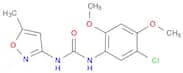
This gene encodes a member of the enigma protein family. The protein contains two protein interacting domains, a PDZ domain at the amino terminal end and one to three LIM domains at the carboxyl terminal. It is a cytoplasmic protein associated with the cytoskeleton. The protein may function as an adapter to bring other LIM-interacting proteins to the cytoskeleton. Pseudogenes associated with this gene are located on chromosomes 3, 14 and 17. [provided by RefSeq, Oct 2012],N-(5-CHLORO-2,4-DIMETHOXYPHENYL)-N'-(5-METHYL-3-ISOXAZOLYL)-UREA
CAS :Formule :C13H14ClN3O4Degré de pureté :98%Couleur et forme :SolidMasse moléculaire :311.7210YAP (phospho-Ser109) rabbit pAb
This gene encodes a downstream nuclear effector of the Hippo signaling pathway which is involved in development, growth, repair, and homeostasis. This gene is known to play a role in the development and progression of multiple cancers as a transcriptional regulator of this signaling pathway and may function as a potential target for cancer treatment. Alternative splicing results in multiple transcript variants encoding different isoforms. [provided by RefSeq, Aug 2013],PDIP2 rabbit pAb
This gene encodes a protein that interacts with the DNA polymerase delta p50 subunit, as well as with proliferating cell nuclear antigen. The encoded protein maybe play a role in the ability of the replication fork to bypass DNA lesions. Alternative splicing results in multiple transcript variants. [provided by RefSeq, Feb 2014],NPA1 rabbit pAb
URB1, also named as C21orf108, KIAA0539 and NPA1, is a 2271 amino acid protein that is homologous to the S. cerevisiae protein URB1 which is a nucleolar protein involved in the normal accumulation of 25S and 5. S rRNAs and may also play a role in the biosynthesis of the 60S ribosomal unit. Also localized to the nucleolus, human URB1 is thought to have the same functions as S. cerevisiae URB1. The antibody is specific to URB1.SH3G1 rabbit pAb
This gene encodes a member of the endophilin family of Src homology 3 domain-containing proteins. The encoded protein is involved in endocytosis and may also play a role in the cell cycle. Overexpression of this gene may play a role in leukemogenesis, and the encoded protein has been implicated in acute myeloid leukemia as a fusion partner of the myeloid-lymphoid leukemia protein. Pseudogenes of this gene are located on the long arm of chromosomes 11 and 17. Alternatively spliced transcript variants encoding multiple isoforms have been observed for this gene. [provided by RefSeq, Jan 2011],HEM4 rabbit pAb
The protein encoded by this gene catalyzes the fourth step of porphyrin biosynthesis in the heme biosynthetic pathway. Defects in this gene cause congenital erythropoietic porphyria (Gunther's disease). [provided by RefSeq, Jul 2008],STAM1 rabbit pAb
This gene encodes a member of the signal-transducing adaptor molecule family. These proteins mediate downstream signaling of cytokine receptors and also play a role in ER to Golgi trafficking by interacting with the coat protein II complex. The encoded protein also associates with hepatocyte growth factor-regulated substrate to form the endosomal sorting complex required for transport-0 (ESCRT-0), which sorts ubiquitinated membrane proteins to the ESCRT-1 complex for lysosomal degradation. Alternatively spliced transcript variants have been observed for this gene. [provided by RefSeq, Feb 2011],C1QA rabbit pAb
This gene encodes a major constituent of the human complement subcomponent C1q. C1q associates with C1r and C1s in order to yield the first component of the serum complement system. Deficiency of C1q has been associated with lupus erythematosus and glomerulonephritis. C1q is composed of 18 polypeptide chains: six A-chains, six B-chains, and six C-chains. Each chain contains a collagen-like region located near the N terminus and a C-terminal globular region. The A-, B-, and C-chains are arranged in the order A-C-B on chromosome 1. This gene encodes the A-chain polypeptide of human complement subcomponent C1q. [provided by RefSeq, Jul 2008],RECK rabbit pAb
The protein encoded by this gene is a cysteine-rich, extracellular protein with protease inhibitor-like domains whose expression is suppressed strongly in many tumors and cells transformed by various kinds of oncogenes. In normal cells, this membrane-anchored glycoprotein may serve as a negative regulator for matrix metalloproteinase-9, a key enzyme involved in tumor invasion and metastasis. Several transcript variants encoding different isoforms have been found for this gene. [provided by RefSeq, Oct 2015],NDRG4 rabbit pAb
This gene is a member of the N-myc downregulated gene family which belongs to the alpha/beta hydrolase superfamily. The protein encoded by this gene is a cytoplasmic protein that is required for cell cycle progression and survival in primary astrocytes and may be involved in the regulation of mitogenic signalling in vascular smooth muscles cells. Alternative splicing results in multiple transcripts encoding different isoforms.[provided by RefSeq, Jun 2011],DREAM (phospho Ser63) rabbit pAb
This gene encodes a member of the family of voltage-gated potassium (Kv) channel-interacting proteins, which belong to the recoverin branch of the EF-hand superfamily. Members of this family are small calcium binding proteins containing EF-hand-like domains. They are integral subunit components of native Kv4 channel complexes that may regulate A-type currents, and hence neuronal excitability, in response to changes in intracellular calcium. The encoded protein also functions as a calcium-regulated transcriptional repressor, and interacts with presenilins. Alternatively spliced transcript variants encoding different isoforms have been described. [provided by RefSeq, Jul 2008],ZSC10 rabbit pAb
function:May be involved in transcriptional regulation.,similarity:Contains 1 SCAN box domain.,similarity:Contains 14 C2H2-type zinc fingers.,Cyclin D1 rabbit pAb
The protein encoded by this gene belongs to the highly conserved cyclin family, whose members are characterized by a dramatic periodicity in protein abundance throughout the cell cycle. Cyclins function as regulators of CDK kinases. Different cyclins exhibit distinct expression and degradation patterns which contribute to the temporal coordination of each mitotic event. This cyclin forms a complex with and functions as a regulatory subunit of CDK4 or CDK6, whose activity is required for cell cycle G1/S transition. This protein has been shown to interact with tumor suppressor protein Rb and the expression of this gene is regulated positively by Rb. Mutations, amplification and overexpression of this gene, which alters cell cycle progression, are observed frequently in a variety of tumors and may contribute to tumorigenesis. [provided by RefSeq, Jul 2008],Nur77 (phospho Ser351) rabbit pAb
This gene encodes a member of the steroid-thyroid hormone-retinoid receptor superfamily. Expression is induced by phytohemagglutinin in human lymphocytes and by serum stimulation of arrested fibroblasts. The encoded protein acts as a nuclear transcription factor. Translocation of the protein from the nucleus to mitochondria induces apoptosis. Multiple transcript variants encoding different isoforms have been found for this gene. [provided by RefSeq, Jan 2011],M4K5 rabbit pAb
mitogen-activated protein kinase kinase kinase kinase 5(MAP4K5) Homo sapiens This gene encodes a member of the serine/threonine protein kinase family, that is highly similar to yeast SPS1/STE20 kinase. Yeast SPS1/STE20 functions near the beginning of the MAP kinase signal cascades that is essential for yeast pheromone response. This kinase was shown to activate Jun kinase in mammalian cells, which suggested a role in stress response. Two alternatively spliced transcript variants encoding the same protein have been described for this gene. [provided by RefSeq, Jul 2008],SH21A rabbit pAb
This gene encodes a protein that plays a major role in the bidirectional stimulation of T and B cells. This protein contains an SH2 domain and a short tail. It associates with the signaling lymphocyte-activation molecule, thereby acting as an inhibitor of this transmembrane protein by blocking the recruitment of the SH2-domain-containing signal-transduction molecule SHP-2 to its docking site. This protein can also bind to other related surface molecules that are expressed on activated T, B and NK cells, thereby modifying signal transduction pathways in these cells. Mutations in this gene cause lymphoproliferative syndrome X-linked type 1 or Duncan disease, a rare immunodeficiency characterized by extreme susceptibility to infection with Epstein-Barr virus, with symptoms including severe mononucleosis and malignant lymphoma. Multiple transcript variants encoding different isoforms have been fRet (phospho Tyr905) rabbit pAb
ret proto-oncogene(RET) Homo sapiens This gene, a member of the cadherin superfamily, encodes one of the receptor tyrosine kinases, which are cell-surface molecules that transduce signals for cell growth and differentiation. This gene plays a crucial role in neural crest development, and it can undergo oncogenic activation in vivo and in vitro by cytogenetic rearrangement. Mutations in this gene are associated with the disorders multiple endocrine neoplasia, type IIA, multiple endocrine neoplasia, type IIB, Hirschsprung disease, and medullary thyroid carcinoma. Two transcript variants encoding different isoforms have been found for this gene. Additional transcript variants have been described but their biological validity has not been confirmed. [provided by RefSeq, Jul 2008],P2X3 rabbit pAb
The product of this gene belongs to the family of purinoceptors for ATP. This receptor functions as a ligand-gated ion channel and may transduce ATP-evoked nociceptor activation. Mouse studies suggest that this receptor is important for peripheral pain responses, and also participates in pathways controlling urinary bladder volume reflexes. It is possible that the development of selective antagonists for this receptor may have a therapeutic potential in pain relief and in the treatment of disorders of urine storage. [provided by RefSeq, Jul 2008],Tuberin (phospho Ser939) rabbit pAb
Mutations in this gene lead to tuberous sclerosis complex. Its gene product is believed to be a tumor suppressor and is able to stimulate specific GTPases. The protein associates with hamartin in a cytosolic complex, possibly acting as a chaperone for hamartin. Alternative splicing results in multiple transcript variants encoding different isoforms. [provided by RefSeq, Jul 2008],CABYR rabbit pAb
To reach fertilization competence, spermatozoa undergo a series of morphological and molecular maturational processes, termed capacitation, involving protein tyrosine phosphorylation and increased intracellular calcium. The protein encoded by this gene localizes to the principal piece of the sperm flagellum in association with the fibrous sheath and exhibits calcium-binding when phosphorylated during capacitation. A pseudogene on chromosome 3 has been identified for this gene. Alternatively spliced transcript variants encoding distinct protein isoforms have been found for this gene. [provided by RefSeq, Jul 2013],PART-1 rabbit pAb
PART1 is induced by androgen in prostate adenocarcinoma cells. Multiple alternatively transcript variants have been described for this gene, none of which are predicted to encode a protein product.E2F-1 (Acetyl-K125) rabbit pAb
The protein encoded by this gene is a member of the E2F family of transcription factors. The E2F family plays a crucial role in the control of cell cycle and action of tumor suppressor proteins and is also a target of the transforming proteins of small DNA tumor viruses. The E2F proteins contain several evolutionally conserved domains found in most members of the family. These domains include a DNA binding domain, a dimerization domain which determines interaction with the differentiation regulated transcription factor proteins (DP), a transactivation domain enriched in acidic amino acids, and a tumor suppressor protein association domain which is embedded within the transactivation domain. This protein and another 2 members, E2F2 and E2F3, have an additional cyclin binding domain. This protein binds preferentially to retinoblastoma protein pRB in a cell-cycle dependent manner. It can mediaENTK (light chain, Cleaved-Ile785) rabbit pAb
catalytic activity:Activation of trypsinogen by selective cleavage of 6-Lys-|-Ile-7 bond.,disease:Defects in PRSS7 are a cause of enterokinase deficiency [MIM:226200]; a life-threatening intestinal malabsorption disorder characterized by diarrhea and failure to thrive.,function:Responsible for initiating activation of pancreatic proteolytic proenzymes (trypsin, chymotrypsin and carboxypeptidase A). It catalyzes the conversion of trypsinogen to trypsin which in turn activates other proenzymes including chymotrypsinogen, procarboxypeptidases, and proelastases.,PTM:The chains are derived from a single precursor that is cleaved by a trypsin-like protease.,similarity:Belongs to the peptidase S1 family.,similarity:Contains 1 MAM domain.,similarity:Contains 1 peptidase S1 domain.,similarity:Contains 1 SEA domain.,similarity:Contains 1 SRCR domain.,similarity:Contains 2 CUB domains.,similarity:Contains 2 LDL-receptor class A domains.,subunit:Heterodimer of a catalytic (light) chain and a multidomain (heavy) chain linked by a disulfide bond.,tissue specificity:Intestinal brush border.,KAD8 rabbit pAb
catalytic activity:ATP + AMP = 2 ADP.,similarity:Belongs to the adenylate kinase family.,p300 (Acetyl Lys1558/Acetyl Lys1560) rabbit pAb
E1A binding protein p300(EP300) Homo sapiens This gene encodes the adenovirus E1A-associated cellular p300 transcriptional co-activator protein. It functions as histone acetyltransferase that regulates transcription via chromatin remodeling and is important in the processes of cell proliferation and differentiation. It mediates cAMP-gene regulation by binding specifically to phosphorylated CREB protein. This gene has also been identified as a co-activator of HIF1A (hypoxia-inducible factor 1 alpha), and thus plays a role in the stimulation of hypoxia-induced genes such as VEGF. Defects in this gene are a cause of Rubinstein-Taybi syndrome and may also play a role in epithelial cancer. [provided by RefSeq, Jul 2008],YTHD2 rabbit pAb
This gene encodes a member of the YTH (YT521-B homology) superfamily containing YTH domain. The YTH domain is typical for the eukaryotes and is particularly abundant in plants. The YTH domain is usually located in the middle of the protein sequence and may function in binding to RNA. In addition to a YTH domain, this protein has a proline rich region which may be involved in signal transduction. An Alu-rich domain has been identified in one of the introns of this gene, which is thought to be associated with human longevity. In addition, reciprocal translocations between this gene and the Runx1 (AML1) gene on chromosome 21 has been observed in patients with acute myeloid leukemia. This gene was initially mapped to chromosome 14, which was later turned out to be a pseudogene. Alternatively spliced transcript variants encoding different isoforms have been identified in this geneOlfactory receptor 7C2 rabbit pAb
olfactory receptor family 7 subfamily C member 2(OR7C2) Homo sapiens Olfactory receptors interact with odorant molecules in the nose, to initiate a neuronal response that triggers the perception of a smell. The olfactory receptor proteins are members of a large family of G-protein-coupled receptors (GPCR) arising from single coding-exon genes. Olfactory receptors share a 7-transmembrane domain structure with many neurotransmitter and hormone receptors and are responsible for the recognition and G protein-mediated transduction of odorant signals. The olfactory receptor gene family is the largest in the genome. The nomenclature assigned to the olfactory receptor genes and proteins for this organism is independent of other organisms. [provided by RefSeq, Jul 2008],Cdc42EP2 rabbit pAb
CDC42, a small Rho GTPase, regulates the formation of F-actin-containing structures through its interaction with the downstream effector proteins. The protein encoded by this gene is a member of the Borg family of CDC42 effector proteins. Borg family proteins contain a CRIB (Cdc42/Rac interactive-binding) domain. They bind to, and negatively regulate the function of CDC42. Coexpression of this protein with CDC42 suggested a role of this protein in actin filament assembly and cell shape control. [provided by RefSeq, Aug 2011],Acyclovir
CAS :Acyclovir (Aciclovir) is a synthetic analog of the purine nucleoside, guanosine, with potent antiviral activity against herpes simplex viruses type 1 and 2,Formule :C8H11N5O3Degré de pureté :99.77% - >99.99%Couleur et forme :Crystals From Methanol SolidMasse moléculaire :225.2EDN2 rabbit pAb
This gene encodes a member of the endothelin protein family of secretory vasoconstrictive peptides. The preproprotein is processed to a short mature form which functions as a ligand for the endothelin receptors that initiate intracellular signaling events. This gene product is involved in a wide range of biological processes, such as hypertension and ovulation. Altered expression of this gene is implicated in tumorigenesis. Alternative splicing results in multiple transcript variants. [provided by RefSeq, Oct 2014],MYLK (phospho Tyr464) rabbit pAb
myosin light chain kinase(MYLK) Homo sapiens This gene, a muscle member of the immunoglobulin gene superfamily, encodes myosin light chain kinase which is a calcium/calmodulin dependent enzyme. This kinase phosphorylates myosin regulatory light chains to facilitate myosin interaction with actin filaments to produce contractile activity. This gene encodes both smooth muscle and nonmuscle isoforms. In addition, using a separate promoter in an intron in the 3' region, it encodes telokin, a small protein identical in sequence to the C-terminus of myosin light chain kinase, that is independently expressed in smooth muscle and functions to stabilize unphosphorylated myosin filaments. A pseudogene is located on the p arm of chromosome 3. Four transcript variants that produce four isoforms of the calcium/calmodulin dependent enzyme have been identified as well as two transcripts that produce two isoforms of telokin. Additional variants have beenOlfactory receptor 1S1/2 rabbit pAb
olfactory receptor family 1 subfamily S member 2(OR1S2) Homo sapiens Olfactory receptors interact with odorant molecules in the nose, to initiate a neuronal response that triggers the perception of a smell. The olfactory receptor proteins are members of a large family of G-protein-coupled receptors (GPCR) arising from single coding-exon genes. Olfactory receptors share a 7-transmembrane domain structure with many neurotransmitter and hormone receptors and are responsible for the recognition and G protein-mediated transduction of odorant signals. The olfactory receptor gene family is the largest in the genome. The nomenclature assigned to the olfactory receptor genes and proteins for this organism is independent of other organisms. [provided by RefSeq, Jul 2008],Plant-actin Rabbit pAb
Actin is a highly conserved protein and an essential component of cell cytoskeleton and plays an important role in cytoplasmic streaming, cell shape determination, cell division, organelle movement and extension growth. Preferentially expressed in young and expanding tissues, floral organ primordia, developing seeds and emerging inflorescence. Antibodies against plant Actin are useful as loading controls for Western BlottingPAR15 rabbit pAb
PARP15 is a macrodomain-containing transcriptional repressor with poly(ADP-ribose) polymerase activity (Aguiar et al., 2005 [PubMed 16061477]).[supplied by OMIM, May 2008],Ku-70 (Acetyl Lys542) rabbit pAb
The p70/p80 autoantigen is a nuclear complex consisting of two subunits with molecular masses of approximately 70 and 80 kDa. The complex functions as a single-stranded DNA-dependent ATP-dependent helicase. The complex may be involved in the repair of nonhomologous DNA ends such as that required for double-strand break repair, transposition, and V(D)J recombination. High levels of autoantibodies to p70 and p80 have been found in some patients with systemic lupus erythematosus. [provided by RefSeq, Jul 2008],IGFL1 rabbit pAb
IGF like family member 1(IGFL1) Homo sapiens The protein encoded by this gene is a member of the insulin-like growth factor family of signaling molecules. The encoded protein is synthesized as a precursor protein and is proteolytically cleaved to form a secreted mature peptide. The mature peptide binds to a receptor, which in mouse was found on the cell surface of T cells. Increased expression of this gene may be linked to psoriasis. [provided by RefSeq, Aug 2016],S39A5 rabbit pAb
The protein encoded by this gene belongs to the ZIP family of zinc transporters that transport zinc into cells from outside, and play a crucial role in controlling intracellular zinc levels. Zinc is an essential cofactor for many enzymes and proteins involved in gene transcription, growth, development and differentiation. Mutations in this gene have been associated with autosomal dominant high myopia (MYP24). Alternatively spliced transcript variants have been found for this gene. [provided by RefSeq, Sep 2014],LFTY1 rabbit pAb
This gene encodes a secreted ligand of the TGF-beta (transforming growth factor-beta) superfamily of proteins. Ligands of this family bind various TGF-beta receptors leading to recruitment and activation of SMAD family transcription factors that regulate gene expression. The encoded preproprotein is proteolytically processed to generate the mature protein, which plays a role in left-right asymmetry determination of organ systems during development. This gene is closely linked to both a related family member and a related pseudogene. [provided by RefSeq, Aug 2016],B23 (phospho Thr234) rabbit pAb
This gene encodes a phosphoprotein which moves between the nucleus and the cytoplasm. The gene product is thought to be involved in several processes including regulation of the ARF/p53 pathway. A number of genes are fusion partners have been characterized, in particular the anaplastic lymphoma kinase gene on chromosome 2. Mutations in this gene are associated with acute myeloid leukemia. More than a dozen pseudogenes of this gene have been identified. Alternative splicing results in multiple transcript variants.[provided by RefSeq, Nov 2009],RB40L rabbit pAb
This gene encodes a member of the Rab40 subfamily of Rab small GTP-binding proteins that contains a C-terminal suppressors of cytokine signaling box. Disruptions in this gene are associated with Duchenne muscular dystrophy. [provided by RefSeq, Apr 2010],ZFY26 rabbit pAb
This gene encodes a protein which contains a FYVE zinc finger binding domain. The presence of this domain is thought to target these proteins to membrane lipids through interaction with phospholipids in the membrane. Mutations in this gene are associated with autosomal recessive spastic paraplegia-15. [provided by RefSeq, Oct 2008],NSUN2 rabbit pAb
This gene encodes a methyltransferase that catalyzes the methylation of cytosine to 5-methylcytosine (m5C) at position 34 of intron-containing tRNA(Leu)(CAA) precursors. This modification is necessary to stabilize the anticodon-codon pairing and correctly translate the mRNA. Alternatively spliced transcript variants encoding different isoforms have been noted for this gene.[provided by RefSeq, Mar 2011],Cyclin B1 (1A5) Mouse mAb
Cyclin B1 is a regulatory protein involved in mitosis. The gene product complexes with p34 (Cdk1) to form the maturation-promoting factor (MPF). Two alternative transcripts have been found, a constitutively expressed transcript and a cell cycle-regulated transcript that is expressed predominantly during G2/M phase of the cell cycle.MYO3B rabbit pAb
This gene encodes one of the class III myosins. Myosins are ATPases, activated by actin, that move along actin filaments in the cell. This class of myosins are characterized by an amino-terminal kinase domain and shown to be present in photoreceptors. Alternative splicing results in multiple transcript variants encoding different isoforms. [provided by RefSeq, Mar 2014],HGFL rabbit pAb
The protein encoded by this gene contains four kringle domains and a serine protease domain, similar to that found in hepatic growth factor. Despite the presence of the serine protease domain, the encoded protein may not have any proteolytic activity. The receptor for this protein is RON tyrosine kinase, which upon activation stimulates ciliary motility of ciliated epithelial lung cells. This protein is secreted and cleaved to form an alpha chain and a beta chain bridged by disulfide bonds. [provided by RefSeq, Jan 2010],TIMP-1 rabbit pAb
This gene belongs to the TIMP gene family. The proteins encoded by this gene family are natural inhibitors of the matrix metalloproteinases (MMPs), a group of peptidases involved in degradation of the extracellular matrix. In addition to its inhibitory role against most of the known MMPs, the encoded protein is able to promote cell proliferation in a wide range of cell types, and may also have an anti-apoptotic function. Transcription of this gene is highly inducible in response to many cytokines and hormones. In addition, the expression from some but not all inactive X chromosomes suggests that this gene inactivation is polymorphic in human females. This gene is located within intron 6 of the synapsin I gene and is transcribed in the opposite direction. [provided by RefSeq, Jul 2008],SgK288 rabbit pAb
The protein encoded by this gene belongs to the Ser/Thr protein kinase family, and protein kinase superfamily involved in signal transduction pathways. This gene is closely linked to DRD2 gene (GeneID:1813) on chr 11, and a well studied restriction fragment length polymorphism (RFLP) designated TaqIA, was originally associated with the DRD2 gene, however, later was determined to be located in exon 8 of ANKK1 gene (PMIDs: 18621654, 15146457), where it causes a nonconservative amino acid substitution. It is not clear if this gene plays any role in neuropsychiatric disorders previously associated with Taq1A RFLP. [provided by RefSeq, Sep 2009],Ub (Acetyl Lys48) rabbit pAb
Ubiquitin is a highly conserved nuclear and cytoplasmic protein that has a major role in targeting cellular proteins for degradation by the 26S proteosome. It is also involved in the maintenance of chromatin structure, the regulation of gene expression, and the stress response. Ubiquitin is synthesized as a precursor protein consisting of either polyubiquitin chains or a single ubiquitin moiety fused to an unrelated protein. This gene encodes a fusion protein consisting of ubiquitin at the N terminus and ribosomal protein L40 at the C terminus, a C-terminal extension protein (CEP). Multiple processed pseudogenes derived from this gene are present in the genome. [provided by RefSeq, Jul 2008],NFκB-p105/p50 rabbit pAb
nuclear factor kappa B subunit 1(NFKB1) Homo sapiens This gene encodes a 105 kD protein which can undergo cotranslational processing by the 26S proteasome to produce a 50 kD protein. The 105 kD protein is a Rel protein-specific transcription inhibitor and the 50 kD protein is a DNA binding subunit of the NF-kappa-B (NFKB) protein complex. NFKB is a transcription regulator that is activated by various intra- and extra-cellular stimuli such as cytokines, oxidant-free radicals, ultraviolet irradiation, and bacterial or viral products. Activated NFKB translocates into the nucleus and stimulates the expression of genes involved in a wide variety of biological functions. Inappropriate activation of NFKB has been associated with a number of inflammatory diseases while persistent inhibition of NFKB leads to inappropriate immune cell development or delayed cell growth. Alternative splicing results in multiple transcript variants encoding different isofCyclin A1 rabbit pAb
The protein encoded by this gene belongs to the highly conserved cyclin family, whose members are characterized by a dramatic periodicity in protein abundance through the cell cycle. Cyclins function as regulators of CDK kinases. Different cyclins exhibit distinct expression and degradation patterns which contribute to the temporal coordination of each mitotic event. The cyclin encoded by this gene was shown to be expressed in testis and brain, as well as in several leukemic cell lines, and is thought to primarily function in the control of the germline meiotic cell cycle. This cyclin binds both CDK2 and CDC2 kinases, which give two distinct kinase activities, one appearing in S phase, the other in G2, and thus regulate separate functions in cell cycle. This cyclin was found to bind to important cell cycle regulators, such as Rb family proteins, transcription factor E2F-1, and the p21 family proteins. MultiOx40L rabbit pAb
This gene encodes a cytokine of the tumor necrosis factor (TNF) ligand family. The encoded protein functions in T cell antigen-presenting cell (APC) interactions and mediates adhesion of activated T cells to endothelial cells. Polymorphisms in this gene have been associated with Sjogren's syndrome and systemic lupus erythematosus. Alternative splicing results in multiple transcript variants. [provided by RefSeq, Jul 2014],OSGI1 rabbit pAb
This gene encodes an oxidative stress response protein that regulates cell death. Expression of the gene is regulated by p53 and is induced by DNA damage. The protein regulates apoptosis by inducing cytochrome c release from mitochondria. It also appears to be a key regulator of both inflammatory and anti-inflammatory molecules. The loss of this protein correlates with uncontrolled cell growth and tumor formation. Naturally occurring read-through transcription exists between this gene and the neighboring upstream malonyl-CoA decarboxylase (MLYCD) gene, but the read-through transcripts are unlikely to produce a protein product. [provided by RefSeq, Aug 2011],Arg rabbit pAb
This gene encodes a member of the Abelson family of nonreceptor tyrosine protein kinases. The protein is highly similar to the c-abl oncogene 1 protein, including the tyrosine kinase, SH2 and SH3 domains, and it plays a role in cytoskeletal rearrangements through its C-terminal F-actin- and microtubule-binding sequences. This gene is expressed in both normal and tumor cells, and is involved in translocation with the ets variant 6 gene in leukemia. Multiple alternatively spliced transcript variants encoding different protein isoforms have been found for this gene. [provided by RefSeq, Nov 2009],KCNH6 rabbit pAb
Voltage-gated potassium (Kv) channels represent the most complex class of voltage-gated ion channels from both functional and structural standpoints. Their diverse functions include regulating neurotransmitter release, heart rate, insulin secretion, neuronal excitability, epithelial electrolyte transport, smooth muscle contraction, and cell volume. This gene encodes a member of the potassium channel, voltage-gated, subfamily H. This member is a pore-forming (alpha) subunit. Alternative splicing results in multiple transcript variants that encode different isoforms. [provided by RefSeq, Jul 2013],GCC1 rabbit pAb
The protein encoded by this gene is a peripheral membrane protein. It is sensitive to brefeldin A. This encoded protein contains a GRIP domain which is thought to be used in targeting. It may play a role in the organization of trans-Golgi network subcompartment involved with membrane transport. [provided by RefSeq, Jul 2008],ACHB3 rabbit pAb
The nicotinic acetylcholine receptors (nAChRs) are members of a superfamily of ligand-gated ion channels that mediate fast signal transmission at synapses. The nAChRs are (hetero)pentamers composed of homologous subunits. The subunits that make up the muscle and neuronal forms of nAChRs are encoded by separate genes and have different primary structure. There are several subtypes of neuronal nAChRs that vary based on which homologous subunits are arranged around the central channel. They are classified as alpha-subunits if, like muscle alpha-1 (MIM 100690), they have a pair of adjacent cysteines as part of the presumed acetylcholine binding site. Subunits lacking these cysteine residues are classified as beta-subunits (Groot Kormelink and Luyten, 1997 [PubMed 9009220]). Elliott et al. (1996) [PubMed 8906617] stated that the proposed structure for each subunit is a conserved N