Anticorps primaires
Les anticorps primaires sont des immunoglobulines qui se lient spécifiquement à un antigène d'intérêt, permettant la détection et la quantification de protéines, peptides ou autres biomolécules. Ces anticorps sont des outils essentiels dans de nombreuses applications, notamment le Western blot, l'immunohistochimie et l'ELISA. Chez CymitQuimica, nous proposons une vaste sélection d'anticorps primaires de haute qualité, offrant spécificité et sensibilité pour divers besoins de recherche, notamment en cancérologie, immunologie et biologie cellulaire.
Sous-catégories appartenant à la catégorie "Anticorps primaires"
- Anticorps pour la recherche sur le cancer(3.620 produits)
- Anticorps cardio-vasculaires(2 produits)
- Biologie du développement(751 produits)
- Anticorps relatifs à l’épigénétique(162 produits)
- Anticorps d'immunologie(2.551 produits)
- Anticorps du métabolisme(279 produits)
- Anticorps de microbiologie(740 produits)
- Transduction du signal(2.717 produits)
- Tags & Marqueurs cellulaires(33 produits)
Affichez 1 plus de sous-catégories
75448 produits trouvés pour "Anticorps primaires"
Trier par
Degré de pureté (%)
0
100
|
0
|
50
|
90
|
95
|
100
Myt 1 (phospho Ser83) rabbit pAb
This gene encodes a member of the serine/threonine protein kinase family. The encoded protein is a membrane-associated kinase that negatively regulates the G2/M transition of the cell cycle by phosphorylating and inactivating cyclin-dependent kinase 1. The activity of the encoded protein is regulated by polo-like kinase 1. Alternatively spliced transcript variants encoding multiple isoforms have been observed for this gene. [provided by RefSeq, May 2012],GNAS2 rabbit pAb
This locus has a highly complex imprinted expression pattern. It gives rise to maternally, paternally, and biallelically expressed transcripts that are derived from four alternative promoters and 5' exons. Some transcripts contain a differentially methylated region (DMR) at their 5' exons, and this DMR is commonly found in imprinted genes and correlates with transcript expression. An antisense transcript is produced from an overlapping locus on the opposite strand. One of the transcripts produced from this locus, and the antisense transcript, are paternally expressed noncoding RNAs, and may regulate imprinting in this region. In addition, one of the transcripts contains a second overlapping ORF, which encodes a structurally unrelated protein - Alex. Alternative splicing of downstream exons is also observed, which results in different forms of the stimulatory G-protein alpha subunit, a key element of the classical signal transduction pathway linking receptor-ligand interactions with the activation of adenylyl cyclase and a variety of cellular reponses. Multiple transcript variants encoding different isoforms have been found for this gene. Mutations in this gene result in pseudohypoparathyroidism type 1a, pseudohypoparathyroidism type 1b, Albright hereditary osteodystrophy, pseudopseudohypoparathyroidism, McCune-Albright syndrome, progressive osseus heteroplasia, polyostotic fibrous dysplasia of bone, and some pituitary tumors. [provided by RefSeq, Aug 2012],VPS45 rabbit pAb
Vesicle mediated protein sorting plays an important role in segregation of intracellular molecules into distinct organelles. Genetic studies in yeast have identified more than 40 vacuolar protein sorting (VPS) genes involved in vesicle transport to vacuoles. This gene is a member of the Sec1 domain family, and shows a high degree of sequence similarity to mouse, rat and yeast Vps45. The exact function of this gene is not known, but its high expression in peripheral blood mononuclear cells suggests a role in trafficking proteins, including inflammatory mediators. Multiple alternatively spliced transcript variants have been found for this gene. [provided by RefSeq, Jul 2013],NFκB-p105/p50 rabbit pAb
nuclear factor kappa B subunit 1(NFKB1) Homo sapiens This gene encodes a 105 kD protein which can undergo cotranslational processing by the 26S proteasome to produce a 50 kD protein. The 105 kD protein is a Rel protein-specific transcription inhibitor and the 50 kD protein is a DNA binding subunit of the NF-kappa-B (NFKB) protein complex. NFKB is a transcription regulator that is activated by various intra- and extra-cellular stimuli such as cytokines, oxidant-free radicals, ultraviolet irradiation, and bacterial or viral products. Activated NFKB translocates into the nucleus and stimulates the expression of genes involved in a wide variety of biological functions. Inappropriate activation of NFKB has been associated with a number of inflammatory diseases while persistent inhibition of NFKB leads to inappropriate immune cell development or delayed cell growth. Alternative splicing results in multiple transcript variants encoding different isofFKB1B rabbit pAb
The protein encoded by this gene is a member of the immunophilin protein family, which play a role in immunoregulation and basic cellular processes involving protein folding and trafficking. This encoded protein is a cis-trans prolyl isomerase that binds the immunosuppressants FK506 and rapamycin. It is highly similar to the FK506-binding protein 1A. Its physiological role is thought to be in excitation-contraction coupling in cardiac muscle. There are two alternatively spliced transcript variants of this gene encoding different isoforms. [provided by RefSeq, Jul 2008],OSGI1 rabbit pAb
This gene encodes an oxidative stress response protein that regulates cell death. Expression of the gene is regulated by p53 and is induced by DNA damage. The protein regulates apoptosis by inducing cytochrome c release from mitochondria. It also appears to be a key regulator of both inflammatory and anti-inflammatory molecules. The loss of this protein correlates with uncontrolled cell growth and tumor formation. Naturally occurring read-through transcription exists between this gene and the neighboring upstream malonyl-CoA decarboxylase (MLYCD) gene, but the read-through transcripts are unlikely to produce a protein product. [provided by RefSeq, Aug 2011],GCC1 rabbit pAb
The protein encoded by this gene is a peripheral membrane protein. It is sensitive to brefeldin A. This encoded protein contains a GRIP domain which is thought to be used in targeting. It may play a role in the organization of trans-Golgi network subcompartment involved with membrane transport. [provided by RefSeq, Jul 2008],DGK-α rabbit pAb
The protein encoded by this gene belongs to the eukaryotic diacylglycerol kinase family. It acts as a modulator that competes with protein kinase C for the second messenger diacylglycerol in intracellular signaling pathways. It also plays an important role in the resynthesis of phosphatidylinositols and phosphorylating diacylglycerol to phosphatidic acid. Alternative splicing occurs at this locus and four transcript variants encoding the same protein have been identified. [provided by RefSeq, Jul 2008],TIG3 rabbit pAb
Retinoids exert biologic effects such as potent growth inhibitory and cell differentiation activities and are used in the treatment of hyperproliferative dermatological diseases. These effects are mediated by specific nuclear receptor proteins that are members of the steroid and thyroid hormone receptor superfamily of transcriptional regulators. RARRES1, RARRES2, and RARRES3 are genes whose expression is upregulated by the synthetic retinoid tazarotene. RARRES3 is thought act as a tumor suppressor or growth regulator. [provided by RefSeq, Jul 2008],Arginase I rabbit pAb
Arginase catalyzes the hydrolysis of arginine to ornithine and urea. At least two isoforms of mammalian arginase exist (types I and II) which differ in their tissue distribution, subcellular localization, immunologic crossreactivity and physiologic function. The type I isoform encoded by this gene, is a cytosolic enzyme and expressed predominantly in the liver as a component of the urea cycle. Inherited deficiency of this enzyme results in argininemia, an autosomal recessive disorder characterized by hyperammonemia. Two transcript variants encoding different isoforms have been found for this gene. [provided by RefSeq, Sep 2011],Flg (phospho Tyr766) rabbit pAb
The protein encoded by this gene is a member of the fibroblast growth factor receptor (FGFR) family, where amino acid sequence is highly conserved between members and throughout evolution. FGFR family members differ from one another in their ligand affinities and tissue distribution. A full-length representative protein consists of an extracellular region, composed of three immunoglobulin-like domains, a single hydrophobic membrane-spanning segment and a cytoplasmic tyrosine kinase domain. The extracellular portion of the protein interacts with fibroblast growth factors, setting in motion a cascade of downstream signals, ultimately influencing mitogenesis and differentiation. This particular family member binds both acidic and basic fibroblast growth factors and is involved in limb induction. Mutations in this gene have been associated with Pfeiffer syndrome, Jackson-Weiss syndrome,KCNH6 rabbit pAb
Voltage-gated potassium (Kv) channels represent the most complex class of voltage-gated ion channels from both functional and structural standpoints. Their diverse functions include regulating neurotransmitter release, heart rate, insulin secretion, neuronal excitability, epithelial electrolyte transport, smooth muscle contraction, and cell volume. This gene encodes a member of the potassium channel, voltage-gated, subfamily H. This member is a pore-forming (alpha) subunit. Alternative splicing results in multiple transcript variants that encode different isoforms. [provided by RefSeq, Jul 2013],GluR-δ1 rabbit pAb
This gene encodes a subunit of glutamate receptor channels. These channels mediate most of the fast excitatory synaptic transmission in the central nervous system and play key roles in synaptic plasticity.[provided by RefSeq, Jan 2009],TALDO rabbit pAb
Transaldolase 1 is a key enzyme of the nonoxidative pentose phosphate pathway providing ribose-5-phosphate for nucleic acid synthesis and NADPH for lipid biosynthesis. This pathway can also maintain glutathione at a reduced state and thus protect sulfhydryl groups and cellular integrity from oxygen radicals. The functional gene of transaldolase 1 is located on chromosome 11 and a pseudogene is identified on chromosome 1 but there are conflicting map locations. The second and third exon of this gene were developed by insertion of a retrotransposable element. This gene is thought to be involved in multiple sclerosis. [provided by RefSeq, Jul 2008],Arg rabbit pAb
This gene encodes a member of the Abelson family of nonreceptor tyrosine protein kinases. The protein is highly similar to the c-abl oncogene 1 protein, including the tyrosine kinase, SH2 and SH3 domains, and it plays a role in cytoskeletal rearrangements through its C-terminal F-actin- and microtubule-binding sequences. This gene is expressed in both normal and tumor cells, and is involved in translocation with the ets variant 6 gene in leukemia. Multiple alternatively spliced transcript variants encoding different protein isoforms have been found for this gene. [provided by RefSeq, Nov 2009],PPM1E rabbit pAb
This gene encodes a member of the PPM family of serine/threonine-protein phosphatases. The encoded protein is localized to the nucleus and dephosphorylates and inactivates multiple substrates including serine/threonine-protein kinase PAK 1, 5'-AMP-activated protein kinase (AMPK) and the multifunctional calcium/calmodulin-dependent protein kinases. Alternatively spliced transcript variants have been observed for this gene. [provided by RefSeq, May 2012],RM38 rabbit pAb
Mammalian mitochondrial ribosomal proteins are encoded by nuclear genes and help in protein synthesis within the mitochondrion. Mitochondrial ribosomes (mitoribosomes) consist of a small 28S subunit and a large 39S subunit. They have an estimated 75% protein to rRNA composition compared to prokaryotic ribosomes, where this ratio is reversed. Another difference between mammalian mitoribosomes and prokaryotic ribosomes is that the latter contain a 5S rRNA. Among different species, the proteins comprising the mitoribosome differ greatly in sequence, and sometimes in biochemical properties, which prevents easy recognition by sequence homology. This gene encodes a 39S subunit protein. [provided by RefSeq, Jul 2008],UB2D4 rabbit pAb
catalytic activity:ATP + ubiquitin + protein lysine = AMP + diphosphate + protein N-ubiquityllysine.,function:Catalyzes the covalent attachment of ubiquitin to other proteins.,pathway:Protein modification; protein ubiquitination.,similarity:Belongs to the ubiquitin-conjugating enzyme family.,MYO7A rabbit pAb
This gene is a member of the myosin gene family. Myosins are mechanochemical proteins characterized by the presence of a motor domain, an actin-binding domain, a neck domain that interacts with other proteins, and a tail domain that serves as an anchor. This gene encodes an unconventional myosin with a very short tail. Defects in this gene are associated with the mouse shaker-1 phenotype and the human Usher syndrome 1B which are characterized by deafness, reduced vestibular function, and (in human) retinal degeneration. Alternative splicing results in multiple transcript variants. [provided by RefSeq, Jul 2008],PDHK1 (phospho Tyr9) rabbit pAb
catalytic activity:ATP + a protein = ADP + a phosphoprotein.,function:Phosphorylates and activates not only PKB/AKT, but also PKA, PKC-zeta, RPS6KA1 and RPS6KB1. May play a general role in signaling processes and in development (By similarity). Isoform 3 is catalytically inactive.,PTM:Phosphorylated on tyrosine and serine/threonine. Phosphorylation on Ser-241 in the activation loop is required for full activity. PDK1 itself can autophosphorylate Ser-241, leading to its own activation.,similarity:Belongs to the protein kinase superfamily.,similarity:Belongs to the protein kinase superfamily. AGC Ser/Thr protein kinase family. PDK1 subfamily.,similarity:Contains 1 PH domain.,similarity:Contains 1 protein kinase domain.,subcellular location:Membrane-associated after cell stimulation leading to its translocation. Tyrosine phosphorylation seems to occur only at the plasma membrane.,subunit:Interacts with TUSC4.,tissue specificity:Appears to be expressed ubiquitously.,MRGX4 rabbit pAb
function:Orphan receptor. Probably involved in the function of nociceptive neurons. May regulate nociceptor function and/or development, including the sensation or modulation of pain. Potently activated by enkephalins.,similarity:Belongs to the G-protein coupled receptor 1 family. Mas subfamily.,tissue specificity:Uniquely localized in a subset of small dorsal root and trigeminal sensory neurons.,Ephrin-A5 rabbit pAb
Ephrin-A5, a member of the ephrin gene family, prevents axon bundling in cocultures of cortical neurons with astrocytes, a model of late stage nervous system development and differentiation. The EPH and EPH-related receptors comprise the largest subfamily of receptor protein-tyrosine kinases and have been implicated in mediating developmental events, particularly in the nervous system. EPH receptors typically have a single kinase domain and an extracellular region containing a Cys-rich domain and 2 fibronectin type III repeats. The ephrin ligands and receptors have been named by the Eph Nomenclature Committee (1997). Based on their structures and sequence relationships, ephrins are divided into the ephrin-A (EFNA) class, which are anchored to the membrane by a glycosylphosphatidylinositol linkage, and the ephrin-B (EFNB) class, which are transmembrane proteins. The Eph family of receptors are similarly diviTA2R4 rabbit pAb
This gene encodes a member of a family of candidate taste receptors that are members of the G protein-coupled receptor superfamily and that are specifically expressed by taste receptor cells of the tongue and palate epithelia. These apparently intronless genes encode a 7-transmembrane receptor protein, functioning as a bitter taste receptor. This gene is clustered with another 3 candidate taste receptor genes in chromosome 7 and is genetically linked to loci that influence bitter perception. [provided by RefSeq, Jul 2008],Cleaved-Caspase-2 p18 (T325) rabbit pAb
This gene encodes a member of the cysteine-aspartic acid protease (caspase) family. Caspases mediate cellular apoptosis through the proteolytic cleavage of specific protein substrates. The encoded protein may function in stress-induced cell death pathways, cell cycle maintenance, and the suppression of tumorigenesis. Increased expression of this gene may play a role in neurodegenerative disorders including Alzheimer's disease, Huntington's disease and temporal lobe epilepsy. Alternatively spliced transcript variants encoding multiple isoforms have been observed for this gene. [provided by RefSeq, Jan 2011],FoxO3a (phospho-Ser413) rabbit pAb
This gene belongs to the forkhead family of transcription factors which are characterized by a distinct forkhead domain. This gene likely functions as a trigger for apoptosis through expression of genes necessary for cell death. Translocation of this gene with the MLL gene is associated with secondary acute leukemia. Alternatively spliced transcript variants encoding the same protein have been observed. [provided by RefSeq, Jul 2008],SOX4 rabbit pAb
SRY-box 4(SOX4) Homo sapiens This intronless gene encodes a member of the SOX (SRY-related HMG-box) family of transcription factors involved in the regulation of embryonic development and in the determination of the cell fate. The encoded protein may act as a transcriptional regulator after forming a protein complex with other proteins, such as syndecan binding protein (syntenin). The protein may function in the apoptosis pathway leading to cell death as well as to tumorigenesis and may mediate downstream effects of parathyroid hormone (PTH) and PTH-related protein (PTHrP) in bone development. The solution structure has been resolved for the HMG-box of a similar mouse protein. [provided by RefSeq, Jul 2008],Cot (phospho Thr290) rabbit pAb
This gene is an oncogene that encodes a member of the serine/threonine protein kinase family. The encoded protein localizes to the cytoplasm and can activate both the MAP kinase and JNK kinase pathways. This protein was shown to activate IkappaB kinases, and thus induce the nuclear production of NF-kappaB. This protein was also found to promote the production of TNF-alpha and IL-2 during T lymphocyte activation. This gene may also utilize a downstream in-frame translation start codon, and thus produce an isoform containing a shorter N-terminus. The shorter isoform has been shown to display weaker transforming activity. Alternate splicing results in multiple transcript variants that encode the same protein. [provided by RefSeq, Sep 2011],MYOZ2 rabbit pAb
The protein encoded by this gene belongs to a family of sarcomeric proteins that bind to calcineurin, a phosphatase involved in calcium-dependent signal transduction in diverse cell types. These family members tether calcineurin to alpha-actinin at the z-line of the sarcomere of cardiac and skeletal muscle cells, and thus they are important for calcineurin signaling. Mutations in this gene cause cardiomyopathy familial hypertrophic type 16, a hereditary heart disorder. [provided by RefSeq, Aug 2011],ANFC rabbit pAb
This gene encodes a preproprotein that is proteolytically processed to generate multiple protein products. These products include the cardiac natriuretic peptides CNP-53, CNP-29 and CNP-22, which belong to the natriuretic family of peptides. The encoded peptides exhibit vasorelaxation activity in laboratory animals and elevated levels of CNP-22 have been observed in the plasma of chronic heart failure patients. [provided by RefSeq, Oct 2015],THRB (heavy chain, Cleaved-Ile364) rabbit pAb
catalytic activity:Selective cleavage of Arg-|-Gly bonds in fibrinogen to form fibrin and release fibrinopeptides A and B.,disease:Defects in F2 are the cause of various forms of dysprothrombinemia [MIM:176930].,disease:Genetic variations in F2 may be a cause of susceptibility to ischemic stroke [MIM:601367]; also known as cerebrovascular accident or cerebral infarction. A stroke is an acute neurologic event leading to death of neural tissue of the brain and resulting in loss of motor, sensory and/or cognitive function. Ischemic strokes, resulting from vascular occlusion, is considered to be a highly complex disease consisting of a group of heterogeneous disorders with multiple genetic and environmental risk factors.,function:Thrombin, which cleaves bonds after Arg and Lys, converts fibrinogen to fibrin and activates factors V, VII, VIII, XIII, and, in complex with thrombomodulin, protein C. Functions in blood homeostasis, inflammation and wound healing.,miscellaneous:It is not known whether 1 or 2 smaller activation peptides, with additional cleavage after Arg-314, are released in natural blood clotting.,miscellaneous:Prothrombin is activated on the surface of a phospholipid membrane that binds the amino end of prothrombin and factors Va and Xa in Ca-dependent interactions; factor Xa removes the activation peptide and cleaves the remaining part into light and heavy chains. The activation process starts slowly because factor V itself has to be activated by the initial, small amounts of thrombin.,miscellaneous:The cleavage after Arg-198, observed in vitro, does not occur in plasma.,miscellaneous:Thrombin can itself cleave the N-terminal fragment (fragment 1) of the prothrombin, prior to its activation by factor Xa.,online information:Thrombin entry,pharmaceutical:The peptide TP508 also known as Chrysalin (Orthologic) could be used to accelerate repair of both soft and hard tissues.,PTM:The gamma-carboxyglutamyl residues, which bind calcium ions, result from the carboxylation of glutamyl residues by a microsomal enzyme, the vitamin K-dependent carboxylase. The modified residues are necessary for the calcium-dependent interaction with a negatively charged phospholipid surface, which is essential for the conversion of prothrombin to thrombin.,similarity:Belongs to the peptidase S1 family.,similarity:Contains 1 Gla (gamma-carboxy-glutamate) domain.,similarity:Contains 1 peptidase S1 domain.,similarity:Contains 2 kringle domains.,tissue specificity:Expressed by the liver and secreted in plasma.,Choactase rabbit pAb
This gene encodes an enzyme which catalyzes the biosynthesis of the neurotransmitter acetylcholine. This gene product is a characteristic feature of cholinergic neurons, and changes in these neurons may explain some of the symptoms of Alzheimer's disease. Polymorphisms in this gene have been associated with Alzheimer's disease and mild cognitive impairment. Mutations in this gene are associated with congenital myasthenic syndrome associated with episodic apnea. Multiple transcript variants encoding different isoforms have been found for this gene, and some of these variants have been shown to encode more than one isoform. [provided by RefSeq, May 2010],BMAL1 (Acetyl Lys538) rabbit pAb
The protein encoded by this gene is a basic helix-loop-helix protein that forms a heterodimer with CLOCK. This heterodimer binds E-box enhancer elements upstream of Period (PER1, PER2, PER3) and Cryptochrome (CRY1, CRY2) genes and activates transcription of these genes. PER and CRY proteins heterodimerize and repress their own transcription by interacting in a feedback loop with CLOCK/ARNTL complexes. Defects in this gene have been linked to infertility, problems with gluconeogenesis and lipogenesis, and altered sleep patterns. Several transcript variants encoding different isoforms have been found for this gene. [provided by RefSeq, Jul 2014],Smad3 (phospho Ser425) rabbit pAb
The protein encoded by this gene belongs to the SMAD, a family of proteins similar to the gene products of the Drosophila gene 'mothers against decapentaplegic' (Mad) and the C. elegans gene Sma. SMAD proteins are signal transducers and transcriptional modulators that mediate multiple signaling pathways. This protein functions as a transcriptional modulator activated by transforming growth factor-beta and is thought to play a role in the regulation of carcinogenesis. [provided by RefSeq, Apr 2009],Ku-70 (Acetyl Lys317) rabbit pAb
The p70/p80 autoantigen is a nuclear complex consisting of two subunits with molecular masses of approximately 70 and 80 kDa. The complex functions as a single-stranded DNA-dependent ATP-dependent helicase. The complex may be involved in the repair of nonhomologous DNA ends such as that required for double-strand break repair, transposition, and V(D)J recombination. High levels of autoantibodies to p70 and p80 have been found in some patients with systemic lupus erythematosus. [provided by RefSeq, Jul 2008],OR6M1 rabbit pAb
olfactory receptor family 6 subfamily M member 1(OR6M1) Homo sapiens Olfactory receptors interact with odorant molecules in the nose, to initiate a neuronal response that triggers the perception of a smell. The olfactory receptor proteins are members of a large family of G-protein-coupled receptors (GPCR) arising from single coding-exon genes. Olfactory receptors share a 7-transmembrane domain structure with many neurotransmitter and hormone receptors and are responsible for the recognition and G protein-mediated transduction of odorant signals. The olfactory receptor gene family is the largest in the genome. The nomenclature assigned to the olfactory receptor genes and proteins for this organism is independent of other organisms. [provided by RefSeq, Jul 2008],Olfactory receptor 4K17 rabbit pAb
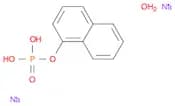
Olfactory receptors interact with odorant molecules in the nose, to initiate a neuronal response that triggers the perception of a smell. The olfactory receptor proteins are members of a large family of G-protein-coupled receptors (GPCR) arising from single coding-exon genes. Olfactory receptors share a 7-transmembrane domain structure with many neurotransmitter and hormone receptors and are responsible for the recognition and G protein-mediated transduction of odorant signals. The olfactory receptor gene family is the largest in the genome. The nomenclature assigned to the olfactory receptor genes and proteins for this organism is independent of other organisms. [provided by RefSeq, Jul 2008],Sodium naphthalen-1-yl phosphate hydrate
CAS :Formule :C10H9Na2O5PDegré de pureté :95%Couleur et forme :SolidMasse moléculaire :286.1288Cyclophilin B Mouse mAb
Cyclophilin B (CyPB) is an ER-localized chaperone protein belonging to the family of peptidyl-prolyl cis-trans isomerases.Protocadherin-11 rabbit pAb
This gene belongs to the protocadherin family, a subfamily of the cadherin superfamily. The encoded protein consists of an extracellular domain containing seven cadherin repeats, a transmembrane domain, and a cytoplasmic tail that differs from those of the classical cadherins. This gene is located on the Y chromosome in a block of X/Y homology and is very closely related to its paralog on the X chromosome. The protein is thought to play a role in cell-cell recognition during development of the central nervous system. Alternative splicing results in multiple transcript variants encoding different isoforms. [provided by RefSeq, Jul 2013],TAL1 rabbit pAb
alternative products:The splicing pattern is cell-lineage dependent,disease:A chromosomal aberration involving TAL1 may be a cause of some T-cell acute lymphoblastic leukemias (T-ALL). Translocation t(1;14)(p32;q11) with T-cell receptor alpha chain (TCRA) genes.,domain:The helix-loop-helix domain is necessary and sufficient for the interaction with DRG1.,function:Implicated in the genesis of hemopoietic malignancies. It may play an important role in hemopoietic differentiation. Serves as a positive regulator of erythroid differentiation.,PTM:Phosphorylated on serine residues. Phosphorylation of Ser-122 is strongly stimulated by hypoxia.,PTM:Ubiquitinated; subsequent to hypoxia-dependent phosphorylation of Ser-122, ubiquitination targets the protein for rapid degradation via the ubiquitin system. This process may be characteristic for microvascular endothelial cells, since it could not be observed in large vessel endothelial cells.,similarity:Contains 1 basic helix-loop-helix (bHLH) domain.,subunit:Efficient DNA binding requires dimerization with another bHLH protein. Forms heterodimers with TCF3. Binds to the LIM domain containing protein LMO2 and to DRG1. Can assemble in a complex with LDB1 and LMO2. Component of a TAL-1 complex composed at least of CBFA2T3, LDB1, TAL1 and TCF3.,tissue specificity:Leukemic stem cell.,Elk-1 (phospho Thr417) rabbit pAb
This gene is a member of the Ets family of transcription factors and of the ternary complex factor (TCF) subfamily. Proteins of the TCF subfamily form a ternary complex by binding to the the serum response factor and the serum response element in the promoter of the c-fos proto-oncogene. The protein encoded by this gene is a nuclear target for the ras-raf-MAPK signaling cascade. This gene produces multiple isoforms by using alternative translational start codons and by alternative splicing. Related pseudogenes have been identified on chromosomes 7 and 14. [provided by RefSeq, Mar 2012],IL-17C rabbit pAb
The protein encoded by this gene is a T cell-derived cytokine that shares the sequence similarity with IL17. This cytokine was reported to stimulate the release of tumor necrosis factor alpha and interleukin 1 beta from a monocytic cell line. The expression of this cytokine was found to be restricted to activated T cells. [provided by RefSeq, Jul 2008],MTDC rabbit pAb
This gene encodes a nuclear-encoded mitochondrial bifunctional enzyme with methylenetetrahydrofolate dehydrogenase and methenyltetrahydrofolate cyclohydrolase activities. The enzyme functions as a homodimer and is unique in its absolute requirement for magnesium and inorganic phosphate. Formation of the enzyme-magnesium complex allows binding of NAD. Alternative splicing results in two different transcripts, one protein-coding and the other not protein-coding. This gene has a pseudogene on chromosome 7. [provided by RefSeq, Mar 2009],Hox-B9 rabbit pAb
This gene is a member of the Abd-B homeobox family and encodes a protein with a homeobox DNA-binding domain. It is included in a cluster of homeobox B genes located on chromosome 17. The encoded nuclear protein functions as a sequence-specific transcription factor that is involved in cell proliferation and differentiation. Increased expression of this gene is associated with some cases of leukemia, prostate cancer and lung cancer. [provided by RefSeq, Jul 2008],14-3-3 β rabbit pAb
This gene encodes a protein belonging to the 14-3-3 family of proteins, members of which mediate signal transduction by binding to phosphoserine-containing proteins. This highly conserved protein family is found in both plants and mammals. The encoded protein has been shown to interact with RAF1 and CDC25 phosphatases, suggesting that it may play a role in linking mitogenic signaling and the cell cycle machinery. Two transcript variants, which encode the same protein, have been identified for this gene. [provided by RefSeq, Jul 2008],Olfactory receptor 52B2 rabbit pAb
Olfactory receptors interact with odorant molecules in the nose, to initiate a neuronal response that triggers the perception of a smell. The olfactory receptor proteins are members of a large family of G-protein-coupled receptors (GPCR) arising from single coding-exon genes. Olfactory receptors share a 7-transmembrane domain structure with many neurotransmitter and hormone receptors and are responsible for the recognition and G protein-mediated transduction of odorant signals. The olfactory receptor gene family is the largest in the genome. The nomenclature assigned to the olfactory receptor genes and proteins for this organism is independent of other organisms. [provided by RefSeq, Jul 2008],UBA1 rabbit pAb
The protein encoded by this gene catalyzes the first step in ubiquitin conjugation to mark cellular proteins for degradation. This gene complements an X-linked mouse temperature-sensitive defect in DNA synthesis, and thus may function in DNA repair. It is part of a gene cluster on chromosome Xp11.23. Alternatively spliced transcript variants that encode the same protein have been described. [provided by RefSeq, Jul 2008],Cathepsin D rabbit pAb
This gene encodes a member of the A1 family of peptidases. The encoded preproprotein is proteolytically processed to generate multiple protein products. These products include the cathepsin D light and heavy chains, which heterodimerize to form the mature enzyme. This enzyme exhibits pepsin-like activity and plays a role in protein turnover and in the proteolytic activation of hormones and growth factors. Mutations in this gene play a causal role in neuronal ceroid lipofuscinosis-10 and may be involved in the pathogenesis of several other diseases, including breast cancer and possibly Alzheimer's disease. [provided by RefSeq, Nov 2015],Rim4 rabbit pAb
caution:Does not bind Rab-3.,function:Regulates synaptic membrane exocytosis.,PTM:Phosphorylated upon DNA damage, probably by ATM or ATR.,similarity:Contains 1 C2 domain.,subunit:Binds PPFIA3.,STX5 rabbit pAb
This gene encodes a member of the syntaxin or t-SNARE (target-SNAP receptor) family. These proteins are found on cell membranes and serve as the targets for v-SNAREs (vesicle-SNAP receptors), permitting specific synaptic vesicle docking and fusion. The encoded protein regulates endoplasmic reticulum to Golgi transport and plays a critical role in autophagy. Autoantibodies targeting the encoded protein may be a diagnostic marker for endometriosis. Alternatively spliced transcript variants encoding multiple isoforms have been observed for this gene. [provided by RefSeq, Sep 2011],Mi2-β rabbit pAb
The product of this gene belongs to the SNF2/RAD54 helicase family. It represents the main component of the nucleosome remodeling and deacetylase complex and plays an important role in epigenetic transcriptional repression. Patients with dermatomyositis develop antibodies against this protein. Somatic mutations in this gene are associated with serous endometrial tumors. Alternative splicing results in multiple transcript variants encoding different isoforms. [provided by RefSeq, Jul 2014],RL7A rabbit pAb
Cytoplasmic ribosomes, organelles that catalyze protein synthesis, consist of a small 40S subunit and a large 60S subunit. Together these subunits are composed of 4 RNA species and approximately 80 structurally distinct proteins. This gene encodes a ribosomal protein that is a component of the 60S subunit. The protein belongs to the L7AE family of ribosomal proteins. It can interact with a subclass of nuclear hormone receptors, including thyroid hormone receptor, and inhibit their ability to transactivate by preventing their binding to their DNA response elements. This gene is included in the surfeit gene cluster, a group of very tightly linked genes that do not share sequence similarity. It is co-transcribed with the U24, U36a, U36b, and U36c small nucleolar RNA genes, which are located in its second, fifth, fourth, and sixth introns, respectively. This gene rearranges with the trk proto-oncogene tMaxiKα rabbit pAb
potassium calcium-activated channel subfamily M alpha 1(KCNMA1) Homo sapiens MaxiK channels are large conductance, voltage and calcium-sensitive potassium channels which are fundamental to the control of smooth muscle tone and neuronal excitability. MaxiK channels can be formed by 2 subunits: the pore-forming alpha subunit, which is the product of this gene, and the modulatory beta subunit. Intracellular calcium regulates the physical association between the alpha and beta subunits. Alternatively spliced transcript variants encoding different isoforms have been identified. [provided by RefSeq, Jul 2008],PLS1 rabbit pAb
cofactor:Calcium.,function:May mediate accelerated ATP-independent bidirectional transbilayer migration of phospholipids upon binding calcium ions that results in a loss of phospholipid asymmetry in the plasma membrane. May play a central role in the initiation of fibrin clot formation, in the activation of mast cells and in the recognition of apoptotic and injured cells by the reticuloendothelial system.,function:May play a role in the antiviral response of interferon (IFN) by amplifying and enhancing the IFN response through increased expression of select subset of potent antiviral genes. May contribute to cytokine-regulated cell proliferation and differentiation.,induction:By phosphorylation by PKC. Induced by INFB1 in response to a viral infection.,online information:Scramblase entry,PTM:Known to be palmitoylated at one, yet undefined, site.,similarity:Belongs to the phospholipid scramblase family.,subunit:Interacts with ABL.,tissue specificity:Expressed in platelets, erythrocyte membranes, lymphocytes, spleen, thymus, prostate, testis, uterus, intestine, colon, heart, placenta, lung, liver, kidney and pancreas. Not detected in brain and skeletal muscle.,MRP-L17 rabbit pAb
Mammalian mitochondrial ribosomal proteins are encoded by nuclear genes and help in protein synthesis within the mitochondrion. Mitochondrial ribosomes (mitoribosomes) consist of a small 28S subunit and a large 39S subunit. They have an estimated 75% protein to rRNA composition compared to prokaryotic ribosomes, where this ratio is reversed. Another difference between mammalian mitoribosomes and prokaryotic ribosomes is that the latter contain a 5S rRNA. Among different species, the proteins comprising the mitoribosome differ greatly in sequence, and sometimes in biochemical properties, which prevents easy recognition by sequence homology. This gene encodes a 39S subunit protein. [provided by RefSeq, Jul 2008],Neurotrimin rabbit pAb
This gene encodes a member of the IgLON (LAMP, OBCAM, Ntm) family of immunoglobulin (Ig) domain-containing glycosylphosphatidylinositol (GPI)-anchored cell adhesion molecules. The encoded protein may promote neurite outgrowth and adhesion via a homophilic mechanism. This gene is closely linked to a related family member, opioid binding protein/cell adhesion molecule-like (OPCML), on chromosome 11. Multiple transcript variants encoding different isoforms have been found for this gene. [provided by RefSeq, Jan 2009],NPBW1 rabbit pAb
function:Interacts specifically with a number of opioid ligands. Receptor for neuropeptides B and W, which may be involved in neuroendocrine system regulation, food intake and the organization of other signals. Has a higher affinity for neuropeptide B.,similarity:Belongs to the G-protein coupled receptor 1 family.,tissue specificity:Found in cerebellum and frontal cortex. Detected at high levels in hipppocampus, amygdala and trachea; at moderate levels in fetal brain, pituitary gland and prostate. Not in caudate, accumbens, kidney or liver. Also detected at high levels in lung carcinoma.,ZN574 rabbit pAb
function:May be involved in transcriptional regulation.,PTM:Phosphorylated upon DNA damage, probably by ATM or ATR.,similarity:Belongs to the krueppel C2H2-type zinc-finger protein family.,similarity:Contains 20 C2H2-type zinc fingers.,EphA1 rabbit pAb
This gene belongs to the ephrin receptor subfamily of the protein-tyrosine kinase family. EPH and EPH-related receptors have been implicated in mediating developmental events, particularly in the nervous system. Receptors in the EPH subfamily typically have a single kinase domain and an extracellular region containing a Cys-rich domain and 2 fibronectin type III repeats. The ephrin receptors are divided into 2 groups based on the similarity of their extracellular domain sequences and their affinities for binding ephrin-A and ephrin-B ligands. This gene is expressed in some human cancer cell lines and has been implicated in carcinogenesis. [provided by RefSeq, Jul 2008],KMO rabbit pAb
This gene encodes a mitochondrion outer membrane protein that catalyzes the hydroxylation of L-tryptophan metabolite, L-kynurenine, to form L-3-hydroxykynurenine. Studies in yeast identified this gene as a therapeutic target for Huntington disease. [provided by RefSeq, Oct 2011],NPC2 rabbit pAb
This gene encodes a protein containing a lipid recognition domain. The encoded protein may function in regulating the transport of cholesterol through the late endosomal/lysosomal system. Mutations in this gene have been associated with Niemann-Pick disease, type C2 and frontal lobe atrophy. [provided by RefSeq, Jul 2008],IRE1α rabbit pAb
The protein encoded by this gene is the ER to nucleus signalling 1 protein, a human homologue of the yeast Ire1 gene product. This protein possesses intrinsic kinase activity and an endoribonuclease activity and it is important in altering gene expression as a response to endoplasmic reticulum-based stress signals. [provided by RefSeq, Jul 2008],MEIS3 rabbit pAb
This gene encodes a homeobox protein and probable transcriptional regulator. The orthologous protein in mouse controls expression of 3-phosphoinositide dependent protein kinase 1, which promotes survival of pancreatic beta-cells. [provided by RefSeq, Sep 2016],MIA rabbit pAb
function:Elicits growth inhibition on melanoma cells in vitro as well as some other neuroectodermal tumors, including gliomas.,PTM:May possess two intramolecular disulfide bonds.,similarity:Belongs to the MIA/OTOR family.,similarity:Contains 1 SH3 domain.,tissue specificity:All malignant melanoma cell lines tested and infrequently in glioma cell lines.,STRN3 rabbit pAb
alternative products:Additional isoforms seem to exist,caution:Was originally (PubMed:7864889) thought to be nuclear.,function:Binds calmodulin in a calcium dependent manner. May function as scaffolding or signaling protein.,similarity:Belongs to the WD repeat striatin family.,similarity:Contains 6 WD repeats.,subunit:Interacts with protein phosphatase 2A (PP2A) .,CALR3 rabbit pAb
The protein encoded by this gene belongs to the calreticulin family, members of which are calcium-binding chaperones localized mainly in the endoplasmic reticulum. This protein is also localized to the endoplasmic reticulum lumen, however, its capacity for calcium-binding may be absent or much lower than other family members. This gene is specifically expressed in the testis, and may be required for sperm fertility. Mutation in this gene has been associated with familial hypertrophic cardiomyopathy. [provided by RefSeq, Dec 2011],NT-3 rabbit pAb
The protein encoded by this gene is a member of the neurotrophin family, that controls survival and differentiation of mammalian neurons. This protein is closely related to both nerve growth factor and brain-derived neurotrophic factor. It may be involved in the maintenance of the adult nervous system, and may affect development of neurons in the embryo when it is expressed in human placenta. NTF3-deficient mice generated by gene targeting display severe movement defects of the limbs. The mature peptide of this protein is identical in all mammals examined including human, pig, rat and mouse. [provided by RefSeq, Jul 2008],G2A rabbit pAb
This gene encodes a member of the guanine nucleotide-binding protein (G protein)-coupled receptor (GPCR) superfamily. The receptors are seven-pass transmembrane proteins that respond to extracellular cues and activate intracellular signal transduction pathways. This protein was reported to be a receptor for lysophosphatidylcholine action, but PubMedID: 15653487 retracts this finding and instead suggests this protein to be an effector of lysophosphatidylcholine action. This protein may have proton-sensing activity and may be a receptor for oxidized free fatty acids. Alternative splicing results in multiple transcript variants. [provided by RefSeq, Jul 2013],Olfactory receptor 2T2/35 rabbit pAb
Olfactory receptors interact with odorant molecules in the nose, to initiate a neuronal response that triggers the perception of a smell. The olfactory receptor proteins are members of a large family of G-protein-coupled receptors (GPCR) arising from single coding-exon genes. Olfactory receptors share a 7-transmembrane domain structure with many neurotransmitter and hormone receptors and are responsible for the recognition and G protein-mediated transduction of odorant signals. The olfactory receptor gene family is the largest in the genome. The nomenclature assigned to the olfactory receptor genes and proteins for this organism is independent of other organisms. [provided by RefSeq, Jul 2008],CstF-64T rabbit pAb
function:May play a significant role in AAUAAA-independent mRNA polyadenylation in germ cells. Directly involved in the binding to pre-mRNAs.,PTM:Phosphorylated upon DNA damage, probably by ATM or ATR.,similarity:Contains 1 RRM (RNA recognition motif) domain.,Rb (phospho Ser795) rabbit pAb
The protein encoded by this gene is a negative regulator of the cell cycle and was the first tumor suppressor gene found. The encoded protein also stabilizes constitutive heterochromatin to maintain the overall chromatin structure. The active, hypophosphorylated form of the protein binds transcription factor E2F1. Defects in this gene are a cause of childhood cancer retinoblastoma (RB), bladder cancer, and osteogenic sarcoma. [provided by RefSeq, Jul 2008],MRP-L50 rabbit pAb
Mammalian mitochondrial ribosomal proteins are encoded by nuclear genes and help in protein synthesis within the mitochondrion. Mitochondrial ribosomes (mitoribosomes) consist of a small 28S subunit and a large 39S subunit. They have an estimated 75% protein to rRNA composition compared to prokaryotic ribosomes, where this ratio is reversed. Another difference between mammalian mitoribosomes and prokaryotic ribosomes is that the latter contain a 5S rRNA. Among different species, the proteins comprising the mitoribosome differ greatly in sequence, and sometimes in biochemical properties, which prevents easy recognition by sequence homology. This gene encodes a putative 39S subunit protein and belongs to the L47P ribosomal protein family. Pseudogenes corresponding to this gene are found on chromosomes 2p, 2q, 5p, and 10q. [provided by RefSeq, Jul 2008],Mnk1 (phospho Thr250) rabbit pAb
MAP kinase interacting serine/threonine kinase 1(MKNK1) Homo sapiens This gene encodes a Ser/Thr protein kinase that interacts with, and is activated by ERK1 and p38 mitogen-activated protein kinases, and thus may play a role in the response to environmental stress and cytokines. This kinase may also regulate transcription by phosphorylating eIF4E via interaction with the C-terminal region of eIF4G. Alternatively spliced transcript variants have been noted for this gene. [provided by RefSeq, Jan 2012],DUS26 rabbit pAb
This gene encodes a member of the tyrosine phosphatase family of proteins and exhibits dual specificity by dephosphorylating tyrosine as well as serine and threonine residues. This gene has been described as both a tumor suppressor and an oncogene depending on the cellular context. This protein may regulate neuronal proliferation and has been implicated in the progression of glioblastoma through its ability to dephosphorylate the p53 tumor suppressor. Alternative splicing results in multiple transcript variants. [provided by RefSeq, Feb 2015],MS4A7 rabbit pAb
This gene encodes a member of the membrane-spanning 4A gene family, members of which are characterized by common structural features and similar intron/exon splice boundaries and display unique expression patterns in hematopoietic cells and nonlymphoid tissues. This family member is associated with mature cellular function in the monocytic lineage, and it may be a component of a receptor complex involved in signal transduction. This gene is localized to 11q12, in a cluster of other family members. At least four alternatively spliced transcript variants encoding two distinct isoforms have been observed. [provided by RefSeq, Jul 2008],PTMA rabbit pAb
function:Prothymosin alpha may mediate immune function by conferring resistance to certain opportunistic infections.,PTM:Covalently linked to a small RNA of about 20 nucleotides.,similarity:Belongs to the pro/parathymosin family.,TBC1D4 rabbit pAb
This gene is a member of the Tre-2/BUB2/CDC16 domain family. The protein encoded by this gene is a Rab-GTPase-activating protein, and contains two phopshotyrosine-binding domains (PTB1 and PTB2), a calmodulin-binding domain (CBD), a Rab-GTPase domain, and multiple AKT phosphomotifs. This protein is thought to play an important role in glucose homeostasis by regulating the insulin-dependent trafficking of the glucose transporter 4 (GLUT4), important for removing glucose from the bloodstream into skeletal muscle and fat tissues. Reduced expression of this gene results in an increase in GLUT4 levels at the plasma membrane, suggesting that this protein is important in intracellular retention of GLUT4 under basal conditions. When exposed to insulin, this protein is phosphorylated, dissociates from GLUT4 vesicles, resulting in increased GLUT4 at the cell surface, and enhanced glucose transport. PhOR1S1 rabbit pAb
Olfactory receptors interact with odorant molecules in the nose, to initiate a neuronal response that triggers the perception of a smell. The olfactory receptor proteins are members of a large family of G-protein-coupled receptors (GPCR) arising from single coding-exon genes. Olfactory receptors share a 7-transmembrane domain structure with many neurotransmitter and hormone receptors and are responsible for the recognition and G protein-mediated transduction of odorant signals. The olfactory receptor gene family is the largest in the genome. The nomenclature assigned to the olfactory receptor genes and proteins for this organism is independent of other organisms. This olfactory receptor gene is a segregating pseudogene, where some individuals have an allele that encodes a functional olfactory receptor, while other individuals have an allele encoding aARHGEF16 rabbit pAb
Although the specific function of this protein is not known yet, it is thought to be involved in protein-protein and protein-lipid interactions. [provided by RefSeq, Jul 2008],KV2.1 (phospho Ser805) rabbit pAb
Voltage-gated potassium (Kv) channels represent the most complex class of voltage-gated ion channels from both functional and structural standpoints. Their diverse functions include regulating neurotransmitter release, heart rate, insulin secretion, neuronal excitability, epithelial electrolyte transport, smooth muscle contraction, and cell volume. Four sequence-related potassium channel genes - shaker, shaw, shab, and shal - have been identified in Drosophila, and each has been shown to have human homolog(s). This gene encodes a member of the potassium channel, voltage-gated, shab-related subfamily. This member is a delayed rectifier potassium channel and its activity is modulated by some other family members. [provided by RefSeq, Jul 2008],CGT rabbit pAb
UDP glycosyltransferase 8(UGT8) Homo sapiens The protein encoded by this gene belongs to the UDP-glycosyltransferase family. It catalyzes the transfer of galactose to ceramide, a key enzymatic step in the biosynthesis of galactocerebrosides, which are abundant sphingolipids of the myelin membrane of the central and peripheral nervous systems. Alternatively spliced transcript variants have been found for this gene. [provided by RefSeq, Sep 2011],ALK (phospho Tyr1096) rabbit pAb
This gene encodes a receptor tyrosine kinase, which belongs to the insulin receptor superfamily. This protein comprises an extracellular domain, an hydrophobic stretch corresponding to a single pass transmembrane region, and an intracellular kinase domain. It plays an important role in the development of the brain and exerts its effects on specific neurons in the nervous system. This gene has been found to be rearranged, mutated, or amplified in a series of tumours including anaplastic large cell lymphomas, neuroblastoma, and non-small cell lung cancer. The chromosomal rearrangements are the most common genetic alterations in this gene, which result in creation of multiple fusion genes in tumourigenesis, including ALK (chromosome 2)/EML4 (chromosome 2), ALK/RANBP2 (chromosome 2), ALK/ATIC (chromosome 2), ALK/TFG (chromosome 3), ALK/NPM1 (chromosome 5), ALK/SQSTM1 (chromosomeBcl-w rabbit pAb
This gene encodes a member of the BCL-2 protein family. The proteins of this family form hetero- or homodimers and act as anti- and pro-apoptotic regulators. Expression of this gene in cells has been shown to contribute to reduced cell apoptosis under cytotoxic conditions. Studies of the related gene in mice indicated a role in the survival of NGF- and BDNF-dependent neurons. Mutation and knockout studies of the mouse gene demonstrated an essential role in adult spermatogenesis. Alternative splicing results in multiple transcript variants. Read-through transcription also exists between this gene and the neighboring downstream PABPN1 (poly(A) binding protein, nuclear 1) gene. [provided by RefSeq, Dec 2010],MLC-2 (phospho Thr17/S18) rabbit pAb
This gene encodes a nonsarcomeric myosin regulatory light chain. This protein is activated by phosphorylation and regulates smooth muscle and non-muscle cell contraction. This protein may also be involved in DNA damage repair by sequestering the transcriptional regulator apoptosis-antagonizing transcription factor (AATF)/Che-1 which functions as a repressor of p53-driven apoptosis. Alternate splicing results in multiple transcript variants. A pseudogene of this gene is found on chromosome 8.[provided by RefSeq, Dec 2014],TIMAP rabbit pAb
The protein encoded by this gene is membrane-associated and contains five ankyrin repeats, a protein phosphatase-1-interacting domain, and a carboxy-terminal CAAX box domain. Synthesis of the encoded protein is inhibited by transforming growth factor beta-1. The protein may bind to the membrane through its CAAX box domain and may act as a signaling molecule through interaction with protein phosphatase-1. Alternative splicing results in multiple transcript variants encoding different isoforms that may undergo similar processing to generate mature protein. [provided by RefSeq, Sep 2015],MRP-S9 rabbit pAb
Mammalian mitochondrial ribosomal proteins are encoded by nuclear genes and help in protein synthesis within the mitochondrion. Mitochondrial ribosomes (mitoribosomes) consist of a small 28S subunit and a large 39S subunit. They have an estimated 75% protein to rRNA composition compared to prokaryotic ribosomes, where this ratio is reversed. Another difference between mammalian mitoribosomes and prokaryotic ribosomes is that the latter contain a 5S rRNA. Among different species, the proteins comprising the mitoribosome differ greatly in sequence, and sometimes in biochemical properties, which prevents easy recognition by sequence homology. This gene encodes a 28S subunit protein. [provided by RefSeq, Jul 2008],MSH2 rabbit pAb
This locus is frequently mutated in hereditary nonpolyposis colon cancer (HNPCC). When cloned, it was discovered to be a human homolog of the E. coli mismatch repair gene mutS, consistent with the characteristic alterations in microsatellite sequences (RER+ phenotype) found in HNPCC. Two transcript variants encoding different isoforms have been found for this gene. [provided by RefSeq, Apr 2012],PEPC rabbit pAb
This gene encodes an aspartic proteinase that belongs to the peptidase family A1. The encoded protein is a digestive enzyme that is produced in the stomach and constitutes a major component of the gastric mucosa. This protein is also secreted into the serum. This protein is synthesized as an inactive zymogen that includes a highly basic prosegment. This enzyme is converted into its active mature form at low pH by sequential cleavage of the prosegment that is carried out by the enzyme itself. Polymorphisms in this gene are associated with susceptibility to gastric cancers. Serum levels of this enzyme are used as a biomarker for certain gastric diseases including Helicobacter pylori related gastritis. Alternate splicing results in multiple transcript variants. A pseudogene of this gene is found on chromosome 1. [provided by RefSeq, Oct 2009],Histone H3 (Tri-Methyl-K10) rabbit pAb
Histones are basic nuclear proteins that are responsible for the nucleosome structure of the chromosomal fiber in eukaryotes. This structure consists of approximately 146 bp of DNA wrapped around a nucleosome, an octamer composed of pairs of each of the four core histones (H2A, H2B, H3, and H4). The chromatin fiber is further compacted through the interaction of a linker histone, H1, with the DNA between the nucleosomes to form higher order chromatin structures. This gene is intronless and encodes a replication-dependent histone that is a member of the histone H3 family. Transcripts from this gene lack polyA tails; instead, they contain a palindromic termination element. This gene is found in the large histone gene cluster on chromosome 6p22-p21.3. [provided by RefSeq, Aug 2015],MMP24 rabbit pAb
This gene encodes a member of the peptidase M10 family of matrix metalloproteinases (MMPs). Proteins in this family are involved in the breakdown of extracellular matrix in normal physiological processes, such as embryonic development, reproduction, and tissue remodeling, as well as in disease processes, such as arthritis and metastasis. The encoded preproprotein is proteolytically processed to generate the mature protease. Unlike most MMPs, which are secreted, this protease is a member of the membrane-type MMP (MT-MMP) subfamily, contains a transmembrane domain and is expressed at the cell surface. Substrates of this protease include the proteins cadherin 2 and matrix metallopeptidase 2 (also known as 72 kDa type IV collagenase). [provided by RefSeq, Feb 2016],Dok-1 rabbit pAb
docking protein 1(DOK1) Homo sapiens The protein encoded by this gene is part of a signal transduction pathway downstream of receptor tyrosine kinases. The encoded protein is a scaffold protein that helps form a platform for the assembly of multiprotein signaling complexes. Several transcript variants encoding different isoforms have been found for this gene. [provided by RefSeq, Jan 2016],EP3 rabbit pAb
The protein encoded by this gene is a member of the G-protein coupled receptor family. This protein is one of four receptors identified for prostaglandin E2 (PGE2). This receptor may have many biological functions, which involve digestion, nervous system, kidney reabsorption, and uterine contraction activities. Studies of the mouse counterpart suggest that this receptor may also mediate adrenocorticotropic hormone response as well as fever generation in response to exogenous and endogenous stimuli. Multiple transcript variants encoding different isoforms have been found for this gene. [provided by RefSeq, Aug 2009],ICAD rabbit pAb
Apoptosis is a cell death process that removes toxic and/or useless cells during mammalian development. The apoptotic process is accompanied by shrinkage and fragmentation of the cells and nuclei and degradation of the chromosomal DNA into nucleosomal units. DNA fragmentation factor (DFF) is a heterodimeric protein of 40-kD (DFFB) and 45-kD (DFFA) subunits. DFFA is the substrate for caspase-3 and triggers DNA fragmentation during apoptosis. DFF becomes activated when DFFA is cleaved by caspase-3. The cleaved fragments of DFFA dissociate from DFFB, the active component of DFF. DFFB has been found to trigger both DNA fragmentation and chromatin condensation during apoptosis. Two alternatively spliced transcript variants encoding distinct isoforms have been found for this gene. [provided by RefSeq, Jul 2008],Olfactory receptor 4E2 rabbit pAb
olfactory receptor family 4 subfamily E member 2(OR4E2) Homo sapiens Olfactory receptors interact with odorant molecules in the nose, to initiate a neuronal response that triggers the perception of a smell. The olfactory receptor proteins are members of a large family of G-protein-coupled receptors (GPCR) arising from single coding-exon genes. Olfactory receptors share a 7-transmembrane domain structure with many neurotransmitter and hormone receptors and are responsible for the recognition and G protein-mediated transduction of odorant signals. The olfactory receptor gene family is the largest in the genome. The nomenclature assigned to the olfactory receptor genes and proteins for this organism is independent of other organisms. [provided by RefSeq, Jul 2008],DBP rabbit pAb
The protein encoded by this gene belongs to the albumin gene family. It is a multifunctional protein found in plasma, ascitic fluid, cerebrospinal fluid and on the surface of many cell types. It binds to vitamin D and its plasma metabolites and transports them to target tissues. Alternatively spliced transcript variants encoding different isoforms have been found for this gene.[provided by RefSeq, Feb 2011],PLC γ2 rabbit pAb
The protein encoded by this gene is a transmembrane signaling enzyme that catalyzes the conversion of 1-phosphatidyl-1D-myo-inositol 4,5-bisphosphate to 1D-myo-inositol 1,4,5-trisphosphate (IP3) and diacylglycerol (DAG) using calcium as a cofactor. IP3 and DAG are second messenger molecules important for transmitting signals from growth factor receptors and immune system receptors across the cell membrane. Mutations in this gene have been found in autoinflammation, antibody deficiency, and immune dysregulation syndrome and familial cold autoinflammatory syndrome 3. [provided by RefSeq, Mar 2014],Repac rabbit pAb
Members of the RAS (see HRAS; MIM 190020) subfamily of GTPases function in signal transduction as GTP/GDP-regulated switches that cycle between inactive GDP- and active GTP-bound states. Guanine nucleotide exchange factors (GEFs), such as RAPGEF5, serve as RAS activators by promoting acquisition of GTP to maintain the active GTP-bound state and are the key link between cell surface receptors and RAS activation (Rebhun et al., 2000 [PubMed 10934204]).[supplied by OMIM, Mar 2008],α-SMA rabbit pAb
The protein encoded by this gene belongs to the actin family of proteins, which are highly conserved proteins that play a role in cell motility, structure and integrity. Alpha, beta and gamma actin isoforms have been identified, with alpha actins being a major constituent of the contractile apparatus, while beta and gamma actins are involved in the regulation of cell motility. This actin is an alpha actin that is found in skeletal muscle. Defects in this gene cause aortic aneurysm familial thoracic type 6. Multiple alternatively spliced variants, encoding the same protein, have been identified. [provided by RefSeq, Nov 2008],NHE-8 rabbit pAb
Sodium-hydrogen exchangers (NHEs), such as SLC9A8, are integral transmembrane proteins that exchange extracellular Na+ for intracellular H+. NHEs have multiple functions, including intracellular pH homeostasis, cell volume regulation, and electroneutral NaCl absorption in epithelia (Xu et al., 2008 [PubMed 18209477]).[supplied by OMIM, Apr 2009],FA9 (light chain, Cleaved-Tyr47) rabbit pAb
This gene encodes vitamin K-dependent coagulation factor IX that circulates in the blood as an inactive zymogen. This factor is converted to an active form by factor XIa, which excises the activation peptide and thus generates a heavy chain and a light chain held together by one or more disulfide bonds. The role of this activated factor IX in the blood coagulation cascade is to activate factor X to its active form through interactions with Ca+2 ions, membrane phospholipids, and factor VIII. Alterations of this gene, including point mutations, insertions and deletions, cause factor IX deficiency, which is a recessive X-linked disorder, also called hemophilia B or Christmas disease. Alternative splicing results in multiple transcript variants encoding different isoforms that may undergo similar proteolytic processing. [provided by RefSeq, Sep 2015],ATP4B rabbit pAb
The protein encoded by this gene belongs to a family of P-type cation-transporting ATPases. The gastric H+, K+-ATPase is a heterodimer consisting of a high molecular weight catalytic alpha subunit and a smaller but heavily glycosylated beta subunit. This enzyme is a proton pump that catalyzes the hydrolysis of ATP coupled with the exchange of H(+) and K(+) ions across the plasma membrane. It is also responsible for gastric acid secretion. This gene encodes the beta subunit of the gastric H+, K+-ATPase. [provided by RefSeq, Jul 2008],NM23-H2 rabbit pAb
Nucleoside diphosphate kinase (NDK) exists as a hexamer composed of 'A' (encoded by NME1) and 'B' (encoded by this gene) isoforms. Multiple alternatively spliced transcript variants have been found for this gene. Read-through transcription from the neighboring upstream gene (NME1) generates naturally-occurring transcripts (NME1-NME2) that encode a fusion protein comprised of sequence sharing identity with each individual gene product. [provided by RefSeq, Nov 2010],SPZ1 rabbit pAb
This gene encodes a bHLH-zip transcription factor which functions in the mitogen-activate protein kinase (MAPK) signaling pathway. Because of its role in the upregulation of cell proliferation and tumorigenesis, this gene may serve as a target for Ras-induced tumor treatments. [provided by RefSeq, Oct 2011],CD85d rabbit pAb
This gene is a member of the leukocyte immunoglobulin-like receptor (LIR) family, which is found in a gene cluster at chromosomal region 19q13.4. The encoded protein belongs to the subfamily B class of LIR receptors which contain two or four extracellular immunoglobulin domains, a transmembrane domain, and two to four cytoplasmic immunoreceptor tyrosine-based inhibitory motifs (ITIMs). The receptor is expressed on immune cells where it binds to MHC class I molecules on antigen-presenting cells and transduces a negative signal that inhibits stimulation of an immune response. It is thought to control inflammatory responses and cytotoxicity to help focus the immune response and limit autoreactivity. Multiple transcript variants encoding different isoforms have been found for this gene. [provided by RefSeq, Jul 2008],StARD10 rabbit pAb
function:May play specific roles in sperm maturation or fertilization.,sequence caution:Various sequencing problems as well as a translation in a wrong frame.,similarity:Contains 1 START domain.,LSR rabbit pAb
caution:In contrast to the rodent orthologous protein, it is longer in N-terminus and no signal sequence is detected by any prediction method.,caution:The sequence shown here is derived from an Ensembl automatic analysis pipeline and should be considered as preliminary data.,function:Probable role in the clearance of triglyceride-rich lipoprotein from blood. Binds chylomicrons, LDL and VLDL in presence of free fatty acids and allows their subsequent uptake in the cells.,similarity:Belongs to the immunoglobulin superfamily. LISCH7 family.,similarity:Contains 1 Ig-like V-type (immunoglobulin-like) domain.,subunit:Homotrimer or homotetramer.,CD164 rabbit pAb
Sialomucins are a heterogeneous group of secreted or membrane-associated mucins that appear to play 2 key but opposing roles in vivo: first as cytoprotective or antiadhesive agents, and second as adhesion receptors. CD164 is a type I integral transmembrane sialomucin that functions as an adhesion receptor (Watt et al., 1998 [PubMed 9680353]; Forde et al., 2007 [PubMed 17077324]).[supplied by OMIM, Aug 2008],BRD1 rabbit pAb
This gene encodes a bromodomain-containing protein that localizes to the nucleus and can interact with DNA and histone tails. The encoded protein is a component of the MOZ/MORF acetyltransferase complex and can stimulate acetylation of histones H3 and H4, thereby potentially playing a role in gene activation. Variation in this gene is associated with schozophrenia and bipolar disorder in some study populations. Alternative splicing results in multiple transcript variants. [provided by RefSeq, Feb 2015],EP15R rabbit pAb
function:Seems to be a constitutive component of clathrin-coated pits that is required for receptor-mediated endocytosis.,PTM:Phosphorylated on tyrosine residues by EGFR.,similarity:Contains 1 EF-hand domain.,similarity:Contains 3 EH domains.,subcellular location:Localized to plasma membrane coated pits.,subunit:Interacts with EPS15, AGFG1/HRB and AGFG2/HRBL. Associates with the clathrin-associated adapter protein complex 2 (AP-2).,Olfactory receptor 11H1/11H2/11H12 rabbit pAb
Olfactory receptors interact with odorant molecules in the nose, to initiate a neuronal response that triggers the perception of a smell. The olfactory receptor proteins are members of a large family of G-protein-coupled receptors (GPCR) arising from single coding-exon genes. Olfactory receptors share a 7-transmembrane domain structure with many neurotransmitter and hormone receptors and are responsible for the recognition and G protein-mediated transduction of odorant signals. The olfactory receptor gene family is the largest in the genome. The nomenclature assigned to the olfactory receptor genes and proteins for this organism is independent of other organisms. [provided by RefSeq, Jul 2008],PUR4 rabbit pAb
Purines are necessary for many cellular processes, including DNA replication, transcription, and energy metabolism. Ten enzymatic steps are required to synthesize inosine monophosphate (IMP) in the de novo pathway of purine biosynthesis. The enzyme encoded by this gene catalyzes the fourth step of IMP biosynthesis. [provided by RefSeq, Jul 2008],TRAP220 rabbit pAb
The activation of gene transcription is a multistep process that is triggered by factors that recognize transcriptional enhancer sites in DNA. These factors work with co-activators to direct transcriptional initiation by the RNA polymerase II apparatus. The protein encoded by this gene is a subunit of the CRSP (cofactor required for SP1 activation) complex, which, along with TFIID, is required for efficient activation by SP1. This protein is also a component of other multisubunit complexes e.g. thyroid hormone receptor-(TR-) associated proteins which interact with TR and facilitate TR function on DNA templates in conjunction with initiation factors and cofactors. It also regulates p53-dependent apoptosis and it is essential for adipogenesis. This protein is known to have the ability to self-oligomerize. [provided by RefSeq, Jul 2008],DREAM rabbit pAb
This gene encodes a member of the family of voltage-gated potassium (Kv) channel-interacting proteins, which belong to the recoverin branch of the EF-hand superfamily. Members of this family are small calcium binding proteins containing EF-hand-like domains. They are integral subunit components of native Kv4 channel complexes that may regulate A-type currents, and hence neuronal excitability, in response to changes in intracellular calcium. The encoded protein also functions as a calcium-regulated transcriptional repressor, and interacts with presenilins. Alternatively spliced transcript variants encoding different isoforms have been described. [provided by RefSeq, Jul 2008],AKAP 13 rabbit pAb
The A-kinase anchor proteins (AKAPs) are a group of structurally diverse proteins which have the common function of binding to the regulatory subunit of protein kinase A (PKA) and confining the holoenzyme to discrete locations within the cell. This gene encodes a member of the AKAP family. Alternative splicing of this gene results in multiple transcript variants encoding different isoforms containing c-terminal dbl oncogene homology (DH) and pleckstrin homology (PH) domains. The DH domain is associated with guanine nucleotide exchange activation for the Rho/Rac family of small GTP binding proteins, resulting in the conversion of the inactive GTPase to the active form capable of transducing signals. The PH domain has multiple functions. Therefore, these isoforms function as scaffolding proteins to coordinate a Rho signaling pathway, function as protein kinase A-anchoring proteins and, in addiMcl-1 (phospho-Thr163) rabbit pAb
This gene encodes an anti-apoptotic protein, which is a member of the Bcl-2 family. Alternative splicing results in multiple transcript variants. The longest gene product (isoform 1) enhances cell survival by inhibiting apoptosis while the alternatively spliced shorter gene products (isoform 2 and isoform 3) promote apoptosis and are death-inducing. [provided by RefSeq, Oct 2010],A Cyclase IV rabbit pAb
This gene encodes a member of the family of adenylate cyclases, which are membrane-associated enzymes that catalyze the formation of the secondary messenger cyclic adenosine monophosphate (cAMP). Mouse studies show that adenylate cyclase 4, along with adenylate cyclases 2 and 3, is expressed in olfactory cilia, suggesting that several different adenylate cyclases may couple to olfactory receptors and that there may be multiple receptor-mediated mechanisms for the generation of cAMP signals. Alternative splicing results in transcript variants. [provided by RefSeq, Nov 2010],Atg13 (phospho-Ser355) rabbit pAb
The protein encoded by this gene is an autophagy factor and a target of the TOR kinase signaling pathway. The encoded protein is essential for autophagosome formation and mitophagy. [provided by RefSeq, Oct 2016],HLA-DOα rabbit pAb
HLA-DOA belongs to the HLA class II alpha chain paralogues. HLA-DOA forms a heterodimer with HLA-DOB. The heterodimer, HLA-DO, is found in lysosomes in B cells and regulates HLA-DM-mediated peptide loading on MHC class II molecules. In comparison with classical HLA class II molecules, this gene exhibits very little sequence variation, especially at the protein level. [provided by RefSeq, Jul 2008],Rab11-FIP4 rabbit pAb
Proteins of the large Rab GTPase family (see RAB1A; MIM 179508) have regulatory roles in the formation, targeting, and fusion of intracellular transport vesicles. RAB11FIP4 is one of many proteins that interact with and regulate Rab GTPases (Hales et al., 2001 [PubMed 11495908]).[supplied by OMIM, Apr 2008],Insulin rabbit pAb
After removal of the precursor signal peptide, proinsulin is post-translationally cleaved into three peptides: the B chain and A chain peptides, which are covalently linked via two disulfide bonds to form insulin, and C-peptide. Binding of insulin to the insulin receptor (INSR) stimulates glucose uptake. A multitude of mutant alleles with phenotypic effects have been identified. There is a read-through gene, INS-IGF2, which overlaps with this gene at the 5' region and with the IGF2 gene at the 3' region. Alternative splicing results in multiple transcript variants. [provided by RefSeq, Jun 2010],POLR2E rabbit pAb
This gene encodes the fifth largest subunit of RNA polymerase II, the polymerase responsible for synthesizing messenger RNA in eukaryotes. This subunit is shared by the other two DNA-directed RNA polymerases and is present in two-fold molar excess over the other polymerase subunits. An interaction between this subunit and a hepatitis virus transactivating protein has been demonstrated, suggesting that interaction between transcriptional activators and the polymerase can occur through this subunit. A pseudogene is located on chromosome 11. Three transcript variants encoding two different isoforms have been found for this gene. [provided by RefSeq, Oct 2015],GADD34 rabbit pAb
This gene is a member of a group of genes whose transcript levels are increased following stressful growth arrest conditions and treatment with DNA-damaging agents. The induction of this gene by ionizing radiation occurs in certain cell lines regardless of p53 status, and its protein response is correlated with apoptosis following ionizing radiation. [provided by RefSeq, Jul 2008],Gab 2 rabbit pAb
GRB2 associated binding protein 2(GAB2) Homo sapiens This gene is a member of the GRB2-associated binding protein (GAB) gene family. These proteins contain pleckstrin homology (PH) domain, and bind SHP2 tyrosine phosphatase and GRB2 adapter protein. They act as adapters for transmitting various signals in response to stimuli through cytokine and growth factor receptors, and T- and B-cell antigen receptors. The protein encoded by this gene is the principal activator of phosphatidylinositol-3 kinase in response to activation of the high affinity IgE receptor. Two alternatively spliced transcripts encoding different isoforms have been described for this gene. [provided by RefSeq, Nov 2009],TP4A2 rabbit pAb
protein tyrosine phosphatase type IVA, member 2(PTP4A2) Homo sapiens The protein encoded by this gene belongs to a small class of the protein tyrosine phosphatase (PTP) family. PTPs are cell signaling molecules that play regulatory roles in a variety of cellular processes. PTPs in this class contain a protein tyrosine phosphatase catalytic domain and a characteristic C-terminal prenylation motif. This PTP has been shown to primarily associate with plasmic and endosomal membrane through its C-terminal prenylation. This PTP was found to interact with the beta-subunit of Rab geranylgeranyltransferase II (beta GGT II), and thus may function as a regulator of GGT II activity. Overexpression of this gene in mammalian cells conferred a transformed phenotype, which suggested its role in tumorigenesis. Alternatively spliced transcript variants have been described. Related pseudogenes exist on chromosomes 11, 12 and 17. [provided by RefSeq, Aug 2010],Photomedin-1 rabbit pAb
PTM:May be cleaved at Lys-295 after secretion.,PTM:O-glycosylated but not N-glycosylated.,similarity:Contains 1 olfactomedin-like domain.,subunit:Homodimer. Binds to heparin and chondroitin sulfate E.,DNA pol ε A rabbit pAb
DNA polymerase epsilon, catalytic subunit(POLE) Homo sapiens This gene encodes the catalytic subunit of DNA polymerase epsilon. The enzyme is involved in DNA repair and chromosomal DNA replication. Mutations in this gene have been associated with colorectal cancer 12 and facial dysmorphism, immunodeficiency, livedo, and short stature. [provided by RefSeq, Sep 2013],ES1 rabbit pAb
This gene encodes a potential mitochondrial protein that is a member of the DJ-1/PfpI gene family. This protein is overexpressed in fetal Down syndrome brain. Alternate splicing results in multiple transcript variants. [provided by RefSeq, May 2010],MARCH5 rabbit pAb
MARCH5 is a ubiquitin ligase of the mitochondrial outer membrane that plays a role in the control of mitochondrial morphology by regulating mitofusin-2 (MFN2; MIM 608507) and DRP1 (DNM1L; MIM 603850) (Nakamura et al., 2006 [PubMed 16936636]).[supplied by OMIM, Mar 2008],MEK4 (F194)Rabbit pAb
SAPK/Erk kinase (SEK1), also known as MEK4 or MKK4 or Jun kinase kinase (JNKK), activates the MAP kinase homologues SAPK and JNK in response to various cellular stresses and inflammatory cytokines . Activation of SEK1 occurs through MEKK phosphorylation of serine and threonine residues at positions 257 and 261, respectively. Like MEK, SEK is a dual-specificity protein kinase that phosphorylates SAPK/JNK at a conserved T*PY* site in its activation loop . Phosphorylation by Akt at Ser80 inhibits SEK1 and suppresses stress-activated signal transduction .p21 (phospho Thr145) rabbit pAb
This gene encodes a potent cyclin-dependent kinase inhibitor. The encoded protein binds to and inhibits the activity of cyclin-cyclin-dependent kinase2 or -cyclin-dependent kinase4 complexes, and thus functions as a regulator of cell cycle progression at G1. The expression of this gene is tightly controlled by the tumor suppressor protein p53, through which this protein mediates the p53-dependent cell cycle G1 phase arrest in response to a variety of stress stimuli. This protein can interact with proliferating cell nuclear antigen, a DNA polymerase accessory factor, and plays a regulatory role in S phase DNA replication and DNA damage repair. This protein was reported to be specifically cleaved by CASP3-like caspases, which thus leads to a dramatic activation of cyclin-dependent kinase2, and may be instrumental in the execution of apoptosis following caspase activation. Mice that lacMMP13 (Cleaved-Tyr104) rabbit pAb
cofactor:Binds 2 zinc ions per subunit.,cofactor:Binds 4 calcium ions per subunit.,disease:Defects in MMP13 are the cause of spondyloepimetaphyseal dysplasia type 2 (SEMD2) [MIM:602111]; also known as spondyloepimetaphyseal dysplasia type Missouri. SEMDs are a heterogeneous group of skeletal disorders characterized by defective growth and modeling of the spine and long bones. The SEMDs are distinguished from the spondylometaphyseal dysplasias and the spondyloepiphyseal dysplasias by the combined involvement of the epiphyses and metaphyses. The 3 disorders have malformations of the vertebrae in common.,domain:The conserved cysteine present in the cysteine-switch motif binds the catalytic zinc ion, thus inhibiting the enzyme. The dissociation of the cysteine from the zinc ion upon the activation-peptide release activates the enzyme.,function:Degrades collagen type I. Does not act on gelatin or casein. Could have a role in tumoral process.,similarity:Belongs to the peptidase M10A family.,similarity:Contains 4 hemopexin-like domains.,tissue specificity:Seems to be specific to breast carcinomas.,ELMO3 rabbit pAb
The protein encoded by this gene is similar to a C. elegans protein that functions in phagocytosis of apoptotic cells and in cell migration. Other members of this small family of engulfment and cell motility (ELMO) proteins have been shown to interact with the dedicator of cyto-kinesis 1 protein to promote phagocytosis and effect cell shape changes. [provided by RefSeq, Jul 2008],CCDC4 rabbit pAb
PTM:Phosphorylated upon DNA damage, probably by ATM or ATR.,similarity:Contains 1 BEN domain.,NDUFA8 rabbit pAb
The protein encoded by this gene belongs to the complex I 19 kDa subunit family. Mammalian complex I is composed of 45 different subunits. This protein has NADH dehydrogenase activity and oxidoreductase activity. It plays an important role in transfering electrons from NADH to the respiratory chain. The immediate electron acceptor for the enzyme is believed to be ubiquinone. Alternative splicing of this gene results in multiple transcript variants encoding different isoforms. [provided by RefSeq, Dec 2015],VRK2 rabbit pAb
vaccinia related kinase 2(VRK2) Homo sapiens This gene encodes a member of the vaccinia-related kinase (VRK) family of serine/threonine protein kinases. The encoded protein acts as an effector of signaling pathways that regulate apoptosis and tumor cell growth. Variants in this gene have been associated with schizophrenia. Alternative splicing results in multiple transcript variants that differ in their subcellular localization and biological activity. [provided by RefSeq, Jan 2014],IL-13Rα1 (phospho Tyr405) rabbit pAb
The protein encoded by this gene is a subunit of the interleukin 13 receptor. This subunit forms a receptor complex with IL4 receptor alpha, a subunit shared by IL13 and IL4 receptors. This subunit serves as a primary IL13-binding subunit of the IL13 receptor, and may also be a component of IL4 receptors. This protein has been shown to bind tyrosine kinase TYK2, and thus may mediate the signaling processes that lead to the activation of JAK1, STAT3 and STAT6 induced by IL13 and IL4. [provided by RefSeq, Jul 2008],LEKTI rabbit pAb
This gene encodes a multidomain serine protease inhibitor that contains 15 potential inhibitory domains. The encoded preproprotein is proteolytically processed to generate multiple protein products, which may exhibit unique activities and specificities. These proteins may play a role in skin and hair morphogenesis, as well as anti-inflammatory and antimicrobial protection of mucous epithelia. Mutations in this gene may result in Netherton syndrome, a disorder characterized by ichthyosis, defective cornification, and atopy. This gene is present in a gene cluster on chromosome 5. Alternative splicing results in multiple transcript variants. [provided by RefSeq, Oct 2015],Integrin α5 rabbit pAb
integrin subunit alpha 5(ITGA5) Homo sapiens The product of this gene belongs to the integrin alpha chain family. Integrins are heterodimeric integral membrane proteins composed of an alpha subunit and a beta subunit that function in cell surface adhesion and signaling. The encoded preproprotein is proteolytically processed to generate light and heavy chains that comprise the alpha 5 subunit. This subunit associates with the beta 1 subunit to form a fibronectin receptor. This integrin may promote tumor invasion, and higher expression of this gene may be correlated with shorter survival time in lung cancer patients. Note that the integrin alpha 5 and integrin alpha V subunits are encoded by distinct genes. [provided by RefSeq, Oct 2015],Factor VIII rabbit pAb
This gene encodes coagulation factor VIII, which participates in the intrinsic pathway of blood coagulation; factor VIII is a cofactor for factor IXa which, in the presence of Ca+2 and phospholipids, converts factor X to the activated form Xa. This gene produces two alternatively spliced transcripts. Transcript variant 1 encodes a large glycoprotein, isoform a, which circulates in plasma and associates with von Willebrand factor in a noncovalent complex. This protein undergoes multiple cleavage events. Transcript variant 2 encodes a putative small protein, isoform b, which consists primarily of the phospholipid binding domain of factor VIIIc. This binding domain is essential for coagulant activity. Defects in this gene results in hemophilia A, a common recessive X-linked coagulation disorder. [provided by RefSeq, Jul 2008],OR1L8 rabbit pAb
olfactory receptor family 1 subfamily L member 8(OR1L8) Homo sapiens Olfactory receptors interact with odorant molecules in the nose, to initiate a neuronal response that triggers the perception of a smell. The olfactory receptor proteins are members of a large family of G-protein-coupled receptors (GPCR) arising from single coding-exon genes. Olfactory receptors share a 7-transmembrane domain structure with many neurotransmitter and hormone receptors and are responsible for the recognition and G protein-mediated transduction of odorant signals. The olfactory receptor gene family is the largest in the genome. The nomenclature assigned to the olfactory receptor genes and proteins for this organism is independent of other organisms. [provided by RefSeq, Jul 2008],YB-1 (phospho Ser102) rabbit pAb
This gene encodes a highly conserved cold shock domain protein that has broad nucleic acid binding properties. The encoded protein functions as both a DNA and RNA binding protein and has been implicated in numerous cellular processes including regulation of transcription and translation, pre-mRNA splicing, DNA reparation and mRNA packaging. This protein is also a component of messenger ribonucleoprotein (mRNP) complexes and may have a role in microRNA processing. This protein can be secreted through non-classical pathways and functions as an extracellular mitogen. Aberrant expression of the gene is associated with cancer proliferation in numerous tissues. This gene may be a prognostic marker for poor outcome and drug resistance in certain cancers. Alternate splicing results in multiple transcript variants. Pseudogenes of this gene are found on multiple chromosomes. [provided by RefSeq, Sep 2015],VGLU1 rabbit pAb
The protein encoded by this gene is a vesicle-bound, sodium-dependent phosphate transporter that is specifically expressed in the neuron-rich regions of the brain. It is preferentially associated with the membranes of synaptic vesicles and functions in glutamate transport. The protein shares 82% identity with the differentiation-associated Na-dependent inorganic phosphate cotransporter and they appear to form a distinct class within the Na+/Pi cotransporter family. [provided by RefSeq, Jul 2008],GPR103 rabbit pAb
function:Receptor for the orexigenic neuropeptide QRFP. The activity of this receptor is mediated by G proteins that modulate adenylate cyclase activity and intracellular calcium levels.,similarity:Belongs to the G-protein coupled receptor 1 family.,tissue specificity:Expressed widely in the brain with high levels in the hypothalamus, trigeminal ganglia and vestibular neurons, and moderate levels in the amygdala, cortex, pituitary, hippocampus, thalamus, caudate nucleus and medulla oblongata. In peripheral tissues, expressed at high levels in the retina and at moderate levels in the heart, kidney, testis and thyroid.,TRPC1 rabbit pAb
transient receptor potential cation channel subfamily C member 1(TRPC1) Homo sapiens The protein encoded by this gene is a membrane protein that can form a non-selective channel permeable to calcium and other cations. The encoded protein appears to be induced to form channels by a receptor tyrosine kinase-activated phosphatidylinositol second messenger system and also by depletion of intracellular calcium stores. Two transcript variants encoding different isoforms have been found for this gene. [provided by RefSeq, Oct 2011],Claudin-4 rabbit pAb
The protein encoded by this intronless gene belongs to the claudin family. Claudins are integral membrane proteins that are components of the epithelial cell tight junctions, which regulate movement of solutes and ions through the paracellular space. This protein is a high-affinity receptor for Clostridium perfringens enterotoxin (CPE) and may play a role in internal organ development and function during pre- and postnatal life. This gene is deleted in Williams-Beuren syndrome, a neurodevelopmental disorder affecting multiple systems. [provided by RefSeq, Sep 2013],ABCG5 rabbit pAb
The protein encoded by this gene is a member of the superfamily of ATP-binding cassette (ABC) transporters. ABC proteins transport various molecules across extra- and intra-cellular membranes. ABC genes are divided into seven distinct subfamilies (ABC1, MDR/TAP, MRP, ALD, OABP, GCN20, White). This protein is a member of the White subfamily. The protein encoded by this gene functions as a half-transporter to limit intestinal absorption and promote biliary excretion of sterols. It is expressed in a tissue-specific manner in the liver, colon, and intestine. This gene is tandemly arrayed on chromosome 2, in a head-to-head orientation with family member ABCG8. Mutations in this gene may contribute to sterol accumulation and atheroschlerosis, and have been observed in patients with sitosterolemia. [provided by RefSeq, Jul 2008],NDUB6 rabbit pAb
The protein encoded by this gene is a subunit of the multisubunit NADH:ubiquinone oxidoreductase (complex I). Mammalian complex I is composed of 45 different subunits. It locates at the mitochondrial inner membrane. This protein has NADH dehydrogenase activity and oxidoreductase activity. It transfers electrons from NADH to the respiratory chain. The immediate electron acceptor for the enzyme is believed to be ubiquinone. Alternative splicing occurs at this locus and three transcript variants encoding distinct isoforms have been identified. [provided by RefSeq, Jan 2011],MYO5B rabbit pAb
The protein encoded by this gene, together with other proteins, may be involved in plasma membrane recycling. Mutations in this gene are associated with microvillous inclusion disease. [provided by RefSeq, Sep 2009],Collagen V α1 (Cleaved-Ala1605) rabbit pAb
disease:Defects in COL5A1 are a cause of Ehlers-Danlos syndrome type 1 (EDS1) [MIM:130000]; also known as Ehlers-Danlos syndrome gravis or severe classic type Ehlers-Danlos syndrome. EDS is a connective tissue disorder characterized by hyperextensible skin, atrophic cutaneous scars due to tissue fragility and joint hyperlaxity. EDS1 is the severe form of classic Ehlers-Danlos syndrome.,disease:Defects in COL5A1 are a cause of Ehlers-Danlos syndrome type 2 (EDS2) [MIM:130010]; also known as Ehlers-Danlos syndrome mitis or mild classic type Ehlers Danlos syndrome.,function:Type V collagen is a member of group I collagen (fibrillar forming collagen). It is a minor connective tissue component of nearly ubiquitous distribution. Type V collagen binds to DNA, heparan sulfate, thrombospondin, heparin, and insulin.,PTM:Prolines at the third position of the tripeptide repeating unit (G-X-Y) are hydroxylated in some or all of the chains.,PTM:Sulfated on 40% of tyrosines.,similarity:Belongs to the fibrillar collagen family.,similarity:Contains 1 laminin G-like domain.,similarity:Contains 1 TSP N-terminal (TSPN) domain.,subunit:Trimers of two alpha 1(V) and one alpha 2(V) chains in most tissues and trimers of one alpha 1(V), one alpha 2(V), and one alpha 3(V) chains in placenta. Interacts with CSPG4.,PI3 Kinase P85β Rabbit pAb
PI3 Kinase P85β mediating the association of the p110 catalytic unit to the plasma membrane.ARF6 rabbit pAb
ADP ribosylation factor 6(ARF6) Homo sapiens This gene encodes a member of the human ARF gene family, which is part of the RAS superfamily. The ARF genes encode small guanine nucleotide-binding proteins that stimulate the ADP-ribosyltransferase activity of cholera toxin and play a role in vesicular trafficking and as activators of phospholipase D. The product of this gene is localized to the plasma membrane, and regulates vesicular trafficking, remodelling of membrane lipids, and signaling pathways that lead to actin remodeling. A pseudogene of this gene is located on chromosome 7. [provided by RefSeq, Jul 2008],PLCH2 rabbit pAb
PLCH2 is a member of the PLC-eta family of the phosphoinositide-specific phospholipase C (PLC) superfamily of enzymes that cleave PtdIns(4,5) P2 to generate second messengers inositol 1,4,5-trisphosphate and diacylglycerol (Zhou et al., 2005 [PubMed 16107206]).[supplied by OMIM, Jun 2009],DNA Pol μ rabbit pAb
catalytic activity:Deoxynucleoside triphosphate + DNA(n) = diphosphate + DNA(n+1).,cofactor:Magnesium.,function:Seems to act as an Ig mutase which is responsible for immunoglobulin (Ig) gene hypermutation.,similarity:Belongs to the DNA polymerase type-X family.,similarity:Contains 1 BRCT domain.,tissue specificity:Expressed in a number of tissues. Abundant in thymus.,GCP6 rabbit pAb
The protein encoded by this gene is part of a large multisubunit complex required for microtubule nucleation at the centrosome. [provided by RefSeq, Jul 2008],RCC2 rabbit pAb
function:Required for completion of mitosis and cytokinesis. May function as a guanine nucleotide exchange factor for the small GTPase RAC1.,PTM:Phosphorylated upon DNA damage, probably by ATM or ATR.,similarity:Contains 7 RCC1 repeats.,subcellular location:Appears in the nucleus at G2, then concentrates at the inner centromere region of chromosomes during prophase. Redistributes to the midzone of the mitotic spindle during anaphase. Here, the protein covers the entire equatorial diameter from cortex to cortex.,subunit:Binds preferentially to the nucleotide-free form of RAC1. Interacts with microtubules.,GBRR2 rabbit pAb
Gamma-aminobutyric acid (GABA) is the major inhibitory neurotransmitter in the mammalian brain where it acts at GABA receptors, which are ligand-gated chloride channels. The protein encoded by this gene is a member of the rho subunit family and is a component of the GABA type A receptor complex. This gene exists on chromosome 6q next to the gene encoding the rho 1 subunit of the GABA type A receptor, in a region thought to be associated with susceptibility for psychiatric disorders and epilepsy. Polymorphisms in this gene may also be associated with alcohol dependence, and general cognitive ability. [provided by RefSeq, Apr 2016],cGKII rabbit pAb
This gene encodes a protein that belongs to the serine/threonine protein kinase family of proteins. The encoded protein plays a role in the regulation of fluid balance in the intestine. A similar protein in mouse is thought to regulate differentiation and proliferation of cells in the colon. Alternate splicing results in multiple transcript variants. [provided by RefSeq, Sep 2013],