Anticorps primaires
Les anticorps primaires sont des immunoglobulines qui se lient spécifiquement à un antigène d'intérêt, permettant la détection et la quantification de protéines, peptides ou autres biomolécules. Ces anticorps sont des outils essentiels dans de nombreuses applications, notamment le Western blot, l'immunohistochimie et l'ELISA. Chez CymitQuimica, nous proposons une vaste sélection d'anticorps primaires de haute qualité, offrant spécificité et sensibilité pour divers besoins de recherche, notamment en cancérologie, immunologie et biologie cellulaire.
Sous-catégories appartenant à la catégorie "Anticorps primaires"
- Anticorps pour la recherche sur le cancer(3.721 produits)
- Anticorps cardio-vasculaires(2 produits)
- Biologie du développement(764 produits)
- Anticorps relatifs à l’épigénétique(162 produits)
- Anticorps d'immunologie(2.585 produits)
- Anticorps du métabolisme(286 produits)
- Anticorps de microbiologie(740 produits)
- Transduction du signal(2.765 produits)
- Tags & Marqueurs cellulaires(34 produits)
Affichez 1 plus de sous-catégories
75512 produits trouvés pour "Anticorps primaires"
Trier par
Degré de pureté (%)
0
100
|
0
|
50
|
90
|
95
|
100
H2AB1 rabbit pAb
Histones are basic nuclear proteins that are responsible for the nucleosome structure of the chromosomal fiber in eukaryotes. Nucleosomes consist of approximately 146 bp of DNA wrapped around a histone octamer composed of pairs of each of the four core histones (H2A, H2B, H3, and H4). The chromatin fiber is further compacted through the interaction of a linker histone, H1, with the DNA between the nucleosomes to form higher order chromatin structures. This gene encodes a replication-independent histone that is a member of the histone H2A family. This gene is part of a region that is repeated three times on chromosome X, once in intron 22 of the F8 gene and twice closer to the Xq telomere. This record represents the most centromeric copy which is in intron 22 of the F8 gene. [provided by RefSeq, Oct 2015],WDHD1 rabbit pAb
The protein encoded by this gene contains multiple N-terminal WD40 domains and a C-terminal high mobility group (HMG) box. WD40 domains are found in a variety of eukaryotic proteins and may function as adaptor/regulatory modules in signal transduction, pre-mRNA processing and cytoskeleton assembly. HMG boxes are found in many eukaryotic proteins involved in chromatin assembly, transcription and replication. Alternative splicing results in two transcript variants encoding different isoforms. [provided by RefSeq, Jul 2008],SHAN3 rabbit pAb
This gene is a member of the Shank gene family. Shank proteins are multidomain scaffold proteins of the postsynaptic density that connect neurotransmitter receptors, ion channels, and other membrane proteins to the actin cytoskeleton and G-protein-coupled signaling pathways. Shank proteins also play a role in synapse formation and dendritic spine maturation. Mutations in this gene are a cause of autism spectrum disorder (ASD), which is characterized by impairments in social interaction and communication, and restricted behavioral patterns and interests. Mutations in this gene also cause schizophrenia type 15, and are a major causative factor in the neurological symptoms of 22q13.3 deletion syndrome, which is also known as Phelan-McDermid syndrome. Additional isoforms have been described for this gene but they have not yet been experimentally verified. [provided by RefSeq, MarTIF1β (phospho-Ser824) rabbit pAb
The protein encoded by this gene mediates transcriptional control by interaction with the Kruppel-associated box repression domain found in many transcription factors. The protein localizes to the nucleus and is thought to associate with specific chromatin regions. The protein is a member of the tripartite motif family. This tripartite motif includes three zinc-binding domains, a RING, a B-box type 1 and a B-box type 2, and a coiled-coil region. [provided by RefSeq, Jul 2008],PI 3-Kinase C2γ rabbit pAb
The protein encoded by this gene belongs to the phosphoinositide 3-kinase (PI3K) family. PI3-kinases play roles in signaling pathways involved in cell proliferation, oncogenic transformation, cell survival, cell migration, and intracellular protein trafficking. This protein contains a lipid kinase catalytic domain as well as a C-terminal C2 domain, a characteristic of class II PI3-kinases. C2 domains act as calcium-dependent phospholipid binding motifs that mediate translocation of proteins to membranes, and may also mediate protein-protein interactions. This gene may play a role in several diseases, including type II diabetes. Alternative splicing results in multiple transcript variants. [provided by RefSeq, Jan 2014],NRSN2 rabbit pAb
caution:It is uncertain whether Met-1 or Met-2 is the initiator.,function:May play a role in maintenance and/or transport of vesicles.,similarity:Belongs to the VMP family.,RL13A rabbit pAb
Ribosomes, the organelles that catalyze protein synthesis, consist of a small 40S subunit and a large 60S subunit. Together these subunits are composed of 4 RNA species and approximately 80 structurally distinct proteins. This gene encodes a member of the L13P family of ribosomal proteins that is a component of the 60S subunit. The encoded protein also plays a role in the repression of inflammatory genes as a component of the IFN-gamma-activated inhibitor of translation (GAIT) complex. This gene is co-transcribed with the small nucleolar RNA genes U32, U33, U34, and U35, which are located in the second, fourth, fifth, and sixth introns, respectively. As is typical for genes encoding ribosomal proteins, there are multiple processed pseudogenes of this gene dispersed throughout the genome. Alternatively spliced transcript variants encoding multiple isoforms have been observed for this gene. [providedA Cyclase VII rabbit pAb
This gene encodes a membrane-bound adenylate cyclase that catalyses the formation of cyclic AMP from ATP and is inhibitable by calcium. The product of this gene is a member of the adenylyl cyclase class-4/guanylyl cyclase enzyme family that is characterized by the presence of twelve membrane-spanning domains in its sequences. Several transcript variants have been observed for this gene, but the full-length natures of only two have been determined so far. [provided by RefSeq, Oct 2013],CTSR3 rabbit pAb
function:Voltage-gated calcium channel that plays a central role in sperm cell hyperactivation. Controls calcium entry to mediate the hyperactivated motility, a step needed for sperm motility which is essential late in the preparation of sperm for fertilization. Activated by intracellular alkalinization.,similarity:Belongs to the cation channel sperm-associated family.,subunit:Heterotetramer; possibly composed of CATSPER1, CATSPER2, CATSPER3 and CATSPER4 (Potential). Interacts with CATSPER1.,tissue specificity:Testis-specific. Specifically present in the principal piece of sperm tail.,ERp57 rabbit pAb
This gene encodes a protein of the endoplasmic reticulum that interacts with lectin chaperones calreticulin and calnexin to modulate folding of newly synthesized glycoproteins. The protein was once thought to be a phospholipase; however, it has been demonstrated that the protein actually has protein disulfide isomerase activity. It is thought that complexes of lectins and this protein mediate protein folding by promoting formation of disulfide bonds in their glycoprotein substrates. [provided by RefSeq, Jul 2008],RPB3 rabbit pAb
This gene encodes the third largest subunit of RNA polymerase II, the polymerase responsible for synthesizing messenger RNA in eukaryotes. The product of this gene contains a cysteine rich region and exists as a heterodimer with another polymerase subunit, POLR2J. These two subunits form a core subassembly unit of the polymerase. A pseudogene has been identified on chromosome 21. [provided by RefSeq, Jul 2008],NF-H rabbit pAb
Neurofilaments are type IV intermediate filament heteropolymers composed of light, medium, and heavy chains. Neurofilaments comprise the axoskeleton and functionally maintain neuronal caliber. They may also play a role in intracellular transport to axons and dendrites. This gene encodes the heavy neurofilament protein. This protein is commonly used as a biomarker of neuronal damage and susceptibility to amyotrophic lateral sclerosis (ALS) has been associated with mutations in this gene. [provided by RefSeq, Oct 2008],MRP-S30 rabbit pAb
Mammalian mitochondrial ribosomal proteins are encoded by nuclear genes and help in protein synthesis within the mitochondrion. Mitochondrial ribosomes (mitoribosomes) consist of a small 28S subunit and a large 39S subunit. They have an estimated 75% protein to rRNA composition compared to prokaryotic ribosomes, where this ratio is reversed. Another difference between mammalian mitoribosomes and prokaryotic ribosomes is that the latter contain a 5S rRNA. Among different species, the proteins comprising the mitoribosome differ greatly in sequence, and sometimes in biochemical properties, which prevents easy recognition by sequence homology. This gene encodes a 28S subunit protein that is similar to the chicken pro-apoptotic protein p52. Transcript variants using alternative promoters or polyA sites have been mentioned in the literature but the complete description of these sequences iUCKL1 rabbit pAb
The protein encoded by this gene is a uridine kinase. Uridine kinases catalyze the phosphorylation of uridine to uridine monophosphate. This protein has been shown to bind to Epstein-Barr nuclear antigen 3 as well as natural killer lytic-associated molecule. Ubiquitination of this protein is enhanced by the presence of natural killer lytic-associated molecule. In addition, protein levels decrease in the presence of natural killer lytic-associated molecule, suggesting that association with natural killer lytic-associated molecule results in ubiquitination and subsequent degradation of this protein. Alternative splicing results in multiple transcript variants. [provided by RefSeq, Nov 2014],3,3'-(3,3'-Dimethoxy-[1,1'-biphenyl]-4,4'-diyl)bis(2,5-diphenyl-2H-tetrazol-3-ium) chloride
CAS :Formule :C40H32Cl2N8O2Degré de pureté :95%Couleur et forme :SolidMasse moléculaire :727.6405TMPRSS3 rabbit pAb
This gene encodes a protein that belongs to the serine protease family. The encoded protein contains a serine protease domain, a transmembrane domain, an LDL receptor-like domain, and a scavenger receptor cysteine-rich domain. Serine proteases are known to be involved in a variety of biological processes, whose malfunction often leads to human diseases and disorders. This gene was identified by its association with both congenital and childhood onset autosomal recessive deafness. This gene is expressed in fetal cochlea and many other tissues, and is thought to be involved in the development and maintenance of the inner ear or the contents of the perilymph and endolymph. This gene was also identified as a tumor-associated gene that is overexpressed in ovarian tumors. Alternatively spliced transcript variants have been described. [provided by RefSeq, Jan 2012],SNX33 rabbit pAb
The protein encoded by this gene is involved in cytoskeletal reorganization, vesicle trafficking, endocytosis, and mitosis. The encoded protein is essential for the creation of the cleavage furrow during mitosis and for completion of mitosis. Two transcript variants encoding different isoforms have been found for this gene. [provided by RefSeq, Dec 2015],MDM2 rabbit pAb
This gene encodes a nuclear-localized E3 ubiquitin ligase. The encoded protein can promote tumor formation by targeting tumor suppressor proteins, such as p53, for proteasomal degradation. This gene is itself transcriptionally-regulated by p53. Overexpression or amplification of this locus is detected in a variety of different cancers. There is a pseudogene for this gene on chromosome 2. Alternative splicing results in a multitude of transcript variants, many of which may be expressed only in tumor cells. [provided by RefSeq, Jun 2013],Olfactory receptor 51B5 rabbit pAb
Olfactory receptors interact with odorant molecules in the nose, to initiate a neuronal response that triggers the perception of a smell. The olfactory receptor proteins are members of a large family of G-protein-coupled receptors (GPCR) arising from single coding-exon genes. Olfactory receptors share a 7-transmembrane domain structure with many neurotransmitter and hormone receptors and are responsible for the recognition and G protein-mediated transduction of odorant signals. The olfactory receptor gene family is the largest in the genome. The nomenclature assigned to the olfactory receptor genes and proteins for this organism is independent of other organisms. [provided by RefSeq, Jul 2008],MEK-6 rabbit pAb
This gene encodes a member of the dual specificity protein kinase family, which functions as a mitogen-activated protein (MAP) kinase kinase. MAP kinases, also known as extracellular signal-regulated kinases (ERKs), act as an integration point for multiple biochemical signals. This protein phosphorylates and activates p38 MAP kinase in response to inflammatory cytokines or environmental stress. As an essential component of p38 MAP kinase mediated signal transduction pathway, this gene is involved in many cellular processes such as stress induced cell cycle arrest, transcription activation and apoptosis. [provided by RefSeq, Jul 2008],O14L1 rabbit pAb
Olfactory receptors interact with odorant molecules in the nose, to initiate a neuronal response that triggers the perception of a smell. The olfactory receptor proteins are members of a large family of G-protein-coupled receptors (GPCR) arising from single coding-exon genes. Olfactory receptors share a 7-transmembrane domain structure with many neurotransmitter and hormone receptors and are responsible for the recognition and G protein-mediated transduction of odorant signals. The olfactory receptor gene family is the largest in the genome. The nomenclature assigned to the olfactory receptor genes and proteins for this organism is independent of other organisms. [provided by RefSeq, Jul 2008],ASAH3 rabbit pAb
Ceramides are synthesized during epidermal differentiation and accumulate within the interstices of the stratum corneum, where they represent critical components of the epidermal permeability barrier. Excess cellular ceramide can trigger antimitogenic signals and induce apoptosis, and the ceramide metabolites sphingosine and sphingosine-1-phosphate (S1P) are important bioregulatory molecules. Ceramide hydrolysis in the nucleated cell layers regulates keratinocyte proliferation and apoptosis in response to external stress. Ceramide hydrolysis also occurs at the stratum corneum, releasing free sphingoid base that functions as an endogenous antimicrobial agent. ACER1 is highly expressed in epidermis and catalyzes the hydrolysis of very long chain ceramides to generate sphingosine (Houben et al., 2006 [PubMed 16477081]; Sun et al., 2008 [PubMed 17713573]).[supplied by OMIM, Jul 2010],BRCA1 rabbit pAb
This gene encodes a nuclear phosphoprotein that plays a role in maintaining genomic stability, and it also acts as a tumor suppressor. The encoded protein combines with other tumor suppressors, DNA damage sensors, and signal transducers to form a large multi-subunit protein complex known as the BRCA1-associated genome surveillance complex (BASC). This gene product associates with RNA polymerase II, and through the C-terminal domain, also interacts with histone deacetylase complexes. This protein thus plays a role in transcription, DNA repair of double-stranded breaks, and recombination. Mutations in this gene are responsible for approximately 40% of inherited breast cancers and more than 80% of inherited breast and ovarian cancers. Alternative splicing plays a role in modulating the subcellular localization and physiological function of this gene. Many alternatively spliced transcript varianHistamine H1 Receptor rabbit pAb
Histamine is a ubiquitous messenger molecule released from mast cells, enterochromaffin-like cells, and neurons. Its various actions are mediated by histamine receptors H1, H2, H3 and H4. The protein encoded by this gene is an integral membrane protein and belongs to the G protein-coupled receptor superfamily. It mediates the contraction of smooth muscles, the increase in capillary permeability due to contraction of terminal venules, the release of catecholamine from adrenal medulla, and neurotransmission in the central nervous system. It has been associated with multiple processes, including memory and learning, circadian rhythm, and thermoregulation. It is also known to contribute to the pathophysiology of allergic diseases such as atopic dermatitis, asthma, anaphylaxis and allergic rhinitis. Multiple alternatively spliced variants, encoding the same protein, have been identified. [provided by RefEZH2 rabbit pAb
enhancer of zeste 2 polycomb repressive complex 2 subunit(EZH2) Homo sapiens This gene encodes a member of the Polycomb-group (PcG) family. PcG family members form multimeric protein complexes, which are involved in maintaining the transcriptional repressive state of genes over successive cell generations. This protein associates with the embryonic ectoderm development protein, the VAV1 oncoprotein, and the X-linked nuclear protein. This protein may play a role in the hematopoietic and central nervous systems. Multiple alternatively splcied transcript variants encoding distinct isoforms have been identified for this gene. [provided by RefSeq, Feb 2011],FoxO4 (Acetyl Lys189) rabbit pAb
This gene encodes a member of the O class of winged helix/forkhead transcription factor family. Proteins encoded by this class are regulated by factors involved in growth and differentiation indicating they play a role in these processes. A translocation involving this gene on chromosome X and the homolog of the Drosophila trithorax gene, encoding a DNA binding protein, located on chromosome 11 is associated with leukemia. Multiple transcript variants encoding different isoforms have been found for this gene. [provided by RefSeq, Jan 2010],AP-1 rabbit pAb
This gene is the putative transforming gene of avian sarcoma virus 17. It encodes a protein which is highly similar to the viral protein, and which interacts directly with specific target DNA sequences to regulate gene expression. This gene is intronless and is mapped to 1p32-p31, a chromosomal region involved in both translocations and deletions in human malignancies. [provided by RefSeq, Jul 2008],Sec23B rabbit pAb
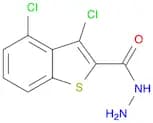
The protein encoded by this gene is a member of the SEC23 subfamily of the SEC23/SEC24 family, which is involved in vesicle trafficking. The encoded protein has similarity to yeast Sec23p component of COPII. COPII is the coat protein complex responsible for vesicle budding from the ER. The function of this gene product has been implicated in cargo selection and concentration. Multiple alternatively spliced transcript variants have been identified in this gene. [provided by RefSeq, Feb 2010],3,4-DICHLORO-1-BENZOTHIOPHENE-2-CARBOHYDRAZIDE
CAS :Formule :C9H6Cl2N2OSDegré de pureté :98%Couleur et forme :SolidMasse moléculaire :261.1277SRF (phospho Thr159) rabbit pAb
This gene encodes a ubiquitous nuclear protein that stimulates both cell proliferation and differentiation. It is a member of the MADS (MCM1, Agamous, Deficiens, and SRF) box superfamily of transcription factors. This protein binds to the serum response element (SRE) in the promoter region of target genes. This protein regulates the activity of many immediate-early genes, for example c-fos, and thereby participates in cell cycle regulation, apoptosis, cell growth, and cell differentiation. This gene is the downstream target of many pathways; for example, the mitogen-activated protein kinase pathway (MAPK) that acts through the ternary complex factors (TCFs). Two transcript variants encoding different isoforms have been found for this gene. [provided by RefSeq, May 2014],ATP5A rabbit pAb
This gene encodes a subunit of mitochondrial ATP synthase. Mitochondrial ATP synthase catalyzes ATP synthesis, using an electrochemical gradient of protons across the inner membrane during oxidative phosphorylation. ATP synthase is composed of two linked multi-subunit complexes: the soluble catalytic core, F1, and the membrane-spanning component, Fo, comprising the proton channel. The catalytic portion of mitochondrial ATP synthase consists of 5 different subunits (alpha, beta, gamma, delta, and epsilon) assembled with a stoichiometry of 3 alpha, 3 beta, and a single representative of the other 3. The proton channel consists of three main subunits (a, b, c). This gene encodes the alpha subunit of the catalytic core. Alternatively spliced transcript variants encoding the different isoforms have been identified. Pseudogenes of thiVATC1 rabbit pAb
This gene encodes a component of vacuolar ATPase (V-ATPase), a multisubunit enzyme that mediates acidification of intracellular compartments of eukaryotic cells. V-ATPase dependent acidification is necessary for such intracellular processes as protein sorting, zymogen activation, receptor-mediated endocytosis, and synaptic vesicle proton gradient generation. V-ATPase is composed of a cytosolic V1 domain and a transmembrane V0 domain. The V1 domain consists of three A and three B subunits, two G subunits plus the C, D, E, F, and H subunits. The V1 domain contains the ATP catalytic site. The V0 domain consists of five different subunits: a, c, c', c'', and d. Additional isoforms of many of the V1 and V0 subunit proteins are encoded by multiple genes or alternatively spliced transcript variants. This gene is one of two genes that encode the V1 domain C subunit proteins anNUF2 rabbit pAb
This gene encodes a protein that is highly similar to yeast Nuf2, a component of a conserved protein complex associated with the centromere. Yeast Nuf2 disappears from the centromere during meiotic prophase when centromeres lose their connection to the spindle pole body, and plays a regulatory role in chromosome segregation. The encoded protein is found to be associated with centromeres of mitotic HeLa cells, which suggests that this protein is a functional homolog of yeast Nuf2. Alternatively spliced transcript variants that encode the same protein have been described. [provided by RefSeq, Jul 2008],CXCR-3 rabbit pAb
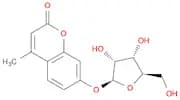
C-X-C motif chemokine receptor 3(CXCR3) Homo sapiens This gene encodes a G protein-coupled receptor with selectivity for three chemokines, termed CXCL9/Mig (monokine induced by interferon-g), CXCL10/IP10 (interferon-g-inducible 10 kDa protein) and CXCL11/I-TAC (interferon-inducible T cell a-chemoattractant). Binding of chemokines to this protein induces cellular responses that are involved in leukocyte traffic, most notably integrin activation, cytoskeletal changes and chemotactic migration. Alternatively spliced transcript variants encoding different isoforms have been found for this gene. One of the isoforms (CXCR3-B) shows high affinity binding to chemokine, CXCL4/PF4 (PMID:12782716). [provided by RefSeq, Jun 2011],4-Methylumbelliferyl β-D-ribofuranoside
CAS :Formule :C15H16O7Degré de pureté :98%Couleur et forme :SolidMasse moléculaire :308.2833Flg rabbit pAb
The protein encoded by this gene is a member of the fibroblast growth factor receptor (FGFR) family, where amino acid sequence is highly conserved between members and throughout evolution. FGFR family members differ from one another in their ligand affinities and tissue distribution. A full-length representative protein consists of an extracellular region, composed of three immunoglobulin-like domains, a single hydrophobic membrane-spanning segment and a cytoplasmic tyrosine kinase domain. The extracellular portion of the protein interacts with fibroblast growth factors, setting in motion a cascade of downstream signals, ultimately influencing mitogenesis and differentiation. This particular family member binds both acidic and basic fibroblast growth factors and is involved in limb induction. Mutations in this gene have been associated with Pfeiffer syndrome, Jackson-Weiss syndrome,Dbf4 rabbit pAb
function:Regulatory subunit for CDC7 which activates its kinase activity thereby playing a central role in DNA replication and cell proliferation. Required for progression of S phase. The complex CDC7-DBF4A selectively phosphorylates MCM2 subunit at 'Ser-40' and 'Ser-53' and then is involved in regulating the initiation of DNA replication during cell cycle.,induction:Induced in G1 phase at low level, increased during G1-S phase and remain high during S and G2-M phase.,PTM:Phosphorylated upon DNA damage, probably by ATM or ATR.,similarity:Contains 1 DBF4-type zinc finger.,similarity:Contains 2 BRCT domains.,subunit:Forms a complex with CDC7. Note that CDC7 forms distinct complex either with DBF4A or DBF4B. Such complexes are stable upon replication stress. Interacts with MEN1, MCM2, ORC2L, ORC4L and ORC6L.,tissue specificity:Highly expressed in testis and thymus. Expressed also in most cancer cells lines.,GPDA rabbit pAb
This gene encodes a member of the NAD-dependent glycerol-3-phosphate dehydrogenase family. The encoded protein plays a critical role in carbohydrate and lipid metabolism by catalyzing the reversible conversion of dihydroxyacetone phosphate (DHAP) and reduced nicotine adenine dinucleotide (NADH) to glycerol-3-phosphate (G3P) and NAD+. The encoded cytosolic protein and mitochondrial glycerol-3-phosphate dehydrogenase also form a glycerol phosphate shuttle that facilitates the transfer of reducing equivalents from the cytosol to mitochondria. Mutations in this gene are a cause of transient infantile hypertriglyceridemia. Alternatively spliced transcript variants encoding multiple isoforms have been observed for this gene. [provided by RefSeq, Mar 2012],GK1/3 rabbit pAb
The protein encoded by this gene belongs to the FGGY kinase family. This protein is a key enzyme in the regulation of glycerol uptake and metabolism. It catalyzes the phosphorylation of glycerol by ATP, yielding ADP and glycerol-3-phosphate. Mutations in this gene are associated with glycerol kinase deficiency (GKD). Alternatively spliced transcript variants encoding different isoforms have been found for this gene. [provided by RefSeq, Mar 2011],PI3 Kinase P85α Mouse mAb
Phosphatidylinositol-4,5-bisphosphate 3-kinase (also called phosphatidylinositide 3-kinases, phosphatidylinositol-3-kinases, PI 3-kinases, PI(3)Ks, PI-3Ks or by the HUGO official stem symbol for the gene family, PI3K(s)) are a family of enzymes involved in cellular functions such as cell growth, proliferation, differentiation, motility, survival and intracellular trafficking, which in turn are involved in cancer.KChIP3 rabbit pAb
This gene encodes a member of the family of voltage-gated potassium (Kv) channel-interacting proteins, which belong to the recoverin branch of the EF-hand superfamily. Members of this family are small calcium binding proteins containing EF-hand-like domains. They are integral subunit components of native Kv4 channel complexes that may regulate A-type currents, and hence neuronal excitability, in response to changes in intracellular calcium. The encoded protein also functions as a calcium-regulated transcriptional repressor, and interacts with presenilins. Alternatively spliced transcript variants encoding different isoforms have been described. [provided by RefSeq, Jul 2008],Hec1 rabbit pAb
This gene encodes a component of the NDC80 kinetochore complex. The encoded protein consists of an N-terminal microtubule binding domain and a C-terminal coiled-coiled domain that interacts with other components of the complex. This protein functions to organize and stabilize microtubule-kinetochore interactions and is required for proper chromosome segregation. [provided by RefSeq, Oct 2011],MMP9 (Cleaved-Phe107) rabbit pAb
catalytic activity:Cleavage of gelatin types I and V and collagen types IV and V.,cofactor:Binds 2 zinc ions per subunit.,cofactor:Binds 3 calcium ions per subunit.,disease:Defects in MMP9 may be a cause of susceptibility to lumbar disk herniation (LDH) [MIM:603932]. LDH is the predominant cause of low-back pain and unilateral leg pain.,domain:The conserved cysteine present in the cysteine-switch motif binds the catalytic zinc ion, thus inhibiting the enzyme. The dissociation of the cysteine from the zinc ion upon the activation-peptide release activates the enzyme.,enzyme regulation:Inhibited by histatin-3 1/24 (histatin-5).,function:May play an essential role in local proteolysis of the extracellular matrix and in leukocyte migration. Could play a role in bone osteoclastic resorption. Cleaves KiSS1 at a Gly-|-Leu bond. Cleaves type IV and type V collagen into large C-terminal three quarter fragments and shorter N-terminal one quarter fragments. Degrades fibronectin but not laminin or Pz-peptide.,induction:Activated by 4-aminophenylmercuric acetate and phorbol ester.,miscellaneous:In the arthritis patient this enzyme might contribute to the pathogenesis of joint destruction and might constitute a useful marker of disease status.,PTM:N- and O-glycosylated.,PTM:Processing of the precursor yields different active forms of 64, 67 and 82 kDa. Sequentially processing by MMP3 yields the 82 kDa matrix metalloproteinase-9.,similarity:Belongs to the peptidase M10A family.,similarity:Contains 3 fibronectin type-II domains.,similarity:Contains 4 hemopexin-like domains.,subunit:Exists as monomer, disulfide-linked homodimer, and as a heterodimer with a 25 kDa protein. Macrophages and transformed cell lines produce only the monomeric form.,tissue specificity:Produced by normal alveolar macrophages and granulocytes.,GFP-Tag Mouse mAb
The green fluorescent protein (GFP) is a protein composed of 238 amino acid residues (26.9kDa) that exhibits bright green fluorescence when exposed to light in the blue to ultraviolet range. In cell and molecular biology, the GFP gene is frequently used as a reporter of expression.CSH1 rabbit pAb
The protein encoded by this gene is a member of the somatotropin/prolactin family of hormones and plays an important role in growth control. The gene is located at the growth hormone locus on chromosome 17 along with four other related genes in the same transcriptional orientation; an arrangement which is thought to have evolved by a series of gene duplications. Although the five genes share a remarkably high degree of sequence identity, they are expressed selectively in different tissues. Alternative splicing generates additional isoforms of each of the five growth hormones, leading to further diversity and potential for specialization. This particular family member is expressed mainly in the placenta and utilizes multiple transcription initiation sites. Expression of the identical mature proteins for chorionic somatomammotropin hormones 1 and 2 is upregulated during development, alCD56 rabbit pAb
This gene encodes a cell adhesion protein which is a member of the immunoglobulin superfamily. The encoded protein is involved in cell-to-cell interactions as well as cell-matrix interactions during development and differentiation. The encoded protein has been shown to be involved in development of the nervous system, and for cells involved in the expansion of T cells and dendritic cells which play an important role in immune surveillance. Alternative splicing results in multiple transcript variants. [provided by RefSeq, Jun 2011],Cytokeratin 18 Rabbit pAb
Keratin 18 is a type I cytokeratin. It is, together with its filament partner keratin 8, perhaps the most commonly found products of the intermediate filament gene family. They are expressed in single layer epithelial tissues of the body. Mutations in this gene have been linked to cryptogenic cirrhosis. Two transcript variants encoding the same protein have been found for this gene.Keratin 18 is often used together with keratin 8 and keratin 19 to differentiate cells of epithelial origin from hematopoietic cells in tests that enumerate circulating tumor cells in blood.Myomesin-1 rabbit pAb
The giant protein titin, together with its associated proteins, interconnects the major structure of sarcomeres, the M bands and Z discs. The C-terminal end of the titin string extends into the M line, where it binds tightly to M-band constituents of apparent molecular masses of 190 kD (myomesin 1) and 165 kD (myomesin 2). This protein, myomesin 1, like myomesin 2, titin, and other myofibrillar proteins contains structural modules with strong homology to either fibronectin type III (motif I) or immunoglobulin C2 (motif II) domains. Myomesin 1 and myomesin 2 each have a unique N-terminal region followed by 12 modules of motif I or motif II, in the arrangement II-II-I-I-I-I-I-II-II-II-II-II. The two proteins share 50% sequence identity in this repeat-containing region. The head structure formed by these 2 proteins on one end of the titin string extends into the center of the M band. The integrating structurec-Kit rabbit pAb
This gene encodes the human homolog of the proto-oncogene c-kit. C-kit was first identified as the cellular homolog of the feline sarcoma viral oncogene v-kit. This protein is a type 3 transmembrane receptor for MGF (mast cell growth factor, also known as stem cell factor). Mutations in this gene are associated with gastrointestinal stromal tumors, mast cell disease, acute myelogenous lukemia, and piebaldism. Multiple transcript variants encoding different isoforms have been found for this gene. [provided by RefSeq, Jul 2008],Histone H4 (Acetyl Lys8) rabbit pAb
Histones are basic nuclear proteins that are responsible for the nucleosome structure of the chromosomal fiber in eukaryotes. Two molecules of each of the four core histones (H2A, H2B, H3, and H4) form an octamer, around which approximately 146 bp of DNA is wrapped in repeating units, called nucleosomes. The linker histone, H1, interacts with linker DNA between nucleosomes and functions in the compaction of chromatin into higher order structures. This gene is intronless and encodes a replication-dependent histone that is a member of the histone H4 family. Transcripts from this gene lack polyA tails but instead contain a palindromic termination element. This gene is found in the histone microcluster on chromosome 6p21.33. [provided by RefSeq, Aug 2015],PSB11 rabbit pAb
Proteasomes generate peptides that are presented by major histocompatibility complex (MHC) I molecules to other cells of the immune system. Proteolysis is conducted by 20S proteasomes, complexes of 28 subunits arranged as a cylinder in 4 heteroheptameric rings: alpha-1 to -7, beta-1 to -7, beta-1 to -7, and alpha-1 to -7. The catalytic subunits are beta-1 (PSMB6; MIM 600307), beta-2 (PSMB7; MIM 604030), and beta-5 (PSMB5; MIM 600306). Three additional subunits, beta-1i (PSMB9; MIM 177045), beta-2i (PSMB10; MIM 176847), and beta-5i (PSMB8; MIM 177046), are induced by gamma-interferon (IFNG; MIM 147570) and are preferentially incorporated into proteasomes to make immunoproteasomes. PSMB11, or beta-5t, is a catalytic subunit expressed exclusively in cortical thymic epithelial cells (Murata et al., 2007 [PubMed 17540904]).[supplied by OMIM, Mar 2008],NPAS2 rabbit pAb
The protein encoded by this gene is a member of the basic helix-loop-helix (bHLH)-PAS family of transcription factors. A similar mouse protein may play a regulatory role in the acquisition of specific types of memory. It also may function as a part of a molecular clock operative in the mammalian forebrain. [provided by RefSeq, Jul 2008],Dlx-5 rabbit pAb
This gene encodes a member of a homeobox transcription factor gene family similiar to the Drosophila distal-less gene. The encoded protein may play a role in bone development and fracture healing. Mutation in this gene, which is located in a tail-to-tail configuration with another member of the family on the long arm of chromosome 7, may be associated with split-hand/split-foot malformation. [provided by RefSeq, Jul 2008],3BP2 rabbit pAb
The protein encoded by this gene has an N-terminal pleckstrin homology (PH) domain, an SH3-binding proline-rich region, and a C-terminal SH2 domain. The protein binds to the SH3 domains of several proteins including the ABL1 and SYK protein tyrosine kinases , and functions as a cytoplasmic adaptor protein to positively regulate transcriptional activity in T, natural killer (NK), and basophilic cells. Mutations in this gene result in cherubism. Multiple transcript variants encoding different isoforms have been found for this gene. [provided by RefSeq, Mar 2009],EKLF (Acetyl Lys274) rabbit pAb
This gene encodes a hematopoietic-specific transcription factor that induces high-level expression of adult beta-globin and other erythroid genes. The zinc-finger protein binds to the DNA sequence CCACACCCT found in the beta hemoglobin promoter. Heterozygous loss-of-function mutations in this gene result in the dominant In(Lu) blood phenotype. [provided by RefSeq, Oct 2009],TIRAP (phospho Tyr86) rabbit pAb
The innate immune system recognizes microbial pathogens through Toll-like receptors (TLRs), which identify pathogen-associated molecular patterns. Different TLRs recognize different pathogen-associated molecular patterns and all TLRs have a Toll-interleukin 1 receptor (TIR) domain, which is responsible for signal transduction. The protein encoded by this gene is a TIR adaptor protein involved in the TLR4 signaling pathway of the immune system. It activates NF-kappa-B, MAPK1, MAPK3 and JNK, which then results in cytokine secretion and the inflammatory response. Alternative splicing of this gene results in several transcript variants; however, not all variants have been fully described. [provided by RefSeq, Jul 2008],Group VI iPLA2 rabbit pAb
The protein encoded by this gene is an A2 phospholipase, a class of enzyme that catalyzes the release of fatty acids from phospholipids. The encoded protein may play a role in phospholipid remodelling, arachidonic acid release, leukotriene and prostaglandin synthesis, fas-mediated apoptosis, and transmembrane ion flux in glucose-stimulated B-cells. Several transcript variants encoding multiple isoforms have been described, but the full-length nature of only three of them have been determined to date. [provided by RefSeq, Dec 2010],LINES rabbit pAb
The Drosophila segment polarity gene lin encodes a protein, lines, which plays important roles in development of the epidermis and hindgut. This gene encodes a protein containing a lines-like domain. This gene is located on chromosome 15 and clustered with the gene encoding ankyrin repeat and SOCS box-containing protein 7. [provided by RefSeq, Sep 2010],EYFP rabbit pAb
Enhanced Yellow florescent protein.Yellow Fluorescent Protein (YFP) is a genetic mutant of green fluorescent protein, derived from Aequorea victoria. Its excitation peak is 514nm and its emission peak is 527nm. Like green fluorescent protein (GFP), it is a useful tool in cell and molecular biology, usually explored using fluorescence microscopy. Three improved versions of YFP are Citrine, Venus, and Ypet. They have reduced chloride sensitivity, faster maturation, and increased brightness (product of the extinction coefficient and quantum yield). Typically, yellow FPs serve as the acceptor for genetically-encoded FRET sensors of which the most likely donor FP is mCFP (monomeric cyan FP). The red-shift relative to GFP is caused by a Pi-Pi stacking interaction as a result of the T203Y mutation, which essentially increases the polarizability of the local chromophore environment as well as providing additional electron density into the chromophore.CD109 rabbit pAb
This gene encodes a glycosyl phosphatidylinositol (GPI)-linked glycoprotein that localizes to the surface of platelets, activated T-cells, and endothelial cells. The protein binds to and negatively regulates signalling by transforming growth factor beta (TGF-beta). Multiple transcript variants encoding different isoforms have been found for this gene. [provided by RefSeq, Apr 2014],c-Kit (phospho-Tyr823) rabbit pAb
This gene encodes the human homolog of the proto-oncogene c-kit. C-kit was first identified as the cellular homolog of the feline sarcoma viral oncogene v-kit. This protein is a type 3 transmembrane receptor for MGF (mast cell growth factor, also known as stem cell factor). Mutations in this gene are associated with gastrointestinal stromal tumors, mast cell disease, acute myelogenous lukemia, and piebaldism. Multiple transcript variants encoding different isoforms have been found for this gene. [provided by RefSeq, Jul 2008],IBP4 rabbit pAb
This gene is a member of the insulin-like growth factor binding protein (IGFBP) family and encodes a protein with an IGFBP domain and a thyroglobulin type-I domain. The protein binds both insulin-like growth factors (IGFs) I and II and circulates in the plasma in both glycosylated and non-glycosylated forms. Binding of this protein prolongs the half-life of the IGFs and alters their interaction with cell surface receptors. [provided by RefSeq, Jul 2008],PEF1 rabbit pAb
This gene encodes a calcium-binding protein belonging to the penta-EF-hand protein family. The encoded protein has been shown to form a heterodimer with the programmed cell death 6 gene product and may modulate its function in Ca(2+) signaling. Alternative splicing results in multiple transcript variants and a pseudogene has been identified on chromosome 1.[provided by RefSeq, May 2010],NSE Mouse mAb
Enolase is a glycolytic enzyme catalyzing the reaction pathway between 2 phospho glycerate and phosphoenol pyruvate. In mammals, enolase molecules are dimers composed of three distinct subunits (alpha, beta and gamma). The alpha subunit is expressed in most tissues and the beta subunit only in muscle. The gamma subunit is expressed primarily in neurons, in normal and in neoplastic neuroendocrine cells. NSE (neuron specific enolase) is found in elevated concentrations in plasma in certain neoplasias. These include pediatric neuroblastoma and small cell lung cancer. Coexpression of NSE and chromogranin A is common in neuroendocrine neoplasms.NHERF-2 rabbit pAb
This gene encodes a member of the NHERF family of PDZ scaffolding proteins. These proteins mediate many cellular processes by binding to and regulating the membrane expression and protein-protein interactions of membrane receptors and transport proteins. The encoded protein plays a role in intestinal sodium absorption by regulating the activity of the sodium/hydrogen exchanger 3, and may also regulate the cystic fibrosis transmembrane regulator (CFTR) ion channel. Alternatively spliced transcript variants encoding multiple isoforms have been observed for this gene. [provided by RefSeq, Nov 2011],FBX46 rabbit pAb
Members of the F-box protein family, such as FBXO46, are characterized by an approximately 40-amino acid F-box motif. SCF complexes, formed by SKP1 (MIM 601434), cullin (see CUL1; MIM 603134), and F-box proteins, act as protein-ubiquitin ligases. F-box proteins interact with SKP1 through the F box, and they interact with ubiquitination targets through other protein interaction domains (Jin et al., 2004 [PubMed 15520277]).[supplied by OMIM, Mar 2008],CNIH2 rabbit pAb
The protein encoded by this gene is an auxiliary subunit of the ionotropic glutamate receptor of the AMPA subtype. AMPA receptors mediate fast synaptic neurotransmission in the central nervous system. This protein has been reported to interact with the Type I AMPA receptor regulatory protein isoform gamma-8 to control assembly of hippocampal AMPA receptor complexes, thereby modulating receptor gating and pharmacology. Alternative splicing results in multiple transcript variants. [provided by RefSeq, Aug 2012],RAB17 rabbit pAb
The Rab subfamily of small GTPases plays an important role in the regulation of membrane trafficking. RAB17 is an epithelial cell-specific GTPase (Lutcke et al., 1993 [PubMed 8486736]).[supplied by OMIM, Oct 2009],Ribosomal Protein L35 rabbit pAb
Ribosomes, the organelles that catalyze protein synthesis, consist of a small 40S subunit and a large 60S subunit. Together these subunits are composed of 4 RNA species and approximately 80 structurally distinct proteins. This gene encodes a ribosomal protein that is a component of the 60S subunit. The protein belongs to the L29P family of ribosomal proteins. It is located in the cytoplasm. As is typical for genes encoding ribosomal proteins, there are multiple processed pseudogenes of this gene dispersed through the genome. [provided by RefSeq, Jul 2008],OR5G3 rabbit pAb
Olfactory receptors interact with odorant molecules in the nose, to initiate a neuronal response that triggers the perception of a smell. The olfactory receptor proteins are members of a large family of G-protein-coupled receptors (GPCR) arising from single coding-exon genes. Olfactory receptors share a 7-transmembrane domain structure with many neurotransmitter and hormone receptors and are responsible for the recognition and G protein-mediated transduction of odorant signals. The olfactory receptor gene family is the largest in the genome. The nomenclature assigned to the olfactory receptor genes and proteins for this organism is independent of other organisms. [provided by RefSeq, Jul 2008],CSN1 rabbit pAb
This gene is known to suppress G-protein and mitogen-activated signal transduction in mammalian cells. The encoded protein shares significant similarity with Arabidopsis FUS6, which is a regulator of light-mediated signal transduction in plant cells. [provided by RefSeq, Mar 2016],TGFβ1 (4B9) Mouse mAb
Transforming growth factor-β (TGF-β) superfamily members are critical regulators of cell proliferation and differentiation, developmental patterning and morphogenesis, and disease pathogenesis. Many cells synthesize TGFB1 and have specific receptors for it. It positively and negatively regulates many other growth factors.MRP2 rabbit pAb
The protein encoded by this gene is a member of the superfamily of ATP-binding cassette (ABC) transporters. ABC proteins transport various molecules across extra- and intra-cellular membranes. ABC genes are divided into seven distinct subfamilies (ABC1, MDR/TAP, MRP, ALD, OABP, GCN20, White). This protein is a member of the MRP subfamily which is involved in multi-drug resistance. This protein is expressed in the canalicular (apical) part of the hepatocyte and functions in biliary transport. Substrates include anticancer drugs such as vinblastine; therefore, this protein appears to contribute to drug resistance in mammalian cells. Several different mutations in this gene have been observed in patients with Dubin-Johnson syndrome (DJS), an autosomal recessive disorder characterized by conjugated hyperbilirubinemia. [provided by RefSeq, Jul 2008],UB2E3 rabbit pAb
The modification of proteins with ubiquitin is an important cellular mechanism for targeting abnormal or short-lived proteins for degradation. Ubiquitination involves at least three classes of enzymes: ubiquitin-activating enzymes, or E1s, ubiquitin-conjugating enzymes, or E2s, and ubiquitin-protein ligases, or E3s. This gene encodes a member of the E2 ubiquitin-conjugating enzyme family. The encoded protein shares 100% sequence identity with the mouse and rat counterparts, which indicates that this enzyme is highly conserved in eukaryotes. Multiple alternatively spliced transcript variants encoding the same protein have been found for this gene. [provided by RefSeq, Jun 2013],MYPT3 rabbit pAb
Myosin light chain kinase and phosphatase (MLCP) complexes control the phosphorylation states of regulatory myosin light chains, which is crucial for muscle and intracellular movement. MLCPs typically contain a catalytic protein phosphatase 1 (PP1c) subunit, a myosin phosphatase targeting (MYPT) subunit, and another smaller subunit. The protein encoded by this gene represents an MYPT subunit, which is responsible for directing PP1c to its intended targets. However, while other MYPTs result in PP1c activation after becoming phosphorylated, the encoded protein is phosphorylated by protein kinase A and then inhibits the catalytic activity of PP1c. [provided by RefSeq, Jul 2016],OR6B1 rabbit pAb
olfactory receptor family 6 subfamily B member 1(OR6B1) Homo sapiens Olfactory receptors interact with odorant molecules in the nose, to initiate a neuronal response that triggers the perception of a smell. The olfactory receptor proteins are members of a large family of G-protein-coupled receptors (GPCR) arising from single coding-exon genes. Olfactory receptors share a 7-transmembrane domain structure with many neurotransmitter and hormone receptors and are responsible for the recognition and G protein-mediated transduction of odorant signals. The olfactory receptor gene family is the largest in the genome. The nomenclature assigned to the olfactory receptor genes and proteins for this organism is independent of other organisms. [provided by RefSeq, Jul 2008],Coronin 1A rabbit pAb
This gene encodes a member of the WD repeat protein family. WD repeats are minimally conserved regions of approximately 40 amino acids typically bracketed by gly-his and trp-asp (GH-WD), which may facilitate formation of heterotrimeric or multiprotein complexes. Members of this family are involved in a variety of cellular processes, including cell cycle progression, signal transduction, apoptosis, and gene regulation. Alternative splicing results in multiple transcript variants. A related pseudogene has been defined on chromosome 16. [provided by RefSeq, Sep 2010],Tak1 (phospho Ser439) rabbit pAb
The protein encoded by this gene is a member of the serine/threonine protein kinase family. This kinase mediates the signaling transduction induced by TGF beta and morphogenetic protein (BMP), and controls a variety of cell functions including transcription regulation and apoptosis. In response to IL-1, this protein forms a kinase complex including TRAF6, MAP3K7P1/TAB1 and MAP3K7P2/TAB2; this complex is required for the activation of nuclear factor kappa B. This kinase can also activate MAPK8/JNK, MAP2K4/MKK4, and thus plays a role in the cell response to environmental stresses. Four alternatively spliced transcript variants encoding distinct isoforms have been reported. [provided by RefSeq, Jul 2008],Dsg1 rabbit pAb
This gene encodes a member of the desmoglein protein subfamily. Desmogleins, along with desmocollins, are cadherin-like transmembrane glycoproteins that are major components of the desmosome. Desmosomes are cell-cell junctions that help resist shearing forces and are found in high concentrations in cells subject to mechanical stress. This gene is found in a cluster with other desmoglein family members on chromosome 18. The encoded protein has been identified as a target of auto-antibodies in the autoimmune skin blistering disease pemphigus foliaceus. Disruption of this gene has also been associated with the skin diseases palmoplantar keratoderma and erythroderma. [provided by RefSeq, Feb 2015],MIP-3β rabbit pAb
This antimicrobial gene is one of several CC cytokine genes clustered on the p-arm of chromosome 9. Cytokines are a family of secreted proteins involved in immunoregulatory and inflammatory processes. The CC cytokines are proteins characterized by two adjacent cysteines. The cytokine encoded by this gene may play a role in normal lymphocyte recirculation and homing. It also plays an important role in trafficking of T cells in thymus, and in T cell and B cell migration to secondary lymphoid organs. It specifically binds to chemokine receptor CCR7. [provided by RefSeq, Sep 2014],TESK2 rabbit pAb
testis-specific kinase 2(TESK2) Homo sapiens This gene product is a serine/threonine protein kinase that contains an N-terminal protein kinase domain that is structurally similar to the kinase domains of testis-specific protein kinase-1 and the LIM motif-containing protein kinases (LIMKs). Its overall structure is most related to the former, indicating that it belongs to the TESK subgroup of the LIMK/TESK family of protein kinases. This gene is predominantly expressed in testis and prostate. The developmental expression pattern of the rat gene in testis suggests an important role for this gene in meitoic stages and/or early stages of spermiogenesis. Alternative splicing results in multiple transcript variants. [provided by RefSeq, Mar 2016],PI 3-kinase p85α rabbit pAb
Phosphatidylinositol 3-kinase phosphorylates the inositol ring of phosphatidylinositol at the 3-prime position. The enzyme comprises a 110 kD catalytic subunit and a regulatory subunit of either 85, 55, or 50 kD. This gene encodes the 85 kD regulatory subunit. Phosphatidylinositol 3-kinase plays an important role in the metabolic actions of insulin, and a mutation in this gene has been associated with insulin resistance. Alternative splicing of this gene results in four transcript variants encoding different isoforms. [provided by RefSeq, Jun 2011],T2R39 rabbit pAb
The protein encoded by this gene is a bitter taste receptor that detects green tea catechins, soy isoflavones, and theaflavins. The encoded protein is gustducin-linked and may activate alpha gustducin. This gene is intronless. [provided by RefSeq, Dec 2015],SENP2 rabbit pAb
SUMO1 (UBL1; MIM 601912) is a small ubiquitin-like protein that can be covalently conjugated to other proteins. SENP2 is one of a group of enzymes that process newly synthesized SUMO1 into the conjugatable form and catalyze the deconjugation of SUMO1-containing species.[supplied by OMIM, Apr 2004],Bad (phospho Ser134) rabbit pAb
The protein encoded by this gene is a member of the BCL-2 family. BCL-2 family members are known to be regulators of programmed cell death. This protein positively regulates cell apoptosis by forming heterodimers with BCL-xL and BCL-2, and reversing their death repressor activity. Proapoptotic activity of this protein is regulated through its phosphorylation. Protein kinases AKT and MAP kinase, as well as protein phosphatase calcineurin were found to be involved in the regulation of this protein. Alternative splicing of this gene results in two transcript variants which encode the same isoform. [provided by RefSeq, Jul 2008],EDG-1 rabbit pAb
The protein encoded by this gene is structurally similar to G protein-coupled receptors and is highly expressed in endothelial cells. It binds the ligand sphingosine-1-phosphate with high affinity and high specificity, and suggested to be involved in the processes that regulate the differentiation of endothelial cells. Activation of this receptor induces cell-cell adhesion. Alternative splicing results in multiple transcript variants. [provided by RefSeq, Mar 2016],PURA rabbit pAb
This gene product is a sequence-specific, single-stranded DNA-binding protein. It binds preferentially to the single strand of the purine-rich element termed PUR, which is present at origins of replication and in gene flanking regions in a variety of eukaryotes from yeasts through humans. Thus, it is implicated in the control of both DNA replication and transcription. Deletion of this gene has been associated with myelodysplastic syndrome and acute myelogenous leukemia. [provided by RefSeq, Jul 2008],DPP6 rabbit pAb
This gene encodes a single-pass type II membrane protein that is a member of the peptidase S9B family of serine proteases. This protein has no detectable protease activity, most likely due to the absence of the conserved serine residue normally present in the catalytic domain of serine proteases. However, it does bind specific voltage-gated potassium channels and alters their expression and biophysical properties. Variations in this gene may be associated with susceptibility to amyotrophic lateral sclerosis and with idiopathic ventricular fibrillation. Alternative splicing results in multiple transcript variants. [provided by RefSeq, Mar 2014],GPR42 rabbit pAb
GPR42, also named as GPR42P, FFAR1L and GPR41L, belongs to the G-protein coupled receptor 1 family. GPR42 appears to have arisen by tandem duplication of FFAR3 and have lost the ability to activate G-protein family in respose to carboxylate ligands primarily due to an amino acid change at position 174. It is an orphan receptor.Histone H3 (Tri Methyl Lys14) rabbit pAb
Histones are basic nuclear proteins that are responsible for the nucleosome structure of the chromosomal fiber in eukaryotes. This structure consists of approximately 146 bp of DNA wrapped around a nucleosome, an octamer composed of pairs of each of the four core histones (H2A, H2B, H3, and H4). The chromatin fiber is further compacted through the interaction of a linker histone, H1, with the DNA between the nucleosomes to form higher order chromatin structures. This gene is intronless and encodes a replication-dependent histone that is a member of the histone H3 family. Transcripts from this gene lack polyA tails; instead, they contain a palindromic termination element. This gene is found in the large histone gene cluster on chromosome 6p22-p21.3. [provided by RefSeq, Aug 2015],NGF rabbit pAb
This gene is a member of the NGF-beta family and encodes a secreted protein which homodimerizes and is incorporated into a larger complex. This protein has nerve growth stimulating activity and the complex is involved in the regulation of growth and the differentiation of sympathetic and certain sensory neurons. Mutations in this gene have been associated with hereditary sensory and autonomic neuropathy, type 5 (HSAN5), and dysregulation of this gene's expression is associated with allergic rhinitis. [provided by RefSeq, Jul 2008],B2LA1 rabbit pAb
BCL2 related protein A1(BCL2A1) Homo sapiens This gene encodes a member of the BCL-2 protein family. The proteins of this family form hetero- or homodimers and act as anti- and pro-apoptotic regulators that are involved in a wide variety of cellular activities such as embryonic development, homeostasis and tumorigenesis. The protein encoded by this gene is able to reduce the release of pro-apoptotic cytochrome c from mitochondria and block caspase activation. This gene is a direct transcription target of NF-kappa B in response to inflammatory mediators, and is up-regulated by different extracellular signals, such as granulocyte-macrophage colony-stimulating factor (GM-CSF), CD40, phorbol ester and inflammatory cytokine TNF and IL-1, which suggests a cytoprotective function that is essential for lymphocyte activation as well as cell survival. Alternatively spliced transcript variants encoding different isoforms have been found for this gene. [pSTAMP2 rabbit pAb
STEAP4 metalloreductase(STEAP4) Homo sapiens The protein encoded by this gene belongs to the STEAP (six transmembrane epithelial antigen of prostate) family, and resides in the golgi apparatus. It functions as a metalloreductase that has the ability to reduce both Fe(3+) to Fe(2+) and Cu(2+) to Cu(1+), using NAD(+) as acceptor. Studies in mice and human suggest that this gene maybe involved in adipocyte development and metabolism, and may contribute to the normal biology of the prostate cell, as well as prostate cancer progression. Alternatively spliced transcript variants encoding different isoforms have been found for this gene. [provided by RefSeq, Apr 2011],PACRG rabbit pAb
This gene encodes a protein that is conserved across metazoans. In vertebrates, this gene is linked in a head-to-head arrangement with the adjacent parkin gene, which is associated with autosomal recessive juvenile Parkinson's disease. These genes are co-regulated in various tissues and they share a bi-directional promoter. Both genes are associated with susceptibility to leprosy. The parkin co-regulated gene protein forms a large molecular complex with chaperones, including heat shock proteins 70 and 90, and chaperonin components. This protein is also a component of Lewy bodies in Parkinson's disease patients, and it suppresses unfolded Pael receptor-induced neuronal cell death. Multiple transcript variants encoding different isoforms have been found for this gene. [provided by RefSeq, Jul 2008],Raf-1 (phospho Ser296) rabbit pAb
This gene is the cellular homolog of viral raf gene (v-raf). The encoded protein is a MAP kinase kinase kinase (MAP3K), which functions downstream of the Ras family of membrane associated GTPases to which it binds directly. Once activated, the cellular RAF1 protein can phosphorylate to activate the dual specificity protein kinases MEK1 and MEK2, which in turn phosphorylate to activate the serine/threonine specific protein kinases, ERK1 and ERK2. Activated ERKs are pleiotropic effectors of cell physiology and play an important role in the control of gene expression involved in the cell division cycle, apoptosis, cell differentiation and cell migration. Mutations in this gene are associated with Noonan syndrome 5 and LEOPARD syndrome 2. [provided by RefSeq, Jul 2008],c-Fos (phospho Ser362) rabbit pAb
The Fos gene family consists of 4 members: FOS, FOSB, FOSL1, and FOSL2. These genes encode leucine zipper proteins that can dimerize with proteins of the JUN family, thereby forming the transcription factor complex AP-1. As such, the FOS proteins have been implicated as regulators of cell proliferation, differentiation, and transformation. In some cases, expression of the FOS gene has also been associated with apoptotic cell death. [provided by RefSeq, Jul 2008],DPEP2 rabbit pAb
DPEP2 belongs to the membrane-bound dipeptidase (EC 3.4.13.19) family. These enzymes hydrolyze a variety of dipeptides, including leukotriene D4, the beta-lactam ring of some antibiotics, and cystinyl-bis-glycine (cys-bis-gly) formed during glutathione degradation (Habib et al., 2003 [PubMed 12738806]).[supplied by OMIM, Mar 2008],Collagen V α2 (Cleaved-Leu1229) rabbit pAb
This gene encodes an alpha chain for one of the low abundance fibrillar collagens. Fibrillar collagen molecules are trimers that can be composed of one or more types of alpha chains. Type V collagen is found in tissues containing type I collagen and appears to regulate the assembly of heterotypic fibers composed of both type I and type V collagen. This gene product is closely related to type XI collagen and it is possible that the collagen chains of types V and XI constitute a single collagen type with tissue-specific chain combinations. Mutations in this gene are associated with Ehlers-Danlos syndrome, types I and II. [provided by RefSeq, Jul 2008],IPP2L rabbit pAb
PPP1R2P1 (Protein Phosphatase 1 Regulatory Inhibitor Subunit 2 Pseudogene 1) is a Pseudogene. GO annotations related to this gene include protein phosphatase inhibitor activity. Inhibitor of protein-phosphatase 1.Mnk1 (phospho Thr255) rabbit pAb
MAP kinase interacting serine/threonine kinase 1(MKNK1) Homo sapiens This gene encodes a Ser/Thr protein kinase that interacts with, and is activated by ERK1 and p38 mitogen-activated protein kinases, and thus may play a role in the response to environmental stress and cytokines. This kinase may also regulate transcription by phosphorylating eIF4E via interaction with the C-terminal region of eIF4G. Alternatively spliced transcript variants have been noted for this gene. [provided by RefSeq, Jan 2012],TKN1 rabbit pAb
This gene encodes four products of the tachykinin peptide hormone family, substance P and neurokinin A, as well as the related peptides, neuropeptide K and neuropeptide gamma. These hormones are thought to function as neurotransmitters which interact with nerve receptors and smooth muscle cells. They are known to induce behavioral responses and function as vasodilators and secretagogues. Substance P is an antimicrobial peptide with antibacterial and antifungal properties. Multiple transcript variants encoding different isoforms have been found for this gene. [provided by RefSeq, Nov 2014],CSTF3 rabbit pAb
The protein encoded by this gene is one of three (including CSTF1 and CSTF2) cleavage stimulation factors that combine to form the cleavage stimulation factor complex (CSTF). This complex is involved in the polyadenylation and 3' end cleavage of pre-mRNAs. The encoded protein functions as a homodimer and interacts directly with both CSTF1 and CSTF2 in the CSTF complex. Alternative splicing results in multiple transcript variants encoding different isoforms. [provided by RefSeq, Jul 2008],Casein Kinase Iγ1/2/3 rabbit pAb
This gene encodes a member of the casein kinase I gene family. This family is comprised of serine/threonine kinases that phosphorylate acidic proteins such as caseins. The encoded kinase plays a role in cell cycle checkpoint arrest in response to stalled replication forks by phosphorylating Claspin. A mutation in this gene may be associated with non-syndromic early-onset epilepsy (NSEOE). [provided by RefSeq, Jul 2016],Cofilin rabbit pAb
cofilin 1(CFL1) Homo sapiens The protein encoded by this gene can polymerize and depolymerize F-actin and G-actin in a pH-dependent manner. Increased phosphorylation of this protein by LIM kinase aids in Rho-induced reorganization of the actin cytoskeleton. Cofilin is a widely distributed intracellular actin-modulating protein that binds and depolymerizes filamentous F-actin and inhibits the polymerization of monomeric G-actin in a pH-dependent manner. It is involved in the translocation of actin-cofilin complex from cytoplasm to nucleus.[supplied by OMIM, Apr 2004],DERL1 rabbit pAb
derlin 1(DERL1) Homo sapiens The protein encoded by this gene is a member of the derlin family. Members of this family participate in the ER-associated degradation response and retrotranslocate misfolded or unfolded proteins from the ER lumen to the cytosol for proteasomal degradation. This protein recognizes substrate in the ER and works in a complex to retrotranslocate it across the ER membrane into the cytosol. This protein may select cystic fibrosis transmembrane conductance regulator protein (CFTR) for degradation as well as unfolded proteins in Alzheimer's disease. Alternative splicing results in multiple transcript variants that encode different protein isoforms. [provided by RefSeq, Aug 2012],Olfactory receptor 4Q3 rabbit pAb
olfactory receptor family 4 subfamily Q member 3(OR4Q3) Homo sapiens Olfactory receptors interact with odorant molecules in the nose, to initiate a neuronal response that triggers the perception of a smell. The olfactory receptor proteins are members of a large family of G-protein-coupled receptors (GPCR) arising from single coding-exon genes. Olfactory receptors share a 7-transmembrane domain structure with many neurotransmitter and hormone receptors and are responsible for the recognition and G protein-mediated transduction of odorant signals. The olfactory receptor gene family is the largest in the genome. The nomenclature assigned to the olfactory receptor genes and proteins for this organism is independent of other organisms. [provided by RefSeq, Jul 2008],T-type Ca++ CP α1H rabbit pAb
calcium voltage-gated channel subunit alpha1 H(CACNA1H) Homo sapiens This gene encodes a T-type member of the alpha-1 subunit family, a protein in the voltage-dependent calcium channel complex. Calcium channels mediate the influx of calcium ions into the cell upon membrane polarization and consist of a complex of alpha-1, alpha-2/delta, beta, and gamma subunits in a 1:1:1:1 ratio. The alpha-1 subunit has 24 transmembrane segments and forms the pore through which ions pass into the cell. There are multiple isoforms of each of the proteins in the complex, either encoded by different genes or the result of alternative splicing of transcripts. Alternate transcriptional splice variants, encoding different isoforms, have been characterized for the gene described here. Studies suggest certain mutations in this gene lead to childhood absence epilepsy (CAE). [provided by RefSeq, Jul 2008],CAD rabbit pAb
The de novo synthesis of pyrimidine nucleotides is required for mammalian cells to proliferate. This gene encodes a trifunctional protein which is associated with the enzymatic activities of the first 3 enzymes in the 6-step pathway of pyrimidine biosynthesis: carbamoylphosphate synthetase (CPS II), aspartate transcarbamoylase, and dihydroorotase. This protein is regulated by the mitogen-activated protein kinase (MAPK) cascade, which indicates a direct link between activation of the MAPK cascade and de novo biosynthesis of pyrimidine nucleotides. Alternative splicing results in multiple transcript variants encoding different isoforms. [provided by RefSeq, Apr 2015],SYK (Phospho-Tyr348) Antibody
This gene encodes a member of the family of non-receptor type Tyr protein kinases. This protein is widely expressed in hematopoietic cells and is involved in coupling activated immunoreceptors to downstream signaling events that mediate diverse cellular responses, including proliferation, differentiation, and phagocytosis. It is thought to be a modulator of epithelial cell growth and a potential tumour suppressor in human breast carcinomas. Alternatively spliced transcript variants encoding different isoforms have been found for this gene. [provided by RefSeq, Mar 2010],Cleaved-Factor XII HC (I20) rabbit pAb
This gene encodes coagulation factor XII which circulates in blood as a zymogen. This single chain zymogen is converted to a two-chain serine protease with an heavy chain (alpha-factor XIIa) and a light chain. The heavy chain contains two fibronectin-type domains, two epidermal growth factor (EGF)-like domains, a kringle domain and a proline-rich domain, whereas the light chain contains only a catalytic domain. On activation, further cleavages takes place in the heavy chain, resulting in the production of beta-factor XIIa light chain and the alpha-factor XIIa light chain becomes beta-factor XIIa heavy chain. Prekallikrein is cleaved by factor XII to form kallikrein, which then cleaves factor XII first to alpha-factor XIIa and then to beta-factor XIIa. The active factor XIIa participates in the initiation of blood coagulation, fibrinolysis, and the generation of bradykinin and angiotensin. It activatMOBP rabbit pAb
function:May play a role in compacting or stabilizing the myelin sheath, possibly by binding the negatively charged acidic phospholipids of the cytoplasmic membrane.,subcellular location:Present in the major dense line of CNS myelin.,OGT (phospho Thr454) rabbit pAb
This gene encodes a glycosyltransferase that catalyzes the addition of a single N-acetylglucosamine in O-glycosidic linkage to serine or threonine residues. Since both phosphorylation and glycosylation compete for similar serine or threonine residues, the two processes may compete for sites, or they may alter the substrate specificity of nearby sites by steric or electrostatic effects. The protein contains multiple tetratricopeptide repeats that are required for optimal recognition of substrates. Alternatively spliced transcript variants encoding distinct isoforms have been found for this gene. [provided by RefSeq, Oct 2009],IFI44 rabbit pAb
function:This protein aggregates to form microtubular structures.,induction:By alpha and beta interferons, but not by gamma interferons.,similarity:Belongs to the IFI44 family.,TRPV3 rabbit pAb
transient receptor potential cation channel subfamily V member 3(TRPV3) Homo sapiens This gene product belongs to a family of nonselective cation channels that function in a variety of processes, including temperature sensation and vasoregulation. The thermosensitive members of this family are expressed in subsets of sensory neurons that terminate in the skin, and are activated at distinct physiological temperatures. This channel is activated at temperatures between 22 and 40 degrees C. This gene lies in close proximity to another family member gene on chromosome 17, and the two encoded proteins are thought to associate with each other to form heteromeric channels. Multiple transcript variants encoding different isoforms have been found for this gene. [provided by RefSeq, Apr 2012],Involucrin rabbit pAb
involucrin(IVL) Homo sapiens Involucrin, a component of the keratinocyte crosslinked envelope, is found in the cytoplasm and crosslinked to membrane proteins by transglutaminase. This gene is mapped to 1q21, among calpactin I light chain, trichohyalin, profillaggrin, loricrin, and calcyclin. [provided by RefSeq, Jul 2008],TRβ1 (phospho Ser142) rabbit pAb
The protein encoded by this gene is a nuclear hormone receptor for triiodothyronine. It is one of the several receptors for thyroid hormone, and has been shown to mediate the biological activities of thyroid hormone. Knockout studies in mice suggest that the different receptors, while having certain extent of redundancy, may mediate different functions of thyroid hormone. Mutations in this gene are known to be a cause of generalized thyroid hormone resistance (GTHR), a syndrome characterized by goiter and high levels of circulating thyroid hormone (T3-T4), with normal or slightly elevated thyroid stimulating hormone (TSH). Several alternatively spliced transcript variants encoding the same protein have been observed for this gene. [provided by RefSeq, Jul 2008],ZDBF2 rabbit pAb
This gene encodes a protein containing DBF4-type zinc finger domains. This gene is imprinted and paternally expressed in lymphocytes but is more stochastically expressed in the placenta. Alternative splicing results in multiple transcript variants. [provided by RefSeq, Nov 2015],REEP1 rabbit pAb
This gene encodes a mitochondrial protein that functions to enhance the cell surface expression of odorant receptors. Mutations in this gene cause spastic paraplegia autosomal dominant type 31, a neurodegenerative disorder. Alternative splicing results in multiple transcript variants. [provided by RefSeq, Sep 2009],HXC9 rabbit pAb
This gene belongs to the homeobox family of genes. The homeobox genes encode a highly conserved family of transcription factors that play an important role in morphogenesis in all multicellular organisms. Mammals possess four similar homeobox gene clusters, HOXA, HOXB, HOXC and HOXD, which are located on different chromosomes and consist of 9 to 11 genes arranged in tandem. This gene is one of several homeobox HOXC genes located in a cluster on chromosome 12. [provided by RefSeq, Jul 2008],RBM8A rabbit pAb
This gene encodes a protein with a conserved RNA-binding motif. The protein is found predominantly in the nucleus, although it is also present in the cytoplasm. It is preferentially associated with mRNAs produced by splicing, including both nuclear mRNAs and newly exported cytoplasmic mRNAs. It is thought that the protein remains associated with spliced mRNAs as a tag to indicate where introns had been present, thus coupling pre- and post-mRNA splicing events. Previously, it was thought that two genes encode this protein, RBM8A and RBM8B; it is now thought that the RBM8B locus is a pseudogene. There are two alternate translation start codons with this gene, which result in two forms of the protein. An allele mutation and a low-frequency noncoding single-nucleotide polymorphism (SNP) in this gene cause thrombocytopenia-absent radius (TAR) syndrome. [provided by RefSeq, Jul 2013],ASC rabbit pAb
This gene encodes an adaptor protein that is composed of two protein-protein interaction domains: a N-terminal PYRIN-PAAD-DAPIN domain (PYD) and a C-terminal caspase-recruitment domain (CARD). The PYD and CARD domains are members of the six-helix bundle death domain-fold superfamily that mediates assembly of large signaling complexes in the inflammatory and apoptotic signaling pathways via the activation of caspase. In normal cells, this protein is localized to the cytoplasm; however, in cells undergoing apoptosis, it forms ball-like aggregates near the nuclear periphery. Two transcript variants encoding different isoforms have been found for this gene. [provided by RefSeq, Jul 2008],WFKN2 rabbit pAb
The WFIKKN1 protein contains a WAP domain, follistatin domain, immunoglobulin domain, two tandem Kunitz domains, and an NTR domain. This gene encodes a WFIKKN1-related protein which has the same domain organization as the WFIKKN1 protein. The WAP-type, follistatin type, Kunitz-type, and NTR-type protease inhibitory domains may control the action of multiple types of proteases. [provided by RefSeq, Jul 2008],NIFK rabbit pAb
This gene encodes a protein that interacts with the forkhead-associated domain of the Ki-67 antigen. The encoded protein may bind RNA and may play a role in mitosis and cell cycle progression. Multiple pseudogenes exist on chromosomes 5, 10, 12, 15, and 19.[provided by RefSeq, Jan 2009],AVP Receptor V3 rabbit pAb
The protein encoded by this gene acts as receptor for arginine vasopressin. This receptor belongs to the subfamily of G-protein coupled receptors which includes AVPR1A, V2R and OXT receptors. Its activity is mediated by G proteins which stimulate a phosphatidylinositol-calcium second messenger system. The receptor is primarily located in the anterior pituitary, where it stimulates ACTH release. It is expressed at high levels in ACTH-secreting pituitary adenomas as well as in bronchial carcinoids responsible for the ectopic ACTH syndrome. A spliced antisense transcript of this gene has been reported but its function is not known. [provided by RefSeq, Jul 2008],Src (phospho-Ser17) rabbit pAb
This gene is highly similar to the v-src gene of Rous sarcoma virus. This proto-oncogene may play a role in the regulation of embryonic development and cell growth. The protein encoded by this gene is a tyrosine-protein kinase whose activity can be inhibited by phosphorylation by c-SRC kinase. Mutations in this gene could be involved in the malignant progression of colon cancer. Two transcript variants encoding the same protein have been found for this gene. [provided by RefSeq, Jul 2008],p14 rabbit pAb
CDKN2A generates several transcript variants which differ in their first exons. At least three alternatively spliced variants encoding distinct proteins have been reported, two of which encode structurally related isoforms known to function as inhibitors of CDK4 kinase. The remaining transcript includes an alternate first exon located 20 Kb upstream of the remainder of the gene; this transcript contains an alternate open reading frame (ARF) that specifies a protein which is structurally unrelated to the products of the other variants. This ARF product functions as a stabilizer of the tumor suppressor protein p53 as it can interact with, and sequester, the E3 ubiquitin-protein ligase MDM2, a protein responsible for the degradation of p53. In spite of the structural and functional differences, the CDK inhibitor isoforms and the ARF product encoded by CDKN2A, through the regulatory roles of CDK4 and p53 in cell cycle G1 progression, share a common functionality in cell cycle G1 control. CDKN2A is frequently mutated or deleted in a wide variety of tumors, and is known to be an important tumor suppressor gene.CACNA1C rabbit pAb
calcium voltage-gated channel subunit alpha1 C(CACNA1C) Homo sapiens This gene encodes an alpha-1 subunit of a voltage-dependent calcium channel. Calcium channels mediate the influx of calcium ions into the cell upon membrane polarization. The alpha-1 subunit consists of 24 transmembrane segments and forms the pore through which ions pass into the cell. The calcium channel consists of a complex of alpha-1, alpha-2/delta, beta, and gamma subunits in a 1:1:1:1 ratio. There are multiple isoforms of each of these proteins, either encoded by different genes or the result of alternative splicing of transcripts. The protein encoded by this gene binds to and is inhibited by dihydropyridine. Alternative splicing results in many transcript variants encoding different proteins. Some of the predicted proteins may not produce functional ion channel subunits. [provided by RefSeq, Oct 2012],PKR (phospho Thr451) rabbit pAb
The protein encoded by this gene is a serine/threonine protein kinase that is activated by autophosphorylation after binding to dsRNA. The activated form of the encoded protein can phosphorylate translation initiation factor EIF2S1, which in turn inhibits protein synthesis. This protein is also activated by manganese ions and heparin. Three transcript variants encoding two different isoforms have been found for this gene. [provided by RefSeq, Oct 2011],β Tubulin Rabbit pAb
Microtubules are constituent parts of the mitotic apparatus, cilia, flagella, and elements of the cytoskeleton. They consist principally of 2 soluble proteins, alpha- and beta-tubulin, each of about 55,000 Da. Antibodies against beta Tubulin are useful as loading controls for Western Blotting. However it should be noted that levels of β-Tubulin may not be stable in certain cells. For example, expression of β-Tubulin in adipose tissue is very low and therefore β-Tubulin should not be used as loading control for these tissues.DJ-1 rabbit pAb
The product of this gene belongs to the peptidase C56 family of proteins. It acts as a positive regulator of androgen receptor-dependent transcription. It may also function as a redox-sensitive chaperone, as a sensor for oxidative stress, and it apparently protects neurons against oxidative stress and cell death. Defects in this gene are the cause of autosomal recessive early-onset Parkinson disease 7. Two transcript variants encoding the same protein have been identified for this gene. [provided by RefSeq, Jul 2008],CNK1 rabbit pAb
This gene encodes a protein containing several motifs involved in protein-protein interaction, including PDZ, PH (Pleckstrin homology), and SAM (sterile alpha motif) domains. The encoded protein acts as a scaffold component for receptor tyrosine kinase signaling and may mediate crosstalk between different signaling pathways. Alternative splicing results in multiple transcript variants. [provided by RefSeq, Jul 2014],MPP10 rabbit pAb
This gene encodes a protein that is phosphorylated during mitosis. The protein localizes to the nucleolus during interphase and to the chromosomes during M phase. The protein associates with the U3 small nucleolar ribonucleoprotein 60-80S complexes and may be involved in pre-rRNA processing. [provided by RefSeq, Dec 2010],ALDH1A2 rabbit pAb
This protein belongs to the aldehyde dehydrogenase family of proteins. The product of this gene is an enzyme that catalyzes the synthesis of retinoic acid (RA) from retinaldehyde. Retinoic acid, the active derivative of vitamin A (retinol), is a hormonal signaling molecule that functions in developing and adult tissues. The studies of a similar mouse gene suggest that this enzyme and the cytochrome CYP26A1, concurrently establish local embryonic retinoic acid levels which facilitate posterior organ development and prevent spina bifida. Four transcript variants encoding distinct isoforms have been identified for this gene. [provided by RefSeq, May 2011],CLC4D rabbit pAb
This gene encodes a member of the C-type lectin/C-type lectin-like domain (CTL/CTLD) superfamily. Members of this family share a common protein fold and have diverse functions, such as cell adhesion, cell-cell signalling, glycoprotein turnover, and roles in inflammation and immune response. This gene is closely linked to other CTL/CTLD superfamily members on chromosome 12p13 in the natural killer gene complex region. [provided by RefSeq, Jul 2008],AACT rabbit pAb
The protein encoded by this gene is a plasma protease inhibitor and member of the serine protease inhibitor class. Polymorphisms in this protein appear to be tissue specific and influence protease targeting. Variations in this protein's sequence have been implicated in Alzheimer's disease, and deficiency of this protein has been associated with liver disease. Mutations have been identified in patients with Parkinson disease and chronic obstructive pulmonary disease. [provided by RefSeq, Jul 2008],MYH6 rabbit pAb
Cardiac muscle myosin is a hexamer consisting of two heavy chain subunits, two light chain subunits, and two regulatory subunits. This gene encodes the alpha heavy chain subunit of cardiac myosin. The gene is located ~4kb downstream of the gene encoding the beta heavy chain subunit of cardiac myosin. Mutations in this gene cause familial hypertrophic cardiomyopathy and atrial septal defect 3. [provided by RefSeq, Mar 2010],NEDL2 rabbit pAb
function:E3 ubiquitin-protein ligase that mediates ubiquitination of TP73. Acts to stabilize TP73 and enhance activation of transcription by TP73.,pathway:Protein modification; protein ubiquitination.,similarity:Contains 1 C2 domain.,similarity:Contains 1 HECT (E6AP-type E3 ubiquitin-protein ligase) domain.,similarity:Contains 2 WW domains.,subunit:Interacts with TP73.,tissue specificity:Predominantly expressed in adult brain, lung and heart.,PTN4 rabbit pAb
The protein encoded by this gene is a member of the protein tyrosine phosphatase (PTP) family. PTPs are known to be signaling molecules that regulate a variety of cellular processes including cell growth, differentiation, mitotic cycle, and oncogenic transformation. This protein contains a C-terminal PTP domain and an N-terminal domain homologous to the band 4.1 superfamily of cytoskeletal-associated proteins. This PTP has been shown to interact with glutamate receptor delta 2 and epsilon subunits, and is thought to play a role in signalling downstream of the glutamate receptors through tyrosine dephosphorylation. [provided by RefSeq, Jul 2008],O10A2 rabbit pAb
Olfactory receptors interact with odorant molecules in the nose, to initiate a neuronal response that triggers the perception of a smell. The olfactory receptor proteins are members of a large family of G-protein-coupled receptors (GPCR) arising from single coding-exon genes. Olfactory receptors share a 7-transmembrane domain structure with many neurotransmitter and hormone receptors and are responsible for the recognition and G protein-mediated transduction of odorant signals. The olfactory receptor gene family is the largest in the genome. The nomenclature assigned to the olfactory receptor genes and proteins for this organism is independent of other organisms. [provided by RefSeq, Jul 2008],I-FABP rabbit pAb
The intracellular fatty acid-binding proteins (FABPs) belong to a multigene family with nearly twenty identified members. FABPs are divided into at least three distinct types, namely the hepatic-, intestinal- and cardiac-type. They form 14-15 kDa proteins and are thought to participate in the uptake, intracellular metabolism and/or transport of long-chain fatty acids. They may also be responsible in the modulation of cell growth and proliferation. Intestinal fatty acid-binding protein 2 gene contains four exons and is an abundant cytosolic protein in small intestine epithelial cells. This gene has a polymorphism at codon 54 that identified an alanine-encoding allele and a threonine-encoding allele. Thr-54 protein is associated with increased fat oxidation and insulin resistance. [provided by RefSeq, Jul 2008],Ubr1 rabbit pAb
The N-end rule pathway is one proteolytic pathway of the ubiquitin system. The recognition component of this pathway, encoded by this gene, binds to a destabilizing N-terminal residue of a substrate protein and participates in the formation of a substrate-linked multiubiquitin chain. This leads to the eventual degradation of the substrate protein. The protein described in this record has a RING-type zinc finger and a UBR-type zinc finger. Mutations in this gene have been associated with Johanson-Blizzard syndrome. [provided by RefSeq, Jul 2008],eEF2K (phospho Ser366) rabbit pAb
This gene encodes a highly conserved protein kinase in the calmodulin-mediated signaling pathway that links activation of cell surface receptors to cell division. This kinase is involved in the regulation of protein synthesis. It phosphorylates eukaryotic elongation factor 2 (EEF2) and thus inhibits the EEF2 function. The activity of this kinase is increased in many cancers and may be a valid target for anti-cancer treatment. [provided by RefSeq, Jul 2008],ZPBP1 rabbit pAb
ZPBP is one of several proteins that are thought to participate in secondary binding between acrosome-reacted sperm and the egg-specific extracellular matrix, the zona pellucida (McLeskey et al., 1998 [PubMed 9378618]).[supplied by OMIM, Aug 2008],Dyrk1A rabbit pAb
This gene encodes a member of the Dual-specificity tyrosine phosphorylation-regulated kinase (DYRK) family. This member contains a nuclear targeting signal sequence, a protein kinase domain, a leucine zipper motif, and a highly conservative 13-consecutive-histidine repeat. It catalyzes its autophosphorylation on serine/threonine and tyrosine residues. It may play a significant role in a signaling pathway regulating cell proliferation and may be involved in brain development. This gene is a homolog of Drosophila mnb (minibrain) gene and rat Dyrk gene. It is localized in the Down syndrome critical region of chromosome 21, and is considered to be a strong candidate gene for learning defects associated with Down syndrome. Alternative splicing of this gene generates several transcript variants differing from each other either in the 5' UTR or in the 3' cop130 Cas (phospho Tyr165) rabbit pAb
BCAR1, or CAS, is an Src (MIM 190090) family kinase substrate involved in various cellular events, including migration, survival, transformation, and invasion (Sawada et al., 2006 [PubMed 17129785]).[supplied by OMIM, May 2009],GSK3α/β rabbit pAb
glycogen synthase kinase 3 alpha(GSK3A) Homo sapiens This gene encodes a multifunctional Ser/Thr protein kinase that is implicated in the control of several regulatory proteins including glycogen synthase, and transcription factors, such as JUN. It also plays a role in the WNT and PI3K signaling pathways, as well as regulates the production of beta-amyloid peptides associated with Alzheimer's disease. [provided by RefSeq, Oct 2011],ABCG2 rabbit pAb
The membrane-associated protein encoded by this gene is included in the superfamily of ATP-binding cassette (ABC) transporters. ABC proteins transport various molecules across extra- and intra-cellular membranes. ABC genes are divided into seven distinct subfamilies (ABC1, MDR/TAP, MRP, ALD, OABP, GCN20, White). This protein is a member of the White subfamily. Alternatively referred to as a breast cancer resistance protein, this protein functions as a xenobiotic transporter which may play a major role in multi-drug resistance. It likely serves as a cellular defense mechanism in response to mitoxantrone and anthracycline exposure. Significant expression of this protein has been observed in the placenta, which may suggest a potential role for this molecule in placenta tissue. Multiple transcript variants encoding different isoforms have been found for this gene.Atm rabbit pAb
The protein encoded by this gene belongs to the PI3/PI4-kinase family. This protein is an important cell cycle checkpoint kinase that phosphorylates; thus, it functions as a regulator of a wide variety of downstream proteins, including tumor suppressor proteins p53 and BRCA1, checkpoint kinase CHK2, checkpoint proteins RAD17 and RAD9, and DNA repair protein NBS1. This protein and the closely related kinase ATR are thought to be master controllers of cell cycle checkpoint signaling pathways that are required for cell response to DNA damage and for genome stability. Mutations in this gene are associated with ataxia telangiectasia, an autosomal recessive disorder. [provided by RefSeq, Aug 2010],PNK1 (phospho-Ser114/Thr118) rabbit pAb
This locus represents a gene involved in DNA repair. In response to ionizing radiation or oxidative damage, the protein encoded by this locus catalyzes 5' phosphorylation and 3' dephosphorylation of nucleic acids. Mutations at this locus have been associated with microcephaly, seizures, and developmental delay.[provided by RefSeq, Sep 2010],Cav2.2 rabbit pAb
calcium voltage-gated channel subunit alpha1 B(CACNA1B) Homo sapiens The protein encoded by this gene is the pore-forming subunit of an N-type voltage-dependent calcium channel, which controls neurotransmitter release from neurons. The encoded protein forms a complex with alpha-2, beta, and delta subunits to form the high-voltage activated channel. This channel is sensitive to omega-conotoxin-GVIA and omega-agatoxin-IIIA but insensitive to dihydropyridines. Two transcript variants encoding different isoforms have been found for this gene. [provided by RefSeq, Aug 2011],TMEPAI rabbit pAb
This gene encodes a transmembrane protein that contains a Smad interacting motif (SIM). Expression of this gene is induced by androgens and transforming growth factor beta, and the encoded protein suppresses the androgen receptor and transforming growth factor beta signaling pathways though interactions with Smad proteins. Overexpression of this gene may play a role in multiple types of cancer. Alternatively spliced transcript variants encoding multiple isoforms have been observed for this gene. [provided by RefSeq, Dec 2011],TGFβ RII rabbit pAb
This gene encodes a member of the Ser/Thr protein kinase family and the TGFB receptor subfamily. The encoded protein is a transmembrane protein that has a protein kinase domain, forms a heterodimeric complex with another receptor protein, and binds TGF-beta. This receptor/ligand complex phosphorylates proteins, which then enter the nucleus and regulate the transcription of a subset of genes related to cell proliferation. Mutations in this gene have been associated with Marfan Syndrome, Loeys-Deitz Aortic Aneurysm Syndrome, and the development of various types of tumors. Alternatively spliced transcript variants encoding different isoforms have been characterized. [provided by RefSeq, Jul 2008],HDAC5/9 (phospho Ser259/220) rabbit pAb
Histones play a critical role in transcriptional regulation, cell cycle progression, and developmental events. Histone acetylation/deacetylation alters chromosome structure and affects transcription factor access to DNA. The protein encoded by this gene belongs to the class II histone deacetylase/acuc/apha family. It possesses histone deacetylase activity and represses transcription when tethered to a promoter. It coimmunoprecipitates only with HDAC3 family member and might form multicomplex proteins. It also interacts with myocyte enhancer factor-2 (MEF2) proteins, resulting in repression of MEF2-dependent genes. This gene is thought to be associated with colon cancer. Two transcript variants encoding different isoforms have been found for this gene. [provided by RefSeq, Jul 2008],RL35A rabbit pAb
Ribosomes, the organelles that catalyze protein synthesis, consist of a small 40S subunit and a large 60S subunit. Together these subunits are composed of 4 RNA species and approximately 80 structurally distinct proteins. This gene encodes a ribosomal protein that is a component of the 60S subunit. The protein belongs to the L35AE family of ribosomal proteins. It is located in the cytoplasm. The rat protein has been shown to bind to both initiator and elongator tRNAs, and thus, it is located at the P site, or P and A sites, of the ribosome. Although this gene was originally mapped to chromosome 18, it has been established that it is located at 3q29-qter. Alternative splicing results in multiple transcript variants. As is typical for genes encoding ribosomal proteins, there are multiple processed pseudogenes of this gene dispersed through the genome. [provided by RefSeq, Oct 2015],RSF1 rabbit pAb
This gene encodes a nuclear protein that interacts with hepatitis B virus X protein (HBX) and facilitates transcription of hepatitis B virus genes by the HBX transcription activator, suggesting a role for this interaction in the virus life cycle. This protein also interacts with SNF2H protein to form the RSF chromatin-remodeling complex, where the SNF2H subunit functions as the nucleosome-dependent ATPase, and this protein as the histone chaperone. [provided by RefSeq, Sep 2011],NDUFB10 rabbit pAb
function:Accessory subunit of the mitochondrial membrane respiratory chain NADH dehydrogenase (Complex I), that is believed to be not involved in catalysis. Complex I functions in the transfer of electrons from NADH to the respiratory chain. The immediate electron acceptor for the enzyme is believed to be ubiquinone.,similarity:Belongs to the complex I NDUFB10 subunit family.,subunit:Complex I is composed of 45 different subunits.,NKD2 rabbit pAb
This gene encodes a member of a family of proteins that function as negative regulators of Wnt receptor signaling through interaction with Dishevelled family members. The encoded protein participates in the delivery of transforming growth factor alpha-containing vesicles to the cell membrane. Alternatively spliced transcript variants encoding multiple isoforms have been observed for this gene. [provided by RefSeq, Aug 2012],LC7L3 rabbit pAb
This gene encodes a protein with an N-terminal half that contains cysteine/histidine motifs and leucine zipper-like repeats, and the C-terminal half is rich in arginine and glutamate residues (RE domain) and arginine and serine residues (RS domain). This protein localizes with a speckled pattern in the nucleus, and could be involved in the formation of splicesome via the RE and RS domains. Two alternatively spliced transcript variants encoding the same protein have been found for this gene. [provided by RefSeq, Aug 2009],Seprase rabbit pAb
The protein encoded by this gene is a homodimeric integral membrane gelatinase belonging to the serine protease family. It is selectively expressed in reactive stromal fibroblasts of epithelial cancers, granulation tissue of healing wounds, and malignant cells of bone and soft tissue sarcomas. This protein is thought to be involved in the control of fibroblast growth or epithelial-mesenchymal interactions during development, tissue repair, and epithelial carcinogenesis. Alternatively spliced transcript variants encoding different isoforms have been found for this gene. [provided by RefSeq, Apr 2014],CaVα2δ3 Rabbit pAb
Voltage-gated Ca2+ channels (CaV), enable the passage of Ca2+ ions in a voltage dependent manner. These heteromeric entities are formed in part by the pore-forming α1 subunit which determines the biophysical and pharmacological properties of the channel.GATA-4 rabbit pAb
This gene encodes a member of the GATA family of zinc-finger transcription factors. Members of this family recognize the GATA motif which is present in the promoters of many genes. This protein is thought to regulate genes involved in embryogenesis and in myocardial differentiation and function, and is necessary for normal testicular development. Mutations in this gene have been associated with cardiac septal defects. Additionally, alterations in gene expression have been associated with several cancer types. Alternative splicing results in multiple transcript variants. [provided by RefSeq, Apr 2015],HSPBAP1 rabbit pAb
This gene encodes a protein that binds to one of the small heat shock proteins, specifically hsp27. Hsp27 is involved with cell growth and differentiation. This encoded protein was found to be abnormally expressed in patients with intractable epilepsy, although how brain function is affected remains unknown. [provided by RefSeq, Sep 2011],p63 (phospho Ser455) rabbit pAb
tumor protein p63(TP63) Homo sapiens This gene encodes a member of the p53 family of transcription factors. The functional domains of p53 family proteins include an N-terminal transactivation domain, a central DNA-binding domain and an oligomerization domain. Alternative splicing of this gene and the use of alternative promoters results in multiple transcript variants encoding different isoforms that vary in their functional properties. These isoforms function during skin development and maintenance, adult stem/progenitor cell regulation, heart development and premature aging. Some isoforms have been found to protect the germline by eliminating oocytes or testicular germ cells that have suffered DNA damage. Mutations in this gene are associated with ectodermal dysplasia, and cleft lip/palate syndrome 3 (EEC3); split-hand/foot malformation 4 (SHFM4); ankyloblepharon-ectodermal defects-cleft lip/palate; ADULT syndrome (acro-dermato-ungual-lacrimCA VB rabbit pAb
Carbonic anhydrases (CAs) are a large family of zinc metalloenzymes that catalyze the reversible hydration of carbon dioxide. They participate in a variety of biological processes, including respiration, calcification, acid-base balance, bone resorption, and the formation of aqueous humor, cerebrospinal fluid, saliva, and gastric acid. They show extensive diversity in tissue distribution and in their subcellular localization. CA VB is localized in the mitochondria and shows the highest sequence similarity to the other mitochondrial CA, CA VA. It has a wider tissue distribution than CA VA, which is restricted to the liver. The differences in tissue distribution suggest that the two mitochondrial carbonic anhydrases evolved to assume different physiologic roles. [provided by RefSeq, Jul 2008],PR (phospho Ser190) rabbit pAb
This gene encodes a member of the steroid receptor superfamily. The encoded protein mediates the physiological effects of progesterone, which plays a central role in reproductive events associated with the establishment and maintenance of pregnancy. This gene uses two distinct promotors and translation start sites in the first exon to produce several transcript variants, both protein coding and non-protein coding. Two of the isoforms (A and B) are identical except for an additional 165 amino acids found in the N-terminus of isoform B and mediate their own response genes and physiologic effects with little overlap. [provided by RefSeq, Sep 2015],


![3,3'-(3,3'-Dimethoxy-[1,1'-biphenyl]-4,4'-diyl)bis(2,5-diphenyl-2H-tetrazol-3-ium) chloride](/_next/image/?url=https%3A%2Fstatic.cymitquimica.com%2Fproducts%2FIN%2Fthumb-webp%2FDA007S1S.webp&w=3840&q=75)