Anticorps primaires
Les anticorps primaires sont des immunoglobulines qui se lient spécifiquement à un antigène d'intérêt, permettant la détection et la quantification de protéines, peptides ou autres biomolécules. Ces anticorps sont des outils essentiels dans de nombreuses applications, notamment le Western blot, l'immunohistochimie et l'ELISA. Chez CymitQuimica, nous proposons une vaste sélection d'anticorps primaires de haute qualité, offrant spécificité et sensibilité pour divers besoins de recherche, notamment en cancérologie, immunologie et biologie cellulaire.
Sous-catégories appartenant à la catégorie "Anticorps primaires"
- Anticorps pour la recherche sur le cancer(3.722 produits)
- Anticorps cardio-vasculaires(2 produits)
- Biologie du développement(764 produits)
- Anticorps relatifs à l’épigénétique(162 produits)
- Anticorps d'immunologie(2.591 produits)
- Anticorps du métabolisme(291 produits)
- Anticorps de microbiologie(741 produits)
- Transduction du signal(2.771 produits)
- Tags & Marqueurs cellulaires(34 produits)
Affichez 1 plus de sous-catégories
75602 produits trouvés pour "Anticorps primaires"
Trier par
Degré de pureté (%)
0
100
|
0
|
50
|
90
|
95
|
100
GP148 rabbit pAb
function:Orphan receptor.,similarity:Belongs to the G-protein coupled receptor 1 family.,tissue specificity:Expression restricted to nervous system and testis. Is also detected in several tumors types, most notably prostate cancer.,TULP3 rabbit pAb
This gene encodes a member of the tubby gene family of bipartite transcription factors. Members of this family have been identified in plants, vertebrates, and invertebrates, and they share a conserved N-terminal transcription activation region and a conserved C-terminal DNA and phosphatidylinositol-phosphate binding region. The encoded protein binds to phosphoinositides in the plasma membrane via its C-terminal region and probably functions as a membrane-bound transcription regulator that translocates to the nucleus in response to phosphoinositide hydrolysis, for instance, induced by G-protein-coupled-receptor signaling. It plays an important role in neuronal development and function. Two transcript variants encoding distinct isoforms have been identified for this gene. [provided by RefSeq, May 2009],CtBP1 rabbit pAb
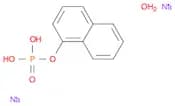
This gene encodes a protein that binds to the C-terminus of adenovirus E1A proteins. This phosphoprotein is a transcriptional repressor and may play a role during cellular proliferation. This protein and the product of a second closely related gene, CTBP2, can dimerize. Both proteins can also interact with a polycomb group protein complex which participates in regulation of gene expression during development. Alternative splicing of transcripts from this gene results in multiple transcript variants. [provided by RefSeq, Jul 2008],Sodium naphthalen-1-yl phosphate hydrate
CAS :Formule :C10H9Na2O5PDegré de pureté :95%Couleur et forme :SolidMasse moléculaire :286.1288ZNF499 Rabbit pAb
Zinc finger proteins are DNA and RNA binding proteins that contain motifs where amino acids are folded into a single structural unit around a zinc atom. In a standard zinc finger, one zinc atom is bound to two cysteines and two histidinesPLCD3 rabbit pAb
This gene encodes a member of the phospholipase C family, which catalyze the hydrolysis of phosphatidylinositol 4,5-bisphosphate to generate the second messengers diacylglycerol and inositol 1,4,5-trisphosphate (IP3). Diacylglycerol and IP3 mediate a variety of cellular responses to extracellular stimuli by inducing protein kinase C and increasing cytosolic Ca(2+) concentrations. This enzyme localizes to the plasma membrane and requires calcium for activation. Its activity is inhibited by spermine, sphingosine, and several phospholipids. [provided by RefSeq, Jul 2008],WHRN rabbit pAb
This gene is thought to function in the organization and stabilization of sterocilia elongation and actin cystoskeletal assembly, based on studies of the related mouse gene. Mutations in this gene have been associated with autosomal recessive non-syndromic deafness and Usher Syndrome. Alternative splicing of this gene results in multiple transcript variants encoding different isoforms.[provided by RefSeq, Mar 2010],DDX21 rabbit pAb
DEAD box proteins, characterized by the conserved motif Asp-Glu-Ala-Asp (DEAD), are putative RNA helicases. They are implicated in a number of cellular processes involving alteration of RNA secondary structure such as translation initiation, nuclear and mitochondrial splicing, and ribosome and spliceosome assembly. Based on their distribution patterns, some members of this family are believed to be involved in embryogenesis, spermatogenesis, and cellular growth and division. This gene encodes a DEAD box protein, which is an antigen recognized by autoimmune antibodies from a patient with watermelon stomach disease. This protein unwinds double-stranded RNA, folds single-stranded RNA, and may play important roles in ribosomal RNA biogenesis, RNA editing, RNA transport, and general transcription. [provided by RefSeq, Jul 2008],Olfactory receptor 10G9 rabbit pAb
Olfactory receptors interact with odorant molecules in the nose, to initiate a neuronal response that triggers the perception of a smell. The olfactory receptor proteins are members of a large family of G-protein-coupled receptors (GPCR) arising from single coding-exon genes. Olfactory receptors share a 7-transmembrane domain structure with many neurotransmitter and hormone receptors and are responsible for the recognition and G protein-mediated transduction of odorant signals. The olfactory receptor gene family is the largest in the genome. The nomenclature assigned to the olfactory receptor genes and proteins for this organism is independent of other organisms. [provided by RefSeq, Jul 2008],COL4A1 rabbit pAb
This gene encodes a type IV collagen alpha protein. Type IV collagen proteins are integral components of basement membranes. This gene shares a bidirectional promoter with a paralogous gene on the opposite strand. The protein consists of an amino-terminal 7S domain, a triple-helix forming collagenous domain, and a carboxy-terminal non-collagenous domain. It functions as part of a heterotrimer and interacts with other extracellular matrix components such as perlecans, proteoglycans, and laminins. In addition, proteolytic cleavage of the non-collagenous carboxy-terminal domain results in a biologically active fragment known as arresten, which has anti-angiogenic and tumor suppressor properties. Mutations in this gene cause porencephaly, cerebrovascular disease, and renal and muscular defects. Alternative splicing results in multiple transcript variants. [provided by RefSeq, Dec 2014],β-1,4-Gal-T1 rabbit pAb
This gene is one of seven beta-1,4-galactosyltransferase (beta4GalT) genes. They encode type II membrane-bound glycoproteins that appear to have exclusive specificity for the donor substrate UDP-galactose; all transfer galactose in a beta1,4 linkage to similar acceptor sugars: GlcNAc, Glc, and Xyl. Each beta4GalT has a distinct function in the biosynthesis of different glycoconjugates and saccharide structures. As type II membrane proteins, they have an N-terminal hydrophobic signal sequence that directs the protein to the Golgi apparatus and which then remains uncleaved to function as a transmembrane anchor. By sequence similarity, the beta4GalTs form four groups: beta4GalT1 and beta4GalT2, beta4GalT3 and beta4GalT4, beta4GalT5 and beta4GalT6, and beta4GalT7. This gene is unique among the beta4GalT genes because it encodes an enzyme that participates both in glycoconjugate and lactoPABP4 rabbit pAb
Poly(A)-binding proteins (PABPs) bind to the poly(A) tail present at the 3-prime ends of most eukaryotic mRNAs. PABPC4 or IPABP (inducible PABP) was isolated as an activation-induced T-cell mRNA encoding a protein. Activation of T cells increased PABPC4 mRNA levels in T cells approximately 5-fold. PABPC4 contains 4 RNA-binding domains and proline-rich C terminus. PABPC4 is localized primarily to the cytoplasm. It is suggested that PABPC4 might be necessary for regulation of stability of labile mRNA species in activated T cells. PABPC4 was also identified as an antigen, APP1 (activated-platelet protein-1), expressed on thrombin-activated rabbit platelets. PABPC4 may also be involved in the regulation of protein translation in platelets and megakaryocytes or may participate in the binding or stabilization of polyadenylates in platelet dense granules. Alternatively spliced transcript vaFILA2 rabbit pAb
The filaggrin-like protein encoded by this gene is upregulated by calcium, proteolyzed by calpain 1, and is involved in epithelial homeostasis. The encoded protein is required for proper cornification in skin, with defects in this gene being associated with skin diseases. This protein also has a function in skin barrier protection. In fact, in addition to providing a physical barrier, C-terminal fragments of this protein display antimicrobial activity against P. aeruginosa. [provided by RefSeq, Dec 2015],SENP3 rabbit pAb
The reversible posttranslational modification of proteins by the addition of small ubiquitin-like SUMO proteins (see SUMO1; MIM 601912) is required for numerous biologic processes. SUMO-specific proteases, such as SENP3, are responsible for the initial processing of SUMO precursors to generate a C-terminal diglycine motif required for the conjugation reaction. They also have isopeptidase activity for the removal of SUMO from high molecular mass SUMO conjugates (Di Bacco et al., 2006 [PubMed 16738315]).[supplied by OMIM, Jun 2009],CCP3 rabbit pAb
cofactor:Binds 1 zinc ion per subunit.,function:May play a role in the processing of tubulin.,similarity:Belongs to the peptidase M14 family.,ACAP1 (phospho Ser554) rabbit pAb
domain:PH domain binds phospholipids including phosphatidic acid, phosphatidylinositol 3-phosphate, phosphatidylinositol 3,5-bisphosphate (PIP2) and phosphatidylinositol 3,4,5-trisphosphate (PIP3). May mediate ACAP1-binding to PIP2 or PIP3 containing membranes.,enzyme regulation:GAP activity stimulated by phosphatidylinositol 4,5-bisphosphate (PIP2) and phosphatidic acid.,function:GTPase-activating protein (GAP) for ADP ribosylation factor 6 (ARF6) required for clathrin-dependent export of proteins from recycling endosomes to trans-Golgi network and cell surface.,miscellaneous:Cells overexpressing ACAP1 show an accumulation of ITGB1 in recycling endosomes and inhibition of stimulation-dependent cell migration. Cells with reduced levels of ACAP1 or AKT1 and AKT2 show inhibition of stimulation-dependent cell migration. Cells overexpressing ACAP1 and PIP5K1C show formation of tubular structures derived from endosomal membranes.,PTM:Phosphorylation at Ser-554 by PKB is required for interaction with ITGB1, export of ITGB1 from recycling endosomes to the cell surface and ITGB1-dependent cell migration.,similarity:Contains 1 Arf-GAP domain.,similarity:Contains 1 BAR domain.,similarity:Contains 1 PH domain.,similarity:Contains 3 ANK repeats.,subunit:Interacts with GTP-bound ARF6. Interacts with third cytoplasmic loop of SLC2A4/GLUT4. Interacts with CLTC. Interacts with GULP1. Forms a complex with GDP-bound ARF6 and GULP1.,tissue specificity:Highest level in lung and spleen. Low level in heart, kidney, liver and pancreas.,Pax-5 rabbit pAb
This gene encodes a member of the paired box (PAX) family of transcription factors. The central feature of this gene family is a novel, highly conserved DNA-binding motif, known as the paired box. Paired box transcription factors are important regulators in early development, and alterations in the expression of their genes are thought to contribute to neoplastic transformation. This gene encodes the B-cell lineage specific activator protein that is expressed at early, but not late stages of B-cell differentiation. Its expression has also been detected in developing CNS and testis and so the encoded protein may also play a role in neural development and spermatogenesis. This gene is located at 9p13, which is involved in t(9;14)(p13;q32) translocations recurring in small lymphocytic lymphomas of the plasmacytoid subtype, and in derived large-cell lymphomas. This translocation brings the potent E-mu enhancerASPP2 rabbit pAb
This gene encodes a member of the ASPP (apoptosis-stimulating protein of p53) family of p53 interacting proteins. The protein contains four ankyrin repeats and an SH3 domain involved in protein-protein interactions. It is localized to the perinuclear region of the cytoplasm, and regulates apoptosis and cell growth through interactions with other regulatory molecules including members of the p53 family. Multiple transcript variants encoding different isoforms have been found for this gene. [provided by RefSeq, Jul 2008],ARMCX1 rabbit pAb
armadillo repeat containing, X-linked 1(ARMCX1) Homo sapiens This gene encodes a member of the ALEX family of proteins and may play a role in tumor suppression. The encoded protein contains a potential N-terminal transmembrane domain and two Armadillo (arm) repeats. Other proteins containing the arm repeat are involved in development, maintenance of tissue integrity, and tumorigenesis. This gene is closely localized with other family members, including ALEX2 and ALEX3, on the X chromosome. [provided by RefSeq, Jul 2008],SFT2A rabbit pAb
function:May be involved in fusion of retrograde transport vesicles derived from an endocytic compartment with the Golgi complex.,similarity:Belongs to the SFT2 family.,UBA6 rabbit pAb
Modification of proteins with ubiquitin (UBB; MIM 191339) or ubiquitin-like proteins controls many signaling networks and requires a ubiquitin-activating enzyme (E1), a ubiquitin conjugating enzyme (E2), and a ubiquitin protein ligase (E3). UBE1L2 is an E1 enzyme that initiates the activation and conjugation of ubiquitin-like proteins (Jin et al., 2007 [PubMed 17597759]).[supplied by OMIM, Mar 2008],DHRS7 rabbit pAb
This gene encodes a member of the short-chain dehydrogenases/reductases (SDR) family, which has over 46,000 members. Members in this family are enzymes that metabolize many different compounds, such as steroid hormones, prostaglandins, retinoids, lipids and xenobiotics. [provided by RefSeq, Apr 2016],T2R8 rabbit pAb
This gene product belongs to the family of candidate taste receptors that are members of the G-protein-coupled receptor superfamily. These proteins are specifically expressed in the taste receptor cells of the tongue and palate epithelia. They are organized in the genome in clusters and are genetically linked to loci that influence bitter perception in mice and humans. In functional expression studies, they respond to bitter tastants. This gene maps to the taste receptor gene cluster on chromosome 12p13. [provided by RefSeq, Jul 2008],PRDM7 rabbit pAb
This gene encodes a member of a family of proteins that may have roles in transcription and other nuclear processes. The encoded protein contains a KRAB (Kruppel-associated box) domain -A box and a SET (Su(var)3-9, Enhancer-of-zeste, Trithorax) domain and may function as a histone methyltransferase. [provided by RefSeq, Aug 2013],CBP20 rabbit pAb
The product of this gene is a component of the nuclear cap-binding protein complex (CBC), which binds to the monomethylated 5' cap of nascent pre-mRNA in the nucleoplasm. The encoded protein has an RNP domain commonly found in RNA binding proteins, and contains the cap-binding activity. The CBC promotes pre-mRNA splicing, 3'-end processing, RNA nuclear export, and nonsense-mediated mRNA decay. Multiple transcript variants encoding different isoforms have been found for this gene. [provided by RefSeq, Jul 2008],Elf-1 rabbit pAb
This gene encodes an E26 transformation-specific related transcription factor. The encoded protein is primarily expressed in lymphoid cells and acts as both an enhancer and a repressor to regulate transcription of various genes. Alternative splicing results in multiple transcript variants. [provided by RefSeq, Feb 2009],CHD9 rabbit pAb
function:Acts as a transcriptional coactivator for PPARA and possibly other nuclear receptors. Proposed to be a ATP-dependent chromatin remodeling protein. Has DNA-dependent ATPase activity and binds to A/T-rich DNA. Associates with A/T-rich regulatory regions in promoters of genes that participate in the differentiation of progenitors during osteogenesis.,PTM:Phosphorylated on serine and tyrosine residues.,sequence caution:Wrong choice of frame.,similarity:Belongs to the SNF2/RAD54 helicase family.,similarity:Contains 1 helicase ATP-binding domain.,similarity:Contains 1 helicase C-terminal domain.,similarity:Contains 2 chromo domains.,subunit:Interacts with PPARA. Probably interacts with ESR1 and NR1I3.,tissue specificity:Widely expressed at low levels. In bone marrow, expression is restricted to osteoprogenitor cells adjacent to mature osteoblasts.,VATA rabbit pAb
This gene encodes a component of vacuolar ATPase (V-ATPase), a multisubunit enzyme that mediates acidification of eukaryotic intracellular organelles. V-ATPase dependent organelle acidification is necessary for such intracellular processes as protein sorting, zymogen activation, receptor-mediated endocytosis, and synaptic vesicle proton gradient generation. V-ATPase is composed of a cytosolic V1 domain and a transmembrane V0 domain. The V1 domain consists of three A and three B subunits, two G subunits plus the C, D, E, F, and H subunits. The V1 domain contains the ATP catalytic site. The V0 domain consists of five different subunits: a, c, c', c", and d. Additional isoforms of many of the V1 and V0 subunit proteins are encoded by multiple genes or alternatively spliced transcript variants. This encoded protein is one of two V1 domain A subunit isoforms and is found in allJAB1 rabbit pAb
The protein encoded by this gene is one of the eight subunits of COP9 signalosome, a highly conserved protein complex that functions as an important regulator in multiple signaling pathways. The structure and function of COP9 signalosome is similar to that of the 19S regulatory particle of 26S proteasome. COP9 signalosome has been shown to interact with SCF-type E3 ubiquitin ligases and act as a positive regulator of E3 ubiquitin ligases. This protein is reported to be involved in the degradation of cyclin-dependent kinase inhibitor CDKN1B/p27Kip1. It is also known to be an coactivator that increases the specificity of JUN/AP1 transcription factors. [provided by RefSeq, Jul 2008],HMG-17 (Acetyl Lys31) rabbit pAb
high mobility group nucleosomal binding domain 2(HMGN2) Homo sapiens The protein encoded by this gene binds nucleosomal DNA and is associated with transcriptionally active chromatin. Along with a similar protein, HMGN1, the encoded protein may help maintain an open chromatin configuration around transcribable genes. The protein has also been found to have antimicrobial activity against bacteria, viruses and fungi. [provided by RefSeq, Oct 2014],β III tubulin Mouse mAb
Tubulin is the major constituent of microtubules. It exists as a heterodimer consiting of an alpha and a beta subunit. TUBB3 plays a critical role in proper axon guidance and mantainance.p27 (phospho Thr187) rabbit pAb
This gene encodes a cyclin-dependent kinase inhibitor, which shares a limited similarity with CDK inhibitor CDKN1A/p21. The encoded protein binds to and prevents the activation of cyclin E-CDK2 or cyclin D-CDK4 complexes, and thus controls the cell cycle progression at G1. The degradation of this protein, which is triggered by its CDK dependent phosphorylation and subsequent ubiquitination by SCF complexes, is required for the cellular transition from quiescence to the proliferative state. Mutations in this gene are associated with multiple endocrine neoplasia type IV (MEN4). [provided by RefSeq, Apr 2014],CDC42 rabbit pAb
The protein encoded by this gene is a small GTPase of the Rho-subfamily, which regulates signaling pathways that control diverse cellular functions including cell morphology, migration, endocytosis and cell cycle progression. This protein is highly similar to Saccharomyces cerevisiae Cdc 42, and is able to complement the yeast cdc42-1 mutant. The product of oncogene Dbl was reported to specifically catalyze the dissociation of GDP from this protein. This protein could regulate actin polymerization through its direct binding to Neural Wiskott-Aldrich syndrome protein (N-WASP), which subsequently activates Arp2/3 complex. Alternative splicing of this gene results in multiple transcript variants. Pseudogenes of this gene have been identified on chromosomes 3, 4, 5, 7, 8 and 20. [provided by RefSeq, Apr 2013],NPS3A rabbit pAb
NIPSNAP3A belongs to a family of proteins with putative roles in vesicular transport (Buechler et al., 2004 [PubMed 15177564]).[supplied by OMIM, Mar 2008],Sgo2 rabbit pAb
function:During meiosis, protects centromeric cohesion complexes until metaphase II/anaphase II transition, preventing premature release of meiosis-specific REC8 cohesin complexes from anaphase I centromeres. Is thus essential for an accurate gametogenesis (By similarity). May act by targeting PPP2CA to centromeres, thus leading to cohesin dephosphorylation.,PTM:Phosphorylated upon DNA damage, probably by ATM or ATR.,sequence caution:Contaminating sequence. Potential poly-A sequence.,similarity:Belongs to the shugoshin family.,subcellular location:In Hela cells, localizes at centromeres throughout prophase until metaphase and disappears at anaphase.,subunit:Directly interacts with PPP2CA.,Gl Syn rabbit pAb
The protein encoded by this gene belongs to the glutamine synthetase family. It catalyzes the synthesis of glutamine from glutamate and ammonia in an ATP-dependent reaction. This protein plays a role in ammonia and glutamate detoxification, acid-base homeostasis, cell signaling, and cell proliferation. Glutamine is an abundant amino acid, and is important to the biosynthesis of several amino acids, pyrimidines, and purines. Mutations in this gene are associated with congenital glutamine deficiency, and overexpression of this gene was observed in some primary liver cancer samples. There are six pseudogenes of this gene found on chromosomes 2, 5, 9, 11, and 12. Alternative splicing results in multiple transcript variants. [provided by RefSeq, Dec 2014],CAN6 rabbit pAb
Calpains are ubiquitous, well-conserved family of calcium-dependent, cysteine proteases. The calpain proteins are heterodimers consisting of an invariant small subunit and variable large subunits. The large subunit possesses a cysteine protease domain, and both subunits possess calcium-binding domains. Calpains have been implicated in neurodegenerative processes, as their activation can be triggered by calcium influx and oxidative stress. The protein encoded by this gene is highly expressed in the placenta. Its C-terminal region lacks any homology to the calmodulin-like domain of other calpains. The protein lacks critical active site residues and thus is suggested to be proteolytically inactive. The protein may play a role in tumor formation by inhibiting apoptosis and promoting angiogenesis. [provided by RefSeq, Nov 2009],MCH-2R rabbit pAb
function:Receptor for melanin-concentrating hormone, coupled to G proteins that activate phosphoinositide hydrolysis.,similarity:Belongs to the G-protein coupled receptor 1 family.,tissue specificity:Specifically expressed in the brain, with highest levels in cerebral cortex, hippocampus and amygdala. No expression detected in the cerebellum, thalamus or hypothalamus.,Olfactory receptor 8K3 rabbit pAb
Olfactory receptors interact with odorant molecules in the nose, to initiate a neuronal response that triggers the perception of a smell. The olfactory receptor proteins are members of a large family of G-protein-coupled receptors (GPCR) arising from single coding-exon genes. Olfactory receptors share a 7-transmembrane domain structure with many neurotransmitter and hormone receptors and are responsible for the recognition and G protein-mediated transduction of odorant signals. The olfactory receptor gene family is the largest in the genome. The nomenclature assigned to the olfactory receptor genes and proteins for this organism is independent of other organisms. This olfactory receptor gene is a segregating pseudogene, where some individuals have an allele that encodes a functional olfactory receptor, while other individuals have an allele encoding aOlfactory receptor 3A2 rabbit pAb
olfactory receptor family 3 subfamily A member 2(OR3A2) Homo sapiens Olfactory receptors interact with odorant molecules in the nose, to initiate a neuronal response that triggers the perception of a smell. The olfactory receptor proteins are members of a large family of G-protein-coupled receptors (GPCR) arising from single coding-exon genes. Olfactory receptors share a 7-transmembrane domain structure with many neurotransmitter and hormone receptors and are responsible for the recognition and G protein-mediated transduction of odorant signals. The olfactory receptor gene family is the largest in the genome. The nomenclature assigned to the olfactory receptor genes and proteins for this organism is independent of other organisms. [provided by RefSeq, Jul 2008],β-actin Rabbit pAb
β-Actin is one of six different actin isoforms that have been identified. The actin molecules found in cells of various species and tissues tend to be very similar in their immunological and physical properties. Therefore, Antibodies against β-Actin are useful as loading controls for Western Blotting. However it should be noted that levels of β-Actin may not be stable in certain cells. For example, expression of β-Actin in adipose tissue is very low and therefore β-Actin should not be used as loading control for these tissues.ETO-2 rabbit pAb
This gene encodes a member of the myeloid translocation gene family which interact with DNA-bound transcription factors and recruit a range of corepressors to facilitate transcriptional repression. The t(16;21)(q24;q22) translocation is one of the less common karyotypic abnormalities in acute myeloid leukemia. The translocation produces a chimeric gene made up of the 5'-region of the runt-related transcription factor 1 gene fused to the 3'-region of this gene. This gene is also a putative breast tumor suppressor. Alternative splicing results in transcript variants. [provided by RefSeq, Nov 2010],SPE39 rabbit pAb
This gene encodes a protein involved in the sorting of lysosomal proteins. Mutations in this gene are associated with ARCS2 (arthrogryposis, renal dysfunction, and cholestasis-2). Alternative splicing results in multiple transcript variants.[provided by RefSeq, Jul 2010],Raptor (phospho-Ser792) rabbit pAb
This gene encodes a component of a signaling pathway that regulates cell growth in response to nutrient and insulin levels. The encoded protein forms a stoichiometric complex with the mTOR kinase, and also associates with eukaryotic initiation factor 4E-binding protein-1 and ribosomal protein S6 kinase. The protein positively regulates the downstream effector ribosomal protein S6 kinase, and negatively regulates the mTOR kinase. Multiple transcript variants encoding different isoforms have been found for this gene. [provided by RefSeq, Sep 2009],MFRP rabbit pAb
membrane frizzled-related protein(MFRP) Homo sapiens This gene encodes a member of the frizzled-related protein family. The encoded protein plays an important role in eye development and mutations in this gene have been associated with nanophthalmos, posterior microphthalmia, retinitis pigmentosa, foveoschisis, and optic disc drusen. The protein is encoded by a bicistronic transcript which also encodes C1q and tumor necrosis factor related protein 5 (C1QTNF5). [provided by RefSeq, Jun 2013],Survivin (phospho Thr117) rabbit pAb
This gene is a member of the inhibitor of apoptosis (IAP) gene family, which encode negative regulatory proteins that prevent apoptotic cell death. IAP family members usually contain multiple baculovirus IAP repeat (BIR) domains, but this gene encodes proteins with only a single BIR domain. The encoded proteins also lack a C-terminus RING finger domain. Gene expression is high during fetal development and in most tumors, yet low in adult tissues. Alternatively spliced transcript variants encoding distinct isoforms have been found for this gene. [provided by RefSeq, Jun 2011],Cleaved-Bad (D71) rabbit pAb
BCL2 associated agonist of cell death encoded by BAD is a member of the BCL-2 family. BCL-2 family members are known to be regulators of programmed cell death. BCL2 associated agonist of cell death positively regulates cell apoptosis by forming heterodimers with BCL-xL and BCL-2, and reversing their death repressor activity. Proapoptotic activity of BCL2 associated agonist of cell death is regulated through its phosphorylation. Protein kinases AKT and MAP kinase, as well as protein phosphatase calcineurin were found to be involved in the regulation of BCL2 associated agonist of cell death. Alternative splicing of BAD results in two transcript variants which encode the same isoform.IL-1RII rabbit pAb
The protein encoded by this gene is a cytokine receptor that belongs to the interleukin 1 receptor family. This protein binds interleukin alpha (IL1A), interleukin beta (IL1B), and interleukin 1 receptor, type I(IL1R1/IL1RA), and acts as a decoy receptor that inhibits the activity of its ligands. Interleukin 4 (IL4) is reported to antagonize the activity of interleukin 1 by inducing the expression and release of this cytokine. This gene and three other genes form a cytokine receptor gene cluster on chromosome 2q12. Alternative splicing results in multiple transcript variants and protein isoforms. Alternative splicing produces both membrane-bound and soluble proteins. A soluble protein is also produced by proteolytic cleavage. [provided by RefSeq, May 2012],CENP-A rabbit pAb
Centromeres are the differentiated chromosomal domains that specify the mitotic behavior of chromosomes. This gene encodes a centromere protein which contains a histone H3 related histone fold domain that is required for targeting to the centromere. Centromere protein A is proposed to be a component of a modified nucleosome or nucleosome-like structure in which it replaces 1 or both copies of conventional histone H3 in the (H3-H4)2 tetrameric core of the nucleosome particle. The protein is a replication-independent histone that is a member of the histone H3 family. Alternative splicing results in multiple transcript variants encoding distinct isoforms. [provided by RefSeq, Nov 2015],RN112 rabbit pAb
This gene encodes a member of the RING finger protein family of transcription factors. The protein is primarily expressed in brain. The gene is located within the Smith-Magenis syndrome region on chromosome 17. [provided by RefSeq, Jul 2008],Cdk8 rabbit pAb
cyclin dependent kinase 8(CDK8) Homo sapiens The protein encoded by this gene is a member of the cyclin-dependent protein kinase (CDK) family. CDK family members are highly similar to the gene products of Saccharomyces cerevisiae cdc28, and Schizosaccharomyces pombe cdc2, and are known to be important regulators of cell cycle progression. This kinase and its regulatory subunit cyclin C are components of the RNA polymerase II holoenzyme complex, which phosphorylates the carboxy-terminal domain (CTD) of the largest subunit of RNA polymerase II. This kinase has also been shown to regulate transcription by targeting the CDK7/cyclin H subunits of the general transcription initiation factor IIH (TFIIH), thus providing a link between the 'Mediator-like' protein complexes and the basal transcription machinery. [provided by RefSeq, Jul 2008],ADAMTS-16 rabbit pAb
This gene encodes a member of the ADAMTS (a disintegrin and metalloproteinase with thrombospondin motifs) protein family. ADAMTS family members share several distinct protein modules, including a propeptide region, a metalloproteinase domain, a disintegrin-like domain, and a thrombospondin type 1 (TS) motif. Individual members of this family differ in the number of C-terminal TS motifs, and some have unique C-terminal domains. The encoded preproprotein is proteolytically processed to generate the mature protein, which may inhibit chondrosarcoma cell proliferation and migration. This gene may regulate blood pressure. [provided by RefSeq, May 2016],STX16 rabbit pAb
This gene encodes a protein that is a member of the syntaxin or t-SNARE (target-SNAP receptor) family. These proteins are found on cell membranes and serve as the targets for V-SNARES (vesicle-SNAP receptors) permitting specific synaptic vesicle docking and fusion. A microdeletion in the region of chromosome 20 where this gene is located has been associated with pseudohypoparathyroidism type Ib. Multiple transcript variants have been found for this gene. Read-through transcription also exists between this gene and the neighboring downstream aminopeptidase-like 1 (NPEPL1) gene. [provided by RefSeq, Mar 2011],CUL-4B rabbit pAb
This gene is a member of the cullin family. The encoded protein forms a complex that functions as an E3 ubiquitin ligase and catalyzes the polyubiquitination of specific protein substrates in the cell. The protein interacts with a ring finger protein, and is required for the proteolysis of several regulators of DNA replication including chromatin licensing and DNA replication factor 1 and cyclin E. Multiple transcript variants encoding different isoforms have been found for this gene. [provided by RefSeq, Jul 2008],CRY2 rabbit pAb
This gene encodes a flavin adenine dinucleotide-binding protein that is a key component of the circadian core oscillator complex, which regulates the circadian clock. This gene is upregulated by CLOCK/ARNTL heterodimers but then represses this upregulation in a feedback loop using PER/CRY heterodimers to interact with CLOCK/ARNTL. Polymorphisms in this gene have been associated with altered sleep patterns. The encoded protein is widely conserved across plants and animals. Two transcript variants encoding different isoforms have been found for this gene. [provided by RefSeq, Feb 2014],CENPJ rabbit pAb
This gene encodes a protein that belongs to the centromere protein family. During cell division, this protein plays a structural role in the maintenance of centrosome integrity and normal spindle morphology, and it is involved in microtubule disassembly at the centrosome. This protein can function as a transcriptional coactivator in the Stat5 signaling pathway, and also as a coactivator of NF-kappaB-mediated transcription, likely via its interaction with the coactivator p300/CREB-binding protein. Mutations in this gene are associated with primary autosomal recessive microcephaly, a disorder characterized by severely reduced brain size and mental retardation. Alternatively spliced transcript variants have been found for this gene. [provided by RefSeq, Apr 2012],ARHL1 rabbit pAb
ADP-ribosylation is a reversible posttranslational modification used to regulate protein function. ADP-ribosyltransferases (see ART1; MIM 601625) transfer ADP-ribose from NAD+ to the target protein, and ADP-ribosylhydrolases, such as ADPRHL1, reverse the reaction (Glowacki et al., 2002 [PubMed 12070318]).[supplied by OMIM, Mar 2008],BAF53 rabbit pAb
This gene encodes a family member of actin-related proteins (ARPs), which share significant amino acid sequence identity to conventional actins. Both actins and ARPs have an actin fold, which is an ATP-binding cleft, as a common feature. The ARPs are involved in diverse cellular processes, including vesicular transport, spindle orientation, nuclear migration and chromatin remodeling. This gene encodes a 53 kDa subunit protein of the BAF (BRG1/brm-associated factor) complex in mammals, which is functionally related to SWI/SNF complex in S. cerevisiae and Drosophila; the latter is thought to facilitate transcriptional activation of specific genes by antagonizing chromatin-mediated transcriptional repression. Together with beta-actin, it is required for maximal ATPase activity of BRG1, and for the association of the BAF complex with chromatin/matrix. Three transcript variants that encode two different proteinStat4 (phospho Tyr693) rabbit pAb
The protein encoded by this gene is a member of the STAT family of transcription factors. In response to cytokines and growth factors, STAT family members are phosphorylated by the receptor associated kinases, and then form homo- or heterodimers that translocate to the cell nucleus where they act as transcription activators. This protein is essential for mediating responses to IL12 in lymphocytes, and regulating the differentiation of T helper cells. Mutations in this gene may be associated with systemic lupus erythematosus and rheumatoid arthritis. Alternate splicing results in multiple transcript variants that encode the same protein. [provided by RefSeq, Aug 2011],ACL6B rabbit pAb
The protein encoded by this gene is a member of a family of actin-related proteins (ARPs) which share significant amino acid sequence identity to conventional actins. Both actins and ARPs have an actin fold, which is an ATP-binding cleft, as a common feature. The ARPs are involved in diverse cellular processes, including vesicular transport, spindle orientation, nuclear migration and chromatin remodeling. This gene encodes a subunit of the BAF (BRG1/brm-associated factor) complex in mammals, which is functionally related to SWI/SNF complex in S. cerevisiae and Drosophila; the latter is thought to facilitate transcriptional activation of specific genes by antagonizing chromatin-mediated transcriptional repression. This subunit may be involved in the regulation of genes by structural modulation of their chromatin, specifically in the brain. Alternative splicing results in multiple transcript variants. [providHrs (phospho Tyr216) rabbit pAb
The protein encoded by this gene regulates endosomal sorting and plays a critical role in the recycling and degradation of membrane receptors. The encoded protein sorts monoubiquitinated membrane proteins into the multivesicular body, targeting these proteins for lysosome-dependent degradation. [provided by RefSeq, Dec 2010],CYP2S1 rabbit pAb
This gene encodes a member of the cytochrome P450 superfamily of enzymes. The cytochrome P450 proteins are monooxygenases which catalyze many reactions involved in drug metabolism and synthesis of cholesterol, steroids and other lipids. This protein localizes to the endoplasmic reticulum. In rodents, the homologous protein has been shown to metabolize certain carcinogens; however, the specific function of the human protein has not been determined. [provided by RefSeq, Jul 2008],NFκB-p65 (phospho Thr254) rabbit pAb
NF-kappa-B is a ubiquitous transcription factor involved in several biological processes. It is held in the cytoplasm in an inactive state by specific inhibitors. Upon degradation of the inhibitor, NF-kappa-B moves to the nucleus and activates transcription of specific genes. NF-kappa-B is composed of NFKB1 or NFKB2 bound to either REL, RELA, or RELB. The most abundant form of NF-kappa-B is NFKB1 complexed with the product of this gene, RELA. Four transcript variants encoding different isoforms have been found for this gene. [provided by RefSeq, Sep 2011],MMP2 (1H1) Mouse mAb
The matrix metalloproteinases (MMPs) are a family of proteases that target many extracellular proteins including other proteases, growth factors, cell surface receptors, and adhesion molecules.IF4A3 rabbit pAb
This gene encodes a member of the DEAD box protein family. DEAD box proteins, characterized by the conserved motif Asp-Glu-Ala-Asp (DEAD), are putative RNA helicases. They are implicated in a number of cellular processes involving alteration of RNA secondary structure, such as translation initiation, nuclear and mitochondrial splicing, and ribosome and spliceosome assembly. Based on their distribution patterns, some members of this family are believed to be involved in embryogenesis, spermatogenesis, and cellular growth and division. The protein encoded by this gene is a nuclear matrix protein. Its amino acid sequence is highly similar to the amino acid sequences of the translation initiation factors eIF4AI and eIF4AII, two other members of the DEAD box protein family. [provided by RefSeq, Jul 2008],ASAP2 rabbit pAb
This gene encodes a multidomain protein containing an N-terminal alpha-helical region with a coiled-coil motif, followed by a pleckstrin homology (PH) domain, an Arf-GAP domain, an ankyrin homology region, a proline-rich region, and a C-terminal Src homology 3 (SH3) domain. The protein localizes in the Golgi apparatus and at the plasma membrane, where it colocalizes with protein tyrosine kinase 2-beta (PYK2). The encoded protein forms a stable complex with PYK2 in vivo. This interaction appears to be mediated by binding of its SH3 domain to the C-terminal proline-rich domain of PYK2. The encoded protein is tyrosine phosphorylated by activated PYK2. It has catalytic activity for class I and II ArfGAPs in vitro, and can bind the class III Arf ARF6 without immediate GAP activity. The encoded protein is believed to function as an ARF GAP that controls ARF-mediated vesicleSH23A rabbit pAb
function:May play a role in JNK activation.,PTM:Phosphorylated on tyrosine.,similarity:Contains 1 SH2 domain.,subunit:Interacts with BCAR1.,tissue specificity:Weakly expressed in placenta, fetal kidney, fetal lung, adult pancreas, adult kidney and adult lung.,eIF2Bδ rabbit pAb
Eukaryotic initiation factor 2B (EIF2B), which is necessary for protein synthesis, is a GTP exchange factor composed of five different subunits. The protein encoded by this gene is the fourth, or delta, subunit. Defects in this gene are a cause of leukoencephalopathy with vanishing white matter (VWM) and ovarioleukodystrophy. Multiple transcript variants encoding different isoforms have been found for this gene. [provided by RefSeq, Jul 2008],Olfactory receptor 2AG1/2 rabbit pAb
Olfactory receptors interact with odorant molecules in the nose, to initiate a neuronal response that triggers the perception of a smell. The olfactory receptor proteins are members of a large family of G-protein-coupled receptors (GPCR) arising from single coding-exon genes. Olfactory receptors share a 7-transmembrane domain structure with many neurotransmitter and hormone receptors and are responsible for the recognition and G protein-mediated transduction of odorant signals. The olfactory receptor gene family is the largest in the genome. The nomenclature assigned to the olfactory receptor genes and proteins for this organism is independent of other organisms. This olfactory receptor gene is a segregating pseudogene, where some individuals have an allele that encodes a functional olfactory receptor, while other individuals have an allele encoding aVPS4B rabbit pAb
The protein encoded by this gene is a member of the AAA protein family (ATPases associated with diverse cellular activities), and is the homolog of the yeast Vps4 protein. In humans, two paralogs of the yeast protein have been identified. The former share a high degree of aa sequence similarity with each other, and also with yeast Vps4 and mouse Skd1 proteins. Mouse Skd1 (suppressor of K+ transport defect 1) has been shown to be a yeast Vps4 ortholog. Functional studies indicate that both human paralogs associate with the endosomal compartments, and are involved in intracellular protein trafficking, similar to Vps4 protein in yeast. The gene encoding this paralog has been mapped to chromosome 18; the gene for the other resides on chromosome 16. [provided by RefSeq, Jul 2008],Chymase rabbit pAb
chymase 1(CMA1) Homo sapiens This gene encodes a chymotryptic serine proteinase that belongs to the peptidase family S1. It is expressed in mast cells and is thought to function in the degradation of the extracellular matrix, the regulation of submucosal gland secretion, and the generation of vasoactive peptides. In the heart and blood vessels, this protein, rather than angiotensin converting enzyme, is largely responsible for converting angiotensin I to the vasoactive peptide angiotensin II. Alternative splicing results in multiple variants. [provided by RefSeq, Apr 2015],SSH3 (phospho-Ser37) rabbit pAb
The ADF (actin-depolymerizing factor)/cofilin family (see MIM 601442) is composed of stimulus-responsive mediators of actin dynamics. ADF/cofilin proteins are inactivated by kinases such as LIM domain kinase-1 (LIMK1; MIM 601329). The SSH family appears to play a role in actin dynamics by reactivating ADF/cofilin proteins in vivo (Niwa et al., 2002 [PubMed 11832213]).[supplied by OMIM, Mar 2008],SNF8 rabbit pAb
The protein encoded by this gene is a component of the endosomal sorting complex required for transport II (ESCRT-II), which regulates the movement of ubiquitinylated transmembrane proteins to the lysosome for degradation. This complex also interacts with the RNA polymerase II elongation factor (ELL) to overcome the repressive effects of ELL on RNA polymerase II activity. Several transcript variants encoding different isoforms have been found for this gene. [provided by RefSeq, Nov 2015],ATF-1 rabbit pAb
activating transcription factor 1(ATF1) Homo sapiens This gene encodes an activating transcription factor, which belongs to the ATF subfamily and bZIP (basic-region leucine zipper) family. It influences cellular physiologic processes by regulating the expression of downstream target genes, which are related to growth, survival, and other cellular activities. This protein is phosphorylated at serine 63 in its kinase-inducible domain by serine/threonine kinases, cAMP-dependent protein kinase A, calmodulin-dependent protein kinase I/II, mitogen- and stress-activated protein kinase and cyclin-dependent kinase 3 (cdk-3). Its phosphorylation enhances its transactivation and transcriptional activities, and enhances cell transformation. Fusion of this gene and FUS on chromosome 16 or EWSR1 on chromosome 22 induced by translocation generates chimeric proteins in angiomatoid fibrous histiocytoma and clear cell sarcoma. This gene has a pseudogene on chroKLF13 (Acetyl Lys166) rabbit pAb
KLF13 belongs to a family of transcription factors that contain 3 classical zinc finger DNA-binding domains consisting of a zinc atom tetrahedrally coordinated by 2 cysteines and 2 histidines (C2H2 motif). These transcription factors bind to GC-rich sequences and related GT and CACCC boxes (Scohy et al., 2000 [PubMed 11087666]).[supplied by OMIM, Mar 2008],POMT2 rabbit pAb
The protein encoded by this gene is an O-mannosyltransferase that requires interaction with the product of the POMT1 gene for enzymatic function. The encoded protein is found in the membrane of the endoplasmic reticulum. Defects in this gene are a cause of Walker-Warburg syndrome (WWS).[provided by RefSeq, Oct 2008],VATF rabbit pAb
This gene encodes a component of vacuolar ATPase (V-ATPase), a multisubunit enzyme that mediates acidification of eukaryotic intracellular organelles. V-ATPase dependent organelle acidification is necessary for such intracellular processes as protein sorting, zymogen activation, receptor-mediated endocytosis, and synaptic vesicle proton gradient generation. V-ATPase is composed of a cytosolic V1 domain and a transmembrane V0 domain. The V1 domain consists of three A and three B subunits, two G subunits plus the C, D, E, F, and H subunits. The V1 domain contains the ATP catalytic site. The V0 domain consists of five different subunits: a, c, c', c", and d. Additional isoforms of many of the V1 and V0 subunit proteins are encoded by multiple genes or alternatively spliced transcript variants. This encoded protein is the V1 domain F subunit protein. [provided by RefSeq, Jul 20VASP rabbit pAb
Vasodilator-stimulated phosphoprotein (VASP) is a member of the Ena-VASP protein family. Ena-VASP family members contain an EHV1 N-terminal domain that binds proteins containing E/DFPPPPXD/E motifs and targets Ena-VASP proteins to focal adhesions. In the mid-region of the protein, family members have a proline-rich domain that binds SH3 and WW domain-containing proteins. Their C-terminal EVH2 domain mediates tetramerization and binds both G and F actin. VASP is associated with filamentous actin formation and likely plays a widespread role in cell adhesion and motility. VASP may also be involved in the intracellular signaling pathways that regulate integrin-extracellular matrix interactions. VASP is regulated by the cyclic nucleotide-dependent kinases PKA and PKG. [provided by RefSeq, Jul 2008],ROM-K (phospho Ser44) rabbit pAb
Potassium channels are present in most mammalian cells, where they participate in a wide range of physiologic responses. The protein encoded by this gene is an integral membrane protein and inward-rectifier type potassium channel. It is activated by internal ATP and probably plays an important role in potassium homeostasis. The encoded protein has a greater tendency to allow potassium to flow into a cell rather than out of a cell. Mutations in this gene have been associated with antenatal Bartter syndrome, which is characterized by salt wasting, hypokalemic alkalosis, hypercalciuria, and low blood pressure. Multiple transcript variants encoding different isoforms have been found for this gene. [provided by RefSeq, Jul 2008],Latherin rabbit pAb
LATH, also named as BASE, belongs to the BPI/LBP/Plunc superfamily and Plunc family. It is the major protein in sweat, has surfactant properties.Olfactory receptor 9G1 rabbit pAb
olfactory receptor family 9 subfamily G member 1(OR9G1) Homo sapiens Olfactory receptors interact with odorant molecules in the nose, to initiate a neuronal response that triggers the perception of a smell. The olfactory receptor proteins are members of a large family of G-protein-coupled receptors (GPCR) arising from single coding-exon genes. Olfactory receptors share a 7-transmembrane domain structure with many neurotransmitter and hormone receptors and are responsible for the recognition and G protein-mediated transduction of odorant signals. The olfactory receptor gene family is the largest in the genome. The nomenclature assigned to the olfactory receptor genes and proteins for this organism is independent of other organisms. [provided by RefSeq, Jul 2008],GPR10 rabbit pAb
PRLHR is a 7-transmembrane domain receptor for prolactin-releasing hormone (PRLH; MIM 602663) that is highly expressed in anterior pituitary (Ozawa et al., 2002 [PubMed 11923475]).[supplied by OMIM, Mar 2008],AMD rabbit pAb
This gene encodes a multifunctional protein. The encoded preproprotein is proteolytically processed to generate the mature enzyme. This enzyme includes two domains with distinct catalytic activities, a peptidylglycine alpha-hydroxylating monooxygenase (PHM) domain and a peptidyl-alpha-hydroxyglycine alpha-amidating lyase (PAL) domain. These catalytic domains work sequentially to catalyze the conversion of neuroendocrine peptides to active alpha-amidated products. Alternative splicing results in multiple transcript variants, at least one of which encodes an isoform that is proteolytically processed. [provided by RefSeq, Jan 2016],Olfactory receptor 56A1 rabbit pAb
Olfactory receptors interact with odorant molecules in the nose, to initiate a neuronal response that triggers the perception of a smell. The olfactory receptor proteins are members of a large family of G-protein-coupled receptors (GPCR) arising from single coding-exon genes. Olfactory receptors share a 7-transmembrane domain structure with many neurotransmitter and hormone receptors and are responsible for the recognition and G protein-mediated transduction of odorant signals. The olfactory receptor gene family is the largest in the genome. The nomenclature assigned to the olfactory receptor genes and proteins for this organism is independent of other organisms. [provided by RefSeq, Jul 2008],CACTIN rabbit pAb
caution:An ORF (C19orf029 OS) has been described in the opposite strand of the C-terminus of this gene.,function:May be involved in pre-mRNA splicing.,miscellaneous:Antigen recognized by autologous antibody in patients with renal-cell carcinoma.,subunit:Identified in the spliceosome C complex, at least composed of AQR, C19orf29, CDC40, CDC5L, CRNKL1, DDX23, DDX41, DDX48, DDX5, DGCR14, DHX35, DHX38, DHX8, EFTUD2, FRG1, GPATC1, HNRPA1, HNRPA2B1, HNRPA3, HNRPC, HNRPF, HNRPH1, HNRPK, HNRPM, HNRPR, HNRPU, KIAA1160, KIAA1604, LSM2, LSM3, MAGOH, MORG1, PABPC1, PLRG1, PNN, PPIE, PPIL1, PPIL3, PPWD1, PRPF19, PRPF4B, PRPF6, PRPF8, RALY, RBM22, RBM8A, RBMX, SART1, SF3A1, SF3A2, SF3A3, SF3B1, SF3B2, SF3B3, SFRS1, SKIV2L2, SNRNP200, SNRNP40, SNRPA1, SNRPB, SNRPB2, SNRPD1, SNRPD2, SNRPD3, SNRPE, SNRPF, SNRPG, SNW1, SRRM1, SRRM2, SYF2, SYNCRIP, TFIP11, THOC4, U2AF1, XAB2 and ZCCHC8.,MEF-2 (phospho Thr319) rabbit pAb
The protein encoded by this gene is a DNA-binding transcription factor that activates many muscle-specific, growth factor-induced, and stress-induced genes. The encoded protein can act as a homodimer or as a heterodimer and is involved in several cellular processes, including muscle development, neuronal differentiation, cell growth control, and apoptosis. Defects in this gene could be a cause of autosomal dominant coronary artery disease 1 with myocardial infarction (ADCAD1). Several transcript variants encoding different isoforms have been found for this gene.[provided by RefSeq, Jan 2010],DAG1 rabbit pAb
This gene encodes dystroglycan, a central component of dystrophin-glycoprotein complex that links the extracellular matrix and the cytoskeleton in the skeletal muscle. The encoded preproprotein undergoes O- and N-glycosylation, and proteolytic processing to generate alpha and beta subunits. Certain mutations in this gene are known to cause distinct forms of muscular dystrophy. Alternative splicing results in multiple transcript variants, all encoding the same protein. [provided by RefSeq, Nov 2015],eNOS (phospho Ser1177) rabbit pAb
Nitric oxide is a reactive free radical which acts as a biologic mediator in several processes, including neurotransmission and antimicrobial and antitumoral activities. Nitric oxide is synthesized from L-arginine by nitric oxide synthases. Variations in this gene are associated with susceptibility to coronary spasm. Multiple transcript variants encoding different isoforms have been found for this gene. [provided by RefSeq, May 2009],IGLL5 rabbit pAb
This gene encodes one of the immunoglobulin lambda-like polypeptides. It is located within the immunoglobulin lambda locus but it does not require somatic rearrangement for expression. The first exon of this gene is unrelated to immunoglobulin variable genes; the second and third exons are the immunoglobulin lambda joining 1 and the immunoglobulin lambda constant 1 gene segments. Alternative splicing results in multiple transcript variants. [provided by RefSeq, May 2010],mtTFA rabbit pAb
This gene encodes a key mitochondrial transcription factor containing two high mobility group motifs. The encoded protein also functions in mitochondrial DNA replication and repair. Sequence polymorphisms in this gene are associated with Alzheimer's and Parkinson's diseases. There are pseudogenes for this gene on chromosomes 6, 7, and 11. Alternative splicing results in multiple transcript variants. [provided by RefSeq, Aug 2012],LDHB rabbit pAb
This gene encodes the B subunit of lactate dehydrogenase enzyme, which catalyzes the interconversion of pyruvate and lactate with concomitant interconversion of NADH and NAD+ in a post-glycolysis process. Alternatively spliced transcript variants have been found for this gene. Recent studies have shown that a C-terminally extended isoform is produced by use of an alternative in-frame translation termination codon via a stop codon readthrough mechanism, and that this isoform is localized in the peroxisomes. Mutations in this gene are associated with lactate dehydrogenase B deficiency. Pseudogenes have been identified on chromosomes X, 5 and 13. [provided by RefSeq, Feb 2016],Cyclin H (phospho Thr315) rabbit pAb
The protein encoded by this gene belongs to the highly conserved cyclin family, whose members are characterized by a dramatic periodicity in protein abundance through the cell cycle. Cyclins function as regulators of CDK kinases. Different cyclins exhibit distinct expression and degradation patterns which contribute to the temporal coordination of each mitotic event. This cyclin forms a complex with CDK7 kinase and ring finger protein MAT1. The kinase complex is able to phosphorylate CDK2 and CDC2 kinases, thus functions as a CDK-activating kinase (CAK). This cyclin and its kinase partner are components of TFIIH, as well as RNA polymerase II protein complexes. They participate in two different transcriptional regulation processes, suggesting an important link between basal transcription control and the cell cycle machinery. A pseudogene of this gene is found on chromosome 4. Alternate splicing results in multiple tATF-1 (phospho Ser63) rabbit pAb
activating transcription factor 1(ATF1) Homo sapiens This gene encodes an activating transcription factor, which belongs to the ATF subfamily and bZIP (basic-region leucine zipper) family. It influences cellular physiologic processes by regulating the expression of downstream target genes, which are related to growth, survival, and other cellular activities. This protein is phosphorylated at serine 63 in its kinase-inducible domain by serine/threonine kinases, cAMP-dependent protein kinase A, calmodulin-dependent protein kinase I/II, mitogen- and stress-activated protein kinase and cyclin-dependent kinase 3 (cdk-3). Its phosphorylation enhances its transactivation and transcriptional activities, and enhances cell transformation. Fusion of this gene and FUS on chromosome 16 or EWSR1 on chromosome 22 induced by translocation generates chimeric proteins in angiomatoid fibrous histiocytoma and clear cell sarcoma. This gene has a pseudogene on chroKOR-1 rabbit pAb
This gene encodes an opioid receptor, which is a member of the 7 transmembrane-spanning G protein-coupled receptor family. It functions as a receptor for endogenous ligands, as well as a receptor for various synthetic opioids. Ligand binding results in inhibition of adenylate cyclase activity and neurotransmitter release. This opioid receptor plays a role in the perception of pain and mediating the hypolocomotor, analgesic and aversive actions of synthetic opioids. Variations in this gene have also been associated with alcohol dependence and opiate addiction. Alternatively spliced transcript variants encoding different isoforms have been found for this gene. A recent study provided evidence for translational readthrough in this gene and expression of an additional C-terminally extended isoform via the use of an alternative in-frame translation termination codon. [provided by RefSeq, Jan 2016],Rb rabbit pAb
The protein encoded by this gene is a negative regulator of the cell cycle and was the first tumor suppressor gene found. The encoded protein also stabilizes constitutive heterochromatin to maintain the overall chromatin structure. The active, hypophosphorylated form of the protein binds transcription factor E2F1. Defects in this gene are a cause of childhood cancer retinoblastoma (RB), bladder cancer, and osteogenic sarcoma. [provided by RefSeq, Jul 2008],Synaptotagmin X rabbit pAb
cofactor:Binds 3 calcium ions per subunit. The ions are bound to the C2 domains.,function:May be involved in Ca(2+)-dependent exocytosis of secretory vesicles through Ca(2+) and phospholipid binding to the C2 domain or may serve as Ca(2+) sensors in the process of vesicular trafficking and exocytosis.,similarity:Belongs to the synaptotagmin family.,similarity:Contains 2 C2 domains.,subunit:Homodimer. Can also form heterodimers.,tissue specificity:Expressed only in pancreas, lung and kidney.,PDE7A rabbit pAb
The protein encoded by this gene belongs to the cyclic nucleotide phosphodiesterase (PDE) family, and PDE7 subfamily. This PDE hydrolyzes the second messenger, cAMP, which is a regulator and mediator of a number of cellular responses to extracellular signals. Thus, by regulating the cellular concentration of cAMP, this protein plays a key role in many important physiological processes. Alternatively spliced transcript variants encoding different isoforms have been described for this gene. [provided by RefSeq, Jul 2011],KRA42 rabbit pAb
This protein is a member of the keratin-associated protein (KAP) family. The KAP proteins form a matrix of keratin intermediate filaments which contribute to the structure of hair fibers. KAP family members appear to have unique, family-specific amino- and carboxyl-terminal regions and are subdivided into three multi-gene families according to amino acid composition: the high sulfur, the ultrahigh sulfur, and the high tyrosine/glycine KAPs. This protein is a member of the ultrahigh sulfur KAP family and the gene is localized to a cluster of KAPs at 17q12-q21. [provided by RefSeq, Jul 2008],p300 (phospho Ser89) rabbit pAb
E1A binding protein p300(EP300) Homo sapiens This gene encodes the adenovirus E1A-associated cellular p300 transcriptional co-activator protein. It functions as histone acetyltransferase that regulates transcription via chromatin remodeling and is important in the processes of cell proliferation and differentiation. It mediates cAMP-gene regulation by binding specifically to phosphorylated CREB protein. This gene has also been identified as a co-activator of HIF1A (hypoxia-inducible factor 1 alpha), and thus plays a role in the stimulation of hypoxia-induced genes such as VEGF. Defects in this gene are a cause of Rubinstein-Taybi syndrome and may also play a role in epithelial cancer. [provided by RefSeq, Jul 2008],LAX1 rabbit pAb
function:Negatively regulates TCR (T-cell antigen receptor)-mediated signaling in T-cells and BCR (B-cell antigen receptor)-mediated signaling in B-cells.,induction:Up-regulated in T-cells following TCR engagement.,PTM:Phosphorylated on tyrosines by Syk, Lck or ZAP70 upon TCR or BCR activation; which leads to the recruitment of GRB2, PIK3R1 and GRAP2.,subunit:When phosphorylated, interacts with GRB2, PIK3R1 and GRAP2.,tissue specificity:Expressed in spleen, thymus, and peripheral blood leukocytes. Expressed in several B-, T-, NK and monocyte cell lines.,Arrestin-C rabbit pAb
The protein encoded by this gene is a non-visual arrestin which binds to agonist-activated, phosphorylated G protein-coupled receptors. This binding uncouples the receptor from the heterotrimeric G protein, resulting in termination of the G protein-coupled receptor signaling. The encoded protein also is a part of the centrosome, interacting with gamma-tubulin to help regulate proper centrosome function. [provided by RefSeq, May 2016],CENP-A (phospho Ser7) rabbit pAb
Centromeres are the differentiated chromosomal domains that specify the mitotic behavior of chromosomes. This gene encodes a centromere protein which contains a histone H3 related histone fold domain that is required for targeting to the centromere. Centromere protein A is proposed to be a component of a modified nucleosome or nucleosome-like structure in which it replaces 1 or both copies of conventional histone H3 in the (H3-H4)2 tetrameric core of the nucleosome particle. The protein is a replication-independent histone that is a member of the histone H3 family. Alternative splicing results in multiple transcript variants encoding distinct isoforms. [provided by RefSeq, Nov 2015],NRBP2 rabbit pAb
domain:The protein kinase domain is predicted to be catalytically inactive.,sequence caution:Intron retention.,similarity:Belongs to the protein kinase superfamily. Ser/Thr protein kinase family.,similarity:Contains 1 protein kinase domain.,SC6A4 rabbit pAb
This gene encodes an integral membrane protein that transports the neurotransmitter serotonin from synaptic spaces into presynaptic neurons. The encoded protein terminates the action of serotonin and recycles it in a sodium-dependent manner. This protein is a target of psychomotor stimulants, such as amphetamines and cocaine, and is a member of the sodium:neurotransmitter symporter family. A repeat length polymorphism in the promoter of this gene has been shown to affect the rate of serotonin uptake and may play a role in sudden infant death syndrome, aggressive behavior in Alzheimer disease patients, and depression-susceptibility in people experiencing emotional trauma. [provided by RefSeq, Jul 2008],S2541 rabbit pAb
SLC25A41 belongs to the SLC25 family of mitochondrial carrier proteins (Haitina et al., 2006 [PubMed 16949250]).[supplied by OMIM, Mar 2008],Angiotensin(1-7) Mas Receptor Rabbit pAb
The angiotensin-(1-7) Mas receptor is the recently identified receptor of the biologically active heptapeptide angiotensin-(1-7).Angiotensin (Ang)-(1-7) is a metabolite of the well known peptide hormone Angiotensin (Ang) II, a key component of the renin-angiotensin system (RAS) that has a central role in cardiovascular homeostasis.Sec16A rabbit pAb
This gene encodes a protein that forms part of the Sec16 complex. This protein has a role in protein transport from the endoplasmic reticulum (ER) to the Golgi and mediates COPII vesicle formation at the transitional ER. Alternative splicing results in multiple transcript variants that encode different protein isoforms. [provided by RefSeq, Feb 2013],MED22 rabbit pAb
This gene encodes a protein component of the mediator complex, which functions in the regulation of transcription by bridging interactions between gene-specific regulatory factors, RNA polymerase II, and general transcription factors. Alternatively spliced transcript variants encoding different isoforms have been observed. [provided by RefSeq, Jul 2013],CLIC6 rabbit pAb
chloride intracellular channel 6(CLIC6) Homo sapiens This gene encodes a member of the chloride intracellular channel family of proteins. The gene is part of a large triplicated region found on chromosomes 1, 6, and 21. Alternative splicing results in multiple transcript variants encoding different isoforms. [provided by RefSeq, Nov 2015],SASH3 rabbit pAb
The protein encoded by this gene contains a Src homology-3 (SH3) domain and a sterile alpha motif (SAM), both of which are found in proteins involved in cell signaling. This protein may function as a signaling adapter protein in lymphocytes.[provided by RefSeq, Sep 2009],ARK-2/3 (phospho Thr236/202) rabbit pAb
This gene encodes a member of the aurora kinase subfamily of serine/threonine kinases. The genes encoding the other two members of this subfamily are located on chromosomes 19 and 20. These kinases participate in the regulation of alignment and segregation of chromosomes during mitosis and meiosis through association with microtubules. A pseudogene of this gene is located on chromosome 8. Alternatively spliced transcript variants have been found for this gene. [provided by RefSeq, Sep 2015],NISCH rabbit pAb
This gene encodes a nonadrenergic imidazoline-1 receptor protein that localizes to the cytosol and anchors to the inner layer of the plasma membrane. The orthologous mouse protein has been shown to influence cytoskeletal organization and cell migration by binding to alpha-5-beta-1 integrin. In humans, this protein has been shown to bind to the adapter insulin receptor substrate 4 (IRS4) to mediate translocation of alpha-5 integrin from the cell membrane to endosomes. Expression of this protein was reduced in human breast cancers while its overexpression reduced tumor growth and metastasis; possibly by limiting the expression of alpha-5 integrin. In human cardiac tissue, this gene was found to affect cell growth and death while in neural tissue it affected neuronal growth and differentiation. Alternative splicing results in multiple transcript variants encoding differerent isoforms. Some isoforms lack the expected C-terminal domains of a functional imidazoline receptor. [provided by RefSeq, Jan 2013],TLR8 rabbit pAb
The protein encoded by this gene is a member of the Toll-like receptor (TLR) family which plays a fundamental role in pathogen recognition and activation of innate immunity. TLRs are highly conserved from Drosophila to humans and share structural and functional similarities. They recognize pathogen-associated molecular patterns (PAMPs) that are expressed on infectious agents, and mediate the production of cytokines necessary for the development of effective immunity. The various TLRs exhibit different patterns of expression. This gene is predominantly expressed in lung and peripheral blood leukocytes, and lies in close proximity to another family member, TLR7, on chromosome X. [provided by RefSeq, Jul 2008],ATF-2 (phospho Ser472) rabbit pAb
activating transcription factor 2(ATF2) Homo sapiens This gene encodes a transcription factor that is a member of the leucine zipper family of DNA binding proteins. The encoded protein has been identified as a moonlighting protein based on its ability to perform mechanistically distinct functions This protein binds to the cAMP-responsive element (CRE), an octameric palindrome. It forms a homodimer or a heterodimer with c-Jun and stimulates CRE-dependent transcription. This protein is also a histone acetyltransferase (HAT) that specifically acetylates histones H2B and H4 in vitro; thus it may represent a class of sequence-specific factors that activate transcription by direct effects on chromatin components. The encoded protein may also be involved in cell's DNA damage response independent of its role in transcriptional regulation. Several alternatively spliced transcript variants have been found for this gene [provided by RefSeq, Jan 2014PPP1R14D rabbit pAb
Protein phosphatase-1 (PP1; see MIM 176875) is a major cellular phosphatase that reverses serine/threonine protein phosphorylation. PPP1R14D is a PP1 inhibitor that itself is regulated by phosphorylation (Liu et al., 2004 [PubMed 12974676]).[supplied by OMIM, Feb 2010],ACAD-11 rabbit pAb
acyl-CoA dehydrogenase family member 11(ACAD11) Homo sapiens This gene encodes an acyl-CoA dehydrogenase enzyme with a preference for carbon chain lengths between 20 and 26. Naturally occurring read-through transcription occurs between the upstream gene NPHP3 (nephronophthisis 3 (adolescent)) and this gene. [provided by RefSeq, Aug 2015],Atg13 (phospho-Ser355) rabbit pAb
The protein encoded by this gene is an autophagy factor and a target of the TOR kinase signaling pathway. The encoded protein is essential for autophagosome formation and mitophagy. [provided by RefSeq, Oct 2016],USP40 rabbit pAb
Modification of cellular proteins by ubiquitin is an essential regulatory mechanism controlled by the coordinated action of multiple ubiquitin-conjugating and deubiquitinating enzymes. USP40 belongs to a large family of cysteine proteases that function as deubiquitinating enzymes (Quesada et al., 2004 [PubMed 14715245]).[supplied by OMIM, Mar 2008],S2546 rabbit pAb
This gene encodes a mitochondrial solute carrier protein family member. It functions in promoting mitochondrial fission, and prevents the formation of hyperfilamentous mitochondria. Mutation of this gene results in neuropathy and optic atrophy. [provided by RefSeq, Aug 2016],Macroglobulin α-2 rabbit pAb
Alpha-2-macroglobulin is a protease inhibitor and cytokine transporter. It inhibits many proteases, including trypsin, thrombin and collagenase. A2M is implicated in Alzheimer disease (AD) due to its ability to mediate the clearance and degradation of A-beta, the major component of beta-amyloid deposits. [provided by RefSeq, Jul 2008],Tie-2 rabbit pAb
This gene encodes a receptor that belongs to the protein tyrosine kinase Tie2 family. The encoded protein possesses a unique extracellular region that contains two immunoglobulin-like domains, three epidermal growth factor (EGF)-like domains and three fibronectin type III repeats. The ligand angiopoietin-1 binds to this receptor and mediates a signaling pathway that functions in embryonic vascular development. Mutations in this gene are associated with inherited venous malformations of the skin and mucous membranes. Alternative splicing results in multiple transcript variants. Additional alternatively spliced transcript variants of this gene have been described, but their full-length nature is not known. [provided by RefSeq, Feb 2014],CD328 rabbit pAb
domain:Contains 1 copy of a cytoplasmic motif that is referred to as the immunoreceptor tyrosine-based inhibitor motif (ITIM). This motif is involved in modulation of cellular responses. The phosphorylated ITIM motif can bind the SH2 domain of several SH2-containing phosphatases.,function:Putative adhesion molecule that mediates sialic-acid dependent binding to cells. Preferentially binds to alpha-2,3- and alpha-2,6-linked sialic acid. Also binds disialogangliosides (disialogalactosyl globoside, disialyl lactotetraosylceramide and disialyl GalNAc lactotetraoslylceramide). The sialic acid recognition site may be masked by cis interactions with sialic acids on the same cell surface. In the immune response, may act as an inhibitory receptor upon ligand induced tyrosine phosphorylation by recruiting cytoplasmic phosphatase(s) via their SH2 domain(s) that block signal transduction through dephosphorylation of signaling molecules. Mediates inhibition of natural killer cells cytotoxicity. May play a role in hemopoiesis. Inhibits differentiation of CD34+ cell precursors towards myelomonocytic cell lineage and proliferation of leukemic myeloid cells (in vitro).,online information:Siglec-7,PTM:Tyrosine phosphorylated.,similarity:Belongs to the immunoglobulin superfamily. SIGLEC (sialic acid binding Ig-like lectin) family.,similarity:Contains 1 Ig-like V-type (immunoglobulin-like) domain.,similarity:Contains 2 Ig-like C2-type (immunoglobulin-like) domains.,subunit:Interacts with PTPN6/SHP-1 upon phosphorylation.,tissue specificity:Predominantly expressed by resting and activated natural killer cells and at lower levels by granulocytes and monocytes. High expression found in placenta, liver, lung, spleen, and peripheral blood leukocytes.,c-Myc-Tag Mouse mAb
c-Myc-tag antibody is part of the Tag series of antibodies, the best quality in the research. Myc protein is a transcription factor that activates expression of a great number of genes through binding on consensus sequences (Enhancer Box sequences (E-boxes)) and recruiting histone acetyltransferases (HATs). A recent study demonstrated that temporary inhibition of Myc selectively kills mouse lung cancer cells, making it a potential cancer drug target.Cadherin-8 rabbit pAb
This gene encodes a type II classical cadherin from the cadherin superfamily, integral membrane proteins that mediate calcium-dependent cell-cell adhesion. Mature cadherin proteins are composed of a large N-terminal extracellular domain, a single membrane-spanning domain, and a small, highly conserved C-terminal cytoplasmic domain. The extracellular domain consists of 5 subdomains, each containing a cadherin motif, and appears to determine the specificity of the protein's homophilic cell adhesion activity. Type II (atypical) cadherins are defined based on their lack of a HAV cell adhesion recognition sequence specific to type I cadherins. This particular cadherin is expressed in brain and is putatively involved in synaptic adhesion, axon outgrowth and guidance. [provided by RefSeq, Jul 2008],CRF-RII rabbit pAb
The protein encoded by this gene belongs to the G-protein coupled receptor 2 family, and the subfamily of corticotropin releasing hormone receptor. This receptor shows high affinity for corticotropin releasing hormone (CRH), and also binds CRH-related peptides such as urocortin. CRH is synthesized in the hypothalamus, and plays an important role in coordinating the endocrine, autonomic, and behavioral responses to stress and immune challenge. Studies in mice suggest that this receptor maybe involved in mediating cardiovascular homeostasis. Alternatively spliced transcript variants encoding different isoforms have been described for this gene.[provided by RefSeq, Jan 2011],CD123 rabbit pAb
function:Required for S phase entry of the cell cycle.,PTM:Phosphorylated.,similarity:Belongs to the CDC123 family.,tissue specificity:Widely expressed. Expressed in spleen, thymus, prostate, testis, ovary, small intestine, colon and leukocytes with the highest expression in testis.,Robo2 rabbit pAb
The protein encoded by this gene belongs to the ROBO family, part of the immunoglobulin superfamily of proteins that are highly conserved from fly to human. The encoded protein is a transmembrane receptor for the slit homolog 2 protein and functions in axon guidance and cell migration. Mutations in this gene are associated with vesicoureteral reflux, characterized by the backward flow of urine from the bladder into the ureters or the kidney. Alternative splicing results in multiple transcript variants. [provided by RefSeq, Feb 2014],TPM4 rabbit pAb
This gene encodes a member of the tropomyosin family of actin-binding proteins involved in the contractile system of striated and smooth muscles and the cytoskeleton of non-muscle cells. Tropomyosins are dimers of coiled-coil proteins that polymerize end-to-end along the major groove in most actin filaments. They provide stability to the filaments and regulate access of other actin-binding proteins. In muscle cells, they regulate muscle contraction by controlling the binding of myosin heads to the actin filament. Multiple transcript variants encoding different isoforms have been found for this gene. [provided by RefSeq, Nov 2009],AMMR1 rabbit pAb
The exact function of this gene is not known, however, submicroscopic deletion of the X chromosome including this gene, COL4A5, and FACL4 genes, result in a contiguous gene deletion syndrome, the AMME complex (Alport syndrome, mental retardation, midface hypoplasia, and elliptocytosis). Alternatively spliced transcript variants encoding different isoforms have been found for this gene. [provided by RefSeq, Jan 2010],Olfactory receptor 51S1 rabbit pAb
Olfactory receptors interact with odorant molecules in the nose, to initiate a neuronal response that triggers the perception of a smell. The olfactory receptor proteins are members of a large family of G-protein-coupled receptors (GPCR) arising from single coding-exon genes. Olfactory receptors share a 7-transmembrane domain structure with many neurotransmitter and hormone receptors and are responsible for the recognition and G protein-mediated transduction of odorant signals. The olfactory receptor gene family is the largest in the genome. The nomenclature assigned to the olfactory receptor genes and proteins for this organism is independent of other organisms. [provided by RefSeq, Jul 2008],MIP-5 rabbit pAb
This gene is located in a cluster of similar genes in the same region of chromosome 17. These genes encode CC cytokines, which are secreted proteins characterized by two adjacent cysteines. The product of this gene is chemotactic for T cells and monocytes, and acts through C-C chemokine receptor type 1 (CCR1). The proprotein is further processed into numerous smaller functional peptides. Naturally-occurring readthrough transcripts occur from this gene into the downstream gene, CCL14 (chemokine (C-C motif) ligand 14). [provided by RefSeq, Jan 2013],FASTKD2 rabbit pAb
This gene encodes a protein that is localized in the mitochondrial inner compartment and that may play a role in mitochondrial apoptosis. Nonsense mutations have been reported to result in cytochrome c oxidase deficiency. [provided by RefSeq, Oct 2008],Flk-1/VEGFR2 (phospho Tyr951) rabbit pAb
Vascular endothelial growth factor (VEGF) is a major growth factor for endothelial cells. This gene encodes one of the two receptors of the VEGF. This receptor, known as kinase insert domain receptor, is a type III receptor tyrosine kinase. It functions as the main mediator of VEGF-induced endothelial proliferation, survival, migration, tubular morphogenesis and sprouting. The signalling and trafficking of this receptor are regulated by multiple factors, including Rab GTPase, P2Y purine nucleotide receptor, integrin alphaVbeta3, T-cell protein tyrosine phosphatase, etc.. Mutations of this gene are implicated in infantile capillary hemangiomas. [provided by RefSeq, May 2009],PROS rabbit pAb
This gene encodes a vitamin K-dependent plasma protein that functions as a cofactor for the anticoagulant protease, activated protein C (APC) to inhibit blood coagulation. It is found in plasma in both a free, functionally active form and also in an inactive form complexed with C4b-binding protein. Mutations in this gene result in autosomal dominant hereditary thrombophilia. An inactive pseudogene of this locus is located at an adjacent region on chromosome 3. Alternative splicing results in multiple transcript variants encoding different isoforms that may undergo similar processing to generate mature protein. [provided by RefSeq, Oct 2015],STK40 rabbit pAb
catalytic activity:ATP + a protein = ADP + a phosphoprotein.,function:May be a negative regulator of NF-kappa-B and p53-mediated gene transcription.,similarity:Belongs to the protein kinase superfamily. CAMK Ser/Thr protein kinase family.,similarity:Contains 1 protein kinase domain.,tissue specificity:Strongly expressed in heart, brain, placenta, lung, skeletal muscle, kidney, spleen, thymus, prostate, liver, pancreas, testis, ovary, small intestine, colon and peripheral blood leukocytes.,SMG9 rabbit pAb
SMG9, nonsense mediated mRNA decay factor(SMG9) Homo sapiens This gene encodes a regulatory subunit of the SMG1 complex, which plays a critical role in nonsense-mediated mRNA decay (NMD). Binding of the encoded protein to the SMG1 complex kinase scaffold protein results in the inhibition of its kinase activity. Mutations in this gene cause a multiple congenital anomaly syndrome in human patients, characterized by brain malformation, congenital heart disease and other features. [provided by RefSeq, Jul 2016],PCSK5 rabbit pAb
This gene encodes a member of the subtilisin-like proprotein convertase family, which includes proteases that process protein and peptide precursors trafficking through regulated or constitutive branches of the secretory pathway. The encoded protein undergoes an initial autocatalytic processing event in the ER to generate a heterodimer which exits the ER. It then sorts to the trans-Golgi network where a second autocatalytic event takes place and the catalytic activity is acquired. This encoded protein is widely expressed and one of the seven basic amino acid-specific members which cleave their substrates at single or paired basic residues. It mediates posttranslational endoproteolytic processing for several integrin alpha subunits and is thought to process prorenin, pro-membrane type-1 matrix metalloproteinase and HIV-1 glycoprotein gp160. Alternative splicing results in multiple transcript variants, some of which encode distinct isoforms, including a protease packaged into dense core granules (PC5A) and a type 1 membrane bound protease (PC5B). [provided by RefSeq, May 2014],Phospho-ERK 1/2 (Y205/222) (7A6) Mouse mAb
Mitogen-activated protein kinases (MAPKs) are a widely conserved family of serine/threonine protein kinases involved in many cellular programs such as cell proliferation, differentiation, motility, and death. The p44/42 MAPK (Erk1/2) signaling pathway can be activated in response to a diverse range of extracellular stimuli including mitogens, growth factors, and cytokines and is an important target in the diagnosis and treatment of cancer.OR1I1 rabbit pAb
olfactory receptor family 1 subfamily I member 1(OR1I1) Homo sapiens Olfactory receptors interact with odorant molecules in the nose, to initiate a neuronal response that triggers the perception of a smell. The olfactory receptor proteins are members of a large family of G-protein-coupled receptors (GPCR) arising from single coding-exon genes. Olfactory receptors share a 7-transmembrane domain structure with many neurotransmitter and hormone receptors and are responsible for the recognition and G protein-mediated transduction of odorant signals. The olfactory receptor gene family is the largest in the genome. The nomenclature assigned to the olfactory receptor genes and proteins for this organism is independent of other organisms. [provided by RefSeq, Jul 2008],GDN rabbit pAb
This gene encodes a member of the serpin family of proteins, a group of proteins that inhibit serine proteases. Thrombin, urokinase, plasmin and trypsin are among the proteases that this family member can inhibit. This gene is a susceptibility gene for chronic obstructive pulmonary disease and for emphysema. Alternative splicing results in multiple transcript variants. [provided by RefSeq, Aug 2012],Collagen I rabbit pAb
This gene encodes the pro-alpha2 chain of type I collagen whose triple helix comprises two alpha1 chains and one alpha2 chain. Type I is a fibril-forming collagen found in most connective tissues and is abundant in bone, cornea, dermis and tendon. Mutations in this gene are associated with osteogenesis imperfecta types I-IV, Ehlers-Danlos syndrome type VIIB, recessive Ehlers-Danlos syndrome Classical type, idiopathic osteoporosis, and atypical Marfan syndrome. Symptoms associated with mutations in this gene, however, tend to be less severe than mutations in the gene for the alpha1 chain of type I collagen (COL1A1) reflecting the different role of alpha2 chains in matrix integrity. Three transcripts, resulting from the use of alternate polyadenylation signals, have been identified for this gene. [provided by R. Dalgleish, Feb 2008],AP-1 (phospho Ser63) rabbit pAb
This gene is the putative transforming gene of avian sarcoma virus 17. It encodes a protein which is highly similar to the viral protein, and which interacts directly with specific target DNA sequences to regulate gene expression. This gene is intronless and is mapped to 1p32-p31, a chromosomal region involved in both translocations and deletions in human malignancies. [provided by RefSeq, Jul 2008],c-Fms (phospho Tyr809) rabbit pAb
The protein encoded by this gene is the receptor for colony stimulating factor 1, a cytokine which controls the production, differentiation, and function of macrophages. This receptor mediates most if not all of the biological effects of this cytokine. Ligand binding activates the receptor kinase through a process of oligomerization and transphosphorylation. The encoded protein is a tyrosine kinase transmembrane receptor and member of the CSF1/PDGF receptor family of tyrosine-protein kinases. Mutations in this gene have been associated with a predisposition to myeloid malignancy. The first intron of this gene contains a transcriptionally inactive ribosomal protein L7 processed pseudogene oriented in the opposite direction. Alternative splicing results in multiple transcript variants. [provided by RefSeq, Dec 2013],CCDC99 rabbit pAb
This gene encodes a coiled-coil domain-containing protein that functions in mitotic spindle formation and chromosome segregation. The encoded protein plays a role in coordinating microtubule attachment by promoting recruitment of dynein proteins, and in mitotic checkpoint signaling. [provided by RefSeq, Jul 2016],DHX16 rabbit pAb
DEAD box proteins, characterized by the conserved motif Asp-Glu-Ala-Asp (DEAD), are putative RNA helicases. They are implicated in a number of cellular processes involving alteration of RNA secondary structure such as translation initiation, nuclear and mitochondrial splicing, and ribosome and spliceosome assembly. Based on their distribution patterns, some members of this family are believed to be involved in embryogenesis, spermatogenesis, and cellular growth and division. This gene encodes a DEAD box protein, which is a functional homolog of fission yeast Prp8 protein involved in cell cycle progression. This gene is mapped to the MHC region on chromosome 6p21.3, a region where many malignant, genetic and autoimmune disease genes are linked. Two transcript variants encoding different isoforms have been found for this gene. [provided by RefSeq, Aug 2009],PCNT rabbit pAb
The protein encoded by this gene binds to calmodulin and is expressed in the centrosome. It is an integral component of the pericentriolar material (PCM). The protein contains a series of coiled-coil domains and a highly conserved PCM targeting motif called the PACT domain near its C-terminus. The protein interacts with the microtubule nucleation component gamma-tubulin and is likely important to normal functioning of the centrosomes, cytoskeleton, and cell-cycle progression. Mutations in this gene cause Seckel syndrome-4 and microcephalic osteodysplastic primordial dwarfism type II. Two transcript variants encoding different isoforms have been found for this gene. [provided by RefSeq, Oct 2015],MYH rabbit pAb
This gene encodes a DNA glycosylase involved in oxidative DNA damage repair. The enzyme excises adenine bases from the DNA backbone at sites where adenine is inappropriately paired with guanine, cytosine, or 8-oxo-7,8-dihydroguanine, a major oxidatively damaged DNA lesion. The protein is localized to the nucleus and mitochondria. Mutations in this gene result in heritable predisposition to colon and stomach cancer. Multiple transcript variants encoding different isoforms have been found for this gene. [provided by RefSeq, Jul 2008],EWS rabbit pAb
This gene encodes a multifunctional protein that is involved in various cellular processes, including gene expression, cell signaling, and RNA processing and transport. The protein includes an N-terminal transcriptional activation domain and a C-terminal RNA-binding domain. Chromosomal translocations between this gene and various genes encoding transcription factors result in the production of chimeric proteins that are involved in tumorigenesis. These chimeric proteins usually consist of the N-terminal transcriptional activation domain of this protein fused to the C-terminal DNA-binding domain of the transcription factor protein. Mutations in this gene, specifically a t(11;22)(q24;q12) translocation, are known to cause Ewing sarcoma as well as neuroectodermal and various other tumors. Alternative splicing of this gene results in multiple transcript variants. Related pseudogenes have been idEMAP II rabbit pAb
The protein encoded by this gene is a cytokine that is specifically induced by apoptosis, and it is involved in the control of angiogenesis, inflammation, and wound healing. The release of this cytokine renders the tumor-associated vasculature sensitive to tumor necrosis factor. The precursor protein is identical to the p43 subunit, which is associated with the multi-tRNA synthetase complex, and it modulates aminoacylation activity of tRNA synthetase in normal cells. This protein is also involved in the stimulation of inflammatory responses after proteolytic cleavage in tumor cells. Multiple transcript variants encoding different isoforms have been found for this gene. A pseudogene has been identified on chromosome 20. [provided by RefSeq, Dec 2008],SCYL1BP1 rabbit pAb
golgin, RAB6 interacting(GORAB) Homo sapiens This gene encodes a member of the golgin family, a group of coiled-coil proteins localized to the Golgi. The encoded protein may function in the secretory pathway. The encoded protein, which also localizes to the cytoplasm, was identified by interactions with the N-terminal kinase-like protein, and thus it may function in mitosis. Mutations in this gene have been associated with geroderma osteodysplastica. Alternatively spliced transcript variants have been described. [provided by RefSeq, Mar 2009],C-Myc-Tag Rabbit pAb
c-Myc-tag antibody is part of the Tag series of antibodies, the best quality in the research. Myc protein is a transcription factor that activates expression of a great number of genes through binding on consensus sequences (Enhancer Box sequences (E-boxes)) and recruiting histone acetyltransferases (HATs). A recent study demonstrated that temporary inhibition of Myc selectively kills mouse lung cancer cells, making it a potential cancer drug target.ZnT-1 rabbit pAb
function:May be involved in zinc transport out of the cell.,similarity:Belongs to the cation diffusion facilitator (CDF) transporter (TC 2.A.4) family. SLC30A subfamily.,subunit:Multimer.,Bovine Serum Albumin Rabbit pAb
Bovine serum albumin (also known as BSA or "Fraction V") is a serum albumin protein derived from cows. It is often used as a protein concentration standard in lab experiments. Albumin is a soluble, monomeric protein which comprises about one-half of the blood serum protein.NPT2C rabbit pAb
This gene encodes a member of SLC34A transporter family of proteins, and is expressed primarily in the kidney. It is involved in transporting phosphate into cells via sodium cotransport in the renal brush border membrane, and contributes to the maintenance of inorganic phosphate concentration in the kidney. Mutations in this gene are associated with hereditary hypophosphatemic rickets with hypercalciuria. Alternatively spliced transcript variants varying in the 5' UTR have been found for this gene.[provided by RefSeq, Apr 2010],Raf-B (phospho Thr753) rabbit pAb
This gene encodes a protein belonging to the raf/mil family of serine/threonine protein kinases. This protein plays a role in regulating the MAP kinase/ERKs signaling pathway, which affects cell division, differentiation, and secretion. Mutations in this gene are associated with cardiofaciocutaneous syndrome, a disease characterized by heart defects, mental retardation and a distinctive facial appearance. Mutations in this gene have also been associated with various cancers, including non-Hodgkin lymphoma, colorectal cancer, malignant melanoma, thyroid carcinoma, non-small cell lung carcinoma, and adenocarcinoma of lung. A pseudogene, which is located on chromosome X, has been identified for this gene. [provided by RefSeq, Jul 2008],Rac GAP1 (phospho Ser387) rabbit pAb
This gene encodes a GTPase-activating protein (GAP) that is a compoment of the centralspindlin complex. This protein binds activated forms of Rho GTPases and stimulates GTP hydrolysis, which results in negative regulation of Rho-mediated signals. This protein plays a regulatory role in cytokinesis, cell growth, and differentiation. Alternatively spliced transcript variants have been found for this gene. There is a pseudogene for this gene on chromosome 12. [provided by RefSeq, Feb 2016],NOL10 rabbit pAb
similarity:Belongs to the WD repeat NOL10/ENP2 family.,similarity:Contains 5 WD repeats.,ANM7 rabbit pAb
Arginine methylation is an apparently irreversible protein modification catalyzed by arginine methyltransferases, such as PMT7, using S-adenosylmethionine (AdoMet) as the methyl donor. Arginine methylation is implicated in signal transduction, RNA transport, and RNA splicing (Miranda et al., 2004 [PubMed 15044439]).[supplied by OMIM, Mar 2008],