Anticorps primaires
Les anticorps primaires sont des immunoglobulines qui se lient spécifiquement à un antigène d'intérêt, permettant la détection et la quantification de protéines, peptides ou autres biomolécules. Ces anticorps sont des outils essentiels dans de nombreuses applications, notamment le Western blot, l'immunohistochimie et l'ELISA. Chez CymitQuimica, nous proposons une vaste sélection d'anticorps primaires de haute qualité, offrant spécificité et sensibilité pour divers besoins de recherche, notamment en cancérologie, immunologie et biologie cellulaire.
Sous-catégories appartenant à la catégorie "Anticorps primaires"
- Anticorps pour la recherche sur le cancer(3.620 produits)
- Anticorps cardio-vasculaires(2 produits)
- Biologie du développement(751 produits)
- Anticorps relatifs à l’épigénétique(162 produits)
- Anticorps d'immunologie(2.793 produits)
- Anticorps du métabolisme(279 produits)
- Anticorps de microbiologie(736 produits)
- Transduction du signal(2.717 produits)
- Tags & Marqueurs cellulaires(33 produits)
Affichez 1 plus de sous-catégories
75326 produits trouvés pour "Anticorps primaires"
Trier par
Degré de pureté (%)
0
100
|
0
|
50
|
90
|
95
|
100
RIP2 (phospho Ser176) rabbit pAb
This gene encodes a member of the receptor-interacting protein (RIP) family of serine/threonine protein kinases. The encoded protein contains a C-terminal caspase activation and recruitment domain (CARD), and is a component of signaling complexes in both the innate and adaptive immune pathways. It is a potent activator of NF-kappaB and inducer of apoptosis in response to various stimuli. [provided by RefSeq, Jul 2008],ZBT17 rabbit pAb
This gene encodes a zinc finger protein involved in the regulation of c-myc. The symbol MIZ1 has also been associated with PIAS2 which is a different gene located on chromosome 18. [provided by RefSeq, Jul 2008],SPAST rabbit pAb
This gene encodes a member of the AAA (ATPases associated with a variety of cellular activities) protein family. Members of this protein family share an ATPase domain and have roles in diverse cellular processes including membrane trafficking, intracellular motility, organelle biogenesis, protein folding, and proteolysis. The encoded ATPase may be involved in the assembly or function of nuclear protein complexes. Two transcript variants encoding distinct isoforms have been identified for this gene. Other alternative splice variants have been described but their full length sequences have not been determined. Mutations associated with this gene cause the most frequent form of autosomal dominant spastic paraplegia 4. [provided by RefSeq, Jul 2008],N-Shc rabbit pAb
function:Signaling adapter that couples activated growth factor receptors to signaling pathway in neurons. Involved in the signal transduction pathways of neurotrophin-activated Trk receptors in cortical neurons.,PTM:Tyrosine phosphorylated.,similarity:Contains 1 PID domain.,similarity:Contains 1 SH2 domain.,subunit:Interacts with the Trk receptors in a phosphotyrosine-dependent manner. Once activated, binds to GRB2. Interacts with activated EGF receptors.,tissue specificity:Mainly expressed in brain. Hardly detectable in other tissues, except in pancreas. Highly expressed in the cerebral cortex, frontal and temporal lobes, occipital pole, hippocampus, caudate nucleus and amygdala. Expressed at low level in the cerebellum, medulla and spinal cord.,CD5 rabbit pAb
function:May act as a receptor in regulating T-cell proliferation. CD5 interacts with CD72/LYB-2.,similarity:Contains 3 SRCR domains.,Acetyl Lysine Rabbit pAb
Acetylation of lysine, like phosphorylation of serine, threonine or tyrosine, is an important reversible modification controlling protein activity. The role of acetylation in intracellular signaling has been inferred from the binding of acetylated peptides by the conserved bromodomain.ATG3 rabbit pAb
This gene encodes a ubiquitin-like-conjugating enzyme and is a component of ubiquitination-like systems involved in autophagy, the process of degradation, turnover and recycling of cytoplasmic constituents in eukaryotic cells. This protein is known to play a role in regulation of autophagy during cell death. A pseudogene of this gene is located on chromosome 20. Alternative splicing results in multiple transcript variants encoding different isoforms. [provided by RefSeq, Jul 2013],Crystallin-αB rabbit pAb
Mammalian lens crystallins are divided into alpha, beta, and gamma families. Alpha crystallins are composed of two gene products: alpha-A and alpha-B, for acidic and basic, respectively. Alpha crystallins can be induced by heat shock and are members of the small heat shock protein (HSP20) family. They act as molecular chaperones although they do not renature proteins and release them in the fashion of a true chaperone; instead they hold them in large soluble aggregates. Post-translational modifications decrease the ability to chaperone. These heterogeneous aggregates consist of 30-40 subunits; the alpha-A and alpha-B subunits have a 3:1 ratio, respectively. Two additional functions of alpha crystallins are an autokinase activity and participation in the intracellular architecture. The encoded protein has been identified as a moonlighting protein based on its ability to perform mechanistically distinConnexin 25 rabbit pAb
Connexins, such as GJB7, are involved in the formation of gap junctions, intercellular conduits that directly connect the cytoplasms of contacting cells. Each gap junction channel is formed by docking of 2 hemichannels, each of which contains 6 connexin subunits (Sohl et al., 2003 [PubMed 12881038]).[supplied by OMIM, Mar 2008],EVX2 rabbit pAb
This gene is located at the 5' end of the HOXD gene cluster on chromosome 2. The encoded protein is a homeobox transcription factor that is related to the protein encoded by the Drosophila even-skipped (eve) gene, a member of the pair-rule class of segmentation genes. A 117 kb microdeletion at the 5' end of the HOXD gene cluster, which includes this gene and the HOXD9-HOXD13 genes, causes synpolydactyly, a dominantly inherited disease resulting in limb malformation. [provided by RefSeq, Sep 2009],BAGE3 rabbit pAb
function:Unknown. Candidate gene encoding tumor antigens.,miscellaneous:The ancestral BAGE gene was generated by juxtacentromeric reshuffling of the MLL3 gene. The BAGE family was expanded by juxtacentromeric movement and/or acrocentric exchanges. BAGE family is composed of expressed genes that map to the juxtacentromeric regions of chromosomes 13 and 21 and of unexpressed gene fragments that scattered in the juxtacentromeric regions of several chromosomes, including chromosomes 9, 13, 18 and 21.,similarity:Belongs to the BAGE family.,tissue specificity:Not expressed in normal tissues except in testis. Expressed in 22% of melanomas, in bladder and lung carcinomas.,tissue specificity:Not expressed in normal tissues except in testis. Expressed in melanoma, bladder and lung carcinomas.,NDUAD rabbit pAb
This gene encodes a subunit of the mitochondrial membrane respiratory chain NADH dehydrogenase (Complex I), which functions in the transfer of electrons from NADH to the respiratory chain. The protein is required for complex I assembly and electron transfer activity. The protein binds the signal transducers and activators of transcription 3 (STAT3) transcription factor, and can function as a tumor suppressor. The human protein purified from mitochondria migrates at approximately 16 kDa. Transcripts originating from an upstream promoter and capable of expressing a protein with a longer N-terminus have been found, but their biological validity has not been determined. [provided by RefSeq, Oct 2009],Histone H3 (Di Methyl Lys9) rabbit pAb
Histones are basic nuclear proteins that are responsible for the nucleosome structure of the chromosomal fiber in eukaryotes. This structure consists of approximately 146 bp of DNA wrapped around a nucleosome, an octamer composed of pairs of each of the four core histones (H2A, H2B, H3, and H4). The chromatin fiber is further compacted through the interaction of a linker histone, H1, with the DNA between the nucleosomes to form higher order chromatin structures. This gene is intronless and encodes a replication-dependent histone that is a member of the histone H3 family. Transcripts from this gene lack polyA tails; instead, they contain a palindromic termination element. This gene is found in the large histone gene cluster on chromosome 6p22-p21.3. [provided by RefSeq, Aug 2015],ALK (phospho-Tyr1078) rabbit pAb
This gene encodes a receptor tyrosine kinase, which belongs to the insulin receptor superfamily. This protein comprises an extracellular domain, an hydrophobic stretch corresponding to a single pass transmembrane region, and an intracellular kinase domain. It plays an important role in the development of the brain and exerts its effects on specific neurons in the nervous system. This gene has been found to be rearranged, mutated, or amplified in a series of tumours including anaplastic large cell lymphomas, neuroblastoma, and non-small cell lung cancer. The chromosomal rearrangements are the most common genetic alterations in this gene, which result in creation of multiple fusion genes in tumourigenesis, including ALK (chromosome 2)/EML4 (chromosome 2), ALK/RANBP2 (chromosome 2), ALK/ATIC (chromosome 2), ALK/TFG (chromosome 3), ALK/NPM1 (chromosome 5), ALK/SQSTM1 (chromosomeAPOC2 Polyclona Antibody
This gene encodes a lipid-binding protein belonging to the apolipoprotein gene family. The protein is secreted in plasma where it is a component of very low density lipoprotein. This protein activates the enzyme lipoprotein lipase, which hydrolyzes triglycerides and thus provides free fatty acids for cells. Mutations in this gene cause hyperlipoproteinemia type IB, characterized by hypertriglyceridemia, xanthomas, and increased risk of pancreatitis and early atherosclerosis. This gene is present in a cluster with other related apolipoprotein genes on chromosome 19. Naturally occurring read-through transcription exists between this gene and the neighboring upstream apolipoprotein C-IV (APOC4) gene. [provided by RefSeq, Mar 2011],CCL18 Polyclona Antibody
This antimicrobial gene is one of several Cys-Cys (CC) cytokine genes clustered on the q arm of chromosome 17. Cytokines are a family of secreted proteins involved in immunoregulatory and inflammatory processes. The CC cytokines are proteins characterized by two adjacent cysteines. The cytokine encoded by this gene displays chemotactic activity for naive T cells, CD4+ and CD8+ T cells and nonactivated lymphocytes, but not for monocytes or granulocytes. This chemokine attracts naive T lymphocytes toward dendritic cells and activated macrophages in lymph nodes. It may play a role in both humoral and cell-mediated immunity responses. [provided by RefSeq, Sep 2014],EGFR rabbit pAb
The protein encoded by this gene is a transmembrane glycoprotein that is a member of the protein kinase superfamily. This protein is a receptor for members of the epidermal growth factor family. EGFR is a cell surface protein that binds to epidermal growth factor. Binding of the protein to a ligand induces receptor dimerization and tyrosine autophosphorylation and leads to cell proliferation. Mutations in this gene are associated with lung cancer. [provided by RefSeq, Jun 2016],Vimentin rabbit pAb
This gene encodes a member of the intermediate filament family. Intermediate filamentents, along with microtubules and actin microfilaments, make up the cytoskeleton. The protein encoded by this gene is responsible for maintaining cell shape, integrity of the cytoplasm, and stabilizing cytoskeletal interactions. It is also involved in the immune response, and controls the transport of low-density lipoprotein (LDL)-derived cholesterol from a lysosome to the site of esterification. It functions as an organizer of a number of critical proteins involved in attachment, migration, and cell signaling. Mutations in this gene causes a dominant, pulverulent cataract.[provided by RefSeq, Jun 2009],ERα (Acetyl Lys268) rabbit pAb
domain:Composed of three domains: a modulating N-terminal domain, a DNA-binding domain and a C-terminal steroid-binding domain.,function:Nuclear hormone receptor. The steroid hormones and their receptors are involved in the regulation of eukaryotic gene expression and affect cellular proliferation and differentiation in target tissues.,online information:Estrogen receptor entry,polymorphism:Genetic variations in ESR1 are correlated with bone mineral density (BMD). Low BMD is a risk factor for osteoporotic fracture. Osteoporosis is characterized by reduced bone mineral density, disrutption of bone microarchitecture, and the alteration of the amount and variety of non-collagenous proteins in bone. Osteoporotic bones are more at risk of fracture.,PTM:Glycosylated; contains N-acetylglucosamine, probably O-linked.,PTM:Phosphorylated by cyclin A/CDK2. Phosphorylation probably enhances transcriptional activity.,similarity:Belongs to the nuclear hormone receptor family.,similarity:Belongs to the nuclear hormone receptor family. NR3 subfamily.,similarity:Contains 1 nuclear receptor DNA-binding domain.,subunit:Interacts with SLC30A9 (By similarity). Binds DNA as a homodimer. Can form a heterodimer with ESR2. Interacts with NCOA3, NCOA5 and NCOA6 coactivators, leading to a strong increase of transcription of target genes. Interacts with NCOA7 in a ligand-inducible manner. Interacts with PHB2, PELP1 and UBE1C. Interacts with AKAP13. Interacts with CUEDC2. Interacts with KDM5A. Interacts with SMARD1. Interacts with HEXIM1 and MAP1S. Interacts with PBXIP1. Interaction with MUC1 is stimulated by 7 beta-estradiol (E2) and enhances ERS1-mediated transcription. Interacts with DNTTIP2, FAM120B and UIMC1. Interacts with isoform 4 of TXNRD1. Interacts with MLL2. Interacts with ATAD2 and this interaction is enhanced by estradiol.,GNS rabbit pAb
glucosamine (N-acetyl)-6-sulfatase(GNS) Homo sapiens The product of this gene is a lysosomal enzyme found in all cells. It is involved in the catabolism of heparin, heparan sulphate, and keratan sulphate. Deficiency of this enzyme results in the accumulation of undegraded substrate and the lysosomal storage disorder mucopolysaccharidosis type IIID (Sanfilippo D syndrome). Mucopolysaccharidosis type IIID is the least common of the four subtypes of Sanfilippo syndrome. [provided by RefSeq, Jul 2008],Cytokeratin-pan (Acetyl Lys194) rabbit pAb
keratin 2(KRT2) Homo sapiens The protein encoded by this gene is a member of the keratin gene family. The type II cytokeratins consist of basic or neutral proteins which are arranged in pairs of heterotypic keratin chains coexpressed during differentiation of simple and stratified epithelial tissues. This type II cytokeratin is expressed largely in the upper spinous layer of epidermal keratinocytes and mutations in this gene have been associated with bullous congenital ichthyosiform erythroderma. The type II cytokeratins are clustered in a region of chromosome 12q12-q13. [provided by RefSeq, Jul 2008],DTNA rabbit pAb
The protein encoded by this gene belongs to the dystrobrevin subfamily of the dystrophin family. This protein is a component of the dystrophin-associated protein complex (DPC), which consists of dystrophin and several integral and peripheral membrane proteins, including dystroglycans, sarcoglycans, syntrophins and alpha- and beta-dystrobrevin. The DPC localizes to the sarcolemma and its disruption is associated with various forms of muscular dystrophy. Mutations in this gene are associated with left ventricular noncompaction with congenital heart defects. Multiple alternatively spliced transcript variants encoding different isoforms have been identified for this gene. [provided by RefSeq, Jul 2008],Mfn2 rabbit pAb
This gene encodes a mitochondrial membrane protein that participates in mitochondrial fusion and contributes to the maintenance and operation of the mitochondrial network. This protein is involved in the regulation of vascular smooth muscle cell proliferation, and it may play a role in the pathophysiology of obesity. Mutations in this gene cause Charcot-Marie-Tooth disease type 2A2, and hereditary motor and sensory neuropathy VI, which are both disorders of the peripheral nervous system. Defects in this gene have also been associated with early-onset stroke. Two transcript variants encoding the same protein have been identified. [provided by RefSeq, Jul 2008],TIE2 rabbit pAb
This gene encodes a receptor that belongs to the protein tyrosine kinase Tie2 family. The encoded protein possesses a unique extracellular region that contains two immunoglobulin-like domains, three epidermal growth factor (EGF)-like domains and three fibronectin type III repeats. The ligand angiopoietin-1 binds to this receptor and mediates a signaling pathway that functions in embryonic vascular development. Mutations in this gene are associated with inherited venous malformations of the skin and mucous membranes. Alternative splicing results in multiple transcript variants. Additional alternatively spliced transcript variants of this gene have been described, but their full-length nature is not known. [provided by RefSeq, Feb 2014],ROBO1 rabbit pAb
Bilateral symmetric nervous systems have special midline structures that establish a partition between the two mirror image halves. Some axons project toward and across the midline in response to long-range chemoattractants emanating from the midline. The product of this gene is a member of the immunoglobulin gene superfamily and encodes an integral membrane protein that functions in axon guidance and neuronal precursor cell migration. This receptor is activated by SLIT-family proteins, resulting in a repulsive effect on glioma cell guidance in the developing brain. A related gene is located at an adjacent region on chromosome 3. Multiple transcript variants encoding different isoforms have been found for this gene. [provided by RefSeq, Mar 2009],T2R45 rabbit pAb
function:Receptor that may play a role in the perception of bitterness and is gustducin-linked. May play a role in sensing the chemical composition of the gastrointestinal content. The activity of this receptor may stimulate alpha gustducin, mediate PLC-beta-2 activation and lead to the gating of TRPM5.,miscellaneous:Most taste cells may be activated by a limited number of bitter compounds; individual taste cells can discriminate among bitter stimuli.,similarity:Belongs to the G-protein coupled receptor T2R family.,tissue specificity:Expressed in subsets of taste receptor cells of the tongue and exclusively in gustducin-positive cells.,Ku-70 rabbit pAb
The p70/p80 autoantigen is a nuclear complex consisting of two subunits with molecular masses of approximately 70 and 80 kDa. The complex functions as a single-stranded DNA-dependent ATP-dependent helicase. The complex may be involved in the repair of nonhomologous DNA ends such as that required for double-strand break repair, transposition, and V(D)J recombination. High levels of autoantibodies to p70 and p80 have been found in some patients with systemic lupus erythematosus. [provided by RefSeq, Jul 2008],Ksr-1 (phospho Ser392) rabbit pAb
caution:The sequence shown here is derived from an Ensembl automatic analysis pipeline and should be considered as preliminary data.,function:Location-regulated scaffolding protein connecting MEK to RAF. Promotes MEK and RAF phosphorylation and activity through assembly of an activated signaling complex. By itself, it has no demonstrated kinase activity.,PTM:Phosphorylated on Ser-309 and, to a higher extent, on Ser-404 by MARK3. Dephosphorylated on Ser-404 by PPP2CA. In resting cells, phosphorylated KSR1 is cytoplasmic and in stimulated cells, dephosphorylated KSR1 is membrane-associated.,similarity:Belongs to the protein kinase superfamily. TKL Ser/Thr protein kinase family.,similarity:Contains 1 phorbol-ester/DAG-type zinc finger.,similarity:Contains 1 protein kinase domain.,subcellular location:In unstimulated cells, where the phosphorylated form is bound to a 14-3-3 protein, sequestration in the cytoplasm occurs. Following growth factor treatment, the protein is free for membrane translocation, and it moves from the cytoplasm to the cell periphery.,subunit:Interacts with HSPCA/HSP90, YWHAB/14-3-3, CDC37, MAP2K/MEK, MARK3, PPP2R1A and PPP2CA. Also interacts with RAF and MAPK/ERK, in a Ras-dependent manner (By similarity). The binding of 14-3-3 proteins to phosphorylated KSR prevents the membrane localization.,Synaptotagmin XI rabbit pAb
synaptotagmin 11(SYT11) Homo sapiens This gene is a member of the synaptotagmin gene family and encodes a protein similar to other family members that are known calcium sensors and mediate calcium-dependent regulation of membrane trafficking in synaptic transmission. The encoded protein is also a substrate for ubiquitin-E3-ligase parkin. The gene has previously been referred to as synaptotagmin XII but has been renamed synaptotagmin XI to be consistent with mouse and rat official nomenclature. [provided by RefSeq, Apr 2010],AF-4 rabbit pAb
This gene encodes a member of the AF4/ lymphoid nuclear protein related to AF4/Fragile X E mental retardation syndrome family of proteins, which have been implicated in childhood lymphoblastic leukemia, Fragile X E site mental retardation, and ataxia. It is the prevalent mixed-lineage leukemia fusion gene associated with spontaneous acute lymphoblastic leukemia. Members of this family have three conserved domains: an N-terminal homology domain, an AF4/ lymphoid nuclear protein related to AF4/Fragile X E mental retardation syndrome domain, and a C-terminal homology domain. The protein functions as a regulator of RNA polymerase II-mediated transcription through elongation and chromatin remodeling functions. Through RNA interference screens, this gene has been shown to promote the expression of CD133, a plasma membrane glycoprotein required for leukemia cell survival. Alternative splicing results in muActin β rabbit pAb
This gene encodes one of six different actin proteins. Actins are highly conserved proteins that are involved in cell motility, structure, and integrity. This actin is a major constituent of the contractile apparatus and one of the two nonmuscle cytoskeletal actins. [provided by RefSeq, Jul 2008],PLIN2 rabbit pAb
The protein encoded by this gene belongs to the perilipin family, members of which coat intracellular lipid storage droplets. This protein is associated with the lipid globule surface membrane material, and maybe involved in development and maintenance of adipose tissue. However, it is not restricted to adipocytes as previously thought, but is found in a wide range of cultured cell lines, including fibroblasts, endothelial and epithelial cells, and tissues, such as lactating mammary gland, adrenal cortex, Sertoli and Leydig cells, and hepatocytes in alcoholic liver cirrhosis, suggesting that it may serve as a marker of lipid accumulation in diverse cell types and diseases. Alternatively spliced transcript variants have been found for this gene. [provided by RefSeq, Mar 2011],Myf-5 (phospho Ser49) rabbit pAb
function:Involved in muscle differentiation (myogenic factor). Induces fibroblasts to differentiate into myoblasts. Probable sequence specific DNA-binding protein.,similarity:Contains 1 basic helix-loop-helix (bHLH) domain.,subunit:Efficient DNA binding requires dimerization with another bHLH protein.,TAOK2 rabbit pAb
This gene encodes a serine/threonine protein kinase that is involved in many different processes, including, cell signaling, microtubule organization and stability, and apoptosis. Alternatively spliced transcript variants encoding different isoforms have been described for this gene. [provided by RefSeq, Oct 2011],TTF-I rabbit pAb
This gene encodes a transcription termination factor that is localized to the nucleolus and plays a critical role in ribosomal gene transcription. The encoded protein mediates the termination of RNA polymerase I transcription by binding to Sal box terminator elements downstream of pre-rRNA coding regions. Alternatively spliced transcript variants encoding multiple isoforms have been observed for this gene. This gene shares the symbol/alias 'TFF1' with another gene, NK2 homeobox 1, also known as thyroid transcription factor 1, which plays a role in the regulation of thyroid-specific gene expression. [provided by RefSeq, Apr 2011],PAR16 rabbit pAb
catalytic activity:NAD(+) + (ADP-D-ribosyl)(n)-acceptor = nicotinamide + (ADP-D-ribosyl)(n+1)-acceptor.,similarity:Contains 1 PARP catalytic domain.,HES4 rabbit pAb
domain:Has a particular type of basic domain (presence of a helix-interrupting proline) that binds to the N-box (CACNAG), rather than the canonical E-box (CANNTG).,domain:The C-terminal WRPW motif is a transcriptional repression domain necessary for the interaction with Groucho/TLE family members, transcriptional corepressors recruited to specific target DNA by Hairy-related proteins.,function:Transcriptional repressor. Binds DNA on N-box motifs: 5'-CACNAG-3'.,similarity:Contains 1 basic helix-loop-helix (bHLH) domain.,similarity:Contains 1 Orange domain.,subunit:Transcription repression requires formation of a complex with a corepressor protein of the Groucho/TLE family.,HOME2 rabbit pAb
This gene encodes a member of the homer family of dendritic proteins. Members of this family regulate group 1 metabotrophic glutamate receptor function. The encoded protein is a postsynaptic density scaffolding protein. Alternative splicing results in multiple transcript variants. Two related pseudogenes have been identified on chromosome 14. [provided by RefSeq, Jun 2011],LAT rabbit pAb
The protein encoded by this gene is phosphorylated by ZAP-70/Syk protein tyrosine kinases following activation of the T-cell antigen receptor (TCR) signal transduction pathway. This transmembrane protein localizes to lipid rafts and acts as a docking site for SH2 domain-containing proteins. Upon phosphorylation, this protein recruits multiple adaptor proteins and downstream signaling molecules into multimolecular signaling complexes located near the site of TCR engagement. Alternative splicing results in multiple transcript variants encoding different isoforms. [provided by RefSeq, Jul 2008],ACACB rabbit pAb
Acetyl-CoA carboxylase (ACC) is a complex multifunctional enzyme system. ACC is a biotin-containing enzyme which catalyzes the carboxylation of acetyl-CoA to malonyl-CoA, the rate-limiting step in fatty acid synthesis. ACC-beta is thought to control fatty acid oxidation by means of the ability of malonyl-CoA to inhibit carnitine-palmitoyl-CoA transferase I, the rate-limiting step in fatty acid uptake and oxidation by mitochondria. ACC-beta may be involved in the regulation of fatty acid oxidation, rather than fatty acid biosynthesis. There is evidence for the presence of two ACC-beta isoforms. [provided by RefSeq, Jul 2008],RPAB4 Polyclona Antibody
This gene encodes one of the smallest subunits of RNA polymerase II, the polymerase responsible for synthesizing messenger RNA in eukaryotes. This subunit is shared by the other two DNA-directed RNA polymerases. [provided by RefSeq, Jul 2008],APC5 rabbit pAb
This gene encodes a tetratricopeptide repeat-containing component of the anaphase promoting complex/cyclosome (APC/C), a large E3 ubiquitin ligase that controls cell cycle progression by targeting a number of cell cycle regulators such as B-type cyclins for 26S proteasome-mediated degradation through ubiquitination. The encoded protein is required for the proper ubiquitination function of APC/C and for the interaction of APC/C with transcription coactivators. It also interacts with polyA binding protein and represses internal ribosome entry site-mediated translation. Multiple transcript variants encoding different isoforms have been found for this gene. These differences cause translation initiation at a downstream AUG and result in a shorter protein (isoform b), compared to isoform a. [provided by RefSeq, Nov 2008],C99L2 rabbit pAb
This gene encodes a cell-surface protein that is similar to CD99. A similar protein in mouse functions as an adhesion molecule during leukocyte extravasation. Alternate splicing results in multiple transcript variants. [provided by RefSeq, May 2010],DEAF1 rabbit pAb
This gene encodes a zinc finger domain-containing protein that functions as a regulator of transcription. The encoded proteins binds to its own promoter as well as to that of several target genes. Activity of this protein is important in the regulation of embryonic development. Mutations in this gene have been found in individuals with autosomal dominant mental retardation. Alternative splicing results in multiple transcript variants. [provided by RefSeq, Jun 2014],IκB-β rabbit pAb
The protein encoded by this gene belongs to the NF-kappa-B inhibitor family, which inhibit NF-kappa-B by complexing with, and trapping it in the cytoplasm. Phosphorylation of serine residues on these proteins by kinases marks them for destruction via the ubiquitination pathway, thereby allowing activation of the NF-kappa-B, which translocates to the nucleus to function as a transcription factor. Alternatively spliced transcript variants have been found for this gene.[provided by RefSeq, Jul 2011],IREβ rabbit pAb
catalytic activity:ATP + a protein = ADP + a phosphoprotein.,cofactor:Magnesium.,enzyme regulation:The kinase domain is activated by trans-autophosphorylation. Kinase activity is required for activation of the endoribonuclease domain.,function:Induces translational repression through 28S ribosomal RNA cleavage in response to ER stress. Pro-apoptotic. Appears to play no role in the unfolded-protein response, unlike closely related proteins.,PTM:Autophosphorylated.,similarity:Belongs to the protein kinase superfamily. Ser/Thr protein kinase family.,similarity:Contains 1 KEN domain.,similarity:Contains 1 protein kinase domain.,CCD19 rabbit pAb
tissue specificity:Expressed in nasopharyngeal epithelium and trachea but not in esophagus, stomach, large intestine, liver, cerebrum, heart, bladder, kidney, thymus, or lung.,TA2R4 rabbit pAb
This gene encodes a member of a family of candidate taste receptors that are members of the G protein-coupled receptor superfamily and that are specifically expressed by taste receptor cells of the tongue and palate epithelia. These apparently intronless genes encode a 7-transmembrane receptor protein, functioning as a bitter taste receptor. This gene is clustered with another 3 candidate taste receptor genes in chromosome 7 and is genetically linked to loci that influence bitter perception. [provided by RefSeq, Jul 2008],ATPK rabbit pAb
Mitochondrial ATP synthase catalyzes ATP synthesis, utilizing an electrochemical gradient of protons across the inner membrane during oxidative phosphorylation. It is composed of two linked multi-subunit complexes: the soluble catalytic core, F1, and the membrane-spanning component, Fo, which comprises the proton channel. The catalytic portion of mitochondrial ATP synthase consists of five different subunits (alpha, beta, gamma, delta, and epsilon) assembled with a stoichiometry of 3 alpha, 3 beta, and single representatives of the gamma, delta, and epsilon subunits. The proton channel likely has nine subunits (a, b, c, d, e, f, g, F6 and 8). This gene encodes the f subunit of the Fo complex. Alternatively spliced transcript variants encoding different isoforms have been identified for this gene. This gene has multiple pseudogenes. Naturally occurring read-through transcription also exists between this gene and the downstream pentatricopeptide repeat domain 1 (PTCD1) gene. [provided by RefSeq, Nov 2010],MAGD1 rabbit pAb
This gene is a member of the melanoma antigen gene (MAGE) family. Most of the genes of this family encode tumor specific antigens that are not expressed in normal adult tissues except testis. Although the protein encoded by this gene shares strong homology with members of the MAGE family, it is expressed in almost all normal adult tissues. This gene has been demonstrated to be involved in the p75 neurotrophin receptor mediated programmed cell death pathway. Three transcript variants encoding two different isoforms have been found for this gene. [provided by RefSeq, Jul 2008],11β-HSD1 rabbit pAb
hydroxysteroid 11-beta dehydrogenase 1(HSD11B1) Homo sapiens The protein encoded by this gene is a microsomal enzyme that catalyzes the conversion of the stress hormone cortisol to the inactive metabolite cortisone. In addition, the encoded protein can catalyze the reverse reaction, the conversion of cortisone to cortisol. Too much cortisol can lead to central obesity, and a particular variation in this gene has been associated with obesity and insulin resistance in children. Mutations in this gene and H6PD (hexose-6-phosphate dehydrogenase (glucose 1-dehydrogenase)) are the cause of cortisone reductase deficiency. Alternate splicing results in multiple transcript variants encoding the same protein.[provided by RefSeq, May 2011],ZN274 rabbit pAb
This gene encodes a zinc finger protein containing five C2H2-type zinc finger domains, one or two Kruppel-associated box A (KRAB A) domains, and a leucine-rich domain. The encoded protein has been suggested to be a transcriptional repressor. It localizes predominantly to the nucleolus. Alternatively spliced transcript variants encoding different isoforms exist. These variants utilize alternative polyadenylation signals. [provided by RefSeq, Jul 2008],PSPHL rabbit pAb
This gene is significantly upregulated in Fanconi's anemia fibroblasts but downregulated or absent in fibroblasts from normal donors. It is also highly expressed in FA B-cells of complementation group A. [provided by RefSeq, Jul 2008],CUL-3 rabbit pAb
This gene encodes a member of the cullin protein family. The encoded protein plays a critical role in the polyubiquitination and subsequent degradation of specific protein substrates as the core component and scaffold protein of an E3 ubiquitin ligase complex. Complexes including the encoded protein may also play a role in late endosome maturation. Mutations in this gene are a cause of type 2E pseudohypoaldosteronism. Alternatively spliced transcript variants encoding multiple isoforms have been observed for this gene. [provided by RefSeq, Mar 2012],BLC rabbit pAb
C-X-C motif chemokine ligand 13(CXCL13) Homo sapiens B lymphocyte chemoattractant, independently cloned and named Angie, is an antimicrobial peptide and CXC chemokine strongly expressed in the follicles of the spleen, lymph nodes, and Peyer's patches. It preferentially promotes the migration of B lymphocytes (compared to T cells and macrophages), apparently by stimulating calcium influx into, and chemotaxis of, cells expressing Burkitt's lymphoma receptor 1 (BLR-1). It may therefore function in the homing of B lymphocytes to follicles. [provided by RefSeq, Oct 2014],RFP-Tag Rabbit pAb
The red fluorescent protein cloned from Discosoma coral (DsRed or drFP583) holds great promise for biotechnology and cell biology as a spectrally distinct companionor substitute for the green fluorescent protein(GFP) from the Aequorea jellyfish.OR6M1 rabbit pAb
olfactory receptor family 6 subfamily M member 1(OR6M1) Homo sapiens Olfactory receptors interact with odorant molecules in the nose, to initiate a neuronal response that triggers the perception of a smell. The olfactory receptor proteins are members of a large family of G-protein-coupled receptors (GPCR) arising from single coding-exon genes. Olfactory receptors share a 7-transmembrane domain structure with many neurotransmitter and hormone receptors and are responsible for the recognition and G protein-mediated transduction of odorant signals. The olfactory receptor gene family is the largest in the genome. The nomenclature assigned to the olfactory receptor genes and proteins for this organism is independent of other organisms. [provided by RefSeq, Jul 2008],HMG-17 (Acetyl Lys31) rabbit pAb
high mobility group nucleosomal binding domain 2(HMGN2) Homo sapiens The protein encoded by this gene binds nucleosomal DNA and is associated with transcriptionally active chromatin. Along with a similar protein, HMGN1, the encoded protein may help maintain an open chromatin configuration around transcribable genes. The protein has also been found to have antimicrobial activity against bacteria, viruses and fungi. [provided by RefSeq, Oct 2014],Cyclophilin B Mouse mAb
Cyclophilin B (CyPB) is an ER-localized chaperone protein belonging to the family of peptidyl-prolyl cis-trans isomerases.CENPP rabbit pAb
CENPP is a subunit of a CENPH (MIM 605607)-CENPI (MIM 300065)-associated centromeric complex that targets CENPA (MIM 117139) to centromeres and is required for proper kinetochore function and mitotic progression (Okada et al., 2006 [PubMed 16622420]).[supplied by OMIM, Mar 2008],VPS11 rabbit pAb
Vesicle mediated protein sorting plays an important role in segregation of intracellular molecules into distinct organelles. Genetic studies in yeast have identified more than 40 vacuolar protein sorting (VPS) genes involved in vesicle transport to vacuoles. This gene encodes the human homolog of yeast class C Vps11 protein. The mammalian class C Vps proteins are predominantly associated with late endosomes/lysosomes, and like their yeast counterparts, may mediate vesicle trafficking steps in the endosome/lysosome pathway. Alternative splicing results in multiple transcript variants. [provided by RefSeq, Feb 2014],MTDC rabbit pAb
This gene encodes a nuclear-encoded mitochondrial bifunctional enzyme with methylenetetrahydrofolate dehydrogenase and methenyltetrahydrofolate cyclohydrolase activities. The enzyme functions as a homodimer and is unique in its absolute requirement for magnesium and inorganic phosphate. Formation of the enzyme-magnesium complex allows binding of NAD. Alternative splicing results in two different transcripts, one protein-coding and the other not protein-coding. This gene has a pseudogene on chromosome 7. [provided by RefSeq, Mar 2009],Galectin-3 Mouse mAb
Galectin 3 is one of the more extensively studied members of this family and is a 30 kDa protein. Due to a C-terminal carbohydrate binding site, Galectin 3 is capable of binding IgE and mammalian cell surfaces only when homodimerized or homooligomerized. Galectin 3 is normally distributed in epithelia of many organs, in various inflammatory cells, including macrophages, as well as dendritic cells and Kupffer cells. The expression of this lectin is up-regulated during inflammation, cell proliferation, cell differentiation and through trans-activation by viral proteins.Cdk2/Cdc2 (phospho Thr160) rabbit pAb
cyclin dependent kinase 2(CDK2) Homo sapiens This gene encodes a member of a family of serine/threonine protein kinases that participate in cell cycle regulation. The encoded protein is the catalytic subunit of the cyclin-dependent protein kinase complex, which regulates progression through the cell cycle. Activity of this protein is especially critical during the G1 to S phase transition. This protein associates with and regulated by other subunits of the complex including cyclin A or E, CDK inhibitor p21Cip1 (CDKN1A), and p27Kip1 (CDKN1B). Alternative splicing results in multiple transcript variants. [provided by RefSeq, Mar 2014],ERα (phospho Ser118) rabbit pAb
This gene encodes an estrogen receptor, a ligand-activated transcription factor composed of several domains important for hormone binding, DNA binding, and activation of transcription. The protein localizes to the nucleus where it may form a homodimer or a heterodimer with estrogen receptor 2. Estrogen and its receptors are essential for sexual development and reproductive function, but also play a role in other tissues such as bone. Estrogen receptors are also involved in pathological processes including breast cancer, endometrial cancer, and osteoporosis. Alternative promoter usage and alternative splicing result in dozens of transcript variants, but the full-length nature of many of these variants has not been determined. [provided by RefSeq, Mar 2014],TP4A3 rabbit pAb
protein tyrosine phosphatase type IVA, member 3(PTP4A3) Homo sapiens This gene encodes a member of the protein-tyrosine phosphatase family. Protein tyrosine phosphatases are cell signaling molecules that play regulatory roles in a variety of cellular processes. Studies of this class of protein tyrosine phosphatase in mice demonstrates that they are prenylated in vivo, suggesting their association with cell plasma membrane. The encoded protein may enhance cell proliferation, and overexpression of this gene has been implicated in tumor metastasis. Alternative splicing results in multiple transcript variants. [provided by RefSeq, Jul 2013],PP1α rabbit pAb
The protein encoded by this gene is one of the three catalytic subunits of protein phosphatase 1 (PP1). PP1 is a serine/threonine specific protein phosphatase known to be involved in the regulation of a variety of cellular processes, such as cell division, glycogen metabolism, muscle contractility, protein synthesis, and HIV-1 viral transcription. Increased PP1 activity has been observed in the end stage of heart failure. Studies in both human and mice suggest that PP1 is an important regulator of cardiac function. Mouse studies also suggest that PP1 functions as a suppressor of learning and memory. Three alternatively spliced transcript variants encoding different isoforms have been found for this gene. [provided by RefSeq, Jul 2008],Olfactory receptor 2W3 rabbit pAb
olfactory receptor family 2 subfamily W member 3(OR2W3) Homo sapiens Olfactory receptors interact with odorant molecules in the nose, to initiate a neuronal response that triggers the perception of a smell. The olfactory receptor proteins are members of a large family of G-protein-coupled receptors (GPCR) arising from single coding-exon genes. Olfactory receptors share a 7-transmembrane domain structure with many neurotransmitter and hormone receptors and are responsible for the recognition and G protein-mediated transduction of odorant signals. The olfactory receptor gene family is the largest in the genome. The nomenclature assigned to the olfactory receptor genes and proteins for this organism is independent of other organisms. [provided by RefSeq, Jul 2008],FA9 (heavy chain, Cleaved-Val227) rabbit pAb
This gene encodes vitamin K-dependent coagulation factor IX that circulates in the blood as an inactive zymogen. This factor is converted to an active form by factor XIa, which excises the activation peptide and thus generates a heavy chain and a light chain held together by one or more disulfide bonds. The role of this activated factor IX in the blood coagulation cascade is to activate factor X to its active form through interactions with Ca+2 ions, membrane phospholipids, and factor VIII. Alterations of this gene, including point mutations, insertions and deletions, cause factor IX deficiency, which is a recessive X-linked disorder, also called hemophilia B or Christmas disease. Alternative splicing results in multiple transcript variants encoding different isoforms that may undergo similar proteolytic processing. [provided by RefSeq, Sep 2015],Olfactory receptor 2L5 rabbit pAb
olfactory receptor family 2 subfamily L member 5(OR2L5) Homo sapiens Olfactory receptors interact with odorant molecules in the nose, to initiate a neuronal response that triggers the perception of a smell. The olfactory receptor proteins are members of a large family of G-protein-coupled receptors (GPCR) arising from single coding-exon genes. Olfactory receptors share a 7-transmembrane domain structure with many neurotransmitter and hormone receptors and are responsible for the recognition and G protein-mediated transduction of odorant signals. The olfactory receptor gene family is the largest in the genome. The nomenclature assigned to the olfactory receptor genes and proteins for this organism is independent of other organisms. [provided by RefSeq, Jul 2008],RL4 rabbit pAb
Ribosomes, the organelles that catalyze protein synthesis, consist of a small 40S subunit and a large 60S subunit. Together these subunits are composed of 4 RNA species and approximately 80 structurally distinct proteins. This gene encodes a ribosomal protein that is a component of the 60S subunit. The protein belongs to the L4E family of ribosomal proteins. It is located in the cytoplasm. As is typical for genes encoding ribosomal proteins, there are multiple processed pseudogenes of this gene dispersed through the genome. [provided by RefSeq, Jul 2008],PLC γ1 (phospho Tyr771) rabbit pAb
The protein encoded by this gene catalyzes the formation of inositol 1,4,5-trisphosphate and diacylglycerol from phosphatidylinositol 4,5-bisphosphate. This reaction uses calcium as a cofactor and plays an important role in the intracellular transduction of receptor-mediated tyrosine kinase activators. For example, when activated by SRC, the encoded protein causes the Ras guanine nucleotide exchange factor RasGRP1 to translocate to the Golgi, where it activates Ras. Also, this protein has been shown to be a major substrate for heparin-binding growth factor 1 (acidic fibroblast growth factor)-activated tyrosine kinase. Two transcript variants encoding different isoforms have been found for this gene. [provided by RefSeq, Jul 2008],RELT rabbit pAb
The protein encoded by this gene is a member of the TNF-receptor superfamily. This receptor is especially abundant in hematologic tissues. It has been shown to activate the NF-kappaB pathway and selectively bind TNF receptor-associated factor 1 (TRAF1). This receptor is capable of stimulating T-cell proliferation in the presence of CD3 signaling, which suggests its regulatory role in immune response. Two alternatively spliced transcript variants of this gene encoding the same protein have been reported. [provided by RefSeq, Jul 2008],PRDX4 rabbit pAb
The protein encoded by this gene is an antioxidant enzyme and belongs to the peroxiredoxin family. The protein is localized to the cytoplasm. Peroxidases of the peroxiredoxin family reduce hydrogen peroxide and alkyl hydroperoxides to water and alcohol with the use of reducing equivalents derived from thiol-containing donor molecules. This protein has been found to play a regulatory role in the activation of the transcription factor NF-kappaB. [provided by RefSeq, Jul 2008],TYDP1 rabbit pAb
The protein encoded by this gene is involved in repairing stalled topoisomerase I-DNA complexes by catalyzing the hydrolysis of the phosphodiester bond between the tyrosine residue of topoisomerase I and the 3-prime phosphate of DNA. This protein may also remove glycolate from single-stranded DNA containing 3-prime phosphoglycolate, suggesting a role in repair of free-radical mediated DNA double-strand breaks. This gene is a member of the phospholipase D family and contains two PLD phosphodiesterase domains. Mutations in this gene are associated with the disease spinocerebellar ataxia with axonal neuropathy (SCAN1). [provided by RefSeq, Aug 2016],S35D2 rabbit pAb
Nucleotide sugars, which are synthesized in the cytosol or the nucleus, are high-energy donor substrates for glycosyltransferases located in the lumen of the endoplasmic reticulum and Golgi apparatus. Translocation of nucleotide sugars from the cytosol into the lumen compartment is mediated by specific nucleotide sugar transporters, such as SLC35D2 (Suda et al., 2004 [PubMed 15082721]).[supplied by OMIM, Mar 2008],TSHR rabbit pAb
The protein encoded by this gene is a membrane protein and a major controller of thyroid cell metabolism. The encoded protein is a receptor for thyrothropin and thyrostimulin, and its activity is mediated by adenylate cyclase. Defects in this gene are a cause of several types of hyperthyroidism. Three transcript variants encoding different isoforms have been found for this gene. [provided by RefSeq, Dec 2008],IDUA rabbit pAb
This gene encodes an enzyme that hydrolyzes the terminal alpha-L-iduronic acid residues of two glycosaminoglycans, dermatan sulfate and heparan sulfate. This hydrolysis is required for the lysosomal degradation of these glycosaminoglycans. Mutations in this gene that result in enzymatic deficiency lead to the autosomal recessive disease mucopolysaccharidosis type I (MPS I). [provided by RefSeq, Jul 2008],IP3 Receptor (phospho-Ser1756) rabbit pAb
This gene encodes an intracellular receptor for inositol 1,4,5-trisphosphate. Upon stimulation by inositol 1,4,5-trisphosphate, this receptor mediates calcium release from the endoplasmic reticulum. Mutations in this gene cause spinocerebellar ataxia type 15, a disease associated with an heterogeneous group of cerebellar disorders. Multiple transcript variants have been identified for this gene. [provided by RefSeq, Nov 2009],CEAM6 rabbit pAb
This gene encodes a protein that belongs to the carcinoembryonic antigen (CEA) family whose members are glycosyl phosphatidyl inositol (GPI) anchored cell surface glycoproteins. Members of this family play a role in cell adhesion and are widely used as tumor markers in serum immunoassay determinations of carcinoma. This gene affects the sensitivity of tumor cells to adenovirus infection. The protein encoded by this gene acts as a receptor for adherent-invasive E. coli adhesion to the surface of ileal epithelial cells in patients with Crohn's disease. This gene is clustered with genes and pseudogenes of the cell adhesion molecules subgroup of the CEA family on chromosome 19. [provided by RefSeq, Apr 2014],OR1F1 rabbit pAb
olfactory receptor family 1 subfamily F member 1(OR1F1) Homo sapiens Olfactory receptors interact with odorant molecules in the nose, to initiate a neuronal response that triggers the perception of a smell. The olfactory receptor proteins are members of a large family of G-protein-coupled receptors (GPCR) arising from single coding-exon genes. Olfactory receptors share a 7-transmembrane domain structure with many neurotransmitter and hormone receptors and are responsible for the recognition and G protein-mediated transduction of odorant signals. The olfactory receptor gene family is the largest in the genome. The nomenclature assigned to the olfactory receptor genes and proteins for this organism is independent of other organisms. [provided by RefSeq, Jul 2008],APC (phospho Ser2054) rabbit pAb
This gene encodes a tumor suppressor protein that acts as an antagonist of the Wnt signaling pathway. It is also involved in other processes including cell migration and adhesion, transcriptional activation, and apoptosis. Defects in this gene cause familial adenomatous polyposis (FAP), an autosomal dominant pre-malignant disease that usually progresses to malignancy. Disease-associated mutations tend to be clustered in a small region designated the mutation cluster region (MCR) and result in a truncated protein product. [provided by RefSeq, Jul 2008],CAMLG rabbit pAb
The immunosuppressant drug cyclosporin A blocks a calcium-dependent signal from the T-cell receptor (TCR) that normally leads to T-cell activation. When bound to cyclophilin B, cyclosporin A binds and inactivates the key signaling intermediate calcineurin. The protein encoded by this gene functions similarly to cyclosporin A, binding to cyclophilin B and acting downstream of the TCR and upstream of calcineurin by causing an influx of calcium. This integral membrane protein appears to be a new participant in the calcium signal transduction pathway, implicating cyclophilin B in calcium signaling, even in the absence of cyclosporin. [provided by RefSeq, Jul 2008],S39AA rabbit pAb
Zinc is an essential cofactor for hundreds of enzymes. It is involved in protein, nucleic acid, carbohydrate, and lipid metabolism, as well as in the control of gene transcription, growth, development, and differentiation. SLC39A10 belongs to a subfamily of proteins that show structural characteristics of zinc transporters (Taylor and Nicholson, 2003 [PubMed 12659941]).[supplied by OMIM, Mar 2008],TGM4 rabbit pAb
catalytic activity:Protein glutamine + alkylamine = protein N(5)-alkylglutamine + NH(3).,cofactor:Binds 1 calcium ion per subunit.,function:Associated with the mammalian reproductive process. Catalyzes the cross-linking of proteins and the conjugation of polyamines to specific proteins in the seminal tract.,similarity:Belongs to the transglutaminase superfamily. Transglutaminase family.,subunit:Homodimer.,tissue specificity:Prostate.,Synuclein-α rabbit pAb
Alpha-synuclein is a member of the synuclein family, which also includes beta- and gamma-synuclein. Synucleins are abundantly expressed in the brain and alpha- and beta-synuclein inhibit phospholipase D2 selectively. SNCA may serve to integrate presynaptic signaling and membrane trafficking. Defects in SNCA have been implicated in the pathogenesis of Parkinson disease. SNCA peptides are a major component of amyloid plaques in the brains of patients with Alzheimer's disease. Alternatively spliced transcripts encoding different isoforms have been identified for this gene. [provided by RefSeq, Feb 2016],Emx2 rabbit pAb
This gene encodes a homeobox-containing transcription factor that is the homolog to the 'empty spiracles' gene in Drosophila. Research on this gene in humans has focused on its expression in three tissues: dorsal telencephalon, olfactory neuroepithelium, and urogenetial system. It is expressed in the dorsal telencephalon during development in a low rostral-lateral to high caudal-medial gradient and is proposed to pattern the neocortex into defined functional areas. It is also expressed in embryonic and adult olfactory neuroepithelia where it complexes with eukaryotic translation initiation factor 4E (eIF4E) and possibly regulates mRNA transport or translation. In the developing urogenital system, it is expressed in epithelial tissues and is negatively regulated by HOXA10. Alternative splicing results in multiple transcript variants encoding distinct proteins.[provided by RefSeq, SeDESP rabbit pAb
This gene encodes a protein that anchors intermediate filaments to desmosomal plaques and forms an obligate component of functional desmosomes. Mutations in this gene are the cause of several cardiomyopathies and keratodermas, including skin fragility-woolly hair syndrome. Alternative splicing results in multiple transcript variants. [provided by RefSeq, Jan 2016],HAO1/GOX Rabbit pAb
Hydroxyacid oxidase (glycolate oxidase) 1 is a protein that in humans is encoded by the HAO1 gene. This gene is one of three related genes that have 2-hydroxyacid oxidase activity yet differ in encoded protein amino acid sequence, tissue expression and substrate preference.FAK rabbit pAb
protein tyrosine kinase 2(PTK2) Homo sapiens This gene encodes a cytoplasmic protein tyrosine kinase which is found concentrated in the focal adhesions that form between cells growing in the presence of extracellular matrix constituents. The encoded protein is a member of the FAK subfamily of protein tyrosine kinases but lacks significant sequence similarity to kinases from other subfamilies. Activation of this gene may be an important early step in cell growth and intracellular signal transduction pathways triggered in response to certain neural peptides or to cell interactions with the extracellular matrix. Several transcript variants encoding different isoforms have been found for this gene, but the full-length natures of only four of them have been determined. [provided by RefSeq, Oct 2015],SO4C1 rabbit pAb
SLCO4C1 belongs to the organic anion transporter (OATP) family. OATPs are involved in the membrane transport of bile acids, conjugated steroids, thyroid hormone, eicosanoids, peptides, and numerous drugs in many tissues (Mikkaichi et al., 2004 [PubMed 14993604]).[supplied by OMIM, Mar 2008],PLK-5 rabbit pAb
PLK5 (Polo Like Kinase 5) is a Protein Coding gene. Gene Ontology (GO) annotations related to PLK5 include transferase activity, transferring phosphorus-containing groups and protein kinase activity. An important paralog of PLK5 is PLK4.BNIP-2 rabbit pAb
This gene is a member of the BCL2/adenovirus E1B 19 kd-interacting protein (BNIP) family. It interacts with the E1B 19 kDa protein, which protects cells from virally-induced cell death. The encoded protein also interacts with E1B 19 kDa-like sequences of BCL2, another apoptotic protector. Alternate splicing results in multiple transcript variants. [provided by RefSeq, Mar 2016],Cdx2 rabbit pAb
This gene is a member of the caudal-related homeobox transcription factor gene family. The encoded protein is a major regulator of intestine-specific genes involved in cell growth an differentiation. This protein also plays a role in early embryonic development of the intestinal tract. Aberrant expression of this gene is associated with intestinal inflammation and tumorigenesis. [provided by RefSeq, Jan 2012],PROM2 rabbit pAb
This gene encodes a member of the prominin family of pentaspan membrane glycoproteins. The encoded protein localizes to basal epithelial cells and may be involved in the organization of plasma membrane microdomains. Alternative splicing results in multiple transcript variants. [provided by RefSeq, Oct 2009],KV2.1 (phospho Ser805) rabbit pAb
Voltage-gated potassium (Kv) channels represent the most complex class of voltage-gated ion channels from both functional and structural standpoints. Their diverse functions include regulating neurotransmitter release, heart rate, insulin secretion, neuronal excitability, epithelial electrolyte transport, smooth muscle contraction, and cell volume. Four sequence-related potassium channel genes - shaker, shaw, shab, and shal - have been identified in Drosophila, and each has been shown to have human homolog(s). This gene encodes a member of the potassium channel, voltage-gated, shab-related subfamily. This member is a delayed rectifier potassium channel and its activity is modulated by some other family members. [provided by RefSeq, Jul 2008],CEP41 rabbit pAb
This gene encodes a centrosomal and microtubule-binding protein which is predicted to have two coiled-coil domains and a rhodanese domain. In human retinal pigment epithelial cells the protein localized to centrioles and cilia. Mutations in this gene have been associated with Joubert Syndrome 15; an autosomal recessive ciliopathy and neurological disorder. Alternative splicing results in multiple transcript variants. [provided by RefSeq, Mar 2012],Cleaved-Cathepsin D HC (L169) rabbit pAb
This gene encodes a member of the A1 family of peptidases. The encoded preproprotein is proteolytically processed to generate multiple protein products. These products include the cathepsin D light and heavy chains, which heterodimerize to form the mature enzyme. This enzyme exhibits pepsin-like activity and plays a role in protein turnover and in the proteolytic activation of hormones and growth factors. Mutations in this gene play a causal role in neuronal ceroid lipofuscinosis-10 and may be involved in the pathogenesis of several other diseases, including breast cancer and possibly Alzheimer's disease. [provided by RefSeq, Nov 2015],ERK 8 (phospho Thr175/Y177) rabbit pAb
catalytic activity:ATP + a protein = ADP + a phosphoprotein.,domain:The N-terminal region (1-20) is the minimal region necessary for ubiquitination and further proteosomal degradation.,domain:The TXY motif contains the threonine and tyrosine residues whose phosphorylation activates the MAP kinases.,enzyme regulation:Activated by threonine and tyrosine phosphorylation. Inhibited by dual specificity phosphatases, such as DUSP1.,function:In vitro, phosphorylates MBP.,PTM:Dually phosphorylated on Thr-175 and Tyr-177, which activates the enzyme. Autophosphorylated on threonine and tyrosine residues in vitro.,PTM:Ubiquitinated. Ubiquitination may allow its tight kinase activity regulation and rapid turnover. May be ubiquitinated by a SCF E3 ligase.,similarity:Belongs to the protein kinase superfamily. CMGC Ser/Thr protein kinase family. MAP kinase subfamily.,similarity:Contains 1 protein kinase domain.,subunit:Interacts with CSK/c-Src, ABL1, RET and TGFB1I1.,tissue specificity:Widely expressed with a maximal expression in lung and kidney.,SirT1 (phospho-Ser27) rabbit pAb
This gene encodes a member of the sirtuin family of proteins, homologs to the yeast Sir2 protein. Members of the sirtuin family are characterized by a sirtuin core domain and grouped into four classes. The functions of human sirtuins have not yet been determined; however, yeast sirtuin proteins are known to regulate epigenetic gene silencing and suppress recombination of rDNA. Studies suggest that the human sirtuins may function as intracellular regulatory proteins with mono-ADP-ribosyltransferase activity. The protein encoded by this gene is included in class I of the sirtuin family. Alternative splicing results in multiple transcript variants. [provided by RefSeq, Dec 2008],Photomedin-2 rabbit pAb
PTM:O-glycosylated and N-glycosylated.,similarity:Contains 1 olfactomedin-like domain.,subunit:Homodimer. Binds to heparin and chondroitin sulfate E.,ALS2 rabbit pAb
The protein encoded by this gene contains an ATS1/RCC1-like domain, a RhoGEF domain, and a vacuolar protein sorting 9 (VPS9) domain, all of which are guanine-nucleotide exchange factors that activate members of the Ras superfamily of GTPases. The protein functions as a guanine nucleotide exchange factor for the small GTPase RAB5. The protein localizes with RAB5 on early endosomal compartments, and functions as a modulator for endosomal dynamics. Mutations in this gene result in several forms of juvenile lateral sclerosis and infantile-onset ascending spastic paralysis. Multiple transcript variants encoding different isoforms have been found for this gene. [provided by RefSeq, Oct 2008],GATA-1 rabbit pAb
This gene encodes a protein which belongs to the GATA family of transcription factors. The protein plays an important role in erythroid development by regulating the switch of fetal hemoglobin to adult hemoglobin. Mutations in this gene have been associated with X-linked dyserythropoietic anemia and thrombocytopenia. [provided by RefSeq, Jul 2008],SIN1 rabbit pAb
This gene encodes a protein that is highly similar to the yeast SIN1 protein, a stress-activated protein kinase. Alternatively spliced transcript variants encoding distinct isoforms have been described. Alternate polyadenylation sites as well as alternate 3' UTRs have been identified for transcripts of this gene. [provided by RefSeq, Jul 2008],PLC γ2 rabbit pAb
The protein encoded by this gene is a transmembrane signaling enzyme that catalyzes the conversion of 1-phosphatidyl-1D-myo-inositol 4,5-bisphosphate to 1D-myo-inositol 1,4,5-trisphosphate (IP3) and diacylglycerol (DAG) using calcium as a cofactor. IP3 and DAG are second messenger molecules important for transmitting signals from growth factor receptors and immune system receptors across the cell membrane. Mutations in this gene have been found in autoinflammation, antibody deficiency, and immune dysregulation syndrome and familial cold autoinflammatory syndrome 3. [provided by RefSeq, Mar 2014],Repac rabbit pAb
Members of the RAS (see HRAS; MIM 190020) subfamily of GTPases function in signal transduction as GTP/GDP-regulated switches that cycle between inactive GDP- and active GTP-bound states. Guanine nucleotide exchange factors (GEFs), such as RAPGEF5, serve as RAS activators by promoting acquisition of GTP to maintain the active GTP-bound state and are the key link between cell surface receptors and RAS activation (Rebhun et al., 2000 [PubMed 10934204]).[supplied by OMIM, Mar 2008],FA9 (light chain, Cleaved-Tyr47) rabbit pAb
This gene encodes vitamin K-dependent coagulation factor IX that circulates in the blood as an inactive zymogen. This factor is converted to an active form by factor XIa, which excises the activation peptide and thus generates a heavy chain and a light chain held together by one or more disulfide bonds. The role of this activated factor IX in the blood coagulation cascade is to activate factor X to its active form through interactions with Ca+2 ions, membrane phospholipids, and factor VIII. Alterations of this gene, including point mutations, insertions and deletions, cause factor IX deficiency, which is a recessive X-linked disorder, also called hemophilia B or Christmas disease. Alternative splicing results in multiple transcript variants encoding different isoforms that may undergo similar proteolytic processing. [provided by RefSeq, Sep 2015],Neurophysin I rabbit pAb
This gene encodes a precursor protein that is processed to produce oxytocin and neurophysin I. Oxytocin is a posterior pituitary hormone which is synthesized as an inactive precursor in the hypothalamus along with its carrier protein neurophysin I. Together with neurophysin, it is packaged into neurosecretory vesicles and transported axonally to the nerve endings in the neurohypophysis, where it is either stored or secreted into the bloodstream. The precursor seems to be activated while it is being transported along the axon to the posterior pituitary. This hormone contracts smooth muscle during parturition and lactation. It is also involved in cognition, tolerance, adaptation and complex sexual and maternal behaviour, as well as in the regulation of water excretion and cardiovascular functions. [provided by RefSeq, Dec 2013],NM23-H2 rabbit pAb
Nucleoside diphosphate kinase (NDK) exists as a hexamer composed of 'A' (encoded by NME1) and 'B' (encoded by this gene) isoforms. Multiple alternatively spliced transcript variants have been found for this gene. Read-through transcription from the neighboring upstream gene (NME1) generates naturally-occurring transcripts (NME1-NME2) that encode a fusion protein comprised of sequence sharing identity with each individual gene product. [provided by RefSeq, Nov 2010],AR-β2 rabbit pAb
This gene encodes beta-2-adrenergic receptor which is a member of the G protein-coupled receptor superfamily. This receptor is directly associated with one of its ultimate effectors, the class C L-type calcium channel Ca(V)1.2. This receptor-channel complex also contains a G protein, an adenylyl cyclase, cAMP-dependent kinase, and the counterbalancing phosphatase, PP2A. The assembly of the signaling complex provides a mechanism that ensures specific and rapid signaling by this G protein-coupled receptor. This gene is intronless. Different polymorphic forms, point mutations, and/or downregulation of this gene are associated with nocturnal asthma, obesity and type 2 diabetes. [provided by RefSeq, Jul 2008],ARF4 rabbit pAb
ADP ribosylation factor 4(ARF4) Homo sapiens This gene is a member of the human ARF gene family whose members encode small guanine nucleotide-binding proteins that stimulate the ADP-ribosyltransferase activity of cholera toxin and play a role in vesicular trafficking and as activators of phospholipase D. The gene products include 5 ARF proteins and 11 ARF-like proteins and constitute one family of the RAS superfamily. The ARF proteins are categorized as class I, class II and class III; this gene is a class II member. The members of each class share a common gene organization. The ARF4 gene spans approximately 12kb and contains six exons and five introns. This gene is the most divergent member of the human ARFs. Conflicting map positions at 3p14 or 3p21 have been reported for this gene. [provided by RefSeq, Jul 2008],L-type Ca++ CP γ4 rabbit pAb
calcium voltage-gated channel auxiliary subunit gamma 4(CACNG4) Homo sapiens The protein encoded by this gene is a type I transmembrane AMPA receptor regulatory protein (TARP). TARPs regulate both trafficking and channel gating of the AMPA receptors. This gene is part of a functionally diverse eight-member protein subfamily of the PMP-22/EMP/MP20 family and is located in a cluster with two family members, a type II TARP and a calcium channel gamma subunit. [provided by RefSeq, Dec 2010],ATF-2 (phospho Ser62) rabbit pAb
activating transcription factor 2(ATF2) Homo sapiens This gene encodes a transcription factor that is a member of the leucine zipper family of DNA binding proteins. The encoded protein has been identified as a moonlighting protein based on its ability to perform mechanistically distinct functions This protein binds to the cAMP-responsive element (CRE), an octameric palindrome. It forms a homodimer or a heterodimer with c-Jun and stimulates CRE-dependent transcription. This protein is also a histone acetyltransferase (HAT) that specifically acetylates histones H2B and H4 in vitro; thus it may represent a class of sequence-specific factors that activate transcription by direct effects on chromatin components. The encoded protein may also be involved in cell's DNA damage response independent of its role in transcriptional regulation. Several alternatively spliced transcript variants have been found for this gene [provided by RefSeq, Jan 2014β-1,4-GalNAc-T rabbit pAb
catalytic activity:UDP-N-acetyl-D-galactosamine + beta-D-glucuronyl-(1->3)-D-galactosyl-proteoglycan = UDP + N-acetyl-D-galactosaminyl-(1->4)-beta-D-glucuronyl-(1->3)-beta-D-galactosylproteoglycan.,function:Transfers 1,4-N-acetylgalactosamine (GalNAc) from UDP-GalNAc to the non-reducing end of glucuronic acid (GlcUA). Required for addition of the first GalNAc to the core tetrasaccharide linker and for elongation of chondroitin chains. Important role in chondroitin chain biosynthesis in cartilage.,online information:Chondroitin beta-1,4-N-acetylgalactosaminyltransferase 1,online information:GlycoGene database,PTM:N-glycosylated.,similarity:Belongs to the chondroitin N-acetylgalactosaminyltransferase family.,tissue specificity:Ubiquitous, with the highest levels in placenta, thyroid, bladder, prostate and adrenal gland. Detected at low levels in the other tissues examined.,DREAM rabbit pAb
This gene encodes a member of the family of voltage-gated potassium (Kv) channel-interacting proteins, which belong to the recoverin branch of the EF-hand superfamily. Members of this family are small calcium binding proteins containing EF-hand-like domains. They are integral subunit components of native Kv4 channel complexes that may regulate A-type currents, and hence neuronal excitability, in response to changes in intracellular calcium. The encoded protein also functions as a calcium-regulated transcriptional repressor, and interacts with presenilins. Alternatively spliced transcript variants encoding different isoforms have been described. [provided by RefSeq, Jul 2008],Mcl-1 (phospho-Thr163) rabbit pAb
This gene encodes an anti-apoptotic protein, which is a member of the Bcl-2 family. Alternative splicing results in multiple transcript variants. The longest gene product (isoform 1) enhances cell survival by inhibiting apoptosis while the alternatively spliced shorter gene products (isoform 2 and isoform 3) promote apoptosis and are death-inducing. [provided by RefSeq, Oct 2010],SORC3 rabbit pAb
This gene encodes a type-I receptor transmembrane protein that is a member of the vacuolar protein sorting 10 receptor family. Proteins of this family are defined by a vacuolar protein sorting 10 domain at the N-terminus. The N-terminal segment of this domain has a consensus motif for proprotein convertase processing, and the C-terminal segment of this domain is characterized by ten conserved cysteine residues. The vacuolar protein sorting 10 domain is followed by a leucine-rich segment, a transmembrane domain, and a short C-terminal cytoplasmic domain that interacts with adaptor molecules. The transcript is expressed at high levels in the brain, and candidate gene studies suggest that genetic variation in this gene is associated with Alzheimer's disease. Consistent with this observation, knockdown of the gene in cell culture results in an increase in amyloid preRibosomal Protein S18 rabbit pAb
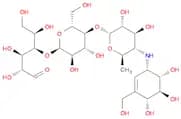
Ribosomes, the organelles that catalyze protein synthesis, consist of a small 40S subunit and a large 60S subunit. Together these subunits are composed of 4 RNA species and approximately 80 structurally distinct proteins. This gene encodes a ribosomal protein that is a component of the 40S subunit. The protein belongs to the S13P family of ribosomal proteins. It is located in the cytoplasm. The gene product of the E. coli ortholog (ribosomal protein S13) is involved in the binding of fMet-tRNA, and thus, in the initiation of translation. This gene is an ortholog of mouse Ke3. As is typical for genes encoding ribosomal proteins, there are multiple processed pseudogenes of this gene dispersed through the genome. [provided by RefSeq, Jul 2008],Acarbose
CAS :Formule :C25H43NO18Degré de pureté :98%Couleur et forme :SolidMasse moléculaire :645.6048Ref: IN-DA00IA14
1g63,00€5g120,00€10g208,00€1kgÀ demander25g255,00€250g503,00€500gÀ demander250mg39,00€Sgo1 rabbit pAb
The protein encoded by this gene is a member of the shugoshin family of proteins. This protein is thought to protect centromeric cohesin from cleavage during mitotic prophase by preventing phosphorylation of a cohesin subunit. Reduced expression of this gene leads to the premature loss of centromeric cohesion, mis-segregation of sister chromatids, and mitotic arrest. Evidence suggests that this protein also protects a small subset of cohesin found along the length of the chromosome arms during mitotic prophase. An isoform lacking exon 6 has been shown to play a role in the cohesion of centrioles (PMID: 16582621 and PMID:18331714). Mutations in this gene have been associated with Chronic Atrial and Intestinal Dysrhythmia (CAID) syndrome, characterized by the co-occurrence of Sick Sinus Syndrome (SSS) and Chronic Intestinal Pseudo-obstruction (CIPO) within the first four decades of life (PMID:25282101). FibroACSL3 rabbit pAb
The protein encoded by this gene is an isozyme of the long-chain fatty-acid-coenzyme A ligase family. Although differing in substrate specificity, subcellular localization, and tissue distribution, all isozymes of this family convert free long-chain fatty acids into fatty acyl-CoA esters, and thereby play a key role in lipid biosynthesis and fatty acid degradation. This isozyme is highly expressed in brain, and preferentially utilizes myristate, arachidonate, and eicosapentaenoate as substrates. The amino acid sequence of this isozyme is 92% identical to that of rat homolog. Two transcript variants encoding the same protein have been found for this gene. [provided by RefSeq, Jul 2008],XRCC3 rabbit pAb
This gene encodes a member of the RecA/Rad51-related protein family that participates in homologous recombination to maintain chromosome stability and repair DNA damage. This gene functionally complements Chinese hamster irs1SF, a repair-deficient mutant that exhibits hypersensitivity to a number of different DNA-damaging agents and is chromosomally unstable. A rare microsatellite polymorphism in this gene is associated with cancer in patients of varying radiosensitivity. Alternatively spliced transcript variants encoding the same protein have been identified. [provided by RefSeq, Jul 2008],JAK2 Rabbit pAb
Members of the Janus family of tyrosine kinases (Jak1, Jak2, Jak3 and Tyk2) are activated by ligands binding to a number of associated cytokine receptors.Ribosomal Protein S2 rabbit pAb
Ribosomes, the organelles that catalyze protein synthesis, consist of a small 40S subunit and a large 60S subunit. Together these subunits are composed of 4 RNA species and approximately 80 structurally distinct proteins. This gene encodes a ribosomal protein that is a component of the 40S subunit. The protein belongs to the S5P family of ribosomal proteins. It is located in the cytoplasm. This gene shares sequence similarity with mouse LLRep3. It is co-transcribed with the small nucleolar RNA gene U64, which is located in its third intron. As is typical for genes encoding ribosomal proteins, there are multiple processed pseudogenes of this gene dispersed through the genome. [provided by RefSeq, Jul 2008],LKB1 rabbit pAb
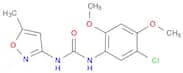
This gene, which encodes a member of the serine/threonine kinase family, regulates cell polarity and functions as a tumor suppressor. Mutations in this gene have been associated with Peutz-Jeghers syndrome, an autosomal dominant disorder characterized by the growth of polyps in the gastrointestinal tract, pigmented macules on the skin and mouth, and other neoplasms. Alternate transcriptional splice variants of this gene have been observed but have not been thoroughly characterized. [provided by RefSeq, Jul 2008],N-(5-CHLORO-2,4-DIMETHOXYPHENYL)-N'-(5-METHYL-3-ISOXAZOLYL)-UREA
CAS :Formule :C13H14ClN3O4Degré de pureté :98%Couleur et forme :SolidMasse moléculaire :311.7210FLRT1 rabbit pAb
fibronectin leucine rich transmembrane protein 1(FLRT1) Homo sapiens This gene encodes a member of the fibronectin leucine rich transmembrane protein (FLRT) family. The family members may function in cell adhesion and/or receptor signalling. Their protein structures resemble small leucine-rich proteoglycans found in the extracellular matrix. The encoded protein shares sequence similarity with two other family members, FLRT2 and FLRT3. This gene is expressed in kidney and brain. [provided by RefSeq, Jul 2008],DNA pol ε A rabbit pAb
DNA polymerase epsilon, catalytic subunit(POLE) Homo sapiens This gene encodes the catalytic subunit of DNA polymerase epsilon. The enzyme is involved in DNA repair and chromosomal DNA replication. Mutations in this gene have been associated with colorectal cancer 12 and facial dysmorphism, immunodeficiency, livedo, and short stature. [provided by RefSeq, Sep 2013],Olfactory receptor 1B1 rabbit pAb
Olfactory receptors interact with odorant molecules in the nose, to initiate a neuronal response that triggers the perception of a smell. The olfactory receptor proteins are members of a large family of G-protein-coupled receptors (GPCR) arising from single coding-exon genes. Olfactory receptors share a 7-transmembrane domain structure with many neurotransmitter and hormone receptors and are responsible for the recognition and G protein-mediated transduction of odorant signals. The olfactory receptor gene family is the largest in the genome. The nomenclature assigned to the olfactory receptor genes and proteins for this organism is independent of other organisms. This olfactory receptor gene is a segregating pseudogene, where some individuals have an allele that encodes a functional olfactory receptor, while other individuals have an allele encoding aAKAP4 rabbit pAb
The A-kinase anchor proteins (AKAPs) are a group of structurally diverse proteins, which have the common function of binding to the regulatory subunit of protein kinase A (PKA) and confining the holoenzyme to discrete locations within the cell. This gene encodes a member of the AKAP family. The encoded protein is localized to the sperm flagellum and may be involved in the regulation of sperm motility. Alternative splicing of this gene results in two transcript variants encoding different isoforms. [provided by RefSeq, Jul 2008],Otubain-1 rabbit pAb
OTU deubiquitinase, ubiquitin aldehyde binding 1(OTUB1) Homo sapiens The product of this gene is a member of the OTU (ovarian tumor) superfamily of predicted cysteine proteases. The encoded protein is a highly specific ubiquitin iso-peptidase, and cleaves ubiquitin from branched poly-ubiquitin chains but not from ubiquitinated substrates. It interacts with another ubiquitin protease and an E3 ubiquitin ligase that inhibits cytokine gene transcription in the immune system. It is proposed to function in specific ubiquitin-dependent pathways, possibly by providing an editing function for polyubiquitin chain growth. Alternative splicing results in multiple transcript variants. [provided by RefSeq, Jul 2008],PPAR-α rabbit pAb
peroxisome proliferator activated receptor alpha(PPARA) Homo sapiens Peroxisome proliferators include hypolipidemic drugs, herbicides, leukotriene antagonists, and plasticizers; this term arises because they induce an increase in the size and number of peroxisomes. Peroxisomes are subcellular organelles found in plants and animals that contain enzymes for respiration and for cholesterol and lipid metabolism. The action of peroxisome proliferators is thought to be mediated via specific receptors, called PPARs, which belong to the steroid hormone receptor superfamily. PPARs affect the expression of target genes involved in cell proliferation, cell differentiation and in immune and inflammation responses. Three closely related subtypes (alpha, beta/delta, and gamma) have been identified. This gene encodes the subtype PPAR-alpha, which is a nuclear transcription factor.CKR-5 rabbit pAb
This gene encodes a member of the beta chemokine receptor family, which is predicted to be a seven transmembrane protein similar to G protein-coupled receptors. This protein is expressed by T cells and macrophages, and is known to be an important co-receptor for macrophage-tropic virus, including HIV, to enter host cells. Defective alleles of this gene have been associated with the HIV infection resistance. The ligands of this receptor include monocyte chemoattractant protein 2 (MCP-2), macrophage inflammatory protein 1 alpha (MIP-1 alpha), macrophage inflammatory protein 1 beta (MIP-1 beta) and regulated on activation normal T expressed and secreted protein (RANTES). Expression of this gene was also detected in a promyeloblastic cell line, suggesting that this protein may play a role in granulocyte lineage proliferation and differentiation. This gene is located at the chemokDAPK2 rabbit pAb
This gene encodes a protein that belongs to the serine/threonine protein kinase family. This protein contains a N-terminal protein kinase domain followed by a conserved calmodulin-binding domain with significant similarity to that of death-associated protein kinase 1 (DAPK1), a positive regulator of programmed cell death. Overexpression of this gene was shown to induce cell apoptosis. It uses multiple polyadenylation sites. [provided by RefSeq, Jul 2008],RPAP3 rabbit pAb
This gene encodes an RNA polymerase II-associated protein. The encoded protein may function in transcriptional regulation and may also regulate apoptosis. Alternatively spliced transcript variants have been described. [provided by RefSeq, Mar 2009],BCoR rabbit pAb
The protein encoded by this gene was identified as an interacting corepressor of BCL6, a POZ/zinc finger transcription repressor that is required for germinal center formation and may influence apoptosis. This protein selectively interacts with the POZ domain of BCL6, but not with eight other POZ proteins. Specific class I and II histone deacetylases (HDACs) have been shown to interact with this protein, which suggests a possible link between the two classes of HDACs. Several transcript variants encoding different isoforms have been found for this gene. A pseudogene of this gene is found on chromosome Y.[provided by RefSeq, Jun 2010],Arnt 2 rabbit pAb
aryl hydrocarbon receptor nuclear translocator 2(ARNT2) Homo sapiens This gene encodes a member of the basic-helix-loop-helix-Per-Arnt-Sim (bHLH-PAS) superfamily of transcription factors. The encoded protein acts as a partner for several sensor proteins of the bHLH-PAS family, forming heterodimers with the sensor proteins that bind regulatory DNA sequences in genes responsive to developmental and environmental stimuli. Under hypoxic conditions, the encoded protein complexes with hypoxia-inducible factor 1alpha in the nucleus and this complex binds to hypoxia-responsive elements in enhancers and promoters of oxygen-responsive genes. A highly similar protein in mouse forms functional complexes with both aryl hydrocarbon receptors and Single-minded proteins, suggesting additional roles for the encoded protein in the metabolism of xenobiotic compounds and the regulation of neurogenesis, respectively. [provided by RefSeq, Dec 2013],ADA15 rabbit pAb
ADAM metallopeptidase domain 15(ADAM15) Homo sapiens The protein encoded by this gene is a member of the ADAM (a disintegrin and metalloproteinase) protein family. ADAM family members are type I transmembrane glycoproteins known to be involved in cell adhesion and proteolytic ectodomain processing of cytokines and adhesion molecules. This protein contains multiple functional domains including a zinc-binding metalloprotease domain, a disintegrin-like domain, as well as a EGF-like domain. Through its disintegrin-like domain, this protein specifically interacts with the integrin beta chain, beta 3. It also interacts with Src family protein-tyrosine kinases in a phosphorylation-dependent manner, suggesting that this protein may function in cell-cell adhesion as well as in cellular signaling. Multiple alternatively spliced transcript variants encoding distinct isoforms have been observed. [provided by RefSeq, Jul 2008],Atg16L2 rabbit pAb
function:May play a role in autophagy.,similarity:Belongs to the WD repeat ATG16 family.,similarity:Contains 7 WD repeats.,p70 S6 Kinase (phospho-Thr389) rabbit pAb
ribosomal protein S6 kinase B1(RPS6KB1) Homo sapiens This gene encodes a member of the ribosomal S6 kinase family of serine/threonine kinases. The encoded protein responds to mTOR (mammalian target of rapamycin) signaling to promote protein synthesis, cell growth, and cell proliferation. Activity of this gene has been associated with human cancer. Alternatively spliced transcript variants have been observed. The use of alternative translation start sites results in isoforms with longer or shorter N-termini which may differ in their subcellular localizations. There are two pseudogenes for this gene on chromosome 17. [provided by RefSeq, Jan 2013],Histone H3 (Phospho Thr32) rabbit pAb
Histones are basic nuclear proteins that are responsible for the nucleosome structure of the chromosomal fiber in eukaryotes. This structure consists of approximately 146 bp of DNA wrapped around a nucleosome, an octamer composed of pairs of each of the four core histones (H2A, H2B, H3, and H4). The chromatin fiber is further compacted through the interaction of a linker histone, H1, with the DNA between the nucleosomes to form higher order chromatin structures. This gene is intronless and encodes a replication-dependent histone that is a member of the histone H3 family. Transcripts from this gene lack polyA tails; instead, they contain a palindromic termination element. This gene is found in the large histone gene cluster on chromosome 6p22-p21.3. [provided by RefSeq, Aug 2015],MSK1 (phospho Ser212) rabbit pAb
catalytic activity:ATP + a protein = ADP + a phosphoprotein.,cofactor:Magnesium.,enzyme regulation:Appears to be activated by multiple phosphorylations on threonine and serine residues. ERK1/2 and MAPK14/p38-alpha may play a role in this process.,function:Serine/threonine kinase required for the mitogen or stress-induced phosphorylation of the transcription factors CREB (cAMP response element-binding protein) and ATF1 (activating transcription factor-1). Essential role in the control of RELA transcriptional activity in response to TNF. Directly represses transcription via phosphorylation of 'Ser-1' of histone H2A. Phosphorylates 'Ser-10' of histone H3 in response to mitogenics, stress stimuli and epidemal growth-factor (EGF), which results in the transcriptional activation of several immediate early genes, including proto-oncogenes c-fos/FOS and c-jun/JUN. May also phosphorylate 'Ser-28' of histone H3. Mediates the mitogen- and stress-induced phosphorylation of high mobility group protein 14 (HMG-14).,miscellaneous:Enzyme activity requires the presence of both kinase domains.,PTM:Ser-376 and Thr-581 phosphorylation is required for kinase activity. Ser-376 and Ser-212 are autophosphorylated by the C-terminal kinase domain, and their phosphorylation is essential for the catalytic activity of the N-terminal kinase domain.,similarity:Belongs to the protein kinase superfamily. AGC Ser/Thr protein kinase family. S6 kinase subfamily.,similarity:Contains 1 AGC-kinase C-terminal domain.,similarity:Contains 2 protein kinase domains.,subcellular location:Predominantly nuclear. Partially cytoplasmic.,subunit:Forms a complex with either ERK1 or ERK2 in quiescent cells which transiently dissociates following mitogenic stimulation. Also associates with MAPK14/p38-alpha. Activated RPS6KA5 associates with and phosphorylates the NF-kappa-B p65 subunit RELA.,tissue specificity:Widely expressed with high levels in heart, brain and placenta. Less abundant in lung, kidney and liver.,ICAM-1 (phospho Tyr512) rabbit pAb
This gene encodes a cell surface glycoprotein which is typically expressed on endothelial cells and cells of the immune system. It binds to integrins of type CD11a / CD18, or CD11b / CD18 and is also exploited by Rhinovirus as a receptor. [provided by RefSeq, Jul 2008],LGR5 rabbit pAb
The protein encoded by this gene is a leucine-rich repeat-containing receptor (LGR) and member of the G protein-coupled, 7-transmembrane receptor (GPCR) superfamily. The encoded protein is a receptor for R-spondins and is involved in the canonical Wnt signaling pathway. This protein plays a role in the formation and maintenance of adult intestinal stem cells during postembryonic development. Several transcript variants encoding different isoforms have been found for this gene. [provided by RefSeq, Sep 2015],DGK-κ rabbit pAb
The protein encoded by this gene is an enzyme that phosphorylates diacylglycerol, converting it to phosphatidic acid. The encoded protein is a membrane protein and is inhibited by hydrogen peroxide. Variations in this gene have been associated with hypospadias. [provided by RefSeq, Mar 2011],Akt3 rabbit pAb
The protein encoded by this gene is a member of the AKT, also called PKB, serine/threonine protein kinase family. AKT kinases are known to be regulators of cell signaling in response to insulin and growth factors. They are involved in a wide variety of biological processes including cell proliferation, differentiation, apoptosis, tumorigenesis, as well as glycogen synthesis and glucose uptake. This kinase has been shown to be stimulated by platelet-derived growth factor (PDGF), insulin, and insulin-like growth factor 1 (IGF1). Alternatively splice transcript variants encoding distinct isoforms have been described. [provided by RefSeq, Jul 2008],PLAP rabbit pAb
function:Plays an important role in the regulation of specific inflammatory disease processes.,sequence caution:Translated as Gln.,similarity:Belongs to the WD repeat PLAP family.,similarity:Contains 1 PFU domain.,similarity:Contains 1 PUL domain.,similarity:Contains 7 WD repeats.,Akt (phospho Thr308) rabbit pAb
The serine-threonine protein kinase encoded by the AKT1 gene is catalytically inactive in serum-starved primary and immortalized fibroblasts. AKT1 and the related AKT2 are activated by platelet-derived growth factor. The activation is rapid and specific, and it is abrogated by mutations in the pleckstrin homology domain of AKT1. It was shown that the activation occurs through phosphatidylinositol 3-kinase. In the developing nervous system AKT is a critical mediator of growth factor-induced neuronal survival. Survival factors can suppress apoptosis in a transcription-independent manner by activating the serine/threonine kinase AKT1, which then phosphorylates and inactivates components of the apoptotic machinery. Mutations in this gene have been associated with the Proteus syndrome. Multiple alternatively spliced transcript variants have been found for this gene. [provided by RefSeq, Jul 2011]Clock rabbit pAb
The protein encoded by this gene plays a central role in the regulation of circadian rhythms. The protein encodes a transcription factor of the basic helix-loop-helix (bHLH) family and contains DNA binding histone acetyltransferase activity. The encoded protein forms a heterodimer with ARNTL (BMAL1) that binds E-box enhancer elements upstream of Period (PER1, PER2, PER3) and Cryptochrome (CRY1, CRY2) genes and activates transcription of these genes. PER and CRY proteins heterodimerize and repress their own transcription by interacting in a feedback loop with CLOCK/ARNTL complexes. Polymorphisms in this gene may be associated with behavioral changes in certain populations and with obesity and metabolic syndrome. Alternative splicing results in multiple transcript variants. [provided by RefSeq, Jan 2014],C/EBP ζ rabbit pAb
This gene belongs to the CEBP family. The encoded protein plays a role in cellular response to environmental stimuli through a transcriptional process that involves heat shock factors, conserved DNA elements (heat shock elements or HSEs) and CCAAT boxes. The protein acts as a DNA-binding transcriptional activator and regulates the heat-shock protein 70 (HSP70) promoter in a CCAAT-dependent manner. The protein is also involved in cell growth and differentiation, particularly, hematopoietic differentiation. Methylation of the promoter of this gene or mutations within the gene may be correlated with occurance of acute myeloid leukemia (AML). [provided by RefSeq, Jun 2016],AFAM rabbit pAb
This gene is a member of the albumin gene family, which is comprised of four genes that localize to chromosome 4 in a tandem arrangement. These four genes encode structurally-related serum transport proteins that are known to be evolutionarily related. The protein encoded by this gene is regulated developmentally, expressed in the liver and secreted into the bloodstream. [provided by RefSeq, Jul 2008],DPF2 rabbit pAb
The protein encoded by this gene is a member of the d4 domain family, characterized by a zinc finger-like structural motif. This protein functions as a transcription factor which is necessary for the apoptotic response following deprivation of survival factors. It likely serves a regulatory role in rapid hematopoietic cell growth and turnover. This gene is considered a candidate gene for multiple endocrine neoplasia type I, an inherited cancer syndrome involving multiple parathyroid, enteropancreatic, and pituitary tumors. [provided by RefSeq, Jul 2008],LTOR3 rabbit pAb
This gene encodes a scaffold protein that functions in the extracellular signal-regulated kinase (ERK) cascade. The protein is localized to late endosomes by the mitogen-activated protein-binding protein-interacting protein, and binds specifically to MAP kinase kinase MAP2K1/MEK1, MAP kinase MAPK3/ERK1, and MAP kinase MAPK1/ERK2. Studies of the orthologous gene in mouse indicate that it regulates late endosomal traffic and cell proliferation. Alternatively spliced transcript variants encoding multiple isoforms have been observed for this gene. A pseudogene of this gene is located on the long arm of chromosome 13. [provided by RefSeq, Aug 2011],Ub rabbit pAb
This gene encodes ubiquitin, one of the most conserved proteins known. Ubiquitin has a major role in targeting cellular proteins for degradation by the 26S proteosome. It is also involved in the maintenance of chromatin structure, the regulation of gene expression, and the stress response. Ubiquitin is synthesized as a precursor protein consisting of either polyubiquitin chains or a single ubiquitin moiety fused to an unrelated protein. This gene consists of three direct repeats of the ubiquitin coding sequence with no spacer sequence. Consequently, the protein is expressed as a polyubiquitin precursor with a final amino acid after the last repeat. An aberrant form of this protein has been detected in patients with Alzheimer's disease and Down syndrome. Pseudogenes of this gene are located on chromosomes 1, 2, 13, and 17. Alternative splicing results in multiple transcript variants. [provided by RefSeqSSX2 rabbit pAb
The product of this gene belongs to the family of highly homologous synovial sarcoma X (SSX) breakpoint proteins. These proteins may function as transcriptional repressors. They are also capable of eliciting spontaneous humoral and cellular immune responses in cancer patients, and are potentially useful targets in cancer vaccine-based immunotherapy. This gene, and also the SSX1 and SSX4 family members, have been involved in t(X;18)(p11.2;q11.2) translocations that are characteristically found in all synovial sarcomas. This translocation results in the fusion of the synovial sarcoma translocation gene on chromosome 18 to one of the SSX genes on chromosome X. The encoded hybrid proteins are likely responsible for transforming activity. Alternative splicing of this gene results in multiple transcript variants. This gene also has an identical duplicate, GeneID: 727837, located about 45 kb downstream in the opposite orientation on chromosome X. [provided by RefSeq, Jul 2013],BSSP4 rabbit pAb
This gene encodes a member of the trypsin family of serine proteases. The enzyme is expressed in the airways in a developmentally regulated manner. The gene is part of a cluster of serine protease genes on chromosome 16. [provided by RefSeq, Jul 2008],PAK4/5/6 rabbit pAb
PAK proteins, a family of serine/threonine p21-activating kinases, include PAK1, PAK2, PAK3 and PAK4. PAK proteins are critical effectors that link Rho GTPases to cytoskeleton reorganization and nuclear signaling. They serve as targets for the small GTP binding proteins Cdc42 and Rac and have been implicated in a wide range of biological activities. PAK4 interacts specifically with the GTP-bound form of Cdc42Hs and weakly activates the JNK family of MAP kinases. PAK4 is a mediator of filopodia formation and may play a role in the reorganization of the actin cytoskeleton. Multiple alternatively spliced transcript variants encoding distinct isoforms have been found for this gene. [provided by RefSeq, Jul 2008],PDLIM5 rabbit pAb
This gene encodes a member of a family of proteins that possess a 100-amino acid PDZ domain at the N terminus and one to three LIM domains at the C-terminus. This family member functions as a scaffold protein that tethers protein kinases to the Z-disk in striated muscles. It is thought to function in cardiomyocyte expansion and in restraining postsynaptic growth of excitatory synapses. Alternative splicing of this gene results in multiple transcript variants. [provided by RefSeq, Jan 2012],Elf-5 rabbit pAb
The protein encoded by this gene is a member of an epithelium-specific subclass of the Ets transcritpion factor family. In addition to its role in regulating the later stages of terminal differentiation of keratinocytes, it appears to regulate a number of epithelium-specific genes found in tissues containing glandular epithelium such as salivary gland and prostate. It has very low affinity to DNA due to its negative regulatory domain at the amino terminus. Several alternatively spliced transcript variants encoding different isoforms have been described for this gene. [provided by RefSeq, Jul 2011],Inhibin β-E rabbit pAb
This gene encodes a member of the TGF-beta (transforming growth factor-beta) superfamily of proteins. The encoded preproprotein is proteolytically processed to generate an inhibin beta subunit. Inhibins have been implicated in regulating numerous cellular processes including cell proliferation, apoptosis, immune response and hormone secretion. This gene may be upregulated under conditions of endoplasmic reticulum stress, and this protein may inhibit cellular proliferation and growth in pancreas and liver. [provided by RefSeq, Sep 2016],SOX1 rabbit pAb
SRY-box 1(SOX1) Homo sapiens This intronless gene encodes a member of the SOX (SRY-related HMG-box) family of transcription factors involved in the regulation of embryonic development and in the determination of the cell fate. The encoded protein may act as a transcriptional activator after forming a protein complex with other proteins. In mice, a similar protein regulates the gamma-crystallin genes and is essential for lens development. [provided by RefSeq, Jul 2008],CYP4X1 rabbit pAb
This gene encodes a member of the cytochrome P450 superfamily of enzymes and is located within a cluster of genes belonging to this superfamily on chromosome 1. The cytochrome P450 proteins are monooxygenases which catalyze many reactions involved in drug metabolism and synthesis of cholesterol, steroids and other lipids. The expression pattern of a similar rat protein suggests that this protein may be involved in neurovascular function in the brain. Alternative splicing results in multiple transcript variants. [provided by RefSeq, Feb 2016],GRIP-1 (phospho Ser736) rabbit pAb
The protein encoded by this gene functions as a transcriptional coactivator for nuclear hormone receptors, including steroid, thyroid, retinoid, and vitamin D receptors. The encoded protein acts as an intermediary factor for the ligand-dependent activity of these nuclear receptors, which regulate their target genes upon binding of cognate response elements. This gene has been found to be involved in translocations that result in fusions with other genes in various cancers, including the lysine acetyltransferase 6A (KAT6A) gene in acute myeloid leukemia, the ETS variant 6 (ETV6) gene in acute lymphoblastic leukemia, and the hes related family bHLH transcription factor with YRPW motif 1 (HEY1) gene in mesenchymal chondrosarcoma. Alternative splicing results in multiple transcript variants. [provided by RefSeq, Mar 2016],Urotensin II rabbit pAb
This gene encodes a mature peptide that is an active cyclic heptapeptide absolutely conserved from lamprey to human. The active peptide acts as a vasoconstrictor and is expressed only in brain tissue. Despite the gene family name similarity, this gene is not homologous to urocortin, a member of the sauvagine/corticotropin-releasing factor/urotensin I family. Most of the proprotein is cleaved to make the mature peptide. Transcript variants encoding different preproprotein isoforms have been described for this gene. [provided by RefSeq, Jul 2008],Septin 5 rabbit pAb
septin 5(SEPT5) Homo sapiens This gene is a member of the septin gene family of nucleotide binding proteins, originally described in yeast as cell division cycle regulatory proteins. Septins are highly conserved in yeast, Drosophila, and mouse and appear to regulate cytoskeletal organization. Disruption of septin function disturbs cytokinesis and results in large multinucleate or polyploid cells. This gene is mapped to 22q11, the region frequently deleted in DiGeorge and velocardiofacial syndromes. A translocation involving the MLL gene and this gene has also been reported in patients with acute myeloid leukemia. Alternative splicing results in multiple transcript variants. The presence of a non-consensus polyA signal (AACAAT) in this gene also results in read-through transcription into the downstream neighboring gene (GP1BB; platelet glycoprotein Ib), whereby larger, non-coding transcripts are produced. [provided by RefSeq, Dec 2010],AKAP9 rabbit pAb
The A-kinase anchor proteins (AKAPs) are a group of structurally diverse proteins which have the common function of binding to the regulatory subunit of protein kinase A (PKA) and confining the holoenzyme to discrete locations within the cell. This gene encodes a member of the AKAP family. Alternate splicing of this gene results in at least two isoforms that localize to the centrosome and the Golgi apparatus, and interact with numerous signaling proteins from multiple signal transduction pathways. These signaling proteins include type II protein kinase A, serine/threonine kinase protein kinase N, protein phosphatase 1, protein phosphatase 2a, protein kinase C-epsilon and phosphodiesterase 4D3. [provided by RefSeq, Aug 2008],