Anticorps primaires
Les anticorps primaires sont des immunoglobulines qui se lient spécifiquement à un antigène d'intérêt, permettant la détection et la quantification de protéines, peptides ou autres biomolécules. Ces anticorps sont des outils essentiels dans de nombreuses applications, notamment le Western blot, l'immunohistochimie et l'ELISA. Chez CymitQuimica, nous proposons une vaste sélection d'anticorps primaires de haute qualité, offrant spécificité et sensibilité pour divers besoins de recherche, notamment en cancérologie, immunologie et biologie cellulaire.
Sous-catégories appartenant à la catégorie "Anticorps primaires"
- Anticorps pour la recherche sur le cancer(3.620 produits)
- Anticorps cardio-vasculaires(2 produits)
- Biologie du développement(751 produits)
- Anticorps relatifs à l’épigénétique(162 produits)
- Anticorps d'immunologie(2.551 produits)
- Anticorps du métabolisme(279 produits)
- Anticorps de microbiologie(739 produits)
- Transduction du signal(2.717 produits)
- Tags & Marqueurs cellulaires(33 produits)
Affichez 1 plus de sous-catégories
75447 produits trouvés pour "Anticorps primaires"
Trier par
Degré de pureté (%)
0
100
|
0
|
50
|
90
|
95
|
100
CART rabbit pAb
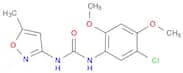
This gene encodes a preproprotein that is proteolytically processed to generate multiple biologically active peptides. These peptides play a role in appetite, energy balance, maintenance of body weight, reward and addiction, and the stress response. Expression of a similar gene transcript in rodents is upregulated following administration of cocaine and amphetamine. Mutations in this gene are associated with susceptibility to obesity in humans. [provided by RefSeq, Feb 2016],N-(5-CHLORO-2,4-DIMETHOXYPHENYL)-N'-(5-METHYL-3-ISOXAZOLYL)-UREA
CAS :Formule :C13H14ClN3O4Degré de pureté :98%Couleur et forme :SolidMasse moléculaire :311.7210CD45 (phospho Ser1007) rabbit pAb
The protein encoded by this gene is a member of the protein tyrosine phosphatase (PTP) family. PTPs are known to be signaling molecules that regulate a variety of cellular processes including cell growth, differentiation, mitosis, and oncogenic transformation. This PTP contains an extracellular domain, a single transmembrane segment and two tandem intracytoplasmic catalytic domains, and thus is classified as a receptor type PTP. This PTP has been shown to be an essential regulator of T- and B-cell antigen receptor signaling. It functions through either direct interaction with components of the antigen receptor complexes, or by activating various Src family kinases required for the antigen receptor signaling. This PTP also suppresses JAK kinases, and thus functions as a regulator of cytokine receptor signaling. Alternatively spliced transcripts variants of this gene, which encHSV-Tag Mouse mAb
HSV-tag peptide QPELAPEDPED conjugated to KLH. HSV- Tag antibody can recognize C-terminal, internal, and N-terminal HSV-tagged proteins.CLC7A rabbit pAb
This gene encodes a member of the C-type lectin/C-type lectin-like domain (CTL/CTLD) superfamily. The encoded glycoprotein is a small type II membrane receptor with an extracellular C-type lectin-like domain fold and a cytoplasmic domain with an immunoreceptor tyrosine-based activation motif. It functions as a pattern-recognition receptor that recognizes a variety of beta-1,3-linked and beta-1,6-linked glucans from fungi and plants, and in this way plays a role in innate immune response. Alternate transcriptional splice variants, encoding different isoforms, have been characterized. This gene is closely linked to other CTL/CTLD superfamily members on chromosome 12p13 in the natural killer gene complex region. [provided by RefSeq, Jul 2008],TCF-4/12 rabbit pAb
This gene encodes transcription factor 4, a basic helix-loop-helix transcription factor. The encoded protein recognizes an Ephrussi-box ('E-box') binding site ('CANNTG') - a motif first identified in immunoglobulin enhancers. This gene is broadly expressed, and may play an important role in nervous system development. Defects in this gene are a cause of Pitt-Hopkins syndrome. In addition, an intronic CTG repeat normally numbering 10-37 repeat units can expand to >50 repeat units and cause Fuchs endothelial corneal dystrophy. Multiple alternatively spliced transcript variants that encode different proteins have been described. [provided by RefSeq, Jul 2016],VGLU1 rabbit pAb
The protein encoded by this gene is a vesicle-bound, sodium-dependent phosphate transporter that is specifically expressed in the neuron-rich regions of the brain. It is preferentially associated with the membranes of synaptic vesicles and functions in glutamate transport. The protein shares 82% identity with the differentiation-associated Na-dependent inorganic phosphate cotransporter and they appear to form a distinct class within the Na+/Pi cotransporter family. [provided by RefSeq, Jul 2008],NLK rabbit pAb
catalytic activity:ATP + a protein = ADP + a phosphoprotein.,cofactor:Magnesium.,enzyme regulation:Activated by tyrosine and threonine phosphorylation (By similarity). Activated by activin.,function:Role in cell fate determination, required for differentiation of bone marrow stromal cells. Acts downstream of MAP3K7 and HIPK2 to negatively regulate the canonical Wnt/beta-catenin signaling pathway and the phosphorylation and destruction of the MYB transcription factor. May suppress a wide range of transcription factors by phosphorylation of the coactivator, CREBBP (By similarity). Involved in TGFbeta-mediated mesoderm induction, acting downstream of MAP3K7/TAK1 to phosphorylate STAT3.,PTM:Dually phosphorylated on Thr-291 and Tyr-293, which activates the enzyme.,similarity:Belongs to the protein kinase superfamily. CMGC Ser/Thr protein kinase family. MAP kinase subfamily.,similarity:Contains 1 protein kinase domain.,subcellular location:Predominantly nuclear. A smaller fraction is cytoplasmic.,subunit:Interacts with STAT3 (By similarity). Interacts with RNF138/NARF and TCF7L2/TCF4. Interacts with HIPK2 and MYB.,PAR15 rabbit pAb
PARP15 is a macrodomain-containing transcriptional repressor with poly(ADP-ribose) polymerase activity (Aguiar et al., 2005 [PubMed 16061477]).[supplied by OMIM, May 2008],KIR3.4 rabbit pAb
Potassium channels are present in most mammalian cells, where they participate in a wide range of physiologic responses. The protein encoded by this gene is an integral membrane protein and inward-rectifier type potassium channel. The encoded protein, which has a greater tendency to allow potassium to flow into a cell rather than out of a cell, is controlled by G-proteins. It may associate with two other G-protein-activated potassium channels to form a heteromultimeric pore-forming complex. [provided by RefSeq, Jul 2008],Olfactory receptor 89 rabbit pAb
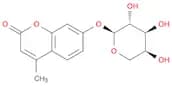
Olfactory receptors interact with odorant molecules in the nose, to initiate a neuronal response that triggers the perception of a smell. The olfactory receptor proteins are members of a large family of G-protein-coupled receptors (GPCR) arising from single coding-exon genes. Olfactory receptors share a 7-transmembrane domain structure with many neurotransmitter and hormone receptors and are responsible for the recognition and G protein-mediated transduction of odorant signals. The olfactory receptor gene family is the largest in the genome. The nomenclature assigned to the olfactory receptor genes and proteins for this organism is independent of other organisms.4-Methylumbelliferyl a-L-arabinopyranoside
CAS :Formule :C15H16O7Degré de pureté :98%Couleur et forme :SolidMasse moléculaire :308.2833RM23 rabbit pAb
Mammalian mitochondrial ribosomal proteins are encoded by nuclear genes and help in protein synthesis within the mitochondrion. Mitochondrial ribosomes (mitoribosomes) consist of a small 28S subunit and a large 39S subunit. They have an estimated 75% protein to rRNA composition compared to prokaryotic ribosomes, where this ratio is reversed. Another difference between mammalian mitoribosomes and prokaryotic ribosomes is that the latter contain a 5S rRNA. Among different species, the proteins comprising the mitoribosome differ greatly in sequence, and sometimes in biochemical properties, which prevents easy recognition by sequence homology. This gene encodes a 39S subunit protein. The gene is biallelically expressed, despite its location within a region of imprinted genes on chromosome 11. [provided by RefSeq, Jul 2008],CD53 rabbit pAb
The protein encoded by this gene is a member of the transmembrane 4 superfamily, also known as the tetraspanin family. Most of these members are cell-surface proteins that are characterized by the presence of four hydrophobic domains. The proteins mediate signal transduction events that play a role in the regulation of cell development, activation, growth and motility. This encoded protein is a cell surface glycoprotein that is known to complex with integrins. It contributes to the transduction of CD2-generated signals in T cells and natural killer cells and has been suggested to play a role in growth regulation. Familial deficiency of this gene has been linked to an immunodeficiency associated with recurrent infectious diseases caused by bacteria, fungi and viruses. Alternative splicing results in multiple transcript variants. [provided by RefSeq, Mar 2016],BMP-2 rabbit pAb
This gene encodes a secreted ligand of the TGF-beta (transforming growth factor-beta) superfamily of proteins. Ligands of this family bind various TGF-beta receptors leading to recruitment and activation of SMAD family transcription factors that regulate gene expression. The encoded preproprotein is proteolytically processed to generate each subunit of the disulfide-linked homodimer, which plays a role in bone and cartilage development. Duplication of a regulatory region downstream of this gene causes a form of brachydactyly characterized by a malformed index finger and second toe in human patients. [provided by RefSeq, Jul 2016],Pim-1 rabbit pAb
The protein encoded by this gene belongs to the Ser/Thr protein kinase family, and PIM subfamily. This gene is expressed primarily in B-lymphoid and myeloid cell lines, and is overexpressed in hematopoietic malignancies and in prostate cancer. It plays a role in signal transduction in blood cells, contributing to both cell proliferation and survival, and thus provides a selective advantage in tumorigenesis. Both the human and orthologous mouse genes have been reported to encode two isoforms (with preferential cellular localization) resulting from the use of alternative in-frame translation initiation codons, the upstream non-AUG (CUG) and downstream AUG codons (PMIDs:16186805, 1825810).[provided by RefSeq, Aug 2011],TPPC4 rabbit pAb
function:May play a role in vesicular transport from endoplasmic reticulum to Golgi.,similarity:Belongs to the TRAPP small subunits family. TRAPPC4 subfamily.,subunit:Part of the multisubunit TRAPP (transport protein particle) complex. Interacts with SDC2.,Neuromedin-U rabbit pAb
This gene encodes a member of the neuromedin family of neuropeptides. The encoded protein is a precursor that is proteolytically processed to generate a biologically active neuropeptide that plays a role in pain, stress, immune-mediated inflammatory diseases and feeding regulation. Increased expression of this gene was observed in renal, pancreatic and lung cancers. Alternative splicing results in multiple transcript variants encoding different isoforms. Some of these isoforms may undergo similar processing to generate the mature peptide. [provided by RefSeq, Jul 2015],LFTY1 rabbit pAb
This gene encodes a secreted ligand of the TGF-beta (transforming growth factor-beta) superfamily of proteins. Ligands of this family bind various TGF-beta receptors leading to recruitment and activation of SMAD family transcription factors that regulate gene expression. The encoded preproprotein is proteolytically processed to generate the mature protein, which plays a role in left-right asymmetry determination of organ systems during development. This gene is closely linked to both a related family member and a related pseudogene. [provided by RefSeq, Aug 2016],PKC θ (phospho Thr538) rabbit pAb
Protein kinase C (PKC) is a family of serine- and threonine-specific protein kinases that can be activated by calcium and the second messenger diacylglycerol. PKC family members phosphorylate a wide variety of protein targets and are known to be involved in diverse cellular signaling pathways. PKC family members also serve as major receptors for phorbol esters, a class of tumor promoters. Each member of the PKC family has a specific expression profile and is believed to play a distinct role. The protein encoded by this gene is one of the PKC family members. It is a calcium-independent and phospholipid-dependent protein kinase. This kinase is important for T-cell activation. It is required for the activation of the transcription factors NF-kappaB and AP-1, and may link the T cell receptor (TCR) signaling complex to the activation of the transcription factors. [provided by RefSeq, Jul 2008],NSUN2 rabbit pAb
This gene encodes a methyltransferase that catalyzes the methylation of cytosine to 5-methylcytosine (m5C) at position 34 of intron-containing tRNA(Leu)(CAA) precursors. This modification is necessary to stabilize the anticodon-codon pairing and correctly translate the mRNA. Alternatively spliced transcript variants encoding different isoforms have been noted for this gene.[provided by RefSeq, Mar 2011],Cyclin B1 (1A5) Mouse mAb
Cyclin B1 is a regulatory protein involved in mitosis. The gene product complexes with p34 (Cdk1) to form the maturation-promoting factor (MPF). Two alternative transcripts have been found, a constitutively expressed transcript and a cell cycle-regulated transcript that is expressed predominantly during G2/M phase of the cell cycle.NDUB8 rabbit pAb
function:Accessory subunit of the mitochondrial membrane respiratory chain NADH dehydrogenase (Complex I), that is believed to be not involved in catalysis. Complex I functions in the transfer of electrons from NADH to the respiratory chain. The immediate electron acceptor for the enzyme is believed to be ubiquinone.,similarity:Belongs to the complex I NDUFB8 subunit family.,subunit:Complex I is composed of 45 different subunits.,MYO3B rabbit pAb
This gene encodes one of the class III myosins. Myosins are ATPases, activated by actin, that move along actin filaments in the cell. This class of myosins are characterized by an amino-terminal kinase domain and shown to be present in photoreceptors. Alternative splicing results in multiple transcript variants encoding different isoforms. [provided by RefSeq, Mar 2014],TIMP-1 rabbit pAb
This gene belongs to the TIMP gene family. The proteins encoded by this gene family are natural inhibitors of the matrix metalloproteinases (MMPs), a group of peptidases involved in degradation of the extracellular matrix. In addition to its inhibitory role against most of the known MMPs, the encoded protein is able to promote cell proliferation in a wide range of cell types, and may also have an anti-apoptotic function. Transcription of this gene is highly inducible in response to many cytokines and hormones. In addition, the expression from some but not all inactive X chromosomes suggests that this gene inactivation is polymorphic in human females. This gene is located within intron 6 of the synapsin I gene and is transcribed in the opposite direction. [provided by RefSeq, Jul 2008],SgK288 rabbit pAb
The protein encoded by this gene belongs to the Ser/Thr protein kinase family, and protein kinase superfamily involved in signal transduction pathways. This gene is closely linked to DRD2 gene (GeneID:1813) on chr 11, and a well studied restriction fragment length polymorphism (RFLP) designated TaqIA, was originally associated with the DRD2 gene, however, later was determined to be located in exon 8 of ANKK1 gene (PMIDs: 18621654, 15146457), where it causes a nonconservative amino acid substitution. It is not clear if this gene plays any role in neuropsychiatric disorders previously associated with Taq1A RFLP. [provided by RefSeq, Sep 2009],Nek9 rabbit pAb
This gene encodes a member of the NimA (never in mitosis A) family of serine/threonine protein kinases. The encoded protein is activated in mitosis and, in turn, activates other family members during mitosis. This protein also mediates cellular processes that are essential for interphase progression. [provided by RefSeq, Jul 2016],PRAK (phospho Thr182) rabbit pAb
The protein encoded by this gene is a tumor suppressor and member of the serine/threonine kinase family. In response to cellular stress and proinflammatory cytokines, this kinase is activated through its phosphorylation by MAP kinases including MAPK1/ERK, MAPK14/p38-alpha, and MAPK11/p38-beta. The encoded protein is found in the nucleus but translocates to the cytoplasm upon phosphorylation and activation. This kinase phosphorylates heat shock protein HSP27 at its physiologically relevant sites. Two alternately spliced transcript variants of this gene encoding distinct isoforms have been reported. [provided by RefSeq, Nov 2012],Cyclin A1 rabbit pAb
The protein encoded by this gene belongs to the highly conserved cyclin family, whose members are characterized by a dramatic periodicity in protein abundance through the cell cycle. Cyclins function as regulators of CDK kinases. Different cyclins exhibit distinct expression and degradation patterns which contribute to the temporal coordination of each mitotic event. The cyclin encoded by this gene was shown to be expressed in testis and brain, as well as in several leukemic cell lines, and is thought to primarily function in the control of the germline meiotic cell cycle. This cyclin binds both CDK2 and CDC2 kinases, which give two distinct kinase activities, one appearing in S phase, the other in G2, and thus regulate separate functions in cell cycle. This cyclin was found to bind to important cell cycle regulators, such as Rb family proteins, transcription factor E2F-1, and the p21 family proteins. MultiOx40L rabbit pAb
This gene encodes a cytokine of the tumor necrosis factor (TNF) ligand family. The encoded protein functions in T cell antigen-presenting cell (APC) interactions and mediates adhesion of activated T cells to endothelial cells. Polymorphisms in this gene have been associated with Sjogren's syndrome and systemic lupus erythematosus. Alternative splicing results in multiple transcript variants. [provided by RefSeq, Jul 2014],Arginase I rabbit pAb
Arginase catalyzes the hydrolysis of arginine to ornithine and urea. At least two isoforms of mammalian arginase exist (types I and II) which differ in their tissue distribution, subcellular localization, immunologic crossreactivity and physiologic function. The type I isoform encoded by this gene, is a cytosolic enzyme and expressed predominantly in the liver as a component of the urea cycle. Inherited deficiency of this enzyme results in argininemia, an autosomal recessive disorder characterized by hyperammonemia. Two transcript variants encoding different isoforms have been found for this gene. [provided by RefSeq, Sep 2011],OSGI1 rabbit pAb
This gene encodes an oxidative stress response protein that regulates cell death. Expression of the gene is regulated by p53 and is induced by DNA damage. The protein regulates apoptosis by inducing cytochrome c release from mitochondria. It also appears to be a key regulator of both inflammatory and anti-inflammatory molecules. The loss of this protein correlates with uncontrolled cell growth and tumor formation. Naturally occurring read-through transcription exists between this gene and the neighboring upstream malonyl-CoA decarboxylase (MLYCD) gene, but the read-through transcripts are unlikely to produce a protein product. [provided by RefSeq, Aug 2011],KCNH6 rabbit pAb
Voltage-gated potassium (Kv) channels represent the most complex class of voltage-gated ion channels from both functional and structural standpoints. Their diverse functions include regulating neurotransmitter release, heart rate, insulin secretion, neuronal excitability, epithelial electrolyte transport, smooth muscle contraction, and cell volume. This gene encodes a member of the potassium channel, voltage-gated, subfamily H. This member is a pore-forming (alpha) subunit. Alternative splicing results in multiple transcript variants that encode different isoforms. [provided by RefSeq, Jul 2013],GCC1 rabbit pAb
The protein encoded by this gene is a peripheral membrane protein. It is sensitive to brefeldin A. This encoded protein contains a GRIP domain which is thought to be used in targeting. It may play a role in the organization of trans-Golgi network subcompartment involved with membrane transport. [provided by RefSeq, Jul 2008],Rab 34 rabbit pAb
This gene encodes a protein belonging to the RAB family of proteins, which are small GTPases involved in protein transport. This family member is a Golgi-bound member of the secretory pathway that is involved in the repositioning of lysosomes and the activation of macropinocytosis. Alternative splicing of this gene results in multiple transcript variants. This gene overlaps and shares exon structure with the nine-amino acid residue-repeats (NARR) gene, which encodes a functionally distinct nucleolar protein from a different reading frame. [provided by RefSeq, Jan 2012],HXA10 rabbit pAb
In vertebrates, the genes encoding the class of transcription factors called homeobox genes are found in clusters named A, B, C, and D on four separate chromosomes. Expression of these proteins is spatially and temporally regulated during embryonic development. This gene is part of the A cluster on chromosome 7 and encodes a DNA-binding transcription factor that may regulate gene expression, morphogenesis, and differentiation. More specifically, it may function in fertility, embryo viability, and regulation of hematopoietic lineage commitment. Alternatively spliced transcript variants have been described. Read-through transcription also exists between this gene and the downstream homeobox A9 (HOXA9) gene. [provided by RefSeq, Mar 2011],KCTD3 rabbit pAb
This gene encodes a member of the potassium channel tetramerization-domain containing (KCTD) protein family. Members of this protein family regulate the biophysical characteristics of ion channels. In mouse, this protein interacts with hyperpolarization-activated cyclic nucleotide-gated channel complex 3 and enhances its cell surface expression and current density. Alternative splicing results in multiple transcript variants. [provided by RefSeq, Feb 2016],DUSP6 rabbit pAb
The protein encoded by this gene is a member of the dual specificity protein phosphatase subfamily. These phosphatases inactivate their target kinases by dephosphorylating both the phosphoserine/threonine and phosphotyrosine residues. They negatively regulate members of the mitogen-activated protein (MAP) kinase superfamily (MAPK/ERK, SAPK/JNK, p38), which are associated with cellular proliferation and differentiation. Different members of the family of dual specificity phosphatases show distinct substrate specificities for various MAP kinases, different tissue distribution and subcellular localization, and different modes of inducibility of their expression by extracellular stimuli. This gene product inactivates ERK2, is expressed in a variety of tissues with the highest levels in heart and pancreas, and unlike most other members of this family, is localized in the cytoplasm. Mutations in tSMRD1 rabbit pAb
The protein encoded by this gene is a member of the SWI/SNF family of proteins, whose members display helicase and ATPase activities and which are thought to regulate transcription of certain genes by altering the chromatin structure around those genes. The encoded protein is part of the large ATP-dependent chromatin remodeling complex SNF/SWI and has sequence similarity to the yeast Swp73 protein. Two transcript variants encoding different isoforms have been found for this gene. [provided by RefSeq, Jul 2008],I17RD rabbit pAb
This gene encodes a membrane protein belonging to the interleukin-17 receptor (IL-17R) protein family. The encoded protein is a component of the interleukin-17 receptor signaling complex, and the interaction between this protein and IL-17R does not require the interleukin. The gene product also affects fibroblast growth factor signaling, inhibiting or stimulating growth through MAPK/ERK signaling. Alternate splicing generates multiple transcript variants encoding distinct isoforms. [provided by RefSeq, Jan 2016],ZW10 rabbit pAb
This gene encodes a protein that is one of many involved in mechanisms to ensure proper chromosome segregation during cell division. This protein is an essential component of the mitotic checkpoint, which prevents cells from prematurely exiting mitosis. [provided by RefSeq, Aug 2011],ADAM32 rabbit pAb
ADAM metallopeptidase domain 32(ADAM32) Homo sapiens This gene encodes a member of the disintegrin family of membrane-anchored proteins that play a role in diverse biological processes such as brain development, fertilization, tumor development and inflammation. This gene is predominantly expressed in the testis. The encoded protein undergoes proteolytic processing to generate a mature polypeptide comprised of an metalloprotease, disintegrin and epidermal growth factor-like domains. This gene is located in a cluster of other disintegrin and metallopeptidase family genes on chromosome 8. Alternative splicing results in multiple transcript variants encoding different isoforms. [provided by RefSeq, Sep 2015],ATOH7 rabbit pAb
This intronless gene encodes a member of the basic helix-loop-helix family of transcription factors, with similarity to Drosophila atonal gene that controls photoreceptor development. Studies in mice suggest that this gene plays a central role in retinal ganglion cell and optic nerve formation. Mutations in this gene are associated with nonsyndromic congenital retinal nonattachment. [provided by RefSeq, Dec 2011],