Anticorps primaires
Les anticorps primaires sont des immunoglobulines qui se lient spécifiquement à un antigène d'intérêt, permettant la détection et la quantification de protéines, peptides ou autres biomolécules. Ces anticorps sont des outils essentiels dans de nombreuses applications, notamment le Western blot, l'immunohistochimie et l'ELISA. Chez CymitQuimica, nous proposons une vaste sélection d'anticorps primaires de haute qualité, offrant spécificité et sensibilité pour divers besoins de recherche, notamment en cancérologie, immunologie et biologie cellulaire.
Sous-catégories appartenant à la catégorie "Anticorps primaires"
- Anticorps pour la recherche sur le cancer(3.620 produits)
- Anticorps cardio-vasculaires(2 produits)
- Biologie du développement(751 produits)
- Anticorps relatifs à l’épigénétique(162 produits)
- Anticorps d'immunologie(2.776 produits)
- Anticorps du métabolisme(279 produits)
- Anticorps de microbiologie(736 produits)
- Transduction du signal(2.717 produits)
- Tags & Marqueurs cellulaires(33 produits)
Affichez 1 plus de sous-catégories
75326 produits trouvés pour "Anticorps primaires"
Trier par
Degré de pureté (%)
0
100
|
0
|
50
|
90
|
95
|
100
Olfactory receptor 4F6 rabbit pAb
olfactory receptor family 4 subfamily F member 6(OR4F6) Homo sapiens Olfactory receptors interact with odorant molecules in the nose, to initiate a neuronal response that triggers the perception of a smell. The olfactory receptor proteins are members of a large family of G-protein-coupled receptors (GPCR) arising from single coding-exon genes. Olfactory receptors share a 7-transmembrane domain structure with many neurotransmitter and hormone receptors and are responsible for the recognition and G protein-mediated transduction of odorant signals. The olfactory receptor gene family is the largest in the genome. The nomenclature assigned to the olfactory receptor genes and proteins for this organism is independent of other organisms. [provided by RefSeq, Jul 2008],ATF-5 (Acetyl Lys29) rabbit pAb
function:Transcriptional activator which binds the cAMP response element (CRE) (consensus: 5'-GTGACGT[AC][AG]-3'), a sequence present in many viral and cellular promoters and blocks the differentiation of neuroprogenitor cells into neurons. Its transcriptional activity is enhanced by CCND3 and slightly inhibited by CDK4.,similarity:Belongs to the bZIP family.,similarity:Contains 1 bZIP domain.,subunit:Binds DNA as a dimer. Interacts with PTP4A1/PRL-1 (By similarity). Interacts with CCND3, but not with CCND1 or CCND2.,Presenilin 1 rabbit pAb
Alzheimer's disease (AD) patients with an inherited form of the disease carry mutations in the presenilin proteins (PSEN1; PSEN2) or in the amyloid precursor protein (APP). These disease-linked mutations result in increased production of the longer form of amyloid-beta (main component of amyloid deposits found in AD brains). Presenilins are postulated to regulate APP processing through their effects on gamma-secretase, an enzyme that cleaves APP. Also, it is thought that the presenilins are involved in the cleavage of the Notch receptor, such that they either directly regulate gamma-secretase activity or themselves are protease enzymes. Several alternatively spliced transcript variants encoding different isoforms have been identified for this gene, the full-length nature of only some have been determined. [provided by RefSeq, Aug 2008],H6ST2 rabbit pAb
Heparan sulfate proteoglycans are ubiquitous components of the cell surface, extracellular matrix, and basement membranes, and interact with various ligands to influence cell growth, differentiation, adhesion, and migration. This gene encodes a member of the heparan sulfate (HS) sulfotransferase gene family, which catalyze the transfer of sulfate to HS. Different family members and isoforms are thought to synthesize heparan sulfates with tissue-specific structures and functions. Multiple transcript variants encoding different isoforms have been found for this gene. [provided by RefSeq, Jul 2008],PR48 rabbit pAb
Protein phosphatase 2 (formerly named type 2A) is one of the four major Ser/Thr phosphatases and is implicated in the negative control of cell growth and division. Protein phosphatase 2 holoenzymes are heterotrimeric proteins composed of a structural subunit A, a catalytic subunit C, and a regulatory subunit B. The regulatory subunit is encoded by a diverse set of genes that have been grouped into the B/PR55, B'/PR61, and B''/PR72 families. These different regulatory subunits confer distinct enzymatic specificities and intracellular localizations to the holozenzyme. The product of this gene belongs to the B'' family. The B'' family has been further divided into subfamilies. The product of this gene belongs to the beta subfamily of regulatory subunit B''. [provided by RefSeq, Apr 2010],Girdin rabbit pAb
This gene encodes a member of the Girdin family of coiled-coil domain containing proteins. The encoded protein is an actin-binding protein that is activated by the serine/threonine kinase Akt and plays a role in cytoskeleton remodeling and cell migration. The encoded protein also enhances Akt signaling by mediating phosphoinositide 3-kinase (PI3K)-dependent activation of Akt by growth factor receptor tyrosine kinases and G protein-coupled receptors. Increased expression of this gene and phosphorylation of the encoded protein may play a role in cancer metastasis. Alternatively spliced transcript variants encoding multiple isoforms have been observed for this gene. [provided by RefSeq, Dec 2011],SF3B1 (phospho-Thr313) rabbit pAb
This gene encodes subunit 1 of the splicing factor 3b protein complex. Splicing factor 3b, together with splicing factor 3a and a 12S RNA unit, forms the U2 small nuclear ribonucleoproteins complex (U2 snRNP). The splicing factor 3b/3a complex binds pre-mRNA upstream of the intron's branch site in a sequence independent manner and may anchor the U2 snRNP to the pre-mRNA. Splicing factor 3b is also a component of the minor U12-type spliceosome. The carboxy-terminal two-thirds of subunit 1 have 22 non-identical, tandem HEAT repeats that form rod-like, helical structures. Alternative splicing results in multiple transcript variants encoding different isoforms. [provided by RefSeq, Jul 2008],HSP90β (phospho Ser226) rabbit pAb
This gene encodes a member of the heat shock protein 90 family; these proteins are involved in signal transduction, protein folding and degradation and morphological evolution. This gene encodes the constitutive form of the cytosolic 90 kDa heat-shock protein and is thought to play a role in gastric apoptosis and inflammation. Alternative splicing results in multiple transcript variants. Pseudogenes have been identified on multiple chromosomes. [provided by RefSeq, Dec 2012],ADA11 rabbit pAb
This gene encodes a member of the ADAM (a disintegrin and metalloprotease) protein family. Members of this family are membrane-anchored proteins structurally related to snake venom disintegrins, and have been implicated in a variety of biological processes involving cell-cell and cell-matrix interactions, including fertilization, muscle development, and neurogenesis. The encoded preproprotein is proteolytically processed to generate the mature protease. This gene represents a candidate tumor suppressor gene for human breast cancer based on its location within a minimal region of chromosome 17q21 previously defined by tumor deletion mapping. Alternative splicing results in multiple transcript variants, at least one of which encodes an isoform that is proteolytically processed. [provided by RefSeq, Jan 2016],Stat1 (Acetyl Lys410/K413) rabbit pAb
disease:Defects in STAT1 are a cause of mendelian susceptibility to mycobacterial disease (MSMD) [MIM:209950]; also known as familial disseminated atypical mycobacterial infection. This rare condition confers predisposition to illness caused by moderately virulent mycobacterial species, such as Bacillus Calmette-Guerin (BCG) vaccine and environmental non-tuberculous mycobacteria, and by the more virulent Mycobacterium tuberculosis. Other microorganisms rarely cause severe clinical disease in individuals with susceptibility to mycobacterial infections, with the exception of Salmonella which infects less than 50% of these individuals. The pathogenic mechanism underlying MSMD is the impairment of interferon-gamma mediated immunity whose severity determines the clinical outcome. Some patients die of overwhelming mycobacterial disease with lepromatous-like lesions in early childhood, whereas others develop, later in life, disseminated but curable infections with tuberculoid granulomas. MSMD is a genetically heterogeneous disease with autosomal recessive, autosomal dominant or X-linked inheritance.,disease:Defects in STAT1 are the cause of STAT1 deficiency [MIM:600555]. Patients generally suffer from mycobacterial or viral diseases. In the case of complete deficiency, patients can die of viral disease.,function:Signal transducer and activator of transcription that mediates signaling by interferons (IFNs). Following type I IFN (IFN-alpha and IFN-beta) binding to cell surface receptors, Jak kinases (TYK2 and JAK1) are activated, leading to tyrosine phosphorylation of STAT1 and STAT2. The phosphorylated STATs dimerize, associate with ISGF3G/IRF-9 to form a complex termed ISGF3 transcription factor, that enters the nucleus. ISGF3 binds to the IFN stimulated response element (ISRE) to activate the transcription of interferon stimulated genes, which drive the cell in an antiviral state. In response to type II IFN (IFN-gamma), STAT1 is tyrosine- and serine-phosphorylated. It then forms a homodimer termed IFN-gamma-activated factor (GAF), migrates into the nucleus and binds to the IFN gamma activated sequence (GAS) to drive the expression of the target genes, inducing a cellular antiviral state.,online information:STAT1 entry,online information:STAT1 mutation db,PTM:Phosphorylated on tyrosine and serine residues in response to IFN-alpha, IFN-gamma, PDGF and EGF. Phosphorylation on Tyr-701 (lacking in beta form) by JAK promotes dimerization and subsequent translocation to the nucleus. Phosphorylation on Ser-727 by several kinases including MAPK14, ERK1/2 and CAMKII on IFN-gamma stimulation, regulates STAT1 transcriptional activity. Phosphorylation on Ser-727 promotes sumoylation though increasing interaction with PIAS. Phosphorylation on Ser-727 by PKCdelta induces apoptosis in response to DNA-damaging agents.,PTM:Sumoylated by SUMO1, SUMO2 and SUMO3. Sumoylation is enhanced by IFN-gamma-induced phosphorylation on Ser-727, and by interaction with PIAS proteins. Enhances the transactivation activity.,similarity:Belongs to the transcription factor STAT family.,similarity:Contains 1 SH2 domain.,subcellular location:Translocated into the nucleus in response to IFN-gamma-induced tyrosine phosphorylation and dimerization.,subunit:Isoform alpha homodimerizes upon IFN-gamma induced phosphorylation. Heterodimer with STAT2 upon IFN-alpha/beta induced phosphorylation. Interacts with NMI. Interacts with Sendai virus C', C, Y1 and Y2 proteins, Nipah virus P, V and W proteins, and rabies virus phosphoprotein preventing activation of ISRE and GAS promoter (By similarity). Interacts with HCV core protein; the interaction results in STAT1 degradation. Interacts with PIAS1; the interaction requires phosphorylation on Ser-727 and inhibits STAT1 activation.,VATO rabbit pAb
This gene encodes a portion of the V0 domain of vacuolar ATPase (V-ATPase), a multisubunit enzyme that mediates acidification of eukaryotic intracellular organelles. Activity of this enzyme is necessary for such varied processes as protein sorting, zymogen activation, receptor-mediated endocytosis, and synaptic vesicle proton gradient generation. Alternative splicing results in multiple transcript variants. [provided by RefSeq, Jun 2014],NOS2 (phospho Tyr151) rabbit pAb
Nitric oxide is a reactive free radical which acts as a biologic mediator in several processes, including neurotransmission and antimicrobial and antitumoral activities. This gene encodes a nitric oxide synthase which is expressed in liver and is inducible by a combination of lipopolysaccharide and certain cytokines. Three related pseudogenes are located within the Smith-Magenis syndrome region on chromosome 17. [provided by RefSeq, Jul 2008],MEK-1 (phospho Thr292) rabbit pAb
The protein encoded by this gene is a member of the dual specificity protein kinase family, which acts as a mitogen-activated protein (MAP) kinase kinase. MAP kinases, also known as extracellular signal-regulated kinases (ERKs), act as an integration point for multiple biochemical signals. This protein kinase lies upstream of MAP kinases and stimulates the enzymatic activity of MAP kinases upon wide variety of extra- and intracellular signals. As an essential component of MAP kinase signal transduction pathway, this kinase is involved in many cellular processes such as proliferation, differentiation, transcription regulation and development. [provided by RefSeq, Jul 2008],RGMC rabbit pAb
hemochromatosis type 2 (juvenile)(HFE2) Homo sapiens The product of this gene is involved in iron metabolism. It may be a component of the signaling pathway which activates hepcidin or it may act as a modulator of hepcidin expression. It could also represent the cellular receptor for hepcidin. Two uORFs in the 5' UTR negatively regulate the expression and activity of the encoded protein. Alternatively spliced transcript variants encoding different isoforms have been identified for this gene. Defects in this gene are the cause of hemochromatosis type 2A, also called juvenile hemochromatosis (JH). JH is an early-onset autosomal recessive disorder due to severe iron overload resulting in hypogonadotrophic hypogonadism, hepatic fibrosis or cirrhosis and cardiomyopathy, occurring typically before age of 30. [provided by RefSeq, Oct 2015],PRS55 rabbit pAb
This gene encodes a member of a group of membrane-anchored chymotrypsin (S1)-like serine proteases. The enocoded protein is primarily expressed in the Leydig and Sertoli cells of the testis and may be involved in male fertility. Alternate splicing results in multiple transcript variants. [provided by RefSeq, Sep 2010],BMP-4 rabbit pAb
disease:Defects in BMP4 are the cause of microphthalmia syndromic type 6 (MCOPS6) [MIM:607932]; also known as microphthalmia and pituitary anomalies or microphthalmia with brain and digit developmental anomalies. Microphthalmia is a clinically heterogeneous disorder of eye formation, ranging from small size of a single eye to complete bilateral absence of ocular tissues (anophthalmia). In many cases, microphthalmia/anophthalmia occurs in association with syndromes that include non-ocular abnormalities. MCOPS6 is characterized by microphthalmia/anophthalmia associated with facial, genital, skeletal, neurologic and endocrine anomalies.,function:Induces cartilage and bone formation. Also act in mesoderm induction, tooth development, limb formation and fracture repair.,online information:Bone morphogenetic protein 4 entry,similarity:Belongs to the TGF-beta family.,subunit:Homodimer; disulfide-linked (By similarity). Interacts with GREM2 (By similarity) and SOSTDC1. Part of a complex consisting of TWSG1 and CHRD.,tissue specificity:Expressed in the lung and lower levels seen in the kidney. Present also in normal and neoplastic prostate tissues, and prostate cancer cell lines.,Synuclein-α rabbit pAb
Alpha-synuclein is a member of the synuclein family, which also includes beta- and gamma-synuclein. Synucleins are abundantly expressed in the brain and alpha- and beta-synuclein inhibit phospholipase D2 selectively. SNCA may serve to integrate presynaptic signaling and membrane trafficking. Defects in SNCA have been implicated in the pathogenesis of Parkinson disease. SNCA peptides are a major component of amyloid plaques in the brains of patients with Alzheimer's disease. Alternatively spliced transcripts encoding different isoforms have been identified for this gene. [provided by RefSeq, Feb 2016],DESP rabbit pAb
This gene encodes a protein that anchors intermediate filaments to desmosomal plaques and forms an obligate component of functional desmosomes. Mutations in this gene are the cause of several cardiomyopathies and keratodermas, including skin fragility-woolly hair syndrome. Alternative splicing results in multiple transcript variants. [provided by RefSeq, Jan 2016],F90AK rabbit pAb
FAM90A20 belongs to subfamily II of the primate-specific FAM90A gene family, which originated from multiple duplications and rearrangements (Bosch et al., 2007 [PubMed 17684299]). For background information on the FAM90A gene family, as well as information on the evolution of FAM90A genes, see FAM90A1 (MIM 613041).[supplied by OMIM, Oct 2009],Rab 26 rabbit pAb
Members of the RAB protein family, including RAB26, are important regulators of vesicular fusion and trafficking. The RAB family of small G proteins regulates intercellular vesicle trafficking, including exocytosis, endocytosis, and recycling (summary by Seki et al., 2000 [PubMed 11043516]).[supplied by OMIM, Nov 2010],Olfactory receptor 1L6 rabbit pAb
olfactory receptor family 1 subfamily L member 6(OR1L6) Homo sapiens Olfactory receptors interact with odorant molecules in the nose, to initiate a neuronal response that triggers the perception of a smell. The olfactory receptor proteins are members of a large family of G-protein-coupled receptors (GPCR) arising from single coding-exon genes. Olfactory receptors share a 7-transmembrane domain structure with many neurotransmitter and hormone receptors and are responsible for the recognition and G protein-mediated transduction of odorant signals. The olfactory receptor gene family is the largest in the genome. The nomenclature assigned to the olfactory receptor genes and proteins for this organism is independent of other organisms. [provided by RefSeq, Jul 2008],OR2J1 rabbit pAb
Olfactory receptors interact with odorant molecules in the nose, to initiate a neuronal response that triggers the perception of a smell. The olfactory receptor proteins are members of a large family of G-protein-coupled receptors (GPCR) arising from single coding-exon genes. Olfactory receptors share a 7-transmembrane domain structure with many neurotransmitter and hormone receptors and are responsible for the recognition and G protein-mediated transduction of odorant signals. The olfactory receptor gene family is the largest in the genome. The nomenclature assigned to the olfactory receptor genes and proteins for this organism is independent of other organisms. [provided by RefSeq, Jul 2008],RM19 rabbit pAb
Mammalian mitochondrial ribosomal proteins are encoded by nuclear genes and help in protein synthesis within the mitochondrion. Mitochondrial ribosomes (mitoribosomes) consist of a small 28S subunit and a large 39S subunit. They have an estimated 75% protein to rRNA composition compared to prokaryotic ribosomes, where this ratio is reversed. Another difference between mammalian mitoribosomes and prokaryotic ribosomes is that the latter contain a 5S rRNA. Among different species, the proteins comprising the mitoribosome differ greatly in sequence, and sometimes in biochemical properties, which prevents easy recognition by sequence homology. This gene encodes a 39S subunit protein. [provided by RefSeq, Jul 2008],PFK-C rabbit pAb
This gene encodes a member of the phosphofructokinase A protein family. The encoded enzyme is the platelet-specific isoform of phosphofructokinase and plays a key role in glycolysis regulation. This gene may play a role in metabolic reprogramming in some cancers, including clear cell renal cell carcinomas, and cancer of the bladder, breast, and lung. Alternative splicing results in multiple transcript variants. [provided by RefSeq, Sep 2016],SO4C1 rabbit pAb
SLCO4C1 belongs to the organic anion transporter (OATP) family. OATPs are involved in the membrane transport of bile acids, conjugated steroids, thyroid hormone, eicosanoids, peptides, and numerous drugs in many tissues (Mikkaichi et al., 2004 [PubMed 14993604]).[supplied by OMIM, Mar 2008],Dok-2 (phospho Tyr345) rabbit pAb
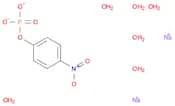
docking protein 2(DOK2) Homo sapiens The protein encoded by this gene is constitutively tyrosine phosphorylated in hematopoietic progenitors isolated from chronic myelogenous leukemia (CML) patients in the chronic phase. It may be a critical substrate for p210(bcr/abl), a chimeric protein whose presence is associated with CML. This encoded protein binds p120 (RasGAP) from CML cells. [provided by RefSeq, Jul 2008],Phosphoric acid, mono(4-nitrophenyl) ester, sodium salt, hydrate(1:2:6)OTHER CA INDEX NAMES:Phosphoric acid, mono(4-nitrophenyl) ester, disodium salt, hexahydrate
CAS :Formule :C6H16NNa2O12PDegré de pureté :97%Couleur et forme :SolidMasse moléculaire :371.1440Parkin rabbit pAb
The precise function of this gene is unknown; however, the encoded protein is a component of a multiprotein E3 ubiquitin ligase complex that mediates the targeting of substrate proteins for proteasomal degradation. Mutations in this gene are known to cause Parkinson disease and autosomal recessive juvenile Parkinson disease. Alternative splicing of this gene produces multiple transcript variants encoding distinct isoforms. Additional splice variants of this gene have been described but currently lack transcript support. [provided by RefSeq, Jul 2008],CE104 rabbit pAb
This gene encodes a centrosomal protein required for ciliogenesis and for ciliary tip structural integrity. The mammalian protein contains three amino-terminal hydrophobic domains, two glycosylation sites, four cysteine-rich motifs, and two regions with homology to the glutamate receptor ionotropic, NMDA 1 protein. During ciliogenesis, the encoded protein translocates from the distal tips of the centrioles to the tip of the elongating cilium. Knockdown of the protein in human retinal pigment cells results in severe defects in ciliogenesis with structural deformities at the ciliary tips. Allelic variants of this gene are associated with the autosomal-recessive disorder Joubert syndrome, which is characterized by a distinctive mid-hindbrain and cerebellar malformation, oculomotor apraxia, irregular breathing, developmental delay, and ataxia. [provided by RefSeq, Feb 2016],CYP39A1 rabbit pAb
cytochrome P450 family 39 subfamily A member 1(CYP39A1) Homo sapiens This gene encodes a member of the cytochrome P450 superfamily of enzymes. The cytochrome P450 proteins are monooxygenases which catalyze many reactions involved in drug metabolism and synthesis of cholesterol, steroids and other lipids. This endoplasmic reticulum protein is involved in the conversion of cholesterol to bile acids. Its substrates include the oxysterols 25-hydroxycholesterol, 27-hydroxycholesterol and 24-hydroxycholesterol. Alternate splicing results in multiple transcript variants. [provided by RefSeq, Jul 2013],Doublecortin rabbit pAb
This gene encodes a member of the doublecortin family. The protein encoded by this gene is a cytoplasmic protein and contains two doublecortin domains, which bind microtubules. In the developing cortex, cortical neurons must migrate over long distances to reach the site of their final differentiation. The encoded protein appears to direct neuronal migration by regulating the organization and stability of microtubules. In addition, the encoded protein interacts with LIS1, the regulatory gamma subunit of platelet activating factor acetylhydrolase, and this interaction is important to proper microtubule function in the developing cortex. Mutations in this gene cause abnormal migration of neurons during development and disrupt the layering of the cortex, leading to epilepsy, mental retardation, subcortical band heterotopia ("double cortex" syndrome) in females and lissencephaly ("smooth brain&quoBCL6B rabbit pAb
function:Acts as a sequence-specific transcriptional repressor in association with BCL6. May function in a narrow stage or be related to some events in the early B-cell development.,similarity:Contains 1 BTB (POZ) domain.,similarity:Contains 5 C2H2-type zinc fingers.,subunit:Associates with BCL6 through the BTB domain.,tissue specificity:Ubiquitously expressed with higher expression found in heart and placenta.,Talin-1 rabbit pAb
This gene encodes a cytoskeletal protein that is concentrated in areas of cell-substratum and cell-cell contacts. The encoded protein plays a significant role in the assembly of actin filaments and in spreading and migration of various cell types, including fibroblasts and osteoclasts. It codistributes with integrins in the cell surface membrane in order to assist in the attachment of adherent cells to extracellular matrices and of lymphocytes to other cells. The N-terminus of this protein contains elements for localization to cell-extracellular matrix junctions. The C-terminus contains binding sites for proteins such as beta-1-integrin, actin, and vinculin. [provided by RefSeq, Feb 2009],THYN1 rabbit pAb
This gene encodes a protein that is highly conserved among vertebrates and plant species and may be involved in the induction of apoptosis. Alternatively spliced transcript variants encoding different isoforms have been described. [provided by RefSeq, Jul 2008],SPT3 rabbit pAb
function:Probable transcriptional activator.,subunit:Component of the PCAF complex, at least composed of TADA2L/ADA2, SUPT3H, TADA3L/ADA3, TAF5L/PAF65-beta, TAF6L/PAF65-alpha, TAF10/TAFII30, TAF12/TAFII20, TAF9/TAFII31 and TRRAP. Associates with TAFII31 and GCN5L2. Component of the TFTC-HAT complex, at least composed of TAF5L, TAF6L, TADA3L, SUPT3H/SPT3, TAF2/TAFII150, TAF4/TAFII135, TAF5/TAFII100, GCN5L2/GCN5, TAF10 and TRRAP. Component of the STAGA transcription coactivator-HAT complex, at least composed of SUPT3H, GCN5L2, TAF5L, TAF6L, SUPT7L, TADA3L, TAD1L, TAF10, TAF12, TRRAP and TAF9. The STAGA core complex is associated with a subcomplex required for histone deubiquitinylation composed of ATXN7L3, ENY2 and USP22.,tissue specificity:Expressed in all tissues tested including pancreas, kidney, skeletal muscle, liver, lung, placenta, brain and heart.,GTR2 rabbit pAb
This gene encodes an integral plasma membrane glycoprotein of the liver, islet beta cells, intestine, and kidney epithelium. The encoded protein mediates facilitated bidirectional glucose transport. Because of its low affinity for glucose, it has been suggested as a glucose sensor. Mutations in this gene are associated with susceptibility to diseases, including Fanconi-Bickel syndrome and noninsulin-dependent diabetes mellitus (NIDDM). Alternative splicing results in multiple transcript variants of this gene. [provided by RefSeq, Jul 2013],Abl1 (phospho Thr735) rabbit pAb
This gene is a protooncogene that encodes a protein tyrosine kinase involved in a variety of cellular processes, including cell division, adhesion, differentiation, and response to stress. The activity of the protein is negatively regulated by its SH3 domain, whereby deletion of the region encoding this domain results in an oncogene. The ubiquitously expressed protein has DNA-binding activity that is regulated by CDC2-mediated phosphorylation, suggesting a cell cycle function. This gene has been found fused to a variety of translocation partner genes in various leukemias, most notably the t(9;22) translocation that results in a fusion with the 5' end of the breakpoint cluster region gene (BCR; MIM:151410). Alternative splicing of this gene results in two transcript variants, which contain alternative first exons that are spliced to the remaining common exons. [prSCP-2 rabbit pAb
The synaptonemal complex is a proteinaceous structure that links homologous chromosomes during the prophase of meiosis. The protein encoded by this gene is a major component of the synaptonemal complex and may bind DNA at scaffold attachment regions. The encoded protein requires synaptonemal complex protein 3, but not 1, for inclusion in the synaptonemal complex. [provided by RefSeq, Jul 2008],MKRN1 rabbit pAb
This gene encodes a protein that belongs to a novel class of zinc finger proteins. The encoded protein functions as a transcriptional co-regulator, and as an E3 ubiquitin ligase that promotes the ubiquitination and proteasomal degradation of target proteins. The protein encoded by this gene is thought to regulate RNA polymerase II-catalyzed transcription. Substrates for this protein's E3 ubiquitin ligase activity include the capsid protein of the West Nile virus and the catalytic subunit of the telomerase ribonucleoprotein. This protein controls cell cycle arrest and apoptosis by regulating p21, a cell cycle regulator, and the tumor suppressor protein p53. Pseudogenes of this gene are present on chromosomes 1, 3, 9, 12 and 20, and on the X chromosome. Alternative splicing results in multiple transcript variants encoding different isoforms. [provided by RefSeq, Apr 2014],ARVC rabbit pAb
Armadillo Repeat gene deleted in Velo-Cardio-Facial syndrome (ARVCF) is a member of the catenin family. This family plays an important role in the formation of adherens junction complexes, which are thought to facilitate communication between the inside and outside environments of a cell. The ARVCF gene was isolated in the search for the genetic defect responsible for the autosomal dominant Velo-Cardio-Facial syndrome (VCFS), a relatively common human disorder with phenotypic features including cleft palate, conotruncal heart defects and facial dysmorphology. The ARVCF gene encodes a protein containing two motifs, a coiled coil domain in the N-terminus and a 10 armadillo repeat sequence in the midregion. Since these sequences can facilitate protein-protein interactions ARVCF is thought to function in a protein complex. In addition, ARVCF contains a predicted nuclear-targeting sequence suggesting that it may have a function as a nuclear protein. [provided by RefSeq, Jun 2010],SP6 rabbit pAb
SP6 belongs to a family of transcription factors that contain 3 classical zinc finger DNA-binding domains consisting of a zinc atom tetrahedrally coordinated by 2 cysteines and 2 histidines (C2H2 motif). These transcription factors bind to GC-rich sequences and related GT and CACCC boxes (Scohy et al., 2000 [PubMed 11087666]).[supplied by OMIM, Mar 2008],ERK 8 (phospho Thr175/Y177) rabbit pAb
catalytic activity:ATP + a protein = ADP + a phosphoprotein.,domain:The N-terminal region (1-20) is the minimal region necessary for ubiquitination and further proteosomal degradation.,domain:The TXY motif contains the threonine and tyrosine residues whose phosphorylation activates the MAP kinases.,enzyme regulation:Activated by threonine and tyrosine phosphorylation. Inhibited by dual specificity phosphatases, such as DUSP1.,function:In vitro, phosphorylates MBP.,PTM:Dually phosphorylated on Thr-175 and Tyr-177, which activates the enzyme. Autophosphorylated on threonine and tyrosine residues in vitro.,PTM:Ubiquitinated. Ubiquitination may allow its tight kinase activity regulation and rapid turnover. May be ubiquitinated by a SCF E3 ligase.,similarity:Belongs to the protein kinase superfamily. CMGC Ser/Thr protein kinase family. MAP kinase subfamily.,similarity:Contains 1 protein kinase domain.,subunit:Interacts with CSK/c-Src, ABL1, RET and TGFB1I1.,tissue specificity:Widely expressed with a maximal expression in lung and kidney.,