Anticorps primaires
Les anticorps primaires sont des immunoglobulines qui se lient spécifiquement à un antigène d'intérêt, permettant la détection et la quantification de protéines, peptides ou autres biomolécules. Ces anticorps sont des outils essentiels dans de nombreuses applications, notamment le Western blot, l'immunohistochimie et l'ELISA. Chez CymitQuimica, nous proposons une vaste sélection d'anticorps primaires de haute qualité, offrant spécificité et sensibilité pour divers besoins de recherche, notamment en cancérologie, immunologie et biologie cellulaire.
Sous-catégories appartenant à la catégorie "Anticorps primaires"
- Anticorps pour la recherche sur le cancer(3.620 produits)
- Anticorps cardio-vasculaires(2 produits)
- Biologie du développement(751 produits)
- Anticorps relatifs à l’épigénétique(162 produits)
- Anticorps d'immunologie(2.551 produits)
- Anticorps du métabolisme(279 produits)
- Anticorps de microbiologie(739 produits)
- Transduction du signal(2.717 produits)
- Tags & Marqueurs cellulaires(33 produits)
Affichez 1 plus de sous-catégories
75447 produits trouvés pour "Anticorps primaires"
Trier par
Degré de pureté (%)
0
100
|
0
|
50
|
90
|
95
|
100
Brk rabbit pAb
protein tyrosine kinase 6(PTK6) Homo sapiens The protein encoded by this gene is a cytoplasmic nonreceptor protein kinase which may function as an intracellular signal transducer in epithelial tissues. Overexpression of this gene in mammary epithelial cells leads to sensitization of the cells to epidermal growth factor and results in a partially transformed phenotype. Expression of this gene has been detected at low levels in some breast tumors but not in normal breast tissue. The encoded protein has been shown to undergo autophosphorylation. Alternative splicing results in multiple transcript variants. [provided by RefSeq, Jan 2012],RL7A rabbit pAb
Cytoplasmic ribosomes, organelles that catalyze protein synthesis, consist of a small 40S subunit and a large 60S subunit. Together these subunits are composed of 4 RNA species and approximately 80 structurally distinct proteins. This gene encodes a ribosomal protein that is a component of the 60S subunit. The protein belongs to the L7AE family of ribosomal proteins. It can interact with a subclass of nuclear hormone receptors, including thyroid hormone receptor, and inhibit their ability to transactivate by preventing their binding to their DNA response elements. This gene is included in the surfeit gene cluster, a group of very tightly linked genes that do not share sequence similarity. It is co-transcribed with the U24, U36a, U36b, and U36c small nucleolar RNA genes, which are located in its second, fifth, fourth, and sixth introns, respectively. This gene rearranges with the trk proto-oncogene tUBE4A rabbit pAb
This gene encodes a member of the U-box ubiquitin ligase family. The encoded protein is involved in multiubiquitin chain assembly and plays a critical role in chromosome condensation and separation through the polyubiquitination of securin. Autoantibodies against the encoded protein may be markers for scleroderma and Crohn's disease. A pseudogene of this gene is located on the long arm of chromosome 3. Alternatively spliced transcript variants encoding multiple isoforms have been observed for this gene. [provided by RefSeq, Feb 2011],MK rabbit pAb
This gene encodes a member of a small family of secreted growth factors that binds heparin and responds to retinoic acid. The encoded protein promotes cell growth, migration, and angiogenesis, in particular during tumorigenesis. This gene has been targeted as a therapeutic for a variety of different disorders. Alternatively spliced transcript variants encoding multiple isoforms have been observed. [provided by RefSeq, Jul 2012],TAP1 rabbit pAb
The membrane-associated protein encoded by this gene is a member of the superfamily of ATP-binding cassette (ABC) transporters. ABC proteins transport various molecules across extra- and intra-cellular membranes. ABC genes are divided into seven distinct subfamilies (ABC1, MDR/TAP, MRP, ALD, OABP, GCN20, White). This protein is a member of the MDR/TAP subfamily. Members of the MDR/TAP subfamily are involved in multidrug resistance. The protein encoded by this gene is involved in the pumping of degraded cytosolic peptides across the endoplasmic reticulum into the membrane-bound compartment where class I molecules assemble. Mutations in this gene may be associated with ankylosing spondylitis, insulin-dependent diabetes mellitus, and celiac disease. Two transcript variants encoding different isoforms have been found for this gene. [provided by RefSeq, May 2014],ZN124 rabbit pAb
This gene encodes a protein with an amino-terminal KRAB-A box and multiple repeated Kruppel-type (C2H2) zinc finger motifs at its carboxy terminus. The encoded protein may function as a transcription factor. Expression of this gene is increased after vascular endothelial growth factor (VEGF) stimulation in human leukemia cell lines and results in inhibition of apoptotic cell death induced by irradiation or exposure to etoposide. Alternative splicing results in multiple transcript variants encoding distinct proteins. [provided by RefSeq, Jul 2014],ERGI1 rabbit pAb
This gene encodes a cycling membrane protein which is an endoplasmic reticulum-golgi intermediate compartment (ERGIC) protein which interacts with other members of this protein family to increase their turnover. [provided by RefSeq, Jul 2008],PACS1 rabbit pAb
This gene encodes a protein with a putative role in the localization of trans-Golgi network (TGN) membrane proteins. Mouse and rat homologs have been identified and studies of the homologous rat protein indicate a role in directing TGN localization of furin by binding to the protease's phosphorylated cytosolic domain. In addition, the human protein plays a role in HIV-1 Nef-mediated downregulation of cell surface MHC-I molecules to the TGN, thereby enabling HIV-1 to escape immune surveillance. [provided by RefSeq, Jul 2008],SETMAR rabbit pAb
This gene encodes a fusion protein that contains an N-terminal histone-lysine N-methyltransferase domain and a C-terminal mariner transposase domain. The encoded protein binds DNA and functions in DNA repair activities including non-homologous end joining and double strand break repair. The SET domain portion of this protein specifically methylates histone H3 lysines 4 and 36. This gene exists as a fusion gene only in anthropoid primates, other organisms lack mariner transposase domain. Alternate splicing results in multiple transcript variants. [provided by RefSeq, Jan 2013],SRRM1 rabbit pAb
function:Part of pre- and post-splicing multiprotein mRNP complexes. Involved in numerous pre-mRNA processing events. Promotes constitutive and exonic splicing enhancer (ESE)-dependent splicing activation by bridging together sequence-specific (SR family proteins, SFRS4, SFRS5 and TRA2B/SFRS10) and basal snRNP (SNRP70 and SNRPA1) factors of the spliceosome. Stimulates mRNA 3'-end cleavage independently of the formation of an exon junction complex. Binds both pre-mRNA and spliced mRNA 20-25 nt upstream of exon-exon junctions. Binds RNA and DNA with low sequence specificity and has similar preference for either double- or single-stranded nucleic acid substrates.,similarity:Belongs to the splicing factor SR family.,similarity:Contains 1 PWI domain.,subunit:Identified in the spliceosome C complex, at least composed of AQR, ASCC3L1, C19orf29, CDC40, CDC5L, CRNKL1, DDX23, DDX41, DDX48, DDX5, DGCR14, DHX35, DHX38, DHX8, EFTUD2, FRG1, GPATC1, HNRPA1, HNRPA2B1, HNRPA3, HNRPC, HNRPF, HNRPH1, HNRPK, HNRPM, HNRPR, HNRPU, KIAA1160, KIAA1604, LSM2, LSM3, MAGOH, MORG1, PABPC1, PLRG1, PNN, PPIE, PPIL1, PPIL3, PPWD1, PRPF19, PRPF4B, PRPF6, PRPF8, RALY, RBM22, RBM8A, RBMX, SART1, SF3A1, SF3A2, SF3A3, SF3B1, SF3B2, SF3B3, SFRS1, SKIV2L2, SNRPA1, SNRPB, SNRPB2, SNRPD1, SNRPD2, SNRPD3, SNRPE, SNRPF, SNRPG, SNW1, SRRM1, SRRM2, SYF2, SYNCRIP, TFIP11, THOC4, U2AF1, WDR57, XAB2 and ZCCHC8. Found in a pre-mRNA splicing complex with SFRS4, SFRS5, SNRP70, SNRPA1, SRRM1 and SRRM2. Found in a pre-mRNA exonic splicing enhancer (ESE) complex with SNRP70, SNRPA1, SRRM1 and TRA2B/SFRS10. Found in a mRNA splicing-dependent exon junction complex (EJC) with DEK, PRPF8, NCBP1, RBM8A, RNPS1, SRRM1 and THOC4. Interacts with BAT1, CPSF1, RBM8A, RNPS1, and THOC4. Seems to be a compound of RNA export complexes that are released from speckles in a ATP-dependent manner.,DGK-ι rabbit pAb
This gene is a member of the type IV diacylglycerol kinase subfamily. Diacylglycerol kinases regulate the intracellular concentration of diacylglycerol through its phosphorylation, producing phosphatidic acid. The specific role of the enzyme encoded by this gene is undetermined, however, it may play a crucial role in the production of phosphatidic acid in the retina or in recessive forms of retinal degeneration. [provided by RefSeq, Jul 2008],KBRS2 rabbit pAb
domain:In contrast to other members of the Ras family, the members of the KappaB-Ras subfamily do not contain the conserved Gly and Gln residues in positions 13 and 65, which are replaced by Ala and Leu residues, respectively, and are therefore similar to the constitutively active forms of oncogenic forms of Ras. This suggests that members of this family are clearly different from other small GTPases proteins.,function:Atypical Ras-like protein that acts as a potent regulator of NF-kappa-B activity by preventing the degradation of NF-kappa-B inhibitor beta (NFKBIB) by most signals, explaining why NFKBIB is more resistant to degradation. May act by blocking phosphorylation of NFKBIB and nuclear localization of p65/RELA NF-kappa-B subunit. It is unclear whether it acts as a GTPase. Both GTP- and GDP-bound forms block phosphorylation of NFKBIB.,sequence caution:Absence of residues from position 133 within an exon that change the frame which is not the result of an alternative splicing.,similarity:Belongs to the small GTPase superfamily. Ras family. KappaB-Ras subfamily.,subunit:Interacts with both NF-kappa-B inhibitor alpha (NFKBIA) and beta (NFKBIB) in vitro. However, it probably only interacts with NFKBIB in vivo.,tissue specificity:Widely expressed.,BMP-8B rabbit pAb
This gene encodes a secreted ligand of the TGF-beta (transforming growth factor-beta) superfamily of proteins. Ligands of this family bind various TGF-beta receptors leading to recruitment and activation of SMAD family transcription factors that regulate gene expression. The encoded preproprotein is proteolytically processed to generate each subunit of the disulfide-linked homodimer. The encoded protein stimulates thermogenesis in brown adipose tissue. Expression of this gene may be downregulated in pancreatic cancer. This gene may have arose from a gene duplication event and its gene duplicate is also present on chromosome 1. [provided by RefSeq, Jul 2016],Duffy rabbit pAb
The protein encoded by this gene is a glycosylated membrane protein and a non-specific receptor for several chemokines. The encoded protein is the receptor for the human malarial parasites Plasmodium vivax and Plasmodium knowlesi. Polymorphisms in this gene are the basis of the Duffy blood group system. Two transcript variants encoding different isoforms have been found for this gene. [provided by RefSeq, Jul 2008],NFκB-p105 (phospho Ser907) rabbit pAb
nuclear factor kappa B subunit 1(NFKB1) Homo sapiens This gene encodes a 105 kD protein which can undergo cotranslational processing by the 26S proteasome to produce a 50 kD protein. The 105 kD protein is a Rel protein-specific transcription inhibitor and the 50 kD protein is a DNA binding subunit of the NF-kappa-B (NFKB) protein complex. NFKB is a transcription regulator that is activated by various intra- and extra-cellular stimuli such as cytokines, oxidant-free radicals, ultraviolet irradiation, and bacterial or viral products. Activated NFKB translocates into the nucleus and stimulates the expression of genes involved in a wide variety of biological functions. Inappropriate activation of NFKB has been associated with a number of inflammatory diseases while persistent inhibition of NFKB leads to inappropriate immune cell development or delayed cell growth. Alternative splicing results in multiple transcript variants encoding different isofCYP21A2 rabbit pAb
cytochrome P450 family 21 subfamily A member 2(CYP21A2) Homo sapiens This gene encodes a member of the cytochrome P450 superfamily of enzymes. The cytochrome P450 proteins are monooxygenases which catalyze many reactions involved in drug metabolism and synthesis of cholesterol, steroids and other lipids. This protein localizes to the endoplasmic reticulum and hydroxylates steroids at the 21 position. Its activity is required for the synthesis of steroid hormones including cortisol and aldosterone. Mutations in this gene cause congenital adrenal hyperplasia. A related pseudogene is located near this gene; gene conversion events involving the functional gene and the pseudogene are thought to account for many cases of steroid 21-hydroxylase deficiency. Two transcript variants encoding different isoforms have been found for this gene. [provided by RefSeq, Jul 2008],Bmx (phospho Tyr566) rabbit pAb
This gene encodes a non-receptor tyrosine kinase belonging to the Tec kinase family. The protein contains a PH-like domain, which mediates membrane targeting by binding to phosphatidylinositol 3,4,5-triphosphate (PIP3), and a SH2 domain that binds to tyrosine-phosphorylated proteins and functions in signal transduction. The protein is implicated in several signal transduction pathways including the Stat pathway, and regulates differentiation and tumorigenicity of several types of cancer cells. Alternatively spliced transcript variants have been found for this gene. [provided by RefSeq, Mar 2016],FA83H rabbit pAb
The protein encoded by this gene plays an important role in the structural development and calcification of tooth enamel. Defects in this gene are a cause of amelogenesis imperfecta type 3 (AI3). [provided by RefSeq, Mar 2010],CEAM6 rabbit pAb
This gene encodes a protein that belongs to the carcinoembryonic antigen (CEA) family whose members are glycosyl phosphatidyl inositol (GPI) anchored cell surface glycoproteins. Members of this family play a role in cell adhesion and are widely used as tumor markers in serum immunoassay determinations of carcinoma. This gene affects the sensitivity of tumor cells to adenovirus infection. The protein encoded by this gene acts as a receptor for adherent-invasive E. coli adhesion to the surface of ileal epithelial cells in patients with Crohn's disease. This gene is clustered with genes and pseudogenes of the cell adhesion molecules subgroup of the CEA family on chromosome 19. [provided by RefSeq, Apr 2014],PTPRB rabbit pAb
The protein encoded by this gene is a member of the protein tyrosine phosphatase (PTP) family. PTPs are known to be signaling molecules that regulate a variety of cellular processes including cell growth, differentiation, mitotic cycle, and oncogenic transformation. This PTP contains an extracellular domain, a single transmembrane segment and one intracytoplasmic catalytic domain, thus belongs to receptor type PTP. The extracellular region of this PTP is composed of multiple fibronectin type_III repeats, which was shown to interact with neuronal receptor and cell adhesion molecules, such as contactin and tenascin C. This protein was also found to interact with sodium channels, and thus may regulate sodium channels by altering tyrosine phosphorylation status. The functions of the interaction partners of this protein implicate the roles of this PTP in cell adhesion, neurite groSyk (phospho-Ser297) rabbit pAb
This gene encodes a member of the family of non-receptor type Tyr protein kinases. This protein is widely expressed in hematopoietic cells and is involved in coupling activated immunoreceptors to downstream signaling events that mediate diverse cellular responses, including proliferation, differentiation, and phagocytosis. It is thought to be a modulator of epithelial cell growth and a potential tumour suppressor in human breast carcinomas. Alternatively spliced transcript variants encoding different isoforms have been found for this gene. [provided by RefSeq, Mar 2010],MRTF-A rabbit pAb
The protein encoded by this gene interacts with the transcription factor myocardin, a key regulator of smooth muscle cell differentiation. The encoded protein is predominantly nuclear and may help transduce signals from the cytoskeleton to the nucleus. This gene is involved in a specific translocation event that creates a fusion of this gene and the RNA-binding motif protein-15 gene. This translocation has been associated with acute megakaryocytic leukemia. Alternative splicing results in multiple transcript variants. [provided by RefSeq, Sep 2013],MEK-1 (phospho Thr292) rabbit pAb
The protein encoded by this gene is a member of the dual specificity protein kinase family, which acts as a mitogen-activated protein (MAP) kinase kinase. MAP kinases, also known as extracellular signal-regulated kinases (ERKs), act as an integration point for multiple biochemical signals. This protein kinase lies upstream of MAP kinases and stimulates the enzymatic activity of MAP kinases upon wide variety of extra- and intracellular signals. As an essential component of MAP kinase signal transduction pathway, this kinase is involved in many cellular processes such as proliferation, differentiation, transcription regulation and development. [provided by RefSeq, Jul 2008],AP-1/Jun D (phospho Ser73/100) rabbit pAb
This gene is the putative transforming gene of avian sarcoma virus 17. It encodes a protein which is highly similar to the viral protein, and which interacts directly with specific target DNA sequences to regulate gene expression. This gene is intronless and is mapped to 1p32-p31, a chromosomal region involved in both translocations and deletions in human malignancies. [provided by RefSeq, Jul 2008],BRMS-1 rabbit pAb
This gene reduces the metastatic potential, but not the tumorogenicity, of human breast cancer and melanoma cell lines. The protein encoded by this gene localizes primarily to the nucleus and is a component of the mSin3a family of histone deacetylase complexes (HDAC). The protein contains two coiled-coil motifs and several imperfect leucine zipper motifs. Alternative splicing results in two transcript variants encoding different isoforms. [provided by RefSeq, Jul 2008],Cdc25B rabbit pAb
cell division cycle 25B(CDC25B) Homo sapiens CDC25B is a member of the CDC25 family of phosphatases. CDC25B activates the cyclin dependent kinase CDC2 by removing two phosphate groups and it is required for entry into mitosis. CDC25B shuttles between the nucleus and the cytoplasm due to nuclear localization and nuclear export signals. The protein is nuclear in the M and G1 phases of the cell cycle and moves to the cytoplasm during S and G2. CDC25B has oncogenic properties, although its role in tumor formation has not been determined. Multiple transcript variants for this gene exist. [provided by RefSeq, Jul 2008],EphA4 (phospho Tyr596) rabbit pAb
This gene belongs to the ephrin receptor subfamily of the protein-tyrosine kinase family. EPH and EPH-related receptors have been implicated in mediating developmental events, particularly in the nervous system. Receptors in the EPH subfamily typically have a single kinase domain and an extracellular region containing a Cys-rich domain and 2 fibronectin type III repeats. The ephrin receptors are divided into 2 groups based on the similarity of their extracellular domain sequences and their affinities for binding ephrin-A and ephrin-B ligands. Multiple transcript variants encoding different isoforms have been found for this gene. [provided by RefSeq, Jan 2015],ANX11 rabbit pAb
This gene encodes a member of the annexin family, a group of calcium-dependent phospholipid-binding proteins. Annexins have unique N-terminal domains and conserved C-terminal domains, which contain calcium-dependent phospholipid-binding sites. The encoded protein is a 56-kD antigen recognized by sera from patients with various autoimmune diseases. Several transcript variants encoding two different isoforms have been identified. [provided by RefSeq, Dec 2015],MRP-L51 rabbit pAb
Mammalian mitochondrial ribosomal proteins are encoded by nuclear genes and help in protein synthesis within the mitochondrion. Mitochondrial ribosomes (mitoribosomes) consist of a small 28S subunit and a large 39S subunit. They have an estimated 75% protein to rRNA composition compared to prokaryotic ribosomes, where this ratio is reversed. Another difference between mammalian mitoribosomes and prokaryotic ribosomes is that the latter contain a 5S rRNA. Among different species, the proteins comprising the mitoribosome differ greatly in sequence, and sometimes in biochemical properties, which prevents easy recognition by sequence homology. This gene encodes a 39S subunit protein. Pseudogenes corresponding to this gene are found on chromosomes 4p and 21q. [provided by RefSeq, Jul 2008],Dok-2 (phospho Tyr345) rabbit pAb
docking protein 2(DOK2) Homo sapiens The protein encoded by this gene is constitutively tyrosine phosphorylated in hematopoietic progenitors isolated from chronic myelogenous leukemia (CML) patients in the chronic phase. It may be a critical substrate for p210(bcr/abl), a chimeric protein whose presence is associated with CML. This encoded protein binds p120 (RasGAP) from CML cells. [provided by RefSeq, Jul 2008],Serine racemase rabbit pAb
catalytic activity:L-serine = D-serine.,cofactor:Pyridoxal phosphate.,function:Catalyzes the synthesis of D-serine from L-serine.,similarity:Belongs to the serine/threonine dehydratase family.,tissue specificity:Brain: expressed at high levels in hippocampus and corpus callosum, intermediate levels in substantia nigra and caudate, and low levels in amygdala, thalamus, and subthalamic nuclei. Expressed in heart, skeletal muscle, kidney and liver.,Smad3 (phospho Ser204) rabbit pAb
The protein encoded by this gene belongs to the SMAD, a family of proteins similar to the gene products of the Drosophila gene 'mothers against decapentaplegic' (Mad) and the C. elegans gene Sma. SMAD proteins are signal transducers and transcriptional modulators that mediate multiple signaling pathways. This protein functions as a transcriptional modulator activated by transforming growth factor-beta and is thought to play a role in the regulation of carcinogenesis. [provided by RefSeq, Apr 2009],CE104 rabbit pAb
This gene encodes a centrosomal protein required for ciliogenesis and for ciliary tip structural integrity. The mammalian protein contains three amino-terminal hydrophobic domains, two glycosylation sites, four cysteine-rich motifs, and two regions with homology to the glutamate receptor ionotropic, NMDA 1 protein. During ciliogenesis, the encoded protein translocates from the distal tips of the centrioles to the tip of the elongating cilium. Knockdown of the protein in human retinal pigment cells results in severe defects in ciliogenesis with structural deformities at the ciliary tips. Allelic variants of this gene are associated with the autosomal-recessive disorder Joubert syndrome, which is characterized by a distinctive mid-hindbrain and cerebellar malformation, oculomotor apraxia, irregular breathing, developmental delay, and ataxia. [provided by RefSeq, Feb 2016],VDR (phospho Ser51) rabbit pAb
This gene encodes the nuclear hormone receptor for vitamin D3. This receptor also functions as a receptor for the secondary bile acid lithocholic acid. The receptor belongs to the family of trans-acting transcriptional regulatory factors and shows sequence similarity to the steroid and thyroid hormone receptors. Downstream targets of this nuclear hormone receptor are principally involved in mineral metabolism though the receptor regulates a variety of other metabolic pathways, such as those involved in the immune response and cancer. Mutations in this gene are associated with type II vitamin D-resistant rickets. A single nucleotide polymorphism in the initiation codon results in an alternate translation start site three codons downstream. Alternative splicing results in multiple transcript variants encoding different proteins. [provided by RefSeq, Feb 2011],CYP39A1 rabbit pAb
cytochrome P450 family 39 subfamily A member 1(CYP39A1) Homo sapiens This gene encodes a member of the cytochrome P450 superfamily of enzymes. The cytochrome P450 proteins are monooxygenases which catalyze many reactions involved in drug metabolism and synthesis of cholesterol, steroids and other lipids. This endoplasmic reticulum protein is involved in the conversion of cholesterol to bile acids. Its substrates include the oxysterols 25-hydroxycholesterol, 27-hydroxycholesterol and 24-hydroxycholesterol. Alternate splicing results in multiple transcript variants. [provided by RefSeq, Jul 2013],OR2B6 rabbit pAb
olfactory receptor family 2 subfamily B member 6(OR2B6) Homo sapiens Olfactory receptors interact with odorant molecules in the nose, to initiate a neuronal response that triggers the perception of a smell. The olfactory receptor proteins are members of a large family of G-protein-coupled receptors (GPCR) arising from single coding-exon genes. Olfactory receptors share a 7-transmembrane domain structure with many neurotransmitter and hormone receptors and are responsible for the recognition and G protein-mediated transduction of odorant signals. The olfactory receptor gene family is the largest in the genome. The nomenclature assigned to the olfactory receptor genes and proteins for this organism is independent of other organisms. [provided by RefSeq, Jul 2008],XPO7 rabbit pAb
The transport of protein and large RNAs through the nuclear pore complexes (NPC) is an energy-dependent and regulated process. The import of proteins with a nuclear localization signal (NLS) is accomplished by recognition of one or more clusters of basic amino acids by the importin-alpha/beta complex; see MIM 600685 and MIM 602738. The small GTPase RAN (MIM 601179) plays a key role in NLS-dependent protein import. RAN-binding protein-16 is a member of the importin-beta superfamily of nuclear transport receptors.[supplied by OMIM, Jul 2002],PAKα (phospho Ser199) rabbit pAb
This gene encodes a family member of serine/threonine p21-activating kinases, known as PAK proteins. These proteins are critical effectors that link RhoGTPases to cytoskeleton reorganization and nuclear signaling, and they serve as targets for the small GTP binding proteins Cdc42 and Rac. This specific family member regulates cell motility and morphology. Alternatively spliced transcript variants encoding different isoforms have been found for this gene. [provided by RefSeq, Apr 2010],eIF2α rabbit pAb
The translation initiation factor EIF2 catalyzes the first regulated step of protein synthesis initiation, promoting the binding of the initiator tRNA to 40S ribosomal subunits. Binding occurs as a ternary complex of methionyl-tRNA, EIF2, and GTP. EIF2 is composed of 3 nonidentical subunits, the 36-kD EIF2-alpha subunit (EIF2S1), the 38-kD EIF2-beta subunit (EIF2S2; MIM 603908), and the 52-kD EIF2-gamma subunit (EIF2S3; MIM 300161). The rate of formation of the ternary complex is modulated by the phosphorylation state of EIF2-alpha (Ernst et al., 1987 [PubMed 2948954]).[supplied by OMIM, Feb 2010],mAChR M2 rabbit pAb
The muscarinic cholinergic receptors belong to a larger family of G protein-coupled receptors. The functional diversity of these receptors is defined by the binding of acetylcholine to these receptors and includes cellular responses such as adenylate cyclase inhibition, phosphoinositide degeneration, and potassium channel mediation. Muscarinic receptors influence many effects of acetylcholine in the central and peripheral nervous system. The muscarinic cholinergic receptor 2 is involved in mediation of bradycardia and a decrease in cardiac contractility. Multiple alternatively spliced transcript variants have been described for this gene. [provided by RefSeq, Jul 2008],RNAS4 rabbit pAb
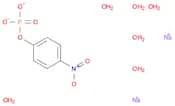
The protein encoded by this gene belongs to the pancreatic ribonuclease family. It plays an important role in mRNA cleavage and has marked specificity towards the 3' side of uridine nucleotides. Alternative splicing results in four transcript variants encoding the same protein. This gene and the gene that encodes angiogenin share promoters and 5' exons. Each gene splices to a unique downstream exon that contains its complete coding region. [provided by RefSeq, Aug 2013],Phosphoric acid, mono(4-nitrophenyl) ester, sodium salt, hydrate(1:2:6)OTHER CA INDEX NAMES:Phosphoric acid, mono(4-nitrophenyl) ester, disodium salt, hexahydrate
CAS :Formule :C6H16NNa2O12PDegré de pureté :97%Couleur et forme :SolidMasse moléculaire :371.1440Cav γ2 Rabbit pAb
Cav γ2 regulates the trafficking and gating properties of AMPA-selective glutamate receptors (AMPARs). Promotes their targeting to the cell membrane and synapses and modulates their gating properties by slowing their rates of activation, deactivation and desensitization.EP3 rabbit pAb
The protein encoded by this gene is a member of the G-protein coupled receptor family. This protein is one of four receptors identified for prostaglandin E2 (PGE2). This receptor may have many biological functions, which involve digestion, nervous system, kidney reabsorption, and uterine contraction activities. Studies of the mouse counterpart suggest that this receptor may also mediate adrenocorticotropic hormone response as well as fever generation in response to exogenous and endogenous stimuli. Multiple transcript variants encoding different isoforms have been found for this gene. [provided by RefSeq, Aug 2009],ICAD rabbit pAb
Apoptosis is a cell death process that removes toxic and/or useless cells during mammalian development. The apoptotic process is accompanied by shrinkage and fragmentation of the cells and nuclei and degradation of the chromosomal DNA into nucleosomal units. DNA fragmentation factor (DFF) is a heterodimeric protein of 40-kD (DFFB) and 45-kD (DFFA) subunits. DFFA is the substrate for caspase-3 and triggers DNA fragmentation during apoptosis. DFF becomes activated when DFFA is cleaved by caspase-3. The cleaved fragments of DFFA dissociate from DFFB, the active component of DFF. DFFB has been found to trigger both DNA fragmentation and chromatin condensation during apoptosis. Two alternatively spliced transcript variants encoding distinct isoforms have been found for this gene. [provided by RefSeq, Jul 2008],