Anticorps primaires
Les anticorps primaires sont des immunoglobulines qui se lient spécifiquement à un antigène d'intérêt, permettant la détection et la quantification de protéines, peptides ou autres biomolécules. Ces anticorps sont des outils essentiels dans de nombreuses applications, notamment le Western blot, l'immunohistochimie et l'ELISA. Chez CymitQuimica, nous proposons une vaste sélection d'anticorps primaires de haute qualité, offrant spécificité et sensibilité pour divers besoins de recherche, notamment en cancérologie, immunologie et biologie cellulaire.
Sous-catégories appartenant à la catégorie "Anticorps primaires"
- Anticorps pour la recherche sur le cancer(3.620 produits)
- Anticorps cardio-vasculaires(2 produits)
- Biologie du développement(751 produits)
- Anticorps relatifs à l’épigénétique(162 produits)
- Anticorps d'immunologie(2.551 produits)
- Anticorps du métabolisme(279 produits)
- Anticorps de microbiologie(739 produits)
- Transduction du signal(2.717 produits)
- Tags & Marqueurs cellulaires(33 produits)
Affichez 1 plus de sous-catégories
75447 produits trouvés pour "Anticorps primaires"
Trier par
Degré de pureté (%)
0
100
|
0
|
50
|
90
|
95
|
100
CD64 rabbit pAb
This gene encodes a protein that plays an important role in the immune response. This protein is a high-affinity Fc-gamma receptor. The gene is one of three related gene family members located on chromosome 1. [provided by RefSeq, Jul 2008],14-3-3 β rabbit pAb
This gene encodes a protein belonging to the 14-3-3 family of proteins, members of which mediate signal transduction by binding to phosphoserine-containing proteins. This highly conserved protein family is found in both plants and mammals. The encoded protein has been shown to interact with RAF1 and CDC25 phosphatases, suggesting that it may play a role in linking mitogenic signaling and the cell cycle machinery. Two transcript variants, which encode the same protein, have been identified for this gene. [provided by RefSeq, Jul 2008],HSL (phospho Ser552) rabbit pAb
The protein encoded by this gene has a long and a short form, generated by use of alternative translational start codons. The long form is expressed in steroidogenic tissues such as testis, where it converts cholesteryl esters to free cholesterol for steroid hormone production. The short form is expressed in adipose tissue, among others, where it hydrolyzes stored triglycerides to free fatty acids. [provided by RefSeq, Jul 2008],STK32C rabbit pAb
The protein encoded by this gene is a member of the serine/threonine protein kinase family. It is thought that this family member is functional in brain due to its high expression levels there. DNA methylation differences have been found in this gene in monozygotic twins that are discordant for adolescent depression. Alternative splicing results in multiple transcript variants. [provided by RefSeq, Jan 2016],UBA1 rabbit pAb
The protein encoded by this gene catalyzes the first step in ubiquitin conjugation to mark cellular proteins for degradation. This gene complements an X-linked mouse temperature-sensitive defect in DNA synthesis, and thus may function in DNA repair. It is part of a gene cluster on chromosome Xp11.23. Alternatively spliced transcript variants that encode the same protein have been described. [provided by RefSeq, Jul 2008],Cathepsin D rabbit pAb
This gene encodes a member of the A1 family of peptidases. The encoded preproprotein is proteolytically processed to generate multiple protein products. These products include the cathepsin D light and heavy chains, which heterodimerize to form the mature enzyme. This enzyme exhibits pepsin-like activity and plays a role in protein turnover and in the proteolytic activation of hormones and growth factors. Mutations in this gene play a causal role in neuronal ceroid lipofuscinosis-10 and may be involved in the pathogenesis of several other diseases, including breast cancer and possibly Alzheimer's disease. [provided by RefSeq, Nov 2015],Rim4 rabbit pAb
caution:Does not bind Rab-3.,function:Regulates synaptic membrane exocytosis.,PTM:Phosphorylated upon DNA damage, probably by ATM or ATR.,similarity:Contains 1 C2 domain.,subunit:Binds PPFIA3.,STX5 rabbit pAb
This gene encodes a member of the syntaxin or t-SNARE (target-SNAP receptor) family. These proteins are found on cell membranes and serve as the targets for v-SNAREs (vesicle-SNAP receptors), permitting specific synaptic vesicle docking and fusion. The encoded protein regulates endoplasmic reticulum to Golgi transport and plays a critical role in autophagy. Autoantibodies targeting the encoded protein may be a diagnostic marker for endometriosis. Alternatively spliced transcript variants encoding multiple isoforms have been observed for this gene. [provided by RefSeq, Sep 2011],NPFF1 rabbit pAb
function:Receptor for NPAF (A-18-F-amide) and NPFF (F-8-F-amide) neuropeptides, also known as morphine-modulating peptides. Can also be activated by a variety of naturally occurring or synthetic FMRF-amide like ligands. This receptor mediates its action by association with G proteins that activate a phosphatidylinositol-calcium second messenger system.,similarity:Belongs to the G-protein coupled receptor 1 family.,MK rabbit pAb
This gene encodes a member of a small family of secreted growth factors that binds heparin and responds to retinoic acid. The encoded protein promotes cell growth, migration, and angiogenesis, in particular during tumorigenesis. This gene has been targeted as a therapeutic for a variety of different disorders. Alternatively spliced transcript variants encoding multiple isoforms have been observed. [provided by RefSeq, Jul 2012],CYP27A1 rabbit pAb
cytochrome P450 family 27 subfamily A member 1(CYP27A1) Homo sapiens This gene encodes a member of the cytochrome P450 superfamily of enzymes. The cytochrome P450 proteins are monooxygenases which catalyze many reactions involved in drug metabolism and synthesis of cholesterol, steroids and other lipids. This mitochondrial protein oxidizes cholesterol intermediates as part of the bile synthesis pathway. Since the conversion of cholesterol to bile acids is the major route for removing cholesterol from the body, this protein is important for overall cholesterol homeostasis. Mutations in this gene cause cerebrotendinous xanthomatosis, a rare autosomal recessive lipid storage disease. [provided by RefSeq, Jul 2008],HNRPR rabbit pAb
This gene encodes an RNA-binding protein that is a member of the spliceosome C complex, which functions in pre-mRNA processing and transport. The encoded protein also promotes transcription at the c-fos gene. Alternative splicing results in multiple transcript variants. There are pseudogenes for this gene on chromosomes 4, 11, and 10. [provided by RefSeq, Jul 2014],NFE2 rabbit pAb
function:Required for activity at the locus control region (LCR) upstream of the globin gene complexes. Requires p18 NF-E2 for binding to the NF-E2 motif. May play a role in all aspects of hemoglobin production: globin synthesis, heme synthesis, and the procurement of iron.,similarity:Belongs to the bZIP family.,similarity:Belongs to the bZIP family. CNC subfamily.,similarity:Contains 1 bZIP domain.,subunit:Interacts with MLL2; leading to activate transcription of the beta-globin locus (By similarity). Heterodimer of p45 NF-E2 and p18 NF-E2. Forms high affinity heterodimer with MAFG; the interaction promotes erythropoiesis.,tissue specificity:Expressed in hematopoietic cells and also in colon and testis.,RL4 rabbit pAb
Ribosomes, the organelles that catalyze protein synthesis, consist of a small 40S subunit and a large 60S subunit. Together these subunits are composed of 4 RNA species and approximately 80 structurally distinct proteins. This gene encodes a ribosomal protein that is a component of the 60S subunit. The protein belongs to the L4E family of ribosomal proteins. It is located in the cytoplasm. As is typical for genes encoding ribosomal proteins, there are multiple processed pseudogenes of this gene dispersed through the genome. [provided by RefSeq, Jul 2008],Acyclovir
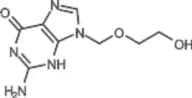
CAS :Acyclovir (Aciclovir) is a synthetic analog of the purine nucleoside, guanosine, with potent antiviral activity against herpes simplex viruses type 1 and 2,Formule :C8H11N5O3Degré de pureté :99.77% - >99.99%Couleur et forme :Crystals From Methanol SolidMasse moléculaire :225.2GATA-3 (phospho Ser308) rabbit pAb
This gene encodes a protein which belongs to the GATA family of transcription factors. The protein contains two GATA-type zinc fingers and is an important regulator of T-cell development and plays an important role in endothelial cell biology. Defects in this gene are the cause of hypoparathyroidism with sensorineural deafness and renal dysplasia. [provided by RefSeq, Nov 2009],FAM35A/B rabbit pAb
PTM:Phosphorylated upon DNA damage, probably by ATM or ATR.,similarity:Belongs to the FAM35 family.,OR4D2 rabbit pAb
olfactory receptor family 4 subfamily D member 2(OR4D2) Homo sapiens Olfactory receptors interact with odorant molecules in the nose, to initiate a neuronal response that triggers the perception of a smell. The olfactory receptor proteins are members of a large family of G-protein-coupled receptors (GPCR) arising from single coding-exon genes. Olfactory receptors share a 7-transmembrane domain structure with many neurotransmitter and hormone receptors and are responsible for the recognition and G protein-mediated transduction of odorant signals. The olfactory receptor gene family is the largest in the genome. The nomenclature assigned to the olfactory receptor genes and proteins for this organism is independent of other organisms. [provided by RefSeq, Jul 2008],Calpain 12 rabbit pAb
The calpains, calcium-activated neutral proteases, are nonlysosomal, intracellular cysteine proteases. The mammalian calpains include ubiquitous, stomach-specific, and muscle-specific proteins. The ubiquitous enzymes consist of heterodimers with distinct large, catalytic subunits associated with a common small, regulatory subunit. This gene encodes a member of the calpain large subunit family. [provided by RefSeq, Jun 2012],AZI1 rabbit pAb
caution:The sequence shown here is derived from an Ensembl automatic analysis pipeline and should be considered as preliminary data.,function:May play a role in spermatogenesis.,PTM:Phosphorylated upon DNA damage, probably by ATM or ATR.,similarity:Contains 1 IQ domain.,TLE4 rabbit pAb
caution:Product of a dubious CDS prediction. Found in the 3'UTR of TLE4. No homolog. Large scale identification of a phosphorylated peptide (PubMed:15302935) would require further confirmation.,function:Transcriptional corepressor that binds to a number of transcription factors. Inhibits the transcriptional activation mediated by PAX5, and by CTNNB1 and TCF family members in Wnt signaling. The effects of full-length TLE family members may be modulated by association with dominant-negative AES.,similarity:Belongs to the WD repeat Groucho/TLE family.,similarity:Contains 7 WD repeats.,subunit:Homooligomer and heterooligomer with other family members. Binds PAX5, LEF1, TCF7, TCF7L1 and TCF7L2.,tissue specificity:In all tissues examined, mostly in brain, and muscle.,S35D2 rabbit pAb
Nucleotide sugars, which are synthesized in the cytosol or the nucleus, are high-energy donor substrates for glycosyltransferases located in the lumen of the endoplasmic reticulum and Golgi apparatus. Translocation of nucleotide sugars from the cytosol into the lumen compartment is mediated by specific nucleotide sugar transporters, such as SLC35D2 (Suda et al., 2004 [PubMed 15082721]).[supplied by OMIM, Mar 2008],BMP-8B rabbit pAb
This gene encodes a secreted ligand of the TGF-beta (transforming growth factor-beta) superfamily of proteins. Ligands of this family bind various TGF-beta receptors leading to recruitment and activation of SMAD family transcription factors that regulate gene expression. The encoded preproprotein is proteolytically processed to generate each subunit of the disulfide-linked homodimer. The encoded protein stimulates thermogenesis in brown adipose tissue. Expression of this gene may be downregulated in pancreatic cancer. This gene may have arose from a gene duplication event and its gene duplicate is also present on chromosome 1. [provided by RefSeq, Jul 2016],Duffy rabbit pAb
The protein encoded by this gene is a glycosylated membrane protein and a non-specific receptor for several chemokines. The encoded protein is the receptor for the human malarial parasites Plasmodium vivax and Plasmodium knowlesi. Polymorphisms in this gene are the basis of the Duffy blood group system. Two transcript variants encoding different isoforms have been found for this gene. [provided by RefSeq, Jul 2008],NFκB-p105 (phospho Ser907) rabbit pAb
nuclear factor kappa B subunit 1(NFKB1) Homo sapiens This gene encodes a 105 kD protein which can undergo cotranslational processing by the 26S proteasome to produce a 50 kD protein. The 105 kD protein is a Rel protein-specific transcription inhibitor and the 50 kD protein is a DNA binding subunit of the NF-kappa-B (NFKB) protein complex. NFKB is a transcription regulator that is activated by various intra- and extra-cellular stimuli such as cytokines, oxidant-free radicals, ultraviolet irradiation, and bacterial or viral products. Activated NFKB translocates into the nucleus and stimulates the expression of genes involved in a wide variety of biological functions. Inappropriate activation of NFKB has been associated with a number of inflammatory diseases while persistent inhibition of NFKB leads to inappropriate immune cell development or delayed cell growth. Alternative splicing results in multiple transcript variants encoding different isofGPR15 rabbit pAb
This gene encodes a G protein-coupled receptor that acts as a chemokine receptor for human immunodeficiency virus type 1 and 2. The encoded protein localizes to the cell membrane. [provided by RefSeq, Nov 2012],Atg4A rabbit pAb
Autophagy is the process by which endogenous proteins and damaged organelles are destroyed intracellularly. Autophagy is postulated to be essential for cell homeostasis and cell remodeling during differentiation, metamorphosis, non-apoptotic cell death, and aging. Reduced levels of autophagy have been described in some malignant tumors, and a role for autophagy in controlling the unregulated cell growth linked to cancer has been proposed. This gene encodes a member of the autophagin protein family. The encoded protein is also designated as a member of the C-54 family of cysteine proteases. [provided by RefSeq, Mar 2016],LRP11 rabbit pAb
similarity:Belongs to the LDLR family.,similarity:Contains 1 LDL-receptor class A domain.,similarity:Contains 1 MANSC domain.,similarity:Contains 1 PKD domain.,ATF-5 (Acetyl Lys29) rabbit pAb
function:Transcriptional activator which binds the cAMP response element (CRE) (consensus: 5'-GTGACGT[AC][AG]-3'), a sequence present in many viral and cellular promoters and blocks the differentiation of neuroprogenitor cells into neurons. Its transcriptional activity is enhanced by CCND3 and slightly inhibited by CDK4.,similarity:Belongs to the bZIP family.,similarity:Contains 1 bZIP domain.,subunit:Binds DNA as a dimer. Interacts with PTP4A1/PRL-1 (By similarity). Interacts with CCND3, but not with CCND1 or CCND2.,GPR153 rabbit pAb
function:Orphan receptor.,similarity:Belongs to the G-protein coupled receptor 1 family.,MOR-1 rabbit pAb
This gene encodes one of at least three opioid receptors in humans; the mu opioid receptor (MOR). The MOR is the principal target of endogenous opioid peptides and opioid analgesic agents such as beta-endorphin and enkephalins. The MOR also has an important role in dependence to other drugs of abuse, such as nicotine, cocaine, and alcohol via its modulation of the dopamine system. The NM_001008503.2:c.118A>G allele has been associated with opioid and alcohol addiction and variations in pain sensitivity but evidence for it having a causal role is conflicting. Multiple transcript variants encoding different isoforms have been found for this gene. Though the canonical MOR belongs to the superfamily of 7-transmembrane-spanning G-protein-coupled receptors some isoforms of this gene have only 6 transmembrane domains. [provided by RefSeq, Oct 2013],Glucocorticoid receptor Rabbit pAb
The glucocorticoid receptor (GR or GCR).The GR is expressed in almost every cell in the body and regulates genes controlling the development, metabolism, and immune response. Because the receptor gene is expressed in several forms, it has many different (pleiotropic) effects in different parts of the body.CYP2R1 rabbit pAb
This gene encodes a member of the cytochrome P450 superfamily of enzymes. The cytochrome P450 proteins are monooxygenases which catalyze many reactions involved in drug metabolism and synthesis of cholesterol, steroids and other lipids. This enzyme is a microsomal vitamin D hydroxylase that converts vitamin D into the active ligand for the vitamin D receptor. A mutation in this gene has been associated with selective 25-hydroxyvitamin D deficiency. [provided by RefSeq, Jul 2008],Jak2 (phospho-Tyr1008) rabbit pAb
This gene product is a protein tyrosine kinase involved in a specific subset of cytokine receptor signaling pathways. It has been found to be constituitively associated with the prolactin receptor and is required for responses to gamma interferon. Mice that do not express an active protein for this gene exhibit embryonic lethality associated with the absence of definitive erythropoiesis. [provided by RefSeq, Jul 2008],Nap1 rabbit pAb
AZI2, or NAP1, contributes to the activation of NFKB (see MIM 164011)-dependent gene expression by activating IKK-related kinases, such as NAK (TBK1; MIM 604834) (Fujita et al., 2003 [PubMed 14560022]).[supplied by OMIM, Mar 2008],NFκB-p100 (phospho Ser869) rabbit pAb
nuclear factor kappa B subunit 2(NFKB2) Homo sapiens This gene encodes a subunit of the transcription factor complex nuclear factor-kappa-B (NFkB). The NFkB complex is expressed in numerous cell types and functions as a central activator of genes involved in inflammation and immune function. The protein encoded by this gene can function as both a transcriptional activator or repressor depending on its dimerization partner. The p100 full-length protein is co-translationally processed into a p52 active form. Chromosomal rearrangements and translocations of this locus have been observed in B cell lymphomas, some of which may result in the formation of fusion proteins. There is a pseudogene for this gene on chromosome 18. Alternative splicing results in multiple transcript variants. [provided by RefSeq, Dec 2013],RAB9A rabbit pAb
function:Involved in the transport of proteins between the endosomes and the trans Golgi network.,similarity:Belongs to the small GTPase superfamily. Rab family.,OR1Q1 rabbit pAb
Olfactory receptors interact with odorant molecules in the nose, to initiate a neuronal response that triggers the perception of a smell. The olfactory receptor proteins are members of a large family of G-protein-coupled receptors (GPCR) arising from single coding-exon genes. Olfactory receptors share a 7-transmembrane domain structure with many neurotransmitter and hormone receptors and are responsible for the recognition and G protein-mediated transduction of odorant signals. The olfactory receptor gene family is the largest in the genome. The nomenclature assigned to the olfactory receptor genes and proteins for this organism is independent of other organisms. [provided by RefSeq, Jul 2008],Plant actin Mouse mAb
Actin is a highly conserved protein and an essential component of cell cytoskeleton and plays an important role in cytoplasmic streaming, cell shape determination, cell division, organelle movement and extension growth. Preferentially expressed in young and expanding tissues, floral organ primordia, developing seeds and emerging inflorescence. Antibodies against plant Actin are useful as loading controls for Western BlottingSTRN3 rabbit pAb
alternative products:Additional isoforms seem to exist,caution:Was originally (PubMed:7864889) thought to be nuclear.,function:Binds calmodulin in a calcium dependent manner. May function as scaffolding or signaling protein.,similarity:Belongs to the WD repeat striatin family.,similarity:Contains 6 WD repeats.,subunit:Interacts with protein phosphatase 2A (PP2A) .,Ribosomal Protein S12 rabbit pAb
Ribosomes, the organelles that catalyze protein synthesis, consist of a small 40S subunit and a large 60S subunit. Together these subunits are composed of 4 RNA species and approximately 80 structurally distinct proteins. This gene encodes a ribosomal protein that is a component of the 40S subunit. The protein belongs to the S12E family of ribosomal proteins. It is located in the cytoplasm. Increased expression of this gene in colorectal cancers compared to matched normal colonic mucosa has been observed. As is typical for genes encoding ribosomal proteins, there are multiple processed pseudogenes of this gene dispersed through the genome. [provided by RefSeq, Jul 2008],