Anticorps primaires
Les anticorps primaires sont des immunoglobulines qui se lient spécifiquement à un antigène d'intérêt, permettant la détection et la quantification de protéines, peptides ou autres biomolécules. Ces anticorps sont des outils essentiels dans de nombreuses applications, notamment le Western blot, l'immunohistochimie et l'ELISA. Chez CymitQuimica, nous proposons une vaste sélection d'anticorps primaires de haute qualité, offrant spécificité et sensibilité pour divers besoins de recherche, notamment en cancérologie, immunologie et biologie cellulaire.
Sous-catégories appartenant à la catégorie "Anticorps primaires"
- Anticorps pour la recherche sur le cancer(3.620 produits)
- Anticorps cardio-vasculaires(2 produits)
- Biologie du développement(751 produits)
- Anticorps relatifs à l’épigénétique(162 produits)
- Anticorps d'immunologie(2.551 produits)
- Anticorps du métabolisme(279 produits)
- Anticorps de microbiologie(740 produits)
- Transduction du signal(2.717 produits)
- Tags & Marqueurs cellulaires(33 produits)
Affichez 1 plus de sous-catégories
75448 produits trouvés pour "Anticorps primaires"
Trier par
Degré de pureté (%)
0
100
|
0
|
50
|
90
|
95
|
100
Olfactory receptor 8K1 rabbit pAb
olfactory receptor family 8 subfamily K member 1(OR8K1) Homo sapiens Olfactory receptors interact with odorant molecules in the nose, to initiate a neuronal response that triggers the perception of a smell. The olfactory receptor proteins are members of a large family of G-protein-coupled receptors (GPCR) arising from single coding-exon genes. Olfactory receptors share a 7-transmembrane domain structure with many neurotransmitter and hormone receptors and are responsible for the recognition and G protein-mediated transduction of odorant signals. The olfactory receptor gene family is the largest in the genome. The nomenclature assigned to the olfactory receptor genes and proteins for this organism is independent of other organisms. [provided by RefSeq, Jul 2008],Tryptase-3 rabbit pAb
tryptase delta 1(TPSD1) Homo sapiens Tryptases comprise a family of trypsin-like serine proteases, the peptidase family S1. Tryptases are enzymatically active only as heparin-stabilized tetramers, and they are resistant to all known endogenous proteinase inhibitors. Several tryptase genes are clustered on chromosome 16p13.3. These genes are characterized by several distinct features. They have a highly conserved 3' UTR and contain tandem repeat sequences at the 5' flank and 3' UTR which are thought to play a role in regulation of the mRNA stability. Although this gene may be an exception, most of the tryptase genes have an intron immediately upstream of the initiator Met codon, which separates the site of transcription initiation from protein coding sequence. This feature is characteristic of tryptases but is unusual in other genes. Tryptases have been implicated as mediators in the pathogenesis of asthma and other allergic andBC11B rabbit pAb
B-cell CLL/lymphoma 11B(BCL11B) Homo sapiens This gene encodes a C2H2-type zinc finger protein and is closely related to BCL11A, a gene whose translocation may be associated with B-cell malignancies. Although the specific function of this gene has not been determined, the encoded protein is known to be a transcriptional repressor, and is regulated by the NURD nucleosome remodeling and histone deacetylase complex. Four alternatively spliced transcript variants encoding distinct isoforms have been found for this gene. [provided by RefSeq, Aug 2013],Bestrophin-1 rabbit pAb
This gene encodes a member of the bestrophin gene family. This small gene family is characterized by proteins with a highly conserved N-terminus with four to six transmembrane domains. Bestrophins may form chloride ion channels or may regulate voltage-gated L-type calcium-ion channels. Bestrophins are generally believed to form calcium-activated chloride-ion channels in epithelial cells but they have also been shown to be highly permeable to bicarbonate ion transport in retinal tissue. Mutations in this gene are responsible for juvenile-onset vitelliform macular dystrophy (VMD2), also known as Best macular dystrophy, in addition to adult-onset vitelliform macular dystrophy (AVMD) and other retinopathies. Alternative splicing results in multiple variants encoding distinct isoforms.[provided by RefSeq, Nov 2008],Histone deacetylase 10 rabbit pAb
The protein encoded by this gene belongs to the histone deacetylase family, members of which deacetylate lysine residues on the N-terminal part of the core histones. Histone deacetylation modulates chromatin structure, and plays an important role in transcriptional regulation, cell cycle progression, and developmental events. Alternatively spliced transcript variants encoding different isoforms have been found for this gene. [provided by RefSeq, Aug 2011],PABP3 rabbit pAb
Messenger RNA stability and translation initiation are extensively under the control of poly(A)-binding proteins (PABP). See PABPC1 (MIM 604679) for background information.[supplied by OMIM, Jul 2002],Cyclin M2 rabbit pAb
cyclin and CBS domain divalent metal cation transport mediator 2(CNNM2) Homo sapiens This gene encodes a member of the ancient conserved domain containing protein family. Members of this protein family contain a cyclin box motif and have structural similarity to the cyclins. The encoded protein may play an important role in magnesium homeostasis by mediating the epithelial transport and renal reabsorption of Mg2+. Mutations in this gene are associated with renal hypomagnesemia. Alternatively spliced transcript variants encoding multiple isoforms have been observed for this gene. [provided by RefSeq, Dec 2011],LAT (phospho Tyr200) rabbit pAb
The protein encoded by this gene is phosphorylated by ZAP-70/Syk protein tyrosine kinases following activation of the T-cell antigen receptor (TCR) signal transduction pathway. This transmembrane protein localizes to lipid rafts and acts as a docking site for SH2 domain-containing proteins. Upon phosphorylation, this protein recruits multiple adaptor proteins and downstream signaling molecules into multimolecular signaling complexes located near the site of TCR engagement. Alternative splicing results in multiple transcript variants encoding different isoforms. [provided by RefSeq, Jul 2008],ATG5 (3C7) Mouse mAb
Autophagy is generally activated by conditions of nutrient deprivation but has also been associated with a number of physiological processes including development, differentiation, neurodegeneration, infection, and cancer. Formation of the autophagosome involves a ubiquitin-like conjugation system in which Atg12 is covalently bound to Atg5 and targeted to autophagosome vesicles. This conjugation reaction is mediated by the ubiquitin E1-like enzyme Atg7 and the E2-like enzyme Atg10.ApoA-I rabbit pAb
This gene encodes apolipoprotein A-I, which is the major protein component of high density lipoprotein (HDL) in plasma. The encoded preproprotein is proteolytically processed to generate the mature protein, which promotes cholesterol efflux from tissues to the liver for excretion, and is a cofactor for lecithin cholesterolacyltransferase (LCAT), an enzyme responsible for the formation of most plasma cholesteryl esters. This gene is closely linked with two other apolipoprotein genes on chromosome 11. Defects in this gene are associated with HDL deficiencies, including Tangier disease, and with systemic non-neuropathic amyloidosis. Alternative splicing results in multiple transcript variants, at least one of which encodes a preproprotein. [provided by RefSeq, Dec 2015],DC122 rabbit pAb
This gene encodes a member of the WD repeat protein family. WD repeats are minimally conserved regions of approximately 40 amino acids typically bracketed by Gly-His and Trp-Asp (GH-WD), which may facilitate formation of heterotrimeric or multi-protein complexes. Members of this family are involved in a variety of cellular processes, including cell cycle progression, signal transduction, apoptosis, and gene regulation. This gene appears to represent an intronless retrocopy of a related multi-exon gene located on chromosome 9. However, the CDS of this intronless gene remains intact, it is conserved in other mammalian species, it is known to be transcribed, and it is therefore thought to encode a functional protein. [provided by RefSeq, May 2010],GPR17 rabbit pAb
function:Dual specificity receptor for uracil nucleotides and cysteinyl leukotrienes (CysLTs). Signals through G(i) and inhibition of adenylyl cyclase. May mediate brain damage by nucleotides and CysLTs following ischemia.,similarity:Belongs to the G-protein coupled receptor 1 family.,tissue specificity:Expressed in brain, kidney, heart and umbilical vein endothelial cells. Highest level in brain.,ZN462 rabbit pAb
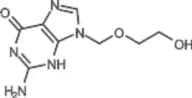
function:May be involved in transcriptional regulation.,PTM:Phosphorylated upon DNA damage, probably by ATM or ATR.,similarity:Contains 27 C2H2-type zinc fingers.,Acyclovir
CAS :Acyclovir (Aciclovir) is a synthetic analog of the purine nucleoside, guanosine, with potent antiviral activity against herpes simplex viruses type 1 and 2,Formule :C8H11N5O3Degré de pureté :99.77% - >99.99%Couleur et forme :Crystals From Methanol SolidMasse moléculaire :225.2Olfactory receptor 10T2 rabbit pAb
Olfactory receptors interact with odorant molecules in the nose, to initiate a neuronal response that triggers the perception of a smell. The olfactory receptor proteins are members of a large family of G-protein-coupled receptors (GPCR) arising from single coding-exon genes. Olfactory receptors share a 7-transmembrane domain structure with many neurotransmitter and hormone receptors and are responsible for the recognition and G protein-mediated transduction of odorant signals. The olfactory receptor gene family is the largest in the genome. The nomenclature assigned to the olfactory receptor genes and proteins for this organism is independent of other organisms. [provided by RefSeq, Jul 2008],FBLN1 rabbit pAb
Fibulin 1 is a secreted glycoprotein that becomes incorporated into a fibrillar extracellular matrix. Calcium-binding is apparently required to mediate its binding to laminin and nidogen. It mediates platelet adhesion via binding fibrinogen. Four splice variants which differ in the 3' end have been identified. Each variant encodes a different isoform, but no functional distinctions have been identified among the four variants. [provided by RefSeq, Jul 2008],HDC rabbit pAb
This gene encodes a member of the group II decarboxylase family and forms a homodimer that converts L-histidine to histamine in a pyridoxal phosphate dependent manner. Histamine regulates several physiologic processes, including neurotransmission, gastric acid secretion,inflamation, and smooth muscle tone.[provided by RefSeq, Aug 2010],p107 (phospho Thr369) rabbit pAb
The protein encoded by this gene is similar in sequence and possibly function to the product of the retinoblastoma 1 (RB1) gene. The RB1 gene product is a tumor suppressor protein that appears to be involved in cell cycle regulation, as it is phosphorylated in the S to M phase transition and is dephosphorylated in the G1 phase of the cell cycle. Both the RB1 protein and the product of this gene can form a complex with adenovirus E1A protein and SV40 large T-antigen, with the SV40 large T-antigen binding only to the unphosphorylated form of each protein. In addition, both proteins can inhibit the transcription of cell cycle genes containing E2F binding sites in their promoters. Due to the sequence and biochemical similarities with the RB1 protein, it is thought that the protein encoded by this gene may also be a tumor suppressor. Two transcript variants encoding different isoforms havSyk (phospho-Ser297) rabbit pAb
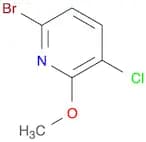
This gene encodes a member of the family of non-receptor type Tyr protein kinases. This protein is widely expressed in hematopoietic cells and is involved in coupling activated immunoreceptors to downstream signaling events that mediate diverse cellular responses, including proliferation, differentiation, and phagocytosis. It is thought to be a modulator of epithelial cell growth and a potential tumour suppressor in human breast carcinomas. Alternatively spliced transcript variants encoding different isoforms have been found for this gene. [provided by RefSeq, Mar 2010],6-Bromo-3-chloro-2-methoxypyridine
CAS :Formule :C6H5BrClNODegré de pureté :95%Couleur et forme :SolidMasse moléculaire :222.4670TIS11B (phospho Ser92) rabbit pAb
This gene is a member of the TIS11 family of early response genes, which are induced by various agonists such as the phorbol ester TPA and the polypeptide mitogen EGF. This gene is well conserved across species and has a promoter that contains motifs seen in other early-response genes. The encoded protein contains a distinguishing putative zinc finger domain with a repeating cys-his motif. This putative nuclear transcription factor most likely functions in regulating the response to growth factors. Alternatively spliced transcript variants encoding different isoforms have been found for this gene. [provided by RefSeq, Sep 2011],RAPSN rabbit pAb
This gene encodes a member of a family of proteins that are receptor associated proteins of the synapse. The encoded protein contains a conserved cAMP-dependent protein kinase phosphorylation site, and plays a critical role in clustering and anchoring nicotinic acetylcholine receptors at synaptic sites by linking the receptors to the underlying postsynaptic cytoskeleton, possibly by direct association with actin or spectrin. Mutations in this gene may play a role in postsynaptic congenital myasthenic syndromes. Alternatively spliced transcript variants encoding multiple isoforms have been observed for this gene. [provided by RefSeq, Apr 2011],Synapsin I (phospho Ser605) rabbit pAb
This gene is a member of the synapsin gene family. Synapsins encode neuronal phosphoproteins which associate with the cytoplasmic surface of synaptic vesicles. Family members are characterized by common protein domains, and they are implicated in synaptogenesis and the modulation of neurotransmitter release, suggesting a potential role in several neuropsychiatric diseases. This member of the synapsin family plays a role in regulation of axonogenesis and synaptogenesis. The protein encoded serves as a substrate for several different protein kinases and phosphorylation may function in the regulation of this protein in the nerve terminal. Mutations in this gene may be associated with X-linked disorders with primary neuronal degeneration such as Rett syndrome. Alternatively spliced transcript variants encoding different isoforms have been identified. [provided by RefSeq, Jul 2008],Ub rabbit pAb
This gene encodes ubiquitin, one of the most conserved proteins known. Ubiquitin has a major role in targeting cellular proteins for degradation by the 26S proteosome. It is also involved in the maintenance of chromatin structure, the regulation of gene expression, and the stress response. Ubiquitin is synthesized as a precursor protein consisting of either polyubiquitin chains or a single ubiquitin moiety fused to an unrelated protein. This gene consists of three direct repeats of the ubiquitin coding sequence with no spacer sequence. Consequently, the protein is expressed as a polyubiquitin precursor with a final amino acid after the last repeat. An aberrant form of this protein has been detected in patients with Alzheimer's disease and Down syndrome. Pseudogenes of this gene are located on chromosomes 1, 2, 13, and 17. Alternative splicing results in multiple transcript variants. [provided by RefSeqHistone H3 (Acetyl Lys14) rabbit pAb
Histones are basic nuclear proteins that are responsible for the nucleosome structure of the chromosomal fiber in eukaryotes. This structure consists of approximately 146 bp of DNA wrapped around a nucleosome, an octamer composed of pairs of each of the four core histones (H2A, H2B, H3, and H4). The chromatin fiber is further compacted through the interaction of a linker histone, H1, with the DNA between the nucleosomes to form higher order chromatin structures. This gene is intronless and encodes a replication-dependent histone that is a member of the histone H3 family. Transcripts from this gene lack polyA tails; instead, they contain a palindromic termination element. This gene is found in the large histone gene cluster on chromosome 6p22-p21.3. [provided by RefSeq, Aug 2015],SPEG rabbit pAb
This gene encodes a protein with similarity to members of the myosin light chain kinase family. This protein family is required for myocyte cytoskeletal development. Along with the desmin gene, expression of this gene may be controlled by the desmin locus control region. Mutations in this gene are associated with centronuclear myopathy 5. [provided by RefSeq, Jun 2016],Nup160 rabbit pAb
nucleoporin 160(NUP160) Homo sapiens NUP160 is 1 of up to 60 proteins that make up the 120-MD nuclear pore complex, which mediates nucleoplasmic transport.[supplied by OMIM, Apr 2004],ANXA5 rabbit pAb
The protein encoded by this gene belongs to the annexin family of calcium-dependent phospholipid binding proteins some of which have been implicated in membrane-related events along exocytotic and endocytotic pathways. Annexin 5 is a phospholipase A2 and protein kinase C inhibitory protein with calcium channel activity and a potential role in cellular signal transduction, inflammation, growth and differentiation. Annexin 5 has also been described as placental anticoagulant protein I, vascular anticoagulant-alpha, endonexin II, lipocortin V, placental protein 4 and anchorin CII. The gene spans 29 kb containing 13 exons, and encodes a single transcript of approximately 1.6 kb and a protein product with a molecular weight of about 35 kDa. [provided by RefSeq, Jul 2008],TCPG rabbit pAb
The protein encoded by this gene is a molecular chaperone that is a member of the chaperonin containing TCP1 complex (CCT), also known as the TCP1 ring complex (TRiC). This complex consists of two identical stacked rings, each containing eight different proteins. Unfolded polypeptides enter the central cavity of the complex and are folded in an ATP-dependent manner. The complex folds various proteins, including actin and tubulin. Alternate transcriptional splice variants have been characterized for this gene. In addition, a pseudogene of this gene has been found on chromosome 8. [provided by RefSeq, Aug 2010],VP33B rabbit pAb
Vesicle mediated protein sorting plays an important role in segregation of intracellular molecules into distinct organelles. Genetic studies in yeast have identified more than 40 vacuolar protein sorting (VPS) genes involved in vesicle transport to vacuoles. This gene is a member of the Sec-1 domain family, and encodes the human ortholog of rat Vps33b which is homologous to the yeast class C Vps33 protein. The mammalian class C vacuolar protein sorting proteins are predominantly associated with late endosomes/lysosomes, and like their yeast counterparts, may mediate vesicle trafficking steps in the endosome/lysosome pathway. Mutations in this gene are associated with arthrogryposis-renal dysfunction-cholestasis syndrome. Alternative splicing results in multiple transcript variants. [provided by RefSeq, Jan 2014],DONS rabbit pAb
This gene lies downstream of the SON gene and spans 10 kb on chromosome 21. The function of this gene is unknown. [provided by RefSeq, Jul 2008],COL1A2 rabbit pAb
This gene encodes the pro-alpha2 chain of type I collagen whose triple helix comprises two alpha1 chains and one alpha2 chain. Type I is a fibril-forming collagen found in most connective tissues and is abundant in bone, cornea, dermis and tendon. Mutations in this gene are associated with osteogenesis imperfecta types I-IV, Ehlers-Danlos syndrome type VIIB, recessive Ehlers-Danlos syndrome Classical type, idiopathic osteoporosis, and atypical Marfan syndrome. Symptoms associated with mutations in this gene, however, tend to be less severe than mutations in the gene for the alpha1 chain of type I collagen (COL1A1) reflecting the different role of alpha2 chains in matrix integrity. Three transcripts, resulting from the use of alternate polyadenylation signals, have been identified for this gene. [provided by R. Dalgleish, Feb 2008],KERA rabbit pAb
The protein encoded by this gene is a keratan sulfate proteoglycan that is involved in corneal transparency. Defects in this gene are a cause of autosomal recessive cornea plana 2 (CNA2).[provided by RefSeq, May 2010],IκB-ε (phospho Ser22) rabbit pAb
The protein encoded by this gene binds to components of NF-kappa-B, trapping the complex in the cytoplasm and preventing it from activating genes in the nucleus. Phosphorylation of the encoded protein targets it for destruction by the ubiquitin pathway, which activates NF-kappa-B by making it available to translocate to the nucleus. [provided by RefSeq, Sep 2011],MFN1 rabbit pAb
The protein encoded by this gene is a mediator of mitochondrial fusion. This protein and mitofusin 2 are homologs of the Drosophila protein fuzzy onion (Fzo). They are mitochondrial membrane proteins that interact with each other to facilitate mitochondrial targeting. [provided by RefSeq, Jul 2008],