Anticorps primaires
Les anticorps primaires sont des immunoglobulines qui se lient spécifiquement à un antigène d'intérêt, permettant la détection et la quantification de protéines, peptides ou autres biomolécules. Ces anticorps sont des outils essentiels dans de nombreuses applications, notamment le Western blot, l'immunohistochimie et l'ELISA. Chez CymitQuimica, nous proposons une vaste sélection d'anticorps primaires de haute qualité, offrant spécificité et sensibilité pour divers besoins de recherche, notamment en cancérologie, immunologie et biologie cellulaire.
Sous-catégories appartenant à la catégorie "Anticorps primaires"
- Anticorps pour la recherche sur le cancer(3.721 produits)
- Anticorps cardio-vasculaires(2 produits)
- Biologie du développement(764 produits)
- Anticorps relatifs à l’épigénétique(162 produits)
- Anticorps d'immunologie(2.585 produits)
- Anticorps du métabolisme(286 produits)
- Anticorps de microbiologie(741 produits)
- Transduction du signal(2.765 produits)
- Tags & Marqueurs cellulaires(34 produits)
Affichez 1 plus de sous-catégories
75562 produits trouvés pour "Anticorps primaires"
Trier par
Degré de pureté (%)
0
100
|
0
|
50
|
90
|
95
|
100
MxB rabbit pAb
The protein encoded by this gene has a nuclear and a cytoplasmic form and is a member of both the dynamin family and the family of large GTPases. The nuclear form is localized in a granular pattern in the heterochromatin region beneath the nuclear envelope. A nuclear localization signal (NLS) is present at the amino terminal end of the nuclear form but is lacking in the cytoplasmic form due to use of an alternate translation start codon. This protein is upregulated by interferon-alpha but does not contain the antiviral activity of a similar myxovirus resistance protein 1. [provided by RefSeq, Jul 2008],ANS1A rabbit pAb
function:May play a negative role in growth factor receptor signaling pathways.,PTM:Phosphorylated on tyrosine residues in response to EGF and PDGF.,similarity:Contains 1 PID domain.,similarity:Contains 2 SAM (sterile alpha motif) domains.,similarity:Contains 6 ANK repeats.,subcellular location:Cytoplasmic before and after growth factor treatment.,tissue specificity:Widely expressed (at protein level).,WBS22 rabbit pAb
This gene encodes a protein containing a nuclear localization signal and an S-adenosyl-L-methionine binding motif typical of methyltransferases, suggesting that the encoded protein may act on DNA methylation. This gene is deleted in Williams syndrome, a multisystem developmental disorder caused by the deletion of contiguous genes at 7q11.23. Alternatively spliced transcript variants have been found. [provided by RefSeq, Feb 2011],E-Cadherin Rabbit pAb
E-Cadherin is a calcium-dependent cell-cell adhesion glycoprotein composed of five extracellular cadherin repeats, a transmembrane region, and a highly conserved cytoplasmic tail.NPY5-R rabbit pAb
The protein encoded by this gene is a receptor for neuropeptide Y and peptide YY. The encoded protein appears to be involved in regulating food intake, with defects in this gene being associated with eating disorders. Also, the encoded protein is involved in a pathway that protects neuroblastoma cells from chemotherapy-induced cell death, providing a possible therapeutic target against neuroblastoma. Three transcript variants encoding the same protein have been found for this gene. [provided by RefSeq, Nov 2015],Neu (phospho Tyr1112) rabbit pAb
This gene encodes a member of the epidermal growth factor (EGF) receptor family of receptor tyrosine kinases. This protein has no ligand binding domain of its own and therefore cannot bind growth factors. However, it does bind tightly to other ligand-bound EGF receptor family members to form a heterodimer, stabilizing ligand binding and enhancing kinase-mediated activation of downstream signalling pathways, such as those involving mitogen-activated protein kinase and phosphatidylinositol-3 kinase. Allelic variations at amino acid positions 654 and 655 of isoform a (positions 624 and 625 of isoform b) have been reported, with the most common allele, Ile654/Ile655, shown here. Amplification and/or overexpression of this gene has been reported in numerous cancers, including breast and ovarian tumors. Alternative splicing results in several additional transcript variants, some encoding dST1B1 rabbit pAb
Sulfotransferase enzymes catalyze the sulfate conjugation of many hormones, neurotransmitters, drugs, and xenobiotic compounds. These cytosolic enzymes are different in their tissue distributions and substrate specificities. The gene structure (number and length of exons) is similar among family members. However, the total genomic length of this gene is greater than that of other SULT1 genes. [provided by RefSeq, Jul 2008],PSG3 rabbit pAb
The human pregnancy-specific glycoproteins (PSGs) are a family of proteins that are synthesized in large amounts by placental trophoblasts and released into the maternal circulation during pregnancy. Molecular cloning and analysis of several PSG genes has indicated that the PSGs form a subgroup of the carcinoembryonic antigen (CEA) gene family, which belongs to the immunoglobulin superfamily of genes. Members of the CEA family consist of a single N domain, with structural similarity to the immunoglobulin variable domains, followed by a variable number of immunoglobulin constant-like A and/or B domains. Most PSGs have an arg-gly-asp (RGD) motif, which has been shown to function as an adhesion recognition signal for several integrins, in the N-terminal domain (summary by Teglund et al., 1994 [PubMed 7851896]). For additional general information about the PSG gene family, see PSG1 (MIMS-100P rabbit pAb
The protein encoded by this gene is a member of the S100 family of proteins containing 2 EF-hand calcium-binding motifs. S100 proteins are localized in the cytoplasm and/or nucleus of a wide range of cells, and involved in the regulation of a number of cellular processes such as cell cycle progression and differentiation. S100 genes include at least 13 members which are located as a cluster on chromosome 1q21; however, this gene is located at 4p16. This protein, in addition to binding Ca2+, also binds Zn2+ and Mg2+. This protein may play a role in the etiology of prostate cancer. [provided by RefSeq, Jul 2008],HMCS1 rabbit pAb
catalytic activity:Acetyl-CoA + H(2)O + acetoacetyl-CoA = (S)-3-hydroxy-3-methylglutaryl-CoA + CoA.,function:This enzyme condenses acetyl-CoA with acetoacetyl-CoA to form HMG-CoA, which is the substrate for HMG-CoA reductase.,pathway:Metabolic intermediate biosynthesis; mevalonic acid biosynthesis; (R)-mevalonic acid from acetyl-CoA: step 2/3.,similarity:Belongs to the HMG-CoA synthase family.,NAB2 rabbit pAb
This gene encodes a member of the family of NGFI-A binding (NAB) proteins, which function in the nucleus to repress transcription induced by some members of the EGR (early growth response) family of transactivators. NAB proteins can homo- or hetero-multimerize with other EGR or NAB proteins through a conserved N-terminal domain, and repress transcription through two partially redundant C-terminal domains. Transcriptional repression by the encoded protein is mediated in part by interactions with the nucleosome remodeling and deactylase (NuRD) complex. Alternatively spliced transcript variants have been described, but their biological validity has not been determined. [provided by RefSeq, Jul 2008],JAK2 (phospho Tyr119) rabbit pAb
This gene product is a protein tyrosine kinase involved in a specific subset of cytokine receptor signaling pathways. It has been found to be constituitively associated with the prolactin receptor and is required for responses to gamma interferon. Mice that do not express an active protein for this gene exhibit embryonic lethality associated with the absence of definitive erythropoiesis. [provided by RefSeq, Jul 2008],hnRNP K (phospho Ser284) rabbit pAb
This gene belongs to the subfamily of ubiquitously expressed heterogeneous nuclear ribonucleoproteins (hnRNPs). The hnRNPs are RNA binding proteins and they complex with heterogeneous nuclear RNA (hnRNA). These proteins are associated with pre-mRNAs in the nucleus and appear to influence pre-mRNA processing and other aspects of mRNA metabolism and transport. While all of the hnRNPs are present in the nucleus, some seem to shuttle between the nucleus and the cytoplasm. The hnRNP proteins have distinct nucleic acid binding properties. The protein encoded by this gene is located in the nucleoplasm and has three repeats of KH domains that binds to RNAs. It is distinct among other hnRNP proteins in its binding preference; it binds tenaciously to poly(C). This protein is also thought to have a role during cell cycle progession. Several alternatively spliced transcript variants haveNU2M rabbit pAb
catalytic activity:NADH + ubiquinone = NAD(+) + ubiquinol.,disease:Defects in MT-ND2 are a cause of Leber hereditary optic neuropathy (LHON) [MIM:535000]. LHON is a maternally inherited disease resulting in acute or subacute loss of central vision, due to optic nerve dysfunction. Cardiac conduction defects and neurological defects have also been described in some patients. LHON results from primary mitochondrial DNA mutations affecting the respiratory chain complexes.,disease:Defects in MT-ND2 may be associated with mitochondrial susceptibility to Alzheimer disease (AD) [MIM:502500].,function:Core subunit of the mitochondrial membrane respiratory chain NADH dehydrogenase (Complex I) that is believed to belong to the minimal assembly required for catalysis. Complex I functions in the transfer of electrons from NADH to the respiratory chain. The immediate electron acceptor for the enzyme is believed to be ubiquinone.,similarity:Belongs to the complex I subunit 2 family.,PAX3 rabbit pAb
This gene is a member of the paired box (PAX) family of transcription factors. Members of the PAX family typically contain a paired box domain and a paired-type homeodomain. These genes play critical roles during fetal development. Mutations in paired box gene 3 are associated with Waardenburg syndrome, craniofacial-deafness-hand syndrome, and alveolar rhabdomyosarcoma. The translocation t(2;13)(q35;q14), which represents a fusion between PAX3 and the forkhead gene, is a frequent finding in alveolar rhabdomyosarcoma. Alternative splicing results in transcripts encoding isoforms with different C-termini. [provided by RefSeq, Jul 2008],OB-cadherin rabbit pAb
This gene encodes a type II classical cadherin from the cadherin superfamily, integral membrane proteins that mediate calcium-dependent cell-cell adhesion. Mature cadherin proteins are composed of a large N-terminal extracellular domain, a single membrane-spanning domain, and a small, highly conserved C-terminal cytoplasmic domain. Type II (atypical) cadherins are defined based on their lack of a HAV cell adhesion recognition sequence specific to type I cadherins. Expression of this particular cadherin in osteoblastic cell lines, and its upregulation during differentiation, suggests a specific function in bone development and maintenance. [provided by RefSeq, Jul 2008],SIRT1 (GlcNAc D548) rabbit pAb
This gene encodes a member of the sirtuin family of proteins, homologs to the yeast Sir2 protein. Members of the sirtuin family are characterized by a sirtuin core domain and grouped into four classes. The functions of human sirtuins have not yet been determined; however, yeast sirtuin proteins are known to regulate epigenetic gene silencing and suppress recombination of rDNA. Studies suggest that the human sirtuins may function as intracellular regulatory proteins with mono-ADP-ribosyltransferase activity. The protein encoded by this gene is included in class I of the sirtuin family. Alternative splicing results in multiple transcript variants. [provided by RefSeq, Dec 2008],Histone H2A (phospho Thr121) rabbit pAb
Histones are basic nuclear proteins that are responsible for the nucleosome structure of the chromosomal fiber in eukaryotes. Two molecules of each of the four core histones (H2A, H2B, H3, and H4) form an octamer, around which approximately 146 bp of DNA is wrapped in repeating units, called nucleosomes. The linker histone, H1, interacts with linker DNA between nucleosomes and functions in the compaction of chromatin into higher order structures. This gene is intronless and encodes a replication-dependent histone that is a member of the histone H2A family. Transcripts from this gene lack polyA tails but instead contain a palindromic termination element. This gene is found in the small histone gene cluster on chromosome 6p22-p21.3. [provided by RefSeq, Aug 2015],Nuclear Receptor NR4A1 (Phospho-Ser351) Antibody
This gene encodes a member of the steroid-thyroid hormone-retinoid receptor superfamily. Expression is induced by phytohemagglutinin in human lymphocytes and by serum stimulation of arrested fibroblasts. The encoded protein acts as a nuclear transcription factor. Translocation of the protein from the nucleus to mitochondria induces apoptosis. Multiple transcript variants encoding different isoforms have been found for this gene. [provided by RefSeq, Jan 2011],Cleaved-Plasma Kallikrein HC (R390) rabbit pAb
This gene encodes a glycoprotein that participates in the surface-dependent activation of blood coagulation, fibrinolysis, kinin generation and inflammation. The encoded preproprotein present in plasma as a non-covalent complex with high molecular weight kininogen undergoes proteolytic processing mediated by activated coagulation factor XII to generate a disulfide-linked, heterodimeric serine protease comprised of heavy and light chains. Certain mutations in this gene cause prekallikrein deficiency. Alternative splicing results in multiple transcript variants encoding different isoforms. [provided by RefSeq, Jan 2016],REXO1 rabbit pAb
function:Seems to have no detectable effect on transcription elongation in vitro.,similarity:Belongs to the REXO1/REXO3 family.,similarity:Contains 1 exonuclease domain.,subunit:Interacts with TCEA2 and TCEB3.,tissue specificity:Ubiquitously expressed.,Kinesin-like Protein KIF1C (Phospho Ser1092) rabbit pAb
kinesin family member 1C(KIF1C) Homo sapiens The protein encoded by this gene is a member of the kinesin-like protein family. The family members are microtubule-dependent molecular motors that transport organelles within cells and move chromosomes during cell division. Mutations in this gene are a cause of spastic ataxia 2, autosomal recessive. [provided by RefSeq, May 2014],FIR rabbit pAb
function:Rho-guanine nucleotide exchange factor that activates RAC1. Plays a role in the response to class 3 semaphorins and remodeling of the actin cytoskeleton.,similarity:Contains 1 DH (DBL-homology) domain.,similarity:Contains 1 FERM domain.,similarity:Contains 2 PH domains.,subunit:Interacts with PLXNA1. Interaction with PLXNA1 or PIP5K1C lowers its guanine nucleotide exchange activity. Dissociates from PLXNA1 when SEMA3A binds to the receptor. Interacts with PIP5K1C via its FERM domain. The interaction with PIP5K1C is enhanced by SEMA3A binding.,Vimentin (phospho Tyr61) rabbit pAb
This gene encodes a member of the intermediate filament family. Intermediate filamentents, along with microtubules and actin microfilaments, make up the cytoskeleton. The protein encoded by this gene is responsible for maintaining cell shape, integrity of the cytoplasm, and stabilizing cytoskeletal interactions. It is also involved in the immune response, and controls the transport of low-density lipoprotein (LDL)-derived cholesterol from a lysosome to the site of esterification. It functions as an organizer of a number of critical proteins involved in attachment, migration, and cell signaling. Mutations in this gene causes a dominant, pulverulent cataract.[provided by RefSeq, Jun 2009],α-Smooth Muscle Actin Mouse mAb
Actin is a globular multi-functional protein that forms microfilaments. ACTA2 codes for an α-actin located in the smooth muscle, and also in vascular smooth muscle.p70 S6 kinase α (phospho Ser434) rabbit pAb
ribosomal protein S6 kinase B1(RPS6KB1) Homo sapiens This gene encodes a member of the ribosomal S6 kinase family of serine/threonine kinases. The encoded protein responds to mTOR (mammalian target of rapamycin) signaling to promote protein synthesis, cell growth, and cell proliferation. Activity of this gene has been associated with human cancer. Alternatively spliced transcript variants have been observed. The use of alternative translation start sites results in isoforms with longer or shorter N-termini which may differ in their subcellular localizations. There are two pseudogenes for this gene on chromosome 17. [provided by RefSeq, Jan 2013],OVOL2 rabbit pAb
This gene encodes a member of the evolutionarily conserved ovo-like protein family. Mammalian members of this family contain a single zinc finger domain composed of a tetrad of C2H2 zinc fingers with variable N- and C-terminal extensions that contain intrinsically disordered domains. Members of this family are involved in epithelial development and differentiation. Knockout of this gene in mouse results in early embryonic lethality with phenotypes that include neurectoderm expansion, impaired vascularization, and heart anomalies. In humans, allelic variants of this gene have been associated with posterior polymorphous corneal dystrophy. [provided by RefSeq, Apr 2016],p57 (Acetyl Lys278) rabbit pAb
This gene is imprinted, with preferential expression of the maternal allele. The encoded protein is a tight-binding, strong inhibitor of several G1 cyclin/Cdk complexes and a negative regulator of cell proliferation. Mutations in this gene are implicated in sporadic cancers and Beckwith-Wiedemann syndorome, suggesting that this gene is a tumor suppressor candidate. Three transcript variants encoding two different isoforms have been found for this gene. [provided by RefSeq, Oct 2010],UBF rabbit pAb
This gene encodes a member of the HMG-box DNA-binding protein family. The encoded protein plays a critical role in ribosomal RNA transcription as a key component of the pre-initiation complex, mediating the recruitment of RNA polymerase I to rDNA promoter regions. The encoded protein may also play important roles in chromatin remodeling and pre-rRNA processing, and its activity is regulated by both phosphorylation and acetylation. Alternatively spliced transcript variants encoding multiple isoforms have been observed for this gene. Pseudogenes of this gene are located on the short arm of chromosomes 3, 11 and X and the long arm of chromosome 11. [provided by RefSeq, Aug 2011],SCTM1 rabbit pAb
This gene encodes a transmembrane and secreted protein with characteristics of a type 1a transmembrane protein. It is found in a perinuclear Golgi-like pattern and thought to be involved in hematopoietic and/or immune system processes. [provided by RefSeq, Jul 2008],AKR1A1 rabbit pAb
This gene encodes a member of the aldo/keto reductase superfamily, which consists of more than 40 known enzymes and proteins. This member, also known as aldehyde reductase, is involved in the reduction of biogenic and xenobiotic aldehydes and is present in virtually every tissue. Multiple alternatively spliced transcript variants of this gene exist, all encoding the same protein. [provided by RefSeq, Jan 2011],A-Myb rabbit pAb
function:Strong transcriptional activator; DNA-binding protein that specifically recognize the sequence 5'-YAAC[GT]G-3'. Could have a role in the proliferation and/or differentiation of neurogenic, spermatogenic and B-lymphoid cells.,similarity:Contains 3 HTH myb-type DNA-binding domains.,subunit:Component of the DREAM complex (also named LINC complex) at least composed of E2F4, E2F5, LIN9, LIN37, LIN52, LIN54, MYBL1, MYBL2, RBL1, RBL2, RBBP4, TFDP1 and TFDP2. The complex exists in quiescent cells where it represses cell cycle-dependent genes. It dissociates in S phase when LIN9, LIN37, LIN52 and LIN54 form a subcomplex that binds to MYBL2.,tissue specificity:Expressed in a variety of lymphoid and solid tumor lines cultured in vitro.,ING3 rabbit pAb
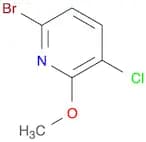
The protein encoded by this gene is similar to ING1, a tumor suppressor protein that can interact with TP53, inhibit cell growth, and induce apoptosis. This protein contains a PHD-finger, which is a common motif in proteins involved in chromatin remodeling. This gene can activate p53 trans-activated promoters, including promoters of p21/waf1 and bax. Overexpression of this gene has been shown to inhibit cell growth and induce apoptosis. Allelic loss and reduced expression of this gene were detected in head and neck cancers. Two alternatively spliced transcript variants encoding different isoforms have been observed. [provided by RefSeq, Jul 2008],6-Bromo-3-chloro-2-methoxypyridine
CAS :Formule :C6H5BrClNODegré de pureté :96%Couleur et forme :SolidMasse moléculaire :222.4670SLC6A8 rabbit pAb
The protein encoded by this gene is a plasma membrane protein whose function is to transport creatine into and out of cells. Defects in this gene can result in X-linked creatine deficiency syndrome. Multiple transcript variants encoding different isoforms have been found for this gene. [provided by RefSeq, Dec 2008],Cdc25A (phospho Thr507) rabbit pAb
cell division cycle 25A(CDC25A) Homo sapiens CDC25A is a member of the CDC25 family of phosphatases. CDC25A is required for progression from G1 to the S phase of the cell cycle. It activates the cyclin-dependent kinase CDC2 by removing two phosphate groups. CDC25A is specifically degraded in response to DNA damage, which prevents cells with chromosomal abnormalities from progressing through cell division. CDC25A is an oncogene, although its exact role in oncogenesis has not been demonstrated. Two transcript variants encoding different isoforms have been found for this gene. [provided by RefSeq, Jul 2008],PAQRA rabbit pAb
This gene encodes a member of the PAQR (progestin and adipoQ receptor) family. Members of this family are evolutionarily conserved with significant sequence identity to bacterial hemolysin-like proteins and are defined by a set of seven transmembrane domains. The protein encoded by this gene localizes to the Golgi apparatus to modulate Ras signaling. Alternative splicing results in multiple transcript variants and protein isoforms. [provided by RefSeq, Jun 2012],