Sucres du squelette et nucléobases
Les sucres de la colonne vertébrale et les nucléobases sont des composants essentiels des acides nucléiques tels que l'ADN et l'ARN. La colonne vertébrale est composée de groupes de sucre et de phosphate, tandis que les nucléobases forment le code génétique par appariement des bases. Ces composés sont cruciaux dans l'étude de la génétique et de la biologie moléculaire. Chez CymitQuimica, vous pouvez trouver une variété de sucres de la colonne vertébrale et de nucléobases pour la recherche et l'utilisation en laboratoire.
1001 produits trouvés pour "Sucres du squelette et nucléobases"
Trier par
Degré de pureté (%)
0
100
|
0
|
50
|
90
|
95
|
100
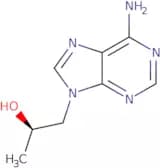
(R)-(+)-9-(2-Hydroxypropyl)adenine
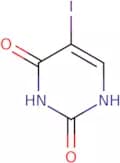
CAS :<p>(R)-(+)-9-(2-Hydroxypropyl)adenine (HPA) is a carbocyclic nucleoside that has been shown to be effective against the human immunodeficiency virus (HIV). HPA inhibits the reverse transcriptase and integrase enzymes, which are necessary for HIV replication. It also inhibits phosphorylation of host cell proteins, leading to decreased viral protein synthesis. The reaction yield of this compound is high and it can be industrially produced with a synthetic process. HPA is synthesized from adenosine by the addition of two hydroxyl groups on the adjacent carbon atoms. HPA has a low energy ring-opening reaction with hydrogen chloride, which leads to its potent inhibition of HIV infection.</p>Formule :C8H11N5ODegré de pureté :Min. 95%Couleur et forme :PowderMasse moléculaire :193.21 g/mol5-Iodouracil
CAS :<p>5-Iodouracil is an irreversible inhibitor of 5-hydroxytryptamine 2B receptor (5-HT2B) that is a group p2 molecule. It has been found to be effective in the treatment of various types of cancer, including colorectal cancer. 5-Iodouracil inhibits cell proliferation by blocking the binding of the growth factor to its receptor on the surface of cells. The drug also inhibits the enzyme activities of human serum albumin and tyrosine phosphatase.</p>Formule :C4H3IN2O2Degré de pureté :Min. 97 Area-%Couleur et forme :White PowderMasse moléculaire :237.98 g/mol5-Bromo-6-azauracil
CAS :<p>5-Bromo-6-azauracil is a nucleophilic compound that can be used to treat wastewater. It is also able to lyse cells and has been used as an immobilizing agent. The reactive nature of 5-Bromo-6-azauracil enables it to undergo nucleophilic substitutions with amines, which are present in the cell wall and other biomolecules. This process results in the formation of amide bonds, which leads to the inhibition of protein synthesis. 5-Bromo-6-azauracil has shown inhibitory effects on glucans, which may be due to its ability to form covalent bonds with glucose molecules.</p>Formule :C3H2BrN3O2Degré de pureté :Min. 95%Couleur et forme :White To Off-White SolidMasse moléculaire :191.97 g/mol7-Methyladenine
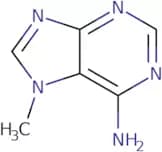
CAS :<p>7-Methyladenine is a nitrogen-containing compound that has been shown to cause an increase in renal blood flow. It is also a synthetic estrogen. 7-Methyladenine is mainly metabolized by methylation, and it can be detected in urine samples. This substance has been shown to have a direct effect on cardiac contractility and blood pressure. 7-Methyladenine also has the ability to stimulate the growth of cells and tissues, as well as being able to inhibit the synthesis of certain proteins.</p>Formule :C6H7N5Degré de pureté :Min. 95%Couleur et forme :White To Off-White SolidMasse moléculaire :149.15 g/mol8-Hydroxyguanine hydrochloride
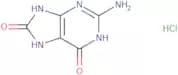
CAS :<p>8-Hydroxyguanine hydrochloride is a fine chemical that is used as a building block in the synthesis of pharmaceuticals, agrochemicals and other organic compounds. It is also used as a reagent for research into the mechanisms of DNA damage. CAS No. 1246818-54-1 8-Hydroxyguanine hydrochloride is a complex compound that can be used as a versatile building block for the synthesis of many different types of molecules, including valuable intermediates and scaffolds for drug discovery.</p>Formule :C5H5N5O2•HClDegré de pureté :Min. 90 Area-%Couleur et forme :White PowderMasse moléculaire :203.59 g/mol8-Azahypoxanthine
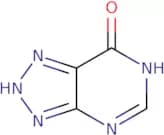
CAS :<p>8-Azahypoxanthine is a hydroxyl analog of hypoxanthine. It contains a nitrogen atom in place of the oxygen atom on the 2-position. 8-Azahypoxanthine has been shown to be an effective inhibitor of purine biosynthesis in yeast cells and can be used as a replacement for xanthine during the synthesis of adenosine triphosphate (ATP) from uracil. 8-Azahypoxanthine was found to have good detection sensitivity, with an estimated detection limit of 0.2 µM. The optimum pH for this compound is 7.8, which is similar to that of wild type strain and tissue culture media. Mutants resistant to 8-azahypoxanthine were generated by exposure to high concentrations (>100 mM) for long periods (>2 days). Mutant strains showed no detectable enzyme activity against orotic acid or glycosidic bond formation with erythromycin</p>Degré de pureté :Min. 95%Couleur et forme :PowderMasse moléculaire :137.1 g/mol5-Trifluorothymine
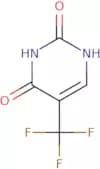
CAS :<p>Intermediate in the synthesis of tipiracil + trifluridine</p>Formule :C5H3F3N2O2Degré de pureté :Min. 95%Couleur et forme :PowderMasse moléculaire :180.08 g/mol1,3-Dipropylxanthine
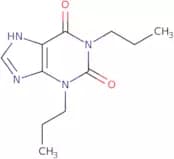
CAS :Produit contrôlé<p>1,3-Dipropylxanthine is a congener of caffeine. It is a nonselective adenosine receptor antagonist that binds to the adenosine receptors in the kidney. 1,3-Dipropylxanthine has been shown to increase renal blood flow and increase urine output. This drug may be used as a mobilisation agent for patients who are bedridden or have limited mobility. It should not be given to patients with heart disease or high blood pressure. 1,3-Dipropylxanthine has also been shown to inhibit the binding of pyrimido [1,2-a]benzimidazole (PPIM) and furyl derivatives to the adenosine receptor.</p>Formule :C11H16N4O2Degré de pureté :Min. 95%Couleur et forme :PowderMasse moléculaire :236.27 g/mol5-Iodocytosine
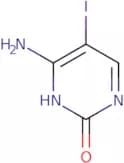
CAS :<p>5-Iodocytosine (5-IC) is an analog of cytosine that can be used as a precursor for the synthesis of thymine. 5-IC has been shown to cross-couple with DNA, which may contribute to its antiviral potency. 5-IC is also a potent inhibitor of dna replication and herpes simplex virus. The biochemical properties of 5-IC have been extensively studied, including its ability to react with hydrochloric acid to form the corresponding tautomers. The hydrolysis rate increases at higher pH values and decreases at lower pH values. Bioconjugate chemistry has been applied to synthesize a bioconjugated prodrug of 5-IC for cancer treatment.</p>Formule :C4H4IN3ODegré de pureté :Min. 95%Couleur et forme :PowderMasse moléculaire :237 g/mol6-Ethoxypurine
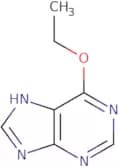
CAS :<p>6-Ethoxypurine is a nucleoside analog that inhibits the enzyme ribonucleotide reductase, which converts ribonucleotides to deoxyribonucleotides. It is used in cell culture to measure the effects of radiation and hydrochloric acid on the production of ATP. 6-Ethoxypurine has been shown to inhibit influenza virus replication with an IC50 of 10 μM. This compound has reactive hydroxyl groups that allow it to participate in hydrogen bonding, which can be beneficial for interactions with other molecules. 6-Ethoxypurine also exhibits nucleophilic properties, which allows it to react with other chemical species and can be useful for generating new chemical compounds.</p>Formule :C7H8N4ODegré de pureté :Min. 95%Couleur et forme :PowderMasse moléculaire :164.16 g/mol6-Chloro-1,3-dimethyluracil
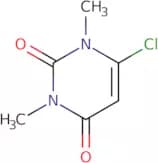
CAS :<p>6-Chloro-1,3-dimethyluracil is a nucleoside analog that has been shown to be cytotoxic in vitro. This compound can be synthesized by reacting naphthalene with a nucleophilic nitrogen source, such as sodium carbonate and chlorinating the resulting product with trifluoroacetic acid. 6-Chloro-1,3-dimethyluracil can also be synthesized by reacting malonic acid with cyclen and uridine in the presence of copper metal. The reaction mechanism is believed to involve photoelectron transfer from the copper metal to the uridine ring.</p>Formule :C6H7ClN2O2Degré de pureté :Min. 95%Couleur et forme :White PowderMasse moléculaire :174.58 g/mol7-Methylguanine
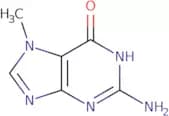
CAS :<p>Temozolomide is an anticancer drug that is used in the treatment of malignant brain tumors. It is a prodrug which undergoes conversion to its active form 7-methylguanine by deamination and oxidation. Temozolomide inhibits viral replication by inhibiting the synthesis of nuclear DNA and blocking the progression of RNA polymerase. The reaction mechanism involves oxidative injury to DNA, leading to crosslinking and breakage with subsequent inhibition of polymerase chain reaction amplification. Temozolomide has been shown to have carcinogenic potential in laboratory animals. This drug has been shown to have biochemical properties that are similar to those found in other drugs such as cisplatin, vinblastine, and adriamycin, which also inhibit cellular growth through reactive oxygen species (ROS) production. Structural analysis has revealed that temozolomide binds tightly to nuclear DNA with a conformation that is similar to the natural substrate for DNA gyrase, top</p>Formule :C6H7N5ODegré de pureté :Min. 95 Area-%Couleur et forme :Slightly Brown PowderMasse moléculaire :165.15 g/mol2-Thiothymine
CAS :<p>2-Thiothymine is a nucleotide that can be synthesized by the polymerase chain reaction. It is used as a probe for determining the sequence of DNA duplexes. 2-Thiothymine binds to dna and forms hydrogen bonds with the nitrogen atoms in dna bases, which prevents them from being able to bind with other dna bases, thereby disrupting the binding of dna strands. This leads to chain reactions that result in high temperatures and could cause damage to the cells. 2-Thiothymine has been shown to be toxic to both bacteria and human cells. It was found to inhibit HIV infection by binding to viral RNA and preventing it from being translated into protein, leading to cell death.</p>Formule :C5H6N2OSDegré de pureté :Min. 95%Couleur et forme :Off-White PowderMasse moléculaire :142.18 g/molN9-Methyladenine
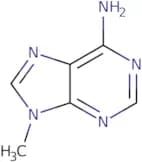
CAS :<p>N9-Methyladenine is a purine derivative that has been shown to be an antagonist at the adenosine receptor. It can be synthesized by reacting N6-benzoyladenine with methanol, followed by treatment with aqueous sodium hydroxide and hydrogen peroxide. The molecule is planar, with a neutral pKa of 7.4. Proton and nitrogen NMR spectra were obtained for this compound, which showed it to have two hydrogen bonds and one intermolecular hydrogen bond. The proton resonances are observed at 2.97 ppm (H1) and 3.27 ppm (H2).</p>Formule :C6H7N5Degré de pureté :Min. 95%Couleur et forme :PowderMasse moléculaire :149.15 g/molXanthine
CAS :<p>Xanthine is a reactive, oxidized form of purine. It is found in the human body as a product of xanthine oxidase (XO) metabolism of xanthine and hypoxanthine. Xanthine is known to have antioxidant properties and has been shown to inhibit the activity of xanthine oxidase in vitro. Xanthine, when combined with other anticancer drugs such as doxorubicin, can be used as an anticancer agent. This drug has been shown to cause oxidative injury in humans and animal models at physiological levels.</p>Formule :C5H4N4O2Degré de pureté :Min. 98 Area-%Couleur et forme :Off-White PowderMasse moléculaire :152.11 g/mol6-Methyl-5-nitrouracil
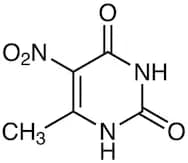
CAS :Formule :C5H5N3O4Degré de pureté :>95.0%(T)(HPLC)Couleur et forme :Light orange to Yellow to Green powder to crystalMasse moléculaire :171.11Azathioprine
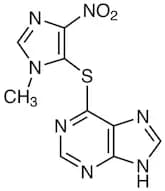
CAS :Formule :C9H7N7O2SDegré de pureté :>98.0%(T)(HPLC)Couleur et forme :Light yellow to Yellow to Green powder to crystalMasse moléculaire :277.26Eritadenine
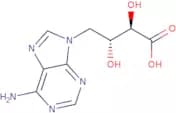
CAS :<p>Eritadenine is a glycoside that has been found in the edible roots of plants belonging to the family Euphorbiaceae. Eritadenine is an inhibitor of malonic acid, which is a precursor for fatty acid synthesis. It has also been shown to have biological properties, such as inhibiting fat cell growth and reducing cholesterol levels in rats. Eritadenine can be detected with an analytical method that uses high-performance liquid chromatography coupled with a photodiode array detector. This method separates and identifies eritadenine from other compounds using polymerase chain reaction amplification on camp levels and sodium salts. Eritadenine can also be found in samples of liver cells or ethanolamine.</p>Formule :C9H11N5O4Degré de pureté :Min. 95%Couleur et forme :PowderMasse moléculaire :253.21 g/molλ DNA
<p>Lambda DNA is a double stranded linear DNA of 48,502 base pairs in length. It is isolated from bacteriophage Lambda. The Lambda Phage is a bacterial virus (bacteriophage), that infects the bacterial species E. coli. The phage is isolated from the heat inducible lysogen E. coli strain.</p>Couleur et forme :Liquid, Colourless, ClearDH5a Competent Cells for Subcloning
DH5α Competent Cells are ideal cells that are made efficient chemically for transformation techniques. They are recommended for routine subcloning into plasmid vectors giving a transformation efficiency of ≥1 × 10â¶cfu/μg. Subcloning efficiency cells are not suitable for the generation of cDNA libraries. The φ80dlacZΔM15 marker provides α-complementation of the β-galactosidase gene from pUC or similar vectors to allow blue/white colony screening on bacterial agar plates containing X-Gal and similar chemicals.Autoinduction Medium (AIM) Solution
Autoinduction Medium (AIM) Solution for protein expression that needs little user intervention after inoculation of the culture. The principle of AIM media is based on carbon sources in the medium that are metabolized differentially to promote high density cell growth and automatically induce protein expression from lac promoters. This solution constitutes a unique combination of carbon source concentrations. AIM with pH 7.2 provides an efficient way to produce recombinant proteins for functional characterizations. This solution is useful in the study of intensity of induction, expression at different cell densities, or investigation of induction in early-, mid-, or late-log conditions of proteins of focused interest.Couleur et forme :Liquid, Dark Yellow to Brown, ClearN6-Isopentenyladenine-9-glucoside
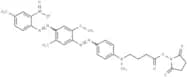
CAS :<p>Please enquire for more information about N6-Isopentenyladenine-9-glucoside including the price, delivery time and more detailed product information at the technical inquiry form on this page</p>Formule :C16H23N5O5Degré de pureté :Min. 95%Couleur et forme :PowderMasse moléculaire :365.38 g/molBHQ-1 NHS
CAS :<p>BHQ-1 NHS is a compound that is directly labeled with fluorescently labeled nucleotide.</p>Formule :C30H31N7O7Couleur et forme :SolidMasse moléculaire :601.617-Hydroxy-4-methyl-2(1H)-quinolone
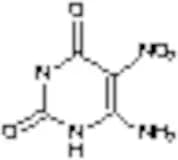
CAS :<p>Fluorescent 7-Hydroxy-4-methylquinolone detects DNA hydroxyl radicals; store in dark.</p>Formule :C10H9NO2Couleur et forme :SolidMasse moléculaire :175.1846-Amino-5-nitrouracil
CAS :Produit contrôlé<p>Applications 6-Amino-5-nitrouracil (cas# 3346-22-3) is a compound useful in organic synthesis.<br>References Graves, A., et al.: J. Mol. Biol., 377, 914 (2008),<br></p>Formule :C4H4N4O4Couleur et forme :NeatMasse moléculaire :172.106-Amino-5-nitroso-2-thiouracil
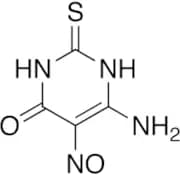
CAS :Produit contrôlé<p>Applications Pyrimidine with the ability to form complexes with heavy metal ions.<br>References Iltzsch, M., et al.: Biochem. Pharmacol., 48, 781 (1994),<br></p>Formule :C4H4N4O2SCouleur et forme :NeatMasse moléculaire :172.171,7-Dideazaadenine
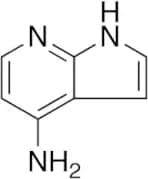
CAS :Produit contrôlé<p>Applications Used in the preparation of pyrrolotriazines.<br></p>Formule :C7H7N3Couleur et forme :NeatMasse moléculaire :133.152-O-Ethylthymidine
CAS :Produit contrôléFormule :C12H18N2O5Couleur et forme :NeatMasse moléculaire :270.287-Deazaguanine
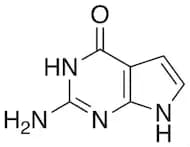
CAS :Produit contrôlé<p>Applications 7-Deazaguanine (cas# 7355-55-7) is a compound useful in organic synthesis.<br></p>Formule :C6H6N4OCouleur et forme :NeatMasse moléculaire :150.14(E)-5-(2-Carboxyvinyl)-2’-deoxyuridine
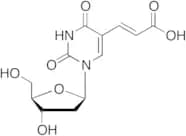
CAS :Produit contrôléFormule :C12H14N2O7Couleur et forme :NeatMasse moléculaire :298.2495-(3-Keto-cyclohexyl)uracil
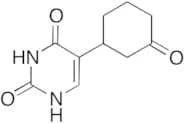
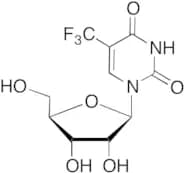
Produit contrôléFormule :C10H12N2O3Couleur et forme :NeatMasse moléculaire :208.2145-(Trifluoromethyl)uridine
CAS :Produit contrôléFormule :C10H11F3N2O6Couleur et forme :NeatMasse moléculaire :312.199(E)-5-(2-Carboxvinyl)uracil
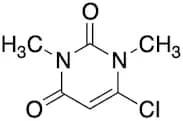
CAS :Produit contrôlé<p>Applications (E)-5-(2-Carboxvinyl)uracil (cas# 57412-59-6) is a compound useful in organic synthesis.<br></p>Formule :C7H6N2O4Couleur et forme :NeatMasse moléculaire :182.136-Chloro-1,3-dimethyluracil
CAS :Produit contrôléFormule :C6H7ClN2O2Couleur et forme :NeatMasse moléculaire :174.586-Chloro-1,3-dimethyl-5-nitrouracil
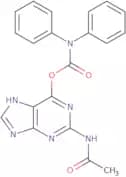
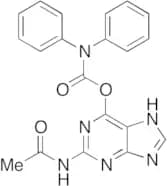
CAS :Produit contrôléFormule :C6H6ClN3O4Couleur et forme :NeatMasse moléculaire :219.583N2-Acetyl-O6-diphenylcarbamoylguanine
CAS :Produit contrôlé<p>Applications N2-Acetyl-O6-diphenylcarbamoylguanine is a reactant in the synthesis of 1',2'-oxetane-nucleosides bearing 2'-C-Me substituents with anti-HCV activity.<br>References Komsta, Z., et. al.: Tetrahedron Lett., 55, 6216 (2014)<br></p>Formule :C20H16N6O3Couleur et forme :NeatMasse moléculaire :388.385-Azauridine
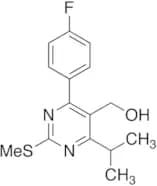
CAS :Produit contrôlé<p>Applications 5-Azauridine (cas# 1476-82-0) is a useful research chemical.<br></p>Formule :C8H11N3O6Couleur et forme :NeatMasse moléculaire :245.1894-(4-Fluorophenyl)-5-hydroxymethyl-6-isopropyl-2-methylthiopyrimidine
CAS :Produit contrôlé<p>Applications 4-(4-Fluorophenyl)-5-hydroxymethyl-6-isopropyl-2-methylthiopyrimidine (cas# 895129-11-0) is a compound useful in organic synthesis.<br></p>Formule :C15H17FN2OSCouleur et forme :NeatMasse moléculaire :292.376-Chloro-7-deazaguanine
CAS :Produit contrôlé<p>Applications 6-Chloro-7-deazaguanine (cas# 84955-31-7) is a compound useful in organic synthesis.<br></p>Formule :C6H5ClN4Couleur et forme :NeatMasse moléculaire :168.58N7-(2-Hydroxyethyl)adenine
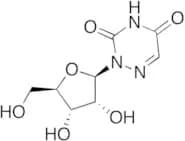
CAS :Produit contrôlé<p>Applications A DNA adduct ethylene oxide hydroxyethylnitrosourea. It is also used in the preparation of acyclic nucleosides and nucleotides as antiviral agents.<br>References Snoeck, R., et al.: Antimicrob. Agents Chemother., 32, 1839 (1988), Bronson, J., et al.: J .Med. Chem., 32, 1457 (1989), Balzarini, J., et al.: J. Biol. Chem., 266, 8686 (1991),<br></p>Formule :C7H9N5OCouleur et forme :NeatMasse moléculaire :179.1796-Azauridine
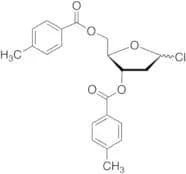
CAS :Produit contrôlé<p>Stability Hygroscopic<br>Applications 6-Azauridine is can be applied in antiviral studies.<br></p>Formule :C8H11N3O6Couleur et forme :NeatMasse moléculaire :245.192-Deoxy-3,5-di-O-p-toluoyl-D-ribofuranosyl Chloride
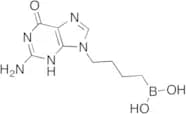
CAS :Produit contrôléFormule :C21H21ClO5Couleur et forme :NeatMasse moléculaire :388.849-(4-Dihydroxyborylbutyl)guanine
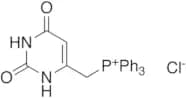
CAS :Produit contrôléFormule :C9H14BN5O3Couleur et forme :NeatMasse moléculaire :251.056-Uracilylmethylene Triphenylphosphonium Chloride
CAS :Produit contrôléFormule :C23H20N2O2P•ClCouleur et forme :NeatMasse moléculaire :422.845,6-Diaminouracil Sulfate
CAS :Produit contrôlé<p>Applications 5,6-Diaminouracil sulfate is an intermediate in the synthesis of Paraxanthine (P192500) and Paraxanthine analogs.<br>References Mueller, C.E., et al.: J. Med. Chem., 36, 3341 (1993),<br></p>Formule :C6H4Cl2FNCouleur et forme :NeatMasse moléculaire :180.007Tris(trimethylsilyl)guanine
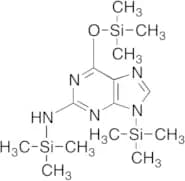
CAS :Produit contrôlé<p>Applications Tris(trimethylsilyl)guanine is an intermediate used in the synthesis of 9-(2-Hydroxyethyl)guanine (H942035), which is an impurity of the antiviral agent Acyclovir (A192400). 9-(2-Hydroxyethyl)guanine is a nucleoside phosphotransferase acceptor.<br>References Kamimura, A. et al.: Agric. Biol. Chem., 37, 2037 (1973);<br></p>Formule :C14H29N5OSi3Couleur et forme :NeatMasse moléculaire :367.67Guanine Hydrochloride
CAS :Formule :C5H5N5O·ClHCouleur et forme :NeatMasse moléculaire :151.13 + (36.46)2,4-Dithiouridine
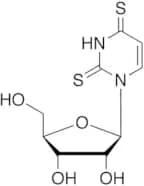
CAS :Produit contrôlé<p>Stability Hygroscopic<br>Applications 2,4-Dithiouridine (cas# 13239-96-8) is a compound useful in organic synthesis.<br></p>Formule :C9H12N2O4S2Couleur et forme :NeatMasse moléculaire :276.333-Allyl-6-amino-1-ethyluracil
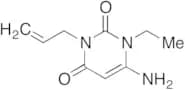
CAS :Produit contrôléFormule :C9H13N3O2Couleur et forme :NeatMasse moléculaire :195.2185-Bromodihydrouracil
CAS :Produit contrôléFormule :C4H5BrN2O2Couleur et forme :NeatMasse moléculaire :192.9995-O-Trityl-2,3’-anhydrothymidine
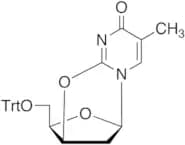
CAS :<p>Applications 5-O-Trityl-2,3’-anhydrothymidine (cas# 25442-42-6) is a compound useful in organic synthesis.<br></p>Formule :C29H26N2O4Couleur et forme :NeatMasse moléculaire :466.536-Amino-1,3-dimethyl-5-nitrosouracil
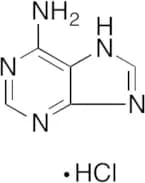
CAS :Produit contrôlé<p>Applications 6-Amino-1,3-dimethyl-5-nitrosouracil (cas# 3346-61-0) is a compound useful in organic synthesis.<br>References Varma, R., et al.: J. Ocular Pharmacol. Ther., 16, 571 (2000),<br></p>Formule :C6H8N4O3Couleur et forme :NeatMasse moléculaire :184.15Adenine Hydrochloride
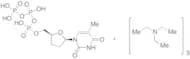
CAS :Produit contrôlé<p>Applications Adenine Hydrochloride can be utilized in uses for enhanced detection of hydrogen peroxide with platinized microelectrode arrays for analyses of mitochondria activities. It can also be used for biological use in method for producing Cordyceps sinesis by fermentation.<br>References Ben-Amor, S., et al.: Electrochim. Acta., 126, 171-178 (2014); Jia, J., et al.: Faming Zhuanli Shenqing, CN 101407767 A 20081117 (2008);<br></p>Formule :C5H5N5·HClCouleur et forme :NeatMasse moléculaire :135.13 + 36.463'-Deoxy-thymidine 5'-(Tetrahydrogen Triphosphate) Triethylammonium Salt
CAS :Produit contrôléFormule :C10H17N2O13P3•3(C6H15N)Couleur et forme :NeatMasse moléculaire :567.11485-Carboxy-2-thiouracil
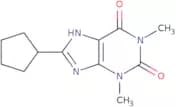
CAS :Produit contrôlé<p>Applications 5-Carboxy-2-thiouracil is a possible anti-tumor agent when part of a metal complex.<br></p>Formule :C5H4N2O3SCouleur et forme :NeatMasse moléculaire :172.1628-Cyclopentyl-1,3-dimethylxanthine
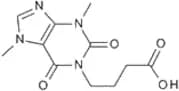
CAS :Produit contrôlé<p>8-Cyclopentyl-1,3-dimethylxanthine (CPT) is a xanthine derivative that binds to the adenosine receptor and inhibits the phosphodiesterase enzyme. CPT is used in vivo as a model for measuring locomotor activity, dopamine receptors, adenosine receptors, and glutamate receptors. The binding of CPT to these receptors can lead to bronchoconstriction by stimulating the release of vasoactive substances from airway cells and increasing the sensitivity of airway cells to bronchoconstrictor stimuli. This drug also has been shown to inhibit calcium ion influx into cytosol and increase intracellular levels of cAMP.</p>Formule :C12H16N4O2Degré de pureté :Min. 95%Couleur et forme :PowderMasse moléculaire :248.28 g/mol1-(3-Carboxypropyl)-3,7-dimethylxanthine
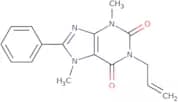
CAS :Produit contrôlé<p>1-(3-Carboxypropyl)-3,7-dimethylxanthine is a drug that belongs to a class of drugs called multidrugs. It has been shown to inhibit the growth of endothelial cells by blocking the binding of tnf-α to its receptor on these cells. 1-(3-Carboxypropyl)-3,7-dimethylxanthine also inhibits cancer cell proliferation and has been shown to be effective in some human cancer models. This drug interacts with other molecules (e.g., proton) and can have significant effects on magnetic resonance spectroscopy assays as well as in humans.</p>Formule :C11H14N4O4Degré de pureté :Min. 95%Couleur et forme :PowderMasse moléculaire :266.25 g/mol1-Allyl-3,7-dimethyl-8-phenylxanthine
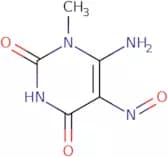
CAS :Produit contrôlé<p>Please enquire for more information about 1-Allyl-3,7-dimethyl-8-phenylxanthine including the price, delivery time and more detailed product information at the technical inquiry form on this page</p>Formule :C16H16N4O2Degré de pureté :Min. 95%Masse moléculaire :296.32 g/mol6-Amino-1-methyl-5-nitrosouracil
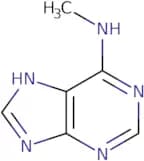
CAS :<p>6-Amino-1-methyl-5-nitrosouracil is a neutral form of the molecule that has both protonated and unprotonated forms. It is a bidentate ligand that can bind to a metal ion. The nitrogen atom in the molecule is an important part of its structure, as it contains two nitro groups and one amino group. 6-Amino-1-methyl-5-nitrosouracil has been used in techniques such as spectroscopies and dinitroso analysis. The neutral form of the molecule can be converted into its ionic form by adding either chlorine or nitrate ions to it, which causes the nitrogen atoms to be more electronegative. This conversion changes the nature of the compound, making it more acidic. Dehydration also occurs when water molecules are removed from 6-amino 1 methyl 5 nitrosourea, which causes a change in shape and shifts its properties to</p>Formule :C5H6N4O3Degré de pureté :Min. 95%Masse moléculaire :170.13 g/molN6-Methyladenine
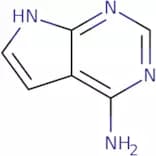
CAS :<p>N6-Methyladenine is a modification of adenine in DNA. It is formed by the methylation of the N6 position of adenine, which is a group P2 purine base. The structural analysis of this compound has been studied using x-ray diffraction data, and it has been found that it may inhibit cancer cells by modifying their DNA. This compound can also be used as an antimicrobial agent to treat infections caused by eukaryotes such as bacteria and fungi. N6-Methyladenine may be useful in transcriptional regulation and cellular transformation.</p>Formule :C6H7N5Degré de pureté :Min. 95%Couleur et forme :PowderMasse moléculaire :149.15 g/mol7-Deazaadenine
CAS :<p>7-Deazaadenine is a pyrimidine compound that inhibits the enzyme kinase, which is involved in DNA synthesis. 7-Deazaadenine has significant cytotoxicity against cells and has been shown to inhibit the polymerase chain reaction (PCR). It can be used as an analytical tool for investigating enzymatic reactions by selectively inhibiting specific enzymes. 7-Deazaadenine binds to nitrogen atoms in DNA and inhibits the activity of proteases, which are enzymes that break down proteins. This drug also has pharmacokinetic properties such as oral absorption and distribution, metabolism, and elimination.</p>Formule :C6H6N4Degré de pureté :Min. 95%Masse moléculaire :134.14 g/mol8-[(2-Hydroxyethyl)(methyl)amino]-1,3,9-trimethyl-3,9-dihydro-1H-purine-2,6-dione
CAS :Produit contrôlé<p>Please enquire for more information about 8-[(2-Hydroxyethyl)(methyl)amino]-1,3,9-trimethyl-3,9-dihydro-1H-purine-2,6-dione including the price, delivery time and more detailed product information at the technical inquiry form on this page</p>Formule :C11H17N5O3Degré de pureté :Min. 95%Masse moléculaire :267.28 g/mol9-[(5-Amino-1,3,4-thiadiazol-2-yl)methyl]-1,3-dimethyl-3,9-dihydro-1H-purine-2,6-dione
CAS :Produit contrôlé<p>Please enquire for more information about 9-[(5-Amino-1,3,4-thiadiazol-2-yl)methyl]-1,3-dimethyl-3,9-dihydro-1H-purine-2,6-dione including the price, delivery time and more detailed product information at the technical inquiry form on this page</p>Formule :C10H11N7O2SDegré de pureté :Min. 95%Masse moléculaire :293.31 g/mol7-Benzyl-1H-Purine-2,6(3H,7H)-Dione
CAS :Produit contrôlé<p>Please enquire for more information about 7-Benzyl-1H-Purine-2,6(3H,7H)-Dione including the price, delivery time and more detailed product information at the technical inquiry form on this page</p>Formule :C12H10N4O2Degré de pureté :Min. 95%Masse moléculaire :242.23 g/mol8-Aminoguanine
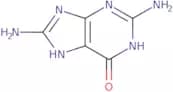
CAS :<p>8-Aminoguanine is an anti-cancer agent that is used to treat leukemia. It is a hydrophobic molecule with a redox potential of −0.20 V and has been shown to inhibit the enzyme ribonucleotide reductase in vitro and in vivo. 8-Aminoguanine inhibits the production of guanine nucleotides, which are necessary for DNA synthesis and cell division. This drug also has angiogenic properties, which may be due to its ability to stimulate the formation of new blood vessels by increasing nitric oxide synthase activity. 8-Aminoguanine has also been shown to improve congestive heart failure by reducing myocardial fibrosis and ventricular hypertrophy through activation of the glycosidic bond cleavage system.</p>Formule :C5H6N6ODegré de pureté :Min. 95%Couleur et forme :Off-White PowderMasse moléculaire :166.14 g/mol(E)-5-(2-Bromovinyl)uracil
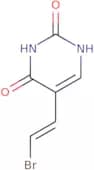
CAS :<p>(E)-5-(2-Bromovinyl)uracil is a drug that has been shown to be effective against leukemic cells. It is a prodrug of 5-bromouracil, which is an antimetabolite and cytotoxic agent. (E)-5-(2-Bromovinyl)uracil has also been shown to be active against solid tumours, such as metastatic colorectal cancer, and bacteria. The mechanism of action involves the irreversible inhibition of the enzyme thymidylate synthase, which catalyzes the conversion of deoxyuridine monophosphate (dUMP) to thymidine monophosphate (dTMP). The drug binds to the dinucleotide phosphate pocket in the enzyme's active site and blocks access by dUMP. This leads to DNA synthesis errors, causing cell death. As a prodrug, it has low toxicity profiles and does not cause bone marrow suppression like</p>Formule :C6H5BrN2O2Degré de pureté :(¹H-Nmr) Min. 95 Area-%Couleur et forme :Off-white to pale orange solid.Masse moléculaire :217.02 g/mol8-Methoxymethyl-1-methyl-3-(2-methylpropyl) xanthine
CAS :Produit contrôlé<p>8-Methoxymethyl-1-methyl-3-(2-methylpropyl) xanthine (8MMX) is an intracellular calcium ion chelator that inhibits enzyme activity in the cyclic nucleotide phosphodiesterase enzyme family. 8MMX has been shown to be a potent inhibitor of both cyclic nucleotide phosphodiesterases and cyclic nucleotide phosphodiesterase isoenzymes. 8MMX has been shown to inhibit bladder contractility and improve bladder function in animal models. It also reduces the incidence of papillary muscle rupture, which can lead to heart failure, and improves ventricular function by increasing the rate of relaxation of the left ventricle.<br>8MMX is a potential treatment for pulmonary hypertension, which is caused by increased concentrations of intracellular calcium ions.</p>Formule :C12H18N4O3Degré de pureté :Min. 95%Masse moléculaire :266.3 g/mol5-Amino-3,7-dimethylxanthine
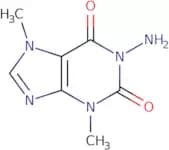
CAS :Produit contrôlé<p>Please enquire for more information about 5-Amino-3,7-dimethylxanthine including the price, delivery time and more detailed product information at the technical inquiry form on this page</p>Formule :C7H9N5O2Degré de pureté :Min. 95%Masse moléculaire :195.18 g/mol6-Amino-5-nitroso-2-thiouracil
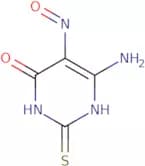
CAS :<p>6-Amino-5-nitroso-2-thiouracil is a water molecule that has been synthesized and characterized by the kinetic method. It has an intense absorption line at 514 nm and can be used as a marker for technetium. 6-Amino-5-nitroso-2-thiouracil is also a ligand, which is a chemical that binds to metal ions in order to form coordination complexes. 6-Amino-5-nitroso-2-thiouracil is formed by the reaction of chloramine with ammonia, as well as other reactions involving chlorine atoms. 6Amino - 5 nitroso - 2 thiouracil can be used as a chelate ring, which is a type of ligand that contains both nitrogen and sulfur atoms. Bleomycin, a five membered ring molecule, reacts with 6 amino - 5 nitroso - 2 thiouracil to</p>Formule :C4H4N4O2SDegré de pureté :Min. 95%Masse moléculaire :172.17 g/mol1,3-Dipropyl-7-methylxanthine
CAS :Produit contrôlé<p>1,3-Dipropyl-7-methylxanthine is a xanthine compound that is structurally related to caffeine. It has been shown to have an inhibitory effect on the production of reactive oxygen species and cytosolic calcium levels in primary cells, as well as a nonselective adenosine receptor antagonist activity. It has also been shown to antagonize the effects of adenosine receptors, p2 receptors, and p2y receptors. This drug is used for the treatment of basophilic leukemia.</p>Formule :C12H18N4O2Degré de pureté :Min. 95%Masse moléculaire :250.3 g/mol1-(Ethyl-3-carboxypropyl)-3,7-dimethylxanthine
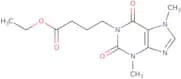
CAS :Produit contrôlé<p>Please enquire for more information about 1-(Ethyl-3-carboxypropyl)-3,7-dimethylxanthine including the price, delivery time and more detailed product information at the technical inquiry form on this page</p>Formule :C13H18N4O4Degré de pureté :Min. 95%Masse moléculaire :294.31 g/mol3-Methyl-7-(5-oxohexyl)-1-propylxanthine
CAS :Produit contrôlé<p>Please enquire for more information about 3-Methyl-7-(5-oxohexyl)-1-propylxanthine including the price, delivery time and more detailed product information at the technical inquiry form on this page</p>Formule :C15H22N4O3Degré de pureté :Min. 95%Masse moléculaire :306.36 g/mol1-(2,3-Dihydroxypropyl)-3,7-dihydro-3,7-dimethyl-1H-purine-2,6-dione
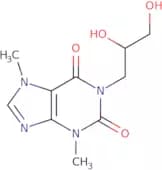
CAS :Produit contrôlé<p>1-(2,3-Dihydroxypropyl)-3,7-dihydro-3,7-dimethyl-1H-purine-2,6-dione (theophylline) is a bronchodilator and anti-inflammatory agent. It is used to treat asthma and other respiratory conditions. Theophylline is structurally similar to caffeine and theobromine and has been shown to have a similar effect on the heart and blood vessels as these stimulants. It also stimulates the central nervous system in a manner similar to that of theobromine. Theophylline has shown some benefit in congestive heart failure patients but has not been proven effective for treating high blood pressure or fibrillation.</p>Formule :C10H14N4O4Degré de pureté :Min. 95%Masse moléculaire :254.24 g/mol1,3-Diethyl-8-phenylxanthine
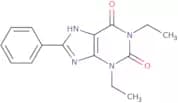
CAS :Produit contrôlé<p>1,3-Diethyl-8-phenylxanthine is a p2y receptor antagonist that inhibits bacterial growth by interfering with the energy metabolism of the cell. It is an analytical reagent that can be used to measure specific DNA sequences and has been shown to have genotoxic effects on cultured human cells. 1,3-Diethyl-8-phenylxanthine has also been shown to inhibit the growth of infectious bacteria such as staphylococcus aureus and Mycobacterium tuberculosis in vitro. This compound may be used as a potential biomarker for the identification of antimicrobial peptides that are active against Mycobacterium tuberculosis in humans.</p>Formule :C15H16N4O2Degré de pureté :Min. 95%Masse moléculaire :284.31 g/molDye 937
CAS :<p>Dye 937 is substituted unsymmetrical cyanine dyes and useful in the detection of DNA in electrophoretic gels.</p>Formule :C32H37IN4SDegré de pureté :98%Couleur et forme :SolidMasse moléculaire :636.63Adenine sulfate dihydrate
CAS :<p>Adenine sulfate dihydrate is an important component of the energy-producing process in mitochondria. Adenine sulfate dihydrate is a necessary cofactor for many metabolic reactions, including those that produce ATP and NADH. It has been shown to promote growth factor activity and stimulate cell proliferation. Adenine sulfate dihydrate can be used as a nutrient solution in recombinant protein production, where it is required for the expression of recombinant proteins in E. coli or mammalian cells. This compound also plays an important role in the glycosylation of proteins during their synthesis on ribosomes and may have implications for protein folding and stability.</p>Formule :(C5H5N5)2•(H2O)2•H2SO4Degré de pureté :Min. 95%Couleur et forme :PowderMasse moléculaire :404.36 g/mol2-Mercaptopurine
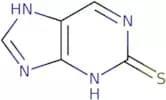
CAS :<p>2-Mercaptopurine (2MP) is a thiopurine drug that is used to treat bowel disease. 2MP inhibits the activity of methyltransferase, which is an enzyme that converts 6-mercaptopurine to 6-thioguanine. This process prevents the conversion of 6-thioguanine into 6-thiouric acid, which is an intermediate in the synthesis of thymine nucleotides. 2MP also inhibits the binding of atp-binding cassette transporter proteins to DNA and blocks the incorporation of purines into RNA and DNA. The drug has been shown to be effective in treating squamous cell carcinoma and other diseases with a high level of activity. 2MP has been shown to be metabolized by erythrocyte polymerase chain reaction and can be detected in biological samples.</p>Formule :C5H4N4SDegré de pureté :Min. 95%Couleur et forme :PowderMasse moléculaire :152.18 g/molCytosine
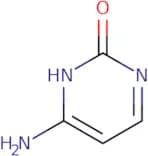
CAS :<p>Pyrimidine nucleobase; component of nucleic acids</p>Formule :C4H5N3ODegré de pureté :(Hplc) Min. 99%Couleur et forme :White PowderMasse moléculaire :111.1 g/molIsocytosine
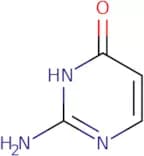
CAS :<p>Isocytosine is a prodrug that has been synthesized with the intramolecular hydrogen on the nitrogen atoms, which makes it more chemically stable. Isocytosine is a reactive molecule, and can react with tautomers to form isocytosine derivatives. Isocytosine contains three hydrogen atoms that are transferable through reactions to other molecules. The chemical stability of isocytosine allows for its use in wastewater treatment. It also has metabolic effects, such as the inhibition of colorectal adenocarcinoma and metabolic disorders. Isocytosine can be used as a model system for studying transfer reactions and reaction mechanisms.</p>Formule :C4H5N3ODegré de pureté :Min. 95%Couleur et forme :PowderMasse moléculaire :111.1 g/mol5-Chlorouracil
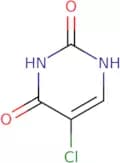
CAS :<p>5-Chlorouracil is a drug that is used to treat cancer. It has been shown to have biological properties, and its mechanism of action is not yet fully understood. 5-Chlorouracil can be synthesized in the laboratory by reacting sodium hydroxide with 5-chloro-2,4(1H,3H)-pyrimidinedione. In wastewater treatment plants, it reacts with organic matter in the water to form nontoxic products, such as carbon dioxide and urea. The reaction solution contains 5-chlorouracil, which undergoes tautomerization spontaneously or through the addition of base. This reaction is reversible, and both the erythro and threo forms are present in solution at equilibrium. The biological properties of 5-chlorouracil have been investigated using sublethal doses in experimental animals. In one study, 5-chlorouracil was found to inhibit xanthine oxidase activity in rats significantly more</p>Formule :C4H3ClN2O2Degré de pureté :Min. 95%Couleur et forme :PowderMasse moléculaire :146.53 g/mol9-(β-D-Xylofuranosyl)guanine
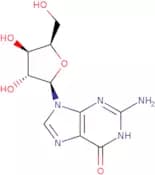
CAS :<p>9-(β-D-xylofuranosyl)guanine (9XG) is a trifluoride. It is an antiviral agent that inhibits the growth of herpes virus, in particular by methylating guanosine to 9-methylguanosine in the viral DNA. 9XG binds to the viral DNA and prevents its replication through the inhibition of RNA synthesis. The drug is active against many different types of viruses and has been shown to be effective against tissue cultures infected with herpes virus. 9XG is synthesized from guanosine and boron trifluoride etherate, which are reacted at -78 degrees Celsius for three days. This yields a mixture of compounds with various peracylation groups, which are then separated by chromatography.</p>Degré de pureté :Min. 95%8-[(1E)-2-(3,4-Dimethoxyphenyl)ethenyl]-1,3-diethyl-3,9-dihydro-1H-purine-2,6-dione
CAS :Produit contrôlé<p>Please enquire for more information about 8-[(1E)-2-(3,4-Dimethoxyphenyl)ethenyl]-1,3-diethyl-3,9-dihydro-1H-purine-2,6-dione including the price, delivery time and more detailed product information at the technical inquiry form on this page</p>Formule :C19H22N4O4Degré de pureté :Min. 95%Couleur et forme :PowderMasse moléculaire :370.4 g/mol4-Thiouracil
CAS :<p>4-Thiouracil is a uridine analog and has been shown to inhibit transcriptional regulation by hydrogen bonding with the dna template. 4-Thiouracil is a prodrug that is converted to its active form, thiouracil, which inhibits DNA synthesis and cell proliferation by inhibiting the enzyme topoisomerase II. This results in the formation of abnormal DNA molecules that are not replicated properly. Thiouracil also has photochemical properties due to its ability to absorb light at wavelengths below 400 nm. The photochemical properties of 4-thiouracil have been studied extensively as models for human tissue culture and the study of cancer cells.</p>Formule :C4H4N2OSDegré de pureté :Min. 97 Area-%Couleur et forme :Slightly Yellow PowderMasse moléculaire :128.15 g/mol3'-O-Benzyl-2'-Deoxy-5-Trifluoromethyluridine
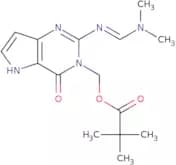
CAS :<p>3'-O-Benzyl-2'-Deoxy-5-Trifluoromethyluridine (BDBMU) is a pyrimidine derivative that can be used as an antiviral drug. It inhibits the synthesis of DNA and RNA by inhibiting viral polymerase. BDBMU is a prodrug of uracil, which is converted to the active compound in tissues. The benzoylation reaction produces a fluorine atom at C5, which increases its potency. This drug has been shown to have minimal toxicity in tumor cells and has been used for the treatment of leukemia and other cancers.</p>Formule :C17H17F3N2O5Degré de pureté :Min. 95%Masse moléculaire :386.32 g/molN1-(Pivaloyloxy)methyl-N2-(dimethylamino)methylene 9-deazaguanine
CAS :<p>Please enquire for more information about N1-(Pivaloyloxy)methyl-N2-(dimethylamino)methylene 9-deazaguanine including the price, delivery time and more detailed product information at the technical inquiry form on this page</p>Formule :C15H21N5O3Degré de pureté :Min. 95%Masse moléculaire :319.36 g/mol3'-[2- Cyanoethyl N, N- bis(1- methylethyl) phosphoramidite]-5'- O- [bis(4- methoxyphenyl) phenylmethyl] - 2'- O- methyl- N- [2- [4- (1- methylethyl) phenoxy] acetyl] -guanosine
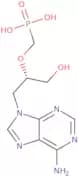
CAS :<p>Please enquire for more information about 3'-[2- Cyanoethyl N, N- bis(1- methylethyl) phosphoramidite]-5'- O- [bis(4- methoxyphenyl) phenylmethyl] - 2'- O- methyl- N- [2- [4- (1- methylethyl) phenoxy] acetyl] -guanosine including the price, delivery time and more detailed product information at the technical inquiry form on this page</p>Formule :C52H62N7O10PDegré de pureté :Min. 95%Masse moléculaire :976.06 g/mol(S)-HPMPA
CAS :<p>(S)-HPMPA is a nucleotide analogue, which is a chemically synthesized compound designed to mimic nucleotides. It acts as both an antiviral and an antitumor agent, sourced primarily through synthetic chemistry involving the modification of naturally occurring nucleotide structures. The mode of action of (S)-HPMPA involves mimicking natural substrates of various viral polymerases and cellular enzymes, thereby inhibiting viral DNA synthesis and disrupting the replication cycle of DNA viruses. Additionally, it can interfere with certain cellular pathways contributing to its antitumor effects.</p>Formule :C9H14N5O5PDegré de pureté :Min. 95%Masse moléculaire :303.21 g/mol4-Amino-6-hydroxypyrazolo[3,4-d]pyrimidine
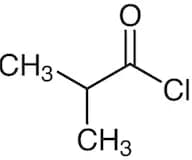
CAS :Formule :C5H5N5ODegré de pureté :>93.0%(HPLC)Couleur et forme :White to Light yellow to Light orange powder to crystallineMasse moléculaire :151.13Isobutyryl Chloride
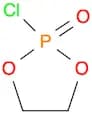
CAS :Formule :C4H7ClODegré de pureté :>98.0%(GC)(T)Couleur et forme :Colorless to Light yellow clear liquidMasse moléculaire :106.552-Chloro-1,3,2-dioxaphospholane-2-oxide
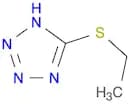
CAS :Formule :C2H4ClO3PDegré de pureté :95%Couleur et forme :LiquidMasse moléculaire :142.47815-(Ethylthio)-1H-tetrazole
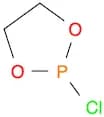
CAS :Formule :C3H6N4SDegré de pureté :98%Couleur et forme :SolidMasse moléculaire :130.17152-Chloro-1,3,2-dioxaphospholane
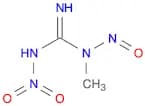
CAS :Formule :C2H4ClO2PDegré de pureté :97%Couleur et forme :LiquidMasse moléculaire :126.47871-Methyl-3-nitro-1-nitrosoguanidine
CAS :Formule :C2H5N5O3Degré de pureté :95%Couleur et forme :LiquidMasse moléculaire :147.0928SYBR GREEN II
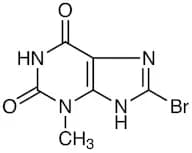
CAS :<p>1) Non-toxicity: belong to flower-stem dye, easy to biodegrade, no carcinogenic toxicity.</p>Formule :C28H28IN3OSDegré de pureté :98%Couleur et forme :SolidMasse moléculaire :581.518-Bromo-3-methylxanthine
CAS :Formule :C6H5BrN4O2Degré de pureté :>98.0%(T)(HPLC)Couleur et forme :White to Almost white powder to crystalMasse moléculaire :245.04N7-((2-Hydroxyethoxy)methyl)guanine
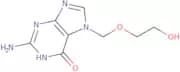
CAS :<p>N7-((2-Hydroxyethoxy)methyl)guanine is a reagent, a complex compound, and a useful intermediate that is used in the manufacture of speciality chemicals. N7-((2-Hydroxyethoxy)methyl)guanine is also a versatile building block that has been shown to be effective in reactions involving the synthesis of N-heterocyclic carbene ligands.</p>Formule :C8H11N5O3Degré de pureté :(%) Min. 95%Couleur et forme :Off-White PowderMasse moléculaire :225.2 g/mol6-Azauracil
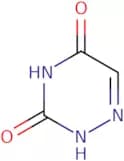
CAS :<p>6-Azauracil is a heterocycle with the chemical formula C8H10N2O3. It is approved by the FDA to treat HIV infections and has been shown to have pharmacokinetic properties in humans. 6-Azauracil is structurally similar to uracil, which is found in RNA, but lacks the hydroxyl group on the para position of the heterocyclic ring. The synthesis of this drug was accomplished through acid complex formation with nucleotides and nitrous acid. The compound inhibits replication of retroviruses by competitive inhibition of primer binding. 6-Azauracil has also been shown to be toxic in rats, leading to congestive heart failure and death when administered at high doses. This drug may also act as an anti-inflammatory agent by inhibiting prostaglandin synthesis or platelet aggregation.</p>Formule :C3H3N3O2Degré de pureté :Min. 95%Couleur et forme :PowderMasse moléculaire :113.07 g/molRef: 3D-FA06313
Produit arrêtéN2-Acetyl-O6-diphenylcarbamoylguanine
CAS :<p>N2-Acetyl-O6-diphenylcarbamoylguanine is an amide nucleoside that is a potent antiviral agent. It inhibits the synthesis of viral DNA by inhibiting viral DNA polymerase. N2-Acetyl-O6-diphenylcarbamoylguanine also has reactive functional groups that can react with other molecules, such as human serum albumin, to form conjugates that are more stable and can be used for long periods of time. This nucleoside is synthesized by reacting uridine with chloroacetamide and then reacting the resulting product with diphenylcarbamoyl chloride in the presence of triethylamine. The ring opening reaction leads to the formation of a glycosidic linkage between N2-Acetyl-O6-diphenylcarbamoylguanine and the sugar molecule. This nucleoside has been shown to</p>Formule :C20H16N6O3Degré de pureté :Min. 95%Couleur et forme :PowderMasse moléculaire :388.38 g/molRef: 3D-FA08314
Produit arrêté





















![8-[(2-Hydroxyethyl)(methyl)amino]-1,3,9-trimethyl-3,9-dihydro-1H-purine-2,6-dione](/_next/image/?url=https%3A%2Fstatic.cymitquimica.com%2Fproducts%2F3D%2Fthumb-webp%2FFH132897.webp&w=3840&q=75)
![9-[(5-Amino-1,3,4-thiadiazol-2-yl)methyl]-1,3-dimethyl-3,9-dihydro-1H-purine-2,6-dione](/_next/image/?url=https%3A%2Fstatic.cymitquimica.com%2Fproducts%2F3D%2Fthumb-webp%2FFA125300.webp&w=3840&q=75)






![8-[(1E)-2-(3,4-Dimethoxyphenyl)ethenyl]-1,3-diethyl-3,9-dihydro-1H-purine-2,6-dione](/_next/image/?url=https%3A%2Fstatic.cymitquimica.com%2Fproducts%2F3D%2Fthumb-webp%2FFD152904.webp&w=3840&q=75)


![3'-[2- Cyanoethyl N, N- bis(1- methylethyl) phosphoramidite]-5'- O- [bis(4- methoxyphenyl) phenylm…](/_next/image/?url=https%3A%2Fstatic.cymitquimica.com%2Fproducts%2F3D%2Fthumb-webp%2FFC165570.webp&w=3840&q=75)
![4-Amino-6-hydroxypyrazolo[3,4-d]pyrimidine](/_next/image/?url=https%3A%2Fstatic.cymitquimica.com%2Fproducts%2F3B%2Fthumb-webp%2FA2699.webp&w=3840&q=75)