Nucléosides
3569 produits trouvés pour "Nucléosides"
1-(2'-Deoxy-5'-O-DMT-b-D-xylofuranosyl)cytosine
1-(2'-Deoxy-5'-O-DMT-b-D-xylofuranosyl) cytosine is a modified nucleoside that is phosphoramidite activated by the addition of a diphosphate. The diphosphate group on the sugar moiety may be hydrolyzed to form 1-(2'-deoxy-5'-O-DMT-b-D-xylofuranosyl)cytosine monophosphate. Cytidine is an antiviral and antifungal agent that is used in the treatment of herpes zoster, chronic myeloid leukemia, and other cancers. It has been shown to inhibit DNA synthesis and viral replication in vitro.
!--More-->
Cytidine is an antiviral and antifungal agent that is used in the treatment of herpes zoster, chronic myeloid leukemia, and other cancers. It has been shown to inhibit DNADegré de pureté :Min. 95%N2-Isobutyryl-N-trityl-morpholino guanine
CAS :N2-Isobutyryl-N-trityl-morpholino guanine is a synthetic nucleoside analogue. It has been shown to be an activator of ribonucleotide reductase, and it is a potential anticancer agent. N2-Isobutyryl-N-trityl-morpholino guanine has also been shown to inhibit the replication of DNA and RNA viruses. This compound is being studied for its possible use in the treatment of HIV infection, as well as other viral infections that affect the central nervous system.
Degré de pureté :Min. 95%6-Amino-4-hydrazino-1-(b-D-ribofuranosyl)-1H-pyrazolo[3,4-d]pyrimidine
6-Amino-4-hydrazino-1-(b-D-ribofuranosyl)-1H-pyrazolo[3,4-d]pyrimidine is a nucleoside phosphoramidite which is used in the synthesis of oligonucleotides. It is a novel modified nucleoside and has antiviral and anticancer activities. 6-Amino-4-hydrazino-1-(b-D ribofuranosyl)-1H pyrazolo[3,4 d]pyrimidine can be used as an activator for 2'-deoxyribonucleotide synthesis and an inhibitor of ribonucleotide synthesis.
Degré de pureté :Min. 95%N6-Acetyl-2',3',5'-tri-O-acetyl-8-hydroxyadenosine
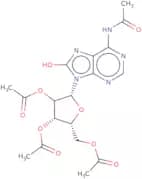
N6-Acetyl-2',3',5'-tri-O-acetyl-8-hydroxyadenosine is a modified nucleoside that is used in the synthesis of oligonucleotides. It is an activator with antiviral and anticancer properties, as well as various other biological activities. The CAS number for this product is 91359-02-2. The purity of this product ranges from 99% to 100%. This chemical has not been previously synthesized and has not been modified by any substituents or moieties.
Formule :C18H21N5O9Degré de pureté :Min. 95%Couleur et forme :PowderMasse moléculaire :451.39 g/mol8-Azido-ATP-γ-biotin sodium
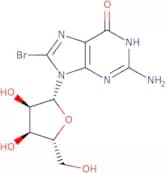
8-Azido-ATP is a novel nucleoside that has been shown to be an activator of DNA and RNA synthesis in human cells. It is synthesized by the enzymatic transfer of a gamma-biotin moiety from ATP to dATP, resulting in 8-azido-ATP. This drug has antiviral and anticancer activity and has been shown to inhibit the replication of HIV. The 8-azido-ATP can be used as an activator for purine nucleotide incorporation into DNA or RNA, which may help with cancer treatment or prevention. 8-Azido-ATP also inhibits the growth of certain viruses, such as herpes simplex virus type 1 (HSV1) and cytomegalovirus (CMV).Formule :C25H41N12O14P3S•NaxDegré de pureté :Min. 95%Couleur et forme :White/Off-White SolidMasse moléculaire :858.65 g/mol8-Bromoguanosine
CAS :8-Bromoguanosine (8BrG) is a potent inhibitor of cyclase enzymes that lead to the formation of cyclic guanosine monophosphate (cGMP). It has been shown to inhibit signal pathways, such as those regulated by the G protein-coupled receptor (GPCR), which are activated by the 2-adrenergic receptor. 8BrG has been shown to be effective against C. glabrata and other fungi and has been used in experimental models for infectious diseases.
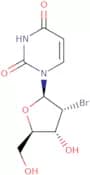
Formule :C10H12BrN5O5Degré de pureté :Min. 95%Couleur et forme :White PowderMasse moléculaire :362.14 g/mol2'-Bromo-2'-deoxyuridine
CAS :2'-Bromo-2'-deoxyuridine is a synthetic nucleoside analog of deoxyuridine, in which the 2'-hydroxyl group of the ribose sugar is replaced with a bromine atom (Br) at the 2' position. This modification allows it to be incorporated into DNA during DNA synthesis, where it can replace the normal thymidine. This molecule can potentially be used in molecular biology and cell biology as a thymidine analog to study DNA replication, cell proliferation, and DNA repair.
Formule :C9H11BrN2O5Degré de pureté :Min. 95%Couleur et forme :PowderMasse moléculaire :307.1 g/mol2,2'-Anhydro-5'-O-toluoyluridine
2,2'-Anhydro-5'-O-toluoyluridine is a synthetic nucleoside analog that is used as an antiviral agent for the treatment of herpes simplex virus. It activates ribonucleotide reductase and inhibits DNA synthesis by inhibiting the enzyme DNA polymerase. 2,2'-Anhydro-5'-O-toluoyluridine has been shown to be active against colon cancer cells in vitro and in vivo. This drug has also been shown to inhibit the growth of certain types of leukemia cells and may be useful in treating patients with chronic myeloid leukemia.
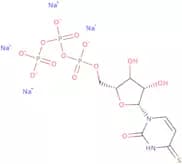
Formule :C17H16N2O6Degré de pureté :Min. 95%Masse moléculaire :344.32 g/mol4-Thiouridine-5'-triphosphate sodium salt - aqueous solution
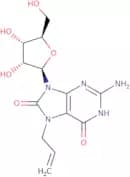
CAS :4-Thiouridine-5'-triphosphate sodium salt - aqueous solution (4TUTP) is an analog of uridine and can be used as a template for the synthesis of single-stranded DNA. 4TUTP has been shown to have a high affinity for dsDNA, allowing it to form a ternary complex with DNA polymerase and single-stranded DNA template. 4TUTP can also be used to prepare samples for profiling experiments or other molecular studies. It is reactive, so should be handled with caution in order to avoid unwanted crosslinking. 4TUTP may also be used in chloroplast research.Formule :C9H15N2O14P3S·xNaDegré de pureté :Min. 95 Area-%Couleur et forme :Clear LiquidMasse moléculaire :500.20 g/mol7-Allyl-7,8-dihydro-8-oxoguanosine
CAS :Agonist of toll-like receptors TLR7
Formule :C13H17N5O6Degré de pureté :Min. 95%Couleur et forme :White PowderMasse moléculaire :339.3 g/mol4’-C-Methyl-2-thiouridine
CAS :4’-C-Methyl-2-thiouridine is an activator that has anticancer properties. It is a modified nucleoside with antiviral and antifungal activities, which has been shown to inhibit the growth of human tumor cells in vitro. 4’-C-methyl-2-thiouridine is able to inhibit viral replication in vitro and has been shown to be active against herpes simplex virus type 1 (HSV1) and herpes simplex virus type 2 (HSV2). Interestingly, this compound was found to have no effect on the intracellular levels of thymidine kinase or on cellular DNA synthesis.
Formule :C10H14N2O5SDegré de pureté :Min. 95%Masse moléculaire :274.29 g/molN6-Benzoyl-2'-O-methyladenosine
CAS :N6-Benzoyl-2'-O-methyladenosine is a novel nucleoside that has been synthesized by chemical modification of adenosine. It is an activator of the ribonucleotide reductase enzyme and is currently being studied as an anticancer and antiviral agent. N6-Benzoyl-2'-O-methyladenosine has shown antitumor activity against human breast cancer cells in vitro and in vivo, inhibiting tumor growth. It also inhibits the replication of herpes simplex virus type 1 (HSV1) and type 2 (HSV2).
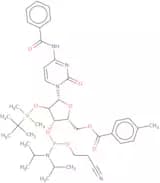
Formule :C18H19N5O5Masse moléculaire :385.37 g/molN4-Benzoyl-2'-O-tert-butyldimethylsilyl-5'-O-toluoylcytidine 3'-CE phosphoramidite
N4-Benzoyl-2'-O-tert-butyldimethylsilyl-5'-O-toluoylcytidine 3'-CE phosphoramidite is an anticancer agent that acts by inhibiting the formation of DNA and RNA. It is a nucleoside analogue that has been modified to contain a benzoyl group at the 2' carbon atom, which leads to increased cytotoxicity. N4-Benzoyl-2'-O-tert-butyldimethylsilyl-5'-O-toluoylcytidine 3'-CE phosphoramidite is a synthetic nucleoside analogue with novel properties. It inhibits the synthesis of DNA and RNA in cells, which may be due to its ability to inhibit DNA polymerases and ribonucleases.
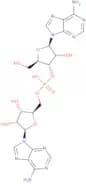
Formule :C39H54N5O8PSiDegré de pureté :Min. 95%Masse moléculaire :779.95 g/molAdenylyl-3'-5'-adenosine ammonium salt
CAS :Adenylyl-3'-5'-adenosine ammonium salt is a novel and activator. CAS No. 21027-46-3. Ribonuclesides, Deoxyribonucleosides, diphosphate, Phosphoramidites, Modified, Anticancer, Antiviral, monophosphate, Nucleosides, Synthetic. High quality and high purity.
Formule :C20H25N10O10PDegré de pureté :Min. 95%Masse moléculaire :596.45 g/mol4-Amino-7-(β-D-ribofuranosyl)-7H-pyrrolo[2.3-d]pyrimidine-5-carboxylic acid
CAS :4-Amino-7-(β-D-ribofuranosyl)-7H-pyrrolo[2.3-d]pyrimidine-5-carboxylic acid (4AP) is a bioactive molecule that is used for the prophylaxis and/or treatment of viruses, such as influenza virus. It is also found in plants and is an intermediate metabolite in lysine conjugation reactions. 4AP may be used to inhibit viral infections by blocking viral protein synthesis at the ribosome level, inhibiting viral RNA polymerase, or by interfering with the assembly of virion components. 4AP has been shown to have antihypertensive properties and may have other therapeutic effects on diabetes and obesity.
Formule :C12H14N4O6Degré de pureté :Min. 95%Couleur et forme :PowderMasse moléculaire :310.26 g/molN6-Benzoyl-3'-O-benzyl-5'-O-DMT-adenosine
CAS :N6-Benzoyl-3'-O-benzyl-5'-O-DMT-adenosine is a modified nucleoside that is synthesized by the phosphoramidite method. It has antiviral activity and can be used as an anticancer drug. N6-Benzoyl-3'-O-benzyl-5'-O-DMT-adenosine has been shown to inhibit the growth of cancer cells in vitro. The compound also inhibits DNA replication, RNA synthesis, and protein synthesis.
Formule :C45H41N5O7Degré de pureté :Min. 95%Masse moléculaire :763.84 g/mol5-Carboxy-2’-deoxycytidine
CAS :Please enquire for more information about 5-Carboxy-2’-deoxycytidine including the price, delivery time and more detailed product information at the technical inquiry form on this page
Formule :C10H13N3O6Masse moléculaire :271.23 g/mol9-(3'-O-Methyl-b-D-xylofuranosyl)adenine
9-(3'-O-methyl-β-D-xylofuranosyl)adenine is a synthetic nucleoside that is an activator of viral DNA polymerase. 9-(3'-O-methyl-β-D-xylofuranosyl)adenine is a novel nucleoside that has been shown to be active against both DNA and RNA viruses. This compound also has anticancer activity. 9-(3'-O-methyl-β-D-xylofuranosyl)adenine is the phosphorylated form of adenine and has high purity and quality. The CAS number for this product is 53110-86-2.
Degré de pureté :Min. 95%Cytidine 5'-triphosphate disodium salt
CAS :Please enquire for more information about Cytidine 5'-triphosphate disodium salt including the price, delivery time and more detailed product information at the technical inquiry form on this page
Formule :C9H14N3Na2O14P3Degré de pureté :Min. 97 Area-%Masse moléculaire :527.12 g/mol3'-Azido-3'-deoxythymidine-b-D-glucuronide sodium salt
CAS :3'-Azido-3'-deoxythymidine-b-D-glucuronide sodium salt is an antiviral and anticancer agent that inhibits the synthesis of DNA, RNA, and protein. It has shown to be effective against a variety of viruses including HIV-1, herpes simplex virus type 1, influenza A virus, vaccinia virus, and vesicular stomatitis virus. 3'-Azido-3'-deoxythymidine-b-D-glucuronide sodium salt also inhibits the growth of cancer cells in vitro. This drug is a modified nucleoside with a phosphoramidite backbone and a 3'-azido group at one end. The other end contains a beta D glucuronic acid moiety. The modifications allow for the inhibition of DNA synthesis by blocking the incorporation of deoxyribonucleotides into DNA chains.
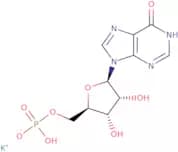
Formule :C16H20N5NaO10Degré de pureté :Min. 95%Couleur et forme :PowderMasse moléculaire :465.35 g/molPolyinosinic acid tripotassium salt
CAS :Polyinosinic acid is a single stranded RNA analog which is combined with polycytidylic acid (poly C) to form a stable duplex structure known as Polyinosinic acid-polycytidylic acid (Poly I:C). PolyI:C stimulates the secretion of pro-inflammatory cytokines and type I interferon through its interaction with endosomal Toll-like receptor 3 (TLR-3) and the cytoplasmic receptors melanoma differentiation-associated gene 5 (MDA-5) and retinoic acid-inducible gene I (RIG-I). This immunostimulant activity makes Poly I:C a useful vaccine adjuvant and is used in vaccine formulations. Poly I:C and its stabilized analogs (e.g., poly-ICLC) are also being actively researched for their dual role in oncology: directly targeting tumors and acting as immune potentiators. For example Poly I:C can induce apoptosis in tumor cells and stimulate immunogenic cell death and is therefore being explored alongside chemotherapy, radiotherapy, and checkpoint inhibitors, helping to overcome resistance mechanisms and strengthen treatment outcomes. We can supply PolyI:C to all stages of your project - from R&D and preclinical phases right up to GMP commercial manufacture. Contact our team for custom Poly I:C products.
For more on poly I:C read out blog 'Poly I:C: A Vaccine Adjuvant With Oncological Potential.'Degré de pureté :Min. 95%5-(Aminomethyl)-2-thiouridine
CAS :5-(Aminomethyl)-2-thiouridine is a bifunctional molecule that can be used in chromatography and as a precursor for the epigenetic modifications of DNA. 5-(Aminomethyl)-2-thiouridine has been shown to have an effect on the methyltransferase pathway, which is involved in the epigenome. This molecule has also been shown to affect the growth rate of bacteria in vitro.
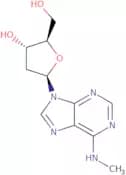
Formule :C10H15N3O5SDegré de pureté :Min. 95%Masse moléculaire :289.31 g/mol2'-Deoxy-N6-methyladenosine
CAS :2'-Deoxy-N6-methyladenosine (2DMA) is a nucleoside that has been found to inhibit the phosphorylation of p2y receptors in rat kidney cells. 2DMA inhibits the production of collagen, which may have a matrix effect on cells. Studies have shown that 2DMA can be used as a sample preparation reagent for nuclear DNA. It has also been shown to be effective at inhibiting transcription and replication of human mitochondrial DNA.
Formule :C11H15N5O3Degré de pureté :Min. 95%Couleur et forme :White PowderMasse moléculaire :265.27 g/mol5-Methyl-2',3'-stannyluridine
5-Methyl-2',3'-stannyluridine is a nucleoside analog that is a potent inhibitor of viral replication and can be used for the treatment of HIV. It has been shown to inhibit the activity of RNA polymerase, thereby preventing transcription and replication. 5-Methyl-2',3'-stannyluridine also inhibits DNA synthesis by inhibiting the activity of DNA polymerase. This drug also acts as an antitumor agent and has been shown to inhibit tumor growth in animal models. The high purity of this drug makes it suitable for use in pharmaceutical applications.
5-Methyl-2',3'-stannyluridine is a modified nucleoside that has been modified with a stannyl group at the 2' position on the sugar moiety and an allyl group at the 3' position on the sugar moiety. The phosphoramidites are synthesized from 5-methyl-2',3'-stannylDegré de pureté :Min. 95%Ammonium 4-nitrobenzoate dihydrate
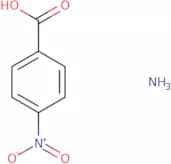
CAS :Ammonium 4-nitrobenzoate dihydrate is a corrosion inhibitor that prevents the corrosion of metal parts and other materials. It is used in the production of plastics, coatings, adhesives, and lubricants. The corrosion inhibition activity of aminobenzoates can be attributed to their ability to form hydrogen phosphate (HPO) anions as well as their ability to complex with metal ions. The hydration process is also important for the corrosion inhibition activity of ammonium 4-nitrobenzoate dihydrate. This process involves the release of water molecules from the ammonium salt, which provide a protective coating around the metal surface. Ammonium 4-nitrobenzoate dihydrate also has additive properties that are beneficial for other industrial applications such as antistatic agents, surfactants, and stabilizers.
Degré de pureté :Min. 95%Nonadecanoyl coenzyme A
CAS :Nonadecanoyl coenzyme A is a fatty acid that is produced by the bovine liver and has been shown to have anabolic effects. Nonadecanoyl CoA is involved in the synthesis of various lipids, such as phospholipids, cholesterol, and glycolipids. It also plays a role in biosynthesis of fatty acids and in regulating ATP production. Nonadecanoyl CoA is synthesized from acetate by the enzyme acetyl-CoA carboxylase (ACC). ACC catalyzes the conversion of acetyl-CoA to malonyl-CoA, which can then be used for fatty acid synthesis. Nonadecanoyl CoA has been found to play an important role in regulating mitochondrial function through its ability to activate long-chain acyl-CoAs desaturase (LCAD). LCAD converts long-chain acyl-CoAs into their corresponding dicarboxylic acids.
Formule :C40H72N7O17P3SDegré de pureté :Min. 95%Masse moléculaire :1,048.02 g/mol2'-O-Hexylaminoguanosine
2'-O-Hexylaminoguanosine is a modified nucleoside that has antiviral properties. It is an activator of the human immune system and is used to treat cancer. 2'-O-Hexylaminoguanosine inhibits the synthesis of DNA by phosphoramidite addition to the monophosphate form of guanosine, which prevents RNA synthesis and therefore also protein synthesis. It also has anticancer effects by inhibiting the growth of cells in culture.
Degré de pureté :Min. 95%N4-Benzoyl-2'-deoxy-3'-O-levulinoylcytidine
N4-Benzoyl-2'-deoxy-3'-O-levulinoylcytidine is a nucleoside that is used as an antiviral and anticancer agent. It is a modified deoxyribonucleoside that has antiviral activity against HSV-1, HSV-2, and HIV. N4-Benzoyl-2'-deoxy-3'-O-levulinoylcytidine also has anticancer effects against leukemia cells in mice. This drug is synthesized from 2′,3′,5′triacetyladenosine by the reaction of 4-(1H)-benzoyloxymethyl)phenylacetic acid with triethylamine and levulinic acid chloride.
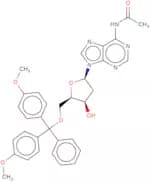
Formule :C21H23N3O7Degré de pureté :Min. 95%Masse moléculaire :429.43 g/molN6-Acetyl-2'-deoxy-5'-O-DMT-adenosine
N6-Acetyl-2'-deoxy-5'-O-DMT adenosine is a modified nucleoside that can be used as an antiviral or anticancer agent. It has been shown to inhibit the replication of HIV in vitro and in vivo, and also inhibits the replication of hepatitis B virus. N6-Acetyl-2'-deoxy-5'-O-DMT adenosine is active against cancer cells in vitro and inhibits the growth of human breast cancer xenografts in athymic mice. This compound also has high purity, high quality, and novel properties.
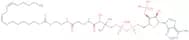
Formule :C33H33N5O6Degré de pureté :Min. 95%Masse moléculaire :595.65 g/molLinoleoyl coenzyme A
CAS :Linoleoyl coenzyme A (LCA) is a fatty acid that is a component of the cell membrane. LCA is synthesized from linoleic acid and coenzyme A in the mitochondria. In humans, LCA is an important component of the mitochondrial protein. The production of this enzyme can be enhanced by dietary supplementation with linoleic acid. Linoleoyl coenzyme A has been used as a model system to study energy metabolism in mitochondria. It has been shown to be involved in carthamus tinctorius, human mitochondrial, rat liver microsomes, and dietary models. LCAs have also been used as analytical methods for measuring the amount of fatty acids within cells or tissues.
Formule :C39H66N7O17P3SDegré de pureté :Min. 95%Masse moléculaire :1,029.97 g/molCytidine 5'-monophosphate sodium salt
CAS :Cytidine 5'-monophosphate sodium salt is a nucleotide that is found in RNA and DNA. Cytidine 5'-monophosphate sodium salt is an intermediate in the biosynthesis of uridine, choline, and saccharose. It also plays an important role in the immune system as it can be a precursor for immunoglobulins. The reaction rate of cytidine 5'-monophosphate sodium salt with lipase has been shown to be constant at pH 7.5-8.0 and 37°C. This product has been shown to have emulsifying properties by forming micelles with water-immiscible solvents such as hexane or heptane, which may be due to its ability to form hydrogen bonds with other molecules such as saccharose or guanosine. Cytidine 5'-monophosphate sodium salt can also be used as a chromatographic material for separating saccharose from other sugars
Formule :C9H14N3O8P·xNaDegré de pureté :Min. 95 Area-%Couleur et forme :White Off-White PowderMasse moléculaire :323.2 g/mol3'-Deoxy-L-thymidine
CAS :3'-Deoxy-L-thymidine is a nucleoside analog that inhibits HIV replication by interfering with the synthesis of viral DNA. The drug binds to the enzyme thymidine phosphorylase, which converts thymidine into deoxyuridine monophosphate, and prevents conversion of deoxyuridine to deoxythymidine monophosphate. This leads to inhibition of both DNA synthesis and the production of RNA. 3'-Deoxy-L-thymidine has dose-limiting toxicity at high doses and is not active against other viruses such as herpes simplex virus or cytomegalovirus. It is metabolized in the liver by enzymes such as 5-fluorocytosine, which converts it into its active form, 5-fluorouracil.
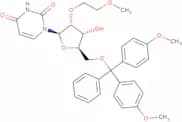
Formule :C10H14N2O4Degré de pureté :Min. 95%Masse moléculaire :226.23 g/mol5'-O-DMT-2'-O-(2-methoxyethyl)uridine
CAS :5'-O-DMT-2'-O-(2-methoxyethyl)uridine is a modified nucleoside that is an antiviral and anticancer agent. It was first synthesized in the early 1980s, and has been shown to be active against a variety of viruses, such as herpes simplex virus (HSV), varicella zoster virus (VZV), cytomegalovirus (CMV), hepatitis B virus (HBV), and Epstein-Barr virus (EBV). 5'-O-DMT-2'-O-(2-methoxyethyl)uridine inhibits the growth of cancer cells by interfering with DNA synthesis. This drug also has been shown to be an activator for DNA polymerases and is used as a building block for antiretroviral drugs.
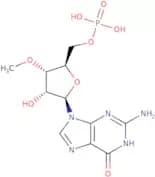
Formule :C33H36N2O9Degré de pureté :Min. 95%Masse moléculaire :604.65 g/mol3'-O-Methyl-5'-guanylic acid
CAS :3'-O-Methyl-5'-guanylic acid is a novel antiviral, synthetic deoxyribonucleoside which is activated by phosphoramidites to produce 3'-O-methyl-5'-guanylic acid phosphoramidite. It has high purity and quality and can be used as a nucleoside activator for DNA synthesis. 3'-O-Methyl-5'-guanylic acid has been shown to be an anticancer agent that inhibits the growth of cancer cells in vitro by inhibiting DNA synthesis and cell division. This drug also has a potential use as an antiviral agent.
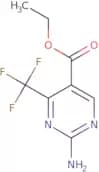
Formule :C11H16N5O8PDegré de pureté :Min. 95%Masse moléculaire :377.25 g/molEthyl 2-amino-4-(trifluoromethyl)pyrimidine-5-carboxylate
CAS :Ethyl 2-amino-4-(trifluoromethyl)pyrimidine-5-carboxylate is a small molecule that is a potent inhibitor of diacylglycerol acyltransferase. The compound has been shown to be an efficient inhibitor of this enzyme, which is involved in the synthesis of diacylglycerol. Diacylglycerol acyltransferase catalyzes the transfer of an acyl group from an acyl-carrier protein (ACP) to glycerol 3-phosphate, forming lysophosphatidic acid and releasing CoA. The inhibition of this enzyme leads to drastically reduced levels of diacylglycerol, which may have implications for the treatment of metabolic syndrome and diabetes.
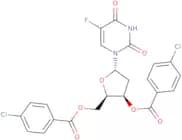
Formule :C8H8F3N3O2Degré de pureté :Min. 95%Masse moléculaire :235.16 g/mol3',5'-Di-O-p-chlorobenzoyl-2'-deoxy a-5-fluorouridine
CAS :3',5'-Di-O-p-chlorobenzoyl-2'-deoxy a-5-fluorouridine is a nucleoside that is used in the antiviral drug Aciclovir. It is an analog of 2'-deoxyadenosine and inhibits viral DNA synthesis by acting as a chain terminator. 3',5'-Di-O-p-chlorobenzoyl-2'-deoxy a-5-fluorouridine has shown some anticancer activity against human tumor cells in culture, but its mechanism of action is not well understood.
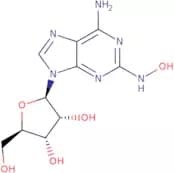
Formule :C23H17Cl2FN2O7Degré de pureté :Min. 95%Masse moléculaire :523.29 g/mol2-Hydroxyaminoadenosine
CAS :2-Hydroxyaminoadenosine (2-HAA) is a novel nucleoside that is used as an activator of ribonucleotide reductase. It has been shown to be effective against cancer cells in vitro and in vivo. 2-HAA also inhibits the synthesis of viral DNA, which may be due to its ability to inhibit the ribonuclease activity of the virus. 2-HAA has also been shown to have antiviral activity against herpes simplex virus type 1 (HSV-1).
Formule :C10H14N6O5Degré de pureté :Min. 95%Masse moléculaire :298.26 g/mol3',5'-O-[Tetrakis(1-methylethyl)-1,3-disiloxanediyl]-guanosine
CAS :3',5'-O-[Tetrakis(1-methylethyl)-1,3-disiloxanediyl]-guanosine is a nucleoside phosphoramidite that is synthesized by the reaction of 3',5'-O-[Tetrakis(trimethylsiloxy)silyl]guanosine with tetrakis(1-methylethyl) siloxane. It is a novel monophosphate analogue of guanosine and has antiviral, anticancer and activator properties. 3',5'-O-[Tetrakis(1-methylethyl)-1,3-disiloxanediyl]-guanosine is not toxic to cells and can be used in the treatment of cancer.
Formule :C22H39N5O6Si2Degré de pureté :Min. 95%Masse moléculaire :525.75 g/mol8-Aminoadenosine-5'-triphosphate sodium salt - 10mM aqueous solution
CAS :8-Aminoadenosine-5'-triphosphate sodium salt is a phosphoramidite that is used to synthesize antiviral nucleosides. It is a high quality product that can be used as an activator in the synthesis of ribonucleosides and deoxyribonucleosides. 8-Aminoadenosine-5'-triphosphate sodium salt has been shown to inhibit the growth of cancer cells.Formule :C10H17N6O13P3·xNaDegré de pureté :Min. 95%Masse moléculaire :522.2 g/mol2',3'-Dideoxyadenosine-5'-triphosphate lithium salt - 100mM aqueous solution
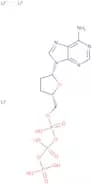
CAS :2',3'-Dideoxyadenosine-5'-triphosphate lithium salt is a novel antiviral nucleoside that has the potential to be used in the treatment of various viral infections. It is synthesized from 2',3'-dideoxyadenosine monophosphate and lithium salt, and has been shown to have high antiviral activity against DNA viruses such as herpes simplex virus and adenovirus. It also inhibits the replication of RNA viruses such as influenza A virus, vesicular stomatitis virus, and measles virus. 2',3'-Dideoxyadenosine-5'-triphosphate lithium salt is a modified nucleoside that is phosphoramidite activated with a group at the 2' position on the ribose sugar. The phosphate group can be removed by hydrolysis or enzymatic catalysis, which leaves behind an unsaturated sugar moiety. This leads to an increased rate of incorporation into
Formule :C10H12N5O11P3·4LiDegré de pureté :Min. 95%Couleur et forme :PowderMasse moléculaire :498.91 g/mol2-Methylthio-6-chloropurine
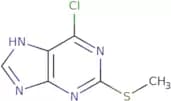
CAS :2-Methylthio-6-chloropurine riboside is a nucleotide analog that is used as a substrate to study the enzymatic modification of RNA. The compound has been synthesized by reacting 2-methylthio-6-chloropurine with ribose and purine bases in a postsynthetic modification. To detect the product, 2-methylthio-6-chloropurine riboside was labeled with 32P and then detected using mass spectrometry. In order to identify the structure of this compound, it was subjected to chromatography and spectroscopy. This process allowed for the identification of 2-methylthio-6-chloropurine riboside as an analog of N6 methyladenosine.
Formule :C6H5CIN4SDegré de pureté :Min. 95%Masse moléculaire :304.11 g/mol3'-Azido-3'-deoxythymidine-methyl-D3-b-D-glucuronide sodium salt
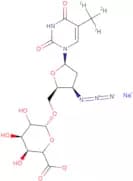
Produit contrôlé3'-Azido-3'-deoxythymidine-methyl-D3-b-D-glucuronide sodium salt is a novel antiviral nucleoside phosphoramidite that has been shown to be an effective activator in the synthesis of diphosphate and triphosphate analogs. The novel antiviral nucleoside phosphoramidite was synthesized from 3'-azido-3'-deoxythymidine, methyl bromoacetate and sodium hydroxide in methanol at room temperature. It is structurally similar to the natural nucleosides, deoxyribonucleosides and ribonucleosides with modifications on the sugar moiety and phosphate group. This compound is a high quality synthetic material for use in pharmaceutical research, as an anticancer agent and as a potential antiviral drug.Formule :C16H17D3N5NaO10Degré de pureté :Min. 95%Couleur et forme :PowderMasse moléculaire :468.36 g/mol5-Bromo-2-methylsulfanyl-pyrimidine-4-carboxylic acid
CAS :5-Bromo-2-methylsulfanyl-pyrimidine-4-carboxylic acid is a pyrimidine derivative that inhibits protein kinases. The compound has been shown to inhibit the activity of protein kinase C, which is involved in mediating inflammatory responses, and phosphorylation of the insulin receptor substrate 1. 5-Bromo-2-methylsulfanyl-pyrimidine-4-carboxylic acid is an efficient inhibitor of kinases and can be used as a lead compound for the development of new compounds with therapeutic potential.Formule :C6H5BrN2O2SDegré de pureté :Min. 95%Masse moléculaire :249.09 g/molN6-Benzoyl-8-benzyloxy-2'-deoxyadenosine
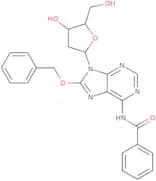
CAS :N6-Benzoyl-8-benzyloxy-2'-deoxyadenosine is a novel nucleoside with anticancer and antiviral properties. It is an antiviral that inhibits the synthesis of viral DNA by blocking the incorporation of ribonucleotide triphosphates into DNA, while leaving intact the synthesis of deoxyribonucleotides and phosphoramidites. In addition, it is a potent inhibitor of cellular DNA polymerases that catalyze synthesis of DNA from deoxyribonucleoside triphosphates. N6-Benzoyl-8-benzyloxy-2'-deoxyadenosine also has antitumor activity in animal models.
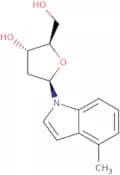
Formule :C24H23N5O5Degré de pureté :Min. 95%Masse moléculaire :461.5 g/mol1-(2-Deoxy-b-D-ribofuranosyl)-4-methylindole
CAS :1-(2-Deoxy-b-D-ribofuranosyl)-4-methylindole is a nucleoside that can be used as an activator for phosphoramidite synthesis. It is also known to have antiviral, anticancer, and antimalarial properties. 1-(2-Deoxy-b-D-ribofuranosyl)-4-methylindole has been shown to inhibit the proliferation of human leukemia cells in culture. It has also been shown to suppress HIV replication in vitro by inhibiting viral RNA synthesis.Formule :C14H17NO3Degré de pureté :Min. 95%Masse moléculaire :247.3 g/molN6-Benzoyl-2'-deoxy-5'-O-DMT adenosine-3'-Q Linker CPG 1000 Å
N6-benzoyl-2'-deoxy-5'-O-DMT adenosine-3'-Q Linker CPG 1000 Å is a novel nucleoside with antiviral activity. It is synthesized by the condensation of 2'-deoxyadenosine monophosphate and 3'-Q linker CPG 1000 Å. The molecular weight of N6-benzoyl-2'-deoxy-5'-O-DMT adenosine-3'-Q Linker CPG 1000 Å is 878.36 g/mol, and its CAS number is 628674-06-4. This substance has antiviral activity against herpes simplex virus type 1 (HSV1) and herpes simplex virus type 2 (HSV2). N6-benzoyl-2'-deoxy-5'-O-DMT adenosine can be used as an anticancer drug because it inhibits the growth
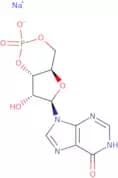
Degré de pureté :Min. 95%Inosine-3',5'-cyclic-monophosphate sodium
CAS :Inosine-3',5'-cyclic-monophosphate sodium (cIMP) is a metabolite of inosine and is generated by the enzyme inosine monophosphate cyclohydrolase. cIMP has been shown to be related to colorectal adenocarcinoma, cancer, and body mass index. It has also been implicated in the diagnosis of cancer and infectious diseases. cIMP is involved in energy metabolism and DNA synthesis, which are important for the progression of renal cell cancer. In addition, it has been shown that cIMP can function as a biomarker for prognosis when used with multivariate logistic regression.Formule :C10H11N4O7P·NaDegré de pureté :Min. 95%Masse moléculaire :353.18 g/mol8-(2-Deoxy-b-D-ribofuranosyl)-imidazo[1,2-a]-1,3,5-triazine-2,4(3H,8H)-dione
CAS :8-(2-Deoxy-b-D-ribofuranosyl)-imidazo[1,2-a]-1,3,5-triazine-2,4(3H,8H)-dione is a monophosphate nucleotide analog that inhibits viral DNA polymerases. It is a novel and high quality nucleoside phosphoramidite. 8-(2-Deoxy-b-D-ribofuranosyl)-imidazo[1,2-a]-1,3,5-triazine-2,4(3H,8H)-dione is synthesized from 2'-deoxyribonucleosides and modified ribonucleosides. The CAS number for the compound is 35763855 2.
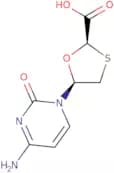
Formule :C10H12N4O5Degré de pureté :Min. 95%Masse moléculaire :268.23 g/molrac-Lamivudine acid
CAS :Lamivudine is an antiviral drug that is used as a nucleoside analogue. It is a prodrug that is converted to its active form, which inhibits the viral enzyme reverse transcriptase by interfering with the synthesis of viral DNA. Racemic lamivudine acid (LAM) crystallizes in the form of chains with hydrogen bonds oriented in an impurity plane. The LAM molecule has two substituents, one carboxylate and one oxathiolane group.
Formule :C8H9N3O4SDegré de pureté :Min. 95%Masse moléculaire :243.24 g/molPyrimidine-4-carboxylic acid hydrazide
CAS :Pyrimidine-4-carboxylic acid hydrazide (PCAH) is an antimycobacterial agent that inhibits the growth of Mycobacterium tuberculosis and other related species. PCAH is a ligand that binds to redox active metal ions, forming a supramolecular complex. The carboxyl group on PCAH reacts with the hydroxide ion in the presence of water to produce hydrogen peroxide, which in turn oxidizes the mycolic acids in the cell wall of M. tuberculosis, leading to cell death. The pyridine ring on PCAH is nucleophilic and can react with nucleophiles such as thiols or amines, which are found in proteins or peptides. This reaction results in nucleophilic substitutions, which inhibit bacterial protein synthesis and lead to cell death.Formule :C5H6N4ODegré de pureté :Min. 95%Masse moléculaire :138.13 g/mol7-Benzyl-4-chloro-5,6,7,8-tetrahydropyrido[3,4-d]pyrimidine
CAS :7-Benzyl-4-chloro-5,6,7,8-tetrahydropyrido[3,4-d]pyrimidine is a nucleoside analog that is used as an antiviral and anticancer drug. It has also been shown to have antimalarial activity. 7-Benzyl-4-chloro-5,6,7,8-tetrahydropyrido[3,4-d]pyrimidine inhibits the replication of HIV by blocking the viral reverse transcriptase enzyme. This drug is a phosphoramidite monophosphate with a purity of 99%.
Formule :C14H14ClN3Degré de pureté :Min. 95%Masse moléculaire :259.73 g/mol6-Amino-1-methyluracil
CAS :6-Amino-1-methyluracil is a synthetic drug that is used in the treatment of inflammatory diseases, including rheumatoid arthritis and psoriasis. It is also used to treat cancer, such as leukemia and in the treatment of bacterial infections. 6-Amino-1-methyluracil inhibits the synthesis of DNA by inhibiting the enzyme thymidylate synthetase. This inhibition prevents DNA replication and transcription, which leads to cell death. 6-Amino-1-methyluracil binds to cellular proteins through its amino group and hydroxyl group, which are not involved in its chemical reactions. 6-Amino-1-methyluracil has shown great promise as a template molecule for the synthesis of new drugs.
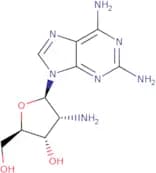
Degré de pureté :Min. 95%2,6-Diamino-9-(2'-amino-2'-deoxy-b-D-ribofuranosyl)purine
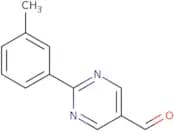
CAS :2,6-Diamino-9-(2'-amino-2'-deoxy-b-D-ribofuranosyl)purine (dAraMP) is a novel nucleoside analogue that was synthesized and characterized. It has been shown to inhibit the growth of cancer cells in vitro. dAraMP is a monophosphate analogue of 2,6-diamino-9-(2'-deoxy-b-D-ribofuranosyl)purine (dAraP). The modified phosphoramidite approach used in its synthesis yielded high purity and yields. This product is also available as a diphosphate analogue of 2,6 diamino 9-(2'-amino 2'-deoxy b D ribofuranosyl) purine (dAMP). The diphosphate form of this product has been shown to be an activator for DNA polymerase.Formule :C10H15N7O3Degré de pureté :Min. 95%Couleur et forme :White To Off-White SolidMasse moléculaire :281.28 g/mol2-(3-Methylphenyl)pyrimidine-5-carbaldehyde
CAS :2-(3-Methylphenyl)pyrimidine-5-carbaldehyde is a monophosphate nucleoside analog that can be used as an antiviral drug. It has shown cytotoxic activity against cells with a high DNA content, and it inhibits the synthesis of RNA and DNA. This compound could be useful for the treatment of HIV and other viral diseases.Formule :C12H10N2ODegré de pureté :Min. 95%Masse moléculaire :198.22 g/mol5-Aminoallyl 2'-deoxycytidine-5'-triphosphate lithium, 100mM aqueous solution
5-Aminoallyl 2'-deoxycytidine-5'-triphosphate lithium salt - 100mM aqueous solution is a novel modified nucleoside that can be activated to the corresponding phosphoramidite.
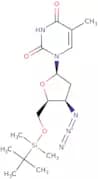
Formule :C12H17N4O13P3•Li4Degré de pureté :Min. 95%Couleur et forme :Clear LiquidMasse moléculaire :545.97 g/mol3'-Azido-5'-O-tert-butyldimethylsilyl-3'-deoxythymidine
CAS :3'-Azido-5'-O-tert-butyldimethylsilyl-3'-deoxythymidine (BUdR) is an antiviral agent that is used in the synthesis of DNA and RNA. BUdR is a modified phosphoramidite that is activated with diphosphate. It has a high quality, high purity, and a novel structure. BUdR has been shown to have anticancer properties as well as inhibitory effects on HIV production in cells.
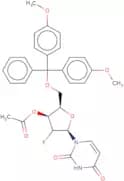
Formule :C16H27N5O4SiDegré de pureté :Min. 95%Masse moléculaire :381.51 g/mol3'-O-Acetyl-2'-deoxy-5'-O-DMT-2'-fluorouridine
3'-O-Acetyl-2'-deoxy-5'-O-DMT-2'-fluorouridine is a novel, activator, ribonucleosides, deoxyribonucleosides, diphosphate, phosphoramidites, modified nucleosides. It can be used as an anticancer and antiviral agent.
Formule :C32H31FN2O8Degré de pureté :Min. 95%Masse moléculaire :590.6 g/mol3'-O-Aminoacetoxythymidine 5'-O-triphosphate triethylammonium salt
Please enquire for more information about 3'-O-Aminoacetoxythymidine 5'-O-triphosphate triethylammonium salt including the price, delivery time and more detailed product information at the technical inquiry form on this page
Formule :C13H22N3O14P3•(C6H15N)xDegré de pureté :Min. 99 Area-%Couleur et forme :PowderMasse moléculaire :537.25 g/mol5-[4-(4,4,5,5-tetramethyl-[1,3,2]dioxaborolan-2-yl)-benzylidene]-pyrimidine-2,4,6-trione
Ribonuclease is an enzyme that cleaves the phosphodiester backbone of ribonucleotide to produce a 5'-phosphate and a 2'-deoxyribonucleoside. Ribonuclease is an activator that activates the synthesis of ribonucleotides, deoxyribonesucleotides and nucleosides. Ribonuclease has antiviral properties which may be due to its ability to inhibit DNA polymerase by catalyzing the hydrolysis of the 2'-deoxyribose-5'-phosphate bond in DNA. Ribonuclease has also been shown to have anticancer activity, which may be due to its ability to inhibit protein synthesis.
Degré de pureté :Min. 95%2'-Deoxy-5'-O-DMT-N2-isobutyryl-guanosine-3'-lcaa-CPG
2'-Deoxy-5'-O-DMT-N2-isobutyryl-guanosine-3'-lcaa-CPG is a modified nucleoside, which is synthetically prepared. It is an activator of DNA polymerase and has been shown to be active against human leukemia cells. 2'-Deoxy-5'-O-DMT-N2-isobutyryl Guanosine 3'-lcaa CPG has also been shown to inhibit the replication of the herpes simplex virus type 1 in vitro. The compound is a novel high quality nucleoside phosphoramidite that can be used as a building block in the synthesis of deoxyribonucleosides and modified nucleosides with novel chemical structures.
Degré de pureté :Min. 95%Guanosine hydrate
CAS :Please enquire for more information about Guanosine hydrate including the price, delivery time and more detailed product information at the technical inquiry form on this page
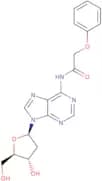
Formule :C10H13N5O5·xH2ODegré de pureté :Min. 98 Area-%Masse moléculaire :283.24 g/mol2'-Deoxy-N6-phenoxyacetyladenosine
CAS :2'-Deoxy-N6-phenoxyacetyladenosine is a cyclic oligonucleotide analog that has been shown to be efficient in inhibiting the replication of RNA. It binds to the RNA polymerase, preventing transcription and replication of the nucleic acid. 2'-Deoxy-N6-phenoxyacetyladenosine is also an effective inhibitor of DNA synthesis and can inhibit the synthesis of proteins by binding to ribosomes. This drug is structurally similar to deoxyadenosine, which is a component of DNA, and it has been shown to be more potent than other analogs.
Formule :C18H19N5O5Degré de pureté :Min. 97 Area-%Masse moléculaire :385.38 g/molUridylyl-3'-5'-cytidine ammonium salt
Uridylyl-3'-5'-cytidine ammonium salt is a monophosphate of cytidine. It is an antiviral agent that inhibits the replication of human immunodeficiency virus type 1 (HIV-1). Uridylyl-3'-5'-cytidine ammonium salt is synthesized by the reaction of uridyl 3'-5' -adenosine monophosphate with cytidine. This compound has been shown to be effective in inhibiting the proliferation of cancer cells. Uridylyl-3'-5'-cytidine ammonium salt has shown activity against a variety of cancers, including breast, lung, and colon cancers.
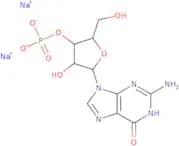
Formule :C18H27N6O13PDegré de pureté :Min. 95%Masse moléculaire :566.41 g/mol3′-Guanylic acid disodium
CAS :3′-Guanylic acid disodium is a nucleoside analog that inhibits viral replication and tumor growth. It is an antiviral agent that is active against herpes simplex virus type 1 and type 2, as well as cytomegalovirus. 3′-Guanylic acid disodium is also an anticancer agent that has shown promising results in animal models of glioma, lymphoma, lung cancer, and breast cancer. The molecule inhibits the synthesis of DNA by competitively inhibiting the action of ribonucleotide reductase. 3′-Guanylic acid disodium also inhibits protein synthesis by blocking the conversion of ribonucleotides to deoxyribonucleotides. This drug has been shown to have a high purity and quality with no detectable impurities or contaminants.
Formule :C10H14N5O8P•Na2Degré de pureté :Min. 95%Masse moléculaire :409.2 g/molN2-Benzoylguanosine
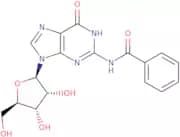
CAS :N2-Benzoylguanosine is a nucleotide derivative that is formed by the acetylation of guanosine. It has been shown to act as a buffer in alkaline solutions and isomerizes to its n-oxide form when heated. N2-Benzoylguanosine reacts with peroxides such as hydrogen peroxide, glyoxal, and organic peroxides, forming hydroperoxide intermediates that can be converted into other products. The acidic hydrolysis of N2-benzoylguanosine yields the corresponding 6-benzoyladenosines. It has been shown to enhance the activity of uridine in inhibiting bacterial growth, while also acting as an inhibitor of viral RNA synthesis. This compound also reacts with nitrous acid to form an n6-benzoyladenosine derivative that inhibits the formation of RNA chains during transcription.
Formule :C17H17N5O6Degré de pureté :Min. 95%Couleur et forme :White to beige solid.Masse moléculaire :387.35 g/mol5'-O-Tosylthymidine
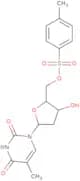
CAS :5'-O-Tosylthymidine is a bifunctional reagent that is used in the synthesis of DNA. It is a nucleophilic, inorganic compound that reacts with the electrophilic acrylonitrile group on 5'-hydroxythymidine to form a stable thiophosphate linkage. The reaction takes place stepwise and is catalyzed by an enzyme called DNA polymerase. This product has been used as an antimetabolite in medicine, mainly for treating leukemia.
Formule :C17H20N2O7SDegré de pureté :Min. 95%Masse moléculaire :396.42 g/mol2',3',5'-Tri-O-acetylinosine
CAS :2′,3′,5′-Tri-O-acetylinosine is a protected form of the nucleoside inosine, with potential for use in the preparation of modified nucleotides and nucleoside analogs.
Formule :C16H18N4O8Degré de pureté :Min. 95%Couleur et forme :White To Off-White SolidMasse moléculaire :394.34 g/mol




![6-Amino-4-hydrazino-1-(b-D-ribofuranosyl)-1H-pyrazolo[3,4-d]pyrimidine](/_next/image/?url=https%3A%2Fstatic.cymitquimica.com%2Fproducts%2F3D%2Fthumb-webp%2FNA162943.webp&w=3840&q=75)



![4-Amino-7-(β-D-ribofuranosyl)-7H-pyrrolo[2.3-d]pyrimidine-5-carboxylic acid](/_next/image/?url=https%3A%2Fstatic.cymitquimica.com%2Fproducts%2F3D%2Fthumb-webp%2FNA145085.webp&w=3840&q=75)










![3',5'-O-[Tetrakis(1-methylethyl)-1,3-disiloxanediyl]-guanosine](/_next/image/?url=https%3A%2Fstatic.cymitquimica.com%2Fproducts%2F3D%2Fthumb-webp%2FNT16564.webp&w=3840&q=75)


![8-(2-Deoxy-b-D-ribofuranosyl)-imidazo[1,2-a]-1,3,5-triazine-2,4(3H,8H)-dione](/_next/image/?url=https%3A%2Fstatic.cymitquimica.com%2Fproducts%2F3D%2Fthumb-webp%2FND145594.webp&w=3840&q=75)

![7-Benzyl-4-chloro-5,6,7,8-tetrahydropyrido[3,4-d]pyrimidine](/_next/image/?url=https%3A%2Fstatic.cymitquimica.com%2Fproducts%2F3D%2Fthumb-webp%2FNB57451.webp&w=3840&q=75)



![5-[4-(4,4,5,5-tetramethyl-[1,3,2]dioxaborolan-2-yl)-benzylidene]-pyrimidine-2,4,6-trione](/_next/image/?url=https%3A%2Fstatic.cymitquimica.com%2Fproducts%2F3D%2Fthumb-webp%2FNT44284.webp&w=3840&q=75)