Nucléosides
3569 produits trouvés pour "Nucléosides"
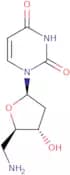
5'-Amino-2',5'-dideoxyuridine
CAS :5'-Amino-2',5'-dideoxyuridine (5-ADU) is a pyrimidine nucleoside that is structurally similar to thymidylate, which it inhibits. 5-ADU is used in the treatment of viral infections and cancers, as well as in the prevention of radiation injury. It has been shown to be an effective antiviral agent against herpes virus and some DNA viruses, such as adenovirus, vaccinia virus, and poliovirus. 5-ADU also enhances the effects of azauridine and other pyrimidine nucleosides in bacterial enzymes such as E. coli. 5-ADU has not been shown to be active against uninfected cells or tissues.Formule :C9H13N3O4Degré de pureté :Min. 95%Masse moléculaire :227.22 g/mol2-Methanesulfonyl-pyrimidine
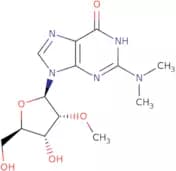
CAS :2-Methanesulfonyl-pyrimidine is a thiourea that is used as a catalyst in organic synthesis. It can be prepared by reacting phosphorus oxychloride with malonate and hydrochloric acid at temperatures of about 0°C to 150°C. The chloride anion is replaced by the sulfonyl chloride, which has high affinity for the 2-position of thiourea. This reaction leads to an intermediate that can be hydrolyzed with hydrochloric acid to produce 2-methanesulfonyl-pyrimidine. 2-Methanesulfonyl-pyrimidine is soluble in water and can be used as a catalyst in wastewater treatment processes, such as cyclic oxidation or oxychlorination reactions.Degré de pureté :Min. 95%N,N-Dimethyl-2'-O-methylguanosine
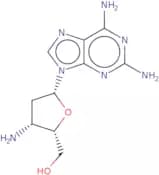
CAS :N,N-Dimethyl-2'-O-methylguanosine is a nucleoside that belongs to the category of nucleosides. It is a chemical structure that has been shown to have research value for the study of nucleic acids and their related diseases. This compound is also used in posttranscriptional mechanisms and phylogenetic studies. N,N-Dimethyl-2'-O-methylguanosine can be synthesized from uridine, ribonucleotide, or other nucleosides through various chemical reactions. It is also used as a structural component in some pharmaceuticals.Formule :C13H19N5O5Degré de pureté :Min. 95%Masse moléculaire :325.32 g/mol2,6-Diamino-9-(3'-amino-2',3'-dideoxy-β-D-ribofuranosyl)purine
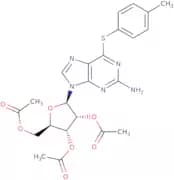
CAS :2,6-Diamino-9-(3'-amino-2',3'-dideoxy-b-D-ribofuranosyl)purine is an antiviral agent that inhibits the replication of the viral DNA by binding to the viral DNA and preventing its transcription into RNA. It has been shown to be active against herpes simplex virus type 1 (HSV-1) and human cytomegalovirus (HCMV). 2,6-Diamino-9-(3'-amino-2',3'-dideoxy-b-D-ribofuranosyl)purine is a modified nucleoside that can be used in various areas of research, including antiviral and anticancer activities.Formule :C10H15N7O2Degré de pureté :Min. 95%Masse moléculaire :265.28 g/mol2-Amino-6-(4-methylphenyl)thio-9-(2',3',5'-tri-O-acetyl-b-D-ribofuranosyl)purine
CAS :2-Amino-6-(4-methylphenyl)thio-9-(2',3',5'-tri-O-acetyl-b-D-ribofuranosyl)purine is a novel nucleoside phosphoramidite that has antiviral and anticancer activity. This compound is a modified nucleoside that inhibits viral replication by inhibiting the synthesis of viral DNA. 2-Amino-6-(4-methylphenyl)thio-9-(2',3',5'-tri-O-acetylbD ribofuranosyl)purine binds to the catalytic site of the enzyme ribonucleotide reductase, which is essential for the production of dNTPs. This chemical also has shown anticancer activity in cell culture against leukemia cells and breast cancer cells, although it was not active against colon cancer cells.Formule :C23H25N5O7SDegré de pureté :Min. 95%Masse moléculaire :515.54 g/molBiotinTEG Phosphoramidite
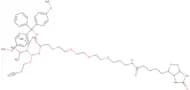
CAS :BiotinTEG Phosphoramidite is a medicinal compound that acts as an inhibitor of cancer cell growth. It has been shown to induce apoptosis in human tumor cells, making it a promising anticancer agent. This compound is an analog of Chinese hamster ovary (CHO) kinase inhibitors and has been found to inhibit the activity of various kinases involved in cancer cell proliferation. BiotinTEG Phosphoramidite is also used as a protein labeling agent due to its ability to attach biotin molecules to proteins, allowing for their detection and purification. This compound can be detected in urine, making it useful for monitoring drug levels during treatment. Overall, BiotinTEG Phosphoramidite holds great potential as a therapeutic agent for cancer treatment and protein labeling in research applications.
Formule :C52H76N5O11PSDegré de pureté :Min. 95%Masse moléculaire :1,010.2 g/molAdenosine-5'-carboxylic acid
CAS :Adenosine-5'-carboxylic acid is a pharmaceutical compound that is used as an anti-inflammatory agent. It is a synthetic, non-nucleoside adenine nucleotide analog that has been shown to have potent anti-inflammatory activity in vitro. Adenosine-5'-carboxylic acid inhibits the synthesis of prostaglandins and leukotrienes which are mediators of inflammation. It also inhibits the synthesis of protein kinase C, which plays a role in cell proliferation, differentiation and apoptosis. Adenosine-5'-carboxylic acid has also been found to inhibit the growth of glioma cells in tissue culture and human muscle cells in vivo. The mechanism for this effect may be due to its ability to inhibit DNA synthesis and induce apoptosis.Formule :C10H11N5O5Degré de pureté :Min. 95%Masse moléculaire :281.23 g/molN6-Benzoyl-3'-deoxy-5'-O-DMT-3'-fluoroadenosine
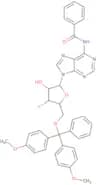
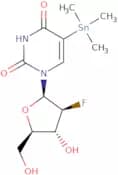
CAS :N6-Benzoyl-3'-deoxy-5'-O-DMT-3'-fluoroadenosine is an activator nucleoside that is used as a phosphoramidite in DNA synthesis. It is also used in antiviral and anticancer therapies. N6-Benzoyl-3'-deoxy-5'-O-DMT-3'-fluoroadenosine has been shown to have high purity and high quality, making it suitable for use in the pharmaceutical industry. This product is not active against bacterial or viral infections, but has proved to be effective in the treatment of leukemia, lymphoma and other cancers.Formule :C38H34FN5O6Degré de pureté :Min. 95%Masse moléculaire :675.71 g/mol5-Trimethylstannyl-1-(2-deoxy-2-fluoro-b-D-arabinofuranosyl)uracil
CAS :Ribonucleosides are a class of compounds that contain the nucleoside ribose and the phosphate group. Ribonuclesides are modified ribonucleosides that have been synthesized and modified to be more stable than standard ribonucleotide analogs. The compound 5-Trimethylstannyl-1-(2-deoxy-2-fluoro-b-D-arabinofuranosyl)uracil is a novel nucleoside that has been shown to have anticancer, antiviral, and antiinflammatory activities in vitro. It is also an activator for phosphoramidites, which are used to modify DNA or RNA molecules. This chemical is available at high purity and quality with CAS No. 213136-14-2.Formule :C12H19FN2O5SDegré de pureté :Min. 95%Masse moléculaire :408.98 g/molN6-Benzoyl-7'-OH-morpholino adenosine
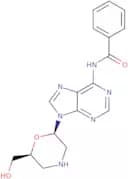
CAS :N6-Benzoyl-7'-OH-morpholino adenosine is a modified nucleoside with antiviral activity. It is being developed as an activator of ribonucleotide reductase and a potential anticancer agent. N6-Benzoyl-7'-OH-morpholino adenosine is synthesized by reacting benzoyl chloride with 7'-O-dimethoxytritylmorpholine. This reaction results in the formation of the desired product, which has been shown to be an activator of ribonucleotide reductase. The synthesis of this compound can be performed on a large scale, making it an attractive candidate for chemotherapeutic use.Formule :C17H18N6O3Degré de pureté :Min. 95%Couleur et forme :SolidMasse moléculaire :354.36 g/mol5'-O-DMT-2'-fluoro-2'-deoxyinosine
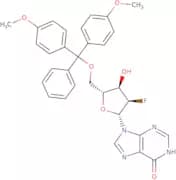
CAS :5'-O-DMT-2'-fluoro-2'-deoxyinosine is a novel nucleoside that has been modified with 2'-fluoro and 2'-deoxy substitutions. It is phosphoramidite, which can be activated by any of the standard methods to make DNA or RNA. 5'-O-DMT-2'-fluoro-2'-deoxyinosine is synthesized from DMT and fluoroacetyl chloride in the presence of triethylamine. This nucleoside has antiviral activity against HIV and influenza A virus, as well as anticancer effects.Formule :C31H29FN4O6Degré de pureté :Min. 95%Masse moléculaire :572.58 g/mol2,5-Dioxo-3-sulfo-1-pyrrolidinyl 6-[[5-(hexahydro-2-oxo-1H-thieno[3,4-d]imidazol-4-yl)-1-oxopentyl]amino]hexanoate sodium salt
CAS :2'-Deoxy-5'-O-DMT-N6-methyl-8-oxoadenosine 3'-CE phosphoramidite is a nucleotide analog that is used for the treatment of cancer. It inhibits sugar transport, which leads to tumor cell lysis. 2'-Deoxy-5'-O-DMT-N6-methyl-8-oxoadenosine 3'-CE phosphoramidite binds to glut1 and toll-like receptor 4 in the cell membrane, inhibiting the activation of these cells. This drug has been shown to have an antibody response in myeloma cells and basic fibroblast cell lines.Formule :C20H30N4O9S2•NaDegré de pureté :Min. 95%Masse moléculaire :557.60 g/molN6-Benzoyl-9-(2'-deoxy-5'-O-DMT-2'-fluoro-b-D-arabinofuranosyl)adenine 3'-O-succinate triethylammonium salt
N6-Benzoyl-9-(2'-deoxy-5'-O-DMT-2'-fluoro-b-D-arabinofuranosyl)adenine 3'-O-succinate triethylammonium salt is a novel antiviral nucleotide. This drug has been shown to be an activator of DNA synthesis and to inhibit the growth of viruses such as influenza A, herpes simplex virus type 1, and HIV type 1. N6-Benzoyl-9-(2'-deoxy-5'-O-DMT-2'-fluoro-b-D arabinofuranosyl)adenine 3'-O succinate triethylammonium salt is synthesized by the reaction of 6-[(3,4,5,6 -tetrahydrobenzo[1,2]dioxaphosphinanyl)methyl]aminopurine (N6BA), 2',5' -dFormule :C42H38FN5O9·C6H16NDegré de pureté :Min. 95%Masse moléculaire :878 g/molDiethyl N-(tert-Butoxycarbonyl)phosphoramidate
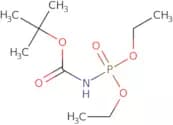
CAS :Diethyl N-(tert-Butoxycarbonyl)phosphoramidate is a chemical compound that is used in coupling reactions. It has a magnetic resonance and can be used to detect the presence of certain elements. Diethyl N-(tert-Butoxycarbonyl)phosphoramidate shifts at 12.2 ppm, which is higher than the normal chemical shift for an ester of this type. The magnetic resonance data for Covid-19 pandemic, Covid-19, and 3D-19 are all constant with Covid-19 pandemic being the most intense. Covid-19 pandemic has a structural formula of C8H16O4N2S, which is different from Covid-19 and 3D-19, which have structural formulas of C8H14O4N2S. The three compounds have similar chemical shifts with covid-19 having a slightly higher frequency than covid-19 pandemic
Formule :C9H20NO5PDegré de pureté :Min. 95%Masse moléculaire :253.23 g/molN4-Acetyl-2'-deoxy-5'-O-DMT-cytidine 3'-Me phosphonamidite
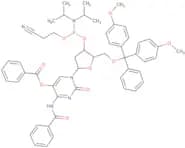
N4-Acetyl-2'-deoxy-5'-O-DMT-cytidine 3'-Me phosphonamidite is a monophosphate nucleoside that is synthetically modified. It has anticancer activity and can be used to treat viral infections. N4-Acetyl-2'-deoxy-5'-O-DMT-cytidine 3'-Me phosphonamidite is also a novel nucleoside that exhibits antiviral and antitumor properties. This compound can be used as an intermediate in the synthesis of DNA, ribonucleosides, and deoxyribonucleosides.Formule :C39H49N4O7PDegré de pureté :Min. 95%Masse moléculaire :716.8 g/moldATP - 100 mmol solution
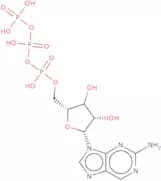
CAS :aATP is useful in molecular biology applications including PCR/qPCR, reverse transcription, DNA labelling and DNA sequencing.Formule :C10H16N5O12P3Degré de pureté :Min. 95%Masse moléculaire :491.18 g/mol2'-Deoxy-N2-isopropylguanosine
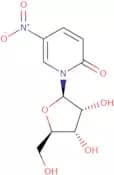
CAS :2'-Deoxy-N2-isopropylguanosine is a nucleoside that is synthesized from 2'-deoxy-N6-methyladenosine and isopropyl alcohol. It has antiviral and anticancer properties. The antiproliferative effects of this drug are mediated by the inhibition of DNA synthesis in cells. This compound also inhibits the activation of the transcriptional factor NF-κB, which regulates inflammatory responses in the body.Formule :C13H19N5O4Degré de pureté :Min. 95%Masse moléculaire :309.33 g/mol1-(b-D-Ribofuranosyl)-5-nitropyridine-2-one
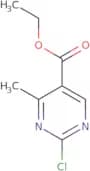
CAS :1-(b-D-Ribofuranosyl)-5-nitropyridine-2-one is a nucleoside that has been modified to have anticancer properties. The drug is an activator of the enzyme ribonucleotide reductase, which is responsible for making deoxyribonucleotides from ribonuclesides. 1-(b-D-Ribofuranosyl)-5-nitropyridine-2-one inhibits viral replication by inhibiting the activity of DNA polymerase and preventing RNA synthesis. This drug also inhibits human immunodeficiency virus type 1 (HIV) reverse transcriptase and is used as an antiviral agent.Formule :C10H12N2O7Degré de pureté :Min. 95%Masse moléculaire :272.21 g/molEthyl 2-chloro-4-methylpyrimidine-5-carboxylate
CAS :Ethyl 2-chloro-4-methylpyrimidine-5-carboxylate is an antiviral drug that inhibits the replication of RNA viruses. It binds to the active site of the enzyme responsible for viral RNA synthesis. Ethyl 2-chloro-4-methylpyrimidine-5-carboxylate has been shown to inhibit the growth of Mycobacterium tuberculosis in cell cultures. This drug also has cytostatic activity and can be used to treat tumors in cell culture.Formule :C8H9ClN2O2Degré de pureté :Min. 95%Masse moléculaire :200.62 g/mol2'-Deoxy-2'-fluoroadenosine-5'-triphosphate
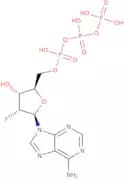
CAS :2'-Deoxy-2'-fluoroadenosine-5'-triphosphate is an analog of adenosine triphosphate (ATP). It inhibits the synthesis of RNA by binding to the ribonucleotide reductase enzyme. This inhibition leads to the inhibition of DNA synthesis, which in turn prevents cell division and/or causes cell death. The inhibitory effect of 2'-deoxy-2'-fluoroadenosine-5'-triphosphate on protein and DNA synthesis has been shown in vivo and in vitro using cell culture techniques. This compound inhibits topoisomerase II, a key enzyme in DNA replication, at high concentrations.
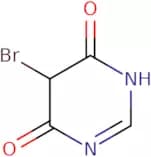
Formule :C10H15FNO12P3Degré de pureté :Min. 95%Masse moléculaire :509.18 g/mol5-Bromopyrimidine-4,6(1H,5H)-dione
CAS :5-Bromopyrimidine-4,6(1H,5H)-dione is a novel nucleoside analogue. It can be used as an antiviral agent and an anticancer drug. It inhibits viral DNA replication by competitively binding to the viral DNA polymerase, thereby blocking the incorporation of deoxyribonucleotides into the growing DNA chain. 5-Bromopyrimidine-4,6(1H,5H)-dione also has antitumour activity. It has been shown to inhibit the growth of human cancer cells in vitro and in vivo.
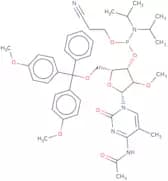
Degré de pureté :Min. 95%N4-(tert-Butylphenoxyacetyl)-5'-O-DMT-2'-O-methylcytidine 3'-CE phosphoramidite
N4-(tert-Butylphenoxyacetyl)-5'-O-DMT-2'-O-methylcytidine 3'-CE phosphoramidite is a modified nucleoside that inhibits DNA synthesis by inhibiting the activity of DNA polymerase. It has been shown to have anticancer effects in vitro and in vivo by inducing apoptosis and cell cycle arrest. This compound has also been shown to be more potent than other nucleosides, such as cytidine 5'-diphosphate (CDP) or cytidine 5'-monophosphate (CMP). This chemical is not yet commercially available but can be custom synthesized for research purposes.Formule :C52H64N5O10PDegré de pureté :Min. 95%Masse moléculaire :950.07 g/mol2'-Deoxy-2'-fluorouridine-5'-triphosphate lithium salt - 100mM aqueous solution
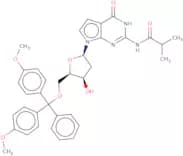
2'-Deoxy-2'-fluorouridine-5'-triphosphate lithium salt is an antiviral drug that inhibits viral DNA replication by inhibiting viral polymerase. It is a novel nucleoside analogue with antiviral activity against RNA viruses, including influenza virus and HIV. 2'-Deoxy-2'-fluorouridine-5'-triphosphate lithium salt can be used as a precursor for the synthesis of modified monophosphate nucleosides, ribonucleosides and phosphoramidites. This product is supplied in high purity (98%) and high quality.Formule :C9H14N2O14P3F·xLiDegré de pureté :Min. 95%Masse moléculaire :486.13 g/mol7-Deaza-2'-deoxy-5'-O-DMT-N2-isobutyrylguanosine
7-Deaza-2'-deoxy-5'-O-DMT-N2-isobutyrylguanosine is an activator that has been shown to stimulate the production of DNA and RNA. This compound is a novel synthetic nucleoside with high purity and quality. 7-Deaza-2'-deoxy-5'-O-DMT-N2-isobutyrylguanosine is effective against viruses and cancer cells by inhibiting viral protein synthesis and by stimulating the immune system. This drug has also been shown to be an anticancer agent, which may be due to its ability to inhibit cell division, induce apoptosis, or inhibit cellular proliferation.Formule :C36H38N4O7Degré de pureté :Min. 95%Masse moléculaire :638.73 g/molO6-Benzyl-N2,3-etheno guanosine
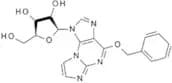
CAS :O6-Benzyl-N2,3-etheno guanosine is a phosphoramidite that can be used in the synthesis of DNA. It is a novel nucleoside analog with antiviral and anticancer properties. O6-Benzyl-N2,3-etheno guanosine has been shown to increase the antitumor activity of cisplatin in vitro and in vivo, as well as its ability to inhibit human immunodeficiency virus type 1 (HIV-1) replication. This compound also inhibits the replication of herpes simplex virus type 2 (HSV-2) without affecting the expression of cellular proteins. O6-Benzylguanosine is synthesized by reacting N2,3-ethenoguanosine with benzaldehyde in dichloromethane under microwave irradiation.Formule :C19H19N5O5Degré de pureté :Min. 95%Masse moléculaire :397.38 g/molent-idoxuridine
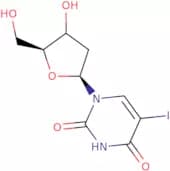
CAS :Ent-idoxuridine is a cytosolic DNA synthesis inhibitor that blocks the conversion of deoxycytidine to deoxyadenosine by inhibiting the enzyme deoxycytidine kinase. It is also an enantiomer of idoxuridine, which has the same mechanism of action. Ent-idoxuridine is not active against herpes simplex virus type 1 (HSV-1) or type 2 (HSV-2). In contrast to idoxuridine, ent-idoxuridine is resistant to exonucleases and has been shown to be effective in treating immunodeficiency caused by HIV.Formule :C9H11IN2O5Degré de pureté :Min. 95%Masse moléculaire :354.1 g/molThymidine-3',5'-tetrabenzyldiphosphate
Thymidine-3',5'-tetrabenzyldiphosphate is a monophosphate analog of thymidine. It has been used as a building block for the synthesis of DNA, RNA, and phosphoramidites. Thymidine-3',5'-tetrabenzyldiphosphate is a novel nucleoside compound that has been shown to have anticancer and antiviral activities. This product is intended for research purposes only.Formule :C38H40N2O11P2Degré de pureté :Min. 95%Masse moléculaire :762.68 g/mol4'-Hydroxymethyl-4,5',8-trimethylpsoralen (hmt)
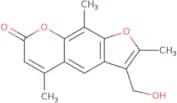
CAS :4'-Hydroxymethyl-4,5',8-trimethylpsoralen (HMT) is an analog of psoralen that has been shown to have potent anti-tumor activity. HMT acts as an inhibitor of human tumor kinase and has been shown to induce apoptosis in cancer cells. This drug has also been found to enhance the effects of other cancer treatments, such as nintedanib. HMT has demonstrated potential for the treatment of diabetes by acting as an inhibitor of glucose uptake and metabolism in Chinese hamster ovary cells. Additionally, HMT has been found to have inhibitory effects on enzymes such as apomorphine, glimepiride, and vanillin. Overall, HMT holds great promise for the development of novel cancer therapies and diabetes treatments.Formule :C15H14O4Degré de pureté :Min. 95%Masse moléculaire :258.27 g/molb-Methylcrotonyl coenzyme A lithium salt
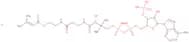
CAS :b-Methylcrotonyl coenzyme A lithium salt is a phosphoramidite that has antiviral and anticancer properties. It is used as an activator in the synthesis of DNA, as well as a novel deoxyribonucleoside monophosphate. b-Methylcrotonyl coenzyme A lithium salt also has high purity and high quality.Degré de pureté :Min. 95%3'-Amino-N6-benzoyl-2'-O-tert-butyldimethylsilyl-5'-O-DMT-3'-deoxyadenosine
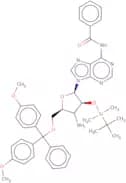
3'-Amino-N6-benzoyl-2'-O-tert-butyldimethylsilyl-5'-O-DMT-3'-deoxyadenosine is a nucleoside that is synthesized by the modification of deoxyadenosine. It has antiviral and anticancer properties, as well as other novel applications. The synthesis of this compound can be achieved in two steps: first, the amino group is attached to the 3' carbon atom of the sugar ring by reacting with N6-(benzoyl)adenine. In the second step, a silyl group is attached to the 5' carbon atom of the sugar ring by reacting with tert-butyldimethylchlorosilane and DMT (dimethoxytrityl).Formule :C44H50N6O6SiDegré de pureté :Min. 95%Masse moléculaire :786.99 g/mol5'-O-DMT-inosine
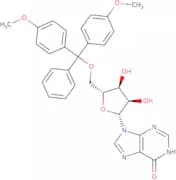
CAS :5'-O-DMT-inosine is a novel monophosphate nucleotide analogue. It is modified by the attachment of an aminooxy group to the 5' position of the pentose. This modification prevents ribonucleotide reductase from converting it into deoxyribonucleotides, which are then incorporated into DNA. 5'-O-DMT-inosine has been shown to be cytotoxic in human leukemia cells due to its ability to inhibit the synthesis of DNA and RNA.
Formule :C31H30N4O7Degré de pureté :Min. 95%Masse moléculaire :570.59 g/mol2'-Deoxy-N3-methylcytidine hydroiodide salt
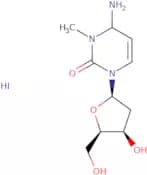
CAS :2'-Deoxy-N3-methylcytidine hydroiodide salt is a nucleoside and phosphoramidite. It is used as an anticancer agent that inhibits DNA synthesis. It also has antiviral and antitumor effects. The chemical name for 2'-deoxy-N3-methylcytidine hydroiodide salt is 2'-deoxy-N3-methylcytidine, monophosphate salt with hydroiodic acid. This drug does not have a CAS number because it's not commercially available.Formule :C10H17N3O4·HIDegré de pureté :Min. 95%Couleur et forme :PowderMasse moléculaire :371.17 g/mol3'-Deoxy-N6-lauroyladenosine
CAS :3'-Deoxy-N6-lauroyladenosine is a nucleoside analog that is used to treat cancer. It is a phosphoramidite compound and it has been shown to be highly active against cancer cells. 3'-Deoxy-N6-lauroyladenosine is an antiviral agent that inhibits viral DNA synthesis by competing with the natural substrate, deoxyribonucleosides, for incorporation into the growing DNA chain. It also prevents the replication of RNA viruses by inhibiting their transcription and translation processes. 3'-Deoxy-N6-lauroyladenosine also inhibits inflammation in the body and may act as a chemotherapeutic agent in other diseases such as diabetes, Alzheimer's disease, and Parkinson's disease.
Formule :C22H35N5O4Degré de pureté :Min. 95%Masse moléculaire :433.54 g/mol7-Deaza-2'-deoxy-O6-methylguanosine
7-Deaza-2'-deoxy-O6-methylguanosine is a novel nucleoside phosphoramidite that is the first of its kind to have been shown to be an antiviral agent. It is also anticancerous and stimulates diphosphate synthesis. 7-Deaza-2'-deoxy-O6-methylguanosine is a highly reactive nucleoside phosphoramidite that reacts with DNA in the same manner as deoxyribonucleotides. The monophosphate form of this compound has been shown to be anticancerous and stimulate diphosphate synthesis. This novel compound has been shown to inhibit replication of human immunodeficiency virus type 1 (HIV-1) in vitro.
Formule :C12H16N4O4Degré de pureté :Min. 95%Masse moléculaire :280.28 g/mol7-Deaza-7-iodoguanosine
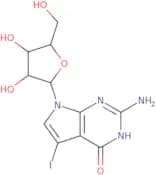
CAS :7-Deaza-7-iodoguanosine is a novel, synthetic nucleoside analog that has antiviral and anticancer activity. It is modified by the addition of a 7-deaza substituent at the 2′ position of the ribose ring. The phosphoramidite form of this compound can be used to synthesize DNA and RNA for use in research and gene therapy. 7-Deaza-7-iodoguanosine may have anticancer activity due to its ability to inhibit protein synthesis by binding to diphosphate kinase, which prevents ATP production and inhibits protein synthesis.Degré de pureté :Min. 95%2'-Deoxy-2'-fluoroinosine 5'-monophosphate lithium salt
2'-Deoxy-2'-fluoroinosine 5'-monophosphate lithium salt is a nucleoside analog that has been modified to contain a fluorine atom at the 2' position of the ribose sugar. This agent is an activator of DNA polymerase and can be used in the synthesis of oligonucleotides. It is also an antiviral and anticancer agent.Formule :C10H12FN4O7P·xLiDegré de pureté :Min. 95%Masse moléculaire :350.2 g/molN2-Methylguanosine-3',5'-cyclic monophosphate
CAS :N2-Methylguanosine-3',5'-cyclic monophosphate is a synthetic nucleoside that is the cyclic monophosphate analog of guanosine. It has antiviral, anticancer, and anti-inflammatory properties. N2-Methylguanosine-3',5'-cyclic monophosphate has been shown to inhibit viral replication in cells by inhibiting the synthesis of viral DNA and RNA. This compound also inhibits cancer cell growth in culture. The antiviral activity may be due to methylation at the 2' position of the sugar moiety, which prevents viral reverse transcriptase from copying viral RNA into DNA. The anticancer activity may be due to inhibition of ribonucleotide reductase and deoxyribonucleotide reductase, which are enzymes that maintain nucleotide pools necessary for DNA synthesis.Formule :C11H13N5O7P·NaDegré de pureté :Min. 95%Masse moléculaire :381.21 g/mol4'-Thiothymidine
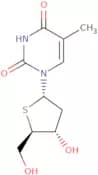
CAS :4'-Thiothymidine is a nucleoside analog that is used in antiviral therapy against herpes simplex virus. It inhibits the viral DNA polymerase, which prevents the virus from duplicating its genetic material. 4'-Thiothymidine has been shown to inhibit the uptake of 4-thiouracil by cells and to have anti-inflammatory properties. The drug has been found to be effective in inhibiting human adenocarcinoma cell lines in vitro and in vivo.Formule :C10H14N2O4SDegré de pureté :Min. 95%Masse moléculaire :258.30 g/molSPACER-C 12 CEP
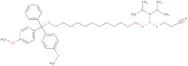
CAS :Please enquire for more information about SPACER-C 12 CEP including the price, delivery time and more detailed product information at the technical inquiry form on this pageFormule :C42H61N2O5PDegré de pureté :Min. 95%Masse moléculaire :704.9 g/mol5-Aminoallyl-2'-deoxycytidine
5-Aminoallyl-2'-deoxycytidine is an activator that has been shown to be a novel anticancer drug. It is an analogue of cytidine and is synthesized by the phosphoramidite method. 5-Aminoallyl-2'-deoxycytidine inhibits viral replication in human cells, but also has antiviral activity against HIV and influenza A virus. The compound has been shown to be active against small cell lung cancer in animal models.Degré de pureté :Min. 95%2’-O-(2-Methoxy-2-oxoethyl)adenosine
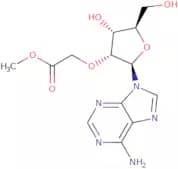
CAS :2’-O-(2-Methoxy-2-oxoethyl)adenosine is a novel antiviral and anticancer agent. It is an antiviral due to its ability to inhibit viral DNA synthesis and replication by competitively inhibiting the incorporation of deoxyribonucleoside triphosphate precursors into viral DNA. 2’-O-(2-Methoxy-2-oxoethyl)adenosine has been shown to be active against human cancer cells in vitro and in vivo, as well as other cell lines. This compound is a phosphoramidite that can be used for the synthesis of modified oligonucleotides, including ribonucleosides and deoxyribonucleosides. 2’-O-(2-Methoxy-2-oxoethyl)adenosine has also been shown to be an activator of RNA polymerase II transcriptional activity.Degré de pureté :Min. 95%2'-Deoxy-5'-O-DMT-5-propargyloxyuridine
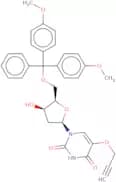
2'-Deoxy-5'-O-DMT-5-propargyloxyuridine is a nucleoside analogue that is an activator of the antiviral enzyme ribonuclease L. It has been shown to be cytotoxic in cell culture and has also been shown to induce apoptosis in human leukemia cells. 2'-Deoxy-5'-O-DMT-5-propargyloxyuridine is a novel modified nucleoside that has a high purity.Formule :C33H32N2O8Degré de pureté :Min. 95%Masse moléculaire :584.63 g/molN-Acetyl-5-[1,2-bis(acetyloxy)ethyl]-5'-O-DMT-2'-deoxycytidine 3'-CE phosphoramidite
CAS :N-Acetyl-5-[1,2-bis(acetyloxy)ethyl]-5'-O-DMT-2'-deoxycytidine 3'-CE phosphoramidite is a Ribonucleoside, Deoxyribonucleoside, Activator, Antiviral. It is a modified nucleoside with N-(acetyl)-N′-[1,2-bis(acetyloxy)ethyl]glycine esterified to the 5′ position of the ribose and 2′deoxycytidine esterified to the 3′ position of the sugar. N-Acetyl-5-[1,2-bis(acetyloxy)ethyl]-5'-O-DMT-2'-deoxycytidine 3'-CE phosphoramidite has been shown to inhibit HIV replication in vitro and in vivo. This drug also inhibits influenza A viruses and herpes simplex virus type 1 (Formule :C47H58N5O12PDegré de pureté :Min. 95%Masse moléculaire :915.96 g/mol3-Deaza-2'-Deoxyadenosine
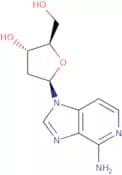
CAS :3-Deaza-2'-Deoxyadenosine is a nucleoside analog that is synthesized from 2'-deoxyadenosine. It has been shown to be more potent than natural adenosine in inhibiting the activity of certain RNA polymerases. 3-Deaza-2'-Deoxyadenosine inhibits RNA synthesis by binding to the ribose moiety of the ribonucleotide, which prevents the formation of an enzyme-substrate complex and thus blocks chain elongation. This compound is also able to inhibit DNA synthesis by binding to the deoxyribose moiety of DNA and preventing DNA polymerase from adding nucleotides to the growing strand. 3-Deaza-2'-Deoxyadenosine has been shown to have antiviral activity against influenza virus and herpes simplex virus type 1 (HSV) in vitro.Formule :C11H14N4O3Degré de pureté :Min. 95%Masse moléculaire :250.25 g/mol2'-o-Butyryladenosine 3',5'-cyclic phosphate dmap
CAS :Please enquire for more information about 2'-o-Butyryladenosine 3',5'-cyclic phosphate dmap including the price, delivery time and more detailed product information at the technical inquiry form on this pageFormule :C14H18N5O7PDegré de pureté :Min. 95%Masse moléculaire :399.3 g/mol3',5'-Di-O-benzoyl-2'-deoxy-2'-fluoro-b-D-arabinocytidine
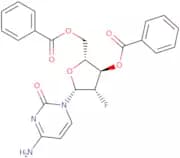
CAS :3',5'-Di-O-benzoyl-2'-deoxy-2'-fluoro-b-D-arabinocytidine is a modified nucleoside that is used as an anticancer agent. This active form has been shown to have antiviral and antitumor activities. The drug is synthesized by reacting 2,4,6-trihydroxybenzoic acid with 2'-deoxyribose and then 2'-fluoroarabinonucleotidase. 3',5'-Di-O-benzoyl-2'-deoxy-2'-fluoro-b-D-arabinocytidine has high purity and high quality, which makes it suitable for use in the synthesis of phosphoramidites.Degré de pureté :Min. 95%2-Amino-9-(b-D-ribofuranosyl)purine 5'-O-triphosphate - 10mM aq. solution
CAS :2-Amino-9-(b-D-ribofuranosyl)purine 5'-O-triphosphate is a synthetic nucleoside that is modified by phosphoramidite chemistry. This compound is an antiviral agent that inhibits viral DNA synthesis and replication. It has also been shown to have anticancer properties. 2-Amino-9-(b-D-ribofuranosyl)purine 5'-O-triphosphate inhibits the enzymatic activity of the enzyme ribonucleotide reductase, which converts ribonucleotides into deoxyribonucleotides. The resulting monophosphate form of this compound accumulates in cells, which leads to cell death.Formule :C10H16N5O13P3Degré de pureté :Min. 95%Couleur et forme :PowderMasse moléculaire :507.18 g/mol5-Hydroxy-DC CEP
CAS :Please enquire for more information about 5-Hydroxy-DC CEP including the price, delivery time and more detailed product information at the technical inquiry form on this page
Formule :C53H56N5O10PDegré de pureté :Min. 95%Masse moléculaire :954 g/mol3',5'-Di-O-benzoyl-2'-deoxy-2'-fluorouridine
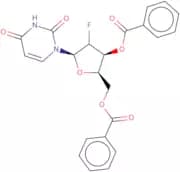
3',5'-Di-O-benzoyl-2'-deoxy-2'-fluorouridine is a novel nucleoside analog that has been shown to have anticancer activity in vitro. The compound is a monophosphate, which is synthesized from 2'-deoxyuridine and benzoyl chloride. 3',5'-Di-O-benzoyl-2'-deoxy-2'-fluorouridine was found to have antiviral activity against herpes simplex virus type 1 (HSV1) and cytomegalovirus (CMV). It also inhibited the production of HIV in human lymphocytes. This nucleoside analog can be activated by phosphorylation at the 5' position to form a diphosphate, which inhibits DNA synthesis by incorporating into the growing DNA chain and preventing the movement of RNA polymerase along the template strand.Formule :C23H19FN2O7Degré de pureté :Min. 95%Masse moléculaire :454.42 g/mol7-TFA-ap-7-Deaza-2',3'-dideoxyadenosine
CAS :7-TFA-ap-7-Deaza-2',3'-dideoxyadenosine is a diphosphate nucleoside analogue that can be activated by phosphoramidites. It is a novel, synthetic, and high quality nucleotide with antiviral and anticancer properties. This drug has been shown to inhibit the synthesis of DNA and RNA at the transcriptional level. 7-TFA-ap-7-Deaza-2',3'-dideoxyadenosine is a monophosphate nucleoside analogue that can be used in ribonucleotide synthesis for the treatment of cancer.Formule :C16H16F3N5O3Masse moléculaire :383.33 g/molRef: 3D-J-700297
-Unit-ggÀ demander1gÀ demander50mgÀ demander100mgÀ demander250mgÀ demander500mgÀ demander3'-Deoxy-3'-C-methyluridine
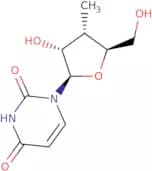
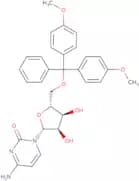
CAS :3'-Deoxy-3'-C-methyluridine is a novel and modified nucleoside that is synthesized from uridine. It is a monophosphate and has been shown to be an activator of the mammalian enzyme ribonucleotide reductase. 3'-Deoxy-3'-C-methyluridine has also been shown to have antiviral effects, as well as anticancer activity in studies with mice. The high purity and high quality of this product make it ideal for use in research, pharmaceuticals, and other applications.Formule :C10H14N2O5Degré de pureté :Min. 95%Masse moléculaire :242.23 g/mol5'-O-DMT-cytidine
CAS :5'-O-DMT-cytidine is a modified nucleoside that is used as an activator for phosphoramidites and as a building block for DNA, RNA, and other nucleic acids. 5'-O-DMT-cytidine has been shown to have anticancer and antiviral properties in laboratory tests. It is also known to inhibit the replication of HIV virus by blocking the reverse transcriptase enzyme. The compound is available with high purity and high quality. This product can be synthesized into a diphosphate, monophosphate or ribonucleotide form.
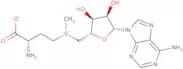
Formule :C30H31N3O7Degré de pureté :Min. 95%Masse moléculaire :545.58 g/molS-Adenosyl-L-methionine
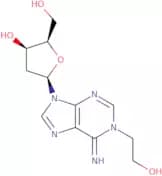
CAS :S-Adenosyl-L-methionine (SAM-e) is a co-substrate involved in methyl group transfer to nucleic acids, proteins and lipids. SAM-e is produced in the liver from adenosine triphosphate (ATP) and methionine by action of the enzyme methionine adenosyltransferase. Therapeutic use of S-adenosyl-L-methionine includes osteoarthritis, liver disease and major depressive disorder. S-Adenosyl-L-methionine is available as a dietary supplement.Formule :C15H22N6O5SDegré de pureté :Min. 95%Couleur et forme :White PowderMasse moléculaire :398.44 g/mol1-Hydroxyethyl-2'-deoxyadenosine
CAS :1-Hydroxyethyl-2'-deoxyadenosine (1HEDA) is an antiviral drug that inhibits the synthesis of viral DNA by blocking the formation of a ribonucleoside triphosphate intermediate. 1HEDA is a novel monophosphate nucleoside that has been modified to be resistant to phosphodiesterase enzymes and can be used as a chemotherapeutic agent for cancer. 1HEDA has been shown to have anticancer activity in vitro, in vivo, and in human clinical trials.Formule :C12H17N5O4Degré de pureté :Min. 95%Masse moléculaire :295.29 g/molGuanosine 5'-[γ-thio]triphosphate tetralithium
CAS :Guanosine 5'-[γ-thio]triphosphate tetralithium (GTPγS) is a guanine nucleotide analog that has been shown to modulate the signal transduction pathway in many types of cells. GTPγS activates the extracellular signal-transducing receptor kinase and phospholipase C, which are involved in cellular proliferation and differentiation. This agent also blocks calcium channels, thereby inhibiting neuromuscular transmission. It has been shown to be effective against pertussis toxin and other agents that block G protein coupling by inhibiting adenylate cyclase. In addition, GTPγS inhibits staurosporin-sensitive K+ channels in some neuronal cells, but not those that are insensitive to this blocker.Formule :C10H12Li4N5O13P3SDegré de pureté :Min. 90 Area-%Couleur et forme :PowderMasse moléculaire :562.98 g/molGuanylyl-3'-5'-uridine ammonium salt
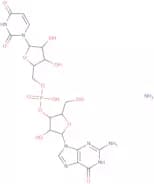
CAS :Guanylyl-3'-5'-uridine ammonium salt is a nucleoside compound that has been synthesized to inhibit the growth of cancer cells. The guanylyl-3'-5'-uridine monophosphate (GMP) is an activator of ribonucleotide reductase, which converts ribonucleotides to deoxyribonucleotides. It also inhibits DNA synthesis by inhibiting the activity of DNA polymerase and DNA gyrase, which are enzymes that maintain the integrity of DNA. Guanylyl-3'-5'-uridine ammonium salt has been shown to be active against leukemia and colon cancer cells in vitro and in vivo.
Formule :C19H24N7O13P·NH3Degré de pureté :Min. 95%Couleur et forme :White to off-white solid.Masse moléculaire :606.45 g/molUridylyl-3'-5'-guanosine ammonium salt
Ribonucleosides are a group of nucleosides that includes ribose, 2'-deoxyribose, and their derivatives. Ribonucleosides are the building blocks of DNA and RNA. Uridylyl-3'-5'-guanosine ammonium salt is a novel monophosphate nucleotide with antiviral properties. It has been shown to inhibit the synthesis of viral proteins by binding to viral dsDNA and preventing them from being transcribed into mRNA. This drug is also an activator that increases the activity of RNA polymerase II during transcription initiation. The high purity and quality make Uridylyl-3'-5'-guanosine ammonium salt suitable for use in research or as a pharmaceutical ingredient for the manufacture of other drugs.Formule :C19H24N7O13PDegré de pureté :Min. 95%Masse moléculaire :589.41 g/molgamma-(BBT)-GTP
gamma-(BBT)-GTP is a synthetic nucleoside phosphoramidite that is used in the synthesis of DNA and RNA. It has antiviral properties and can be used as an activator of DNA polymerase in the deoxyribonucleotide synthesis. This chemical is novel because it can be modified to contain a phosphate group at the 2'-position, which is not found in natural nucleosides or nucleotides. gamma-(BBT)-GTP is a high-purity chemical that can be synthesized using CAS No. 72335-45-2.
Formule :C24H22N7O14P3S2·xNaDegré de pureté :Min. 95%Masse moléculaire :789.52 g/molm-Topolin riboside-5'-monophosphate salt
CAS :m-Topolin riboside-5'-monophosphate salt is a novel nucleoside that has been modified with a nitrogenous base and a phosphate group. It is an antiviral and anticancer agent, which may be due to its ability to inhibit the synthesis of DNA. m-Topolin riboside-5'-monophosphate salt inhibits viral replication by inhibiting viral diphosphate kinase or deoxyribonucleotide triphosphate reductase, preventing the production of DNA. This product is also an inhibitor of cellular proliferation, which may be due to its ability to inhibit DNA synthesis and repair.Formule :C17H18N5Na2O8P·H2ODegré de pureté :Min. 95%Masse moléculaire :515.32 g/molN2-Isobutyryl-2'-(2-methoxyethyl)guanosine
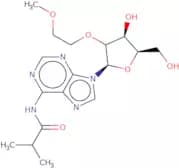
CAS :N2-Isobutyryl-2'-(2-methoxyethyl)guanosine is a nucleoside that is structurally related to guanosine. It is used as an activator for RNA synthesis and as a novel antiviral agent. This compound has been shown to have high purity, high quality, and excellent solubility. N2-Isobutyryl-2'-(2-methoxyethyl)guanosine has also been found to be active against HIV in vitro by inhibiting reverse transcriptase activity.
Degré de pureté :Min. 95%N6-Benzoyl-3'-O-tert-butyldimethylsilyl-2'-deoxyadenosine
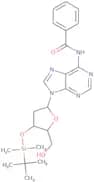
CAS :N6-Benzoyl-3'-O-tert-butyldimethylsilyl-2'-deoxyadenosine is an antiviral, monophosphate nucleoside that has been shown to inhibit the proliferation of human leukemia cells. The compound is a novel synthetic nucleoside that inhibits the viral reverse transcriptase enzyme and prevents RNA synthesis. N6-Benzoyl-3'-O-tert-butyldimethylsilyl-2'-deoxyadenosine also inhibits DNA synthesis by inhibiting the activity of DNA polymerases and can be used for the treatment of cancer.Degré de pureté :Min. 95%2'-O-tert-Butyldimethylsilyl-5'-O-DMT-3-methyluridine 3'-CE phosphoramidite
CAS :2'-O-tert-Butyldimethylsilyl-5'-O-DMT-3-methyluridine 3'-CE phosphoramidite is a modified nucleoside that has antiviral and anticancer properties. It is synthesized by the reaction of 2'-O-tert-butyldimethylsilyl-5'-O-DMT (2,6-dimethoxytrityl) with 3 methyluridine. The compound has been shown to be an activator for DNA polymerase, ribonucleases and deoxyribonucleases in vitro. It also inhibits tumor cell proliferation and induces apoptosis in cultured cells. This compound is a high quality product with CAS number 179762-50-6 and is available at high purity.Formule :C46H63N4O9PSiDegré de pureté :Min. 95%Masse moléculaire :875.07 g/mol4-Amino-1-[(2R,3R,4R,5R)-3-ethoxy-4-hydroxy-5-(hydroxymethyl)oxolan-2-yl]pyrimidin-2-one
CAS :4-Amino-1-[(2R,3R,4R,5R)-3-ethoxy-4-hydroxy-5-(hydroxymethyl)oxolan-2-yl]pyrimidin-2-one is a novel compound that is an anticancer agent and antiviral. It inhibits the proliferation of cells by modifying the nucleotide structure of DNA. The 4'-amino group makes it a nucleoside analogue that can be modified to inhibit bacterial replication and virus production. 4'-Amino-1-[(2R,3R,4R,5R)-3-ethoxy-4-hydroxy-5-(hydroxymethyl)oxolan-2-yl]pyrimidin-- 2 one may also cause cell death by inhibiting DNA synthesis and RNA synthesis.Formule :C11H17N3O5Degré de pureté :Min. 95%Masse moléculaire :271.27 g/mol5'-O-Acetyl-2'-deoxyuridine 3'-CE phosphoramidite
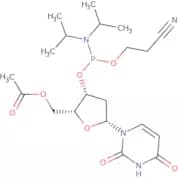
5'-O-Acetyl-2'-deoxyuridine 3'-CE phosphoramidite is a novel nucleoside which is prepared by reacting 5'-O-acetyl-2'-deoxyuridine with bis(p-nitrophenyl)phosphoramidite. It has been shown to have antiviral and anticancer activities.Formule :C20H31N4O7PDegré de pureté :Min. 95%Masse moléculaire :470.46 g/mol5'-O-DMT-2'-O-hexylphthalimido-5-methyluridine
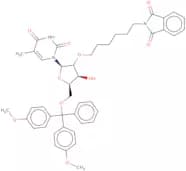
5'-O-DMT-2'-O-hexylphthalimido-5-methyluridine is a synthetic nucleoside phosphoramidite. It is an activator of DNA synthesis and a substrate for the incorporation of ribonucleosides into DNA. 5'-O-DMT-2'-O-hexylphthalimido-5-methyluridine is a novel, high purity, and high quality nucleotide. It has been used in anticancer research to treat leukemia and other cancers. 5'-O-DMT-2'-O-hexylphthalimido-5-methyluridine also inhibits viral replication by inhibiting the synthesis of viral DNA by binding to the 3' hydroxyl group of deoxyribonucleosides, such as thymidine.Formule :C45H47N3O10Degré de pureté :Min. 95%Masse moléculaire :789.89 g/mol5-Chloro-5'-deoxy-2',3'-O-isopropylidenecytidine
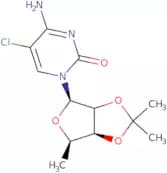
5-Chloro-5'-deoxy-2',3'-O-isopropylidenecytidine is a synthetic nucleoside that has antiviral and anticancer properties. It binds to the DNA of viruses and inhibits their replication, as well as the synthesis of DNA in cancer cells. This nucleoside also activates ribonucleotide reductase, which is an enzyme that converts ribonucleotides into deoxyribonucleotides. 5-Chloro-5'-deoxy-2',3'-O-isopropylidenecytidine is a novel nucleoside analog that can be phosphoramidite or monophosphate.Formule :C12H16ClN3O4Degré de pureté :Min. 95%Masse moléculaire :301.73 g/molE-5-(2-Carboxyvinyl)-2'-deoxyuridine hydroxysuccinimide ester
CAS :E-5-(2-Carboxyvinyl)-2'-deoxyuridine hydroxysuccinimide ester is a nucleoside analog that inhibits the growth of cells by inhibiting DNA synthesis. It is an antiviral and anticancer agent, as well as a potential therapeutic for human immunodeficiency virus (HIV) and herpes simplex virus (HSV). This compound also has high purity and high quality, which makes it suitable for research purposes. E-5-(2-Carboxyvinyl)-2'-deoxyuridine hydroxysuccinimide ester is novel and has been modified from the natural nucleoside uridine. It can be used in the synthesis of phosphoramidites for DNA synthesis, which are used to synthesize DNA probes for use in diagnostic medicine.Formule :C16H17N3O9Degré de pureté :Min. 95%Masse moléculaire :395.32 g/molN4-Benzoyl-1-(2'-deoxy-5'-O-DMT-2'-fluoro-b-D-arabinofuranosyl)cytosine-3'-O-succinate triethylammonium salt
N4-Benzoyl-1-(2'-deoxy-5'-O-DMT-2'-fluoro-b-D-arabinofuranosyl)cytosine is a novel nucleoside that is synthesized from the corresponding deoxyribonucleoside and succinic acid. N4-Benzoyl-1-(2'-deoxy-5'-O-DMT-2'-fluoro-b-D-arabinofuranosyl)cytosine has antiviral activity against DNA viruses and anticancer activity against tumor cells. It has been shown to inhibit the replication of HIV, influenza A virus, and herpes simplex virus type 1 (HSV1).Degré de pureté :Min. 95%3'-O-Acetyl-5-benzylaminocarbonyl-2'-O-methyl-5'-O-DMT-uridine
3'-O-Acetyl-5-benzylaminocarbonyl-2'-O-methyl-5'-O-DMT-uridine is a novel, modified nucleoside. This product is an activator of the ribonucleotide reductase enzyme and is used as a precursor in the synthesis of deoxyribonucleosides. It has antiviral activity against herpes simplex virus type 1 and cytomegalovirus. It has also been shown to have anticancer properties, as it inhibits DNA synthesis and tumor cell proliferation without affecting healthy cells. 3'-O-Acetyl-5-benzylaminocarbonyl-2'-O-methyl-5'-O-DMT uridine is synthesized from 5-(3,4,5)-trimethoxybenzaldehyde, 2′(2,6 dichloro)amino]methyl]benzeneacetic acid methyl ester and 5Degré de pureté :Min. 95%N2-Isobutyryl-7’-tert-butyldimethylsilyl-N-trityl-morpholino guanosine
N2-Isobutyryl-7’-tert-butyldimethylsilyl-N-trityl-morpholino guanosine is a modified nucleoside that can be used in the synthesis of DNA, RNA, and other nucleic acids. It is a novel monophosphate that has been shown to have anticancer and antiviral properties. N2-Isobutyryl-7’-tert-butyldimethylsilyl-N-trityl-morpholino guanosine is synthesized by reacting 2,4,6 trichlorobenzoyl chloride with morpholine and silylation. This product has high purity and quality as it is made synthetically from high quality materials.Degré de pureté :Min. 95%1-(2-Deoxy-b-D-ribofuranosyl)-5-nitroindole
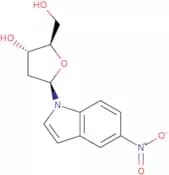
CAS :1-(2-Deoxy-b-D-ribofuranosyl)-5-nitroindole is an important compound in the field of nucleotide chemistry and has potential applications in researchFormule :C13H14N2O5Degré de pureté :Min. 95%Couleur et forme :Yellow PowderMasse moléculaire :278.26 g/molGDP-D-mannose disodium salt from saccharomyces cerevisiae
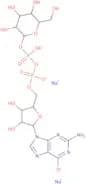
CAS :GDP-D-mannose disodium salt from Saccharomyces Cerevisiae is a nucleoside that is synthetically modified. It has antiviral and anticancer activities, as well as the ability to activate DNA synthesis. This product is suitable for use as a novel activator of DNA and RNA synthesis, in the treatment of viral infections, or cancer.Formule :C16H23N5Na2O16P2Degré de pureté :Min. 95%Masse moléculaire :649.3 g/moldCTP - 100mmol solution
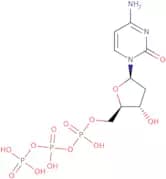
CAS :dCTP is a nucleotide that is an important component of the DNA molecule. It is used in biochemical research and as a drug for treatment of certain cancers. The biochemical properties of dCTP are similar to those of other nucleotides, including ATP and GTP. The main difference is that dCTP has a low solubility in water, while ATP and GTP are soluble in water. This property makes it difficult to study the use of dCTP in biosensors. Another difference is that dCTP does not have a signal peptide sequence, which may be due to its chemical structure or biological function. In addition, dCTP does not interfere with the polymerase chain reaction (PCR) process because it does not possess reactive groups on its phosphate groups.Formule :C9H16N3O13P3Degré de pureté :Min. 95%Masse moléculaire :467.16 g/molRiboflavin 5'-(trihydrogen diphosphate) P'5'-ester with N-(2-Aminoethyl)adenosine
CAS :Riboflavin 5'-(trihydrogen diphosphate) P'5'-ester with N-(2-Aminoethyl)adenosine is a nucleoside that is an active form of riboflavin. It is a monophosphate that is synthesized from riboflavin and adenosine. Riboflavin 5'-(trihydrogen diphosphate) P'5'-ester with N-(2-Aminoethyl)adenosine has been shown to have anticancer, antiviral, and antitumor properties in vitro and in vivo. In addition, this compound has been shown to inhibit the growth of various tumor cells by inhibiting DNA synthesis.Formule :C29H38N10O15P2Degré de pureté :Min. 95%Masse moléculaire :828.62 g/mol2-Deoxycytidine 3',5'-diphosphate
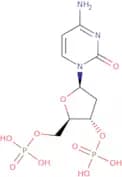
CAS :2-Deoxycytidine 3',5'-diphosphate is an additive that is used in the production of DNA. It is a single-stranded nucleotide with a guanine base. 2-Deoxycytidine 3',5'-diphosphate has been shown to inhibit bacterial growth by reacting with hydrogen peroxide, which is produced during the process of oxidative phosphorylation. This reaction leads to the formation of reactive oxygen species, which damage DNA and cause cell death. The compound also binds to metal ions and prevents them from interacting with cellular components. 2-Deoxycytidine 3',5'-diphosphate can be used as a chromatographic agent for separating DNA fragments according to their size.
Formule :C9H15N3O10P2Degré de pureté :Min. 95%Masse moléculaire :387.18 g/mol3-Deazauridine-5'-triphosphate sodium salt
3-Deazauridine-5'-triphosphate sodium salt is a modified monophosphate nucleotide analogue. It is an antiviral agent that inhibits the production of viral RNA and DNA, thereby inhibiting the synthesis of viral proteins and the formation of new viruses. 3-Deazauridine-5'-triphosphate sodium salt also has anticancer properties and has been shown to activate transcription from plasmid vectors in vitro. It binds to ribonucleoside triphosphates in the active site, causing it to release pyrophosphate and produce diphosphate as an intermediate product. This means that 3-Deazauridine-5'-triphosphate sodium salt can inhibit both DNA polymerase and RNA polymerase, which are enzymes needed for replication of both DNA and RNA.Formule :C10H16NO15P3·xNaDegré de pureté :Min. 95%Couleur et forme :PowderMasse moléculaire :483.15 g/mol5'-Deoxy-5-fluoro-N-[(2-methylbutoxy)carbonyl]cytidine
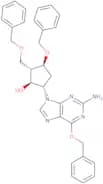
CAS :5'-Deoxy-5-fluoro-N-[(2-methylbutoxy)carbonyl]cytidine is an antiviral drug that has been shown to be a potent inhibitor of HIV-1 replication in cell culture. It is an analog of cytidine, and it binds to the viral reverse transcriptase enzyme via phosphoramidite chemistry. 5'-Deoxy-5-fluoro-N-[(2-methylbutoxy)carbonyl]cytidine is a monophosphate, which inhibits the synthesis of DNA by preventing the incorporation of deoxyribonucleotides in the process. This agent does not have any anticancer activity.Formule :C15H22FN3O6Degré de pureté :Min. 95%Masse moléculaire :359.35 g/mol(1S,2S,3S,5S)-5-(2-Amino-6-(benzyloxy)-9H-purin-9-yl)-3-(benzyloxy)-2-(benzyloxymethyl)cyclopentanol
CAS :(1S,2S,3S,5S)-5-(2-Amino-6-(benzyloxy)-9H-purin-9-yl)-3-(benzyloxy)-2-(benzyloxymethyl)cyclopentanol is a synthetic compound that is used to treat patients with chronic myeloid leukemia. It has been shown to inhibit tyrosine kinase and interacts with the guanine binding site of the purine nucleoside phosphorylase. This drug also inhibits the enzyme (deoxy)ribonucleotide reductase and competes with adenosine for binding to adenosine receptors. The stereoisomers of this drug are active against chronic myeloid leukemia cells. The S enantiomer is more potent than the R enantiomer and exhibits greater selectivity for leukemic cells than healthy cells. It has also been shown to inhibit nitric oxide synthase and may have anti-
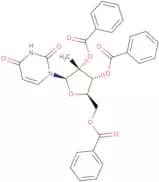
Formule :C32H33N5O4Degré de pureté :Min. 95%Couleur et forme :White PowderMasse moléculaire :551.64 g/mol2',3',5'-Tri-O-benzoyl-2'-C-methyluridine
CAS :2',3',5'-Tri-O-benzoyl-2'-C-methyluridine is a modified nucleoside that can be used as an antiviral and anticancer agent. It is synthesized by reacting 2-amino-5-(3,4,5,6-tetrahydropyrimidin-2(1H)-yl)benzoic acid with methyl 2',3',5'-tri-O-benzoylcytidine 5'-monophosphate in the presence of triethylamine. This compound has been shown to inhibit DNA synthesis by inhibiting the activity of DNA polymerase. The modification of the uracil ring with 3,4,5,6 tetrahydropyrimidine (THP) moieties provides additional stability to the molecule and confers antiviral activity.Formule :C31H26N2O9Degré de pureté :Min. 95%Masse moléculaire :570.55 g/mol1,N6-Ethenoadenosine-5'-triphosphate sodium salt-10mM aqueous solution
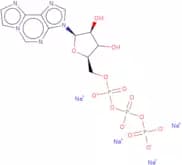
CAS :1,N6-Ethenoadenosine-5'-triphosphate sodium salt-10mM aqueous solution is a modified ATP molecule for use in researchFormule :C12H16N5O13P3Degré de pureté :Min. 98 Area-%Couleur et forme :Clear LiquidMasse moléculaire :531.2 g/mol2'-Deoxy-5'-O-DMT-N2-isobutyryl-3'-xanthylguanosine
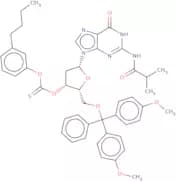
2'-Deoxy-5'-O-DMT-N2-isobutyryl-3'-xanthylguanosine is a diphosphate synthetic activator. It has been shown to be an effective anticancer and antiviral agent.Formule :C46H49N5O8SDegré de pureté :Min. 95%Masse moléculaire :832 g/mol2'-Deoxy-5'-O-DMT-N2-(4-isopropylphenoxyacetyl)guanosine 3'-Me phosphoramidite
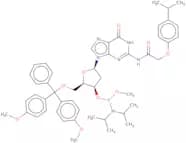
2'-Deoxy-5'-O-DMT-N2-(4-isopropylphenoxyacetyl)guanosine 3'-Me phosphoramidite is a modified nucleoside monophosphate with antiviral and anticancer activity. It is synthesized by the reaction of 2'-deoxyguanosine 5'-O-DMT (dG) with 4-isopropylphenoxyacetic acid in the presence of triethylamine and tetrazole. The product is purified by crystallization. This compound has been shown to inhibit replication of human immunodeficiency virus type 1 (HIV-1) in human lymphocytes, which may be due to its ability to inhibit the synthesis of DNA, RNA, or both.Formule :C49H59N6O9PDegré de pureté :Min. 95%Masse moléculaire :907.03 g/mol2'-Deoxy-5'-O-trityluridine
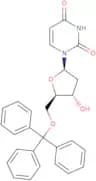
CAS :2'-Deoxy-5'-O-trityluridine is a nucleoside that has been synthesized for visualization purposes. It is an analog of uridine, with the structure shown in Figure 1. The trityl group is oriented on the 2' oxygen atom, which is attached to the ribose sugar. This configuration allows for a variety of interactions with other molecules and can be seen in Figure 2. The methyl group on the 5' carbon atom interacts with the benzene ring on xylene, while the moiety on the 3' carbon atom interacts with furanose. This nucleoside also has a symmetric conformation, as shown in Figure 3.Formule :C28H26N2O5Degré de pureté :Min. 95%Masse moléculaire :470.52 g/mol2'-Deoxycytidyl-(3'-5')-2'-deoxyguanosine
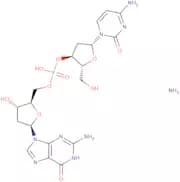
CAS :2'-Deoxycytidyl-(3'-5')-2'-deoxyguanosine is a monophosphate nucleoside. It is an antiviral agent that inhibits the synthesis of DNA and RNA. 2'-Deoxycytidyl-(3'-5')-2'-deoxyguanosine has also been shown to be cytotoxic against cancer cells, with activities against leukemia and lymphoma cells. This drug can be used in the treatment of various cancers, such as chronic myelogenous leukemia, acute myelogenous leukemia, multiple myeloma, Hodgkin's lymphoma, and breast cancer.
Formule :C19H25N8O10P·NH3Degré de pureté :Min. 95%Masse moléculaire :573.45 g/molPyrimidine-5-carbothioic acid amide
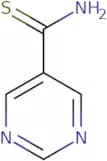
CAS :Pyrimidine-5-carbothioic acid amide (PCA) is an organic compound that contains a pyrimidine ring and a carboxylic acid amide group. PCA forms crystalline solids with the molecular formula C4H10N2O4. The x-ray crystal structure of PCA has been determined, revealing the molecule to have a chair conformation with two hydrogen bonds. The molecule can be considered as stabilized by the base formation between the nitrogen atom in the pyrimidine ring and the oxygen atom in the carboxylic acid amide group. PCA has been used as a building block for other molecules, such as enamines, which are useful for computation studies. PCA is also an intermediate in chemical reactions involving nucleophilic substitution reactions and hydrogen abstraction reactions.Formule :C5H5N3SDegré de pureté :Min. 95%Masse moléculaire :139.18 g/molN1-Methyl-2'-O-methyladenosine
N1-Methyl-2'-O-methyladenosine is a phosphoramidite, deoxyribonucleoside and ribonucleoside analog that has antiviral activity. It inhibits the synthesis of viral DNA and RNA by competitive inhibition of viral DNA polymerases. N1-Methyl-2'-O-methyladenosine also inhibits the proliferation of tumor cells in vitro, which is mediated by its ability to inhibit the synthesis of cellular DNA. This drug has novel chemical structures with anticancer activity.Degré de pureté :Min. 95%2-Bromoadenosine
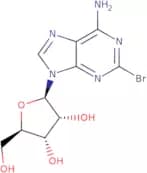
CAS :2-Bromoadenosine is a nucleoside that is structurally similar to adenosine. It has shown to have high resistance against blood pressure and l1210 cells. 2-Bromoadenosine also inhibits kinase activities in microns and spontaneous cell cultures, as well as chemical diversity. This drug has been shown to have high values in neurotransmission, carbonic anhydrase, cardiac muscle, and RNA synthesis. 2-Bromoadenosine blocks the receptor of adenine nucleotides, which causes cell death by inhibiting the production of adenosine. This product may be used for the treatment of cardiac disease or cancer.
Formule :C10H12BrN5O4Degré de pureté :Min. 95%Couleur et forme :PowderMasse moléculaire :346.14 g/mol3'-Deoxy-3'-N-MMT-thymidine 5'-CE phosphoramidite
3'-Deoxy-3'-N-MMT-thymidine 5'-CE phosphoramidite is a modified nucleoside. It is used as an activator in the synthesis of DNA and RNA.Degré de pureté :Min. 95%LDA
CAS :LDA is a technique for extracting spectral features from a set of spectra. It uses the probabilistic model of discriminant analysis to discriminate between groups of spectra. LDA has been shown to outperform other techniques, such as PCA and MDA, in analyzing datasets with a small number of variables. The algorithm is incrementally updated with new data points and parameters, which makes it an attractive choice for real-time applications.
Degré de pureté :Min. 95%2,2'-Anhydrocytidine
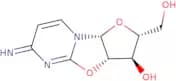
CAS :2,2'-Anhydrocytidine is a cytosine analogue that has been shown to have anticancer activity against solid tumours in mice. The mechanism of action of 2,2'-Anhydrocytidine is not fully understood, but it may be due to its ability to bind to fatty acids and tubule cells in the liver. This compound also induces the production of epidermal growth factor (EGF) and has been shown to inhibit the phase transition temperature of nuclear DNA. It can be used as a model system for hydrogen bonding interactions and chemical stability. 2,2'-Anhydrocytidine can also be used for tissue culture experiments or as a reaction solution in vivo.
Formule :C9H11N3O4Degré de pureté :Min. 95%Couleur et forme :SolidMasse moléculaire :225.2 g/molN4-Acetyl-2'-deoxy-5'-O-DMT-cytidine 3'-Sp-oxazaphospholidine
N4-Acetyl-2'-deoxy-5'-O-DMT-cytidine 3'-Sp-oxazaphospholidine is a novel antiviral drug that has been synthesized for the treatment of cancer and viral infections. This compound has been modified to increase its antiviral activity, which is due to its ability to inhibit DNA synthesis. The antiviral activity of N4-Acetyl-2'-deoxy-5'-O-DMT-cytidine 3'-Sp-oxazaphospholidine was shown in vitro using human and mouse cells infected with herpes simplex virus (HSV) type 1 and 2.Degré de pureté :Min. 95%7-(Aminomethyl)-7-deazaguanosine
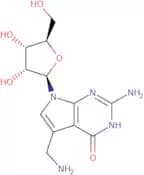
CAS :7-Aminomethyl-7-deazaguanosine is a nucleoside that is classified as a purine. It can be synthesized from 7-amino-7-deazaguanosine and sodium periodate. The chemical reactions involved in the synthesis are oxidation of the amine group on the 7-amino group to form an iminium ion and subsequent nucleophilic attack by the hydroxyl group on the N9 position of the purine ring to form an amino alcohol. This nucleoside has been shown to bind to ribosomes and inhibit protein synthesis, which suggests that it may have potential for use as an antibiotic or anticancer agent. 7-Aminomethyl-7-deazaguanosine has also been shown to cause epigenetic changes such as DNA methylation, histone modification, and alterations in chromatin structure.Formule :C12H17N5O5Degré de pureté :Min. 95%Masse moléculaire :311.29 g/mol5-Methoxyuridine 5′-triphosphate sodium, 85mM/L aqueous solution
CAS :Please enquire for more information about 5-Methoxyuridine 5′-triphosphate sodium, 85mM/L aqueous solution including the price, delivery time and more detailed product information at the technical inquiry form on this pageFormule :C10H17N2O16P3•NaxDegré de pureté :Min. 95%5'-O-DMT-2'-ethylfluoro-5-methyluridine
5'-O-DMT-2'-ethylfluoro-5-methyluridine is an activated nucleotide that is used as a synthetic, nonnatural substrate for DNA polymerases. It has been shown to have anticancer and antiviral activities. 5'-O-DMT-2'-ethylfluoro-5-methyluridine is highly pure and of high quality, which makes it suitable for use in research or other applications requiring a high level of purity.Degré de pureté :Min. 95%5'-O-DMT-N2-(4-isopropylphenoxyacetyl)-2'-O-methylguanosine
5'-O-DMT-N2-(4-isopropylphenoxyacetyl)-2'-O-methylguanosine is a synthetic nucleoside with antiviral and anticancer activity. It is a modified nucleotide that has been synthesized by the activation of 2'-deoxyadenosine monophosphate with 4-isopropylphenoxyacetic acid, followed by the addition of methylguanine methyl ester to give 5'-O-DMT-N2-(4-isopropylphenoxyacetyl)-2'-O-methylguanosine. This novel nucleoside is an activator of DNA polymerases and is used for the synthesis of DNA, RNA, and proteins. It has been shown to have anti-inflammatory properties in animal models. 5'-O-DMT-N2-(4-isopropylphenoxyacetyl)-2'-O-methylguanosine was first synthesizedDegré de pureté :Min. 95%3',5'-Di-O-acetyl-2'-deoxy-D-uridine
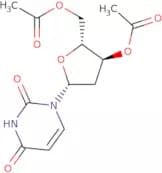
CAS :3',5'-Di-O-acetyl-2'-deoxy-D-uridine is a protonated nucleotide that is synthesized from uridine and acetyl coenzyme A. It has been used as a marker for nucleic acids research, because it is stable at temperatures up to 60 degrees Celsius. 3',5'-Di-O-acetyl-2'-deoxy-D-uridine has been shown to have resonances in the proton region at high field strengths and population shifts in the hydrogen bond region.Formule :C13H16N2O7Degré de pureté :Min. 95%Masse moléculaire :312.28 g/molN4-Acetyl-5'-O-DMT-2'-O-methyl-5-methylcytidine 3'-CE phosphoramidite
N4-Acetyl-5'-O-DMT-2'-O-methyl-5-methylcytidine 3'-CE phosphoramidite is an antiviral, anticancer and nucleoside phosphoramidite. It is a novel DNA building block with antiviral activity against HIV and Hepatitis C. The synthesis of N4-acetyl-5'-O-DMT-2'-O-methyl-5-methylcytidine 3'-CE phosphoramidite is based on the reaction of cytosine monophosphate with 2,4,6,-trimethoxybenzoyl chloride. This compound has also been shown to inhibit the proliferation of leukemia cells in vitro and has potential as a chemotherapeutic agent for cancer treatment.Formule :C43H54N5O9PDegré de pureté :Min. 95%Masse moléculaire :815.89 g/molCytidine-5'-triphosphate, lithium salt
Cytidine-5'-triphosphate, lithium salt (CTP, Li) is a monophosphate that is used as a cofactor in the synthesis of DNA and RNA. It is also used for the treatment of viral infections. CTP, Li has antiviral activity against herpes simplex virus type 1 and 2 (HSV-1 and HSV-2), varicella zoster virus (VZV), human cytomegalovirus (CMV) and Epstein-Barr virus (EBV). CTP, Li can be used to inhibit the growth of cancer cells by modifying DNA.Degré de pureté :Min. 95%5'-O-DMT-N4-isobutyryl-2'-O-methyl-5-methylcytidine
5'-O-DMT-N4-isobutyryl-2'-O-methyl-5-methylcytidine, also known as 5'-O-(4,4'-dimethoxytrityl)-N4-isobutyryl-2'-O-methyl-5-methylcytidine, is a nucleoside and nucleotide analog. It is an antiviral agent with anticancer activity. This compound has been shown to be highly active against herpes simplex virus type 1 (HSV1) in vitro. The mechanism of action is not yet fully understood but may involve modification of the viral DNA polymerase.Formule :C36H41N3O8Degré de pureté :Min. 95%Masse moléculaire :643.73 g/mol2'-Methyl-guanosine-(iBu)-succinyl-CPG; 500 Å (RNA)
2'-Methyl-guanosine-(iBu)-succinyl-CPG is a modified nucleoside with antiviral and anticancer properties. It is synthesized by the condensation of 2'-methyl-guanosine and succinic anhydride in the presence of tetrazole. The compound is a phosphoramidite, which is used as a building block for DNA synthesis.Degré de pureté :Min. 95%


![2,5-Dioxo-3-sulfo-1-pyrrolidinyl 6-[[5-(hexahydro-2-oxo-1H-thieno[3,4-d]imidazol-4-yl)-1-oxopentyl…](/_next/image/?url=https%3A%2Fstatic.cymitquimica.com%2Fproducts%2F3D%2Fthumb-webp%2FPD08913.webp&w=3840&q=75)










![N-Acetyl-5-[1,2-bis(acetyloxy)ethyl]-5'-O-DMT-2'-deoxycytidine 3'-CE phosphoramidite](/_next/image/?url=https%3A%2Fstatic.cymitquimica.com%2Fproducts%2F3D%2Fthumb-webp%2FPA146815.webp&w=3840&q=75)


![Guanosine 5'-[γ-thio]triphosphate tetralithium](/_next/image/?url=https%3A%2Fstatic.cymitquimica.com%2Fproducts%2F3D%2Fthumb-webp%2FNG63193.webp&w=3840&q=75)



![4-Amino-1-[(2R,3R,4R,5R)-3-ethoxy-4-hydroxy-5-(hydroxymethyl)oxolan-2-yl]pyrimidin-2-one](/_next/image/?url=https%3A%2Fstatic.cymitquimica.com%2Fproducts%2F3D%2Fthumb-webp%2FECA42942.webp&w=3840&q=75)






![5'-Deoxy-5-fluoro-N-[(2-methylbutoxy)carbonyl]cytidine](/_next/image/?url=https%3A%2Fstatic.cymitquimica.com%2Fproducts%2F3D%2Fthumb-webp%2FND16526.webp&w=3840&q=75)