Nucléosides
3569 produits trouvés pour "Nucléosides"
(2'R)-N-Benzoyl-2'-deoxy-2'-fluoro-2'-methylcytidine 3',5'-d
CAS :(2'R)-N-Benzoyl-2'-deoxy-2'-fluoro-2'-methylcytidine 3',5'-diphosphate (2'R)-N-benzoyl-2'-deoxy-2'-fluoro-2'-methylcytidine 3',5'-diphosphate) is a modified nucleoside that is an antiviral, anticancer, and activator of DNA synthesis. It has been shown to be the first synthetic nucleotide analogue to have significant activity against HIV in vitro. The synthesis of this compound starts with the diphosphate or monophosphate form of cytidine. The phosphate group is removed and replaced with a 2'R benzoyl group. This process is followed by fluorination and methylation steps. Finally, the 5' hydroxyl group is cleaved to give 2'R -N benzoyl 2'-deoxy-2'-fluoro-2'-Formule :C31H26FN3O7Degré de pureté :Min. 95%Masse moléculaire :571.55 g/molN2-DMF-5'-O-DMT-2'-O-(2-methoxyethyl)guanosine 3'-CE phosphoramidite
N2-DMF-5'-O-DMT-2'-O-(2-methoxyethyl)guanosine 3'-CE phosphoramidite is a nucleoside analog that inhibits the growth of cancer cells. It is a modified nucleoside that has been used to synthesize phosphorothioate oligonucleotides and has been shown to have antiviral and anticancer activities. This compound binds with high affinity to the active site of DNA polymerase, preventing incorporation of ribonucleosides into DNA. N2-DMF-5'-O-DMT-2'-O-(2-methoxyethyl)guanosine 3'-CE phosphoramidite is an activator that increases the rate of deoxyribonucleotide synthesis by DNA polymerase.
Degré de pureté :Min. 95%N4-Benzoyl-2'-O-tert-butyldimethylsilyl-5'-O-DMT-cytidine 3'-CE phosphoramidite
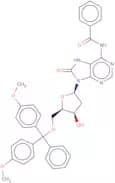
CAS :N4-Benzoyl-2'-O-tert-butyldimethylsilyl-5'-O-DMT-cytidine 3'-CE phosphoramidite is a high purity, Ribonuclesides, Anticancer, High quality, Antiviral, Nucleosides, CAS No. 118380-84-0, Deoxyribonucleosides, Modified, monophosphate and Phosphoramidites. It is an important reagent for the synthesis of DNA and RNA oligonucleotides. This product has novel properties as an anticancer drug and antiviral agent.Formule :C52H66N5O9PSiDegré de pureté :Min. 95%Couleur et forme :PowderMasse moléculaire :964.19 g/molN6-Benzoyl-2'-deoxy-5'-O-DMT-8-oxo-adenosine
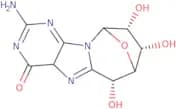
N6-Benzoyl-2'-deoxy-5'-O-DMT-8-oxo-adenosine is a nucleoside that inhibits the synthesis of DNA and RNA. It inhibits the activity of the enzyme ribonucleotide reductase, which converts ribonucleotides to deoxyribonucleotides. N6-Benzoyl-2'-deoxy-5'-O-DMT-8-oxo-adenosine has antiviral activity against certain viruses and anticancer activity, as it inhibits DNA synthesis in cancer cells. It also has been shown to have an effect on the immune system by inhibiting protein synthesis in T cells.Formule :C38H35N5O7Degré de pureté :Min. 95%Masse moléculaire :673.71 g/mol8,5’(S)-Cycloguanosine
CAS :Please enquire for more information about 8,5’(S)-Cycloguanosine including the price, delivery time and more detailed product information at the technical inquiry form on this pageFormule :C10H10N5O5Degré de pureté :Min. 95%2'-O-tert-Butyldimethylsilyl-N2-DMF-5'-O-DMT-guanosine 3'-CE phosphoramidite
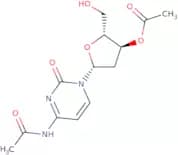
2'-O-tert-Butyldimethylsilyl-N2-DMF-5'-O-DMT-guanosine 3'-CE phosphoramidite is a nucleoside monophosphate with CAS No. 58822-52-3. It is an activator that has anticancer and antiviral properties. This product is modified, novel and high purity and quality. 2'-O-tert-Butyldimethylsilyl-N2-DMF-5'-O-DMT-guanosine 3'-CE phosphoramidite can be used in the synthesis of oligonucleotides for use as probes or drugs in the treatment of cancer, HIV, hepatitis B and influenza A.Formule :C49H67N8O8PSiDegré de pureté :Min. 95%Masse moléculaire :955.19 g/molN4-Acetyl-3'-O-acetyl-2'-deoxycytidine
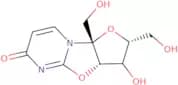
CAS :N4-Acetyl-3'-O-acetyl-2'-deoxycytidine is a novel, modified nucleoside that contains a phosphoramidate linkage. It has been shown to have anticancer and antiviral properties. N4-Acetyl-3'-O-acetyl-2'-deoxycytidine is also an activator of the immune system and has been shown to be effective against HIV.Degré de pureté :Min. 95%2,3'-Anhydro-1-b-D-fructofuranosyluracil
CAS :2,3'-Anhydro-1-b-D-fructofuranosyluracil is a novel nucleoside that is activated by phosphorylation. It is a potential antiviral and anticancer agent. This compound has shown to be an effective inhibitor of HIV replication in vitro. It has also been shown to inhibit the growth of human cancer cells in vitro and in vivo.Formule :C10H12N2O6Degré de pureté :Min. 95%Masse moléculaire :256.21 g/mol7-Deaza-2'-C-methylguanosine
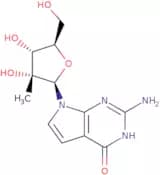
CAS :7-Deaza-2'-C-methylguanosine is a nucleoside that is obtained from the synthesis of 7-deazaguanosine. It has antiviral activity and has been shown to be an activator for DNA synthesis. This compound is used as a monophosphate, diphosphate, or phosphoramidite in the synthesis of oligonucleotides. 7-Deaza-2'-C-methylguanosine has been shown to have anticancer properties, which may be due to its ability to inhibit ribonucleotide reductase and thus inhibit DNA synthesis.Formule :C12H16N4O5Degré de pureté :Min. 95%Masse moléculaire :296.29 g/mol5'-O-DMT-N4-benzoyl-5-methyl-(2'-O-4'-C-methylene)-cytidine 3'-CE phosphoramidite
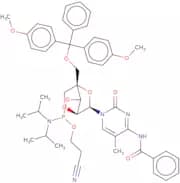
5'-O-DMT-N4-benzoyl-5-methyl-(2'-O-4'-C-methylene)-cytidine 3'-CE phosphoramidite is a novel nucleoside analogue that has antiviral, anticancer and antimalarial activity. It is also used as a building block for the synthesis of oligonucleotides and in the modification of DNA, RNA and proteins. 5'-O-DMT-N4-benzoyl-5-methyl-(2'-O-4'-C-methylene)-cytidine 3'-CE phosphoramidite is an analogue of cytidine, which can be incorporated into DNA by means of enzymatic reactions. In addition to its antiviral, anticancer and antimalarial properties, it has been shown to have antiinflammatory effects. This drug is synthesized by chemical modification of cytosine, with 2′-, 4′-, or 6′ -Degré de pureté :Min. 95%3',5'-Di-O-acetyl-N4-acetyl-2'-deoxycytidine
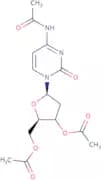
3',5'-Di-O-acetyl-N4-acetyl-2'-deoxycytidine is a synthetic nucleoside. It is an activator of the immune system and has antiviral activities. 3',5'-Di-O-acetyl-N4-acetyl-2'-deoxycytidine is also a potent inhibitor of DNA and RNA polymerases, thereby preventing the synthesis of these nucleic acids. This drug has been shown to inhibit tumor cell growth in cultures of human cancer cells and has been used as a potential anticancer agent in clinical trials. The drug's activity as an immunomodulator is due to its ability to bind to lymphocytes, which leads to the production of cytokines that stimulate the immune system. 3',5'-Di-O-acetyl-N4-acetyl-2'-deoxycytidine also inhibits HIV replication by binding to viral reverse transcriptase and preventing it from copying the viral genomeFormule :C15H19N3O7Degré de pureté :Min. 95%Masse moléculaire :353.33 g/molDisodium adenosine 5'-phosphate hydrate
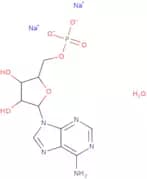
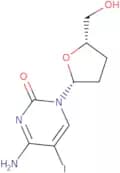
CAS :Disodium adenosine 5'-phosphate hydrate is a novel, modified nucleotide analogue that is used in antiviral therapy. It has been shown to be an effective inhibitor of herpes simplex virus type 1 (HSV-1), herpes simplex virus type 2 (HSV-2), and cytomegalovirus. Disodium adenosine 5'-phosphate hydrate also inhibits DNA polymerase and RNA polymerase, thereby preventing replication of the virus genome. Disodium adenosine 5'-phosphate hydrate has been shown to be active against cancer cells in vitro and in vivo, as well as being useful in the treatment of cancer.Formule :C10H14N5Na2O8PDegré de pureté :Min. 95%Masse moléculaire :409.2 g/mol5'-Iodo-2',3'-dideoxycytidine
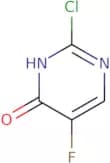
5'-Iodo-2',3'-dideoxycytidine is a nucleoside analog that is used as an antiviral agent and an anticancer drug. It inhibits the synthesis of DNA by inhibiting the enzyme DNA polymerase, which is necessary for DNA replication. This compound also has a high quality and purity, as it is synthesized in a controlled environment. 5'-Iodo-2',3'-dideoxycytidine has shown to be effective against leukemia cells in culture and has been shown to inhibit the growth of cancer cells in animal models. 5'-Iodo-2',3'-dideoxycytidine has shown to be effective against leukemia cells in culture and has been shown to inhibit the growth of cancer cells in animal models.Formule :C9H12N3O3IDegré de pureté :Min. 95%Masse moléculaire :337.11 g/mol2-Chloro-4-hydroxy-5-fluoropyrimidine
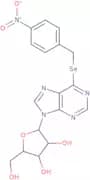
CAS :2-Chloro-4-hydroxy-5-fluoropyrimidine is a nucleoside with antiviral and anticancer activity. It has shown to be an effective agent against HIV, herpes virus and human papilloma virus. 2-Chloro-4-hydroxy-5-fluoropyrimidine inhibits the synthesis of DNA by inhibiting the enzyme DNA polymerase, which catalyzes the formation of diphosphate from monophosphate. In addition, it inhibits protein synthesis by inhibiting ribonucleotide reductase, which catalyzes the conversion of ribonucleotides to deoxyribonucleotides.Formule :C4H2ClFN2ODegré de pureté :Min. 95%Masse moléculaire :148.52 g/mol4'-Nitrobenzoyl-6-selenoinosine
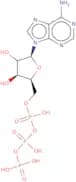
CAS :4'-Nitrobenzoyl-6-selenoinosine is a monophosphate nucleoside that is synthesized by the phosphoramidite method. It has been shown to have antiviral and anticancer activities. The compound inhibits the synthesis of DNA and RNA, which may be due to its ability to inhibit the enzyme ribonucleotide reductase. 4'-Nitrobenzoyl-6-selenoinosine has also been shown to activate cellular transcription factors such as NF-κB and AP-1, resulting in increased expression of genes involved in apoptosis.Formule :C17H15N5O7SeDegré de pureté :Min. 95%Masse moléculaire :480.29 g/molL-Adenosine 5'-triphosphate sodium salt
CAS :L-Adenosine 5'-triphosphate sodium salt is a monophosphate, diphosphate, and triphosphate analog of adenosine that is used as an antiviral agent. L-Adenosine 5'-triphosphate sodium salt is a synthetic nucleoside that is modified at the ribose sugar to form a phosphoramidite. This modification increases the stability of the molecule and prevents hydrolysis by ribonucleases. L-Adenosine 5'-triphosphate sodium salt is also known as Ado-5'-P or ATPγS.Formule :C10H12N5O13P3Na4Degré de pureté :Min. 95%Masse moléculaire :595.11 g/mol4-(Dimethoxymethyl)pyrimidine
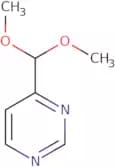
CAS :4-(Dimethoxymethyl)pyrimidine is a nitrogen heterocycle that is prepared by the reaction of formamide and nitrate. This compound has been shown to inhibit the replication of viruses such as HIV, herpes simplex virus type 2 (HSV-2), or vesicular stomatitis virus (VSV). 4-(Dimethoxymethyl)pyrimidine also binds to uracil in RNA, inhibiting RNA synthesis and leading to cell death. This compound can also be used as a precursor for the preparation of 2-aminopyrimidine, which is used in the synthesis of other compounds. 4-(Dimethoxymethyl)pyrimidine is used in organic synthesis for the preparation of benzene derivatives, such as nitrobenzene. This compound can also be synthesized by reacting formamide with toluene in an ultrasonic bath.Formule :C7H10N2O2Degré de pureté :Min. 95%Masse moléculaire :154.17 g/mol3'-Chloro-3'-deoxy-5'-O-tritylthymidine
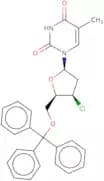
CAS :3'-Chloro-3'-deoxy-5'-O-tritylthymidine (3CT) is an antiviral and anticancer drug that is a modified nucleoside. It is synthesized by reacting 3'-chloro-5'-O-tritylthymidine with trichloroacetonitrile. 3CT inhibits the synthesis of DNA and RNA, which may have antiviral and anticancer effects. It can be used to treat hepatitis B virus, herpes simplex virus, human papillomavirus, Epstein-Barr virus, and Kaposi's sarcoma. 3CT has been shown to be effective in treating cancer cells in culture by inhibiting DNA synthesis.Formule :C29H27ClN2O4Degré de pureté :Min. 95%Masse moléculaire :503 g/molUridylyl-2'-5'-uridine ammonium salt
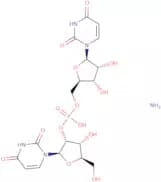
CAS :Uridylyl-2'-5'-uridine ammonium salt is a monophosphate nucleoside that is a synthetic compound of uridine. It is an antiviral agent and has been shown to be effective against DNA viruses such as herpes simplex virus and Epstein-Barr virus. Uridylyl-2'-5'-uridine ammonium salt binds to the viral DNA, preventing the replication process from occurring. This drug also has anticancer properties, which are attributed to its ability to inhibit DNA synthesis in cells.Formule :C18H23N4O14P·NH3Degré de pureté :Min. 95%Masse moléculaire :567.41 g/mol1,2,3-Triazole-4-carboxamide, 5-b-D-ribofuranosyl-5'-triphosphate-nucleoside triethyl ammonium salt
1,2,3-Triazole-4-carboxamide, 5-b-D-ribofuranosyl-5'-triphosphate-nucleoside triethyl ammonium salt is a phosphoramidite that belongs to the class of ribonucleosides. It has been shown to be effective against viral diseases and cancer. The novel modifications in this nucleoside include the incorporation of a triethyl ammonium salt. This nucleoside has been shown to be active against HIV and cytomegalovirus (CMV). 1,2,3-Triazole-4-carboxamide, 5-b-D ribofuranosyl -5'-triphosphate nucleoside triethyl ammonium salt also has anticancer properties.Formule :C8H12N4O14P3Degré de pureté :Min. 95%Masse moléculaire :481.12 g/molN4-Benzoyl-1-(2'-deoxy-2'-fluoro-b-D-arabinofuranosyl)cytosine
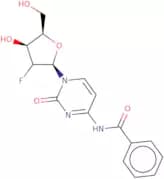
N4-Benzoyl-1-(2'-deoxy-2'-fluoro-β-D-arabinofuranosyl)cytosine is a nucleoside analogue that inhibits HIV reverse transcriptase. It is a monophosphate and a diphosphate, which are activated by phosphorylation to form the active triphosphate. N4-Benzoyl-1-(2'-deoxy-2'-fluoro-β-D-arabinofuranosyl)cytosine has been shown to be an antiviral and anticancer agent. This compound has been modified with an aromatic benzoyl group at position 4 of the sugar moiety in order to block the interaction with the viral polymerase.Formule :C16H16FN3O5Degré de pureté :Min. 95%Masse moléculaire :349.32 g/mol3’-Deoxy- 3'- methylguanosine
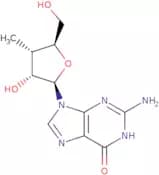
CAS :3’-Deoxy-3'-methylguanosine is a nucleoside that is used in the synthesis of DNA. 3’-Deoxy-3'-methylguanosine is a monophosphate that can be obtained from the phosphoramidites, which are intermediates in the chemical synthesis of nucleotides. 3’-Deoxy-3'-methylguanosine is an activator for DNA polymerases and has been shown to have antiviral, anticancer, and antifungal properties. It has also been shown to be cytotoxic against leukemia cells. 3’-Deoxy-3'-methylguanosine is a novel nucleoside with modified properties.Formule :C11H15N5O4Degré de pureté :Min. 95%Masse moléculaire :281.27 g/mol2',3',5-Tri-O-acetyl-2-chloroadenosine
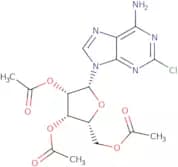
CAS :2',3',5-Tri-O-acetyl-2-chloroadenosine is a modified nucleoside that has been shown to be a potent activator of the transcriptional activator protein 2 (AP2) and AP1. The ribonucleosides are synthesized by phosphoramidite chemistry and are prepared as monophosphate or diphosphate derivatives. 2',3',5-Tri-O-acetyl-2-chloroadenosine also has antiviral activity against herpes simplex virus type 1 (HSV1). This drug is highly purified and can be used in high quality applications, such as anticancer and antiviral treatments.
Formule :C16H18ClN5O7Degré de pureté :Min. 95%Masse moléculaire :427.8 g/mol5'-O-Levulinoylthymidine 3'-CE phosphoramidite
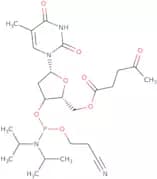
CAS :5'-O-Levulinoylthymidine 3'-CE phosphoramidite is a novel, high quality diphosphate nucleoside. It is modified with levulinic acid and has antiviral and anticancer properties. 5'-O-Levulinoylthymidine 3'-CE phosphoramidite is synthesized from 5'-O-levulinoylthymidine monophosphate, which is synthesized from thymidine and levulinic acid. The synthesis of 5'-O-levulinoylthymidine 3'-CE phosphoramidite starts with the reaction of 1 equivalent of thymidine with 1 equivalent of levulinic acid in aqueous solution at pH 7 to 8 at 100°C for 2 hours, followed by purification by HPLC.Formule :C24H37N4O8PDegré de pureté :Min. 95%Masse moléculaire :540.55 g/molLNA-guanosine 3'-CE phosphoramidite
CAS :LNA-guanosine 3'-CE phosphoramidite is a novel, high purity, activated nucleoside. It is an anti-cancer and antiviral agent that is synthetically modified to include a phosphate group at the 3' position of the sugar moiety. This modification prevents viral inhibition by inhibiting viral DNA synthesis. LNA-guanosine 3'-CE phosphoramidite is also used as an anticancer agent due to its ability to inhibit ribonucleotide reductase and diphosphate reductase, which are enzymes required for DNA synthesis.Degré de pureté :Min. 95%N2-Isobutyryl-2'-O-(2-methylacetamido)guanosine
N2-Isobutyryl-2'-O-(2-methylacetamido)guanosine is a modified nucleoside with antiviral, anticancer and antiretroviral activity. It is a novel monophosphate that has been shown to be effective against hepatitis B and HIV. N2-Isobutyryl-2'-O-(2-methylacetamido)guanosine inhibits the synthesis of viral DNA by acting as an activator of DNA polymerases.Degré de pureté :Min. 95%N4-Acetyl-2'-deoxy-5'-O-DMT-5-methylcytidine
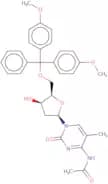
N4-Acetyl-2'-deoxy-5'-O-DMT-5-methylcytidine is a nucleoside analog that is used as an antiviral, anticancer, and antiretroviral agent. It is a potent inhibitor of HIV replication in vitro and in vivo. N4-Acetyl-2'-deoxy-5'-O-DMT-5-methylcytidine inhibits the activity of viral reverse transcriptase and DNA polymerase by binding to their RNA template strand. The drug shows efficacy against leukemia cells in vitro and against murine leukemia L1210 cells in vivo. Treatment with N4-acetyl-2'-deoxy-5'-O-DMT cytidine has been shown to reduce the size of tumors in mice with fibrosarcoma, melanoma, or glioma xenografts. N4 acetyl 2’ deoxy 5’ O DMT cytidine is alsoFormule :C33H35N3O7Degré de pureté :Min. 95%Masse moléculaire :585.65 g/mol3’-O-(2-Methoxyethyl)adenosine
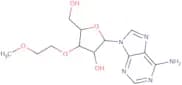
CAS :3’-O-(2-Methoxyethyl)adenosine is a nucleoside, a kind of building block for DNA. It is an antiviral agent that inhibits viral replication by preventing the incorporation of viral nucleic acid into host DNA. 3’-O-(2-Methoxyethyl)adenosine also has anticancer properties, which makes it useful as a chemotherapeutic agent. 3’-O-(2-Methoxyethyl)adenosine is synthesized from adenosine monophosphate in two steps: first, the methoxy group is attached to the 2’ position of the ribose sugar by phosphoramidite chemistry; second, the 5' hydroxyl group is oxidized to form the phosphate ester.Formule :C13H19N5O5Degré de pureté :Min. 95%Masse moléculaire :325.32 g/molThymidine-5'-diphosphate-6-deoxy-D-allose
Thymidine-5'-diphosphate-6-deoxy-D-allose (TDP) is a high quality monophosphorylated nucleoside that is used as an activator, anticancer, and antiviral agent. TDP has been modified to improve the efficacy and safety of cancer treatments by enhancing the cytotoxicity of chemotherapeutics. TDP also has antiviral properties and can be used in the treatment of HIV infections by inhibiting viral replication.
Degré de pureté :Min. 95%(+)-Emtricitabine
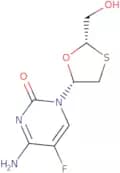
CAS :Emtricitabine is a synthetic nucleoside analog of cytidine. It is used in the treatment of HIV infection and hepatitis B virus infection. Emtricitabine binds to human DNA polymerase, preventing the incorporation of viral DNA into the host cell's genome. This prevents the virus from multiplying and reproducing, thereby inhibiting the spread of HIV in humans. The drug has been shown to inhibit replication at all stages of HIV-1, including reverse transcription and integration into host cell DNA. Emtricitabine also inhibits replication of other viruses such as herpes simplex virus type 1 (HSV-1) and hepatitis C virus (HCV). Emtricitabine is a prodrug that must be activated by phosphorylation before it can be incorporated into DNA. This activation requires tenofovir alafenamide hemifumarate as an activator, which is an experimental drug with improved bioavailability, reduced renal clearance, andFormule :C8H10FN3O3SDegré de pureté :Min. 95%Masse moléculaire :247.25 g/molL-Inosine
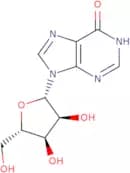
CAS :L-Inosine is a purine nucleoside that is found in plants and animals. It is an intermediate in the pentose phosphate pathway and can be synthesized from the amino acid L-lysine. L-Inosine has been shown to inhibit the growth of trichomonas vaginalis and giardia, but not uninfected human erythrocytes. The mechanism of action of L-Inosine is not well understood, but it may have a role in transporting adenosine into cells. The oral bioavailability of L-Inosine is low due to its rapid conversion to l-adenosine by nonsaturable enzymes. L-Inosine does not appear to be a substrate for transport across mammalian cells, but it does act as a competitive inhibitor for glucose transport.Formule :C10H12N4O5Degré de pureté :Min. 95%Couleur et forme :Off-White SolidMasse moléculaire :268.23 g/mol1-(2'-Deoxy-2'-chloro-b-L-arabinofuranosyl)-thymine
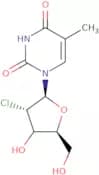
1-(2'-Deoxy-2'-chloro-b-L-arabinofuranosyl)-thymine is a synthetic nucleoside that acts as an activator of DNA synthesis and inhibits viral replication. It is used in the treatment of cancer and antiviral therapy. 1-(2'-Deoxy-2'-chloro-b-L-arabinofuranosyl)-thymine is also used as a building block for the modification of other nucleosides, including deoxyribonucleosides, ribonucleosides, and nucleotides. The drug is available in high purity at a low cost.
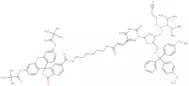
Formule :C10H13ClN2O5Degré de pureté :Min. 95%Masse moléculaire :276.67 g/molFluorescein-dt cep
CAS :Fluorescein-dt cep is a monophosphate nucleoside analog that is modified with an activated ester group. It is used as a prodrug for the treatment of influenza in humans. Fluorescein-dt cep has antiviral activity, which may be due to its ability to inhibit viral RNA synthesis. This agent also has anticancer activity and has been shown to kill leukemia cells by interfering with DNA synthesis. The chemical name for fluorescein-dt cep is 1-(2,6-dichloro-4-(5,7-dimethoxy-4-methylpyridiniumyl)phenyl)cytosine monophosphate. Fluorescein-dt cep is also known by the following synonyms: 1-(2,6-Dichloro-4-(5,7-dimethoxyquinoliniumyl)phenyl)-1H-[1,3]dioxFormule :C79H89N6O17PDegré de pureté :Min. 95%Masse moléculaire :1,425.6 g/mol2-Iodo-2',3'-O-isopropylideneadenosine
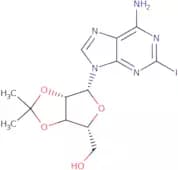
CAS :2-Iodo-2',3'-O-isopropylideneadenosine is a phosphoramidite nucleoside that is used for the synthesis of oligonucleotide DNA. It has antiviral and anticancer properties, as well as a novel chemical structure. 2-Iodo-2',3'-O-isopropylideneadenosine has been synthesized in high purity and quality. It is also available in CAS No. 141018-25-9.Formule :C13H16IN5O4Degré de pureté :Min. 95%Couleur et forme :White to off-white solid.Masse moléculaire :433.21 g/molBenzyl 2-acetamido-2-deoxy-3,4,6-tri-O-acetyl-β-D-glucopyranoside
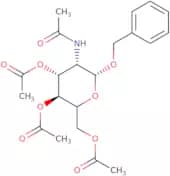
CAS :Benzyl 2-acetamido-2-deoxy-3,4,6-tri-O-acetyl-β-D-glucopyranoside is a synthetic nucleoside analog. It is an antiviral agent that inhibits the activity of reverse transcriptase and DNA polymerase. Benzyl 2-acetamido-2-deoxy--3,4,6--tri--O--acetyl--β--D--glucopyranoside has been shown to be active against hepatitis B virus and herpes simplex virus type 1. It also has been shown to inhibit the production of HIV in cell culture and is being investigated as a potential anti AIDS drug.Degré de pureté :Min. 95%TFA-ap-dU
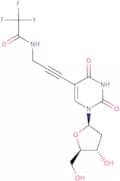
CAS :TFA-ap-dU is a modified, ribonucleosides that are used in DNA synthesis. The polymerase chain reaction (PCR) technique can be used to generate a large number of copies of a specific sequence of nucleotides from the original DNA template. This product is used for antiviral and anticancer research. TFA-ap-dU has been shown to be effective against Hepatitis B virus and Human Immunodeficiency Virus (HIV). It is also an activator of DNA and RNA synthesis.
Formule :C14H14F3N3O6Degré de pureté :Min. 95%Masse moléculaire :377.27 g/mol2-Chloro-3-deazaadenosine
CAS :2-Chloro-3-deazaadenosine is an antiviral drug that inhibits the synthesis of DNA by acting as a competitive inhibitor for adenosine. It has been shown to be effective in the treatment of hepatitis B virus and herpes simplex virus infections. 2-Chloro-3-deazaadenosine prevents the incorporation of the natural nucleoside adenosine into DNA, which leads to inhibition of viral replication and cell division. This drug also has been shown to inactivate liver cells in bovines, which may account for its toxicity. The synthesis of 2-chloroadenosine is difficult and laborious due to its glycosylation, making it more expensive than other analogues that are more easily synthesized.
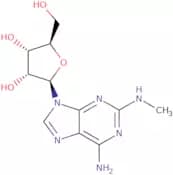
Formule :C11H13ClN4O4Degré de pureté :Min. 95%Couleur et forme :PowderMasse moléculaire :300.7 g/mol2-Methylaminoadenosine
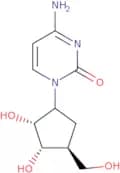
CAS :2-Methylaminoadenosine is a nucleoside that is the product of the action of adenosine deaminase on 2-aminoadenosine. It is used in diagnostic assays to differentiate between n6-methyladenosine and deoxyadenosine in DNA, RNA, or serum samples. It has been shown to have an interaction with fatty acids and their derivatives and sequences in tissues. In addition, it has been shown to have specificities for cardiac tissue and a flow rate that is constant.Formule :C11H16N6O4Degré de pureté :Min. 95%Masse moléculaire :296.28 g/molCarbodine
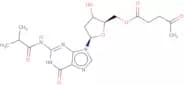
CAS :Carbocyclic analog of cytidineFormule :C10H15N3O4Degré de pureté :Min. 95%Couleur et forme :PowderMasse moléculaire :241.24 g/mol2'-Deoxy-N2-isobutyryl-5'-O-levulinoylguanosine
2'-Deoxy-N2-isobutyryl-5'-O-levulinoylguanosine is a novel antiviral drug that has been shown to be active against influenza, herpes, and HIV. It belongs to the class of deoxyribonucleosides and is ribonucleotide analogs. 2'-Deoxy-N2-isobutyryl-5'-O-levulinoylguanosine inhibits viral replication by interacting with viral DNA polymerase, preventing the extension of viral DNA chains by blocking the incorporation of nucleotides into the growing strand. The enzyme activity of 2'-deoxy-N2-isobutyrylguanosine is activated by phosphoramidites in vitro.
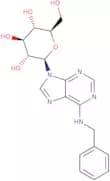
Formule :C19H25N5O7Degré de pureté :Min. 95%Masse moléculaire :435.43 g/mol6-Benzylamino-9-(a-D-glucopyranosyl)purine
CAS :6-Benzylamino-9-(a-D-glucopyranosyl)purine is a novel nucleoside phosphoramidite that has been synthesized as an intermediate for anticancer therapy. It is a monophosphate, which has antiviral and antifungal activity. 6-Benzylamino-9-(a-D-glucopyranosyl)purine is a synthetic nucleoside with a novel structure, which inhibits the synthesis of DNA and RNA. This drug also has ribonucleotide reductase inhibitory activities.Formule :C18H21N5O5Degré de pureté :Min. 95%Masse moléculaire :387.4 g/mol2',3'-Dideoxy-3'-fluoroadenosine
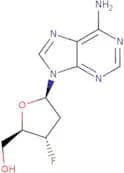
CAS :2',3'-Dideoxy-3'-fluoroadenosine (ddFdA) is an antiviral drug that has been shown to be effective against HIV and other viruses. It is a synthetic nucleoside analogue of the natural purine adenosine. ddFdA inhibits the synthesis of viral RNA and DNA by competitively inhibiting the enzyme ribonucleotide reductase, thereby blocking DNA synthesis. The drug has shown significant activity in humans with immunodeficiency, but also has toxic effects on lymphocytes. ddFdA is synthesised from 2',3'-dideoxyadenosine (ddAdo), which is produced by the action of adenosinase on adenosine. In humans, ddFdA is converted to dideoxyadenosine triphosphate (ddATP), which inhibits cellular proliferation.Formule :C10H12FN5O2Degré de pureté :Min. 95%Masse moléculaire :253.23 g/mol2'-O-(2-Ethoxy-2-oxoethyl)adenosine
2'-O-(2-Ethoxy-2-oxoethyl)adenosine is a nucleoside that is a modified version of adenosine. It is phosphorylated to form 2'-O-(2-ethoxy-2-oxoethyl)adenosin-5'-yl monophosphate, which has antiviral activity and is used as an antiviral agent in the treatment of herpes simplex virus. The chemical structure of this nucleoside is novel, and it binds to the ribonucleotide reductase enzyme to prevent the synthesis of DNA and RNA. This drug also has anticancer properties, but it is not active against bacterial infections.
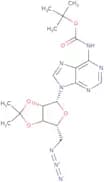
Degré de pureté :Min. 95%5'-Azido-N6-Boc-5'-deoxy-2',3'-O-isopropylideneadenosine
CAS :5'-Azido-N6-Boc-5'-deoxy-2',3'-O-isopropylideneadenosine is an antiviral and anticancer agent that inhibits the replication of RNA and DNA. It inhibits viral infection by inhibiting the synthesis of viral genomes, which are made up of DNA or RNA. 5'-Azido-N6-Boc-5'-deoxy-2',3'-O-isopropylideneadenosine is a novel modified nucleoside analog that blocks the incorporation of ribonucleotides into viral DNA or RNA. The drug has been shown to be effective against Hepatitis B, Hepatitis C, HIV, and other viruses. This compound can also be used as a chemotherapeutic agent for cancer treatment due to its inhibition of DNA synthesis.Formule :C18H24N8O5Degré de pureté :Min. 95%Masse moléculaire :432.43 g/mol5-O-Tritylinosine
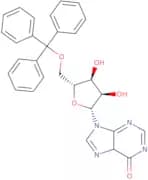
CAS :5-O-Tritylinosine is a modified nucleoside that has shown anticancer and antiviral properties. It is the monophosphate ester of 5-methyluracil and has been shown to inhibit DNA synthesis in vitro. 5-O-Tritylinosine has also been shown to inhibit the replication of herpes simplex virus type 1, which may be due to its ability to inhibit viral DNA polymerase.Formule :C29H26N4O5Degré de pureté :Min. 95%Masse moléculaire :510.54 g/mol6-Methyl-thio-guanosine
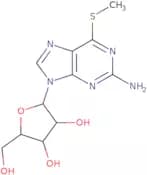
CAS :6-Methyl-thio-guanosine is a guanine analog that has been used for the treatment of asthma. It was found to be effective in reducing the number of neutrophils and responsiveness of these cells to stimuli. 6-Methyl-thio-guanosine is able to reduce the number of neutrophils in the airway and decrease the amount of sputum produced by patients with chronic obstructive pulmonary disease. 6-Methyl-thio-guanosine also prevents the release of mediators from these cells, which are important in inflammation. This drug has been shown to have an effect on bronchial epithelial cells, slowing their growth and increasing their ability to resist damage. 6-Methyl-thio-guanosine can be administered by inhalation or orally, through microlenses or expansion devices, or by suctioning bronchial secretions. Treatment may also involve injection directly into lung tissue using a bronFormule :C11H15N5O4SDegré de pureté :Min. 95%Masse moléculaire :313.33 g/molN4-Benzoyl-2'-deoxy-5'-O-DMT-5-iodocytidine 3'-CE phosphoramidite
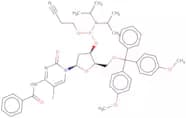
N4-Benzoyl-2'-deoxy-5'-O-DMT-5-iodocytidine 3'-CE phosphoramidite is an activator that is used in the synthesis of DNA, RNA, and other nucleic acids. It has antiviral, anticancer, and antimicrobial activities. N4-Benzoyl-2'-deoxy-5'-O-DMT-5-iodocytidine 3'-CE phosphoramidite is a novel compound that has been modified to improve its activity as an activator. This activator is provided at high purity and is suitable for research purposes.Formule :C46H51IN5O8PDegré de pureté :Min. 95%Couleur et forme :PowderMasse moléculaire :959.83 g/mol1-(3',5'-Di-O-benzoyl-2'-deoxy-2'-fluoro-D-arabinofuranosyl)uracil
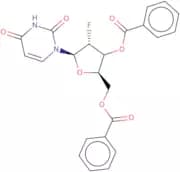
1-(3',5'-Di-O-benzoyl-2'-deoxy-2'-fluoro-D-arabinofuranosyl)uracil is a modified nucleoside that is an activator of DNA synthesis. It inhibits the activity of an enzyme called thymidine kinase and prevents the formation of the prodrug 5-fluorouracil. 1-(3',5'-Di-O-benzoyl-2'-deoxy-2'-fluoro-D-arabinofuranosyl)uracil has been shown to be active against a variety of cancer cells, including leukemia, skin cancer, and breast cancer. This drug also has antiviral and antimetabolite properties.Formule :C23H19N2O7FDegré de pureté :Min. 95%Masse moléculaire :454.4 g/mol8-(4-Amino-(2',3',4',5',6'-D5-biphenyl)-2'-deoxyguanosine
Produit contrôlé8-(4-Amino-(2',3',4',5',6'-D5-biphenyl)-2'-deoxyguanosine is a novel, diphosphate nucleoside with antiviral and anticancer activity. It has been shown to activate the transcription of genes that are involved in cell growth and differentiation. This drug also inhibits the synthesis of viral DNA by binding to the viral DNA polymerase, thereby inhibiting its function. 8-(4-Amino-(2',3',4',5',6'-D5-biphenyl)-2'-deoxyguanosine can be used as a phosphoramidite for the preparation of oligonucleotides for use in gene therapy.
Formule :C22H17N6O4D5Degré de pureté :Min. 95%Couleur et forme :PowderMasse moléculaire :439.48 g/mol5'-Tosyl-2'-deoxyadenosine
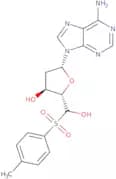
CAS :5'-Tosyl-2'-deoxyadenosine is a synthetic, novel nucleoside that has antiviral and anticancer activity. It is an activator of DNA synthesis and inhibits protein synthesis by blocking the enzyme ribonucleotide reductase. 5'-Tosyl-2'-deoxyadenosine is not active against Mycobacterium tuberculosis or Mycobacterium avium complex due to the lack of phosphoramidite incorporation into DNA. 5'-Tosyl-2'-deoxyadenosine is a high purity, high quality product that can be used as an antiviral agent or anticancer drug.Degré de pureté :Min. 95%5-Azido-2'-deoxyuridine
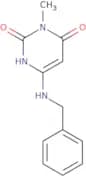
CAS :5-Azido-2'-deoxyuridine is a diazonium salt that inhibits the replication of DNA. This compound is synthesized using natural compounds, including 5-azidouracil and formamide. The structure of this compound has been shown to be chromatographically similar to uridine and binds to DNA in vitro. It also has been shown to have biological properties that inhibit the growth of trichomonas vaginalis and dna replication. 5-Azido-2'-deoxyuridine is not very stable in dimethylformamide but can be stored at −20°C for up to two years.Degré de pureté :Min. 95%6-(Benzylamino)-3-methyl-1,2,3,4-tetrahydropyrimidine-2,4-dione
CAS :6-(Benzylamino)-3-methyl-1,2,3,4-tetrahydropyrimidine-2,4-dione (BMPT) is a synthetic cytokinin that belongs to the group of 6-benzylaminopurines. BMPT is an inhibitor of cytokinin receptor kinases, as it is a benzyl uracil derivative. BMPT can be used as a building block for the synthesis of other compounds and has been used as an inhibitor of cell growth in various organisms.
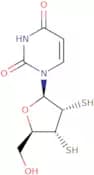
Formule :C12H13N3O2Degré de pureté :Min. 95%Masse moléculaire :231.25 g/mol2',3'-Dithiouridine
CAS :2',3'-Dithiouridine is a triamide that is synthesized from uridine and chloroacetic acid. The dimeric form of this compound has been shown to be the most stable and yields are high. 2',3'-Dithiouridine can be prepared by the reaction of uridine with chloroacetyl chloride in DMSO at room temperature. The disulfide linkage between the two thiouridines is stereospecifically oriented in a cis conformation. The synthesis of 2',3'-dithiouridine from uridine and chloroacetic acid is achieved by an efficient procedure that gives high yields. This synthetic pathway also produces a crystalline, cyclic, sodium salt form of 2',3',4'-trihydroxypentane-1,5-dione that has not been previously reported.Formule :C9H12N2O4S2Degré de pureté :Min. 95%Masse moléculaire :276.33 g/mol5'-O-Acetyllamivudine
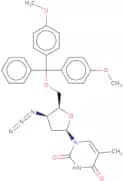
CAS :5'-O-Acetyllamivudine is an antiviral agent that has been shown to have antiretroviral activity against HIV-1 and influenza A virus. It is a nucleoside analog that inhibits the synthesis of viral DNA by competitively inhibiting the enzyme DNA polymerase. 5'-O-Acetyllamivudine is also used as an anticancer drug, which may be due to its ability to inhibit DNA replication in tumor cells.Formule :C10H13N3O4SDegré de pureté :Min. 95%Masse moléculaire :271.29 g/mol3'-Azido-2'-deoxy-5'-O-DMT-thymidine
CAS :3'-Azido-2'-deoxy-5'-O-DMT-thymidine is a novel and potent activator of ribonucleotide reductase. It has been shown to be an effective inhibitor of DNA synthesis and antiviral agent, with a low cytotoxicity profile. 3'-Azido-2'-deoxy-5'-O-DMT-thymidine is synthesized from DMT, which is readily available in the form of its monophosphate or diphosphate. The compound has been shown to inhibit viral replication by inhibiting viral reverse transcriptase activity. 3'-Azido-2'-deoxy-5'-O-DMT-thymidine also inhibits DNA synthesis in cancer cells.Formule :C31H31N5O6Degré de pureté :Min. 95%Masse moléculaire :569.61 g/mol4’-a-C-Methyluridine
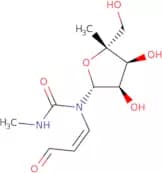
CAS :4' - a-C-Methyluridine is a modified nucleoside that is used as a building block in the synthesis of DNA. It can be used for the treatment of viral infections and cancer. 4' - a-C-Methyluridine has antiviral activity against herpes simplex virus type 1 and cytomegalovirus. 4' - a-C-Methyluridine also has anticancer activity, which may be due to its ability to inhibit proliferation of cells by blocking the synthesis of DNA and RNA.
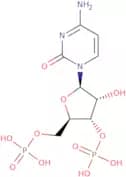
Degré de pureté :Min. 95%Cytidine 3',5'-bisphosphate sodium
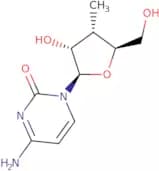
CAS :Cytidine 3',5'-bisphosphate sodium is a phospholipid that is found in the cell membrane of gram-positive bacteria. Cytidine 3',5'-bisphosphate sodium has been shown to be produced by the enzyme phosphatidylcholine synthase, which converts phosphatidylethanolamine and cytidine 5'-monophosphate into phosphatidylcholine and cytidine 3',5'-bisphosphate. The presence of this compound in the cell membrane may be an indication of long-term survival and growth under laboratory conditions. It is also present in the ribosomal RNA of type strain organisms.Formule :C9H15N3O11P2•NaxDegré de pureté :Min. 95%Masse moléculaire :403.18 g/mol3'-Deoxy-3'-C-methylcytidine
CAS :3'-Deoxy-3'-C-methylcytidine is a monophosphate nucleotide that is used as an activator for DNA synthesis. It is a novel, synthetic nucleoside with high purity and high quality. 3'-Deoxy-3'-C-methylcytidine has been shown to inhibit viral replication, including human immunodeficiency virus type 1 (HIV-1), herpes simplex virus type 1 (HSV-1) and Epstein Barr virus (EBV) in cell culture. It also inhibits the growth of cancer cells in vitro by inhibiting the synthesis of DNA, RNA, and protein.
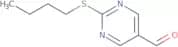
Formule :C10H15N3O4Degré de pureté :Min. 95%Masse moléculaire :241.24 g/mol2-(Butylthio)pyrimidine-5-carbaldehyde
CAS :2-(Butylthio)pyrimidine-5-carbaldehyde (BTPCA) is a neutralizing agent that inhibits the proliferation of cancer cells by binding to their cell membranes. It binds to the membrane and blocks the cyclic AMP receptor, thereby inhibiting the growth of cells. BTPCA has been shown to be effective in killing CD4+ T cells and may have therapeutic potential for autoimmune diseases. BTPCA also has diagnostic potential, as it can be used to detect epidermal growth factor receptors on cell membranes.
Formule :C9H12N2OSDegré de pureté :Min. 95%Masse moléculaire :196.27 g/mol8-(2-Amino-1-methyl-D3-6-phenylimidazo[4,5-b]pyridyl-2'-deoxyguanosine
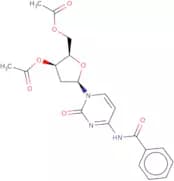
CAS :Produit contrôlé8-(2-Amino-1-methyl-D3-6-phenylimidazo[4,5-b]pyridyl-2'-deoxyguanosine) is a modified nucleoside that is used as an antiviral agent. It is not active against DNA viruses but has been shown to inhibit the replication of RNA viruses such as human immunodeficiency virus type 1 (HIV). 8-(2-Amino-1-methyl-D3-6-phenylimidazo[4,5-b]pyridyl)-2'-deoxyguanosine has been found to be more effective than acyclovir (Zovirax), a commonly used antiviral drug. This nucleoside also has anticancer properties, which may be due to its ability to inhibit the synthesis of DNA and RNA.Formule :C23H20D3N9O4Degré de pureté :Min. 95%Masse moléculaire :492.5 g/mol3',5'-Di-O-acetyl-N4-benzoyl-2'-deoxycytidine
3',5'-Di-O-acetyl-N4-benzoyl-2'-deoxycytidine is a novel, phosphoramidite monophosphate nucleoside. It is synthesized by reacting deoxydinucleosides with 3',5'-di-O-acetyl-N4-benzoyl-2'-deoxycytidine in the presence of a coupling agent. The product has been shown to be an excellent activator for DNA polymerases and may have antiviral effects. The chemical name of this compound is 2',3'-dideoxyadenosine 5' -triphosphate N4 -(beta, beta, beta, beta,-triethoxypropionyl) benzoyl ester.
Formule :C20H21N3O7Degré de pureté :Min. 95%Masse moléculaire :415.41 g/mol2'-Deoxy-5'-O-DMT-guanosine-(iBu)-succinyl CPG 1400 Å
2'-Deoxy-5'-O-DMT-guanosine-(iBu)-succinyl CPG 1400 Å is an antiviral, anticancer, and high purity monophosphate of 2'-deoxy-5'-O-DMT-guanosine. It is a novel nucleoside with a modified phosphate group. This product can be used to synthesize DNA and RNA, as well as in the treatment of cancer.Degré de pureté :Min. 95%2'-Deoxyadenosine-5'-carboxylic acid
CAS :dA oxidised at the 5'-position.Formule :C10H11N5O4Degré de pureté :Min. 95%Masse moléculaire :265.23 g/mol4-Amino-2,6-dimethyl-8-(2'-deoxy-b-D-ribofuranosyl)-7-pteridone
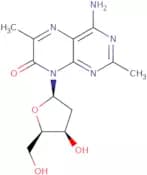
CAS :4-Amino-2,6-dimethyl-8-(2'-deoxy-b-D-ribofuranosyl)-7-pteridone is a fluorescent probe that can be used to monitor nucleic acid synthesis. It is an analog of adenosine and interacts with the enzyme RNA polymerase in a process that is mediated by the adenosine receptor, which leads to termination of transcription. This compound has been shown to yield high fluorescence yields at room temperature and has minimal interaction with other monomers or dimers. 4-Amino-2,6-dimethyl-8-(2'-deoxy-b-D-ribofuranosyl)-7-pteridone can be used as a probe for monitoring DNA synthesis in vitro and in vivo.Formule :C13H17N5O4Degré de pureté :Min. 95%Masse moléculaire :307.31 g/mol2'-Deoxy-5'-O-DMT-N2-(4-isopropylphenoxyacetyl)guanosine
CAS :2'-Deoxy-5'-O-DMT-N2-(4-isopropylphenoxyacetyl)guanosine is a novel nucleoside analog. It is an activator of the ribonucleotide reductase and has antiviral activity. The phosphoramidite derivative of 2'-deoxy-5'-O-DMT-N2-(4-isopropylphenoxyacetyl)guanosine is used as a building block for oligodeoxynucleotides, phosphorothioate oligodeoxynucleotides, and phosphorodiamidate oligodeoxynucleotides. It has been shown to be active against human papilloma virus (HPV) type 16 in vitro and in vivo.Formule :C42H43N5O8Degré de pureté :Min. 95%Masse moléculaire :745.82 g/molN1-Methyladenosine hydroiodide
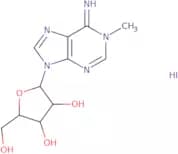
CAS :N1-Methyladenosine hydroiodide is a novel nucleoside analogue that inhibits viral replication by preventing the formation of viral DNA. It also inhibits the growth of cancer cells and is used as an anticancer drug. N1-Methyladenosine hydroiodide has been shown to be an activator of RNA polymerase II, increasing the production of messenger RNA (mRNA) in human cells. The phosphoramidite form of this compound is used for the synthesis of oligodeoxyribonucleotides, which are chemically modified in order to improve their stability and inhibit degradation by nucleases. N1-Methyladenosine hydroiodide is highly pure and has CAS No. 34308-25-3.Formule :C11H15N5O4·HIDegré de pureté :Min. 95%Masse moléculaire :409.18 g/mol2'-O-tert-Butyldimethylsilyl-5'-O-DMT-N6-methyladenosine 3'-CE phosphoramidite
2'-O-tert-Butyldimethylsilyl-5'-O-DMT-N6-methyladenosine 3'-CE phosphoramidite is a novel, synthetic phosphoramidite that is used as an activating group for the synthesis of DNA. This nucleoside has antiviral and anticancer properties. It is also a ribonucleoside that has been modified to include a tertiary butyl dimethyl silyl group and an N6 methyl adenosine moiety.Formule :C47H64N7O7PSiDegré de pureté :Min. 95%Couleur et forme :White to off-white solid.Masse moléculaire :898.11 g/molGuanosine 2',3'-cyclic phosphate triethylamine salt
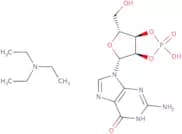
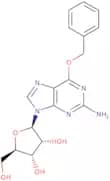
CAS :Guanosine 2',3'-cyclic phosphate triethylamine salt is a synthetic nucleoside that has antiviral and anticancer activity. It is a modified nucleoside with a cyclic phosphate group attached to the 2' position of the sugar ring. This modification prevents hydrolysis of the nucleotide by phosphodiesterases, which are enzymes that break down RNA and DNA. Guanosine 2',3'-cyclic phosphate triethylamine salt has been shown to be active against HIV-1, herpes simplex virus type 1 (HSV-1), HSV-2, and cytomegalovirus (CMV). It also inhibits the proliferation of various cancer cell lines including those from breast, prostate, lung, colon, and leukemia.Formule :C16H27N6O7PDegré de pureté :Min. 95%Masse moléculaire :446.4 g/molO6-Benzyl guanosine
CAS :O6-Benzyl guanosine is a polymerized compound that has been shown to have anticancer efficacy. It has been tested in mice with medulloblastoma, a type of brain tumor, and in rats with breast cancer. O6-Benzyl guanosine was found to be hydrophobic and bound to the methyltransferase enzyme, which resulted in the inhibition of DNA synthesis. The polymerized compound is able to form conjugates with other molecules such as iron oxide nanoparticles or hydrazone derivatives, which can be used for treatments that involve bioconjugate chemistry.Formule :C17H19N5O5Degré de pureté :Min. 95%Masse moléculaire :373.36 g/molN4-Benzoyl-5'-O-DMT-2'-O-(2-methoxyethyl)cytidine
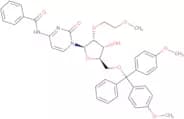
CAS :N4-Benzoyl-5'-O-DMT-2'-O-(2-methoxyethyl)cytidine is a novel ribonucleotide that has been shown to inhibit the growth of cancer cells. It has been synthesized in high purity and quality, with a high phosphoramidite content, and is available in various quantities. This product is an activator of DNA polymerase and can be used as a monophosphate or diphosphate precursor for nucleic acid synthesis. It has antiviral properties, and may be useful in the treatment of HIV infection.Formule :C40H41N3O9Degré de pureté :Min. 95%Couleur et forme :White Off-White PowderMasse moléculaire :707.77 g/mol5-Chloro-2',3'-O-isopropylidenecytidine
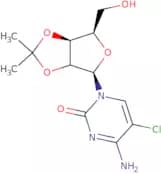
5-Chloro-2',3'-O-isopropylidenecytidine is a synthetic nucleoside that is activated by phosphorylation to form the corresponding nucleotide. It has antiviral and anticancer properties, and can be used as a building block for synthesis of other nucleosides. 5-Chloro-2',3'-O-isopropylidenecytidine is synthesized from 2,4-dichlorophenoxyacetic acid (DCA) and 2,5-dichloroaniline in the presence of sodium cyanide. The compound was first synthesized in 1972 and its chemical structure was determined in 1974. 5-Chloro-2',3'-O-isopropylidenecytidine has been shown to inhibit DNA synthesis by binding to viral diphosphate and deoxyribonucleosides. This compound also inhibits the activity of bacterial DNA gyrase and DNA top
Formule :C12H16ClN3O5Degré de pureté :Min. 95%Masse moléculaire :317.73 g/mol2-Amino-benzoyl-9-(5'-O-DMT-b-D-ribofuranosyl)purine
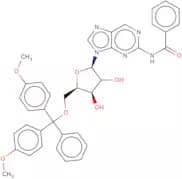
2-Amino-benzoyl-9-(5'-O-DMT-b-D-ribofuranosyl)purine is an anticancer and antiviral agent. It has been shown to be active against many viruses, including herpes simplex virus type 1, herpes simplex virus type 2, cytomegalovirus, and human immunodeficiency virus type 1. This compound also exhibits antitumor activity in mice and rats.Formule :C38H35N5O7Degré de pureté :Min. 95%Masse moléculaire :673.71 g/mol8-(2-Amino-1-methyl-6-phenylimidazo[4,5-b]pyridyl)-2'-deoxyguanosine
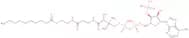
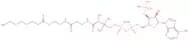
CAS :8-(2-Amino-1-methyl-6-phenylimidazo[4,5-b]pyridyl)-2'-deoxyguanosine (8-APdG) is a mutagen that induces genotoxic effects and mutations in mammalian cells. It has been shown to react with DNA to form covalent complexes and induce point mutations or transversions. 8-APdG has been found in the environment as a result of environmental pollution by polycyclic aromatic hydrocarbons and tobacco smoke. 8-APdG also induces genetic damage in human lymphoblastoid cells in vitro, including mutations at the HPRT locus.Formule :C23H23N9O4Degré de pureté :Min. 95%Masse moléculaire :489.49 g/molDecanoyl coenzyme A, free acid
CAS :Decanoyl CoA, free acid, is a substrate of the enzyme fatty acid synthetase. This enzyme catalyzes the formation of long-chain fatty acids from acetyl-CoA and malonyl-CoA. The product decanoyl-CoA is then used in other metabolic pathways to synthesize acyl chains for phospholipids, triglycerides, and cholesterol. Decanoyl CoA has been shown to inhibit carnitine acyltransferase activity in rat liver microsomes. It also inhibits mitochondrial beta-oxidation by competing with carnitine at the level of the carnitine acyltransferase reaction. The expression plasmid pET21a was used to express the decanoyl CoA synthetase protein in Escherichia coli cells grown in LB medium with aminotransferase activity as a measure of decanoyl CoA synthetase activity. Decanoyl CoAFormule :C31H54N7O17P3SDegré de pureté :Min. 95%Masse moléculaire :921.78 g/molT-705RTP sodium
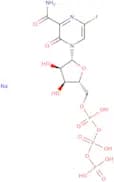
CAS :T-705RTP sodium is a novel, modified diphosphate nucleotide that activates the formation of DNA and RNA. It is used as an antiviral and anticancer agent. T-705RTP sodium has been shown to be more potent than adenosine in inhibiting viral replication and has cytotoxic effects on cancer cells. The chemical formula for T-705RTP sodium is C6H14N5O7P.Formule :C10H15FN3O15P3·xNaDegré de pureté :Min. 95%2'-Azido-2'-deoxyuridine-5'-triphosphate
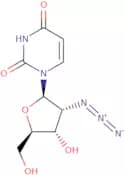
CAS :2'-Azido-2'-deoxyuridine-5'-triphosphate is a nucleotide analog that is inactive in the presence of an intact receptor. It is an allosteric inhibitor of many DNA polymerases and causes cell growth inhibition. 2'-Azido-2'-deoxyuridine-5'-triphosphate binds to the phosphate group of ATP and inhibits protein synthesis. In particular, it inhibits the polymerase activity of herpes simplex virus type 1 by binding to the active site of the enzyme, thereby preventing viral replication. 2'-Azido-2'-deoxyuridine-5'-triphosphate also binds to cytosolic Ca2+ and activates Ca2+ signaling pathways, leading to cell death.Formule :C9H14N5O14P3Degré de pureté :Min. 95%Masse moléculaire :509.15 g/mol9-(b-D-Arabinofuranosyl)adenine 5'-triphosphate triethyammonium salt
9-(B-D-arabinofuranosyl)adenine 5'-triphosphate triethyammonium salt is a nucleoside analog that inhibits viral replication by inhibiting the DNA polymerase enzyme. It has been shown to be safe and well tolerated in healthy volunteers and patients with cancer, including those with advanced solid tumors. 9-(B-D-arabinofuranosyl)adenine 5'-triphosphate triethyammonium salt is an antiviral agent that has been shown to be active against HIV, herpes simplex virus type 1, herpes simplex virus type 2, cytomegalovirus, and varicella zoster virus. This compound also has anticancer properties and has been shown to inhibit tumor cell proliferation in vitro.Degré de pureté :Min. 95%Cholest-5-en-3-ol, 3-(6-(((2-cyanoethoxy)(diisopropylamino)phosphino)oxy)hexyl)carbemate
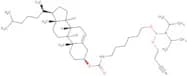
CAS :Cholest-5-en-3-ol, 3-(6-(((2-cyanoethoxy)(diisopropylamino)phosphino)oxy)hexyl)carbemate, is a novel nucleotide analog that has antiviral and anticancer properties. It is synthesized by the reaction of 2,4,6-trihydroxyacetophenone with 6-(chlorohexyl)-1,3-bis(2-(cyanoethoxy)phosphinooxy)hexane in the presence of tetrakis(triphenylphosphine), palladium chloride, and potassium carbonate. Cholest-5-en-3-ol, 3-(6((2-(cyanoethoxy)(diisopropylamino))(phosphino)oxy)(hexyl))carbamate may be used as a monophosphate or phosphoramidite to make DNA or RNA. This compound has been shown toDegré de pureté :Min. 95%2-Cyanoadenosine
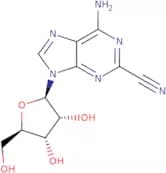
CAS :2-Cyanoadenosine is a derivative of adenosine. It is an inhibitor of the enzyme adenosine deaminase, which converts adenosine to inosine. 2-Cyanoadenosine prevents the conversion of ATP to AMP and may be useful for treating neurological disorders. 2-Cyanoadenosine has been shown to have cardiovascular effects, such as increasing the force of contraction and relaxation in isolated rat hearts.Degré de pureté :Min. 95%Octanoyl coenzyme A potassium salt
CAS :Octanoyl CoA is a molecule that belongs to the class of acyl-coenzyme A. It is an important intermediate in fatty acid metabolism and is also used in the synthesis of long-chain fatty acids. Octanoyl CoA can be converted back to acetyl-CoA by enzymes called synthetases, which are active in energy metabolism. Octanoyl CoA has been shown to have clinical relevance for diseases such as acyl chain disorders, carnitine deficiency, and dehydrogenase deficiency. Octanoyl CoA is a potential drug target since it can be converted into octanoic acid, which has been shown to inhibit enzyme activities and protein synthesis.
Formule :C29H47N7O17P3S·3KDegré de pureté :Min. 95%Couleur et forme :PowderMasse moléculaire :1,008 g/molN-Benzoyl- 5'- O- DMT- 2'- O-[( triisopropylsilyl oxy)methyl]-adenosine 3'- CE phosphoramidite
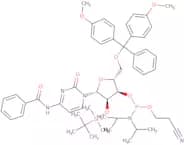
CAS :N-Benzoyl- 5'-O-DMT-2'-O-[(triisopropylsilyloxy)methyl]-adenosine 3'-Ce phosphoramidite (Bz-5'-O-DMT-2'-O-[(triisopropylsilyloxy)methyl]-Ado-3'-Ce Phosphoramidite) is a novel nucleoside phosphoramidite. It is an analogue of the natural nucleoside adenosine. This compound has been shown to be an antiviral and anticancer agent in vitro. Bz-5'-O-DMT-2'-O-[(triisopropylsilyloxy)methyl]-Ado-3'-Ce Phosphoramidite can also act as a DNA or RNA activator, which leads to increased levels of transcription, translation, and replication by increasing the number of ribonucleotide tri
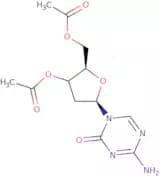
Degré de pureté :Min. 95%5-Aza-3',5'-di-O-acetyl-2'-deoxycytidine
5-Aza-3',5'-di-O-acetyl-2'-deoxycytidine is a nucleoside analog that is used in the treatment of HIV. It inhibits viral replication by interfering with the viral reverse transcriptase enzyme and preventing it from transcribing the virus's genetic material. 5-Aza-3',5'-di-O-acetyl-2'-deoxycytidine has also been shown to have anticancer properties. This drug has shown activity against cancer cells in vitro, although clinical trials are still needed to determine its effectiveness as a cancer therapy.Formule :C12H16N4O6Degré de pureté :Min. 95%Masse moléculaire :312.28 g/mol2-Bromo-2-deoxy-5-methyluridine-3,5-diacetate
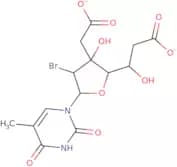
CAS :2-Bromo-2-deoxy-5-methyluridine-3,5-diacetate is a novel synthetic nucleoside analogue. It has been shown to inhibit the proliferation of cancer cells and have antiviral activity. It is phosphorylated by kinase enzymes to form 2'-bromo-2'-deoxyuridine monophosphate (BrDUMP). This compound also inhibits DNA replication, RNA transcription, and protein synthesis.Degré de pureté :Min. 95%4-Chloro-7-(2-C-methyl-b-D-ribofuranosyl)-7H-pyrrolo[2,3-d]pyrimidine
CAS :4-Chloro-7-(2-C-methyl-b-D-ribofuranosyl)-7H-pyrrolo[2,3-d]pyrimidine is a novel anticancer compound that inhibits the synthesis of DNA, RNA and protein. It is a phosphoramidite monophosphate that can be used in the synthesis of oligonucleotides and DNA. 4CHP is effective against Herpes simplex virus type 1 (HSV1) and cytomegalovirus (CMV). 4CHP also has antiviral activity against influenza A virus.Formule :C12H14ClN3O4Degré de pureté :Min. 95%Masse moléculaire :299.71 g/mol5-Fluoro-6-iodouridine
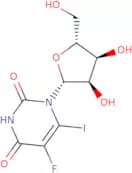
CAS :5-Fluoro-6-iodouridine is a nucleoside that is used as the starting material for synthesizing fluorinated pyrimidine derivatives, which are used in cancer treatment. 5-Fluoro-6-iodouridine is an activator of ribonucleotide reductase and can be used to inhibit the growth of tumor cells. 5-Fluoro-6-iodouridine has been shown to inhibit the proliferation of human leukemia cells in culture, with cytotoxicity that was comparable to that of 5-fluorouracil.Formule :C9H10FIN2O6Degré de pureté :Min. 95%Masse moléculaire :388.09 g/mol2'-O-tert-Butyldimethylsilyl-5'-O-DMT-5-methyluridine
2'-O-tert-Butyldimethylsilyl-5'-O-DMT-5-methyluridine is a novel nucleoside that is activated with anhydrous ammonia and then converted to the corresponding 5'-O-DMT derivative. The 2'-O-tert-butyldimethylsilyl group protects the 5'-position of the sugar moiety from attack by phosphodiesterases, allowing for its use as a substrate in DNA synthesis. The ribose moiety is also modified at the 2' position, which prevents the formation of 3',5'-cyclic monophosphate (cMP) during dephosphorylation and thereby inhibits viral replication. This nucleotide analog has been shown to be active against HIV, hepatitis B virus, and influenza A virus.Degré de pureté :Min. 95%N4-Benzoyl-5'-O-DMT-2'-O-(2-methoxyethyl)-5-methylcytidine 3'-O succinate TEA salt
N4-Benzoyl-5'-O-DMT-2'-O-(2-methoxyethyl)-5-methylcytidine 3'-O succinate TEA salt is a novel, modified nucleoside analogue that is used as an antiviral agent. It inhibits the synthesis of viral DNA and RNA by competing with natural nucleosides during the process of nucleic acid synthesis. The drug binds to the enzyme ribonucleotide reductase, which is essential for DNA synthesis. N4-Benzoyl-5'-O-DMT-2'-O-(2-methoxyethyl)-5-methylcytidine 3'-O succinate TEA salt has been shown to be effective in treating patients with cancer.Degré de pureté :Min. 95%2'-Deoxy-5'-O-DMT-N2-iBu-guanosine-3'-succinyl CPG 500 Å
2'-Deoxy-5'-O-DMT-N2-iBu-guanosine-3'-succinyl CPG 500 Å is an anticancer agent that is used in the synthesis of DNA and RNA. It can be used as a monophosphate or diphosphate, and has been shown to inhibit cancer cells. 2'-Deoxy-5'-O-DMT-N2-iBu-guanosine-3'-succinyl CPG 500 Å is modified to have a long half life in the body. This chemical has been synthesized with high purity and quality, making it suitable for research purposes.Degré de pureté :Min. 95%N-Benzoyl-2'-O-[(methylthio)methyl]-3',5'-O-[1,1,3,3-tetrakis(1-methylethyl)-1,3-disiloxanediyl]-cytidine
CAS :N-Benzoyl-2'-O-[(methylthio)methyl]-3',5'-O-[1,1,3,3-tetrakis(1-methylethyl)-1,3-disiloxanediyl]-cytidine is a synthetic nucleoside that is used as an antiviral. It has been shown to be effective against HIV and HSV. N-Benzoyl-2'-O-[(methylthio)methyl]-3',5'-O-[1,1,3,3-tetrakis(1-methylethyl)-1,3-disiloxanediyl]-cytidine prevents the synthesis of DNA by inhibiting the enzyme ribonucleotide reductase. It also inhibits the production of deoxyribonucleotides and DNA by binding to the active site of the enzyme DNA polymerase.Formule :C30H47N3O7SSi2Degré de pureté :Min. 95%Masse moléculaire :649.95 g/mol2'-Deoxy-N2-DMF-5'-DMT-2'-fluoroguanosine
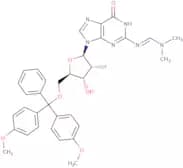
CAS :2'-Deoxy-N2-DMF-5'-DMT-2'-fluoroguanosine is an anticancer agent that has been modified to contain a 2'-deoxyribonucleoside and a 5'-dimethoxytrityl (DMT) group at the 2' position. The compound inhibits DNA synthesis by binding to the enzyme DNA polymerase, thereby preventing replication. This compound is novel because it contains a deoxyribonucleoside, which is not found in any other anticancer nucleotide analogs. It also has antiviral properties against HIV, herpes simplex virus type 1, and poliovirus.Formule :C34H35FN6O6Degré de pureté :Min. 95%Masse moléculaire :642.68 g/mol1,3-Dimethyl-5-[3-(4,4,5,5-tetramethyl-[1,3,2]dioxaborolan-2-yl)-benzylidene]-pyrimidine-2,4,6-trione
CAS :1,3-Dimethyl-5-[3-(4,4,5,5-tetramethyl-[1,3,2]dioxaborolan-2-yl)-benzylidene]-pyrimidine-2,4,6-trione is an activator that is a synthetic analogue of 5-(3-(4,4,5,5-tetramethyl-[1,3,2]dioxaborolan-2-yl)benzylidene)-pyrimidine-2. This compound has antiviral and anticancer properties. It is being investigated for its ability to modify DNA in order to inhibit the synthesis of deoxyribonucleosides and ribonucleosides.Degré de pureté :Min. 95%6-Methylcytidine
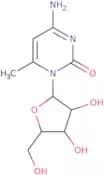
CAS :6-Methylcytidine is a nucleoside that is structurally related to uridine, which is an acceptor in DNA and RNA synthesis. It is synthesized from 8-bromoadenosine, which undergoes deamination by cytidine deaminase. 6-Methylcytidine can be used as a building block for the synthesis of other nucleosides with different conformational properties. It has been shown to inhibit the replication of pancreatic cancer cells and has been used in molecular modeling studies. However, its uptake into cells has been found to be very low. This may be due to its conformational properties and the presence of 8-oxoguanosine, which inhibits adenosine uptake into cells.Formule :C10H15N3O5Degré de pureté :Min. 95%Masse moléculaire :257.24 g/mol5'-O-DMT-2'-O-(2-methoxyethyl)-5-methyluridine 3'-CE succinate TEA salt
5'-O-DMT-2'-O-(2-methoxyethyl)-5-methyluridine 3'-CE succinate TEA salt is a novel, modified nucleoside with antiviral activity. It is synthesized from 5'-O-DMT-2'-O-(2-methoxyethyl)-5-methyluridine and the corresponding 2',3',4,4',5,5'-hexachloroacetone adduct. This compound has been shown to be an activator of diphosphate synthesis and ribonucleotide reductase. It is also a potent inhibitor of deoxyribonucleic acid synthesis and tumor cell growth in vitro. The product has been shown to have anticancer properties in vitro and in vivo. The product is not activated by the enzyme phosphodiesterase, which means it does not cause any negative side effects such as hypertension or gastrointestinal disturbance.Degré de pureté :Min. 95%2'-Deoxy-5'-O-DMT-guanosine-(DMF)-succinyl-CPG 500 Å
2'-Deoxy-5'-O-DMT-guanosine-(DMF)-succinyl-CPG 500 Å is a nucleoside monophosphate that is chemically modified. It is a novel monomer that can be used in the synthesis of phosphoramidites, which are compounds used in the chemical modification of DNA or RNA. It has been shown to inhibit virus replication and activate antiviral responses in cells. 2'-Deoxy-5'-O-DMT-guanosine-(DMF)-succinyl-CPG 500 Å is also a high quality compound with a purity level of 99%.Degré de pureté :Min. 95%Couleur et forme :Powder6-Methyl-3-(β-D-2-ribofuranosyl)pyrrolo[2,3-d]pyrimidin-2-one
CAS :6-Methyl-3-(β-D-2-ribofuranosyl)pyrrolo[2,3-d]pyrimidin-2-one is a synthetic nucleoside that has been shown to have potent antitumor activity in leukemia. It inhibits the synthesis of DNA by chemically binding to the enzyme that catalyzes the formation of pyrimidine nucleosides from uridine, thereby preventing RNA and DNA synthesis. 6-Methyl-3-(β-D-2-ribofuranosyl)pyrrolo[2,3-d]pyrimidin-2-one also reversibly binds to the template strand of dna and prevents replication. This drug is effective in treating chronic lymphocytic leukemia (CLL).Formule :C12H15N3O5Degré de pureté :Min. 95%Masse moléculaire :281.26 g/mol2,6-Diamino-9-(3',5'-di-O-benzoyl-2'-deoxy-2'-fluoro-b-D-arabinofuranosyl)purine
2,6-Diamino-9-(3',5'-di-O-benzoyl-2'-deoxy-2'-fluoro-b-D-arabinofuranosyl)purine is a modified nucleoside. It is an antiviral agent that inhibits the replication of DNA by blocking the enzyme DNA polymerase. 2,6-Diamino-9-(3',5'-di-O-benzoyl-2'-deoxy-2'-fluoro-b-D arabinofuranosyl)purine also has anticancer activity, which may be due to its ability to inhibit the synthesis of RNA and proteins in tumor cells. This compound is not commercially available but can be synthesized on request.Degré de pureté :Min. 95%1-(b-D-Arabinofuranosyl)cytosine 5'-triphosphate triethyammonium salt
1-(B-D-arabinofuranosyl)cytosine 5'-triphosphate triethylammonium salt is a novel anticancer and antiviral agent that belongs to the group of nucleosides. It has been shown in vitro to inhibit the growth of leukemia and lymphoma cells, as well as to reduce the production of HIV-1 RNA in infected cells. 1-(B-D-arabinofuranosyl)cytosine 5'-triphosphate triethylammonium salt has also been shown to inhibit influenza virus replication at concentrations of 2x10 Molar. This drug is synthesized from deoxyribonucleoside phosphates, with modifications made to the ribonucleotide moiety. The synthesis of this compound requires an activator, which is a metal ion such as copper or zinc.Degré de pureté :Min. 95%N4-Benzoyl-2'-deoxy-5'-O-DMT-cytidine 3'-succinyl CPG 500 Å
N4-Benzoyl-2'-deoxy-5'-O-DMT-cytidine 3'-succinyl CPG 500 Å is a novel nucleotide analogue that inhibits the growth of cancer cells by inhibiting DNA synthesis. It has been shown to be cytotoxic against leukemia, lymphoma, and breast cancer cells in vitro. N4-Benzoyl-2'-deoxy-5'-O-DMT-cytidine 3'-succinyl CPG 500 Å is also an antiviral agent and can inhibit HIV replication. This product is supplied as a white solid powder and is soluble in water.Degré de pureté :Min. 95%5'-O-Acetyl-3'-azido-2',3'-dideoxy-N2-palmitoylguanosine
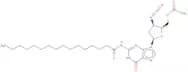
CAS :5'-O-Acetyl-3'-azido-2',3'-dideoxy-N2-palmitoylguanosine is a novel antiviral and anticancer agent. It is an analogue of the natural nucleoside guanosine. It has been modified with an acetyl group at the 5' position of the pentose moiety and an azido group at the 2' and 3' positions of the ribose moiety. The acetyl group makes this compound more water soluble, which means it can be easily administered intravenously for treatment of cancer or infection.Formule :C28H44N8O5Degré de pureté :Min. 95%Masse moléculaire :572.7 g/mol5'-Deoxy-5-fluoro-2',3'-O-isopropylidenecytidine
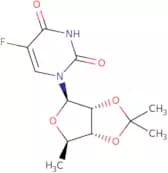
CAS :5'-Deoxy-5-fluoro-2',3'-O-isopropylidenecytidine is a novel, synthetic nucleoside phosphoramidite. It has been used as an anticancer and antiviral agent. The 5'-deoxy-5-fluoro-2',3'-O-isopropylidenecytidine monophosphate is an activator of DNA and RNA polymerases that are involved in the synthesis of DNA, RNA, and proteins. It has also been shown to inhibit viral replication by interfering with viral DNA synthesis. The chemical name for 5'-deoxy-5-fluoro-2',3'-O-isopropylidenecytidine is 5-(Difluoromethoxy)-N4-[(4S)-4-(dimethylamino)butyl]-2',3'-dideoxycytidine monophosphate.Formule :C12H16FN3O4Degré de pureté :Min. 95%Masse moléculaire :285.28 g/mol












![8-(2-Amino-1-methyl-D3-6-phenylimidazo[4,5-b]pyridyl-2'-deoxyguanosine](/_next/image/?url=https%3A%2Fstatic.cymitquimica.com%2Fproducts%2F3D%2Fthumb-webp%2FNA05715.webp&w=3840&q=75)



![8-(2-Amino-1-methyl-6-phenylimidazo[4,5-b]pyridyl)-2'-deoxyguanosine](/_next/image/?url=https%3A%2Fstatic.cymitquimica.com%2Fproducts%2F3D%2Fthumb-webp%2FNA04649.webp&w=3840&q=75)

![N-Benzoyl- 5'- O- DMT- 2'- O-[( triisopropylsilyl oxy)methyl]-adenosine 3'- CE phosphoramidite](/_next/image/?url=https%3A%2Fstatic.cymitquimica.com%2Fproducts%2F3D%2Fthumb-webp%2FPB157357.webp&w=3840&q=75)
![4-Chloro-7-(2-C-methyl-b-D-ribofuranosyl)-7H-pyrrolo[2,3-d]pyrimidine](/_next/image/?url=https%3A%2Fstatic.cymitquimica.com%2Fproducts%2F3D%2Fthumb-webp%2FNC14084.webp&w=3840&q=75)


![N-Benzoyl-2'-O-[(methylthio)methyl]-3',5'-O-[1,1,3,3-tetrakis(1-methylethyl)-1,3-disiloxanediyl]-c…](/_next/image/?url=https%3A%2Fstatic.cymitquimica.com%2Fproducts%2F3D%2Fthumb-webp%2FNB148470.webp&w=3840&q=75)
![1,3-Dimethyl-5-[3-(4,4,5,5-tetramethyl-[1,3,2]dioxaborolan-2-yl)-benzylidene]-pyrimidine-2,4,6-tri…](/_next/image/?url=https%3A%2Fstatic.cymitquimica.com%2Fproducts%2F3D%2Fthumb-webp%2FND44285.webp&w=3840&q=75)
![6-Methyl-3-(β-D-2-ribofuranosyl)pyrrolo[2,3-d]pyrimidin-2-one](/_next/image/?url=https%3A%2Fstatic.cymitquimica.com%2Fproducts%2F3D%2Fthumb-webp%2FUAB96284.webp&w=3840&q=75)