Nucléosides
Les nucléosides sont des building blocks fondamentaux des acides nucléiques, composés d'une base azotée attachée à une molécule de sucre. Dans cette section, vous trouverez une large gamme de nucléosides essentiels pour la recherche en biologie moléculaire, biochimie et pharmacologie. Ces composés jouent des rôles cruciaux dans la synthèse de l'ADN et de l'ARN, et sont également vitaux dans divers processus métaboliques. Les nucléosides sont utilisés pour étudier le matériel génétique, développer des thérapies antivirales et anticancéreuses, et comprendre les mécanismes cellulaires. Chez CymitQuimica, nous proposons des nucléosides de haute qualité pour soutenir vos besoins en recherche et développement, garantissant pureté et fiabilité pour vos applications expérimentales.
3567 produits trouvés pour "Nucléosides"
Trier par
Degré de pureté (%)
0
100
|
0
|
50
|
90
|
95
|
100
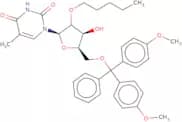
5'-O-DMT-5-methyl-2'-O-pentyluridine
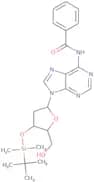
<p>5'-O-DMT-5-methyl-2'-O-pentyluridine is a monophosphate nucleoside with anticancer activity. It is a novel, synthetic, high purity and quality compound that is modified from 5'-O-DMT-5-methyluridine. This compound has been shown to be an effective antiviral agent against HIV and HSV, as well as an inhibitor of DNA synthesis in cells.</p>Formule :C36H42N2O8Degré de pureté :Min. 95%Masse moléculaire :630.74 g/molN6-Benzoyl-3'-O-tert-butyldimethylsilyl-2'-deoxyadenosine
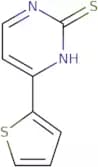
CAS :<p>N6-Benzoyl-3'-O-tert-butyldimethylsilyl-2'-deoxyadenosine is an antiviral, monophosphate nucleoside that has been shown to inhibit the proliferation of human leukemia cells. The compound is a novel synthetic nucleoside that inhibits the viral reverse transcriptase enzyme and prevents RNA synthesis. N6-Benzoyl-3'-O-tert-butyldimethylsilyl-2'-deoxyadenosine also inhibits DNA synthesis by inhibiting the activity of DNA polymerases and can be used for the treatment of cancer.</p>Degré de pureté :Min. 95%4-(2-Thienyl)-2-pyrimidinethiol
CAS :<p>Ribonucleosides are nucleosides that contain a ribose sugar. They are important in the synthesis of DNA and RNA. Ribonuclesides are nucleosides containing a ribose sugar with a phosphate group on the 5' carbon. The phosphate is attached to the 4' carbon on the sugar, instead of the 3' carbon as in deoxyribonucleosides. Ribonucleosides are important in the synthesis of DNA and RNA. Ribonucleotides are nucleotides that contain a ribose sugar with a phosphate group on the 5’ carbon. The phosphate is attached to the 4’ carbon on the sugar, instead of the 3’ carbon as in deoxyribonucleotides. Ribonucleotides are important in the synthesis of DNA and RNA.<br>In addition, Ribonucleside can be used as antiviral agent for HIV-1 through inhibition at viral reverse transcriptase (RT) step by competing</p>Formule :C8H6N2S2Degré de pureté :Min. 95%Masse moléculaire :194.28 g/mol4-Amino-1-[(2R,3R,4R,5R)-3-ethoxy-4-hydroxy-5-(hydroxymethyl)oxolan-2-yl]pyrimidin-2-one
CAS :<p>4-Amino-1-[(2R,3R,4R,5R)-3-ethoxy-4-hydroxy-5-(hydroxymethyl)oxolan-2-yl]pyrimidin-2-one is a novel compound that is an anticancer agent and antiviral. It inhibits the proliferation of cells by modifying the nucleotide structure of DNA. The 4'-amino group makes it a nucleoside analogue that can be modified to inhibit bacterial replication and virus production. 4'-Amino-1-[(2R,3R,4R,5R)-3-ethoxy-4-hydroxy-5-(hydroxymethyl)oxolan-2-yl]pyrimidin-- 2 one may also cause cell death by inhibiting DNA synthesis and RNA synthesis.</p>Formule :C11H17N3O5Degré de pureté :Min. 95%Masse moléculaire :271.27 g/mol4-Amino-3-(1-naphthylmethyl)-1H-pyrazolo[3,4-d]pyrimidine-1-(b-D-ribofuranosyl-5'-triphosphate)
CAS :<p>4-Amino-3-(1-naphthylmethyl)-1H-pyrazolo[3,4-d]pyrimidine-1-(b-D-ribofuranosyl-5'-triphosphate) is a nucleoside that inhibits the growth of cancer cells. It has been shown to inhibit the growth of leukemia and lymphoma cells in vitro. This compound is active against herpes simplex virus type 1 (HSV1) and has antiviral properties. The chemical synthesis of 4-amino-(1HNMPP) is novel and should provide high purity and quality products.</p>Formule :C21H24N5O13P3Degré de pureté :Min. 95%Masse moléculaire :647.36 g/mol3'-O-Azidomethyl 2'-deoxythymidine 5'-O-triphosphate sodium salt
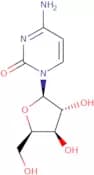
<p>3'-O-Azidomethyl 2'-deoxythymidine 5'-O-triphosphate sodium salt is a nucleoside that inhibits the replication of DNA and RNA. It has antiviral activity against influenza A and herpes simplex virus, as well as anticancer activity.</p>Degré de pureté :Min. 95%1-(b-D-Xylofuranosyl)cytosine
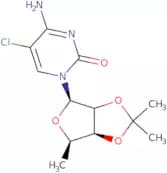
CAS :<p>1-(b-D-Xylofuranosyl)cytosine is a nucleoside analog that is used in the treatment of cancer. It inhibits DNA replication by binding to the RNA template strand and blocking the incorporation of cytosine. 1-(b-D-Xylofuranosyl)cytosine has been shown to have an inhibitory effect on tumor cell lines, with a thermal expansion coefficient similar to biphenyl. The molecular weight of 1-(b-D-xylofuranosyl)cytosine is approximately 244 g/mol, which is greater than that of water (18 g/mol). 1-(b-D-xylofuranosyl)cytosine also binds to double stranded DNA with high affinity, leading to inhibition of protein synthesis and cell division. In addition, this compound has been shown to bind to naphthalene and form adducts with its hydroxyl groups.</p>Formule :C9H13N3O5Degré de pureté :Min. 95%Couleur et forme :White To Off-White SolidMasse moléculaire :243.22 g/mol5-Chloro-5'-deoxy-2',3'-O-isopropylidenecytidine
<p>5-Chloro-5'-deoxy-2',3'-O-isopropylidenecytidine is a synthetic nucleoside that has antiviral and anticancer properties. It binds to the DNA of viruses and inhibits their replication, as well as the synthesis of DNA in cancer cells. This nucleoside also activates ribonucleotide reductase, which is an enzyme that converts ribonucleotides into deoxyribonucleotides. 5-Chloro-5'-deoxy-2',3'-O-isopropylidenecytidine is a novel nucleoside analog that can be phosphoramidite or monophosphate.</p>Formule :C12H16ClN3O4Degré de pureté :Min. 95%Masse moléculaire :301.73 g/molE-5-(2-Carboxyvinyl)-2'-deoxyuridine hydroxysuccinimide ester
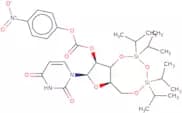
CAS :<p>E-5-(2-Carboxyvinyl)-2'-deoxyuridine hydroxysuccinimide ester is a nucleoside analog that inhibits the growth of cells by inhibiting DNA synthesis. It is an antiviral and anticancer agent, as well as a potential therapeutic for human immunodeficiency virus (HIV) and herpes simplex virus (HSV). This compound also has high purity and high quality, which makes it suitable for research purposes. E-5-(2-Carboxyvinyl)-2'-deoxyuridine hydroxysuccinimide ester is novel and has been modified from the natural nucleoside uridine. It can be used in the synthesis of phosphoramidites for DNA synthesis, which are used to synthesize DNA probes for use in diagnostic medicine.</p>Formule :C16H17N3O9Degré de pureté :Min. 95%Masse moléculaire :395.32 g/mol3',5'-O-(1,1,3,3-Tetraisopropyl-1,3-disiloxanediyl)-2'-(p-nitrophenylcarbonyloxy)uridine
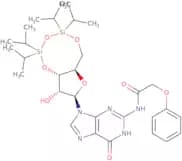
CAS :<p>3',5'-O-(1,1,3,3-Tetraisopropyl-1,3-disiloxanediyl)-2'-(p-nitrophenylcarbonyloxy)uridine is a novel phosphoramidite. It is modified with p-nitrophenyl carbonyloxy group at the 3' position of the uracil moiety. This phosphoramidite has antiviral activity against Hepatitis C and HIV. It also has anticancer activity in vitro and in vivo. 3',5'-O-(1,1,3,3-Tetraisopropyl-1,3-disiloxanediyl)-2'-(p-nitrophenylcarbonyloxy)uridine is a nucleoside that can be used for DNA synthesis or as a monophosphate or diphosphate for RNA synthesis. It is synthesized from deoxy</p>Formule :C28H41N3O11Si2Degré de pureté :Min. 95%Masse moléculaire :651.81 g/molN2-Phenoxyacetyl-3',5'-O-(1,1,3,3-tetraisopropyl-1,3-disiloxanediyl)guanosine
CAS :<p>N2-Phenoxyacetyl-3',5'-O-(1,1,3,3-tetraisopropyl-1,3-disiloxanediyl)guanosine is an anticancer nucleoside with antiviral and antimalarial activities. This compound has been shown to inhibit the growth of human leukemia cells in vitro and has a pharmacokinetic profile suitable for use in humans. N2-Phenoxyacetyl-3',5'-O-(1,1,3,3-tetraisopropyl-1,3-disiloxanediyl)guanosine is a novel nucleotide analog with high purity and quality.</p>Formule :C30H45N5O8Si2Degré de pureté :Min. 95%Masse moléculaire :659.88 g/mol2-(2-Deoxy-b-D-ribofuranosyl)-2,3,8,9-tetrahydro-7-oxa-2,3,5,6-tetraazabenz[cd]azulen-4-amine
CAS :<p>2-(2-Deoxy-b-D-ribofuranosyl)-2,3,8,9-tetrahydro-7-oxa-2,3,5,6-tetraazabenz[cd]azulen-4-amine is a novel and structurally distinct nucleoside analog. It has been shown to be an activator of human telomerase reverse transcriptase (hTERT), with low toxicity in vitro and in vivo. 2-(2-Deoxyribofuranosyl)-2,3,8,9 tetrahydro 7 oxa 2 3 5 6 tetraazabenz[cd]azulen 4 amine has been shown to have antiviral activity against the influenza virus A/PR/8/34 (H1N1) and SARS coronavirus in cell cultures. This compound also inhibits the replication of HIV type 1 by inhibiting the reverse transcriptase enzyme</p>Formule :C13H17N5O4Degré de pureté :Min. 95%Masse moléculaire :307.31 g/molGemcitabine 5'-elaidate
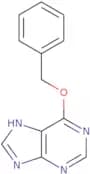
CAS :<p>Gemcitabine 5'-elaidate is an analog of gemcitabine that has hydrophobic properties. It has been shown to be active against solid tumours, including lung cancer. In a study on murine xenografts, gemcitabine 5'-elaidate was found to have the same degree of efficacy as gemcitabine in reducing tumour growth and increasing survival time. Gemcitabine 5'-elaidate also has good antitumour activity against infectious diseases such as HIV and malaria, which may be due to its ability to bind to the epidermal growth factor receptor (EGFR) on the surface of cells. This binding prevents EGFR from initiating cellular signaling.</p>Formule :C27H43F2N3O5Degré de pureté :Min. 95%Masse moléculaire :527.66 g/mol6-Benzyloxypurine
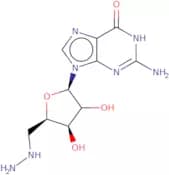
CAS :<p>6-Benzyloxypurine is a fluorescent compound that can be used to measure the concentration of aqueous solutions. It is used in molecular modeling and as a tracer in bioassays. The binding constants for 6-benzyloxypurine have been determined by fluorescence spectrometry, and it has been shown to inhibit the growth of aerobacter aerogenes at concentrations greater than 0.5 mM. This inhibitor also has an inhibitory effect on the growth of tissue culture cells and wastewater treatment bacteria, such as enterococcus faecalis and pseudomonas aeruginosa. The optimum concentration of 6-benzyloxypurine to inhibit bacterial growth is 1 mM, which corresponds to a pH of ~8.2.</p>Formule :C12H10N4ODegré de pureté :Min. 95%Masse moléculaire :226.23 g/mol5'-Hydrazino-5'-deoxyguanosine
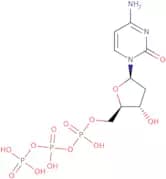
CAS :<p>5'-Hydrazino-5'-deoxyguanosine is a novel diphosphate nucleoside analog that has been shown to be an efficient activator of the anti-cancer enzyme ribonucleotide reductase. It is synthesized by reacting 5'-hydrazinouridine with hydroxylamine and then coupling with 5'-deoxyguanosine. The resulting product has been shown to inhibit DNA synthesis in vitro and in vivo, as well as to produce cytotoxic effects in human cancer cells. This compound also inhibits bacterial growth by binding to DNA-dependent RNA polymerase, thereby preventing transcription and replication. The high frequency of human activity has been shown using a patch-clamp technique on human erythrocytes. This active form is metabolized through a number of metabolic transformations, including hydrolysis by esterases or glucuronidases, oxidation by cytochrome P450 enzymes, reduction by glutathione reductase, or</p>Formule :C10H15N7O4Degré de pureté :Min. 95%Masse moléculaire :297.27 g/moldCTP - 100mmol solution
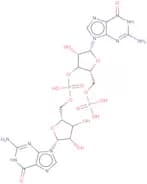
CAS :<p>dCTP is a nucleotide that is an important component of the DNA molecule. It is used in biochemical research and as a drug for treatment of certain cancers. The biochemical properties of dCTP are similar to those of other nucleotides, including ATP and GTP. The main difference is that dCTP has a low solubility in water, while ATP and GTP are soluble in water. This property makes it difficult to study the use of dCTP in biosensors. Another difference is that dCTP does not have a signal peptide sequence, which may be due to its chemical structure or biological function. In addition, dCTP does not interfere with the polymerase chain reaction (PCR) process because it does not possess reactive groups on its phosphate groups.</p>Formule :C9H16N3O13P3Degré de pureté :Min. 95%Masse moléculaire :467.16 g/mol5'-Phosphoguanylyl-(3'->5')-guanosine sodium
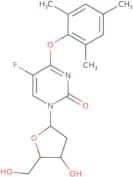
CAS :<p>pGpG, linear diguanylate, is the first phosphodiesterase-catalyzed hydrolysis product of cylic di-GMP (c-diGMP). c-diGMP has been identified as a novel second messenger in bacteria that triggers various physiological changes such as virulence gene expression or cell differentiation</p>Formule :C20H26N10O15P2·xNaDegré de pureté :Min. 95 Area-%Couleur et forme :PowderMasse moléculaire :708.43 g/mol5-Fluoro-O4-(2,4,6-trimethylphenyl)-2'-deoxyuridine
CAS :<p>5-Fluoro-O4-(2,4,6-trimethylphenyl)-2'-deoxyuridine is a novel monophosphate nucleotide activated with 2,4,6-trimethylphenyl (TMP) and used as a building block in the synthesis of oligonucleotides. The synthesized nucleoside can be converted to a diphosphate or phosphoramidite. 5-Fluoro-O4-(2,4,6-trimethylphenyl)-2'-deoxyuridine is an anticancer agent that inhibits DNA synthesis by inhibiting ribonucleic acid (RNA) synthesis. It has been shown to inhibit the proliferation of human leukemia cells and may have potential for use in therapy for cancer treatment.</p>Formule :C18H21FN2O5Degré de pureté :Min. 95%Masse moléculaire :364.4 g/molPyrido[3,4-d]pyrimidine-2,4(1H,3H)-dione
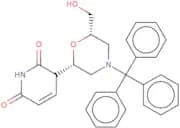
CAS :<p>Pyrido[3,4-d]pyrimidine-2,4(1H,3H)-dione is a small molecule that can function as a transcriptional activator or repressor by binding to DNA. This drug has been shown to upregulate the expression of genes that are involved in the immune system and inflammation.</p>Degré de pureté :Min. 95%7’-OH-N-trityl morpholino uracil
CAS :<p>Please enquire for more information about 7’-OH-N-trityl morpholino uracil including the price, delivery time and more detailed product information at the technical inquiry form on this page</p>Formule :C28H27N3O4Masse moléculaire :469.53 g/mol5'-Deoxy-5-fluoro-N-[(2-methylbutoxy)carbonyl]cytidine
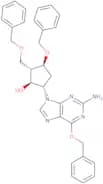
CAS :<p>5'-Deoxy-5-fluoro-N-[(2-methylbutoxy)carbonyl]cytidine is an antiviral drug that has been shown to be a potent inhibitor of HIV-1 replication in cell culture. It is an analog of cytidine, and it binds to the viral reverse transcriptase enzyme via phosphoramidite chemistry. 5'-Deoxy-5-fluoro-N-[(2-methylbutoxy)carbonyl]cytidine is a monophosphate, which inhibits the synthesis of DNA by preventing the incorporation of deoxyribonucleotides in the process. This agent does not have any anticancer activity.</p>Formule :C15H22FN3O6Degré de pureté :Min. 95%Masse moléculaire :359.35 g/mol(1S,2S,3S,5S)-5-(2-Amino-6-(benzyloxy)-9H-purin-9-yl)-3-(benzyloxy)-2-(benzyloxymethyl)cyclopentanol
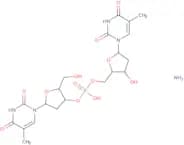
CAS :<p>(1S,2S,3S,5S)-5-(2-Amino-6-(benzyloxy)-9H-purin-9-yl)-3-(benzyloxy)-2-(benzyloxymethyl)cyclopentanol is a synthetic compound that is used to treat patients with chronic myeloid leukemia. It has been shown to inhibit tyrosine kinase and interacts with the guanine binding site of the purine nucleoside phosphorylase. This drug also inhibits the enzyme (deoxy)ribonucleotide reductase and competes with adenosine for binding to adenosine receptors. The stereoisomers of this drug are active against chronic myeloid leukemia cells. The S enantiomer is more potent than the R enantiomer and exhibits greater selectivity for leukemic cells than healthy cells. It has also been shown to inhibit nitric oxide synthase and may have anti-</p>Formule :C32H33N5O4Degré de pureté :Min. 95%Couleur et forme :White PowderMasse moléculaire :551.64 g/molThymidylyl-(3′→5′)-thymidine ammonium salt
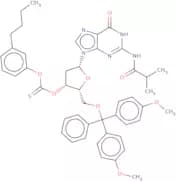
CAS :<p>Thymidylyl-(3′→5′)-thymidine is a modified nucleoside that has antiviral activity. It is synthesized from thymidine, which is the deoxyribonucleotide of thymine and uracil, by phosphorylation with ATP. Thymidylyl-(3′→5′)-thymidine has been shown to be an activator of DNA polymerase in vitro and inhibits replication of human immunodeficiency virus (HIV) in cell cultures. This compound has been studied as a potential treatment for AIDS.</p>Formule :C20H30N5O12PDegré de pureté :Min. 95%Masse moléculaire :563.5 g/mol2'-Deoxy-5'-O-DMT-N2-isobutyryl-3'-xanthylguanosine
<p>2'-Deoxy-5'-O-DMT-N2-isobutyryl-3'-xanthylguanosine is a diphosphate synthetic activator. It has been shown to be an effective anticancer and antiviral agent.</p>Formule :C46H49N5O8SDegré de pureté :Min. 95%Masse moléculaire :832 g/mol5-Vinylcytidine
CAS :<p>5-Vinylcytidine is a nucleoside analog used in research to study DNA demethylation. It is an orthogonal molecule that can be used in assays to distinguish between different types of methylases. 5-Vinylcytidine is able to oxidize and formylate the N5 position of thymine, which leads to DNA demethylation. The mechanism of this process is not fully understood, but it may involve translocation or homologous recombination. 5-Vinylcytidine has been shown to react with alkyl groups, leading to its use as a probe for biochemical reactions involving methyltransferase enzymes.</p>Degré de pureté :Min. 95%2'-Deoxyuridine-5'-[(a,b)-methyleno]triphosphate sodium salt - 10 mM aqueous solution
CAS :<p>2'-Deoxyuridine-5'-[(a,b)-methyleno]triphosphate sodium salt - 10 mM aqueous solution is an activator of nucleoside diphosphates. It is a novel and anticancer nucleoside analog with high purity, high quality and a CAS number of 170428-84-9. This activator has been shown to inhibit the growth of tumor cells by inhibiting DNA synthesis and ribonucleotide reductase activity. The 2'-deoxyuridine-5'-[(a,b)-methyleno]triphosphate sodium salt - 10 mM aqueous solution can be used in the synthesis of deoxyribonucleosides and phosphoramidites as well as modified DNA.</p>Formule :C10H17N2O13P3Degré de pureté :Min. 95%Couleur et forme :liquid.Masse moléculaire :466.17 g/mol2'-Bromo-2'-deoxy-3'-O-methanesulfonyluridine
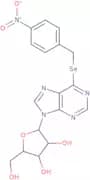
<p>2'-Bromo-2'-deoxy-3'-O-methanesulfonyluridine is a nucleoside analogue that acts as an activator of the human immunodeficiency virus (HIV). It is thought to work by binding to the viral reverse transcriptase enzyme, which converts the RNA genome into DNA. This prevents the virus from replicating and producing new viruses. 2'-Bromo-2'-deoxy-3'-O-methanesulfonyluridine has also been shown to be active against other viruses such as herpes simplex virus type 1 (HSV1) and influenza A virus.</p>Degré de pureté :Min. 95%4'-Nitrobenzoyl-6-selenoinosine
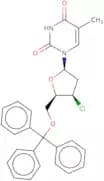
CAS :<p>4'-Nitrobenzoyl-6-selenoinosine is a monophosphate nucleoside that is synthesized by the phosphoramidite method. It has been shown to have antiviral and anticancer activities. The compound inhibits the synthesis of DNA and RNA, which may be due to its ability to inhibit the enzyme ribonucleotide reductase. 4'-Nitrobenzoyl-6-selenoinosine has also been shown to activate cellular transcription factors such as NF-κB and AP-1, resulting in increased expression of genes involved in apoptosis.</p>Formule :C17H15N5O7SeDegré de pureté :Min. 95%Masse moléculaire :480.29 g/mol3'-Chloro-3'-deoxy-5'-O-tritylthymidine
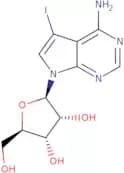
CAS :<p>3'-Chloro-3'-deoxy-5'-O-tritylthymidine (3CT) is an antiviral and anticancer drug that is a modified nucleoside. It is synthesized by reacting 3'-chloro-5'-O-tritylthymidine with trichloroacetonitrile. 3CT inhibits the synthesis of DNA and RNA, which may have antiviral and anticancer effects. It can be used to treat hepatitis B virus, herpes simplex virus, human papillomavirus, Epstein-Barr virus, and Kaposi's sarcoma. 3CT has been shown to be effective in treating cancer cells in culture by inhibiting DNA synthesis.</p>Formule :C29H27ClN2O4Degré de pureté :Min. 95%Masse moléculaire :503 g/mol7-Deaza-7-iodoadenosine
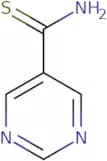
CAS :<p>7-Deaza-7-iodoadenosine is a nucleotide that has been used in experiments to assess the levels of adenosine, a dinucleotide phosphate that is involved in many cellular functions. 7-deaza-7-iodoadenosine has been shown to inhibit locomotor activity in rats and cyclase activity in 3T3-L1 preadipocytes. It also inhibits the release of inflammatory proteins from polymorphonuclear leucocytes and angiogenesis (formation of new blood vessels) in liver cells. Although this nucleotide has not been extensively studied, it has been proposed as an antiinflammatory agent because it inhibits protein synthesis and downregulates proinflammatory proteins.</p>Formule :C11H13IN4O4Degré de pureté :Min. 95%Masse moléculaire :392.15 g/molPyrimidine-5-carbothioic acid amide
CAS :<p>Pyrimidine-5-carbothioic acid amide (PCA) is an organic compound that contains a pyrimidine ring and a carboxylic acid amide group. PCA forms crystalline solids with the molecular formula C4H10N2O4. The x-ray crystal structure of PCA has been determined, revealing the molecule to have a chair conformation with two hydrogen bonds. The molecule can be considered as stabilized by the base formation between the nitrogen atom in the pyrimidine ring and the oxygen atom in the carboxylic acid amide group. PCA has been used as a building block for other molecules, such as enamines, which are useful for computation studies. PCA is also an intermediate in chemical reactions involving nucleophilic substitution reactions and hydrogen abstraction reactions.</p>Formule :C5H5N3SDegré de pureté :Min. 95%Masse moléculaire :139.18 g/molγ-(BBT)-ATP
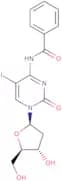
<p>gamma-(BBT)-ATP is a novel ATP analog that has been shown to activate the purine nucleotide receptor and cause tumor cell death. It is a deoxyribonucleoside, phosphoramidite, and monophosphate that can be used as an activator for DNA synthesis. gamma-(BBT)-ATP inhibits the growth of tumor cells in culture and has antiviral activity against herpes simplex virus type-1.</p>Formule :C24H22N7O13P3S2·xNaDegré de pureté :Min. 95%Couleur et forme :PowderMasse moléculaire :773.52 g/molN4-Benzoyl-2'-deoxy-5-iodocytidine
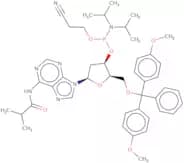
CAS :<p>N4-Benzoyl-2'-deoxy-5-iodocytidine is a nucleoside that is used as an activator for RNA synthesis and in the synthesis of phosphoramidites. It has antiviral and anticancer properties and is novel for its potential use as a therapeutic agent.</p>Formule :C16H18IN3O4Degré de pureté :Min. 95%Masse moléculaire :443.24 g/mol2'-Deoxy-5'-O-DMT-N6-isobutyryladenosine 3'-CE phosphoramidite
<p>2'-Deoxy-5'-O-DMT-N6-isobutyryladenosine 3'-CE phosphoramidite is a novel and high quality anticancer agent that is used in the synthesis of DNA. This compound has shown potent cytotoxic activity against various cancer cell lines, including human leukemia cells, human breast carcinoma cells, and human colon carcinoma cells. 2'-Deoxy-5'-O-DMT-N6-isobutyryladenosine 3'-CE phosphoramidite inhibits DNA synthesis by inhibiting the enzyme DNA polymerase. It also inhibits protein synthesis and has been shown to be toxic to the mitochondria, which may be responsible for its anti-cancer effects.</p>Formule :C44H54N7O7PDegré de pureté :Min. 95%Masse moléculaire :823.94 g/molFluorescein-5(6)-carboxamidocaproyl-(5-[3-aminoallyl]uridine 5'-triphosphate) - 1 mM aqueous solution
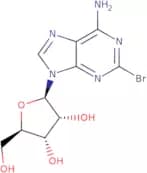
CAS :<p>Fluorescein-5(6)-carboxamidocaproyl-(5-[3-aminoallyl]uridine 5'-triphosphate) is a novel antiviral compound that is an activator of ribonucleoside and deoxyribonucleoside phosphorylation. It has been shown to selectively inhibit the proliferation of cancer cells, and to be cytotoxic to human leukemia cells in vitro. The compound is also able to inhibit HIV replication in vitro. Fluorescein-5(6)-carboxamidocaproyl-(5-[3-aminoallyl]uridine 5'-triphosphate) - 1 mM aqueous solution is a high purity product with CAS No. 134367-01-4 that can be used as a synthetically modified DNA or RNA building block for the production of phosphoramidites. This product has been shown to be cytotoxic against human leukemia cells in</p>Formule :C39H41N4O22P3Degré de pureté :Min. 95%Masse moléculaire :1,010.68 g/mol2-Bromoadenosine
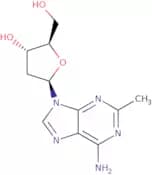
CAS :<p>2-Bromoadenosine is a nucleoside that is structurally similar to adenosine. It has shown to have high resistance against blood pressure and l1210 cells. 2-Bromoadenosine also inhibits kinase activities in microns and spontaneous cell cultures, as well as chemical diversity. This drug has been shown to have high values in neurotransmission, carbonic anhydrase, cardiac muscle, and RNA synthesis. 2-Bromoadenosine blocks the receptor of adenine nucleotides, which causes cell death by inhibiting the production of adenosine. This product may be used for the treatment of cardiac disease or cancer.</p>Formule :C10H12BrN5O4Degré de pureté :Min. 95%Couleur et forme :PowderMasse moléculaire :346.14 g/mol2’-Deoxy-2-methyladenosine
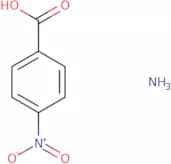
CAS :<p>2’-Deoxy-2-methyladenosine is a nucleoside that is chemically synthesized by the phosphorylation of 2,6-diaminopurine. It has been shown to be an effective activator of RNA polymerase and it also has anticancer properties. 2’-Deoxy-2-methyladenosine can be used as a substitute for thymidine in DNA synthesis. This nucleoside has also been shown to inhibit bacterial growth in culture by inhibiting DNA synthesis and protein synthesis. It is a modified nucleoside that can be used for the synthesis of DNA, RNA, or ribonucleic acids. The CAS number for this compound is 110952-90-4.</p>Degré de pureté :Min. 95%Ammonium 4-nitrobenzoate dihydrate
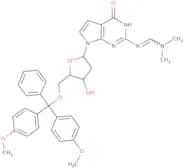
CAS :<p>Ammonium 4-nitrobenzoate dihydrate is a corrosion inhibitor that prevents the corrosion of metal parts and other materials. It is used in the production of plastics, coatings, adhesives, and lubricants. The corrosion inhibition activity of aminobenzoates can be attributed to their ability to form hydrogen phosphate (HPO) anions as well as their ability to complex with metal ions. The hydration process is also important for the corrosion inhibition activity of ammonium 4-nitrobenzoate dihydrate. This process involves the release of water molecules from the ammonium salt, which provide a protective coating around the metal surface. Ammonium 4-nitrobenzoate dihydrate also has additive properties that are beneficial for other industrial applications such as antistatic agents, surfactants, and stabilizers.</p>Degré de pureté :Min. 95%5'-o-(Dimethoxytrityl)-N2-(dimethylaminomethylidene)-7-deaza-2'-deoxyguanosine
CAS :<p>Please enquire for more information about 5'-o-(Dimethoxytrityl)-N2-(dimethylaminomethylidene)-7-deaza-2'-deoxyguanosine including the price, delivery time and more detailed product information at the technical inquiry form on this page</p>Formule :C35H37N5O6Degré de pureté :Min. 95%Masse moléculaire :623.7 g/molCerebrosides (brain)
CAS :<p>Cerebrosides are a group of natural and synthetic phospholipids that are found in the brain. They are made from glycerophosphoric acid and sphingosine. Cerebrosides have been shown to be anticancer agents, and may also inhibit the growth of bacteria. They can also promote DNA synthesis and prevent the destruction of DNA by inhibiting some enzymes, such as phosphodiesterase. Cerebrosides are also used to synthesize nucleosides and deoxyribonucleosides, which is important for cell division.</p>Formule :C48H93NO8Degré de pureté :Min. 95%Masse moléculaire :812.25 g/molClofarabine 5'-monophosphate triethylammonium salt
CAS :<p>Clofarabine is an anti-cancer drug that belongs to the class of diphosphate, Synthetic, Activator, Phosphoramidites, Deoxyribonucleosides. It is a modified nucleoside with antiviral and anticancer activity. Clofarabine 5'-monophosphate triethylammonium salt (CPF) has been shown to inhibit DNA synthesis by blocking the incorporation of deoxyribonucleotides into DNA. CPF binds to DNA at the 3' position of the deoxyribonucleotide chain, which prevents its extension and leads to inhibition of DNA replication. CPF also inhibits viral DNA synthesis through inhibition of viral DNA polymerase or viral RNA polymerase in vitro. Clofarabine is not active against bacteriophage T4 or bacterial RNA polymerase.</p>Degré de pureté :Min. 95%Stavudine 5'-triphosphate triethyammonium salt
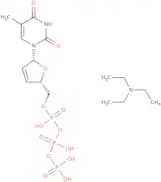
CAS :<p>Stavudine 5'-triphosphate triethyammonium salt is a novel, modified nucleoside that has antiviral and anticancer properties. It is synthesized as a phosphoramidite and used in the synthesis of ribonucleotides, which are incorporated into RNA. Stavudine 5'-triphosphate triethyammonium salt inhibits viral DNA replication by inhibiting the activity of reverse transcriptase, an enzyme that copies the DNA sequence to create a complementary RNA sequence. In vitro studies have shown that stavudine 5'-triphosphate triethyammonium salt inhibits cell proliferation in human cancer cells.</p>Degré de pureté :Min. 95%2,2'-Anhydrocytidine
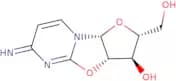
CAS :<p>2,2'-Anhydrocytidine is a cytosine analogue that has been shown to have anticancer activity against solid tumours in mice. The mechanism of action of 2,2'-Anhydrocytidine is not fully understood, but it may be due to its ability to bind to fatty acids and tubule cells in the liver. This compound also induces the production of epidermal growth factor (EGF) and has been shown to inhibit the phase transition temperature of nuclear DNA. It can be used as a model system for hydrogen bonding interactions and chemical stability. 2,2'-Anhydrocytidine can also be used for tissue culture experiments or as a reaction solution in vivo.</p>Formule :C9H11N3O4Degré de pureté :Min. 95%Couleur et forme :SolidMasse moléculaire :225.2 g/mol6-Thioguanosine-5'-O-diphosphate sodium salt - 10mM aqueous solution
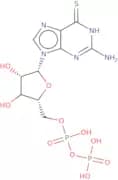
CAS :<p>6-Thioguanosine-5'-O-diphosphate sodium salt is a nucleotide derivative of guanosine that binds to the regulatory site of ATP synthase in the chloroplast. It is an allosteric inhibitor that has been shown to inhibit the synthesis of proteins and chlorophyll, as well as ATP synthesis in plastids of plants. 6-Thioguanosine-5'-O-diphosphate sodium salt has been shown to be effective at inhibiting protein synthesis in mammalian cells, which may be due to its ability to bind to the metabotropic glutamate receptor. The molecule was also found to bind with high affinity to a ternary complex that includes glutamine, glutamate, and ammonia.</p>Formule :C10H15N5O10P2SxNaDegré de pureté :Min. 95%Couleur et forme :PowderMasse moléculaire :459.27 g/mol2',3',5'-Tri-O-acetyl-2N,2N-dimethylguanosine
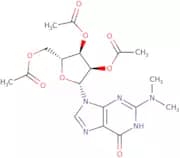
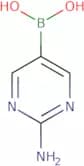
CAS :<p>2',3',5'-Tri-O-acetyl-2N,2N-dimethylguanosine (TAMG) is a novel nucleoside that is synthesized from 2',3',5'-tri-O-acetyl-1,3,5-trioxohexanecarboxylic acid. TAMG has been shown to inhibit HIV and Hepatitis B virus replication by inhibiting the synthesis of viral DNA and RNA. The antiviral properties of TAMG are due to its incorporation into the growing DNA chain and blocking the polymerization process. TAMG also has anticancer activity and can be used as a chemotherapeutic agent against various types of cancer cells.</p>Formule :C18H23N5O8Degré de pureté :Min. 95%Masse moléculaire :437.4 g/mol2-Aminopyrimidine-5-boronic acid
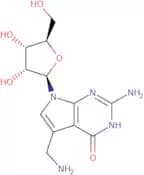
CAS :<p>2-Aminopyrimidine-5-boronic acid is a synthetic compound that has been shown to inhibit the activity of cellulase enzymes in vitro. It also has neuroprotective effects and potent inhibition against cancer cells. 2-Aminopyrimidine-5-boronic acid's mechanism of action is reversible covalent, meaning that it reacts with DNA by forming an N2-(2'-aminopyrimidine) adduct with guanine at position 6 in the purine ring. This reaction inhibits DNA synthesis, leading to cell death. 2-Aminopyrimidine-5-boronic acid is not currently being used as a cancer therapy, but it is being researched for its potential use in cancer treatments.</p>Formule :C4H6BN3O2Degré de pureté :Min. 95%Masse moléculaire :138.92 g/mol7-(Aminomethyl)-7-deazaguanosine
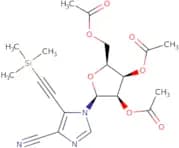
CAS :<p>7-Aminomethyl-7-deazaguanosine is a nucleoside that is classified as a purine. It can be synthesized from 7-amino-7-deazaguanosine and sodium periodate. The chemical reactions involved in the synthesis are oxidation of the amine group on the 7-amino group to form an iminium ion and subsequent nucleophilic attack by the hydroxyl group on the N9 position of the purine ring to form an amino alcohol. This nucleoside has been shown to bind to ribosomes and inhibit protein synthesis, which suggests that it may have potential for use as an antibiotic or anticancer agent. 7-Aminomethyl-7-deazaguanosine has also been shown to cause epigenetic changes such as DNA methylation, histone modification, and alterations in chromatin structure.</p>Formule :C12H17N5O5Degré de pureté :Min. 95%Masse moléculaire :311.29 g/mol5-(2-(Trimethylsilyl)-1-ethynyl)-1-(2',3',5'-tri-O-acetyl-b-D-ribofuranosyl)imidazo-4-carbonitrile
CAS :<p>Ribonucleosides are a class of nucleoside analogues that have been used as antiviral and anticancer agents. Ribonucleosides are synthesized in a two-step process. The first step is the conversion of an appropriate ribose or deoxyribose to the corresponding monophosphate. The second step is the coupling of the monophosphate with an appropriate nucleotide. 5-(2-(Trimethylsilyl)-1-ethynyl)-1-(2',3',5'-tri-O-acetyl-b-D-ribofuranosyl)imidazo-4-carbonitrile is a novel nucleoside analogue, which has been shown to be active against cancer cells and to inhibit viral replication by interacting with DNA polymerase and other enzymes involved in DNA synthesis.</p>Degré de pureté :Min. 95%5'-O-DMT-2'-ethylfluoro-5-methyluridine
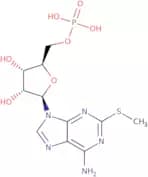
<p>5'-O-DMT-2'-ethylfluoro-5-methyluridine is an activated nucleotide that is used as a synthetic, nonnatural substrate for DNA polymerases. It has been shown to have anticancer and antiviral activities. 5'-O-DMT-2'-ethylfluoro-5-methyluridine is highly pure and of high quality, which makes it suitable for use in research or other applications requiring a high level of purity.</p>Degré de pureté :Min. 95%2-Methylthioadenosine 5-monophosphate
CAS :<p>2-Methylthioadenosine 5-monophosphate (2MTA) is an intermediate in purine metabolism that can be synthesized from adenosine monophosphate and methyl mercaptan. 2MTA inhibits the platelet aggregation by inhibiting the function of the P2Y12 receptor, which is a member of the G protein-coupled receptor family. It has been shown to inhibit tumor growth and tumor vasculature, as well as to induce apoptosis in cancer cells. 2MTA also has antiplatelet activity, which may be due to its ability to inhibit cyclooxygenase-1 (COX-1) and cyclooxygenase-2 (COX-2).</p>Formule :C11H16N5O7PSDegré de pureté :Min. 95%Masse moléculaire :393.31 g/mol

![4-Amino-1-[(2R,3R,4R,5R)-3-ethoxy-4-hydroxy-5-(hydroxymethyl)oxolan-2-yl]pyrimidin-2-one](/_next/image/?url=https%3A%2Fstatic.cymitquimica.com%2Fproducts%2F3D%2Fthumb-webp%2FECA42942.webp&w=3840&q=75)
![4-Amino-3-(1-naphthylmethyl)-1H-pyrazolo[3,4-d]pyrimidine-1-(b-D-ribofuranosyl-5'-triphosphate)](/_next/image/?url=https%3A%2Fstatic.cymitquimica.com%2Fproducts%2F3D%2Fthumb-webp%2FNA16506.webp&w=3840&q=75)


![2-(2-Deoxy-b-D-ribofuranosyl)-2,3,8,9-tetrahydro-7-oxa-2,3,5,6-tetraazabenz[cd]azulen-4-amine](/_next/image/?url=https%3A%2Fstatic.cymitquimica.com%2Fproducts%2F3D%2Fthumb-webp%2FND145590.webp&w=3840&q=75)

![Pyrido[3,4-d]pyrimidine-2,4(1H,3H)-dione](/_next/image/?url=https%3A%2Fstatic.cymitquimica.com%2Fproducts%2F3D%2Fthumb-webp%2FNP44307.webp&w=3840&q=75)
![5'-Deoxy-5-fluoro-N-[(2-methylbutoxy)carbonyl]cytidine](/_next/image/?url=https%3A%2Fstatic.cymitquimica.com%2Fproducts%2F3D%2Fthumb-webp%2FND16526.webp&w=3840&q=75)

![2'-Deoxyuridine-5'-[(a,b)-methyleno]triphosphate sodium salt - 10 mM aqueous solution](/_next/image/?url=https%3A%2Fstatic.cymitquimica.com%2Fproducts%2F3D%2Fthumb-webp%2FND45198.webp&w=3840&q=75)


![Fluorescein-5(6)-carboxamidocaproyl-(5-[3-aminoallyl]uridine 5'-triphosphate) - 1 mM aqueous solut…](/_next/image/?url=https%3A%2Fstatic.cymitquimica.com%2Fproducts%2F3D%2Fthumb-webp%2FNF139015.webp&w=3840&q=75)