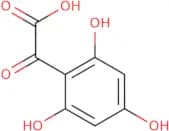
Solvants non polaires
Les solvants non polaires sont une classe de solvants qui dissolvent les composés non polaires en raison de leurs faibles constantes diélectriques et de l'absence de charges partielles significatives. Ils sont largement utilisés dans divers processus chimiques et applications, y compris la synthèse organique, les extractions et la chromatographie. Les solvants non polaires courants incluent des substances avec des anneaux à 6 membres et des Building Blocks tels que l'hexane et le toluène, qui sont cruciaux pour dissoudre les composés hydrophobes. Ces solvants jouent un rôle essentiel dans la préparation d'ingrédients pharmaceutiques actifs (APIs) et de composés de recherche connexes. De plus, les solvants non polaires sont utilisés en spectroscopie RMN, où ils aident à dissoudre les analytes non polaires sans interférer avec l'analyse spectrale. Ils sont également importants dans les processus impliquant des acides aminés, des composés organiques chlorés et divers Building Blocks. Leur efficacité à dissoudre les composés organiques rend les solvants non polaires indispensables dans les environnements de laboratoire et industriels.
184 produits trouvés pour "Solvants non polaires"
Trier par
Degré de pureté (%)
0
100
|
0
|
50
|
90
|
95
|
100
n-Hexane, Spectrophotometric Grade, 95+%
CAS :<p>n-Hexane used in spectrophotometry and environmental testing. This Thermo Scientific Chemicals brand product was originally part of the Alfa Aesar product portfolio. Some documentation and label information may refer to the legacy brand. The original Alfa Aesar product / item code or SKU reference h</p>Formule :C6H14Degré de pureté :95+%Couleur et forme :Colorless, clear liquidMasse moléculaire :86.18n-Hexane, Environmental Grade, 95+%
CAS :<p>Pesticide residue, environmental and GC analysis.n-Hexane is used in spectrophotometry and environmental testing. It is used as a solvent to extract edible oils from seed and vegetable crops. Commercial grades of hexane are used as solvents for glues, varnishes, and inks, cleaning agent (degreaser) </p>Formule :C6H14Degré de pureté :95+%Couleur et forme :LiquidMasse moléculaire :86.18Chloroform, ethanol-free, 99+%, stab. with ca 50 ppm amylene
CAS :<p>Chloroform is a commonly used laboratory solvent. It was previously used as an anesthetic. It is also used as a precursor to PTFE and refrigerants. Chloroform was used in the past as an extraction solvent for fats, oils and greases. It is useful for the rapid and simple release of periplasmic protei</p>Formule :CHCl3Degré de pureté :99+%Couleur et forme :Clear colorless, LiquidMasse moléculaire :119.37n-Hexane, 99%
CAS :<p>n-Hexane is used as a solvent to extract edible oils from seed and vegetable crops. Commercial grades of hexane are used as solvents for glues, varnishes, and inks, cleaning agent (degreaser) in the printing industry, liquid in low temperature thermometers. Other uses are as fuels and fuel additives</p>Formule :C6H14Degré de pureté :99%Couleur et forme :Liquid, Clear colorlessMasse moléculaire :86.18Hexanes, mixed isomers, HPLC Grade, 99+%
CAS :<p>Hexanes, mixed isomers are used as a mobile phase in High Performance Liquid Chromatography and Liquid Chromatography coupled with Mass Spectrometry. This Thermo Scientific Chemicals brand product was originally part of the Alfa Aesar product portfolio. Some documentation and label information may r</p>Formule :C6H14Degré de pureté :99+%Masse moléculaire :86.18n-Hexane, anhydrous
CAS :<p>n-Hexane is used as a solvent to extract edible oils from seed and vegetable crops. Commercial grades of hexane are used as solvents for glues, varnishes, and inks, cleaning agent (degreaser) in the printing industry, liquid in low temperature thermometers. Other uses are as fuels and fuel additives</p>Formule :C6H14Couleur et forme :Liquid, ColorlessMasse moléculaire :86.18Hexanes, mixed isomers, Environmental Grade
CAS :<p>Hexane mixed isomers is used in the laboratory to extract oil and grease contaminants from water and soil for analysis. As a non-polar solvent, it is used in chromatography. It plays an important role in the preparation of glues for shoes, leather products and roofing. It is also used for reactions </p>Formule :C6H14Masse moléculaire :86.18Toluene, anhydrous, 99.8%, packaged under Argon in resealable ChemSeal™ bottles
CAS :Produit contrôlé<p>Toluene is widely used as an organic solvent in various industries like paints, pharmaceuticals, dyes, agrochemicals and polymers. It is used as an additive in gasoline and improves octane ratings, as a fullerene indicator, in paint thinners and silicone sealants, as a coolant in sodium cold traps u</p>Formule :C7H8Degré de pureté :99.8%Couleur et forme :Clear, colorless, LiquidMasse moléculaire :92.14Chloroform, Molecular Biology Reagent
CAS :<p>Chloroform is a common laboratory reagent favored for use as a solvent due to the compounds relative unreactivity and miscibility with most organic compounds. Chloroform is also used in organic synthesis as a source for CCl2. In the swine tracheal smooth muscle, chloroform has been demonstrated to d</p>Formule :CHCl3Couleur et forme :Clear colorless, LiquidMasse moléculaire :119.37Toluene, Semiconductor Grade, 99% min
CAS :Produit contrôlé<p>Maximum level of impurities: Color (APHA) 10, Acidity 0.2meq/g, Evaporation residue 2ppm, H2O 0.03%, Substances darkened by H2SO4 P.T., Sulfur compounds (as S) 0.003%, Cl 2ppm, PO4 0.5ppm</p>Formule :C7H8Degré de pureté :99%Couleur et forme :Liquid, Clear colorlessMasse moléculaire :92.14n-Hexane, Spectrophotometric Grade, 95+%, packaged under Argon in resealable ChemSeal™ bottles
CAS :<p>n-Hexane is used in the formulation of glues for shoes, leather products, and roofing, as a cleaning agent, de-greasing agent. It is used to extract edible oils from seeds and vegetables, a non-polar solvent in chromatography. This Thermo Scientific Chemicals brand product was originally part of th</p>Formule :C6H14Degré de pureté :95+%Couleur et forme :Colorless, clear liquidMasse moléculaire :86.18n-Hexane, anhydrous, over molecular sieves, packaged under argon in resealable ChemSeal™ bottles
CAS :<p>n-Hexane is used as a solvent, paint thinner, and chemical reaction medium. It is used to extract edible oils from seeds and vegetables, as a special-use solvent, and as a cleaning agent. Hexanes are commonly used in chromatography as a non-polar solvent. This Thermo Scientific Chemicals brand prod</p>Formule :C6H14Couleur et forme :Liquid, Clear colorlessMasse moléculaire :86.18Toluene, anhydrous, 99.8%
CAS :Produit contrôlé<p>Toluene is widely used as an organic solvent in various industries like paints, pharmaceuticals, dyes, agrochemicals and polymers. It is used as an additive in gasoline and improves octane ratings, as a fullerene indicator, in paint thinners and silicone sealants, as a coolant in sodium cold traps u</p>Formule :C7H8Degré de pureté :99.8%Masse moléculaire :92.14Toluene, Environmental Grade, 99.8+%
CAS :Produit contrôlé<p>Maximum level of impurities: Color (APHA) 10, Halogenated residue by GC-ECD, (as Heptachlorepoxide) 5ng/L, Water 0.03%</p>Formule :C7H8Degré de pureté :99.8+%Masse moléculaire :92.14Toluene, 99%
CAS :Produit contrôlé<p>Toluene is used as solvent for paints, paint thinners, silicone sealants, many chemical reactants, rubber, printing ink, adhesives (glues), lacquers, leather tanners and disinfectants. It is an important raw material to synthesize pharmaceuticals, paints, resins, dyes, toluene diisocyanate and expl</p>Formule :C7H8Degré de pureté :99%Couleur et forme :Clear colorless, LiquidMasse moléculaire :92.14n-Hexane, HPLC Grade, 95% min
CAS :<p>as a solvent to extract edible oils from seed and vegetable crops. Commercial grades of hexane are used as solvents for glues, varnishes, and inks, cleaning agent (degreaser) in the printing industry, liquid in low temperature thermometers. other uses are as Fuels and fuel additives, Intermediates a</p>Formule :C6H14Degré de pureté :95%Couleur et forme :Liquid, ColorlessMasse moléculaire :86.18Chloroform, Spectrophotometric Grade, 99.5+%
CAS :<p>Chloroform is used in spectrophotometry and environmental testing. This Thermo Scientific Chemicals brand product was originally part of the Alfa Aesar product portfolio. Some documentation and label information may refer to the legacy brand. The original Alfa Aesar product / item code or SKU refere</p>Formule :CHCl3Degré de pureté :99.5+%Couleur et forme :Clear colorless, LiquidMasse moléculaire :119.37Chloroform, HPLC Grade, 99.5+% min
CAS :<p>Chloroform is used as a mobile phase in High Performance Liquid Chromatography and Liquid Chromatography coupled with Mass Spectrometry. This Thermo Scientific Chemicals brand product was originally part of the Alfa Aesar product portfolio. Some documentation and label information may refer to the l</p>Formule :CHCl3Degré de pureté :99.5+%Masse moléculaire :119.37Hexanes, mixed isomers, (60+% n-hexane)
CAS :<p>Hexane mixed isomers is used in the laboratory to extract oil and grease contaminants from water and soil for analysis. As a non-polar solvent, it is used in chromatography. It plays important role in the preparation of glues for shoes, leather products, and roofing. It is also used for reactions t</p>Formule :C6H14Degré de pureté :60+%Couleur et forme :Liquid, Clear colorless [US] / Clear [EU]Masse moléculaire :86.18Toluene, ACS, 99.5% min
CAS :Produit contrôlé<p>Toluene is used as solvent for paints, paint thinners, silicone sealants, many chemical reactants, rubber, printing ink, adhesives (glues), lacquers, leather tanners and disinfectants. It is an important raw material to synthesize pharmaceuticals, paints, resins, dyes, toluene diisocyanate and expl</p>Formule :C7H8Degré de pureté :99.5%Couleur et forme :LiquidMasse moléculaire :92.14Toluene, Spectrophotometric Grade, 99.7+%
CAS :Produit contrôlé<p>Maximum level of impurities: Evaporation residue 4ppm, H2O 0.03%</p>Formule :C7H8Degré de pureté :99.7+%Couleur et forme :Clear, colorless, LiquidMasse moléculaire :92.14Toluene, HPLC Grade, 99.7% min
CAS :Produit contrôlé<p>Toluene is used as a mobile phase in High Performance Liquid Chromatography and Liquid Chromatography coupled with Mass Spectrometry. This Thermo Scientific Chemicals brand product was originally part of the Alfa Aesar product portfolio. Some documentation and label information may refer to the lega</p>Formule :C7H8Degré de pureté :99.7%Couleur et forme :Liquid, ColorlessMasse moléculaire :92.14Hexanes, mixed isomers, ACS, 98.5+%
CAS :<p>Hexane mixed isomers is used in the laboratory to extract oil and grease contaminants from water and soil for analysis. As a non-polar solvent, it is used in chromatography. It plays important role in the preparation of glues for shoes, leather products, and roofing. It is also used for reactions t</p>Formule :C6H14Degré de pureté :98.5+%Couleur et forme :LiquidMasse moléculaire :86.18Toluene, anhydrous, 99.8%, over molecular sieves, packaged under Argon in resealable ChemSeal™ bottles
CAS :Produit contrôlé<p>Toluene is added to gasoline, used to produce benzene, and used as a solvent. It is used in aviation and automotive fuels, as a solvent, and to make other chemicals. Toluene has also been used as a coolant for its good heat transfer capabilities in sodium cold traps used in nuclear reactor system lo</p>Formule :C7H8Degré de pureté :99.8%Couleur et forme :Liquid, Clear colorlessMasse moléculaire :92.14Phosphine, [1,1'-biphenyl]-2-yldicyclohexyl-
CAS :Formule :C24H31PDegré de pureté :97%Couleur et forme :SolidMasse moléculaire :350.4767Cis-4-Aminocyclohexanol, HCl
CAS :Formule :C6H14ClNODegré de pureté :97%Couleur et forme :SolidMasse moléculaire :151.6345tert-Butyl ((1S,2R)-2-aminocyclohexyl)carbamate
CAS :Formule :C11H22N2O2Degré de pureté :95%Couleur et forme :LiquidMasse moléculaire :214.30462,6-Dibromo-4-(chloroimino)cyclohexa-2,5-dienone
CAS :Formule :C6H2Br2ClNODegré de pureté :98%Couleur et forme :SolidMasse moléculaire :299.3472SPECS AN-907/25060015
CAS :Formule :C6H13NODegré de pureté :96%Couleur et forme :SolidMasse moléculaire :115.1735Trimethyl-(6-methylsulfonylsulfanylhexyl)azanium Bromide
CAS :Formule :C10H24NO2S2·BrMasse moléculaire :254.43 79.90O-(4-chloro-3-methylphenyl) methyl(m-tolyl)carbamothioate
CAS :Formule :C16H16ClNOSMasse moléculaire :305.82(6E,10Z,14E,18E)-2,6,10,15,19,23-Hexamethyl-2,6,10,14,18,22-Tetracosahexaene
CAS :Formule :C30H50Masse moléculaire :410.732,6,10,15,19,23-hexamethyltetracosa-2,6,10,14,18,22-Hexaene
CAS :Formule :C30H50Masse moléculaire :410.733-Ethylhexane
CAS :Produit contrôlé<p>Applications 3-Ethylhexane, is a chemical component of some essential oils, having antibacterial activities. It is also found to be the aroma components of scented rice.<br> Not a dangerous good if item is equal to or less than 1g/ml and there is less than 100g/ml in the package<br>References Qu, L., et al.: Shipin Gongye Keji, 33, 148 (2012); Chen, M., et al.: Zhongguo Xiandai Yingyong Yaoxue, 29, 285 (2012); Zhu, Q., et al.: Hunan Nongye Daxue Xuebao, 31, 681 (2005);<br></p>Formule :C8H18Couleur et forme :NeatMasse moléculaire :114.23Methyldiphenylmethane
CAS :Produit contrôléFormule :C14H14Couleur et forme :NeatMasse moléculaire :182.262-Chlorotoluene
CAS :<p>Applications 2-CHLOROTOLUENE (cas# 95-49-8) is a useful research chemical.<br> Not a dangerous good if item is equal to or less than 1g/ml and there is less than 100g/ml in the package<br></p>Formule :C7H7ClCouleur et forme :NeatMasse moléculaire :126.58N-Acetyl-S-(methylphenyl-13C6)-L-cysteine
CAS :Produit contrôléFormule :C613C6H15NO3SCouleur et forme :NeatMasse moléculaire :259.27N-(Acetyl-d3)-S-benzyl-L-cysteine
CAS :Produit contrôlé<p>Applications A labelled metabolite of Toluene.<br>References Gargas, M., et al.: Toxicol. Appl. Pharmacol., 98, 87 (1989), Commandeur, J., et al.: Pharmacol. Rev., 47(2), 271 (1995), Campo, P., et al.: Neurotoxicol. Teratol., 21, 427 (1999), Lohse, C., et al.: J. Agr. Food Chem., 48, 5913 (2000),<br></p>Formule :C122H3H12NO3SCouleur et forme :White To Off-WhiteMasse moléculaire :256.344-Toluenesulfonyl chloride
CAS :<p>4-Toluenesulfonyl chloride is a tosylate that reacts with amines and n-oxide groups to form sulfonamides. It is used as an antimicrobial agent and as an irreversible enzyme inhibitor. 4-Toluenesulfonyl chloride inhibits enzymes in the bowel, which may be due to its ability to form a disulfide bond with cysteine residues. This compound has been shown to have anti-cancer properties in vitro, where it inhibited the growth of carcinoma cells by inhibiting DNA synthesis. 4-Toluenesulfonyl chloride also has inhibitory properties against nitrogen atoms, which are found in the active site of many enzymes.</p>Formule :C7H7ClO2SDegré de pureté :Min. 95%Couleur et forme :White Clear LiquidMasse moléculaire :190.65 g/mol2-Methoxybenzene-1,4-diamine sulfate
CAS :<p>2-Methoxybenzene-1,4-diamine sulfate (2MBDS) is a chemical that inhibits the synthesis of quinolines and dyes. 2MBDS is used as a control in animal experiments to maintain the level of sulfate in the blood. It is injected into animals and then measured using assays to measure the concentration of sulfate in the blood. 2MBDS has been shown to cause genetic damage and death in animals, as well as brittleness of muscle cells. The effects of 2MBDS on DNA replication and cell division have been studied by observing its effect on meiosis in mice. This chemical also simplifies chromosome structure and reduces chromosome number during meiosis, which may lead to chromosomal aberrations.</p>Formule :C7H10N2O·H2O4SDegré de pureté :Min. 95%Couleur et forme :Off-White PowderMasse moléculaire :236.25 g/mol2-Bromo-1,3-diethylbenzene
CAS :<p>2-Bromo-1,3-diethylbenzene is a reactive intermediate that can be used for the synthesis of styrene derivatives. It is also used as an anesthetic agent and has been shown to have cognition-enhancing properties. This compound reacts with electrophiles to form monoadducts, which are useful for protein targetting. The pharmacophore of 2-bromo-1,3-diethylbenzene consists of vinyl groups and halides. Radiation induces substitution reactions on the vinyl groups. Pharmacophores are important in drug design because they help identify specific chemical features that are necessary for binding to a particular protein target or protein targets.</p>Formule :C10H13BrDegré de pureté :Min. 95%Couleur et forme :Clear LiquidMasse moléculaire :213.11 g/mol2,4,6-Trinitrobenzenesulfonic acid - 5% Aqueous solution
CAS :2,4,6-Trinitrobenzenesulfonic acid (also known as TNBS, TNSBA or picrylsulfonic acid) is a strongly oxidising organic acid that has long been used as a reagent to determine the presence of free primary amine groups. TNBS reacts rapidly with primary amines to form highly coloured N-trinitrophenyl acid products which can then be analysed by colorimetry. The amine can be regenerated by treatment with hydrazine. This analytical technique can also be applied to thiols and hydrazides. As is common with nitrated aromatic compounds, there is a risk of explosion and TNBS is typically commercially available as a solution. We also supply the 1% solution in DMF.Formule :C6H3N3O9SCouleur et forme :Colorless Yellow Clear LiquidMasse moléculaire :293.17 g/molRef: 3D-FT73268
2g334,00€5g453,00€10g607,00€25g955,00€50g1.642,00€200g5.345,00€250g4.404,00€38.69g1.412,00€4-(Bromomethyl)-2-iodo-1-nitrobenzene
CAS :<p>4-(Bromomethyl)-2-iodo-1-nitrobenzene is a fine chemical that can be used as an intermediate for the synthesis of target molecules. It is a versatile building block with many different reactions and applications, such as research chemicals, reaction components, and speciality chemicals. This compound is also a useful building block for the synthesis of complex molecules. It has high quality and can be used as a reagent in lab experiments.</p>Formule :C7H5BrINO2Degré de pureté :Min. 95%Couleur et forme :PowderMasse moléculaire :341.93 g/mol2-Bromo-5-methoxytoluene
CAS :<p>2-Bromo-5-methoxytoluene is a synthetic organic compound that is used as a chemical intermediate for cellulose derivatives. It is generated by the Friedel-Crafts reaction of bromine with toluene in the presence of aluminum chloride. 2-Bromo-5-methoxytoluene has been shown to react with cellulose derivatives and other hydrogen bond acceptors. This reaction is followed by protonation, which yields a chromophore that changes color from yellow to orange. The mechanism of this reaction can be explained by an acid catalysis mechanism, which begins with protonation of the carbonyl group (C=O) and formyl group (HC=O) groups. This causes the formation of an enolate ion, which reacts with a protonated carbonyl group to yield a formyl cation and an enolate ion. The formyl cation then reacts with another proton</p>Formule :C8H9OBrDegré de pureté :Min. 95%Couleur et forme :PowderMasse moléculaire :201.06 g/molAzobenzene
CAS :<p>Azobenzene is an azobenzene that binds to the actin filaments and inhibits their polymerization. It has been shown to inhibit the polymerization of actin filaments in human serum, which may be due to its ability to react with the nitrogen atoms in actin. Azobenzene has also been shown to have a thermal expansion coefficient of 0.015x10⁻⁵/°C, which is much larger than that of most other compounds. The molecular geometry of azobenzene is planar and symmetrical, with two hydrogen atoms on each nitrogen atom on both sides of the molecule. This symmetry leads to a low intramolecular hydrogen bonding energy. The molecule’s photochemical properties are also interesting because it has a long lifetime and can be excited by wavelengths between 400-500 nm.</p>Formule :C12H10N2Degré de pureté :Min. 97.5 Area-%Couleur et forme :PowderMasse moléculaire :182.22 g/mol1,3-Benzenedialdehyde
CAS :<p>1,3-Benzenedialdehyde (1,3-BD) is a compound that is formed from the oxidation of benzene by copper chloride in a model system. It can be used as a substrate film to study covalent linkages. The electrochemical impedance spectroscopy (EIS) technique has been used to determine the stability of 1,3-BD in reaction solution. The EIS results show that 1,3-BD is stable and its complexes are relatively stable. This compound also reacts with malonic acid to form 1,2-benzenediol and 2-methylmalonic acid. The molecular structure of 1,3-BD has been determined using X-ray crystallography and it was found that nitrogen atoms are present on the molecule. Chemical reactions have not been observed with 1,3-BD when subjected to heat or light.</p>Formule :C8H6O2Degré de pureté :Min. 95%Couleur et forme :PowderMasse moléculaire :134.13 g/mol2,4,6-Trihydroxytoluene
CAS :<p>2,4,6-Trihydroxytoluene is a phenolic compound with an intense yellow color. It is used for the preparation of dryopteris and as a fabric dye. 2,4,6-Trihydroxytoluene is also used in the production of pharmaceuticals and as a chemical intermediate. 2,4,6-Trihydroxytoluene has been shown to inhibit the growth of bacteria by binding to one or more hydroxyl groups on the bacterial cell wall. This binding prevents the formation of an antibiotic-inhibitor complex with the enzyme cell wall synthesis that is required for cell wall biosynthesis, inhibiting protein synthesis and cell division.</p>Formule :C7H8O3Degré de pureté :Min. 95%Couleur et forme :Red PowderMasse moléculaire :140.14 g/mol4-Formyl-N-methylbenzenesulfonamide
CAS :<p>4-Formyl-N-methylbenzenesulfonamide is a fine chemical that is used as a versatile building block in the synthesis of complex compounds, research chemicals, and reagents. It is highly useful as a reagent or speciality chemical in laboratory experiments involving many different reactions. 4-Formyl-N-methylbenzenesulfonamide has been shown to be an excellent intermediate for the synthesis of high quality products. This product can also be used as a scaffold in complex organic syntheses.</p>Formule :C8H9NO3SDegré de pureté :Min. 95%Couleur et forme :PowderMasse moléculaire :199.23 g/mol2-Bromo-6-nitrotoluene
CAS :2-Bromo-6-nitrotoluene is a chemical compound that has been shown to bind to the 5-HT7 receptor of the human protein. It has been shown to have affinity for this receptor and functional assays have found it to be selective for this receptor. The hydrogen bonding interactions between 2-bromo-6-nitrotoluene and the 5-HT7 receptor are stronger than those between 2-bromo-6-nitrotoluene and other receptors, such as the 5-HT1A and 5HT1D receptors. Additionally, molecular modeling studies have shown that 2-bromo-6-nitrotoluene has a higher binding affinity for the 5HT7 receptor than other serotonin receptors. This molecule has been synthesized by researchers in a scalable synthesis process with high yields. The intramolecular hydrogen bonds may also help stabilize this molecule in vivo, as they would not be expected to break downFormule :C7H6BrNO2Degré de pureté :Min. 95%Couleur et forme :PowderMasse moléculaire :216.03 g/mol1-Bromo-2,4-dinitrobenzene
CAS :1-Bromo-2,4-dinitrobenzene, also known as DNB, is a molecule that belongs to the group p2. It has been shown to be a substrate for catalysis in vitro assays. 1-Bromo-2,4-dinitrobenzene is used in cancer research and can inhibit the growth of skin cells. 1-Bromo-2,4-dinitrobenzene does not show any cytotoxic effects on untreated control cells and it has been shown to have limited solubility in water (less than 0.1 g/L). This molecule also shows low reactivity with nucleophilic compounds and has been found to be less reactive than nitro compounds.Formule :C6H3BrN2O4Degré de pureté :Min. 95%Couleur et forme :Off-White PowderMasse moléculaire :247 g/mol2-Methoxybenzene sulphonamide
CAS :<p>2-Methoxybenzene sulphonamide is an anti-cancer drug that belongs to the class of hydroxylated aromatic compounds. It has been shown to inhibit the growth of cancer cells in culture and in animals, and to prevent the formation of metastases. 2-Methoxybenzene sulphonamide is also a vasodilator drug used for the treatment of congestive heart failure. This drug binds to dopamine receptors in humans and may inhibit phosphatase activity. It has been shown to act as an antihypertensive by inhibiting angiotensin II mediated hypertrophy of cardiac tissue.</p>Formule :C7H9NO3SDegré de pureté :Min. 95%Couleur et forme :White PowderMasse moléculaire :187.22 g/mol1,2,4,5-Tetrabromobenzene
CAS :<p>1,2,4,5-Tetrabromobenzene is a brominated organic compound that forms a palladium complex. It has been studied by chemical ionization with an atmospheric pressure photoionization detector (APPI) and molecular modeling. The debromination reaction of 1,2,4,5-tetrabromobenzene was observed to take place in the liquid phase at room temperature. The detection limit for this reaction was found to be between 0.1 and 5 ppm. The most common form of 1,2,4,5-tetrabromobenzene is the monoclinic polymorph; however it can also exist as a trigonal system or as a hexagonal system when heated above its phase transition temperature. This compound is soluble in water and mercury chloride solutions but insoluble in ethers or chloroform.</p>Formule :C6H2Br4Degré de pureté :Min. 95%Couleur et forme :White PowderMasse moléculaire :393.7 g/mol1-Nitro-2,4,6-trimethoxybenzene
CAS :<p>1-Nitro-2,4,6-trimethoxybenzene is a chemical compound that belongs to the nitro group. It has been found to be an electron donor in bacterial cells, and has been shown to be effective against the growth of bacteria by catalytic reduction. This reaction is highly specific for nitro compounds and does not occur with other classes of compounds. Mass spectrometric analysis of the reaction solution revealed that significant amounts of hydrogen gas were generated during this process. The use of aminoguanidine as a reducing agent resulted in a decrease in the production of hydrogen gas. 1-Nitro-2,4,6-trimethoxybenzene also has been shown to inhibit cytochrome p450 enzymes in rats and humans.</p>Formule :C9H11NO5Degré de pureté :Min. 95%Couleur et forme :PowderMasse moléculaire :213.19 g/mol1,3,5-Triaminobenzene trihydrochloride
CAS :<p>1,3,5-Triaminobenzene trihydrochloride (TAT) is a low detection fluorescent probe that can be used as an introducing agent to introduce a triazine skeleton into a variety of heterocyclic amines. TAT has been shown to have the ability to bind with many different functional groups, such as amines and hydroxyls. The fluorescence of TAT is proportional to the amount of hydrogen bonding interactions between the probe and other molecules. TAT can be detected by means of energy-dispersive x-ray spectroscopy.</p>Formule :C6H12Cl3N3Degré de pureté :Min. 95%Couleur et forme :White PowderMasse moléculaire :232.54 g/mol[Bis(trifluoroacetoxy)iodo]benzene
CAS :<p>Bis(trifluoroacetoxy)iodobenzene is a reactive, radiating, profile, planar molecule with a frequency of low energy. It has been shown to react in acid analysis and the carbonyl group. The reaction mechanism involves the generation of an intermediate that reacts with oxygen to produce the desired product. The impedance is high at resonance frequencies.</p>Formule :C10H5F6IO4Degré de pureté :Min. 95%Couleur et forme :White PowderMasse moléculaire :430.04 g/mol1-Bromo-2-chloro-3-fluorobenzene
CAS :<p>1-Bromo-2-chloro-3-fluorobenzene is a halide of fluorine and chlorine. It is used in the production of biphenyls and fluoroarenes. 1-Bromo-2-chloro-3-fluorobenzene has anticarcinogenic properties in animal studies, but it can be toxic to humans. Exposure to 1-bromo-2,3 difluorobenzene may lead to neurological, respiratory, hepatic, ocular, and gastrointestinal toxicity. This compound also has been shown to affect the liver enzymes as an enzyme inducer and is believed to be carcinogenic in animals.</p>Formule :C6H3BrClFDegré de pureté :Min. 95%Couleur et forme :PowderMasse moléculaire :209.44 g/mol4-Diazobenzenesulfonic acid - moistened with water (H2O~50%)
CAS :<p>4-Diazobenzenesulfonic acid is a reagent used for the determination of phenols, amines and, bilirubin. It also has extensive usage as a protein-modifying reagent. This is because it reacts with a wide variety of functional groups in proteins including: tyrosine, histidine, amino, and thiol residues. It is known to react with proteins located on the exterior of erythrocytes; additionally, it has been used to study chloroplast and mitochondrial membranes.</p>Formule :C6H4N2O3SDegré de pureté :Min. 95%Couleur et forme :PowderMasse moléculaire :184.17 g/mol4-(Dimethylamino)phenol
CAS :<p>4-(Dimethylamino)phenol is a reactive molecule that can react with sodium carbonate to form a fluorescent product. The reaction mechanism has been elucidated by fluorescence spectroscopy and linear calibration curves. 4-DMA(OH)P reacts with sodium carbonate in water at physiological levels, producing p-hydroxybenzoic acid and 4-dimethylaminobenzoic acid. These compounds are also found in the matrix of bacterial cells and may serve as markers for the identification of bacterial metabolism. The reaction between 4DMA(OH)P and sodium carbonate was examined by X-ray crystal structures, which revealed that the reactive site is located on the phenolic hydroxyl group of 4DMA(OH)P. This study showed that the reactive site is localized on the phenolic hydroxy group of 4DMA(OH)P, which makes this molecule useful for identification of bacterial metabolism by means of matrix effect.</p>Formule :C8H11NODegré de pureté :Min. 95%Masse moléculaire :137.18 g/mol2,4,6-Triisopropylbenzenesulfonyl chloride
CAS :<p>2,4,6-Triisopropylbenzenesulfonyl chloride is a molecule that belongs to the class of ethylene diamine. It has been shown to inhibit the replication of herpes simplex virus in cell culture. This compound has an intramolecular hydrogen and steric interactions with a hydroxyl group. The analog of this molecule is 2,4,6-triisopropylbenzenesulfonic acid.<br>2,4,6-Triisopropylbenzenesulfonyl chloride can be used as a sulfonation agent and is known for its ability to react with nitrogen nucleophiles such as amines or ammonia.</p>Formule :C15H23SO2ClDegré de pureté :Min. 95%Masse moléculaire :302.86 g/mol3,5-Dihydroxytoluene
CAS :<p>3,5-Dihydroxytoluene is a natural compound that is structurally related to p-hydroxybenzoic acid. It has been shown to be an efficient fluorescent probe for the detection of quillaja saponaria in wastewater treatment plants. 3,5-Dihydroxytoluene also reacts with orcinol to produce a disulfide bond and can undergo polymerization reactions with nucleophiles such as amines and thiols. It is not active against aerobacter aerogenes, but has been shown to have high values against carcinoma cell lines.</p>Formule :C7H8O2Degré de pureté :Min. 97.5 Area-%Couleur et forme :White Off-White PowderMasse moléculaire :124.14 g/mol4-Methoxybenzenediazonium tetrafluoroborate
CAS :<p>4-Methoxybenzenediazonium tetrafluoroborate (MBD) is a synthetic molecule that can be prepared by the reaction of sodium hydrogen with UV irradiation. MBD has been shown to have a pharmacokinetic profile similar to methyl cinnamate and is used in the treatment of hyperpigmentation, such as melasma and post-inflammatory hyperpigmentation. MBD interacts with the amino acid tyrosine at its 4-hydroxyl group, cleaving the C-O bond and forming an intramolecular hydrogen bond with the oxygen atom. This results in the formation of diazonium salt which reacts with tyrosinase and inhibits its activity.</p>Formule :C7H7BF4N2ODegré de pureté :Min. 98 Area-%Couleur et forme :PowderMasse moléculaire :221.95 g/mol1,3,5-Trimethoxybenzene
CAS :<p>1,3,5-Trimethoxybenzene is used for the analysis of drugs in human serum and as a precursor to pharmaceuticals. It is also used as a reagent in organic synthesis. Trimethyl 1,3,5-trimethoxybenzene reacts with nitrite ion to produce an unstable intermediate that undergoes hydrolysis to form trifluoroacetic acid and hydrogen gas. The reaction mechanism involves an intramolecular hydrogen transfer from the hydroxyl group of the methoxy benzene ring to the methyl group on carbon 3. This leads to formation of a highly reactive trimethyl cation that abstracts hydrogen from water or hydroxyl groups on nearby molecules and eventually undergoes hydrolysis to produce trifluoroacetic acid and hydrogen gas.</p>Formule :C9H12O3Degré de pureté :Min. 98.5%Couleur et forme :White PowderMasse moléculaire :168.19 g/molPyrene
CAS :<p>Pyrene is a chemical compound that has been found to bind to DNA and inhibit the transcription of genetic information. It has been used as a fluorescence probe in biochemical research, wastewater treatment, and surface methodology. As a redox probe, pyrene can be used to measure the redox potential of reaction solutions. Pyrene has also been used as an analytical method for measuring transfer reactions in biological studies.</p>Formule :C16H10Degré de pureté :Min. 98 Area-%Couleur et forme :PowderMasse moléculaire :202.25 g/mol4-Nitrobenzeneethanol
CAS :4-Nitrobenzeneethanol is a primary amine that is synthesized from the amino acid L-glutamic acid and the alcohol 4-nitrobenzyl alcohol. It is activated by reaction with sodium hydroxide solution, which releases hydrogen ions. The conjugates of this compound are isomers. 4-Nitrobenzeneethanol can be used to synthesize compounds that have different functional groups, such as monoclonal antibodies for the treatment of parasitic diseases.Formule :C8H9NO3Degré de pureté :Min. 95%Couleur et forme :PowderMasse moléculaire :167.16 g/mol2,3-Dimethoxytoluene
CAS :<p>2,3-Dimethoxytoluene is a chemical used in food chemistry and analytical methods. It is the product of the reaction between 2-methoxybenzaldehyde and formaldehyde. 2,3-Dimethoxytoluene is used as an intermediate for the synthesis of papaverine, a drug that has analgesic properties. This chemical also reacts with an acid to produce dimethoxytoluene, a chemical that contains two methoxy groups on opposite sides of the benzene ring.</p>Formule :C9H12O2Degré de pureté :Min. 95%Couleur et forme :PowderMasse moléculaire :152.19 g/mol1,3-Dimethoxybenzene
CAS :1,3-Dimethoxybenzene is a carbonyl compound with the chemical formula C6H4(OCH2)2. It is soluble in water and has a boiling point of 176 °C. This compound reacts with hydrochloric acid to produce an intermediate acid chloride and hydrogen chloride gas. 1,3-Dimethoxybenzene also reacts with trifluoromethanesulfonic acid to produce an intermediate sulfonium salt and hydrogen fluoride gas. 1,3-Dimethoxybenzene can be used as a reagent for analytical methods such as IR spectroscopy, NMR spectroscopy, or mass spectrometry. When 1,3-dimethoxybenzene is combined with sodium hydroxide and acetic acid it forms an isothiouronium salt that can be used to study the effects of fatty acids on physiological activity. 1,3-Dimethoxybenzene has conformationalFormule :C8H10O2Degré de pureté :Min. 95%Couleur et forme :Clear LiquidMasse moléculaire :138.16 g/mol1,4-Diacetylbenzene
CAS :<p>1,4-Diacetylbenzene (1,4-DAB) is a tetradentate ligand that binds to metal ions. It has been used to model the active site of acetylcholinesterase, as well as for supramolecular chemistry. 1,4-DAB has been shown to have anticholinesterase activity and is used in crosslinkers. 1,4-DAB forms hydrogen bonds with the nitrogen atom of the carbonyl group and also stabilizes molecules through its dipole interactions. The kinetic properties of 1,4-DAB have been studied by modelling studies and by Nuclear Magnetic Resonance spectroscopy. Metformin hydrochloride (MET) is a biguanide antihyperglycemic agent that inhibits glucose production in the liver and promotes insulin sensitivity in peripheral tissues.</p>Formule :C10H10O2Degré de pureté :Min. 99.0 Area-%Couleur et forme :White PowderMasse moléculaire :162.19 g/mol1,3-Diacetylbenzene
CAS :<p>Methyl ketones are organic compounds that contain a carbonyl group and an alkyl group. They are reactive, meaning they readily react with other substances. Methyl ketones can be found in many natural compounds such as the essential oils of lavender and rosemary, which have been shown to possess anti-diabetic properties. 1,3-Diacetylbenzene is a methyl ketone that has been used as an experimental model for the study of mitochondrial membrane potential and sciatic nerve injury. This chemical also has conformational properties that mimic those of kinesin and enolate, which are molecules involved in DNA replication.</p>Formule :C10H10O2Degré de pureté :Min. 95%Couleur et forme :PowderMasse moléculaire :162.19 g/mol4-Nitrobenzenesulfonyl chloride
CAS :<p>4-Nitrobenzenesulfonyl chloride is a versatile chemical compound. As a reagent in organic synthesis, it plays a crucial role in the preparation of pharmaceuticals, iminosugars, and oligosaccharides. Its ability to facilitate alpha-glucosylation makes it an essential component in the synthesis of complex carbohydrates. 4-Nitrobenzenesulfonyl chloride is also utilized in the preparation of N-nosyl-alpha-amino acids, which are essential building blocks in peptide synthesis. Additionally, it is widely used in the production of dyes and pigments.</p>Formule :C6H4ClNO4SDegré de pureté :Min. 98 Area-%Couleur et forme :PowderMasse moléculaire :221.62 g/mol4-Octylbenzenesulfonic acid sodium salt
CAS :<p>4-Octylbenzenesulfonic acid sodium salt is a versatile building block that is used in the synthesis of pharmaceuticals, agrochemicals, and specialty chemicals. The compound is soluble in water and can be used as an intermediate in organic synthesis. 4-Octylbenzenesulfonic acid sodium salt has been used as a reagent for research purposes and as a starting material for the synthesis of other compounds. It is also used as a building block for complex molecules. CAS No. 6149-03-7</p>Formule :C14H21NaO3SDegré de pureté :Min. 97 Area-%Couleur et forme :PowderMasse moléculaire :292.37 g/mol(2-Bromoethyl)benzene
CAS :<p>2-Bromoethylbenzene is a nucleophilic substitutive agent that can be used in organic synthesis. It reacts with an electron-rich compound to form a covalent bond and release bromine. 2-Bromoethylbenzene has been shown to have therapeutic effects on autoimmune diseases such as arthritis and lupus erythematosus. It also has the ability to inhibit protease activity, which may be due to its hydroxy derivative. The reaction mechanism of 2-bromoethylbenzene is not fully understood, but it is known that halides can increase the rate of the substitution reaction. This chemical also has pharmaceutical applications, including as a precursor in amphetamine synthesis and as a reagent in kinetic studies of enzymes.</p>Formule :C8H9BrDegré de pureté :Min. 95%Couleur et forme :Colorless Clear LiquidMasse moléculaire :185.06 g/mol2,4-Dichloronitrobenzene
CAS :<p>2,4-Dichloronitrobenzene is a chemical compound that is used in the production of dyes, drugs, and pesticides. It has been shown to be effective against alopecia areata in vitro. This chemical also exhibits detoxification enzymes activity. 2,4-Dichloronitrobenzene is activated by benzalkonium chloride and then undergoes microbial metabolism. The chlorine atom on this molecule can be substituted with another kind of halogen in order to modify its properties. In vitro studies have shown that 2,4-dichloronitrobenzene is metabolized by human serum as well as wastewater treatment systems.<br>2,4-Dichloronitrobenzene</p>Formule :C6H3Cl2NO2Degré de pureté :Min. 95%Couleur et forme :Solidified MassMasse moléculaire :192 g/mol3,5-Dihydroxytoluene monohydrate
CAS :<p>3,5-Dihydroxytoluene monohydrate (3,5-DHMT) is a glycan that is extracted from soybean. It has been shown to have antimicrobial properties and can be used in the treatment of hypoxic tumors. 3,5-DHMT binds to fatty acids on the surface of bacteria and prevents them from attaching to the cell wall. This prevents the bacteria from multiplying and causes their death. 3,5-DHMT has been shown to inhibit bacterial growth by binding to the molecule at an activation energy that is lower than other glycosidic bonds such as those found in glucose or ribose. The molecule also inhibits gland cells in humans which produce surfactant proteins, inhibiting mucus production and potentially reducing asthma symptoms.</p>Formule :C7H8O2·H2ODegré de pureté :(%) Min. 98%Couleur et forme :White Clear LiquidMasse moléculaire :142.15 g/molOrcinol monohydrate
CAS :<p>Orcinol monohydrate is a high quality chemical that can be used as a reagent, complex compound, or useful intermediate in the synthesis of fine chemicals. It is also an important building block in the synthesis of other compounds. This product has CAS No. 6153-39-5 and is classified as a speciality chemical. It is also a versatile building block that can be used as a reaction component in organic syntheses.</p>Formule :C7H10O3Masse moléculaire :142.16 g/mol2,4,6-Trimethylbromobenzene
CAS :<p>2,4,6-Trimethylbromobenzene is a chemical compound with the molecular formula C7H8Br3. It is synthesized by the reaction of 2,4,6-trimethylaniline and bromine in the presence of a base such as potassium carbonate or sodium hydroxide. The synthesis can be carried out with or without solvent. When heated at reflux in toluene, it undergoes an electrophilic substitution reaction with chloroform to form 2-chloro-6-methylbenzene. 2,4,6-Trimethylbromobenzene can also be synthesized by reacting 1,3-dibromopropane with hydroquinone and dibutyltin dichloride in the presence of a strong acid catalyst. The light emission from this compound appears as a yellow color in solution. The molecule has three asymmetric centers: two on the benz</p>Formule :C9H11BrDegré de pureté :80%Couleur et forme :Clear LiquidMasse moléculaire :199.09 g/mol1,4-Diisopropenylbenzene
CAS :<p>1,4-Diisopropenylbenzene is a hydrocarbon solvent that is used as a reagent in organic synthesis. It is reactive and can react with an inorganic acid such as hydrochloric acid to form an ester. The reaction time of 1,4-diisopropenylbenzene with an alkali metal hydroxide such as magnesium hydroxide is about one hour at room temperature. The product of this reaction is the magnesium salt of the corresponding carboxylic acid. 1,4-Diisopropenylbenzene has been shown to be toxic to mouse melanoma cells and has been used for cationic polymerization reactions. It has also been shown to be reactive with vinylene and other monomers, forming gels that are useful in making rubber products.</p>Formule :C12H14Degré de pureté :Min. 95%Couleur et forme :PowderMasse moléculaire :158.24 g/mol4-Methoxybenzenediazonium tetrafluoroborate
CAS :<p>4-Methoxybenzenediazonium tetrafluoroborate is a reactive chemical that is used as a component of a number of reagents, including those used in organic chemistry. This compound has been used as an intermediate for the synthesis of other chemicals, such as 4-methoxybenzenediazonium chloride and 4-methoxybenzenediazonium bromide. 4-Methoxybenzenediazonium tetrafluoroborate is also an excellent building block for complex compounds and fine chemicals. The CAS No. for this chemical is 459-64-3.</p>Formule :C6H16N2Masse moléculaire :116.2 g/mol2-Bromo-5-iodotoluene
CAS :<p>2-Bromo-5-iodotoluene (2BIOT) is a synthetic compound that has been used as an immunosorbent in immunoassays. It is also a fluorescing radical and can be used to detect other radicals, making it useful for many different types of assays. The compound was first synthesized by the reaction of sodium periodate with 2-bromotoluene; the reaction was catalyzed by radical mechanism. This synthesis is an advance in organic chemistry because it provides a new method for synthesizing brominated compounds.</p>Formule :C7H6BrIDegré de pureté :Min. 95%Couleur et forme :Slightly Yellow PowderMasse moléculaire :296.93 g/mol3,5-Dihydroxy-4-acetyltoluene
CAS :<p>3,5-Dihydroxy-4-acetyltoluene is a versatile building block that is used in the production of various pharmaceutical and agrochemical intermediates. It can be used as a reagent for organic synthesis and as a speciality chemical. 3,5-Dihydroxy-4-acetyltoluene has been shown to have high quality and utility. This compound can also be used as a reaction component or scaffold.</p>Formule :C9H10O3Degré de pureté :Min. 95%Couleur et forme :PowderMasse moléculaire :166.17 g/mol1,4-Dibromo-2,5-difluorobenzene
CAS :<p>1,4-Dibromo-2,5-difluorobenzene is a synthetic compound that is used as a building block for the synthesis of polymers. It is also a natural product that can be isolated from plant material and has been shown to have antimicrobial properties. 1,4-Dibromo-2,5-difluorobenzene has been shown to have an acceptor group and it polymerizes in the presence of free radicals. This compound has been studied using gel permeation chromatography, x-ray structures, and microscopy studies. It is a nonpolar solvent at room temperature and its fluoro group makes it reactive with other polar solvents such as water.</p>Formule :C6H2Br2F2Degré de pureté :Min. 95%Couleur et forme :PowderMasse moléculaire :271.88 g/mol1-Bromo-2-iodobenzene
CAS :1-Bromo-2-iodobenzene is an aryl halide that is used in analytical chemistry as a model system for copper chloride. It is also used to study the interaction of 5-HT1A receptors with aromatic hydrocarbons and has been shown to be effective in treating cervical cancer. The light emission from 1-Bromo-2-iodobenzene can be used as a probe for asymmetric synthesis, and it can also be used in metathesis reactions to isolate yield. 1-Bromo-2-iodobenzene binds to lysine residues on proteins and blocks the activity of enzymes by forming covalent bonds with amino acid residues in the active site.Formule :C6H4BrIDegré de pureté :Min. 98%Couleur et forme :Yellow Clear LiquidMasse moléculaire :282.9 g/mol1-Bromo-2,4,6-trimethoxybenzene
CAS :<p>1-Bromo-2,4,6-trimethoxybenzene is a reactive chemical that has shown to have toxic properties in model studies. It reacts with metals such as Iridium and can be used to remove halogens from solutions. It is also able to react with a variety of other molecules, including peroxides, chlorine gas and bromine gas. 1-Bromo-2,4,6-trimethoxybenzene can form free radicals when exposed to UV radiation and may be used as a ligand for metal ions. 1-Bromo-2,4,6-trimethoxybenzene is also soluble in n-dimethylformamide and carbon tetrachloride.</p>Formule :C9H11BrO3Degré de pureté :Min. 95%Couleur et forme :White PowderMasse moléculaire :247.09 g/mol1,2-Diamino-4,5-methylenedioxybenzene dihydrochloride
CAS :<p>1,2-Diamino-4,5-methylenedioxybenzene dihydrochloride, also known as DMB dihydrochloride, is a building block used in organic chemistry. DMB dihydrochloride is the bis HCl salt of a 1,3-benzodioxole ring with amino groups in the 4 and 5 positions.</p>Formule :C7H10Cl2N2O2Degré de pureté :Min. 90 Area-%Couleur et forme :Beige PowderMasse moléculaire :225.07 g/mol3,4-Dimethoxytoluene
CAS :3,4-Dimethoxytoluene is a methoxylated aromatic hydrocarbon. It has the chemical formula CH3OCH2C6H4CH3. 3,4-Dimethoxytoluene is used as an intermediate in the synthesis of a variety of organic compounds including olefins, polymers, and pharmaceuticals. It can also be used to extract fatty acids from plant oils and animal fats. The extraction yield increases when using this compound as an extraction solvent. 3,4-Dimethoxytoluene is synthesized by reacting benzene with formaldehyde in the presence of a Friedel-Crafts catalyst such as aluminum chloride or zinc chloride. END>>Formule :C9H12O2Degré de pureté :Min. 95%Couleur et forme :PowderMasse moléculaire :152.19 g/mol1-Bromo-2-methoxy-3-nitrobenzene
CAS :<p>1-Bromo-2-methoxy-3-nitrobenzene is a high quality chemical that is used as a reagent and building block in organic synthesis. It is also a versatile intermediate and can be used in the synthesis of complex compounds. This chemical has been shown to have anti-inflammatory properties, which may be due to its inhibition of prostaglandin synthesis.</p>Formule :C7H6BrNO3Degré de pureté :Min. 95%Couleur et forme :PowderMasse moléculaire :232.03 g/mol2-Nitrobenzenesulfonyl chloride
CAS :2-Nitrobenzenesulfonyl chloride is a cyclic peptide that has been shown to be effective in the synthesis of a variety of biologically active compounds. It is used in the preparation of hydrochloric acid, hydroxyl group, lysine residues, and methyl ketones. It also has been used in analytical methods for the determination of cancer. 2-Nitrobenzenesulfonyl chloride is an aziridine with a Michaelis-Menten kinetics. This chemical structure allows hydrogen bonding with proteins, which is important for conformational changes and biological activity. 2-Nitrobenzenesulfonyl chloride has also been shown to inhibit cancer cells as well as human serum through hydrogen bond interactions.Formule :C6H4ClNO4SDegré de pureté :Min. 95%Couleur et forme :Slightly Yellow PowderMasse moléculaire :221.62 g/molNitrobenzene
CAS :<p>Nitrobenzene is a chemical that is used in wastewater treatment. It reacts with sodium carbonate to form sodium nitrite and hydrogen fluoride. The reaction mechanism is not well understood, but it is thought that the hydrogen fluoride acts as a catalyst for the reaction. Nitrobenzene has been shown to have transport properties in natural water systems. It can be found in the environment from industrial waste or from the combustion of fossil fuels. Nitrobenzene has been shown to cause chronic exposure when ingested by humans and animals, as well as structural changes in DNA, which may lead to cancer. Nitrobenzene can also react with an inorganic acid to form an organic compound called a nitrosamine. These compounds are carcinogenic and mutagenic, and have been linked to various cancers such as bladder cancer, stomach cancer, pancreatic cancer, lung cancer, breast cancer, esophageal cancer and liver cancer. The most common nitrosamines are N-nit</p>Formule :C6H5NO2Degré de pureté :Min. 98 Area-%Couleur et forme :Colorless Clear LiquidMasse moléculaire :123.11 g/mol3,4,5-Trihydroxytoluene
CAS :Substrate for peroxidaseFormule :C7H8O3Degré de pureté :Min. 95%Couleur et forme :PowderMasse moléculaire :140.14 g/molMethyl benzenesulfinate
CAS :<p>Methyl benzenesulfinate (MS) is a selenium compound that inhibits the replication of DNA and RNA. MS has been shown to be effective against cancer, HIV infection, and cachexia. It has also been used as an immunosuppressant in patients with autoimmune diseases or nervous system diseases. MS binds to the phosphate group of the nucleotide thymidine monophosphate, preventing formation of ATP and leading to cell death by inhibiting protein synthesis. This drug may cause symptoms such as nausea, vomiting, headache, dizziness, and skin rash. Methyl benzenesulfinate has also been shown to inhibit kinases in women with breast cancer.br>br><br>Methyl benzenesulfinate belongs to the class of inhibitors that target β-unsaturated ketones. It is used for treatment of various cancers like leukemia because it inhibits polymerase activity and prevents replication in cells. Methyl benzenesulfinate is a structural formula made up</p>Formule :C7H8O2SDegré de pureté :Min. 98%Couleur et forme :Clear LiquidMasse moléculaire :156.2 g/molDiethyltoluenediamine (2,4 and 2,6 diamine regioisomers)
CAS :Chain extender for elastomeric polyurethane; curing agent for epoxy resinFormule :C11H18N2Degré de pureté :Min. 95%Couleur et forme :Clear LiquidMasse moléculaire :178.27 g/mol1-Pyrenebutyric acid
CAS :<p>1-Pyrenebutyric acid is a sodium salt that belongs to the group of polymerase chain reaction (PCR) reagents. It is used in PCR as a fluorescent probe for detecting the presence of dinucleotide phosphate and covalent linkages. 1-Pyrenebutyric acid has been shown to be a potential biomarker for electrochemical impedance spectroscopy and can be used as an optical sensor for optimal concentration. This compound has also been used in biological studies to detect the presence of human immunoglobulin, which binds to it with high affinity. 1-Pyrenebutyric acid undergoes a phase transition at a temperature between -190 and -195 degrees Celsius, which makes it useful as a fluorescence dye.</p>Formule :C20H16O2Degré de pureté :Min. 95%Couleur et forme :Off-White PowderMasse moléculaire :288.34 g/mol1,3,5-Tribromobenzene
CAS :1,3,5-Tribromobenzene is a chemical compound that belongs to the class of aromatic hydrocarbons. It is used as a solvent in the synthesis of pharmaceuticals and as a precursor for other organic compounds. 1,3,5-Tribromobenzene has been shown to bind to specific receptors on the surface of cells and affect their function. It also binds to hydrochloric acid and forms a matrix with it that can be used for analytical purposes. 1,3,5-Tribromobenzene has been found to have uv absorption properties, making it useful for analytical purposes. The molecule is stable in nonpolar solvents such as n-dimethyl formamide (DMF) and methyl tert-butyl ether (MTBE). 1,3,5-Tribromobenzene can be synthesized by coupling three molecules of benzene with one molecule of bromine using the Suzuki reaction.Formule :C6H3Br3Degré de pureté :Min. 97.5%Couleur et forme :White PowderMasse moléculaire :314.8 g/mol1,4-Dimethoxy-2-fluorobenzene
CAS :<p>1,4-Dimethoxy-2-fluorobenzene is a synthetic molecule that belongs to the class of halides. It is used as a ligand in X-ray crystallography and has been shown to have anti-cancer properties. 1,4-Dimethoxy-2-fluorobenzene can be prepared by reacting primary amines with chloroformates in the presence of bases at temperatures between -20 °C and 100 °C. This method is efficient and produces high yields. The synthesis of 1,4-dimethoxy 2-fluorobenzene can be optimized by using strategies such as preparative scale techniques or temperature changes.</p>Formule :C8H9FO2Degré de pureté :Min. 95%Couleur et forme :PowderMasse moléculaire :156.15 g/molStyrene-divinylbenzene sulfonated copolymer
CAS :<p>Styrene-divinylbenzene sulfonated copolymer also called Dowex 50W 8X hydrogen form, strongly acidic resin, is a fine mesh spherical ion exchange resin made from a microporous styrene / divinylbenzene (DVB) co-polymer with a sulfonic acid group. Styrene-divinylbenzene sulfonated copolymers are used in fine chemical and pharmaceutical column separations.</p>Couleur et forme :Powder2,6-Diaminotoluene
CAS :2,6-Diaminotoluene (2,6-TDA), also known as o-tolidine, is a colorless to yellowish crystalline solid that is soluble in organic solvents. This compound has been shown to be genotoxic and carcinogenic in laboratory animals. 2,6-TDA binds to the receptor molecule of DNA and inhibits the repair of DNA strand breaks, leading to mutations and cancerous cells. 2,6-TDA has been shown to have toxic effects on fetal bovine kidney cells at low doses. The toxicity studies showed that 2,6-TDA inhibits cell growth and induces apoptosis in a dose dependent manner. This study also shows that 2,6-TDA inhibits protein synthesis by binding to ribosomes in the cytoplasm.Formule :C7H10N2Degré de pureté :Min. 95%Couleur et forme :PowderMasse moléculaire :122.17 g/molIodobenzene 1,1-diacetate
CAS :Iodobenzene 1,1-diacetate (PIDA) is a compound containing a hypervalent iodine. This unusual valence of the iodine makes iodobenzene 1,1-diacetate an ideal oxidizing agent in organic synthesis. Furthermore, it is common practice to use iodobenzene 1,1-diacetate to prepare similar reagents by substituting the acetate groups for the desired functional group (Yusubov, 2019). Due to its low toxicity compared to other iodine derivatives, iodobenzene 1,1-diacetate (PIDA) is a common reagent used in total synthesis in the pharmaceutical and agrochemical industry, to produce sugars, alkaloids, antibiotics, etc (Tohma, 2002).Formule :C10H11IO4Degré de pureté :Min. 98 Area-%Couleur et forme :White PowderMasse moléculaire :322.1 g/mol(E)-5-(-But-1-en-1-yl)benzene-1,3-diol
CAS :(E)-5-(-But-1-en-1-yl)benzene-1,3-diol is a chemical building block that reacts readily with a variety of reagents. It is also a versatile intermediate and has been used as a building block in the synthesis of complex compounds. (E)-5-(-But-1-en-1-yl)benzene-1,3-diol has been shown to be an important component in the synthesis of peptides, amines, and other organic compounds. This compound is also useful for research purposes and as a speciality chemical or fine chemical.Formule :C10H12O2Degré de pureté :Min. 95%Couleur et forme :PowderMasse moléculaire :164.2 g/mol1,4-Diiodobenzene
CAS :<p>1,4-Diiodobenzene is an anti-retroviral drug that is used in the treatment of HIV infection. It has a molecular weight of 208.2 and a melting point of -68°C. 1,4-Diiodobenzene binds to intracellular targets, such as reverse transcriptase, proteases and integrase in HIV-1. This drug also has immunomodulatory effects on T cells and B cells. 1,4-Diiodobenzene has been shown to be effective against bacterial vaginosis and may have beneficial effects on body mass index and fatty acid metabolism.</p>Formule :C6H4I2Degré de pureté :Min. 98 Area-%Couleur et forme :White PowderMasse moléculaire :329.9 g/mol1-Hydroxy-2,3-dimethylbenzene
CAS :<p>1-Hydroxy-2,3-dimethylbenzene (1,2-DMB) is a chemical compound that is used as an industrial catalyst. It has been shown to be an efficient catalyst for the treatment of wastewater, and has been studied in the removal of nitrogen from industrial gases. 1,2-DMB has also been found to be active against bacteria such as Pseudomonas aeruginosa and Staphylococcus aureus. This compound reacts with copper ions to form an organometallic complex, which then reacts with trifluoroacetic acid in an organic solution to form an aldehyde group.</p>Formule :C8H10ODegré de pureté :Min. 95%Couleur et forme :Off-White PowderMasse moléculaire :122.16 g/mol3,5-Dibromo-4-hydroxytoluene
CAS :<p>3,5-Dibromo-4-hydroxytoluene (DBHT) is a brominated aromatic hydrocarbon. It has been shown to be an efficient debrominating agent for bromophenols and chloride, which are two major environmental pollutants. DBHT can also catalyze the conversion of styrene to benzene and acetic acid in the presence of hydrogen, as well as methylating styrene. This chemical is an effective catalyst for the formation of metabolic intermediates and crystal x-ray diffraction studies have shown that DBHT is a good substrate for enzyme activity.</p>Formule :C7H6Br2ODegré de pureté :Min. 95%Couleur et forme :White To Yellow To Light Brown SolidMasse moléculaire :265.93 g/molSodium Dodecylbenzenesulfonate (soft type) (mixture)
CAS :Sodium dodecylbenzenesulfonate is a surfactant that has been used in a wide variety of industrial and research applications. Sodium dodecylbenzenesulfonate is not considered to be toxicologically harmful, but it can produce byproducts that are hazardous. These byproducts are controlled by regulatory authorities and are removed during the manufacturing process. It can also absorb other chemicals, such as carbamates and silicone oils, from the atmosphere. The focus of its use is as an absorbent for water-based paints.Formule :C18H29NaO3SDegré de pureté :Min. 95%Couleur et forme :PowderMasse moléculaire :348.48 g/mol5-Propyl-1,3-benzenediol
CAS :<p>5-Propyl-1,3-benzenediol is a chemical compound that is found in cannabis. It has been shown to have anti-inflammatory and neuroprotective effects in vitro. 5-Propyl-1,3-benzenediol also inhibits the growth of cancer cells in vivo by inducing apoptosis.<br>5-Propyl-1,3-benzenediol can be synthesized from cannabidiol with high yield and selectivity by a one-pot reaction. This product has not been studied for toxicity or other side effects on humans.</p>Formule :C9H12O2Degré de pureté :Min. 95%Couleur et forme :PowderMasse moléculaire :152.19 g/mol2-Iodo-3-fluoronitrobenzene
CAS :<p>2-Iodo-3-fluoronitrobenzene is a chemical compound that is used as a building block for the synthesis of pharmaceuticals, agrochemicals and other organic compounds. It is also used as a reagent in organic synthesis. This compound can be used as a reactant to produce various products with different functional groups. 2-Iodo-3-fluoronitrobenzene has a high quality and versatility, which makes it useful in the synthesis of many different types of molecules.</p>Formule :C6H3FINO2Degré de pureté :Min. 95%Couleur et forme :White PowderMasse moléculaire :267 g/mol2-Iodobenzenesulfonic acid
CAS :<p>2-Iodobenzenesulfonic acid is a synthetic molecule with a molecular weight of 169.27 g/mol. It is an acidic salt that reacts with nucleophilic substitutions, such as hydroxyl groups and heterocycles. 2-Iodobenzenesulfonic acid has been studied using molecular modeling techniques to identify its pharmacophore and the key features that may be important for binding to the active site of the enzyme. The results of these studies show that the most important features are a sulfonyl group, two hydroxyl groups, and an aromatic ring.</p>Formule :C6H5IO3SDegré de pureté :Min. 95%Couleur et forme :Slightly Yellow PowderMasse moléculaire :284.07 g/mol1,2-Dimethoxy-4,5-dinitrobenzene
CAS :<p>1,2-Dimethoxy-4,5-dinitrobenzene is a fluorescent compound that can be used as a probe to study the response elements in DNA. It has been shown to inhibit HDAC activity and induce nuclear translocation of Nrf2 in wild-type mice. 1,2-Dimethoxy-4,5-dinitrobenzene has also been shown to decrease the level of plasma protein carbonyls in cancer patients. This molecule has analytical applications for determining the presence of it's target compounds in biological samples.</p>Formule :C8H8N2O6Degré de pureté :Min. 95%Couleur et forme :PowderMasse moléculaire :228.16 g/molIsopropyl benzenesulfonate
CAS :Isopropyl benzenesulfonate is an ester compound that reacts with the chlorine atom to produce a sulfonic acid. It has antimicrobial properties and is used in the production of quinoline derivatives, which are aliphatic hydrocarbons that have been found to be effective in the treatment of cancer. Isopropyl benzenesulfonate also has potential as a cross-linking agent for ester compounds, due to its ability to react with both aromatic hydrocarbons and radiation. It can be synthesized by reacting a phase liquid chromatography solution with hydroxyl group or patterning with a solid catalyst. Isopropyl benzenesulfonate has carbonyl groups that are reactive with other chemicals and may be used as a reagent for storing reactive substances.Formule :C9H12O3SDegré de pureté :Min. 95%Couleur et forme :Colorless Clear LiquidMasse moléculaire :200.26 g/mol1,3-Diisopropenylbenzene - stabilized with TBC
CAS :1,3-Diisopropenylbenzene is a hydrocarbon solvent with thermal expansion properties. It has been shown to be an effective cross-linking agent for cationic polymerization and is used as a surfactant for the production of polyurethanes. 1,3-Diisopropenylbenzene is also used as a chemical intermediate in the production of higher molecular weight polymers and plastics. The ester linkages in 1,3-diisopropenylbenzene are susceptible to hydrolysis and oxidation, which can lead to degradation. 1,3-diisopropenylbenzene is stabilized with TBC by forming an ether linkage with the terminal hydroxyl group on TBC.Formule :C12H14Degré de pureté :Min. 95%Couleur et forme :Colorless PowderMasse moléculaire :158.24 g/molPyridinium p-Toluenesulfonate
CAS :Pyridinium p-toluenesulfonate is a reagent that can be used in the reduction of chloride to produce chloride ions. This process is called desulfurization. Pyridinium p-toluenesulfonate also reacts with cyclodepsipeptides, and can be used to recrystallize them. The main use for this reagent is in organic synthesis, where it can be used as an acid catalyst to synthesize polyene compounds or as a stereoselective agent for the preparation of dye cations.Formule :C7H8O3S·C5H5NDegré de pureté :Min. 95%Couleur et forme :White PowderMasse moléculaire :251.3 g/mol1-(2-Bromoethoxy)-4-chloro-benzene
CAS :<p>1-(2-Bromoethoxy)-4-chloro-benzene is a monomer that is soluble in organic solvents and has been shown to be an electron donor. The reaction mechanism of the bromination of 1-(2-bromoethoxy)-4-chlorobenzene involves the formation and subsequent decomposition of a radical anion, which is stabilized by the solvent acetonitrile. This monomer can also be used as a sensitizer for polymerization reactions. The yield of this product has been found to increase with increasing amounts of ethanol in the solution. 1-(2-Bromoethoxy)-4-chlorobenzene can also undergo an intramolecular cyclization to form a five membered ring with two stereogenic centers.<br>1-(2-Bromoethoxy)-4-chlorobenzene yields optical rotation values that are dependent on the concentration of water in the solution and it has been</p>Formule :C8H8BrClODegré de pureté :Min. 95%Couleur et forme :Off-White PowderMasse moléculaire :235.51 g/mol4-(Dimethylamino)benzenethiol
CAS :<p>4-(Dimethylamino)benzenethiol (DMAT) is a thiol that has coordination chemistry with metal ions. DMAT exhibits transport properties, such as solubility in water and chloride, which may be due to its electrochemical properties. DMAT can be photooxidized by ultraviolet light to form the reactive species, 4-dimethylaminobenzoquinone. This reactive species can then react with hydrogen peroxide to produce the intermediate radical cation, which can react with other molecules to produce singlet oxygen and superoxide radicals. These reactions are responsible for the photooxidation of organic materials.<br>The enhanced Raman spectra of DMAT have been studied using surface-enhanced Raman spectroscopy (SERS). The SERS technique enhances the intensity of scattered laser light by orders of magnitude by tapping into a phenomenon known as surface plasmon resonance. The nmr spectra of DMAT have been studied and show that it is</p>Formule :C8H11NSDegré de pureté :Min. 95%Couleur et forme :PowderMasse moléculaire :153.25 g/mol4-Dodecylbenzenesulfonic acid - mixture of C10-C13 isomers
CAS :4-Dodecylbenzenesulfonic acid is a mixture of C10-C13 isomers. It is used as an additive to biodiesel or petroleum diesel fuel to reduce the corrosivity of the fuel and protect the engine. 4-Dodecylbenzenesulfonic acid can be synthesized by reacting hydrochloric acid with a fatty acid. The product is then purified by hydrophilic interaction chromatography and sodium carbonate. 4-Dodecylbenzenesulfonic acid has been shown to have synergistic effects when combined with other compounds, such as boron nitride, in treating breast cancer cells. This compound has also been shown to have antimicrobial properties against bacteria, fungi, and protozoa through its hydroxide solution reaction with nitrogen atoms on the surface of multi-walled carbon nanotubes. 4-Dodecylbenzenesulfonic acid is a white solid that can be crystallized at roomFormule :C18H30O3SDegré de pureté :Min. 95%Couleur et forme :Brown Clear LiquidMasse moléculaire :326.5 g/mol(S)-4-Methylbenzenesulfinamide
CAS :(S)-4-Methylbenzenesulfinamide is a synthetic β-amino acid that has been used for the synthesis of various heterocycles. It has been shown to be a selective inhibitor of the enzyme carboxypeptidase B (CPB) in vitro, which is involved in the degradation of β-amino acids. The stereoselective synthesis of (S)-4-methylbenzenesulfinamide has been achieved through the use of hydrophobic phenylphosphinate as a chiral ligand and an azetidine as a starting material. The reaction time was found to be 20 minutes at room temperature with ethyl phenylphosphinate.Formule :C7H9NOSDegré de pureté :Min. 95%Couleur et forme :White PowderMasse moléculaire :155.22 g/mol4-Methoxybenzenesulfonyl chloride
CAS :4-Methoxybenzenesulfonyl chloride is a water-soluble and colorless solid that is used in the treatment of wastewater. It binds to hydroxyl groups and copper complexes, which are present in high concentrations in wastewater. 4-Methoxybenzenesulfonyl chloride can be used as an analytical reagent for determining binding constants, as well as for the separation of amyloid proteins. This compound has been shown to have anti-inflammatory properties by inhibiting the production of pro-inflammatory cytokines such as tumor necrosis factor (TNF) and interleukin (IL)-1β. 4-Methoxybenzenesulfonyl chloride also has activity against certain cancers such as L1210 leukemia cells in mice and diphenyl ethers.Formule :C7H7ClO3SDegré de pureté :Min. 97 Area-%Couleur et forme :Brown Off-White PowderMasse moléculaire :206.65 g/mol4-Amino-N-(2-phenylethyl)benzenesulfonamide
CAS :4-Amino-N-(2-phenylethyl)benzenesulfonamide (4APBS) is a histone deacetylase inhibitor. It has been shown to inhibit the histone methyltransferase activity of EZH2, which is important for regulating gene expression, in cells treated with 4APBS. This inhibition leads to increased levels of the transcriptional coactivator β-catenin and reduced levels of tumor suppressor genes. These changes ultimately lead to an increase in cancer cell proliferation and decreased apoptosis. 4APBS also interacts with hormone receptors that are found on the surface of cells and can regulate cellular functions such as proliferation, differentiation, or apoptosis.Formule :C14H16N2O2SDegré de pureté :Min. 95%Couleur et forme :Off-White PowderMasse moléculaire :276.36 g/mol2-Toluenesulfonyl isocyanate
CAS :<p>2-Toluenesulfonyl isocyanate (2TSIC) is a reactive compound that belongs to the group of polyols. It has high resistance to water and other solvents, which makes it an excellent sealant. 2TSIC reacts with hydroxy groups on polymers and monomers to form hydrogen bonds. This reaction can be used in radiation curing of sealants. 2TSIC also interacts with m1 receptors, which are proteins found in the brain and spinal cord that regulate neurotransmitter release.</p>Formule :C8H7NO3SDegré de pureté :Min. 95%Couleur et forme :Colourless liquid.Masse moléculaire :197.21 g/mol2-Bromo-4-chlorotoluene
CAS :2-Bromo-4-chlorotoluene is a chemical compound with the molecular formula C6H4BrClO. It is an aromatic peroxide that has a chlorine atom attached to one of the benzene rings. 2-Bromo-4-chlorotoluene is produced by the reaction of bromine with chlorotoluene in the presence of hydrogen peroxide and sodium periodate. The reaction takes place at room temperature, producing a colourless liquid with a pungent odour. This chemical can be identified by its infrared frequencies, which are observed as vibrations between 1650 and 1700 cm−1. The molecule has a dipole moment of 0.5 D, which means it can transfer electrons to other molecules or atoms in order to form bonds. 2-Bromo-4-chlorotoluene is used as an intermediate for organic compounds such as glycol dimethyl ethers. 2-BromoFormule :C7H6BrClDegré de pureté :Min. 95%Couleur et forme :PowderMasse moléculaire :205.48 g/mol1-Iodo-4-nitrobenzene
CAS :<p>1-Iodo-4-nitrobenzene is an insecticide with a nitro group. It is synthesized by the asymmetric synthesis of diazonium salt and hydroxyl group in the presence of a solid catalyst, such as palladium. 1-Iodo-4-nitrobenzene can be used as a coupling reagent for Suzuki coupling reactions, halide transfer reactions, and other multi-walled carbon transfer reactions. It has also been reported to have neuroprotective effects against Parkinson's disease in levopimaric acid model system. 1-Iodo-4-nitrobenzene has also been shown to inhibit the proliferation of neuro2a cells.</p>Formule :C6H4INO2Degré de pureté :Min. 95%Couleur et forme :Slightly Yellow PowderMasse moléculaire :249.01 g/molTrimethyl 1,3,5-benzene tricarboxylate
CAS :<p>Trimethyl 1,3,5-benzene tricarboxylate is a chemical compound that belongs to the group of polycarboxylic acids. It is used as a polymerization agent in the manufacture of ionic polymers. The first step in this process is cationic polymerization, which involves the reaction between trimethyl 1,3,5-benzene tricarboxylate and sodium citrate to form an ion pair. This process can be followed by hydrolysis with hydrochloric acid and sodium carbonate to release the carboxylate anion from the polymer chain and regenerate trimethyl 1,3,5-benzene tricarboxylate. Trimethyl 1,3,5-benzene tricarboxylate has been shown to have optical properties that depend on its molecular weight and metal surface interactions. It can also be used as a chelating agent for zinc diethyld</p>Formule :C12H12O6Degré de pureté :Min. 95%Couleur et forme :White PowderMasse moléculaire :252.22 g/mol3-Bromobenzenesulfonyl chloride
CAS :<p>3-Bromobenzenesulfonyl chloride is a molecule that can be used to inhibit the uptake of 3-bromobenzoate. The inhibition of uptake is due to the desymmetrization of the unsymmetrical, 3-bromobenzoate. This reaction leads to an increase in the concentration of 3-bromobenzoate. Inhibition studies have shown that 3-bromobenzenesulfonyl chloride has an inhibitory effect on cancer cells and apoptosis pathway. The structural studies have shown that this drug is synthetic and biphenyl can be synthesized from it. T-cell lymphomas have been shown to be inhibited by this drug and heart disease has also been inhibited.</p>Formule :C6H4BrClO2SDegré de pureté :Min. 95%Masse moléculaire :255.52 g/mol1-Bromo-2-fluoro-3-nitrobenzene
CAS :1-Bromo-2-fluoro-3-nitrobenzene is a synthetic chemical that is used as an intermediate in the synthesis of various dyes. It can be obtained by the diazotization of acetyl nitrite and acetonitrile, followed by acetylation with acetic anhydride and hydrolysis with sodium hydroxide. The bromoaniline formed after this reaction is then converted to 1-bromo-2-fluoro-3-nitrobenzene by refluxing it with nitric acid. This chemical can also be synthesized from bromines and chloride in the presence of a diazo salt. It reacts with fluoride or halogens to produce fluorobenzene derivatives, which are used as intermediates for other organic compounds.Formule :C6H3BrFNO2Degré de pureté :Min. 95%Couleur et forme :Yellow PowderMasse moléculaire :220 g/molalpha-Hydroxy-alpha-phenylbenzeneacetic acid (3-endo)-8-azabicyclo[3.2.1]oct-3-yl ester hydrochloride
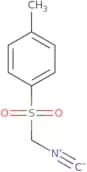
CAS :<p>Please enquire for more information about alpha-Hydroxy-alpha-phenylbenzeneacetic acid (3-endo)-8-azabicyclo[3.2.1]oct-3-yl ester hydrochloride including the price, delivery time and more detailed product information at the technical inquiry form on this page</p>Formule :C21H23NO3·HClDegré de pureté :Min. 95%Couleur et forme :White PowderMasse moléculaire :373.87 g/mol4-Toluenesulfonylmethylisonitrile
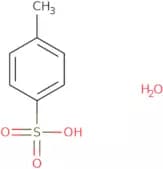
CAS :<p>4-Toluenesulfonylmethylisonitrile is a potent antagonist of the malonic acid receptor that has been shown to be reactive. It is synthesized by reacting methyl ketones with trifluoroacetic acid and nitrogen gas in the presence of a catalyst. The reaction mechanism has been studied using gravimetric analysis and the thermodynamic data have been calculated for fatty acids. 4-Toluenesulfonylmethylisonitrile can be used to make esters.</p>Formule :C9H9NO2SDegré de pureté :Min. 95%Couleur et forme :Off-White To Yellow SolidMasse moléculaire :195.24 g/molp-Toluenesulfonic acid monohydrate
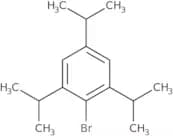
CAS :p-Toluenesulfonic acid monohydrate is a white, crystalline solid that is soluble in water. It is used as a catalyst for the synthesis of various organic compounds and pharmaceuticals. p-Toluenesulfonic acid monohydrate has been shown to have an effect on the thermal expansion of certain polymers and to be useful for preparation of medicinal preparations with high uptake. This compound can also be used as a carbon source for the production of various organic compounds.Formule :CH3C6H4SO3H·H2OCouleur et forme :PowderMasse moléculaire :190.22 g/mol2-Bromo-1,3,5-triisopropylbenzene
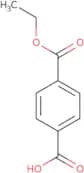
CAS :<p>2-Bromo-1,3,5-triisopropylbenzene is an ethylene acetal that is prepared by the catalyzed reaction of aryl chlorides and anhydrous zinc bromide in the presence of triethylamine. The selectivities of this method are high because it can produce mainly a single isomer. The stereoselectivity is also high because the reaction proceeds with the formation of only one stereoisomer. The mechanism for this reaction involves a nucleophilic substitution of the halogenated aryl chloride with the trialkylborane, which generates two different products. This product has been used in the synthesis of biphenyls and nitro compounds.</p>Formule :C15H23BrDegré de pureté :Min. 95%Couleur et forme :Colorless Clear LiquidMasse moléculaire :283.25 g/mol1,4-Benzenedicarboxylic acid, monoethyl ester
CAS :<p>1,4-Benzenedicarboxylic acid, monoethyl ester (1,4-BDE) is a monomer that is used in the manufacture of polycarbonates and other plastics. 1,4-BDE is also used as a solvent for xylene and butanol. It has been shown to be useful in the production of polyester fibers. The monomer can be synthesized by reacting ethylene with terephthalic acid or dimethyl terephthalate (DMT). This reaction produces 1,4-BDE and methanol as byproducts. The process is carried out at temperatures of 250 °C to 300 °C and under atmospheric pressure. The purified product can be isolated using distillation or extraction with organic solvents such as benzene or butanol. The reaction can be carried out in the presence of ruthenium, which acts as a catalyst.</p>Formule :C10H10O4Degré de pureté :Min. 95%Couleur et forme :White PowderMasse moléculaire :194.18 g/molN-Fluorobenzenesulfonimide
CAS :<p>N-Fluorobenzenesulfonimide is an organic compound with the molecular formula CHFNS. It is a fluorinating agent that can be used for the synthesis of organic compounds. N-Fluorobenzenesulfonimide has been shown to have anti-inflammatory properties and has shown promising results in animal studies for the treatment of hepatitis. The mechanism of action is not fully understood, but it may involve the formation of hydrogen bonds between N-fluorobenzenesulfonimide and amino acid residues in proteins, leading to inhibition of protein synthesis.</p>Formule :C12H10FNO4S2Degré de pureté :Min. 95%Couleur et forme :White PowderMasse moléculaire :315.34 g/mol2,5-Dimethyl-1,4-benzenediamine
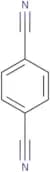
CAS :<p>2,5-Dimethyl-1,4-benzenediamine is an amine that is used as a reagent in organic synthesis. It is also used to derivatize other molecules and as a precursor to other compounds. 2,5-Dimethyl-1,4-benzenediamine has been shown to be a good nucleophile and can react with electrophiles such as difluoride and the metal ion Ag(I). The reaction rate of 2,5-dimethyl-1,4-benzenediamine can be determined using high performance liquid chromatography or electrospray ionization. This compound can be synthesized from phenylmagnesium bromide and methyl iodide in the presence of aluminium chloride. It is possible to immobilize 2,5-dimethyl-1,4-benzenediamine on mesoporous silica by attaching it to the surface of the porous material with aminop</p>Formule :C8H12N2Degré de pureté :Min. 95%Couleur et forme :Beige To Brown SolidMasse moléculaire :136.19 g/mol1,4-Dicyanobenzene
CAS :<p>1,4-Dicyanobenzene is an organic compound that is used as a reactant in the production of other chemicals. It has been shown to be reactive with nucleophiles such as amines and alcohols. 1,4-Dicyanobenzene has shown good transport properties and can be used in industrial preparation of polymers such as polyurethane. The reaction mechanism for 1,4-dicyanobenzene is nucleophilic attack by a nucleophile on the carbonyl carbon of the double bond. This reaction yields two products: an amide or an aliphatic hydrocarbon. 1,4-Dicyanobenzene can also undergo reactions involving hydrogen bonds with other molecules in order to form new compounds.</p>Formule :C8H4N2Degré de pureté :Min. 98 Area-%Couleur et forme :Off-White PowderMasse moléculaire :128.13 g/mol4-Hydroxybenzenesulfonic acid, 65% aqueous solution
CAS :4-Hydroxybenzenesulfonic acid is a chemical compound that is used as an antimicrobial agent in industrial applications. It is commonly used as a corrosion inhibitor, a chelating agent, and an additive for detergents and other cleaning products. 4-Hydroxybenzenesulfonic acid has been shown to inhibit the growth of bacteria by binding to fatty acids in the cell membrane and preventing them from being incorporated into the cell wall. This process causes the cell wall to weaken and eventually rupture. The reaction mechanism of 4-hydroxybenzenesulfonic acid is similar to that of p-hydroxybenzoic acid, which also inhibits bacterial growth by attacking fatty acids in the cell membrane. 4-Hydroxybenzenesulfonic acid may be preferable because it can be produced from renewable sources rather than from petroleum or natural gas.Formule :C6H6O4SDegré de pureté :65%MinCouleur et forme :Red PowderMasse moléculaire :174.18 g/molPotassium 3-(phenylsulfonyl)benzenesulfonate
CAS :<p>Potassium 3-(phenylsulfonyl)benzenesulfonate is a chemical compound that is used as an anti-aging agent. It has been shown to reduce the viscosity of acrylonitrile, and is most effective when it is at a concentration of 1%. Potassium 3-(phenylsulfonyl)benzenesulfonate also reduces the strain on polymer fibers, which can be caused by temperatures or deionized water. The optimum temperature for this compound is about 50°C. Potassium 3-(phenylsulfonyl)benzenesulfonate does not have any adverse effects with other chemicals in the production process, and does not react with hexamethylenetetramine or aminopropyl naphthenate. This chemical also has a low cost and high tolerance for additives such as styrene or additives such as resistant</p>Formule :C12H9KO5S2Degré de pureté :Min. 95%Couleur et forme :PowderMasse moléculaire :336.43 g/molSodium 4-hydroxybenzenesulfonate dihydrate
CAS :<p>Sodium 4-hydroxybenzenesulfonate dihydrate is a hydrogenated compound with reactive properties. It is used in the production of optical materials and is used to produce hydrogen peroxide, which is a strong oxidizing agent. Sodium 4-hydroxybenzenesulfonate dihydrate has been shown to react with calcium ions to form calcium sulfinates. The luminescence property of this compound can be enhanced by mixing it with other compounds such as x-ray diffraction study, functional groups, or hydrogen peroxide. The reaction time for the formation of sodium 4-hydroxybenzenesulfonate dihydrate can be shortened by adding anions such as sulfamic acid.</p>Formule :C6H5NaO4S·2H2ODegré de pureté :Min. 95%Couleur et forme :White To Off-White SolidMasse moléculaire :232.19 g/mol4-Chlorobenzenethiol
CAS :<p>4-Chlorobenzenethiol is a chemical compound that contains a fatty acid. It is an intramolecular hydrogen donor with the ability to form a disulfide bond. The compound also has high stability and can be used in organic synthesis reactions involving reactive sulfur groups. 4-Chlorobenzenethiol reacts with sodium carbonate to produce sodium thiocarbonate and chloroform, which are then reacted with phosphorus pentoxide for oxidation. The reaction mechanism is similar to that of the Diels-Alder reaction and the model system involves dinucleotide phosphate. 4-Chlorobenzenethiol can be reacted with hydrochloric acid or trifluoroacetic acid as an oxidizing agent.</p>Formule :C6H5ClSDegré de pureté :Min. 95%Couleur et forme :White PowderMasse moléculaire :144.62 g/mol1-Bromo-4-iodobenzene
CAS :<p>1-Bromo-4-iodobenzene is an aryl halide that can be synthesized by the cross coupling of ethyl formate and hydrochloric acid. This compound is useful in analytical applications, such as chromatographic methods, due to its high solubility in organic solvents. It is also used in synthetic procedures for the preparation of other aryl halides. 1-Bromo-4-iodobenzene has been used to synthesize calcium carbonate via the Suzuki coupling reaction with sodium salts, which are nucleophiles. The carbonyl group on this molecule reacts with the nucleophile, forming an alkyl group and a metal salt. Transfer reactions involving these salts can produce other products with different functional groups.</p>Formule :C6H4BrIDegré de pureté :Min. 95%Couleur et forme :PowderMasse moléculaire :282.9 g/mol4-Acetamidobenzenesulfonyl azide
CAS :<p>4-Acetamidobenzenesulfonyl azide (4ABS) is a low detection reagent that can be used for the determination of 4-acetamidobenzoic acid. It reacts with the amine group in 4-acetamidobenzoic acid to form a sulfonamide intermediate and releases an azide ion. The linear calibration curve was obtained using vibrational spectroscopy and has a detection sensitivity of 0.03 ppm. This method can also be used to determine the functional groups present in dopamine, which have been shown to affect electrochemical impedance spectroscopy measurements.</p>Formule :C8H8N4O3SDegré de pureté :Min. 95%Couleur et forme :White PowderMasse moléculaire :240.24 g/mol2-Oxo-2-(2,4,6-trihydroxyphenyl)acetic acid
CAS :2-Oxo-2-(2,4,6-trihydroxyphenyl)acetic acid is a useful synthetic building block/scaffold.Formule :C8H6O6Degré de pureté :Min. 95%Masse moléculaire :198.13 g/mol



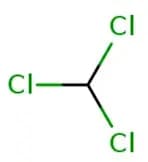

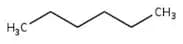

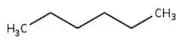

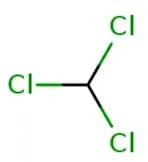
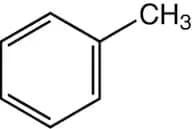


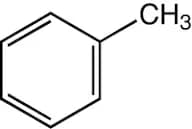
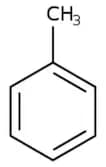
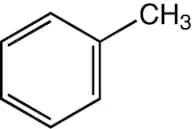

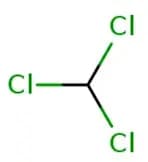
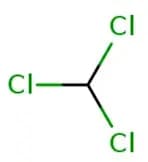
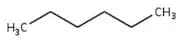
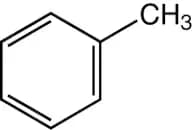
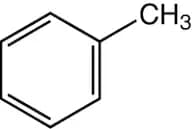
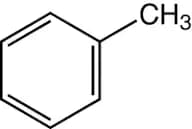
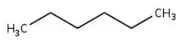
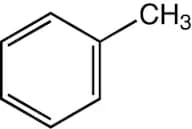
![Phosphine, [1,1'-biphenyl]-2-yldicyclohexyl-](/_next/image/?url=https%3A%2Fstatic.cymitquimica.com%2Fproducts%2FIN%2Fthumb-webp%2FDA002PGH.webp&w=3840&q=75)

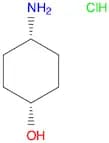

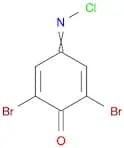
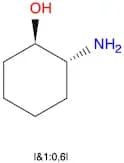






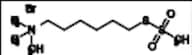












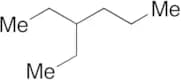


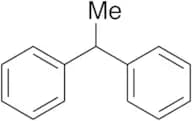
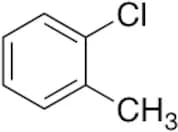
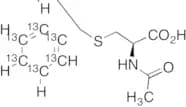
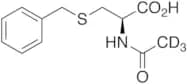


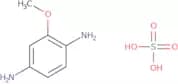

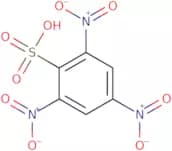
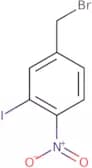

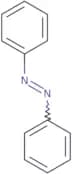
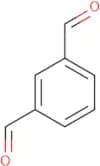
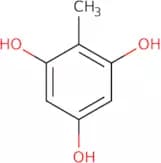
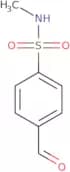

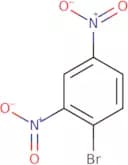
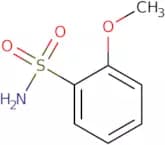

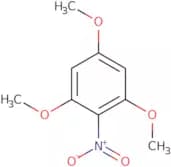
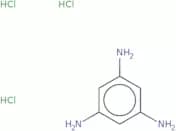
![[Bis(trifluoroacetoxy)iodo]benzene](/_next/image/?url=https%3A%2Fstatic.cymitquimica.com%2Fproducts%2F3D%2Fthumb-webp%2FFB49107.webp&w=3840&q=75)

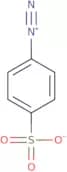

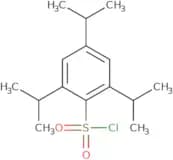

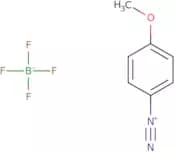
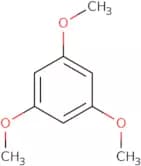
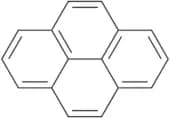
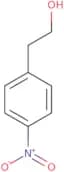
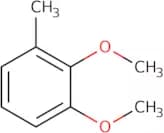
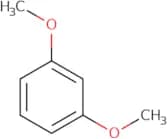


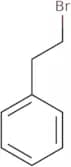

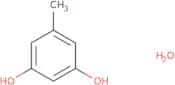


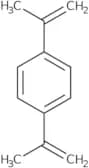


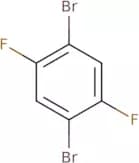
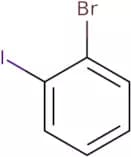
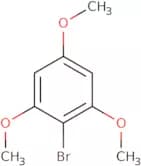
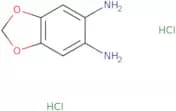
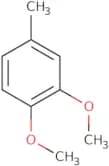


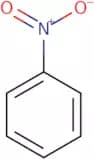

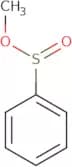
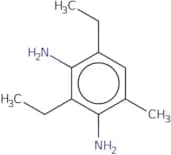
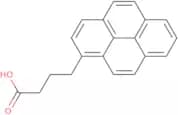
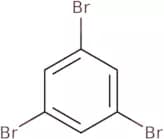
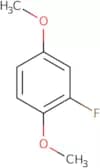

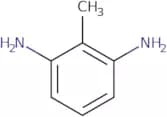
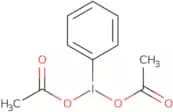

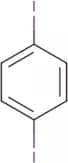
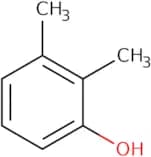
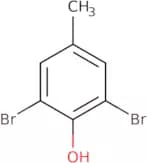

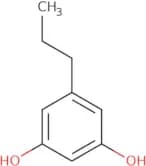

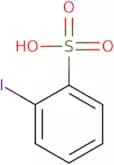
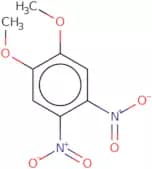
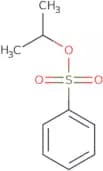
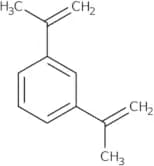
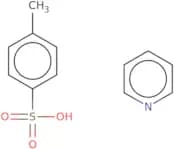
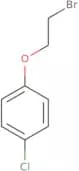
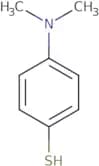
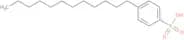
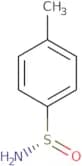
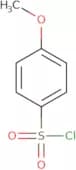
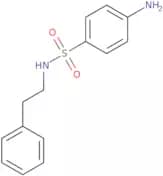

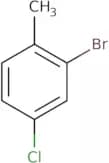
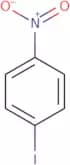
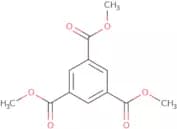
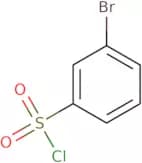
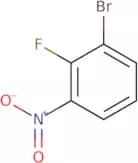
![alpha-Hydroxy-alpha-phenylbenzeneacetic acid (3-endo)-8-azabicyclo[3.2.1]oct-3-yl ester hydrochlor…](/_next/image/?url=https%3A%2Fstatic.cymitquimica.com%2Fproducts%2F3D%2Fthumb-webp%2FFH55814.webp&w=3840&q=75)