Enzymes dans les Protéines Recombinantes
Les enzymes accélèrent les réactions chimiques, agissant comme des catalyseurs biologiques, agissant sur des substrats et les transformant en différentes molécules appelées produits. Ces protéines sont indispensables dans les processus biochimiques et les applications industrielles, facilitant les réactions dans des conditions douces avec une grande spécificité et efficacité. Chez CymitQuimica, nous proposons une large sélection d'enzymes de haute qualité pour soutenir vos applications de recherche, industrielles et cliniques.
3315 produits trouvés pour "Enzymes dans les Protéines Recombinantes"
Trier par
Degré de pureté (%)
0
100
|
0
|
50
|
90
|
95
|
100
COX-2 Protein, Human, Recombinant (His)
<p>PTGS2, also known as COX-2, is s component of Prostaglandin-endoperoxide synthase (PTGS).</p>Degré de pureté :92.1% - > 90 % as determined by SDS-PAGECouleur et forme :Lyophilized PowderMasse moléculaire :68.5 kDa (predicted); 66 kDa (reducing conditions)rec HIV-1 Protease (expressed in E. coli)
<p>A proteolytic enzyme synthesized by the HIV cell as part of the GagPol polyprotein</p>NMCA (β-Lactamase)
CAS :<p>NMCA (β-Lactamase) is an enzyme that hydrolyzes β-lactam antibiotics, a type of product crucial for studies in antibiotic resistance mechanisms. This enzyme is derived from bacterial sources, specifically those strains known for their role in beta-lactam drug resistance. The mode of action of β-Lactamase involves the enzymatic breakdown of the β-lactam ring found in penicillins and cephalosporins, thereby neutralizing the antibiotic's efficacy. This catalytic process is an essential focus for researchers studying bacterial defense mechanisms and the development of resistant strains.</p>Penase (Penicillinase)
CAS :<p>Penase is an enzyme, specifically a type of beta-lactamase, which is derived from bacterial sources. Its mode of action involves the hydrolysis of the beta-lactam ring present in penicillin molecules. This enzymatic activity renders penicillin inactive by breaking its critical structural component that is essential for its antibacterial activity.</p>EUCODIS® Peroxidase 13, from bacterial, fungal and plant origin, recombinant - EP013
<p>Peroxidase 013 belongs to the class of the heme-family peroxidases and can be utilized for catalyzing oxidation/epoxidation of unsaturated C-C bonds, N- or S-oxidation, ether cleavage and alcohol/aldehyde oxidation reactions. The Peroxidase 12 has a temperature optimum in the 20 - 40 °C range and pH optimum between pH 5 and 8.</p>SPM-1 (β-Lactamase)
CAS :<p>SPM-1 (β-Lactamase) is an enzyme, which is a type of metallo-beta-lactamase enzyme, derived from bacterial origins, specifically from pathogens associated with nosocomial infections. This enzyme acts by hydrolyzing the amide bond in the beta-lactam ring of antibiotics, rendering β-lactam antibiotics ineffective. SPM-1 participates in antibiotic resistance by facilitating the degradation of a wide range of β-lactam antibiotics, including penicillins and cephalosporins, thereby nullifying their therapeutic effects.</p>LacBuster™-L bulk (β-lactamase)
CAS :<p>Ready to use beta-lactamase solution targeting beta-lactam antibiotics such as penicillins, carbapenems and cephalosporins. According to US Pharmacopeia (USP <71>) and EP, LacBusterTM-L is suitable for sterility testing methods such as membrane filtration and direct inoculation.</p>OXA-11 (β-Lactamase)
CAS :<p>OXA-11 is a β-lactamase enzyme, which is a type of protein produced by certain bacteria. These enzymes are derived from the bacterial source and are responsible for antibiotic resistance. The primary mode of action of OXA-11 is the hydrolysis of the β-lactam ring found in various antibiotics, such as penicillins and cephalosporins, rendering them ineffective. This enzymatic activity allows bacteria to survive exposure to these antimicrobial agents, posing a significant challenge in clinical settings.</p>Creatine phosphokinase, type I, lyophilized powder, ≥150 units/mg protein
CAS :<p>Creatine kinase (also known phosphocreatine kinase or creatine phosphokinase, EC 2.7.3.2) in an enzyme that catalyzes the following reaction:creatine + ATP ⇌ phosphocreatine + ADPOne unit of creatine kinase will transfer 1.0 μmole of phosphate from phosphocreatine to ADP per min at pH 7.4 and 30 °C.</p>Degré de pureté :Min. 95%KPC-1 (β-Lactamase)
CAS :<p>KPC-1 (β-Lactamase) is an enzyme that breaks down β-lactam antibiotics, rendering them ineffective. It originates from strains of bacteria, particularly Klebsiella pneumoniae, which are significant sources of hospital-acquired infections. The mode of action involves hydrolyzing the β-lactam ring found in antibiotics such as penicillins and cephalosporins, neutralizing their antibacterial effects.</p>VIM-15 (β-Lactamase)
CAS :<p>VIM-15 (β-Lactamase) is a metallo-β-lactamase enzyme, which is derived from bacterial sources, particularly Gram-negative bacteria. Its mode of action involves the hydrolysis of β-lactam antibiotics, facilitating bacterial resistance. This enzyme employs zinc ions as cofactors to break the β-lactam ring, rendering these antibiotics ineffective against the bacteria that produce the enzyme. The hydrolysis process disrupts the antibiotic's structural integrity, crucial for its antibacterial activity, thereby nullifying its therapeutic effects.</p>Carboxypeptidase G from pseudomonas sp.
CAS :<p>Carboxypeptidase G (EC 3.4.17.11, alternative name γ-Glutamyl hydrolase) is a protease that cuts γ-glutamyl bonds with high specificity. One unit of Carboxypeptidase G will hydrolyze (+)amethopterin to generate 1.0 μmole of L-glutamic acid.</p>Degré de pureté :Min. 95%VIM-15 (β-Lactamase)
CAS :<p>VIM-15 (β-Lactamase) is an enzyme product, specifically a metallo-beta-lactamase, which is sourced from certain resistant bacterial strains. This enzyme functions by hydrolyzing the beta-lactam ring of antibiotics, rendering them ineffective. The primary mode of action involves the coordination of zinc ions at its active site, enabling the breakdown of a broad spectrum of beta-lactam antibiotics including penicillins, cephalosporins, and carbapenems. This enzymatic activity significantly contributes to antibiotic resistance, posing a challenge in the treatment of bacterial infections. Its prevalence is noted in healthcare settings, where multidrug-resistant organisms are a concern. VIM-15 is of particular interest in clinical microbiology research and antimicrobial resistance studies, where understanding its structure and function can aid in the development of new inhibitors, potentially restoring the efficacy of beta-lactam antibiotics against resistant strains. Its characterization and study are critical for developing strategies to combat antibiotic-resistant infections effectively.</p>NMCA (β-Lactamase)
CAS :<p>NMCA (β-Lactamase) is an enzyme, specifically acclaimed for its role in conferring antibiotic resistance. It is derived from bacterial sources, where it naturally occurs as part of the bacterial defense mechanism against β-lactam antibiotics. NMCA (β-Lactamase) functions by hydrolyzing the β-lactam ring present in these antibiotics, effectively rendering them inactive. This mode of action disrupts the antibiotic's ability to inhibit cell wall synthesis within bacteria, thereby permitting bacterial survival and proliferation.</p>Couleur et forme :PowderKPC-1 (β-Lactamase)
CAS :<p>KPC-1 (β-Lactamase) is a specialized enzyme, which is produced by certain Gram-negative bacteria, notably Klebsiella pneumoniae. It functions by hydrolyzing the β-lactam ring found in a wide range of β-lactam antibiotics, such as penicillins and cephalosporins. This enzymatic action effectively neutralizes the antibiotic's antimicrobial properties, rendering the drugs ineffective against bacteria that produce KPC-1.</p>SPM-1 (β-Lactamase)
CAS :<p>SPM-1 (β-Lactamase) is a metallo-β-lactamase enzyme, which is derived from certain Gram-negative bacteria, such as Pseudomonas aeruginosa. This enzyme is characterized by its ability to hydrolyze a broad spectrum of β-lactam antibiotics, including penicillins, cephalosporins, and carbapenems, due to the presence of a zinc ion in its active site. The zinc ion plays a crucial role in the catalytic mechanism by facilitating the cleavage of the β-lactam ring, rendering the antibiotic ineffective against bacterial cell wall synthesis.</p>OXA-11 (β-Lactamase)
CAS :<p>OXA-11 (β-Lactamase) is an enzyme of the β-lactamase class, which is primarily derived from Gram-negative bacteria. This enzyme is characterized by its ability to hydrolyze β-lactam antibiotics, rendering them ineffective by breaking the β-lactam ring, a crucial component of these antibiotics. OXA-11 is a notable member of the oxacillinase group within class D β-lactamases, known for its resistance to penicillins and cephalosporins.</p>Glucosyltransferase211-freeze dried
CAS :<p>Glucosyltransferase211-freeze dried is an enzyme preparation which is derived from microbial fermentation. This enzyme functions by catalyzing the transfer of glucosyl groups from activated donor molecules to specific acceptor substrates. Its mechanism of action involves the formation of glycosidic bonds, facilitating the synthesis of various oligosaccharides and polysaccharides.</p>Glucosyltransferase204-freeze dried
CAS :<p>Glucosyltransferase204-freeze dried is an enzyme preparation, derived from specific strains of Streptococcus bacteria, which plays a crucial role in catalyzing the transfer of glucosyl units from donor molecules to acceptor carbohydrates, predominantly in the formation of glucans. This enzymatic activity results in complex carbohydrate structures essential for various biological processes.</p>Glucosyltransferase227-freeze dried
CAS :<p>Glucosyltransferase227-freeze dried is an enzyme-derived product, originating from microbial sources known for its role in catalyzing the transfer of glucose moieties from a donor molecule to specific acceptor molecules. The enzyme operates by facilitating covalent bond formation between glucose and target substrates, displaying specificity that can be exploited in various biochemical pathways.</p>Deoxyribonuclease II from porcine spleen
CAS :<p>Deoxyribonuclease II (DNase II, deoxyribonucleate 3'-nucleotidohydrolase, acid deoxyribonuclease, acid DNase, EC 3.1.22.1) is an endonuclease that cleaves DNA, yielding 3'-phosphate-terminated polynucleotides with a free hydroxyl group on position 5'. One unit of the DNase II will increase the absorbance of 260nm light at a rate of 0.001/minute in 1 ml reaction volume at pH 4.6 and 25°C.</p>Degré de pureté :Min. 95%Carboxypeptidase P
CAS :<p>Carboxypeptidase P (EC 3.4.17.16, also Membrane Pro-Xaa carboxypeptidase, microsomal carboxypeptidase) is a C-terminal exopeptidase, that preferentially cuts at C-terminal amino acid next to proline: ~-Pro-X → ~-Pro + X.</p>Formule :C8H17N2O5PMasse moléculaire :252.2 g/molLipase 017
CAS :<p>Lipases belong to the family of esterases and naturally act on triglycerides at lipid-water interfaces. Lipases/esterases can be used as versatile tools in hydrolytic reactions, esterifications and transesterification reactions in industrial and food applications.</p>Glucosyltransferase205-freeze dried
CAS :<p>Glucosyltransferase205-freeze dried is an enzyme preparation that is commonly used in biochemical and molecular biology research. It is derived from microbial sources, often from bacteria or fungi that are known for producing extracellular enzymes. The primary mode of action of Glucosyltransferase205 involves catalyzing the transfer of glucose residues from donor molecules, such as UDP-glucose, to acceptor molecules, forming glycosidic bonds. This enzymatic activity is crucial in the biosynthesis of polysaccharides, which are essential components in various biological structures and processes.</p>Glucosyltransferase210-freeze dried
CAS :<p>Glucosyltransferase210-freeze dried is an enzyme preparation that catalyzes the transfer of glucose molecules. Derived from specific microorganisms, it facilitates biochemical reactions by adding glucose residues to various substrates, thereby modifying their structure and function. The enzyme functions through the glucosylation process, which is essential in synthesizing different polysaccharides and glycoconjugates.</p>Lipase CalA, wildtype, freeze-dried, recombinant, from Candida antarctica
CAS :<p>Lipase CalA, wildtype, freeze-dried, recombinant, from Candida antarctica is an enzymatic product, which is a highly purified form of lipase enzyme. It is derived from the yeast species Candida antarctica through recombinant DNA technology, ensuring consistency and purity by expressing the enzyme in a controlled microbial system.</p>Glucosyltransferase206-freeze dried
CAS :<p>Glucosyltransferase206-freeze dried is an enzymatic preparation designed for specific biochemical applications. It is derived from microbial sources, where it is produced and purified through advanced biotechnological processes. The enzyme functions by catalyzing the transfer of glucosyl units from donor molecules to specific acceptors, thereby forming glycosidic bonds. This mode of action is crucial in various biosynthetic pathways, particularly in the production of polysaccharides and structural carbohydrates.</p>Glucosyltransferase203-freeze dried
CAS :<p>Color: beigeForm: lyophilisateProtein content: 0.5 mg/mgThe glucosyltransferase was tested in a glucosylation reaction of a preferred substrate. High conversion after up to 24 h reaction time was observed.</p>Glucosyltransferase201-freeze dried
CAS :<p>Glucosyltransferase201-freeze dried is an enzymatic preparation that is primarily sourced from bacterial or plant organisms. It functions by catalyzing the transfer of glucose moieties from donor molecules, such as UDP-glucose, to specific acceptor molecules, thus forming glycosidic bonds. This mode of action is crucial in the biosynthesis and modification of polysaccharides and glycoconjugates.</p>EUCODIS® Lipase 068, screening grade, recombinant, from microbial sources - EL068
<p>Lipase 68 recombinantly expressed in E. coli comes in a spray-dried formulation. It has its pH optimum at 7-9 and temp. optimum at 30°C. Lipases belong to the family of esterases and naturally act on triglycerides at lipid-water interfaces catalyzing hydrolytic reactions, esterifications and transesterification reactions in industrial and food applications. Lipase 68 was shown to hydrolyze p-Nitrophenyl esters of butyrate (100 % activity), octanoate (75 %), laurate (8 %), palmitate (1 %) and stearate (0.1 %).</p>Recombinant enterokinase
CAS :<p>Entorokinase (also known as enteropeptidase; EC 3.4.21.9) is a proteolytic enzyme (proteinase) that activates trypsinogen into its active form, trypsin. One unit of Entorokinase will produce 1.0 nmole of trypsin from trypsinogen per min at pH 5.6 and 25 °C.</p>Phytate 1-phosphatase
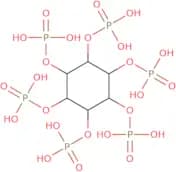
CAS :<p>Phytate 1-phosphatase is a phosphatase enzyme that cleaves orthophosphate groups from phytic acid's inositol ring. This releases inorganic phosphate.</p>Degré de pureté :Min. 95%Couleur et forme :Clear LiquidEndopeptidase, liquid, food grade
CAS :<p>Endopeptidase, liquid, food grade is an enzymatic product that functions as a crucial component in the hydrolysis of protein substrates. This enzyme is typically derived from microbial sources, such as bacteria or fungi, and is cultivated under controlled fermentation processes to ensure high purity and activity levels. The primary mode of action of endopeptidases involves the cleavage of peptide bonds within protein molecules, effectively breaking down long protein chains into smaller peptides and amino acids.</p>Endonuclease, liquid, food grade
CAS :<p>Endonuclease, liquid, food grade is a biochemical enzyme, which is derived from microbial or bovine sources, with precision in hydrolyzing phosphodiester bonds within nucleic acids. This endonuclease cleaves the internal bonds of DNA and RNA, enabling the breakdown of these molecules into smaller nucleotide fragments. Its catalytic action is particularly useful in the controlled degradation of nucleic acids without affecting other macromolecules in the substrate.</p>Hyaluronidase; Activity: ≥1500 u/mg material
CAS :<p>Hyaluronidase (EC 3.2.1.35) is an enzyme that cleaves (1→4)-linkages between N-acetylglucosamine and glucuronate. One unit of hyaluronidase will increase turbidimetric absorbance at A600 by 0.330 at pH 5.7 and 37°C in 2mL reaction volume.</p>Couleur et forme :White Slightly Yellow Powderneutral Endopeptidase, liquid, food grade
CAS :<p>Neutral Endopeptidase is an enzymatic product in liquid form, classified as food grade, which is derived from microbial fermentation or animal sources. Its primary mode of action involves the hydrolysis of peptide bonds within proteins, resulting in the breakdown of these macromolecules into smaller peptides and amino acids. This process is facilitated through the enzyme's specificity for neutral pH environments, where it effectively cleaves internal bonds within a protein chain.</p>Pancreatin from porcine pancreas, powder
CAS :<p>Pancreatin is an enzyme preparation, which is derived from the porcine pancreas. This product contains a mixture of several digestive enzymes, including amylase, lipase, and protease. It is typically obtained through the extraction and purification of these enzymes from the pancreas of pigs, providing a natural and effective source for enzymatic activity.</p>Cytrate Lyase, freeze-dried, Klebsiella Pneumoniae
CAS :<p>Citrate lyase (also known as ATP citrate synthase, EC 2.3.3.8) is an enzyme that catalyzes the following reaction:citrate + ATP + CoA → oxaloacetate + Acetyl-CoA + ADP + Pi</p>Laccase from Trametes versicolor
CAS :<p>Multi-copper oxidase from the family of polyphenol oxidades. It can be also found in many plants and bacteria. Laccase catalyses the oxidation of phenolic compounds such as lignin. It can oxidase non phenolic groups too with the use of mediators, chemical agents involved in the transfer of the electrons during the reaction. In some cases, laccase can also oxidise halogenated compounds. This enzyme is used for enzymatic assays, lignol screening tests and for waste water treatment to remove biodegrdable pollutants.</p>Couleur et forme :PowderEndopeptidase, powder
CAS :<p>Endopeptidase, powder, is a proteolytic enzyme, which is typically derived from microbial, plant, or animal sources, each imparting unique specificities. This enzyme functions by cleaving peptide bonds within polypeptide chains, rather than terminal bonds, thereby facilitating the breakdown of proteins into smaller, more manageable peptide fragments. The mode of action involves recognizing specific amino acid sequences within the substrate, leading to targeted bond hydrolysis.</p>6-Phosphogluconic dehydrogenase from yeast
CAS :<p>6-Phosphogluconic dehydrogenase is an enzyme from yeast, which is a key component of the oxidative phase of the pentose phosphate pathway. It catalyzes the oxidative decarboxylation of 6-phosphogluconate to ribulose 5-phosphate, with the concurrent reduction of NADP+ to NADPH. This enzyme is sourced from yeast, a model organism extensively used in biochemical studies due to its eukaryotic nature and ease of genetic manipulation.</p>Degré de pureté :Min. 95%5′-Nucleotidase human
CAS :<p>5′-Nucleotidase (EC 3.1.3.5) is an enzyme that catalyzes hydrolysis of 5' nucleotides, removing the phosphate group: AMP + H2O ⇌ adenosine + Pi One unit of 5′-Nucleotidase will generate 1.0 μmole of phosphate ions per minute in the presence of AMP under optimal reaction conditions.</p>Trypsin, technical grade, freeze-dried
CAS :<p>Trypsin (EC 3.4.21.4) is a protease that hydrolyses proteins by cleaving the peptide bond at the carboxyl side of the positively charged amino acid (Lysine or Arginine). Trypsin belongs to a family of serine proteases, as it has a serine in its active site. Trypsin can be inhibited by using trypsin inhibitor Alpha 1 Antitrypsin.</p>Degré de pureté :Min. 98%Pyruvate oxidase from microorganisms
CAS :<p>Pyruvate oxidase is a phosphorylating oxidoreductase which uses FAD as a cofactor to convert pyruvate into acetate and CO2. Pyruvate oxidase (PoxB) is used in metabolism studies in bacteria and in clinical assays for pyruvate, and requires thiamine pyrophosphate (TPP) and magnesium alongside FAD for optimum activity.</p>Degré de pureté :(Sds-Page) Min. 90%Couleur et forme :PowderEUCODIS® Lipase 013, screening grade, recombinant, from microbial sources - EL013
<p>Lipase 13 recombinantly expressed in E. coli comes in a spray-dried formulation. It has its pH optimum at 6-8 and temp. optimum at 35-45°C. Lipases belong to the family of esterases and naturally act on triglycerides at lipid-water interfaces catalyzing hydrolytic reactions, esterifications and transesterification reactions in industrial and food applications. Lipase 13 was shown to hydrolyze p-Nitrophenyl esters of butyrate (87 % activity compared to octanoate), octanoate (100 %), palmitate (44 %), stearate (21 %) and arachidate (2 %).</p>Luciferase - from Photinus pyralis (firefly)
CAS :<p>Luciferase enzyme from Photinus pyralis (firefly), which catalyzes the oxidation of firefly luciferin. This reaction depends on the presence of oxygen and ATP and causes the bioluminescence seen in fireflies</p>Degré de pureté :(Gel Electrophoresis) Min. 98%Couleur et forme :PowderProteinase K, high-quality, liquid, recombinant
CAS :<p>Proteinase K, high-quality, liquid, recombinant is an advanced enzymatic product, which is a serine protease derived through recombinant DNA technology. It cleaves peptide bonds to facilitate protein digestion with broad substrate specificity. Its robust proteolytic activity is optimal under various conditions, including a wide range of temperatures and pH levels, making it incredibly versatile.</p>o-Glycosidase from streptococcus pneumoniae
CAS :<p>o-Glycosidase (O-Glycanase, endo-a-acetylgalactosaminidase, endo-a-N-acetylgalactosaminidase; EC 3.2.1.97) is an enzyme that specifically removes N-acetylgalactosamine disaccharides, that were attached to serine's or threonine's side-chain oxygen (hence o-Glycosidase). One unit of o-Glycosidase will hydrolyze 1.0 mmole of of substrate per minute at 37 °C and pH 5.0.</p>Degré de pureté :Min. 95%SARS-CoV-2 main protease
CAS :<p>The main protease Mpro is a key protein in the lifecycle of the SARS-CoV-2 virus. Mpro cleaves the viral polyproteins at the C-terminal end of a glutamine residue in recognition sequences containing Leu-Gln-(Ser, Ala, Gly) motifs (Rut et al, 2020). As SARS-CoV-2 MPro has no closely related homologues in humans, it represents an attractive drug target (Ullrich and Nitsche, 2020). In summary, the Mpro protease is a chymotrypsin-like cysteine protease, requires homodimerisation for proteolytic activity, cleaves the viral polyproteins in 11 distinct sites, exclusively after a glutamine residue. A fluorogenic substrate for Mpro assays is Ac-Abu-Tle-Leu-Gln-AMC.The protein amount or better its concentration in solution is quantified using either A280 (absorption at 280 nm with its specific absorption coefficient) or using the Bradford assay (uses the dye Coomassie Brilliant Blue). Both of these methods quantify the total amount of protein in a sample, no matter what the oligomerization state is.</p>Degré de pureté :(Sds-Page) Min. 80%Couleur et forme :LyophilisateX-Shining™ Luciferase, lyophilised
CAS :<p>Supplied as lyophilisate containing 1% w/w X-Shining™ Luciferase. The improved, thermostable X-Shining Luciferase is suitable for any luciferin-luciferase-based assay using D-luciferin (dLuc) or synthetic pro-luciferins (caged luciferins). Examples of its typical applications include ATP tests in hygiene monitoring, ATP tests in drug screenings and bacteria identification in microbial assays. The termostable luciferase X-Shining has been optimised by genetic engineering for strongly increased thermostability and storage stability. In temperature stress tests, the enzyme survives temperatures of 60°C for over an hour, whereas a wild type luciferase from firefly is inactivated after only a few minutes. The extraordinary stability makes it user-friendly and eliminates some of the main disadvantages and limitations of the commonly used wild type luciferase. X-Shining Luciferase is supplied as a lyophilisate (1% w/w X-Shining™ Luciferase) or as aqueous solution with glycerol (L-8093), and it may be stored for months at room temperature without significant loss of function. Find out more about our innovative X-Shining range here X-Shining | Innovation | Cymit Quimica Carbosynth.</p>Carboxypeptidase B, >170 units/mg
CAS :<p>Carboxypeptidase B is an enzyme responsible for the cleavage of arginine and lysine from a peptide's C-terminus</p>Couleur et forme :PowderPenase (Penicillinase) bulk
CAS :<p>Penase (Penicillinase) is an enzyme, which is a type of β-lactamase sourced from various bacterial strains capable of deactivating penicillin. It accomplishes this by targeting the β-lactam ring, a crucial structural component of penicillin antibiotics, and hydrolyzing it, thereby neutralizing the antibiotic effect. This enzymatic action is a defense mechanism employed by certain bacteria to survive in environments saturated with penicillin-based antibiotics.</p>Horseradish Peroxidase 01, rekombinant
CAS :<p>Please enquire for more information about Horseradish Peroxidase 01, rekombinant including the price, delivery time and more detailed product information at the technical inquiry form on this page</p>LacBuster® - S 50 IU, β-lactamase I & II, lyophilized, γ irradiated - EBL021.2
<p>LacBuster®-S 50 is a solid and Gamma-irradiated, freeze-dried, broad range beta-lactamase formulation with 50 IU beta-lactamase II and 500 IU beta-lactamase I activity per vial.</p>EUCODIS® Lipase 038, screening grade, recombinant, from microbial sources - EL038
<p>Lipase 38 recombinantly expressed in E. coli comes in a spray-dried formulation. It has its pH optimum at 6-8 and temp. optimum at >50°C. Lipases belong to the family of esterases and naturally act on triglycerides at lipid-water interfaces catalyzing hydrolytic reactions, esterifications and transesterification reactions in industrial and food applications. Lipase 38 was shown to hydrolyze p-Nitrophenyl esters of acetate (27 % activity compared to butyrate), butyrate (100 %), octanoate (9 %) and caprate (5 %).</p>Xanthine oxidase
CAS :<p>Xanthine oxidase is an enzyme that catalyzes the hydroxylation of hypoxanthine to xanthine and xanthine to uric acid</p>Degré de pureté :Min. 95%Couleur et forme :PowderLipase 064
CAS :<p>Lipases belong to the family of esterases and naturally act on triglycerides at lipid-water interfaces. Lipases/esterases can be used as versatile tools in hydrolytic reactions, esterifications and transesterification reactions in industrial and food applications.</p>Enolase, neuron specific
CAS :<p>Enolase (phosphopyruvate hydratase, EC 4.2.1.11) is an enzyme that catalyses the following reaction: 2-phospho-D-glycerate ⇌ phosphoenolpyruvate + H2O One unit of enolase will convert 1.0 μmole of 2-phosphoglycerate to phosphoenolpyruvate per minute.</p>Degré de pureté :Min. 95%Lipase 068
CAS :<p>Lipases belong to the family of esterases and naturally act on triglycerides at lipid-water interfaces. Lipases/esterases can be used as versatile tools in hydrolytic reactions, esterifications and transesterification reactions in industrial and food applications.</p>EUCODIS® Lipase 031, screening grade, recombinant, from microbial sources - EL031
<p>Lipase 31 recombinantly expressed in E. coli comes in a spray-dried formulation. It has its pH optimum at 6-8 and temp. optimum at 40-80°C. Lipases belong to the family of esterases and naturally act on triglycerides at lipid-water interfaces catalyzing hydrolytic reactions, esterifications and transesterification reactions in industrial and food applications. Lipase 31 was shown to hydrolyze p-Nitrophenyl esters of acetate (100 % activity) and butyrate (23 %).</p>Trypsin
CAS :<p>Trypsin (EC 3.4.21.4) is a protease that hydrolyses proteins by cleaving the peptide bond at the carboxyl side of the positively charged amino acid (Lysine or Arginine). Trypsin belongs to a family of serine proteases, as it has a serine in its active site.</p>Degré de pureté :Min. 250 Usp U/MgLipase 032
CAS :<p>Lipases belong to the family of esterases and naturally act on triglycerides at lipid-water interfaces. Lipases/esterases can be used as versatile tools in hydrolytic reactions, esterifications and transesterification reactions in industrial and food applications.</p>Lipase 056
CAS :<p>Lipases belong to the family of esterases and naturally act on triglycerides at lipid-water interfaces. Lipases/esterases can be used as versatile tools in hydrolytic reactions, esterifications and transesterification reactions in industrial and food applications.</p>CalB 02
CAS :<p>CalB 02 is a lipase enzyme, which is a biocatalyst derived from the yeast Candida antarctica. It functions primarily by catalyzing the hydrolysis of ester bonds. This enzymatic action is due to the unique structure of the active site, which allows for precise substrate specificity and stereoselectivity.</p>Proteinase K, freeze-dried, recombinant
CAS :<p>Proteinase K, freeze-dried, recombinant is an enzyme preparation used extensively in molecular biology and biochemistry. It is derived through recombinant DNA technology, producing a highly pure enzyme that is expressed in a non-pathogenic host. Its mode of action involves the non-specific cleavage of peptide bonds in proteins, making it a critical tool for protein digestion.</p>LacBuster™-S bulk for plates (β-lactamase)
CAS :<p>This product shows beta-lactamase activity against clinically relevant beta-lactam antibiotics such as penicillins, carbapenems and cephalosporins. This product may be of particular interest for laboratory teams who require the sterility testing of biological specimens or for environmental monitoring applications.</p>Lipase 032
CAS :<p>Lipases belong to the family of esterases and naturally act on triglycerides at lipid-water interfaces. Lipases/esterases can be used as versatile tools in hydrolytic reactions, esterifications and transesterification reactions in industrial and food applications.</p>Lipase 038
CAS :<p>Lipases belong to the family of esterases and naturally act on triglycerides at lipid-water interfaces. Lipases/esterases can be used as versatile tools in hydrolytic reactions, esterifications and transesterification reactions in industrial and food applications.</p>α Amylase, Porcine Pancreatic
<p>Alpha Amylase is an enzyme that catalyses hydrolysis of large polysacharides into smaller fragments. Alpha amylase targets alpha bonds of 1→4 glycosidic linkages of poly- and oligosaccharides with three or more D-glucose units. Systematic name of alpha-amylase is 4-α-D-glucan glucanohydrolase, EC 3.2.1.1. One unit of Alpha Amylase will produce 1.0 mg of maltose from starch in 1 minute at pH 4.9 and 40 °C.</p>Lipase 016
CAS :<p>Lipases belong to the family of esterases and naturally act on triglycerides at lipid-water interfaces. Lipases/esterases can be used as versatile tools in hydrolytic reactions, esterifications and transesterification reactions in industrial and food applications.</p>Lipase 006
CAS :<p>Lipases belong to the family of esterases and naturally act on triglycerides at lipid-water interfaces. Lipases/esterases can be used as versatile tools in hydrolytic reactions, esterifications and transesterification reactions in industrial and food applications.</p>Glucose oxidase from aspergillus niger - activity > 6000 u/g
CAS :<p>Glucose oxidase is an enzyme thata catalyses the rapid conversion of glucose into non-fermentable gluconic acid in the presence of oxygen (O2). Its used is widely expanded with many applications in the chemical and pharmaceutical industry, food and beverage, clinical studies and biotechnology, among others. It medical diagnosis, glucose oxidase serves as a biosensor for detecting and determining the different levels of glucose in blood samples.</p>Formule :C6H12O6Couleur et forme :PowderMasse moléculaire :180.16 g/molCalB 10
CAS :<p>CalB 10 is an industrial enzyme, specifically a lipase, which is derived from microbial sources, most commonly expressing the lipase B from Candida antarctica. It operates through the hydrolysis of ester bonds in lipids, enabling the conversion of triglycerides into glycerol and free fatty acids. This catalytic action is facilitated via its active site, where the nucleophilic serine residue attacks the carbonyl carbon of the substrate, forming a tetrahedral intermediate that eventually results in bond cleavage and product release.</p>LacBuster™-L 100 (β-lactamase)
CAS :<p>Ready to use beta-lactamase solution targeting beta-lactam antibiotics such as penicillins, carbapenems and cephalosporins. According to US Pharmacopeia (USP <71>) and EP, LacBusterTM-L is suitable for sterility testing methods such as membrane filtration and direct inoculation.beta lactamase I activity - min. 25.0 IU/mLbeta lactamase II activity - min. 10.0 IU/mL</p>LacBuster™ TSA broad range β-lactamase settle plates, 10 plates per pack, barcoded
CAS :<p>A general purpose growth medium supplemented with LacBuster™ to effectively neutralize beta-lactam antibiotics. This product is suitable for the cultivation of a wide variety of microorganisms for environmental monitoring within the pharmaceutical industry and for high performance monitoring of your isolators and clean rooms during beta lactam manufacture</p>EUCODIS® Lipase 070, screening grade, recombinant, from microbial sources - EL070
<p>Lipase 70 recombinantly expressed in E. coli comes in a spray-dried formulation. It has its pH optimum at 6-8 and temp. optimum at 35-45°C. Lipases belong to the family of esterases and naturally act on triglycerides at lipid-water interfaces catalyzing hydrolytic reactions, esterifications and transesterification reactions in industrial and food applications. Lipase 70 was shown to hydrolyze p-Nitrophenyl esters of butyrate (100 % activity), octanoate (62 %), laurate (15 %), palmitate (4 %), stearate (3 %), arachidate (2 %) and behenate (0.2 %).</p>LacBuster™-L 1000 (β-lactamase)
CAS :<p>Ready to use beta-lactamase solution targeting beta-lactam antibiotics such as penicillins, carbapenems and cephalosporins. According to US Pharmacopeia (USP <71>) and EP, LacBusterTM-L is suitable for sterility testing methods such as membrane filtration and direct inoculation.</p>Xylanase 1, thermostable
CAS :<p>Xylanase (Endo-1,4-β-xylanase, 1,4-β-D-Xylanxylanohydrolase, systematic name 4-β-D-xylan xylanohydrolase; EC 3.2.1.8) is an enzyme that digests polysaccharide xylan by hydrolyzing (1→4)-β-D-xylosidic linkages. One unit of Xylanase will hydrolyze 1.0 μmole of chromogenic substrate mimic per minute (available here) under optimal reaction conditions.</p>Couleur et forme :PowderLipase 014
CAS :<p>Lipases belong to the family of esterases and naturally act on triglycerides at lipid-water interfaces. Lipases/esterases can be used as versatile tools in hydrolytic reactions, esterifications and transesterification reactions in industrial and food applications.</p>Lipase 009
CAS :<p>Lipases belong to the family of esterases and naturally act on triglycerides at lipid-water interfaces. Lipases/esterases can be used as versatile tools in hydrolytic reactions, esterifications and transesterification reactions in industrial and food applications.</p>LacBuster™-S 50 (β-lactamase)
CAS :<p>LacBuster™-S 50 is a beta-lactamase formulation, which is an enzyme of microbial origin with the ability to hydrolyze beta-lactam antibiotics. This enzymatic product is derived from specific bacterial species known for their resistance mechanisms, providing a robust capability to deactivate compounds such as penicillins and cephalosporins. Its mode of action involves the cleavage of the beta-lactam ring, a crucial structural component of these antibiotics, effectively neutralizing their antibacterial properties.</p>Phospholipase D 040
CAS :<p>Phospholipases D belong to the family of esterases and act on phosphatidylcholine in the plasma membrane to release phosphatidic acid (PA) and choline. Phospholipases D can be used as versatile tools in hydrolysis and transphosphatidylation reactions for industrial, chemical and food applications.</p>EUCODIS® Lipase 004, screening grade, recombinant, from microbial sources - EL004
<p>Lipase 04 recombinantly expressed in E. coli comes in a spray-dried formulation. It has its pH optimum at 6-7 and temp. optimum at 60-70°C. Lipases belong to the family of esterases and naturally act on triglycerides at lipid-water interfaces catalyzing hydrolytic reactions, esterifications and transesterification reactions in industrial and food applications. Lipase 04 was shown to hydrolyze p-Nitrophenyl esters of butyrate (100 % activity), octanoate (68 %), laurate (2 %), palmitate (2 %), stearate (2 %), arachidate (2 %) and behenate (2 %).</p>Endoglycosidase H, liquid, recombinant
CAS :<p>Endoglycosidase H (systematic name glycopeptide-D-mannosyl-N4-(N-acetyl-D-glucosaminyl)2-asparagine 1,4-N-acetyl-β-glucosaminohydrolase, EC 3.2.1.96) is a highly specific enzyme, that cleaves asparagine-linked mannose rich oligosaccharides. One unit of Endoglycosidase H will remove >95% of the carbohydrate from 10μg of denatured RNase B in 1 hour at 37°C in a total reaction volume of 10μl.The product EEH01.7 is available as a large-scale bulk supply of liquid enzyme solution and is intended for use in the chemical, diagnostic, pharmaceutical and related industries.For removal of all N-linked carbohydrates from proteins see Cymit Quimica's PNGase F enzymes (PNG01.3 - vials for research and PNG01.7 - large-scale bulk supply)</p>DNA ligase (ATP)
CAS :<p>DNA ligase (ATP) is an enzyme (EC 6.5.1.1) that ligates DNA strands, repairing nicks in double-standed DNA and coupling blunt-ended or cohesive DNA fragments. It requires 3′ hydroxyl and 5′ phosphate nucleoside ends for ligation and ATP as a cofactor.</p>Masse moléculaire :0 g/molLacBuster™-S 2000 (β-lactamase)
CAS :<p>LacBuster™-S 2000 is an enzyme preparation, specifically a beta-lactamase, which is derived from bacterial sources known for their capacity to degrade beta-lactam antibiotics. Through hydrolytic cleavage of the beta-lactam ring, this enzyme neutralizes the efficacy of beta-lactam antibiotics, thereby rendering them inactive.</p>Nicotinamide phosphoribosyltransferase, liquid
CAS :<p>Please enquire for more information about Nicotinamide phosphoribosyltransferase, liquid including the price, delivery time and more detailed product information at the technical inquiry form on this page</p>Ribokinase, liquid
CAS :<p>Please enquire for more information about Ribokinase, liquid including the price, delivery time and more detailed product information at the technical inquiry form on this page</p>Hypoxanthine phosphoribosyltransferase, liquid
CAS :<p>Please enquire for more information about Hypoxanthine phosphoribosyltransferase, liquid including the price, delivery time and more detailed product information at the technical inquiry form on this page</p>Phosphoribosyl pyrophosphate synthase, liquid
CAS :<p>Please enquire for more information about Phosphoribosyl pyrophosphate synthase, liquid including the price, delivery time and more detailed product information at the technical inquiry form on this page</p>Sucrose phosphorylase, liquid
CAS :<p>Please enquire for more information about Sucrose phosphorylase, liquid including the price, delivery time and more detailed product information at the technical inquiry form on this page</p>X-Shining™ Luciferase, 10 mg/mL aqueous solution with glycerol
CAS :<p>The improved, thermostable X-ShiningTM Luciferase is suitable for any luciferin-luciferase-based assay using D-luciferin (dLuc) or synthetic pro-luciferins (caged luciferins). Examples of its typical applications include ATP tests in hygiene monitoring, ATP tests in drug screenings and bacteria identification in microbial assays. The thermostable luciferase X-ShiningTM has been optimised by genetic engineering for strongly increased thermostability and storage stability. In temperature stress tests, the enzyme survives temperatures of 60 °C for over an hour, whereas a wild type luciferase from firefly is inactivated after only a few minutes. The extraordinary stability makes it user-friendly and eliminates some of the main disadvantages and limitations of the commonly used wild type luciferase. X-ShiningTM Luciferase is supplied as aqueous solution with glycerol or as a lyophilisate (L-8095), and it may be stored for months at room temperature without significant loss of function. Find out more about our innovative X-Shining range here X-Shining | Innovation | Cymit Quimica Carbosynth.</p>Degré de pureté :(Sds-Page) Min. 90%Dextran dextrinase, liquid
CAS :<p>Please enquire for more information about Dextran dextrinase, liquid including the price, delivery time and more detailed product information at the technical inquiry form on this page</p>Esterase, from porcine liver, ≥15 units/mg
CAS :<p>Porcine liver esterase (EC 3.1.1.1) is an enzyme that catalyses ester hydrolysis, producing a fatty acid and an alcohol. One unit of esterase will hydrolyze 1.0 μmole of ethyl butyrate to butyric acid and ethanol per min at pH 8.0 and 25 °C. Ethyl butyrate is available here.</p>β-Glucuronidase, from helix pomatia, type HP-2, aqueous solution, ≥100,000 units/mL
CAS :<p>β-Glucuronidase (EC 3.2.1.31) is an enzyme that hydrolyzes glucuronides. It can also be used to cleave benzodiazepine and steroid conjugates. One unit of β-Glucuronidase will hydrolyze a chromogenic substrate mimic 4-nitrophenyl-β-D-glucuronide to produce 1.0 μmole of 4-nitrophenol per minute at pH 5.0 and 37 °C.</p>L-Leucine dehydrogenase from bacillus cereus
CAS :<p>L-Leucine dehydrogenase (Leucine dehydrogenase, systematic name L-leucine:NAD+ oxidoreductase (deaminating); EC 1.4.1.9) is an enzyme that catalyzes the following reaction: L-leucine + H2O + NAD+ ⇌ 4-methyl-2-oxopentanoate + NH3 + NADH + H+ One unit of L-Leucine dehydrogenase will convert 1.0 µmole of L‑leucine into 4-methyl-2-oxopentanoate per min at pH 10.5 and 37 °C in the presence of NAD+. The enzyme requires NAD+ as a cofactor, it is available here.</p>Degré de pureté :Min. 95%Adenosine deaminase, type X, buffered aqueous glycerol solution, >130units/mg
CAS :<p>Adenosine deaminase catalyzes deamination of adenosine, converting it to inosine. It happens by the substituting of the amino group by a keto group. One Unit of the enzyme converts one micromole of adenosine to inosine per minute at 25°C, pH 7.4. Adenosine deaminase is also known by names of adenosine aminohydrolase, and ADA, EC 3.5.4.4.</p>Degré de pureté :Min. 95%Masse moléculaire :1,000 g/molSuperoxide dismutase, porcine erythrocytes
CAS :<p>Please enquire for more information about Superoxide dismutase, porcine erythrocytes including the price, delivery time and more detailed product information at the technical inquiry form on this page</p>Sphingomyelinase, freeze-dried
CAS :<p>Sphingomyelinase (SMase, Sphingomyelin phosphodiesterase, systematic name sphingomyelin cholinephosphohydrolase; EC 3.1.4.12) is an enzyme that hydrolyses sphingomyelin into phosphocholine and ceramide. One unit of sphingomyelinase will hydrolyze 1.0 µmole of chromogenic substrate analogue per minute at pH 7.4 and 37 °C.</p>Degré de pureté :> 90%