Enzymes dans les Protéines Recombinantes
Les enzymes accélèrent les réactions chimiques, agissant comme des catalyseurs biologiques, agissant sur des substrats et les transformant en différentes molécules appelées produits. Ces protéines sont indispensables dans les processus biochimiques et les applications industrielles, facilitant les réactions dans des conditions douces avec une grande spécificité et efficacité. Chez CymitQuimica, nous proposons une large sélection d'enzymes de haute qualité pour soutenir vos applications de recherche, industrielles et cliniques.
3315 produits trouvés pour "Enzymes dans les Protéines Recombinantes"
Trier par
Degré de pureté (%)
0
100
|
0
|
50
|
90
|
95
|
100
Lipase 032
CAS :<p>Lipases belong to the family of esterases and naturally act on triglycerides at lipid-water interfaces. Lipases/esterases can be used as versatile tools in hydrolytic reactions, esterifications and transesterification reactions in industrial and food applications.</p>LacBuster™-S bulk for plates (β-lactamase)
CAS :<p>This product shows beta-lactamase activity against clinically relevant beta-lactam antibiotics such as penicillins, carbapenems and cephalosporins. This product may be of particular interest for laboratory teams who require the sterility testing of biological specimens or for environmental monitoring applications.</p>Proteinase K, freeze-dried, recombinant
CAS :<p>Proteinase K, freeze-dried, recombinant is an enzyme preparation used extensively in molecular biology and biochemistry. It is derived through recombinant DNA technology, producing a highly pure enzyme that is expressed in a non-pathogenic host. Its mode of action involves the non-specific cleavage of peptide bonds in proteins, making it a critical tool for protein digestion.</p>Deoxyribonuclease II from porcine spleen
CAS :<p>Deoxyribonuclease II (DNase II, deoxyribonucleate 3'-nucleotidohydrolase, acid deoxyribonuclease, acid DNase, EC 3.1.22.1) is an endonuclease that cleaves DNA, yielding 3'-phosphate-terminated polynucleotides with a free hydroxyl group on position 5'. One unit of the DNase II will increase the absorbance of 260nm light at a rate of 0.001/minute in 1 ml reaction volume at pH 4.6 and 25°C.</p>Degré de pureté :Min. 95%CalB 02
CAS :<p>CalB 02 is a lipase enzyme, which is a biocatalyst derived from the yeast Candida antarctica. It functions primarily by catalyzing the hydrolysis of ester bonds. This enzymatic action is due to the unique structure of the active site, which allows for precise substrate specificity and stereoselectivity.</p>LacBuster™-L 100 (β-lactamase)
CAS :<p>Ready to use beta-lactamase solution targeting beta-lactam antibiotics such as penicillins, carbapenems and cephalosporins. According to US Pharmacopeia (USP <71>) and EP, LacBusterTM-L is suitable for sterility testing methods such as membrane filtration and direct inoculation.beta lactamase I activity - min. 25.0 IU/mLbeta lactamase II activity - min. 10.0 IU/mL</p>EUCODIS® Lipase 044, screening grade, recombinant, from microbial sources - EL044
<p>Lipase 44 recombinantly expressed in E. coli comes in a spray-dried formulation. It has its pH optimum at 7-10 and temp. optimum at 50°C. Lipases belong to the family of esterases and naturally act on triglycerides at lipid-water interfaces catalyzing hydrolytic reactions, esterifications and transesterification reactions in industrial and food applications. Lipase 44 was shown to hydrolyze p-Nitrophenyl esters of butyrate (70 % activity compared to octanoate), octanoate (100 %), laurate (88 %), palmitate (6 %) and stearate (2 %).</p>Lipase 032
CAS :<p>Lipases belong to the family of esterases and naturally act on triglycerides at lipid-water interfaces. Lipases/esterases can be used as versatile tools in hydrolytic reactions, esterifications and transesterification reactions in industrial and food applications.</p>CalB 10
CAS :<p>CalB 10 is an industrial enzyme, specifically a lipase, which is derived from microbial sources, most commonly expressing the lipase B from Candida antarctica. It operates through the hydrolysis of ester bonds in lipids, enabling the conversion of triglycerides into glycerol and free fatty acids. This catalytic action is facilitated via its active site, where the nucleophilic serine residue attacks the carbonyl carbon of the substrate, forming a tetrahedral intermediate that eventually results in bond cleavage and product release.</p>α Amylase, Porcine Pancreatic
<p>Alpha Amylase is an enzyme that catalyses hydrolysis of large polysacharides into smaller fragments. Alpha amylase targets alpha bonds of 1→4 glycosidic linkages of poly- and oligosaccharides with three or more D-glucose units. Systematic name of alpha-amylase is 4-α-D-glucan glucanohydrolase, EC 3.2.1.1. One unit of Alpha Amylase will produce 1.0 mg of maltose from starch in 1 minute at pH 4.9 and 40 °C.</p>Lipase 006
CAS :<p>Lipases belong to the family of esterases and naturally act on triglycerides at lipid-water interfaces. Lipases/esterases can be used as versatile tools in hydrolytic reactions, esterifications and transesterification reactions in industrial and food applications.</p>EUCODIS® Lipase 070, screening grade, recombinant, from microbial sources - EL070
<p>Lipase 70 recombinantly expressed in E. coli comes in a spray-dried formulation. It has its pH optimum at 6-8 and temp. optimum at 35-45°C. Lipases belong to the family of esterases and naturally act on triglycerides at lipid-water interfaces catalyzing hydrolytic reactions, esterifications and transesterification reactions in industrial and food applications. Lipase 70 was shown to hydrolyze p-Nitrophenyl esters of butyrate (100 % activity), octanoate (62 %), laurate (15 %), palmitate (4 %), stearate (3 %), arachidate (2 %) and behenate (0.2 %).</p>EUCODIS® Lipase 065, screening grade, recombinant, from microbial sources - EL065
<p>Lipase 65 recombinantly expressed in E. coli comes in a spray-dried formulation. It has its pH optimum at 7-8 and temp. optimum at 30-40°C. Lipases belong to the family of esterases and naturally act on triglycerides at lipid-water interfaces catalyzing hydrolytic reactions, esterifications and transesterification reactions in industrial and food applications. Lipase 65 was shown to hydrolyze p-Nitrophenyl esters of butyrate (100 % activity), octanoate (87 %), laurate (5 %), palmitate (0.2 %) and stearate (0.1 %).</p>Xylanase 1, thermostable
CAS :<p>Xylanase (Endo-1,4-β-xylanase, 1,4-β-D-Xylanxylanohydrolase, systematic name 4-β-D-xylan xylanohydrolase; EC 3.2.1.8) is an enzyme that digests polysaccharide xylan by hydrolyzing (1→4)-β-D-xylosidic linkages. One unit of Xylanase will hydrolyze 1.0 μmole of chromogenic substrate mimic per minute (available here) under optimal reaction conditions.</p>Couleur et forme :PowderLacBuster™-L 1000 (β-lactamase)
CAS :<p>Ready to use beta-lactamase solution targeting beta-lactam antibiotics such as penicillins, carbapenems and cephalosporins. According to US Pharmacopeia (USP <71>) and EP, LacBusterTM-L is suitable for sterility testing methods such as membrane filtration and direct inoculation.</p>Lipase CR 01
CAS :<p>Lipase CR 01 is an enzymatic product, which is derived from microbial sources, specifically selected strains of microorganisms. It exhibits a highly efficient mode of action by catalyzing the hydrolysis of triglycerides into glycerol and free fatty acids. This reaction is facilitated by its ability to target the ester bonds within lipid molecules, improving lipid solubilization and breakdown.</p>Trypsin Standard, freeze-dried
CAS :<p>A trypsin product which can be used as a standard in proteomics procedures such as mass spectrometry. Trypsin (EC 3.4.21.4) is a protease that hydrolyses proteins by cleaving the peptide bond at the carboxyl side of the positively charged amino acid (Lysine or Arginine). Trypsin belongs to a family of serine proteases, as it has a serine in its active site. Trypsin can be inhibited by using trypsin inhibitor Alpha 1 Antitrypsin.</p>Degré de pureté :Min. 98%Lipase 009
CAS :<p>Lipases belong to the family of esterases and naturally act on triglycerides at lipid-water interfaces. Lipases/esterases can be used as versatile tools in hydrolytic reactions, esterifications and transesterification reactions in industrial and food applications.</p>Lipase 067
CAS :<p>Lipases belong to the family of esterases and naturally act on triglycerides at lipid-water interfaces. Lipases/esterases can be used as versatile tools in hydrolytic reactions, esterifications and transesterification reactions in industrial and food applications.</p>Penicillin G acylase, 10mg/ml aqueous solution
CAS :<p>Penicillin G acylase, 10mg/ml aqueous solution, is a biocatalytic enzyme used in pharmaceutical research and production. This enzyme is typically sourced from various microbial species, predominantly bacteria, through fermentation processes. Its primary mode of action involves the hydrolysis of penicillin G, catalyzing the cleavage of the side chain amide bond to produce 6-aminopenicillanic acid (6-APA), a core building block for the synthesis of a variety of semi-synthetic penicillins.</p>Degré de pureté :Min. 1000 U/MlCouleur et forme :Brown Clear LiquidLacBuster™-S 50 (β-lactamase)
CAS :<p>LacBuster™-S 50 is a beta-lactamase formulation, which is an enzyme of microbial origin with the ability to hydrolyze beta-lactam antibiotics. This enzymatic product is derived from specific bacterial species known for their resistance mechanisms, providing a robust capability to deactivate compounds such as penicillins and cephalosporins. Its mode of action involves the cleavage of the beta-lactam ring, a crucial structural component of these antibiotics, effectively neutralizing their antibacterial properties.</p>α-Amylase - Enzymatic activity ~50U/mg
CAS :<p>Alpha Amylase is an enzyme that catalyses hydrolysis of large polysacharides into smaller fragments. Alpha amylase targets alpha bonds of 1→4 glycosidic linkages of poly- and oligosaccharides with three or more D-glucose units. Systematic name of alpha-amylase is 4-α-D-glucan glucanohydrolase, EC 3.2.1.1. One unit of Alpha Amylase will produce 1.0 mg of maltose from starch in 1 minute at pH 4.9 and 40 °C.</p>Couleur et forme :PowderEndoglycosidase H, liquid, recombinant
CAS :<p>Endoglycosidase H (systematic name glycopeptide-D-mannosyl-N4-(N-acetyl-D-glucosaminyl)2-asparagine 1,4-N-acetyl-β-glucosaminohydrolase, EC 3.2.1.96) is a highly specific enzyme, that cleaves asparagine-linked mannose rich oligosaccharides. One unit of Endoglycosidase H will remove >95% of the carbohydrate from 10μg of denatured RNase B in 1 hour at 37°C in a total reaction volume of 10μl.The product EEH01.7 is available as a large-scale bulk supply of liquid enzyme solution and is intended for use in the chemical, diagnostic, pharmaceutical and related industries.For removal of all N-linked carbohydrates from proteins see Cymit Quimica's PNGase F enzymes (PNG01.3 - vials for research and PNG01.7 - large-scale bulk supply)</p>DNA ligase (ATP)
CAS :<p>DNA ligase (ATP) is an enzyme (EC 6.5.1.1) that ligates DNA strands, repairing nicks in double-standed DNA and coupling blunt-ended or cohesive DNA fragments. It requires 3′ hydroxyl and 5′ phosphate nucleoside ends for ligation and ATP as a cofactor.</p>Masse moléculaire :0 g/molβ-Lactamase Kit 01
CAS :<p>Beta-lactamase enzymes demonstrate activity against clinically relevant beta-lactam antibiotics such as penicillins, carbapenems and cephalosporins. This product may be of particular interest for laboratory teams who require the sterility testing of biological specimens or for environmental monitoring applications.</p>EUCODIS® Lipase 017, screening grade, recombinant, from microbial sources - EL017
<p>Lipase 17 recombinantly expressed in E. coli comes in a spray-dried formulation. It has its pH optimum at 7-8. Lipases belong to the family of esterases and naturally act on triglycerides at lipid-water interfaces catalyzing hydrolytic reactions, esterifications and transesterification reactions in industrial and food applications. Lipase 17 was shown to hydrolyze p-Nitrophenyl esters of butyrate (2 % activity compared to octanoate), octanoate (100 %), laurate (20 %), palmitate (3 %), stearate (1 %), arachidate (1 %) and behenate (1 %).</p>Aldehyde dehydrogenase, ≥2.0 units/mg protein potassium-activated
CAS :<p>Aldehyde dehydrogenase (EC 1.2.1.3) is the enzyme that catalyzes oxidation of aldehydes to carboxilic acids, using NAD+ as a cofactor in the following reaction: R-CHO + NAD+ + H2O → R-COOH + NADH + H+ One enzyme unit will oxidize 1.0 μmole of acetaldehyde to acetic acid per min at 25 °C at pH 8.0 in the presence of β-NAD+, potassium and thiols.</p>Couleur et forme :PowderLacBuster™-S 5000 (β-lactamase)
CAS :<p>LacBuster™-S 5000 is an enzymatic product, specifically a beta-lactamase, which originates from microbial sources known for their ability to produce enzymes that break down antibiotics. This product functions by hydrolyzing the beta-lactam ring of relevant antibiotics, thereby neutralizing their antibacterial activity.</p>Sucrose phosphorylase (from leuconostoc mesenteroides)
CAS :<p>Sucrose phosphorylase (sucrose glucosyltransferase, disaccharide glucosyltransferase, systemic name Sucrose:orthophosphate α-D-glucosytransferase; EC 2.4.1.7) is an enzyme that catalyzes the following reaction:sucrose + Pi ⇌ D-fructose + α-D-glucose-1-phosphateOne unit of Sucrose phosphorylase will produce 1.0 μmole of D-fructose per minute in the presence of sucrose and phosphate under optimum conditions.</p>Degré de pureté :Min. 95%L-Leucine dehydrogenase from bacillus cereus
CAS :<p>L-Leucine dehydrogenase (Leucine dehydrogenase, systematic name L-leucine:NAD+ oxidoreductase (deaminating); EC 1.4.1.9) is an enzyme that catalyzes the following reaction: L-leucine + H2O + NAD+ ⇌ 4-methyl-2-oxopentanoate + NH3 + NADH + H+ One unit of L-Leucine dehydrogenase will convert 1.0 µmole of L‑leucine into 4-methyl-2-oxopentanoate per min at pH 10.5 and 37 °C in the presence of NAD+. The enzyme requires NAD+ as a cofactor, it is available here.</p>Degré de pureté :Min. 95%Sphingomyelinase, freeze-dried
CAS :<p>Sphingomyelinase (SMase, Sphingomyelin phosphodiesterase, systematic name sphingomyelin cholinephosphohydrolase; EC 3.1.4.12) is an enzyme that hydrolyses sphingomyelin into phosphocholine and ceramide. One unit of sphingomyelinase will hydrolyze 1.0 µmole of chromogenic substrate analogue per minute at pH 7.4 and 37 °C.</p>Degré de pureté :> 90%EUCODIS® Lipase 056, screening grade, recombinant, from microbial sources - EL056
<p>Lipase 56 recombinantly expressed in E. coli comes in a spray-dried formulation. It has its pH optimum at 8 and temp. optimum at 40-50°C. Lipases belong to the family of esterases and naturally act on triglycerides at lipid-water interfaces catalyzing hydrolytic reactions, esterifications and transesterification reactions in industrial and food applications. Lipase 56 was shown to hydrolyze p-Nitrophenyl esters of butyrate (79 % activity compared to octanoate), octanoate (100 %), laurate (51 %), palmitate (29 %), stearate (15 %), arachidate (0.2 %) and behenate (0.1 %).</p>Lipase 030
CAS :<p>Lipases belong to the family of esterases and naturally act on triglycerides at lipid-water interfaces. Lipases/esterases can be used as versatile tools in hydrolytic reactions, esterifications and transesterification reactions in industrial and food applications.</p>Proteinase K Solution
CAS :<p>20mg/ml aq. solution. Proteinase K is used for the general digestion of proteins and removal of protein contamination in nucleic acids. Addition of Protease K also stabilizes nucleic acids but degrading any nucleases present. Proteinase K is active in wide range of pH range, in the presence of SDS, urea and Guanidinium chloride at low to moderate concentrations. Proteinase K is also known under names of protease K and endopeptidase K.</p>Couleur et forme :Clear LiquidPhospholipase D 040 food grade
CAS :<p>Test sample of Cymit Quimica's Phospholipase D 040 Halal and Kosher Food grade bulk enzyme (EPLD840.6). With one of the most competitive activity rates on the global market and manufactured in Europe, this enzyme is perfect for use in food, diagnostic, therapeutic and nutraceutical industries worldwide. Phospholipase D is an enzyme that is expressed in almost all types of organisms and whose activity can be harnessed to synthesize critical raw materials, for example phosphatidylserine. Phosphatidylserine has shown itself to be an important functional ingredient in reducing cognitive dysfunction and dementia in the field of nutraceuticals. As a Halal and Kosher food grade enzyme, Cymit Quimica's Phospholipase D is an excellent candidate for a diverse variety of food industry applications. Furthermore our enzyme can be used in diagnostic assays, creating first-class drug delivery systems and APIs. Product is a lyopholised solid</p>α-Glucosidase, from yeast
CAS :<p>α-Glucosidase (EC 3.2.1.20) is a glycoside hydrolase enzyme that hydrolyzes α-1,4-linked D-glucose residues (e.g. in starch or oligosaccharides) to produce α-D-glucose. One unit of α-Glucosidase will release 1.0 µmole of p-nitrophenol from the chromogenic substrate mimic 4-nitrophenyl α-D-glucopyranoside per minute at pH 6.8 and 37 °C.</p>Couleur et forme :White PowderEUCODIS® Lipase 006, screening grade, recombinant, from microbial sources - EL006
<p>Lipase 06 recombinantly expressed in E. coli comes in a freeze-dried formulation. It has its pH optimum at 7 and temp. optimum at 30-45°C. Lipases belong to the family of esterases and naturally act on triglycerides at lipid-water interfaces catalyzing hydrolytic reactions, esterifications and transesterification reactions in industrial and food applications. Lipase 06 was shown to hydrolyze p-Nitrophenyl esters of butyrate (91 % activity compared to octanoate), octanoate (100 %), laurate (13 %), palmitate (1 %), stearate (2 %), arachidate (0.3 %) and behenate (1 %).</p>Leucine aminopeptidase, microsomal from porcine kidney
CAS :<p>Leucine aminopeptidase (L-leucine aminopeptidase, Leucyl aminopeptidase, leucyl peptidase, peptidase S; EC 3.4.11.1) is an exopeptidase enzyme. It preferentially catalyses the removal of N-terminal leucine residues from proteins and peptides.</p>Formule :C12H24O2Degré de pureté :Min. 95%Masse moléculaire :200.31 g/molBromelain
CAS :<p>Bromelain is a group of proteolytic enzymes found in the fruit and stem of pineapple plants. It is used in a topical drug product approved by the FDA to treat severe burns. However, its oral consumption to treat sinusitis, postoperative pain after the extraction of wisdom teeth, and osteoarthritis is still being researched.</p>Couleur et forme :PowderEUCODIS® Lipase 014, screening grade, recombinant, from microbial sources - EL014
<p>Lipase 14 recombinantly expressed in E. coli comes in a spray-dried formulation. It has its pH optimum at 6-8 and temp. optimum at 30-40°C. Lipases belong to the family of esterases and naturally act on triglycerides at lipid-water interfaces catalyzing hydrolytic reactions, esterifications and transesterification reactions in industrial and food applications. Lipase 14 was shown to hydrolyze p-Nitrophenyl esters of butyrate (74 % activity compared to octanoate), octanoate (100 %), laurate (8 %), palmitate (5 %), stearate (4 %), arachidate (1 %) and behenate (0.6 %).</p>Adenosine deaminase, type X, buffered aqueous glycerol solution, >130units/mg
CAS :<p>Adenosine deaminase catalyzes deamination of adenosine, converting it to inosine. It happens by the substituting of the amino group by a keto group. One Unit of the enzyme converts one micromole of adenosine to inosine per minute at 25°C, pH 7.4. Adenosine deaminase is also known by names of adenosine aminohydrolase, and ADA, EC 3.5.4.4.</p>Degré de pureté :Min. 95%Masse moléculaire :1,000 g/molLipase 037
CAS :<p>Lipases belong to the family of esterases and naturally act on triglycerides at lipid-water interfaces. Lipases/esterases can be used as versatile tools in hydrolytic reactions, esterifications and transesterification reactions in industrial and food applications.</p>Dihydrofolate reductase
CAS :<p>Dihydrofolate reductase (DHFR, 1.5.1.3) is a NADP+/NADPH-dependent oxidoreductase, that reduces dihydrofolate to tetrahydrofolate in the following reaction: dihydrofolate + NADPH + H+ ⇌ tetrahydrofolate + NADP+One unit of dihydrofolate reductase will convert 1.0 μmole of dihydrofolic acid into tetrahydrofolic acid in 1 minute at pH 7.5, 22°C and presence of NADPH.</p>Degré de pureté :Min. 95%3-Oxo-5β-steroid Δ4-dehydrogenase
CAS :<p>3-Oxo-5β-steroid Δ4-dehydrogenase is an enzyme crucial in the metabolic pathway of steroid hormones, facilitating the conversion of androgens and estrogens. It is predominantly found in the liver, but also in other tissues where steroid biosynthesis occurs. This enzyme catalyzes the dehydrogenation at the Δ4 position of 3-oxo-5β-steroids, playing a significant role in the modulation and regulation of steroid hormone levels within cells.</p>α Amylase, Porcine Pancreatic
<p>Porcine Pancreatic Alpha Amylase is an enzyme that catalyses hydrolysis of large polysacharides into smaller fragments. Alpha amylase targets alpha bonds of 1→4 glycosidic linkages of poly- and oligosaccharides with three or more D-glucose units. Systematic name of alpha-amylase is 4-α-D-glucan glucanohydrolase, EC 3.2.1.1. One unit of Alpha Amylase will produce 1.0 mg of maltose from starch in 1 minute at pH 4.9 and 40 °C. Please enquire for more information about Alpha Amylase, Porcine Pancreatic including the price, delivery time and more detailed product information at the technical inquiry form on this page</p>Immobilized lipase
CAS :<p>Lipases belong to the family of esterases and naturally act on triglycerides at lipid-water interfaces. Lipases/esterases can be used as versatile tools in hydrolytic reactions, esterifications and transesterification reactions in industrial and food applications. Immobilized lipases can be utilized in various reaction types, and are optimal for all reactions in organic solvents or solvent-free systems.</p>Couleur et forme :PowderCollagenase
CAS :<p>Collagenase is an enzymes that is responsible for breaking peptide bonds in collagen</p>Formule :C12H18ClNO3Couleur et forme :Brown Slightly Yellow PowderMasse moléculaire :259.73 g/molPhospholipase D 40, from Streptomyces antibioticus, recombinant - EPLD040
CAS :<p>Phospholipases D belong to the family of esterases and act on phosphatidylcholine in the plasma membrane to release phosphatidic acid (PA) and choline. Phospholipases D can be used as versatile tools in hydrolysis and transphosphatidylation reactions for industrial, chemical and food applications.Spray dried version of EPLD840.6_R</p>Couleur et forme :PowderImmobilized penicillin G acylase
CAS :<p>Hydrolytic enzyme; biocatalyst in production of beta-lactam antibiotics</p>Couleur et forme :White Beige PowderLipase 044
CAS :<p>Lipases belong to the family of esterases and naturally act on triglycerides at lipid-water interfaces. Lipases/esterases can be used as versatile tools in hydrolytic reactions, esterifications and transesterification reactions in industrial and food applications.</p>EUCODIS® Peroxidase 13, from microbial origin, recombinant
CAS :<p>Peroxidases can be utilized as enzymes catalyzing e.g. aromatic ring hydroxylation, epoxidation, halogenation, N- or S-oxidation, ether cleavage and alcohol/aldehyde oxidation reactions.</p>α-L-Iduronidase, recombinant, aqueous solution with glycerol
CAS :<p>Alpha-L-iduronidase is a glycoside hydrolase enzyme that cleaves the non-reducing, terminal alpha-L-iduronic acid residues from polysaccharides and oligosaccharides. Alpha-L-iduronidase is involved in the lysosomal degradation of glycosaminoglycans and its deficiency leads to the accumulation of dermatan sulphate and heparan sulphate in tissues, a condition known as mucopolysaccharidosis I (MPS I). Alpha-L-iduronidase activity can be detected and quantified in an assay using a fluorogenic substrate 4MU-alpha-L-idopyranosiduronic acid. Alpha-L-iduronidase is also used in a 2-step assay for Hunter syndrome (MPS II) testing in combination with 4-MU-alpha-L-idopyranosiduronic acid 2-sulphate.<br>This enzyme is supplied as a 2 mg/mL aqueous solution in 25 mM sodium acetate, 150 mM NaCl, 50% glycerol, pH 5.0 from a bacterial source, recombinantly expressed in Escherichia coli (see application notes for more details). Alpha-L-iduronidase is also available as lyophilisate (FA181881)</p>Couleur et forme :Powderα-Glucosidase from bacillus stearothermophilus, lyophilized powder, 300000U/g
CAS :<p>α-Glucosidase (EC 3.2.1.20) is a glycoside hydrolase enzyme that hydrolyzes α-1,4-linked D-glucose residues to produce α-D-glucose. This enzyme has been isolated from Bacillus stearothermophilus and is used as an industrial catalyst in the production of glucose syrups. One Unit of α-Glucosidase will release 1.0 µmole of p-nitrophenol from the chromogenic substrate mimic 4-nitrophenyl α-D-glucopyranoside per minute under optimum conditions.</p>Couleur et forme :PowderEUCODIS® Lipase 037, screening grade, recombinant, from microbial sources - EL037
<p>Lipase 37 recombinantly expressed in E. coli comes in a spray-dried formulation. It has its pH optimum at 8-9 and temp. optimum at <50°C. Lipases belong to the family of esterases and naturally act on triglycerides at lipid-water interfaces catalyzing hydrolytic reactions, esterifications and transesterification reactions in industrial and food applications. Lipase 37 was shown to hydrolyze p-Nitrophenyl esters of butyrate (48 % activity), octanoate (100 %), laurate (85 %), palmitate (5 %) and stearate (1 %).</p>Immobilized lipase
CAS :<p>Immobilized lipase is an advanced enzymatic product, which is derived from lipases, enzymes primarily sourced from microbial, plant, or animal origins. This product operates through a catalytic mechanism where the lipase is attached to a solid support, enhancing its stability and reusability in various reactions. This immobilization allows the enzyme to maintain activity over a wide range of conditions, including different pH levels and temperatures.</p>Lysozyme, lyophilized powder, min 45000 FIP U/mg
CAS :<p>Lysozyme, lyophilized powder, min 45000 FIP U/mg, is an enzymatic product derived primarily from egg white. It is a versatile and potent enzyme known for its ability to hydrolyze the β(1-4) glycosidic bonds in the peptidoglycan layer of bacterial cell walls. This mechanism of action is particularly effective against Gram-positive bacteria due to the accessibility of their peptidoglycan layer.</p>Couleur et forme :White PowderEUCODIS® Lipase 067, screening grade, recombinant, from microbial sources - EL067
<p>Lipase 67 recombinantly expressed in E. coli comes in a spray-dried formulation. It has its pH optimum at 7-8 and temp. optimum at 30°C. Lipases belong to the family of esterases and naturally act on triglycerides at lipid-water interfaces catalyzing hydrolytic reactions, esterifications and transesterification reactions in industrial and food applications. Lipase 67 was shown to hydrolyze p-Nitrophenyl esters of butyrate (100 % activity), octanoate (37 %), laurate (3 %) and palmitate (0.2 %).</p>EUCODIS® Lipase 064, screening grade, recombinant, from microbial sources - EL064
<p>Lipase 64 recombinantly expressed in E. coli comes in a spray-dried formulation. It has its pH optimum at 7 and temp. optimum at 40-50°C. Lipases belong to the family of esterases and naturally act on triglycerides at lipid-water interfaces catalyzing hydrolytic reactions, esterifications and transesterification reactions in industrial and food applications. Lipase 64 was shown to hydrolyze p-Nitrophenyl esters of butyrate (100 % activity), octanoate (0.5 %) and laurate (0.1 %).</p>Catalase from bovine liver
CAS :<p>Enzyme involved in the reduction of hydrogen peroxide to water and oxygen. This is a highly important reaction as it protects the cell from oxidative damage.</p>Formule :C9H10O3Degré de pureté :Min. 95%Couleur et forme :PowderMasse moléculaire :166.2 g/molTyrosinase
CAS :<p>Tyrosinase (EC 1.14.18.1) is an enzyme that oxydises phenol derivatives (e.g. tyrosine, dopamine). One unit of tyrosinase dissolved in 3mL reaction mixture will cause the absorbance at 280nm to increase by 0.001 in the presence of L-tyrosine at pH 6.5 and 25 °C. L-tyrosine is available here.Lyophilized, from mushroom. Activity ≥1000 unit/mg</p>Couleur et forme :PowderPyroglutamate aminopeptidase from pyrococcus furiosus, recombinant from E. coli
CAS :<p>Pyroglutamate aminopeptidase from Pyrococcus furiosus, recombinant from E. coli, is an enzymatic product that specifically targets N-terminal pyroglutamyl residues in peptide chains. This enzyme is derived from the hyperthermophilic archaeon Pyrococcus furiosus, which allows it to exhibit high thermal stability and activity across a broad range of temperatures. Being produced recombinantly in E. coli ensures consistent availability and purity suitable for scientific applications.</p>Degré de pureté :Min. 95%Lipase 013
CAS :<p>Lipases belong to the family of esterases and naturally act on triglycerides at lipid-water interfaces. Lipases/esterases can be used as versatile tools in hydrolytic reactions, esterifications and transesterification reactions in industrial and food applications.</p>X-Shining™ all-in-one ATP Assay
<p>In a single vial and in a single step, the X-ShiningTM all-in-one ATP Assay provides an optimized reaction solution for the specific bioluminescent detection of ATP. Simply reconstitute, and the X-ShiningTM all-in-one ATP Assay solution can be directly applied to samples for ATP measurement in a 1:1 ratio for an immediate bioluminescent read-out. The measurement of ATP levels is crucial to study cell cultures, cell viability, cell response, biochemical processes, to monitor environmental sample activity levels, to assess water quality, to test for biological contamination and to assess biocide efficacy. The X-ShiningTM all-in-one ATP Assay provides sufficient reagent solution to perform 50-to-100 measurements in a 96-well plate and can be easily adapted to measurements in tubes. Find out more about our innovative X-ShiningTM range here X-Shining | Innovation | Cymit Quimica .</p>Y. lipolytica Lipase, from Yarrowia lipolytica - ELYL01
<p>Lipases belong to the family of esterases and naturally act on triglycerides at lipid-water interfaces. Lipases/esterases can be used as versatile tools in hydrolytic reactions, esterifications and transesterification reactions in industrial and food applications. The lipase from the yeast Y. lipolytica has a temperature optimum in the 30 - 40 °C range and pH optimum between pH 7 and 8.</p>Mannitol dehydrogenase from leuconostoc mesenteroides
CAS :<p>Mannitol dehydrogenase (MDH, mannitol 2-dehydrogenase, EC 1.1.1.67) is an enzyme that catalyzes the following reaction: D-mannitol + NAD+ ⇌ D-fructose + NADH + H+ One unit of mannitol dehydrogenase will generate 1.0 μmole of D-fructose per min in the presence of NAD+ at pH 8.6 and 40°C. NAD+ is available here and NADH is available here, depending on whether you require the reaction to proceed from left to right or from righ to left, respectively.</p>Degré de pureté :Min. 95%Fructose-6-phosphate Kinase
CAS :<p>Fructose-6-phosphate kinase (Phosphofructokinase, PFK, EC 2.7.1.11) is an enzyme that catalyzes the following reaction: F6P + ATP ⇌ F1,6BP + ATP One unit of PFK will convert 1.0 μmole of fructose 6-phosphate and ATP to fructose 1,6-diphosphate and ADP per minute at pH 9.0 at 30 °C.</p>Degré de pureté :Min. 95%Ultra nuclease, liquid, recombinant
CAS :<p>Ultra nuclease (EC 3.1.30.2) is an enzyme that digests DNA and RNA in any form: single- and double-stranded, linear, circular and supercoiled. The ultimate reaction product is 5'-monophosphate oligonucleatides that are mostly three, four and five bases long. Please enquire for more information about Ultra nuclease, liquid, recombinant including the price, delivery time and more detailed product information at the technical inquiry form on this page</p>Lipase Y 01
CAS :<p>Lipase Y 01 is an enzymatic catalyst, which is derived from microbial fermentation with a specific mode of action involving the hydrolysis of triglycerides into glycerol and free fatty acids. This enzyme operates by breaking ester bonds in fats, facilitating their breakdown and conversion into simpler molecules.</p>Isoamylase 01
CAS :<p>Isoamylase (also known as debranching enzyme, systemic name glycogen α-1,6-glucanohydrolase; EC 3.2.1.68) is the enzyme that cleaves α-1,6-glucosidic branch linkages in carbohydrates, namely amylopectin or glycogen.</p>Creatinine amidohydrolase, 150 units/mg solid, 250 U
CAS :<p>Creatinine amidohydrolase (also sometimes reffered as creatininase, EC 3.5.2.10) is an enzyme that catalyses the following reaction: creatinine + H2O ⇌ creatine One unit of creatinine amidohydrolase will produce 1.0 µmole of creatine at pH 7.5 and 37 °C.</p>Degré de pureté :Min. 95%EUCODIS® Lipase 001, screening grade, recombinant, from microbial sources - EL001
<p>Lipase 01 recombinantly expressed in E. coli comes in a spray-dried formulation. It has its pH optimum at 6-7 and temp. optimum at 25-45°C. Lipases belong to the family of esterases and naturally act on triglycerides at lipid-water interfaces catalyzing hydrolytic reactions, esterifications and transesterification reactions in industrial and food applications. Lipase 01 was shown to hydrolyze p-Nitrophenyl esters of butyrate (100 % activity), octanoate (57 %), laurate (13 %), palmitate (9 %), stearate (6 %), arachidate (2 %) and behenate (0.1 %).</p>LacBuster® - Settle Plates, available via other suppliers in cooperation with EUCODIS® - EB010.1
<p>LacBuster® Settle Plates contain a general purpose growth medium (tryptone soya agar) supplemented with LacBuster®, a high-performing beta-lactamase to effectively neutralize beta-lactam antibiotics. The media plates are suitable for the cultivation of a wide variety of microorganisms in environmental monitoring within the pharmaceutical industry.</p>Cocarboxylase tetrahydrate
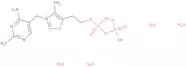
CAS :<p>Cocarboxylase tetrahydrate is a coenzyme form of vitamin B1; cofactor for enzymes involved in carbohydrate catabolism</p>Formule :C12H18N4O7P2S·4H2ODegré de pureté :Min 96%Couleur et forme :White PowderMasse moléculaire :496.37 g/molLacBuster™-S bulk (β-Lactamase)
CAS :<p>This product shows beta-lactamase activity against clinically relevant beta-lactam antibiotics such as penicillins, carbapenems and cephalosporins. This product may be of particular interest for laboratory teams who require the sterility testing of biological specimens or for environmental monitoring applications.</p>Mutanolysin - lyophilized powder, >4000 units/mg
CAS :<p>A N-Acetyl Muramidase enzyme that cleaves N-acetylmuramyl-β(1-4)-N-acetylglucosamine linkage in peptidoglycan within the bacterial cell wall.</p>Degré de pureté :Min. 95%Dextranase
CAS :<p>Dextranase (alternative names dextran hydrolase, endo-dextranase, endodextranase, dextranase DL 2, α-D-1,6-glucan-6-glucanohydrolase, 1,6-α-D-glucan 6-glucanohydrolase, EC 3.2.1.11) is dextran-degrading enzyme that hydrolyzes the α(1→6) glycosidic linkage of dextran, cutting it into progressively shorter fragments, ultimaly producing isomaltose (a disaccharide) and glucose. One unit of dextranase will cleave dextrane to yield 1.0 μmole of isomaltose per min at pH 6.0 and 37 °C.</p>Formule :C66H56N4Degré de pureté :Min. 95%Catalase ECAT01™, EUCODIS® Patent: US 9951306 and EP2861715
<p>A proprietary potent and stable alternative to chemical neutralizers such as pyruvate - for the utilization in environmental monitoring applications. Use of catalase as a supplement in media plates offers a more effective and reliable solution for safe and secure environmental monitoring of sterilization in clean rooms, isolators or production facilities by also removing remaining traces and spots of high concentration of H2O2. Currently, agar plates for monitoring disinfection or sterilization are supplemented with pyruvate, which is consumed during the neutralization of hydrogen peroxide. One of the main benefits of this catalase is its high stability in agar media at 50°C, which allows easy preparation of media and processing into plates. Due to the high stability no special storage conditions are needed and a shelf-life of > 6 months at 4-25°C can be guaranteed.<br>Key features are:</p>Alanine racemase from bacillus stearothermophilus
CAS :<p>Cell wall enzyme</p>Degré de pureté :Min. 95%Chloramphenicol acetyltransferase from escherichia coli
CAS :<p>Chloramphenicol acetyltransferase from escherichia coli (EC 2.3.1.28) detoxfies the antibiotic Chloramphenicol by attaching aceryl group. This renders chroramphenicol inactive, as it looses its ability to bind and inactivate ribosomes. One unit of Chloramphenicol acetyltransferase will convert 1 nmol of chloramphenicol and acetyl-CoA to chloramphenicol 3-acetate and CoA per min at pH 7.8 and 25 °C.</p>Degré de pureté :Min. 95%Lipase CR 02
CAS :<p>Lipase CR 02 is a high-purity enzyme preparation, which is derived from the microbial fermentation of selected fungal strains. With a mechanism involving the hydrolysis of ester bonds in lipids, Lipase CR 02 facilitates the conversion of triglycerides into glycerol and free fatty acids. This catalytic activity positions it as an essential tool in various biochemical and industrial applications.</p>Pectinase from aspergillus niger
CAS :<p>Pectin is an enzyme that breaks down pectin, a complex polysaccharide found in plant cell walls. It widely used in food and beverage, wine and brewing and textile and paper industries</p>Formule :C20H43NCouleur et forme :PowderMasse moléculaire :297.33955α-L-Iduronidase, recombinant, lyophilised
CAS :<p>PAIRED PRODUCTS AVAILABLE:</p>Degré de pureté :Corresponds To RequirementsCouleur et forme :PowderElastase
CAS :<p>Elastase (EC 3.4. 21.36) is a serine protease that breaks down elastin fibers. One unit of Elastase release 1 nmol of p-nitrophenol per sec from BOC-L-alanine p-nitrophenyl ester at pH 6.5 and 37°C</p>EUCODIS® Peroxidase 12, from microbial origin, recombinant
CAS :<p>Peroxidases can be utilized as enzymes catalyzing e.g. aromatic ring hydroxylation, epoxidation, halogenation, N- or S-oxidation, ether cleavage and alcohol/aldehyde oxidation reactions.</p>Penicillin amidase from escherichia coli
CAS :<p>As a member of the family of hydrolases this enzyme acts on carbon-nitrogen bonds and may be used in the commercial production of semisynthetic penicillin.</p>Degré de pureté :Min. 95%Amidase, from Pseudomonase aeruginosa, recombinant, lyophilized - EAM01
CAS :<p>Amidase is a hydrolase acting on carbon-nitrogen bonds in linear amides, and can be used in hydrolysis of amides to acids. Amidase 01 is of bacterial origin (P. aeruginosa) and has been produced in E.coli.</p>LacBuster™-L concentrate
CAS :<p>Beta-lactamase solution targeting beta-lactam antibiotics such as penicillins, carbapenems and cephalosporins. According to US Pharmacopeia (USP <71>) and EP, LacBusterTM-L is suitable for sterility testing methods such as membrane filtration and direct inoculation.</p>Amylase protein (Porcine)
<p>Alpha Amylase (Amylase, α-Amylase, 1,4-α-D-glucan glucanohydrolase, glycogenase, PPA; systematic name 4-α-D-glucan glucanohydrolase; EC 3.2.1.1, CAS Number [9000-90-2]) is an enzyme that catalyzes hydrolysis of large polysaccharides into smaller fragments. Alpha amylase targets alpha bonds of 1→4 glycosidic linkages of poly- and oligosaccharides with three or more D-glucose units. One unit of Alpha Amylase will catalyze the hydrolysis of 1.0 μmol of 2-chloro-4-nitrophenyl-α-D-maltotrioside to yield 2-chloro-4-nitrophenol per minute at 37°C. Porcine pancreatic Alpha Amylase is supplied as lyophilized, off-white to white powder, lyophilized from tris chloride and mannitol, pH 7.2. Activity is ≥70U/mL, specific activity ≥100 U/mg protein. Store at -20°C on arrival.</p>Degré de pureté :Min. 95%Protein kinase LATS2
CAS :<p>Protein kinase LATS2 is a serine/threonine kinase, which is a crucial component sourced intrinsically from cellular kinase cascades involved in cell regulation. This protein kinase is pivotal in the Hippo signaling pathway, which regulates cell growth, apoptosis, and stem cell renewal. LATS2 is part of the core kinase cascade that, upon activation, phosphorylates and inhibits the activity of the transcriptional co-activators YAP and TAZ, thereby controlling their transcriptional activity. This inhibition is key to maintaining proper cell proliferation and preventing uncontrolled cell growth that could lead to tumorigenesis.</p>Degré de pureté :Min. 95%LacBuster™ TSA broad range β-lactamase contact plates, 10 plates per pack, barcoded
CAS :<p>A general purpose growth medium supplemented with LacBuster™ to effectively neutralize beta-lactam antibiotics. This product is suitable for the cultivation of a wide variety of microorganisms for environmental monitoring within the pharmaceutical industry and for high performance monitoring of your isolators and clean rooms during beta lactam manufacture</p>econoLuciferase, buffered aqueous solution
CAS :<p>Cymit Quimica’s econoLuciferase™ (econoLuc Cymit Quimica Cat. No. L-8090) is a recombinant luciferase from the firefly Luciola lateralis that has been expressed as a luciferase-GFP fusion protein in E. coli.The luciferase enzyme has been optimized for increased thermo-stability by genetic modification to be stable for one hour at 37°C and up to two days at room temperature.Stabilized econoLuciferase™ thus overcomes the disadvantages and limitations of wild-type Luciferase, notably its short active life, outperforming enzyme from the Photinus pyralis firefly for both performance and stability.This optimized luciferase is the perfect enzyme for ATP detection assays in hygiene control, microbial tests using caged luciferins and it is the luciferase of choice for biochemical tests measuring ATP consumption and production in diverse enzymatic reactions.The product L-8090 is available on a large scale and is intended for use in the chemical, diagnostic, pharmaceutical and related industries.</p>Degré de pureté :(Spec. Activity. U/Mg) Min. 5 X 10^8α Amylase, powder
CAS :<p>Alpha Amylase, powder, is an enzyme preparation that acts as a catalyst for the hydrolysis of starch, breaking it down into simpler sugars like maltose and glucose. This enzyme is derived from microbial or fungal sources, commonly via fermentation processes using strains of bacteria or fungi specifically optimized for enzyme production.</p>Lipase 020
CAS :<p>Lipases belong to the family of esterases and naturally act on triglycerides at lipid-water interfaces. Lipases/esterases can be used as versatile tools in hydrolytic reactions, esterifications and transesterification reactions in industrial and food applications.</p>Isoamylase 5MU, from Pseudomonase sp., recombinant, lyophilized - EIA01
<p>Isoamylase (also known as debranching enzyme, systemic name glycogen α-1,6-glucanohydrolase; EC 3.2.1.68) is an enzyme from the family of carbohydrolases acting specifically on α-1,6-glucosidic branch linkages in polysaccharides such as amylopectin or glycogen, but rarely hydrolyzes such bonds in pullulan. Isoamylase has been obtained from P. amyloderamosa and has a temperature optimum in the 30 – 40 °C range and pH optimum between pH 3 and 4.</p>Cholesterol dehydrogenase from nocardia sp.
CAS :<p>Cholesterol dehydrogenase (EC 1.1.1.840) is NADP+-dependant oxidoreductase, that catalyses the following reaction:cholesterol + NADP+ + H2O → cholest-4-en-3-one + NADPH + H+This is achieved by oxidizing alcohol hydroxy-group into ketone. One unit of cholesterol dehydrogenase will produce 1.0 μmole of cholest-4-en-3-one per minute at pH 8.5 and 25 °C.</p>Degré de pureté :Min. 95%ApStar Taq DNA Polymerase, 1250 units
<p>ApStar Taq DNA Polymerase is a thermostable DNA polymerase, originally derived from the thermophilic bacterium Thermus aquaticus. It operates by synthesizing new strands of DNA through the extension of primers in the 5' to 3' direction, utilizing a DNA template. This enzyme is specifically engineered to withstand high temperatures, making it ideal for the denaturation phases of PCR.</p>Peroxidase, from horseradish
CAS :<p>Catalyst for signal development in immunoassays</p>Couleur et forme :PowderMasse moléculaire :44,000.00 g/molLacBuster™ TSA broad range β-lactamase contact plates, 10 plates per pack, barcoded
CAS :<p>A general purpose growth medium supplemented with LacBuster™ to effectively neutralize beta-lactam antibiotics. This product is suitable for the cultivation of a wide variety of microorganisms for environmental monitoring within the pharmaceutical industry and for high performance monitoring of your isolators and clean rooms during beta lactam manufacture</p>