Enzymes dans les Protéines Recombinantes
Les enzymes accélèrent les réactions chimiques, agissant comme des catalyseurs biologiques, agissant sur des substrats et les transformant en différentes molécules appelées produits. Ces protéines sont indispensables dans les processus biochimiques et les applications industrielles, facilitant les réactions dans des conditions douces avec une grande spécificité et efficacité. Chez CymitQuimica, nous proposons une large sélection d'enzymes de haute qualité pour soutenir vos applications de recherche, industrielles et cliniques.
3318 produits trouvés pour "Enzymes dans les Protéines Recombinantes"
Trier par
Degré de pureté (%)
0
100
|
0
|
50
|
90
|
95
|
100
CPS1 Protein, Rat, Recombinant (His & Myc)
Involved in the urea cycle of ureotelic animals where the enzyme plays an important role in removing excess ammonia from the cell.Couleur et forme :Lyophilized PowderMasse moléculaire :23.7 kDa (predicted)ZNRF3 Protein, Human, Recombinant (His)
E3 ubiquitin-protein ligase that acts as a negative regulator of the Wnt signaling pathway by mediating the ubiquitination and subsequent degradation of WntCouleur et forme :Lyophilized PowderMasse moléculaire :20.4 kDa (predicted)LpxD Protein, Burkholderia pseudomallei, Recombinant (His & Myc)
Catalyzes the N-acylation of UDP-3-O-acylglucosamine using 3-hydroxyacyl-ACP as the acyl donor.Couleur et forme :Lyophilized PowderMasse moléculaire :44.2 kDa (predicted)UGT88A1 Protein, Arabidopsis thaliana, Recombinant (His & Myc)
Possesses low quercetin 3-O-glucosyltransferase, 7-O-glucosyltransferase, 3'-O-glucosyltransferase and 4'-O-glucosyltransferase activities in vitro.Couleur et forme :Lyophilized PowderMasse moléculaire :55.1 kDa (predicted)QPCTL Protein, Human, Recombinant (His & SUMO)
Responsible for the biosynthesis of pyroglutamyl peptides.Couleur et forme :Lyophilized PowderMasse moléculaire :35.5 kDa (predicted)Trypsin-4 Protein, Rat, Recombinant (E. coli, His)
N/A.Couleur et forme :Lyophilized PowderMasse moléculaire :29.6 kDa (predicted)SpoT Protein, E. coli, Recombinant (His & Myc)
In eubacteria ppGpp (guanosine 3'-diphosphate 5'-diphosphate) is a mediator of the stringent response which coordinates a variety of cellular activities inCouleur et forme :Lyophilized PowderMasse moléculaire :86.8 kDa (predicted)Metallo-β-lactamase type 2 Protein, Serratia marcescens, Recombinant (His & Myc)
Confers resistance to the different beta-lactams antibiotics (penicillin, cephalosporin and carbapenem) via the hydrolysis of the beta-lactam ring.Couleur et forme :Lyophilized PowderMasse moléculaire :32.6 kDa (predicted)GSPT1 Protein, Human, Recombinant (His & Myc)
Involved in translation termination in response to the termination codons UAA, UAG and UGA.Degré de pureté :85% - 85%Couleur et forme :Lyophilized PowderMasse moléculaire :59.8 kDa (predicted)NAD-GDH Protein, Clostridium difficile, Recombinant (His)
NAD-GDH Protein, Clostridium difficile, Recombinant (His) is expressed in E. coli.Couleur et forme :Lyophilized PowderMasse moléculaire :50.0 kDa (predicted)MazF Protein, S. aureus, Recombinant (His)
Toxic component of a type II toxin-antitoxin (TA) system.Degré de pureté :98%Couleur et forme :Lyophilized PowderMasse moléculaire :17.4 kDa (predicted)PKM2 Protein, Mouse, Recombinant (E. coli, His & Myc)
PKM2 Protein, Mouse, Recombinant (E.Couleur et forme :Lyophilized PowderMasse moléculaire :62.8 kDa (predicted)SVTLE Protein, Bothrops jararaca, Recombinant (His & Myc)
Thrombin-like snake venom serine protease that clots fibrinogen by releasing fibrinopeptide A from the alpha chain of fibrinogen (FGA), induces plateletCouleur et forme :Lyophilized PowderMasse moléculaire :33.0 kDa (predicted)SVMP Protein, Bothrops leucurus, Recombinant (His & Myc)
Non-hemorrhagic metalloproteinase that hydrolyzes the alpha chains of fibrinogen, as well as fibrin, fibronectin and casein.Couleur et forme :Lyophilized PowderMasse moléculaire :30.5 kDa (predicted)GFER Protein, Rat, Recombinant (His & SUMO)
GFER Protein, Rat, Recombinant (His & SUMO) is expressed in E.Couleur et forme :Lyophilized PowderMasse moléculaire :38.8 kDa (predicted)HDAC3 Protein, Human, Recombinant (His & SUMO)
HDAC3 Protein, Human, Recombinant (His & SUMO) is expressed in E.Degré de pureté :90% - 90%Couleur et forme :Lyophilized PowderMasse moléculaire :64.8 kDa (predicted)HINT1 Protein, Rabbit, Recombinant (His & Myc)
HINT1 Protein, Rabbit, Recombinant (His & Myc) is expressed in HEK293 mammalian cells with N-10xHis and C-Myc tag.Couleur et forme :Lyophilized PowderMasse moléculaire :17.6 kDa (predicted)MDH Protein, Bacillus methanolicus, Recombinant (His & Myc & SUMO)
Catalyzes the oxidation of methanol to yield formaldehyde.Couleur et forme :Lyophilized PowderMasse moléculaire :59.9 kDa (predicted)Klk1b5 Protein, Mouse, Recombinant (His & SUMO)
Glandular kallikreins cleave Met-Lys and Arg-Ser bonds in kininogen to release Lys-bradykinin.Couleur et forme :Lyophilized PowderMasse moléculaire :39.1 kDa (predicted)ZRANB1 Protein, Human, Recombinant (His & Myc)
Specifically hydrolyzes 'Lys-29'-linked and 'Lys-33'-linked diubiquitin.Couleur et forme :Lyophilized PowderMasse moléculaire :88.4 kDa (predicted)mTOR Protein, Human, Recombinant (His & Myc)
mTOR Protein, Human, Recombinant (His & Myc) is expressed in E.Degré de pureté :96% - 96%Couleur et forme :Lyophilized PowderMasse moléculaire :23.2 kDa (predicted)CAPN1 Protein, Mouse, Recombinant (His)
Calcium-regulated non-lysosomal thiol-protease which catalyzes limited proteolysis of substrates involved in cytoskeletal remodeling and signal transduction.Degré de pureté :93%Couleur et forme :Lyophilized PowderMasse moléculaire :86.1 kDa (predicted)Chondroitinase abc from proteus vulgaris
CAS :Chondroitinase ABC is a bacterial enzyme, which is derived from Proteus vulgaris with the ability to degrade glycosaminoglycans, specifically targeting chondroitin sulfate, dermatan sulfate, and hyaluronic acid. This enzyme's mode of action involves the enzymatic cleavage of β-1,4 linkages between N-acetylgalactosamine and glucuronic acid residues in chondroitin sulfate, resulting in the breakdown of these polyanionic molecules into disaccharides.Protocatechuate 3,4-dioxygenase from pseudomonas sp.
CAS :<p>Protocatechuate 3,4-dioxygenase is a bacterial enzyme, which is sourced from Pseudomonas sp. This enzyme operates by catalyzing the cleavage of aromatic rings in protocatechuate, a derivative of catechol. Its mode of action involves the incorporation of oxygen into protocatechuate, resulting in the formation of beta-carboxy-cis,cis-muconate. This reaction is crucial for the microbial degradation of aromatic compounds, thereby playing a significant role in the biodegradation pathways of lignin-derived aromatic pollutants.</p>Degré de pureté :Min. 95%Phi29 DNA polymerase, 10U/μL buffer solution
Phi29 DNA polymerase is a polymerase enzyme which has strong strand displacement activity, making it suitable for use in a range of displacement DNA amplification proceduresAlteplase
CAS :<p>Alteplase is human plasminogen activator (EC 3.4.21.68, that cleaves plasminogen into enzymatically active form, plasmin), recombinantly expressed in CHO cells. Alteplase belongs to the group of thrombolytic agents, and it has shown to be effective in restoring blood flow by breaking down clots.</p>Formule :C300H465N95O89S7Masse moléculaire :7,050.95 g/molGlucosyltransferase 227-freeze dried
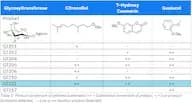
CAS :Glucosyltransferase (GTase) is the enzyme that transfers glucose to another organic molecule (aglycon), establishing glycosidic linkage. UDP-glucose dependent GTases are part of the enzyme family of glucosyltransferases, they are versatile tools in glucosylation reactions. Different GTases have different substrate specificities. For the specificity of GT227 Glucosyltransferase, please see Table 1 that lists the available GTases with GT227 highlighted.Color: beigeForm: lyophilisateProtein content: 0.8 mg/mgThe glucosyltransferase was tested in a glucosylation reaction of a preferred substrate. High conversion after up to 24 h reaction time was observed. Not sure which GTase to choose? Consider our Glucosyltransferase kit, which contains all 8 Glucosyltransferases.Glucosyltransferase 211-freeze dried
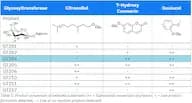
CAS :<p>Glucosyltransferase (GTase) is the enzyme that transfers glucose to another organic molecule (aglycon), establishing glycosidic linkage. UDP-glucose dependent GTases are part of the enzyme family of glucosyltransferases, they are versatile tools in glucosylation reactions. Different GTases have different substrate specificities. For the specificity of GT211 Glucosyltransferase, please see Table 1 that lists the available GTases with GT211 highlighted.Color: beigeForm: lyophilisateProtein content 0.7 mg/mgThe glucosyltransferase was tested in a glucosylation reaction of a preferred substrate. High conversion after up to 24 h reaction time was observed.<br>Not sure which GTase to choose? Consider our Glucosyltransferase kit, which contains all 8 Glucosyltransferases.</p>Glucosyltransferase 204-freeze dried
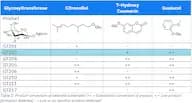
CAS :Glucosyltransferase (GTase) is the enzyme that transfers glucose to another organic molecule (aglycon), establishing glycosidic linkage. UDP-glucose dependent GTases are part of the enzyme family of glucosyltransferases, they are versatile tools in glucosylation reactions. Different GTases have different substrate specificities. For the specificity of GT204 Glucosyltransferase, please see Table 1 that lists the available GTases with GT204 highlighted.Color: beigeForm: lyophilisateProtein content: 0.5 mg/mgThe glucosyltransferase was tested in a glucosylation reaction of a preferred substrate. High conversion after up to 24 h reaction time was observed. Not sure which GTase to choose? Consider our Glucosyltransferase kit, which contains all 8 Glucosyltransferases.Glucosyltransferase 205-freeze dried
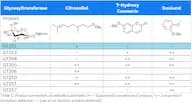
CAS :<p>Glucosyltransferase (GTase) is the enzyme that transfers glucose to another organic molecule (aglycon), establishing glycosidic linkage. UDP-glucose dependent GTases are part of the enzyme family of glucosyltransferases, they are versatile tools in glucosylation reactions. Different GTases have different substrate specificities. For the specificity of GT205 Glucosyltransferase, please see Table 1 that lists the available GTases with GT205 highlighted.Color: beigeForm: lyophilisateProtein content: 0.5 mg/mgThe glucosyltransferase was tested in a glucosylation reaction of a preferred substrate. High conversion after up to 24 hr reaction time was observed.<br>Not sure which GTase to choose? Consider our Glucosyltransferase kit, which contains all 8 Glucosyltransferases.</p>NEK9 Protein, Human, Recombinant (His)
Expression system: E. coli<br>Length: 52-308, Partial<br>Activity: Not TestedDegré de pureté :85%Couleur et forme :SoildMasse moléculaire :36.5 kDa (Predicted); 37 kDa (Reducing conditions)Glucosyltransferase 203-freeze dried
CAS :<p>Glucosyltransferase (GTase) is the enzyme that transfers glucose to another organic molecule (aglycon), establishing glycosidic linkage. UDP-glucose dependent GTases are part of the enzyme family of glucosyltransferases, they are versatile tools in glucosylation reactions. Different GTases have different substrate specificities. For the specificity of GT203 Glucosyltransferase, please see Table 1 that lists the available GTases with GT203 highlighted.Color: beigeForm: lyophilisateProtein content: 0.5 mg/mgThe glucosyltransferase was tested in a glucosylation reaction of a preferred substrate. High conversion after up to 24 h reaction time was observed.<br>Not sure which GTase to choose? Consider our Glucosyltransferase kit, which contains all 8 Glucosyltransferases.</p>Glucosyltransferase 201-freeze dried
CAS :Glucosyltransferase (GTase) is the enzyme that transfers glucose to another organic molecule (aglycon), establishing glycosidic linkage. UDP-glucose dependent GTases are part of the enzyme family of glucosyltransferases, they are versatile tools in glucosylation reactions. Different GTases have different substrate specificities. For the specificity of GT201 Glucosyltransferase, please see Table 1 that lists the available GTases with GT201 highlighted.Color: beigeForm: lyophilisateProtein content: 0.5 mg/mgThe glucosyltransferase was tested in a glucosylation reaction of a preferred substrate. High conversion after up to 24 h reaction time was observed. Not sure which GTase to choose? Consider our Glucosyltransferase kit, which contains all 8 Glucosyltransferases.Glucosyltransferase 210-freeze dried
CAS :Glucosyltransferase (GTase) is the enzyme that transfers glucose to another organic molecule (aglycon), establishing glycosidic linkage. UDP-glucose dependent GTases are part of the enzyme family of glucosyltransferases, they are versatile tools in glucosylation reactions. Different GTases have different substrate specificities. For the specificity of GT210 Glucosyltransferase, please see Table 1 that lists the available GTases with GT210 highlighted.Color: beigeForm: lyophilisateProtein content: 0.8 mg/mg The glucosyltransferase was tested in a glucosylation reaction of a preferred substrate. High conversion after up to 24 h reaction time was observed. Not sure which GTase to choose? Consider our Glucosyltransferase kit, which contains all 8 Glucosyltransferases.Peroxidase Kit, 2 peroxidases with different substrate specificities
<p>Peroxidases can be utilized as enzymes catalyzing e.g. aromatic ring hydroxylation, epoxidation, halogenation, N- or S-oxidation, ether cleavage and alcohol/aldehyde oxidation reactions. The Peroxidase Kit contains 2 recombinant peroxidases of bacterial and fungal origin with a temperature optimum in the 20-40 °C range and pH optimum between pH 5 and 8.</p>Degré de pureté :Min. 95%β Lactamase Kit, 6 enzymes of 200 mg, recombinant - EBL_Kit01
Beta lactamase kit consisting of six different beta-lactamases with individual substrate specificity profiles against a broad range of beta-lactam antibiotics including penicilins, cephalosporins as well as carbapenems. The kit is especially designed for screening and finding the most well suited beta-lactamase for your specific process. Each vial contains at least 1000 IU beta I activity. Our beta-lactamases have been optimized for sterility testing and environmental monitoring in the manufacture and dosage formulation of beta-lactam antibiotics and for specific diagnostic purposes.Kit components:Degré de pureté :Min. 95%EUCODIS® Nitrilhydratase 17, recombinant enzyme - ENH017
<p>Nitrile hydratase 17 recombinantly expressed in E. coli comes in a freeze-dried formulation. Nitrile hydratases can be utilized to convert nitriles into their corresponding amides, e.g. to produce acrylamide from acrylonitrile. Additional applications include the removal of nitriles from industrial wastewater. Our nitrile hydratases have been tested for hydrolysis of the following substrates:cyclohexanecarbonitrile, cinnamonitrile, benzonitrile, methacrylonitrile, pivalonitrile.</p>Urease from Canavalia ensiformis
CAS :<p>Urease from Canavalia ensiformis (Jack bean urease, EC 3.5.1.5) is an enzyme that catalyses the following reaction: (NH2)2CO + H2O → CO2 + 2 NH3 One unit of urease will yield 1.0 µmole of NH3 from urea per min at pH 7.0 and 25 °C.</p>Masse moléculaire :480 g/molAldolase from rabbit muscle
CAS :<p>One unit of aldolase (EC 4.1.2.13) will convert 1.0 µmol of Fructose-1,6-Diphosphate to Dihydroxyacetone phosphate and Glyceraldehyde-3-phosphate per min at 25 °C and pH 7.4. Lyophilized Powder.</p>Masse moléculaire :161 g/molCarboxypeptidase A from bovine pancreas
CAS :Carboxypeptidase A (EC 3.4.17.1) is an exopeptidase enzyme. It hydrolyzes peptide bonds of C-terminal residues with aliphatic or aromatic side-chains. One unit of Carboxypeptidase A will hydrolyze 1.0 μmole of hippuryl-L-phenylalanine per min at pH 7.5 and 25 °C.Nitrilhydratase Kit, 10 recombinant enzymes with different substrate specificities - ENH Kit
Kit of 10 unique, nitrile hydratases recombinantly expressed in E. coli for screening. Nitrile hydratases can be utilized to convert nitriles into their corresponding amides, e.g. to produce acrylamide from acrylonitrile. Additional applications include the removal of nitriles from industrial wastewater. Please note, that the kit enzymes can also be supplied as whole cell biocatalysts in large scale.LacBuster® - S 2000 IU, β-lactamase I & II, lyophilized, γ irradiated - EBL023.2
LacBuster®-S 2000 is a solid and Gamma-irradiated, freeze-dried, broad range beta-lactamase formulation with 2000 IU beta-lactamase II and 20000 IU beta-lactamase I activity per vial.EUCODIS® Nitrilhydratase 14, recombinant enzyme - ENH014
<p>Nitrile hydratase 14 recombinantly expressed in E. coli comes in a freeze-dried formulation. Nitrile hydratases can be utilized to convert nitriles into their corresponding amidese, e.g. to produce acrylamide from acrylonitrile. Additional applications include the removal of nitriles from industrial wastewater. Our nitrile hydratases have been tested for hydrolysis of the following substrates:cyclohexanecarbonitrile, cinnamonitrile, benzonitrile, methacrylonitrile, pivalonitrile.</p>Heparinase I from flavobacterium heparinum
CAS :<p>Heparinase I (heparin lyase I, heparin eliminase; EC 4.2.2.7) in an enzyme that specifically cleaves oligosaccharides to remove heparan sulfate residues. One unit will form 1.0 μmole of unsaturated uronic acid per minute at pH 7.5 and 25 °C.</p>Degré de pureté :Min. 95%Neuraminidase from Vibrio Chloerae
CAS :<p>Neuraminidase (Exo-α-sialidase, sialidase, systematic name acetylneuraminyl hydrolase; EC 3.2.1.18) is an enzyme that catalyzes hydrolysis of glycosidic linkages of neuraminic acids. As it is exo-hydrolase, it hydrolyzes terminal N- or O- acylneuramic acid units, that are linked by α2,3-, α2,6-, and α2,8- glycosidic bonds. One unit of neuraminidase will hydrolyze 1 μmol N-acetyl-neuraminosyl-D-lactose under optimal conditions.</p>Formule :C21H25NO11Degré de pureté :(Activity U/Ml) ≥ 0.00Masse moléculaire :467.42 g/molEUCODIS® Nitrilhydratase 19, recombinant enzyme - ENH019
<p>Nitrile hydratase 19 recombinantly expressed in E. coli comes in a freeze-dried formulation. Nitrile hydratases can be utilized to convert nitriles into their corresponding amides, e.g. to produce acrylamide from acrylonitrile. Additional applications include the removal of nitriles from industrial wastewater. Our nitrile hydratases have been tested for hydrolysis of the following substrates:cyclohexanecarbonitrile, cinnamonitrile, benzonitrile, methacrylonitrile, pivalonitrile.</p>Thioglucosidase from Sinapis alba (white mustard) seed
CAS :Thioglucosidase (thioglucoside glucohydrolase, Myrosinase, sinigrinase, sinigrase; EC 3.2.1.147) is an enzyme that cleaves thio-linked glucosides:a thioglucoside + H2O ⇌ a sugar + a thiol (the thiol formed is usually unstable and undergoes spontaneous re-arrangement into a isothiocyanate through a loss of a sulfate group)One unit will produce 1.0 μmole glucose per min from sinigrin (a thio-linked glucoside) at pH 6.0 and 25 °C.Enteropeptidase
CAS :<p>Enteropeptidase (historic name entorokinase; EC 3.4.21.9) is a proteolytic enzyme (proteinase) that activates trypsinogen into its active form, trypsin. One unit of enteropeptidase will produce 1.0 nmole of trypsin from trypsinogen per min at pH 5.6 and 25 °C.</p>Degré de pureté :Min. 95%EUCODIS® Nitrilhydratase 20, recombinant enzyme - ENH020
<p>Nitrile hydratase 20 recombinantly expressed in E. coli comes in a freeze-dried formulation. Nitrile hydratases can be utilized to convert nitriles into their corresponding amides, e.g. to produce acrylamide from acrylonitrile. Additional applications include the removal of nitriles from industrial wastewater. Our nitrile hydratases have been tested for hydrolysis of the following substrates:cyclohexanecarbonitrile, cinnamonitrile, benzonitrile, methacrylonitrile, pivalonitrile.</p>Degré de pureté :Min. 95%EUCODIS® Nitrilhydratase 01, recombinant enzyme - ENH001
Nitrile hydratase 01 recombinantly expressed in E. coli comes in a freeze-dried formulation. Nitrile hydratases can be utilized to convert nitriles into their corresponding amidese, e.g. to produce acrylamide from acrylonitrile. Additional applications include the removal of nitriles from industrial wastewater. Our nitrile hydratases have been tested for hydrolysis of the following substrates:cyclohexanecarbonitrile, cinnamonitrile, benzonitrile, methacrylonitrile, pivalonitrile.EUCODIS® Nitrilhydratase 22, recombinant enzyme - ENH022
<p>Nitrile hydratase 22 recombinantly expressed in E. coli comes in a freeze-dried formulation. Nitrile hydratases can be utilized to convert nitriles into their corresponding amides, e.g. to produce acrylamide from acrylonitrile. Additional applications include the removal of nitriles from industrial wastewater. Our nitrile hydratases have been tested for hydrolysis of the following substrates:cyclohexanecarbonitrile, cinnamonitrile, benzonitrile, methacrylonitrile, pivalonitrile.</p>Degré de pureté :Min. 95%Sucrose phosphorylase, recombinant, expressed in E. coli, ≥45 units/mg
CAS :Sucrose phosphorylase (sucrose glucosyltransferase, disaccharide glucosyltransferase, systemic name Sucrose:orthophosphate α-D-glucosytransferase; EC 2.4.1.7) is an enzyme that catalyzes the following reaction: sucrose + Pi ⇌ D-fructose + α-D-glucose-1-phosphate One unit of Sucrose phosphorylase will produce 1.0 μmole of D-fructose per minute in the presence of sucrose and phosphate at pH 7.6 and 25 °C.ODC1 Protein, Human, Recombinant (His)
Ornithine decarboxylase (ODC1) is an enzyme which belongs to the Orn/Lys/Arg decarboxylase class-II family.Couleur et forme :Lyophilized PowderMasse moléculaire :25 &58 KDa (reducing condition)Poly(ADP-ribose) glycohydrolase
CAS :<p>Poly(ADP-ribose) glycohydrolase is an enzyme, which is derived from various organisms, including eukaryotic cells. It plays a crucial role in the regulation of poly(ADP-ribose) (PAR) metabolism. This enzyme functions by hydrolyzing the glycosidic bonds in poly(ADP-ribose) chains, thereby regulating the cellular levels of PAR by converting it back to ADP-ribose units.</p>EUCODIS® Nitrilhydratase 10, recombinant enzyme - ENH010
Nitrile hydratase 10 recombinantly expressed in E. coli comes in a freeze-dried formulation. Nitrile hydratases can be utilized to convert nitriles into their corresponding amides, e.g. to produce acrylamide from acrylonitrile. Additional applications include the removal of nitriles from industrial wastewater. Our nitrile hydratases have been tested for hydrolysis of the following substrates:cyclohexanecarbonitrile, cinnamonitrile, benzonitrile, methacrylonitrile, pivalonitrile.L-Glutamic dehydrogenase (nadp) from proteus sp.
CAS :<p>L-Glutamic dehydrogenase (NADP+ dependent, from proteus sp., EC 1.4.1.4) is an enzyme that catalyzes the following reaction: L-glutamate + H2O + NADP+ ⇌ 2-oxoglutarate + NH3 + NADPH + H+ One unit of L-Glutamic dehydrogenase will generate 1.0 μmole of 2-oxoglutarate from L-glutamate per min at pH 8.3, 30 °C and the presence of NADPH and ammonium. NADP+ is available here and NADPH is available here, depending on whether you require the reaction to proceed from left to right or from righ to left, respectively.</p>Degré de pureté :Min. 95%Masse moléculaire :300 g/molGlutaminase from escherichia coli
CAS :Glutaminase (glutaminase I, L-glutaminase, glutamine aminohydrolase; EC 3.5.1.2) is an enzyme that catalyzes the following reaction: L-glutamine + H2O → L-glutamate + NH4+ One unit of glutaminase will convert 1.0 μmole of L-glutamine into L-glutamate per min at pH 4.9 and 37 °C.Degré de pureté :Min. 95%D-Ribulose 1,5-diphosphate carboxylase from spinach
CAS :<p>D-Ribulose 1,5-diphosphate carboxylase, commonly known as RuBisCO, is an essential enzyme that catalyzes the first major step of carbon fixation, a process by which inorganic carbon from the atmosphere is converted into organic molecules. This enzyme is derived from spinach, a common model organism used in plant biology research due to its accessibility and well-characterized photosynthetic pathways.</p>Degré de pureté :Min. 95%EUCODIS® Nitrilhydratase 05, recombinant enzyme - ENH005
<p>Nitrile hydratase 05 recombinantly expressed in E. coli comes in a freeze-dried formulation. Nitrile hydratases can be utilized to convert nitriles into their corresponding amides, e.g. to produce acrylamide from acrylonitrile. Additional applications include the removal of nitriles from industrial wastewater. Our nitrile hydratases have been tested for hydrolysis of the following substrates:cyclohexanecarbonitrile, cinnamonitrile, benzonitrile, methacrylonitrile, pivalonitrile.</p>Carbonodithioic Acid O-(Octahydro-4,7-methano-1H-inden-5-yl) Ester Potassium Salt
CAS :Produit contrôléFormule :C11H15KOS2Couleur et forme :NeatMasse moléculaire :266.464EUCODIS® CalB02 ICE, engineered variant of Candida antarctica Lipase B, covalent immobilization on hydrophobic carrier - ELCB02ICE
<p>Lipases belong to the family of esterases and naturally act on triglycerides at lipid-water interfaces. Lipases/esterases can be used as versatile tools in hydrolytic reactions, esterifications and transesterification reactions in industrial and food applications. The CalB02 ICE lipase has been immobilized on a hydrophobic carrier by a covalent linkage. The immobilized CalB02 lipase has a temperature optimum in the 40 - 50 °C range and pH optimum between pH 5 and 8.</p>Ribonuclease A
CAS :<p>Ribonuclease A (RNase A) is widely used to break down RNA in DNA purification. RNase A catalyzes the endonucleolytic cleavage of phosphodiester bonds of RNA.</p>Amidase, from Rhodococcus sp., recombinant, lyophilized - EAM02
CAS :Amidase (EC 3.5.1.4) is a hydrolase acting on carbon-nitrogen bonds in linear amides and can be used in the hydrolysis of amides to acids. Amidase 02 is of bacterial origin (R. erythropolis and has been produced in E.coli).Cellulose catalase
<p>Cellulose catalase is an enzyme-based product, designed specifically to act as a catalyst in the oxidative processes associated with cellulose applications. It is derived from a microbial source, where bacilli or fungi are employed to produce robust catalase enzymes in a fermentation process. The mode of action involves the catalase enzyme’s ability to facilitate the decomposition of hydrogen peroxide into water and oxygen, thereby reducing oxidative damage during cellulose processing.</p>Citrate synthase
CAS :<p>Citrate synthase (E.C. 2.3.3.1) is an enzyme that catalyzes the following reaction: acetyl-CoA + oxaloacetate + H2O → citrate + CoA-SHOne unit of citrate synthase will form 1.0 μmole of citrate from acetyl-CoA and oxalacetate per min at pH 8.0 and 37 °C.Origin is porcine heart.Molecular weight ~ 49kDa (monomer) and ~ 98kDa (dimer)</p>Formule :C197H238O43S6Couleur et forme :PowderMasse moléculaire :3,486 g/molDiaphorase (from Clostridium kluyveri)
CAS :Diaphorase (lipoyl dehydrogenase, EC 1.8.1.4) is an NAD+/NADH-dependent oxidoreductase. One unit of diaphorase will convert 1.0 μmole NADH into NAD+ the presence of substrate at pH 7.5 and 25 °C.Degré de pureté :Min. 95%Recombinant Isocitrate Dehydrogenase
CAS :<p>Recombinant Isocitrate Dehydrogenase is a bioengineered enzyme, which is derived from microbial or eukaryotic expression systems designed to mirror its naturally occurring form. This enzyme catalyzes the oxidative decarboxylation of isocitrate to alpha-ketoglutarate, utilizing NADP+ as a cofactor in the process. Its mode of action involves the conversion of isocitrate to alpha-ketoglutarate with the concomitant reduction of NADP+ to NADPH.</p>Degré de pureté :Min. 95%Immobilized Lipase Kit, 7 unique immobilized EUCODIS® Lipases, immobilized by adsorption and covalent binding - ELIM Kit
Lipases belong to the family of esterases and naturally act on triglycerides at lipid-water interfaces. Lipases/esterases can be used as versatile tools in hydrolytic reactions, esterifications and transesterification reactions in industrial and food applications. The immobilized Lipase kit contains 7 different lipases, immobilised on a hydrophobic carrier either by adsorption or covalent linkage. Immobilized lipases can be utilized in various reaction types, and are optimal for all reactions in organic solvents or solvent-free systems.Lipoxidase
CAS :Lipoxidase is an enzyme, which is typically sourced from various plant tissues, animals, and some microorganisms. It functions by catalyzing the oxidation of polyunsaturated fatty acids in the presence of oxygen. This enzymatic action results in the formation of lipid hydroperoxides, which are key intermediates in various biochemical pathways, including those involved in cell signaling and the modulation of gene expression.Degré de pureté :Min. 95%Chymase
CAS :Chymase (alternative names mast cell protease 1, mast cell serine proteinase, skeletal muscle protease, EC 3.4.21.39) is a serine protease, found in mast cells and basophil granulocytes.Degré de pureté :Min. 95%Proteinase, Bacillus subtilis, sutilain
CAS :Proteinase, Bacillus subtilis, sutilain is a proteolytic enzyme, which is derived from the bacterium Bacillus subtilis. This enzyme exhibits a serine-type mechanism of action, characterized by its ability to cleave peptide bonds in proteins efficiently. It catalyzes the hydrolysis of proteins into peptides and amino acids, facilitating the breakdown of complex proteins into simpler, soluble forms.Degré de pureté :Min. 95%Couleur et forme :PowderAconitase (human recombinant)
CAS :<p>Aconitase catalyzes isomerization of citrate to isocitrate via cis-aconitate. Systemic enzyme name is aconitate hydratase; EC 4.2.1.3.</p>Degré de pureté :Min. 95%Urate oxidase (from Yeast)
CAS :<p>Urate Oxidase, also known as uricase, catalizes the following reaction: Uric acid + O2 + H2O → 5-hydroxyisourate + H2O2.</p>Formule :C18H26N5O14PDegré de pureté :Min. 95%Masse moléculaire :567.4 g/molPNPase
<p>Specific activity: >500 units/mg-protein.Unit definition: One unit will polymerize 1.0 micro mole of ADP, releasing 1.0 micro mole of inorganic phosphate in 15 minutes at pH 9.1 at 37 °C.</p>Aminopeptidase I from streptomyces griseus
CAS :Aminopeptidase I is a specialized proteolytic enzyme derived from the actinobacterium Streptomyces griseus. This enzyme functions by catalyzing the cleavage of amino acids from the N-terminus of peptides, which plays a pivotal role in protein metabolism and regulation. The source of this enzyme, Streptomyces griseus, is well-regarded for producing a variety of bioactive compounds owing to its rich genetic and biochemical repertoire.Carboxypeptidase Y, from S. cerevisiae, recombinant, lyophilized - ECPY001
CAS :Carboxypeptidase Y (EC 3.4.16.1) is an exopeptidase enzyme. It hydrolyzes peptide bonds of C-terminal residues and it remains active in the presence of urea at low to moderate concentrations. One unit of the Carboxypeptidase Y will hydrolyze 1.0 μmole of a chromogenic peptide substrate, releasing C-terminal alanine and generating a light-absorbing product. Carboxypeptidase Y has been obtained from yeast S. cerevisiae, has a broad substrate specificity and can therefore be used in sequence analysis of proteins. Carboxypeptidase Y has a temperature optimum in the 20 – 30 °C range and pH optimum between pH 6 and 7.EUCODIS® CalB01, engineered variant of Candida antarctica Lipase B - ELCB01
<p>Lipases belong to the family of esterases and naturally act on triglycerides at lipid-water interfaces. Lipases/esterases can be used as versatile tools in hydrolytic reactions, esterifications and transesterification reactions in industrial and food applications. The CalB01 lipase has a temperature optimum in the 40 - 50 °C range and pH optimum between pH 5 and 8.</p>Ubiquitin Conjugating enzyme E2C Human Recombinant
Ubiquitin Conjugating enzyme E2C (other names UBE2C, UBCH10, dJ447F3.2, ubiquitin conjugating enzyme E2 C; EC 2.3.2.24) is an essential mediator of mitotic destruction events and cell cycle progression. It catalyzes the destruction of cyclins A and B in conjunction with the anaphase-promoting complex, and therefore, plays an important role in the control of the cell exit from mitosis This activity is essential at then end of mitosis for the inactivation of their partner kinase Cdc2 and exit from mitosis into G1 of the next cell cycle. In addition, UBE2C bears homology to yeast PAS2, a gene that is essential for biogenesis of peroxisomes. UBE2C is useful for in vitro ubiquitinylation reactions.β-Glucanase 2, thermostable
CAS :<p>Thermostable β-Glucanase 2 is an enzyme that hydrolases β-Glucans into glucose. One unit of β-Glucanase 2 will produce 1.0 μmole of glucose from β-glucan per minute at pH 5.8 and 70 °C.</p>Degré de pureté :Min. 95%Neuron-specific enolase human
CAS :<p>Neuron-specific enolase human (ENO2, Enolase 2, Neural enolase, Gamma-enolase, Phosphopyruvate hydratase, 2-phospho-D-glycerate hydro-lyase; EC 4.2.1.11) is the enzyme that is catalyzes the following reaction: 2-phospho-D-glycerate ⇌ phosphoenolpyruvate + H2O One unit of enolase will convert 1.0 μmole of 2-phosphoglycerate to phosphoenolpyruvate per min.</p>Transglutaminase from guinea pig liver
CAS :Transglutaminase (2.3.2.13) is an enzyme that catalyzes formation of isopeptide bonds between the γ-carboxamide groups ( -(C=O)NH2 ) of glutamine side chains and amino groups. The donor of the amino group is usually (but not always) an ε-amino group ( -NH2 ) of lysine residue. The reaction also releases ammonia: Gln-(C=O)NH2 + NH2-Lys → Gln-(C=O)NH-Lys + NH3One unit of transglutaminase will catalyze the formation of 1.0 μmole transglutamination product per min at pH 6.0 and 37 °C.Degré de pureté :Min. 95%Casein Kinase 2
Casein kinase 2 (CK2, CSNK2; EC 2.7.11.1) is a constitutively active serine and threonine protein kinase. It plays a role in a range of cellular processes, including DNA repair, cell cycle control, metabolic regulation, circadian rhythms and more. Its known substrates include hundreds of proteins. One unit of CK2 will phosphorylate of 1 pmol of of peptide substrate in 1 minute at 30°C and presence of ATP.Formule :C45H73N19O24Degré de pureté :Min. 95%Masse moléculaire :1,264.17 g/molCitrate lyase from klebsiella pneumonia ≥0.20 unit/mg solid
CAS :Citrate lyase (also known as ATP citrate synthase, EC 2.3.3.8) is an enzyme that catalyzes the following reaction:citrate + ATP + CoA → oxaloacetate + Acetyl-CoA + ADP + PiEnzymatic activity: One unit will convert 1.0 micromole of citrate to oxalacetate per minute at pH 7.6 and 25 °C in the presence of required cofactors. Citrate lyase is supplied lyophylized, with activity ≥0.20 unit/mg solid.Degré de pureté :Min. 95%Ubiquitin thiolesterase UCHL1
CAS :<p>Ubiquitin thiolesterase UCHL1 (Ubiquitin carboxy-terminal hydrolase L1; EC 3.1.2.15) is an enzyme that hydrolyses small C-terminal ubiquitin adducts to regenerate ubiquitin.</p>Superoxide dismutase PEG
<p>Superoxide dismutase coupled to polyethylene glycol. Superoxide dismutase (EC 1.15.1.1) is an enzyme that catalyzes the following reaction: 2 H+ + 2 O2− → O2 + H2O2 thus converting an extremely reactive and cytotoxic superoxide radical into oxygen and (significantly less reactive) hydrogen peroxide.</p>Butyrylcholinesterase
Butyrylcholinesterase (BCHE, BuChE, PCHE, pseudocholinesterase, plasma cholinesterase, Acylcholine acyl-hydrolase, Choline esterase; EC 3.1.1.8, CAS No [9001-08-5]) is an enzyme that made in the liver and found mainly in blood plasma. It catalyzes the following reaction: Acylcholine + H2O → choline + carboxylic acidOne unit of Butyrylcholinesterase will change absorbance by 0.2 milliunits (mA) per minute at optimal buffer conditions and 37 ̊C. Equine serum butyrylcholinesterase is supplied as white to pale grey-green powder with activity of ≥50U/mg and specific activity of ≥300U/mg protein. It can be dissolved at 5 mg/mL concentration in 50 mM Tris-HCl pH 7.3 - 7.5, giving colorless to slightly green solution. Equine serum butyrylcholinesterase is activated by Ca2+, optimum pH 7-8, KM=18 µM (butyrylthiocholine at 25°C). Store at -20°C on arrival.Chitinase
CAS :Chitinase (systematic name (1→4)-2-acetamido-2-deoxy-β-D-glucan glycanohydrolase, EC 3.2.1.14) is a hydrolase that breaks down glycosidic bonds in chitin. One unit of chitinase will yield 1.0 mg of N-acetyl-D-glucosamine from chitin per hour at pH 6.0 and 25 °C.Formule :C17H16N8ZnDegré de pureté :Min. 95%Masse moléculaire :397.74 g/molLactase - >300U/mg
CAS :beta-Galactosidase (EC 3.2.1.23, shortly beta-Gal, also know as lactase) catalyses the hydrolysis of beta-d-galactoside in the presence of water to galactose and alcohol, or lactose into glucose and galactose. beta-Gal has a molecular weight of 540,000 and is composed of four identical subunits of MW 135,000, each with an independent active site. The enzyme has divalent metals as cofactors, with chelated Mg2+ ions required to maintain active site conformation. The molecule contains numerous sulfhydryl groups and is glycosylated.Aminopeptidase, Aeromonas proteolytica
CAS :One unit of Aminopeptidase (3.4.11.10) will hydrolyze 1.0 μmole of L-leucine p-nitroanilide to p-nitroaniline and L-leucine per min at pH 8.0 and 25 °C.Lipase Kit, 25 unique EUCODIS® lipases, recombinant - EL Kit
<p>Lipases belong to the family of esterases and naturally act on triglycerides at lipid-water interfaces. Lipases/esterases can be used as versatile tools in hydrolytic reactions, esterifications and transesterification reactions in industrial and food applications. The Lipase kit contains 25 lipases with different pH and temperature optima and substrate specificity properties.</p>β-1,4-Galactosyltransferase 1
β-1,4-Galactosyltransferase 1 is an enzyme that catalyzes the synthesis of the glycosaminoglycan-protein linkage in proteoglycans.Ribonuclease T1 from aspergillus oryzae
CAS :Ribonuclease T1 is an endonuclease enzyme, which is derived from the fungus Aspergillus oryzae. It specifically cleaves single-stranded RNA at the 3' end of guanosine residues, which involves hydrolyzing the phosphodiester bond to produce 3′-phosphomononucleotides and 5′-hydroxylated oligonucleotides. This enzyme’s high specificity and catalytic efficiency make it valuable for various applications.Degré de pureté :Min. 95%Creatinase from pseudomonas sp.
CAS :<p>Creatinase (EC 3.5.3.3) is an enzyme that catalyzes the fellowing reaction: creatine + H2O ⇌ sarcosine + ureaOne unit of creatinase will hydrolyze 1.0 µmole of creatine into sarcosine and urea per min at pH 7.5 and 37 °C.</p>Degré de pureté :Min. 95%Malate dehydrogenase,buffered aqueous glycerol solution, 600-1000 units/mg protein (biuret)
CAS :Malic dehydrogenase is a mitochondrial isozyme and an important catalyst in the tricarboxylic acid cycle. The enzyme catalyzes the following reaction: Oxaloacetate + β-NADH → L-Malate + β-NADOne unit will convert 1.0 μmole of oxalacetate and β-NADH to L-malate and β-NAD per min at pH 7.5 at 25 °C.Degré de pureté :Min. 95%Alcohol dehydrogenase, from yeast
CAS :<p>Alcohol dehydrogenase (EC 1.1.1.1) is the enzyme that catalyzes interconversion between alcohols and aldehydes or ketones, using NAD+/NADH as a cofactor in the following reaction: CH3CH2OH + NAD+ ⇔ CH3CHO + NADH + H+ One unit of alcohol dehydrogenase will convert 1.0 µmol of ethanol to acetaldehyde per minute at pH 8.8 and 25 °C.</p>Lipase 077, acidic lipase - recombinant
<p>Lipase 77 recombinantly expressed in P. pastoris comes in a spray-dried formulation. It has its pH optimum at 4-5. Lipases belong to the family of esterases and naturally act on triglycerides at lipid-water interfaces catalyzing hydrolytic reactions, esterifications and transesterification reactions in industrial and food applications. Lipase 77 was shown to hydrolyze p-Nitrophenyl esters of butyrate and triglycerides.</p>Protease from Streptomyces griseus
CAS :<p>Protease enzymes break down proteins and are essential for many biological processes, including digestion, cellular regulation and blood clotting. They are also used in many industrial and biotechnological applications for example in food processing and in detergents.</p>Degré de pureté :Min. 95%Couleur et forme :Powder