Enzymes dans les Protéines Recombinantes
3322 produits trouvés pour "Enzymes dans les Protéines Recombinantes"
LacBuster™-S 5000 (β-lactamase)
CAS :LacBuster™-S 5000 is an enzymatic product, specifically a beta-lactamase, which originates from microbial sources known for their ability to produce enzymes that break down antibiotics. This product functions by hydrolyzing the beta-lactam ring of relevant antibiotics, thereby neutralizing their antibacterial activity.DNA polymerase
CAS :DNA polymerase is an essential enzymatic protein, derived from various organisms including bacteria, archaea, and eukaryotes, which plays a pivotal role in the replication and repair of DNA. This enzyme functions by adding nucleotides to the growing DNA strand in a template-dependent manner, ensuring the accurate duplication of the genetic material. It operates through a polymerization mechanism, where nucleotides are selected and incorporated complementary to the template strand, facilitating the elongation of the new DNA strand in the 5' to 3' direction.Phosphoenolpyruvate carboxylase
CAS :Phosphoenolpyruvate carboxylase is an enzyme, often found naturally in the cytosol of plant cells, which is derived primarily from various plant species. It plays a crucial role in the photosynthetic process, particularly in C4 and CAM plants. By catalyzing the irreversible carboxylation of phosphoenolpyruvate (PEP) to oxaloacetate, this enzyme facilitates the fixation of carbon dioxide, a vital step in the conversion of carbon dioxide into organic compounds during photosynthesis.Degré de pureté :Min. 95%Creatinine deiminase
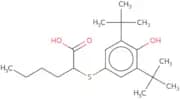
CAS :Creatinine deiminase (EC 3.5.4.21) in an enzyme that catalyzes the following reaction: Creatinine + H2O → N-Methylhydantoin + NH3 One unit of creatinine deiminase will hydrolyze 1.0 µmole of creatinine to N-methylhydantoin and ammonia per minute at pH 7.5 and 37°C.Formule :C20H32O3SCS2 hydrolase from Acidianus sp., aqueous solution with glycerol
CS2 hydrolase (Carbon disulfide hydrolase; E.C. 3.13.1.5) is an enzyme that catalyzes the following reaction: CS2 + 2 H2O → CO2 + 2 H2S thus converting carbon disulfide into hydrogen sulfide and carbon dioxide.Formule :C1101H1721N305O320S6Masse moléculaire :43,345.4 g/molPhospholipase A2, liquid, food-grade
CAS :Phospholipase A2, liquid, food-grade, is an enzymatic product derived from natural sources, typically microbial or animal tissues, utilized in various lipid modification processes. This enzyme specifically targets phospholipids, catalyzing the hydrolysis of the sn-2 ester bond, which releases free fatty acids and lysophospholipids. Its precise and efficient mode of action allows for targeted alterations in the lipid structure, offering potential benefits in modifying texture, flavor, and stability of food products.Degré de pureté :One Unit Of Enzyme Activity Is Defined As That Amount Of Enzyme That Causes The Release Of OneLipase immo Kit 01
CAS :Lipase immo Kit 01 is an advanced biochemical tool designed for the immobilization of lipase, an enzyme commonly sourced from microorganisms. This innovative kit utilizes a sophisticated immobilization matrix to enhance enzyme stability and reusability. By binding the enzyme to a solid support, the kit facilitates repeated and continuous use in various reactions without significant loss of activity.Couleur et forme :PowderPhospholipase D 40, from Streptomyces antibioticus, recombinant - EPLD040
CAS :Phospholipases D belong to the family of esterases and act on phosphatidylcholine in the plasma membrane to release phosphatidic acid (PA) and choline. Phospholipases D can be used as versatile tools in hydrolysis and transphosphatidylation reactions for industrial, chemical and food applications.Spray dried version of EPLD840.6_R
Couleur et forme :Powder(R)-Mandelonitrile lyase
CAS :(R)-Mandelonitrile lyase (systematic name mandelonitrile benzaldehyde-lyase (hydrogen cyanide-forming), other names are D-oxynitrilase, D-alpha-hydroxynitrile lyase, (R)-oxynitrilase, oxynitrilase, mandelonitrile benzaldehyde-lyase, ydroxynitrile lyase; EC 4.1.2.10) is the enzyme that catalyzes the following reaction:mandelonitrile ⇌ hydrogen cyanide + benzaldehydeOne unit of (R)-mandelonitrile lyase will convert 1.0 μmol of mandelonitrile per minute under optimal conditions.Degré de pureté :Min. 95%Lipase 003
CAS :Lipases belong to the family of esterases and naturally act on triglycerides at lipid-water interfaces. Lipases/esterases can be used as versatile tools in hydrolytic reactions, esterifications and transesterification reactions in industrial and food applications.
Lipase 008
CAS :Lipases belong to the family of esterases and naturally act on triglycerides at lipid-water interfaces. Lipases/esterases can be used as versatile tools in hydrolytic reactions, esterifications and transesterification reactions in industrial and food applications.
Lipase 076
CAS :Lipases belong to the family of esterases and naturally act on triglycerides at lipid-water interfaces. Lipases/esterases can be used as versatile tools in hydrolytic reactions, esterifications and transesterification reactions in industrial and food applications.EUCODIS® Lipase 030, screening grade, recombinant, from microbial sources - EL030
Lipase 30 recombinantly expressed in E. coli comes in a spray-dried formulation. It has its pH optimum at 5.5-8 and temp. optimum at >55°C. Lipases belong to the family of esterases and naturally act on triglycerides at lipid-water interfaces catalyzing hydrolytic reactions, esterifications and transesterification reactions in industrial and food applications. Lipase 30 was shown to hydrolyze p-Nitrophenyl esters of butyrate (100 % activity), octanoate (72 %), laurate (38 %), palmitate (7 %) and stearate (2 %).
Lipase 001
CAS :Lipases belong to the family of esterases and naturally act on triglycerides at lipid-water interfaces. Lipases/esterases can be used as versatile tools in hydrolytic reactions, esterifications and transesterification reactions in industrial and food applications.
rec HIV-1 Protease (expressed in E. coli)
A proteolytic enzyme synthesized by the HIV cell as part of the GagPol polyproteinNMCA (β-Lactamase)
CAS :NMCA (β-Lactamase) is an enzyme that hydrolyzes β-lactam antibiotics, a type of product crucial for studies in antibiotic resistance mechanisms. This enzyme is derived from bacterial sources, specifically those strains known for their role in beta-lactam drug resistance. The mode of action of β-Lactamase involves the enzymatic breakdown of the β-lactam ring found in penicillins and cephalosporins, thereby neutralizing the antibiotic's efficacy. This catalytic process is an essential focus for researchers studying bacterial defense mechanisms and the development of resistant strains.
Penase (Penicillinase)
CAS :Penase is an enzyme, specifically a type of beta-lactamase, which is derived from bacterial sources. Its mode of action involves the hydrolysis of the beta-lactam ring present in penicillin molecules. This enzymatic activity renders penicillin inactive by breaking its critical structural component that is essential for its antibacterial activity.SPM-1 (β-Lactamase)
CAS :SPM-1 (β-Lactamase) is an enzyme, which is a type of metallo-beta-lactamase enzyme, derived from bacterial origins, specifically from pathogens associated with nosocomial infections. This enzyme acts by hydrolyzing the amide bond in the beta-lactam ring of antibiotics, rendering β-lactam antibiotics ineffective. SPM-1 participates in antibiotic resistance by facilitating the degradation of a wide range of β-lactam antibiotics, including penicillins and cephalosporins, thereby nullifying their therapeutic effects.
Glucosyltransferase Kit
CAS :Glucosyltransferases (GTases) can be utilized as enzymes to transfer glucose to another organic molecule (aglycon) establishing glycosidic linkages. UDP-glucose dependent GTases are part of the enzyme family of glycosyltransferases, they are versatile tools in glucosylation reactions. Our kit contains 8 lyophilized enzymes, which cover a wide range of different aglycons for the synthesis of glucosides: aliphatic, terpene, aromatic and heterocyclic glucosides.Overall the process of glycosylation is highly beneficial to both the pharma and cosmetic industries. Particularly the ability of GTases to transfer glucose to organic molecules (aglycon), is a sought-after activity for water-soluble formulations in the cosmetic industry. This is because the addition of a sugar moiety can result in a more hydrophilic product. Not only this but glucosyltransferase can be utilized to synthesize aliphatic, terpene, aromatic and heterocyclic glucosides, used in flavour or fragrance applications. In the pharma industry, glycosylating active pharmaceutical ingredients can improve the solubility of active ingredients, allowing the possibility for patient to take medication in a liquid form. This would be more accessible to those patients who find taking tablets difficult.Contact our enzyme experts for custom glucoside synthesis services, based on our full library of glycosyltransferases.EUCODIS® Lipase 037, screening grade, recombinant, from microbial sources - EL037
Lipase 37 recombinantly expressed in E. coli comes in a spray-dried formulation. It has its pH optimum at 8-9 and temp. optimum at <50°C. Lipases belong to the family of esterases and naturally act on triglycerides at lipid-water interfaces catalyzing hydrolytic reactions, esterifications and transesterification reactions in industrial and food applications. Lipase 37 was shown to hydrolyze p-Nitrophenyl esters of butyrate (48 % activity), octanoate (100 %), laurate (85 %), palmitate (5 %) and stearate (1 %).