Monosaccharides
Les monosaccharides sont la forme la plus simple des glucides et servent de building blocks fondamentaux pour les sucres plus complexes et les polysaccharides. Ces molécules de sucre unique jouent des rôles critiques dans le métabolisme énergétique, la communication cellulaire et les composants structuraux des cellules. Dans cette section, vous trouverez une large gamme de monosaccharides essentiels pour la recherche en biochimie, biologie moléculaire et glycosciences. Ces composés sont cruciaux pour étudier les voies métaboliques, les processus de glycosylation et le développement d'agents thérapeutiques. Chez CymitQuimica, nous proposons des monosaccharides de haute qualité pour répondre à vos besoins de recherche, garantissant précision et fiabilité dans vos investigations scientifiques.
Sous-catégories appartenant à la catégorie "Monosaccharides"
- Alloses(11 produits)
- Arabinoses(21 produits)
- Erythroses(11 produits)
- Fructoses(9 produits)
- Fucoses(36 produits)
- Galactosamine(41 produits)
- Galactoses(260 produits)
- Glucoses(365 produits)
- Acides glucuroniques(51 produits)
- Glyco-substrats pour l'enzyme(77 produits)
- Guloses(6 produits)
- Idoses(4 produits)
- Inositols(15 produits)
- Lyxoses(4 produits)
- Mannoses(65 produits)
- O-Glycanes(48 produits)
- Psicoses(3 produits)
- Rhamnoses(10 produits)
- Ribos(61 produits)
- Acides sialiques(100 produits)
- Sorboses(4 produits)
- Sucres(173 produits)
- Tagatoses(4 produits)
- Taloses(8 produits)
- Xyloses(20 produits)
Affichez 17 plus de sous-catégories
6088 produits trouvés pour "Monosaccharides"
Trier par
Degré de pureté (%)
0
100
|
0
|
50
|
90
|
95
|
100
2,4-Methanoglutamic acid
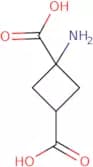
CAS :<p>2,4-Methanoglutamic acid is an amino acid that has been shown to have neuroprotective effects in animal models of excitotoxicity. It has been shown to reduce neuronal death at low concentrations and inhibit the uptake of glutamate into the brain cells. 2,4-Methanoglutamic acid binds to calcium ions and prevents the release of calcium from intracellular stores, thereby protecting against neuronal death. This compound has also been shown to be toxic in mammalian cell culture, but it is not yet known if this toxicity will occur in humans.</p>Formule :C6H9NO4Degré de pureté :Min. 95%Masse moléculaire :159.14 g/molEmodin 8-O-b-D-glucopyranoside
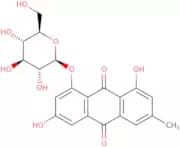
CAS :<p>Emodin is a natural product that can be extracted from the rhizome of Curcuma aromatica, a chinese herb. It has been shown to have neuroprotective effects in animal studies and has been used as an adjuvant in the treatment of cervical cancer. Emodin also inhibits the replication of human immunodeficiency virus type 1 (HIV-1) and herpes simplex virus type 1 (HSV-1). Emodin is also active against microbial infection, including bacterial infections, such as those caused by Staphylococcus aureus, and viral infections, such as influenza A virus. The main mechanism of action of emodin is its inhibition of DNA synthesis by binding to viral dna or bacterial rna polymerase. Emodin has also been found to inhibit protein synthesis by binding to ribosomes. This drug binds to urea nitrogen molecules in bacteria and disrupts their growth by inhibiting protein synthesis.</p>Formule :C21H20O10Degré de pureté :Min. 95%Couleur et forme :PowderMasse moléculaire :432.38 g/molD-Galactose non-animal origin
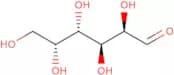
CAS :<p>Galactose from plant origin, animal free production</p>Formule :C6H12O6Degré de pureté :Min. 99.0 Area-%Couleur et forme :White PowderMasse moléculaire :180.16 g/mol3,4-Di-O-acetyl-L-fucal
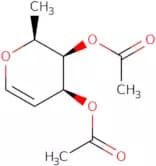
CAS :<p>3,4-Di-O-acetyl-L-fucal is a phosphate derivative that is synthetically derived from ethyl diazoacetate. It has cytotoxic properties and is readily activated by phosphorylation to form the active form. 3,4-Di-O-acetyl-L-fucal has been shown to be effective against leukemia cells in vitro and may be useful as an adjuvant treatment for lymphocytic leukemia. 3,4-Di-O-acetyl-L-fucal also inhibits the growth of staphylococci in vitro, but it is not active against other bacteria such as Escherichia coli or Pseudomonas aeruginosa. The enantiomer of 3,4 Di O acetyl - L - fucal is inactive because it cannot be phosphorylated.</p>Formule :C10H14O5Degré de pureté :Min. 95%Couleur et forme :White PowderMasse moléculaire :214.22 g/mol3, 5- O-Isopropylidene - D- lyxonic acid γ-lactone
<p>3,5-O-Isopropylidene-D-lyxonic acid gamma-lactone is a sugar that belongs to the group of carbohydrates. It is synthesized by the chemical modification of D-lyxonic acid and has been shown to inhibit the growth of bacteria. 3,5-O-Isopropylidene - D-lyxonic acid gamma-lactone inhibits bacterial growth by binding to the enzyme beta - galactosidase, which is involved in glycosylation and glycosyltransferase activity. This compound also inhibits protein synthesis in bacteria and has been shown to have antiinflammatory properties. 3,5-O-Isopropylidene - D-lyxonic acid gamma-lactone may be used as an alternative sweetener or food additive.</p>Degré de pureté :Min. 95%3-Deoxy-3-fluoro-D-galactitol
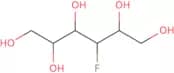
CAS :<p>3-Deoxy-3-fluoro-D-galactitol is a fluorinated sugar that is synthesized through the use of glycosylation and fluorination. This product can be used as a raw material for the production of oligosaccharides, polysaccharides, and other complex carbohydrates. It can also be used in custom synthesis and click modification. The CAS number for this product is 1241800-31-6.</p>Formule :C6H13FO5Degré de pureté :Min. 95%Masse moléculaire :184.16 g/molD-Tagatose-6-phosphate barium salt
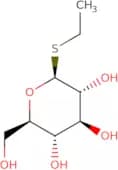
<p>D-Tagatose-6-phosphate barium salt is a custom synthesis, modification, fluorination, methylation, and monosaccharide. It has CAS No. and is a polysaccharide. D-tagatose-6-phosphate barium salt is a complex carbohydrate with glycosylation and sugar.</p>Degré de pureté :Min. 95%Ethyl β-D-thioglucopyranoside
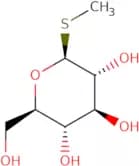
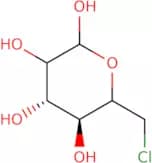
CAS :<p>Ethyl β-D-thioglucopyranoside is a custom synthesis that has been modified with fluorination and methylation, which has made it a monosaccharide. This product is synthetic and can be used for click modification. It is also an oligosaccharide, saccharide, and polysaccharide. Ethyl β-D-thioglucopyranoside is a sugar that belongs to the complex carbohydrate group. It is highly pure and has no impurities.</p>Formule :C8H16O5SDegré de pureté :Min. 95%Couleur et forme :White PowderMasse moléculaire :224.28 g/mol6-Chloro-6-deoxy-D-allose
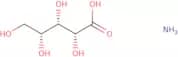
<p>6-Chloro-6-deoxy-D-allose is a synthetic sugar that has been fluorinated to produce the 6-chloro-6-deoxy sugar. The product is soluble in water and ethanol, and has a CAS number of 56982-08-3. It can be custom synthesized for customers with high purity and methylated at any position on the sugar chain. This product can be glycosylated or click modified, depending on customer needs.</p>Formule :C6H11ClO5Degré de pureté :Min. 95%Masse moléculaire :198.6 g/molD-Xylonic acid ammonium
CAS :<p>D-Xylonic acid ammonium salt is a synthetic glycosylation agent that is used in the synthesis of oligosaccharides, polysaccharides, and monosaccharides. D-Xylonic acid ammonium salt is also used to modify glycoproteins and proteoglycans for use in the treatment of various diseases. D-Xylonic acid ammonium salt can be synthesized by the fluorination of D-xylose followed by methylation. This agent can be modified through click chemistry or complex carbohydrate modification. It has a high purity and is readily available for purchase.</p>Formule :C5H10O6•H3NDegré de pureté :Min. 95%Masse moléculaire :183.16 g/mol4,6-O-Benzylidene-D-galactose
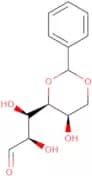
CAS :<p>4,6-O-Benzylidene-D-galactose is an anomer of D-galactose. It is a lectin that has been shown to inhibit the binding of amyloid beta to the cerebroside in the brain tissue. This activity may be due to its ability to form an amide bond with galactose, which is present in amyloid beta. 4,6-O-Benzylidene-D-galactose also has a coronary heart disease prevention effect and can help reduce cholesterol levels. Furthermore, it has been found to have anti-cancer properties and can help prevent the growth of cancerous cells by inhibiting protein synthesis. In addition, 4,6-O-Benzylidene-D-galactose can be used as a cationic surfactant or detergent composition for cleaning or treating surfaces.</p>Formule :C13H16O6Degré de pureté :Min. 95%Couleur et forme :White To Off-White SolidMasse moléculaire :268.26 g/molSedoheptulose-1-phosphate
CAS :<p>Sedoheptulose-1-phosphate is a ribosomal metabolite that is produced by marine microorganisms. It is catabolized by sedoheptulose-7-phosphate kinase and converted to the pentose phosphate pathway. The metabolic profile of sedoheptulose-1-phosphate has been shown to be altered in response to environmental stress, such as changes in pH, oxygen levels, and temperature. Sedoheptulose-1-phosphate has also been shown to have structural properties similar to those of ATP and ADP, which may make it an important target for the development of antibiotics.</p>Formule :C7H15O10PDegré de pureté :Min. 95%Masse moléculaire :290.16 g/molD-Arabinose
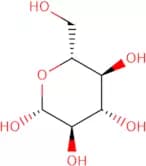
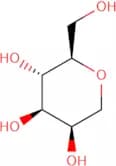
CAS :<p>D-Arabinose is a dinucleotide phosphate that is an important metabolic intermediate in the pentose phosphate pathway. It has been shown to have pharmacological effects, such as enzyme inhibition and binding to DNA. D-Arabinose has been used in biochemical studies of energy metabolism and related areas. D-Arabinose is converted to ribitol by ribitol dehydrogenase, which can be oxidized to ribulose 5-phosphate by ribulose 5-phosphate dehydrogenase. The conversion of D-arabinose to ribitol requires NAD(P)H, which provides the reducing power for this reaction. The conversion of ribitol to ribulose 5-phosphate also requires NAD(P)H, but does not produce any reducing power. A redox potential measurement was used to determine the relative reduction potentials of the two reactions and found that they are equal at -0.5 volts (V).</p>Formule :C5H10O5Masse moléculaire :150.13 g/molRef: 3D-A-8200
1kgÀ demander5kgÀ demander10kgÀ demander25kgÀ demander2500gÀ demander-Unit-kgkgÀ demander4-Aminophenyl-α-D-glucopyranoside
CAS :<p>4-Aminophenyl-alpha-D-glucopyranoside is a natural product that has been found to be an antigen. The compound has been shown to have anticancer activity, which may be due to its ability to inhibit the growth of cells and induce apoptosis. 4-Aminophenyl-alpha-D-glucopyranoside also possesses magnetic properties. The chemical structure of this compound is characterized by an acrylate group, which is a small organic molecule with two carbon atoms and one oxygen atom. This compound is synthesized in a preparative manner using methoxy, ethyl bromoacetate, and mesitylene in the presence of irradiation. NMR spectroscopy can be used for the characterization of this compound as well as other compounds with similar structures that are catalytic in nature.</p>Formule :C12H17NO6Degré de pureté :Min. 98.0 Area-%Masse moléculaire :271.27 g/molL-Arabitol
CAS :<p>Used as source of carbon in culture medium.</p>Formule :C5H12O5Degré de pureté :Min. 98.0 Area-%Masse moléculaire :152.15 g/mol3-C-Methyl-1-deoxy-psicose
<p>3-C-Methyl-1-deoxy-psicose is a sugar that is used in the synthesis of complex carbohydrates. This synthetic sugar is synthesized by the click modification of 3,4-dihydroxybenzaldehyde with 1,2,3,4-tetraacetylated benzyl chloride. The compound has a molecular weight of 228.22 and an empirical formula of C6H8O6F2. It's CAS number is 52714-32-0 and it's Oligosaccharide number is 976.</p>Degré de pureté :Min. 95%L-Glucose
CAS :<p>L-Glucose is a monosaccharide that belongs to the group of carbohydrates. L-Glucose is an important energy source for living organisms and plays a role in many metabolic pathways, including glycolysis and gluconeogenesis, as well as cell signaling. It is also an essential component of DNA and RNA. L-Glucose has been shown to have effects on brain functions such as memory and learning ability, which may be due to its ability to signal neurons. L-Glucose can be used in model systems to study the effects of diabetes on cells and has been shown to have pluripotent effects on cells. In addition, this molecule has been shown to inhibit the growth of bacteria by binding to the enzyme polysaccharide kinase and reducing its activity. This inhibition leads to decreased synthesis of polysaccharides (e.g., glycogen) that are necessary for cell division.</p>Formule :C6H12O6Degré de pureté :Min. 99.5 Area-%Masse moléculaire :180.16 g/molCorn Cob - Syrup
<p>Corn Cob Syrup is a custom synthesis of polysaccharides, which are complex carbohydrates. This syrup is made from corn cobs and has been modified with fluorine and methyl groups. The monosaccharides in this syrup have been modified with a click modification and the oligosaccharides have been modified with glycosylation. This product contains sugar that has been modified by glycosylation.</p>Degré de pureté :Min. 95%O-(2,3,4,6-Tetra-O-acetyl-b-D-galactopyranosyl)-N-hydroxysuccinimide
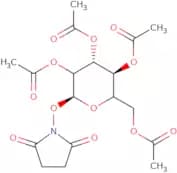
CAS :<p>O-(2,3,4,6-Tetra-O-acetyl-b-D-galactopyranosyl)-N-hydroxysuccinimide is a synthetic glycosylation reagent. It has the CAS number 896730-84-0 and is available for custom synthesis. O-(2,3,4,6-Tetra-O-acetyl-b-D-galactopyranosyl)-N-hydroxysuccinimide is used in the synthesis of oligosaccharides and saccharides. It is also used in click chemistry to modify proteins and other biomolecules. This product has a purity of 99% or higher and can be modified at any position with fluorination or methylation.</p>Formule :C18H23NO12Degré de pureté :Min. 95%Masse moléculaire :445.37 g/molGDP-D-mannose diammonium salt
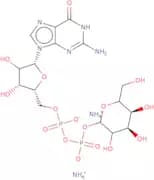
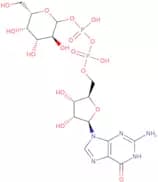
<p>GDP-D-mannose diammonium salt is a custom synthesis. It has been modified with fluorination, methylation, and monosaccharide substitution. The structure of this compound consists of a glucose molecule bonded to a D-mannose molecule by an oxygen linkage at the 1-position. This product has been synthetically modified to include a click modification and oligosaccharides. GDP-D-mannose diammonium salt is used for the production of polysaccharides as well as glycosylation reactions.</p>Formule :C16H23N5O16P2·N2H8Degré de pureté :Min. 95%Masse moléculaire :639.4 g/mol1-D-3-Deoxy-myo-inositol
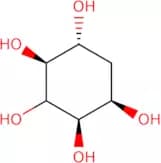
CAS :<p>Myoinositol is a cyclitol and a member of the group of hexahydroxycyclohexanes. It is found in many plants and animals, especially in brain tissue, and plays an important role as a component of cell membranes. Myoinositol has been shown to inhibit cellular glycosidases, which are enzymes that break down complex sugars. In addition, myoinositol has been shown to have anti-cancer properties. Myoinositol is used as an analytical reagent in phase chromatography to separate molecules based on their hydrophobicities. 1-D-3-Deoxy-myo-inositol also has corrosion inhibition properties and can be used as a pesticide or agrochemical.</p>Formule :C6H12O5Degré de pureté :Min. 95 Area-%Couleur et forme :White PowderMasse moléculaire :164.16 g/molL-Allose
CAS :<p>L-Allose is a monosaccharide that has the chemical formula HOCH(OH)CH(OH)CHO. L-Allose is a stereoisomer of D-allose, which differs in the orientation of the hydroxyl group on its asymmetric carbon atom. L-Allose can be produced by condensation of glucose and galactose, or by hydrogenation of allulose. The enzyme immobilized on alumina catalyzes the synthesis in high yield. L-Allose has been used as a carbon source for molecular modeling studies and as an enzymatic reaction substrate in sugar alcohols production.</p>Formule :C6H12O6Degré de pureté :Min. 95%Couleur et forme :White PowderMasse moléculaire :180.16 g/mol1,6:2,3-Dianhydro-b-D-mannopyranose
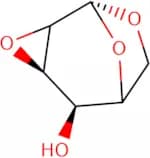
CAS :<p>1,6:2,3-Dianhydro-b-D-mannopyranose is a high purity sugar used in the synthesis of complex carbohydrates. This compound is an oligosaccharide that has been modified by methylation and glycosylation. It can be found in the CAS registry number 3868-03-9.</p>Formule :C6H8O4Degré de pureté :Min. 95%Couleur et forme :PowderMasse moléculaire :144.13 g/molVarenicline N-glucoside
CAS :<p>Varenicline N-glucoside is a modification of varenicline, which is an antagonist of the nicotinic acetylcholine receptor. This compound has been synthesized using custom synthesis and glycosylation to obtain high purity. It has been methylated and fluorinated in order to remove any impurities. Varenicline N-glucoside is a carbohydrate with a molecular weight of 581.5 g/mol, consisting of one monosaccharide and one disaccharide. It also contains a complex carbohydrate with an oligosaccharide chain that is composed of glycosylation and saccharide units. The CAS number for this compound is 873302-31-9.</p>Formule :C19H23N3O5Degré de pureté :Min. 95%Couleur et forme :PowderMasse moléculaire :373.4 g/molMannosucrose
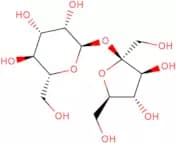
CAS :<p>Mannosucrose (MS) is a natural sugar that is found in various plants, such as sugar cane and sugar beets. It is a disaccharide composed of two molecules of glucose linked by an alpha-1,2 glycosidic bond. Mannosucrose has been shown to have antioxidant properties and may be used as a functional sweetener for food products. This compound acts as a solute and can bind to the surface of the tongue's taste buds, which may result in its use as a microalgal particle to improve the taste of food products containing algae.<br>Mannosucrose also has been used as a model protein in order to study genetic mechanisms.</p>Formule :C12H22O11Degré de pureté :Min. 95%Masse moléculaire :342.3 g/mol2-Azido-2-deoxy-L-xylonic acid
<p>2-Azido-2-deoxy-L-xylonic acid is a synthetic monosaccharide and a member of the xylonic acid family. It is used in the synthesis of glycosides and oligosaccharides, as well as being used to modify proteins. 2-Azido-2-deoxy-L-xylonic acid has been fluorinated and then glycosylated with a variety of saccharides including maltose, cellobiose, and sucrose. This compound is also methylated at the hydroxyl group to give an azidomethyl ester derivative. The chemical name for this compound is 2-[(2S)-2-(diethylamino)ethylamino]pentanedioic acid, 2-[1-(diethylamino)ethyl]azide].</p>Degré de pureté :Min. 95%L-Xylulose, 1.0 M aqueous solution
CAS :<p>L-Xylulose is a pentose sugar that can be used as a precursor for the synthesis of l-xylitol and arabinitol. L-Xylulose is an intermediate in the pentose phosphate pathway, which produces ribose 5-phosphate and NADPH. L-Xylulose has been shown to have anticancer activity by inhibiting polymerase chain reactions (PCRs) in cancerous tissues. This effect has been attributed to its ability to reduce the levels of dNTPs, which are required for DNA replication. L-Xylulose also inhibits aerobic respiration, which may be due to its ability to inhibit enzymatic activity of both ribitol dehydrogenase and l-arabinitol dehydrogenase.</p>Formule :C5H10O5Degré de pureté :Min. 98 Area-%Couleur et forme :PowderMasse moléculaire :150.13 g/molb-D-Glucose - 95%
CAS :<p>B-D-glucose is a monosaccharide with the molecular formula C6H12O6. It is the major form of glucose in plants, and is one of the simplest carbohydrates. B-D-glucose is synthesized by photosynthesis in plants and used as an energy source for cellular respiration. The hydroxyl group of b-D-glucose reacts with p-hydroxybenzoic acid to form a new compound called glucopyranosiduronic acid. The hydroxyl group also reacts with sodium citrate to form sodium hydrogen citrate. This reaction can be used to measure the concentration of b-D-glucose in an unknown solution using high performance liquid chromatography (HPLC). B-D-glucose has been shown to have antidiabetic activity, as it improves insulin sensitivity, reduces blood glucose levels, and decrease body mass index (BMI) in animal models. A model system</p>Formule :C6H12O6Degré de pureté :Min. 95 Area-%Couleur et forme :PowderMasse moléculaire :180.16 g/mol2,3-O-Isopropylidene-5-O-tosyl-D-ribonic acid-1,4-lactone
CAS :<p>2,3-O-Isopropylidene-5-O-tosyl-D-ribonic acid-1,4-lactone is a synthetic 2,3:5,6-diisopropylidene glycoside of D-ribose. It is a methylated sugar with an alpha-(2,3)-linked D-(+)-glucopyranosyl moiety and an alpha-(2,5)-linked L(+)-fucopyranosyl moiety. This compound can be used as a building block for the synthesis of polysaccharides and glycoconjugates. 2,3:5,6-Diisopropylidene glycoside of D-ribose is also used to synthesize oligosaccharides in carbohydrate chemistry.</p>Formule :C12H14O7SDegré de pureté :Min. 95%Couleur et forme :White PowderMasse moléculaire :302.04 g/molGDP-L-galactose sodium salt
CAS :<p>GDP-L-galactose is a sugar molecule that is an intermediate in the biosynthesis of ascorbate. GDP-L-galactose is synthesized from GDP-D-mannose and GDP-L-glucose by the enzyme GDP-mannose 4,6 dehydratase. The enzyme GDP-L-galactose dehydrogenase then converts GDP-L-galactose to ascorbic acid (vitamin C). Ascorbate is essential for many biological functions such as synthesis of collagen and neurotransmitters, regulation of gene expression, and protection against oxidative stress. The biosynthesis of ascorbate occurs in a light dependent reaction involving L -galactono 1,4 diphosphate synthase and UDP glucose 6 phosphate uridylyl transferase. This process is regulated by transcriptional factors such as MYB and NAC2/NAC4.</p>Formule :C16H23N5O16P2Na2Degré de pureté :(Hplc-Ms) Min. 95 Area-%Couleur et forme :White Off-White PowderMasse moléculaire :649.3 g/mol1,5-Anhydro-D-mannitol
CAS :<p>1,5-Anhydro-D-mannitol is a monosaccharide that is used as an active ingredient in many pharmaceuticals. It is synthesized by the reaction of benzyl chloride with galactose. The compound has been shown to have radical scavenging activities and to inhibit the formation of carbonyl groups and hydroxyl radicals. 1,5-Anhydro-D-mannitol has also been shown to be effective against dendrobium candidum. This substance is tasteless and has a sweet taste at high concentrations.br><br>1,5-Anhydro-D-mannitol is a molecule that consists of two hydroxyl groups and one deuterium atom. The molecule has a basic ph and can exist in six different forms depending on the orientation of the hydrogen atoms on the hydroxyl group. In addition, it contains one acidic ph because it contains a carboxylic acid group on one side.</p>Formule :C6H12O5Degré de pureté :Min. 97 Area-%Couleur et forme :PowderMasse moléculaire :164.16 g/mol3-C-Methyl-allonolactone
<p>3-C-Methyl-allonolactone is an oligosaccharide that is modified by methylation, glycosylation, and polysaccharide. It is a custom synthesis and has a high purity. 3-C-Methyl-allonolactone may be used as a precursor to 3-carbon sugars.</p>Degré de pureté :Min. 95%5,6-Dichloro-5,6-dideoxy-b-L-talofuranose
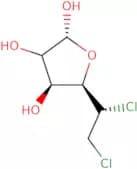
<p>5,6-Dichloro-5,6-dideoxy-b-L-talofuranose is a carbohydrate. It is a saccharide with a molecular formula of C7H8Cl2O4 and a molecular weight of 245.1. This compound has been modified by fluorination and methylation. 5,6-Dichloro-5,6-dideoxy-b-L-talofuranose is stable in the presence of acid or base at room temperature and has a melting point of >200°C. The CAS number for this compound is 677638-78-0. 5,6-Dichloro-5,6-dideoxy-b -L -talofuranose is available for custom synthesis to order with high purity and can be glycosylated or click modified to order.</p>Formule :C6H10Cl2O4Degré de pureté :Min. 95%Masse moléculaire :217.05 g/mol1,4-Dideoxy-1,4-imino-L-altritol
<p>The compound 1,4-dideoxy-1,4-imino-L-altritol is a synthetic carbohydrate that is made of a monosaccharide and an oligosaccharide. The monosaccharide is a simple sugar with the chemical formula C5H10O5. The oligosaccharide has the chemical formula C2n+1(C3H3O3)n. The monosaccharide has four carbons and one oxygen molecule. The oligosaccharide also has five carbon atoms, but it also has three oxygen molecules. The two sugars are linked by a glycosidic linkage. <br>The compound was created to be used in the synthesis of complex carbohydrates. It can be modified to have fluorine atoms added to it, methyl groups added to it, or both. It can also be modified to make it into an ester or an amide. It is soluble in water and alcohol</p>Degré de pureté :Min. 95%4-(b-D-Mannopyranosyl)-D-rhamnose
<p>4-(b-D-Mannopyranosyl)-D-rhamnose is a glycosylation agent that can be methylated and fluorinated. It is also capable of being modified with the Click reaction to add polysaccharide or oligosaccharide moieties. 4-(b-D-Mannopyranosyl)-D-rhamnose is an important building block for complex carbohydrates, which are important in many aspects of life. This product is available in custom synthesis, high purity, and CAS No.</p>Degré de pureté :Min. 95%D-Glucuronic acid, free acid
CAS :<p>D-Glucuronic acid (GlcA) is D-glucose with position six oxidised to a carboxyl group (Collins, 2006). It is a common component of a number of gums and mucilages structurally related to pectins, where it is can be present as a terminal non reducing end residue (Renard, 1999). Glucuronic acid is also found in bacterial polysaccharides, such as, xanthan gum produced by Xanthomonas campestris (Faria, 2011), and in glycosaminoglycans, such as, heparan sulfate (Casale, 2020).</p>Formule :C6H10O7Masse moléculaire :194.14 g/mol(+)-syringaresinol-4,4'-bis-O-b-D-glucopyranoside
<p>(+)-syringaresinol-4,4'-bis-O-b-D-glucopyranoside is a synthetic compound that is fluorinated with (2,2,2-trifluoroethyl)trimethylsilane. It is a sugar molecule that is an oligosaccharide. This compound has been synthesized from syringic acid and (+)-syringaresinol by glycosylation and methylation. It is insoluble in water and has a melting point of 129°C. The CAS number for this compound is 73987-07-8.</p>Degré de pureté :Min. 95%6-Deoxy-L-psicose
CAS :<p>6-Deoxy-L-psicose is a d-arabinose analog that can be used as a substrate in the enzymatic synthesis of L-arabinose. It has been shown to inhibit the activity of phosphatase and glutamicum enzymes in vitro. 6-Deoxy-L-psicose binds to the active site of the enzyme through its phosphate group, which prevents access by an incoming substrate. The phosphate group also acts as an electron donor for the enzyme, stabilizing it through hydrogen bonding interactions. X-ray structures of 6-deoxy-L-psicose bound to corynebacterium glutamicum have revealed a ternary complex with two molecules of corynebacterium glutamicum and one molecule of 6-deoxy-L-psicose.</p>Formule :C6H12O5Degré de pureté :Min. 95%Masse moléculaire :164.16 g/molCyanidin-3-O-lathyroside chloride
CAS :<p>Cyanidin-3-O-lathyroside chloride is a synthetic compound with antioxidant and anti-inflammatory effects. It is activated by the chloride ion, leading to increased bioavailability of the molecule. Cyanidin-3-O-lathyroside chloride has been shown to have anticancer properties, as well as an ability to activate calcium metabolism in cells. This compound also has a low bioavailability, which may be due to its hydrophobic nature and the fact that it is not orally active. This compound has been shown to be beneficial for cancer therapy because of its ability to inhibit cancer growth, induce apoptosis in cancer cells, and reduce tumor size. Cyanidin-3-O-lathyroside chloride has also been shown to have positive effects on fertility when taken at high doses orally.</p>Formule :C26H29O15•ClDegré de pureté :Min. 95%Couleur et forme :PowderMasse moléculaire :616.95 g/molCerebrosides - Phrenosin
CAS :<p>Cerebrosides are a type of complex carbohydrate that consists of a sugar molecule attached to a fatty acid. The sugar molecule is either glucose or galactose and the fatty acid is usually a long chain fatty acid. Cerebrosides are found in the brain and spinal cord and their function is not yet fully understood. Phrenosin (Cerebrosides-Phrenosin) is a high purity, custom synthesis, sugar-based glycoconjugate with Click modification, fluorination, glycosylation, synthetic, methylation, modification, oligosaccharide, monosaccharide and saccharide as its main components. It has been shown to have strong anti-inflammatory activities in animal models.</p>Formule :C42H81NO9Degré de pureté :Min. 95%Couleur et forme :White PowderMasse moléculaire :744.09 g/molN-Methyl-D-glucosamine
CAS :<p>N-Methyl-D-glucosamine is a nucleotide that is found in the adenine nucleotide pool. It can be synthesized from glucose, which is converted to glucosamine-6-phosphate by the enzyme glucosamine synthetase. This compound can also be obtained from dietary sources. N-Methyl-D-glucosamine has been shown to have cytotoxic activity against mouse tumor cells and inhibit skin cancer in mice. It binds with DNA and inhibits cell growth through a glycosidic bond with terminal residues of DNA, preventing transcription and replication. N-Methyl-D-glucosamine has also been shown to inhibit the growth of resistant microorganisms such as C. glabrata, including antibiotic resistant strains, and bacteria such as E. coli and P. aeruginosa when used in combination with an experimental model of biocompatible polymers.<br>NMTG has been shown to</p>Formule :C7H15NO5Degré de pureté :Min. 95%Couleur et forme :PowderMasse moléculaire :193.2 g/mol3,4-O-Isopropylidene-D-arabinose
CAS :<p>3,4-O-Isopropylidene-D-arabinose is a synthetic compound that has been used as an active analogue for the study of nucleophile reactions. 3,4-O-Isopropylidene-D-arabinose undergoes nucleophilic addition with potassium azide to form a thiazolidine intermediate. The stereospecificity of this reaction was shown by the chemists and biochemists who synthesized it. It has also been shown to react with an anion in a similar manner. This chemical is used in the synthesis of d-arabinose, which can be used for the production of other compounds.</p>Formule :C8H14O5Degré de pureté :Min. 95%Masse moléculaire :190.2 g/mol1-Deoxy-D- tagatofuranose
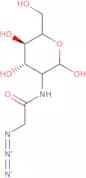
<p>1-Deoxy-D-tagatofuranose is a sugar that is found in many plants. It is a monosaccharide with a carbohydrate group at the reducing end of the molecule. 1-Deoxy-D-tagatofuranose has been synthesized by Click chemistry, which enables selective modification of its hydroxyl groups. This sugar is methylated, glycosylated, and fluorinated to make it more stable and resistant to chemical degradation. 1-Deoxy-D-tagatofuranose has various applications such as use as a food additive and as a pharmaceutical drug in the treatment of cancer.</p>Degré de pureté :Min. 95%N-Azidoacetylgalactosamine
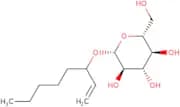
<p>Click reagent for metabolic labeling of GalNAc</p>Formule :C8H14N4O6Degré de pureté :Min. 98 Area-%Couleur et forme :White PowderMasse moléculaire :262.22 g/mol1-Octen-3-ol glucoside
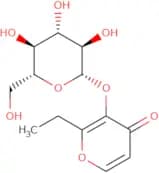
CAS :<p>1-Octen-3-ol glucoside is a synthetic, fluorinated sugar that is modified with glycosylation, methylation, and click chemistry. It contains a high degree of purity and is custom synthesized to order. This product can be used as a substitute for other sugars in the production of oligosaccharides, saccharides, and polysaccharides.<br>1-Octen-3-ol glucoside has been shown to have various modifications including glycosylation, methylation, and click chemistry. It is often used when there are restrictions on the types of sugars that can be used in the synthesis of complex carbohydrates.</p>Formule :C14H26O6Degré de pureté :Min. 95%Couleur et forme :PowderMasse moléculaire :290.35 g/molEthylmaltol glucoside
CAS :<p>Ethyl maltol glucoside is a methylated and fluorinated sugar that is used as an intermediate in the synthesis of oligosaccharides or polysaccharides. It has been shown to be an efficient and selective substrate for glycosyltransferases. Ethyl maltol glucoside has been modified with click chemistry, which enables it to be incorporated into complex carbohydrates. This modification also allows for the synthesis of monosaccharides, which are common building blocks of many other types of sugars. Ethyl maltol glucoside is soluble in water and can be purified by recrystallization. It is also available in high purity, with a CAS number of 1838567-35-3.</p>Formule :C13H18O8Degré de pureté :Min. 95%Couleur et forme :PowderMasse moléculaire :302.28 g/molAllyl 4,6-O-benzylidene-L-glucopyranoside
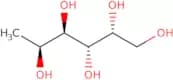
<p>Allyl 4,6-O-benzylidene-L-glucopyranoside is a modification of the carbohydrate allyl 4,6-O-benzylidene-D-glucopyranoside. This modification can be synthesized from benzyl alcohol and sodium hydroxide in the presence of sodium borohydride. Allyl 4,6-O-benzylidene-L-glucopyranoside is a monosaccharide with a CAS number of 159430-38-3. It is an important component of many polysaccharides and glycosides. This compound has been fluorinated to produce allyl 4,6-(difluoroacetoxy)-L glucopyranoside (CAS No. 160105). <br>Allyl 4,6 - O - benzyldene - L - glucopyranoside has high purity and is available for custom</p>Formule :C16H20O6Degré de pureté :Min. 95%Couleur et forme :White to off-white solid.Masse moléculaire :308.33 g/mol(3R,4R)-2-Methyl-2,3,4,5-tetrahydroxypentane
<p>(3R,4R)-2-Methyl-2,3,4,5-tetrahydroxypentane is a synthetic compound. It is a glycosylation reagent that can be used to modify the sugar moiety in oligosaccharides and complex carbohydrates. (3R,4R)-2-Methyl-2,3,4,5-tetrahydroxypentane is also used for fluorination reactions and click chemistry modifications. This product has been shown to have high purity and can be custom synthesized. The CAS number for this compound is 36610-02-6.</p>Degré de pureté :Min. 95%Lactonamycin
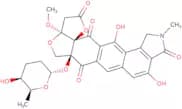
CAS :<p>Lactonamycin is a linker that contains an oxygenated functional group. It can be found in some active natural products and has been synthesized in the laboratory. Lactonamycin is used as a model system for biosynthesis, where it was shown to efficiently produce glycosidic bonds when supplied with carbon sources such as glucose. The biological properties of Lactonamycin include its ability to inhibit microbial infection and inflammation, which may be due to its hydroxy group.</p>Formule :C28H27NO12Degré de pureté :Min. 95%Masse moléculaire :569.51 g/mol3,5-Di-O-benzoyl-2-deoxy-2-fluoro-α-D-arabinofuranosyl bromide
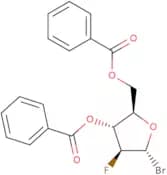
CAS :<p>Intermediate in the synthesis of clofarabine</p>Formule :C19H16BrFO5Degré de pureté :Min. 95%Couleur et forme :PowderMasse moléculaire :423.24 g/mol2,5-Di-O-benzyl-3-deoxy-3-fluoro-b-D-ribofuranose
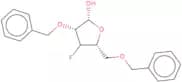
CAS :<p>2,5-Di-O-benzyl-3-deoxy-3-fluoro-b-D-ribofuranose is a custom synthesized compound that has not been evaluated in humans. It is a methylated monosaccharide with a high purity and modification. The CAS number for this compound is 123369-31-3.</p>Degré de pureté :Min. 95%3-Deoxy-D-glucosone
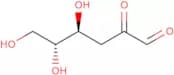
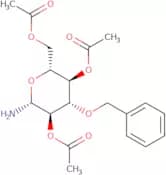
CAS :<p>3-Deoxy-D-glucosone is a compound that belongs to the group of monosaccharides and has a basic structure. It can be found in many types of biological samples, including blood. The x-ray diffraction data for 3-deoxy-D-glucosone shows an asymmetric unit of two molecules with a coordination geometry of 2.3. This compound is known to have high protein oxidation rates, which are caused by dna binding activity. 3-Deoxyglucosone has been shown to be involved in the pathogenic mechanism of many types of cancers.</p>Formule :C6H10O5Degré de pureté :Min. 95%Couleur et forme :PowderMasse moléculaire :162.14 g/mol2,4,6-Tri-O-acetyl-3-O-benzyl-b-D-glucopyranosylamine
CAS :<p>Building block for 3-O-modified glucosylamide-linked glyconconjugates</p>Formule :C19H25NO8Degré de pureté :Min. 95%Couleur et forme :PowderMasse moléculaire :395.4 g/molMethyl 3,5-di-O-benzyl-D-xylofuranoside
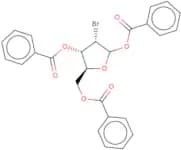
CAS :<p>Methyl 3,5-di-O-benzyl-D-xylofuranoside can also be used as an intermediate in the synthesis of other xylo or oligo related compounds.</p>Formule :C20H24O5Degré de pureté :Min. 95%Couleur et forme :PowderMasse moléculaire :344.4 g/mol1,3,5-Tri-O-benzoyl-2-deoxy-2-bromo-α-L-arabinofuranose
<p>1,3,5-Tri-O-benzoyl-2-deoxy-2-bromo-alpha-L-arabinofuranose is a complex monosaccharide that can be used as a building block in the synthesis of various compounds. It is a derivative of the sugar arabinose, with the addition of benzoyl and bromo groups at specific positions. The compound has potential applications in the fields of organic chemistry and medicinal chemistry and is available for research.</p>Formule :C26H21BrO7Degré de pureté :Min. 95%Masse moléculaire :524.04 g/mol2-Amino-2-deoxy-3,4-O-isopropylidene-L-idonic acid methyl ester
<p>2-Amino-2-deoxy-3,4-O-isopropylidene-L-idonic acid methyl ester is a glycosylation agent that has been used in the synthesis of complex carbohydrates. It has also been used as a monosaccharide to produce Oligosaccharides and polysaccharides. The compound is fluorinated and saccharified with acetic anhydride and sulfuric acid to produce 2-Amino-2,3,4,5,6,-pentafluorohexylidene-(D) -L -idonic acid methyl ester. This product is custom synthesized by our company.</p>Degré de pureté :Min. 95%(2R, 3S, 4R, 5S) -3,4-O-Isopropylidene-2- methyl-3, 4, 5- piperidinetriol
<p>(2R, 3S, 4R, 5S) -3,4-O-Isopropylidene-2- methyl-3, 4, 5- piperidinetriol is a fluorinated carbohydrate that is synthesized through a click reaction. It has been shown to have potent anti-inflammatory properties and inhibit tumor cell proliferation. This compound may be used in the treatment of cancer or inflammatory diseases. (2R, 3S, 4R, 5S) -3,4-O-Isopropylidene-2-methyl-3,4,5-piperidinetriol is also a complex carbohydrate containing oxygenated functional groups on C1 and C6. It has been shown to bind to the enzyme 2',3'-cyclic nucleotide 3'-phosphodiesterase (CNP), which affects the production of inflammatory mediators such as prostaglandins and leukotrienes.</p>Degré de pureté :Min. 95%1-O-Acetyl-2,3:5,6-di-O-isopropylidene-D-mannofuranose
<p>The 1-O-acetyl-2,3:5,6-di-O-isopropylidene-D-mannofuranose is a custom synthesis. It is fluorinated at the 6 position and methylated at the 3 position. This modification is done to give it an acetyl group on the 1 carbon and a hydroxyl group on the 2 carbon. The compound has been synthesized by modifying the natural sugar mannose with an acetyl group and a hydroxyl group. The compound has not been modified in any other way as of yet, but it would be possible to add more modifications such as glycosylation or polysaccharide formation.</p>Degré de pureté :Min. 95%(1S) -1- [(2S, 3R) - 3-Hydroxy- 1- (phenylmethyl) - 2- azetidinyl] -1, 2- Ethanediol
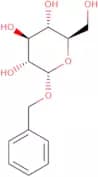
<p>(1S) -1- [(2S, 3R) - 3-Hydroxy- 1- (phenylmethyl) - 2- azetidinyl] -1, 2- Ethanediol is a custom synthesis that is a glycosylated, fluorinated and methylated sugar. It is an oligosaccharide with four monosaccharides and one disaccharide repeating unit. This molecule has been modified with Click chemistry and the use of polysaccharides. The CAS number for this compound is 1009076-81-2 and it can be purchased in high purity.</p>Degré de pureté :Min. 95%Benzyl α-D-glucopyranoside
CAS :<p>Benzyl a-D-glucopyranoside is an organic compound with the chemical formula CHO. It is a benzoyl derivative of glucose, which has been shown to be useful in the synthesis of other glycosides. The reaction yield and condition are dependent on reaction temperature and yield rate. The chloride ion reacts with the benzoyl chloride to form an ester, which then hydrolyzes to produce the desired product and hydrogen chloride. The reaction can be carried out at room temperature or under reflux conditions.</p>Formule :C13H18O6Degré de pureté :Min. 95%Couleur et forme :PowderMasse moléculaire :270.28 g/molL-Fucitol
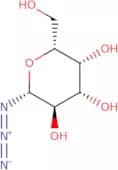
CAS :<p>L-Fucitol is a sugar that is found in the form of D-arabinose and D-xylitol. It is used in flow systems for the detection of herpes simplex virus type 1 (HSV1) glycoproteins and can be used to measure xylitol dehydrogenase activity. L-Fucitol has been shown to inhibit the growth of bacteria that are resistant to penicillin, ampicillin, and erythromycin. L-Fucitol also inhibits enzymes such as galactocerebrosidase, which breaks down galactocerebroside, a myelin constituent. This inhibition leads to accumulation of galactitol, an inhibitor of oligosaccharide synthesis. L-Fucitol also inhibits enzyme activities such as glycosidases and glycosyltransferases, which affect metabolic profiles by inhibiting the breakdown or synthesis of sugars. L-Fucitol is a monosac</p>Formule :C6H14O5Degré de pureté :Min. 95%Couleur et forme :White Off-White PowderMasse moléculaire :166.17 g/molb-D-Galactopyranosyl azide
CAS :<p>b-D-Galactopyranosyl azide is a fluorescent probe that can be used to identify the presence of beta-glucosidase in muscle tissue. This compound is hydrolyzed by alpha-galactosidase and it is detectable under UV light, yielding a green fluorescence. The b-D-Galactopyranosyl azide has been shown to be able to differentiate between alpha-galactosidase and beta-glucosidase, which are both glycosidases, by measuring the rate of hydrolysis of the probe. This chemical can also be used as an indicator for detecting muscle glycogen in homogenates.</p>Formule :C6H11N3O5Degré de pureté :Min. 95%Couleur et forme :PowderMasse moléculaire :205.17 g/mol2-Azido-((R)-3,5-O-benzylidene)-2,6-dideoxy-1,4-di-O-tert.butyldimethylsilyl- L-manno-hexitol
<p>2-Azido-((R)-3,5-O-benzylidene)-2,6-dideoxy-1,4-di-O-tert.butyldimethylsilyl--L--mannopentose is a carbohydrate that is used in the synthesis of oligosaccharides and polysaccharides. It can be custom synthesized with high purity and desired modifications to suit your needs. This product has been fluorinated and glycosylated for increased stability and solubility in organic solvents. This product's CAS number is 617072-75-0.</p>Degré de pureté :Min. 95%Ethyl 2,3-di-O-benzyl-4,6-O-benzylidene-b-D-thiogalactopyranoside
<p>Ethyl 2,3-di-O-benzyl-4,6-O-benzylidene-b-D-thiogalactopyranoside (BBDTG) is an oligosaccharide that is a sugar with a complex carbohydrate. It has been modified using the Click reaction and a custom synthesis to add fluorine atoms. This product is high purity and can be used in various applications, such as glycosylation or methylation.</p>Degré de pureté :Min. 95%(5R, 8R, 9S) -8- [(4R) - 2, 2-Dimethyl- 1, 3- dioxolan- 4- yl] - 9- hydroxy- 2, 2- dimethyl- 1, 3, 7- trioxaspiro[4.4] nonan- 6- one
<p>5,8-Dihydroxy-6-fluoro-2,2-dimethyl-1,3,7-trioxaspiro[4.4]nonane - 8-[(4R)-2,2-dimethyl-1,3-dioxolan-4-yl]-9-(hydroxymethyl) - 2,2-dimethyl - 1,3,7 - trioxaspiro[4.4]nonane is a synthetic glycosylated fluorinated octahydropyrrole (5R)-8-(hydroxymethyl)-9-(hydroxymethyl)-6-[(methyloxy)methyl]-2,2,- dimethylpiperidine that is used as an intermediate in the synthesis of oligosaccharides and polysaccharides. It is also used to modify complex carbohydrates for click chemistry applications. This product has a CAS number of 9248411–67–0 and a purity of ></p>Degré de pureté :Min. 95%2-C-Hydroxymethyl-D-ribose
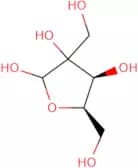
CAS :<p>2-C-Hydroxymethyl-D-ribose is a sugar that has been found in the cell wall of Mycobacterium tuberculosis. It is also found in some other bacteria, such as Streptomyces coelicolor. 2-C-Hydroxymethyl-D-ribose may be involved in the synthesis of glycan and may have a role in the molybdenum cofactor biosynthesis pathway. This molecule has been shown to have acidic properties, which are most likely due to its hydroxyl groups. The 13C NMR spectrum for this compound shows three peaks at δ H = 138.2, 144.3, and 154.5 ppm corresponding to the ribofuranoside moiety. The skeleton of this molecule was rationalized by attaching an acetaldehyde group to the 2'-hydroxyl group on position C2 of ribose, which is consistent with the observed 13C NMR spectrum. This molecule has</p>Formule :C6H12O6Degré de pureté :(Hplc) Min. 98%Couleur et forme :White PowderMasse moléculaire :180.16 g/molN-(Benzyloxycarbonyl)-2,3-5,6-di-O-isopropylidene-L-gulofuranosylamine
<p>N-(Benzyloxycarbonyl)-2,3-5,6-di-O-isopropylidene-L-gulofuranosylamine is a glycosylation reagent that was custom synthesized for the synthesis of oligosaccharides and polysaccharides. It has been fluorinated at the 2 position of the benzyloxycarbonyl group to provide protection against oxidation. The methyl group in this compound is used for Click chemistry, which is a modification that adds a reactive vinyl or allyl moiety to an organic molecule. This compound can be used for the synthesis of complex carbohydrates with high purity.</p>Degré de pureté :Min. 95%L-Glucono-1,4-lactone
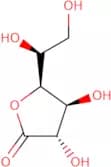
CAS :<p>L-Glucono-1,4-lactone is a substance that belongs to the group of compounds known as alpha hydroxy acids. It is produced in the body by an enzyme called l-gluconolactonase and is present in small quantities in many fruits and vegetables. L-Glucono-1,4-lactone has been shown to prevent skin aging and protect against UV light damage through its antioxidant properties. This compound can be found in sunscreens or it can be taken orally to provide protection from the sun. Clinical data on L-Glucono-1,4-lactone treatments are not yet available.</p>Formule :C6H10O6Degré de pureté :Min. 95%Couleur et forme :PowderMasse moléculaire :178.14 g/mol(2S, 3S, 4R) -2- [(1S) - 1, 2Dihydroxyethyl] - 3, 4- pyrrolidinediol hydrochloride
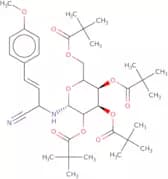
<p>(2S, 3S, 4R) -2- [(1S) - 1, 2-Dihydroxyethyl] - 3,4- pyrrolidinediol hydrochloride is a white crystalline powder that can be used for the synthesis of oligosaccharides and polysaccharides. This compound is custom synthesized to order and can be modified by Click chemistry. The modification of this compound can include fluorination and complex carbohydrate formation. This product is not intended for human consumption. It should not be taken in its raw form or ingested orally.</p>Degré de pureté :Min. 95%N-[2-(4'-Methoxyphenyl)-1-cyano-3-butene)-2,3,4,6-tetra-O-pivaloyl-D-glucopyranoside
<p>N-[2-(4'-Methoxyphenyl)-1-cyano-3-butene)-2,3,4,6-tetra-O-pivaloyl-D-glucopyranoside is a modification of a complex carbohydrate. It has a CAS No. and is made synthetically with high purity. It is also a monosaccharide that has been methylated and glycosylated. This product is fluorinated and saccharide.</p>Formule :C37H54N2O10Degré de pureté :Min. 95%Masse moléculaire :686.83 g/mol5-O-Acetyl-1,2-O-isopropylidene-a-D-xylofuranose
CAS :<p>5-O-Acetyl-1,2-O-isopropylidene a-D-xylofuranose is a fluorinated carbohydrate that is synthesized from acetylene gas and the sugar 1,2-O-isopropylidene. It is a complex carbohydrate that can be used as an additive in the food industry. 5-O Acetyl 1,2-O isopropylidene a D xylofuranose has been shown to act as an inhibitor of bacterial growth. It also has the ability to inhibit methylation and glycosylation reactions by competitively binding to the enzyme UDP-Nacetylglucosamine pyrophosphorylase. 5 O Acetyl 1,2 - O isopropylidene a D xylofuranose can be custom synthesized with high purity and it can be modified with methylation or glycosylation.</p>Formule :C10H16O6Degré de pureté :Min. 95%Couleur et forme :White to off-white solid.Masse moléculaire :232.23 g/mol(1S) -1- [(2S, 3R,4S) - 3- Hydroxy-4-hydroxymethyl- 1- benzyl - 2- azetidinyl] -1, 2- ethanediol
<p>(1S) -1- [(2S, 3R,4S) - 3- Hydroxy-4-hydroxymethyl- 1- benzyl - 2- azetidinyl] -1, 2- ethanediol is a sugar that is made synthetically. It has a CAS number of 76577-11-7 and is available for custom synthesis. The chemical name for this product is (1S)-1-[(2S,3R,4S)-3-[(2E)-3-(hydroxymethyl)oxirane]-4-(hydroxymethyl)-2-(benzyloxy)methyl]-1,2-ethanediol. This product has high purity and can be used for glycosylation or methylation reactions.</p>Degré de pureté :Min. 95%1- Deoxy- 3, 4- O- isopropylidene-D- erythro- 2- pentulose
<p>1-Deoxy-3,4-O-isopropylidene-D-erythro-2-pentulose is a sugar that can be custom synthesized. It has a high purity and can be used in synthesis, glycosylation, methylation, or modification of saccharide. It has many uses in the field of chemistry and is an important building block for complex carbohydrates. 1-Deoxy-3,4-O-isopropylidene-D-erythro-2 pentulose can be found on the CAS registry number:</p>Degré de pureté :Min. 95%Allyl 6-O-benzyl 2-deoxy-3-O-((R)-1'-ethoxycarbonylethyl)-2-(2,2,2-trichloroethoxycarbonylamino)-a-D-glucopyranoside
<p>Allyl 6-O-benzyl 2-deoxy-3-O-(R)-1'-ethoxycarbonylethyl)-2-(2,2,2-trichloroethoxycarbonylamino)-a-D-glucopyranoside is a synthetic carbohydrate that can be custom synthesized. It is a saccharide, an oligosaccharide, and a sugar. This product has been fluorinated and methylated. The CAS number for Allyl 6-O-benzyl 2-deoxy-3-O-(R)-1'-ethoxycarbonylethyl)-2-(2,2,2-trichloroethoxycarbonylamino)-a-D-glucopyranoside is 589791.</p>Degré de pureté :Min. 95%Allyl 2,3-anhydro-4,6-O-benzylidene-a-L-mannopyranoside
<p>Allyl 2,3-anhydro-4,6-O-benzylidene-a-L-mannopyranoside is a glycosylation product of L-mannose. It is a synthetic compound that has been fluorinated and methylated. Allyl 2,3-anhydro-4,6-O-benzylidene-a-L-mannopyranoside is used for the modification of complex carbohydrates. This product has high purity and CAS No., and can be modified with click chemistry.</p>Formule :C16H18O5Degré de pureté :Min. 95%Couleur et forme :White to off-white solid.Masse moléculaire :290.31 g/mol1,2,4-Tri-O-Acetyl-3-deoxy-3-fluoro-D-xylopyranose
<p>1,2,4-Tri-O-acetyl-3-deoxy-3-fluoro-D-xylopyranose (1,2,4) is a glycosylation agent that can be used to modify the molecular weight of polysaccharides and oligosaccharides. It is also used to introduce fluorine atoms into sugar molecules. 1,2,4 has been shown to have a high degree of purity and custom synthesized for research purposes. The CAS number for 1,2,4 is not available.</p>Degré de pureté :Min. 95%2,5-Anhydro-3-O-tert.butyldimethylsilyl-L-ribonic acid 1-isopropyl ester
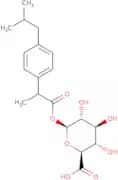
<p>2,5-Anhydro-3-O-tert.butyldimethylsilyl-L-ribonic acid 1-isopropyl ester is a custom synthesized product containing an oligosaccharide sugar and fluorine atom. This product is available in large quantities with high purity, which is necessary for various applications such as glycosylation, oligosaccharide synthesis, methylation, and monosaccharide synthesis. The CAS number of this product is 6042-09-1.</p>Degré de pureté :Min. 95%Ibuprofen acyl-b-D-glucuronide
CAS :<p>Ibuprofen acyl-b-D-glucuronide is a biologically active molecule. It is metabolized in humans by first being hydrolyzed to ibuprofen and then glucuronidated. The enzyme that catalyzes this reaction is uridine 5'-diphosphate glucuronosyltransferase 1A1 (UGT1A1). Ibuprofen acyl-b-D-glucuronide has been shown to have an inhibitory effect on inflammation in vitro assays, such as the rat paw edema assay. This drug also has a reactive and chromatographic profile that allows it to be used in wastewater treatment.</p>Formule :C19H26O8Degré de pureté :Min. 95%Couleur et forme :White PowderMasse moléculaire :382.4 g/molEthyl 2,4-di-O-acetyl-6-azido-6-deoxy-a-D-thiomannopyranoside
<p>Ethyl 2,4-di-O-acetyl-6-azido-6-deoxy-a-D-thiomannopyranoside is a synthetic compound derived from the sugar thiomalan. It is not naturally occurring or found in any living organism and has been synthesized for research purposes. The molecular weight of this compound is 693.92 g/mol and the chemical formula is C14H24N2O8. This compound has been shown to have various glycosylation modifications and can be used for custom synthesis by request.</p>Formule :C12H19N3O6SDegré de pureté :Min. 95%Masse moléculaire :333.36 g/mol(3R, 4R) -3, 4- Difluoro- 1- (phenylmethyl) -L- proline
CAS :<p>(3R, 4R) -3, 4- Difluoro- 1- (phenylmethyl) -L- proline is a fluorinated proline derivative. It is a methylated and modified amino acid that has been shown to have high purity and good solubility in water. It can be used as a monomer for the synthesis of complex carbohydrates such as oligosaccharides and polysaccharides. This product can also be used in the modification of saccharides and carbohydrates, including sugars.</p>Degré de pureté :Min. 95%b-Chloralose
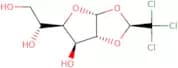
CAS :<p>b-Chloralose is a general anesthetic that is used to induce and maintain anesthesia. It has been shown to decrease the heart rate, respiratory rate, and blood pressure in patients. It also causes a reduction of the glomerular filtration rate and delays the recovery of consciousness. Although b-chloralose has been shown to have negative effects on the cardiovascular system, it can be administered safely in combination with other anesthetics because it does not alter their effects. The use of b-chloralose is limited by its short duration of action and by adverse reactions such as nausea, vomiting, and convulsions.</p>Formule :C8H11Cl3O6Degré de pureté :Min. 95%Couleur et forme :PowderMasse moléculaire :309.53 g/molIsofagomine D-tartrate
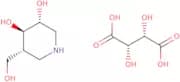
CAS :<p>Inhibitor of lysosomal acid β-glucosidase (GlcCerase/glucocerebrosidase) with IC50 in nanomolar range for wildtype and mutant enzyme. It behaves as pharmacological chaperon by binding to instable GlcCerase active site at neutral pH values and facilitating the protein folding. In acidic lysosomes, isofagomine gets release from the enzyme active site. This results in increased levels of functional glucocerebrosidase and brings therapeutic benefits to patients with Gaucher disease.</p>Formule :C10H19NO9Degré de pureté :Min. 95%Couleur et forme :White PowderMasse moléculaire :297.26 g/mol1-O-Acetyl-2,3,5-tri-O-benzyl-D-ribofuranose
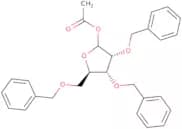
CAS :<p>Apogossypol is a polyunsaturated fatty acid that has been shown to have anticancer and anti-inflammatory properties. Studies have shown that apogossypol inhibits the production of proinflammatory cytokines and nitric oxide, which are compounds that can cause inflammation. Apogossypol also has been shown to inhibit apoptosis in cancer cells, which is a programmed cell death process. Apogossypol may be useful as an anticancer agent due to its ability to induce apoptosis and inhibit inflammation in cancer cells.</p>Formule :C28H30O6Degré de pureté :Min. 95%Couleur et forme :Clear LiquidMasse moléculaire :462.53 g/molMethyl 2,3,4-tri-O-methyl-α-D-glucopyranoside
CAS :<p>Methyl 2,3,4-tri-O-methyl-α-D-glucopyranoside is a synthetic monosaccharide that has been fluorinated with bromine. The synthetic process for this compound is click chemistry, which involves the use of copper and a chiral ligand. Methyl 2,3,4-tri-O-methyl-α-D-glucopyranoside is an example of a carbohydrate modification. It is also an oligosaccharide that contains three monosaccharides.<br>Methyl 2,3,4-tri-O-methyl-α-D-glucopyranoside can be used in glycosylation or methylation reactions due to its high purity and custom synthesis. This compound can also be used as an Oligosaccharide due to its saccharide composition.</p>Formule :C10H20O6Degré de pureté :Min. 95%Couleur et forme :PowderMasse moléculaire :236.26 g/molL-[UL-13C6]Rhamnose monohydrate
CAS :<p>L-[UL-13C6]Rhamnose monohydrate is a high purity, custom synthesis sugar. It has been modified with fluorination, glycosylation and methylation to synthesize a complex carbohydrate. This compound has been shown to be useful in the synthesis of oligosaccharides and monosaccharides. L-[UL-13C6]Rhamnose monohydrate is also used in click chemistry, which is a new method that uses the copper-catalyzed azide-alkyne cycloaddition reaction to form stable covalent bonds between molecules. The CAS number for this compound is 10030-85-0 (unlabelled).</p>Formule :C6H12O5·H2ODegré de pureté :Min. 95%2,3-O-Isopropylidene-L-ribonic acid-1,4-lactone
CAS :<p>2,3-O-Isopropylidene-L-ribonic acid-1,4-lactone is a fluorinated glycoside that can be used as a monosaccharide or modified to form an oligosaccharide. It is synthesized by the addition of fluorine to an alpha position of D-ribose, followed by lactonization. This product has been shown to have high purity and can be used as a sugar substitute in foods. This compound has been used for the synthesis of saccharides with click modification and oligosaccharides with polymerization.</p>Formule :C8H12O5Degré de pureté :Min. 95%Couleur et forme :PowderMasse moléculaire :188.18 g/molMethyl b-D-thioglucopyranoside
CAS :<p>Methyl b-D-thioglucopyranoside is a mucolytic that is used to treat respiratory disorders such as chronic bronchitis, asthma, and emphysema. It can be used topically or orally, and is typically taken twice a day. Methyl b-D-thioglucopyranoside works by breaking down the mucus coating in the lungs, making it easier to cough up. This drug also has viscosity-lowering properties due to its ability to break down mucus.</p>Formule :C7H14O5SDegré de pureté :Min. 95%Masse moléculaire :210.25 g/mol2-Amino-2-deoxy-3,4-O-isopropylidene-6-O-toluenesulfonyl-L-idonic acid methyl ester
<p>2-Amino-2-deoxy-3,4-O-isopropylidene-6-O-toluenesulfonyl-L-idonic acid methyl ester is a synthetic monosaccharide that has been fluorinated and glycosylated. It is under CAS number 126959-30-1 and can be used as a building block for the synthesis of complex carbohydrates. This compound is available for custom synthesis to meet your specifications.</p>Degré de pureté :Min. 95%1,3,4,6-Tetra-O-acetyl-2-deoxy-2-fluoro-D-glucopyranose
CAS :<p>1,3,4,6-Tetra-O-acetyl-2-deoxy-2-fluoro-D-glucopyranose is a sugar that can be used as a starting material for the synthesis of other sugars. It has been shown to crystallize in a number of different forms, including monoclinic and hexagonal crystals. Crystals are grown from solvents such as silver nitrate or chloride. The molecule has three stereoisomers, which are mirror images of each other. These isomers have different chemical properties and react differently with various substances. This property can be utilized to synthesize desired compounds with desired functionalities.</p>Formule :C14H19FO9Degré de pureté :Min. 95 Area-%Couleur et forme :PowderMasse moléculaire :350.29 g/molb-D-Glucopyranosyl amine
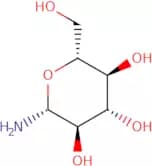
CAS :<p>The b-D-glucopyranosyl amine is a glucose analogue that has been shown to have biochemical properties. It is the hydrochloride salt form of the molecule, which can be found in human liver cells. B-D-glucopyranosyl amine has been shown to inhibit the growth of bacteria and fungi. This compound also has anti-inflammatory activities, as it inhibits the release of reactive oxygen species from neutrophils. B-D-glucopyranosyl amine is an anti-infective agent that specifically targets bacterial cell wall synthesis and inhibits their growth by binding to the enzyme β1-glycosidase. This compound is also able to bind to lipid membranes and induce membrane leakage, leading to cell death.</p>Formule :C6H13NO5Degré de pureté :Min. 98 Area-%Couleur et forme :White Off-White PowderMasse moléculaire :179.17 g/mol3,4:5,6-Di-O-Isopropylidene-7-deoxy-D- glycero- L- gulo- heptitol
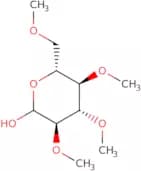
<p>3,4:5,6-Di-O-Isopropylidene-7-deoxy-D-glycero-L-guloheptitol is a carbohydrate that is a modification of the sugar glucose. It is also an oligosaccharide composed of three monosaccharides and one disaccharide. 3,4:5,6-Di-O-Isopropylidene-7-deoxy-Dglycero--Lguloheptitol has CAS No. 58418–92–1. This product can be custom synthesized to meet your needs and is available in high purity. The methylation and glycosylation are two click modifications that can be done to this product.</p>Degré de pureté :Min. 95%2,3,4,6-Tetra-O-methyl-D-glucose
CAS :<p>methyl ether of glucose with the anomeric position free.</p>Formule :C10H20O6Degré de pureté :Min. 95%Couleur et forme :PowderMasse moléculaire :236.26 g/molPhosphatidyl inositol - 10mg/ml solution in chloroform:methanol(4:1)
<p>Phosphatidyl inositol-10mg/ml solution in chloroform:methanol(4:1) is a carbohydrate that is a complex carbohydrate. It is synthesized by the modification of the phosphatidyl inositol molecule with fluorination and methylation. The CAS number for this compound is 91228-52-5. This product can be custom synthesized as per customer's requirements. It has a high purity and excellent quality, and is available at competitive prices.</p>Formule :C47H83O13PDegré de pureté :Min. 95%Couleur et forme :PowderMasse moléculaire :887.13 g/molTiazofurin
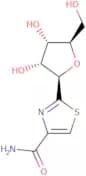
CAS :<p>Tiazofurin is a novel anticancer agent that inhibits the activity of various enzymes, including dehydrogenase and acetyl-CoA carboxylase. Tiazofurin shows significant cytotoxicity against human leukemia cells in vitro. It also has an anti-infectious effect on hl-60 cells and k562 cells, which are carcinoma cell lines. Tiazofurin has been shown to have a higher inhibitory effect on dextran sulfate than on basic protein in vitro, suggesting that it may be more effective as an anticancer compound against cancerous tumors with high levels of glycolipids.</p>Formule :C9H12N2O5SDegré de pureté :Min. 95%Couleur et forme :Off-White Slightly Brown PowderMasse moléculaire :260.27 g/molMethyl 2,3,4-tri-O-acetyl-6-O-tert-butyldimethylsilyl-a-D-mannopyranoside
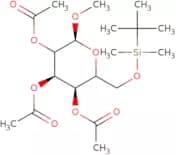
<p>Methyl 2,3,4-tri-O-acetyl-6-O-tert-butyldimethylsilyl-a-D-mannopyranoside is a fluorinated monosaccharide. It is used in the synthesis of oligosaccharides and polysaccharides. This chemical can also be used for glycosylation and click modifications. Methyl 2,3,4-tri-O-acetyl-6-O-tert-butyldimethylsilyl--a--D--mannopyranoside has CAS No.</p>Formule :C19H34O9SiDegré de pureté :Min. 95%Masse moléculaire :434.56 g/mol3,6-Anhydro-D-galactose - 10% aqueous solution
CAS :<p>3,6-Anhydro-D-galactose is a monosaccharide of D-galactose where the 3 and 6 positions are cyclised in an ether link. 3,6-Anhydro-D-galactose is found naturally occurring in Rhodophyta (Red Algae) and is a constituent of the sulphated polysaccharide PLS, which has shown anti-inflammation activity and anti-nociceptive effects. In addition, sulphated polysaccharide is capable of inhibiting the in vitro replication of Herpes simplex virus type 1 (HSV-1) and HIV-1.<br>Our 10% aqueous solution is a 10% wt/wt solution of 3,6-Anhydro-D-galactose in water. 10 mg MA07897 contains 1 mg 3,6-Anhydro-D-galactose.<br>We also offer the same product in a non-aqueous solution, MA05223.</p>Formule :C6H10O5Degré de pureté :Min. 95%Couleur et forme :Colorless Clear LiquidMasse moléculaire :162.14 g/mol1,2:3,5-Di-O-isopropylidene-D-glycero-L-gulo-heptitol
CAS :<p>Glycosylation is the process of adding glycosidic linkages to proteins or lipids. 1,2:3,5-Di-O-isopropylidene-D-glycero-L-guloheptitol is an oligosaccharide sugar with a fluorinated methyl group on the C1 position and a saccharide at the C3 position. It is synthesized by reacting a glycosylate of 1,2:3,5-di-O-isopropylidene-D-glycerohexose with sodium bisulfite in methanol. This chemical is used as a monomer for click chemistry modification and has been shown to be effective in complex carbohydrate synthesis.</p>Formule :C13H24O7Degré de pureté :Min. 95%Masse moléculaire :292.33 g/molL-Arabinose diethyldithioacetal
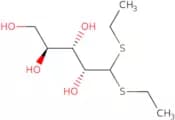
CAS :<p>L-Arabinose diethyldithioacetal is a potassium carbonate derivative of L-arabinose that reacts with sulfur to form 1,2-dithioketals. These dithioketals are used as glycosyl donors in the synthesis of L-fucitol and d-xylose. This reaction is catalyzed by acetobacter, which converts L-arabinose and carbon dioxide into acetaldehyde and acetic acid. The reaction mechanism for this transformation includes an epimerization of the hydroxyl group on the C5 position of L-arabinose to a hydroxyl group on C6, followed by glycosidation with sulfuric acid. The glycosidic bond formed between the hydroxyl group on C6 and the carbonyl group at C1 (in this case, from L-arabinose) is called an acetal linkage. In addition to being antithrombotic</p>Formule :C9H20O4S2Degré de pureté :Min. 95%Couleur et forme :PowderMasse moléculaire :256.38 g/mol1-O-Acetyl-3,5-di-O-benzyl-2- deoxy- 2- fluoro- 4- thio- D- arabinofuranose
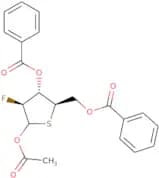
CAS :<p>1-O-Acetyl-3,5-di-O-benzyl-2-deoxy-2-fluoro-[4]-thio-[D]-arabinofuranose (1OABFT) is a synthetic sugar with a high degree of methylation and glycosylation. It has been modified to be resistant to enzymes that would normally break the sugar down. 1OABFT is used in glycoproteomics research for its ability to help identify the types of sugars attached to proteins. This modification can also be used as an alternative to fluorination for improving the stability of saccharides in biological systems.</p>Formule :C21H19FO6SDegré de pureté :Min. 95%Masse moléculaire :418.44 g/mol5-Chloro-8-hydroxyquinoline b-D-glucuronide
CAS :<p>Chromogenic substrate targeting beta-glucuronidase</p>Formule :C15H14ClNO7Degré de pureté :Min. 98 Area-%Couleur et forme :White PowderMasse moléculaire :355.73 g/mol
















![(1S) -1- [(2S, 3R) - 3-Hydroxy- 1- (phenylmethyl) - 2- azetidinyl] -1, 2- Ethanediol](/_next/image/?url=https%3A%2Fstatic.cymitquimica.com%2Fproducts%2F3D%2Fthumb-webp%2FMH163419.webp&w=3840&q=75)
![(5R, 8R, 9S) -8- [(4R) - 2, 2-Dimethyl- 1, 3- dioxolan- 4- yl] - 9- hydroxy- 2, 2- dimethyl- 1, 3,…](/_next/image/?url=https%3A%2Fstatic.cymitquimica.com%2Fproducts%2F3D%2Fthumb-webp%2FMD170665.webp&w=3840&q=75)
![(2S, 3S, 4R) -2- [(1S) - 1, 2Dihydroxyethyl] - 3, 4- pyrrolidinediol hydrochloride](/_next/image/?url=https%3A%2Fstatic.cymitquimica.com%2Fproducts%2F3D%2Fthumb-webp%2FMD168717.webp&w=3840&q=75)

![(1S) -1- [(2S, 3R,4S) - 3- Hydroxy-4-hydroxymethyl- 1- benzyl - 2- azetidinyl] -1, 2- ethanediol](/_next/image/?url=https%3A%2Fstatic.cymitquimica.com%2Fproducts%2F3D%2Fthumb-webp%2FMH163532.webp&w=3840&q=75)




![L-[UL-13C6]Rhamnose monohydrate](/_next/image/?url=https%3A%2Fstatic.cymitquimica.com%2Fproducts%2F3D%2Fthumb-webp%2FMR182508.webp&w=3840&q=75)