


Monosaccharides
Sous-catégories appartenant à la catégorie "Monosaccharides"
- Alloses(11 produits)
- Arabinoses(21 produits)
- Erythroses(11 produits)
- Fructoses(9 produits)
- Fucoses(36 produits)
- Galactosamine(41 produits)
- Galactoses(262 produits)
- Glucoses(365 produits)
- Acides glucuroniques(52 produits)
- Glyco-substrats pour l'enzyme(78 produits)
- Guloses(6 produits)
- Idoses(4 produits)
- Inositols(15 produits)
- Lyxoses(4 produits)
- Mannoses(65 produits)
- O-Glycanes(48 produits)
- Psicoses(3 produits)
- Rhamnoses(10 produits)
- Ribos(61 produits)
- Acides sialiques(100 produits)
- Sorboses(4 produits)
- Sucres(173 produits)
- Tagatoses(4 produits)
- Taloses(8 produits)
- Xyloses(20 produits)
6089 produits trouvés pour "Monosaccharides"
L-[6-13C]Sorbose
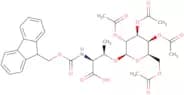
CAS :L-[6-13C]Sorbose is a modified sugar that is synthesized from D-glucose, L-sorbose, and 13C-labeled methyl groups. This compound can be used to study the methylation and glycosylation of polysaccharides and oligosaccharides.Formule :C513CH12O6Degré de pureté :Min. 95%Masse moléculaire :181.15 g/mol2,3,4,6-Tetra-O-acetyl-b-D-galactopyranosyl-(N2-Fmoc)-L-threonine
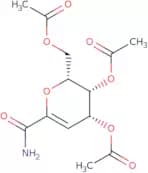
CAS :Mecamylamine is a drug that binds to the active site of the acetylcholine esterase enzyme and prevents the breakdown of acetylcholine, which causes muscle contractions. Mecamylamine is used for the treatment of bowel disorders, such as diarrhoea. Randomised placebo-controlled trials have shown that mecamylamine is an effective treatment for chronic idiopathic constipation. The optimal dose and duration of treatment remain unclear, but it has been suggested that a cycle of 4 weeks on and 4 weeks off may be appropriate. Mecamylamine can cause adverse reactions, such as dizziness and blurred vision. It should not be used by people with asthma or other respiratory problems or by pregnant women.Formule :C33H37NO14Degré de pureté :Min. 95%Masse moléculaire :671.65 g/mol4,5,7-Tri-O-acetyl-2,6-anhydro-3-deoxy-D-lyxo-hept-2-enonamide
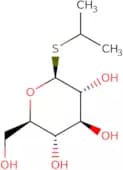
CAS :4,5,7-Tri-O-acetyl-2,6-anhydro-3-deoxy-D-lyxo-hept-2-enonamide is a carbohydrate that belongs to the group of oligosaccharides. It is a synthetic compound that has been modified with fluorination and methylation. This compound has been synthesized with high purity and custom synthesis. The modification process includes glycosylation and click chemistry.Formule :C13H17NO8Degré de pureté :Min. 95%Masse moléculaire :315.28 g/molIsopropyl-β-D-thioglucopyranoside
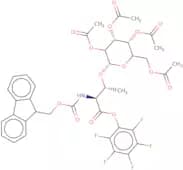
CAS :Isopropyl-β-D-thioglucopyranoside is a hydrogen bond donor that has been shown to inhibit the glyceraldehyde-3-phosphate dehydrogenase enzyme, which is involved in lipid biosynthesis. It has been used for the diagnosis of malariae and has potential as a biomarker for diagnosing human tissues. Isopropyl-β-D-thioglucopyranoside may be useful in the study of protein synthesis, due to its ability to bind to recombinant proteins and block the formation of intermolecular hydrogen bonds. Isopropyl-β-D-thioglucopyranoside is also expressed at high levels in Mycobacterium tuberculosis strains (e.g., ESX-1 secretion system protein) and inhibits cell growth in culture.Formule :C9H18O5SDegré de pureté :Min 95%Couleur et forme :PowderMasse moléculaire :238.3 g/mol2,3,4,6-Tetra-O-acetyl-a-D-mannopyranosyl-(N2-Fmoc)-L-threonine pentafluorophenyl ester
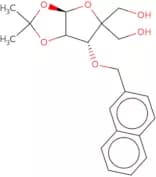
CAS :2,3,4,6-Tetra-O-acetyl-a-D-mannopyranosyl-(N2-Fmoc)-L-threonine pentafluorophenyl ester is a glycosylation reagent that can be used to synthesize oligosaccharides. This compound is the product of the reaction between 2,3,4,6-tetra-O-acetylmannose and L-(N2-Fmoc)-threonine. It has been modified with a fluorinated phenyl group at the C5 position as well as methylation at the C2 position. The purity of this compound is high (> 95%) and it is available for custom synthesis.Formule :C39F5H36NO14Degré de pureté :Min. 95%Masse moléculaire :837.71 g/mol1,2-O-Isopropylidene-4-hydroxymethyl-3-O-(2-methylnaphthyl)-a-D-ribofuranose
1,2-O-Isopropylidene-4-hydroxymethyl-3-O-(2-methylnaphthyl)-a-D-ribofuranose is a fluorinated saccharide that is synthesized by the Click reaction. It has the CAS number of 29098-01-9 and can be used as a custom synthesis or modification to sugars. This carbohydrate is an oligosaccharide with a high purity level and can be used as a glycosylation reagent. The methylation of this product has been shown to modify the properties of polysaccharides and glycoconjugates.Formule :C20H24O6Degré de pureté :Min. 95%Masse moléculaire :360.4 g/mol(R)-Naproxen acyl-b-D-glucuronide benzyl ester
(R)-Naproxen acyl-b-D-glucuronide benzyl ester is a custom-synthesized molecule. The synthesis of this compound is accomplished by the modification of naproxen, which is a commercially available drug. The fluorination and methylation steps are accomplished to provide a more potent drug. This compound exhibits anti-inflammatory properties that may be due to its inhibition of prostaglandin synthesis.
Formule :C27H28O9Degré de pureté :Min. 95%Masse moléculaire :496.51 g/mol1,2,4,6-Tetra-O-acetyl-3-deoxy-D-glucopyranose
CAS :1,2,4,6-Tetra-O-acetyl-3-deoxy-D-glucopyranose is a compound that can inhibit the activity of the NOD1 and NOD2 receptors. It has been shown to be active against bone marrow macrophages and can be used as a potential treatment for inflammatory disorders. 1,2,4,6-Tetra-O-acetyl-3-deoxy-D-glucopyranose binds to the conformation of the NOD1 and NOD2 receptors in an uncompetitive manner. This binding prevents phosphorylation of the receptor and results in reduced NFkappaB activation.Formule :C14H20O9Degré de pureté :Min. 95%Masse moléculaire :332.3 g/molD-Talose-1-13C
CAS :D-Talose-1-13C is a high purity, custom synthesis sugar that has been modified with fluorination and glycosylation. This product is a synthetic, methylated oligosaccharide with an average molecular weight of 635. It is a complex carbohydrate that contains 1 13C isotope and has the CAS number 70849-29-5.Formule :C6H12O6Degré de pureté :Min. 95%Masse moléculaire :181.15 g/molEstrone D5 b-D-glucuronide
Estrone D5 b-D-glucuronide is a synthetic compound. It is a methylated estrone derivative with the D5 configuration of the steroid nucleus. Estrone D5 b-D-glucuronide is also known as estrone 5-O-(2,3,4,5,6-pentafluorobenzoyl)glucuronide and has CAS number 70630-03-6. This compound is used in research on oligosaccharides and polysaccharides because it can be used to modify the sugar moiety at the reducing end of the saccharide chain. It can also be used to synthesize complex carbohydrate structures with fluorinated substituents. The chemical structure is shown below:Degré de pureté :Min. 95%3-O-tert-Butyldimethylsilyl-D-galactal
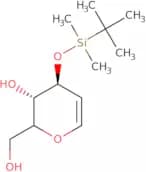
3-O-tert-Butyldimethylsilyl-D-galactal is a synthetic, fluorinated monosaccharide that has been used as a substrate for glycosylation reactions. The compound is synthesized by the reaction of 3,4,6-trichloro-2,5,7,8-tetrafluorohexanal with D-galactal in the presence of a base such as potassium carbonate. The product is purified by column chromatography and recrystallization from methanol to provide a white powder with a melting point of 176 °C.Formule :C12H24O4SiDegré de pureté :Min. 95%Masse moléculaire :260.4 g/mol1-Amino-1-deoxy-D-psicose hydrochloride
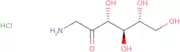
CAS :1-Amino-1-deoxy-D-psicose hydrochloride is a Glycosylation product with the CAS No. 51296-39-0(free basis). It is a white crystalline powder that is soluble in water and ethanol, but insoluble in ether. This compound is used for complex carbohydrate synthesis, methylation, click modification, polysaccharide modification, fluorination, saccharide modification, sugar modification and oligosaccharide synthesis. The purity of this product ranges from 98% to 99%, and it can be customized depending on the customer's needs.Formule :C6H13NO5·HClDegré de pureté :Min. 95%Masse moléculaire :215.63 g/molMethyl 3,4-O-isopropylidene-D-lyxonate
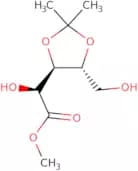
CAS :Methyl 3,4-O-isopropylidene-D-lyxonate is a glycosylation product of L-xylose. It has been used in click chemistry as a fluorinated building block for the synthesis of polysaccharides and saccharides. Methyl 3,4-O-isopropylidene-D-lyxonate can be custom synthesized to any desired purity.Formule :C9H16O6Degré de pureté :Min. 95%Masse moléculaire :220.22 g/mol4-Azido-2,3-di-O-benzoyl-4-deoxy-6-O-trityl-a-D-glucopyranoside
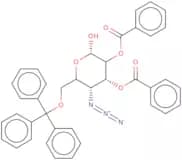
4-Azido-2,3-di-O-benzoyl-4-deoxy-6-O-trityl-a-D-glucopyranoside is a synthetic glycosylation reagent that can be used for the synthesis of oligosaccharides. It is a fluorinated sugar that can be custom synthesized to order. 4A2B4D6OATG is a high purity product with CAS No. 62990-51-1 and has been modified using click chemistry to incorporate azide functional groups.Formule :C39H33N3O7Degré de pureté :Min. 95%Masse moléculaire :655.7 g/mol2,3,4,6-Tetra-O-acetyl-1,5-anhydro-D-mannitol
CAS :2,3,4,6-Tetra-O-acetyl-1,5-anhydro-D-mannitol is a high yield precursor for the production of the drug 2,3,4,6-tetraacetoxybenzoin. The anomers are selectively formed by reacting with chlorides and iodides at elevated temperatures. The reaction yields the diastereomeric mixture of tetraacetoxybenzoin in a ratio of about 1:2. This product also reacts with acetobromoglucose to produce acrylonitrile (ACN). 2,3,4,6-Tetra-O-acetyl-1,5-anhydro-D-mannitol is a catalytic precursor for the production of the drug 2-(pyranosyl)-1-[2-(chloro)acetylamino]-2-(nitrophenyl)ethanol (PAN). This product can beFormule :C14H20O9Degré de pureté :Min. 95%Masse moléculaire :332.3 g/molMethyl 2-azido-2-deoxy-a-D-galactopyranoside
CAS :Methyl 2-azido-2-deoxy-a-D-galactopyranoside is a custom synthesis product. It belongs to the category of Carbohydrate and is a fluorinated monosaccharide. This product is also known as Methyl 2-azido-2,3,4,6-tetra‑O‑benzoyl-a‑D‑galactopyranoside.Formule :C7H13N3O5Degré de pureté :Min. 95%Masse moléculaire :219.2 g/molLipid X
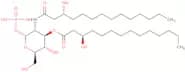
CAS :Lipid X is a monosaccharide precursor of E. coli lipid A. It is an N-acyl-D-glucosamine 1-phosphate where the N-acyl group is (R)-3-hydroxytetradecanoyl and carrying an additional (R)-3-hydroxytetradecanoyl, and it is a component of the cell wall of Gram-negative bacteria. Due to its physiological functions and biological properties, Lipid X can be used to treat infectious diseases, autoimmune diseases, and HIV infection. It has also been shown to inhibit the production of inflammatory cytokines such as tumor necrosis factor alpha (TNF-α) and interleukin-1β (IL-1β). This effect is due to its ability to disrupt hydrogen bonds between lipids in the cell membrane. As a biosynthetic intermediate of Lipid A, it seems to play a role in bacterial virulence and can trigger an immune response in humans, and protect against endotoxins.
Formule :C34H66NO12PDegré de pureté :Min. 95%Masse moléculaire :711.86 g/molMethyl 3,4-O-isopropylidene-6-O-trityl-a-D-galactopyranoside
CAS :Methyl 3,4-O-isopropylidene-6-O-trityl-a-D-galactopyranoside is a synthetic, high purity carbohydrate. It is an oligosaccharide that has been modified with fluorination and methylation. Methyl 3,4-O-isopropylidene-6-O-tritylgalactopyranoside is used for the synthesis of glycosides and oligosaccharides.Formule :C29H32O6Degré de pureté :Min. 95%Masse moléculaire :476.57 g/mol1-[[2-N-(5-Nitrothiazolyl)carboxamido]phenyl]-2,3,4-tri-O-acetyl-b-D-glucuronide methyl ester
1-N-(5-Nitrothiazolyl)carboxamido-2,3,4-tri-O-acetyl-b-D-glucuronide methyl ester (NTG) is a glycosylated compound that was synthesized by click chemistry. It is an Oligosaccharide with a single sugar and a molecular weight of 514. The CAS number for NTG is 150158-09-8. NTG has been custom synthesized to order. The purity level of NTG is >99%.Formule :C23H23N3O13SDegré de pureté :Min. 95%Masse moléculaire :581.51 g/molAzido 2-acetamido-2-deoxy-3,4,6-tri-o-acetyl-β-D-galactopyranosyl
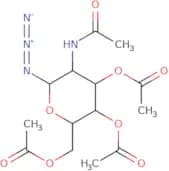
CAS :Azido 2-acetamido-2-deoxy-3,4,6-tri-O-acetyl-β-D-galactopyranosyl is a high purity and custom synthesis sugar. Azido 2-acetamido-2-deoxy-3,4,6-triO acetyl βD galactopyranosyl can be fluorinated, glycosylated, modified with methylation and other methods. It can also be used to synthesize oligosaccharides or monosaccharides. This carbohydrate is used in complex carbohydrates.Formule :C14H20N4O8Degré de pureté :Min. 95%Masse moléculaire :372.33 g/molC-(2,3,4,6-Tetra-O-acetyl-1-azido-1-deoxy-a-D-galactopyranosyl)formamide
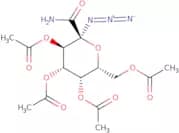
CAS :C-(2,3,4,6-Tetra-O-acetyl-1-azido-1-deoxy-a-D-galactopyranosyl)formamide is a sugar that can be custom synthesized. It is an aldose sugar with the chemical formula C12H22N2O8. This compound is often used as a fluorination agent in glycosylation and methylation reactions due to its high purity.Formule :C15H20N4O10Degré de pureté :Min. 95%Masse moléculaire :416.34 g/mol2-Deoxy-D-glucose-6-phosphate
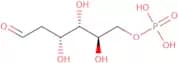
CAS :2-Deoxy-D-glucose-6-phosphate is a glucose analogue that is phosphorylated by hexokinase to 2-deoxy-D-glucose. It has been shown to inhibit the activity of enzymes involved in energy metabolism, such as atp synthase and dpp IV. This drug can also inhibit the synthesis of proteins and RNA by binding to response elements, which are DNA sequences that regulate gene expression. The 2-deoxy glucose analogue has been shown to be a potent inhibitor of ventricular myocardium contractility via its ability to reduce mitochondrial membrane potential.Formule :C6H13O8PDegré de pureté :Min. 95%Masse moléculaire :244.14 g/molMethyl 3-O-benzyl-6-deoxy-2-O-methyl-a-D-galactopyranoside
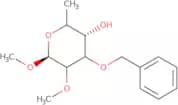
CAS :Methyl 3-O-benzyl-6-deoxy-2-O-methyl-a-D-galactopyranoside is a custom synthesis that has been modified by fluorination, methylation and click modification. This product is a monosaccharide that can be used in the synthesis of oligosaccharides and polysaccharides. It has been shown to have many applications including glycosylation, sugar, and carbohydrate.Formule :C15H22O5Degré de pureté :Min. 95%Masse moléculaire :282.34 g/mol2-Acetamido-4,6-O-benzylidene-N-Boc-1,2,5-trideoxy-1,5-imino-D-glucitol
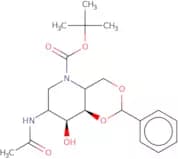
CAS :2-Acetamido-4,6-O-benzylidene-N-Boc-1,2,5-trideoxy-1,5-imino-D-glucitol is a complex carbohydrate that belongs to the class of oligosaccharides. It is a methylated and glycosylated saccharide. 2ACBG has been modified with Click chemistry to introduce a fluorine atom at the C2 position on the glucose moiety. This modification prevents the formation of an intramolecular hemiacetal linkage between C2 and C3 in the ring structure, thereby preventing cyclization and stabilizing the linear configuration of 2ACBG. 2ACBG can be synthesized using high purity raw materials such as glucose and acetic acid in a two step process using ethyl bromoacetate as a reagent for acetylation followed by NBS (N-(3-bromopropyl)phthal
Formule :C20H28N2O6Degré de pureté :Min. 95%Masse moléculaire :392.45 g/mol2,3,4,6-Tetra-O-acetyl-b-D-glucopyranosyl ethylxanthate
CAS :2,3,4,6-Tetra-O-acetyl-b-D-glucopyranosyl ethylxanthate is a synthetic carbohydrate that has been modified with acetyl groups. This modification is used to produce a carbohydrate that is more resistant to hydrolysis by enzymes. 2,3,4,6-Tetra-O-acetyl-b-D-glucopyranosyl ethylxanthate is one of many glycosides that have been modified with acetyl groups and fluorinated. This modification can be used for the synthesis of high purity carbohydrates.Formule :C17H24O10S2Degré de pureté :Min. 95%Couleur et forme :White To Off-White SolidMasse moléculaire :452.5 g/mol(2R,3S,4R)-3,4-Dihydroxypyrrolidine-2-carboxylic acid
CAS :(2R,3S,4R)-3,4-Dihydroxypyrrolidine-2-carboxylic acid is a methylated compound that has been synthesized by the click modification of an oligosaccharide. It is used as an intermediate in the synthesis of saccharides and polysaccharides. This product can be used for the fluorination of complex carbohydrates and for the modification of monosaccharides or sugars. The purity level of this product is high and it has been modified to have a desirable property.Formule :C5H9NO4Degré de pureté :Min. 95%Masse moléculaire :147.13 g/mol2-Deoxy-D-ribose diethyl thioacetal
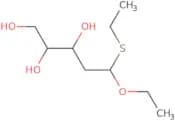
CAS :2-Deoxy-D-ribose diethyl thioacetal is a synthetic, fluorinated carbohydrate that is used in the modification of saccharides and oligosaccharides. It is a complex carbohydrate that has been synthesized from D-ribose and diethyl thioacetal. Fluorination of 2-deoxy-D-ribose diethyl thioacetal has been shown to lead to glycosylation reactions with glycosyl acceptors. Click chemistry reactions have been used to modify this compound with methyl groups. This product has a high purity and can be custom synthesized by request.Formule :C9H20O3S2Degré de pureté :Min. 95%Masse moléculaire :240.39 g/mol(4R)-Benzyl-4-deoxy-4-C-nitrophenyl-b-D-arabinopyranoside
(4R)-Benzyl-4-deoxy-4-C-nitrophenyl-b-D-arabinopyranoside is a synthetic glycoside that has been modified by fluorination and saccharide. It is a custom synthesis, which means it can be synthesized to order with high purity. This compound is used in the modification of glycoconjugates and polysaccharides, as well as the synthesis of oligosaccharides. It is also used in click chemistry, which involves the use of copper and azide ions.Formule :C19H21NO6Degré de pureté :Min. 95%Masse moléculaire :359.37 g/mol3,4,6-Tri-O-acetyl-1,2-O-ethylidene-b-D-mannopyranoside
CAS :3,4,6-Tri-O-acetyl-1,2-O-ethylidene-b-D-mannopyranoside is a synthetic glycosylation product of maltose and 1,2-O-ethylidene b-D mannopyranoside. This compound is a high purity product with custom synthesis. 3,4,6Tri acetyl 1,2 O ethylene b D mannopyranoside has the CAS number 630102 81 7.Formule :C14H20O9Degré de pureté :Min. 95%Masse moléculaire :332.3 g/mol1-O -Acetyl-2,5-di-O-benzoyl-3-fluoro-3-deoxy-D-ribofuranoside
CAS :1-O -Acetyl-2,5-di-O-benzoyl-3-fluoro-3-deoxy-D-ribofuranoside is a synthetic carbohydrate that has been modified by fluorination and methylation. The molecule has a molecular weight of 581.1 g/mol, with the chemical formula C14H12F6O8N2. It is a white crystalline solid that can be used in the synthesis of glycosides, saccharides, oligosaccharides, and monosaccharides. 1-O -Acetyl-2,5-di-O-benzoyl-3-fluoro-3-deoxyribofuranoside can be useful for glycosylation reactions such as click chemistry or glycosidase reactions. This product is high purity and custom synthesis to order.Formule :C21H19FO7Degré de pureté :Min. 95%Masse moléculaire :402.37 g/molAllyl 3,4-di-O-benzyl-2-O-(2-naphthylmethyl)-a-D-galactopyranoside
Allyl 3,4-di-O-benzyl-2-O-(2-naphthylmethyl)-a-D-galactopyranoside is a synthetic carbohydrate with a complex structure. It is a modification of a D-galactopyranose sugar and has been glycosylated and methylated. This compound contains an allyl group that has been fluorinated at the 3 position.Degré de pureté :Min. 95%2N-Fmoc-4N-(2,3,4,6-tetra-O-acetyl-b-D-galactopyranosyl)-L-asparagine
CAS :2N-Fmoc-4N-(2,3,4,6-tetra-O-acetyl-b-D-galactopyranosyl)-L-asparagine is a fluorinated carbohydrate that has been synthesized and modified. It can be used in glycosylation reactions to produce oligosaccharides or polysaccharides. This compound is also useful in click chemistry since it can be methylated and undergo other chemical modifications. 2N-Fmoc-4N-(2,3,4,6-tetra-O-acetyl-b-Dgalactopyranosyl)-L asparagine is a white powder with a CAS number of 46746578.Formule :C33H36N2O14Degré de pureté :Min. 95%Masse moléculaire :684.66 g/molMethyl 4-chloro-4-deoxy-a-D-glucopyranoside
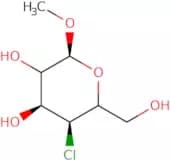
Methyl 4-chloro-4-deoxy-a-D-glucopyranoside is a custom synthesis of an oligosaccharide with a sugar. It is synthesized by the reaction between methyl 4-chloro-4-deoxybenzoate and sodium cyanoborohydride in methanol. The product can be used to modify complex carbohydrates, such as glycosylation, which is the process of adding sugars to proteins or polysaccharides. Methyl 4-chloro-4-deoxyglucopyranoside has a high purity level of 99% and a CAS number of 3126991.Formule :C7H13ClO5Degré de pureté :Min. 95%Masse moléculaire :212.63 g/molPhenyl 2,3,4,6-tetra-O-acetyl-a-D-glucopyranoside
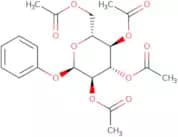
CAS :Phenyl 2,3,4,6-tetra-O-acetyl-a-D-glucopyranoside is a custom synthesis of a monosaccharide. Phenyl 2,3,4,6-tetra-O-acetyl-a-D-glucopyranoside can be fluorinated and methylated to produce other compounds. It is also used in the modification of saccharides and oligosaccharides to produce polysaccharides. Phenyl 2,3,4,6-tetra-O-acetyl-a -D -glucopyranoside is soluble in water and has CAS No. 34274500.Formule :C20H24O10Degré de pureté :Min. 95%Masse moléculaire :424.4 g/molN6-Benzyladenine-3-glucoside
CAS :N6-Benzyladenine-3-glucoside is a carbohydrate that is modified with a click chemistry reaction. It is synthesized from D-mannose and 6-benzylaminopurine and has been glycosylated with 2,3,4,6-tetra-O-acetyl glucosamine. N6-Benzyladenine-3-glucoside is an important component of the bacterial cell wall. The compound consists of a single sugar chain and is fluorinated at the C2 position.
Formule :C18H21N5O5Degré de pureté :Min. 95%Couleur et forme :PowderMasse moléculaire :387.39 g/mol6,7,8-Trihydroxy-1-(hydroxymethyl)-3-oxo-2-oxa-4-azabicyclo[3.3.1]nonane
CAS :Valiolamine is a hydroxymethyl-derivative of jinggangmycin. It is a competitive inhibitor of the enzyme dihydroorotate dehydrogenase. Valiolamine has been shown to inhibit the production of amines, such as histamine, and has been used in the treatment of allergies.Formule :C8H13NO6Degré de pureté :Min. 95%Masse moléculaire :219.19 g/mol1,2,3-Tri-O-acetyl-5-deoxy-D-ribofuranoside
CAS :1,2,3-Tri-O-acetyl-5-deoxy-D-ribofuranoside is an acetylated form of a sugar derivative. It is used as a reagent for the acetylation of alcohols and amines. The reaction yield for this compound is stereoselective and can be prepared from readily available starting materials in good yield. The compound crystallizes in cyclic form with an organic solvent such as n-hexane or pyridine. This product is soluble in organic solvents such as n-hexane, pyridine, or vinyl acetate.Formule :C11H16O7Degré de pureté :Min. 95%Masse moléculaire :260.24 g/mol2,5-Anhydro-D-mannofuranose oxime
CAS :2,5-Anhydro-D-mannofuranose oxime is a glycosylation inhibitor that prevents the formation of glycosidic bonds. It is used in the synthesis of complex carbohydrates, such as polysaccharides and oligosaccharides. This compound can be fluorinated or methylated to produce 2,5-anhydro-D-mannofuranose oxime derivatives that are useful for click chemistry. 2,5-Anhydro-D-mannofuranose oxime has been shown to inhibit the enzymatic conversion of mannitol to mannose and fructose by blocking the enzyme alpha mannosidase. The high purity of this compound makes it suitable for use in a variety of reactions, including glycobiology studies and carbohydrate modifications.
Formule :C6H11NO5Degré de pureté :Min. 95%Masse moléculaire :177.16 g/molD-Glucose-BSA
Glucose covalently bound to BSA through a 3 atom spacer.
Degré de pureté :Min. 95%Couleur et forme :PowderCurcumin b-D-glucuronide
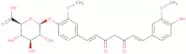
CAS :Curcumin b-D-glucuronide is a glucuronide conjugate of the curcumin molecule. It has been shown to have anticancer activity in mouse tumor models and human metastatic colorectal cancer cell lines by inducing apoptosis. Curcumin b-D-glucuronide is metabolized by the liver microsomes of rats, and thus may be useful for the prevention of colon cancer. Curcumin b-D-glucuronide also has anti-inflammatory properties that are due to its inhibition of prostaglandin E2 (PGE2) levels in humans.Formule :C27H28O12Degré de pureté :85%MinMasse moléculaire :544.158082-Octyldodecyl-D-xylopyranoside
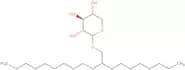
CAS :2-Octyldodecyl-D-xylopyranoside is a synthetic, fluorinated glycosylated monosaccharide. The chemical name for this compound is 2-octyldodecyl-D-xylopyranoside and the CAS number is 423772-95-6. It is a white to off white solid that has Glycosylation and Methylation. This compound can be modified with Click modification and Polysaccharide. It has a molecular weight of 400.25 g/mol and it's molecular formula is C32H62O14F2N2O8S2. 2-Octyldodecyl-D-xylopyranoside can be used as a methyl donor in the synthesis of glycoproteins, glycolipids, glycopeptides, polysaccharides, oligosaccharides, or other complex carbohydrates. It is also used in fluorFormule :C25H50O5Degré de pureté :Min. 95%Couleur et forme :White solid.Masse moléculaire :430.66 g/moltrans-Cinnamoyl b-D-glucoside
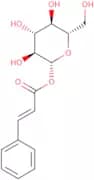
CAS :Trans-Cinnamoyl b-D-glucoside is a plant tissue that can be used as a natural chemical transformation agent. Trans-Cinnamoyl b-D-glucoside is also a chemical catalyst in the synthesis of medicines. The structure of trans-Cinnamoyl b-D-glucoside has been shown to have a high degree of stereoselectivity and sensitivity to tissue culture conditions, which are due to its aldehydic group. This molecule is also able to form gels when combined with other molecules and exhibits endogenous activity.
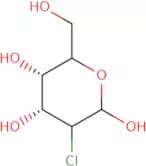
Formule :C15H18O7Degré de pureté :Min. 95%Masse moléculaire :310.3 g/mol2-Chloro-2-deoxy-D-mannose
CAS :2-Chloro-2-deoxy-D-mannose is a synthetic sugar that can be used as a fluoride substrate. It has been shown to bind to the active site of bacterial enzymes and inhibit them. 2-Chloro-2-deoxy-D-mannose is a conformationally constrained analogue of 3-deoxyglucose, which binds to the same active site on bacterial enzymes. This sugar also inhibits nitrate reductase, an enzyme involved in the reductive dehalogenation of nitrates. 2-Chloro-2-deoxy-D-mannose has been shown to inhibit the growth of Mycobacterium tuberculosis and Mycobacterium avium complex by binding with high affinity to the ligand binding site on these bacteria's glycolytic enzymes.Formule :C6H11ClO5Degré de pureté :Min. 95%Couleur et forme :White PowderMasse moléculaire :198.6 g/mol3-Deoxy-1,2:5,6-di-O-isopropylidene-a-D-glucofuranose
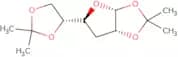
CAS :3-Deoxy-1,2:5,6-di-O-isopropylidene-a-D-glucofuranose is an oligosaccharide that belongs to the group of polysaccharides. It is a methylated saccharide with a high degree of purity and can be custom synthesized for use as a carbohydrate in pharmaceuticals. 3-Deoxy-1,2:5,6-di-O-isopropylidene-a-D-glucofuranose is used in the synthesis of glycosylations and has been shown to have antiviral activity against Epstein Barr virus by inhibiting viral protein synthesis.Formule :C12H20O5Degré de pureté :Min. 95%Masse moléculaire :244.29 g/mol2'-(N-Butylcarboamido)phenyl-2-acetamido-3,4,6-tri-O-acetyl-2-deoxy-b-D-glucopyranoside
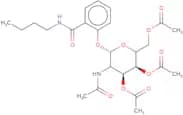
2'-(N-Butylcarboamido)phenyl-2-acetamido-3,4,6-tri-O-acetyl-2-deoxy-b-D-glucopyranoside is a glycosylation product that is custom synthesized for use in fluoroquinolone drug development. It is an acetamido derivative of 2'-phenylglycosides that undergoes fluorination and methylation to produce the desired compound. This product has been shown to be a potent inhibitor of bacterial cell wall synthesis by glycosylation of the peptidoglycan strands.Formule :C25H34N2O10Degré de pureté :Min. 95%Masse moléculaire :522.54 g/molN-(trans-3-Hydroxycotinine)-b-D-glucuronide
CAS :N-(trans-3-Hydroxycotinine)-b-D-glucuronide is a hydroxy metabolite of trans-3-hydroxycotinine, which is a pyridine derivative and an endogenous metabolite of nicotine. It is formed by conjugation with glucuronate in the liver and excreted in the urine. It has been detected in human urine after oral administration of nicotine. N-(trans-3-Hydroxycotinine)-b-D-glucuronide can be used as an indicator for tobacco exposure or use.Formule :C16H20N2O8Degré de pureté :Min. 95%Masse moléculaire :368.34 g/mol1,6:3,4-Dianhydro-b-D-altropyranose
CAS :1,6:3,4-Dianhydro-b-D-altropyranose is a sugar that has been modified by methylation. It is a white powder with a melting point of 197°C. This product can be used as an intermediate in the synthesis of saccharides and polysaccharides. It can also be used as an intermediate for glycosylations and fluorinations. 1,6:3,4-Dianhydro-b-D-altropyranose is available in high purity and custom synthesis options.Formule :C6H8O4Degré de pureté :Min. 95%Masse moléculaire :144.13 g/molMethyl 2-deoxy-3,5-di-O-benzoyl-D-ribofuranoside
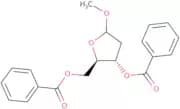
CAS :Methyl 2-deoxy-3,5-di-O-benzoyl-D-ribofuranoside is a custom synthesis that is a complex carbohydrate. It is an Oligosaccharide, Polysaccharide and Modification of saccharides. Methyl 2-deoxy-3,5-di-O-benzoyl-D-ribofuranoside can be used in the modification of sugars and carbohydrates. This product is also fluorinated to increase its purity.Formule :C20H20O6Degré de pureté :Min. 95%Masse moléculaire :356.37 g/molAMP-Deoxynojirimycin - Solution in ethanol
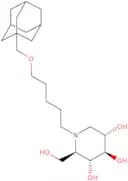
CAS :Potent inhibitor of non-lysosomal glucosylceramidase, without having any effect on glucosylceramide synthase and glucosidases. Anti-inflammatory and immunosuppressive effect of AMP-DNM demonstrated in a model of hapten-induced colitis in vivo. Reduces glycosphingolipids and increases insulin sensitivity in murine models of obesity-related insulin resistance. Induces sterol regulatory element-binding protein (SREBP) target genes in HepG2 cells, activating cholesterol biosynthesis.Formule :C22H39NO5Degré de pureté :Min. 95%Couleur et forme :Colorless Clear LiquidMasse moléculaire :397.55 g/mol1,2,3,6-Tetra-O-pivaloyl-a-D-galactofuranoside
CAS :Tetra-O-pivaloyl-a-D-galactofuranoside is a carbohydrate that belongs to the group of saccharides and oligosaccharides. It is a synthetic sugar that can be custom synthesized and modified through fluorination, methylation, glycosylation, or click chemistry. Tetra-O-pivaloyl-a-D-galactofuranoside has been shown to inhibit the growth of bacteria in vitro.Formule :C26H44O10Degré de pureté :Min. 95%Masse moléculaire :516.62 g/mol2,3,4,6-Tetra-O-acetyl-a-D-mannopyranosyl isothiocyanate
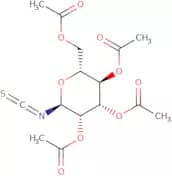
CAS :2,3,4,6-Tetra-O-acetyl-a-D-mannopyranosyl isothiocyanate (TMIT) is a custom synthesis that has been modified to include a fluorine atom. TMIT is a polysaccharide that has been modified by methylation and glycosylation. This compound has been synthesized from the natural carbohydrate D-mannopyranose. TMIT is known for its ability to inhibit protein glycosylation in bacteria cells. It also has high purity with an Oligosaccharide CAS No. 93221-21-7 and modification of saccharides with the addition of methyl groups. The chemical structure of TMIT can be found at 2,3,4,6-Tetra-O-acetyl-a-D-mannopyranosyl isothiocyanate (TMIT).Formule :C15H19NO9SDegré de pureté :Min. 95%Masse moléculaire :389.38 g/molD-2'-Deoxyribofuranosyl-3-guanylurea
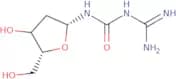
CAS :D-2'-Deoxyribofuranosyl-3-guanylurea is a custom synthesis that is used as an intermediate in the glycosylation of oligosaccharides and polysaccharides. D-2'-Deoxyribofuranosyl-3-guanylurea is a modified sugar that has been fluorinated, methylated, and glycosylated. This compound is used to synthesize complex carbohydrates that are important for various biological processes.
Formule :C7H14N4O4Degré de pureté :Min. 95%Couleur et forme :Off-White To Beige SolidMasse moléculaire :218.21 g/mol1-O-(trans-3-Hydroxycotinine)-2,3,4-tri-O-acetyl-b-D-glucuronide methyl ester
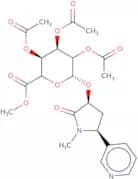
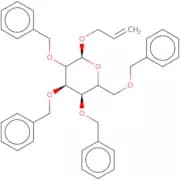
1-O-(trans-3-hydroxycotinine)-2,3,4-tri-O-acetyl-b-D-glucuronide methyl ester is a carbohydrate. Carbohydrates are polymers of the monosaccharides, which include glucose, galactose and fructose. The structure of this compound has been modified by fluorination and methylation. This modification has increased the solubility of the molecule and it is synthesized using custom methods. This product is available in high purity at a custom synthesis price.Formule :C23H28N2O11Degré de pureté :Min. 95%Masse moléculaire :508.48 g/molAllyl 2,3,4,6-tetra-O-benzyl-a-D-glucopyranoside
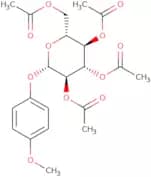
CAS :Allyl 2,3,4,6-tetra-O-benzyl-a-D-glucopyranoside is a synthetic monosaccharide. It can be used in the synthesis of complex carbohydrates by glycosylation and polysaccharide modification. It can also be used for click chemistry modification, methylation, and sugar modifications. Allyl 2,3,4,6-tetra-O-benzyl-a-D-glucopyranoside is of high purity and is available for custom synthesis.Formule :C37H40O6Degré de pureté :Min. 95%Masse moléculaire :580.71 g/mol4-Methoxyphenyl 2,3,4,6-tetra-O-acetyl-β-D-glucopyranoside
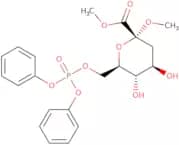
CAS :4-Methoxyphenyl 2,3,4,6-tetra-O-acetyl-b-D-glucopyranoside is a membrane stabilizer that prevents the mesenchymal transition of cells. This compound inhibits the growth of human tumor cells in vitro and has been shown to be an anti-tumor agent. 4-Methoxyphenyl 2,3,4,6-tetra-O-acetyl-b-D-glucopyranoside binds to DNA and RNA and blocks translation or transcription. It also prevents the formation of ternary complex by interfering with the binding between aminoacyl tRNA synthetases and their cognate tRNAs. The compound is activated by intestinal enzymes and is metabolized in human liver microsomes to a more reactive form that can bind to cellular macromolecules such as proteins.Formule :C21H26O11Degré de pureté :Min. 95%Couleur et forme :PowderMasse moléculaire :454.42 g/molMethyl (methyl 3-deoxy-D-arabino-hept-2-ulopyranosid)onate-7-(diphenyl phosphate)
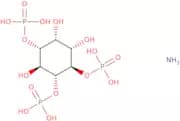
CAS :Methyl (methyl 3-deoxy-D-arabino-hept-2-ulopyranosid)onate-7-(diphenyl phosphate) is a carbohydrate that belongs to the group of oligosaccharides. It is synthesized from an alditol acetate precursor and can be modified with fluorination, methylation, glycosylation, or click chemistry. Methyl (methyl 3-deoxy-D-arabino-hept-2-ulopyranosid)onate-7-(diphenyl phosphate) is used in various industrial applications as a reagent for the synthesis of complex carbohydrates. This compound has CAS No. 91382–79–5.Formule :C21H25O10PDegré de pureté :Min. 95%Masse moléculaire :468.39 g/molD-Myo-inositol 1,4,5-triphosphate ammonium salt
CAS :D-Myo-inositol 1,4,5-triphosphate ammonium salt is a carbohydrate that can be synthesized from D-myo-inositol and phosphoric acid. D-Myo-inositol 1,4,5-triphosphate ammonium salt is a complex carbohydrate that has been fluorinated and glycosylated. It has been used as a synthetic intermediate in the synthesis of oligosaccharides and monosaccharides.
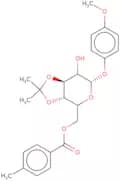
Degré de pureté :Min. 95%4-Methoxyphenyl 3,4-O-isopropylidene-6-O-toluoyl-b-D-galactopyranoside
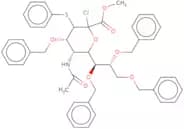
4-Methoxyphenyl 3,4-O-isopropylidene-6-O-toluoyl-b-D-galactopyranoside is a synthetic compound that can be used as a methyl donor for glycosylation reactions. It is a high purity product with a purity of 99% and can be used in custom synthesis. This product has been modified to include fluorination at the C4 position of the phenyl ring. The CAS number for this product is 56987-54-2.Formule :C24H28O8Degré de pureté :Min. 95%Masse moléculaire :444.49 g/molMethyl 5-acetamido-4,7,8,9-tetra-O-benzyl-2-chloro-2,3,5-trideoxy-3-phenylthio-D-erytho-b-L-gluco-2-nonulopyranosonate
CAS :Methyl 5-acetamido-4,7,8,9-tetra-O-benzyl-2-chloro-2,3,5-trideoxy-3-phenylthio-D-erytho-b-L-gluco -2 nonulopyranosonate is a modification of an oligosaccharide. It is a complex carbohydrate that contains a high degree of polymerization and is soluble in water. The CAS number for this product is 120308 - 52 - 3. Methyl 5 - acetamido - 4 , 7 , 8 , 9 - tetra - O - benzyl - 2 - chloro - 2 , 3 , 5 - trideoxy - 3 phenylthio D erythro b L glycosonate can be used as a custom synthesis or as a synthetic product. This product has high purity and is synthesized from monosaccharides and polysaccharFormule :C46H48ClNO8SDegré de pureté :Min. 95%Masse moléculaire :810.39 g/mol1,4:3,6-Dianhydrogalactitol
CAS :1,4:3,6-Dianhydrogalactitol (1,4:3,6-DAG) is a glycosylated sugar that belongs to the group of complex carbohydrates. It has been shown to be an effective inhibitor of methylation and Click modification reactions. 1,4:3,6-DAG also inhibits the polymerization of saccharides and oligosaccharides. This product is custom synthesized for research purposes and can be provided in high purity.
Formule :C6H10O4Degré de pureté :Min. 95%Masse moléculaire :146.14 g/mol1,3,4,6-Tetra-O-acetyl-2-deoxy-2-(tetrachlorophthalamido)-D-glucopyranose
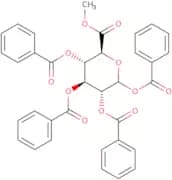
CAS :1,3,4,6-Tetra-O-acetyl-2-deoxy-2-(tetrachlorophthalamido)-D-glucopyranose is a custom synthesis of methylated oligosaccharide. It is a complex carbohydrate that has been modified with fluorination and acetylation. This saccharide is a monosaccharide with a sugar group at the end of its carbon chain. It has high purity and is synthesized from natural sugars such as glucose or sucrose. The CAS number for this product is 174356-26-4.Formule :C22H19Cl4NO11Degré de pureté :Min. 95%Masse moléculaire :615.2 g/mol1,2,3,4-Tetra-O-benzoyl-D-glucuronide methyl ester
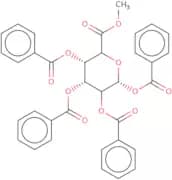
CAS :1,2,3,4-Tetra-O-benzoyl-D-glucuronide methyl ester is an Oligosaccharide that is synthesized by the glycosylation of benzoyl chloride with a sugar. The reaction is catalyzed by base and proceeds in a two step process. The first step is the addition of the sugar to the benzoyl chloride followed by a second addition to form the 1,2,3,4-tetra-O-benzoyl-D-glucuronide methyl ester. The product can be obtained in high purity and custom synthesis can be provided on request. This product can be modified according to your specifications.Formule :C35H28O11Degré de pureté :Min. 95%Masse moléculaire :624.59 g/mol6-O-Triisopropylsilyl-D-galactal
CAS :6-O-Triisopropylsilyl-D-galactal is a thioether that can be used to modify the octane number of petroleum. It can also be used as an analytical reagent for sulfur compounds and as a catalyst in desulfurization reactions. 6-O-Triisopropylsilyl-D-galactal is synthesized by reacting 6,6'-dithiodipyridine with glycerol in the presence of triisopropylsilyl chloride. The reaction is synchronous and the interaction energy between the two molecules is high. The orientation of the components (i.e., sulfoxide and sulfide) are octane and oriented, respectively.Formule :C15H30O4SiDegré de pureté :Min. 95%Masse moléculaire :302.48 g/molCyanidin-3-O-coumaroyl sambubioside-5-glucoside
This is a custom synthesis of Cyanidin-3-O-coumaroyl sambubioside-5-glucoside. The synthesis is based on the modification of an existing sugar in order to produce a fluorinated, methylated, and monosaccharide. The sugar is then modified with a click chemistry modification to produce the desired oligosaccharide.Formule :C43H45O24F3Degré de pureté :Min. 95%Couleur et forme :PowderMasse moléculaire :1,002.8 g/mol1,2,4,6-Tetra-O-acetyl-3-deoxy-3-N-(4-nitrobenzamido)-D-galactopyranose
CAS :1,2,4,6-Tetra-O-acetyl-3-deoxy-3-N-(4-nitrobenzamido)-D-galactopyranose is a sugar that has been modified with methylation, click modification, and fluorination. This sugar is a carbohydrate that consists of a monosaccharide unit of galactose. It is synthesized from D-galactopyranose in the presence of methyl iodide and 4-nitrobenzamido anhydride. The synthesis follows an acetal formation reaction between 3,4-diacetoxybenzoic acid and D-galactopyranose. 1,2,4,6-Tetra-O-acetyl 3DGPA reacts with methyl iodide to form the corresponding 2-(methylthio)acetate (MTAA). The MTAA reacts with 4 nitrobenzamido anhydFormule :C21H24N2O12Degré de pureté :Min. 95%Masse moléculaire :496.42 g/mol1,3,4,6-Tetra-O-acetyl-2-deoxy-2-trichloroacetamido-D-glucopyranose
1,3,4,6-Tetra-O-acetyl-2-deoxy-2-trichloroacetamido-D-glucopyranose is a modified glucopyranoside that has been synthesized using Click chemistry. This product is made of saccharides and is used to modify proteins. It can be used in the synthesis of glycans or as a building block for oligosaccharides. The product is highly pure and can be custom synthesized to meet your needs. 1,3,4,6-Tetra-O-acetyl-2-deoxy-2-(trichloroacetamido)-D--glucopyranose can be fluorinated with NCS to give the corresponding fluoro derivative. This product does not contain any carbohydrates or sugars and is synthetic.Degré de pureté :Min. 95%L-Daunosamine
CAS :L-Daunosamine is a natural amino sugar that is synthesized from D-glucose by the enzyme daunosamine synthetase. L-Daunosamine is a nucleophilic compound that can form an enolate intermediate as well as an amide, which are reactive intermediates in organic synthesis. This compound is also able to undergo stereoselective reactions. The product of this reaction can be used to produce methyl glycosides, which have been shown to have anticancer properties. L-Daunosamine has been shown to be a substrate for the formation of enolates and amides, which are reactive compounds in organic synthesis. This compound has also been shown to undergo stereoselective reactions. The product of this reaction can be used to produce methyl glycosides, which have been shown to have anticancer properties.Formule :C6H11NO3Degré de pureté :Min. 95%Masse moléculaire :145.16 g/mol2-C-(2,3,4,6-Tetra-O-benzyl-a-D-glucopyranosyl) ethyne
CAS :2-C-(2,3,4,6-Tetra-O-benzyl-a-D-glucopyranosyl) ethyne is a glycosylated oligosaccharide. It can be synthesized by reacting an aryl glycoside with 2,3,4,6-tetra-O-benzyl alpha D glucose in the presence of a fluoride ion. This product has been shown to have anticancer activity against human colon cancer cells in vitro and has been modified with fluorination or click chemistry. The synthesis of 2-C-(2,3,4,6-Tetra-O-benzyl-a-D glucopyranosyl) ethyne is custom and can be made for research purposes only.Formule :C29H30O5Degré de pureté :Min. 95%Masse moléculaire :458.55 g/molEthyl 2-deoxy-2-phthalimido-b-D-thioglucopyranoside
CAS :Ethyl 2-deoxy-2-phthalimido-b-D-thioglucopyranoside is a synthetic, custom synthesis carbohydrate that is modified with fluorine. Ethyl 2-deoxy-2-phthalimido-b-D-thioglucopyranoside is a polysaccharide that has been shown to have high purity and good stability in solution. This compound is used as a versatile building block for the synthesis of glycosides and other saccharides. Ethyl 2-deoxy-2-phthalimido-b-D-thioglucopyranoside can be modified by methylation or glycosylation to produce different derivatives. It can also be used for the synthesis of complex carbohydrates, such as oligosaccharides and saccharides.Degré de pureté :Min. 95%4-Bromophenyl 2-acetamido-2-deoxy-b-D-glucopyranoside
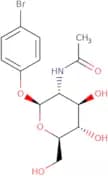
CAS :4-Bromophenyl 2-acetamido-2-deoxy-b-D-glucopyranoside is a synthetic glycosylate that is used for the modification of saccharides and polysaccharides. It can be used for click chemistry to modify proteins, antibodies, and other biomolecules. The modification of saccharides with 4-Bromophenyl 2-acetamido-2-deoxy-b-D-glucopyranoside can be done using the "glycosylation" reaction. This reaction will result in the formation of a glycosidic linkage between the sugar and the brominated acetamide group. The modification of polysaccharides with 4Bromophenyl 2-acetamido2 deoxy bD glucopyranoside can be done using "Oligosaccharide". This reaction will result in the formation of a glycosidic linkage between the sugar andFormule :C14H18BrNO6Degré de pureté :Min. 95%Masse moléculaire :376.2 g/mol1,2,3,4,6-Penta-O-benzoyl-a-D-mannopyranose
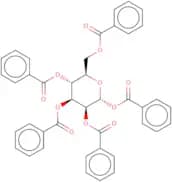
CAS :1,2,3,4,6-Penta-O-benzoyl-a-D-mannopyranose is a supramolecular complex that contains pyranose rings. The interaction of these molecules gives the molecule an orthorhombic conformation. The crystal structure has been determined by x-ray crystallography and can be indexed in the space group P2. Crystals of 1,2,3,4,6-Penta-O-benzoyl-a-D-mannopyranose have been crystallized and x-ray diffraction data collected. 1,2,3,4,6-Penta-O-benzoyl-a-Dmannopyranose is a potential surrogate for the study of pyranose rings and their interactions.Degré de pureté :Min. 95%2-Acetamido-3,4,6-tri-O-acetyl-2-deoxy-b-D-thioglucopyranose
CAS :2-Acetamido-3,4,6-tri-O-acetyl-2-deoxy-b-D-thioglucopyranose is a Glycosylation reagent that is used in the synthesis of complex carbohydrates. It can be methylated and fluorinated. 2-Acetamido-3,4,6-tri-O-acetyl-2-deoxy--bD thioglucopyranose has been shown to be a useful reagent for the synthesis of oligosaccharides. The purity of this compound is >98%. Custom synthesis is available on request.Formule :C14H21NO8SDegré de pureté :Min. 95%Masse moléculaire :363.38 g/molPhenyl 2,6-di-O-benzoyl-3,4-O-isopropylidene-b-D-thiogalactopyranoside
CAS :Phenyl 2,6-di-O-benzoyl-3,4-O-isopropylidene-b-D-thiogalactopyranoside is a Custom synthesis that can be modified for fluorination, methylation, or monosaccharide. This product has a CAS number of 124477-00-5 and is a saccharide with a molecular weight of 456. Phenyl 2,6-di-O-benzoyl-3,4-O-isopropylidene-b-D-thiogalactopyranoside can be used in the synthesis of oligosaccharides and polysaccharides. It is also used as an intermediate in glycosylation reactions to produce complex carbohydrates.Formule :C29H28O7SDegré de pureté :Min. 95%Masse moléculaire :520.59 g/molEthyl 2,4,6-tri-O-acetyl-a-D-thiomannopyranoside
CAS :Ethyl 2,4,6-tri-O-acetyl-a-D-thiomannopyranoside is a custom synthesized compound that is a complex carbohydrate. It is an oligosaccharide that has been modified with methylation and glycosylation. This compound is also a polysaccharide and it has been modified with fluorination. Ethyl 2,4,6-tri-O-acetyl-a-D-thiomannopyranoside can be used as a sweetener for food products or as an additive for pharmaceuticals to increase their sweetness. The CAS number for this compound is 1637783-63-1.Formule :C14H22O8SDegré de pureté :Min. 95%Masse moléculaire :350.39 g/mol2-Amino-2-deoxy-D-gulose hydrochloride
CAS :2-Amino-2-deoxy-D-gulose hydrochloride is a modification of the carbohydrate 2-deoxy-D-gulose. It is an oligosaccharide that has been synthesized and modified with methylation, glycosylation, and fluorination. The product is not natural and does not exist in nature. It is used for research purposes only.Formule :C6H13NO5·HClDegré de pureté :Min. 95%Masse moléculaire :215.63 g/molN-Acetyl-D-[1-13C]neuraminic acid
CAS :N-Acetyl-D-[1-13C]neuraminic acid is a monosialoganglioside that is synthesized in the human body. It is used to study the metabolic pathways of polysialic acid, which is a polysaccharide consisting of sialic acid and neuraminic acid. N-Acetyl-D-[1-13C]neuraminic acid has been shown to be effective in treating cancer and inflammatory disorders. In addition, it can be used as a diagnostic agent for glycan studies and diabetes neuropathy.Formule :C11H19NO9Degré de pureté :Min. 95%Couleur et forme :PowderMasse moléculaire :309.27 g/mol4'-O-(b-D-2'',3'',4'',6''-Tetra-O-acetyl-glucopyranosyl)-4-nitrophloretin
CAS :4'-O-(b-D-2'',3'',4'',6''-Tetra-O-acetyl-glucopyranosyl)-4-nitrophloretin is a modified carbohydrate that contains glucose, glucuronic acid, and nitrobenzene. It is a synthetic compound with a high purity and custom synthesis. The 4'-O-(b-D-2'',3'',4'',6''-Tetra-O-acetyl-glucopyranosyl)-4-nitrophloretin has been methylated, glycosylated, and click modified for research purposes.Formule :C29H31NO15Degré de pureté :Min. 95%Masse moléculaire :633.55 g/molPiceatannol 3'-O-glucoside
CAS :Piceatannol 3'-O-glucoside is a natural compound that is found in grape seeds. It has been shown to have the ability to inhibit the activity of matrix metalloproteinase (MMP)-9, which damages the extracellular matrix and promotes tumor growth. Piceatannol 3'-O-glucoside also inhibits the expression of MMP-9 at the transcriptional level. This compound also blocks the activation of PDGF and its downstream signaling pathway, leading to decreased cell proliferation and cell death. Piceatannol 3'-O-glucoside may be a potential treatment for various diseases, such as cancer, high blood pressure, nervous system diseases, or other conditions where MMP-9 activity is increased.Formule :C20H22O9Degré de pureté :Min. 95%Couleur et forme :SolidMasse moléculaire :406.38 g/molPBS 57
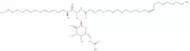
CAS :PBS 57 is a pluripotent cell-derived protein that has been shown to be a potent vaccine adjuvant. PBS 57 is derived from the plasma of pregnant women and contains the following antigenic determinants: glucose, human albumin, and human immunoglobulin G. PBS 57 can stimulate both humoral and cellular immunity in mice with deficiencies in antibody production or T cells. PBS 57 has also been shown to have strong pro-inflammatory cytokine activity, which may be due to its ability to induce galacturonic acid release from macrophages.Formule :C50H96N2O9Degré de pureté :Min. 95%Masse moléculaire :869.31 g/molN-[(e-N-Benzyloxycarbonylamino)caproyl]-b-D-galactopyranosylamine
CAS :N-[(e-N-Benzyloxycarbonylamino)caproyl]-b-D-galactopyranosylamine is a synthetic glycosaminoglycan. It is an oligosaccharide, which consists of sugar molecules linked together by glycosidic bonds. This product is custom synthesized and the purity is high. It can be used for various purposes, including research, medicine, and food production.Formule :C20H31N3O7Degré de pureté :Min. 95%Masse moléculaire :425.48 g/molBenzyl 2,3-O-[(1S,2S)-1,2-dimethoxy-1,2-dimethyl-1,2-ethanediyl]-b-D-arabinopyranoside
CAS :Benzyl 2,3-O-[(1S,2S)-1,2-dimethoxy-1,2-dimethyl-1,2-ethanediyl]-b-D-arabinopyranoside is a modification of an oligosaccharide. It is a carbohydrate that is synthesized through the methylation and glycosylation of a monosaccharide. This product has high purity and CAS No. 887370-09-4. It is also fluorinated and saccharide.Formule :C18H26O7Degré de pureté :Min. 95%Masse moléculaire :354.39 g/mol1,2:3,4-Di-O-isopropylidene-b-L-arabinopyranose
CAS :1,2:3,4-Di-O-isopropylidene-b-L-arabinopyranose is a custom synthesis of an Oligosaccharide. It is a complex carbohydrate that is made up of saccharides (sugars) linked by glycosidic bonds. This compound can be modified to create new compounds with new properties. The methylation and fluorination reactions are two examples of modifications that can be performed on this compound. 1,2:3,4-Di-O-isopropylidene-b-L-arabinopyranose has been shown to be an effective inhibitor of human T lymphocyte proliferation in vitro.Formule :C11H18O5Degré de pureté :Min. 95%Masse moléculaire :230.26 g/mol1,2,4,6-Tetra-O-acetyl-3-O-benzyl-b-D-glucopyranose
CAS :Hypromellose is a polymer that is made from cellulose. It is used as an excipient in pharmaceutical formulations, such as tablets and capsules. Hypromellose can also be used as a food additive for thickening, stabilizing, and suspending. It has a molecular weight of about 20000 Daltons and may have the following side effects: mild gastrointestinal discomfort, diarrhea, nausea, or vomiting.Formule :C21H26O10Degré de pureté :Min. 95%Couleur et forme :PowderMasse moléculaire :438.43 g/mol3,4,6-Tri-O-(tert-butyldimethylsilyl)-D-glucal
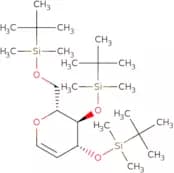
CAS :3,4,6-Tri-O-(tert-butyldimethylsilyl)-D-glucal is a spiroketal that has been synthesized for the first time. It is an antifungal agent that inhibits the growth of fungi by inhibiting the synthesis of glucose in the cell wall. 3,4,6-Tri-O-(tert-butyldimethylsilyl)-D-glucal binds to carbanions and alcohols in the cell membrane by π–π interactions and prevents them from forming new cross links between polysaccharides and proteins. This compound also prevents glucose from being transported into the cell wall. The antifungal properties of 3,4,6-tri-O-(tert-butyldimethylsilyl)-D-glucal are due to its ability to inhibit carbohydrate metabolism in fungi.Formule :C24H52O4Si3Degré de pureté :Min. 95%Masse moléculaire :488.92 g/mol2,3,4-Tri-O-benzoyl-1-bromo-D-glucuronide methyl ester
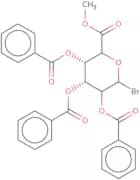
2,3,4-Tri-O-benzoyl-1-bromo-D-glucuronide methyl ester is a modification of an oligosaccharide. The oligosaccharide is a complex carbohydrate that has been modified by the introduction of a bromine atom at the 2 position of the glucuronic acid moiety. This modification was accomplished through custom synthesis and high purity. This compound has CAS No. 61257-07-6 and is monosaccharide with a methyl group at the 2 position of the glucose moiety.Formule :C28H23BrO9Degré de pureté :Min. 95%Masse moléculaire :583.38 g/mol2-Bromo-2-deoxy-3,4,5,7-tetra-O-benzoyl-a-D-gluco-heptulopyranosononitrile
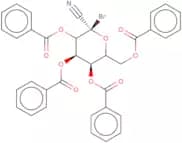
CAS :2-Bromo-2-deoxy-3,4,5,7-tetra-O-benzoyl-a-D-glucoheptulopyranosononitrile is a sugar. It is a synthetic compound that can be used in the synthesis of glycosylated saccharides and oligosaccharides. 2-Bromo-2-deoxy-3,4,5,7 tetra O benzoyl a D glucoheptulopyranosononitrile has been shown to have antibacterial activity against Clostridium perfringens. This compound also has the ability to inhibit protein synthesis in E coli cells.Formule :C35H26BrNO9Degré de pureté :Min. 95%Masse moléculaire :684.49 g/mol5-O-Benzyl-2,3-O-Isopropylidene-L-lyxonic acid-1,4-lactone
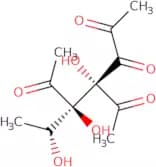
5-O-Benzyl-2,3-O-isopropylidene-L-lyxonic acid-1,4-lactone is a modification of the Oligosaccharide. It is an oligomeric sugar that has a complex carbohydrate structure. The 5-O-Benzyl group is a methylation of the hydroxyl group on C5 in the sugar. This compound has been synthetically prepared and is available for custom synthesis. It can also be found as a CAS No., which is assigned to a substance that has been assigned an International Chemical Identifier (CAS) number. The CAS number for 5-O-Benzyl-2,3-O-isopropylidene - L - lyxonic acid - 1,4 - lactone is 90160–28–9. The monosaccharide form of this compound is methylated at C5 and glycosylated at C6Degré de pureté :Min. 95%Methyl-4,6-O-benzyliden-2-amino-b-D-mannopyranoside
Methyl-4,6-O-benzyliden-2-amino-b-D-mannopyranoside is a synthetic glycosylation agent for the synthesis of oligosaccharides and polysaccharides. It has been modified with fluorination and methylation. Methyl 4,6-O-benzyliden amino b D mannopyranoside is used as a monomer in the preparation of complex carbohydrates. The chemical name for this compound is 1,3,5,7,-tetraoxaheptane 3,7,9,11 tetrahydroxybutyric acid methyl ester.Degré de pureté :Min. 95%3-Deoxy-3-fluoro-D-myo-inositol 1,4,5-trisphosphate hexasodium salt
CAS :3-Deoxy-3-fluoro-D-myo-inositol 1,4,5-trisphosphate hexasodium salt is a synthetic sugar that has been modified with fluorination and glycosylation. It is used for the synthesis of oligosaccharides and monosaccharides. 3-Deoxy-3-fluoro-D-myo-inositol 1,4,5-trisphosphate hexasodium salt is a carbohydrate that can be found in complex carbohydrates such as glycolipids and glycoproteins. The CAS number for this compound is 129365–68–0.
Formule :C6H8FO14P3Na6Degré de pureté :Min. 95%Masse moléculaire :553.98 g/mol(S)-3-((3aR,5R,6S,6aR)-6-(Benzyloxy)-2,2-dimethyltetrahydrofuro[2,3-d][1,3]dioxol-5-yl)propane-1,2-diol
CAS :(S)-3-((3aR,5R,6S,6aR)-6-(Benzyloxy)-2,2-dimethyltetrahydrofuro[2,3-d][1,3]dioxol-5-yl)propane-1,2-diol is a guanosine triphosphatase inhibitor that binds to the enzyme and blocks its activity. It also has anti-cancer properties due to its ability to inhibit DNA methylation. The drug is activated by nitro groups in the presence of formaldehyde or formic acid to give 3-(N-nitrosomethyl)benzoyloxymethyl butyrylguanine (NMGB). This metabolite is then hydrolyzed into an aldehyde and dialkylamino group which are thought to be responsible for the anticancer activity. NMGB inhibits cancer cell growth by inhibiting protein synthesis and reducing metabolic activities.Formule :C17H24O6Degré de pureté :Min. 95%Masse moléculaire :324.37 g/mol1,2-Di-O-acetyl-3-O-benzyl-4-C-(phenylmethoxy)methyl-L-Lyxofuranose 5-methanesulfonate
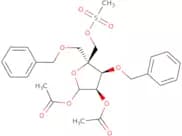
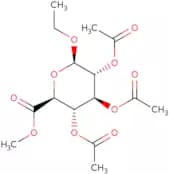
CAS :1,2-Di-O-acetyl-3-O-benzyl-4-C-(phenylmethoxy)methyl-L-Lyxofuranose 5-methanesulfonate is a high purity, custom synthesis sugar that has been modified with fluorination, glycosylation and methylation. It is also a synthetic saccharide that can be used in the modification of oligosaccharides and monosaccharides. This product is available in a variety of different quantities.Formule :C25H30O10SDegré de pureté :Min. 95%Masse moléculaire :522.57 g/molEthyl 2,3,4-tri-O-acetyl-b-D-glucuronide methyl ester
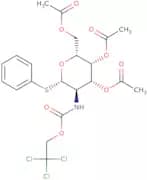
CAS :Ethyl 2,3,4-tri-O-acetyl-b-D-glucuronide methyl ester is a fluorinated monosaccharide. It can be used as a synthetic intermediate for the production of oligosaccharides and polysaccharides. This product is also used in the glycosylation of sugar molecules.Formule :C15H22O10Degré de pureté :Min. 95%Masse moléculaire :362.33 g/molPhenyl 3,4,6-tri-O-acetyl-2-deoxy-1-thio-2-(2,2,2-trichloroethoxyformamido)-b-D-galactopyranoside
CAS :Phenyl 3,4,6-tri-O-acetyl-2-deoxy-1-thio-2-(2,2,2-trichloroethoxyformamido)-b-D-galactopyranoside is a high purity and custom synthesis sugar that has been modified with fluorination and glycosylation. This product is also methylated and modified with an oligosaccharide. Phenyl 3,4,6-tri-O-acetyl-2-deoxy-1-thio - 2-(2,2,2 trichloroethoxyformamido)-b - D - galactopyranoside is used as a saccharide in the synthesis of complex carbohydrates.
Formule :C21H24Cl3NO9SDegré de pureté :Min. 95%Couleur et forme :PowderMasse moléculaire :572.84 g/mol3,5-Di-O-Benzyl-1,2-O-isopropylidene-a-D-ribofuranose
CAS :3,5-Di-O-Benzyl-1,2-O-isopropylidene-a-D-ribofuranose is a modification of a sugar that has been synthesized and modified to increase its stability. It has been synthesized by methylation, glycosylation, and polysaccharide synthesis.br>br> 3,5-Di-O-Benzyl-1,2-O-isopropylidene -a -D -ribofuranose is a monosaccharide with the chemical formula C6H12O6. It is also known as ribose or deoxyribose. This compound is found in many biological systems including DNA and RNA. Ribose can be found naturally in such things as fruit juices and honey. 3,5 Di--O--Benzyl--1,2--O--isopropylidene -a -D -ribofuranose is anFormule :C22H26O5Degré de pureté :Min. 95%Masse moléculaire :370.44 g/mol1,2,3-Tri-O-Acetyl-5-deoxy-D-ribose
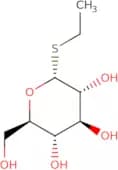
CAS :1,2,3-Tri-O-acetyl-5-deoxy-D-ribose is an efficient and environmentally benign method for the synthesis of acyclic acetals. The condensation process involves the use of a chloroformate to introduce the carbonyl group into a hydroxyl group on the sugar. This reaction can be carried out in an organic solvent or water as well. The reaction rate is fast due to a high nucleophilicity of the chloride ion. The product can then be converted into an amide by reacting it with ammonia in a basic medium. This reaction results in a high yield and is useful for recycling acetonitrile that would otherwise be released into the environment.Formule :C11H16O7Degré de pureté :Min. 95%Masse moléculaire :260.24 g/molEthyl a-D-thioglucopyranoside
CAS :Ethyl a-D-thioglucopyranoside is an organic compound that is used as a precursor in the synthesis of complex sugars. Ethyl a-D-thioglucopyranoside is an oligosaccharide that contains a methylated and glycosylated sugar. The glycosidic bond in this product can be modified by fluorination to give ethyl 2,3,4,5-tetrafluorothioglucopyranoside.
Formule :C8H16O5SDegré de pureté :Min. 95%Masse moléculaire :224.28 g/molN-Acetyl-glucosaminyl thiazoline triaacetate
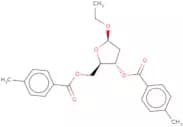
CAS :N-Acetyl-glucosaminyl thiazoline triaacetate is a custom synthesis that is fluorinated. It has been modified for methylation and Click chemistry. This chemical is an oligosaccharide, polysaccharide, saccharide, carbohydrate, or sugar. It is purified with high purity and has a monosaccharide modification. N-Acetyl-glucosaminyl thiazoline triaacetate is used in the modification of complex carbohydrates and can be synthesized from methylated glucosamine and acetamidomethylthiazoline.Degré de pureté :Min. 95%Ethyl 2-deoxy-3,5-di-O-toluoyl-D-xylofuranoside
Ethyl 2-deoxy-3,5-di-O-toluoyl-D-xylofuranoside is a monosaccharide or a modified sugar. It is used in the synthesis of complex carbohydrates and can be fluorinated to prepare a water soluble fluorinated saccharide. Ethyl 2-deoxy-3,5-di-O-toluoyl-D-xylofuranoside is an intermediate in the modification of oligosaccharides and polysaccharides. The chemical name for this compound is ethyl 2 deoxy 3,5 di O toluoyl D xylo furanoside.Formule :C23H26O6Degré de pureté :Min. 95%Masse moléculaire :398.45 g/mol1,2,3,4-Tetra-O-benzoyl-a-D-glucuronide methyl ester
CAS :1,2,3,4-Tetra-O-benzoyl-a-D-glucuronide methyl ester is a synthetic compound that belongs to the class of complex carbohydrates. It has been custom synthesized and modified using glycosylation, methylation, and click chemistry. It is composed of one monosaccharide and four oligosaccharides linked together by O-glycosidic bonds. The carbohydrate moiety contains a benzoyl group attached to the 1 position on the glucose molecule through an ether linkage. This product is available in high purity (≥ 99%) at CAS No. 201789-32-4.Formule :C35H28O11Degré de pureté :Min. 95%Masse moléculaire :624.59 g/mol(1S,3S,4R,8S)-8-Benzyloxy-1-hydroxymethyl-3-methoxy-2,6-dioxabicyclo[3,2,1]octane
CAS :1-Hydroxymethyl-8-benzyloxy-3-methoxy-2,6-dioxabicyclo[3,2,1]octane is a sugar that can be modified with various functional groups. This compound is synthesized by modification of the 1S,3S,4R,8S configuration of 8-Benzyloxy-1-(hydroxymethyl)-3-methoxy-2,6 dioxabicyclo[3,2,1]octane. The synthesis can be performed in two steps: first the hydroxymethyl group is replaced by benzyloxymethyl using 1-(benzyloxy)propanol and then the methoxy group is replaced by a methoxy group with sodium methoxide.Formule :C15H20O5Degré de pureté :Min. 95%Masse moléculaire :280.32 g/mol
![L-[6-13C]Sorbose](/_next/image/?url=https%3A%2Fstatic.cymitquimica.com%2Fproducts%2F3D%2Fthumb-webp%2FMS35536.webp&w=3840&q=75)






![1-[[2-N-(5-Nitrothiazolyl)carboxamido]phenyl]-2,3,4-tri-O-acetyl-b-D-glucuronide methyl ester](/_next/image/?url=https%3A%2Fstatic.cymitquimica.com%2Fproducts%2F3D%2Fthumb-webp%2FMN04558.webp&w=3840&q=75)





![6,7,8-Trihydroxy-1-(hydroxymethyl)-3-oxo-2-oxa-4-azabicyclo[3.3.1]nonane](/_next/image/?url=https%3A%2Fstatic.cymitquimica.com%2Fproducts%2F3D%2Fthumb-webp%2FMT15196.webp&w=3840&q=75)












![N-Acetyl-D-[1-13C]neuraminic acid](/_next/image/?url=https%3A%2Fstatic.cymitquimica.com%2Fproducts%2F3D%2Fthumb-webp%2FMA15642.webp&w=3840&q=75)


![N-[(e-N-Benzyloxycarbonylamino)caproyl]-b-D-galactopyranosylamine](/_next/image/?url=https%3A%2Fstatic.cymitquimica.com%2Fproducts%2F3D%2Fthumb-webp%2FMB04505.webp&w=3840&q=75)
![Benzyl 2,3-O-[(1S,2S)-1,2-dimethoxy-1,2-dimethyl-1,2-ethanediyl]-b-D-arabinopyranoside](/_next/image/?url=https%3A%2Fstatic.cymitquimica.com%2Fproducts%2F3D%2Fthumb-webp%2FMB16615.webp&w=3840&q=75)




![(S)-3-((3aR,5R,6S,6aR)-6-(Benzyloxy)-2,2-dimethyltetrahydrofuro[2,3-d][1,3]dioxol-5-yl)propane-1,2…](/_next/image/?url=https%3A%2Fstatic.cymitquimica.com%2Fproducts%2F3D%2Fthumb-webp%2FMB45373.webp&w=3840&q=75)


![(1S,3S,4R,8S)-8-Benzyloxy-1-hydroxymethyl-3-methoxy-2,6-dioxabicyclo[3,2,1]octane](/_next/image/?url=https%3A%2Fstatic.cymitquimica.com%2Fproducts%2F3D%2Fthumb-webp%2FMB10613.webp&w=3840&q=75)