Monosaccharides
Sous-catégories appartenant à la catégorie "Monosaccharides"
- Alloses(11 produits)
- Arabinoses(21 produits)
- Erythroses(11 produits)
- Fructoses(9 produits)
- Fucoses(36 produits)
- Galactosamine(41 produits)
- Galactoses(262 produits)
- Glucoses(365 produits)
- Acides glucuroniques(52 produits)
- Glyco-substrats pour l'enzyme(78 produits)
- Guloses(6 produits)
- Idoses(4 produits)
- Inositols(15 produits)
- Lyxoses(4 produits)
- Mannoses(65 produits)
- O-Glycanes(48 produits)
- Psicoses(3 produits)
- Rhamnoses(10 produits)
- Ribos(61 produits)
- Acides sialiques(100 produits)
- Sorboses(4 produits)
- Sucres(173 produits)
- Tagatoses(4 produits)
- Taloses(8 produits)
- Xyloses(20 produits)
6089 produits trouvés pour "Monosaccharides"
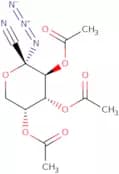
2,3,4-Tri-O-acetyl-1-azido-1-deoxy-b-D-arabinopyranosyl cyanide
CAS :2,3,4-Tri-O-acetyl-1-azido-1-deoxy-b-D-arabinopyranosyl cyanide is a synthetic carbohydrate that can be modified with fluorination, methylation and glycosylation. It is modified with acetyl groups at the 2, 3 and 4 positions of the sugar ring. This carbohydrate has been used to synthesize oligosaccharides and polysaccharides. The modification of this carbohydrate has been shown to improve its solubility in water.
Formule :C12H14N4O7Degré de pureté :Min. 95%Masse moléculaire :326.26 g/mol3,5-Di-O-benzoyl-2-deoxyribofuranose
CAS :3,5-Di-O-benzoyl-2-deoxyribofuranose is a custom synthesis of an Oligosaccharide. This complex carbohydrate can be modified with methylation, glycosylation, and fluorination. 3,5-Di-O-benzoyl-2-deoxyribofuranose is also a polysaccharide that can be synthesized under high purity conditions. It has a CAS number of 112137-63-0.Formule :C19H18O6Degré de pureté :Min. 95%Masse moléculaire :342.34 g/molN-(e-Aminocaproyl)-b-D-galactopyranosyl amine
CAS :N-(e-Aminocaproyl)-b-D-galactopyranosyl amine is a fluorinated monosaccharide with a complex carbohydrate structure that has been synthesized by custom synthesis. This product is used for glycosylation, polysaccharide modification, and click chemistry. It has been shown to be a high purity product with CAS No. 38822-56-9 and can be methylated or fluorinated.Formule :C12H24N2O6Degré de pureté :Min. 95%Couleur et forme :SolidMasse moléculaire :292.33 g/mol2-(L-Fuco-tetrahydroxypentyl)-4(R)-1,3-thiazolidine-4-carboxylic acid
CAS :2-(L-Fuco-tetrahydroxypentyl)-4(R)-1,3-thiazolidine-4-carboxylic acid is a high purity custom synthesis sugar. It has been synthesized by click modification and fluorination of 2-(L-fuco-tetrahydroxypentyl)-4(R)-1,3-thiazolidine-4-carboxylic acid methyl ester. This compound can be used in glycosylation with oligosaccharides, monosaccharides, saccharides and complex carbohydrates.Formule :C10H19NO6SDegré de pureté :Min. 95%Masse moléculaire :281.33 g/mol1,2-Di-O-acetyl-4-O-allyl-3-O-benzyl-a-L-rhamnpyranose
1,2-Di-O-acetyl-4-O-allyl-3-O-benzyl-a-L-rhamnpyranose is a synthetic monosaccharide that contains an O,O'-diacetyl group on the 2' position. This product is a complex carbohydrate that has been modified with fluorination and methylation. It can be used as a custom synthesis or as a glycosylation or polysaccharide modification. 1,2-Di-O-acetyl-4-O-allyl-3,6'-di(benzoyloxy)-a,a'-dimethyl rhamnopyranose is soluble in water and is of high purity.Formule :C20H26O7Degré de pureté :Min. 95%Masse moléculaire :378.42 g/molMethyl 4-azido-3-O-benzyl-4,6-dideoxy-2-O-methyl-a-D-glucopyranoside
CAS :Methyl 4-azido-3-O-benzyl-4,6-dideoxy-2-O-methyl-a-D-glucopyranoside is a synthetic sugar that has been modified with azide and fluoride. It may be used in the synthesis of saccharides as a monosaccharide or oligosaccharide. This compound can be used to prepare glycosylation derivatives, which are complex carbohydrates that are important for cell recognition and immune system function.Formule :C15H21N3O4Degré de pureté :Min. 95%Masse moléculaire :307.35 g/mol2,4:3,5-Di-O-benzylidene-aldehydo-D-ribose hydrate
CAS :2,4:3,5-Di-O-benzylidene-aldehydo-D-ribose hydrate is a complex carbohydrate that contains a glycosylation site. The CAS number for this product is 32580-00-0. This product can be modified by methylation, fluorination, and saccharide modification. It is also available in custom synthesis or high purity.Formule :C19H18O5·H2ODegré de pureté :Min. 95%Masse moléculaire :344.36 g/molMethyl 4,6-di-O-acetyl-2,3-carbonyl-b-D-mannopyranoside
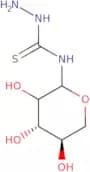
CAS :Methyl 4,6-di-O-acetyl-2,3-carbonyl-b-D-mannopyranoside is a saccharide that is modified by the Click reaction with osmium tetroxide and methyl iodide. It can be used in glycosylation reactions to produce complex carbohydrates. This product is made of high purity and has a CAS No. 53958-22-8.Formule :C12H16O9Degré de pureté :Min. 95%Masse moléculaire :304.25 g/molD-Arabinopyranosyl thiosemicarbazide
CAS :D-Arabinopyranosyl thiosemicarbazide is a synthetic compound. It has been shown to be effective in the synthesis of oligosaccharides and sugars, as well as glycosylation reactions. This product can be used in fluorination, methylation, and other custom synthesis reactions. D-Arabinopyranosyl thiosemicarbazide is also useful for click modification of complex carbohydrates. The purity of this product is high and it can be modified with various functional groups.
Formule :C6H13N3O4SDegré de pureté :Min. 95%Masse moléculaire :223.25 g/mol2,5-Anhydro-D-mannitol-1,6-diphosphate dibarium salt dihydrate
CAS :2,5-Anhydro-D-mannitol-1,6-diphosphate dibarium salt dihydrate is a synthetic sugar that is an intermediate in the synthesis of glycosylation products. It can be modified with methyl groups and fluorine atoms. The CAS number for this product is 352000-03-4. This product can be custom synthesized to meet specifications such as purity and monosaccharide content. It is a white to off white powder with a melting point of 136 - 141 °C and a solubility of 0.01 g/L in water.Formule :C6H10Ba2O11P2·2H2ODegré de pureté :Min. 95%Masse moléculaire :630.77 g/mol4-Methoxyphenyl 2-azido-4,6-O-benzylidene-2-deoxy-a-D-galactopyranose
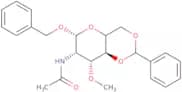
CAS :4-Methoxyphenyl 2-azido-4,6-O-benzylidene-2-deoxy-a-D-galactopyranose is a custom synthesis of an oligosaccharide. It is a polysaccharide that contains a modified sugar with a methyl group at position C6 and a benzyl group at position 4. The glycosylation of this sugar is the result of an enzymatic process involving the transfer of glucose from UDP to C6. This modification is called Click chemistry, which can be done in vivo or in vitro using chemical reactions. This product has high purity and can be used as an inhibitor for bacterial growth or as a catalyst for organic synthesis.Formule :C20H21N3O6Degré de pureté :Min. 95%Masse moléculaire :399.4 g/molBenzyl 2-acetamido-4,6-O-benzylidene-2-deoxy-3-O-methyl-a-D-glucopyranoside
CAS :Benzyl 2-acetamido-4,6-O-benzylidene-2-deoxy-3-O-methyl-aDglucopyranoside is a synthetic oligosaccharide with a complex carbohydrate structure. It is custom synthesized by glycosylation and polysaccharide modification to produce a high purity product. Click chemistry modifications, methylations, and fluorination are used for the synthesis of benzyl 2-acetamido-4,6-Obenzylidene -2deoxy -3OmethylaDglucopyranoside. The CAS number for this product is 116696–66–3.Formule :C23H27NO6Degré de pureté :Min. 95%Masse moléculaire :413.46 g/molTolmetin acyl-b-D-glucuronide
CAS :Tolmetin acyl-b-D-glucuronide is a nonsteroidal anti-inflammatory drug that is metabolized to the active form, tolmetin, in the liver. The major route of elimination is through the kidneys as an inactive conjugate with glucuronic acid and excreted in urine. Tolmetin acyl-b-D-glucuronide has been shown to react with lysines on proteins in biological fluids by forming covalent adducts. This reaction can lead to allergic reactions and other problems.Formule :C21H23NO9Degré de pureté :Min. 95%Couleur et forme :White to pale yellow solid.Masse moléculaire :433.41 g/mol5-Azido-5-deoxy-D-fructose
CAS :5-Azido-5-deoxy-D-fructose is a chiral compound that has been synthesized by the catalytic hydrogenation of 5-azido-4,6-dideoxy-D-glucose. The kinetic and stereoselective synthesis of 5-azido-5-deoxy-D-fructose is achieved by using an acetylating agent to first generate the corresponding acetic acid derivative. The enantiomeric excess in this reaction was 88%. This compound can be used as a precursor for the synthesis of polyhydroxylated compounds, such as 3,4,5,6 tetrahydroxybenzoate.Formule :C6H11N3O5Degré de pureté :Min. 98 Area-%Couleur et forme :White PowderMasse moléculaire :205.17 g/molPhenyl 4,6-O-benzylidene-3-O-(4-methoxybenzyl)-a-D-thiomannopyranoside
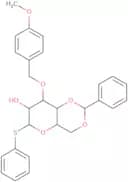
CAS :Phenyl 4,6-O-benzylidene-3-O-(4-methoxybenzyl)-a-D-thiomannopyranoside is a custom synthetic sugar with a molecular weight of 514.87 and an empirical formula of C11H12FNO8. It has fluorination at the 2-, 3-, 4-, and 6-positions and methylation at the 2-, 3-, 4-, 5-, and 6-positions. Phenyl 4,6-O-benzylidene-3-O-(4-methoxybenzyl)-a-D-thiomannopyranoside is a modification of the natural product that is used in the synthesis of Oligosaccharides, Glycosylations, and Click modifications. This product is available for sale to qualified buyers.Degré de pureté :Min. 95%1,2,3,4,6-Penta-O-benzoyl-α-D-galactopyranose
CAS :1,2,3,4,6-Penta-O-benzoyl-a-D-galactopyranose is a custom synthesis of an oligosaccharide with a glycosylation site that can be modified by the addition of other sugars. It has been fluorinated and methylated at the 6 position. The CAS number for this compound is 41545-55-5.Formule :C41H32O11Degré de pureté :Min. 95%Couleur et forme :PowderMasse moléculaire :700.69 g/molRibaric acid disodium salt
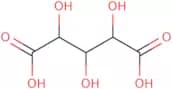
CAS :Ribaric acid is a polycarboxylic acid that is used as a disinfectant and corrosion inhibitor. It has been shown to have synergistic effects with other compounds, such as azobenzene. Ribaric acid also has the ability to inhibit the growth of bacteria, enzymes and fungi. The structure of ribaric acid is composed of alternating carboxylate groups and hydroxyl groups, which give it its biodegradable properties. It can be used in deionized water due to its high resistance to hydrolysis. One study showed that ribaric acid inhibited the growth of bacteria by disrupting their cell wall synthesis and inhibiting their DNA synthesis by interacting with bacterial DNA gyrase.Formule :C5H6Na2O7Degré de pureté :Min. 95%Masse moléculaire :224.08 g/mol5-Deoxy-1,2-O-isopropylidene-5-(morpholin-1-yl)-a-D-xylofuranose
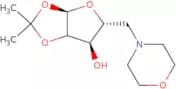
CAS :5-Deoxy-1,2-O-isopropylidene-5-(morpholin-1-yl)-a-D-xylofuranose is a glycosylated monosaccharide. It is also known as 5DIMOF and is a synthetic compound that can be used for the synthesis of oligosaccharides. This compound has been shown to have antiviral, antiparasitic, and anticancer activities.Formule :C12H21NO5Degré de pureté :Min. 95%Masse moléculaire :259.3 g/mol1-Deoxy-D-ribulose - 1.0M Aqueous solution
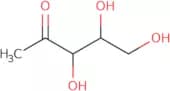
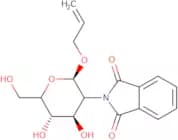
CAS :1-Deoxy-D-ribulose is a ribose sugar that has been modified by the removal of one of the hydroxyl groups. It has a variety of uses, including as a flavouring agent in food and beverages and as an intermediate in the production of other chemicals. The flavour profile varies depending on its source, but can include caramel, toffee, chocolate, dried fruit or molasses flavours.Formule :C5H10O4Degré de pureté :Min. 95%Couleur et forme :PowderMasse moléculaire :134.13 g/molAllyl 2-deoxy-2-phthalimido-b-D-glucopyranoside
CAS :Allyl 2-deoxy-2-phthalimido-b-D-glucopyranoside is a modification of a sugar. It is an oligosaccharide that is synthesized and modified by methylation and glycosylation. Allyl 2-deoxy-2-phthalimido-b-D-glucopyranoside has high purity and is a monosaccharide. This modification contains fluorine atoms, which are added to the saccharide backbone to increase its stability.Formule :C17H19NO7Degré de pureté :Min. 95%Masse moléculaire :349.34 g/mol4-Methoxyphenyl 2-azido-4,6-O-benzylidene-2-deoxy-b-D-galactopyranose
CAS :4-Methoxyphenyl 2-azido-4,6-O-benzylidene-2-deoxy-b-D-galactopyranose is a synthetic sugar that has been modified with the Click reaction. It is a water soluble white solid and can be used in the synthesis of glycosides. 4MPAPGAL is a complex carbohydrate that can be used to modify saccharides or oligosaccharides. It has been shown to bind to proteins and other biomolecules with high affinity.Formule :C20H21N3O6Degré de pureté :Min. 95%Masse moléculaire :399.4 g/mol1,2,3-Tri-O-benzoyl-4-deoxy-a-L-fucopyranose
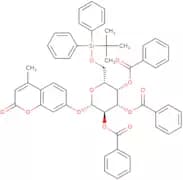
CAS :1,2,3-Tri-O-benzoyl-4-deoxy-a-L-fucopyranose is a carbohydrate that belongs to the group of oligosaccharides. It is a sugar that contains three benzoyl groups and one deoxyhexopyranose. This product can be custom synthesized and has high purity with no detectable impurities. 1,2,3-Tri-O-benzoyl-4-deoxy-a-L-fucopyranose can be used in the synthesis of glycoproteins and other complex carbohydrates by methylation and glycosylation methods. The product also has click modification capability.Formule :C27H24O7Degré de pureté :Min. 95%Masse moléculaire :460.48 g/mol4-Methylumbelliferyl 2,3,4-tri-O-benzoyl-6-O-(tert-butyldiphenylsilyl)-b-D-galactopyranoside
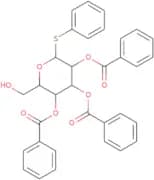
CAS :This is a fluorinated monosaccharide that is synthesized by glycosylation. It is a synthetic oligosaccharide with a complex carbohydrate structure, which has been modified with click chemistry. This product has CAS No. 920975-58-2 and can be custom synthesized to meet your needs. It is methylated and high purity and can be used for glycosylation, polysaccharides, or custom synthesis.Formule :C53H48O11SiDegré de pureté :Min. 95%Masse moléculaire :889.03 g/molPhenyl 2,3,4-tri-O-benzoyl-b-D-thiogalactopyranoside
CAS :Phenyl 2,3,4-tri-O-benzoyl-b-D-thiogalactopyranoside is a methylation product of b-D-thiogalactopyranoside. It has CAS No. 139608-11-0 and a molecular weight of 536.2. This compound is an Oligosaccharide with a molecular formula of C8H8O7 and a molecular weight of 432.1. Phenyl 2,3,4-tri-O-benzoyl-b-D-thiogalactopyranoside is also known as Methyl 3,4-(Benzoyloxy)galactoside or Methyl 3,4-(Benzoic acid)galactoside. This compound is soluble in water and ethanol and has the appearance of a white to off white powder at room temperature.Degré de pureté :Min. 95%Methyl 4,6-dichloro-4,6-dideoxy-a-D-galactopyranoside
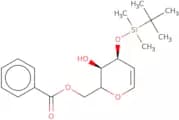
CAS :Methyl 4,6-dichloro-4,6-dideoxy-a-D-galactopyranoside is an innovative sweetener that can be used in food and drinks. It is a type of sugar alcohol with a sweet taste similar to sucrose. This substance is not metabolized by bacteria in the intestine or absorbed into the bloodstream. Methyl 4,6-dichloro-4,6-dideoxy-a-D-galactopyranoside has been shown to inhibit the activity of nerve cells by preventing the release of neurotransmitters such as glutamate and GABA. This inhibition mechanism is thought to be due to its ability to enhance the release of chloride ions from nerve cells. The model Euclidean was used to predict the potential stimulatory effect on tympanic membrane (eardrum) cells when exposed to methyl 4,6-dichloro-4,6-dideoxy-a-DFormule :C7H12Cl2O4Degré de pureté :Min. 95%Masse moléculaire :231.08 g/mol6-O-Benzoyl-3-O-tert-butyldimethylsilyl-D-glucal
6-O-Benzoyl-3-O-tert-butyldimethylsilyl-D-glucal is a custom synthesis that is used in the modification of monosaccharides and oligosaccharides. It is a synthetic molecule that has been modified with fluorination, methylation, and click chemistry. This product is a saccharide with a CAS number.
Formule :C19H28O5SiDegré de pureté :Min. 95%Masse moléculaire :364.51 g/molMethyl (methyl 3-deoxy-D-arabino-hept-2-ulopyranosid)onate
CAS :Methyl 3-deoxy-D-arabino-hept-2-ulopyranosid)onate is a custom synthesis of methylation, click modification, and oligosaccharide. It is an oligosaccharide that contains a saccharide linked to a monosaccharide. Methyl 3-deoxy-D-arabino-hept-2-ulopyranosid)onate is used in the synthesis of polysaccharides and complex carbohydrates. This product is characterized by high purity and low cost, making it ideal for research purposes.Formule :C9H16O7Degré de pureté :Min. 95%Masse moléculaire :236.22 g/molMethyl 4-deoxy-2,3-O-isopropylidene-L-threonate
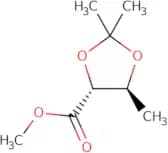
CAS :Methyl 4-deoxy-2,3-O-isopropylidene-L-threonate is a fluorinated sugar that can be synthesized with high purity. It has been used for the synthesis of glycosyls and polysaccharides or for the modification of natural sugars. This compound is an intermediate in the synthesis of complex carbohydrates such as oligosaccharides and polysaccharides. Click chemistry has also been used as a modification to this compound. Methyl 4-deoxy-2,3-O-isopropylidene-L-threonate is a white crystalline solid that is soluble in water and methanol but not in ethanol. It has a melting point of 155°C and a CAS number of 78086-72-3.Formule :C8H14O4Degré de pureté :Min. 95%Masse moléculaire :174.19 g/mol4-Methylphenyl 2,3,4-tri-O-acetyl-b-D-thioglucuronide methyl ester
CAS :4-Methylphenyl 2,3,4-tri-O-acetyl-b-D-thioglucuronide methyl ester is a synthetic, fluorinated monosaccharide. It is a custom synthesis for use in glycosylation reactions. The product can be used as a carbohydrate building block in the synthesis of oligosaccharides and polysaccharides. This compound is also suitable for click modification and methylation reactions. 4-Methylphenyl 2,3,4-tri-O-acetyl-b-D-thioglucuronide methyl ester has CAS number 61025-09-0 and purity of >99%.Formule :C20H24O9SDegré de pureté :Min. 95%Masse moléculaire :440.47 g/molRhein 1-D-glucuronide
CAS :Rhein 1-D-glucuronide is a synthetic sugar that can be used in the synthesis of complex carbohydrates. It is a monosaccharide that has been modified with fluorination and has been shown to have high purity. Rhein 1-D-glucuronide is a methylated form of rhein, which is an oligosaccharide or polysaccharide found in plants. The modification of rhein 1-D-glucuronide allows for an increased resistance to hydrolysis by esterases or glucuronidases, allowing for its use as a synthetic intermediate in the production of saccharides.Degré de pureté :Min. 95%1,2,3,4-Tetra-O-benzyl-6-O-trityl-b-D-galactopyranose
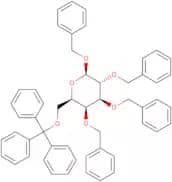
CAS :1,2,3,4-Tetra-O-benzyl-6-O-trityl-β-D-galactopyranose is a synthetic sugar that has been modified with methylation and glycosylation. It is an oligosaccharide that is composed of glucose units linked by β(1→4) glycosidic bonds. 1,2,3,4-Tetra-O-benzyl-6-O-trityl-β-D-galactopyranose is soluble in water and can be used as a fluorescence probe for the detection of sugars in solution.Formule :C53H50O6Degré de pureté :Min. 95%Masse moléculaire :782.96 g/molMomordicoside G
CAS :Momordicoside G is a plant-derived compound that belongs to the group of monoterpenoids. It has been shown to stimulate cell growth and differentiation in vitro by binding to epidermal growth factor (EGF) and colony-stimulating factor (CSF) receptors. Momordicoside G has also been shown to inhibit pentobarbital sodium-induced lung cell lysis, which may be due to its ability to induce synthesis of fatty acids. This molecule has been found in a variety of model organisms, including bacteria and yeast. The fluorescence emission spectrum of momordicoside G has been reported and it was shown that this molecule binds to DNA polymerase. Studies have also shown that momordicoside G can inhibit RNA extraction from lung fibroblasts, which may be due to its ability to bind with RNA polymerase II.Formule :C37H60O8Degré de pureté :Min. 95%Masse moléculaire :632.87 g/molD-Glucose 2-phosphate
CAS :D-Glucose 2-phosphate (D-G6P) is a glycolysis intermediate that is generated by the enzyme phosphoglucose isomerase. It is necessary for the synthesis of glycogen and starch, as well as for the formation of glucose 6-phosphate in glycolysis. D-G6P has been shown to be an important substrate for enzymes involved in phosphate transfer. D-G6P also plays a role in mitochondrial function, as it can be converted to ATP by the enzyme pyruvate kinase. D-G6P has been shown to alter physiological effects in wild type strains of yeast and plants, as well as having disease activity against human serum.Formule :C6H13O9PDegré de pureté :Min. 95 Area-%Couleur et forme :PowderMasse moléculaire :260.14 g/mol1-(2,3,4,6-Tetra-O-acetyl-b-D-glucopyranosyl)imidazole
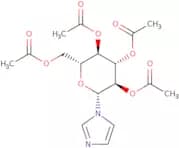
CAS :1-(2,3,4,6-Tetra-O-acetyl-b-D-glucopyranosyl)imidazole (1A2G) is an acidic sugar that is found in plants from the genus Desmodium. It is a component of the biomass and has been shown to have anti-inflammatory properties. 1A2G can be extracted from plants such as Centrosema, Pueraria and Phaseolus edulis, which are commonly grown in tropical regions. This sugar can be used as a nutrient or as a treatment for diseases such as diabetes mellitus or cancer.Degré de pureté :Min. 95%2-Methylphenyl 2-acetamido-3,4,6-tri-O-acetyl-2-deoxy-b-D-glucopyranoside
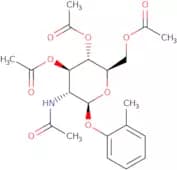
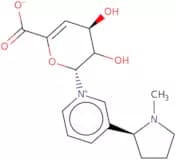
CAS :2-Methylphenyl 2-acetamido-3,4,6-tri-O-acetyl-2-deoxy-b-D-glucopyranoside is a high purity custom synthesis that has undergone a click modification (a reaction in which an azide group is transferred from an alkyne group to an electron rich atom such as nitrogen). The product has been fluorinated and modified with the addition of a saccharide group. This complex carbohydrate can be used in the synthesis of oligosaccharides or polysaccharides. It is also used as a sugar substitute.Formule :C21H27NO9Degré de pureté :Min. 95%Masse moléculaire :437.44 g/molNicotine-N-(4-deoxy-4,5-didehydro)-b-D-glucuronide
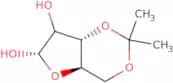
CAS :Nicotine-N-(4-deoxy-4,5-didehydro)-b-D-glucuronide is a synthetic glycosylated nicotine derivative. It is a white to slightly yellow powder that is soluble in water and alcohol. Nicotine-N-(4-deoxy-4,5-didehydro)-b-D-glucuronide has been shown to be effective against methicillin resistant Staphylococcus aureus (MRSA) and Clostridium perfringens, although is not active against acid fast bacteria such as Mycobacterium tuberculosis or Mycobacterium avium complex. This product has been custom synthesized with the goal of providing high purity and modification.Formule :C16H20N2O5Degré de pureté :Min. 95%Masse moléculaire :320.34 g/mol3,5-O-Isopropylidene-a-D-xylofuranose
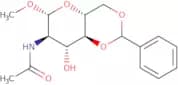
CAS :3,5-O-Isopropylidene-a-D-xylofuranose is a modification of the sugar xylose. It is a complex carbohydrate that can be synthesized by custom synthesis or by glycosylation. 3,5-O-Isopropylidene-a-D-xylofuranose is an oligosaccharide and has high purity. The methylation, fluorination, and saccharide modification of 3,5-O-Isopropylidene-a-D-xylofuranose has been studied extensively. This chemical is also a monosaccharide that can be used in the synthesis of polysaccharides.Formule :C8H14O5Degré de pureté :Min. 95%Masse moléculaire :190.19 g/molMethyl 2-acetamido-4,6-O-benzylidene-2-deoxy-b-D-glucopyranoside
CAS :Methyl 2-acetamido-4,6-O-benzylidene-2-deoxy-b-D-glucopyranoside is a custom synthesis of an oligosaccharide that can be modified with methylation, glycosylation, or fluorination. It is a complex carbohydrate that has been synthesized using a click modification and high purity. This product is available for purchase as a white to off white powder.Formule :C16H21NO6Degré de pureté :Min. 95%Masse moléculaire :323.34 g/mol3-[(2,3,4,6-Tetra-O-acetyl-b-D-glucopyranosyl)thio]-propanoic acid
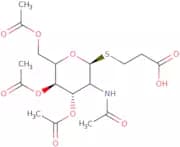
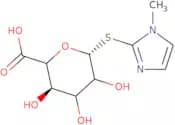
CAS :3-[(2,3,4,6-Tetra-O-acetyl-b-D-glucopyranosyl)thio]-propanoic acid is a modification of an oligosaccharide. It is a complex carbohydrate that has been modified with methylation and glycosylation. This product is synthesized from the raw material, which is a high purity monosaccharide or polysaccharide. 3-[(2,3,4,6-Tetra-O-acetyl-b-D-glucopyranosyl)thio]-propanoic acid has CAS No. 325410 2 and Mw of 835.5 g/mol. The molecular weight and purity are determined by high performance liquid chromatography (HPLC). The product is soluble in water and ethanol.Formule :C17H24O11SDegré de pureté :Min. 95%Masse moléculaire :436.43 g/molMethimazole thio-b-D-glucuronide
CAS :Methimazole is a drug that inhibits the synthesis of thyroid hormones by blocking the action of thyroperoxidase. Methimazole thio-b-D-glucuronide is a non-toxic, water-soluble derivative of methimazole. It is used in the treatment of hyperthyroidism and thyrotoxicosis. This compound can be synthesized from methimazole by click chemistry, fluorination or glycosylation. The product can be custom synthesized with high purity and high carbohydrate content.
Formule :C10H14N2O6SDegré de pureté :Min. 95%Masse moléculaire :290.29 g/molBromo-2-tetraacetyl galactose
Bromo-2-tetraacetyl galactose is a glycosylation agent that is used for the post-translational modification of proteins. It can be applied to many types of polysaccharides such as saccharide, oligosaccharide, and glycoconjugates. Bromo-2-tetraacetyl galactose has been shown to be an effective methylation agent and can be used in click chemistry. This product has a CAS number and is custom synthesized for high purity.Degré de pureté :Min. 95%4'-Hydroxy atomoxetine b-D-glucuronide
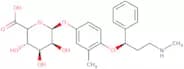
CAS :4'-Hydroxy atomoxetine b-D-glucuronide is a synthetic compound that has been modified for use in the synthesis of saccharides and oligosaccharides. The modification is a high-yielding, efficient, and economical method for the preparation of complex carbohydrates. This compound is an intermediate in the synthesis of glycosylations. It can be used for the click modification of proteins or polysaccharides.br>br> 4'-Hydroxy atomoxetine b-D-glucuronide is an intermediate in the synthesis of glycosylations. It can be used for the click modification of proteins or polysaccharides. Click chemistry is a form of chemical reaction used to modify molecules by attaching them to other molecules with similar reactive groups, such as hydroxyl groups, through a process called "click" chemistry. The term was coined by K. Barry Sharpless at Stanford University in 2000 after he demonstrated that certain metalFormule :C23H29NO8Degré de pureté :Min. 95%Masse moléculaire :447.49 g/molD-Xylulose 5-phosphate lithium
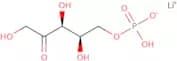
CAS :D-Xylulose 5-phosphate lithium salt is a chiral ester that is used in the synthesis of natural products. It has been shown to be a potent inhibitor of bacterial growth and its use as an antibiotic may be limited due to its toxicity in humans. D-Xylulose 5-phosphate lithium salt can inhibit the functions of many enzymes, such as escherichia coli β-glucosidase and cerevisiae α-amylase. This compound inhibits microbial growth and is used to produce monosaccharides from long chain polysaccharides through enzymatic hydrolysis pathways. D-Xylulose 5-phosphate lithium salt also inhibits the production of human metabolites. The enzyme activities of this compound are monitored by measuring the levels of glucose, lactate, pyruvate, acetate, and ethanol in serum samples taken at different time intervals after administration.Formule :C5H11O8P•LixDegré de pureté :Min. 95%Masse moléculaire :230.11 g/molPomolic acid 28-O-b-D-glucopyranosyl ester
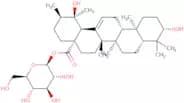
CAS :Pomolic acid is a saponin isolated from the ethanol extract of Astragalus membranaceus. Pomolic acid has a nitrite reductase inhibitory effect and inhibits cell proliferation in certain cells, such as those found in the pancreas. The chemical structure of pomolic acid and its derivatives are similar to those of steroid glycosides and steroid alkaloids. It also has the ability to disrupt DNA replication and reduce insulin resistance. The use of pomolic acid in Chinese medicine formulas is reported to be effective for treating diabetes mellitus type 2, hyperlipidemia, and obesity.Degré de pureté :Min. 95%Methyl (phenyl 2-O-benzoyl-3-O-benzyl-1-thio-a-L-idopyranosyluronate)
CAS :Methyl (phenyl 2-O-benzoyl-3-O-benzyl-1-thio-a-L-idopyranosyluronate) is a custom synthesis, which has been modified with fluorination, methylation and click modification. This product is a monosaccharide or oligosaccharide that can be used as a synthetic building block for the production of saccharides and polysaccharides in glycosylation reactions. Methyl (phenyl 2-O-benzoyl-3-O-benzyl-1-thio-a-L-idopyranosyluronate) is also a carbohydrate that contains an oxygen atom in the form of an ether bond to one of its hydroxyl groups. It has been shown to have antiinflammatory effects by inhibiting prostaglandin synthesis.Formule :C27H26O7SDegré de pureté :Min. 95%Masse moléculaire :494.56 g/mol3,4,6-Tri-O-acetyl-2-deoxy-2-phthalimido-a-D-glucopyranosyl fluoride
CAS :3,4,6-Tri-O-acetyl-2-deoxy-2-phthalimido-a-D-glucopyranosyl fluoride is a synthetic saccharide that has been modified with the Click chemistry. It is an acetylated derivative of 2,3,4,6-trihydroxybenzoic acid and was prepared by the fluorination of 3,4,6-trihydroxybenzoic acid followed by glycosylation with 4-(N-(1-(ethoxycarbonyl)ethyl)amino)-benzeneboronic acid. The product is a white to off white powder that is soluble in water and low solvents. The purity of this product is >98% as determined by HPLC analysis.Formule :C20H20FNO9Degré de pureté :Min. 95%Masse moléculaire :437.37 g/molAllyl 4,6-O-benzylidene-a-L-glucopyranoside
Allyl 4,6-O-benzylidene-a-L-glucopyranoside is a glycosylation agent that is used in the synthesis of oligosaccharides. It is a synthetic compound that can be modified to produce complex carbohydrates. Allyl 4,6-O-benzylidene-a-L-glucopyranoside has been shown to be effective for the fluorination and methylation of sugar chains. It also has high purity and CAS number, which makes it an excellent choice for custom synthesis.
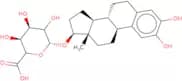
Degré de pureté :Min. 95%2-Hydroxyestradiol-17-O-b-D-glucuronide
CAS :2-Hydroxyestradiol-17-O-b-D-glucuronide is a custom synthesis of an oligosaccharide and polysaccharide. It is modified with methylation, glycosylation, and carbamylation, and fluorinated to produce a high purity product. This product can be synthesized with a click modification or glycosylation, but is not available for purchase as a monosaccharide.Formule :C24H32O9Degré de pureté :Min. 95%Masse moléculaire :464.51 g/mol3-Deoxy-D-[UL-13C6]fructose
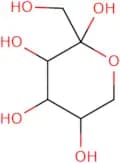
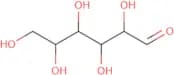
3-Deoxy-D-[UL-13C6]fructose is a high purity, custom synthesis, modification, and fluorination of a methylated oligosaccharide. It is a synthetic molecule that can be used to study the methylation of complex carbohydrates. 3-Deoxy-D-[UL-13C6]fructose can be used as an intermediate in the synthesis of other sugar molecules. The structure is shown below:Degré de pureté :Min. 95%1,2,3,4,6-Penta-O-pivaloyl-b-D-glucopyranose
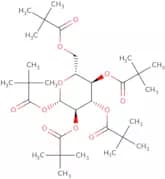
CAS :1,2,3,4,6-Penta-O-pivaloyl-b-D-glucopyranose is a glycosylation that is used in the synthesis of complex carbohydrates. This product can be custom synthesized to meet your needs. It is also available in high purity and with a CAS No. of 81058-26-6.Formule :C31H52O11Degré de pureté :Min. 95%Masse moléculaire :600.74 g/molNeosamine
Neosamine is an antimicrobial agent that is activated by the addition of fatty acids. It has a low potency and is used to diagnose infections caused by bacteria. Neosamine has been shown to inhibit the growth of bacteria, fungi, and parasites on electron microscopy. Neosamine also inhibits protease activity and may be useful in detergent compositions for removing fats, oils, and greases from surfaces. This chemical is stable in acidic solutions and does not react with carbostyril or other diagnostic agents.Formule :C6H14N2O4Degré de pureté :Min. 95%Masse moléculaire :178.19 g/molPhenyl 4,6-O-benzylidene-a-D-thioglucopyranoside
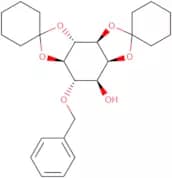
Phenyl 4,6-O-benzylidene-a-D-thioglucopyranoside is a custom synthesized compound with CAS No. This chemical is an alpha,alpha,alpha-trifluoroacetamido derivative of the natural carbohydrate thioglucose. Phenyl 4,6-O-benzylidene-a-D-thioglucopyranoside is a complex carbohydrate that can be modified by fluorination to produce a simple sugar. Modification of this compound can also produce monosaccharides with various levels of purity.Formule :C19H20O5SDegré de pureté :Min. 95%Masse moléculaire :360.42 g/mol6-O-Benzyl-2,3:4,5-di-O-cyclohexylidene-D-myo-inositol
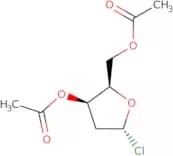
CAS :6-O-Benzyl-2,3:4,5-di-O-cyclohexylidene-D-myo-inositol is a complex carbohydrate that is synthesized from 6-O-benzyl-2,3:4,5-di-O-(cyclohexylidene)-D-myo-[1]-inositol. It can be used in the synthesis of glycosylations and other modifications. This product has been custom synthesized to high purity and is available for purchase.Formule :C26H34O6Degré de pureté :Min. 95%Masse moléculaire :442.54 g/mol1-Chloro-2-deoxy-3,5-di-O-acetyl-a-D-ribofuranose
CAS :Synthetic building block for nucleic acid research
Formule :C9H13ClO5Degré de pureté :Min. 95%Masse moléculaire :236.65 g/molPolyphyllin A
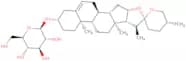
CAS :Polyphyllin A is a natural product that has been shown to have anti-oxidative effects. It has been demonstrated to inhibit the production of fatty acids by sephadex g-100, an enzyme activity by p. pastoris, and the production of antimicrobial peptides by tissue culture cells. Additionally, polyphyllin A has been shown to have anti-inflammatory properties and is used in traditional Chinese medicine for the treatment of cardiovascular diseases. Polyphyllin A also inhibits the oxidation of low density lipoprotein (LDL) cholesterol in coronary heart disease patients. Furthermore, polyphyllin A inhibits the proliferation of cancer cells such as leukemia HL-60 and K562 cells. The mechanism for this inhibition is not yet known but may be due to its ability to induce apoptosis or cause DNA damage.Formule :C33H52O8Degré de pureté :Min. 95%Masse moléculaire :576.76 g/molOctyl D-galactofuranoside tetraacetate
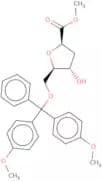
CAS :Octyl D-galactofuranoside tetraacetate is a fluorinated monosaccharide that is synthesized from octyl galactopyranoside. It is a synthetic oligosaccharide with a molecular weight of 806. Octyl D-galactofuranoside tetraacetate has been modified for glycosylation, methylation, and click modification. The chemical name is 4-O-(2-deoxy-beta-D-glucopyranosyl)galactopyranose 1,2,3,4,6-pentaacetate and it has CAS No. 223412-29-1. This product can be custom synthesized to order in high purity as per the customer's requirements.Formule :C22H36O10Degré de pureté :Min. 95%Masse moléculaire :460.52 g/mol2,5-Anhydro-3-deoxy-6-O-DMT-D-ribo-hexonic acid methyl ester
CAS :2,5-Anhydro-3-deoxy-6-O-DMT-D-ribo-hexonic acid methyl ester is a modification of the sugar ribose. It is an oligosaccharide that has been synthesized and modified with methylation, glycosylation, and fluorination. This modification resulted in its CAS number 184296-62-6. The chemical formula for this compound is C10H13NO4F2NaO8. 2,5-Anhydro-3,6 DMT -D ribo hexonic acid methyl ester is soluble in water and ethanol at pH 7.0 to 8.0 and shows no solubility at pH below 6 or above 10. The molecular weight of this compound is 586. The purity level of this compound is 99% or greater by HPLC analysis.Formule :C28H30O7Degré de pureté :Min. 95%Masse moléculaire :478.53 g/molD-Mannono-D-lactam
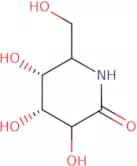
CAS :D-Mannono-D-lactam is a synthetic, sugar-based molecule. The compound is an antibiotic that inhibits bacterial growth by binding to the 50S ribosomal subunit of bacteria. It is active against a wide range of Gram-positive and Gram-negative bacteria, including methicillin resistant Staphylococcus aureus (MRSA), as well as Mycobacterium tuberculosis and Mycobacterium avium complex. D-Mannono-D-lactam has shown antiinflammatory properties, which may be due to its inhibition of prostaglandin synthesis.Formule :C6H11NO5Degré de pureté :Min. 95%Couleur et forme :White SolidMasse moléculaire :177.16 g/molallo-Inositol
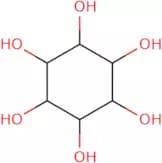
CAS :Allo-inositol is a naturally occurring molecule that is classified as a vitamin. It is a member of the B-complex group of vitamins and has been shown to inhibit growth of cells in the HL-60 cell line. The optimum concentration for allo-inositol was found to be at 100 μM, with an IC50 value of 67 μM. Allo-inositol also has inhibitory properties against ovarian cancer cells and has been investigated as a potential treatment for ovarian cancer. Allo-inositol can be converted into myo-inositol in mammalian cells and may have anticancer effects through this conversion.Formule :C6H12O6Degré de pureté :Min. 95%Masse moléculaire :180.16 g/mol1,4:3,6-Dianhydro-2,5-di-O-methyl-D-Iditol
1,4:3,6-Dianhydro-2,5-di-O-methyl-D-Iditol is a sugar modified with methyl groups and fluorine. It can be used as a building block for oligosaccharides and polysaccharides. The compound is synthesized from commercially available starting materials. 1,4:3,6-Dianhydro-2,5-di-O-methyl-D-Iditol is soluble in water and methanol. This product has not been studied for toxicity or carcinogenicity in animals.
Formule :C8H14O4Degré de pureté :Min. 95%Masse moléculaire :174.19 g/molUDP-2-amino-2-deoxy-D-glucose
UDP-2-amino-2-deoxy-D-glucose is a modification of glucose. It is an organic compound that can be used in the synthesis of oligosaccharides and polysaccharides. It can be methylated or glycosylated with other sugars, such as galactose, to form complex carbohydrates. UDP-2-amino-2-deoxyglucose also has a high purity and CAS number.Degré de pureté :Min. 95%Cyclobenzaprine b-D-glucuronide
CAS :Cyclobenzaprine b-D-glucuronide is a synthetic compound that has been modified to increase its solubility in water. The modification of the sugar moiety with glycosylation and fluorination increases the bioavailability of cyclobenzaprine, which is an important factor for drugs that are intended for oral administration. Cyclobenzaprine b-D-glucuronide is a complex carbohydrate that has been modified with methylation and monosaccharide. This modification helps to protect the drug from degradation by enzymes in the stomach and intestines, increasing its half-life in the body.Formule :C26H31NO6Degré de pureté :Min. 95%Masse moléculaire :453.53 g/molEthyl 2,3,4-tri-O-benzyl-b-D-thioglucopyranoside
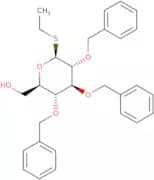
CAS :Ethyl 2,3,4-tri-O-benzyl-b-D-thioglucopyranoside is a sugar that has been modified with three benzyl groups at the 3-, 4-, and 5-positions. It is used as a building block for oligosaccharides and polysaccharides. This compound can be synthesized using a click reaction between an acetylated benzaldehyde derivative and a protected thiogalactose. Ethyl 2,3,4-tri-O-benzyl-b-D-thioglucopyranoside is also known by its CAS number 126461-54-9 and has a molecular weight of 360.Formule :C29H34O5SDegré de pureté :Min. 95%Masse moléculaire :494.64 g/molAnthrose
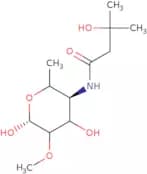
CAS :Anthrose is a natural product that has been isolated from the larvae of Galleria mellonella, an insect. It has been shown to have antiviral activity against anthracis, a bacterium that causes anthrax. Anthrose treatment leads to cell lysis and DNA degradation in both prokaryotic and eukaryotic cells. The mechanism of action of this compound is not yet known, but it may be due to its ability to act as a competitive inhibitor for the enzyme aminotransferase activity. It also has antimicrobial properties and has been shown to inhibit Mycobacterium tuberculosis growth.Formule :C12H23NO6Degré de pureté :Min. 95%Couleur et forme :PowderMasse moléculaire :277.31 g/mol5-Deoxy-L-ribose phenylhydrazone
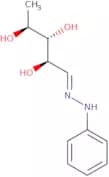
CAS :Intermediate in the synthesis of L-PrimapterinFormule :C11H16N2O3Degré de pureté :Min. 95%Masse moléculaire :224.26 g/molD-Glucitol-2-13C
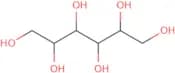
CAS :D-Glucitol-2-13C is a stable isotope-labeled analog of mannitol, which is a sugar alcohol used as an osmotic diuretic. It has been shown to have anticancer properties by inducing apoptosis in cancer cells. D-Glucitol-2-13C has been used as a metabolic tracer in studies investigating tumor metabolism and the effects of kinase inhibitors on cancer cell proliferation. This compound can be detected using luciferase-based assays and has potential as a diagnostic tool for cancer detection. Additionally, D-Glucitol-2-13C has been found in Chinese urine samples and may have a role in protein metabolism. Overall, this compound shows promise as an important tool in cancer research and diagnosis.
Formule :C6H14O6Degré de pureté :Min. 95%Masse moléculaire :182.17 g/mol9-Amino-N-acetylneuraminic acid
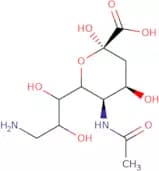
CAS :9-Amino-N-acetylneuraminic acid (9AAN) is a neuraminidase inhibitor. It blocks the activity of neuraminidase, which is an enzyme that hydrolyzes sialic linkages in glycoproteins and glycolipids. 9AAN prevents the release of influenza virus particles from infected cells. This drug can also inhibit toxins that target the nervous system, such as botulinum neurotoxin and tetanus toxin. 9AAN has been shown to have a stabilizing effect on the conformation of proteins and has been used to study conformational changes in enzymes involved in metabolism. 9AAN is synthesized by recombinant DNA technology and acts as a competitive inhibitor for the enzymatic reaction.Formule :C11H20N2O8Degré de pureté :Min. 95%Couleur et forme :PowderMasse moléculaire :308.29 g/mol4,5,7-Tri-O-acetyl-2,6-anhydro-3-deoxy-D-arabino-hept-2-enononitrile
CAS :4,5,7-Tri-O-acetyl-2,6-anhydro-3-deoxy-D-arabino-hept-2-enononitrile is a high purity synthetic compound that is used as a fluorination reagent. It has been shown to be an efficient click modification reagent for complex carbohydrates. 4,5,7-Tri-O-acetyl--2,6--anhydro--3--deoxy--D--arabino--hept--2--enononitrile can produce glycosylation products with high yield and purity. This product is CAS No. 120085-62-3.Degré de pureté :Min. 95%Paricalcitol 25-b-D-glucuronide
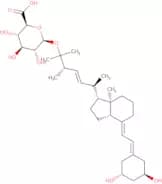
CAS :Paricalcitol 25-b-D-glucuronide is a synthetic analogue of calcitriol, which is the active form of vitamin D. It is a high-purity glycosylate with an average molecular weight of 522.5 Da and a purity of >98%. Paricalcitol 25-b-D-glucuronide has been shown to be effective in prevention or treatment of secondary hyperparathyroidism in patients with chronic kidney disease (CKD). This compound has shown to inhibit calcium absorption in the gut and increase urinary excretion of calcium. It also increases serum phosphate levels, which may lead to increased calcium phosphate deposition in bone. Paricalcitol 25-b-D-glucuronide is methylated at the 25 position, which prevents it from being metabolized by the liver. This modification allows for higher concentrations to be administered without causing toxicity.Formule :C33H52O9Degré de pureté :Min. 95%Masse moléculaire :592.76 g/mol1,2-Dideoxy-2'-pyrrolidin-1-yl-a-D-glucopyranoso-[2,1-d]-2'-thiazoline
1,2-Dideoxy-2'-pyrrolidin-1-yl-a-D-glucopyranoso-[2,1-d]-2'-thiazoline is a custom synthesis. It is an organic compound with the molecular formula C8H8F4N4O3S. The compound contains a chiral center and consists of four stereoisomers. The 1,2-Dideoxy-2'-pyrrolidin-1-yl glycosides are methylated at the 3' position of the sugar moiety by a methyl group from S-(+)-mandelic acid in order to form the corresponding methyl ester. This reaction takes place in presence of sodium methoxide (NaOMe) as a base and potassium carbonate (KCO3) as a catalyst. This process is known as Click modification and it proceeds under mild conditions without any hazardous reagents or solvents. The resulting productDegré de pureté :Min. 95%2,3,4,6-Tetra-O-acetyl-D-gluconolactone
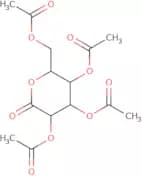
CAS :2,3,4,6-Tetra-O-acetyl-D-gluconolactone is a carbohydrate that is used as an antioxidant. It is an ester of butanol and 2,3,4,6-tetra-O-acetyl-D-gluconic acid and has been shown to have chain transfer properties. This compound is also soluble in organic solvents such as methylene chloride and ethylzinc. 2,3,4,6-Tetra-O-acetyl-D-gluconolactone can be used in the synthesis of a number of different compounds including polyesters and polyamides.Formule :C14H18O10Degré de pureté :Min. 95%Couleur et forme :White To Off-White SolidMasse moléculaire :346.29 g/molmyo-Inositol 2,3,4,5,6-pentakisphosphate decasodium salt
CAS :Myo-inositol 2,3,4,5,6-pentakisphosphate decasodium salt is an analog of inositol. It has been shown to have physiological functions in the human body. Myo-inositol 2,3,4,5,6-pentakisphosphate decasodium salt is a significant interaction with camp levels that may be due to its uptake by cells and plasma mass spectrometry. It also interacts with cellular organelles such as the mitochondria and endoplasmic reticulum. This compound can bind to myo-inositol and inhibit phosphoinositide 3-kinase activity. It has been shown to have a biological effect in vivo through structural analysis and vivomodel studies.Formule :C6H7Na10O21P5Degré de pureté :Min. 95%Masse moléculaire :799.87 g/molPropionyl 3,4,6-tri-O-acetyl-2-acetamido-2-deoxy-b-D-thiogalactopyranoside
CAS :Propionyl 3,4,6-tri-O-acetyl-2-acetamido-2-deoxy-b-D-thiogalactopyranoside is a modification of the natural glycoside, galactose. It is an oligosaccharide that can be synthesized from D-galactose and propionic acid in the presence of triethyl orthoformate. The molecular weight of this compound is 706.07 g/mol. Propionyl 3,4,6-tri-O-acetyl-2-acetamido-2-deoxygalactopyranoside has been shown to inhibit the growth of bacteria by binding to the 50S ribosomal subunit and preventing transcription and replication.Formule :C17H25NO10SDegré de pureté :Min. 95%Masse moléculaire :435.45 g/mol4,6-O-(p-Methoxybenzylidene)-D-glucal
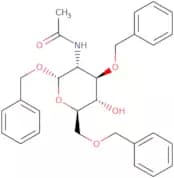
4,6-O-(p-Methoxybenzylidene)-D-glucal is a methylated sugar with the CAS number of 51444-87-7. It is a modified sugar that has been chemically synthesized and is available for custom synthesis. This chemical is used to modify saccharides and polysaccharides in order to produce a glycosylation. 4,6-O-(p-Methoxybenzylidene)-D-glucal can also be fluorinated in order to create complex carbohydrates. This chemical has high purity and can be synthesized at a low cost.Degré de pureté :Min. 95%2-Acetamido-1,3,6-tri-O-benzyl-2-deoxy-a-D-glucopyranoside
CAS :2-Acetamido-1,3,6-tri-O-benzyl-2-deoxy-a-D-glucopyranoside is a carbohydrate that is composed of four sugar units. It is an antigenic determinant found on the surface of human erythrocytes. The chemical synthesis of this substance begins with the condensation reaction between D-glucose and 2,4,6,-trinitrophenylacetic acid followed by benzylation and acetylation. This compound belongs to the group of substances known as carbohydrates which are chains of monosaccharides that form glycosidic bonds with other sugars. These chains are classified according to their length and the number of sugar units they contain: trioses (three sugar units), tetroses (four sugar units), pentoses (five sugar units), hexoses (six sugar units) or heptoses (seven sugar).
Formule :C29H33NO6Degré de pureté :Min. 95%Masse moléculaire :491.58 g/mol4-Methylphenyl 2-O-acetyl-3-O-benzyl-4-O-Fmoc-b-D-glucopyranuronic acid methyl ester
4-Methylphenyl 2-O-acetyl-3-O-benzyl-4-O-Fmoc-b-D-glucopyranuronic acid methyl ester (4MPBA) is a custom synthesis of a sugar that belongs to the group of polysaccharides. It is a complex carbohydrate, which is an important component in living organisms. The modification of this sugar includes methylation and glycosylation. This product is available in high purity and has been fluorinated to increase its stability.Degré de pureté :Min. 95%1,2,3,4-Tetra-O-acetyl-6-O-(tert-butyldimethylsilyl)-a-D-mannopyranose
1,2,3,4-Tetra-O-acetyl-6-O-(tert-butyldimethylsilyl)-a-D-mannopyranose is a synthetic sugar that is used in the synthesis of glycosylations. It has been shown to be a substrate for methylation and click modification. This product is also useful in the synthesis of oligosaccharides and polysaccharides. 1,2,3,4-Tetra-O-acetyl-6-O-(tert-butyldimethylsilyl)-a-D-mannopyranose is a high purity carbohydrate with a CAS number.
Formule :C20H34O10SiDegré de pureté :Min. 95%Masse moléculaire :462.57 g/molD-Fructose-3-13C
CAS :Please enquire for more information about D-Fructose-3-13C including the price, delivery time and more detailed product information at the technical inquiry form on this pageFormule :C6H12O6Degré de pureté :Min. 95%Masse moléculaire :181.15 g/molN-Methyl-b-D-glucopyranosylamine (hydrochloride or other salt)
CAS :Methylation of saccharides is a chemical process that adds methyl groups to the hydroxyl groups of sugars. The most common form of this reaction is the conversion of glucose to mannose. Methylation can be achieved by reacting the sugar with sodium cyanoborohydride, which converts the sugar into a reactive form that can be used in other reactions. This product is a synthetic compound and an intermediate for various glycosylations or modifications. It is a high-purity, white powder with molecular formula C6H17NO5 and molecular weight 191.22 g/mol and CAS Number 114761-39-6 (hydrochloride).Formule :C7H15NO5·HClDegré de pureté :Min. 95%Masse moléculaire :229.7 g/mol1,2,3,4-Tetra-O-acetyl-a-D-galacturonic acid
1,2,3,4-Tetra-O-acetyl-a-D-galacturonic acid is a synthetic sugar that is used in the synthesis of oligosaccharides and polysaccharides. This product can be custom synthesized to meet customer specifications. The chemical name for this product is 1,2,3,4-tetra-O-[(acetyloxy)carbonyl]-a-D-galacturonic acid. It has a CAS number of 9016-54-3 and an EC number of 232–859–5. It is also known as tetraacetyl galacturonic acid or 4'-O-(2--Acetoxypropionyl)-Galacturonic Acid.Degré de pureté :Min. 95%D-Mannose-3-13C
CAS :Please enquire for more information about D-Mannose-3-13C including the price, delivery time and more detailed product information at the technical inquiry form on this pageFormule :C6H12O6Degré de pureté :Min. 95%Masse moléculaire :181.15 g/mol1,3,6-Tri-O-benzyl-2-deoxy-2-phthalimido-β-D-glucopyranoside
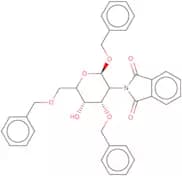
CAS :1,3,6-Tri-O-benzyl-2-deoxy-2-phthalimido-b-D-glucopyranoside is a custom synthesis of a complex carbohydrate.Formule :C35H33NO7Degré de pureté :Min. 95%Masse moléculaire :579.64 g/molRhein 8-b-D-glucuronide
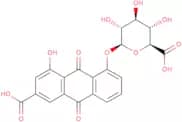
CAS :Rhein 8-b-D-glucuronide is a synthetic glycosylate that has been modified with fluorine. It is soluble in water and methanol. Rhein 8-b-D-glucuronide is used as a reagent in sugar chemistry, such as the synthesis of oligosaccharides and monosaccharides. The compound can be used to modify saccharides as well, such as methylation and Click modification. Rhein 8-b-D-glucuronide has CAS number 70793-10-1 and a high purity level of >99%.Formule :C21H16O12Degré de pureté :Min. 95%Masse moléculaire :460.34 g/mol2,3,4,6-Tetra-O-acetyl-a-D-mannopyranosyl ethylxanthate
CAS :2,3,4,6-Tetra-O-acetyl-a-D-mannopyranosyl ethylxanthate is an oligosaccharide that can be used as a building block for the synthesis of complex carbohydrates and glycosylation. It is synthesized by the reaction of 2,3,4,6-tetraacetylmannose with ethylxanthate in the presence of triethylamine. This compound is used for methylation reactions and click modification. It can also be used to modify saccharides and monosaccharides. The chemical formula of this compound is C14H24O8.Formule :C17H24O10S2Degré de pureté :Min. 95%Masse moléculaire :452.5 g/mol(R,R)-(+)-1,4-Dimethoxy-2,3-butanediol
CAS :(R,R)-(+)-1,4-Dimethoxy-2,3-butanediol is a modification of the sugar 1,4-dimethoxy-2,3-butanediol. It is a carbohydrate that can be synthesized and purified to high purity. The synthesis of (R,R)-(+)-1,4-dimethoxy-2,3-butanediol starts with the methylation of glycerol followed by the addition of an alpha hydroxyl group. The final product is produced by glycosylation and polysaccharide synthesis. This modification has been shown to be effective in treating cancer cells and may have potential applications in other areas as well.Formule :C6H14O4Degré de pureté :Min. 95%Masse moléculaire :150.17 g/mol2-N-(S'-Acetyl-2'-thioacetyl)-2-deoxy-D-glucamine
2-N-(S'-Acetyl-2'-thioacetyl)-2-deoxy-D-glucamine is a monosaccharide and is the acetylated form of 2-deoxyglucose. It can be used as a methyl donor, click reagent, or fluorinating agent. This product has been custom synthesized to meet your specifications and has been shown to have purity greater than 99%.Formule :C10H17NO7SDegré de pureté :Min. 95%Couleur et forme :White to off-white solid.Masse moléculaire :295.31 g/molTipranovir b-D-glucuronide
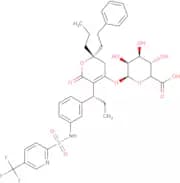
CAS :Tipranovir b-D-glucuronide is a high purity, custom synthesis, sugar modified, fluorinated, glycosylated, and methylated oligosaccharide that has been modified to form a complex carbohydrate. It is synthesized from saccharides and monosaccharides using Click chemistry. The glycosylation of the molecule can be achieved by either the addition of a glycosyl donor or removal of an alcohol group. Tipranovir b-D-glucuronide also contains a methyl group on the C6 hydroxyl position. This molecule is used as a synthetic intermediate in the production of pharmaceuticals and other products.Formule :C37H41F3N2O11SDegré de pureté :Min. 95%Masse moléculaire :778.79 g/mol2,3-Di-O-Carboxymethyl-D-glucose
CAS :2,3-Di-O-Carboxymethyl-D-glucose (DCM) is a carboxymethyl derivative of glucose. DCM is used as a chromatographic and solvent system additive in the purification of ethers. It has also been used to produce carboxymethylcellulose and hydrolysis products such as 2,3-di-O-carboxypropyl glucopyranoside. DCM is an off white solid at room temperature with a melting point of 71°C.Formule :C10H16O10Degré de pureté :Min. 95%Couleur et forme :White Off-White PowderMasse moléculaire :296.23 g/molTrimethylsilyl-meso-inositol
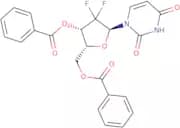
CAS :Trimethylsilyl-meso-inositol is a metabolite of inositol and can be found in biological samples. It has been detected by GC-MS profiling, chromatograms, and profiles. Trimethylsilyl-meso-inositol has been used as an experimental compound to study the effects of electron irradiation on bacterial DNA. This metabolite has also been identified as a volatile substance. There are no known sources or nature of this molecule, but it is reproducible.Formule :C24H60O6Si6Degré de pureté :Min. 95%Masse moléculaire :613.24 g/mol1'-Epi 2',2'-difluoro-2'-deoxyuridine 3',5'-dibenzoate
CAS :1'-Epi 2',2'-difluoro-2'-deoxyuridine 3',5'-dibenzoate is a synthetic compound that has been designed for use in the synthesis of oligosaccharides and polysaccharides. The compound is a monosaccharide, which can be modified by fluorination or click chemistry to provide a variety of different side chains and properties. 1'-Epi 2',2'-difluoro-2'-deoxyuridine 3',5'-dibenzoate is a high purity product with no detectable impurities.Formule :C23H18F2N2O7Degré de pureté :Min. 95%Masse moléculaire :472.4 g/mol2-Formylphenyl 2-acetamido-3,4,6-tri-O-acetyl-2-deoxy-b-D-glucopyranoside
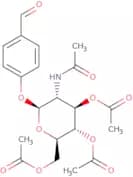
CAS :2-Formylphenyl 2-acetamido-3,4,6-tri-O-acetyl-2-deoxy-b-D-glucopyranoside is a complex carbohydrate with the molecular formula C21H26F3NO9. It is a synthetic compound that can be used as an intermediate in the synthesis of saccharides and glycosides. Custom synthesis of this product is available on request. 2-Formylphenyl 2-acetamido 3,4,6 tri O acetyl 2 deoxy b D glucopyranoside has a purity of > 98% (HPLC). This product is also fluorinated to provide excellent solubility and resistance to hydrolysis by acids or bases.Formule :C21H25NO10Degré de pureté :Min. 95%Masse moléculaire :451.42 g/mol2N-Boc-amino-2- deoxy- b- D- galactopyranosylamine
2N-Boc-amino-2-deoxy-b-D-galactopyranosylamine is a synthetic sugar that can be used in the synthesis of oligosaccharides and glycosylations. It is a modification of galactose, which is an important saccharide in the synthesis of polysaccharides. 2N-Boc-amino-2-deoxy-b-D-galactopyranosylamine is also an excellent fluorinating agent that can be used for complex carbohydrate syntheses.Formule :C11H22N2O6Degré de pureté :Min. 95%Masse moléculaire :278.3 g/molPhenyl 2,3,4,6-tetra-O-benzoyl-b-D-thiogalactopyranoside
CAS :Phenyl 2,3,4,6-tetra-O-benzoyl-b-D-thiogalactopyranoside is a sugar that can be custom synthesized. It has a high purity and can be fluorinated or glycosylated. This compound is used for the synthesis of oligosaccharides and saccharides. Phenyl 2,3,4,6-tetra-O-benzoyl-b-D-thiogalactopyranoside is used in the modification of complex carbohydrates.Degré de pureté :Min. 95%Fluconazole D-glucuronide
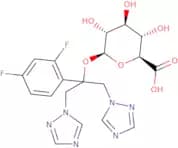
CAS :Fluconazole D-glucuronide is a synthetic, fluorinated sugar that has been modified with a glycosylation. It is synthesized by reacting fluconazole with the sugar glucuronic acid in the presence of an enzyme called glycosyltransferase. Fluconazole D-glucuronide is a custom synthesis, and it can be used as a pharmaceutical intermediate to produce other compounds. Fluconazole D-glucuronide is also used as an analytical standard for quantifying fluconazole in biological samples.
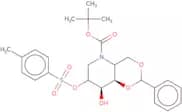
Degré de pureté :Min. 95%4,6-O-Benzylidene-N-Boc-2-O-p-toluenesulfonyl-1,5-imino-D-glucitol
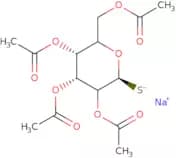
CAS :4,6-O-Benzylidene-N-Boc-2-O-p-toluenesulfonyl-1,5-imino-D-glucitol is a monosaccharide that is used in the synthesis of complex carbohydrates. This compound can be custom synthesized and has a high purity. It is also available as a CAS number 1219116-88-7. 4,6-O-Benzylidene can be modified with methylation, click modification, fluorination, saccharide modification, or polysaccharide modification.Formule :C25H31NO8SDegré de pureté :Min. 95%Masse moléculaire :505.58 g/mol2,3,4,6-Tetra-O-acetyl-b-D-thioglucopyranose sodium salt
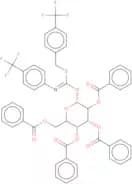
CAS :2,3,4,6-Tetra-O-acetyl-b-D-thioglucopyranose sodium salt is a synthetic monosaccharide that can be used for glycosylation. This product is synthesized by the addition of acetyl groups to the 2-, 3-, 4-, and 6-positions on the glucose moiety. The resulting product has been shown to have a high degree of purity as well as a low content of impurities.Formule :C14H19O9SNaDegré de pureté :Min. 95%Masse moléculaire :386.35 g/mol2,3,4,6-Tetra-O-benzoyl-a-D-glucopyranosyl p-trifluoromethylbenzylthio-N-(trifluoromethylphenyl)formimidate
CAS :2,3,4,6-Tetra-O-benzoyl-a-D-glucopyranosyl p-trifluoromethylbenzylthio-N-(trifluoromethylphenyl)formimidate is a carbohydrate that has been synthesized from an oligosaccharide and a monosaccharide. It has been modified by fluorination, methylation, glycosylation and click chemistry. This product has been custom synthesized for use in the synthesis of saccharides.Formule :C50H37F6NO10SDegré de pureté :Min. 95%Masse moléculaire :957.91 g/moliminosugar 1
Iminosugar 1 is a fluorinated saccharide that belongs to the group of carbohydrates. It is synthesized by the modification of glucose with a fluorine atom. This modification prevents crystallization and increases solubility in water. Iminosugar 1 has been modified by methylation and glycosylation to increase its stability. This product is available as a custom synthesis, and has high purity.
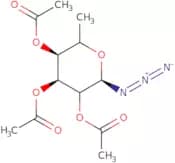
Degré de pureté :Min. 95%2,3,4-Tri-O-acetyl-a-L-rhamnopyranosyl azide
CAS :2,3,4-Tri-O-acetyl-a-L-rhamnopyranosyl azide (AraG) is a triazole glycoside that is synthesized by the reaction of an acetylene glycosyl donor with a glycosyl acceptor. It has been shown to have high purity and custom synthesis. 2,3,4-Tri-O-acetyl-a-L-rhamnopyranosyl azide has been used for click modification and fluorination. It can be used to modify saccharides such as oligosaccharides and monosaccharides.Formule :C12H17N3O7Degré de pureté :Min. 95%Masse moléculaire :315.28 g/mol2,3,4,6-Tetrabenzoate D-glucopyranose
CAS :Please enquire for more information about 2,3,4,6-Tetrabenzoate D-glucopyranose including the price, delivery time and more detailed product information at the technical inquiry form on this page
Formule :C34H28O10Degré de pureté :Min. 95%Masse moléculaire :596.6 g/mol















![3-[(2,3,4,6-Tetra-O-acetyl-b-D-glucopyranosyl)thio]-propanoic acid](/_next/image/?url=https%3A%2Fstatic.cymitquimica.com%2Fproducts%2F3D%2Fthumb-webp%2FMT01467.webp&w=3840&q=75)



![3-Deoxy-D-[UL-13C6]fructose](/_next/image/?url=https%3A%2Fstatic.cymitquimica.com%2Fproducts%2F3D%2Fthumb-webp%2FMD14754.webp&w=3840&q=75)


![1,2-Dideoxy-2'-pyrrolidin-1-yl-a-D-glucopyranoso-[2,1-d]-2'-thiazoline](/_next/image/?url=https%3A%2Fstatic.cymitquimica.com%2Fproducts%2F3D%2Fthumb-webp%2FMD15733.webp&w=3840&q=75)