Monosaccharides
Sous-catégories appartenant à la catégorie "Monosaccharides"
- Alloses(11 produits)
- Arabinoses(21 produits)
- Erythroses(11 produits)
- Fructoses(9 produits)
- Fucoses(36 produits)
- Galactosamine(41 produits)
- Galactoses(261 produits)
- Glucoses(365 produits)
- Acides glucuroniques(52 produits)
- Glyco-substrats pour l'enzyme(78 produits)
- Guloses(6 produits)
- Idoses(4 produits)
- Inositols(15 produits)
- Lyxoses(4 produits)
- Mannoses(65 produits)
- O-Glycanes(48 produits)
- Psicoses(3 produits)
- Rhamnoses(10 produits)
- Ribos(61 produits)
- Acides sialiques(100 produits)
- Sorboses(4 produits)
- Sucres(173 produits)
- Tagatoses(4 produits)
- Taloses(8 produits)
- Xyloses(20 produits)
6089 produits trouvés pour "Monosaccharides"
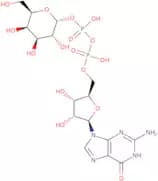
GDP-D-galactose
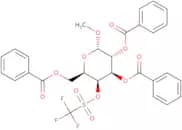
CAS :GDP-D-galactose is a sugar nucleotide that is an intermediate in the synthesis of GDP-D-mannose. It is synthesized from D-galactose by the enzyme galactokinase, which converts D-galactose to D-galacturonate. GDP-D-galactose can then be converted to GDP-D-mannose by the enzyme GDP mannokinase. The incorporation of GDP into macromolecules is a process that can be used as a marker for biosynthesis and has been shown in Gracilaria sp.Formule :C16H25N5O15P2Degré de pureté :Min. 95%Masse moléculaire :589.4 g/molMethyl 2,3,6-tri-O-benzoyl-4-O-trifluoromethanesulfonyl-a-D-galactopyranoside
CAS :Methyl 2,3,6-tri-O-benzoyl-4-O-trifluoromethanesulfonyl-a-D-galactopyranoside is a glycosylation product that is synthesized by the reaction of methyl 4,6-dichlorohexanoate and D-galactose. The compound has been modified with a trifluoromethanesulfonyl group at the 6 position on the benzene ring. This modification allows for an increased stability in acidic conditions.Formule :C29H25F3O11SDegré de pureté :Min. 95%Masse moléculaire :638.56 g/mol3-Deoxy-D-gluconic acid calcium
CAS :3-Deoxy-D-gluconic acid calcium is a modification of the sugar 3-deoxy-D-glucono-1,5-lactone. It is an oligosaccharide that has been synthesized from D-glucose and D-xylose with the use of a click reaction. The monosaccharide (3DG) can be methylated to produce 3,6-dimethyl 3DG or fluorinated to make 3,6,9F 2 -3DG. This modification can be glycosylated to form a complex carbohydrate. The saccharide is also found in nature as the sugar component of glycogen and cellulose.Formule :C6H12O6CaDegré de pureté :Min. 97 Area-%Masse moléculaire :400.39 g/molAllyl 2,3,4-tri-O-benzyl a-D-galactopyranoside
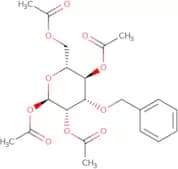
CAS :Allyl 2,3,4-tri-O-benzyl a-D-galactopyranoside is an Oligosaccharide with a CAS No. of 56083-16-0. It is a complex carbohydrate that has been modified by methylation and glycosylation. This product is also fluorinated and synthesized. It has high purity and can be custom synthesized.Degré de pureté :Min. 95%1,2,4,6-Tetra-O-acetyl-3-O-benzyl-a-D-mannopyranose
CAS :Tetra-O-acetyl-3-O-benzyl-a-D-mannopyranose is a modification of mannose. It is a complex carbohydrate that belongs to the class of oligosaccharides and has CAS No. 65827-58-9. The molecular weight of this compound is 462.76 g/mol. Tetra-O-acetyl-3-O-benzyl mannopyranose is synthesized for use as an analytical reagent to study the glycosylation and methylation reactions in carbohydrates, as well as for use in diagnostic kits for the detection of penicillinase and erythromycin resistance genes. This product has high purity, custom synthesis, and can be used as a monosaccharide or polysaccharide sugar in glycosylation reactions. Tetra O acetyl 3 O benzyl mannopyranose can also be fluorinatedFormule :C21H26O10Degré de pureté :Min. 95%Masse moléculaire :438.43 g/molMethyl 2,3,6-tri-O-acetyl-4-deoxy-4-fluoro-a-D-galactopyranoside
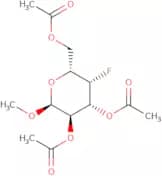
CAS :Methyl 2,3,6-tri-O-acetyl-4-deoxy-4-fluoro-a-D-galactopyranoside is a modification of the naturally occurring carbohydrate, galactose. It is synthesized from 4-fluoro galactose and acetyl chloride in the presence of sodium methoxide. This compound can be used as an intermediate for the synthesis of oligosaccharides or polysaccharides. Methyl 2,3,6-tri-O-acetylgalactopyranoside is a monosaccharide that has been modified by methylation and glycosylation. It can also be fluorinated to form methyl 2,3,6,-tri-,O-(2'-deoxy)galactopyranoside.Formule :C13H19FO8Degré de pureté :Min. 95%Masse moléculaire :322.28 g/mol4,6-O-Benzylidene-1,3-di-O-methyl-a-D-mannopyranoside
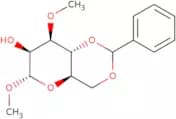
CAS :4,6-O-Benzylidene-1,3-di-O-methyl-a-D-mannopyranoside is an antiviral agent that has been shown to inhibit the replication of a number of RNA and DNA viruses. The compound binds to the active site of the virus and reacts with nucleophilic groups on the sugar ring. This reaction leads to a nitro group being introduced into the sugar ring of the virus. This nitro group is then alkylated by nucleophilic groups in proteins and other cellular components. 4,6-O-Benzylidene-1,3-di-O-methyla D mannopyranoside has been shown to inhibit hepatitis A virus (HAV) infection in vitro and in vivo.Formule :C15H20O6Degré de pureté :Min. 95%Masse moléculaire :296.32 g/molDeferasirox acyl-b-D-glucuronide
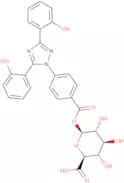
CAS :This compound is a high purity, synthetic, complex carbohydrate. It is made of saccharides and polysaccharides. This product can be used as a methylation reagent for oligosaccharide synthesis or click modification. The molecular weight is about 1140 g/mol. This product has been shown to have an inhibitory effect on bacterial growth and may be effective against Mycobacterium tuberculosis or Mycobacterium avium.Formule :C27H23N3O10Degré de pureté :Min. 95%Masse moléculaire :549.49 g/mol3,4,6-Tri-O-acetyl-2-azido-2-deoxy-D-galactopyranosyl trichloroimidate
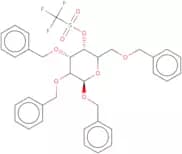
CAS :3,4,6-Tri-O-acetyl-2-azido-2-deoxy-D-galactopyranosyl trichloroimidate is a carbohydrate that is custom synthesized. It is a complex carbohydrate that is modified with methylation and glycosylation. This product has high purity, fluorination, and synthetic properties.Degré de pureté :Min. 95%1,2,3,6-Tetra-O-benzyl-4-O-trifluoromethanesulfonyl-b-D-mannopyranose
1,2,3,6-Tetra-O-benzyl-4-O-trifluoromethanesulfonyl-b-D-mannopyranose is a synthetic sugar that can be custom synthesized with high purity. It is an oligosaccharide that has a sugar component and a glycosylation component. This product can be modified to order by methylation or fluorination and can be used in the synthesis of complex carbohydrates. It has been shown to have anti-inflammatory effects in rats.Formule :C35H35F3O8SDegré de pureté :Min. 95%Masse moléculaire :672.71 g/mol2,3,4-Tri-O-acetyl-1,6-anhydro-b-D-glucopyranose
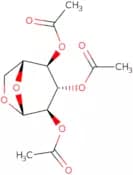
CAS :2,3,4-Tri-O-acetyl-1,6-anhydro-b-D-glucopyranose is a high purity monosaccharide that is custom synthesized to meet your needs. This product is a sugar with a click modification, fluorination, glycosylation and methylation. It can be used as a synthetic oligosaccharide or monosaccharide in the synthesis of complex carbohydrates. It has CAS No. 13242-55-2 and can be used in saccharides.Formule :C12H16O8Degré de pureté :Min. 95%Couleur et forme :White PowderMasse moléculaire :288.25 g/moltert-Butyl 2-acetamido-2-deoxy-b-D-glucopyranoside
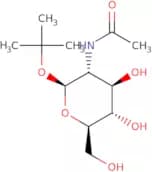
CAS :Tert-Butyl 2-acetamido-2-deoxy-b-D-glucopyranoside is a synthetic glycoside with a molecular weight of 379.5 Da. It has been used as a raw material for the synthesis of complex carbohydrate, such as oligosaccharides and polysaccharides. Tert-Butyl 2-acetamido-2-deoxy-b-D-glucopyranoside is also used in the modification of sugars, such as methylation and click modification.Formule :C12H23NO6Degré de pureté :Min. 95%Masse moléculaire :277.31 g/mol7-Hydroxycoumarin D5-D-glucuronide sodium salt
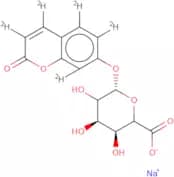
Produit contrôlé7-Hydroxycoumarin D5-D-glucuronide sodium salt is a synthetic, fluorinated, monosaccharide that is used in glycosylation reactions. It has been shown to be useful for the synthesis of complex carbohydrates and polysaccharides as well as click modification of proteins. 7-Hydroxycoumarin D5-D-glucuronide sodium salt can be used in the synthesis of glycosylations and polysaccharides or as a sugar donor in Click chemistry. This compound can also be methylated or modified by other methods. 7-Hydroxycoumarin D5-D-glucuronide sodium salt is available at high purity and CAS No.Formule :C15H8D5O9·NaDegré de pureté :Min. 95%Couleur et forme :White to off-white solid.Masse moléculaire :365.28 g/mol6-Amino-6-deoxy-D-fructose
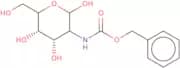
CAS :6-Amino-6-deoxy-D-fructose is a custom synthesis that has a methylation at the C1 position. This product is a modified sugar that has the ability to be used as an intermediate in the synthesis of oligosaccharides, polysaccharides, and saccharides. It can also be used as a substitute for glucose in carbohydrate metabolism studies. 6-Amino-6-deoxy-D-fructose is also suitable for fluorination and complex carbohydrate modification experiments. The purity of this product is high, with no detectable impurities. 6-Amino-6-deoxy-D-fructose is a monosaccharide sugar that can be used in synthetic chemistry applications.Degré de pureté :Min. 95%2-(Benzyloxycarbonylamino)-2-deoxy-D-mannose
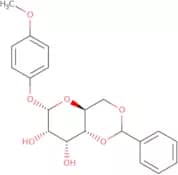
CAS :2-(Benzyloxycarbonylamino)-2-deoxy-D-mannose is a sugar that is linked to other molecules through glycosylation. It is an important component of the complex carbohydrate called glycogen. This product can be used in methylation, click modification, polysaccharide, fluorination and saccharide modification reactions. 2-(Benzyloxycarbonylamino)-2-deoxy-D-mannose has CAS No. 1174233-24-9 and is available in high purity.Formule :C14H19NO7Degré de pureté :Min. 95%Masse moléculaire :313.31 g/mol4-Methoxyphenyl 4,6-O-Benzylidene-b-D-galactopyranoside
CAS :4-Methoxyphenyl 4,6-O-Benzylidene-b-D-galactopyranoside is a diagnostic agent that reacts with the magnesium salt of 4,6-O-benzylidene b-D-galactopyranoside to form a bright red complex. The reaction of the complex with the magnesium oxide is rapid and highly specific for this substrate. The intensity of color can be measured spectrophotometrically at a wavelength of 420 nm. This product may be used in medical research to diagnose Alzheimer's Disease or other neurological disorders that are characterized by impaired cognition and memory.Formule :C20H22O7Degré de pureté :Min. 95%Masse moléculaire :374.38 g/molMethyl 3,4-di-O-benzyl-a-D-mannopyranoside
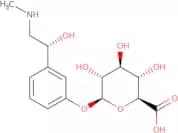
CAS :Methyl 3,4-di-O-benzyl-a-D-mannopyranoside is a synthetic compound that belongs to the class of oligosaccharides. It is a sugar that has a complex carbohydrate structure with a glycosylated and methylated sugar. The compound is custom synthesized and is used as a reagent in glycosylation reactions. Methyl 3,4-di-O-benzyl-a-D-mannopyranoside can be used for click modification of proteins, polypeptides, and carbohydrates.Formule :C21H26O6Degré de pureté :Min. 95%Masse moléculaire :374.43 g/molPhenylephrine-D-glucuronide
CAS :Phenylephrine-D-glucuronide is a modified form of phenylephrine that is synthesized from the natural product glycosylate. It has been shown to have a high degree of purity and is custom synthesized for customers. This compound can be modified in many ways, including fluorination, glycosylation, methylation, and saccharide modification. Phenylephrine-D-glucuronide has the ability to bind to sugar molecules and form complex carbohydrates. Phenylephrine-D-glucuronide is also an oligosaccharide or monosaccharide with a saccharide backbone.
Formule :C15H21NO8Degré de pureté :Min. 95%Masse moléculaire :343.33 g/mol3-O-Acetyl-6-O-benzoyl-5-O-methylsulfonyl-1,2-O-isopropylidene-α-D-glucofuranose
CAS :3-O-Acetyl-6-O-benzoyl-5-O-methylsulfonyl-1,2-O-isopropylidene-a-D-glucofuranose is a custom synthesis that can be methylated, glycosylated, or modified with click chemistry. It is a polysaccharide that can be used as an intermediate for saccharide and oligosaccharide synthesis. 3-O-Acetyl 6 - O - benzoyl - 5 - O - methylsulfonyl - 1,2 - O - isopropylidene - a D glucofuranose has high purity and can be obtained in large quantities through custom synthesis.Formule :C19H24O10SDegré de pureté :Min. 95%Masse moléculaire :444.45 g/molN-Diphenylmethyl 2,5-anhydro-2,5-imino-D-glucitol
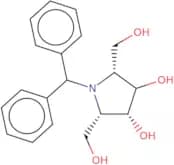
CAS :N-Diphenylmethyl 2,5-anhydro-2,5-imino-D-glucitol is a custom synthesis of a monosaccharide that can be modified to form saccharides such as oligosaccharides and polysaccharides. The synthesis involves the fluorination of the methyl groups on the sugar molecule by using Fluorine gas. Click modification is then used to add an amine group to the sugar molecule. This allows for glycosylation with other sugars or carbohydrates during the synthetic process.Formule :C19H23NO4Degré de pureté :Min. 95%Masse moléculaire :329.39 g/mol2,3,5,6-Tetra-O-acetyl-D-gulonic acid -1,4-lactone
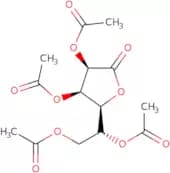
CAS :2,3,5,6-Tetra-O-acetyl-D-gulonic acid -1,4-lactone is a synthetic sugar that is used in the synthesis of high purity oligosaccharides and polysaccharides. This product has been modified with fluorine and methyl groups. The reactions were performed under click chemistry conditions to produce this compound. This product is available for custom synthesis and fluoroamination.Formule :C14H18O10Degré de pureté :Min. 95%Couleur et forme :White To Off-White SolidMasse moléculaire :346.29 g/mol4-Nitrophenyl 3-O-benzoyl-4,6-cyclohexylidene-b-D-mannopyranoside
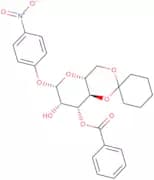
CAS :4-Nitrophenyl 3-O-benzoyl-4,6-cyclohexylidene-b-D-mannopyranoside is a Custom synthesis. It is an Oligosaccharide that consists of a Polysaccharide with Modification. The CAS No. 102717-17-9 is Methylation and Glycosylation and Carbohydrate. Click modification and saccharide are sugar and High purity. Fluorination is Synthetic.Formule :C25H27NO9Degré de pureté :Min. 95%Masse moléculaire :485.48 g/mol2,3,4,6-Tetra-O-acetyl-b-D-mannopyranose
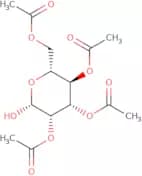
CAS :2,3,4,6-Tetra-O-acetyl-b-D-mannopyranose (2,3,4,6TOA) is a methylated form of b-D-mannopyranose. This compound can be synthesized by the click reaction between an aldehyde group and an amine group. The modification of 2,3,4,6TOA with acetyl groups at the 2-, 3-, 4-, and 6-positions provides a novel carbohydrate that has not been previously reported in the literature. 2,3,4,6TOA is one of many oligosaccharides that are used as building blocks for complex carbohydrate synthesis.
2,3,4,6TOA has high purity and is available for custom synthesis. It's potential application includes glycosylation reactions or as a substrate for fluorination reactions.Degré de pureté :Min. 95%Methyl 2-O-benzoyl-4,6-O-benzylidene-a-D-glucopyranoside
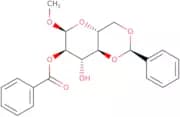
CAS :Methyl 2-O-benzoyl-4,6-O-benzylidene-a-D-glucopyranoside is a sugar that is used in the synthesis of complex carbohydrates. This product is custom synthesized and has a purity of greater than 98%. It can be used for Click modifications, fluorination, glycosylation, and synthetic purposes. Methyl 2-O-benzoyl-4,6-O-benzylidene-a-D-glucopyranoside also has CAS No. 28642-64-0.Formule :C21H22O7Degré de pureté :Min. 95%Masse moléculaire :386.4 g/mol4-Methylphenyl 2,3,4-tri-O-benzyl-b-D-thioglucopyranoside
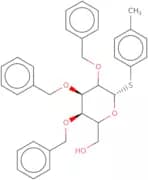
CAS :4-Methylphenyl 2,3,4-tri-O-benzyl-b-D-thioglucopyranoside is a custom synthesis of a fluorinated glycoside that is used as an intermediate for the production of saccharides. This compound has been modified by methylation, monosaccharide, and click chemistry. It is available in high purity and has undergone extensive purification to remove impurities.Formule :C34H36O5SDegré de pureté :Min. 95%Masse moléculaire :556.71 g/molAlphadolone 21-b-D-glucuronide
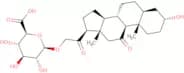
CAS :Alphadolone 21-b-D-glucuronide (ADG) is a synthetic compound that belongs to the group of carbohydrates. ADG is a sugar that has been modified with fluorination and methylation. It is also glycosylated and click modified. This product is custom synthesized for research purposes only.Formule :C27H40O10Degré de pureté :Min. 95%Masse moléculaire :524.6 g/molMethyl-4-deoxy-a-L-threo-hex-4-enopyranosiduronic acid
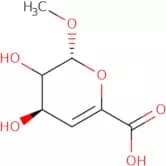
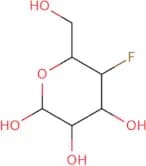
CAS :Methyl-4-deoxy-a-L-threo-hex-4-enopyranosiduronic acid is a sugar that belongs to the group of complex carbohydrates. This compound is made up of a saccharide and a monosaccharide, which are glycosylated with other saccharides. Methylation and glycosylation of this molecule create an oligosaccharide. The structure of this molecule has been modified by fluorination, methylation, and glycosylation. This product is synthesized from raw materials, such as sugar. Methyl - 4 - deoxy - a - L - threo - hex - 4 - enopyranosiduronic acid is used in Click modification reactions to modify the carbohydrate chain. This product is also used in the synthesis of various compounds with different functions, such as fluoroquinolones or antibiotics.Formule :C7H10O6Degré de pureté :Min. 95%Masse moléculaire :190.15 g/mol2-Deoxy-2-fluoro-D-[1-13C]glucose
CAS :2-Deoxy-2-fluoro-D-[1-13C]glucose is a pharmacopoeia that is used in the diagnosis of thyroid gland, myocardial ischemia and malignant tumors. It is also used for the study of glucose metabolism in the thyroid gland, cerebral cortex and myocardium. 2-Deoxy-2-fluoro-D-[1-13C]glucose binds to pyranose sugars and has been shown to be an effective agent in the treatment of malignant tumors. This drug has also been shown to inhibit glucose metabolism in the thyroid gland, cerebral cortex and myocardium.
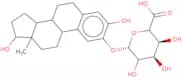
Formule :C6H11FO5Degré de pureté :Min. 95%Masse moléculaire :183.14 g/mol2-Hydroxyestradiol-2-O-b-D-glucuronide
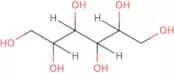
CAS :2-Hydroxyestradiol-2-O-b-D-glucuronide is a modified oligosaccharide that has been synthesized by custom synthesis. It can be used in the modification of other carbohydrates, and as a monosaccharide or methylated glycosylated saccharide. 2-Hydroxyestradiol-2-O-b-D-glucuronide is also an effective inhibitor for bacterial growth, which may be due to its ability to inhibit the synthesis of cellular constituents such as lipids and proteins.Formule :C24H32O9Degré de pureté :Min. 95%Masse moléculaire :464.51 g/molDulcitol
CAS :Dulcitol is a sugar alcohol that is used in the food industry and as an alternative to sucrose. Dulcitol can be found in wastewater treatment and has been shown to be an inhibitor of wild-type strains of Escherichia coli and Bacteroides fragilis. It also inhibits the growth of Gram-positive bacteria, such as Staphylococcus aureus, by inhibiting their ability to synthesize DNA. Dulcitol is metabolized through a number of metabolic transformations, including hydrolysis by esterases or glucuronidases, oxidation by cytochrome P450 enzymes, reduction by glutathione reductase, or conjugation with glucuronic acid. Dulcitol can also inhibit the activity of certain enzymes such as protein kinase C (PKC).Formule :C6H14O6Degré de pureté :Min. 99.0 Area-%Masse moléculaire :182.17 g/molRef: 3D-D-9500
-Unit-kgkgÀ demander1kgÀ demander5kgÀ demander10kgÀ demander25kgÀ demander2500gÀ demander1,2-O-Ethylidene b-D-mannopyranose
CAS :1,2-O-Ethylidene b-D-mannopyranose is a complex carbohydrate that is synthesized from the modification of mannose with 1,2-O-ethylidene b-D-mannopyranose. This modification can be accomplished by either methylation or glycosylation. Modification of mannose with 1,2-O-ethylidene b-D-mannopyranose has been shown to increase the stability of the molecule and improve its resistance to degradation. The methylation of mannose with 1,2-O-ethylidene b-D-mannopyranose has been shown to produce a variety of derivatives that may have potential applications in drug design and cancer treatment. This complex carbohydrate is an important component in many saccharides and polysaccharides. It has also been used as a fluorinating agent in organic synthesis.
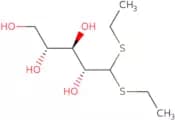
Formule :C8H14O6Degré de pureté :Min. 95%Masse moléculaire :206.2 g/molD-Arabinose diethyldithioacetal
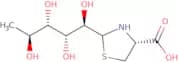
CAS :D-Arabinose diethyldithioacetal is a nitro compound that is used as an anticoagulant. It has a high degree of water solubility and can be administered intravenously. D-Arabinose diethyldithioacetal is formed from d-arabinose and diethyl dithiocarbamate by reaction with boron trifluoride etherate in the presence of hydrochloric acid. This produces the nitro group, which can then react with a hydroxymethyl group to form the final product. The reaction proceeds through two steps: first, the hydroxy methyl group converts to a trifluoroacetic acid derivative, followed by addition of nitric acid to produce the desired product. The final product contains two benzyl groups and two functional groups, which are responsible for its anticoagulant properties.Formule :C9H20O4S2Degré de pureté :Min. 95%Couleur et forme :Off-white solid.Masse moléculaire :256.38 g/mol2-(L-Rhamno-tetrahydroxypentyl)-4(R)-1,3-thiazolidine-4-carboxylic acid
CAS :2-(L-Rhamno-tetrahydroxypentyl)-4(R)-1,3-thiazolidine-4-carboxylic acid is a synthetic sugar. It has been modified with fluorination, glycosylation, and methylation. It can be used as a saccharide for a complex carbohydrate.Formule :C10H19NO6SDegré de pureté :Min. 95%Masse moléculaire :281.33 g/mol5-Deoxy-D-xylose
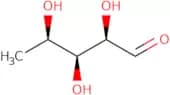
CAS :5-Deoxy-D-xylose is a metabolite that is produced as a byproduct of the metabolism of l-arabinose. It can be found in urine, saliva, and cerebrospinal fluid. 5-Deoxy-D-xylose has been shown to have a role in mediating the effects of nitroacetate and hydrogen fluoride on nitric oxide synthase. This compound also has an anti-inflammatory effect, which may be due to its ability to inhibit the production of neopterin. The isomers form from 5-deoxy-D-xylose are tautomeric with each other and their optical isomers are chemically different from one another. 5-Deoxy-D-xylose can exist as a cyclic form or as an open chain form.
Formule :C5H10O4Degré de pureté :Min. 95%Masse moléculaire :134.13 g/mol1,2-Dipalmitoyl-sn-glycero-3-phospho-(1'-myoinositol-4'-phosphate)
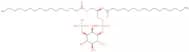
CAS :1,2-Dipalmitoyl-sn-glycero-3-phospho-(1'-myoinositol-4'-phosphate) is a lipid kinase that has been shown to be localized in the cytoplasm. This enzyme is activated by receptor activity and autophagy, and plays a role in protein transport. It also activates phosphatase activity which regulates the actin cytoskeleton, and can be regulated by insulin-stimulated glucose levels. 1,2-Dipalmitoyl-sn-glycero-3-phospho-(1'-myoinositol-4'-phosphate) has been shown to have a regulatory function in epidermal growth factor (EGF)-induced cell proliferation. The physiological function of this enzyme is not yet known.
Formule :C41H80O16P2Degré de pureté :Min. 95%Masse moléculaire :891.01 g/mol1,6:2,3-Dianhydro-4-O-(2',3',4',6'-tetra-O-acetyl-b-D-glucopyranosyl)-b-D-mannopyranose
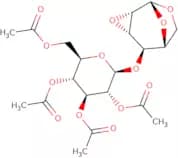
CAS :1,6:2,3-Dianhydro-4-O-(2',3',4',6'-tetra-O-acetyl-b-D-glucopyranosyl)-b-D-mannopyranose is a custom synthesis of an oligosaccharide that contains a saccharide. It belongs to the class of carbohydrates and can be used in research as a fluorinated complex carbohydrate for modification. This product is not intended for human or animal consumption.
Formule :C20H26O13Degré de pureté :Min. 95%Masse moléculaire :474.41 g/molBenzyl 2,3,4-tri-O-acetyl-4-nitromethyl-b-D-arabinopyranose
CAS :Benzyl 2,3,4-tri-O-acetyl-4-nitromethyl-b-D-arabinopyranose is a water soluble, white solid that is a glycosylation product of Benzyl 2,3,4-tri-O-acetyl b D arabinopyranose and 4 nitrobenzaldehyde. It can be used for the modification of polysaccharides and as an intermediate in the synthesis of oligosaccharides. This compound has been shown to be effective in inhibiting the growth of Mycobacterium tuberculosis and Mycobacterium avium complex.Formule :C19H23NO10Degré de pureté :Min. 95%Masse moléculaire :425.39 g/mol1-O-Benzyl-2C-methyl-3,4-isopropylidine-D-ribopyranoside
CAS :1-O-Benzyl-2C-methyl-3,4-isopropylidine-D-ribopyranoside (1) is a fluorinated monosaccharide that is used as an intermediate in the synthesis of oligosaccharides. 1 can be used for glycosylation and polysaccharide modification. It has been shown to be useful as a building block in the synthesis of complex carbohydrates and it can also be methylated (2). 1 is a high purity chemical with a CAS number of 569661-37-6.Formule :C16H22O5Degré de pureté :Min. 95%Masse moléculaire :294.35 g/molBenzyl 2-acetamido-2-deoxy-D-glucopyranoside
CAS :Benzyl 2-acetamido-2-deoxy-D-glucopyranoside is a fluorinated glycosylation reagent that has been developed for the synthesis of complex carbohydrates, oligosaccharides, and saccharides. This compound is also useful in the modification of natural products and as a synthetic intermediate. Benzyl 2-acetamido-2-deoxy-D-glucopyranoside is an excellent substrate for Click chemistry, which can be used to modify saccharide units. The purity of this product is high, with no detectable impurities.Formule :C15H21NO6Degré de pureté :Min. 95%Masse moléculaire :311.33 g/molMethyl D-galactopyranoside
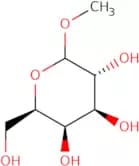
CAS :Methyl D-galactopyranoside is a lectin that binds to galactose residues in the glycosidic linkage of oligosaccharides. Methyl D-galactopyranoside is used in functional theory to determine the number of lysine residues on the dodecyl chain. This lectin has been shown to bind to anomeric linkages, which are different types of sugar molecules that have a carbon atom at the same position. The binding of this lectin to oligosaccharides can be detected by matrix-assisted laser desorption ionization mass spectrometry (MALDI MS). Methyl D-galactopyranoside has also been shown to have high salt and carbohydrate binding properties, as well as binding with galactose, trimethyl, and hydroxymethyl groups.Formule :C7H14O6Degré de pureté :Min. 95%Couleur et forme :PowderMasse moléculaire :194.18 g/molD-Glucose-1,2,3-13C3
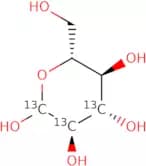
CAS :D-Glucose-1,2,3-13C3 is a synthetic monosaccharide that has been fluorinated at the 1, 2 and 3 positions. The 13C isotope has been used to study the glycosylation of this compound. This product is available in custom synthesis quantities.Formule :C3C3H12O6Degré de pureté :Min. 95%Masse moléculaire :183.16 g/mol5-Aldo-1,2-O-isopropylidene-a-D-xylofuranose
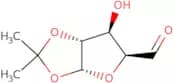
CAS :5-Aldo-1,2-O-isopropylidene-a-D-xylofuranose is a synthetic monosaccharide with the chemical formula C5H6O4. It can be used to synthesize oligosaccharides and polysaccharides. This compound is a fluorinated sugar with a methyl group at the 5 position and an isopropylidene group at the 2 position. 5-Aldo-1,2-O-isopropylidene-a-D-xylofuranose can be modified by click chemistry reactions, which are reactions that use copper catalysts to form carbon–carbon bonds in a single step. This modification can be done on either the sugar or its glycosylation partner. The CAS number for this compound is 531671166.
Formule :C8H12O5Degré de pureté :Min. 95%Masse moléculaire :188.18 g/molRamipril-D5 acyl-b-D-glucuronide
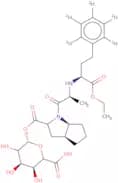
Produit contrôléRamipril-D5 acyl-b-D-glucuronide is a custom synthesis of the complex carbohydrate, oligosaccharide. It has been modified with saccharide, methylation, glycosylation, and click modification. Ramipril-D5 acyl-b-D-glucuronide is a high purity product that has been fluorinated and synthesized.
Formule :C29H35D5N2O11Degré de pureté :Min. 95%Masse moléculaire :597.66 g/mol8-Hydroxymirtazapine b-D-glucuronide
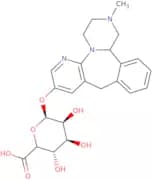
CAS :8-Hydroxymirtazapine b-D-glucuronide is a fluorinated, monosaccharide, synthetic oligosaccharide. It is a complex carbohydrate that has been custom synthesized with glycosylation and polysaccharides. The sugar structure has been modified by methylation and click modification in order to produce a high purity product. CAS No. 155239-47-7Formule :C23H27N3O7Degré de pureté :Min. 95%Masse moléculaire :457.49 g/molIsopropyl 2,3,4,6-tetra-O-acetyl-b-D-thioglucopyranoside
CAS :Isopropyl 2,3,4,6-tetra-O-acetyl-b-D-thioglucopyranoside is a custom synthesis of a monosaccharide with four acetates and two fluorines. The molecule is synthesized in the laboratory by modifying the sugar with methyl groups and then fluorinating it. This synthetic product can be used in biochemistry to study glycosylation reactions and complex carbohydrate structures.Formule :C17H26O9SDegré de pureté :Min. 95%Masse moléculaire :406.45 g/molMethyl 2,6-di-O-benzoyl-3,4-di-O-[bis(3,5-dimethylphenyl)]phosphino-a-D-glucopyranoside
CAS :Methyl 2,6-di-O-benzoyl-3,4-di-O-[bis(3,5-dimethylphenyl)]phosphino-a-D-glucopyranoside is a custom synthesis of a modified sugar that has been fluorinated and methylated. This compound is also known by its CAS number 158214-06-3. The compound is a monosaccharide and an oligosaccharide. It is synthesized from saccharides and polysaccharides such as sugar and complex carbohydrates. Methyl 2,6-di-O-benzoyl-3,4 di O-[bis(3,5 dimethylphenyl)]phosphino a D glucopyranoside has many applications in the field of biochemistry and medicine.Formule :C53H56O8P2Degré de pureté :Min. 95%Masse moléculaire :882.95 g/mol3,4,6-Tri-O-acetyl-a-D-glucopyranose 1,2-(ethyl orthoacetate)
CAS :3,4,6-Tri-O-acetyl-a-D-glucopyranose 1,2-(ethyl orthoacetate) is a custom synthesis that can be used as a fluorination agent or methylating agent. This compound has been modified by the click modification reaction to attach oligosaccharides and saccharides to proteins and polysaccharides. 3,4,6-Tri-O-acetyl-a-D-glucopyranose 1,2-(ethyl orthoacetate) is a high purity synthetic carbohydrate with a purity of 99.5%.Formule :C16H24O10Degré de pureté :Min. 95%Masse moléculaire :376.35 g/mol2-Amino-1,3-bis(1,6-anhydro-2,3-O-isopropylidene-b-D-mannopyranose-4-O-yl)-propane
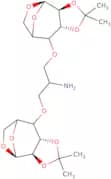
CAS :2-Amino-1,3-bis(1,6-anhydro-2,3-O-isopropylidene-b-D-mannopyranose-4-O-yl)-propane is a carbohydrate with the molecular formula C10H20N2O8. It is a synthetic sugar that is soluble in water and alcohol. 2AAP can be custom synthesized by modification of natural sugars and saccharides. This product has a high purity level (>99%) and can be methylated or glycosylated to create other products. The synthesis of this product is accomplished through click chemistry. Click chemistry uses copper (II) sulfate as an oxidizing agent to generate reactive oxygen species that can react with other molecules to form new bonds between them.Formule :C21H33NO10Degré de pureté :Min. 95%Masse moléculaire :459.49 g/mol2,3,4-Tri-O-acetyl-L-fucal
CAS :2,3,4-Tri-O-acetyl-L-fucal is a synthetic oligosaccharide. It is a glycosylated sugar that contains three acetyl groups and four hydroxyl groups. The acetylation pattern of 2,3,4-tri-O-acetyl-L-fucal can be customized to suit the customer's needs. This compound is a fluorinated version of L-fucose and has been synthesized using an innovative click chemistry method. The synthesis of 2,3,4-tri-O-acetyl L -fucal has been completed in high purity and with high yield by our skilled chemists. It is also a complex carbohydrate that can be modified for different applications.Formule :C12H16O7Degré de pureté :Min. 95%Masse moléculaire :272.25 g/molBenzyl 4,6-O-benzylidene-b-D-glucopyranoside
CAS :Benzyl 4,6-O-benzylidene-b-D-glucopyranoside is a synthetic monosaccharide. It is an oligosaccharide that has undergone glycosylation and polysaccharide modifications. Benzyl 4,6-O-benzylidene-b-D-glucopyranoside can be used for the preparation of various carbohydrates with customized structures. This product can be synthesized in high purity.Formule :C20H22O6Degré de pureté :Min. 95%Couleur et forme :PowderMasse moléculaire :358.39 g/mol1,2,3,6-Tetra-O-benzoyl-a-D-mannopyranose
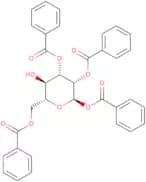
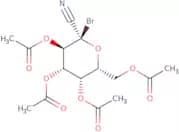
CAS :1,2,3,6-Tetra-O-benzoyl-a-D-mannopyranose is a modification of the sugar mannose. It is an oligosaccharide that contains four mannoses and one D-mannopyranose. This product is custom synthesized to order and can be modified with fluorination or saccharide methylation. It is available in high purity and can be used as a monosaccharide or polysaccharide.Formule :C34H28O10Degré de pureté :Min. 95%Masse moléculaire :596.58 g/mol2,3,4,6-Tetra-O-acetyl-1-bromo-1-deoxy-b-D-galactopyranosyl cyanide
CAS :2,3,4,6-Tetra-O-acetyl-1-bromo-1-deoxy-b-D-galactopyranosyl cyanide is a Carbohydrate with CAS No. 83497-42-1. It is a saccharide with the molecular formula C8H12O8 and molecular weight of 300.19 g/mol. The chemical structure of 2,3,4,6-Tetra-O-acetyl-1-bromo-, 1 -deoxy-. b-.D-.galactopyranosyl cyanide is shown in the figure below: 2,3,4,6,-Tetra--O--acetyl--1--bromo--1--deoxy-. b-.D-.galactopyranosyl cyanide has been shown to have fluoroquinolone resistance properties.Formule :C15H18BrNO9Degré de pureté :Min. 95%Masse moléculaire :438.3 g/mol8-Methoxycarbonyloctyl 2-deoxy-2-phthalimido-b-D-glucopyranoside
CAS :8-Methoxycarbonyloctyl 2-deoxy-2-phthalimido-b-D-glucopyranoside is a glycoconjugate that is used as an anti-tumor agent. It is a synthetic glycosaminoglycan with a polysaccharide backbone and fluorinated saccharide branches. The monosaccharides are linked by methylene bridges, and the oligosaccharides are modified with methoxycarbonyl groups. This compound has been shown to have activity against tumor cells in vitro and in vivo, and it may be useful for the treatment of cancer. 8-Methoxycarbonyloctyl 2-deoxy-2-phthalimido-b-D-glucopyranoside can be synthesized on request.Formule :C24H33NO9Degré de pureté :Min. 95%Masse moléculaire :479.52 g/mol2,3,4,6-Tetra-O-allyl-D-glucopyranose
CAS :2,3,4,6-Tetra-O-allyl-D-glucopyranose is a synthetic oligosaccharide that is used in the synthesis of glycoproteins and other complex carbohydrates. The sugar has been fluorinated to produce 2,3,4,6-Tetra-O-fluoro-D-glucopyranose. This sugar can be custom synthesized with methylation or click modification. It is a high purity product with no impurities detected.
Degré de pureté :Min. 95%2,6-Di-O-acetyl-3,4-di-O-benzyl-a-D-mannopyranosyl trichloroactimidate
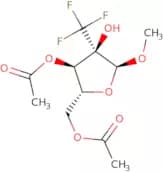
CAS :2,6-Di-O-acetyl-3,4-di-O-benzyl-a-D-mannopyranosyl trichloroactimidate is a synthetic, glycosylate sugar that can be used in the synthesis of oligosaccharides and polysaccharides. This molecule has been fluorinated to increase its lipophilicity and stability. It has been modified with methyl groups to improve its reactivity with other molecules. The purity of 2,6-Di-O-acetyl-3,4-di-O-benzyl-a-D-mannopyranosyl trichloroactimidate is greater than 98%.Formule :C26H28Cl3NO8Degré de pureté :Min. 95%Masse moléculaire :588.86 g/molMethyl 3,5-di-O-acetyl-2-C-(trifluoromethyl)-a-D-ribofuranoside
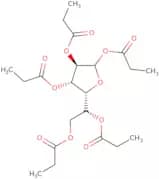
CAS :Methyl 3,5-di-O-acetyl-2-C-(trifluoromethyl)-a-D-ribofuranoside is a modified sugar that is synthesized from the monosaccharide D-ribose. This sugar can be oxidized by the enzyme glycosyltransferase to produce the polymer poly(β--D--ribofuranosyl)glycine. It can also be methylated by OMT to produce the compound methyl 3,5-di-O-acetyl-2-(trifluoromethyl)-a-(D--ribofuranoside). Methylation and glycosylation are two common modifications of sugars. Methyl 3,5-di-O-acetyl 2-(trifluoromethyl)-a-(D--ribofuranoside) is used in click chemistry as an artificial substrate for copper catalysis. The copper complex binds toFormule :C11H15F3O7Degré de pureté :Min. 95%Masse moléculaire :316.23 g/mol1,2,3,5,6-Penta-O-propanoyl-D-glucofuranose
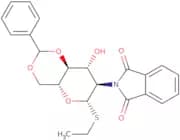
CAS :Penta-O-propanoyl-D-glucofuranose is a custom synthesis of penta-O-propanoic acid and D-glucose. It is an oligosaccharide that is synthesized by the reaction of penta-O-propanoic acid with D-glucose in the presence of an acid catalyst, such as hydrochloric acid, sulfuric acid, or phosphoric acid. Penta-O-propanoyl-D-glucofuranose has been used to modify saccharides by methylation, glycosylation, or carbamylation. This product has a CAS number of 307531–77–7 and can be found on ChemSpider.Formule :C21H32O11Degré de pureté :Min. 95%Masse moléculaire :460.47 g/molEthyl 4,6-O-benzylidene-2-deoxy-2-phthalimido-b-D-thioglucopyranoside
CAS :Ethyl 4,6-O-benzylidene-2-deoxy-2-phthalimido-b-D-thioglucopyranoside is a custom synthesis of Methylated Oligosaccharides. This product is an off white powder that has a purity of 99% with a molecular weight of 518.1 g/mol and an empirical formula C14H12N4O8. This product is soluble in water and DMSO and insoluble in ethanol, ether, and chloroform. Ethyl 4,6-O-benzylidene-2-deoxy-2-phthalimido b -D thioglucopyranoside can be used as a synthetic intermediate for the modification of saccharides or polysaccharides. It can also be used in the production of monosaccharides or sugar derivatives.Formule :C23H23NO6SDegré de pureté :Min. 95%Couleur et forme :PowderMasse moléculaire :441.5 g/molCarprofen acyl-glucuronide
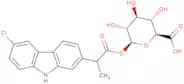
CAS :Carprofen acyl-glucuronide is an acidic drug that is used for the treatment of inflammation, pain and fever. It has been shown to be active in humans at a dosage of 10 mg/kg. Carprofen acyl-glucuronide binds to nicotinic acetylcholine receptors (nAChR) and has been shown to have a high affinity for ligands containing lysine residues. The molecule can also bind to fatty acids, which may lead to its reactivity with human serum and plasma proteins, as well as the matrix effect seen in acidic pH. This drug is also selective for glutamate stereospecificity. Carprofen acyl-glucuronide has been shown to produce a dose-dependent inhibition of diazepam binding to its specific ligand, alpha 1 beta 2 gamma 2 subunit.
Formule :C21H20ClNO8Degré de pureté :Min. 95%Masse moléculaire :449.84 g/mol1,2,3-Tri-O-benzyl-4,6-O-benzylidene-b-D-glucopyranoside
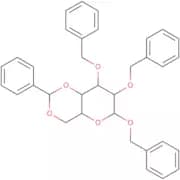
CAS :1,2,3-Tri-O-benzyl-4,6-O-benzylidene-b-D-glucopyranoside is a triol with an O benzyl group on C1. It is a synthetic modification of the sugar glucose and has been used as a building block for the synthesis of glycosides and oligosaccharides. 1,2,3-Tri-O-benzyl-4,6-O-benzylideneb -D -glucopyranoside can be used in methylation reactions to produce saccharides with methyl groups at positions that are not normally present. This product is highly pure and can be used in Click chemistry reactions to modify oligosaccharides. This product does not have an CAS number listed.Formule :C34H34O6Degré de pureté :Min. 95%Masse moléculaire :538.63 g/mol2-Deoxy-3,4,6-tri-O-pivaloyl-D-glucopyranosyl azide
CAS :2-Deoxy-3,4,6-tri-O-pivaloyl-D-glucopyranosyl azide is a drug that regulates the blood pressure. It is an oral hypoglycaemic agent that has been shown to lower blood sugar levels in patients with type 2 diabetes mellitus. The drug is metabolized in the liver by cytochrome p450 enzymes and can cause interactions with drugs such as lisinopril, which are metabolized by these enzymes. 2DGPA has been shown to be effective at lowering blood pressure in a low-dose group of patients with essential hypertension. The signal peptide sequence was detected in the protein sequencing of a biological sample from rats treated with 2DGPA. This drug also reduces natriuretic peptide levels and has a rate constant of 4s−1M−1s−1.Formule :C21H35N3O7Degré de pureté :Min. 95%Masse moléculaire :441.53 g/molPropranolol-2-O-b-D-glucuronide
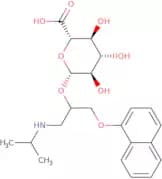
CAS :Propranolol-2-O-b-D-glucuronide is a metabolite of propranolol hydrochloride. It has been shown to have low bioavailability in humans and rats. Propranolol-2-O-b-D-glucuronide is eliminated via the kidney, with an elimination rate that is faster than the parent drug propranolol hydrochloride. The glucuronide conjugate of propranolol, which is found in urine samples, has been shown to be a potential biomarker for glomerular filtration rate and renal function.
Formule :C22H29NO8Degré de pureté :Min. 95%Couleur et forme :White to off-white solid.Masse moléculaire :435.47 g/molL-Galactose-6-O-sulphate sodium salt
L-Galactose-6-O-sulphate sodium salt is a modified carbohydrate that is synthesized by modifying the chemical structure of L-galactose. This modification can be accomplished using chemical reactions such as methylation, saccharide, polysaccharide, and click modification. The CAS number for this product is 68891-70-8.
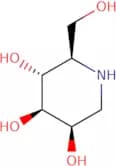
Formule :C6H11O9SNaDegré de pureté :Min. 95%Masse moléculaire :282.2 g/molDeoxymannojirimycin
CAS :Deoxymannojirimycin is a natural product that belongs to the group of mannojirimycins. It has been shown to have an inhibitory effect on the activity of matrix metalloproteinase-9 (MMP-9) in vitro, which is involved in the degradation of extracellular matrix. Deoxymannojirimycin also has hypoglycemic effects and can be used as a potential oral antidiabetic drug. The inhibition of MMP-9 may also be due to its binding to integrin receptors. In addition, deoxymannojirimycin has been shown to have anti-inflammatory properties in vitro and can inhibit the growth of oral pathogens, including Streptococcus mutans, Streptococcus sobrinus, and Porphyromonas gingivalis. Furthermore, deoxymannojirimycin has been found to have thermodynamic data and analytical methods thatDegré de pureté :Min. 95%Methyl 4,6-dichloro-4,6-dideoxy-a-D-glucopyranoside
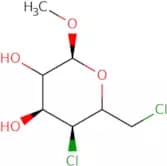
Methyl 4,6-dichloro-4,6-dideoxy-a-D-glucopyranoside is a fluorinated carbohydrate that belongs to the class of monosaccharides and is synthetically produced. Methyl 4,6-dichloro-4,6-dideoxy-a-D-glucopyranoside is an oligosaccharide that has been modified with a click reaction. This product can be used in glycosylation reactions with polysaccharides or as an intermediate for the production of other modified sugars. Methyl 4,6-dichloro-4,6-dideoxy--D--glucopyranoside has high purity and CAS No. 8013695.Formule :C7H12Cl2O4Degré de pureté :Min. 95%Masse moléculaire :231.08 g/mol1-Deoxy-L-erythrulose
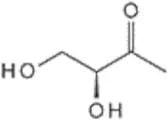
CAS :1-Deoxy-L-erythrulose is an electron acceptor that is a non-essential cofactor for the enzyme reductoisomerase. It binds to the active site of the enzyme and stabilizes its conformation, which leads to the formation of a dianion. 1-Deoxy-L-erythrulose also acts as an activator for phosphite, which is a transition state analog. This activation leads to the formation of ATP and NADPH as products.Formule :C4H8O3Degré de pureté :Min. 95%Masse moléculaire :104.1 g/mol(2S- trans) -4- Hydroxy- N- methyl 2- pyrrolidinecarboxami de
CAS :(2S- trans)-4-Hydroxy-N-methyl 2-pyrrolidinecarboxamide is a modification of the sugar molecule. It is a complex carbohydrate that belongs to the group of oligosaccharides. It has CAS number 143035-54-5 and can be synthesized in high purity with a glycosylation process. This chemical can also be fluorinated and saccharide substituted to create a wide range of products with different properties.Degré de pureté :Min. 95%Ethynyl estradiol 17-acetate-3-(2',3',4'-tri-O-acetyl-b-D-glucuronide) methyl ester
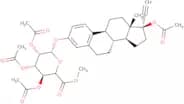
CAS :Ethynyl estradiol 17-acetate-3-(2',3',4'-tri-O-acetyl-b-D-glucuronide) methyl ester is a glycosylated, fluorinated, Oligosaccharide, custom synthesized, high purity product. Ethynyl estradiol is a synthetic hormone used in oral contraceptives and estrogen replacement therapy. It is an estrogen that has been modified to have the chemical structure of a C17β unsaturated A ring. This modification prevents the breakdown of ethynyl estradiol by first pass metabolism and its subsequent transformation into estrone. Ethynyl estradiol 17-acetate 3-(2',3',4'-tri-O-acetyl-b-D-glucuronide) methyl ester is an acetate ester of ethinyl estradiol with a glucuronic acid conjugate at the C3 position.Formule :C35H42O12Degré de pureté :Min. 95%Masse moléculaire :654.7 g/molAllyl 4,6-O-benzylidene-a-L-glucopyranoside
Allyl 4,6-O-benzylidene-a-L-glucopyranoside is a glycosylation agent that is used in the synthesis of oligosaccharides. It is a synthetic compound that can be modified to produce complex carbohydrates. Allyl 4,6-O-benzylidene-a-L-glucopyranoside has been shown to be effective for the fluorination and methylation of sugar chains. It also has high purity and CAS number, which makes it an excellent choice for custom synthesis.
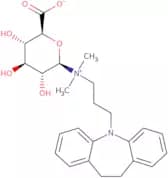
Degré de pureté :Min. 95%Imipramine N-b-D-glucuronide
CAS :Imipramine N-b-D-glucuronide is a metabolite of imipramine. Imipramine N-b-D-glucuronide is soluble in water and ethanol, but not in ether or chloroform. It has a molecular weight of 592.9 g/mol, and the CAS number is 165602-94-8. Imipramine N-b-D-glucuronide is soluble in water and ethanol, but not in ether or chloroform. It has a molecular weight of 592.9 g/mol, and the CAS number is 165602-94-8. Imipramine N-b-D-glucuronide can be modified with a click reaction to introduce fluorines at any desired position on the sugar molecule. This modification can be used for glycosylation studies as well as for fluorescent labeling of glycoconjugates for use in imaging studies.
Formule :C25H32N2O6Degré de pureté :Min. 95%Masse moléculaire :456.53 g/molTri-O-benzyl-isofagomine hydrochloride
Tri-O-benzyl-isofagomine hydrochloride is a modification of an oligosaccharide and a carbohydrate. It is synthesized by the methylation and glycosylation of isofagomine. Tri-O-benzyl-isofagomine hydrochloride has been shown to have high purity and can be used in the treatment of cancer, as well as being a potential drug for diabetes mellitus. This drug also prevents the formation of glycosaminoglycan polymers, which are responsible for cartilage rigidity. The CAS number for this drug is 569287-73-2.
Degré de pureté :Min. 95%4-Deoxy-4-fluoro-a-D-glucopyranose
CAS :4-Deoxy-4-fluoro-a-D-glucopyranose is a carbohydrate that belongs to the group of carbohydrates. It has enthalpy and entropy values of -1,865.2 kJ/mol and -3,363.6 J/(mol·K) at 298 K, respectively. This compound has been shown to interact with water molecules in solution phase. 4-Deoxy-4-fluoro-a-D-glucopyranose is soluble in water and interacts with other carbohydrate molecules at an intermolecular level. 4DFA has an extrapolated melting point of about 216 degrees Celsius.
Formule :C6H11FO5Degré de pureté :Min. 95%Masse moléculaire :182.15 g/mol1,2,3,4,6-Penta-O-acetyl-1-thio-beta-D-galactopyranose
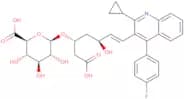
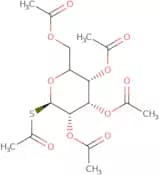
CAS :1,2,3,4,6-Penta-O-acetyl-1-thio-beta-D-galactopyranose is a nucleoside that is a derivative of glucopyranose. It is an aprotic molecule and can be used as an aprotic solvent. 1,2,3,4,6-Penta-O-acetyl-1-thio-beta-D-galactopyranose has been shown to inhibit viral growth in vitro by interfering with the synthesis of DNA and RNA. The compound inhibits the growth of herpes simplex virus type 1 (HSV) and vaccinia virus (VACV) but not influenza A virus (IAV). This drug also has antiplasmodial activity against the erythrocytic stages of Plasmodium falciparum.Formule :C16H22O10SDegré de pureté :Min. 95%Masse moléculaire :406.41 g/molPitavastatin 3-O-glucuronide
CAS :Pitavastatin 3-O-glucuronide is a synthetic, water soluble glycosylate prodrug of pitavastatin, a third generation HMG-CoA reductase inhibitor. Pitavastatin 3-O-glucuronide has been shown to be effective in lowering serum cholesterol and triglycerides in humans. This drug is metabolized by hydrolysis of the glucuronide moiety and cleavage of the sugar moiety to form active pitavastatin. Pitavastatin 3-O-glucuronide also has an increased stability against oxidation compared to pitavastatin.Formule :C31H31FNO10Degré de pureté :Min. 95%Masse moléculaire :596.58 g/mol5-(R-2-Pyridin-3-yl-pyrrolidine)-1-yl-5-deoxy-1,2-isopropylidene-a-D-xylofuranose
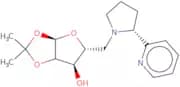
CAS :5-(R-2-Pyridin-3-yl-pyrrolidine)-1-yl-5-deoxy-1,2 isopropylidene a D xylofuranose is a Glycosylation with the formula C8H11NO4. It has been custom synthesized for use in the Click modification. The purity is high, with 98% of the product being pure. This product is available for custom synthesis and modification to meet your requirements.Formule :C17H24N2O4Degré de pureté :Min. 95%Masse moléculaire :320.39 g/mol4-Iodophenyl 2-acetamido-2-deoxy-b-D-glucopyranoside
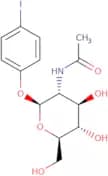
CAS :4-Iodophenyl 2-acetamido-2-deoxy-b-D-glucopyranoside is a modification of an oligosaccharide. It is synthesized using custom chemistry and purified to high purity. This compound is a monosaccharide that is methylated and glycosylated. CAS No. 38229-81-1Formule :C14H18INO6Degré de pureté :Min. 95%Masse moléculaire :423.2 g/molMethyl 3,6-dideoxychloroacetamido-a-D-mannopyranoside
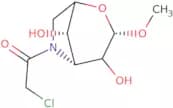
CAS :Methyl 3,6-dideoxychloroacetamido-a-D-mannopyranoside is a complex carbohydrate that has been modified by fluorination and methylation. It is an important building block in the synthesis of oligosaccharides and polysaccharides. This product is also used in click chemistry, where it can be reacted with a variety of thiols to form new linkages. Methyl 3,6-dideoxychloroacetamido-a-D-mannopyranoside can also be used to modify saccharides or sugars by click chemistry. This compound is highly pure and custom synthesized to customer specifications.Formule :C9H14ClNO5Degré de pureté :Min. 95%Masse moléculaire :251.66 g/molMethyl 3,6-anhydro-a-D-galactopyranoside
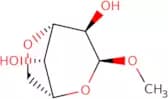
CAS :Methyl 3,6-anhydro-a-D-galactopyranoside is a high purity, custom synthesis, fluorinated saccharide. It is synthesized from D-galactose by a modification of the Fischer glycosylation. Methyl 3,6-anhydro-a-D-galactopyranoside has been modified with methyl groups on the 6th and 3rd carbon atoms. This product can be used in various methods to modify carbohydrates and oligosaccharides including glycosylation, methylation and click chemistry. Methyl 3,6-anhydro-a-D-galactopyranoside is CAS No. 5540-31-8.Formule :C7H12O5Degré de pureté :Min. 95%Masse moléculaire :176.17 g/mol1,2-O-Isopropylidene-5-O-p-toluenesulfonyl-a-D-xylofuranose
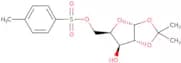
CAS :1,2-O-Isopropylidene-5-O-p-toluenesulfonyl-a-D-xylofuranose is a carbohydrate that belongs to the group of oligosaccharides. It is a synthetic saccharide that can be used in the production of various glycosylated and methylated compounds. This compound can be custom synthesized to order, with high purity and low price. The synthesis of 1,2-O-Isopropylidene-5-O-p-toluenesulfonyl-a-D -xylofuranose is accomplished through a click modification reaction between 1,2:5,6:7,8:9,10:11:12:13:14:15:16:17-(1H,6H)-heptaoxacyclooctadecane and pyridine.Formule :C15H20O7SDegré de pureté :Min. 95%Masse moléculaire :344.39 g/molEthyl 2-deoxy-2-trichloroacetamido-b-D-thioglucopyranoside
Ethyl 2-deoxy-2-trichloroacetamido-b-D-thioglucopyranoside is a modified sugar which is synthesized by reacting an ethyl glycoside with trichloroacetonitrile. This product is a white, crystalline powder that can be used in the synthesis of complex carbohydrates and saccharides, as well as other chemical modifications such as fluorination and methylation. It has been shown to have high purity and custom synthesis capabilities.Degré de pureté :Min. 95%2-Azidoethyl β-lactopyranoside
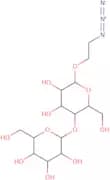
CAS :2-Azidoethyl β-lactopyranoside is a modification of a carbohydrate that can be used for the synthesis of oligosaccharides, glycoconjugates and polysaccharides. The 2-azidoethyl group can be used to introduce fluorine atoms into complex carbohydrates, which can improve their physical properties. It can also be used as a protecting group for glycosylation reactions in the synthesis of saccharides. This product has been shown to have high purity, monosaccharide content, and methylated sugar moieties. It is also readily available in large quantities due to its custom synthesis. 2-Azidoethyl β-lactopyranoside has been shown to have high purity and monosaccharide content, making it an ideal product for use in glycosylation reactions in the synthesis of saccharides.Formule :C14H25N3O11Degré de pureté :Min. 95%Masse moléculaire :411.36 g/mol1,2,3,4,6-Penta-O-acetyl-a-D-thiogalactopyranose
CAS :1,2,3,4,6-Penta-O-acetyl-a-D-thiogalactopyranose is a fluorinated saccharide that can be used as a research tool. It has been modified with methylation and glycosylation. This product is purified and custom synthesized to meet customer specifications.
Formule :C16H22O10SDegré de pureté :Min. 95%Masse moléculaire :406.41 g/molMethyl 2-O-allyl-4,6-O-benzylidene-a-D-mannopyranoside
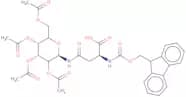
CAS :Methyl 2-O-allyl-4,6-O-benzylidene-a-D-mannopyranoside is a complex carbohydrate that has been synthesized from mannose and allyl bromide. This compound is a monosaccharide with a linear structure that contains an allyl group at C2 and a benzylidene group at C4. Methyl 2-O-allyl-4,6-O-benzylidene-a-D-mannopyranoside has been modified by fluorination and saccharification. It can be used in the synthesis of oligosaccharides or as a custom synthesis for monosaccharides. Methyl 2-O-allyl-4,6-O--benzylidene--a--D--mannopyranoside is available in high purity and is made to order.Formule :C17H22O6Degré de pureté :Min. 95%Masse moléculaire :322.35 g/mol2N-Fmoc-4N-(2,3,4,6-tetra-O-acetyl-b-D-glucopyranosyl)-L-aparagine
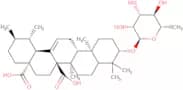
CAS :2N-Fmoc-4N-(2,3,4,6-tetra-O-acetyl-b-D-glucopyranosyl)-L-aparagine is a modified carbohydrate that is used as a starting material for the synthesis of oligosaccharides and polysaccharides. It is synthesized by reacting 2N-Fmoc-L-serine with 4N-(2,3,4,6-tetraO-(acetyl)-bDglucopyranosyl)-Laparagine. The OAc group provides protection for the amino functions and can be removed in the presence of acid to yield an unprotected L(+)-serine. This product has high purity and can be purchased in various custom synthesis quantities.Formule :C33H36N2O14Degré de pureté :Min. 95%Masse moléculaire :684.66 g/molQuinovic acid 3-O-a-L-rhamnopyranoside
CAS :Quinovic acid 3-O-a-L-rhamnopyranoside is a saponin that belongs to the group of steroid alkaloids and glycosides. It has been used in traditional Chinese medicine for the treatment of menopausal symptoms. The chemical structure of quinovic acid 3-O-a-L-rhamnopyranoside has been identified as fukinolic acid, which is an active chemical constituent. Pharmacological studies have shown that this saponin has antiinflammatory and antidiabetic activities, and inhibits the enzymes related to hormone synthesis.Degré de pureté :Min. 95%D-Glucitol monostearate
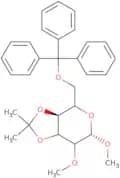
CAS :D-Glucitol monostearate is a synthetic oligosaccharide that has been modified with fluorination, methylation, and click chemistry. It is the product of a custom synthesis and can be used as a sugar substitute or as a food additive. D-Glucitol monostearate is an off-white powder that can be used in pharmaceuticals or as food additives. It has been shown to have antiviral activity against Hepatitis C virus (HCV) and HIV replication.Formule :C24H48O7Degré de pureté :Min. 95%Masse moléculaire :448.63 g/mol3,4-O-Isopropylidene-1,2-di-O-methyl-6-O-trityl-a-D-galactopyranoside
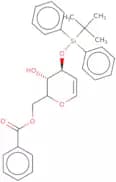
CAS :3,4-O-Isopropylidene-1,2-di-O-methyl-6-O-trityl-a-D-galactopyranoside is a modification of the oligosaccharide 3,4-O-isopropylidene -1,2,3,4,-tetra-,6-[(pentamethyleneglycol)trityl]a-,D-,galactopyranoside. It is synthesized by the methylation of the hydroxyl groups on 1 and 2 positions of the sugar of 3,4 O isopropylidene -1,2 di O methyl 6 O trityl a D galactopyranoside with methanol and methylamine in DMF. This product has high purity and can be used in glycosylation reactions to generate monosaccharides or polysaccharides. The CAS number for thisFormule :C30H34O6Degré de pureté :Min. 95%Masse moléculaire :490.6 g/mol6-O-Benzoyl-3-O-tert-butyldiphenylsilyl-D-galactal
6-O-Benzoyl-3-O-tert-butyldiphenylsilyl-D-galactal is an oligosaccharide with a complex carbohydrate structure. It is prepared by the modification of D-galactal with benzoyl chloride and subsequent reaction with tert-butyl diphosphite. This compound has been shown to have antihypertensive properties and to inhibit the growth of tumor cells in culture. 6-O-Benzoyl-3-O-tert butyldiphenylsilyl D galactal is a fluorinated, high purity, synthetic sugar that is effective for inhibiting tumor growth in culture.
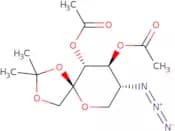
Formule :C29H32O5SiDegré de pureté :Min. 95%Masse moléculaire :488.65 g/mol3,4-Di-O-acetyl-5-azido-5-deoxy-1,2-O-isopropylidene-b-D-fructose
CAS :3,4-Di-O-acetyl-5-azido-5-deoxy-1,2-O-isopropylidene--b-D--fructose is a custom synthesis of 5,6′,7′,8′,9′,10′,11′,12′diOacetylated bromo glycoside. It is a synthetic polysaccharide with a high degree of purity and a wide range of applications. The compound has been shown to have antihypertensive activities in vivo and in vitro. This product can be modified to suit the needs of customers.Formule :C13H19N3O7Degré de pureté :Min. 95%Masse moléculaire :329.31 g/mol3,5-O-Isopropylidene-L-arabinose
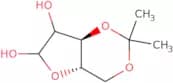
3,5-O-Isopropylidene-L-arabinose is used as a synthetic sugar that is often used in the production of glycoproteins. It is also a component of complex carbohydrates and polysaccharides. 3,5-O-Isopropylidene-L-arabinose may be modified with methylation or fluorination to create derivatives that are more reactive than the parent compound. This product is available in high purity and can be custom synthesized to meet your specifications.Degré de pureté :Min. 95%Tri-O-acetyl-4,6-O-benzylidene-D-glucopyranose
CAS :Tri-O-acetyl-4,6-O-benzylidene-D-glucopyranose is a synthetic oligosaccharide that is used as an intermediate in the preparation of triacetylated glycosaminoglycans. This compound is also useful for studying glycosylation reactions and for measuring sugar binding affinity. Tri-O-acetyl-4,6-O-benzylidene-D-glucopyranose has been custom synthesized by our chemists to meet your specific requirements.Formule :C19H22O9Degré de pureté :Min. 95%Masse moléculaire :394.4 g/mol1,2:5,6-Di-O-isopropylidene-3-O-p-toluenesulfonyl-a-D-gulofuranose
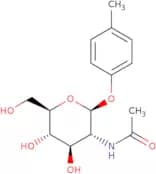
1,2:5,6-Di-O-isopropylidene-3-O-p-toluenesulfonyl-a-D-gulofuranose is a custom synthesis with a CAS number. It is a complex carbohydrate that has been modified with methylation and glycosylation. This product is also fluorinated and has been synthesized using the Click modification. The 1,2:5,6-Di-O-isopropylidene-3-O-p-toluenesulfonyl-a -D -gulofuranose is an Oligosaccharide that is highly pure and of high purity.Formule :C19H26O8SDegré de pureté :Min. 95%Masse moléculaire :414.47 g/mol4-Methylphenyl 2-acetamido-2-deoxy-b-D-glucopyranoside
CAS :4-Methylphenyl 2-acetamido-2-deoxy-b-D-glucopyranoside is a high purity, custom synthesis sugar. It is a synthetic oligosaccharide monosaccharide saccharide carbohydrate. This chemical has been modified with fluorination, glycosylation, and methylation. The CAS number for this compound is 35694-99-6 and it has the molecular formula of C11H14O5.Formule :C15H21NO6Degré de pureté :Min. 95%Masse moléculaire :311.33 g/molO-(2-Azido-4,6-O-benzylidene-2-deoxy-a-D-galactopyranosyl)-N-[(9H-fluoren-9-ylmethoxy)carbonyl]-L-threonine tert-Butyl Ester
CAS :The compound is an O-linked glycosylation site-specifically modified oligosaccharide. The modification is a methylation of the hydroxyl group on the 2-position of the sugar moiety. The carbohydrate is a polysaccharide that has been fluorinated at one or more positions. It has CAS No. 195976-07-9 and was synthesized by glycosylation and methylation of L-threonine tert-butyl ester with D-galactopyranosyl chloride in presence of 4,6-O-(2,3,4,6-tetraisopropoxybenzoyl)-D-galactopyranosyl chloride (TIPB) and sodium hydrogen carbonate (NaHCO).Formule :C36H40N4O9Degré de pureté :Min. 95%Masse moléculaire :672.72 g/mol(4R,5R)-5-(Methoxycarbonyl)-2,2-dimethyl-1,3-dioxolane-4-carboxylic acid
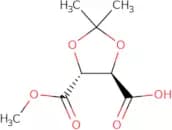
CAS :(4R,5R)-5-(Methoxycarbonyl)-2,2-dimethyl-1,3-dioxolane-4-carboxylic acid is a synthetic monosaccharide that can be used in the synthesis of oligosaccharides and polysaccharides. This chemical is also known as Fluorination, Monosaccharide, Synthetic, Oligosaccharide, complex carbohydrate. It is a high purity product with CAS No. 67812-33-3 and Methylation sugar Carbohydrate Modification.Degré de pureté :Min. 95%2,3,5-Tri-O-benzoyl-b-D-ribofuranosyl isothiocyanate
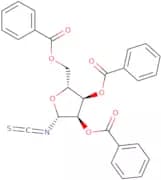
CAS :2,3,5-Tri-O-benzoyl-b-D-ribofuranosyl isothiocyanate is a synthetic compound consisting of a benzoyl group attached to the 2' position of the ribose sugar. This modification has been shown to increase the stability of oligosaccharides and complex carbohydrates in aqueous solutions. 2,3,5-Tri-O-benzoyl-b-D-ribofuranosyl isothiocyanate can be used for the fluorination of saccharides and oligosaccharides. It can also be used for glycosylation or methylation reactions with monosaccharides or polysaccharides.Formule :C27H21NO7SDegré de pureté :Min. 95%Masse moléculaire :503.52 g/mol4-Methylphenyl 2-acetamido-3,4,6-tri-O-acetyl-2-deoxy-b-D-glucopyranoside
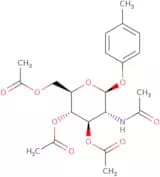
CAS :4-Methylphenyl 2-acetamido-3,4,6-tri-O-acetyl-2-deoxy-b-D-glucopyranoside is a custom synthesis. It is an Oligosaccharide that is a Polysaccharide with a Modification of saccharide and Methylation. Carbohydrate is the most abundant organic molecule on earth. Sugars are carbohydrates and they are classified by their number of carbon atoms. 4MPTAGdG has a Glycosylation and Click modification, which suggests Fluorination and Synthetic. This carbohydrate has high purity and is made up of just one type of sugar: glucose.Formule :C21H27NO9Degré de pureté :Min. 95%Masse moléculaire :437.44 g/mol1-13C-D-Rhamnose
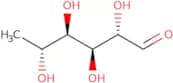
CAS :1-13C-D-Rhamnose is a monosaccharide that belongs to the group of pentoses. It is an inhibitor of bacterial growth and has been shown to inhibit the growth of P. aeruginosa strains. The mechanism of action for 1-13C-D-Rhamnose is not yet known, but it may be due to its ability to inhibit bacterial DNA polymerase, which prevents chain reactions from occurring and leads to cell death. 1-13C-D-Rhamnose has a homologous structure to GDP-D-mannose and can interact with hydrogen bonding interactions. It is found in papillae on the tongue and inhibits taste receptor cells by binding to the sweet taste receptors on the surface of these cells. The optimal pH for 1-13C-D-Rhamnose's inhibitory properties is 5.5Formule :C6H12O5Degré de pureté :Min. 95%Masse moléculaire :164.16 g/molα-D-Galactose
CAS :α-D-Galactose is a monosaccharide that is found in the human serum. It is a potent inducer of liver lesions and mitochondrial membrane potential, which may be due to its ability to stimulate the synthesis of proinflammatory cytokines. α-D-Galactose also has anti-inflammatory properties, as well as structural analysis properties that can be used for diagnosis. α-D-Galactose has been used as a model system for studying oligosaccharides, which are carbohydrates with more than one sugar unit. α-D-Galactose binds to sephadex g-100 by hydrogen bonds and can be detected by laser ablation mass spectrometry.Formule :C6H12O6Degré de pureté :Min. 95%Masse moléculaire :180.16 g/mol1-Deoxy-1-nitro-L-galactitol
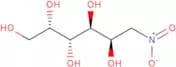
CAS :1-Deoxy-1-nitro-L-galactitol is a compound that has been shown to inhibit serine protease and glutaminyl cyclase activity. It is commonly used in laboratory settings as a potassium substitute in media formulations. This compound belongs to the class of monosaccharides known as glutaminyl derivatives. It has been studied for its potential as an inhibitor of nafamostat, a serine protease inhibitor used in the treatment of pancreatitis and disseminated intravascular coagulation (DIC). Additionally, 1-Deoxy-1-nitro-L-galactitol has been investigated for its potential as a disinfectant and as an adrenergic receptor agonist. Preliminary studies have also suggested antiviral properties against certain viruses. Further research is needed to fully understand the potential applications of this compound.
Formule :C6H13NO7Degré de pureté :Min. 95%Masse moléculaire :211.17 g/mol





![2-Deoxy-2-fluoro-D-[1-13C]glucose](/_next/image/?url=https%3A%2Fstatic.cymitquimica.com%2Fproducts%2F3D%2Fthumb-webp%2FMD45025.webp&w=3840&q=75)



![Methyl 2,6-di-O-benzoyl-3,4-di-O-[bis(3,5-dimethylphenyl)]phosphino-a-D-glucopyranoside](/_next/image/?url=https%3A%2Fstatic.cymitquimica.com%2Fproducts%2F3D%2Fthumb-webp%2FMM166795.webp&w=3840&q=75)












![O-(2-Azido-4,6-O-benzylidene-2-deoxy-a-D-galactopyranosyl)-N-[(9H-fluoren-9-ylmethoxy)carbonyl]-L-…](/_next/image/?url=https%3A%2Fstatic.cymitquimica.com%2Fproducts%2F3D%2Fthumb-webp%2FMA60609.webp&w=3840&q=75)