Monosaccharides
Sous-catégories appartenant à la catégorie "Monosaccharides"
- Alloses(11 produits)
- Arabinoses(21 produits)
- Erythroses(11 produits)
- Fructoses(9 produits)
- Fucoses(36 produits)
- Galactosamine(41 produits)
- Galactoses(261 produits)
- Glucoses(365 produits)
- Acides glucuroniques(52 produits)
- Glyco-substrats pour l'enzyme(78 produits)
- Guloses(6 produits)
- Idoses(4 produits)
- Inositols(15 produits)
- Lyxoses(4 produits)
- Mannoses(65 produits)
- O-Glycanes(48 produits)
- Psicoses(3 produits)
- Rhamnoses(10 produits)
- Ribos(61 produits)
- Acides sialiques(100 produits)
- Sorboses(4 produits)
- Sucres(173 produits)
- Tagatoses(4 produits)
- Taloses(8 produits)
- Xyloses(20 produits)
6088 produits trouvés pour "Monosaccharides"
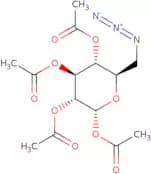
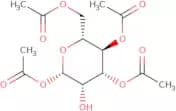
1,2,3,4-Tetra-O-acetyl-6-azido-6-deoxy-α-D-glucopyranose
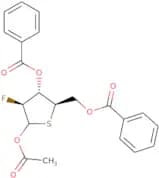
CAS :Tetra-O-acetyl-6-azido-6-deoxy-a-D-glucopyranose is a carbohydrate that has been modified to include a fluorine atom. This modification can be carried out using a variety of methods, including chlorination or bromination with elemental fluorine or chlorine gas, or by direct replacement of the hydroxyl group with a fluorine atom. Tetra-O-acetyl-6-azido-6-deoxy-aDglucopyranose is used in the synthesis of complex carbohydrates and glycosides. It can also be methylated, glycosylated, and click modified.Formule :C14H19N3O9Degré de pureté :Min. 95%Masse moléculaire :373.32 g/mol1-O-Acetyl-3,5-di-O-benzyl-2- deoxy- 2- fluoro- 4- thio- D- arabinofuranose
CAS :1-O-Acetyl-3,5-di-O-benzyl-2-deoxy-2-fluoro-[4]-thio-[D]-arabinofuranose (1OABFT) is a synthetic sugar with a high degree of methylation and glycosylation. It has been modified to be resistant to enzymes that would normally break the sugar down. 1OABFT is used in glycoproteomics research for its ability to help identify the types of sugars attached to proteins. This modification can also be used as an alternative to fluorination for improving the stability of saccharides in biological systems.
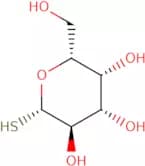
Formule :C21H19FO6SDegré de pureté :Min. 95%Masse moléculaire :418.44 g/molb-D-Thiogalactose
CAS :Thiogalactose is a naturally occurring disaccharide that has been shown to have anti-inflammatory properties. It inhibits the production of inflammatory cytokines, such as tumor necrosis factor-α (TNF-α), and suppresses the growth of experimental colitis in mice. Thiogalactose also denatures fatty acids and prevents 3t3-l1 preadipocytes from undergoing cellular transformation. This compound also inhibits the uptake of bovine serum albumin by macrophages, which may be due to its alkylthio group. Thiogalactose has been shown to inhibit proliferation of cultured human cells, including monocytic leukemia cells, when used at concentrations less than 10 mM.
Formule :C6H12O5SDegré de pureté :Min. 95%Couleur et forme :PowderMasse moléculaire :196.22 g/mol6-Azido- 6- deoxy- D- glycero- L- gulo- heptitol
CAS :6-Azido-6-deoxy-D-glycero-L-gulo-heptitol is a methylated, saccharide, polysaccharide, click modification, and modification of oligosaccharides. The chemical name for the compound is 6-[(1S)-1-(2-aminoethyl)propyl]-2,4 -dioxopentanedioic acid. It has CAS No. 1458063-96-1 and has a molecular weight of 374.5 g/mol. This product can be custom synthesized with high purity and it is a carbohydrate sugar that is synthetic.
Formule :C7H15N3O6Degré de pureté :Min. 95%Masse moléculaire :237.21 g/mol2,6-Dideoxy-2-fluoro-L-mannose
2,6-Dideoxy-2-fluoro-L-mannose is a monosaccharide that is a fluorinated glycosylate. It is used in the synthesis of oligosaccharides and has been shown to be useful for click modification of proteins. This compound is also used as a substrate for methylation reactions. 2,6-Dideoxy-2-fluoro-L-mannose contains an oxygen atom at the C1 position and two hydroxyl groups at the C3 and C4 positions on the ring. The molecular weight of this compound is 180.16 g/mol.
Degré de pureté :Min. 95%Xylitol - BP/EP
CAS :Xylitol is a sugar alcohol that has been shown to have antimicrobial properties. It has been found to be effective in inhibiting the growth of bacteria, yeast, and fungi by disrupting their cell membranes. In addition, xylitol appears to have the ability to reduce plasma glucose levels in animals and humans. Xylitol has also been shown to inhibit the growth of bacteria in acidic environments by binding with proteins on the bacterial cell membrane. This binding prevents the transport of nutrients into the cell and results in cell death. Xylitol is not metabolized by human cells because it cannot be broken down into acetaldehyde or acetate. However, xylitol can be metabolized by certain types of liver cells.
Xylitol BP/EP is a drug that belongs to the class of antidiabetic agents used for lowering blood sugar levels in patients with diabetes mellitus type II (insulin-dependent diabetes). It is an exogenous insulin secretagogue that stimulates insulin secretion from pancreaticFormule :C5H12O5Degré de pureté :Min. 95%Masse moléculaire :152.15 g/mol(2R, 3S, 4S, 5S) - 2-Methyl- 3, 4, 5- piperidinetriol
CAS :D-Methylated pentaerythritol has been synthesized for the first time. The synthesis of D-methylated pentaerythritol was achieved via a modified version of the Click reaction, which is a three-component coupling reaction that involves an electrophilic carbonyl compound, an azide and a nucleophile. This product is suitable for use in the synthesis of oligosaccharides and polysaccharides. It can be used as a raw material for modification or as a sugar in the synthesis of complex carbohydrates, such as saccharides or carbohydrates.
Formule :C6H13NO3Degré de pureté :Min. 95%Masse moléculaire :147.17 g/mol1,3,4,6-Tetra-O-acetyl-b-D-mannopyranose
CAS :1,3,4,6-Tetra-O-acetyl-b-D-mannopyranose is a radiopharmaceutical that is used to diagnose and evaluate malignant tumors. It is a diagnostic agent for the detection of cancerous cells in patients with suspected cancer. The molecule emits gamma radiation when it decays. This product has been tested in experimental studies on animals and humans with tumors. There are no known side effects or interactions with other drugs. 1,3,4,6-Tetra-O-acetyl-b-D-mannopyranose can be administered intravenously or orally and can be used to detect cancerous cells in the stomach and small intestine.
Formule :C14H20O10Degré de pureté :Min. 95%Couleur et forme :White PowderMasse moléculaire :348.3 g/molAllosamizoline
CAS :Allosamizoline is a potent inhibitor of bacterial enzyme that is produced by the bacteria. It inhibits viral replication and has been shown to inhibit the biosynthesis of other bioactive molecules, such as cyclohexane ring, nitrogen atoms, and growth regulators. Allosamizoline is a bicyclic compound with an acetylation at the carbon atom and a cyclohexane ring. This compound also has two nitrogen atoms in its structure that are important for inhibiting bacterial enzymes. In addition, allosamizoline can be conjugated to fluorescein via an ester linkage. The fluorescein-allosamizoline conjugate can be used as a fluorescent probe for the detection of bacterial enzymes in live cells and tissues.
Formule :C9H16N2O4Degré de pureté :Min. 95%Masse moléculaire :216.23 g/mol3-Epicasuarine
CAS :3-Epicasuarine is an Oligosaccharide, which is a carbohydrate with a low molecular weight. It has two monosaccharides, which are the structural units of carbohydrates. 3-Epicasuarine is a glycosylation product of sucrose and glycine and has been fluorinated at the 8-position. The chemical formula for 3-Epicasuarine is C6H14FO4S2. This compound can be custom synthesized to meet your specifications or it can be purchased from us at a reasonable price.
A variety of modifications are available including methylation, click chemistry, and modification with saccharride residues such as maltose or glucose.
3-Epicasuarine may be used in the synthesis of oligosaccharides or as an intermediate in the synthesis of complex carbohydrates. It has been shown to have high purity and can be synthesized at any desired purity level.Formule :C8H15NO5Degré de pureté :Min. 95%Masse moléculaire :205.21 g/mol6-Methyl-2-pyridyl 2-acetamido-2-deoxy-b-D-thioglucopyranoside
CAS :The 6-Methyl-2-pyridyl 2-acetamido-2-deoxy-b-D-thioglucopyranoside is a chloride salt that has been used in the laboratory to develop an analytical method for the determination of glucose in urine samples. The bioavailability of 6MP is low and it is excreted by renal filtration, so this compound has been used as a marker for renal transplantation. Glomerular filtration rate (GFR) is reduced in diabetic patients, leading to a decrease in the amount of 6MP excreted. This drug can be administered orally or intravenously and has shown efficacy at low dose levels. Low doses have also been associated with decreased detection sensitivity due to its low level of excretion, which makes it an ideal candidate for use as a biomarker for chronic kidney disease. A chronic kidney disease animal model was used to study the effects on GFR and creatinine clearance ratesDegré de pureté :Min. 95%Couleur et forme :White PowderMasse moléculaire :328.39 g/molPhenyl 4,6-O-benzylidene-2-deoxy-2-N-(2,2,2-trichloroethyl)-b-D-thioglucopyranoside
Phenyl 4,6-O-benzylidene-2-deoxy-2-N-(2,2,2-trichloroethyl)-b-D-thioglucopyranoside is an oligosaccharide that has been synthesized by the glycosylation of a benzylidene glycosylamine with a sugar. It is a custom synthesis which has been fluorinated and methylated. This compound is an important intermediate in the synthesis of complex carbohydrates. Phenyl 4,6-O-benzylidene-2-deoxy-2-N-(2,2,2 trichloroethyl)-b -D thioglucopyranoside is not toxic and has a high purity.
Degré de pureté :Min. 95%L-Xylose
CAS :L-Xylose is a monosaccharide that is found in many plants. It is used as a sweetener, and also has been shown to be beneficial in the treatment of diabetic neuropathy. L-Xylose can be metabolized by the enzyme xylitol dehydrogenase to produce energy for the cell. The enzyme catalyzes the conversion of xylitol to D-xylulose and then D-xylulose 1-phosphate, which can be converted into ATP for use by cells. L-Xylose is not metabolized by bacterial enzymes and does not affect blood sugar levels. L-Xylose has been shown to have an effect on taste perception, with a sweet taste at concentrations of 10 milligrams per liter (mg/L). This sweet taste is due to its hydroxymethyl group on the C2 position, which reacts with sodium ions in the mouth. The optimum pH for L-xylose
Formule :C5H10O5Degré de pureté :Min. 99.0 Area-%Masse moléculaire :150.13 g/mol2,5-Anhydro-D-mannitol
CAS :2,5-Anhydro-D-mannitol is a glucose analogue that is metabolized by the body to produce energy. It has been shown to inhibit the proliferation of HL-60 cells in vitro, and also inhibits glucose uptake and utilization in liver cells. 2,5-Anhydro-D-mannitol has been shown to have a direct effect on cellular metabolism and ATP levels. This molecule interacts with cell surface glycoproteins and nitrous oxide (NO) through hydrogen bonding interactions. 2,5-Anhydro-D-mannitol also appears to regulate peptide hormone production in the liver. The hydroxyl group on this molecule is responsible for its redox potential. In addition, 2,5-Anhydro-D-mannitol can induce cell lysis by interfering with protein synthesis due to its enzyme activities.
Formule :C6H12O5Degré de pureté :Min. 98 Area-%Couleur et forme :PowderMasse moléculaire :164.16 g/molPetunidin 3-glucoside chloride
CAS :Petunidin 3-glucoside chloride is a natural compound found in the human serum and in kidney beans. It is structurally similar to chlorogenic acid, a major phenolic acid in coffee. Petunidin 3-glucoside chloride is extracted using hydrochloric acid and then purified by a surface methodology. The main degradation products of this compound are protocatechuic acid, fluorescence detector, procyanidin B4, and malonic acid. This compound can be used as an antioxidant or chemoattractant protein. It has been shown to have high levels of anthocyanins and trifluoroacetic acid (TFA) when exposed to sunlight.
Formule :C22H23O12ClDegré de pureté :Min. 95%Couleur et forme :PowderMasse moléculaire :514.86 g/mol2-Amino-2,6-dideoxy-L-mannose hydrochloride
2-Amino-2,6-dideoxy-L-mannose hydrochloride is a high purity and custom synthesis sugar. It is synthesized from 2,6-Dideoxymannose with the use of Click chemistry. This modification allows for a variety of fluorinations, glycosylations, and methylations to be used in the synthesis process. The CAS number for this compound is 107625-00-3.
Degré de pureté :Min. 95%6-O-Malonyldaidzin free acid
CAS :6-O-Malonyldaidzin is a metabolite of the soybean isoflavone daidzein. It is an isoflavonoid that has been shown to activate estrogen receptors in vitro and in vivo. 6-O-Malonyldaidzin has been found to have a protective effect on hepatic steatosis, as well as an anti-inflammatory effect. This compound also appears to have matrix effects on plasma lipoproteins and vascular endothelial cells. 6-O-Malonyldaidzin is absorbed efficiently from the gastrointestinal tract, with its bioavailability being 70% or higher when taken orally. The chemical reaction for the synthesis of 6-O-Malonyldaidzin free acid can be carried out using acetylgenistin as a starting material. The sample preparation for this reaction solution may include distillation, recrystallization, or column chromatography. The analytical method for measuring the concentration of this compound includes UV spectrosc
Formule :C24H22O12Degré de pureté :Min. 95%Couleur et forme :White PowderMasse moléculaire :502.42 g/molPropofol-4-Hydroxy-1-D-glucuronide
Propofol-4-Hydroxy-1-D-glucuronide is a modification of propofol, which is commonly used as an intravenous anesthetic. It is a synthetic compound that can be custom synthesized by adding the sugar group to propofol. Propofol-4-Hydroxy-1-D-glucuronide has been shown to be a high purity and pure oligosaccharide with a CAS number. It also contains methylated and glycosylated saccharides.
Formule :C18H26O8Degré de pureté :Min. 95%Masse moléculaire :370.39 g/molβ-D-Glucose pentaacetate
CAS :1,2,3,4,6-Penta-O-acetyl-b-D-glucopyranose, also known as beta-D-glucose pentaacetate, has high chemical stability and long shelf life. This protected form of glucose is a key building block of any chemical synthesis of glucose-containing oligosaccharides or glycoconjugates. In the presence of Lewis acids it can be used as a glycosyl donor to make simple glycosides. In order to perform more complex glycosylations, it can be converted into more reactive donors, such as glycosyl halides or thioglycosides. Beta-D-glucose pentaacetate is also used as a food additive and flavouring agent.
Formule :C16H22O11Masse moléculaire :390.35 g/mol2,5-Deoxyfructosazine
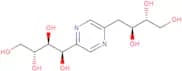
CAS :2,5-Deoxyfructosazine is a physiological agent that inhibits the growth of bacteria and fungi. 2,5-Deoxyfructosazine is active against Gram-positive and Gram-negative bacteria, as well as Candida albicans and other yeasts. This drug is effective in inhibiting water vapor loss in the lungs and has been shown to be an effective antimicrobial agent for the treatment of acute lung infections. 2,5-Deoxyfructosazine has been shown to reduce the development of antibiotic resistance in bacteria by preventing cell wall synthesis. The mechanism of action is thought to involve a matrix effect with cationic compounds, which are deposited on the surface of bacterial cells and destroy them by osmotic lysis. 2,5-Deoxyfructosazine also has antidiabetic effects due to its ability to inhibit glucose uptake into cells by binding to glucose transporters on the cell membrane. A reaction mechanism for this process involves hydrogen
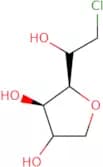
Formule :C12H20N2O7Degré de pureté :Min. 98 Area-%Couleur et forme :PowderMasse moléculaire :304.3 g/mol1,4-Anhydro-6-chloro-6-deoxy-D-glucitol
1,4-Anhydro-6-chloro-6-deoxy-D-glucitol is a complex carbohydrate that has been fluorinated and modified with methyl groups. It can be custom synthesized to produce high purity compounds. 1,4-Anhydro-6-chloro-6-deoxy-D-glucitol is used in synthesis of saccharides and oligosaccharides. The compound has been modified with Click chemistry to produce glycosylation products. It can also be used as an intermediate for the synthesis of sugar derivatives.
1,4-Anhydro-6-chloro-6-deoxy--D--glucitol has the following chemical structure:Formule :C6H11ClO4Degré de pureté :Min. 95%Masse moléculaire :182.61 g/molb-D-Glucose - 95%
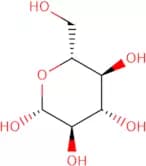
CAS :B-D-glucose is a monosaccharide with the molecular formula C6H12O6. It is the major form of glucose in plants, and is one of the simplest carbohydrates. B-D-glucose is synthesized by photosynthesis in plants and used as an energy source for cellular respiration. The hydroxyl group of b-D-glucose reacts with p-hydroxybenzoic acid to form a new compound called glucopyranosiduronic acid. The hydroxyl group also reacts with sodium citrate to form sodium hydrogen citrate. This reaction can be used to measure the concentration of b-D-glucose in an unknown solution using high performance liquid chromatography (HPLC). B-D-glucose has been shown to have antidiabetic activity, as it improves insulin sensitivity, reduces blood glucose levels, and decrease body mass index (BMI) in animal models. A model system
Formule :C6H12O6Degré de pureté :Min. 95 Area-%Couleur et forme :PowderMasse moléculaire :180.16 g/molD-Glucuronolactone
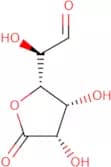
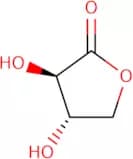
CAS :D-Glucuronolactone is supposed to be involved in detoxification processes.
Formule :C6H8O6Masse moléculaire :176.13 g/molD-Altrose
CAS :D-Altrose is an alpha-hydroxy acid that is synthesized from D-arabinose and trifluoroacetic acid. It has been shown to be a substrate for the synthesis of oligosaccharides, which are important in carbohydrate chemistry. This molecule can also be used as a reagent in the preparation of carbohydrates with a specific configuration at C2. One use of this product is in generating analytical methods that can distinguish between D-altrose and D-arabinose by monitoring the ratio of hydrogen fluoride to carbonyl group signals. D-Altrose may also be used in asymmetric synthesis, where it is a useful chiral building block for the construction of galacturonic acid derivatives.
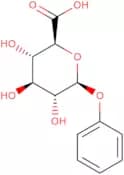
Formule :C6H12O6Degré de pureté :Min. 98 Area-%Couleur et forme :White PowderMasse moléculaire :180.16 g/molPhenyl-beta-D-glucuronic acid monohydrate
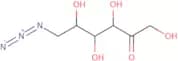
CAS :Phenyl-beta-D-glucuronic acid monohydrate is a genotoxic agent that is metabolized to S-phenylmercapturic acid. This metabolite can be detected in urine as an indicator of exposure to the compound. Phenyl-beta-D-glucuronic acid monohydrate has been shown to have toxic effects on humans, such as decreasing the glomerular filtration rate and increasing reactive oxygen species levels. It also decreases antioxidant vitamin levels and causes blood disorders, including hemolytic anemia. Phenyl-beta-D-glucuronic acid monohydrate may also be used for the treatment of autoimmune diseases by inhibiting certain enzymes involved in inflammation and immune response.Formule :C12H16O8Degré de pureté :Min. 98 Area-%Couleur et forme :White PowderMasse moléculaire :288.26 g/mol6-Azido-6-deoxy-D-fructose
CAS :6-Azido-6-deoxy-D-fructose is a piperidine that condenses with glyceraldehyde in the presence of aldolase and produces D-glyceraldehyde. This reaction is stereospecifically catalyzed by aldolase, which converts the product to D-glyceraldehyde 3-phosphate. 6Azido-6deoxy-D-fructose has been shown to exhibit polyhydroxylated properties.
Formule :C6H11N3O5Degré de pureté :Min. 95%Couleur et forme :Clear LiquidMasse moléculaire :205.17 g/mol1-O-Methyl-α-D-glucopyranoside
CAS :Methyl α-D- glucopyranoside is a methylated sugar used as an inhibitor of lectin-conjugate binding. Methyl α-D- glucopyranoside is commonly used in protein purification for eluting glycoproteins and other glycoconjugates from affinity chromatography columns of agarose lectin. Methyl α-D- glucopyranoside is also known as Methyl alpha-D-glucoside or alpha-Methyl-glucoside.
Formule :C7H14O6Degré de pureté :Min. 99.0 Area-%Masse moléculaire :194.19 g/mol3-Deoxy-L- threo- 2- hexulosaric acid
CAS :3-Deoxy-L-threo-2-hexulosaric acid is a sugar that is modified by the addition of a fluorine atom to one of its hydroxyl groups. 3-Deoxy-L-threo-2-hexulosaric acid is used in the synthesis of complex carbohydrates and oligosaccharides. It is also used in the modification of saccharides, sugars, and polysaccharides. 3-Deoxy-L-threo-2-hexulosaric acid can be custom synthesized according to your specifications. It can be synthesized with high purity at our labs.
Degré de pureté :Min. 95%(1S) -1- [(2S, 3S,4R) -4-Hydroxymethyl-3- hydroxy- N-methyl-1- azetidinyl] -1, 2- ethanediol
(1S) -1- [(2S, 3S,4R) -4-Hydroxymethyl-3- hydroxy- N-methyl-1- azetidinyl] -1, 2- ethanediol is a synthetic sugar that can be used as a glycosylation or methylation agent. It is a white powder with a molecular weight of 342. The purity of this product is > 98%. This product has CAS No. 517862-65-8.
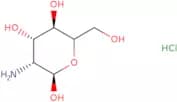
Degré de pureté :Min. 95%D-Galactosamine hydrochloride
CAS :D-Galactosamine (GalN) is an aldohexose (2-Amino-2-deoxygalactose) in which the hydroxyl group at position 2 is replaced by an amino group (Collins, 2006). Galactosamine (as the N-Acetyl derivative) forms a key part of both N- and O-linked glycoproteins, glycolipids and glycosaminoglycans. Treatment of experimental animals with D-galactosamine / lipopolysaccharide causes lethal liver injury characterized by apoptosis of the hepatocyte and it is used as a laboratory model to study the effect of therapeutic agents (Hirono, 2001).
Formule :C6H14ClNO5Masse moléculaire :215.63 g/mol2,3-O-Isopropylidene-5-O-tosyl-D-ribonic acid-1,4-lactone
CAS :2,3-O-Isopropylidene-5-O-tosyl-D-ribonic acid-1,4-lactone is a synthetic 2,3:5,6-diisopropylidene glycoside of D-ribose. It is a methylated sugar with an alpha-(2,3)-linked D-(+)-glucopyranosyl moiety and an alpha-(2,5)-linked L(+)-fucopyranosyl moiety. This compound can be used as a building block for the synthesis of polysaccharides and glycoconjugates. 2,3:5,6-Diisopropylidene glycoside of D-ribose is also used to synthesize oligosaccharides in carbohydrate chemistry.
Formule :C12H14O7SDegré de pureté :Min. 95%Couleur et forme :White PowderMasse moléculaire :302.04 g/mol4-Methoxyphenyl 2,4,6-tri-O-benzoyl-a-D-mannopyranoside
4-Methoxyphenyl 2,4,6-tri-O-benzoyl-a-D-mannopyranoside is a glycosylation product of mannose with 4-methoxybenzoic acid. It is a complex carbohydrate that has been modified by methylation and click modification. The fluorination increases the reactivity of the hydroxyl groups on the sugar ring. This product can be synthesized in high purity and custom synthesis.
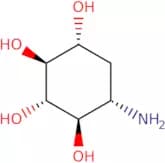
Formule :C34H30O10Degré de pureté :Min. 95%Masse moléculaire :598.6 g/mol(2R, 3R, 4R, 5S) -3, 4, 5- Trihydroxy- N- methyl- 2- piperidinecarboxamid e
CAS :(2R, 3R, 4R, 5S) -3, 4, 5- Trihydroxy- N- methyl- 2- piperidinecarboxamide is a synthetic compound that can be used in the synthesis of complex carbohydrates. This compound is fluorinated at the C4 position and glycosylated at the C5 position to make it more stable. It is also methylated at the C6 position and modified by Click chemistry to make it easier to synthesize. The sugar chain has a polysaccharide structure with oligosaccharides linked through alpha 1,6 linkages. This sugar chain is then modified by oxidation of its terminal hydroxyl group to produce a reactive aldehyde that reacts with an amine on an adjacent saccharide unit. This process results in the formation of an alpha 1,2 linkage between two saccharides units.
Formule :C7H14N2O4Degré de pureté :Min. 95%Masse moléculaire :190.2 g/molGDP-L-fucose disodium
CAS :Please enquire for more information about GDP-L-fucose disodium including the price, delivery time and more detailed product information at the technical inquiry form on this page
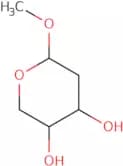
Formule :C16H23N5O15P2Na2Degré de pureté :Min. 90 Area-%Masse moléculaire :633.31 g/molMethyl 2-deoxy-b-D-ribopyranoside
CAS :Methyl 2-deoxy-b-D-ribopyranoside is a synthetic monosaccharide that has been modified by fluorination, monosaccharide, and methylation. It is an oligosaccharide that belongs to the group of complex carbohydrates. This compound can be used for glycosylation reactions or as a sugar donor in click chemistry. Methyl 2-deoxy-b-D-ribopyranoside has CAS No. 17676-20-9 and it's purity is greater than 99%.
Formule :C6H12O4Degré de pureté :Min. 95%Masse moléculaire :148.16 g/mol6'-O-Acetylpaniculoside II
6'-O-Acetylpaniculoside II is an oligosaccharide that contains a methylated saccharide. It has CAS No. 836-50-4 and Click modification, which is a chemical reaction between the glycone of a saccharide and an electrophile. 6'-O-Acetylpaniculoside II is also a glycosylation product of a polysaccharide and it can be custom synthesized to produce high purity carbohydrates. This compound is fluorinated for complex carbohydrate chemistry.
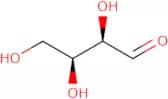
Degré de pureté :Min. 95%L-Threose - aqueous solution
CAS :L-Threose is a sugar molecule that is used as a structural component of DNA and RNA. It is also an important part of the energy metabolism in cells. L-Threose can be enzymatically inactivated by glycosidases, which are enzymes that hydrolyze glycosidic bonds. The inhibition of glycosidases by L-threose may be useful for the prevention or treatment of diseases associated with enzyme activity, such as diabetes mellitus type II. L-Threose has been shown to have inhibitory properties against sephadex G-100, a membrane protein found in bacteria. L-Threose may be useful as a control agent for research into the response element of polymerase chain reaction (PCR).
Formule :C4H8O4Degré de pureté :Min. 60 Area-%Couleur et forme :Clear LiquidMasse moléculaire :120.1 g/molRef: 3D-MT06722
Produit arrêtéN-Acetylglucosamine-BSA (14 atom spacer)
N-Acetylglucosamine-BSA is a modified form of N-acetylglucosamine that is used as a carrier protein in the production of monoclonal antibodies. It binds to sugar residues and enhances antibody response. N-Acetylglucosamine-BSA binds to receptor molecules on liver cells and facilitates uptake into these cells, which then process it into glucose. This molecule has been shown to increase hematopoietic cell proliferation in vitro and stimulate the release of spermatozoa from the testes in vivo. Lectins can be used to detect this molecule by binding to its carbohydrate binding sites.
Degré de pureté :Min. 95%Couleur et forme :White Powder5,6-O-Isopropylidene-D-mannofurano-1,4-lactone
5,6-O-Isopropylidene-D-mannofurano-1,4-lactone (5,6-OI) is a synthetic monosaccharide that is used in the synthesis of oligosaccharides and complex carbohydrates. This compound can be fluorinated to 5,6-OI(F) and methylated to 5,6-OMe. It also has a glycosylation site at C2. The CAS number for this compound is 218070-07-5.
Degré de pureté :Min. 95%L-Xylosamine
L-Xylosamine is a carbohydrate that has been modified with fluorine. It is a monosaccharide and is found in plant cell walls. L-Xylosamine can be custom synthesized and has a high purity level. It is also methylated and glycosylated, which makes it an ideal compound for click chemistry.
Formule :C5H11NO4Degré de pureté :Min. 95%Masse moléculaire :149.15 g/mol2-O-b-D-Glucopyranosylcucurbitacin E
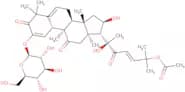
CAS :2-O-b-D-glucopyranosylcucurbitacin E is a natural product that has been isolated from the roots of Cucurbita maxima. This compound has been shown to have bioactive properties, including antioxidant and antimicrobial activity. The extract was tested on chronic cough patients with type 2 diabetes mellitus. The treatment group showed significant improvements in symptoms and bioactive phytochemical levels compared to the control group.
2-O-b-D-glucopyranosylcucurbitacin E is a white powder that is soluble in methanol and water but not in chloroform or ether. It can be analyzed by liquid chromatography, which separates the different components of a sample by passing it through a column filled with an adsorbent material that retains some components more than others.Formule :C38H54O13Degré de pureté :Min. 95%Masse moléculaire :718.83 g/molLincosamine
CAS :Lincosamine is a nitrogen nucleophile that reacts with the electrophilic carbon of an activated aromatic ring in a chemical reaction. Lincosamine has been shown to be effective against infectious diseases caused by bacteria, such as Staphylococcus and Streptococcus, but not against viruses. The glycosidic bond between lincosamine and glucose is stereoselective. Lincosamine binds to the hybridoma cell strain through its monoclonal antibody and can be used for pharmacokinetic properties studies. Lincosamine has been used as an antimicrobial agent in biological samples such as urine, blood, and sputum.
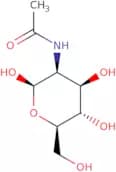
Formule :C8H17NO6Degré de pureté :Min. 95%Masse moléculaire :223.22 g/molN-Acetyl-D-mannosamine
CAS :N-Acetyl D-mannosamine (ManNAc) is an aldohexose (2-acetamido-2-deoxymannose) in which the axial hydroxyl group at position 2 is replaced by a N-acetyl group (Collins, 2006). It has been reported that N-acetyl D-mannosamine supplementation, may provide novel means to break the link between obesity and hypertension (Peng, 2019). N-Acetyl-D-mannosamine and N-acetyl-D-glucosamine are the essential precursors of sialic acid, the specific monomer of polysialic acid, a bacterial pathogenic determinant, for example, Escherichia coli K1 uses both amino sugars as carbon sources. It has been reported that ManNAc can be used as a treatment for hereditary inclusion body myopathy, an adult-onset, progressive neuromuscular disorder and also for renal disorders involving proteinuria and hematuria due to podocytopathy and/or segmental splitting of the glomerular basement membrane (Galeano, 2007).
Formule :C8H15NO6Degré de pureté :Min. 98 Area-%Couleur et forme :White PowderMasse moléculaire :221.21 g/mol(+)-syringaresinol-4,4'-bis-O-b-D-glucopyranoside
(+)-syringaresinol-4,4'-bis-O-b-D-glucopyranoside is a synthetic compound that is fluorinated with (2,2,2-trifluoroethyl)trimethylsilane. It is a sugar molecule that is an oligosaccharide. This compound has been synthesized from syringic acid and (+)-syringaresinol by glycosylation and methylation. It is insoluble in water and has a melting point of 129°C. The CAS number for this compound is 73987-07-8.
Degré de pureté :Min. 95%L-Idonic acid sodium
CAS :L-Idonic acid sodium is a plant hormone that regulates carbohydrate metabolism. It has been shown to regulate the synthesis of galacturonic acid and malic acid, which are important for the production of glucose. L-Idonic acid sodium also regulates the synthesis of fatty acids, which are important for cell membrane formation. L-Idonic acid sodium is an intermediate in the biosynthesis of l-tartaric acid, which is an enzyme substrate. The gene product that encodes this molecule has been characterized as a protein with a molecular weight of approximately 9,000 daltons and a hydroxyl group on C-3.
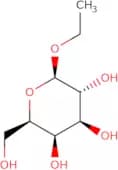
Formule :C6H11O7NaDegré de pureté :Min. 95%Couleur et forme :PowderMasse moléculaire :218.15 g/molEthyl b-D-galactopyranoside
CAS :Ethyl b-D-galactopyranoside is a galactosylated glycoside that can be synthesized by the transfer of an acetyl group from ethyl alcohol to a sugar. It has antibacterial activity and is used in solvents as a stabilizer. The chemical structure of this compound consists of two benzene rings with an -OH group on one end, which are linked together by a covalent bond. The spacing between these two benzene rings is important for the stability of this compound, and it will break down when there is not enough space for the electron clouds to interact with each other. Ethyl b-D-galactopyranoside has been shown to be effective against tuberculosis bacteria, Mycobacterium tuberculosis, and Mycobacterium avium complex.
Formule :C8H16O6Couleur et forme :White PowderMasse moléculaire :208.21 g/mol2,3:4,5:6,7-Tri-O-isopropylidene-D-glycero-D-ido-heptonic acid methyl ester
2,3:4,5:6,7-Tri-O-isopropylidene-D-glycero-D-ido-heptonic acid methyl ester is an oligosaccharide that is a synthetic glycosylation product. It is a complex carbohydrate that has a high purity and CAS No. This compound can be custom synthesized to your specifications and modified in the lab with fluorination or methylation.
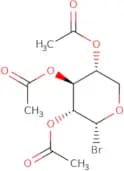
Degré de pureté :Min. 95%a-Acetobromo-D-xylose
CAS :a-Acetobromo-D-xylose is an oligosaccharide sugar used in glycosylation and polysaccharide modifications. It is synthesized by the fluorination of xylose with acetic acid, bromine, and a base. The product is purified by vacuum distillation and recrystallization. In addition to its use as a carbohydrate, this product can be modified using methylation or click chemistry to create derivatives.
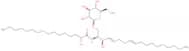
Formule :C11H15BrO7Degré de pureté :Min. 95%Masse moléculaire :339.14 g/molGlucosylceramide
CAS :Glucosylceramide (Glc-Cer) is the common precursor in the biosynthesis of most glycosphingolipids, with exception of some Gal-Cer derivatives, such as, GM4. Glucosylceramide consists of a glucosyl moiety which is β-O-glycosydically linked to ceramide, which itself, consists of the long-chain aminoalcohol sphingosine and a fatty acid. Glucosylceramide (also called glucocerebroside) is synthesised enzymatically, by the glucosylceramide synthase-catalysed with the addition of a glucose residue to ceramide. Glucosylceramide is involved in the regulation of various cellular events and also serves as a main constituent in liposome formulations.
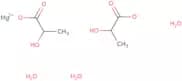
Formule :C40H75NO9Degré de pureté :Min. 98 Area-%Couleur et forme :White Off-White PowderMasse moléculaire :714.02 g/molMagnesium L-lactate
CAS :Magnesium L-lactate is a form of magnesium that is found in the human body, and it is often used to treat women with depressive disorders. This drug works by reducing the synthesis of cholesterol and increasing the level of serotonin in the brain. Magnesium L-lactate is not readily absorbed by the body, so it has low bioavailability. It also has an adverse effect on heart rate and cardiac rhythm, so people who have these conditions should avoid using this drug. The particle size of this drug is high, which can lead to low bioavailability.
Formule :C6H10MgO6Degré de pureté :Min. 95%Masse moléculaire :202.45 g/mol1,4-Anhydro-D-glucitol
CAS :1,4-Anhydro-D-glucitol is a compound that belongs to the group of monosaccharides and has biological properties. It has also been used in the production of acetate extracts from fetal bovine erythrocytes. The ester linkages are formed between 1,4-anhydro-D-glucitol and sodium salt by reaction with acetic anhydride. The reaction mechanism has been studied in detail, and it was found that hydroxyl groups on the molecule react with sodium ions to form an ester linkage. This compound is toxicologically safe at high doses, but can become toxic at lower doses due to its acid formation potential.
Formule :C6H12O5Degré de pureté :Min. 97.0 Area-%Masse moléculaire :164.16 g/molRef: 3D-W-202151
Produit arrêté3-C-Methyl- 5, 6- O- isopropylidene)-D- mannonic acid g- lactone
3-C-Methyl- 5, 6- O- isopropylidene)-D- mannonic acid g- lactone is a modification of the natural sugar D-mannonic acid. It can be used as an intermediate for the synthesis of oligosaccharides and complex carbohydrates. 3-C-Methyl-5,6 -O-isopropylidene)-D -mannonic acid g -lactone is synthesized by methylation and glycosylation. This product is available in high purity and CAS No.
Degré de pureté :Min. 95%(3S, 4R) -3, 4- Dihydroxy- 2- methyl-D- proline
(3S, 4R) -3, 4-Dihydroxy-2-methyl-D-proline is a synthetic monosaccharide. It is an intermediate in the synthesis of (3S, 4R)-3,4-dihydroxy-2-methyl-D-proline and can be used for the production of glycosylated products. This carbohydrate has been synthesized by fluorination followed by methylation and glycosylation. This is a high purity product that can be custom synthesized to meet your needs.
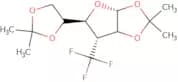
Degré de pureté :Min. 95%3-Deoxy-1,2:5,6-di-O-isopropylidene-3-trifluoromethyl-a-D-glucofuranose
CAS :3-Deoxy-1,2:5,6-di-O-isopropylidene-3-trifluoromethyl-a-D-glucofuranose is a carbohydrate that has the following modifications: methylation at the 6 position of the 3rd carbon atom, glycosylation at the 2nd and 4th positions of the 5th carbon atom, fluorination at the 1st position of the 5th carbon atom. This carbohydrate has a CAS number 1426243-44-8 and can be found under Polysaccharide in CAS.
Formule :C13H19F3O5Degré de pureté :Min. 95%Masse moléculaire :312.28 g/mol4,6-O-Benzylidene-D-glucose
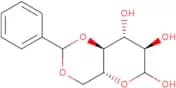
CAS :4,6-O-Benzylidene-D-glucose is a potent inhibitor of the enzyme dibutyltin oxide, which is involved in the synthesis of energy. It has been shown to have clinical activity in rat cardiomyocytes and has been tested in clinical studies. 4,6-O-Benzylidene-D-glucose inhibits enzymes by forming hydrogen bonds with their substrates. This compound also interacts with hydrochloric acid to form a stable complex that prevents it from interacting with other molecules. 4,6-O-Benzylidene-D-glucose is rapidly broken down into glucose and benzaldehyde when it reacts with carbonyl groups or amines. The asymmetric synthesis of this compound can be achieved using an intramolecular hydrogen transfer reaction.
4,6-O-Benzylidene glucose is derived from D-mannose derivatives and contains a hydroxyl group on the central carbonFormule :C13H16O6Degré de pureté :Min. 98 Area-%Couleur et forme :White PowderMasse moléculaire :268.26 g/molD-Glucosamine 6-phosphate
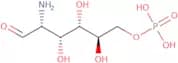
CAS :D-Glucosamine 6-phosphate is a non-essential amino acid that belongs to the group of nucleotide sugar phosphates. It is a metabolite of the sugar D-glucose and it plays an important role in the energy metabolism of bacteria, plants, and animals. It has been shown to have anti-cancer effects on prostate cancer cells. D-Glucosamine 6-phosphate inhibits methyltransferase activity by binding to the enzyme's active site. This inhibition prevents DNA synthesis, leading to cell death. The structural analysis has been done using NMR spectroscopy on d-arabinose as a model substrate.
Formule :C6H14NO8PDegré de pureté :Min. 98 Area-%Couleur et forme :White PowderMasse moléculaire :259.15 g/mol5-Thio-a-D-mannose
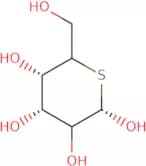
CAS :5-Thio-a-D-mannose is a disaccharide that contains a sulfhydryl group. It has been shown to be a cellular and trackable molecule, which can be acetylated by mercuric chloride. The glycosidases of this molecule are mannosidases, which cleave the 5th carbon from the glycosidic linkage of the sugar. This is an important process for a variety of biological functions, such as the synthesis of DNA and proteins. In addition, this disaccharide is involved in various metabolic pathways, including glycolysis and gluconeogenesis.
Formule :C6H12O5SDegré de pureté :Min. 95%Masse moléculaire :196.22 g/mol1,2:3,4:5,6-Tri-O-isopropylidene-D-gluconate
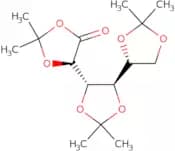
CAS :1,2:3,4:5,6-Tri-O-isopropylidene-D-gluconate is a chain sugar that is extracted from plant sources. It is a product of the methylenation of D-glucose and can be converted to D-mannitol. The reaction mixture yields dimethyl 2,3,4,5,6-tetra-O-methylene erythritol phosphate (DMEP) and diphosphate 1,2:3,4:5,6-tri-O-isopropylidene erythritol (DITEP). The DMEP can be hydrolyzed to form DME and phosphorylated to form DMPP. The crystal structure of this compound has been determined. In the elimination pathway for this compound, the gluconate group is eliminated as carbon dioxide and water with the release of energy in the form of heat. This
Formule :C15H24O7Degré de pureté :Min. 95%Masse moléculaire :316.35 g/mol(3R,4R)-2-Methyl-2,3,4,5-tetrahydroxypentane
(3R,4R)-2-Methyl-2,3,4,5-tetrahydroxypentane is a synthetic compound. It is a glycosylation reagent that can be used to modify the sugar moiety in oligosaccharides and complex carbohydrates. (3R,4R)-2-Methyl-2,3,4,5-tetrahydroxypentane is also used for fluorination reactions and click chemistry modifications. This product has been shown to have high purity and can be custom synthesized. The CAS number for this compound is 36610-02-6.
Degré de pureté :Min. 95%Methyl 3,5-O-isopropylidene-b-D-xylofuranoside
Methyl 3,5-O-isopropylidene-b-D-xylofuranoside is a methylated saccharide. It is an intermediate in the synthesis of glycosides and can be used for modifying proteins and polysaccharides. This compound is also useful for investigating carbohydrate metabolism and for determining the structure of complex carbohydrates.
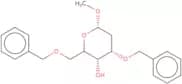
Degré de pureté :Min. 95%Methyl 3,6-di-O-benzyl-2-deoxy-a-D-glucopyranoside
Methyl 3,6-di-O-benzyl-2-deoxy-a-D-glucopyranoside is a sugar derived from the natural carbohydrate sucrose. It is custom synthesized and glycosylated with an oligosaccharide. Methyl 3,6-di-O-benzyl-2-deoxy-a-D-glucopyranoside can be used in the synthesis of polysaccharides and other carbohydrates. This product has been modified using click chemistry to attach a methyl group at the C3 position of the glucose moiety. This modification is useful for glycosylation reactions that require a specific location on the sugar for attachment of an amino acid or peptide. Methyl 3,6-, di-, O-, benzyl--2, deoxy--A--D--glucopyranoside has CAS number 51139–03–5 and is available in high purity.
Formule :C21H26O5Degré de pureté :Min. 95%Masse moléculaire :358.43 g/mol2-Keto-D-gluconic acid hemicalcium monohydrate
CAS :Enhances dissolution of soil minerals; intermediate in L-ascorbic acid syntheses
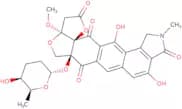
Formule :C6H9O7•(Ca)•H2ODegré de pureté :Min. 99 Area-%Couleur et forme :White PowderMasse moléculaire :231.19 g/molLactonamycin
CAS :Lactonamycin is a linker that contains an oxygenated functional group. It can be found in some active natural products and has been synthesized in the laboratory. Lactonamycin is used as a model system for biosynthesis, where it was shown to efficiently produce glycosidic bonds when supplied with carbon sources such as glucose. The biological properties of Lactonamycin include its ability to inhibit microbial infection and inflammation, which may be due to its hydroxy group.
Formule :C28H27NO12Degré de pureté :Min. 95%Masse moléculaire :569.51 g/mol6-Deoxy-L-allitol
6-Deoxy-L-allitol is a white crystalline solid that melts at 122°C. It has an amorphous character and may be present as a mixture of rotations, form, and crystalline polymorphs. 6-Deoxy-L-allitol can be oxidized to its diol derivative by hydrogen peroxide or sodium periodate. This compound is soluble in water, methanol, and acetone. The molecular weight of this compound is 179.06 g/mol.
Degré de pureté :Min. 95%(2R, 3S, 4R, 5S) -2- Butyl-3, 4, 5- piperidinetriol
(2R, 3S, 4R, 5S) -2- Butyl-3, 4, 5- piperidinetriol is a custom synthesis of a fluorinated saccharide. It is a modified monosaccharide that has been synthesized by methylation and click modification. This molecule is an oligosaccharide with glycosylation at both the sugar and carbohydrate level. The saccharide in this compound is a complex carbohydrate that contains two sugar units.
Degré de pureté :Min. 95%2,3,4,6-Tetra-O-acetyl-D-mannopyranose
CAS :2,3,4,6-Tetra-O-acetyl-D-mannopyranose is a glycosylated polysaccharide. It is a complex carbohydrate with a methylated D-mannopyranose backbone and an acetylated 2,3,4,6-tetraose sidechain. This product can be fluorinated or saccharified to make it more reactive for click chemistry. 2,3,4,6-Tetra-O-acetyl-D-mannopyranose has been custom synthesized in a high purity form that is suitable for use in various applications including polymeric materials and pharmaceuticals.
Formule :C14H20O10Degré de pureté :Min. 95%Masse moléculaire :348.3 g/molMethyl 3-O-benzyl-b-D-xylopyranoside
Methyl 3-O-benzyl-b-D-xylopyranoside is a modified oligosaccharide that is used in the synthesis of complex carbohydrate structures. It has been shown to be a good substrate for glycosylation. Methyl 3-O-benzyl-b-D-xylopyranoside is also a monosaccharide, and can be fluorinated to produce a saccharide with potential antiholistic properties.
Degré de pureté :Min. 95%1,3,4,6-Tetra-O-acetyl-N-propanoyl-D-mannosamine
CAS :1,3,4,6-Tetra-O-acetyl-N-propanoyl-D-mannosamine is a sugar that is used for the synthesis of novel glycosides. It is prepared by the methylation of D-mannose with acetic anhydride in the presence of sodium methoxide. This reaction can also be carried out on a variety of other sugars and carbohydrates, such as D-galactose, D-xylose, or L-arabinose. 1,3,4,6-Tetra-O-acetyl-N-propanoyl-D-mannosamine has been shown to react with 4-(pyridinium)butanoic acid to produce 4-(pyridinium)butanal (1), which reacts with glycine to produce 1-(pyridinium)butanediamide (2). The carbonyl group in 2 can
Formule :C17H25NO10Degré de pureté :Min. 95%Masse moléculaire :403.38 g/molPhosphatidyl inositol - 10mg/ml solution in chloroform:methanol(4:1)
Phosphatidyl inositol-10mg/ml solution in chloroform:methanol(4:1) is a carbohydrate that is a complex carbohydrate. It is synthesized by the modification of the phosphatidyl inositol molecule with fluorination and methylation. The CAS number for this compound is 91228-52-5. This product can be custom synthesized as per customer's requirements. It has a high purity and excellent quality, and is available at competitive prices.
Formule :C47H83O13PDegré de pureté :Min. 95%Couleur et forme :PowderMasse moléculaire :887.13 g/mol2-Allyloxycarbonylamino-2-deoxy-D-galactose
2-Allyloxycarbonylamino-2-deoxy-D-galactose is a monosaccharide that is synthetically modified for use as a synthetic building block in the synthesis of complex carbohydrates and saccharides. This compound is fluorinated at the 2 position to increase its water solubility, which makes it useful for chemical modifications. It has been shown to be methylated and glycosylated.
Degré de pureté :Min. 95%L-Threonic acid-1,4-lactone
CAS :L-Threonic acid-1,4-lactone is a nutrient solution for mammalian tissue. It is a coenzyme that acts as an intermediate in the conversion of dehydroascorbic acid to erythronate and participates in the synthesis of 4-hydroxycinnamic acid from 4-hydroxyphenylpyruvic acid. L-Threonic acid-1,4-lactone has been shown to inhibit the replication of human immunodeficiency virus (HIV) in vitro. The physiological levels of L-Threonic acid-1,4-lactone are not yet known, but it has been shown to have inhibitory properties on HIV infection at concentrations that do not affect cellular metabolism or induce reactive oxygen species production. L-Threonic acid-1,4-lactone also has been shown to prevent hepatic steatosis and fatty liver disease by inhibiting lipid accumulation via its ability to
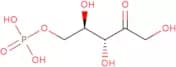
Formule :C4H6O4Degré de pureté :Min. 95%Couleur et forme :PowderMasse moléculaire :118.09 g/molD-Ribulose 5-phosphate sodium
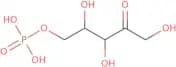
CAS :Ribulose 5-phosphate sodium is a chemical that can be used to inhibit the enzyme ribulose phosphate reductase. Ribulose 5-phosphate sodium has been shown to inhibit glycolaldehyde production in the chloroplasts of plants, effectively reducing the amount of carbon dioxide produced. This chemical has also been shown to have an inhibitory effect on other enzymes involved in carbon fixation and assimilation. The effectiveness of this chemical is dependent on the specific plant species and environmental conditions.
Formule :C5H11O8P•NaxDegré de pureté :Min. 95%Couleur et forme :PowderMasse moléculaire :230.11 g/molCandesartan N2-glucuronide
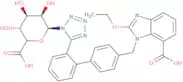
CAS :Candesartan N-glucuronide is a metabolite of candesartan. It is produced by human UDP-glucuronosyltransferase, which belongs to the subfamily of uridine diphosphate (UDP)-glucuronosyltransferases. Candesartan N-glucuronide inhibits angiotensin II receptor type 1 (AT1) and has minimal effects on angiotensin II receptor type 2 (AT2). Candesartan N-glucuronide binds to the AT1 receptor and blocks its activation by angiotensin II. This binding inhibits the uptake of sodium ions into cells and causes an increase in potassium ion secretion, leading to vasodilation. Candesartan N-glucuronide also induces the expression of cytochrome P450 3A5, which results in increased metabolism of drugs such as paclitaxel.
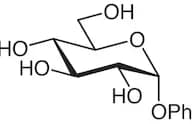
Formule :C30H28N6O9Degré de pureté :Min. 95%Masse moléculaire :616.58 g/molPhenyl α-D-Glucopyranoside
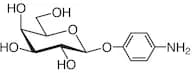
CAS :Formule :C12H16O6Degré de pureté :>97.0%(GC)Couleur et forme :White to Light yellow powder to crystalMasse moléculaire :256.254-Aminophenyl β-D-Galactopyranoside
CAS :Formule :C12H17NO6Degré de pureté :>98.0%(HPLC)Couleur et forme :White to Almost white powder to crystalMasse moléculaire :271.27Silodosin O-beta-D-glucuronide
CAS :Silodosin O-beta-D-glucuronide is a metabolite of silodosin, a drug used to treat benign prostatic hyperplasia. It is the glucuronide conjugate of silodosin and its presence in plasma can be quantified by high performance liquid chromatography (HPLC). The solvents used in HPLC are acetonitrile and ammonium formate. The chromatographic separation is achieved with a mobile phase consisting of an organic solvent (acetonitrile) and an ion pairing agent (ammonium formate) that interacts with the analyte and forms an ion pair. The sensitivity of HPLC for this analyte can be improved by using deuterated solvents.
Formule :C31H40F3N3O10Degré de pureté :Min. 95 Area-%Couleur et forme :PowderMasse moléculaire :671.7 g/molD-Ribulose 5-phosphate sodium salt
CAS :Reference compound for metabolites of the pentosephosphate pathway
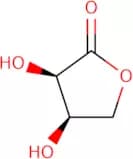
Formule :C5H11O8P·xNaDegré de pureté :Min. 96 Area-%Couleur et forme :White Yellow PowderMasse moléculaire :230.11 g/molD-Erythrono-1,4-lactone
CAS :Chiral synthon; used to synthesise analgoues of natural products
Formule :C4H6O4Degré de pureté :Min. 98 Area-%Couleur et forme :White PowderMasse moléculaire :118.09 g/molAcetobromo-D-glucose
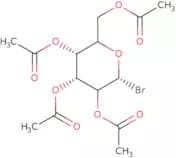
CAS :Intermediate for β-glucosides; potential PET surface modification reagent
Formule :C14H19BrO9Degré de pureté :Min. 95%Couleur et forme :White Off-White PowderMasse moléculaire :411.2 g/molCholesterol b-D-glucoside
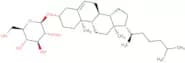
CAS :Cholesterol b-D-glucoside is a modified cholesterol that has been fluorinated and methylated. It is a complex carbohydrate that can be used in the synthesis of oligosaccharides and monosaccharides. Cholesterol b-D-glucoside is soluble in water, alcohols, and ethers and is insoluble in chloroform. The CAS number for Cholesterol b-D-glucoside 7073-61-2. This product is available for custom synthesis, which means it can be made to order with the specifications you need.
Degré de pureté :Min. 95%Digalactosyl diglyceride
CAS :Digalactosyl diglyceride is a lipid that is found in the wax of plants. It has been shown to have anti-inflammatory properties and can be used as a nonsteroidal anti-inflammatory drug. Digalactosyl diglyceride binds to nuclear DNA and inhibits fatty acid synthesis, which leads to membrane destabilization.
Formule :C18H34O13Degré de pureté :Min. 95%Couleur et forme :SolidMasse moléculaire :458.45 g/molS-(-)-Perillyl alcohol glucoside
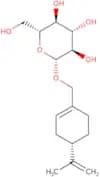
CAS :S-(-)-Perillyl alcohol glucoside is a glycoconjugate that has been shown to inhibit β-glucosidase and pancreatic lipase. It is used in the treatment of cancers, such as colorectal cancer, by inhibiting glucose uptake into cells. S-(-)-Perillyl alcohol glucoside may also have anticancer effects by inhibiting glucose transporters and caspases.
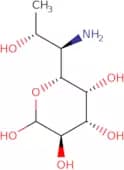
Formule :C16H26O6Degré de pureté :Min. 95%Couleur et forme :PowderMasse moléculaire :314.37 g/mol3-Amino-2,3-dideoxy-D-myo-inositol
CAS :3-Amino-2,3-dideoxy-D-myo-inositol (3ADMI) is a gene product that belongs to the class of chemical biology. It is an actuator that has been shown to be able to bind and activate enzymes. 3ADMI is used as a substrate in the calibration of enzyme kinetics and as an analog for aminoglycosides. The conjugates of 3ADMI have been shown to prevent viral replication by inhibiting the synthesis of DNA or RNA.
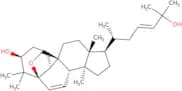
Formule :C6H13NO4Degré de pureté :Min. 95%Couleur et forme :White/Off-White SolidMasse moléculaire :163.17 g/molMomordicoside I aglycone
CAS :Momordicoside I aglycone is a compound that has been extracted from the roots of Momordica grosvenori. It is a potent inhibitor of the enzyme cyclooxygenase and has been shown to have analgesic, anti-inflammatory, and antipyretic activities in mice.
Degré de pureté :Min. 95%6-O-Trityl-D-glucose
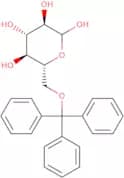
CAS :6-O-Trityl-D-glucose is a sugar derivative that is synthesized by reacting 6,6'-dichloro-1,1'-binaphthyl with D-glucose. It has been used as a model for the stereospecific hydrolysis of polystyrene catalyzed by lipase. The reactive carbonyl group in the molecule allows for substitution reactions to occur at the hydroxyl groups and yields are dependent on the substituent effects.
Formule :C25H26O6Degré de pureté :Min. 95%Couleur et forme :White To Off-White SolidMasse moléculaire :422.47 g/mol2-Deoxy-2-fluoro-L-[UL-13C]fucose
CAS :2-Deoxy-2-fluoro-L-[UL-13C]fucose is a modified sugar molecule used in various scientific applications, particularly in glycobiology and drug development. It's used to study fucose-containing glycans, enzyme interactions, metabolic pathways, and glycoengineering. For instance, it can be incorporated into proteins to investigate the effects of fucose modifications on their function or used to develop drugs targeting fucose-metabolizing enzymes
Formule :C6H12O5Degré de pureté :Min. 95%Masse moléculaire :164.16 g/molo-(A-D-Galactopyranosyl)-D-galactose
CAS :O-(A-D-Galactopyranosyl)-D-galactose is a sugar that is used in the synthesis of complex carbohydrates. O-(A-D-Galactopyranosyl)-D-galactose can be fluorinated and methylated to produce o-(A-D-Galactopyranosyl)-2,6-dideoxy--glucose. This sugar has been shown to inhibit the growth of bacteria such as Mycobacterium tuberculosis and Mycobacterium avium complex. Synthesis of this sugar is done through a custom synthesis process with high purity and quality.
Formule :C12H22O11Degré de pureté :Min. 95%Masse moléculaire :342.3 g/molRamipril acyl-b-D-glucuronide
CAS :Ramipril acyl-b-D-glucuronide is a glycosylated prodrug that is the active form of ramipril, an ACE inhibitor. It is metabolized in the liver to ramipril and excreted in the urine. Ramipril acyl-b-D-glucuronide has been shown to have an increased bioavailability and a longer half-life than ramipril due to its glycosylation. The synthesis of this drug has been modified by methylation, fluorination, and saccharide modification. This compound is also available as a custom synthesis for research purposes with high purity.
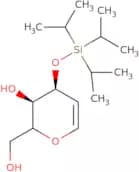
Formule :C29H40N2O11Degré de pureté :Min. 95%Masse moléculaire :592.63 g/mol3-O-Triisopropylsilyl-D-glucal
3-O-Triisopropylsilyl-D-glucal is a modified carbohydrate, which is a saccharide that has been modified by the addition of three isopropyl groups. This modification can be used to synthesize oligosaccharides and polysaccharides in order to obtain desired properties. 3-O-Triisopropylsilyl-D-glucal can also be used as a fluorinating agent in synthesis reactions. The compound is also custom synthesized and can be synthesized with high purity (>98%) or with methylation or glycosylation. 3-O-Triisopropylsilyl-D-glucal will react with nucleophiles like amines and alcohols to form adducts, which are then hydrolyzed to release the product.
Formule :C15H30O4SiDegré de pureté :Min. 95%Masse moléculaire :302.48 g/mol5,7-Bis-(benzyloxy)-a-(4-(benzyloxy)phenyl)-3-[3,4-di-O-acetyl-a-O-acetyl-a-L-rhamnopyranosyloxyl]-4H-chromen-4-one
CAS :This product is a custom synthesis. This product is a methylation, click modification, and oligosaccharide. This product is a polysaccharide and saccharide. This product is fluorinated and complex carbohydrate. This product is high purity with modification. This product has monosaccharides and sugar. This product is synthetic and CAS No. 849938-27-8.
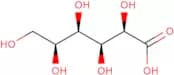
Formule :C53H48O12Degré de pureté :Min. 95%Masse moléculaire :876.94 g/molD-Arabino-5-hexulosonic acid
CAS :D-Arabino-5-hexulosonic acid is an intermediate in the pentose phosphate pathway. It is a component of the hexuronate, which is an important precursor for galactitol, 6-phosphate, and acid dehydrogenase. D-Arabino-5-hexulosonic acid is also an important intermediate in the glycolytic pathway for ATP production. The gene product has been shown to be involved in aerobic glycolysis, which is utilized by Staphylococcus aureus to produce energy from glucose fermentation. D-Arabino-5-hexulosonic acid plays a role in ion exchange and mitochondrial metabolism as well.
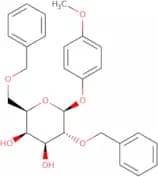
Formule :C6H10O7Degré de pureté :Min. 95%Masse moléculaire :194.14 g/mol4-Methoxyphenyl 2,6-di-O-benzyl-β-D-galactopyranoside
CAS :4-Methoxyphenyl 2,6-di-O-benzyl-b-D-galactopyranoside is a prodrug that is metabolized by esterases to the active form, 6-fluoro-3-indoxyl beta D galactopyranoside. This drug inhibits cancer cells and has been shown to cause cell death by inhibiting the production of proteins vital for cell division. It also induces inflammatory responses in cancer cells, which may be due to its ability to bind with cyclin D2 and uptake ternary complexes. 4MPBG also inhibits repair genes in human protein synthesis and microstructural changes in cancer cells.Formule :C27H30O7Degré de pureté :Min. 95%Masse moléculaire :466.52 g/mol4-Epi-daunosamine
CAS :4-Epi-daunosamine is a glycopeptide antibiotic that is used to treat infections caused by Gram-positive bacteria. It binds to the cell wall of these bacteria and inhibits the synthesis of new cell walls. This causes the cells to burst and die, which leads to bacterial death. 4-Epi-daunosamine has been shown to be effective against animal pathogens such as Streptococcus pneumoniae, Haemophilus influenzae, and Clostridium perfringens. 4-Epi-daunosamine also has a low level of toxicity in humans, but can cause adverse effects such as nausea and vomiting if taken in large doses.
Formule :C6H11NO3Degré de pureté :Min. 95%Masse moléculaire :145.16 g/molD-Glucose (5-13C)
CAS :D-Glucose (5-13C) is a modification of glucose. It is an oligosaccharide that is used in the synthesis of complex carbohydrates. D-Glucose (5-13C) has been modified by methylation and glycosylation to produce monosaccharides and polysaccharides. This sugar can be fluorinated, which makes it useful for saccharide studies.
Formule :C6H12O6Degré de pureté :Min. 95%Masse moléculaire :181.15 g/molMethyl a-D-altropyranoside
CAS :Methyl a-D-altropyranoside is an electrolyte solution that is used for the stabilization and selective separation of glycosides. It has been shown to be effective at diagnosing bacterial infections by selectively binding to glycosylated nucleotides. The methyl group on the molecule is necessary for this function, and therefore it cannot act as a glycosylated nucleotide in its own right. Methyl a-D-altropyranoside may be used to synthesize nucleotides with axial or equatorial configurations, which are not usually found in nature. The yields of these sequences can be increased using this compound.
Formule :C7H14O6Degré de pureté :Min. 95%Masse moléculaire :194.18 g/molMethyl 1-(5-fluoro-1H-2-oxopyrimidin-4-yl)-b-D-glucopyranuronate
CAS :Methyl 1-(5-fluoro-1H-2-oxopyrimidin-4-yl)-b-D-glucopyranuronate is an anticancer drug that inhibits β-glucuronidase. Methyl 1-(5-fluoro-1H-2-oxopyrimidin-4-yl)-b-D-glucopyranuronate is a colorless solid that has been recrystallized, purified, and analyzed for its chloride content. The function of this compound has been tested in vitro using tissue cultures and animal models. The reaction vessel used for the test was an acetonitrile solution with a pH between 7 and 8. The methylester form of methyl 1-(5-fluoro-1H--2--oxopyrimidin 4--yl)-b--D--glucopyranuronate reacts with sulphite to produce a green product with a colorimetric method
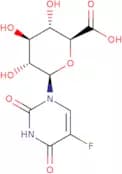
Formule :C11H13FN2O8Degré de pureté :Min. 95%Masse moléculaire :320.23 g/mol5-Fluorouracil N-b-D-glucuronide
CAS :5-Fluorouracil N-b-D-glucuronide is the major metabolite of 5-fluorouracil. It is mainly excreted in urine and bile, and has a high blood level. The glucuronide conjugate of 5-fluorouracin is hydrolyzed by beta-glucuronidase to generate 5-fluorouridine, which can be reabsorbed into the cell to form cytotoxic 5-fluoro uridine triphosphate. This process inhibits protein synthesis, leading to cell death. The half life of 5FU glucuronide is short and it needs to be constantly replaced with new doses. It has also been shown that levels of 5FU glucuronide are higher in tissues than in plasma, which may explain its inhibitory effect on tumors.
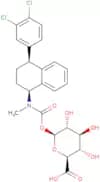
Formule :C10H11FN2O8Degré de pureté :Min. 95%Masse moléculaire :306.2 g/molSertraline carbamoyl glucuronide
CAS :Sertraline is a selective serotonin reuptake inhibitor (SSRI) that is used primarily in the treatment of depression and anxiety. It inhibits the serotonin transporter protein, making more serotonin available for binding to postsynaptic receptors. Sertraline also has a minor inhibitory effect on norepinephrine and dopamine reuptake, but its primary function is as a selective serotonin reuptake inhibitor. The major metabolite of sertraline is sertraline carbamoyl glucuronide, which is formed through glucuronidation by UGT2B7. This metabolite has been found to be bifurcated with one half being excreted in urine and the other half being excreted in faeces. The half that undergoes urinary excretion has been shown to have a half-life of 24 hours whereas the other half has a much shorter half-life of 2 hours. Carbamoylation of sertraline may
Formule :C24H25Cl2NO8Degré de pureté :Min. 95%Masse moléculaire :526.36 g/mol2-Deoxy-2-fluoro-D-arabinofuranose-1-phosphate
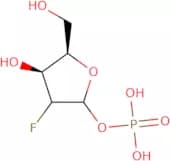
2-Deoxy-2-fluoro-D-arabinofuranose-1-phosphate is a synthetic sugar that is used in the synthesis of oligosaccharides and saccharide derivatives. It has been shown to be a promising candidate for Click modification, as well as fluorination, glycosylation, methylation, and other modifications. This sugar can be found under CAS No. 131069-06-6.Formule :C5H7FO7PDegré de pureté :Min. 95%Masse moléculaire :229.08 g/molEthyl 2,3,4-tri-O-acetyl-a-L-rhamnopyranoside
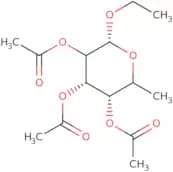
Ethyl 2,3,4-tri-O-acetyl-a-L-rhamnopyranoside is a custom synthesis of methylated oligosaccharides. It is an acetylated form of L-rhamnopyranoside that is obtained by the reaction of dl-glyceraldehyde with acetone and acetic acid. The product has been fluorinated to give a complex carbohydrate with high purity.
Formule :C14H22O8Degré de pureté :Min. 95%Masse moléculaire :318.32 g/mol









![(1S) -1- [(2S, 3S,4R) -4-Hydroxymethyl-3- hydroxy- N-methyl-1- azetidinyl] -1, 2- ethanediol](/_next/image/?url=https%3A%2Fstatic.cymitquimica.com%2Fproducts%2F3D%2Fthumb-webp%2FMH163379.webp&w=3840&q=75)











![2-Deoxy-2-fluoro-L-[UL-13C]fucose](/_next/image/?url=https%3A%2Fstatic.cymitquimica.com%2Fproducts%2F3D%2Fthumb-webp%2FMD45885.webp&w=3840&q=75)

![5,7-Bis-(benzyloxy)-a-(4-(benzyloxy)phenyl)-3-[3,4-di-O-acetyl-a-O-acetyl-a-L-rhamnopyranosyloxyl]…](/_next/image/?url=https%3A%2Fstatic.cymitquimica.com%2Fproducts%2F3D%2Fthumb-webp%2FMB16635.webp&w=3840&q=75)