Monosaccharides
Les monosaccharides sont la forme la plus simple des glucides et servent de building blocks fondamentaux pour les sucres plus complexes et les polysaccharides. Ces molécules de sucre unique jouent des rôles critiques dans le métabolisme énergétique, la communication cellulaire et les composants structuraux des cellules. Dans cette section, vous trouverez une large gamme de monosaccharides essentiels pour la recherche en biochimie, biologie moléculaire et glycosciences. Ces composés sont cruciaux pour étudier les voies métaboliques, les processus de glycosylation et le développement d'agents thérapeutiques. Chez CymitQuimica, nous proposons des monosaccharides de haute qualité pour répondre à vos besoins de recherche, garantissant précision et fiabilité dans vos investigations scientifiques.
Sous-catégories appartenant à la catégorie "Monosaccharides"
- Alloses(11 produits)
- Arabinoses(21 produits)
- Erythroses(11 produits)
- Fructoses(9 produits)
- Fucoses(36 produits)
- Galactosamine(41 produits)
- Galactoses(260 produits)
- Glucoses(365 produits)
- Acides glucuroniques(51 produits)
- Glyco-substrats pour l'enzyme(77 produits)
- Guloses(6 produits)
- Idoses(4 produits)
- Inositols(15 produits)
- Lyxoses(4 produits)
- Mannoses(65 produits)
- O-Glycanes(48 produits)
- Psicoses(3 produits)
- Rhamnoses(10 produits)
- Ribos(61 produits)
- Acides sialiques(100 produits)
- Sorboses(4 produits)
- Sucres(173 produits)
- Tagatoses(4 produits)
- Taloses(8 produits)
- Xyloses(20 produits)
Affichez 17 plus de sous-catégories
6088 produits trouvés pour "Monosaccharides"
Trier par
Degré de pureté (%)
0
100
|
0
|
50
|
90
|
95
|
100
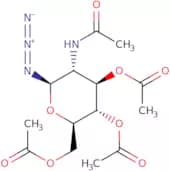
2-Acetamido-3,4,6-tri-O-acetyl-2-deoxy-β-D-glucopyranosyl azide
CAS :<p>2-Acetamido-3,4,6-tri-O-acetyl-2-deoxy-β-D-glucopyranosyl azide is a custom synthesis that is a complex carbohydrate. It is a glycosylation product of 2,3,4,6-tetraacetyl α--D--glucose and 2,3,6 -tri--O--acetyl--2--deoxy--β--D--glucopyranose. This compound has been modified by Click chemistry with 4-(dimethylamino)pyridine (DMAP). The modification has produced an acetamido group at the C2 position of the glucopyranoside moiety. The compound is available in high purity for research purposes.</p>Formule :C14H20N4O8Degré de pureté :Min. 95%Couleur et forme :White PowderMasse moléculaire :372.33 g/molD-Glucosamine sulfate sodium chloride
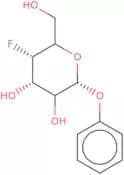
CAS :<p>D-Glucosamine sulfate is a sugar that belongs to the group of polysaccharides. It is a natural compound that is found in the human body and is important for the synthesis of glycosaminoglycans, which are found in cartilage and synovial fluid. D-Glucosamine sulfate can also be used as a raw material for the production of methylated compounds or saccharides. This product can be custom synthesized in different forms (D-glucosamine sulfate sodium chloride, D-glucosamine sulfate potassium salt, D-glucosamine sulfate calcium salt) and with different purity levels depending on your requirements.</p>Formule :C6H13NO5xNaClxH2SO4Degré de pureté :Min. 98 Area-%Couleur et forme :White PowderMasse moléculaire :179.17 g/molPhenyl 4-deoxy-4-fluoro-α-D-glucopyranoside
<p>Phenyl 4-deoxy-4-fluoro-a-D-glucopyranoside is a custom synthesis that can be modified with fluorination, methylation, monosaccharide and oligosaccharide. It has CAS No. and is a polysaccharide. Phenyl 4-deoxy-4-fluoro-a-D-glucopyranoside is a sugar that is glycosylated and complexed with carbohydrates.</p>Formule :C12H15FO5Degré de pureté :Min. 95%Couleur et forme :White to off-white solid.Masse moléculaire :258.24 g/mol2,3,4,5-Tetra-O-acetyl-D-ribononitrile
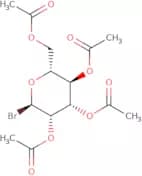
CAS :<p>2,3,4,5-Tetra-O-acetyl-D-ribononitrile is a custom synthesis chemical. It is an Oligosaccharide, Polysaccharide, Modification and has the CAS No. 25546-50-3. It can be used as a Fluorination reagent in Synthetic Chemistry and Click modification. The purity of this chemical is high and it has a Custom synthesis. 2,3,4,5-Tetra-O-acetyl-D-ribononitrile is synthesized by Methylation and Glycosylation of sugar molecule with acetyl group. This chemical can be used to modify saccharide and carbohydrate molecules.</p>Formule :C13H17NO8Degré de pureté :Min. 95%Couleur et forme :PowderMasse moléculaire :315.28 g/mol2,3,4,6-Tetra-O-acetyl-a-D-mannopyranosyl bromide - stabilised with 2% CaCO3
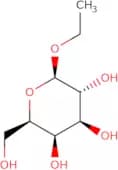
CAS :<p>Donor for Koenigs-Knorr type mannosylation and other anomeric substitutions</p>Formule :C14H19BrO9Degré de pureté :Min. 95%Couleur et forme :Yellow PowderMasse moléculaire :411.2 g/molEthyl b-D-galactopyranoside
CAS :<p>Ethyl b-D-galactopyranoside is a galactosylated glycoside that can be synthesized by the transfer of an acetyl group from ethyl alcohol to a sugar. It has antibacterial activity and is used in solvents as a stabilizer. The chemical structure of this compound consists of two benzene rings with an -OH group on one end, which are linked together by a covalent bond. The spacing between these two benzene rings is important for the stability of this compound, and it will break down when there is not enough space for the electron clouds to interact with each other. Ethyl b-D-galactopyranoside has been shown to be effective against tuberculosis bacteria, Mycobacterium tuberculosis, and Mycobacterium avium complex.</p>Formule :C8H16O6Couleur et forme :White PowderMasse moléculaire :208.21 g/mol1,2,3,4-Tetra-O-acetyl-b-D-glucuronide
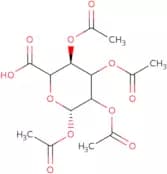
CAS :<p>1,2,3,4-Tetra-O-acetyl-b-D-glucuronide is a chemical compound that is used as an acetylating agent in organic synthesis. It is produced by the reaction of pyridine and acetic anhydride with sodium hydroxide as a catalyst. The acetylation process takes place in two steps: first, the pyridine reacts with the acetic anhydride to form 4-(pyridinium) acetate; second, this intermediate reacts with sodium hydroxide to form 1,2,3,4-tetra-O-acetyl-b-D-glucuronide. Acetylation reactions are important because they can be used to introduce functional groups onto molecules that would not otherwise have them. Acetylated compounds are also often more soluble in water than nonacetylated compounds. This product is used in medicines and other chemical processes.</p>Formule :C14H18O11Degré de pureté :Min. 95 Area-%Couleur et forme :White Clear LiquidMasse moléculaire :362.29 g/molmuco-Inositol
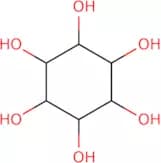
CAS :<p>Muco-Inositol is a compound that is involved in the metabolism of glucose, lipid and protein. It can be synthesized from myo-inositol and plays an important role in the synthesis of phosphatidylinositols. Muco-Inositol has been shown to inhibit enzyme activities in a wild type strain of E. coli. This inhibition may be due to its ability to bind to the active site of these enzymes, thereby inhibiting their activity. Muco-Inositol also inhibits the growth of ovarian cancer cells, as well as myo-inositol levels in maternal blood.</p>Formule :C6H12O6Degré de pureté :Min. 95%Couleur et forme :PowderMasse moléculaire :180.16 g/mol1,2,3,4-Tetra-O-benzyl-β-D-glucopyranoside
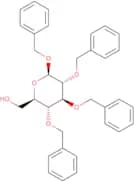
CAS :<p>1,2,3,4-Tetra-O-benzyl-β-D-glucopyranoside is a prodrug that becomes active after acetylation. It is an endogenous compound that has been shown to inhibit the synthesis of myelin and lipid peroxidation in rat brains. This drug has also been found to be effective in the treatment of amyotrophic lateral sclerosis (ALS). 1,2,3,4-Tetra-O-benzyl-β-D-glucopyranoside is unmodified and does not have any side effects on the nervous system. It can be used for the treatment of Parkinson's disease when combined with levodopa.</p>Formule :C34H36O6Degré de pureté :Min. 95%Couleur et forme :White Off-White PowderMasse moléculaire :540.65 g/molL-Rhamnose monohydrate
CAS :<p>L-rhamnose (Rha, 6-deoxy-L-mannose) (Collins, 2006) is normally bound to other sugars as a glycoside in many plant oligosaccharides and in polysaccharides. Rhamnose is also a component of the cell wall of Mycobacterium. In plants, rhamnose is found in the polysaccharide rhamnogalacturonan I, a branched pectic polysaccharide that accounts for 7â14% of the primary wall (Oomen, 2002). Rhamnose is also found in rhamnogalacturonan II, a complex polysaccharide that accounts for âŒ4% of the wall in dicots (Vidal, 2000). Rhamnose is also found in chacotriose and solatriose, the glycan components of solamargine and solasonine, two glycoalkaloids with anticancer properties (Al Sinani, 2017). An understanding of the rhamnose-containing polysaccharides of the gram positive cell wall has identified the biosynthetic pathway as an attractive therapeutic target for antimicrobial drug development (Mistou, 2016).</p>Formule :C6H12O5•H2ODegré de pureté :Min. 98 Area-%Couleur et forme :Off-White PowderMasse moléculaire :182.17 g/molN6-Benzyladenine-7-glucoside
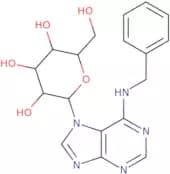
CAS :<p>N6-Benzyladenine-7-glucoside is a benzyladenine derivative that is the major precursor of dihydrozeatin, an important plant growth regulator. N6-Benzyladenine-7-glucoside has been shown to be a potent inhibitor of the uptake of radioactive n6-benzyladenine in tobacco leaves. It also inhibits the uptake of radioactive adenine and guanine in tabacum l. explants and tissues. The compound can inhibit cell division by interfering with hormonal treatments that promote growth and development. The inhibition of cell division may be due to interference with the auxin transport system in plants, which leads to decreased levels of endogenous auxins and growth regulators, such as cytokinins, gibberellins, abscisic acid, and ethylene.</p>Formule :C18H21N5O5Degré de pureté :Min. 95%Couleur et forme :PowderMasse moléculaire :387.39 g/molGlupentaacetate
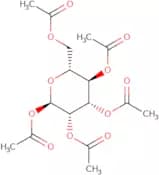
<p>Glupentaacetate is a synthetic, fluorinated sugar that is used in the synthesis of complex carbohydrates. It has been shown to be a useful tool for the modification of glycosylations, polysaccharides and saccharides. Glupentaacetate has been modified with a methyl group at the C-2 position. This modification leads to increased reactivity and stability, in addition to being useful for click chemistry. Glupentaacetate is also stable under acidic conditions, making it an excellent choice for use in organic synthesis.</p>Degré de pureté :Min. 95%Linamarin
CAS :<p>Cyanogenic glycoside</p>Formule :C10H17NO6Degré de pureté :Min. 97 Area-%Couleur et forme :White PowderMasse moléculaire :247.25 g/molMetrizamide
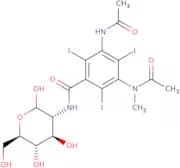
CAS :<p>Radiopaque contrast agent; diagnostic aid for myelography</p>Formule :C18H22I3N3O8Degré de pureté :(%) Min. 95%Couleur et forme :White PowderMasse moléculaire :789.1 g/molMethyl 2,3-O-isopropylidene-β-D-ribofuranoside
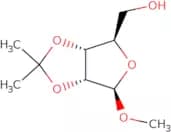
CAS :<p>Methyl 2,3-O-isopropylidene-β-D-ribofuranoside is a heterocycle that is classified as a furanose. It reacts with reactive compounds such as nitro groups to form nitrofurans. This compound also has carcinogenic properties and has been shown to be an animal carcinogen. Methyl 2,3-O-isopropylidene-β-D-ribofuranoside is also capable of forming conformationally constrained derivatives in which the carbonyl group adopts an α,α'-diaxial orientation with the adjacent nitrogen atom and can be used for synthesis of phenalenes.</p>Formule :C9H16O5Degré de pureté :Min. 95%Couleur et forme :Colorless Clear LiquidMasse moléculaire :204.22 g/molValiolamine
CAS :<p>Inhibitor of alpha-glucosidase</p>Formule :C7H15NO5Degré de pureté :Min. 95%Couleur et forme :White PowderMasse moléculaire :193.2 g/mol1,2,3,4,5-Penta-O-acetyl-β-D-fructose
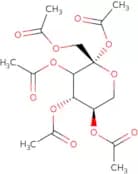
CAS :<p>1,2,3,4,5-Penta-O-acetyl-β-D-fructose is a synthetic oligosaccharide that is modified with fluorine to produce a variety of products. This product is used in the synthesis of complex carbohydrates and has been shown to have high purity. It is used for methylation reactions and can be found in saccharides and polysaccharides. The CAS number for this compound is 20764-61-8.</p>Formule :C16H22O11Degré de pureté :Min. 95%Couleur et forme :White PowderMasse moléculaire :390.34 g/molN-Nonyldeoxynojirimycin
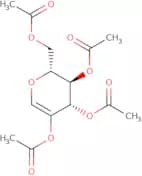
CAS :<p>Inhibitor and pharmacological chaperone of lysosomal β-glucosidase (glucosylceramidase). The compound binds to the unstable glucosidase active site during the folding and post-translational processing in Golgi apparatus and endoplasmatic reticulum. It is effective in stabilising the enzyme and preventing accumulation of glucosylceramides in models for Gaucher disease, especially in the ones carrying N370S mutation. In addition, it has antiviral activity against Hepatitis C virus, which is mediated by misfolding of viral glycoproteins in the presence of the inhibitor.</p>Formule :C15H31NO4Degré de pureté :Min. 95%Couleur et forme :White PowderMasse moléculaire :289.41 g/mol2,3,4,6-Tetra-O-acetyl-1-deoxy-D-arabino-hex-1-enopyranose
CAS :<p>Tetra-O-acetyl-1-deoxy-D-arabinohexopyranose is a boron trifluoride etherate method for the synthesis of tetraacetylated 1-deoxyhexopyranoses. The yield of this reaction is dependent on the formamide concentration and the hydrogenation time. When formamide is used, the yields are greater than when it is not. This product can be used in a variety of reactions such as the synthesis of 2,3,4,6-tetraiodo-, 2,3,4,6-tetrahalogeno-, or 2,3,4,-trihalogeno hexoses by substitution with iodine or chlorine. Tetraacetylated 1-deoxyhexopyranoses can also be used to synthesize ethanethiols and other alcohols by elimination reactions.</p>Formule :C14H18O9Couleur et forme :White PowderMasse moléculaire :330.29 g/molPhloridzin dihydrate
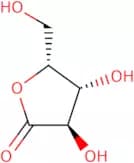
CAS :<p>Phloridzin is a phenolic acid that is found in the cell walls of plants. It has been shown to be a potent antioxidant, with anti-inflammatory and anti-tumour properties. Phloridzin is also an inhibitor of the divalent metal ion-dependent diphenolase activity that causes oxidative DNA damage. The dihydrate form of phloridzin has been shown to inhibit cisplatin-induced nephrotoxicity in mice by reducing oxidative stress.</p>Formule :C21H24O10·2H2ODegré de pureté :Min. 95%Couleur et forme :Off-White PowderMasse moléculaire :472.44 g/molD-Xylonic-1,4-lactone
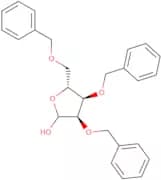
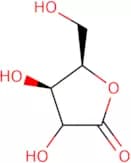
CAS :<p>D-Xylonic acid-1,4-lactone is a substrate that participates in the synthesis of glyceric acid. It has been shown to be a synthetic substrate for benzyl groups and leukemia HL-60 cells. D-Xylonic acid-1,4-lactone can react with chloride ions to form D-xylose. The product of this reaction is an epimerization reaction that occurs when the hydroxyl group on the carbon atom adjacent to the carbonyl group (C1) reacts with a proton from water to form a double bond at C2. This conversion produces xylonic acid and lactone.</p>Formule :C5H8O5Degré de pureté :Min. 97 Area-%Couleur et forme :White PowderMasse moléculaire :148.11 g/mol2,3,5-Tri-O-benzyl-D-ribofuranose
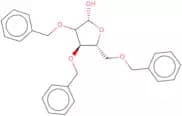
CAS :<p>2,3,5-Tri-O-benzyl-D-ribofuranose is a carbohydrate that can be synthesized through an efficient method. It is a glycoside with an oxotitanium (oxo) group. The synthesis of this compound requires magnesium as the activating agent and o-glycosylation. The glycoconjugates of this compound are found in organisms such as fungi, yeast, and bacteria. In addition to its carbohydrate function, 2,3,5-Tri-O-benzyl-D-ribofuranose has been shown to have antimicrobial properties. This sugar has also been shown to have antiviral properties due to its ability to inhibit the enzyme ribonucleotide reductase (RNR).</p>Formule :C26H28O5Degré de pureté :Min. 95%Couleur et forme :White PowderMasse moléculaire :420.5 g/mol2,3,5-Tri-O-benzyl-b-D-xylofuranose
CAS :<p>2,3,5-Tri-O-benzyl-b-D-xylofuranose is a synthetic carbohydrate with a complex structure. It is an oligosaccharide that has been modified by methylation and glycosylation. It has a molecular weight of 582.16 g/mol and the CAS number is 1174234-12-8.</p>Formule :C26H28O5Degré de pureté :Min. 95%Couleur et forme :PowderMasse moléculaire :420.5 g/molD-Arabinaric acid dipotassium salt
CAS :<p>D-Arabinaric acid dipotassium salt is a custom synthesis with complex carbohydrate, which can be modified by methylation, glycosylation, and carbonylation. It has CAS number 6703-05-5 and a high purity. This product is also fluorinated, which makes it an excellent synthetic reagent.</p>Formule :C5H6K2O7Degré de pureté :Min. 95 Area-%Couleur et forme :White Off-White PowderMasse moléculaire :256.29 g/molN-Boc-1,5-imino-1,5-dideoxy-D-glucitol
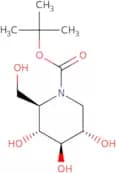
CAS :<p>N-Boc-1,5-imino-1,5-dideoxy-D-glucitol is a custom synthesis product that is synthesized by methylation and click chemistry. The chemical name of N-Boc-1,5-imino-1,5-dideoxyglucitol is 1,5-(N′-(tertiary butyloxycarbonyl)-L-serine)-1,5-dideoxyglucitol. It has a CAS number of 1305391207 and molecular weight of 478.18 g/mol. It is a modified carbohydrate with the molecular formula C14H27NO8 and molecular weight of 478.18 g/mol. It has an Oligosaccharide with the molecular formula C14H27NO8 and molecular weight of 478.18 g/mol. It has a Polysaccharide with the molecular formula C14H27NO8 and</p>Formule :C11H21NO6Degré de pureté :Min. 95%Couleur et forme :Beige solid.Masse moléculaire :263.29 g/mol6-Bromo-6-deoxy-D-glucose
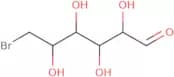
CAS :<p>6-Bromo-6-deoxy-D-glucose is a sugar that is used to study the function of glucose transporters in cellular membranes. This compound has been shown to be a substrate for glucose transporters, where it binds in a nucleophilic manner. 6-Bromo-6-deoxy-D-glucose has been used as an inhibitor of glucose transport and as an x-ray crystal structure model for studying the binding mechanism of glucose transporters. 6-Bromo-6-deoxy-D-glucose has also been used to study the reaction system between glucose and sodium hydrogen carbonate, which is important for understanding how cells regulate blood sugar levels.</p>Formule :C6H11BrO5Degré de pureté :Min. 95%Couleur et forme :White PowderMasse moléculaire :243.05 g/molAllyl β-D-galactopyranoside
CAS :<p>Allyl β-D-galactopyranoside is a complex carbohydrate that is modified by methylation, glycosylation, and fluorination. It can be synthesized using the Carbohydrate-Click reaction. Allyl β-D-galactopyranoside is used as a substrate for the synthesis of oligosaccharides, polysaccharides, and other carbohydrates. This product has high purity and is available in custom synthesis.</p>Formule :C9H16O6Degré de pureté :Min. 95%Couleur et forme :White PowderMasse moléculaire :220.22 g/molQuercetin-3-O-a-L-arabinoside
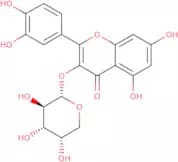
CAS :<p>Quercetin-3-O-a-L-arabinoside is a flavonoid that has been shown to be active against human colorectal adenocarcinoma cells. Quercetin 3-O-a-L-arabinoside inhibits the proliferation of hl60 cells by inducing apoptosis and inhibiting protein synthesis. The biological properties of quercetin 3-O-a-L-arabinoside are not well understood, but it may work as an antioxidant due to its ability to scavenge free radicals. Quercetin 3-O-a-L-arabinoside has also been found to have antimicrobial activity against bacteria, fungi, and viruses. Quercetin 3 O a L arabinoside is able to inhibit the growth of various strains of Mycobacterium tuberculosis, including drug resistant strains. This compound is also shown to be effective in the treatment of platinum resistant</p>Formule :C20H18O11Degré de pureté :Min. 98 Area-%Couleur et forme :Yellow PowderMasse moléculaire :434.35 g/mol1,2,3,4,6-Penta-O-acetyl-a-D-mannopyranose
CAS :<p>1,2,3,4,6-Penta-O-acetyl-α-D-mannopyranose is an acetylated sugar which is used as an intermediate in the mannosylation of glycoproteins or glycoconjugates. It can be used in the production of mannosylated glycoconjugate vaccines or lipid nanoparticles (LNPs) which have been investigated for improving antigen up-take mediated, via the mannose receptor (MR) of human antigen presenting cells (APCs). 1,2,3,4,6-Penta-O-acetyl-a-D-mannopyranose, also known as α-D-Mannose pentaacetate, has also been used in the study of isolated rat pancreatic islets where it stimulates insulin release.</p>Formule :C16H22O11Degré de pureté :Min. 98 Area-%Couleur et forme :White Off-White PowderMasse moléculaire :390.34 g/molZiyuglycoside I
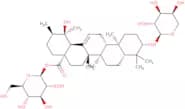
CAS :<p>Ziyuglycoside I is a naturally occurring compound that has been shown to have physiological effects on skin cells. It has been found to bind to collagen and the matrix of skin cells, which may be its mechanism of action. Ziyuglycoside I also has an anti-inflammatory effect, which may be due to its ability to inhibit transcription-polymerase chain reactions (PCR). It has been shown to have antimicrobial activity against some strains of bacteria that are resistant to antibiotics such as erythromycin and tetracycline. Ziyuglycoside I has potential applications in the treatment of infectious diseases and inflammatory skin diseases.</p>Formule :C41H66O13Degré de pureté :Min. 95%Couleur et forme :White PowderMasse moléculaire :766.95 g/molD-Mannose-BSA
<p>D-Mannose-BSA is a receptor protein that is endogenous and found in the extracellular fluid. It has been shown to bind to the CD18 receptor on leukocytes and macrophages, which can be used as a diagnostic tool for identifying depression. D-Mannose-BSA has also been shown to bind to mouse macrophages, which may be due to its high affinity for the Fc receptors on these cells. D-Mannose-BSA binds to membranes of biotinylated cells and can be used as a ligand for immunoprecipitation. Antiserum against D-mannose is specific for polymorphonuclear neutrophils (PMN) and monocytes, but not lymphocytes or eosinophils. It can be used postoperatively as an adjunct therapy in wound healing.</p>Couleur et forme :PowderPhenyl b-D-galactopyranoside
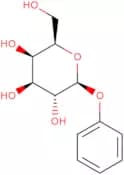
CAS :<p>Phenyl b-D-galactopyranoside is a glycoside of galactose. It is used as an antigen and cross-linking agent in the preparation of monoclonal antibodies to human serum proteins. Phenyl b-D-galactopyranoside has been shown to be a potent inhibitor of protein synthesis in cells from primary tumors, and it has been found to decrease the rate of tumor growth in mice. This compound also inhibits the growth of certain bacteria, including methicillin-resistant Staphylococcus aureus (MRSA), Mycobacterium tuberculosis, and Mycobacterium avium complex. The mechanism by which phenyl b-D-galactopyranoside inhibits bacterial growth is not well understood.</p>Formule :C12H16O6Degré de pureté :Min. 98 Area-%Couleur et forme :PowderMasse moléculaire :256.25 g/molMethyl 2,3-di-O-benzyl-α-D-glucopyranoside
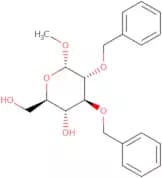
CAS :<p>Methyl 2,3-di-O-benzyl-a-D-glucopyranoside is a chiral sugar that can be synthesized by sulfidation of methyl 1,2,3,4-tetra-O-benzyloxycarbonyl-a-D-glucopyranoside. This sugar was used in the synthesis of oxathianes and sulfones as well as other synthetic methodology.</p>Formule :C21H26O6Degré de pureté :Min. 95%Couleur et forme :PowderMasse moléculaire :374.43 g/molValidamine acetate
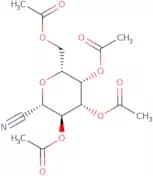
CAS :<p>Inhibitor of beta-glucosidase</p>Formule :C17H25NO9Degré de pureté :Min. 95%Masse moléculaire :387.38 g/mol2,3,4,6-Tetra-O-acetyl-b-D-galactopyranosyl cyanide
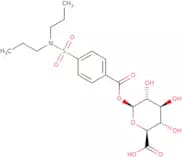
CAS :<p>2,3,4,6-Tetra-O-acetyl-b-D-galactopyranosyl cyanide is a carbohydrate that is used in the synthesis of conjugates for use as immunogens. It has been modified to create a high purity product. Click chemistry is used to attach a fluorine atom to the sugar. The glycosylation reaction with the monosaccharides and disaccharides is then performed followed by methylation of the saccharide with methanol to produce 2,3,4,6-Tetra-O-acetyl-b-D-galactopyranosyl cyanide.</p>Formule :C15H19NO9Degré de pureté :Min. 95 Area-%Couleur et forme :White Off-White PowderMasse moléculaire :357.31 g/molProbenecid acyl b-D-glucuronide
CAS :<p>Probenecid is a weak acid that is rapidly converted to an active metabolite in the body. It is used as an analgesic, antipyretic, and anti-inflammatory drug. Probenecid has been shown to inhibit the formation of biliary acids in animals and humans and has been used in the treatment of chronic inflammatory conditions such as rheumatoid arthritis. The most common route of administration for this drug is orally, although it can also be given intravenously or intramuscularly. Probenecid also acts as a nonsteroidal anti-inflammatory drug (NSAID). This means that it inhibits prostaglandin synthesis by blocking cyclooxygenase enzymes. This reduces inflammation, pain, and fever by inhibiting the production of prostaglandins that play a role in these processes.</p>Formule :C19H27NO10SDegré de pureté :Min. 95%Couleur et forme :White To Off-White SolidMasse moléculaire :461.48 g/molPropargyl a-D-glucopyranoside
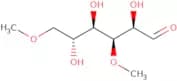
CAS :<p>Propargyl a-D-glucopyranoside is a high purity custom synthesis sugar. It is synthesized by Click modification, fluorination, and glycosylation followed by methylation. Propargyl a-D-glucopyranoside can be used for the modification of oligosaccharides and monosaccharides to produce complex carbohydrates.</p>Formule :C9H14O6Degré de pureté :Min. 95%Couleur et forme :PowderMasse moléculaire :218.2 g/mol3,6-Di-O-methyl-D-glucose
CAS :<p>3,6-Di-O-methyl-D-glucose is a glycopeptide sugar that is used as a terminal sugar in the cell wall of many gram-positive bacteria. It is found on the surface of most strains of Streptococcus pneumoniae and Staphylococcus aureus. 3,6-Di-O-methyl-D-glucose is an antigen for monoclonal antibodies against the streptococcal M protein and has been used to identify the carbohydrate chemistry of Streptococcus pneumoniae. 3,6-Di-O-methyl glucose may also be useful in the detection of cellulose derivatives by magnetic resonance spectroscopy or nitrocellulose membranes. The terminal sugars found on these membranes are hydrolyzed by acid and dry weight methods before being analyzed by gas chromatography or high performance liquid chromatography.</p>Formule :C8H16O6Degré de pureté :Min. 95%Masse moléculaire :208.21 g/mol2,3,4,6-Tetra-O-acetyl-α-D-mannopyranosyl-Fmoc serine
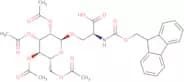
CAS :<p>2,3,4,6-Tetra-O-acetyl-a-D-mannopyranosyl-Fmoc serine is a sugar that is synthesized from the natural amino acid serine. It is a modified sugar that has been fluorinated and acetylated on the 4th carbon position. The Fmoc protecting group was removed through a click modification to yield 2,3,4,6-Tetra-O-acetyl-a-D-mannopyranosyl serine. This glycoconjugate can be used for glycosylation or methylation of proteins or peptides. This sugar has been shown to have antihypertensive effects in animal models and has been used as an adjuvant therapy in cancer treatment.</p>Formule :C32H35NO14Degré de pureté :Min. 95%Couleur et forme :PowderMasse moléculaire :657.63 g/molMethyl 2-amino-2-deoxy-β-D-glucopyranoside hydrochloride
CAS :<p>Methyl 2-amino-2-deoxy-β-D-glucopyranoside hydrochloride is a synthetic compound that is a sugar derivative. The methyl group in this molecule can be used for the synthesis of saccharides, oligosaccharides, and other complex carbohydrates. This product has a CAS number of 3867-93-4. It is soluble in water and has a purity of at least 98%.</p>Formule :C7H16ClNO5Degré de pureté :Min. 95%Couleur et forme :White PowderMasse moléculaire :229.66 g/molα-D-Glucose-1,6-diphosphate tetrapotassium hydrate
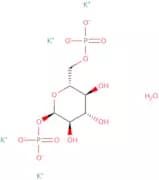
CAS :<p>Inhibitor of hexokinase; activator of phosphofructokinase-1</p>Formule :C6H14O12P2•4K•(H2O)nDegré de pureté :Min. 95%Couleur et forme :PowderMasse moléculaire :496.51 g/mol3-Azido-3-deoxy-1,2:5,6-di-O-isopropylidene-a-D-glucofuranose
CAS :<p>3-Azido-3-deoxy-1,2:5,6-di-O-isopropylidene-a-D-glucofuranose is a synthetic sugar that has been modified by Fluorination, Monosaccharide, Synthetic, Oligosaccharide, complex carbohydrate, CAS No. 13964-23-3 and Glycosylation. It is also a Polysaccharide with modifications of Click modification and Methylation. 3A3DG can be used to modify the sugar content of glycoproteins and glycolipids in order to study their role in cellular processes such as transcriptional regulation and apoptosis. This product is available for custom synthesis in quantities from milligrams to kilograms.</p>Formule :C12H19N3O5Degré de pureté :Min. 95%Couleur et forme :Yellow PowderMasse moléculaire :285.3 g/molTorachrysone 8-O-glucoside
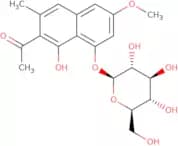
CAS :<p>Torachrysone 8-O-glucoside is a natural product found in the rhizome of Chinese medicinal plant Rhubarb. It is an antiinflammatory that has been shown to be effective in vitro against inflammation induced by spleen, blood, and the stomach. Torachrysone 8-O-glucoside has also been shown to have protective effects on the kidney and bladder.</p>Formule :C20H24O9Degré de pureté :Min. 95%Couleur et forme :White PowderMasse moléculaire :408.4 g/molMethyl 6-amino-6-deoxy-a-D-glucopyranoside
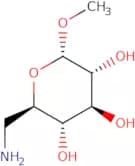
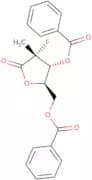
CAS :<p>Methyl 6-amino-6-deoxy-a-D-glucopyranoside is a saccharide with a molecular weight of 362.4 g/mol. This carbohydrate is fluorinated and modified with an amine group on the C1 position, which makes it a complex carbohydrate. It can be custom synthesized to order and has high purity. CAS No. 5155-47-5</p>Formule :C7H15NO5Degré de pureté :Min. 98 Area-%Couleur et forme :Clear LiquidMasse moléculaire :193.2 g/mol3,5-Di-O-benzoyl-2-deoxy-2-fluoro-2C-methyl-D-ribono-1,4-lactone
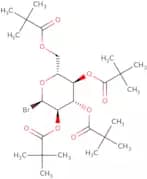
CAS :<p>3,5-Di-O-benzoyl-2-deoxy-2-fluoro-2C-methyl-D-ribono-1,4-lactone is a synthetic compound with the molecular formula C6H12F6O8. It has a molecular weight of 536.14 and an empirical formula of C24H32F6O8. 3,5-Di-O-benzoyl -2,3,4,5,-tetra-, 2C-, methyl -D-, ribo-, 1,4-, lactone is soluble in water and it can be synthesized from D-(+)-glucose and methyl 4-(trifluoromethyl)benzoate in three steps. The structure of 3,5 Di O benzoic acid was first determined by XRD analysis. The compound is a white crystalline solid with melting point at 180°C to 181°C and boiling</p>Formule :C20H17FO6Degré de pureté :Min. 97 Area-%Couleur et forme :White Off-White PowderMasse moléculaire :372.34 g/mol2,3,4,6-Tetra-O-pivaloyl-a-D-glucopyranosyl bromide - stabilised with CaCO3
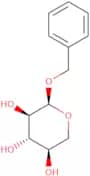
CAS :<p>Intermediate in the synthesis of dapagliflozin</p>Formule :C26H43BrO9Degré de pureté :Min. 95%Couleur et forme :White To Off-White SolidMasse moléculaire :579.52 g/molBenzyl a-D-xylopyranoside
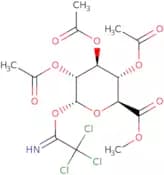
CAS :<p>Benzyl a-D-xylopyranoside is a benzyl galactofuranose that is synthesized from the condensation of benzaldehyde and D-xylose. This compound has been shown to be an excellent target molecule for the detection of Mycobacterium tuberculosis, as it constitutes about 10% of the mycolic acid in this organism. Benzyl a-D-xylopyranoside can also be used to detect other bacteria such as Actinomyces, Streptomyces, and Corynebacterium. The yield of this compound is high and its regiospecificity is complete.</p>Formule :C12H16O5Degré de pureté :Min. 95%Couleur et forme :PowderMasse moléculaire :240.25 g/mol2,3,4-Tri-O-acetyl-a-D-glucuronide methyl ester trichloroacetimidate
CAS :<p>2,3,4-Tri-O-acetyl-a-D-glucuronide methyl ester trichloroacetimidate (TOG) is a synthetic glycosylation reagent that has been used for the synthesis of complex carbohydrates. It is an O-glycosidase inhibitor and is used in the preparation of saccharides with a high degree of substitution. TOG can be used to modify saccharides, oligosaccharides, and polysaccharides.</p>Formule :C15H18Cl3NO10Degré de pureté :Min. 98 Area-%Couleur et forme :White PowderMasse moléculaire :478.66 g/molD-Ribonic acid-1,4-lactone
CAS :<p>D-ribono-1,5-lactone is a useful intermediate for the synthesis of bioactive compounds including antivirals.</p>Formule :C5H8O5Couleur et forme :White PowderMasse moléculaire :148.11 g/mol2-Acetamido-3,4,6-tri-O-acetyl-2-deoxy-α-D-galactopyranosyl-Fmoc serine
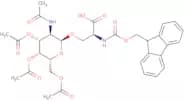
CAS :<p>2-Acetamido-3,4,6-tri-O-acetyl-2-deoxy-α-D-galactopyranosyl-Fmoc serine is an amino sugar that has been shown to be a supplement for soybean cultivars. It is a basic compound that is obtained from the condensation of glycine and acetamidodeoxygalactose. This amino sugar can be used as a matrix in genetic engineering and tissue culture experiments with soybean plants. Transgenic soybeans have been created using 2AAGFS as the source of galactose for glycoprotein synthesis. Soybean plants with transgenes are also able to synthesize high levels of seed protein, which may increase the quality of soybean products.</p>Formule :C32H36N2O13Degré de pureté :Min. 95 Area-%Couleur et forme :White PowderMasse moléculaire :656.63 g/mol