Monosaccharides
Les monosaccharides sont la forme la plus simple des glucides et servent de building blocks fondamentaux pour les sucres plus complexes et les polysaccharides. Ces molécules de sucre unique jouent des rôles critiques dans le métabolisme énergétique, la communication cellulaire et les composants structuraux des cellules. Dans cette section, vous trouverez une large gamme de monosaccharides essentiels pour la recherche en biochimie, biologie moléculaire et glycosciences. Ces composés sont cruciaux pour étudier les voies métaboliques, les processus de glycosylation et le développement d'agents thérapeutiques. Chez CymitQuimica, nous proposons des monosaccharides de haute qualité pour répondre à vos besoins de recherche, garantissant précision et fiabilité dans vos investigations scientifiques.
Sous-catégories appartenant à la catégorie "Monosaccharides"
- Alloses(11 produits)
- Arabinoses(21 produits)
- Erythroses(11 produits)
- Fructoses(9 produits)
- Fucoses(36 produits)
- Galactosamine(41 produits)
- Galactoses(260 produits)
- Glucoses(365 produits)
- Acides glucuroniques(51 produits)
- Glyco-substrats pour l'enzyme(77 produits)
- Guloses(6 produits)
- Idoses(4 produits)
- Inositols(15 produits)
- Lyxoses(4 produits)
- Mannoses(65 produits)
- O-Glycanes(48 produits)
- Psicoses(3 produits)
- Rhamnoses(10 produits)
- Ribos(61 produits)
- Acides sialiques(100 produits)
- Sorboses(4 produits)
- Sucres(173 produits)
- Tagatoses(4 produits)
- Taloses(8 produits)
- Xyloses(20 produits)
Affichez 17 plus de sous-catégories
6088 produits trouvés pour "Monosaccharides"
Trier par
Degré de pureté (%)
0
100
|
0
|
50
|
90
|
95
|
100
Formononetin-β-D-glucuronide sodium
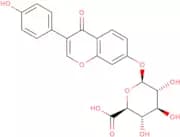
CAS :<p>Formononetin-b-D-glucuronide sodium salt is a synthetic compound that is commonly used as a building block in the synthesis of oligosaccharides and polysaccharides. Formononetin-b-D-glucuronide sodium salt is also known to be an inhibitor of human DNA polymerase alpha, which has been shown to inhibit the replication of human immunodeficiency virus (HIV) and herpes simplex virus type 1 (HSV1). Formononetin-b-D-glucuronide sodium salt has high purity, with a purity level of >99%.</p>Formule :C22H19O10NaDegré de pureté :Min. 95%Couleur et forme :White To Off-White SolidMasse moléculaire :466.37 g/molEthyl 2-amino-2-deoxy-b-D-glucopyranoside HCl
CAS :<p>Ethyl 2-amino-2-deoxy-b-D-glucopyranoside HCl is a synthetic monosaccharide that has a molecular weight of 174.14 g/mol. It is soluble in water and acidic solvents, and it can be used as a reactant for click chemistry and glycosylation reactions. Ethyl 2-amino-2-deoxy-b-D-glucopyranoside HCl is an intermediate in the synthesis of oligosaccharides, polysaccharides, and complex carbohydrates. This compound can be fluorinated with trifluoromethanesulfonic acid to produce ethyl 2-(trifluoromethanesulfonyl)amino-2-(trifluoromethanesulfonyl)deoxy-b-(trifluoromethanesulfonyl)glucopyranoside HCl. Ethyl 2 am</p>Degré de pureté :Min. 95%(1R) -1- [(2R, 3S,4S) -4-Hydroxymethyl-3- hydroxy- 1- azetidinyl] -1, 2- ethanediol
<p>1-Azetidinecarboxylic acid, 3-[(2R,3S,4S)-4-hydroxymethyl-3- hydroxy-1-azetidinyl]-, (1R) -1- [(2R, 3S,4S) -4-hydroxymethyl-3- hydroxy-1-azetidinyl] -1, 2-ethanediol is a complex carbohydrate that belongs to the group of polysaccharides. It has been modified by methylation and glycosylation. This product has high purity and is fluorinated for solubility.</p>Degré de pureté :Min. 95%1-O-Acetyl-2-O-benzoyl-3-O-tert-butyldimethylsilyl-L-threofuranose
<p>1-O-Acetyl-2-O-benzoyl-3-O-tert-butyldimethylsilyl-L-threofuranose is a carbohydrate that can be synthesized to serve as a monosaccharide. Carbohydrates are polysaccharides composed of repeating units of sugar, which may be either glucose or fructose. This carbohydrate has been modified with fluorination and acetylation. It can also be modified with methylation, click modification, or polysaccharide synthesis. This product is custom made and can be ordered in high purity for research purposes.</p>Degré de pureté :Min. 95%3,4-O-Isopropylidene-2,3-di-C-mehtyl-6-O-tert.butyldimethylsilyl-D-allopyranose
<p>3,4-O-Isopropylidene-2,3-di-C-methyl-6-O-tert.butyldimethylsilyl-D-allopyranose is a fluorinated sugar that is synthesized by the reaction of 3,4-O-isopropylidene D-glucal with tert.butyldimethylsilyl chloride and allyl bromide in the presence of tetrapropylammonium perruthenate. This compound has been shown to be useful for glycosylation reactions and as an intermediate for the synthesis of oligosaccharides. It has also been used to introduce click modifications to sugars for applications such as immunoassays and molecular electronics. The compound is available to order from Sigma Aldrich in a custom synthesis or in stock form.</p>Degré de pureté :Min. 95%Methyl 5-Azido-3-O-benzyl-5-deoxy-1,2-O-isopropylidene-D-galactofuranoside
<p>Methyl 5-Azido-3-O-benzyl-5-deoxy-1,2-O-isopropylidene-D-galactofuranoside is a custom synthesis of a monosaccharide that can be fluorinated, methylated and modified with the click reaction. It is an oligosaccharide that can be saccharified by glycosylation or polysaccharided by glycosylation. It is a carbohydrate that contains a complex carbohydrate.<br>Methyl 5-Azido-3-O-benzyl-5-deoxy-1,2--O--isopropylidene--D--galactofuranoside has CAS No.</p>Degré de pureté :Min. 95%Methyl 2,3-di-O-acetyl-4,6-O-benzylidene-a-D-mannopyranoside
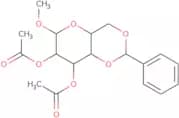
CAS :<p>Methyl 2,3-di-O-acetyl-4,6-O-benzylidene-a-D-mannopyranoside is a synthetic compound that has not been studied in vivo or in vitro. Methyl 2,3-di-O-acetyl-4,6-O-benzylidene-aDmannopyranoside is an oligosaccharide that can be modified with fluorination and methylation. It is synthesized by glycosylation of a Dmannopyranose using an acetate as the acyl donor. The acetate is then selectively benzylated to form the desired product.</p>Formule :C18H22O8Degré de pureté :Min. 95%Masse moléculaire :366.37 g/mol4,6-O-Benzylidene-1,2,3-tri-O-pivaloyl-b-D-glucopyranose
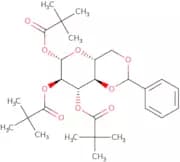
CAS :<p>4,6-O-Benzylidene-1,2,3-tri-O-pivaloyl-b-D-glucopyranose is a carbohydrate that belongs to the group of saccharides. It is a simple sugar that has been modified with fluorination. This compound has been synthesized by custom synthesis and has high purity and can be used in research. 4,6-O-Benzylidene-1,2,3-tri-O-pivaloyl-b-D-glucopyranose is not currently available on the market.</p>Formule :C28H40O9Degré de pureté :Min. 95%Masse moléculaire :520.63 g/mol6-Deoxy-2,3:4,5-di-O-isopropylidene-D-gulonic acid methyl ester
<p>6-Deoxy-2,3:4,5-di-O-isopropylidene-D-gulonic acid methyl ester is a monosaccharide that can be used as a glycosylation and methylation reagent. It's also an important building block in the synthesis of complex carbohydrate polymers. This product is custom synthesized to meet your requirements.</p>Degré de pureté :Min. 95%Methyl 2-deoxy-2-fluoro-L-arabinofuranoside
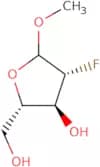
CAS :<p>Methyl 2-deoxy-2-fluoro-L-arabinofuranoside is a synthetic monosaccharide that can be used as a building block for the synthesis of oligosaccharides and polysaccharides. It has been shown to have high purity, and it can be custom synthesized. Methyl 2-deoxy-2-fluoro-L-arabinofuranoside is an excellent source of fluorine atoms, which are commonly used in glycosylation reactions. This product is also useful for click chemistry reactions with methyl groups, as well as other modifications such as oxidation, reduction, esterification, and acetylation.</p>Formule :C6H11FO4Degré de pureté :Min. 95%Couleur et forme :PowderMasse moléculaire :166.15 g/mol1,2-O-Isopropylidene-a-L-xylofuranose
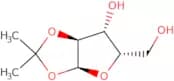
CAS :<p>1,2-O-Isopropylidene-a-L-xylofuranose is a sulfate transport molecule that is present in the blood plasma. It binds to sulfate anions which are then transported by the sodium/sulfate co-transporter from the blood and into cells. This process is called equilibrative or facilitated transport. 1,2-O-Isopropylidene-a-L-xylofuranose also binds to adenosine and transports it across membranes. This process is regulated by surface receptors and uptake transporters that regulate the rate of adenosine uptake at different parts of the body.</p>Formule :C8H14O5Degré de pureté :Min. 98 Area-%Couleur et forme :White PowderMasse moléculaire :190.2 g/mol3-Deoxy-1,2:5,6-di-O-isopropylidene-3-trifluoromethyl-a-D-glucofuranose
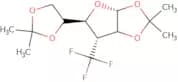
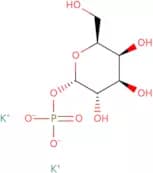
CAS :<p>3-Deoxy-1,2:5,6-di-O-isopropylidene-3-trifluoromethyl-a-D-glucofuranose is a carbohydrate that has the following modifications: methylation at the 6 position of the 3rd carbon atom, glycosylation at the 2nd and 4th positions of the 5th carbon atom, fluorination at the 1st position of the 5th carbon atom. This carbohydrate has a CAS number 1426243-44-8 and can be found under Polysaccharide in CAS.</p>Formule :C13H19F3O5Degré de pureté :Min. 95%Masse moléculaire :312.28 g/mola-L-Galactose-1-phosphate dipotassium salt
CAS :<p>a-L-Galactose-1-phosphate dipotassium salt is an oligosaccharide that can be prepared by the methylation of a galactose molecule. It is a synthetic compound that has been shown to have antiviral properties. The modification of the sugar structure with fluorine atoms increases the stability of the molecule and prevents its degradation. This product is soluble in water and can be used as a pharmaceutical intermediate for other compounds.</p>Formule :C6H11K2O9PDegré de pureté :Min. 95%Couleur et forme :PowderMasse moléculaire :336.33 g/mol(1R) -1- [(2S, 3R,4S) -4-(Acetylamino)methyl-3- hydroxy- 1- azetidinyl] -1, 2- ethanediol
<p>(1R) -1- [(2S, 3R,4S) -4-(Acetylamino)methyl-3- hydroxy- 1- azetidinyl] -1, 2- ethanediol is a custom synthesis. It is a complex carbohydrate that consists of an oligosaccharide with the CAS No. 6056-89-2. This product has been modified by methylation and glycosylation and has been fluorinated in order to improve its stability. The purity of this product is high and it contains a saccharide or sugar which is a polysaccharide as well as a carbonyl group.</p>Degré de pureté :Min. 95%(4S,9R)-4-Benzyloxy-N-benzyloxycarbonyl-8-oxo-9-methoxy-octahydro-pyrano[4,3-b]pyrrole
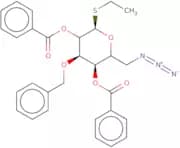
<p>The compound is a fluorinated, glycosylated, polysaccharide-linked, custom-synthesized and modified natural product. The compound is of high purity and has been shown to have a range of biological activities including:<br>1) Antibacterial activity against Gram (+) bacteria such as Staphylococcus aureus and Streptococcus pyogenes.<br>2) Anti-inflammatory activity in the carrageenan-induced paw edema model of inflammation in rats.<br>3) Antifungal activity against Candida albicans.<br>4) Inhibition of bacterial biofilm formation and cellular adhesion to surfaces.<br>5) Inhibition of HIV replication in vitro and inhibition of HIV integrase function in vitro.<br>6) Inhibition of TNF-α production by LPS activated macrophages. <br>7) Protection from phototoxicity induced by UVB irradiation in human skin cells.<br>8) Protection from</p>Degré de pureté :Min. 95%Ethyl 6-azido-2,4-di-O-benzoyl-3-O-benzyl-6-deoxy-a-D-thiomannopyranoside
<p>Ethyl 6-azido-2,4-di-O-benzoyl-3-O-benzyl-6-deoxy-a-D-thiomannopyranoside is a custom synthesis of a highly purified compound that has been modified to include fluorination. It is an oligosaccharide with a complex carbohydrate structure and high purity. The modification includes Click chemistry and the monosaccharides are sugar, which may be useful for pharmaceutical or biomedical applications.</p>Formule :C29H29N3O6SDegré de pureté :Min. 95%Masse moléculaire :547.62 g/molN-(Succinyl)-O-b-D-maltosylhydroxylamine
<p>N-Succinyl-O-b-D-maltosylhydroxylamine is a glycosylation reagent used in the synthesis of complex carbohydrates. Its CAS number is 87217-14-5.<br>N-Succinyl-O-b-D-maltosylhydroxylamine is a white to off-white crystalline powder with the molecular formula C4H8N2O6S and a molecular weight of 244.22. It has a melting point of 189°C. This product is soluble in water, ethanol, and chloroform. It does not dissolve in ether or hexane.</p>Degré de pureté :Min. 95%1-13C-D-Rhamnose
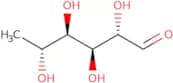
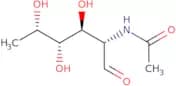
CAS :<p>1-13C-D-Rhamnose is a monosaccharide that belongs to the group of pentoses. It is an inhibitor of bacterial growth and has been shown to inhibit the growth of P. aeruginosa strains. The mechanism of action for 1-13C-D-Rhamnose is not yet known, but it may be due to its ability to inhibit bacterial DNA polymerase, which prevents chain reactions from occurring and leads to cell death. 1-13C-D-Rhamnose has a homologous structure to GDP-D-mannose and can interact with hydrogen bonding interactions. It is found in papillae on the tongue and inhibits taste receptor cells by binding to the sweet taste receptors on the surface of these cells. The optimal pH for 1-13C-D-Rhamnose's inhibitory properties is 5.5</p>Formule :C6H12O5Degré de pureté :Min. 95%Masse moléculaire :164.16 g/mol2-Acetamido-2,6-dideoxy-L-galactose
CAS :<p>2-Acetamido-2,6-dideoxy-L-galactose (ADG) is a sugar that belongs to the group of monosaccharides. It is produced by the enzyme synthase and is found in bacteria such as type strain S. mutans and P. aeruginosa. ADG has been shown to be an inhibitor of cell lysis and can be used for the treatment of staphylococcus infections. In addition, it has shown to have anti-inflammatory properties due to its ability to inhibit hydrogen fluoride induced inflammation in mice.</p>Formule :C8H15NO5Degré de pureté :Min. 98 Area-%Couleur et forme :PowderMasse moléculaire :205.21 g/mol5-O-Benzyl-D-ribose
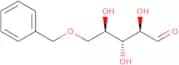
CAS :<p>5-O-Benzyl-D-ribose is an enantiomer of D-ribose. It has been used as an antiperspirant, although it does not stop the formation of sweat, but rather reduces the amount of perspiration. 5-O-Benzyl-D-ribose is also used in the synthesis of deodorants and enantiomers for optically active pharmaceuticals. The configurations are determined by the configuration of the substituents on the benzene ring and can be either R or S. The configurations can be separated into two groups:</p>Formule :C12H16O5Degré de pureté :Min. 95%Couleur et forme :PowderMasse moléculaire :240.25 g/mol1-Deoxy-D-sorbose
<p>D-sorbose is a diastereomer of D-xylose. It inhibits the glycolysis pathway, which stops the production of energy and leads to cell death. D-sorbose is synthesized from D-xylose by enzymatic conversion with 1,4-dihydroxybenzene. The crystalline form of D-sorbose is polymorphic and can be identified using X-ray diffraction. It has been shown to have cytotoxic effects on C. elegans and A. actinomycetes, but not on E. coli or other Gram negative bacteria. The imbalance in the ratio of these organisms may lead to an increased risk for cancer in humans.</p>Degré de pureté :Min. 95%Muramic acid hydrate
CAS :<p>Muramic acid hydrate as an amino sugar with a carboxylic acid group. It occurs in nature as N-acetylmuramic acid which is typically found in cell wall of bacterial.</p>Formule :C9H17NO7•(H2O)xDegré de pureté :Min. 95%Couleur et forme :White PowderMasse moléculaire :269.25 g/molD-Glucose 6-phosphate, barium salt
CAS :<p>D-Glucose 6-phosphate is a high purity, custom synthesis sugar. It is a synthetic glycoside that is used in the production of fluorinated saccharides and oligosaccharides. D-Glucose 6-phosphate can be modified with methyl groups, fluorine atoms, and/or glycosylation. This compound has been shown to have properties as an antiviral agent against herpes simplex virus type 1 (HSV1) and cytomegalovirus (CMV).</p>Formule :C6H11BaO9PMasse moléculaire :395.46 g/molRef: 3D-G-3300
25gÀ demander50gÀ demander100gÀ demander250gÀ demander500gÀ demander-Unit-ggÀ demander3-O-Benzyl-1,2,4-tri-O-acetyl-D-xylopyranoside
<p>3-O-Benzyl-1,2,4-tri-O-acetyl-D-xylopyranoside is a methylated saccharide that has been modified with the click chemistry. This product can be used for the synthesis of complex carbohydrates and glycosylations. This product is available in high purity and custom synthesis. It is soluble in water or aqueous solutions, making it ideal for use in biological applications. 3-O-Benzyl-1,2,4-tri-O-acetyl-D-xylopyranoside can be used as an intermediate for the synthesis of oligosaccharides and glycoconjugates. It has CAS number 69936–76–5.</p>Degré de pureté :Min. 95%Adenophorine
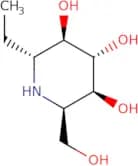
CAS :<p>Adenophorine is a potent enzyme inhibitor that competes with the substrate to bind to the active site of β-glucosidase and α-galactosidase. It is a synthetic compound that has been synthesized by imine coupling, followed by stereoselective reduction with piperidine. Adenophorine inhibits β-glucosidase and α-galactosidase in vitro, which are enzymes involved in the breakdown of complex sugars. These enzymes are inhibited by adenophorine at concentrations well below those required for other drugs used to treat similar conditions. In addition, adenophorine has shown activity against pancreatic alpha-amylase. Adenophorine can be used to inhibit the enzyme activities in the intestine and pancreas, as well as other tissues where these enzymes are found.</p>Formule :C8H17NO4Degré de pureté :Min. 95%Masse moléculaire :191.22 g/mol(S)-3,5-O-Benzylidene-D-xylono-1.4-lactone
<p>(S)-3,5-O-Benzylidene-D-xylono-1.4-lactone is a Custom synthesis, Modification, Fluorination, Methylation, Monosaccharide, Synthetic, Click modification of the polysaccharide glucuronic acid and a carbonyl group. It is also known as 3-(2-benzyloxyethoxy)propanoic acid or 3-(2-benzyloxyethoxy)propionic acid. The CAS number for this chemical is 63912-71-0. This chemical has been used in the preparation of oligosaccharides and saccharides with glycosylations. <br>(S)-3,5-O-Benzylidene-D-xylono-1.4-lactone is an organic compound that belongs to the class of monosaccharides and polysaccharides. It has been shown</p>Degré de pureté :Min. 95%6-Deoxy-6-fluoro-D-galactose
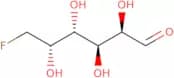
CAS :<p>6-Deoxy-6-fluoro-D-galactose is a fluorinated sugar that has been shown to inhibit the uptake of glucose by human liver cells. This sugar binds to the enzyme activity and inhibits its activity. 6-Deoxy-6-fluoro-D-galactose was found to be metabolized in a dose dependent manner, with higher doses leading to increased uptake of fluorescein and decreased uptake of glucose. 6FDG is also metabolized by chemical reactions, such as oxidation or hydration, which leads to a decrease in its inhibitory effect on glucose uptake. 6FDG has been shown to bind to sequences that are involved in sugar transport and cell culture studies have shown that this sugar can induce inhibition of cell growth at high concentrations.</p>Formule :C6H11FO5Degré de pureté :Min. 95%Couleur et forme :PowderMasse moléculaire :182.15 g/mol4-Aminophenyl b-L-fucopyranoside
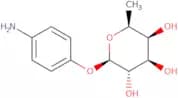
CAS :<p>4-Aminophenyl b-L-fucopyranoside is a synthetic, fluorinated carbohydrate with the CAS number 69936-58-9. It can be used in the synthesis of glycosides and oligosaccharides. This product is available for custom synthesis and modification.</p>Formule :C12H17NO5Degré de pureté :Min. 97 Area-%Couleur et forme :White Beige PowderMasse moléculaire :255.27 g/molN-Hexanoyl-D-glucosamine
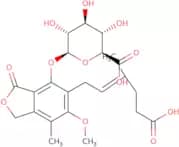
CAS :<p>N-Hexanoyl-D-glucosamine is a hexose sugar that is a component of the glycosaminoglycan heparin. It is structurally related to acetylglucosamine and n-acetylglucosamine, which are also components of heparin. N-Hexanoyl-D-glucosamine can be synthesized by the injection of propionylated D-glucose into animal tissues. The biosynthesis of this compound is impaired in animals with diabetes mellitus.</p>Formule :C12H23NO6Degré de pureté :(%) Min. 98%Couleur et forme :White PowderMasse moléculaire :277.31 g/molMycophenolic acid b-D-glucuronide
CAS :<p>Mycophenolic acid b-D-glucuronide is a metabolite of mycophenolic acid, which is an immunosuppressant drug. The glucuronide form of mycophenolic acid is the main form found in human serum. Mycophenolic acid b-D-glucuronide has been shown to have a concentration–time curve that has a higher peak at about 3 hours and lower troughs than those for mycophenolic acid. It has also been shown to have similar effects on autoimmune diseases as its parent compound, but with fewer side effects. Mycophenolic acid b-D-glucuronide can be detected by high performance liquid chromatography (HPLC). The analytical method for this compound was developed using HPLC methods with detection by fluorescence at 254 nm and has been validated for use in human serum samples.END></p>Formule :C23H28O12Degré de pureté :Min. 96 Area-%Couleur et forme :PowderMasse moléculaire :496.46 g/mol1,2-O-Isopropylidene - 5- O- (tert.butyldimethylsilyl) -β- D- glucofuranuronic acid γ-lactone
<p>1,2-O-Isopropylidene - 5- O- (tert.butyldimethylsilyl) -beta- D- glucofuranuronic acid gamma-lactone is a synthetic compound that is used in the preparation of complex carbohydrates. This product can be methylated, glycosylated, or click modified to produce a wide range of products for use in the food and beverage industry. 1,2-O-Isopropylidene - 5- O- (tert.butyl dimethylsilyl) -beta- D- glucofuranuronic acid gamma lactone is also used in the production of polysaccharides and oligosaccharides with CAS No. 70690–05–4 and 70690–06–5 respectively. It has been shown to be fluorinated at various positions on the sugar ring with high purity and precision.</p>Degré de pureté :Min. 95%5-Keto-D-gluconic acid
CAS :<p>5-Keto-D-gluconic acid is an intermediate in the synthetic pathway of glucose. The enzyme 5-keto-D-gluconate dehydrogenase catalyzes the conversion of 5-keto-D-gluconate to D-glucono-1,5-lactone. This reaction is important for plant physiology and is used industrially for the production of citric acid. In order to synthesize 5-keto-D-gluconic acid, a p. pastoris strain was engineered with an increased expression of 5KGDH, which led to an increase in the production of this compound. This synthesis took place through a dinucleotide phosphate intermediate that was formed by two molecules of malonic acid. Citric acid was also synthesized from this intermediate. <br>The enzyme activity levels were measured using a bacterial strain that contained a wild type gene sequence (WT) and a mutant gene sequence (</p>Formule :C6H10O7Degré de pureté :Min. 98 Area-%Couleur et forme :Clear LiquidMasse moléculaire :194.14 g/molConduritol D
CAS :<p>Conduritol D (CD) is a natural product that has been isolated from the pancreas of rats. It is homochiral, and it has been shown to be active in the treatment of diabetic patients. CD has a hydroxy group at C-4' and an alcohol group at C-5'. The functional groups are acetylated at C-3', which may make this compound more potent than other similar compounds with different functional groups. It is also synthesized stereoselectively, making it a selective molecule. CD has been shown to have pharmacokinetic properties that may be beneficial for treating diabetes.</p>Formule :C6H10O4Degré de pureté :Min. 95 Area-%Couleur et forme :Clear LiquidMasse moléculaire :146.14 g/molPyridoxine galactoside
CAS :<p>Pyridoxine galactoside is an oligosaccharide that is used as a methyl donor in the synthesis of other compounds. Pyridoxine galactoside is a synthetic compound that has been modified by fluorination and has a saccharide chain consisting of a monosaccharide, sugar, or carbohydrate. It is synthesized from pyridoxine and galactose.</p>Formule :C14H21NO8Degré de pureté :Min. 95%Couleur et forme :PowderMasse moléculaire :331.3 g/mol1,4-Dideoxy-1,4-imino-D-arabinitol
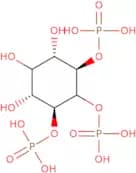
CAS :<p>1,4-Dideoxy-1,4-imino-D-arabinitol (1,4DA) is an inhibitor of glycolysis that has potent inhibitory activity against the enzyme phosphofructokinase. It has been shown to decrease cellular ATP levels in rat liver and kidney tissues. 1,4DA also inhibits urine production by inhibiting the conversion of fructose to glucose in the kidney. This compound is a racemic mixture with two enantiomers: R and S. The pharmacokinetics of 1,4DA have been studied in rats and humans using a model system. In rats, 1,4DA was absorbed rapidly and excreted unchanged in the urine. In humans, this drug was well absorbed after oral administration and metabolized mainly by hydrolysis to form 1,4-dideoxyfructose (Fru).</p>Formule :C5H11NO3Degré de pureté :Min. 95%Masse moléculaire :133.15 g/molD-myo-Inositol 1,2,3-triphosphate
CAS :<p>D-myo-Inositol 1,2,3-triphosphate is a polyphosphate that is involved in phosphatidylinositol signaling. It has been shown to be involved in the regulation of cellular proliferation and differentiation. The biological function of this molecule is not well understood, but it has been shown to have a high redox potential and can have protonation at high concentrations. D-myo-Inositol 1,2,3-triphosphate binds to metal ions such as iron. This molecule has been found in mammalian cells and is believed to be a structural component of these cells.</p>Formule :C6H15O15P3Degré de pureté :Min. 95%Masse moléculaire :420.1 g/molD-Glucarate monopotassium
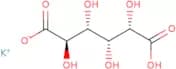
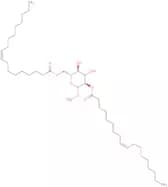
CAS :<p>D-Glucarate monopotassium is a pharmaceutical preparation that is used to inhibit the growth of bacteria. It inhibits the proliferation of cells by inhibiting fatty acid synthesis, which leads to decreased levels of cholesterol, and reduces the uptake of glucose. D-Glucarate monopotassium is also an oxidizing agent that converts uridine into uric acid and has been shown to have inhibitory properties against human cancer cells. D-Glucarate monopotassium can be used as an antioxidant for the prevention or treatment of chronic diseases such as atherosclerosis, diabetes, and cancer. This compound acts as an inhibitor for trypsin treatment on carbohydrates, preventing hydrolysis by this enzyme.</p>Formule :C6H9O8·KDegré de pureté :Min. 95%Couleur et forme :PowderMasse moléculaire :248.23 g/molMethyl glucoside dioleate
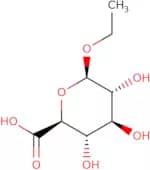
CAS :<p>Methyl glucoside dioleate is a fatty acid ester that is a cross-linking agent. It can be used as a neutralizer and surfactant in cosmetic products. Methyl glucoside dioleate has been shown to have synergistic effects with hyaluronic acid, which stimulates the production of collagen and elastin. It also has skin-softening properties due to its ability to form films on the skin surface and reduce water loss by forming a hydrophobic barrier. Methyl glucoside dioleate is not known to cause allergic reactions or other adverse effects when applied to humans, although there are no long-term studies on this topic.</p>Degré de pureté :Min. 95%Ethyl β-D-glucuronide
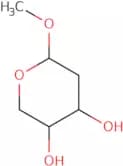
CAS :<p>Ethyl β-D-glucuronide (EBG) is a metabolite of ethanol that is formed by the conjugation of glucuronic acid to ethanol in the liver. EBG has been shown to be a potential biomarker for alcohol consumption, as it can be detected in urine and blood. The presence of this molecule has also been associated with an increased risk of developing type 2 diabetes mellitus, cardiovascular disease, and cancer. EBG may also have pharmacological effects as it has been shown to inhibit lipid oxidation and increase insulin sensitivity. This molecule can be extracted from human serum using solid phase microextraction</p>Formule :C8H14O7Degré de pureté :Min. 98 Area-%Couleur et forme :Slightly Brown PowderMasse moléculaire :222.19 g/molMethyl 2-deoxy-b-D-ribopyranoside
CAS :<p>Methyl 2-deoxy-b-D-ribopyranoside is a synthetic monosaccharide that has been modified by fluorination, monosaccharide, and methylation. It is an oligosaccharide that belongs to the group of complex carbohydrates. This compound can be used for glycosylation reactions or as a sugar donor in click chemistry. Methyl 2-deoxy-b-D-ribopyranoside has CAS No. 17676-20-9 and it's purity is greater than 99%.</p>Formule :C6H12O4Degré de pureté :Min. 95%Masse moléculaire :148.16 g/mol5-Amino-3-β-D-ribofuranosylthiazolo[4,5-d]pyrimidin-2,7(3H,6H)-dione
CAS :<p>5-Amino-3-β-D-ribofuranosylthiazolo[4,5-d]pyrimidin-2,7(3H,6H)-dione (ATZ) is a prodrug that is converted to the active drug ATZ. ATZ has been shown to be effective against hepatitis C virus in vitro assays and in vivo in animal models. It inhibits viral replication by inhibiting the protein synthesis of the virus and its ability to replicate. ATZ also has been shown to be effective against infectious diseases such as herpes simplex virus, inflammatory diseases such as rheumatoid arthritis, and cancer. The drug is an oral prodrug that must be activated by intestinal bacteria before it can be absorbed into the bloodstream. It is chemically stable and does not undergo significant metabolism after being absorbed into the body.</p>Formule :C10H12N4O6SDegré de pureté :Min. 95%Couleur et forme :PowderMasse moléculaire :316.29 g/molIsomaltol
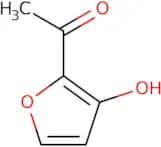
CAS :<p>Isomaltol is a sugar alcohol that is used as a food additive. It is a white, crystalline powder that is soluble in water and has an intense sweet taste. Isomaltol is produced by hydrogenating the reducing ends of sucrose to form maltose, which then undergoes hydrolysis to form maltitol. Isomaltol can be used as a replacement for sugar in foods and drinks. Isomaltol has been shown to inhibit tyrosinase activity, which may be beneficial for skin care products. It also has antimicrobial properties due to its ability to react with aluminium ions.</p>Formule :C6H6O3Degré de pureté :Min. 95%Masse moléculaire :126.11 g/molChrysin-7-glucuronide
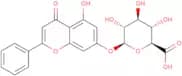
CAS :<p>Chrysin-7-glucuronide is a metabolite of chrysin, which is found in the roots of Oroxylum indicum. This compound has been shown to inhibit the enzyme activity for multidrug resistance (MDR) and cancer resistance (CDR). It has been found that chrysin-7-glucuronide inhibits MDR and CDR in vitro by binding to the ATP binding site on these enzymes. Chrysin-7-glucuronide also inhibits the production of acid in vivo and in vitro, which may be due to its ability to inhibit cellular proliferation. Chrysin-7-glucuronide may be an effective anti-cancer agent when used as a dietary supplement.</p>Formule :C21H18O10Degré de pureté :Min. 95%Couleur et forme :Off-White PowderMasse moléculaire :430.36 g/mol2-Acetamido-2-deoxy-a-D-thiogalactopyranose
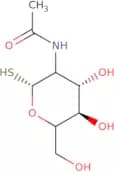
<p>Please enquire for more information about 2-Acetamido-2-deoxy-a-D-thiogalactopyranose including the price, delivery time and more detailed product information at the technical inquiry form on this page</p>Formule :C8H15NO5SDegré de pureté :Min. 95%Couleur et forme :PowderMasse moléculaire :237.27 g/mol3-Epialexine
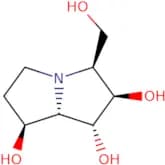
CAS :<p>3-Epialexine is a novel small molecule that inhibits sucrase, the enzyme responsible for cleaving glucose from sucrose. 3-Epialexine binds to the active site of this enzyme, preventing d-glucose from binding and being broken down. This leads to an accumulation of d-glucose in the intestinal lumen and could be used as a lead compound for the development of drugs to treat diabetes. The diversity of microorganisms can be screened for sucrase activity by using 3-epialexine as a lead compound.</p>Degré de pureté :Min. 95%3-Deoxy-3-fluoro-D-galactitol
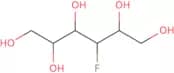
CAS :<p>3-Deoxy-3-fluoro-D-galactitol is a fluorinated sugar that is synthesized through the use of glycosylation and fluorination. This product can be used as a raw material for the production of oligosaccharides, polysaccharides, and other complex carbohydrates. It can also be used in custom synthesis and click modification. The CAS number for this product is 1241800-31-6.</p>Formule :C6H13FO5Degré de pureté :Min. 95%Masse moléculaire :184.16 g/molD-Tagatose-6-phosphate barium salt
<p>D-Tagatose-6-phosphate barium salt is a custom synthesis, modification, fluorination, methylation, and monosaccharide. It has CAS No. and is a polysaccharide. D-tagatose-6-phosphate barium salt is a complex carbohydrate with glycosylation and sugar.</p>Degré de pureté :Min. 95%(3S, 4R) -3, 4- Dihydroxy- 2- methyl-D- proline
<p>(3S, 4R) -3, 4-Dihydroxy-2-methyl-D-proline is a synthetic monosaccharide. It is an intermediate in the synthesis of (3S, 4R)-3,4-dihydroxy-2-methyl-D-proline and can be used for the production of glycosylated products. This carbohydrate has been synthesized by fluorination followed by methylation and glycosylation. This is a high purity product that can be custom synthesized to meet your needs.</p>Degré de pureté :Min. 95%4,6-O-Benzylidene-D-galactose
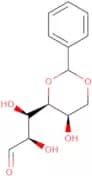
CAS :<p>4,6-O-Benzylidene-D-galactose is an anomer of D-galactose. It is a lectin that has been shown to inhibit the binding of amyloid beta to the cerebroside in the brain tissue. This activity may be due to its ability to form an amide bond with galactose, which is present in amyloid beta. 4,6-O-Benzylidene-D-galactose also has a coronary heart disease prevention effect and can help reduce cholesterol levels. Furthermore, it has been found to have anti-cancer properties and can help prevent the growth of cancerous cells by inhibiting protein synthesis. In addition, 4,6-O-Benzylidene-D-galactose can be used as a cationic surfactant or detergent composition for cleaning or treating surfaces.</p>Formule :C13H16O6Degré de pureté :Min. 95%Couleur et forme :White To Off-White SolidMasse moléculaire :268.26 g/molSedoheptulose-1-phosphate
CAS :<p>Sedoheptulose-1-phosphate is a ribosomal metabolite that is produced by marine microorganisms. It is catabolized by sedoheptulose-7-phosphate kinase and converted to the pentose phosphate pathway. The metabolic profile of sedoheptulose-1-phosphate has been shown to be altered in response to environmental stress, such as changes in pH, oxygen levels, and temperature. Sedoheptulose-1-phosphate has also been shown to have structural properties similar to those of ATP and ADP, which may make it an important target for the development of antibiotics.</p>Formule :C7H15O10PDegré de pureté :Min. 95%Masse moléculaire :290.16 g/mol

![(1R) -1- [(2R, 3S,4S) -4-Hydroxymethyl-3- hydroxy- 1- azetidinyl] -1, 2- ethanediol](/_next/image/?url=https%3A%2Fstatic.cymitquimica.com%2Fproducts%2F3D%2Fthumb-webp%2FMH163381.webp&w=3840&q=75)
![(1R) -1- [(2S, 3R,4S) -4-(Acetylamino)methyl-3- hydroxy- 1- azetidinyl] -1, 2- ethanediol](/_next/image/?url=https%3A%2Fstatic.cymitquimica.com%2Fproducts%2F3D%2Fthumb-webp%2FMA163403.webp&w=3840&q=75)
![(4S,9R)-4-Benzyloxy-N-benzyloxycarbonyl-8-oxo-9-methoxy-octahydro-pyrano[4,3-b]pyrrole](/_next/image/?url=https%3A%2Fstatic.cymitquimica.com%2Fproducts%2F3D%2Fthumb-webp%2FMB164009.webp&w=3840&q=75)





![5-Amino-3-β-D-ribofuranosylthiazolo[4,5-d]pyrimidin-2,7(3H,6H)-dione](/_next/image/?url=https%3A%2Fstatic.cymitquimica.com%2Fproducts%2F3D%2Fthumb-webp%2FXEA97040.webp&w=3840&q=75)