Monosaccharides
Les monosaccharides sont la forme la plus simple des glucides et servent de building blocks fondamentaux pour les sucres plus complexes et les polysaccharides. Ces molécules de sucre unique jouent des rôles critiques dans le métabolisme énergétique, la communication cellulaire et les composants structuraux des cellules. Dans cette section, vous trouverez une large gamme de monosaccharides essentiels pour la recherche en biochimie, biologie moléculaire et glycosciences. Ces composés sont cruciaux pour étudier les voies métaboliques, les processus de glycosylation et le développement d'agents thérapeutiques. Chez CymitQuimica, nous proposons des monosaccharides de haute qualité pour répondre à vos besoins de recherche, garantissant précision et fiabilité dans vos investigations scientifiques.
Sous-catégories appartenant à la catégorie "Monosaccharides"
- Alloses(11 produits)
- Arabinoses(21 produits)
- Erythroses(11 produits)
- Fructoses(9 produits)
- Fucoses(36 produits)
- Galactosamine(41 produits)
- Galactoses(261 produits)
- Glucoses(365 produits)
- Acides glucuroniques(51 produits)
- Glyco-substrats pour l'enzyme(77 produits)
- Guloses(6 produits)
- Idoses(4 produits)
- Inositols(15 produits)
- Lyxoses(4 produits)
- Mannoses(65 produits)
- O-Glycanes(48 produits)
- Psicoses(3 produits)
- Rhamnoses(10 produits)
- Ribos(61 produits)
- Acides sialiques(100 produits)
- Sorboses(4 produits)
- Sucres(173 produits)
- Tagatoses(4 produits)
- Taloses(8 produits)
- Xyloses(20 produits)
Affichez 17 plus de sous-catégories
6088 produits trouvés pour "Monosaccharides"
Trier par
Degré de pureté (%)
0
100
|
0
|
50
|
90
|
95
|
100
D-Glucose 6-phosphate, barium salt
CAS :<p>D-Glucose 6-phosphate is a high purity, custom synthesis sugar. It is a synthetic glycoside that is used in the production of fluorinated saccharides and oligosaccharides. D-Glucose 6-phosphate can be modified with methyl groups, fluorine atoms, and/or glycosylation. This compound has been shown to have properties as an antiviral agent against herpes simplex virus type 1 (HSV1) and cytomegalovirus (CMV).</p>Formule :C6H11BaO9PMasse moléculaire :395.46 g/molRef: 3D-G-3300
25gÀ demander50gÀ demander100gÀ demander250gÀ demander500gÀ demander-Unit-ggÀ demander3-O-Benzyl-1,2,4-tri-O-acetyl-D-xylopyranoside
<p>3-O-Benzyl-1,2,4-tri-O-acetyl-D-xylopyranoside is a methylated saccharide that has been modified with the click chemistry. This product can be used for the synthesis of complex carbohydrates and glycosylations. This product is available in high purity and custom synthesis. It is soluble in water or aqueous solutions, making it ideal for use in biological applications. 3-O-Benzyl-1,2,4-tri-O-acetyl-D-xylopyranoside can be used as an intermediate for the synthesis of oligosaccharides and glycoconjugates. It has CAS number 69936–76–5.</p>Degré de pureté :Min. 95%D-Galacturonic acid benzyl ester
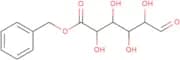
CAS :<p>D-Galacturonic acid benzyl ester is a donor of d-galacturonic acid that is used to regulate the growth of bacterial cells. It has been shown to be an acceptor for oligosaccharides, which are substrates for glycosidases. D-Galacturonic acid benzyl ester has been shown to have anti-inflammatory effects in animal models and may be useful in the treatment of heart diseases, such as cardiac hypertrophy.</p>Formule :C13H16O7Degré de pureté :Min. 95%Couleur et forme :White PowderMasse moléculaire :284.26 g/mol1,5:2,3-Dianhydro-4,6-O-benzylidene-D-mannitol
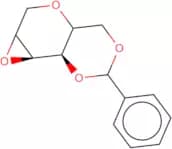
CAS :<p>1,5:2,3-Dianhydro-4,6-O-benzylidene-D-mannitol is a modification of an oligosaccharide that has been synthesized by the glycosylation of D-mannitol. The methylation and fluorination reactions have also been performed on this sugar. This product is high purity and is in the form of a white powder.</p>Formule :C13H14O4Degré de pureté :Min. 95%Couleur et forme :PowderMasse moléculaire :234.25 g/molAcetaminophen D-glucuronide
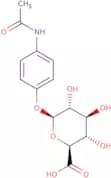
CAS :<p>Acetaminophen D-glucuronide (APG) is a metabolite of acetaminophen. It is a major metabolite produced by the liver after acetaminophen is converted to APG by UDP-glucuronyltransferase. The biological properties of APG are similar to acetaminophen, but it has been shown that APG may have greater potency than acetaminophen in some tissues. For example, in vitro studies using hepatocyte-like cells have shown that APG has higher activity than acetaminophen on the induction of CYP2E1 and CYP3A4, two enzymes involved in drug metabolism. Acetaminophen D-glucuronide can be detected in blood samples for up to 48 hours after administration of an intravenous dose of acetaminophen, which provides a more precise measurement than other methods such as plasma concentrations or urinary excretion measurements.</p>Formule :C14H17NO8Degré de pureté :Min. 95%Couleur et forme :White PowderMasse moléculaire :327.29 g/mol2-(Piperidine-2,6-dione-4-yl)-acetic acid
<p>2-(Piperidine-2,6-dione-4-yl)-acetic acid is a modification of an oligosaccharide. It is a monosaccharide that has been methylated and glycosylated. 2-(Piperidine-2,6-dione-4-yl)-acetic acid can be used as a building block for the synthesis of complex carbohydrates. This compound has been synthesized by fluorination and saccharide.</p>Degré de pureté :Min. 95%UDP-N-Lev-galactosamine
CAS :<p>UDP-N-Lev-galactosamine is a glycosylation agent that is used in the synthesis of complex carbohydrates, such as methylated and fluorinated saccharides. It can be used to modify saccharides, oligosaccharides, and sugars. This compound can also be used for the synthesis of monosaccharides. UDP-N-Lev-galactosamine is a custom synthesis that has been shown to have a high purity.</p>Degré de pureté :Min. 95%N-(Succinyl)-O-b-D-lactosylhydroxylamine
<p>N-(Succinyl)-O-b-D-lactosylhydroxylamine is a methylation product of b-D-lactosylhydroxylamine. It has a CAS number and can be modified with Click chemistry, which is a method of chemical modification using copper (II) ions. N-(Succinyl)-O-b-D-lactosylhydroxylamine can also be modified with other chemicals, such as an amine or carboxylic acid, to create an oligosaccharide. This product is synthesized in high purity and has a high glycosylation yield. It is used for research purposes and can be custom synthesized for any desired sugar.</p>Degré de pureté :Min. 95%D-Talitol-1,6-diphosphate
<p>D-Talitol-1,6-diphosphate is a modified sugar. It is an oligosaccharide and polysaccharide composed of D-talitol and 1,6-diphosphate. This product can be used in the synthesis of complex carbohydrates or as a reagent for fluorination reactions. D-Talitol phosphates are also used to modify monosaccharides by methylation, click modification, or other modifications.</p>Degré de pureté :Min. 95%4,6-Dichloro-4,6-dideoxy-D-galactose
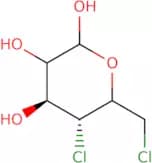
<p>4,6-Dichloro-4,6-dideoxy-D-galactose (4,6DDG) is a chlorinated sugar that is used as a precursor for the synthesis of glycosides. It has been shown to react with cellulose to form 4,6-dichloro-4,6-dideoxycellulose. Chlorination of 4,6DDG at the hydroxyl group leads to the formation of 4,6-dichloro-4,6-dideoxyhydroxyl chloride (4,6DDH). The chlorination process can be done in two ways: nonreducing and reducing. The nonreducing chlorination process occurs by reacting 4,6DDG with chlorine and dimethylformamide. The reducing chlorination process occurs by reacting 4,6DDG with hydrogen chloride and sodium borohydride or lithium aluminum hydride. An excess of hydrogen chloride</p>Formule :C6H10Cl2O4Degré de pureté :Min. 95%Masse moléculaire :217.05 g/molMethyl a-D-glucopyranoside
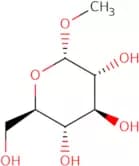
CAS :<p>Methyl α-D- glucopyranoside is a methylated sugar used as an inhibitor of lectin-conjugate binding. Methyl α-D- glucopyranoside is commonly used in protein purification for eluting glycoproteins and other glycoconjugates from affinity chromatography columns of agarose lectin. Methyl α-D- glucopyranoside is also known as Methyl alpha-D-glucoside or alpha-Methyl-glucoside.</p>Formule :C7H14O6Degré de pureté :Min. 98 Area-%Couleur et forme :PowderMasse moléculaire :194.18 g/molUDP-a-D-apiofuranose
<p>UDP-a-D-apiofuranose is a modification of the sugar UDP-a-D-apiofuranosyl. It is a compound of high purity that can be custom synthesized by our scientists. The CAS number for this product is 56829-08-8 and it's molecular weight is 300.</p>Degré de pureté :Min. 95%Methyl 2,4-di-O-methyl-α-D-glucopyranoside
CAS :<p>Methyl 2,4-di-O-methyl-α-D-glucopyranoside is a selectively protected glucose glycoside</p>Formule :C9H18O6Degré de pureté :Min. 95%Couleur et forme :PowderMasse moléculaire :224.24 g/molReduced nicotinamide riboside
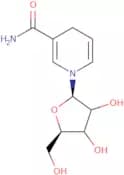
CAS :<p>The reduced form of nicotinamide riboside or NRH is a potent NAD+ precursor that helps to replenish its levels in the cell. The reduced nicotinamide riboside form has shown high tolerance against degradation in plasma, which is why it is beneficial as a metabolite for the synthesis of NAD/NADH.</p>Formule :C11H16N2O5Degré de pureté :Min. 95 Area-%Couleur et forme :Clear Viscous LiquidMasse moléculaire :256.26 g/molBenzyl 2-O-benzyl-b-D-arabinopyranoside
<p>Benzyl 2-O-benzyl-b-D-arabinopyranoside is a custom synthesis that is a complex carbohydrate. It is an oligosaccharide with CAS No. and has the molecular weight of 947. It is modified by methylation, glycosylation, and click modification. This product is made using sugar as a raw material and has high purity. The product has been fluorinated to increase its stability. The product is synthetic and can be used in research applications such as the modification of saccharides, methylation, glycosylation, or click chemistry.</p>Degré de pureté :Min. 95%Caffeic acid 3-O-β-D-glucuronide
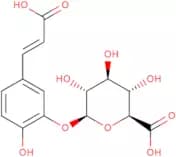
CAS :<p>Caffeic acid 3-O-b-D-glucuronide (3BGA) is a phenolic compound that is found in plants. It has been shown to inhibit the growth of viruses, including influenza virus, and chlorogenic acid isomers have been shown to inhibit the growth of bacteria. The highest concentration of 3BGA was found in the heartwood of the plant. Recent pharmacokinetic studies have shown that caffeic acid 3-O-b-D-glucuronide is metabolized by gut bacteria and excreted in human urine.</p>Formule :C15H16O10Degré de pureté :Min. 95%Couleur et forme :PowderMasse moléculaire :356.28 g/molN-Methyl-D-glucamine
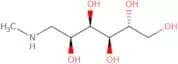
CAS :<p>N-Methyl-D-glucamine is a gadolinium chelate that has been used as a contrast agent in magnetic resonance imaging. It is also an antimicrobial agent that binds to DNA and RNA, inhibiting their synthesis. N-Methyl-D-glucamine has been shown to have strong antitumor activity against carcinoma cell lines in vitro. This drug also inhibits the growth of bacteria such as Leishmania, which causes cutaneous leishmaniasis. N-Methyl-D-glucamine can be used for the treatment of infections caused by methicillin resistant Staphylococcus aureus (MRSA) or Mycobacterium tuberculosis due to its ability to inhibit protein synthesis and bacterial growth. MEGLUMINE is an experimental model for human serum with high water solubility and low toxicity. It belongs to the class of nonsteroidal anti-inflammatory drugs (NSAIDs). The MEGLUM</p>Formule :C7H17NO5Degré de pureté :Min. 95%Couleur et forme :White PowderMasse moléculaire :195.21 g/mol2,3-O-Carbonyl-a-D-mannopyranose
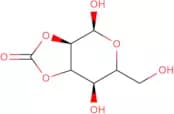
CAS :<p>2,3-O-Carbonyl-a-D-mannopyranose is a modified sugar that can be synthesized from D-mannose. It is used to produce oligosaccharides and polysaccharides. This compound has been shown to be useful for the fluorination of proteins and for click modification reactions. 2,3-O-Carbonyl-a-D-mannopyranose has high purity and can be custom synthesized for quality assurance purposes.</p>Formule :C7H10O7Degré de pureté :Min. 95%Couleur et forme :PowderMasse moléculaire :206.15 g/molD-Fructose-¹³C6
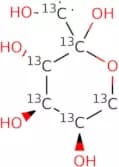
CAS :<p>D-Fructose-¹³C6 is a liquid chromatograph that can be used for the analysis of alditols. It can also be used as a cavity, dissolvable, or quadrupole mass spectrometer. The chemical diversity of D-fructose-¹³C6 makes it an important research tool that can be used to study different products. Its use in tobacco and humectant production is also quite common. The quadrupole mass spectrometer has been shown to have a global reach in its applications.</p>Formule :C6H12O6Degré de pureté :Min. 95%Couleur et forme :White PowderMasse moléculaire :186.11 g/molL-Glucosamine hydrochloride
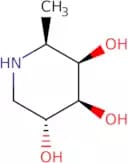
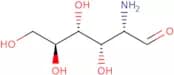
CAS :<p>L-Glucosamine hydrochloride is a fluorescent derivative of L-glucosamine, which is an amino sugar that occurs naturally in the human body. L-glucosamine hydrochloride can be used to measure the uptake of glucose by cells and tissues. The hydroxyl group on the glucosamine molecule is responsible for this activity. L-glucosamine hydrochloride has been shown to have anticancer activity against leukemia cells in tissue cultures and it may be useful as a cancer treatment. It is also capable of inducing cytokine responses when it binds to antigen sites on T cells, which may lead to its use as an immunotherapy agent.</p>Formule :C6H13NO5•HClDegré de pureté :Min. 95%Couleur et forme :PowderMasse moléculaire :215.63 g/molDideoxyrhamnojirimycin
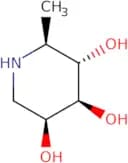
CAS :<p>Dideoxyrhamnojirimycin is a synthetic drug that has been modified to have the same structure as natural dideoxyribonucleosides. It is used in the treatment of myelodysplastic syndrome and thalassemia major. Dideoxyrhamnojirimycin inhibits DNA synthesis by blocking the incorporation of deoxyribonucleotides into DNA, which prevents cell division and stops the spread of cancer cells. Dideoxyrhamnojirimycin also has anti-inflammatory effects by inhibiting prostaglandin synthesis.</p>Degré de pureté :Min. 95%1,2,3,4,6-Penta-O-acetyl-5-thio-D-galactopyranose
<p>1,2,3,4,6-Penta-O-acetyl-5-thio-D-galactopyranose is an oligosaccharide that is synthesized by the fluorination of a 5-thiogalactopyranosyl fluoride and subsequent glycosylation. It can also be made by methylation of a 3,4,6 pentaacetylgalactosamine with formaldehyde and sodium cyanoborohydride. It is a complex carbohydrate that has been shown to have antiviral activity against HIV.</p>Degré de pureté :Min. 95%6-Deoxy-L-allose
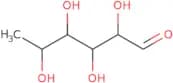
CAS :<p>6-Deoxy-L-allose is a sugar that belongs to the class of carbohydrates. It is synthesized by chemoenzymatic methods and can be used in the synthesis of glycoconjugates. 6-Deoxy-L-allose has been shown to inhibit acid phosphatase, a key enzyme involved in phosphate group metabolism, by competitive inhibition. This synthetic sugar has also been used as an immobilizing agent for enzymes such as glycosidases and phosphatases.</p>Formule :C6H12O5Degré de pureté :Min. 95%Couleur et forme :SolidMasse moléculaire :164.16 g/mol2, 3:5, 6- Di- O- isopropylidene- D- mannofuranose
<p>2, 3:5, 6-Di-O-isopropylidene-D-mannofuranose is a fluorinated monosaccharide that is used in glycosylation and polysaccharide modification. This compound has an O-methyl group on the hydroxyl group of the C2 position and a methyl group on the hydroxyl group of the C3 position. It is a white to off-white powder with a molecular weight of 332.37 g/mol. 2, 3:5, 6-Di-O-isopropylidene-D-mannofuranose has been shown to be stable at high temperatures and pH levels. It has a CAS number of 8061-93-0.</p>Degré de pureté :Min. 95%D-Glucarate monopotassium
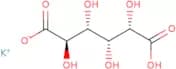
CAS :<p>D-Glucarate monopotassium is a pharmaceutical preparation that is used to inhibit the growth of bacteria. It inhibits the proliferation of cells by inhibiting fatty acid synthesis, which leads to decreased levels of cholesterol, and reduces the uptake of glucose. D-Glucarate monopotassium is also an oxidizing agent that converts uridine into uric acid and has been shown to have inhibitory properties against human cancer cells. D-Glucarate monopotassium can be used as an antioxidant for the prevention or treatment of chronic diseases such as atherosclerosis, diabetes, and cancer. This compound acts as an inhibitor for trypsin treatment on carbohydrates, preventing hydrolysis by this enzyme.</p>Formule :C6H9O8·KDegré de pureté :Min. 95%Couleur et forme :PowderMasse moléculaire :248.23 g/molMethyl glucoside dioleate
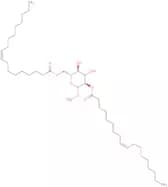
CAS :<p>Methyl glucoside dioleate is a fatty acid ester that is a cross-linking agent. It can be used as a neutralizer and surfactant in cosmetic products. Methyl glucoside dioleate has been shown to have synergistic effects with hyaluronic acid, which stimulates the production of collagen and elastin. It also has skin-softening properties due to its ability to form films on the skin surface and reduce water loss by forming a hydrophobic barrier. Methyl glucoside dioleate is not known to cause allergic reactions or other adverse effects when applied to humans, although there are no long-term studies on this topic.</p>Degré de pureté :Min. 95%Ethyl β-D-glucuronide
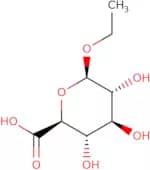
CAS :<p>Ethyl β-D-glucuronide (EBG) is a metabolite of ethanol that is formed by the conjugation of glucuronic acid to ethanol in the liver. EBG has been shown to be a potential biomarker for alcohol consumption, as it can be detected in urine and blood. The presence of this molecule has also been associated with an increased risk of developing type 2 diabetes mellitus, cardiovascular disease, and cancer. EBG may also have pharmacological effects as it has been shown to inhibit lipid oxidation and increase insulin sensitivity. This molecule can be extracted from human serum using solid phase microextraction</p>Formule :C8H14O7Degré de pureté :Min. 98 Area-%Couleur et forme :Slightly Brown PowderMasse moléculaire :222.19 g/molGalactostatin bisulfite
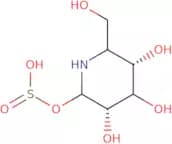
CAS :<p>Inhibitor of β-galactosidase</p>Formule :C6H13NO7SDegré de pureté :Min. 95%Couleur et forme :PowderMasse moléculaire :243.24 g/mol1,2,3,4-Tetra-O-acetyl-6-O-(tert-butyldiphenylsilyl)-a-D-mannopyranose
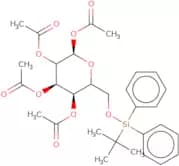
CAS :<p>1,2,3,4-Tetra-O-acetyl-6-O-(tert-butyldiphenylsilyl)-a-D-mannopyranose is a custom synthesis that is a complex carbohydrate. It is an Oligosaccharide that is Polysaccharide and can be modified with Methylation and Glycosylation. It has a saccharide with a CAS No. 815589-29-8 and has been fluorinated. This product has high purity and can be synthesized to order.</p>Formule :C30H38O10SiDegré de pureté :Min. 95%Masse moléculaire :586.72 g/molMethyl 2-deoxy-b-D-ribopyranoside
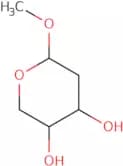
CAS :<p>Methyl 2-deoxy-b-D-ribopyranoside is a synthetic monosaccharide that has been modified by fluorination, monosaccharide, and methylation. It is an oligosaccharide that belongs to the group of complex carbohydrates. This compound can be used for glycosylation reactions or as a sugar donor in click chemistry. Methyl 2-deoxy-b-D-ribopyranoside has CAS No. 17676-20-9 and it's purity is greater than 99%.</p>Formule :C6H12O4Degré de pureté :Min. 95%Masse moléculaire :148.16 g/mol5-Amino-3-β-D-ribofuranosylthiazolo[4,5-d]pyrimidin-2,7(3H,6H)-dione
CAS :<p>5-Amino-3-β-D-ribofuranosylthiazolo[4,5-d]pyrimidin-2,7(3H,6H)-dione (ATZ) is a prodrug that is converted to the active drug ATZ. ATZ has been shown to be effective against hepatitis C virus in vitro assays and in vivo in animal models. It inhibits viral replication by inhibiting the protein synthesis of the virus and its ability to replicate. ATZ also has been shown to be effective against infectious diseases such as herpes simplex virus, inflammatory diseases such as rheumatoid arthritis, and cancer. The drug is an oral prodrug that must be activated by intestinal bacteria before it can be absorbed into the bloodstream. It is chemically stable and does not undergo significant metabolism after being absorbed into the body.</p>Formule :C10H12N4O6SDegré de pureté :Min. 95%Couleur et forme :PowderMasse moléculaire :316.29 g/mol2'-Azidoethyl a-mannopyranoside
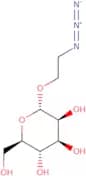
CAS :<p>2'-Azidoethyl a-mannopyranoside is a synthetic monosaccharide that is used as a building block for the synthesis of oligosaccharides and polysaccharides. This product has been custom synthesized for your specific needs. It is an off-white powder with purity greater than 99%. The methylation of this compound can be achieved by reacting it with sodium methoxide in methanol, followed by hydrolysis with sodium hydroxide. The azido group can also be converted to an acetyl group by reaction with acetic anhydride in pyridine.</p>Formule :C8H15N3O6Degré de pureté :Min. 95%Couleur et forme :White PowderMasse moléculaire :249.22 g/molIsomaltol
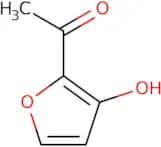
CAS :<p>Isomaltol is a sugar alcohol that is used as a food additive. It is a white, crystalline powder that is soluble in water and has an intense sweet taste. Isomaltol is produced by hydrogenating the reducing ends of sucrose to form maltose, which then undergoes hydrolysis to form maltitol. Isomaltol can be used as a replacement for sugar in foods and drinks. Isomaltol has been shown to inhibit tyrosinase activity, which may be beneficial for skin care products. It also has antimicrobial properties due to its ability to react with aluminium ions.</p>Formule :C6H6O3Degré de pureté :Min. 95%Masse moléculaire :126.11 g/molChrysin-7-glucuronide
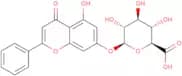
CAS :<p>Chrysin-7-glucuronide is a metabolite of chrysin, which is found in the roots of Oroxylum indicum. This compound has been shown to inhibit the enzyme activity for multidrug resistance (MDR) and cancer resistance (CDR). It has been found that chrysin-7-glucuronide inhibits MDR and CDR in vitro by binding to the ATP binding site on these enzymes. Chrysin-7-glucuronide also inhibits the production of acid in vivo and in vitro, which may be due to its ability to inhibit cellular proliferation. Chrysin-7-glucuronide may be an effective anti-cancer agent when used as a dietary supplement.</p>Formule :C21H18O10Degré de pureté :Min. 95%Couleur et forme :Off-White PowderMasse moléculaire :430.36 g/moln-Dodecyl-β-D-maltoside
CAS :<p>Dodecyl maltoside (DDM) is a non-ionic detergent that consists of a hydrophilic maltose head and a hydrophobic long chain alkyl tail. It has a relatively low critical micelle concentration of 0.17 mM and is considered a gentle but powerful detergent. DDM is often the best tool for solubilising/crystallising membrane proteins. Membrane proteins usually have α-helical structures that are easily destroyed when the protein is released from its membrane environment. DDM can often preserve these structures during the solubilisation. In addition, membrane proteins can often be renatured when isolated with DDM.</p>Formule :C24H46O11Masse moléculaire :510.63 g/mol6-Aminohexyl 2-deoxy-5-O-DMT-a-D-riboside
<p>6-Aminohexyl 2-deoxy-5-O-DMT-a-D-riboside is a glycosylation agent that can be used in synthetic approaches that require the incorporation of oligosaccharides. This product is also useful for fluoroalkylation reactions and methylations involving saccharides. It can be used to synthesize complex carbohydrates, such as polysaccharides or saccharide complexes, with high purity and CAS number. 6-Aminohexyl 2-deoxy-5-O-DMT-a-D-riboside has been modified using Click chemistry for click modification of proteins and peptides.</p>Formule :C32H41N06Degré de pureté :Min. 95%Masse moléculaire :509.71 g/mol9,10-Anhydro doxorubicin
CAS :<p>Please enquire for more information about 9,10-Anhydro doxorubicin including the price, delivery time and more detailed product information at the technical inquiry form on this page</p>Formule :C27H27NO10Masse moléculaire :525.5 g/molD-Glucosamine-oxime hydrochloride
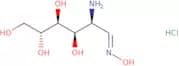
CAS :<p>D-Glucosamine-oxime HCl is a hydrocyanic acid derivative that contains a polyhydroxy group. It can exist as two isomers, D-glucosamine and D-glucosamine-oxime. These isomers are distinguished by the presence or absence of acetyl groups on the nitrogen atoms. D-Glucosamine-oxime HCl functions as a divalent metal ion chelator and sequestering agent that has been shown to be useful in the treatment of lead poisoning. It also has been used in the synthesis of hydrocyanic acid, which is an important chemical for organic synthesis.END></p>Formule :C6H12N2O5•HClDegré de pureté :Min. 95%Couleur et forme :SolidMasse moléculaire :228.63 g/mol2,4-Methanoglutamic acid
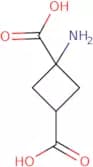
CAS :<p>2,4-Methanoglutamic acid is an amino acid that has been shown to have neuroprotective effects in animal models of excitotoxicity. It has been shown to reduce neuronal death at low concentrations and inhibit the uptake of glutamate into the brain cells. 2,4-Methanoglutamic acid binds to calcium ions and prevents the release of calcium from intracellular stores, thereby protecting against neuronal death. This compound has also been shown to be toxic in mammalian cell culture, but it is not yet known if this toxicity will occur in humans.</p>Formule :C6H9NO4Degré de pureté :Min. 95%Masse moléculaire :159.14 g/mol2-O-b-D-Glucopyranosylcucurbitacin E
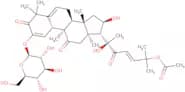
CAS :<p>2-O-b-D-glucopyranosylcucurbitacin E is a natural product that has been isolated from the roots of Cucurbita maxima. This compound has been shown to have bioactive properties, including antioxidant and antimicrobial activity. The extract was tested on chronic cough patients with type 2 diabetes mellitus. The treatment group showed significant improvements in symptoms and bioactive phytochemical levels compared to the control group.<br>2-O-b-D-glucopyranosylcucurbitacin E is a white powder that is soluble in methanol and water but not in chloroform or ether. It can be analyzed by liquid chromatography, which separates the different components of a sample by passing it through a column filled with an adsorbent material that retains some components more than others.</p>Formule :C38H54O13Degré de pureté :Min. 95%Masse moléculaire :718.83 g/molL-Glucurono-3,6-lactone
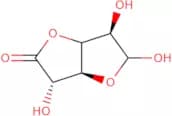
CAS :<p>L-Glucurono-3,6-lactone is an acetonide that is a derivative of L-glucose. L-Glucurono-3,6-lactone can be used as a precursor for the synthesis of polyhydroxybutyrate (PHB).</p>Formule :C6H8O6Degré de pureté :Min. 95%Couleur et forme :PowderMasse moléculaire :176.12 g/molD-Arabitol
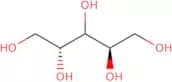
CAS :<p>Substrate for arabitol dehydrogenase enzyme</p>Formule :C5H12O5Degré de pureté :Min. 98 Area-%Couleur et forme :White Off-White PowderMasse moléculaire :152.15 g/mol3, 5- O-Isopropylidene - D- lyxonic acid γ-lactone
<p>3,5-O-Isopropylidene-D-lyxonic acid gamma-lactone is a sugar that belongs to the group of carbohydrates. It is synthesized by the chemical modification of D-lyxonic acid and has been shown to inhibit the growth of bacteria. 3,5-O-Isopropylidene - D-lyxonic acid gamma-lactone inhibits bacterial growth by binding to the enzyme beta - galactosidase, which is involved in glycosylation and glycosyltransferase activity. This compound also inhibits protein synthesis in bacteria and has been shown to have antiinflammatory properties. 3,5-O-Isopropylidene - D-lyxonic acid gamma-lactone may be used as an alternative sweetener or food additive.</p>Degré de pureté :Min. 95%3-Deoxy-3-fluoro-D-galactitol
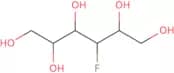
CAS :<p>3-Deoxy-3-fluoro-D-galactitol is a fluorinated sugar that is synthesized through the use of glycosylation and fluorination. This product can be used as a raw material for the production of oligosaccharides, polysaccharides, and other complex carbohydrates. It can also be used in custom synthesis and click modification. The CAS number for this product is 1241800-31-6.</p>Formule :C6H13FO5Degré de pureté :Min. 95%Masse moléculaire :184.16 g/molD-Tagatose-6-phosphate barium salt
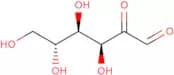
<p>D-Tagatose-6-phosphate barium salt is a custom synthesis, modification, fluorination, methylation, and monosaccharide. It has CAS No. and is a polysaccharide. D-tagatose-6-phosphate barium salt is a complex carbohydrate with glycosylation and sugar.</p>Degré de pureté :Min. 95%2-Keto-D-glucose
CAS :<p>2-Keto-D-glucose is a substrate molecule that is used in the study of plant physiology, enzyme kinetics, and metabolic regulation. It has been shown to be an important factor in redox potential and the activation of detoxification enzymes. 2-Keto-D-glucose has also been found to be an important factor in energy metabolism, as it can be converted into pyruvate and acetyl CoA. 2-Keto-D-glucose is a common substrate molecule for many enzymes, including glycolytic enzymes, hexokinase, alcohol dehydrogenase, lactate dehydrogenase, and phosphofructokinase. 2-Keto-D-glucose has also been found to play a role in human blood serum biochemistry by acting as a substrate for erythrocyte D glucose transporter protein and glycerol kinase.</p>Formule :C6H10O6Degré de pureté :Min. 98 Area-%Couleur et forme :White Beige Yellow PowderMasse moléculaire :178.14 g/mol1-Deoxyfuconojirimycin HCl
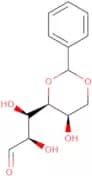
CAS :<p>Specific, potent and competitive inhibitor of α-L-fucosidase with Ki of 10 nM. In human breast cancer cells, it causes increase of fucosylation on cell surface molecules such as Lewis X antigen (CD15) and CD44 glycoprotein. The 1-deoxyfuconojirimycin treatment increases invasiveness of cancer cells.</p>Formule :C6H13NO3·HClDegré de pureté :Min. 95%Couleur et forme :Off-White PowderMasse moléculaire :183.63 g/mol4,6-O-Benzylidene-D-galactose
CAS :<p>4,6-O-Benzylidene-D-galactose is an anomer of D-galactose. It is a lectin that has been shown to inhibit the binding of amyloid beta to the cerebroside in the brain tissue. This activity may be due to its ability to form an amide bond with galactose, which is present in amyloid beta. 4,6-O-Benzylidene-D-galactose also has a coronary heart disease prevention effect and can help reduce cholesterol levels. Furthermore, it has been found to have anti-cancer properties and can help prevent the growth of cancerous cells by inhibiting protein synthesis. In addition, 4,6-O-Benzylidene-D-galactose can be used as a cationic surfactant or detergent composition for cleaning or treating surfaces.</p>Formule :C13H16O6Degré de pureté :Min. 95%Couleur et forme :White To Off-White SolidMasse moléculaire :268.26 g/molSedoheptulose-1-phosphate
CAS :<p>Sedoheptulose-1-phosphate is a ribosomal metabolite that is produced by marine microorganisms. It is catabolized by sedoheptulose-7-phosphate kinase and converted to the pentose phosphate pathway. The metabolic profile of sedoheptulose-1-phosphate has been shown to be altered in response to environmental stress, such as changes in pH, oxygen levels, and temperature. Sedoheptulose-1-phosphate has also been shown to have structural properties similar to those of ATP and ADP, which may make it an important target for the development of antibiotics.</p>Formule :C7H15O10PDegré de pureté :Min. 95%Masse moléculaire :290.16 g/molEpilactose
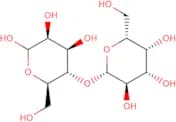
CAS :<p>Epilactose is a monosaccharide with biological properties. It is the 2-epimer of lactulose, and can be synthesized from cellobiose by epimerase. Epilactose has been shown to have beneficial effects on bowel disease in mice, which may be related to its ability to stimulate intestinal motility and improve the intestinal microflora. Epilactose has also been shown to have anti-inflammatory activity in rats with colitis. Epilactose can be used as a structural probe for oligosaccharides, due to its ability to form hydrogen bonds with sugars. In addition, epilactose has been found in marine microalgae such as Chlorella pyrenoidosa, but not in higher plants or animals.</p>Formule :C12H22O11Degré de pureté :Min. 95%Couleur et forme :PowderMasse moléculaire :342.3 g/mol




![5-Amino-3-β-D-ribofuranosylthiazolo[4,5-d]pyrimidin-2,7(3H,6H)-dione](/_next/image/?url=https%3A%2Fstatic.cymitquimica.com%2Fproducts%2F3D%2Fthumb-webp%2FXEA97040.webp&w=3840&q=75)