Sels métalliques
Dans cette section, vous trouverez diverses sels métalliques, qui sont des composés caractérisés par la présence d'atomes métalliques et non métalliques. Essentiellement, les sels métalliques sont composés de cations qui sont un ou plusieurs atomes métalliques. Ces sels jouent un rôle crucial dans de nombreuses réactions et applications chimiques, servant de catalyseurs, réactifs ou intermédiaires dans divers processus industriels et de recherche. Chez CymitQuimica, nous proposons une large sélection de sels métalliques de haute qualité pour répondre à vos besoins de recherche et industriels, garantissant des performances fiables et efficaces dans vos applications.
2870 produits trouvés pour "Sels métalliques"
Trier par
Degré de pureté (%)
0
100
|
0
|
50
|
90
|
95
|
100
Zinc pivalate
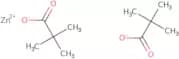
CAS :<p>Zinc pivalate is a coordination complex that has been shown to be an effective metal-based catalyst for amine-mediated cross-coupling reactions. It has also been used as a ligand in the synthesis of metal complexes. Zinc pivalate is soluble in water and its molecular weight is 198.2 daltons. It has two functional groups, carboxylate and formyl group, and can be synthesized by reacting zinc chloride with pivalic acid. The molecule contains a water molecule that acts as a base to deprotonate the carboxylate group on the zinc atom, forming an alcohol group which reacts with amines to produce an aminoglycoside. Zinc pivalate is also capable of forming coordination complexes with palladium, which catalyzes cross-coupling reactions with chlorides under mild conditions.</p>Formule :C5H9O2ZnDegré de pureté :Min. 95%Masse moléculaire :166.5 g/mol5,5-Diphenylhydantoin sodium
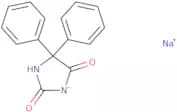
CAS :Produit contrôlé<p>5,5-Diphenylhydantoin sodium salt is an anticonvulsant drug that belongs to the class of diphenylhydantoins. This drug has been shown to have a number of clinical effects, including cardiac effects, hypersensitivity syndrome, and eosinophilic fasciitis. It also has been shown to be associated with drug interactions and toxic epidermal necrolysis. 5,5-Diphenylhydantoin sodium salt is used in the treatment of epilepsy and neuropathic pain. The mechanism of action for this drug has been shown to be due to its ability to inhibit the release of acetylcholine from nerve terminals by blocking voltage-sensitive sodium channels. 5,5-Diphenylhydantoin sodium salt can also cause fetal bovine serum disease when administered intravenously or intramuscularly in pregnant animals. It also causes experimental carcinogenic potential in laboratory animals.br></p>Formule :C15H12N2O2•NaDegré de pureté :Min. 95%Couleur et forme :PowderMasse moléculaire :275.26 g/molMercaptoacetic acid sodium salt
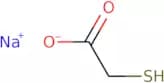
CAS :<p>Mercaptoacetic acid sodium salt (MAS) is an oxidation catalyst that is used to convert ethyl alcohol into acetic acid. It has been shown to be a good catalyst for the oxidation of hydroxyl groups in the presence of metal hydroxides or inorganic acids, such as sodium carbonate. MAS has also been shown to be toxic to human serum and is not recommended for use in humans. The toxicity of MAS may be due to its ability to react with fatty acids and form mercaptans, which are volatile compounds that can cause irritation. Mercaptoacetic acid sodium salt reacts with potassium dichromate and forms mercaptans and other products, which may contribute to its toxicity.</p>Formule :C2H3NaO2SDegré de pureté :(Titration) Min. 90%Couleur et forme :PowderMasse moléculaire :114.1 g/molPotassium acrylate
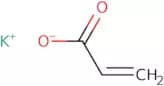
CAS :<p>Potassium acrylate is a diamine tetraacetic acid that functions as a control agent. It is used in analytical methods to measure the effectiveness of other agents. It can be used to produce carboxylate, coordination complex, and hydroxide solution. It has been shown to be effective at doses of 3-5 mM. Potassium acrylate is soluble in water and is stable in air. The FTIR spectrum shows an absorption band at 1657 cm-1, which corresponds to the C=O stretching vibration of the carboxylate group.</p>Formule :C3H3KO2Degré de pureté :Min. 95%Masse moléculaire :110.15 g/molIron(III) trifluoromethanesulfonate
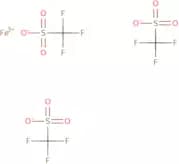
CAS :<p>Iron trifluoromethanesulfonate is an inorganic compound that is used as a catalyst in organic reactions. It is a salt of iron(III) and triflic acid, with the formula Fe(O)(CF). It has been shown to be a cocatalyst for benzofuran derivatives and can be used to synthesize methyl ketones, alkylation products, diarylmethanes, primary alcohols, and cleavage products. Iron trifluoromethanesulfonate can also be used as a control experiment to study reaction mechanisms.</p>Formule :C3F9FeO9S3Degré de pureté :Min. 95%Couleur et forme :White SolidMasse moléculaire :503.06 g/mol1,9-Dimethyl-methylene blue zinc chloride
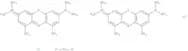
CAS :<p>1,9-Dimethyl-methylene blue zinc chloride double salt is a fluorescent dye that has been used in the study of hyaluronic acid and mesenchymal stem cells. The compound absorbs light at a wavelength of 580 nm, which is the same as the absorption wavelength for hyaluronic acid and mesenchymal stem cells. 1,9-Dimethyl-methylene blue zinc chloride double salt can be used to measure the amount of these compounds in tissues. This dye also shows sensitivity to artifacts such as hemolysis and lipemia, making it useful for research purposes.</p>Formule :(C18H22ClN3S)2•ZnCl2Degré de pureté :Min. 95%Couleur et forme :PowderMasse moléculaire :832.11 g/molCalcium phosphate
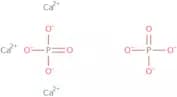
CAS :<p>Calcium phosphate is a white, odorless powder that is used in the production of casein, a protein used to make cheese. In cell culture, calcium phosphate has been shown to have important transport properties and can be used to maintain the pH gradient across the cell membrane. Calcium phosphate has also been shown to reduce renal dysfunction associated with chronic kidney disease. Hydroxyapatite is an important component of bone tissue and its presence in the body can help prevent osteoporosis. Calcium phosphate also has anti-infective properties and can be used as a film-forming polymer or in pharmaceutical dosage forms such as tablets or capsules.</p>Formule :Ca3O8P2Degré de pureté :Min. 95%Couleur et forme :PowderMasse moléculaire :310.18 g/molCloprostenol sodium
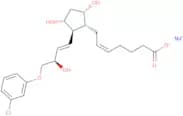
CAS :<p>Cloprostenol sodium is a prostaglandin analogue that is used in veterinary medicine. It is administered intravenously to induce ovulation, improve estrus and fertility, or control luteal function in cows. Cloprostenol sodium has been shown to have a positive effect on the ovulatory process by stimulating the release of endogenous progesterone and estradiol benzoate from the follicle cells. This drug also increases luteal activity by increasing the production of progesterone and inhibiting its metabolism. Cloprostenol sodium has been shown to be effective in inducing ovulation in pregnant women who do not respond to clomiphene citrate (CC) alone. Cloprostenol sodium can also be used for induction of labour in pregnant women with an uncomplicated pregnancy at term, where it is given intravenously or intramuscularly, but intravaginally or orally are not recommended.</p>Formule :C22H28ClNaO6Degré de pureté :Min. 95%Couleur et forme :White PowderMasse moléculaire :446.9 g/molp-Sulfophenylazochromotropic acid trisodium salt
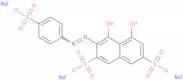
CAS :<p>p-Sulfophenylazochromotropic acid trisodium salt is a chemical that can be used as a building block for the synthesis of various organic compounds. It is an intermediate for the synthesis of other chemicals and can be used as a research chemical in laboratories. This compound has been shown to be useful in the production of pharmaceuticals, agrochemicals, and dyes. CAS No. 23647-14-5.</p>Formule :C16H9N2Na3O11S3Degré de pureté :Min. 95 Area-%Couleur et forme :Yellow PowderMasse moléculaire :570.42 g/molSodium-O-pantothenate
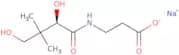
CAS :<p>Sodium-O-pantothenate is a natural form of vitamin B5. It is the sodium salt of pantothenic acid, which is used in the synthesis of coenzyme A and acetylcholine. Sodium-O-pantothenate has been shown to be nontoxic in animals and humans when ingested as an additive in food. In vitro studies have shown that this compound inhibits the production of epidermal growth factor, an effect that may be due to its ability to inhibit phospholipase A2 activity. Sodium-O-pantothenate also has been found to enhance the production of erythrocytes, platelets, and leukocytes in human serum. This compound is used as a cofactor for many enzyme reactions involving pyridoxine hydrochloride (B6) and calcium pantothenate.</p>Formule :C9H16NNaO5Degré de pureté :Min. 95%Couleur et forme :White PowderMasse moléculaire :241.22 g/molCarbamoyl-Asp-OH·magnesium salt/Carbamoyl-Asp-OH·dipotassium salt (1:1)
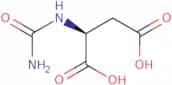
CAS :Carbamoyl-Asp-OH·magnesium salt/Carbamoyl-Asp-OH·dipotassium salt (1:1) is a derivate of p-hydroxybenzoic acid that has been shown to inhibit leukotriene receptor antagonists and basic proteins. It has been found in urine samples, but its function is not yet known. The uptake of this molecule may be a potential biomarker for the diagnosis of orotic aciduria and HIV infection. Carbamoyl-Asp-OH·magnesium salt/Carbamoyl-Asp-OH·dipotassium salt (1:1) has also been shown to be an inhibitor of intramolecular hydrogen transfer reactions in model systems.Formule :C10H12K2MgN4O10Degré de pureté :Min. 95%Masse moléculaire :450.72 g/molSodium 3-nitrobenzenesulphonate
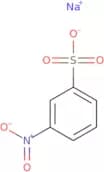
CAS :<p>Sodium 3-nitrobenzenesulphonate is a reactive chemical that can be used in the treatment of wastewater. It reacts with sulfonic acid to form a cross-link between two molecules, which lowers the solubility of the organic compound. This reaction product can then be removed from solution by adding sodium carbonate or sodium citrate to form insoluble salts that are removed from the water by filtration. Sodium 3-nitrobenzenesulphonate is an alternative to chlorine for water treatment because it does not react with ammonia and other nitrogenous compounds.</p>Formule :O2NC6H4SO3NaDegré de pureté :Min. 95%Couleur et forme :White To Yellow SolidMasse moléculaire :225.16 g/molBis(cyclopentadienyl)titanium (IV) dichloride
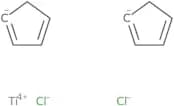
CAS :<p>Bis(cyclopentadienyl)titanium (IV) dichloride is a cationic polymerization catalyst that has been used to produce polyolefins with high molecular weights. It is also an important component of solid catalysts for the production of butadiene and styrene. Bis(cyclopentadienyl)titanium (IV) dichloride is a potent carcinogen in animals and is mutagenic in bacteria. It has been shown to cause cancer in animal models, and has been shown to be mutagenic in bacterial mutation assay tests. Bis(cyclopentadienyl)titanium (IV) dichloride reacts with dimethylformamide and aromatic hydrocarbons to produce photochemical properties that can lead to skin irritation or sensitization. This compound also has hydroxyl groups, which can react with oxidants such as chlorine gas to form chlorohydrins, which are toxic compounds that may be carcinogenic.</p>Formule :C10H10TiCl2Degré de pureté :Min. 95%Couleur et forme :Red Clear LiquidMasse moléculaire :248.96 g/molO-Hippuryl-DL-b-phenyllactic acid sodium salt
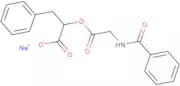
CAS :<p>Please enquire for more information about O-Hippuryl-DL-b-phenyllactic acid sodium salt including the price, delivery time and more detailed product information at the technical inquiry form on this page</p>Formule :C18H16NNaO5Degré de pureté :Min. 95%Masse moléculaire :349.31 g/molZinc trifluoromethanesulfonate
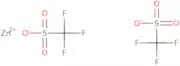
CAS :<p>Zinc trifluoromethanesulfonate is a catalyst that catalyses the reaction of amines with coumarin derivatives, producing an electrochemical impedance spectroscopy. It has been shown to have a redox potential that is higher than ferrocenecarboxylic acid. Zinc trifluoromethanesulfonate has been used in asymmetric synthesis, which involves substituting a hydrogen atom with another atom or group, and in salt metathesis, which is the process of forming new chemical compounds from reactants without using any energy. The zinc trifluoromethanesulfonate can also be activated by light or heat. This makes it possible for this compound to release the corrosive sulfur dioxide gas when heated to high temperatures, producing a synergic effect with other substances such as potassium permanganate (KMnO4).</p>Formule :C2F6O6S2ZnDegré de pureté :Min. 95%Couleur et forme :White PowderMasse moléculaire :363.52 g/mol4,4'-Dichlorodiphenylsulfone-3,3'-disulfonic acid disodium salt
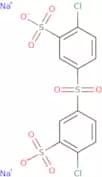
CAS :Please enquire for more information about 4,4'-Dichlorodiphenylsulfone-3,3'-disulfonic acid disodium salt including the price, delivery time and more detailed product information at the technical inquiry form on this pageFormule :C12H6Cl2Na2O8S3Degré de pureté :Min. 95 Area-%Couleur et forme :White Off-White PowderMasse moléculaire :491.25 g/molSodium 2,3,5,6-Tetrafluoro-4-hydroxybenzenesulfonate
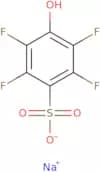
CAS :<p>Sodium 2,3,5,6-Tetrafluoro-4-hydroxybenzenesulfonate is a synthetic compound that is used as a probe for catalytic reactions. It has been shown to be active in the oxidation of glycols and ethylene glycols. This compound is also useful for the tethering of metal atoms or ions. Sodium 2,3,5,6-Tetrafluoro-4-hydroxybenzenesulfonate can be used in catalysis due to its ability to act as an electron donor.</p>Formule :C6HF4NaO4SDegré de pureté :Min. 95%Couleur et forme :White PowderMasse moléculaire :268.12 g/molDichloro(pentamethylcyclopentadienyl)iridium(III) dimer
CAS :<p>Dichloro(pentamethylcyclopentadienyl)iridium(III) dimer (DCPI) is a synthetic ligand that can be used in biomolecular and chemical applications. DCPI has been shown to be stable in the presence of chloride, which is needed for many catalytic reactions. This compound has high activity as a transfer agent and is also able to transfer amines and cyclic compounds. DCPI can be used in fluorescence-based assays, due to its strong fluorescence emission.</p>Formule :C20H30Cl4Ir2Degré de pureté :Min. 95%Couleur et forme :PowderMasse moléculaire :796.7 g/molLithium acetoacetate
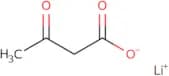
CAS :<p>Lithium acetoacetate is a compound that is used in the treatment of cancer. It is a salt that contains lithium and acetoacetate. Lithium acetoacetate has been shown to be clinically relevant for the treatment of cancer, particularly in patients who have not responded well to other treatments. This drug has also been shown to induce apoptosis in animal cells, which may be due to its ability to produce acid.</p>Formule :C4H6O3•LiDegré de pureté :Min. 95%Couleur et forme :PowderMasse moléculaire :109.03 g/molγ-Polyglutamic acid sodium - MW 800-1500
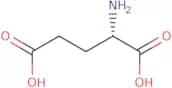
CAS :<p>Polymer of glutamic acid</p>Formule :(C5H9NO3)nDegré de pureté :Min. 95%Couleur et forme :Powder