Sels métalliques
2872 produits trouvés pour "Sels métalliques"
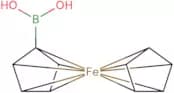
Ferroceneboronic acid
CAS :Ferroceneboronic acid is a reagent, complex compound, useful intermediate, fine chemical and useful scaffold. It is also a versatile building block for the synthesis of speciality chemicals. Ferroceneboronic acid reacts with an organic halide to form a ferrocenyl-containing boronate ester that is useful as a reaction component in organic synthesis. The CAS number for ferroceneboronic acid is 12152-94-2.Formule :C5H6BO2·C5H5·FeDegré de pureté :Min. 95 Area-%Couleur et forme :PowderMasse moléculaire :229.85 g/molCalcium chloride anhydrous
CAS :Calcium chloride anhydrous is a buffering agent that is used to control the pH of fluids in a controlled manner. It is also used as an osmotic agent in cell culture, where it regulates the uptake of water by increasing the permeability of cells. Calcium chloride anhydrous can be used to induce pluripotent cells, which are stem cells capable of becoming any type of tissue, through transcriptional regulation. This compound has been shown to have a concentration optimum at 1-3 mM and cannot be dissolved in water at high concentrations due to its hydrophilic nature. Calcium chloride anhydrous is not soluble in water and should be dissolved before being added to solutions.Formule :CaCl2Degré de pureté :Min. 95%Couleur et forme :White Clear LiquidMasse moléculaire :110.98 g/molPotassium clavulanate - 1:1 mixture with silicon dioxide
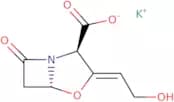
CAS :Potassium clavulanate is a beta-lactamase inhibitor that is used in the treatment of bacterial infections. The active site of potassium clavulanate is the beta-lactam ring, which has an ester bond to the 4-hydroxyl group of the penicillin nucleus. This bond can be hydrolyzed by beta-lactamase, an enzyme produced by bacteria, which will render the antibiotic ineffective. Potassium clavulanate inhibits this enzyme by binding to it and preventing it from breaking down penicillin. The temperature range for potassium clavulanate is between 2°C and 30°C, and its UV spectrophotometric technique ranges from 220 nm to 350 nm.Formule :C8H8NO5·KDegré de pureté :Min. 95%Couleur et forme :White PowderMasse moléculaire :237.25 g/mol(±)-a-Tocopherol phosphate disodium salt
CAS :(±)-a-Tocopherol phosphate disodium salt is a synthetic form of vitamin E and is used in skin care products and supplements. Like vitamin E it has antioxidant properties.Formule :C29H49Na2O5PDegré de pureté :Min 97%Couleur et forme :PowderMasse moléculaire :554.66 g/molL-Malic acid disodium salt monohydrate
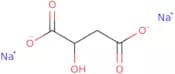
CAS :L-Malic acid disodium salt monohydrate is a versatile building block that can be used in the production of research chemicals, reagents and speciality chemicals. It is also a useful building block for the synthesis of complex compounds with high quality. L-Malic acid disodium salt monohydrate has been used as a reagent in organic syntheses, as well as in the production of pharmaceuticals. In addition, it is an intermediate for the synthesis of polymers and other materials. The CAS number for L-Malic acid disodium salt monohydrate is 207511-06-6.Formule :C4H4O5Na2·H2ODegré de pureté :Min. 95%Couleur et forme :PowderMasse moléculaire :196.07 g/molSodium phytate hydrate
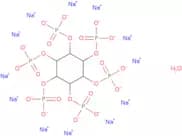
CAS :Chelator of multivalent metal ions; food perservative; antioxidant
Formule :C6H6Na12O24P6·xH2ODegré de pureté :Min. 75.0%Couleur et forme :White PowderMasse moléculaire :923.82 g/molBis(1,5-cyclooctadiene)rhodium(I) trifluoromethanesulfonate
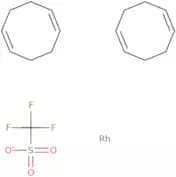
CAS :Bis(1,5-cyclooctadiene)rhodium(I) trifluoromethanesulfonate is a fine chemical that is used as a reagent for organic synthesis. It has been shown to be useful in the preparation of diverse compounds, including pharmaceuticals and agrochemicals. Bis(1,5-cyclooctadiene)rhodium(I) trifluoromethanesulfonate may also be used as a reaction component or building block for the synthesis of more complex compounds. This compound can be used to form a variety of scaffolds with different functional groups and has been found to be an effective intermediate in reactions involving palladium catalysts.
Formule :C17H24F3O3RhSDegré de pureté :Min. 95%Couleur et forme :Red PowderMasse moléculaire :468.34 g/molSodium iodide
CAS :Sodium iodide is a substrate for film, which is used to separate proteins by their size. It can be used in the polymerase chain reaction (PCR) to amplify DNA from samples that are not amenable to gel electrophoresis. Sodium iodide can be used as a basic protein or light signal to indicate the presence of oxidative injury in cells. It has been shown to have potent antitumor activity and has been used as an analytical method for radiation and nuclear DNA. Sodium iodide can also be used as a biological sample for carcinoma cell lines.Formule :NaIDegré de pureté :Min. 95%Couleur et forme :PowderMasse moléculaire :149.89 g/molDisodium fumarate
CAS :Disodium fumarate is a sodium salt that is used to treat bowel disease and as a nutritional supplement. It can be injected into the body or taken orally. Disodium fumarate functions as an energy metabolism regulator and also prevents copper from being absorbed by the body. This drug has been used in isotonic solutions to regulate cellular pH. Disodium fumarate is available in oral form, injection solution, or tablet form. The anion of disodium fumarate is Fumaric acid, which is found in the genus Fumaricae. The reaction between ammonium and disodium fumarate yields ammonium bisulfate.Formule :C4H2Na2O4Couleur et forme :PowderMasse moléculaire :160.04 g/mol1,2,4-Thiadiazolidine-3,5-dithione barium
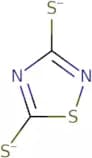
CAS :1,2,4-Thiadiazolidine-3,5-dithione barium is a chemical building block that can be used in the synthesis of other compounds. It has been used as a reagent for research and as a speciality chemical. 1,2,4-Thiadiazolidine-3,5-dithione barium is soluble in organic solvents and is stable against heat. It can be used as an intermediate for complex compounds or as a scaffold for organic synthesis. CAS No. 82585-24-8Formule :C2H2S3N2•BaDegré de pureté :Min. 95%Couleur et forme :PowderMasse moléculaire :287.57 g/molTipranavir disodium
CAS :Anti-viral; HIV protease inhibitorFormule :C31H31F3N2Na2O5SDegré de pureté :Min. 95%Masse moléculaire :646.63 g/molLignosulfonic acid sodium salt
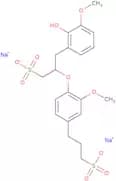
CAS :Lignosulfonic acid sodium salt is a water-soluble sodium salt of lignosulfonic acid. Lignosulfonic acid sodium salt has high water permeability and is an antimicrobial agent that can be used as a nutrient solution to remove phosphorus from wastewater. It has been shown to have hydrophobic effects in the Langmuir adsorption isotherm, which may be due to its low surface tension and large contact angle. Lignosulfonic acid sodium salt was also found to be chemically stable and showed no significant change in the chemical structure after being subjected to electrochemical impedance spectroscopy.Formule :C20H24Na2O10S2Couleur et forme :PowderMasse moléculaire :534.51 g/molN-Ethyl-N-(2-hydroxy-3-sulfopropyl)-3,5-dimethylaniline sodium monohydrate
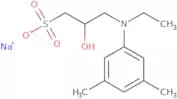
CAS :N-Ethyl-N-(2-hydroxy-3-sulfopropyl)-3,5-dimethylaniline (NAHSDMA) is a coumarin derivative that inhibits protein synthesis and necrotic cell death. NAHSDMA was found to inhibit the growth of colorectal adenocarcinoma cells in culture and has been shown to have anti-inflammatory properties. NAHSDMA binds to the amine group of monoamine neurotransmitters, which are vital for brain function. This drug also has antimicrobial properties, inhibiting bacterial growth by binding to the enzyme DNA gyrase and topoisomerase IV, which maintain the integrity of bacterial DNA. Linear calibration curves were obtained in human serum with an IC50 value of 0.87 μM. NAHSDMA was shown to be metabolized through hydrolysis by esterases or glucuronidases, oxidation by cytochrome P450 enzymes,Formule :C13H22NNaO5SDegré de pureté :Min. 95%Masse moléculaire :327.37 g/molN-Acetyl glufosinate sodium salt
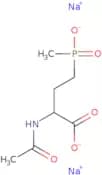
CAS :N-Acetyl Glucosinate Sodium Salt is a fine chemical, research chemicals, and versatile building block that is used as an intermediate for the synthesis of N-acetyl-β-d-glucosaminidase. This product has been shown to be a useful scaffold for the synthesis of various compounds related to amino acid biosynthesis. It is also a reagent and useful intermediate in organic chemistry. N-Acetyl Glucosinate Sodium Salt can be used as a starting material for other reactions, such as the Beckmann rearrangement.
Formule :C7H12NNa2O5PDegré de pureté :(%) Min. 95%Couleur et forme :White PowderMasse moléculaire :267.13 g/molSodium hydroxymethanesulfinate hydrate
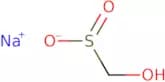
CAS :Sodium hydroxymethanesulfinate is a chemical compound that has a molecular formula of CHOS. It is an acidic, water-soluble compound with the chemical formula CHOS. It is an intermediate in the reaction between glycol ethers and sodium hydroxide to form sodium sulfate. The reaction mechanism for this process is the following:Formule :HOCH2SO2Na·xH2ODegré de pureté :Min. 95%Couleur et forme :PowderMasse moléculaire :118.09 g/molSodium bis(1,3-dimethylbutyl) sulfosuccinate
CAS :Sodium bis(1,3-dimethylbutyl) sulfosuccinate is a monomer that is used in the manufacture of polyvinyl pyrrolidone. It is an environmentally friendly polymerization product of perchloroethylene and deionized water. This monomer has been shown to be soluble in organic solvents, such as aromatic hydrocarbons, and can be synthesized from chloride and electron microscopic particles. Sodium bis(1,3-dimethylbutyl) sulfosuccinate has shown good performance as a coating material due to its high solids content and low viscosity.Formule :C16H29NaO7SDegré de pureté :(%) Min. 90%Couleur et forme :Clear LiquidMasse moléculaire :388.45 g/molCefodizime sodium
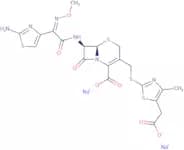
CAS :Cefodizime sodium is a third-generation cephalosporin antibiotic. It is indicated for the treatment of bacterial infections in the skin, soft tissue, respiratory tract, and urinary tract. Cefodizime sodium prevents bacteria from multiplying by inhibiting cell wall synthesis and DNA replication. Cefodizime sodium has been shown to be effective against Staphylococcus aureus and Proteus mirabilis. However, it is not active against Enterobacteriaceae or Pseudomonas aeruginosa. The drug can cause drug reactions such as fever and rash in some patients.br>br>Cefodizime sodium is given intravenously or intramuscularly in combination with glucose injection for the treatment of bacterial infection. The drug should be diluted with hydrochloric acid before administration to prevent irritation to tissue.br>br>Cefodizime sodium is also administered intravenously or intramuscularly asFormule :C20H20N6O7S4•Na2Degré de pureté :Min. 95%Masse moléculaire :630.65 g/molSodium cocoyl isethionate, 83-88%
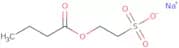
CAS :Sodium cocoyl isethionate is a surfactant that is used in pharmaceutical preparations for skin care. This ingredient has good stability and activity index, and can easily be solubilized in water and ethanol. Sodium cocoyl isethionate has been shown to have antioxidant properties, which may be due to its ability to scavenge free radicals. It also has moisturizing properties, which may be due to the presence of glycerin and fatty esters. Sodium cocoyl isethionate can be found in fruit extracts, such as mangoes and papaya.Degré de pureté :Min. 95%Couleur et forme :White PowderCalcium-D-galactonate hydrate
CAS :Calcium-D-galactonate hydrate is a reagent that is used in organic synthesis as a complex compound. It can also be used as an intermediate for the synthesis of calcium-D-galactonate, which is a useful scaffold for the construction of bioactive molecules. Calcium-D-galactonate hydrate has been shown to have many uses in the pharmaceutical and fine chemical industries. This compound is also an important reactant in research, due to its versatility and usefulness in organic synthesis.
Formule :C12H22CaO14·5H2ODegré de pureté :Min. 98%Couleur et forme :White PowderMasse moléculaire :520.45 g/molBis(triphenylphosphine)palladium(II) dichloride
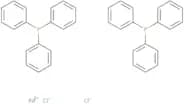
CAS :Bis(triphenylphosphine)palladium(II) dichloride is an organometallic compound that has antibiotic activity. It is the active methylene in a number of drug molecules, including methyldopa, which is used to treat high blood pressure and postural hypotension. Bis(triphenylphosphine)palladium(II) dichloride also has potential use as a target enzyme for cross-coupling reactions. Cross-coupling reactions involve the coupling of organic compounds with organometallic reagents using palladium as a catalyst. The mechanism of this reaction involves the formation of a palladium-carbon bond by oxidative addition and reductive elimination, followed by the release of carbon monoxide. This process leads to the formation of an organometallic compound and an aryl halide. Bis(triphenylphosphine)palladium(II) dichloride can also be used in gel permeation chromFormule :C36H30Cl2P2PdDegré de pureté :Min. 95%Couleur et forme :Yellow PowderMasse moléculaire :701.9 g/molAlendronic acid monosodium salt trihydrate - USP
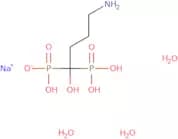
CAS :Farnesyl diphosphate synthase inhibitor; inhibits bone resorptionFormule :C4H18NNaO10P2Degré de pureté :Min. 95%Couleur et forme :White PowderMasse moléculaire :325.12 g/molLithium tetraborate
CAS :Lithium tetraborate (LiBO) is a compound used in the preparation of samples for laser ablation. It can be synthesized by reacting lithium carbonate with boron nitride in a hydrochloric acid solution at room temperature. Lithium tetraborate is often used as a buffer to increase the pH of the solution and to maintain it at a constant level during reactions. This compound has been studied extensively, and its spectroscopic properties have been well documented. The thermal expansion coefficient of LiBO is high, which makes it suitable for use in radiation experiments. Lithium tetraborate has also been shown to be an effective catalyst for organic synthesis reactions that require high activation energies, such as the synthesis of phenol from benzene and formaldehyde.
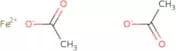
Formule :Li2B4O7Degré de pureté :Min. 95%Couleur et forme :PowderMasse moléculaire :169.12 g/molIron(II) acetate
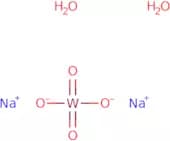
CAS :Iron(II) acetate is a salt formed by the reaction of ethylene diamine and iron(II). It has been proposed as an alternative to iron oxide for use in magnetic separation. Iron(II) acetate is a catalyst for the production of antimicrobial agents, which are used to control the growth of bacteria. Iron(II) acetate has also been shown to accelerate the production of angiogenic factors in response to nutrient solution and can be used as a solid catalyst for hydrogenation reactions. Iron(II) acetate is also used in detergent compositions because it binds with particulates and other small particles, such as soil and dust. This makes it possible for these materials to be removed from fabrics through washing. The particles are magnetically attracted to the iron, which are then removed during the rinse cycle.Formule :C4H6O4FeDegré de pureté :Min. 95%Masse moléculaire :173.93 g/molSodium tungstate dihydrate
CAS :Sodium tungstate dihydrate (STDH) is a sodium salt that has been shown to be effective against the MCL-1 protein. This protein is involved in regulating energy metabolism and cell death. STDH binds to the MCL-1 protein, preventing it from forming an oligomer with other proteins. This prevents the MCL-1 protein from translocating into the mitochondria and disrupting the mitochondrial membrane potential, which leads to cell death. STDH has been shown to be effective against wild-type strains of bacteria as well as against bacterial strains that have developed resistance to antibiotics such as molybdenum and tungsten. STDH also inhibits axonal growth in vitro and human serum, leading to physiological effects such as blood coagulation.Formule :Na2WO4•(H2O)2Couleur et forme :PowderMasse moléculaire :329.85 g/molPotassium iodide
CAS :Potassium iodide is a chemical compound that is used as a nutrient solution in the production of polyvinyl chloride. It reacts with sodium trifluoroacetate to produce potassium trifluoroacetate, which is then reacted with copper chloride to form copper trifluoride. The reaction produces hydrogen fluoride gas and anhydrous sodium carbonate. Potassium iodide has been shown to have some antiviral effects against hepatitis B virus and the herpes simplex virus type 1. This compound can also be used in wastewater treatment processes because it reacts with trifluoroacetic acid to form carbon dioxide and sodium bicarbonate. Potassium iodide can be titrated with hydrochloric acid or acetic acid to determine its concentration. In addition, potassium iodide can be used for chemiluminescent reactions and electrochemical impedance spectroscopy experiments.
Formule :IKDegré de pureté :Min 99%Couleur et forme :White Off-White PowderMasse moléculaire :166 g/molCalcium 2-oxoglutarate
CAS :Calcium 2-oxoglutarate (Ca2OG) is a metabolite of the TCA cycle and has been shown to regulate energy metabolism. It can be used as a precursor for the synthesis of glutamate, which is an important neurotransmitter in the central nervous system. Ca2OG also has inhibitory properties on many enzymes, including enzymes involved in the synthesis of amino acids and fatty acids. Ca2OG has been shown to have a role in transcriptional regulation, acting as a transcriptional activator or repressor depending on cell type and stimulus. Ca2OG also affects plant metabolism by regulating caproic acid levels. This compound is structurally similar to oxoglutarate, which is found in vivo, but it is more stable than this form of glutamic acid due to the presence of calcium ions. Ca2OG has been synthesized in vitro using x-ray crystallography and biochemical properties have been determined through various biochemical assays.br>br>
Formule :C5H4O5·CaDegré de pureté :Min 98%Couleur et forme :PowderMasse moléculaire :184.16 g/molMercury(I) chloride
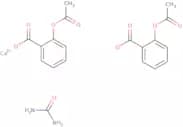
CAS :Produit contrôléMercury chloride is a compound that consists of mercury and chlorine. It is used as an electrode in mercury-in-glass thermometers, which are used to measure temperature. Mercury chloride has also been used to detect the presence of mercurous ions in water. In addition, it is used as a reagent for qualitative determination of hydrogen peroxide and sulfur dioxide. Mercury chloride can be prepared by reacting sodium carbonate with mercurous nitrate or mercurous oxide at high temperatures. The reaction solution must be heated for about an hour to drive off the water vapor and produce the solid product. Mercury(I) chloride has been shown to have high resistance to oxidation and reduction reactions, making it a useful model system for studying redox potentials. The detection sensitivity of mercury(I) chloride is very low, but this can be increased by using t84 cells as a model system. This compound reacts with water molecules in the air, so sample preparation should include drying under vacuum or heating onFormule :Hg2Cl2Degré de pureté :Min. 95%Masse moléculaire :472.09 g/molCarbasalate calcium
CAS :Carbasalate calcium is useful in the treatment of chronic and acute infectious diseases, such as influenza, paratyphoid fever, bronchitis, and other respiratory tract infections. It also has been shown to be effective in the prevention of heart disease. Carbasalate calcium binds to the acetylsalicylic acid receptor site on the surface of platelets and prevents aggregation. This drug is a non-steroidal anti-inflammatory drug (NSAID) that inhibits prostaglandin synthesis by blocking cyclooxygenase enzymes. The pharmacological activity of carbasalate calcium is assessed by measuring its ability to inhibit platelet aggregation in whole blood samples from patients with congestive heart failure. The test solution is prepared by adding trifluoroacetic acid to a reaction solution that contains multivalent ions of calcium and acetylsalicylic acid. The amount of carbasalate calcium present in this mixture can be determined using LC-MS/MS analytical methods
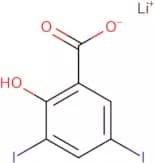
Formule :C20H22CaN4O10Degré de pureté :Min. 95%Couleur et forme :PowderMasse moléculaire :518.49 g/molLithium 3,5-diiodosalicylic acid
CAS :Lithium 3,5-diiodosalicylic acid (Li3,5I2SA) is a cross-linking agent that has been shown to inhibit phosphatase activity and receptor binding in vitro. It also inhibits sugar transport, which is important for the functioning of human cells. Li3,5I2SA has been used to study the action of drugs on cancer cells and spermatozoa. This compound has also been tested as an inhibitor of membrane lipid peroxidation. Li3,5I2SA attaches to red blood cell membranes by binding to sites with high concentrations of monoclonal antibodies. The sequences of this compound have not yet been fully elucidated.
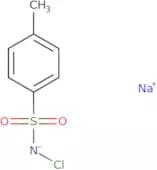
Formule :C7H4I2O3•LiDegré de pureté :Min. 98 Area-%Couleur et forme :PowderMasse moléculaire :396.85 g/molN-Chloro-4-toluenesulfonamide sodium
CAS :N-Chloro-4-toluenesulfonamide sodium (NCTS) is a disinfectant that is used to treat wastewater and as a preservative for water. It has been shown to be effective against bacteria, fungi, and viruses. NCTS is an antimicrobial agent that reacts with the matrix in which it is applied to form chloramines-T (NHClO). The chloramines-T inhibits the activity of enzymes such as those involved in DNA synthesis and protein synthesis. This reaction also generates an electric current due to the redox potentials of the reactants. The presence of aziridines in NCTS leads to crosslinking between proteins, which enhances its effectiveness as a disinfectant. NCTS has been shown to have no adverse effects on human erythrocytes or DNA when used at concentrations up to 100 µg/mL.Formule :C7H8ClNO2S•NaDegré de pureté :Min. 95%Couleur et forme :PowderMasse moléculaire :228.65 g/molCarbonyldiiodo(pentamethylcyclopentadienyl)cobalt(III)
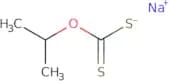
CAS :Carbonyldiiodo(pentamethylcyclopentadienyl)cobalt(III) is a high-quality, reagent, complex compound that is useful as a reaction component in the production of fine chemicals and speciality chemicals. It is also used as a building block for more complex compounds. This versatile building block can be used to produce research chemicals, useful scaffolds and building blocks for organic synthesis. Carbonyldiiodo(pentamethylcyclopentadienyl)cobalt(III) has CAS number 35886-64-7.Formule :C11H15CoI2ODegré de pureté :Min. 95%Couleur et forme :Black SolidMasse moléculaire :475.98 g/molSodium isopropylxanthate
CAS :Sodium isopropylxanthate is a chemical compound that is used in the production of chitosan polymers. It is a white solid that is soluble in water and methanol, with a melting point of about 150-160°C. The adsorption mechanism of this chemical compound has been shown to be through hydrogen bonding between hydroxyl groups on the surface of pyrite and xanthate anions, which are ionized at the pH values present in the environment. Sodium isopropylxanthate has been shown to interact with chitosan polymer, which can be electrochemically detected through impedance spectroscopy. Furthermore, it can react with benzyl groups to form carbon disulphide, which has a redox potential of -0.5V, suggesting that sodium isopropylxanthate should be added to solutions containing benzyl groups at concentrations below its optimum concentration for maximum effectiveness. This chemical compound also shows uptakeFormule :C4H7NaOS2Degré de pureté :Min. 90%Couleur et forme :Off-White PowderMasse moléculaire :158.22 g/molSulfo-N-succinimidyl 6-[3-(2-pyridyldithio)propionamido] hexanoate, sodium salt
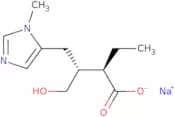
CAS :Sulfo-N-succinimidyl 6-[3-(2-pyridyldithio)propionamido] hexanoate, sodium salt is a monoclonal antibody that binds to survivin and inhibits the immune reaction. It has been shown to be effective against P. aeruginosa and metallothionein with a strong binding affinity for antigen and can be used as an immobilization agent for nanosensors.Formule :C18H22N3NaO8S3Degré de pureté :Min. 95%Couleur et forme :Off-White To Tan SolidMasse moléculaire :527.57 g/molIsopilocarpic acid sodium salt
CAS :Isopilocarpic acid sodium salt is a synthetic compound that contains methyl groups and electron. It is an utilizable and liquid chromatographic compound with an acyl group. Isopilocarpic acid sodium salt has been shown to be a prodrug derivative that is hydrolyzed to form the active methylene and hydroxy groups. The aliphatic chain in this compound can be ethylene or benzyl.Formule :C11H17N2NaO3Degré de pureté :Min. 95%Couleur et forme :White PowderMasse moléculaire :248.25 g/molDipotassium hydrogen phosphite
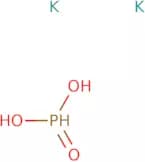
CAS :Dipotassium hydrogen phosphite is a versatile building block that has many uses in research and commercial laboratories. It can be used as a reagent, intermediate, or scaffold for the synthesis of other compounds. Dipotassium hydrogen phosphite has been shown to have high quality and purity, making it an excellent choice for any chemical synthesis.Formule :H3O3P·2KCouleur et forme :PowderMasse moléculaire :160.19 g/mol(1,5-Cyclooctadiene)bis(methyldiphenylphosphine) iridium(I) hexafluorophosphate
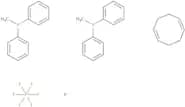
CAS :(1,5-Cyclooctadiene)bis(methyldiphenylphosphine) iridium(I) hexafluorophosphate is an organometallic compound that is a reagent for the synthesis of β-unsaturated aldehydes. It can be used in organic solvents such as diethyl ether and hexanes to transvinylate anion with methanol or ethylene glycol to produce propenyl alcohols. (1,5-Cyclooctadiene)bis(methyldiphenylphosphine) iridium(I) hexafluorophosphate has been found to be insoluble in water, alcohols, and acetals.
Formule :C34H38F6IrP3Degré de pureté :Min. 97%Couleur et forme :PowderMasse moléculaire :845.79 g/molEosin Y disodium salt
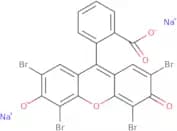
CAS :Eosin Y, a red xanthene dye, has been noted to reduce the affinity of Mg2+-ATPase for ATP and increase the enzyme affinity for Mg2+ at concentrations of 10-50 μM. At higher concentrations near 100 μM the affinity for Mg2+-ATPase for the ion-activator has been shown to be reduced. This compound has also been reported to be a photosensitizer that works as a molecular photoelectrode via catalyzation of the visible-light-driven electron-transfer reaction. Eosin Y has been used to stain structures such as muscle, cytoplasm, and collagen. This agent also enhances fluorescent quenching abilities by forming a complex with polyvinulpyrrolidone.
Formule :C20H6Br4Na2O5Degré de pureté :Min. 95%Couleur et forme :Brown PowderMasse moléculaire :691.85 g/molAcamprosate calcium
CAS :GABA receptor agonist; threatment for alcohol dependence
Formule :C10H20CaN2O8S2Degré de pureté :Min 98%Couleur et forme :White PowderMasse moléculaire :400.48 g/molDihexyl sodium sulfosuccinate, 80% aqueous solution
CAS :Dihexyl sodium sulfosuccinate is a compound used as a substrate film in tumor treatment. It is an anhydrous sodium salt of sulfosuccinic acid and has a high resistance to radiation and oxidation. The hydroxyl group on the dihexyl sodium sulfosuccinate molecule allows the polymer to be dissolved in water. The receptor molecule, surfactant, can be used to control the particle size of the polymer. This product was injected into tumors to study its effect on tumor size and weight.Formule :C16H30O7S•NaDegré de pureté :79 To 81%Couleur et forme :Clear LiquidMasse moléculaire :389.46 g/molPotassium 4-biphenylcarboxylate
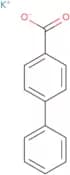
CAS :Potassium 4-biphenylcarboxylate is a fine chemical that is a useful intermediate for research chemicals. It is a versatile building block and can be used as a reaction component in the synthesis of complex compounds. Potassium 4-biphenylcarboxylate has been shown to react with polystyrene to form poly(4-phenoxybutadiene), which is known for its high quality and good solubility. Potassium 4-biphenylcarboxylate has also been shown to have antioxidant properties, which may be due to its ability to scavenge reactive oxygen species (ROS).Formule :C13H9O2•KDegré de pureté :Min. 95%Couleur et forme :PowderMasse moléculaire :236.31 g/molSodium pyroantimonate
CAS :Sodium pyroantimonate is a chemical compound that has been used as an intermediate in the synthesis of other, more complex compounds. It is a white solid with a melting point of about 300°C. This compound can be used to react with substances containing carbon, sulfur, or nitrogen. It can also be used as a reagent for the preparation of other chemicals. Sodium pyroantimonate is not soluble in water and does not react with acids or bases.
Formule :H2Na2O7Sb2Couleur et forme :PowderMasse moléculaire :403.51 g/molTetrakis[N-phthaloyl-(R)-tert-leucinato]dirhodium bis(ethyl acetate) adduct
CAS :Tetrakis[N-phthaloyl-(R)-tert-leucinato]dirhodium bis(ethyl acetate) adduct is a reagent that is used in organic synthesis and research. It has been shown to be useful as a scaffold for the synthesis of complex compounds, such as polymers. Tetrakis[N-phthaloyl-(R)-tert-leucinato]dirhodium bis(ethyl acetate) adduct can be used as an intermediate in the production of fine chemicals and speciality chemicals, as well as a versatile building block for the synthesis of diverse chemical compounds.
Formule :C56H56N4O16Rh2·C8H16O4Degré de pureté :Min. 95%Couleur et forme :Yellow To Brown To Dark Green SolidMasse moléculaire :1423.08Ferulic acid 4-O-sulfate disodium salt
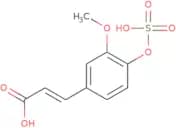
CAS :Ferulic acid 4-O-sulfate disodium salt is a compound belonging to the class of hydroxybenzoic acids. It is found in plant and animal tissue, as well as in urine samples. Ferulic acid 4-O-sulfate disodium salt has been shown to have antitumorigenic activity on thp-1 cells by inhibiting activation of toll-like receptor 2 (TLR2). It also inhibits the production of proinflammatory cytokines and interleukin 6 (IL6) in human macrophages. Ferulic acid 4-O-sulfate disodium salt may be a potential chemopreventive agent for women with breast cancer who are at high risk for recurrence. In addition, ferulic acid 4-O-sulfate disodium salt may have antiobesity properties that are mediated through inhibition of fatty acid synthesis in humans.
Formule :C10H8Na2O7SDegré de pureté :Min. 95%Couleur et forme :White Off-White PowderMasse moléculaire :318.21 g/molSodium Hexadecyl Sulfate - contains ca. 40% Sodium Stearyl Sulfate
CAS :Sodium hexadecyl sulfate is a nonionic surfactant with emulsifying and solubilizing properties. It is used as an industrial chemical, a catalyst for the synthesis of pharmaceuticals, and in textile processing. It has been shown to be effective in the production of chlorophyll a. Sodium hexadecyl sulfate is also used as a fluorescence probe to measure metal ions such as Ca2+, Cu2+, Fe3+, Mn2+, Ni2+ and Zn2+. The process optimization of this compound can be measured by titration calorimetry or ester hydrochloride. Molecular weight: 564.4 Molecular formula: C18H36O3S Boiling point: 230 °C Melting point: -5 °CFormule :C16H33NaO4SDegré de pureté :(Gc) Min. 50.0%Couleur et forme :PowderMasse moléculaire :344.49 g/molEtidronate disodium
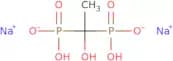
CAS :Atherosclerotic plaque inhibitor; anti-bone resorptive therapy
Formule :C2H6Na2O7P2·xH2ODegré de pureté :Min. 95%Couleur et forme :PowderMasse moléculaire :249.99 g/molCitric acid tripotassium monohydrate
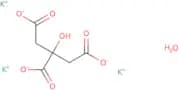
CAS :Citric acid tripotassium salt monohydrate is a membrane-stabilizing agent that has been shown to improve the function of the circuitry in animals. It has been used for the treatment of motoneurons and muscle pain. Citric acid tripotassium salt monohydrate has also been found to be an effective treatment for chronic pain, which may be due to its ability to block pain signals from reaching the brain. This drug has also shown efficacy in treating neurological disorders such as Parkinson's disease, Alzheimer's disease, and multiple sclerosis. Citric acid tripotassium salt monohydrate is effective at improving the physiological mechanisms that are responsible for translating nervous system activity into movement.Formule :C6H8O7•H2O•K3Degré de pureté :Min. 95%Couleur et forme :White To Off-White SolidMasse moléculaire :237.43 g/molDoxycycline calcium
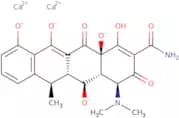
CAS :Antibiotic; anti-protozoal; anti-helmintic; protein synthesis inhibitorFormule :C22H24N2O8·2CaDegré de pureté :Min. 95%Masse moléculaire :524.59 g/mol1-[[5-(p-Nitrophenyl)furfurylidene]amino]-hydantoin sodium
CAS :Dantrolene sodium is a muscle relaxant that belongs to the group of pharmacological agents. It is used to treat muscle spasms and hyperactivity in patients with neuromuscular disorders. Dantrolene sodium inhibits calcium release by blocking the activity of the enzyme ryanodine receptor in skeletal muscle cells. This inhibition prevents uncontrolled contraction of muscles and reduces their energy consumption. The drug also has an effect on malignant hyperthermia, which is caused by an increase in the production of adenosine triphosphate (ATP) due to increased cellular metabolism. Dantrolene sodium can inhibit ATP synthesis, thus reducing energy production and stabilizing cell membranes, thereby preventing cell death in neurons and other tissues.
Formule :C14H10N4O5•NaDegré de pureté :Min. 95%Couleur et forme :Yellow PowderMasse moléculaire :337.24 g/molPotassium ferricyanide
CAS :Produit contrôléPotassium ferricyanide is a metal salt that has been used as a model system to study the rate constant of antimicrobial agents. It is also used in wastewater treatment and analytical methods, such as chemiluminescence. Potassium ferricyanide reacts with an electron-donating substance, such as sodium dodecyl sulfate or an organic compound containing hydroxyl groups, to form a radical anion. The radical anion can react with oxygen to form chemiluminescence. Potassium ferricyanide is also a useful reagent for analytical determination of metals such as iron and copper by complexation with chelating agents.
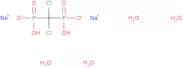
Formule :C6FeN6•K3Degré de pureté :Min. 95%Couleur et forme :PowderMasse moléculaire :329.24 g/molDisodium clodronate tetrahydrate
CAS :Disodium clodronate tetrahydrate is a water-soluble salt of the active form of clodronic acid, which has been shown to have anti-inflammatory activity. It is used in the treatment of breast cancer, as well as bowel disease. Disodium clodronate tetrahydrate inhibits basic protein synthesis and the production of pro-inflammatory cytokines by toll-like receptor 4 (TLR4) on polymorphonuclear leucocytes (PMN). This drug has also been shown to inhibit the enzyme activities of sodium salts, but not other enzymes such as phosphofructokinase or lactate dehydrogenase. Disodium clodronate tetrahydrate is also used in analytical methods that are based on measuring changes in the migration rate of proteins.Formule :CH2Cl2Na2O6P2·4H2OCouleur et forme :White PowderMasse moléculaire :360.92 g/mol











![Sulfo-N-succinimidyl 6-[3-(2-pyridyldithio)propionamido] hexanoate, sodium salt](/_next/image/?url=https%3A%2Fstatic.cymitquimica.com%2Fproducts%2F3D%2Fthumb-webp%2FFS27955.webp&w=3840&q=75)


![Tetrakis[N-phthaloyl-(R)-tert-leucinato]dirhodium bis(ethyl acetate) adduct](/_next/image/?url=https%3A%2Fstatic.cymitquimica.com%2Fproducts%2F3D%2Fthumb-webp%2FFT60015.webp&w=3840&q=75)

![1-[[5-(p-Nitrophenyl)furfurylidene]amino]-hydantoin sodium](/_next/image/?url=https%3A%2Fstatic.cymitquimica.com%2Fproducts%2F3D%2Fthumb-webp%2FFN44999.webp&w=3840&q=75)