Sels métalliques
2872 produits trouvés pour "Sels métalliques"
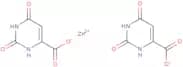
Zinc orotate
CAS :Zinc orotate is a mineral supplement that contains elemental zinc in the form of an orotate salt. It is used to treat or prevent zinc deficiency and for the prevention and treatment of various conditions, such as liver lesions, antimicrobial agents, brain functions, and energy metabolism. Zinc is an essential mineral that is required for normal growth and development. Zinc also plays a role in maintaining healthy skin and hair. The physiological levels of zinc are 10-20 mg per day for adults. Zinc orotate provides 100% of the daily requirement (15 mg) in just one tablet.Formule :C10H6N4O8Zn·2H2ODegré de pureté :Min. 95%Couleur et forme :White PowderMasse moléculaire :411.59 g/molSodium decyl sulfate
CAS :Sodium decyl sulfate is a surfactant used in the preparation of biological samples for analysis using mass spectrometry. This compound forms a disulfide bond with cysteine residues on proteins, which can be cleaved by reducing agents such as dithiothreitol or mercaptoethanol. Sodium decyl sulfate also has potent antitumor activity and is used to treat autoimmune diseases such as multiple sclerosis. The thermal expansion of this compound is proportional to the vapor pressure of water over the range from 0-100°C, and it has been shown to have a constant pressure at temperatures below 100°C. Furthermore, sodium decyl sulfate has been found to be chiral and binds to receptor molecules that are hydrophobic in nature.
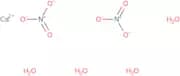
Formule :C10H21O4SNaDegré de pureté :Min. 95%Couleur et forme :White PowderMasse moléculaire :260.33 g/molCalcium nitrate tetrahydrate
CAS :Produit contrôléCalcium nitrate tetrahydrate (CNT) is a calcium salt of nitric acid that has been used in the past to control insects. It is an oxidizing agent and is used as a fertilizer. CNT reacts with water to produce heat and water vapor, which can be used for heating or cooking. When heated, CNT decomposes into calcium nitrite and nitrogen dioxide. The structural analysis of CNT was carried out by X-ray diffraction and thermodynamic data were obtained by differential scanning calorimetry. The thermal expansion coefficient of CNT was determined by DTA experiments.Formule :Ca(NO3)2•(H2O)4Degré de pureté :Min. 95%Masse moléculaire :236.15 g/molTetrakis[N-tetrachlorophthaloyl-(S)-tert-leucinato]dirhodium Bis(ethyl Acetate) Adduct
CAS :Please enquire for more information about Tetrakis[N-tetrachlorophthaloyl-(S)-tert-leucinato]dirhodium Bis(ethyl Acetate) Adduct including the price, delivery time and more detailed product information at the technical inquiry form on this pageFormule :C56H40Cl16N4O16Rh2·C8H16O4Degré de pureté :Min. 95%Masse moléculaire :1,974.2 g/molSodium tetrachloropalladate(II)
CAS :Sodium tetrachloropalladate(II) is a photoelectron acceptor that absorbs x-rays in the wavelength range of 0.2-1.5 Å. It is used as a nanomaterial for the preparation of microspheres and optical devices. Sodium tetrachloropalladate(II) has been shown to have a chloride ion content of 36%. The chemical composition of this element can be determined by using preparative methods such as suzuki coupling reaction, phase chromatography, or elemental analysis. The isolated yield of sodium tetrachloropalladate(II) can be determined by immobilizing it on an ion exchange resin and eluting with 0.1 M HCl.Formule :Cl4Na2PdDegré de pureté :Min. 95%Masse moléculaire :294.21 g/molDichloro[1,3-Bis(2,6-diisopropylphenyl)imidazolyl-2-idene](3-chloropyridyl)palladium(IV)
CAS :Produit contrôléDichloro[1,3-Bis(2,6-diisopropylphenyl)imidazolyl-2-idene](3-chloropyridyl)palladium(IV) is an insoluble molecule with a beige color. The molecule belongs to the class of palladium catalyzed cross coupling reactions. It can react with various halides and has been shown to have functionalities, skeleton and reactive groups. This compound is used in synthetic organic chemistry in order to generate sequences with chloride and pentane.Formule :C32H40Cl3N3PdDegré de pureté :Min. 95%Couleur et forme :PowderMasse moléculaire :679.46 g/molBis(tricyclohexylphosphine)palladium(II) Dichloride
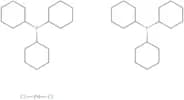
CAS :Produit contrôléBis(tricyclohexylphosphine)palladium(II) Dichloride is a cross-coupling agent that is used for the synthesis of organic and organometallic compounds. It reacts with terminal alkynes to form a phosphine oxide, which can then be converted into an arylated product. The reaction proceeds by the formation of a palladium-carbon bond and subsequent cleavage of the carbon-palladium bond in the presence of ammonium formate. Bis(tricyclohexylphosphine)palladium(II) Dichloride is insoluble in water, but soluble in organic solvents such as dichloromethane, 1,2-dichloroethane, or chloroform. This reagent has been shown to enhance the rate of transfer reactions between monomers.Formule :C36H66Cl2P2PdDegré de pureté :Min. 95%Masse moléculaire :738.18 g/molSuccinyl coenzyme A sodium
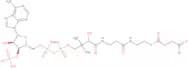
CAS :Succinyl coenzyme A sodium (SCCA) is a membrane-permeable probe that can be used to measure the mitochondrial membrane potential. SCCA is transported into mitochondria and reduced by dehydrogenase, resulting in an increase in the concentration of its oxidized form, succinic semialdehyde. This increase in extracellular concentrations of succinic semialdehyde can be detected using high performance liquid chromatography with fluorescence detection. The use of this probe has been shown to be useful for measuring mitochondrial function in live cells and tissues, and for investigating genetic disorders that affect mitochondrial function.
Formule :C25H40N7O19P3S•NaxDegré de pureté :Min. 95%Masse moléculaire :889.59 g/molSodium phenoxide
CAS :Sodium phenoxide is a glycol ether that has been used to treat wastewater containing phenol and p-hydroxybenzoic acid. The reaction solution is prepared by mixing the desired amount of sodium phenoxide with an excess of copper chloride in anhydrous sodium. This process can be monitored using electrochemical impedance spectroscopy, which provides information about the chemical stability of the product. The use of sodium phenoxide as a wastewater treatment agent can be evaluated through treatment trials, where it is mixed with wastewater containing different concentrations of inhibitor drugs such as metoprolol succinate. Langmuir adsorption isotherm can also be used to determine the effectiveness of this product for wastewater treatment purposes.Formule :C6H5O·NaDegré de pureté :Min. 95%Couleur et forme :PowderMasse moléculaire :116.09 g/molVinylferrocene
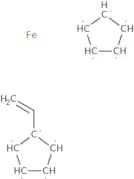
CAS :Vinylferrocene is a zirconium-containing compound that can be used as an electrode material for sensors and electrochemical impedance spectroscopy. It has been shown to react with 3-mercaptopropionic acid at high temperatures in the presence of a palladium catalyst, producing polymer films with cationic polymerization. The phase transition temperature of Vinylferrocene has been shown to be between -30°C and -35°C using gravimetric analysis. The transfer reactions of Vinylferrocene are likely due to the carbonyl groups present on its surface. Vinylferrocene has been shown to have excellent electrochemical properties, including a reversible charge transfer resistance that is significantly lower than other materials such as gold. This property makes it an excellent candidate for use as electrodes in sensors.
Formule :C12H12FeDegré de pureté :Min. 95%Couleur et forme :Yellow PowderMasse moléculaire :212.07 g/molSinalbin potassium
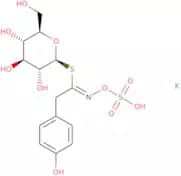
CAS :Sinalbin potassium is a chemical compound that serves as a glucosinolate derivative, specifically sourced from white mustard seeds. It is a naturally occurring molecule that undergoes enzymatic conversion to yield biologically active substances. This compound is primarily characterized by its role in plant defense mechanisms, where it participates in chemical reactions that deter herbivores and pathogens.
Formule :C14H18NO10S2·KDegré de pureté :Min. 95%Couleur et forme :Off-White PowderMasse moléculaire :463.52 g/molPlatinum(IV) oxide monohydrate
CAS :Platinum(IV) oxide monohydrate (PtO) is a compound used as an oxidation catalyst in organic synthesis. It can be used to oxidize fatty acids in rat liver microsomes and has been shown to hydrolyze hydrogenated, hydrated, and nitro fatty acids. PtO also has the ability to catalyze the oxidation of alcohols and ketones. Platinum(IV) oxide monohydrate is a brown powder that is soluble in water at high concentrations and slightly soluble in methanol. It has a molecular weight of 243.3 g/mol and a melting point of over 2000 °C. PtO can be analyzed by determining its mass spectrum or its fluorescence properties with a specific probe.
Formule :PtO2•H2ODegré de pureté :Min. 95%Couleur et forme :PowderMasse moléculaire :245.09 g/molBismuth hydroxide
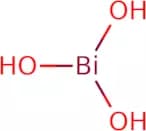
CAS :Bismuth hydroxide is a white powder that is insoluble in water and has a pH of 3.5 to 4.5. It is used as an antimicrobial agent and can be used to treat urinary tract infections and dental plaque. Bismuth hydroxide is added to the acidic solution of hydrochloric acid, sodium citrate, and galacturonic acid to form a bismuth citrate complex that can be analyzed by various methods, including the analytical method of particle size distribution using zirconium oxide. This metal hydroxide has been shown to have transport properties that are dependent on temperature changes, with large increases in particle size at high temperatures. Bismuth hydroxide also has antifungal activity against usnic acid-producing fungi such as Candida albicans and Saccharomyces cerevisiae.Degré de pureté :Min. 95%Silver tetrafluoroborate
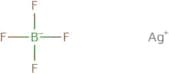
CAS :Silver tetrafluoroborate (AgBF) is a chemical reagent that is used in analytical chemistry and structural analysis. It has shown to be a stable complex with organic molecules, such as fatty acids, and has been used to study the properties of these compounds. AgBF is an inorganic salt that can be synthesized by reacting silver nitrate and barium fluoride in the presence of trifluoroacetic acid. This compound has also been found to form stable complexes with organic molecules containing a hydroxyl group or nitrogen atom. The structure of AgBF has been determined through X-ray crystal structures and electron diffraction patterns. The molecule consists of two symmetric chains joined by a central disulfide bond.
Formule :AgBF4Degré de pureté :Min. 95%Couleur et forme :PowderMasse moléculaire :194.67 g/molThallium(I) acetate
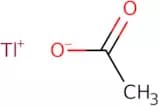
CAS :Used as a selective agent against gram-negative bacteria in selective mediaFormule :C2H3O2TlDegré de pureté :Min. 95%Masse moléculaire :263.43 g/molDichloro(1,1-bis(diphenylphosphino)ferrocene)palladium(II)acetoneadduct
CAS :Produit contrôléPlease enquire for more information about Dichloro(1,1-bis(diphenylphosphino)ferrocene)palladium(II)acetoneadduct including the price, delivery time and more detailed product information at the technical inquiry form on this page
Formule :C37H34Cl2FeOP2PdDegré de pureté :Min. 95%Masse moléculaire :789.78 g/molAluminum diacetate hydroxide
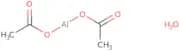
CAS :Aluminum diacetate hydroxide is a white powder that is soluble in water. It is used as a laser ablation material and can be used to seal chemical reactions. Aluminum diacetate hydroxide also functions as a gas sensor, with its sensitivity to aromatic hydrocarbons and fatty acids. This compound has clinical use in detergent compositions, where it prevents the formation of foam.Formule :C4H7AlO5Degré de pureté :Min. 28%Couleur et forme :PowderMasse moléculaire :162.08 g/molb-Glycerophosphoric acid disodium salt tetrahydrate
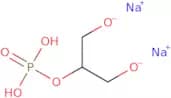
CAS :Glycerolipid metabolism componentFormule :C3H7O6P·2Na·4H2ODegré de pureté :Min. 95%Masse moléculaire :288.1 g/molPotassium periodate
CAS :Potassium periodate is an oxidizing agent that is used in analytical chemistry to oxidize the hydroxyl groups of glycolipids, glycoproteins, and glycoconjugates. Potassium periodate has been shown to be effective against infectious diseases such as HIV, hepatitis B virus, and herpes simplex virus. It has also been used as a nutrient solution in pharmaceutical preparations. The mechanism of this reaction is not fully understood but it is thought that the trifluoroacetic acid reacts with potassium periodate to form hypochlorous acid which then reacts with the amino group on the glycolipid or protein. This reaction results in a linear calibration curve for the concentration of hydroxyl ions.
Formule :KIO4Degré de pureté :Min. 95%Masse moléculaire :230 g/molLithium tetrakis(pentafluorophenyl)borate ethyl etherate
CAS :Produit contrôléLithium tetrakis(pentafluorophenyl)borate ethyl etherate is a lithium salt of the etherate ester of pentafluorophenylboronic acid (B(C6F5)3). The complex is an electron donor and ligand, which can stabilize the high-energy intermediate state in the reaction. Lithium tetrakis(pentafluorophenyl)borate ethyl etherate reacts with magnesium to form a magnesium salt and ethylene. This product can be used as a co-catalyst for coupling reactions, such as the synthesis of cyclic compounds from alkenes.Formule :C24BF20·(C4H10O)2·LiDegré de pureté :Min. 95%Masse moléculaire :760.11 g/molAntimony(III) acetate
CAS :Antimony(III) acetate is a catalyst that is used in glycol esters and other organic reactions. It has been shown to have an activity index of 1.2-1.5, which means it can be used in place of antimony trioxide for many purposes. The chemical species is the film-forming polymer with particle size between 0.2-0.4 microns and a hydroxide solution of pH 3-6. Antimony(III) acetate can be used in the production of polymers with high viscosity, such as polyester, polyurethane, or polyethylene terephthalate (PET). This catalyst also reacts with hydrochloric acid or trifluoroacetic acid to produce a polymer film that is used in various applications such as coatings and adhesives.br>br> The following are some common uses for this product:Formule :C6H12O6•SbDegré de pureté :Min. 95%Couleur et forme :PowderMasse moléculaire :301.92 g/molCalcium pyrophosphate
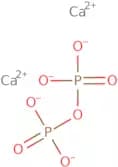
CAS :Calcium pyrophosphate is a compound that is used in the diagnosis and treatment of chronic arthritis. It has been shown to induce caspase-independent cell death and inhibit the proliferation of fibroblasts. Calcium pyrophosphate also inhibits nuclear DNA fragmentation and caspases, which are proteins that are involved in apoptosis. This drug has a structural analysis that shows it to be a crystalline compound with a molecular weight of 622.6 Da. The crystals are composed of two calcium ions, two phosphate ions, one pyrophosphate ion, and three water molecules. Calcium pyrophosphate is biocompatible and can be used as a coating for medical implants because it does not cause any inflammation or organ rejection.
Formule :Ca2P2O7Degré de pureté :Min. 95%Couleur et forme :SolidMasse moléculaire :254.1 g/molPhosphatidylinositol-bis-4,5-phosphate sodium salt
Please enquire for more information about Phosphatidylinositol-bis-4,5-phosphate sodium salt including the price, delivery time and more detailed product information at the technical inquiry form on this pageDegré de pureté :Min. 95%[1,4-Bis(diphenylphosphino)butane]palladium(II) Dichloride
CAS :Produit contrôlé[1,4-Bis(diphenylphosphino)butane]palladium(II) dichloride (PdCl2(DPPB)) is a covalent catalyst that is used in the cross-coupling of styrene with chlorides. It has been shown to be a very effective catalyst for this reaction and yields high yields. The use of this catalyst allows for the quantification of the phosphine ligand that is used in the reaction. [1,4-Bis(diphenylphosphino)butane]palladium(II) dichloride has also been shown to be an efficient catalyst for other reactions, such as solvents and diphosphine ligands.Formule :C28H28Cl2P2PdDegré de pureté :Min. 95%Masse moléculaire :603.79 g/molIridium(III) acetylacetonate
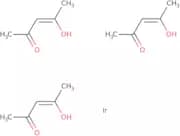
CAS :Iridium(III) acetylacetonate is a coordination complex that is used as an oxidation catalyst. It has the ability to increase the rate of reactions in which water is the reactant or product. Iridium(III) acetylacetonate has a square-planar geometry, with four ligands bound to each metal ion. The coordination geometry of this complex determines its reactivity and selectivity. The reactivity of iridium(III) acetylacetonate can be enhanced by using less soluble salts, such as sodium carbonate or fluorine, to dissolve it in solution. This complex undergoes reaction mechanisms involving hydrogen abstraction and reductive elimination, depending on the conditions of the reaction solution. Iridium(III) acetylacetonate has been used for coatings on glass substrates and as a catalyst for growth kinetics studies and mechanism studies.Formule :C15H21IrO6Degré de pureté :Min. 95%Couleur et forme :PowderMasse moléculaire :489.54 g/molEthynylferrocene
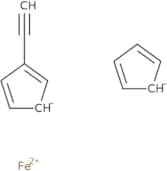
CAS :Ethynylferrocene is a molecule that has a redox potential and can be reduced to ferrocene by hydrogen-reducing agents. Ethynylferrocene can also undergo oxidation reactions with the help of oxidizing agents to form ethynylpalladium. The biological properties of this molecule have been studied extensively and it has been found to bind to receptor molecules, such as dopamine receptors, in the body. The binding of this molecule to these receptors may cause changes in cell signaling pathways and gene expression. Ethynylferrocene is a member of the class of purine derivatives that are known for their ability to bind hydrogen atoms and form hydrogen bonding interactions with other molecules. This property is useful in the palladium-catalyzed coupling reaction, which is used to produce a variety of organic compounds.
Formule :C12H10FeDegré de pureté :Min. 95%Couleur et forme :PowderMasse moléculaire :210.05 g/molTrisodium glycyrrhizinate
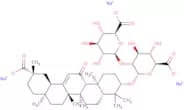
CAS :Trisodium glycyrrhizinate is a fatty acid that acts as an absorption enhancer. It has been shown to have antihypertensive activity and to protect against hepatic tissue damage in experimental models. Trisodium glycyrrhizinate also exhibits antiviral activity and has been shown to be effective against viruses such as HIV, herpes simplex virus, and influenza A. Trisodium glycyrrhizinate is poorly absorbed by the body, which may be due to its high molecular weight and low water solubility. The bioavailability of trisodium glycyrrhizinate can be increased significantly by using it with a film-forming polymer or diphenyl ether. This product is found in various foods such as ganoderma lucidum (a Chinese herbal medicine) and some types of licorice candy.Formule :C42H59Na3O16Degré de pureté :80%MinMasse moléculaire :888.88 g/mol4-Methoxybenzyl chloride - stabilised with potassium carbonate
CAS :4-Methoxybenzyl chloride is a chemotherapeutic agent that inhibits the binding of inhibitor molecules to their target proteins. It has been shown to inhibit the binding of uridine and methanol solvent to their targets, which are enzymes in the synthesis of nucleic acids. The inhibition of these enzymes prevents DNA replication and protein synthesis, leading to cell death. 4-Methoxybenzyl chloride has been found to be effective in treating autoimmune diseases and solid tumours, as well as being an antimicrobial treatment for microbial infections. 4-Methoxybenzyl chloride is also used in chemical syntheses for its ability to undergo cationic polymerization and asymmetric synthesis.Formule :C8H9ClODegré de pureté :Min. 95%Couleur et forme :Colorless Clear LiquidMasse moléculaire :156.61 g/molIodosulfuron-methyl sodium
CAS :Iodosulfuron-methyl sodium is a herbicide that inhibits the activity of lipid-metabolizing enzymes in plants. It inhibits the action of phosphatases, which are enzymes that catalyze hydrolysis of phosphoric acid esters, and can be used to control weeds. Iodosulfuron-methyl sodium has been shown to have synergistic interactions with other herbicides, such as 2,4-D or dicamba. The effective dose for this product varies depending on the plant species and type of soil.
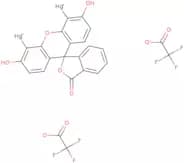
Formule :C14H13IN5NaO6SDegré de pureté :Min. 90 Area-%Couleur et forme :White Off-White PowderMasse moléculaire :529.24 g/molBis(2,2,2-trifluoroacetato-kO)di-mercury fluorescein
CAS :Produit contrôléPlease enquire for more information about Bis(2,2,2-trifluoroacetato-kO)di-mercury fluorescein including the price, delivery time and more detailed product information at the technical inquiry form on this pageFormule :C24H10F6Hg2O9Degré de pureté :Min. 95%Masse moléculaire :957.5 g/molTris(2-phenylpyridine)iridium
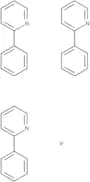
CAS :Tris(2-phenylpyridine)iridium (IrCl) is a coordination compound that is used as a catalyst to initiate cationic polymerization of biphenyl. It is also used as an analytical reagent for determining the content of fatty acids in oils and fats. The steric interactions between the phenyl groups and the electron-rich iridium atoms lead to a high degree of conversion of ethylene oxide to ethylene glycol, which can be observed by UV absorption. The synthesis of IrCl occurs in two steps: first, the reaction of chloroacetone with phenylmagnesium bromide followed by addition of hydrated iridium chloride. The product crystallizes in red needles, which are analyzed using x-ray crystal structures. Analysis using nmr spectroscopy reveals that IrCl contains four nitrogen atoms and three oxygen atoms. Its redox potentials are -0.9 volts for oxidation and +1.3 volts for reduction, makingFormule :C33H24IrN3Degré de pureté :Min. 98 Area-%Couleur et forme :PowderMasse moléculaire :654.78 g/molBis(Benzonitrile)palladium(II) chloride
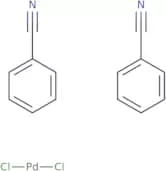
CAS :Produit contrôléBis(benzonitrile)palladium(II) chloride is a palladium complex with the coordination geometry of square-planar. It has been shown to undergo a suzuki coupling reaction when reacted with an aromatic hydrocarbon, such as benzene or toluene, in the presence of sodium carbonate and nitrogen gas. This reaction produces an intramolecular hydrogen bond between the oxygen atom of the hydroxyl group and the nitrogen atom on the chelate ligand. Bis(benzonitrile)palladium(II) chloride has also been shown to be useful for generating x-ray crystal structures of metal complexes by using ft-ir spectroscopy. The chlorine atom from bis(benzonitrile)palladium(II) chloride may react with hydrochloric acid to produce a soluble complex that can be isolated by crystallography.Formule :C14H10Cl2N2PdDegré de pureté :Min. 95%Masse moléculaire :383.57 g/molBarium tetracyanoplatinate(II) hydrate
CAS :Produit contrôléPlease enquire for more information about Barium tetracyanoplatinate(II) hydrate including the price, delivery time and more detailed product information at the technical inquiry form on this pageFormule :C4H2BaN4OPtDegré de pureté :Min. 95%Masse moléculaire :454.5 g/molPotassium chlorate
CAS :Produit contrôléPotassium chlorate is a strong oxidizing agent and a salt of potassium and chlorate. Potassium chlorate is used as an oxidizer in fireworks, propellants, and for the treatment of wastewater. It can also be used to generate chlorine dioxide, which is used as a disinfectant. Potassium chlorate has been shown to have genotoxic effects on rat liver cells, which may be due to its ability to induce transcriptional regulation by altering DNA methylation status. Chronic exposure to high concentrations of potassium chlorate can cause apical necrosis in rats. This type of necrosis is caused by the accumulation of potassium ions that lead to a disruption in membrane integrity. Chlorates are also known to cause chronic renal toxicity via oxidative stress mechanisms.Formule :ClKO3Degré de pureté :Min. 95%Couleur et forme :White SolidMasse moléculaire :122.55 g/molTitanium(IV) isopropoxide
CAS :Titanium(IV) isopropoxide is a chemical compound with the formula Ti(OCH(CH)) (i-Pr). It is an organotitanium compound that reacts with water to form titanium hydroxide. The compound has a low vapor pressure and a high melting point, which makes it well suited for use in high temperature environments. Titanium(IV) isopropoxide can be used as an additive to improve the corrosion resistance of metal surfaces, such as steel and copper. It also has been shown to have synergistic effects when combined with other additives, such as metal hydroxides or methyl glycosides.Formule :C12H28O4TiDegré de pureté :Min. 95%Masse moléculaire :284.22 g/molTauroursodeoxycholic acid, sodium salt
CAS :Tauroursodeoxycholic acid, sodium salt is a taurine-conjugated bile acid derivative, which is synthesized in the liver from ursodeoxycholic acid. It functions through its role in stabilizing the mitochondria and inhibiting apoptosis by modulating the unfolded protein response. This molecular action involves reducing endoplasmic reticulum stress, thereby providing cytoprotective effects in various cellular environments.Formule :C26H44NNaO6SDegré de pureté :Min. 95%Masse moléculaire :521.69 g/molHydroxymethanesulfinic acid monosodium salt dihydrate
CAS :Hydroxymethanesulfinic acid monosodium salt dihydrate (HMSD) is a chemical that can be used to remove sulfoxylate and formaldehyde in wastewater. It can also be used as a polymerization catalyst, an activator for epoxy resins, and as a stabilizer of glycol ethers. HMSD is formed by the reaction of methyl ethyl sulfoxide with copper chloride. This chemical has been shown to have thermal expansion properties and high chemical stability, making it useful for industrial processes involving polymerization or glycol esters.Formule :CH3NaO3S·2H2ODegré de pureté :Min. 95%Couleur et forme :White/Off-White SolidMasse moléculaire :154.12 g/molAmoxicillin dimer tri-sodium salt (penicilloic acid form) - mixture of diastereomers
Please enquire for more information about Amoxicillin dimer tri-sodium salt (penicilloic acid form) - mixture of diastereomers including the price, delivery time and more detailed product information at the technical inquiry form on this pageFormule :C32H27N6Na3O11S2Degré de pureté :Min. 95%Masse moléculaire :804.69 g/molPotassium phosphate dibasic , anhydrous - for HPLC, >99.0%
CAS :Potassium phosphate dibasic, anhydrous - for HPLC, >99.0% is a crystalline cellulose used as a model system for enzyme activities. It has been shown to have the same effects on enzymes as potassium phosphate monobasic and potassium dihydrogen phosphate. This product also has a use in radiation-induced damage studies due to its ability to absorb ionizing radiation.
Formule :K2HPO4Degré de pureté :Min. 95%Couleur et forme :PowderMasse moléculaire :174.18 g/molrac 5-Hydroxy valproic acid sodium
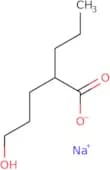
CAS :Please enquire for more information about rac 5-Hydroxy valproic acid sodium including the price, delivery time and more detailed product information at the technical inquiry form on this pageFormule :C8H16O3•NaDegré de pureté :Min. 95%Couleur et forme :PowderMasse moléculaire :183.2 g/mol[1,1'-Bis(diphenylphosphino)ferrocene]-dichloropalladium (II) dichloromethane complex
CAS :Produit contrôlé1,1'-Bis(diphenylphosphino)ferrocene]-dichloropalladium (II) dichloromethane complex is a fine chemical that is used as a scaffold for the synthesis of other compounds. It can be used as a building block to make other chemicals or as an intermediate in chemical reactions. It is also a versatile research chemical and is used to make speciality chemicals. 1,1'-Bis(diphenylphosphino)ferrocene]-dichloropalladium (II) dichloromethane complex has high quality and is a useful building block for making other compounds.Formule :C35H30Cl4P2PdFeDegré de pureté :Min. 95%Couleur et forme :Red PowderMasse moléculaire :816.64 g/molLithium thiocyanate hydrate
CAS :Lithium thiocyanate hydrate is a crystalline compound that consists of lithium, sulfur, and oxygen. It has been shown to have antihypertensive activity, which may be due to the inhibition of the enzyme angiotensin-converting enzyme (ACE). Lithium thiocyanate hydrate is used in pharmaceutical preparations as a coagulant and solvent. Crystals of this compound are formed by reacting lithium chloride with hexafluoroisopropanol in an aqueous solution containing metal ions. The crystals are macrocyclic structures consisting of alternating layers of lithium thiocyanate and sulfoxide groups. These groups form hydrogen bonds between adjacent layers, leading to the formation of the crystals' crystalline structure.Formule :LiSCN·xH2ODegré de pureté :(%) Min. 99.9%Couleur et forme :White PowderCobalt(II) oxide
CAS :Cobalt is a transition metal with the atomic number 27. It has an oxidation state of +2 and belongs to group 8 on the periodic table. Cobalt(II) oxide (CoO) is a black solid that can be formed by heating cobalt metal at temperatures greater than 1400°C. The electrochemical impedance spectroscopy of CoO shows that it has high resistivity and good electrical conductivity, making it useful for corrosion protection. Cobalt oxide is also used as a catalyst in chemical reactions, such as oxidation and reduction, due to its redox potential. Cobalt oxide can be produced from the reaction between hydrochloric acid and zirconium oxide by electrolysis, which produces an electric current. This process can be done in two ways: either by using an electrochemical cell or by laser ablation. The latter method is more efficient because it requires less energy input than using an electrochemical cell. In addition, CoO particles are spherical in shape, have
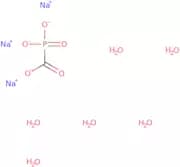
Formule :CoODegré de pureté :75%MinCouleur et forme :PowderMasse moléculaire :74.93 g/molTrisodium phosphonoformate hexahydrate
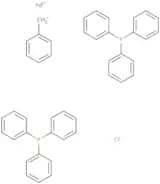
CAS :Trisodium phosphonoformate hexahydrate is a cytotoxic drug that is used to treat cytomegalovirus infections. It acts by inhibiting viral DNA polymerase and RNA synthesis, leading to cell death. Trisodium phosphonoformate hexahydrate can be used in combination with other antiviral drugs such as ganciclovir or foscarnet sodium for the treatment of HIV-1 infection. Trisodium phosphonoformate hexahydrate can also be used for prophylactic treatment against cytomegalovirus infection in immunosuppressed patients. This drug has been shown to be effective in reducing the incidence of CMV disease and mortality in transplant recipients who were undergoing low-dose chemotherapy. Trisodium phosphonoformate hexahydrate has been shown to be more effective than foscarnet sodium alone in preventing CMV disease and mortality during low-dose chemotherapy.Formule :CH12O11Na3PDegré de pureté :Min. 95%Couleur et forme :PowderMasse moléculaire :300.04 g/molBenzylbis(triphenylphosphine)palladium(II) Chloride
CAS :Produit contrôléBenzylbis(triphenylphosphine)palladium(II) Chloride is an organic compound that contains a benzene and palladium complex. The anion of this compound is chloride and it has been used as a reagent in the preparation of nitroarenes, porphyrin complexes, and various other organic compounds. This salt is insoluble in water and organic solvents, and it has been used as a sensor for chloride ions. Benzylbis(triphenylphosphine)palladium(II) Chloride’s color changes from green to red in the presence of chloride ions, which can be detected by potentiometric titration or colorimetric analysis.Formule :C43H37ClP2PdDegré de pureté :Min. 95%Masse moléculaire :757.57 g/molCopper(I) trifluoromethanesulfonate toluene complex
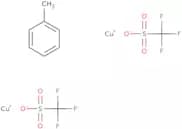
CAS :Produit contrôléToluene complex
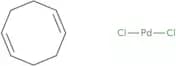
Formule :C9H8Cu2F6O6S2Degré de pureté :Min. 95%Masse moléculaire :517.37 g/molDichloro(1,5-cyclooctadiene)palladium(II)
CAS :Produit contrôléDichloro(1,5-cyclooctadiene)palladium(II) is a stable metal complex in which the chlorine atom is coordinated to two benzyl groups and one palladium atom. The chloride ion is coordinated to the palladium atom through a strong coordinate bond. The chloride ion is also coordinated to the two benzyl groups by weaker coordinate bonds. In the presence of sodium carbonate, hydrogen chloride and nitrogen gas, dichloro(1,5-cyclooctadiene)palladium(II) reacts with hydrogen chloride to form stable complexes that are soluble in water. These complexes can be used as catalysts for organic reactions because they are able to transfer hydrogen atoms between molecules without breaking covalent bonds. Dichloro(1,5-cyclooctadiene)palladium(II) has been shown to have antibacterial activity against Staphylococcus aureus and Pseudomonas aeruginosaFormule :C8H12Cl2PdDegré de pureté :Min. 98%Masse moléculaire :285.51 g/molSodium thiocyanate
CAS :Sodium thiocyanate is a salt that is used as an injection solution and reaction solution in the chemical laboratory. It reacts with water vapor to form sodium carbonate and hydrogen cyanide, which are then converted into sodium salts. The biological properties of this compound are not well-known, but it has been shown to be toxic to cells at high concentrations. Sodium thiocyanate is a salt that is used as an injection solution and reaction solution in the chemical laboratory. It reacts with water vapor to form sodium carbonate and hydrogen cyanide, which are then converted into sodium salts. The biological properties of this compound are not well-known, but it has been shown to be toxic to cells at high concentrations.
Formule :CNNaSDegré de pureté :Min. 95%Couleur et forme :White PowderMasse moléculaire :81.07 g/molDichlorotitanium Diisopropoxide
CAS :Produit contrôléDichlorotitanium Diisopropoxide is a novel reagent for the asymmetric synthesis of amides. The reaction mechanism is based on the formation of a chloride-containing titanium enolate from titanium tetrachloride and an amine. This enolate reacts with another molecule of titanium tetrachloride to form the desired amide. Dichlorotitanium Diisopropoxide has been used in the preparation of polymers, such as poly(vinyl chloride) and poly(methyl methacrylate). It has also been used to produce organic compounds, such as chloroform, dichloromethane, and chlorobenzene. The stereoselectivity can be controlled by changing the solvent used in this reaction.nowiki>END>>Formule :C6H14Cl2O2TiDegré de pureté :Min. 95%Masse moléculaire :236.95 g/molCesium bromide
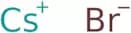
CAS :Cesium bromide is a chemical compound that has a high melting point. It is used as an ionic liquid and as a salt in analytical chemistry. Cesium bromide can be used to measure the thermal expansion of materials or to measure the hydrogen bond strength between two molecules. Cesium bromide is also used in membrane systems for water purification, and it can be used for radiation treatment of cancer cells. Cesium bromide can be found in wastewater treatment plants where it helps to remove halides and other contaminants from water vapor, providing kinetic energy to do so. Cesium bromide is also used as an analytical method for measuring hydrochloric acid, uv absorption, or chelate rings.Formule :CsBrDegré de pureté :Min. 95%Masse moléculaire :212.81 g/mol


![Tetrakis[N-tetrachlorophthaloyl-(S)-tert-leucinato]dirhodium Bis(ethyl Acetate) Adduct](/_next/image/?url=https%3A%2Fstatic.cymitquimica.com%2Fproducts%2F3D%2Fthumb-webp%2FFT60020.webp&w=3840&q=75)

palladium(IV)](/_next/image/?url=https%3A%2Fstatic.cymitquimica.com%2Fproducts%2F3D%2Fthumb-webp%2FFB157435.webp&w=3840&q=75)






![[1,4-Bis(diphenylphosphino)butane]palladium(II) Dichloride](/_next/image/?url=https%3A%2Fstatic.cymitquimica.com%2Fproducts%2F3D%2Fthumb-webp%2FFB60968.webp&w=3840&q=75)






![[1,1'-Bis(diphenylphosphino)ferrocene]-dichloropalladium (II) dichloromethane complex](/_next/image/?url=https%3A%2Fstatic.cymitquimica.com%2Fproducts%2F3D%2Fthumb-webp%2FFB31909.webp&w=3840&q=75)